




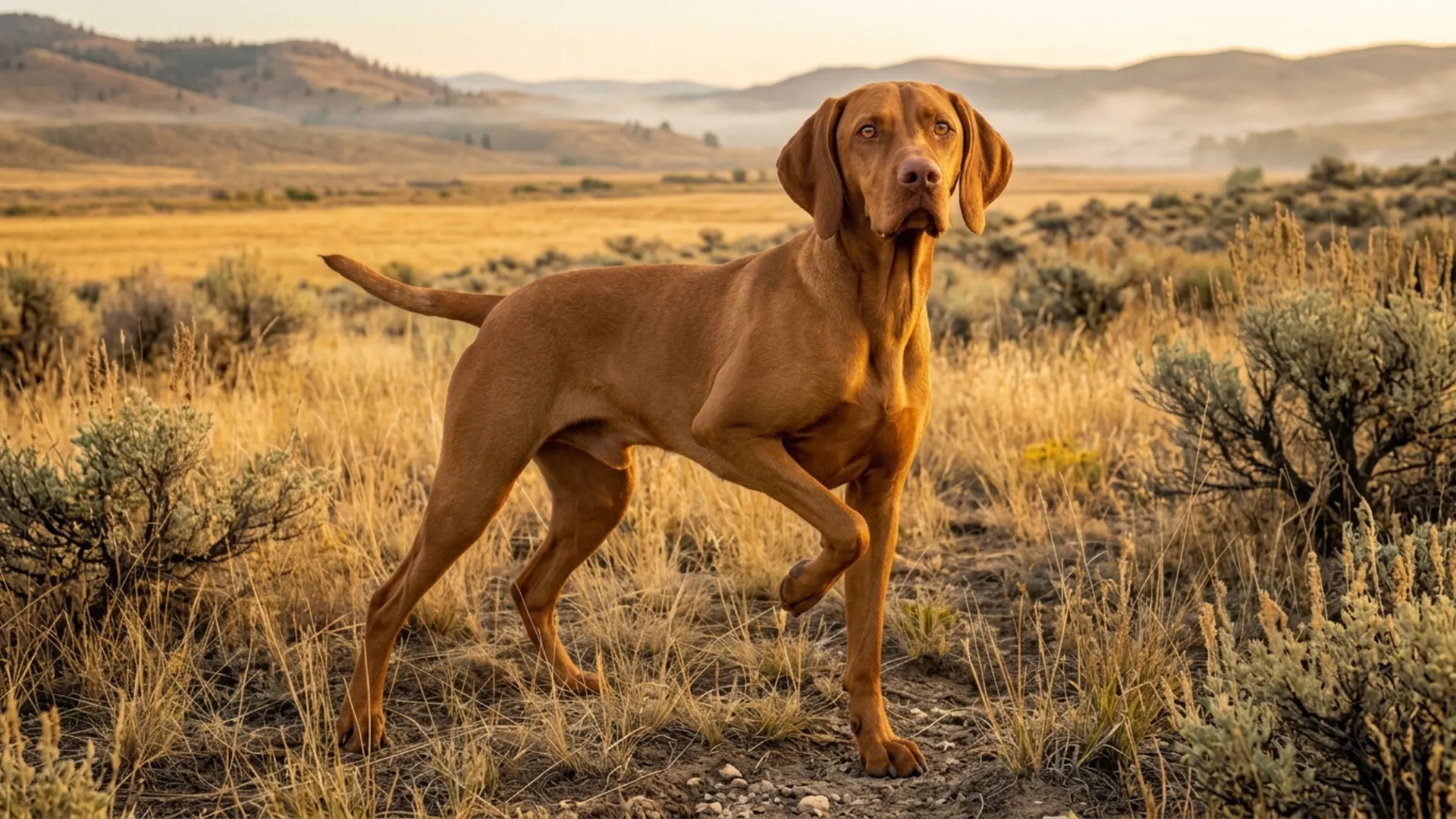
A sudden flush, the beat of wings, and a dog working eagerly through the grass can turn an ordinary walk in the field into an unforgettable hunting experience. Behind these moments is a canine partner whose instincts, stamina, and determination help hunters locate and recover upland game birds.
While some dogs excel at pointing out hidden birds, others specialize in flushing them from dense cover or retrieving them after a successful shot. Each brings a different set of skills to the hunt, making the choice of breed an important decision.
However, a famous pedigree does not guarantee a perfect hunting companion. Natural ability, consistent training, and a strong bond with the handler all play a role in the field.
From established hunting breeds to unconventional mixed dogs, the right companion depends on your hunting style, experience, and expectations. Understanding these differences can help you find a dog that makes every upland adventure more rewarding.
Key Takeaways
Upland bird hunting dogs rely on their natural instincts to locate, point, flush, and retrieve game birds.
Strong scenting ability helps hunting dogs detect birds hidden in grass, brush, and dense cover.
Athleticism and stamina are essential for covering challenging terrain during long hunting trips.
Pointing breeds help hunters locate birds by indicating their position before they take flight.
Flushing breeds drive birds out of thick cover, giving hunters an opportunity for a clear shot.
Exceptional Dog Breeds Built for Upland Bird Hunting
1. German Shorthaired Pointer
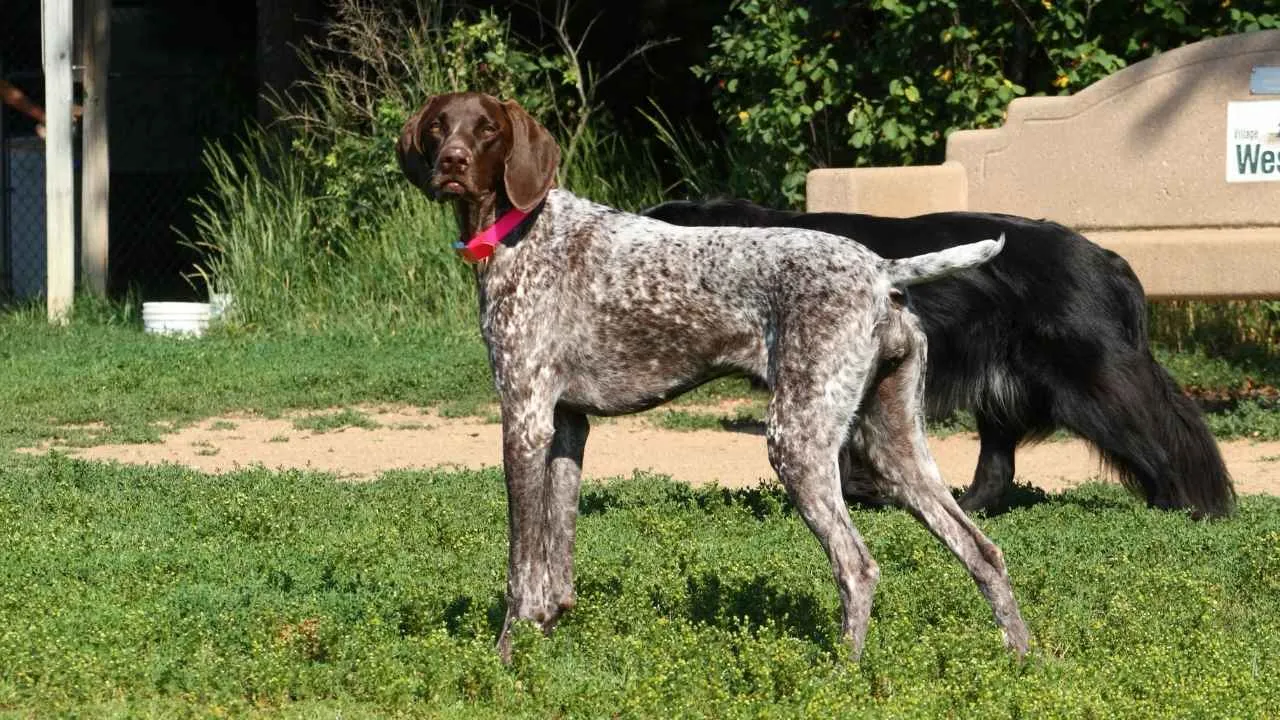
The German Shorthaired Pointer (GSP) is a standout choice for upland bird hunting, combining speed, stamina, intelligence, and a remarkable instinct for the field.
Its athletic build allows it to cover large areas of rough terrain while searching for game birds and pointing them out for hunters.
What makes this breed especially valuable is its versatility. Beyond upland hunting, GSPs can retrieve ducks and geese from land or water, making them dependable partners for hunters who pursue different types of game.
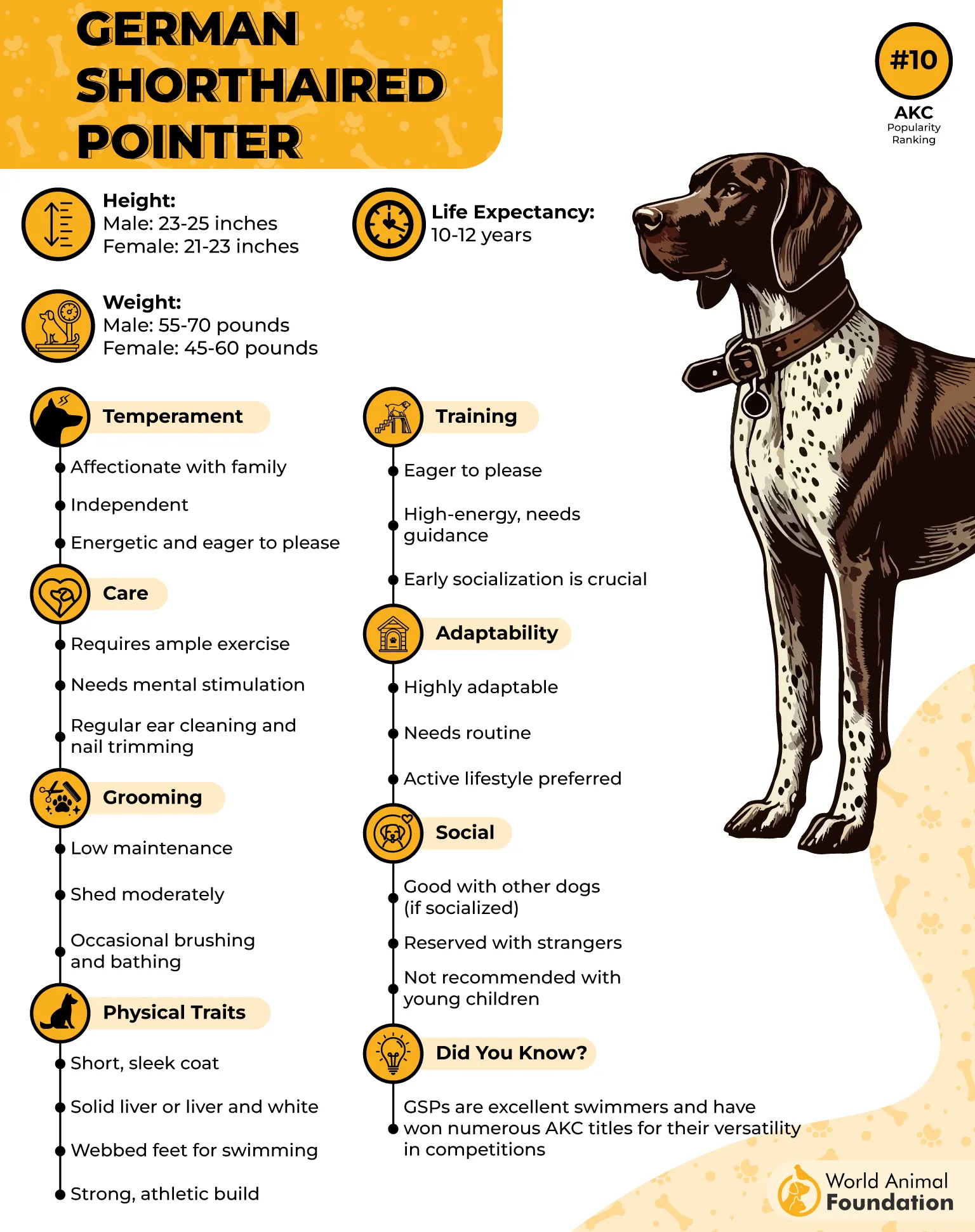
These dogs thrive with consistent training, regular exercise, and a clear purpose, according to the American Kennel Club.
Their eagerness to work and strong bond with their handlers make them rewarding hunting companions. However, their high energy and prey drive require experienced guidance and plenty of activity.
With proper training and care, the German Shorthaired Pointer can be equally impressive in the field and a devoted member of the family.
2. Brittany
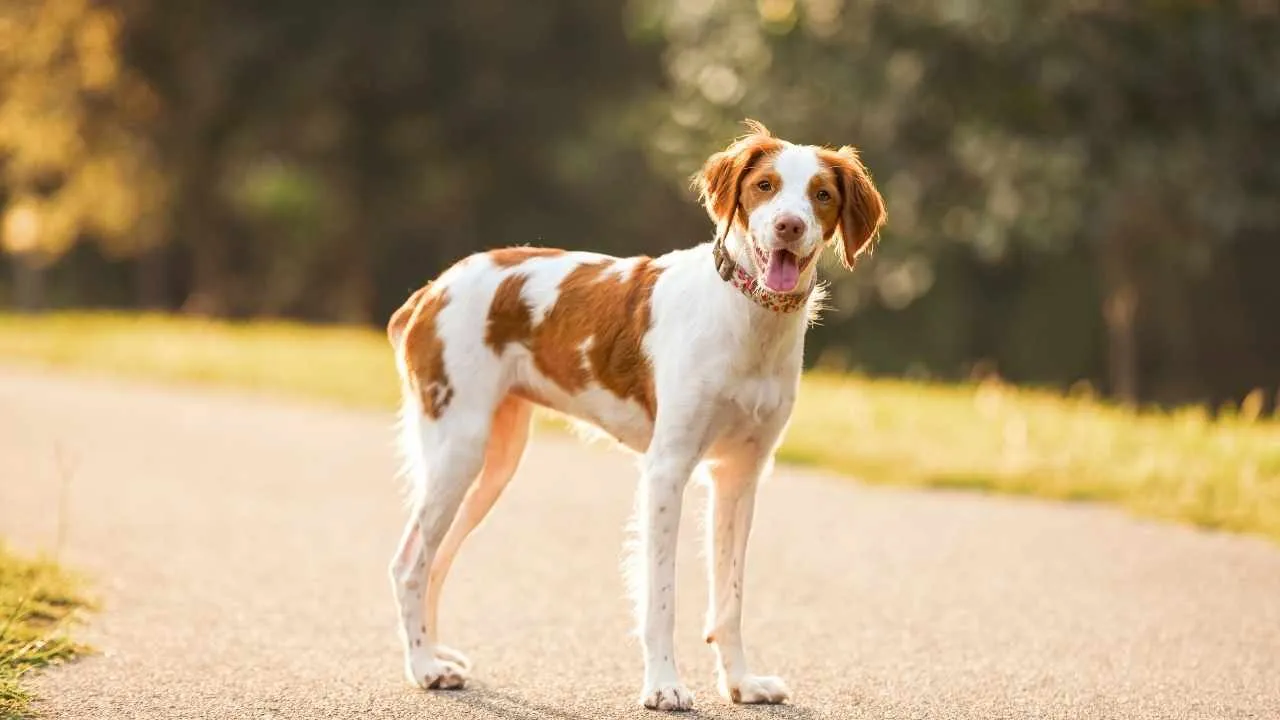
The Brittany has earned its place among exceptional upland bird hunting breeds through a rare combination of agility, determination, and natural hunting instinct.
Developed in France, this medium-sized dog can cover the field at an impressive pace, using its keen senses to locate game birds and hold them on point for its handler.

Its abilities make it a valuable partner when hunting pheasants, grouse, woodcock, and partridge. Despite its smaller build, the Brittany brings plenty of stamina and enthusiasm to demanding days outdoors.
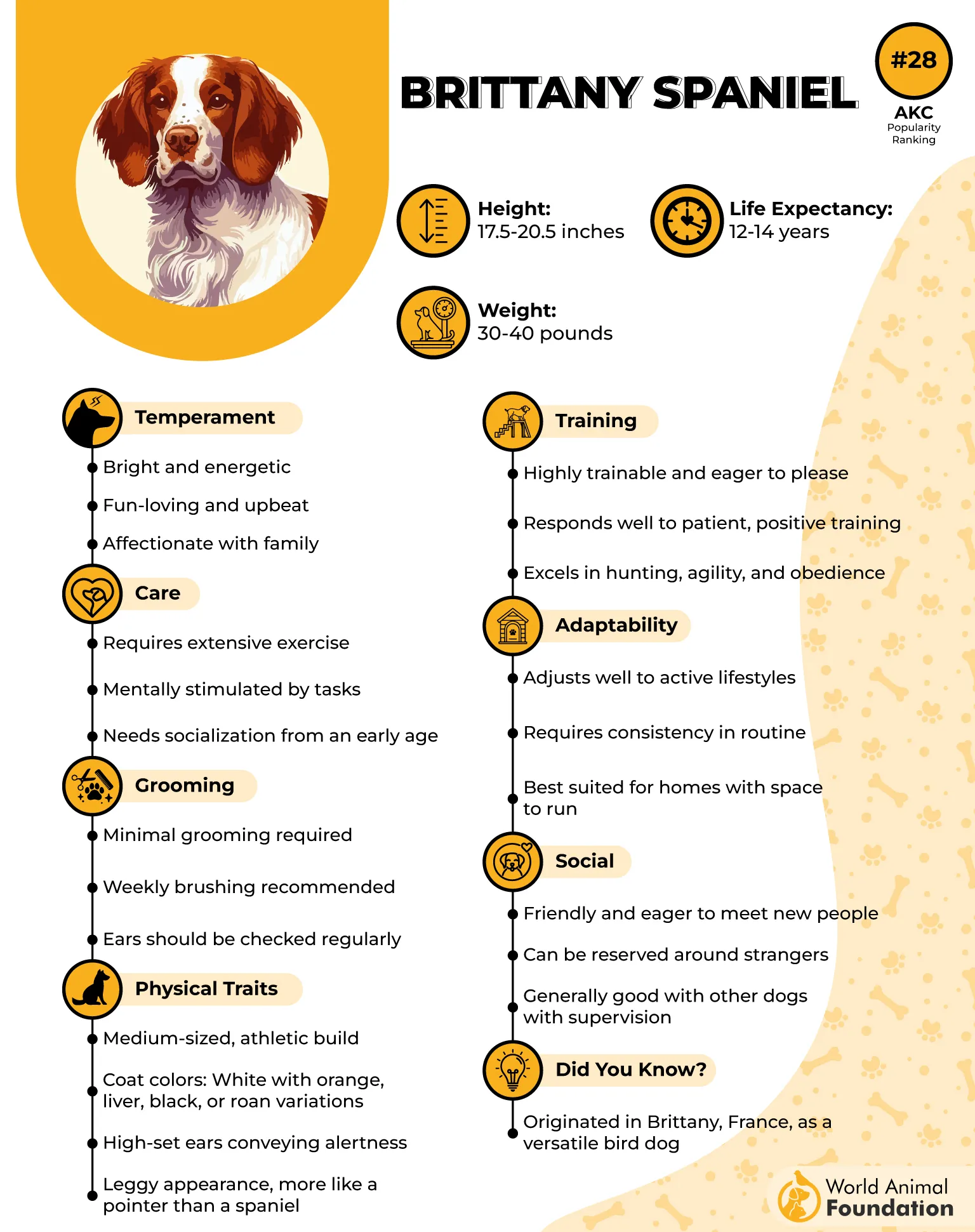
Training also benefits from the breed’s eagerness to please, although its sensitive nature responds best to thoughtful, consistent guidance.
Many Brittanies can learn retrieving and water work, adding versatility to their hunting skills. Away from the field, they are affectionate companions that form strong bonds with their families.
For hunters seeking an energetic, manageable-sized dog with both sporting ability and a loving temperament, the Brittany is an excellent choice.
3. Vizsla
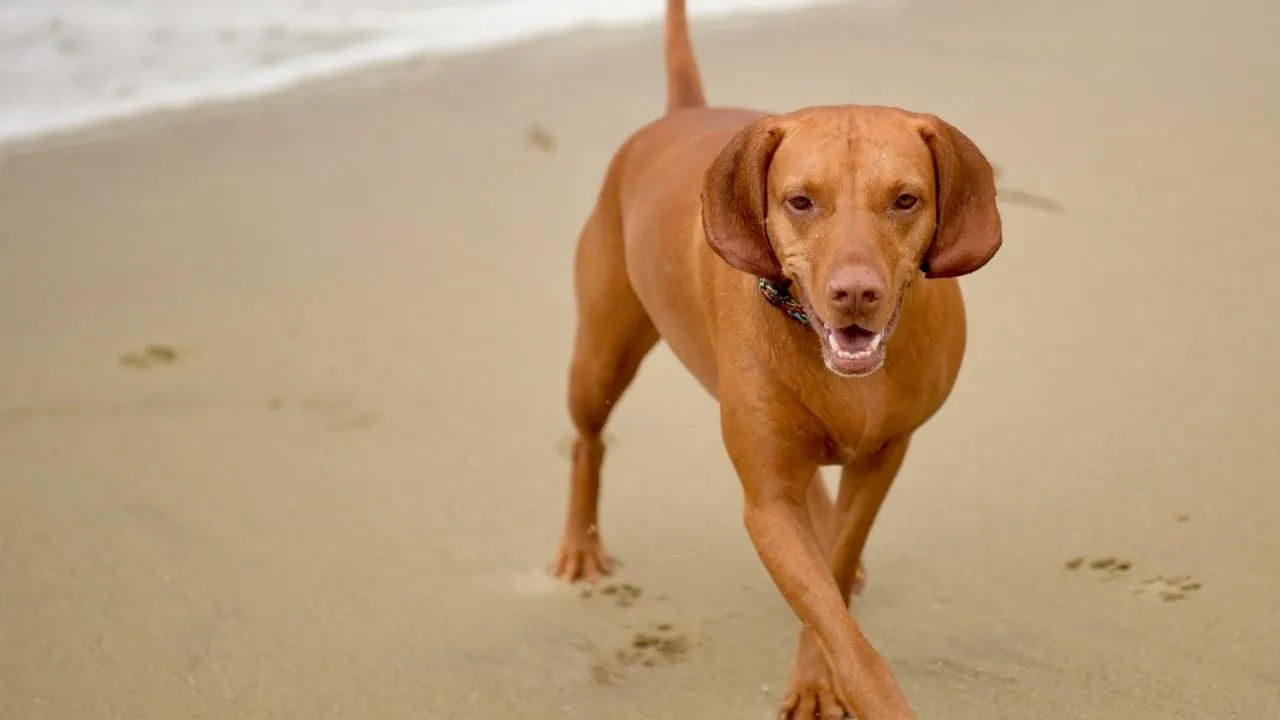
The Hungarian Vizsla is a remarkable upland bird hunting companion, combining athleticism, a keen nose, and a natural talent for pointing and retrieving game.
Its muscular, streamlined build allows it to move swiftly across open fields, while its hunting instincts help it locate birds and track wounded small game.
Modern Vizslas were carefully developed through dedicated breeding efforts, and dogs from performance-focused lines can excel in demanding fieldwork.
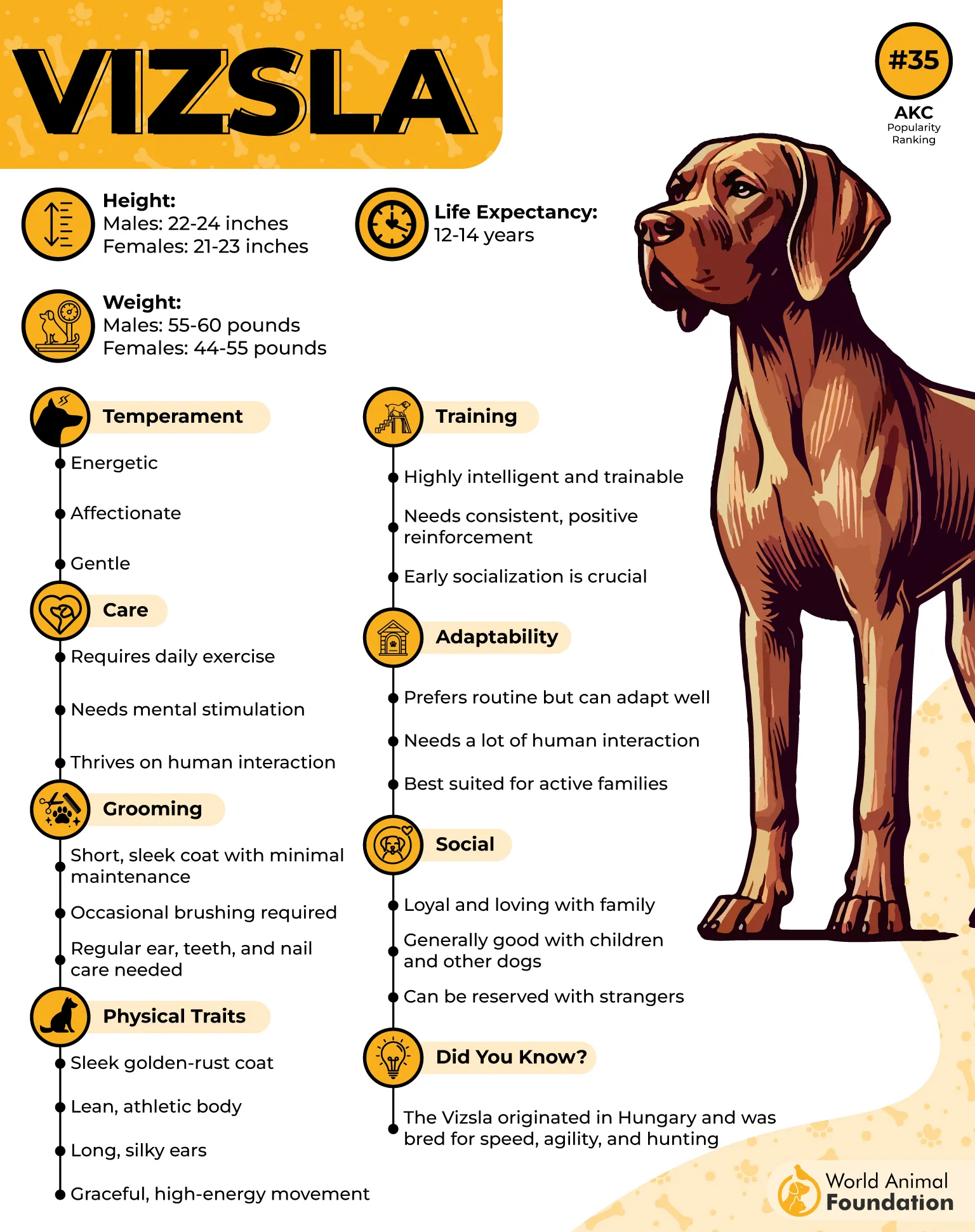
Their versatility also makes them suitable for hunters seeking a dog that can handle multiple tasks rather than specialize in just one.
Beyond the hunt, Vizslas are affectionate, intelligent dogs that form exceptionally close bonds with their owners, as stated by Orvis. Their eagerness to learn makes training rewarding, although their abundant energy demands regular exercise, mental stimulation, and consistent guidance.
Their short coats also offer limited protection in cold conditions. For active hunters who want a capable field partner and a devoted companion at home, the Vizsla offers an appealing balance of sporting ability and affection.
4. English Springer Spaniel
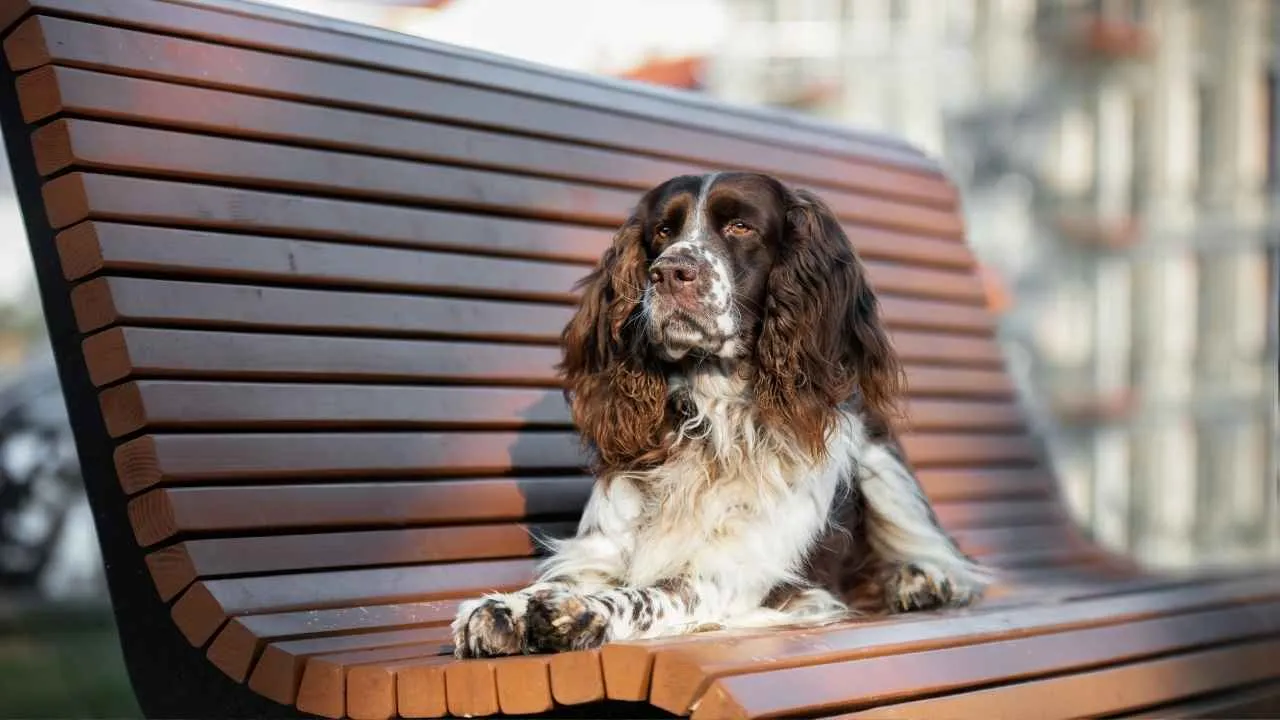
The English Springer Spaniel brings energy, sharp scenting ability, and relentless determination to upland bird hunting.
Unlike pointing breeds that locate and hold birds, Springers excel at flushing game from dense cover, making them especially effective when pursuing pheasants, bobwhite quail, woodcock, and ruffed grouse.
Their close-working style keeps them within a hunter’s reach, allowing birds to rise within shooting range. Once a bird is down, their natural retrieving ability adds another valuable skill to the hunt.
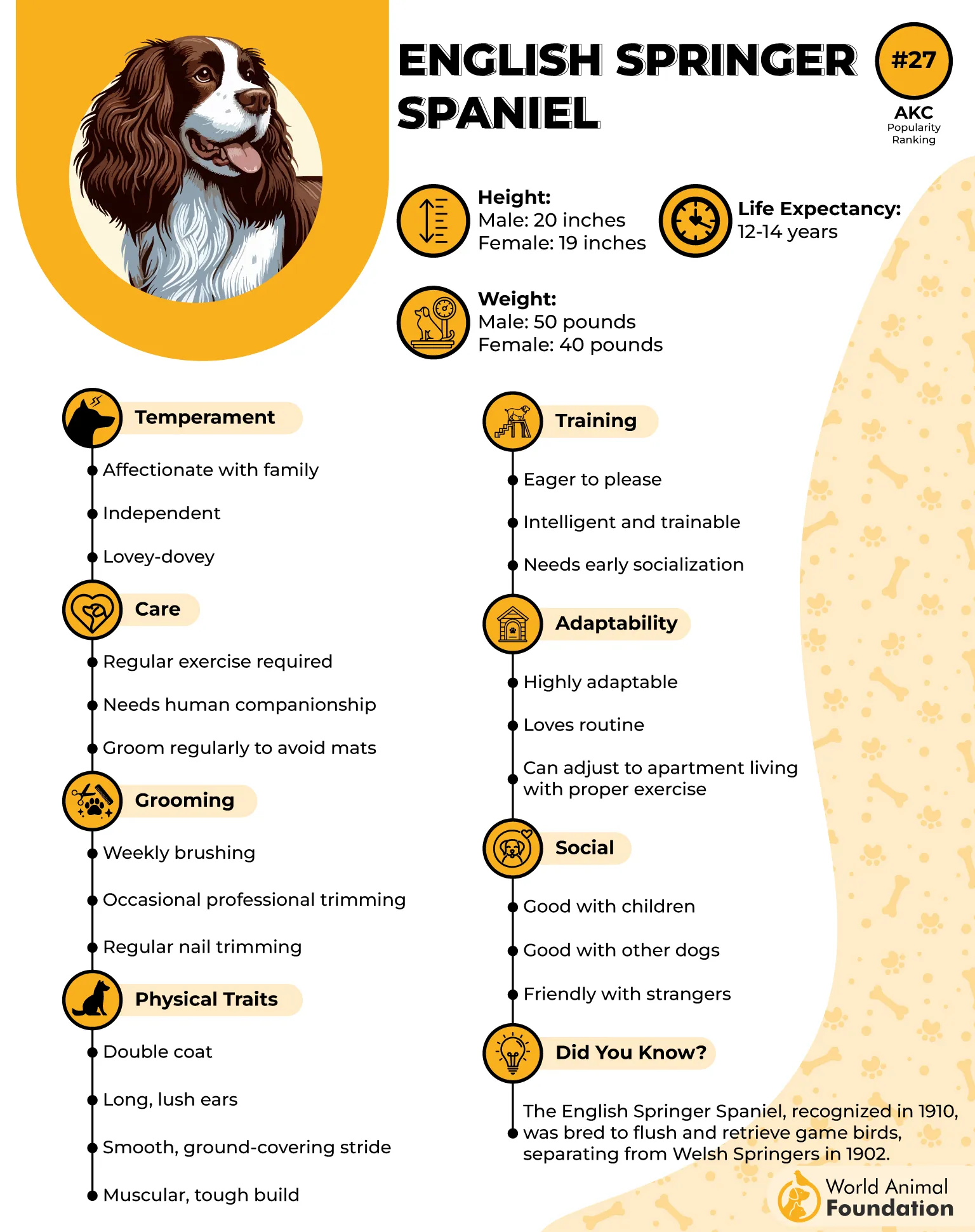
Field-bred Springers are particularly suited to this work, often displaying the agility and drive needed to navigate thick vegetation.
They also respond well to training, with reliable recall and directional commands helping hunters manage their enthusiasm safely.
At home, these affectionate, eager-to-please dogs can become wonderful companions when their exercise and activity needs are met. For hunters who enjoy working through challenging cover on foot, the Springer Spaniel offers a lively, capable partner with plenty of heart.
5. Boykin Spaniel
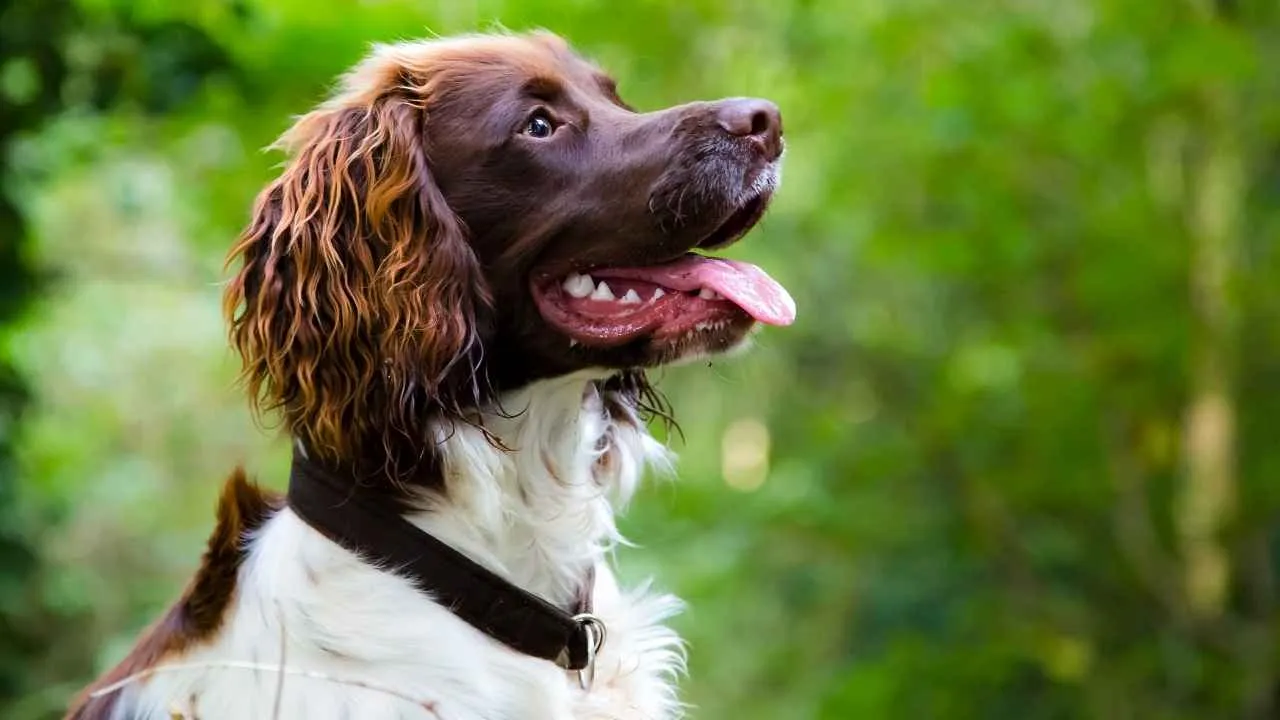
The Boykin Spaniel proves that a capable upland hunting companion does not need a large frame.
Developed in South Carolina as a versatile hunting dog, this energetic breed excels at flushing and retrieving birds, particularly quail and doves.
Its compact, athletic build makes it a practical partner for hunters who need an agile dog without the bulk of larger retrievers.
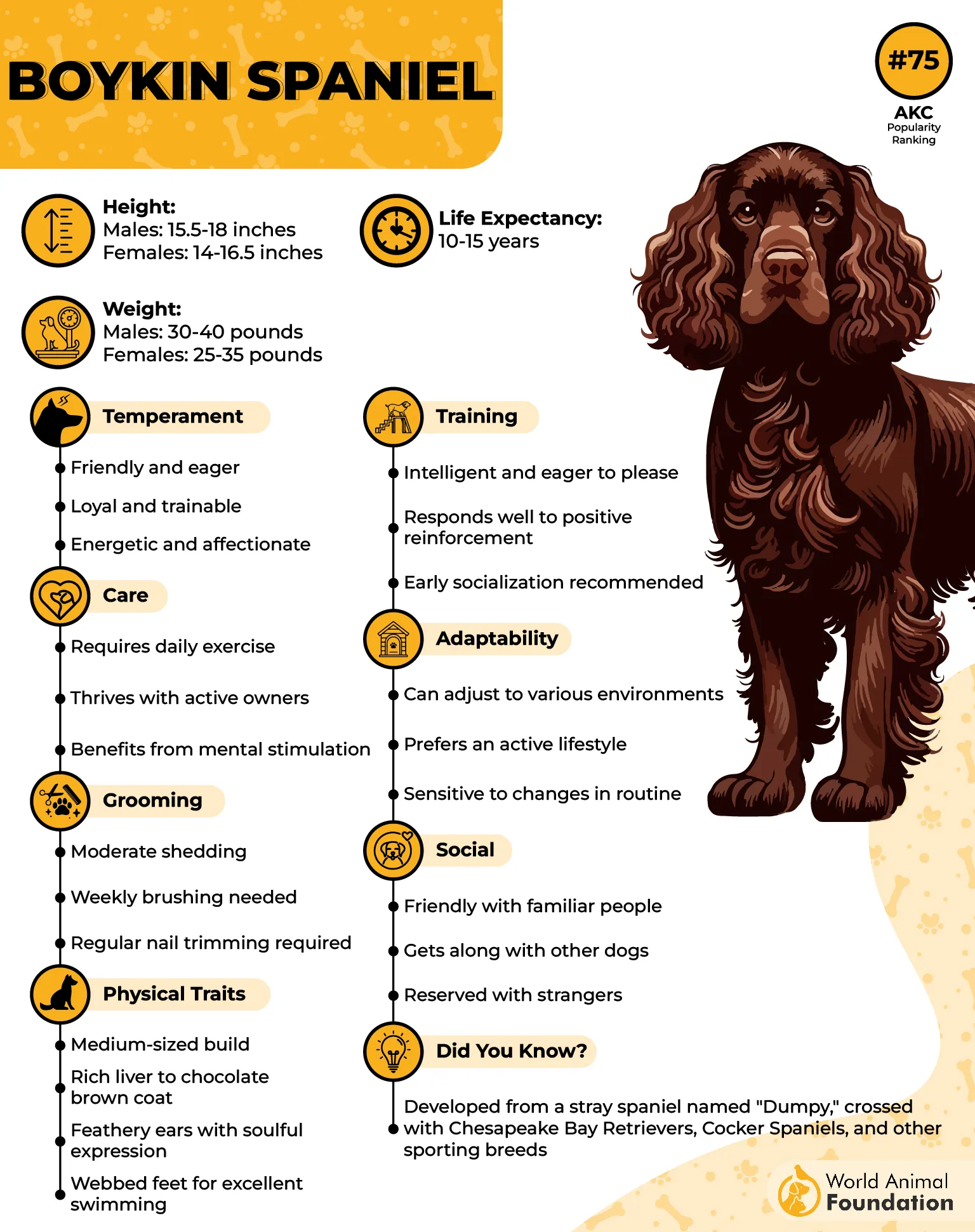
In the field, Boykins bring enthusiasm and determination, ranging ahead before flushing birds and helping hunters recover downed game. Their tolerance for hot weather also makes them especially valued for hunting in warmer conditions.
Behind their lively hunting style is an intelligent, eager-to-please dog that responds well to consistent training, as explained by WebMD.
Teaching retrieving skills early can help build the discipline needed for reliable fieldwork. Boykins also form affectionate family companions, but their high energy demands regular exercise and mental stimulation.
For hunters seeking a smaller, hardworking flushing and retrieving breed, the Boykin Spaniel offers plenty of heart and ability.
6. Wirehaired Pointing Griffon

The Wirehaired Pointing Griffon stands out as a versatile upland hunting companion, combining a keen nose, steady pointing instincts, and the stamina to work through demanding terrain.
Developed by Eduard Korthals in the 19th century, the breed was designed to bring together the strengths of pointers and retrievers, including tracking wounded game and retrieving on land or in water.
In the field, a well-bred Griffon searches at a sustained pace, locates hidden birds, and freezes into a focused point, giving hunters the chance to approach.
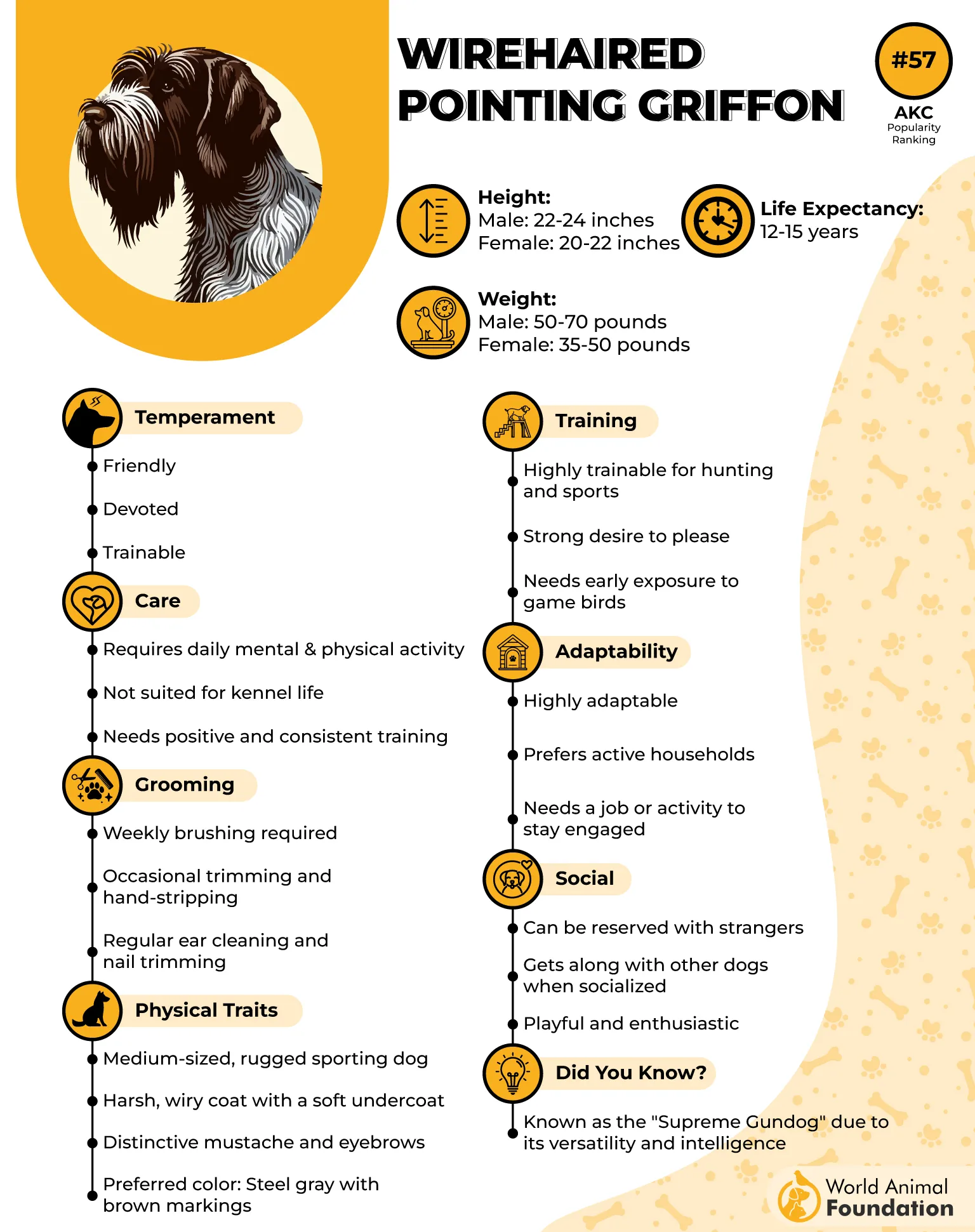
Its rugged, wiry coat adds to its distinctive character, while its determined working style makes it suited to varied hunting conditions.
Beyond its hunting ability, the Griffon is intelligent, trainable, and eager to work alongside its handler. Early exposure to game birds and consistent, positive training help develop its natural talents.
At home, this affectionate, social dog thrives with active owners who provide daily exercise, attention, and mental challenges.
7. Irish Setter
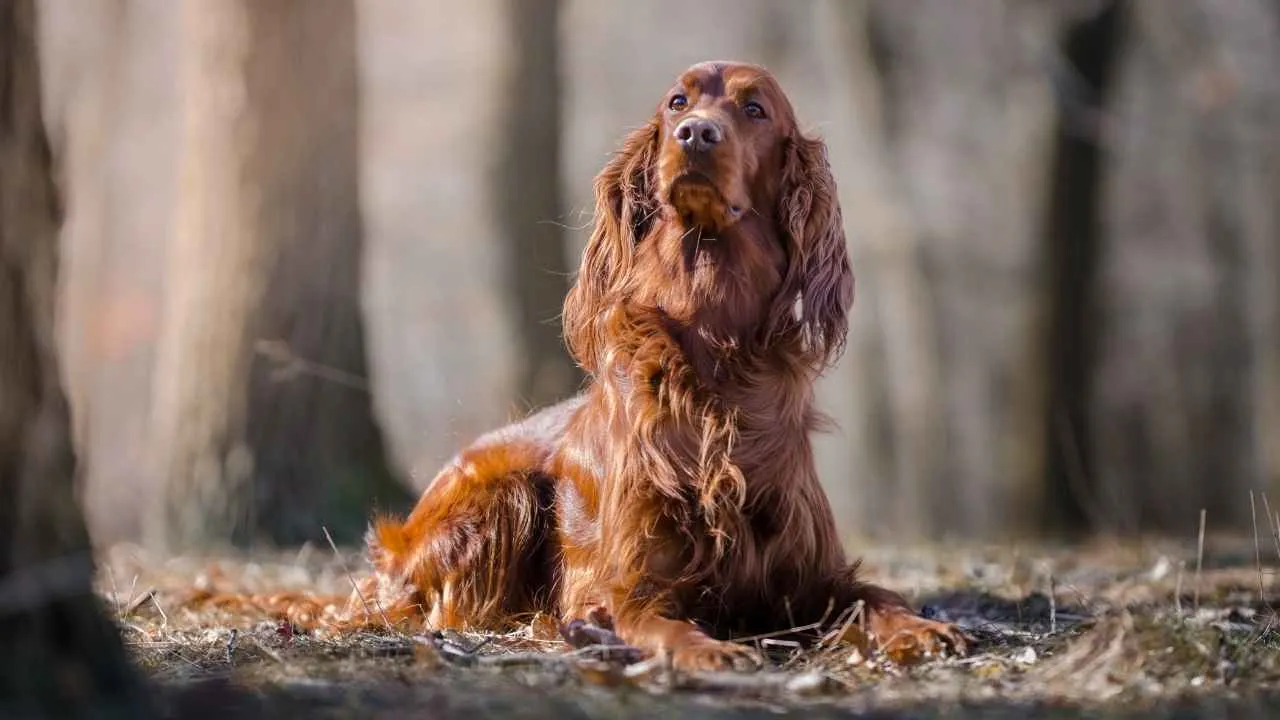
The Irish Setter brings elegance and genuine hunting ability to the upland field, proving that its striking red coat is only part of its appeal.
Although show breeding once overshadowed the breed’s working roots, field-bred Irish Setters continue to impress hunters with their athleticism, pointing instincts, and ability to compete alongside other established bird dogs.
They can work effectively over upland terrain, locating game birds and holding point to give hunters an opportunity for a careful approach.
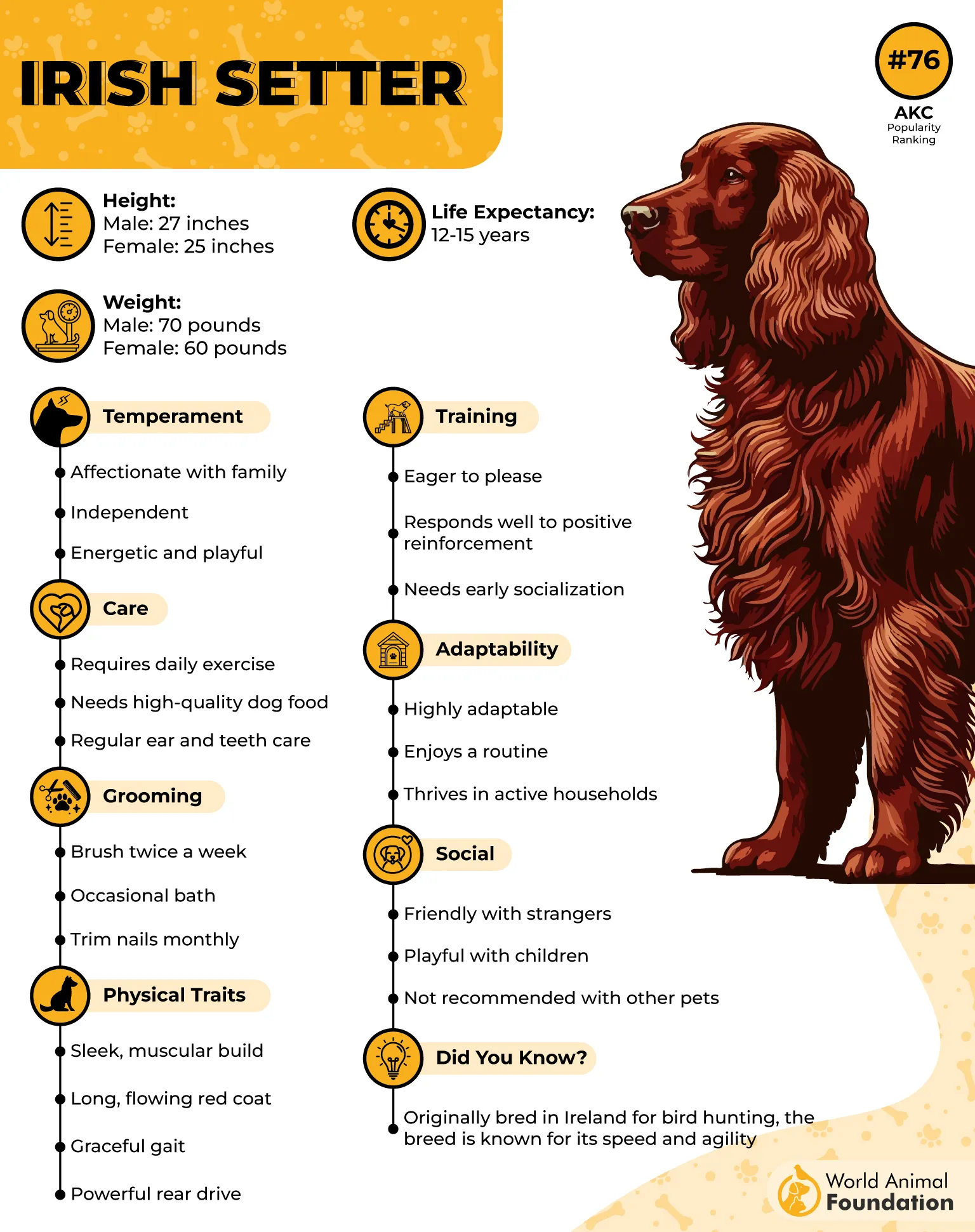
While they may not match the extreme range of some all-age pointers, well-bred individuals can be formidable hunting partners when their natural ability is developed through early, consistent training.
Their eagerness to please also makes them rewarding dogs to handle and train, according to Gundogmag. The work invested during puppyhood can shape a more reliable, capable companion in the field. Away from hunting, Irish Setters can be affectionate family dogs, often settling comfortably indoors when given clear boundaries.
For hunters seeking a spirited bird dog with beauty, ability, and companionship, the field-bred Irish Setter deserves serious consideration.
Conclusion
Choosing the right dog for upland bird hunting means finding a partner whose instincts, energy, and working style match the demands of the field.
From tireless flushing breeds to focused pointers and versatile retrievers, each breed brings something valuable to the hunt. Some excel at locating and pointing hidden birds, while others flush game from thick cover or retrieve downed birds with determination.
However, natural ability alone does not make a great hunting companion. Early training, regular exercise, and consistent guidance help bring out a dog’s strongest qualities. It is equally important to consider the dog’s temperament and needs beyond hunting season, especially if it will share your home.
Whether you prefer the athletic Irish Setter, the hardworking Boykin Spaniel, or the adaptable Wirehaired Pointing Griffon, the best choice is a dog suited to your hunting style and lifestyle.
With the right match, every trip into the uplands can become a more rewarding experience, built on trust, teamwork, and a shared love of the outdoors.
