




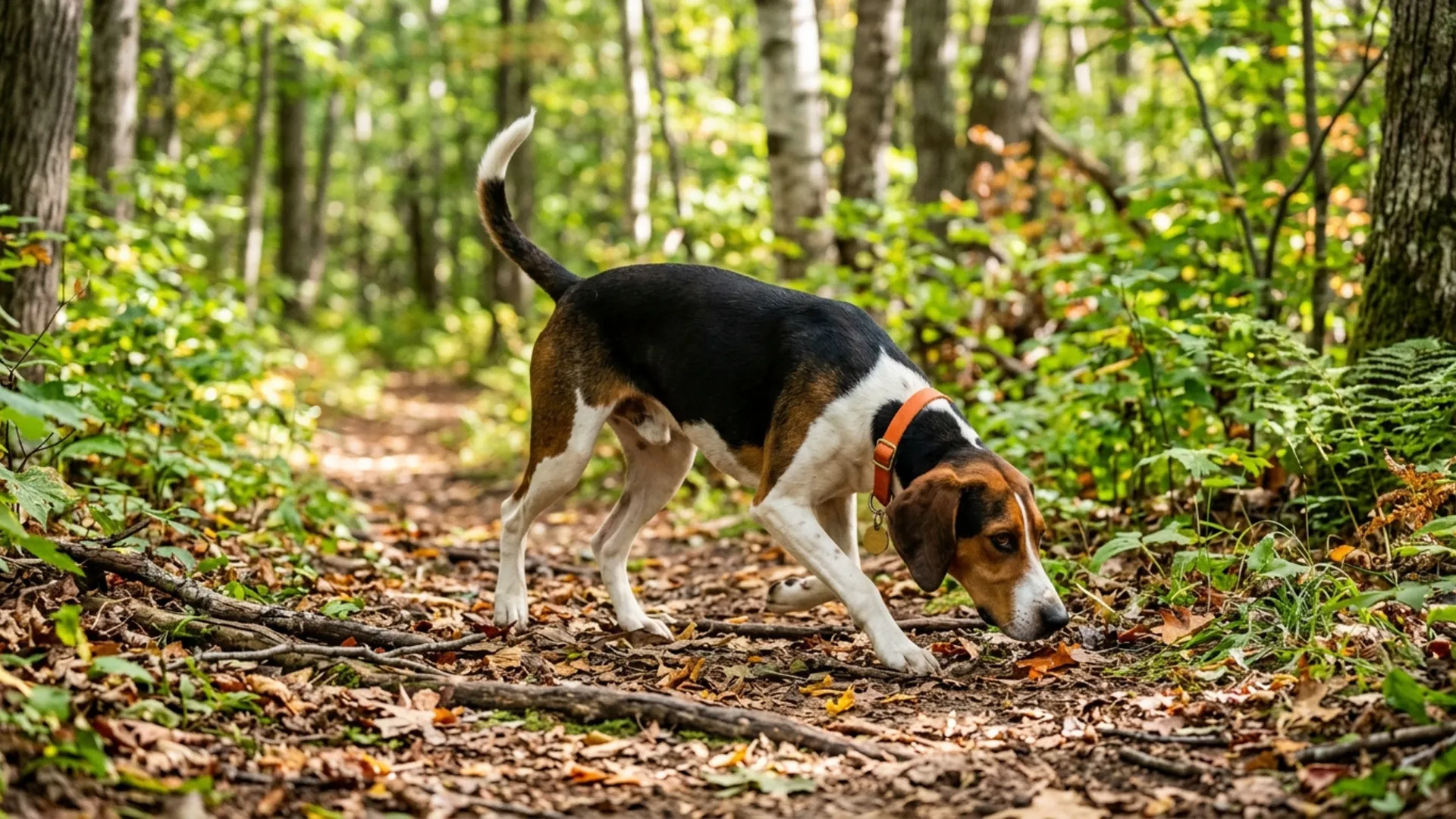
The trail looked promising at first. Fresh signs pointed in the right direction, and the target seemed close enough to locate quickly. Then the scent path became weaker, the terrain changed, and confidence started to fade.
What could have become a frustrating search turned into a successful recovery because of one important factor: a skilled tracking dog. While people rely heavily on observation, tracking dogs experience the hunt through scent in ways that are difficult to imagine.
They detect information that remains completely hidden to human senses and use it to follow trails across surprising distances. This ability has made them valuable partners in hunting for centuries. Still, tracking success depends greatly on the dog involved.
The dogs featured ahead have built their reputations on remarkable noses, strong determination, and the ability to stay locked onto a trail.
Key Takeaways
A hunt can change direction in seconds when a scent fades, yet certain dogs are built to keep going when the trail disappears.
German Shorthaired Pointer and Beagle bring sharp instincts to the field, staying locked on scent paths even when terrain shifts and signals weaken.
English Springer Spaniel and Labrador Retriever add control and consistency, turning scattered movement into focused tracking across land and water.
Stay till the end to see how each of these breeds earned a reputation that makes them trusted partners in real tracking work.
Excellent Hunting Dog Breeds for Tracking
1. German Shorthaired Pointer
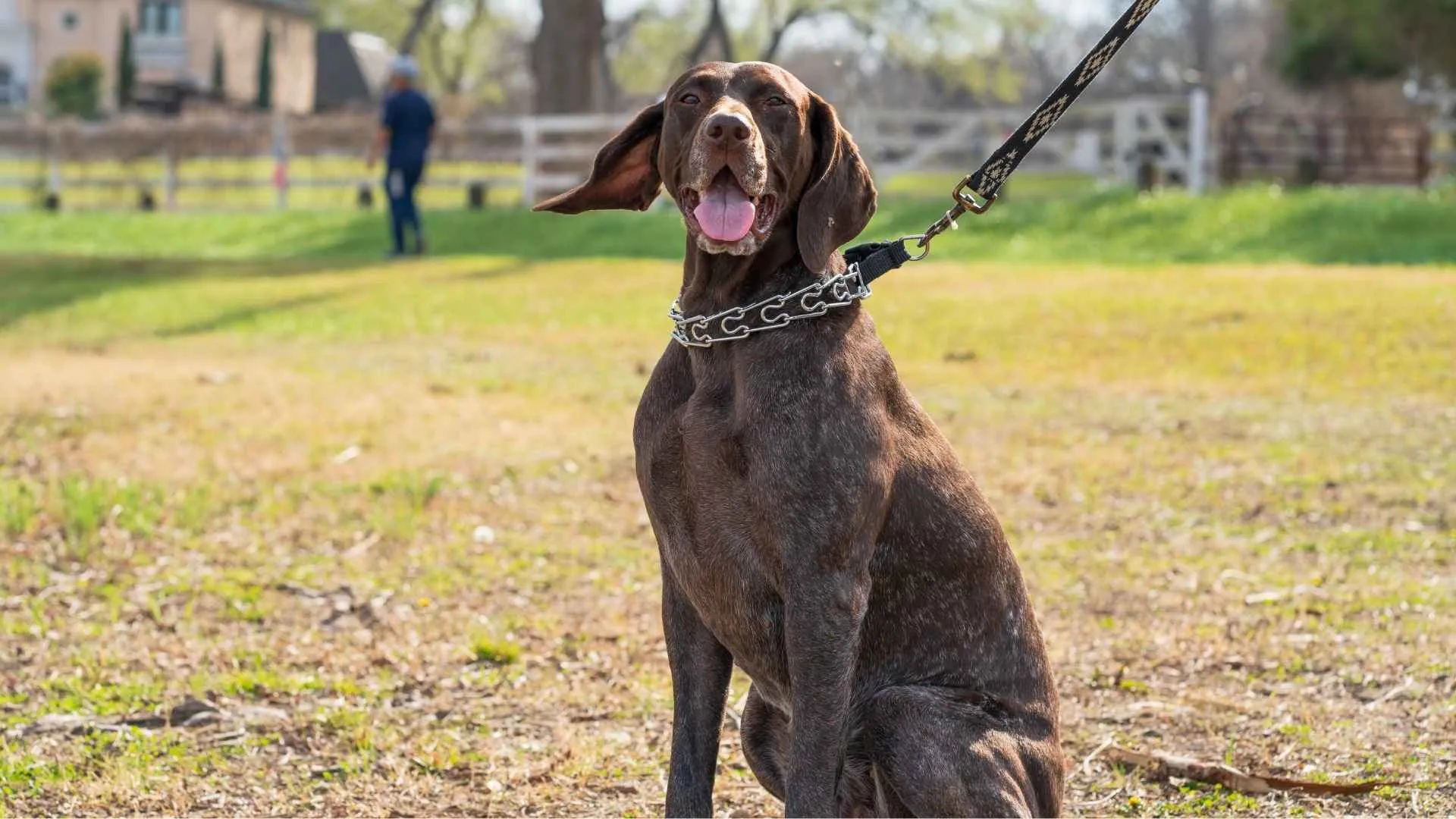
German Shorthaired Pointer excels in covering ground with remarkable speed, agility, and stamina, qualities that earned it a respected place among sporting dogs.
Its distinctive pointing behavior allows it to locate game and freeze with precision. This combination of athleticism and focus shapes the breed’s identity.
Field Performance
Success in scent work depends on more than enthusiasm, and this hunting breed brings several valuable qualities to the task. Its ability to locate, indicate, and pursue game makes it highly effective across varied terrain, as PetMD describes.
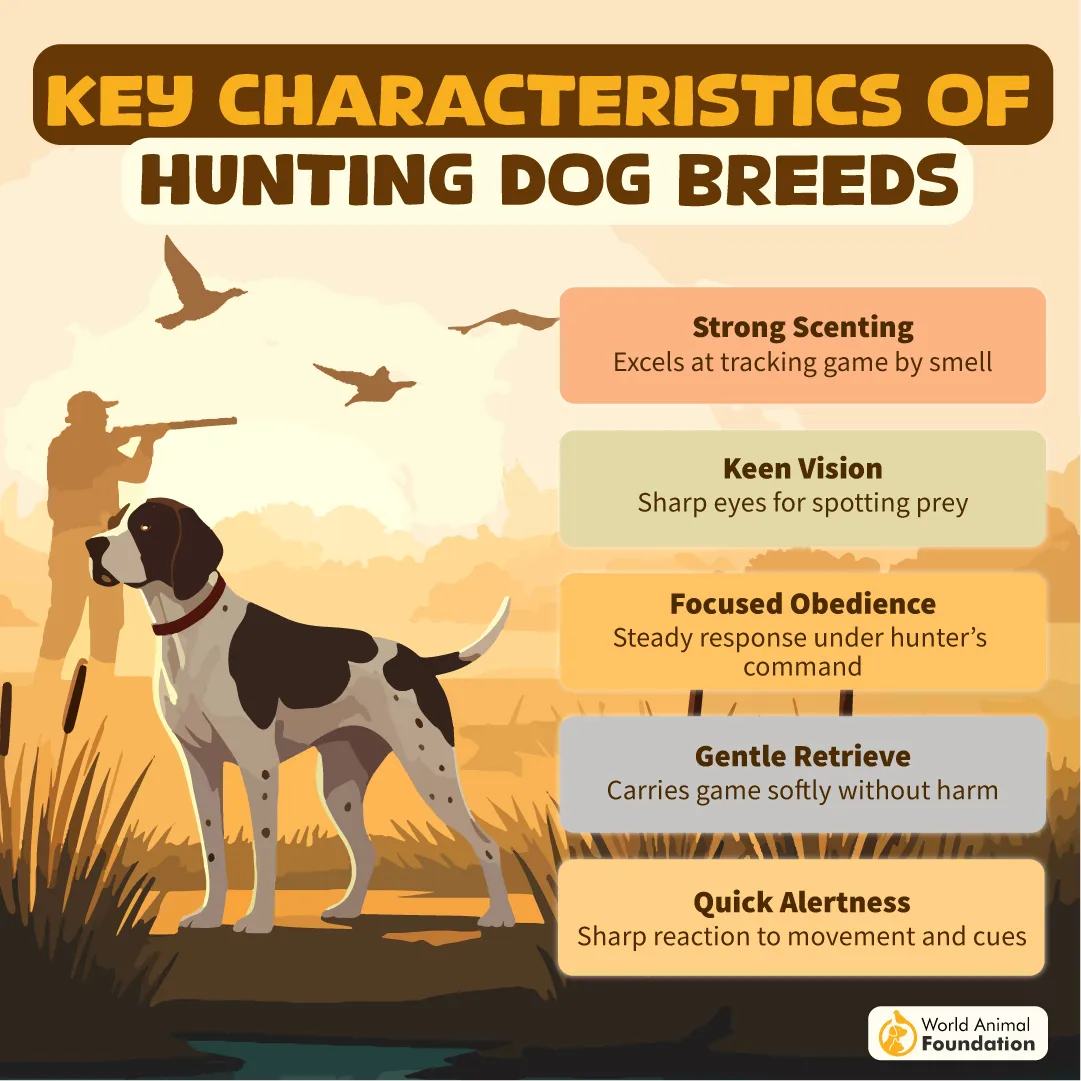
Key strengths that explain their reputation:
Precise pointing instinct
Exceptional endurance
Agile movement
Energy with Purpose
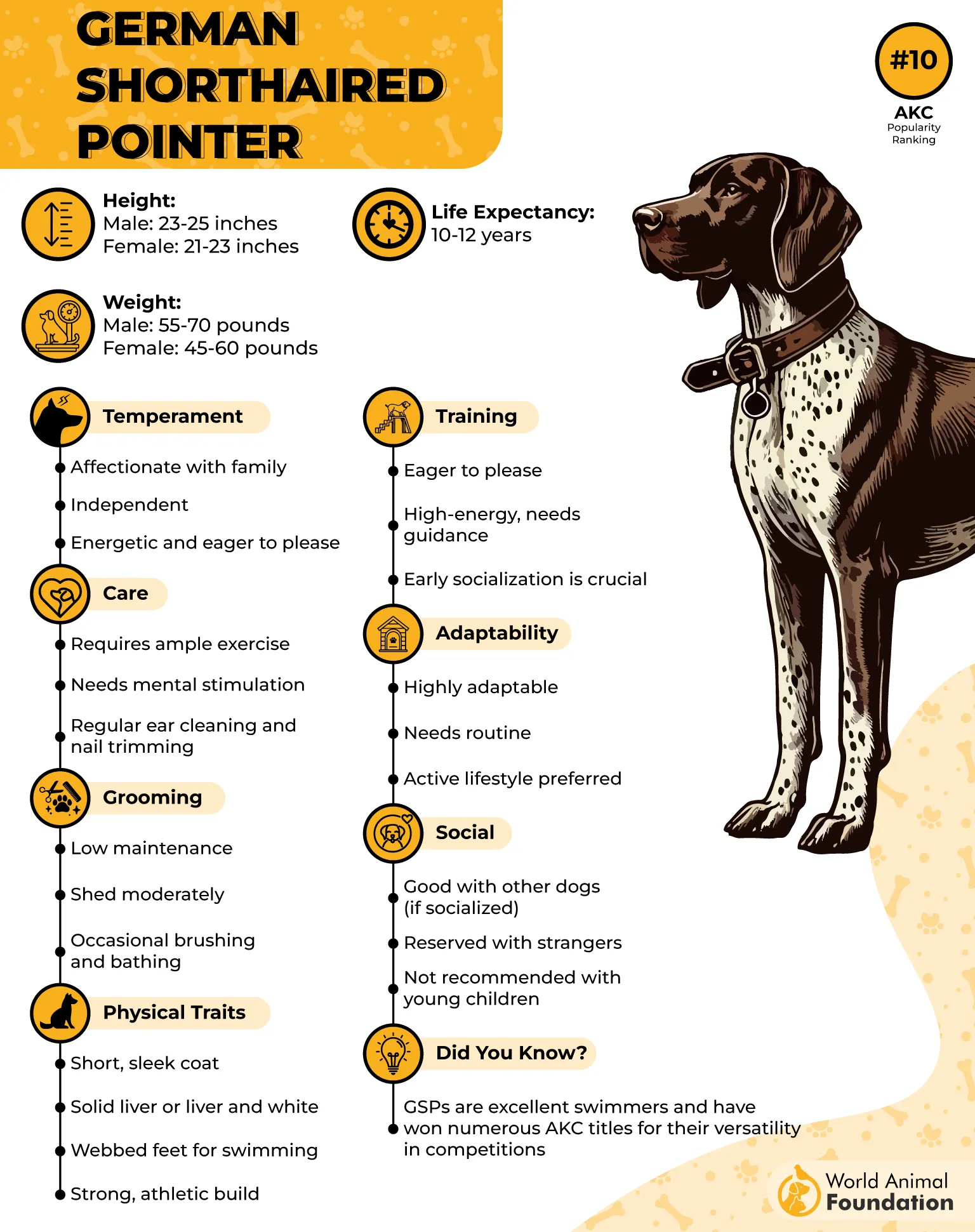
German Shorthaired Pointer performs best when given demanding physical and mental outlets throughout the day. Long runs, retrieving sessions, and agility activities help channel the same drive that supports fieldwork. Without sufficient engagement, that energy often turns into unwanted behavior.
2. English Springer Spaniel
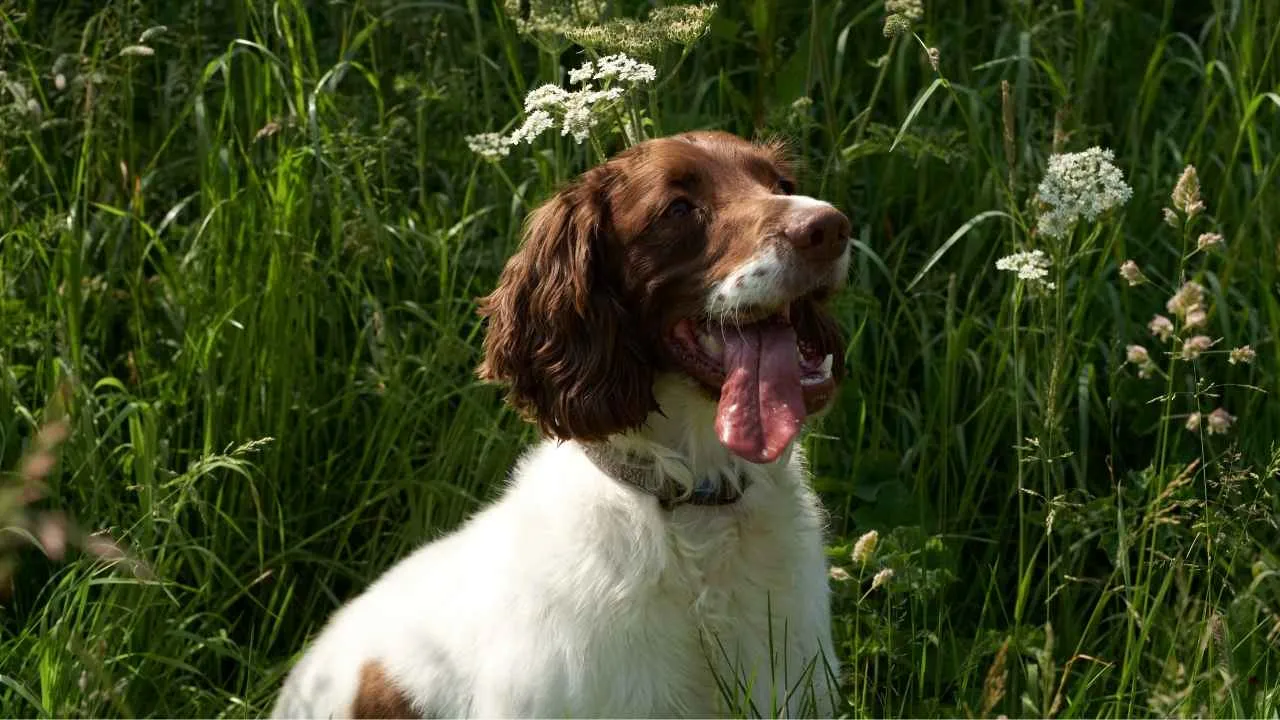
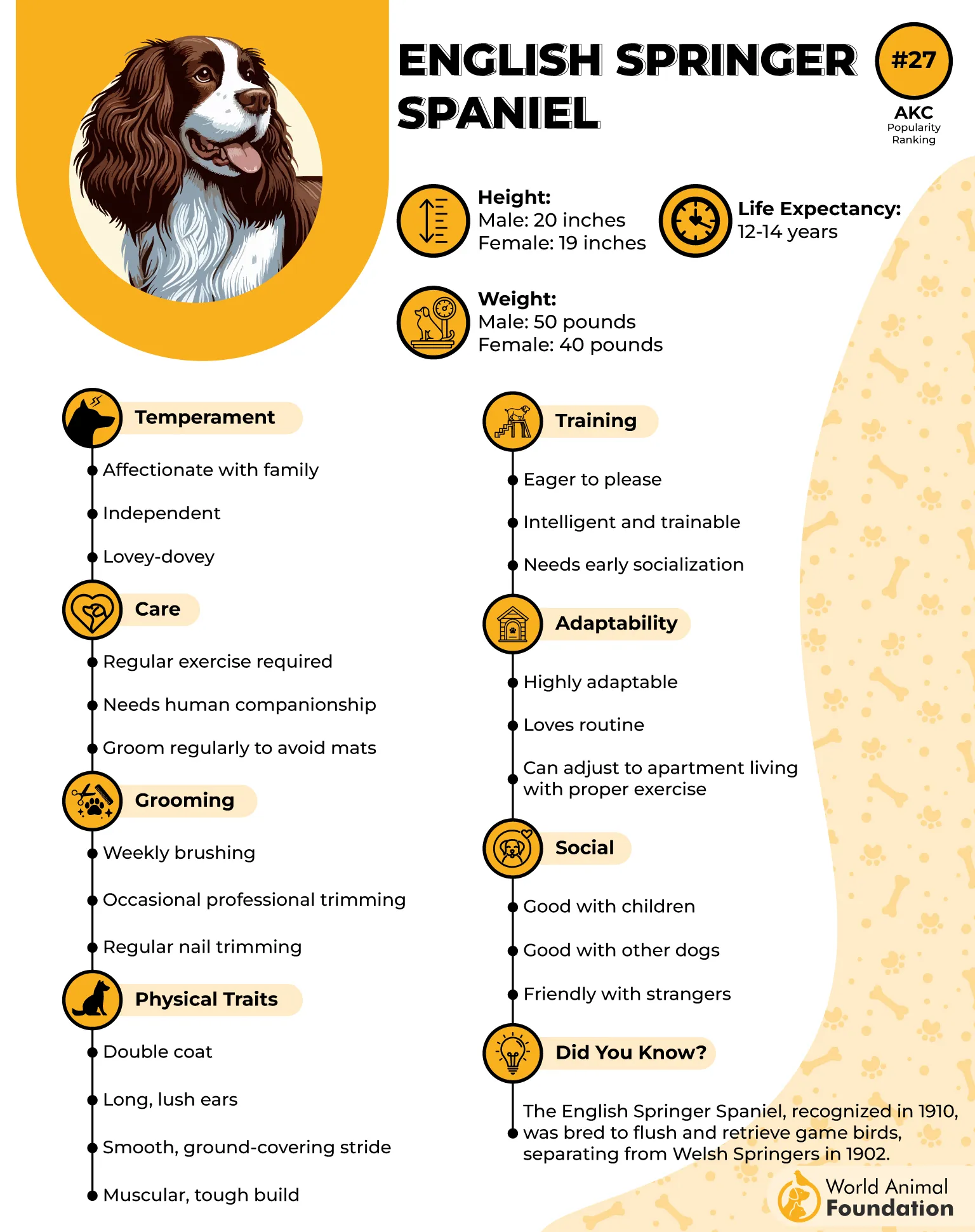
English Springer Spaniel earned its name from a specialized job, flushing birds from cover so hunters could locate game more effectively.
That practical field role shaped a dog known for enthusiasm, responsiveness, and a willingness to work. Even today, that eagerness remains central to the breed’s character.
Tracking Ability
Success in the field depends on more than energy, and this breed brings a combination of focus and cooperation. Its readiness to follow direction makes it particularly useful when precision matters.
Several traits contribute to that reputation.
Eager to please
Naturally task-oriented
Quick to respond
More Than a Field Dog
Beyond hunting duties, this hunting companion gained recognition in show rings and family homes alike. A cheerful attitude and strong interest in human interaction help it transition between different roles. Time spent with people remains an important part of daily life.
3. American Foxhound
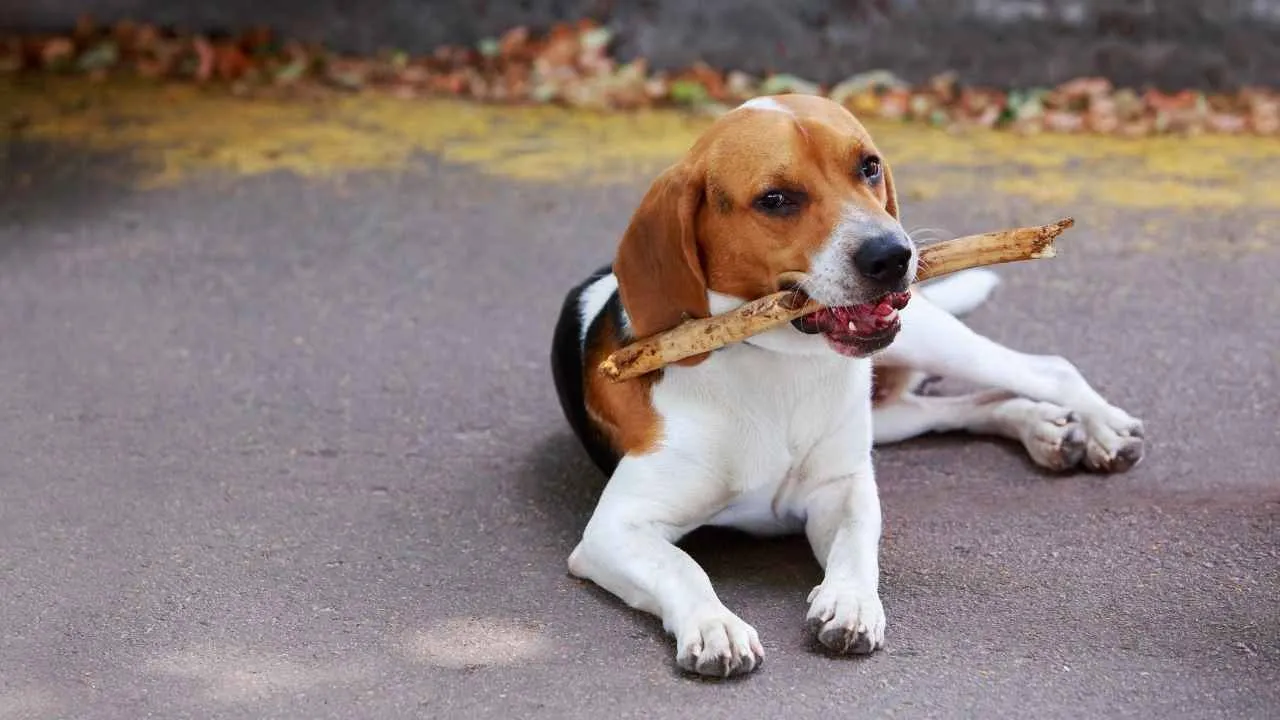
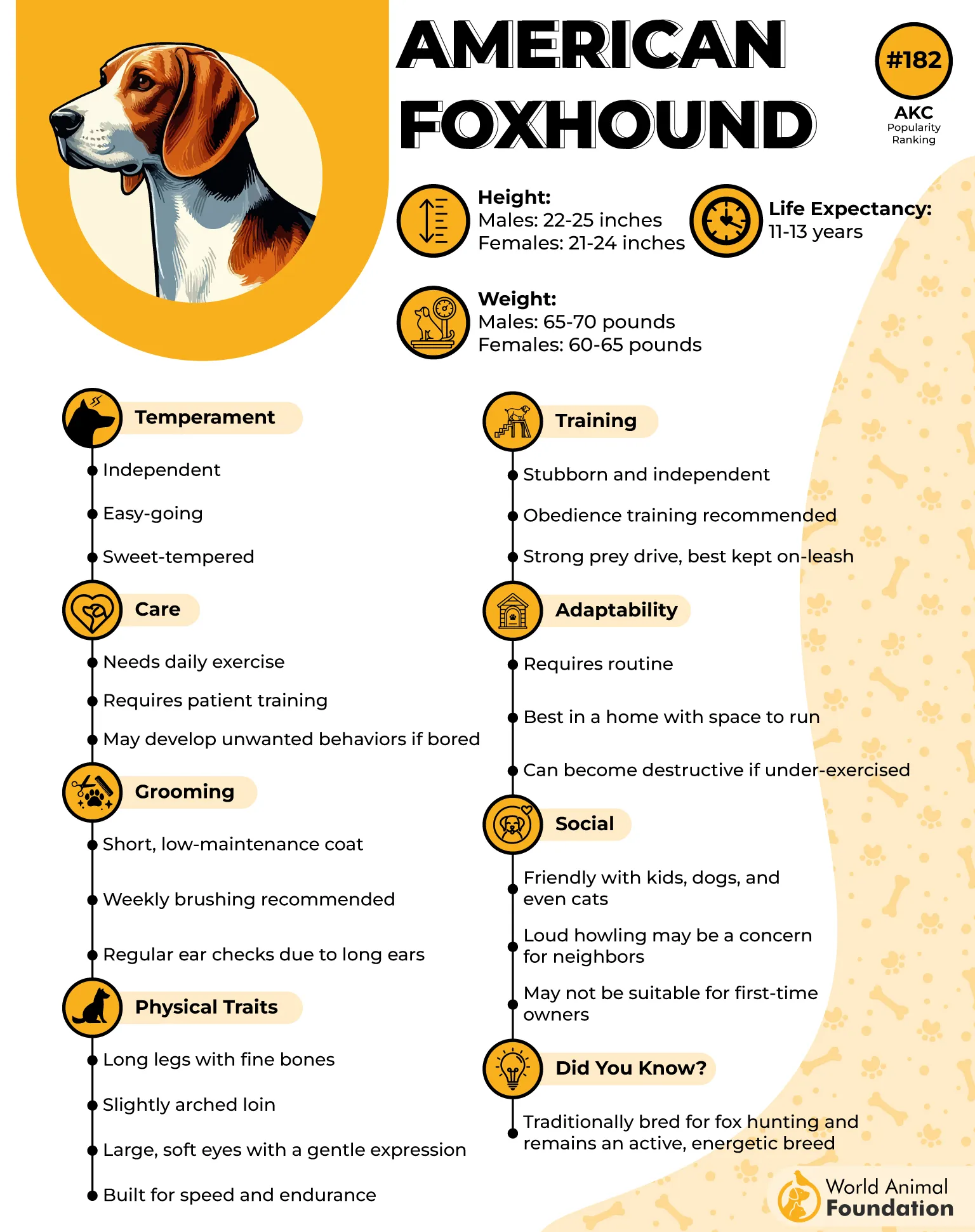
American Foxhound gained recognition through its sharp tracking sense, which enables it to cover long distances with ease. Introduced to America in the 1600s and later associated with organized fox hunts, it became valued for stamina, determination, and a nose that rarely quits.
Tracking Strengths
Success in scent work depends on persistence, and this breed was bred for exactly that purpose, as Omlet notes. Its willingness to cover ground for hours makes it especially effective when a trail stretches far beyond sight.
A few qualities explain that reputation:
Exceptional scenting ability
Remarkable endurance
Constant alertness
Life Beyond the Field
This family dog blends working ability with a gentle and affectionate temperament around family members. It generally gets along well with children, other dogs, and household pets, though unfamiliar people may receive a more reserved greeting. Close companionship remains important in daily life.
4. Labrador Retriever
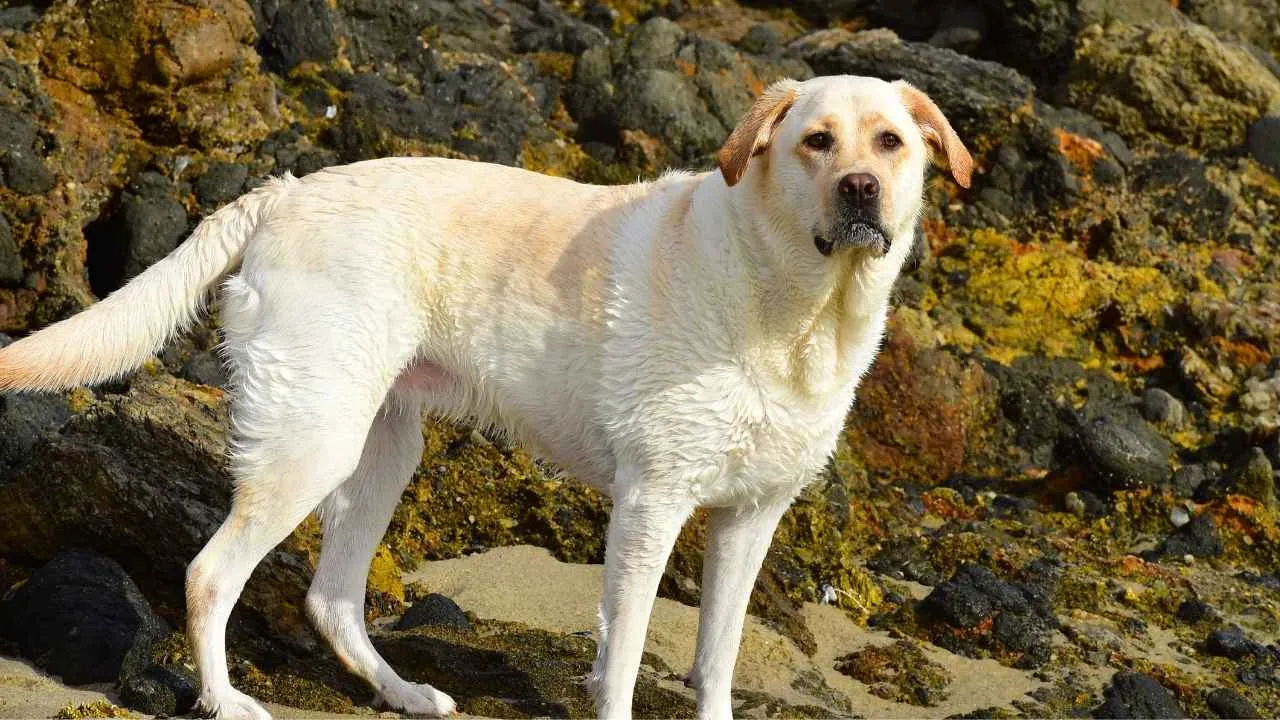
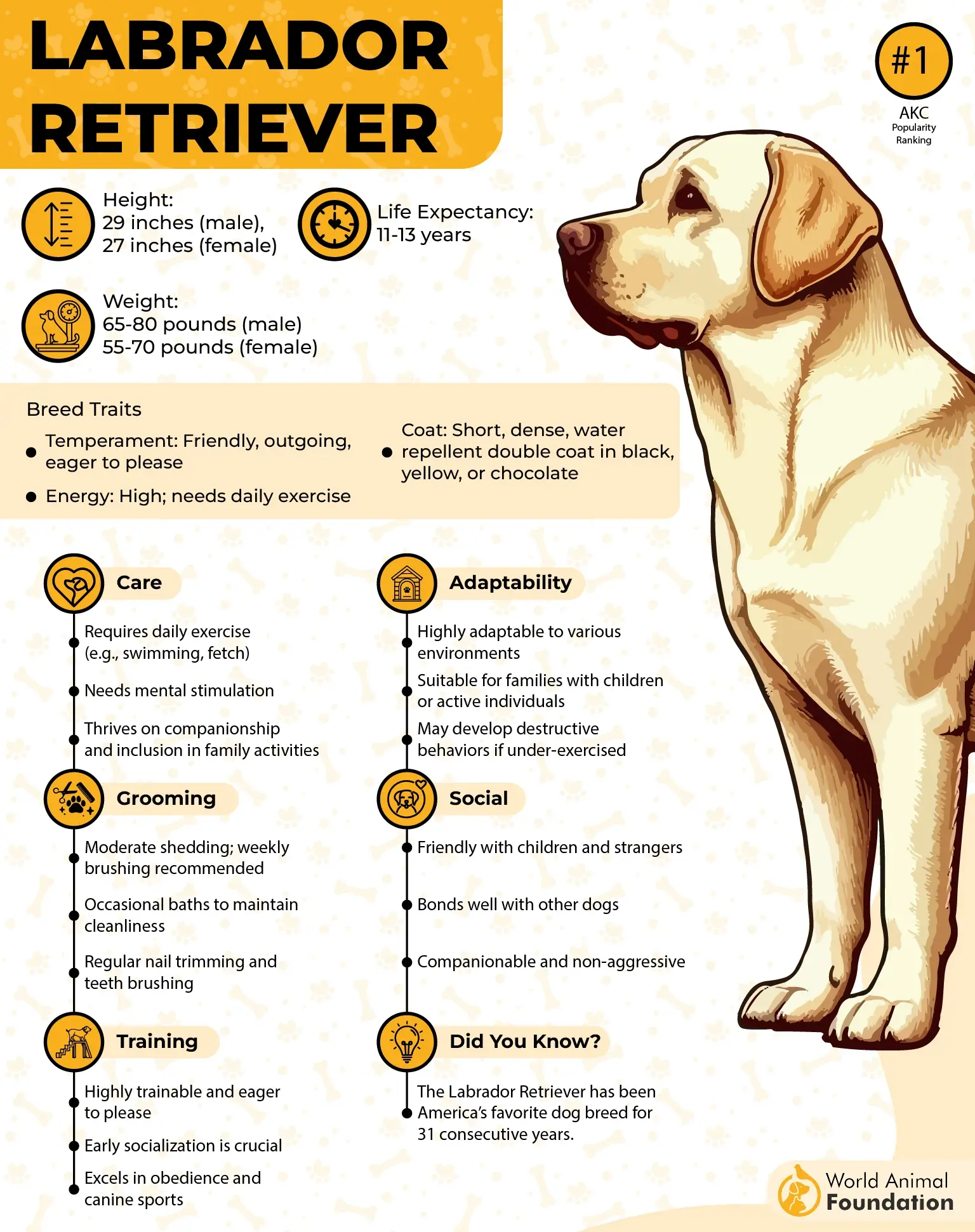
Labrador Retriever is widely known for its strong retrieving instinct, often excelling in water-based work where stamina and focus matter. Its webbed paws and dense coat support steady movement through lakes and rivers. Early use alongside fishermen shaped its dependable field ability.
Tracking Strength and Field Versatility
A strong sense of direction and steady trainability make this breed effective across different hunting environments. Its comfort in water and land settings allows flexible use during fieldwork.
A quick overview of their working strengths:
Strong retrieving drive
Comfortable in water and land
Highly responsive to training
Temperament Around People
Labrador Retrievers bring a naturally social nature that blends well with group activity, including children and other dogs, as per PetMD. Its calm interaction style supports steady cooperation in outdoor tasks. Early guidance helps channel the enthusiasm of this family pet into structured work.
5. Weimaraner
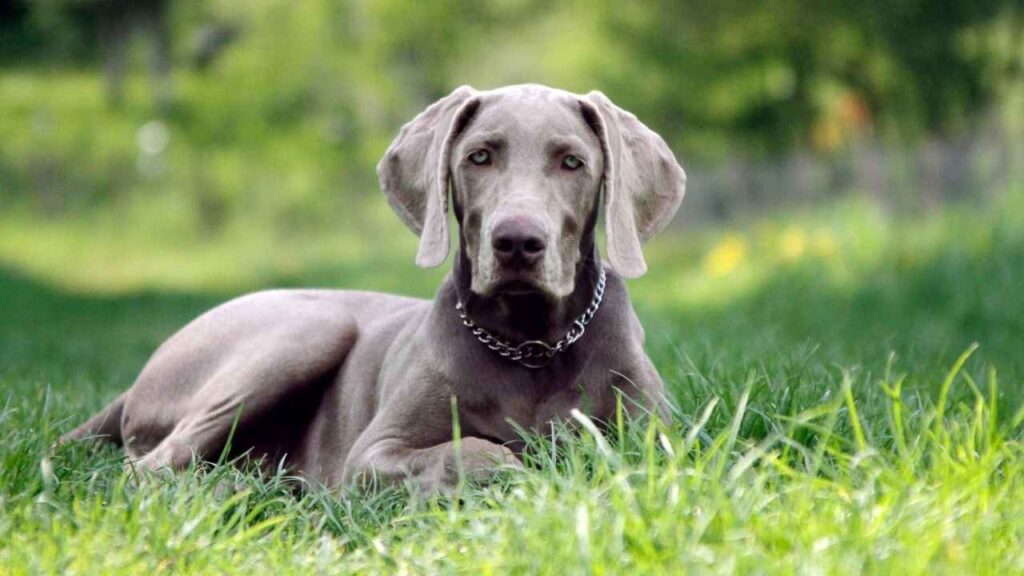
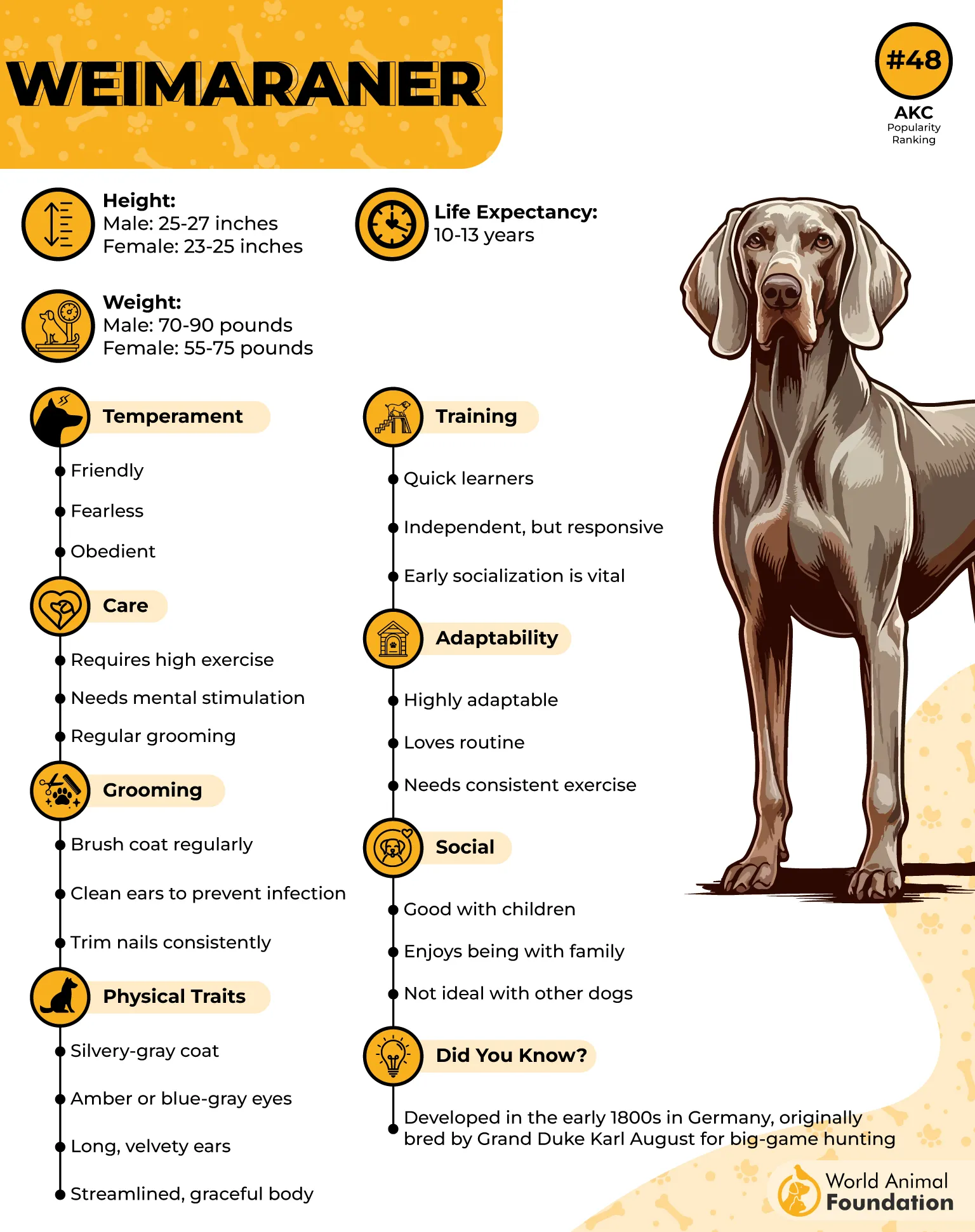
Weimaraner moves with a focused intensity built around speed, courage, and sharp tracking ability across varied terrain. Its lean frame and long stride support the pursuit of upland game, waterfowl, and larger quarry. The breed’s 19th-century European roots shaped its role as a versatile hunting partner.
Field Capabilities
This sporting dog works best when both mind and body are kept actively engaged through structured activity. Its alert nature makes it quick to respond, while its athletic build supports sustained movement during long tracking work.
These field-related traits define its performance style:
Strong scent tracking ability
High stamina over distance
Quick response to commands
Household Interaction
Weimaraner brings a social and affectionate side into home life when energy needs are properly managed. Its strong attachment to people makes regular interaction a key part of daily balance. Smaller animals may not fit well into its instinct-driven focus due to its hunting background.
6. Bluetick Coonhound
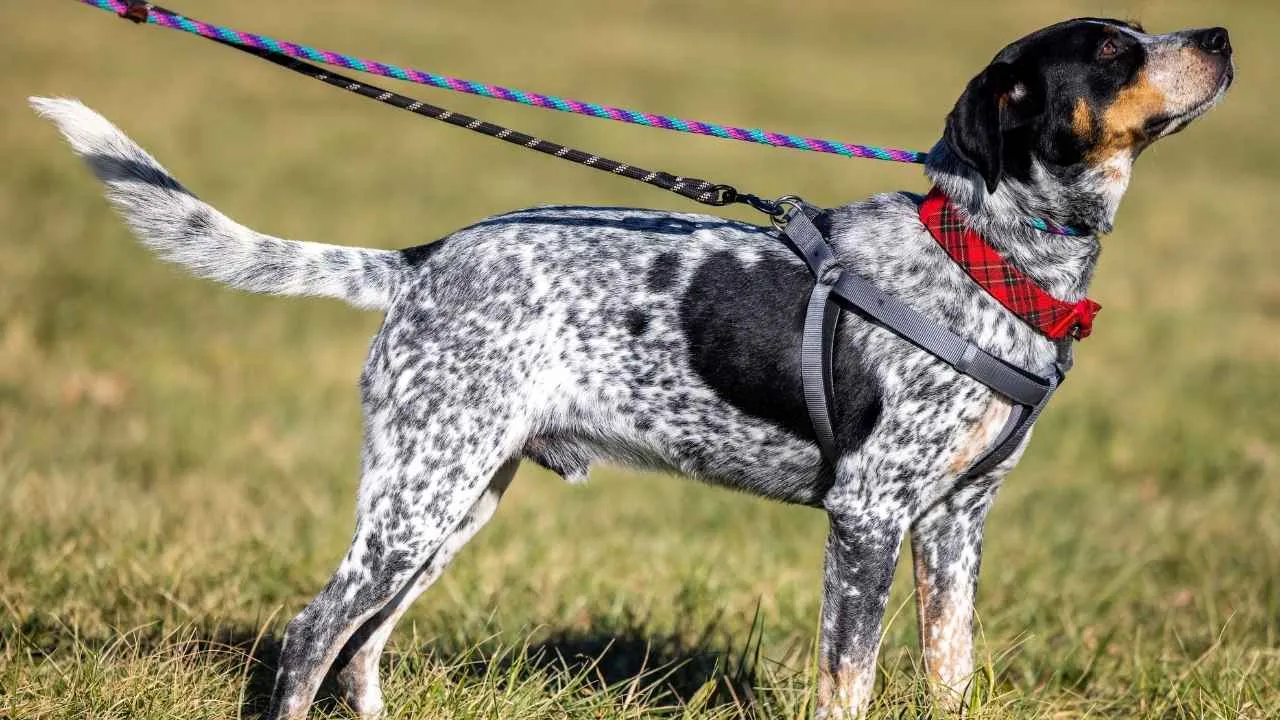
Bluetick Coonhound works with a sharp nose and steady focus, built to follow scent trails over long distances without hesitation. Its sleek coat and athletic frame support endurance-driven movement across rugged ground. Early European hunting lines influenced its strong working drive.
Tracking Abilities in Action
They rely on scent intelligence and stamina when following complex trails, often requiring space and structure during activity. Its working style reflects generations of selective use in demanding outdoor tracking roles.
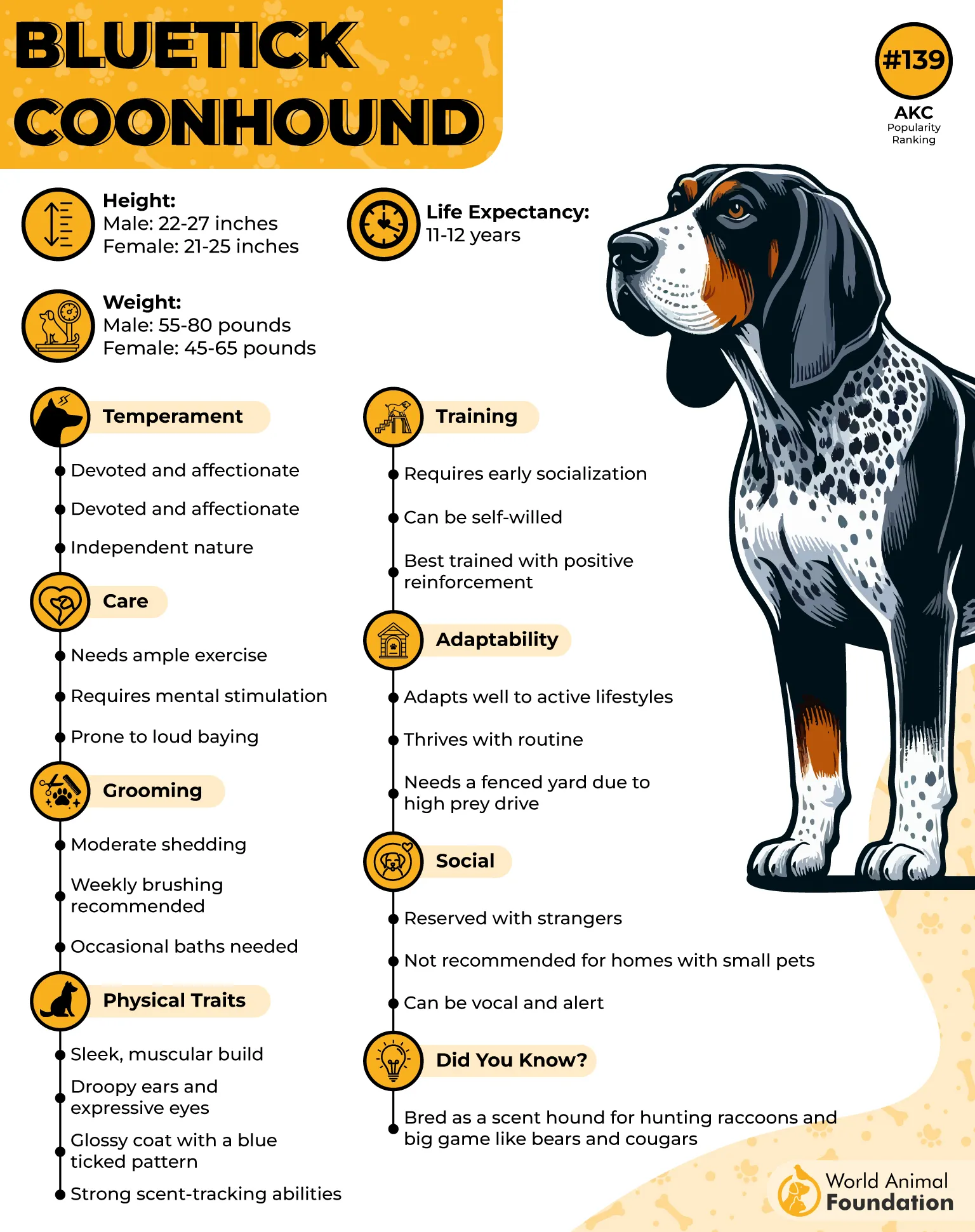
The following core traits define its field behavior:
Strong scent tracking ability
High endurance over distance
Needs structured outdoor activity
Communication Style
Bluetick Coonhound uses a distinctive baying call during pursuit, a sound that carries across wide terrain during tracking work. This vocal pattern is deeply tied to its hunting communication style rather than casual behavior. In everyday settings, it becomes part of its expressive personality.
7. Beagle
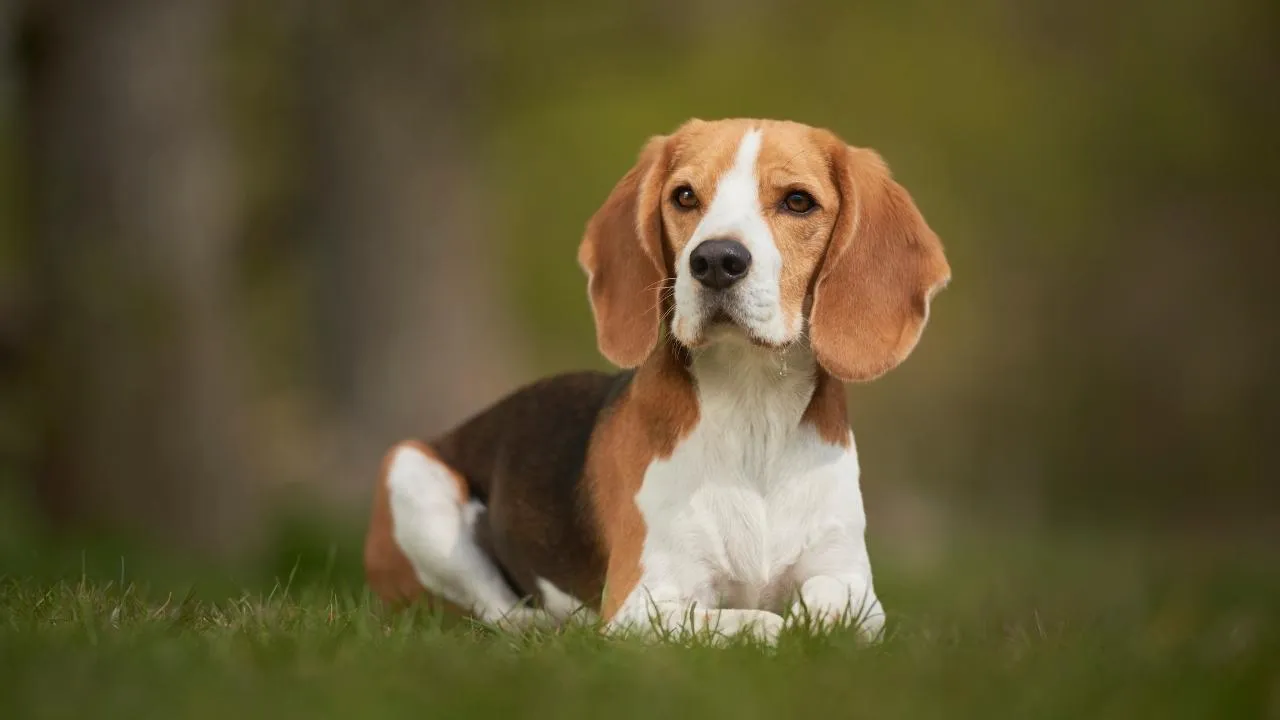
Beagles are known for an extraordinary sense of smell that can lock onto a trail and follow it for long distances. Early English hare hunting shaped its role in pack work across the open countryside. Its compact build and steady energy support long hours of tracking without losing focus.
Tracking Ability in Action
That powerful nose turns everyday walks into scent-driven exploration, making controlled environments important for safety. Beagles respond best when given structure and companionship, as isolation often leads to restless behavior.
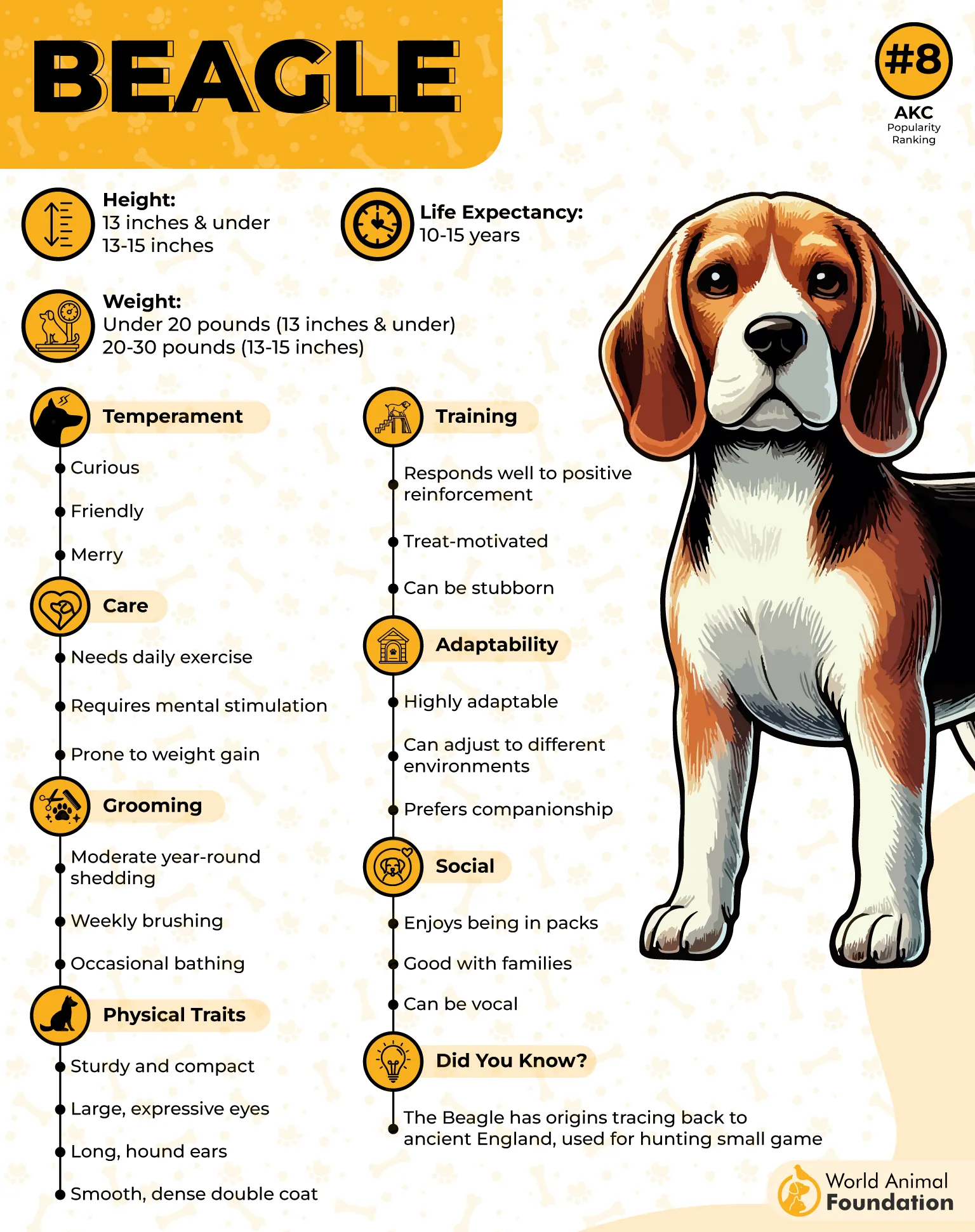
A few core traits define how this breed performs in tracking work:
Strong scent detection instinct
High curiosity outdoors
Pack-oriented social behavior
Outdoor Drive and Management
Beagles require secure spaces during outdoor time since scent trails can quickly pull their attention away. Regular walks and structured activity help channel its energy in a stable direction. Its balance of friendliness and tracking drive makes it suitable for active family environments.
Conclusion
The difference between a successful track and a missed opportunity often comes down to determination. Dogs developed for tracking bring far more than a powerful nose into the field. Whether tracking wounded game or assisting with hunting birds, these active dogs rely on focus, stamina, and an instinctive understanding of scent that humans simply cannot match.
Each breed approaches the job differently, yet all share a willingness to stay engaged when the trail becomes difficult. That combination of skill and determination explains why tracking dogs continue to play such an important role in hunting today. Many also prove to be great family dogs once the work is done.
