




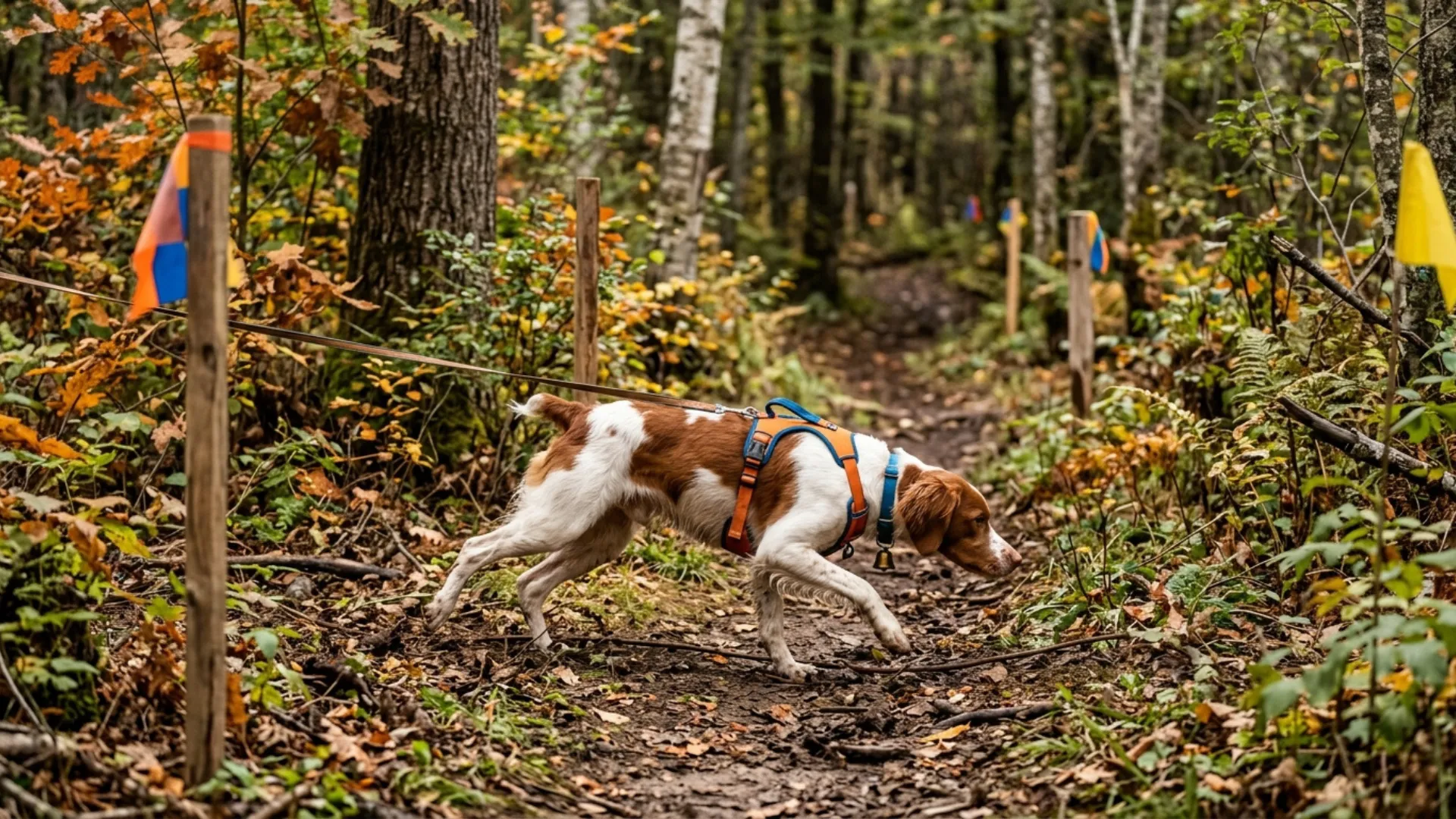
The trails they follow tell a story only a trained nose can read. Hunting dogs bred for tracking have an extraordinary ability to follow scent trails that are invisible to humans, turning uncertainty into precision. From dense forests to wide-open fields, these dogs work with focus and determination, guided by instinct and refined through training.
Across forests, fields, and rugged terrain, they stay locked onto their task even in challenging conditions. Their success is not just instinct; it also comes from structure, discipline, and strong communication with their handlers.
Tracking dogs are also highly resilient, capable of following scents over long distances without losing focus. To understand these breeds is to appreciate their biology, training, and working temperament. Let’s get to know them.
Excellent Hunting Dog Breeds For Tracking Game
1. Weimaraner
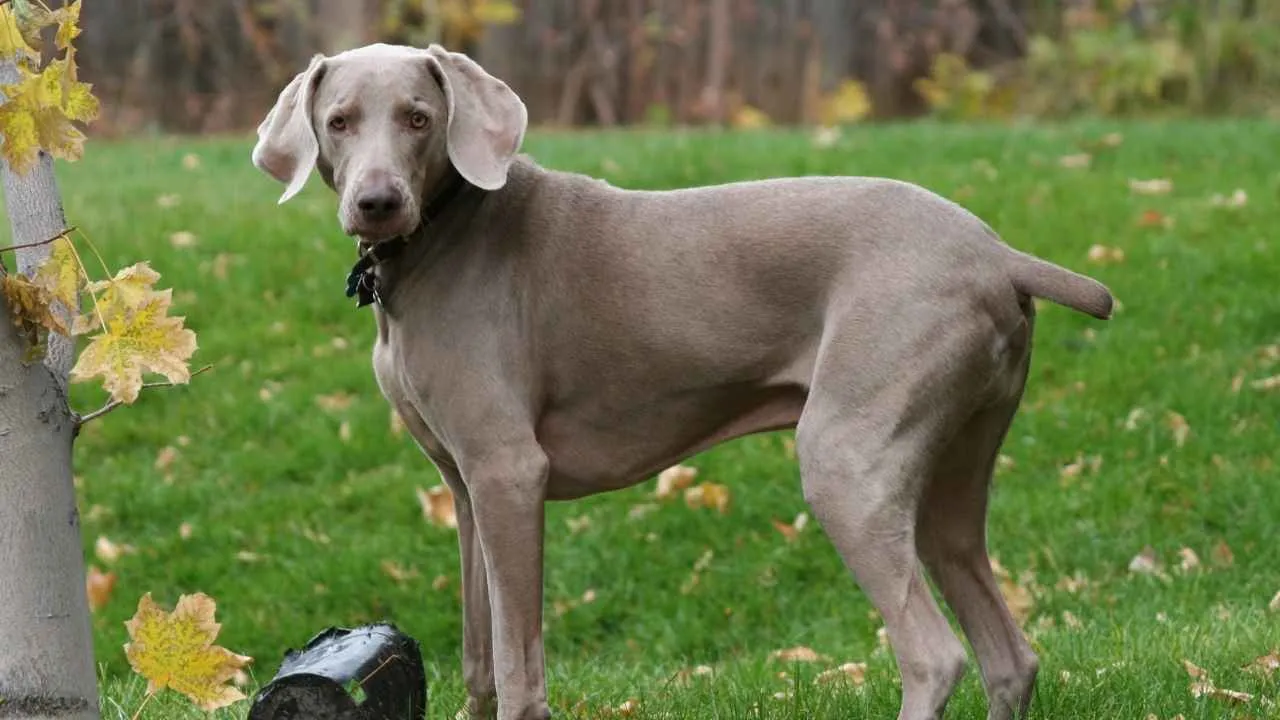
The love for chasing and scent work is built into the Weimaraner’s genes. This hunting breed was developed in Germany to track large game, and it’s known for its versatility, capable of excelling in both land and water hunting.
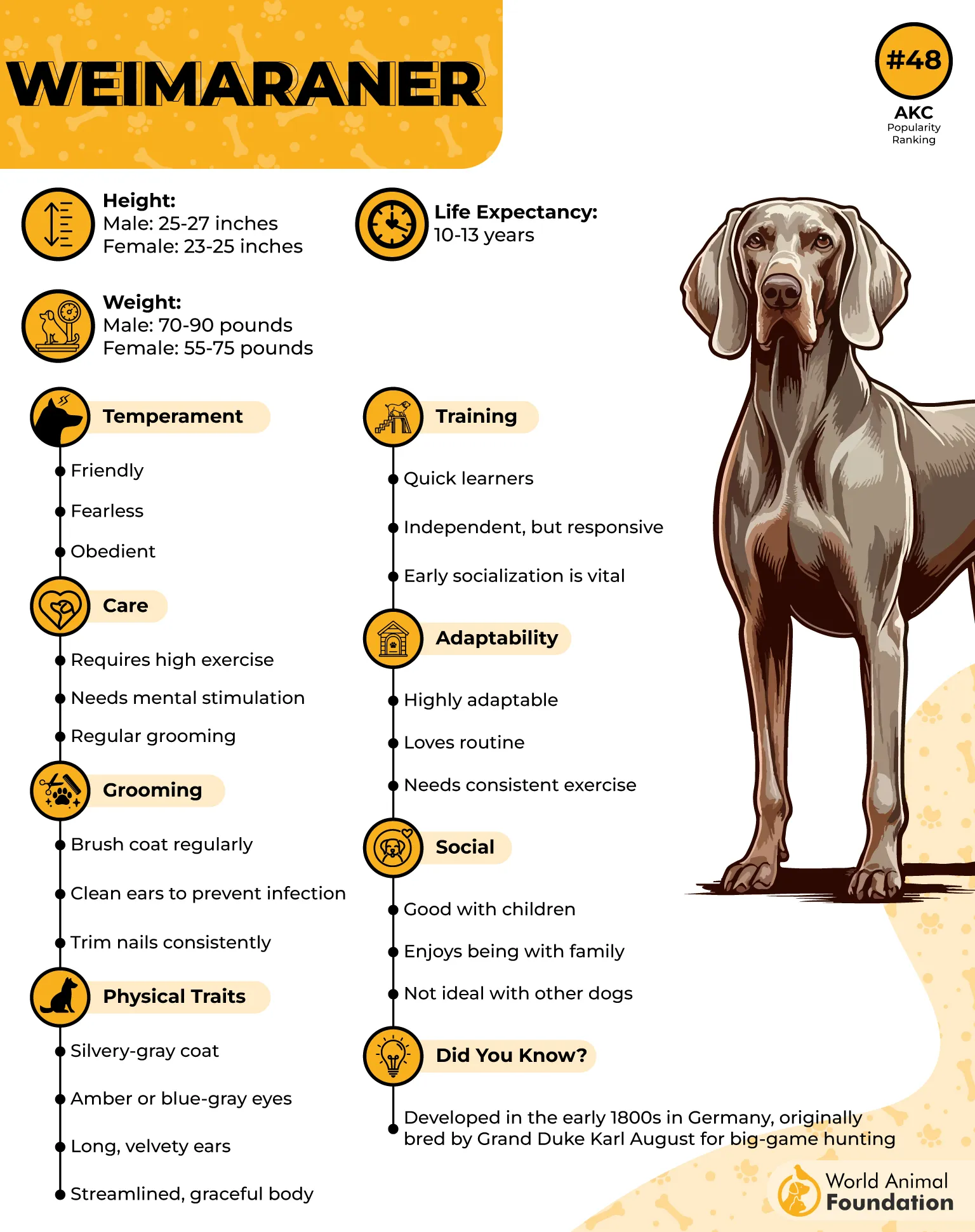
Beyond its impressive ability to locate wounded game such as wild boar and deer, the Weimaraner also has a loyal, affectionate nature toward its family. With proper training and plenty of physical and mental exercise, they can make excellent companions for active households.
Thanks to their intelligence and trainability, Weimaraners can also serve as therapy dogs and search-and-rescue workers. With their long legs, strong endurance, and sharp sense of smell, they hold a respected place among the top hunting dog breeds.
2. Brittany
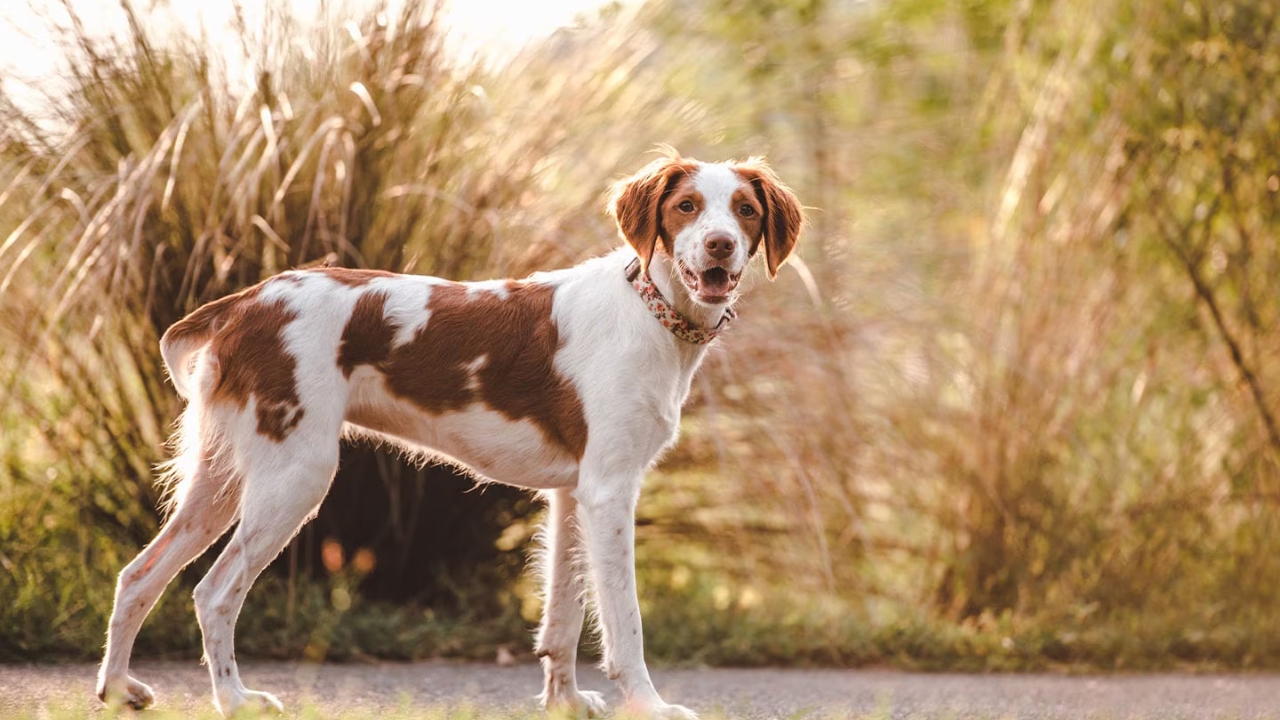
The roots of this gun dog trace back to the 17th century, where it was prized for pointing, flushing, and retrieving game birds. Known today as the Brittany (often called the Brittany Spaniel), this breed originated in France and is naturally gifted with the instincts needed for a wide range of hunting tasks.
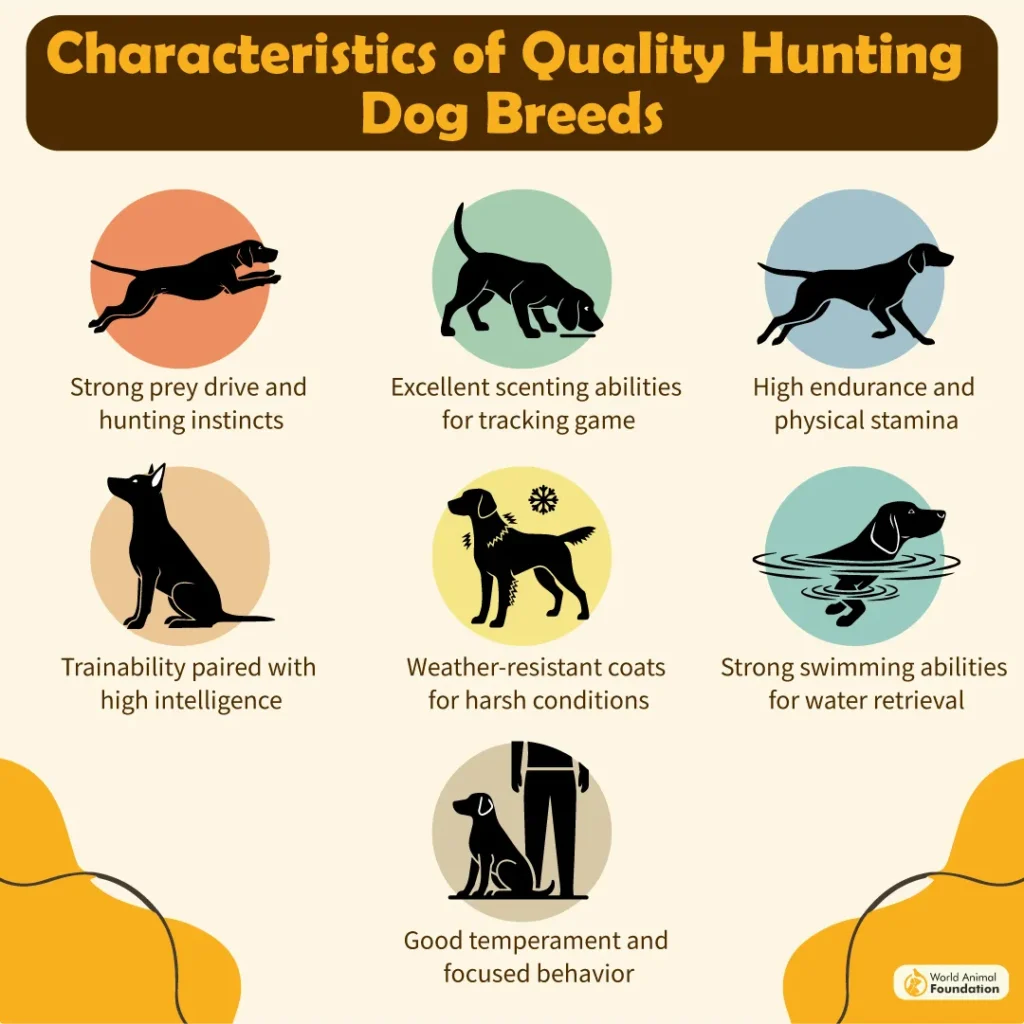
This medium-sized dog has a compact, agile build and an excellent ability to track scents, making it a reliable hunting partner across unpredictable terrain. Its dense, medium-length coat offers protection from harsh weather while remaining relatively easy to maintain.
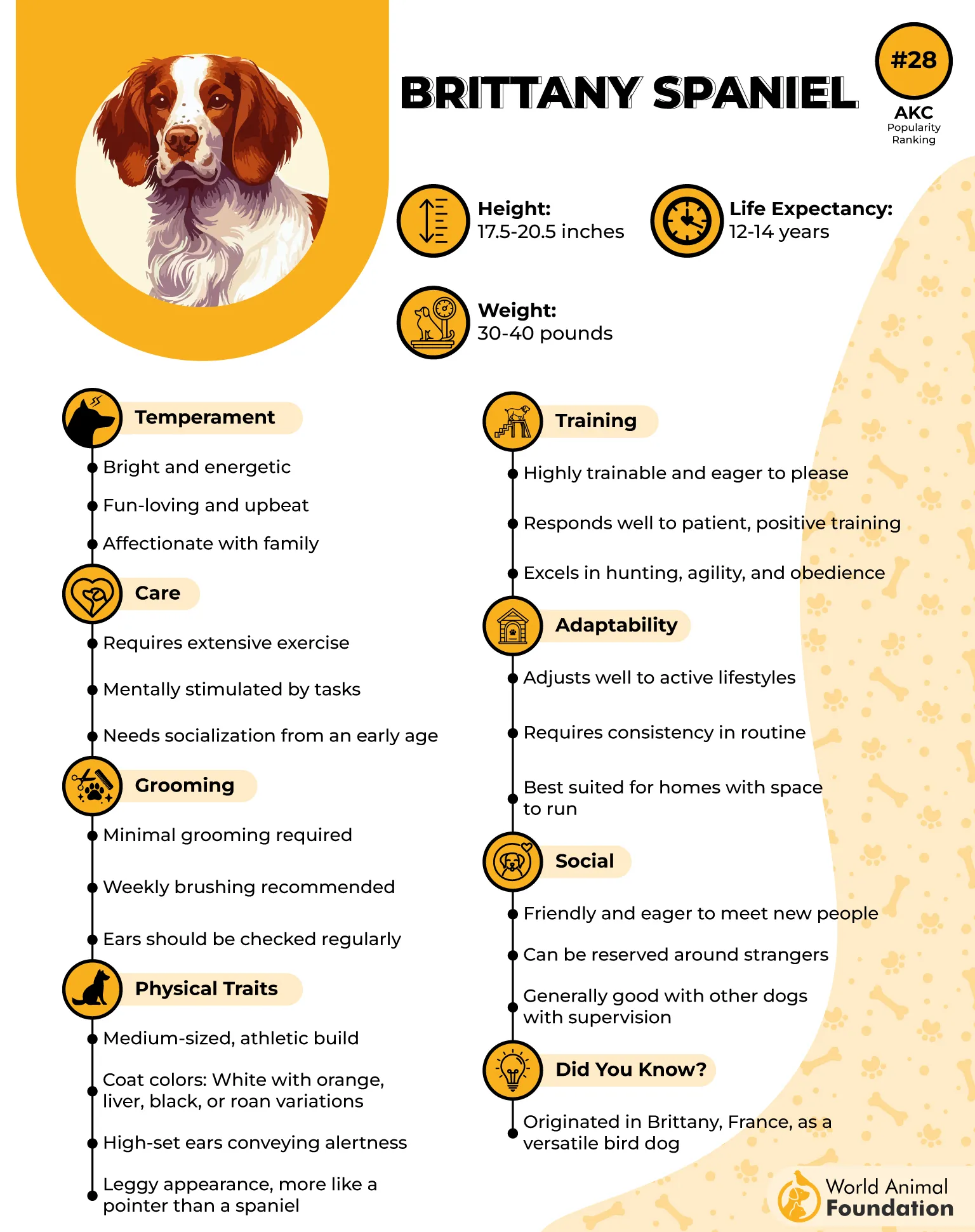
Despite its working background, the Brittany is known for its friendly and affectionate temperament, making it a great family companion that usually gets along well with other dogs. However, due to its strong prey drive, it may instinctively chase small animals.
Brittany is not limited to upland bird hunting; it also excels at retrieving and flushing birds, even in water.
3. American Foxhound
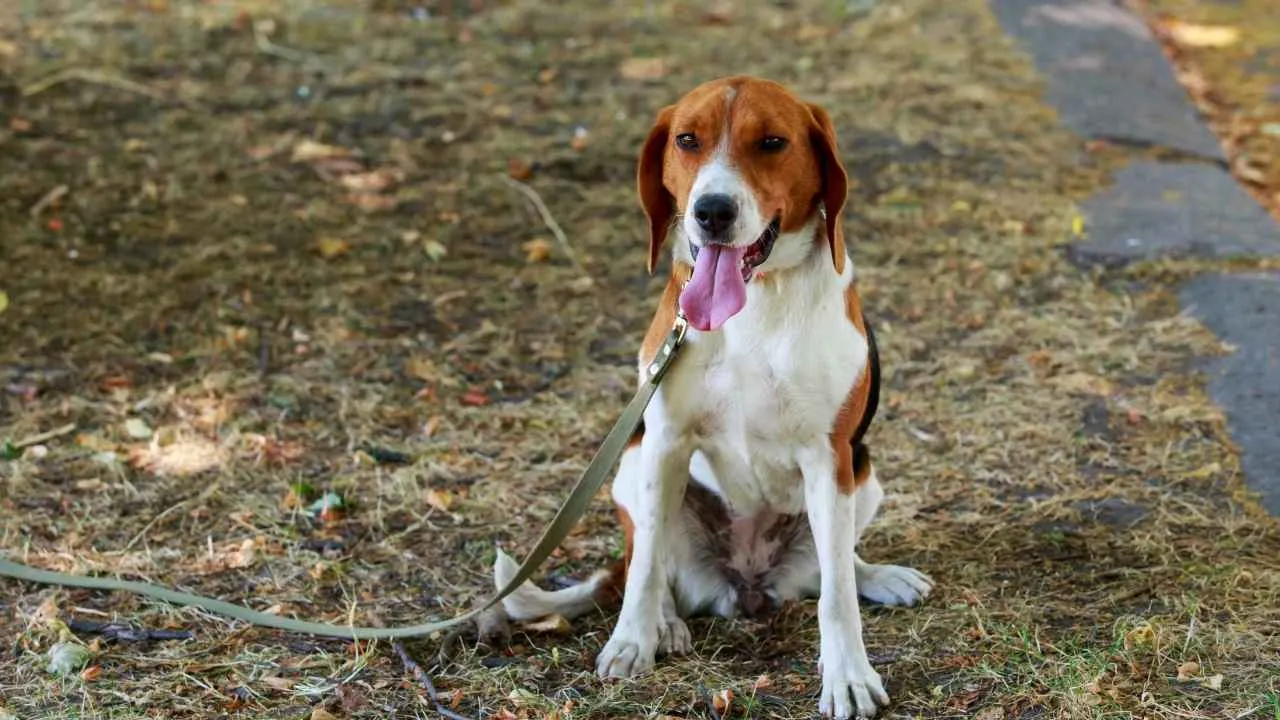
The American Foxhound is the definition of a true hunting companion, known for its powerful sense of smell, high energy, and athletic build. This scent hound was originally bred to hunt foxes and has even earned the title of the official state dog of Virginia.
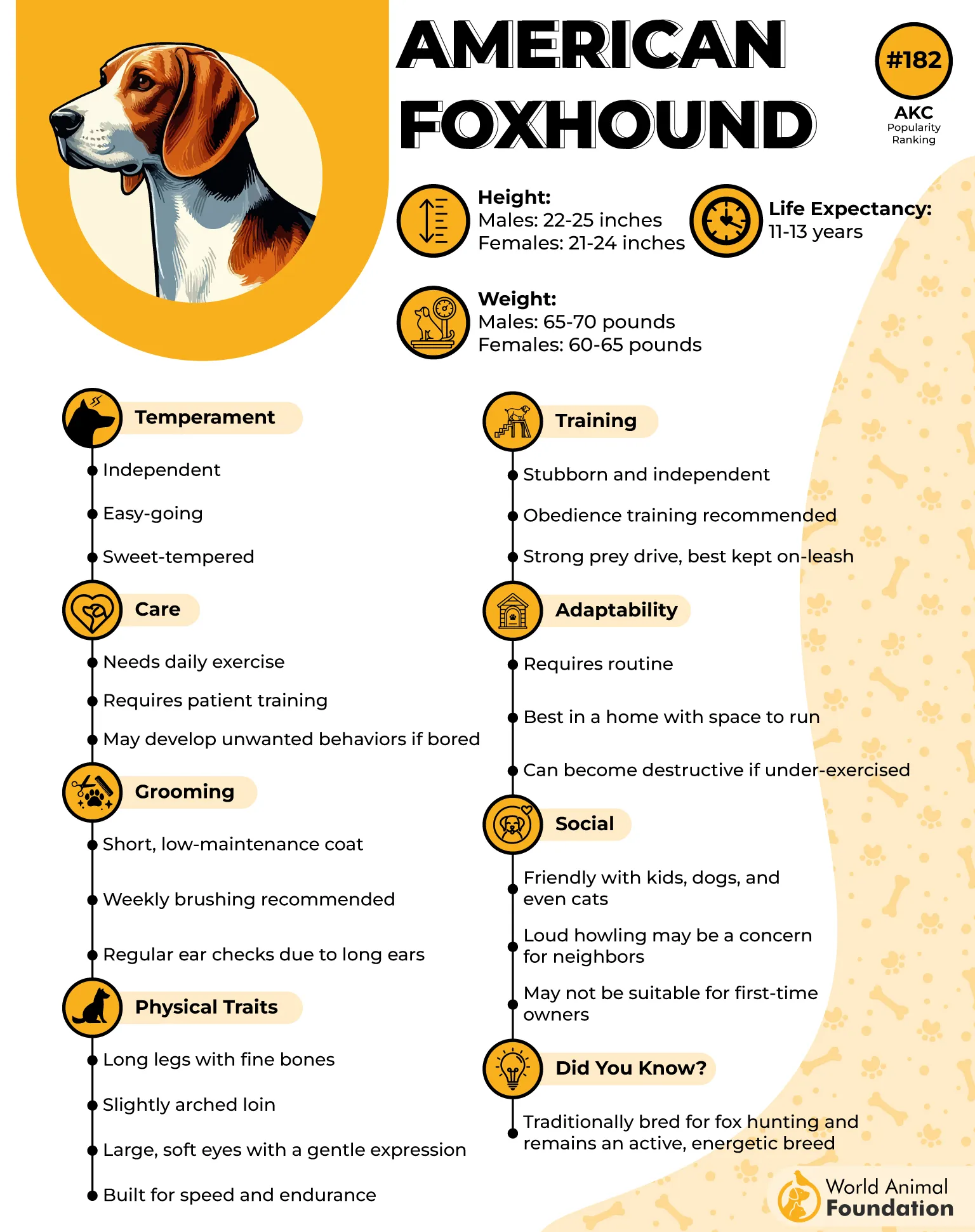
Its hunting style is marked by a deep, musical bay, and its speed and stamina allow it to track both small and large game with ease. According to the American Kennel Club, American Foxhounds are strong-willed and vocal, which makes them less suitable for first-time dog owners.
These dogs need a structured routine and plenty of exercise to properly channel their energy. They thrive in outdoor activities like hunting, hiking, and long-distance walks. With early training, consistency, and patience, experienced owners can bring out their naturally eager-to-please temperament.
4. English Springer Spaniel
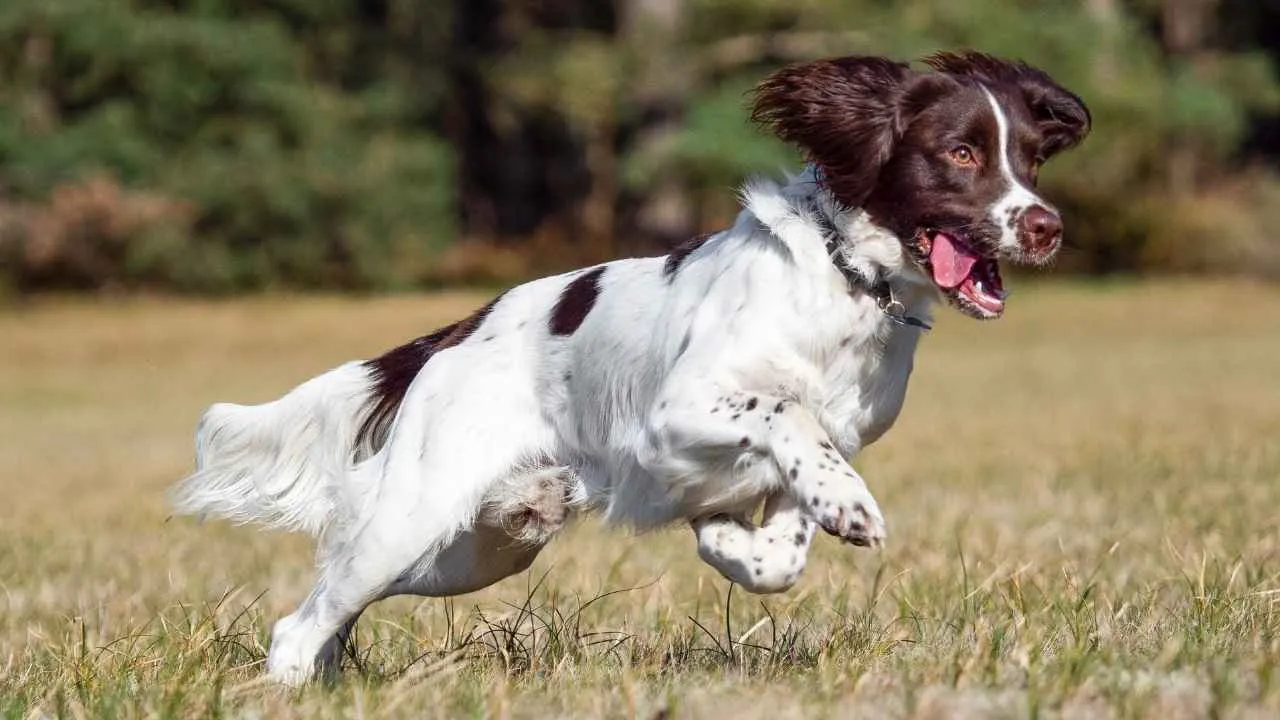
Known for their flushing and retrieving abilities, English Springer Spaniels are energetic and skilled bird dogs. Though small in size, they have an excellent sense of smell and strong swimming ability, supported by their webbed feet and weather-resistant coat.
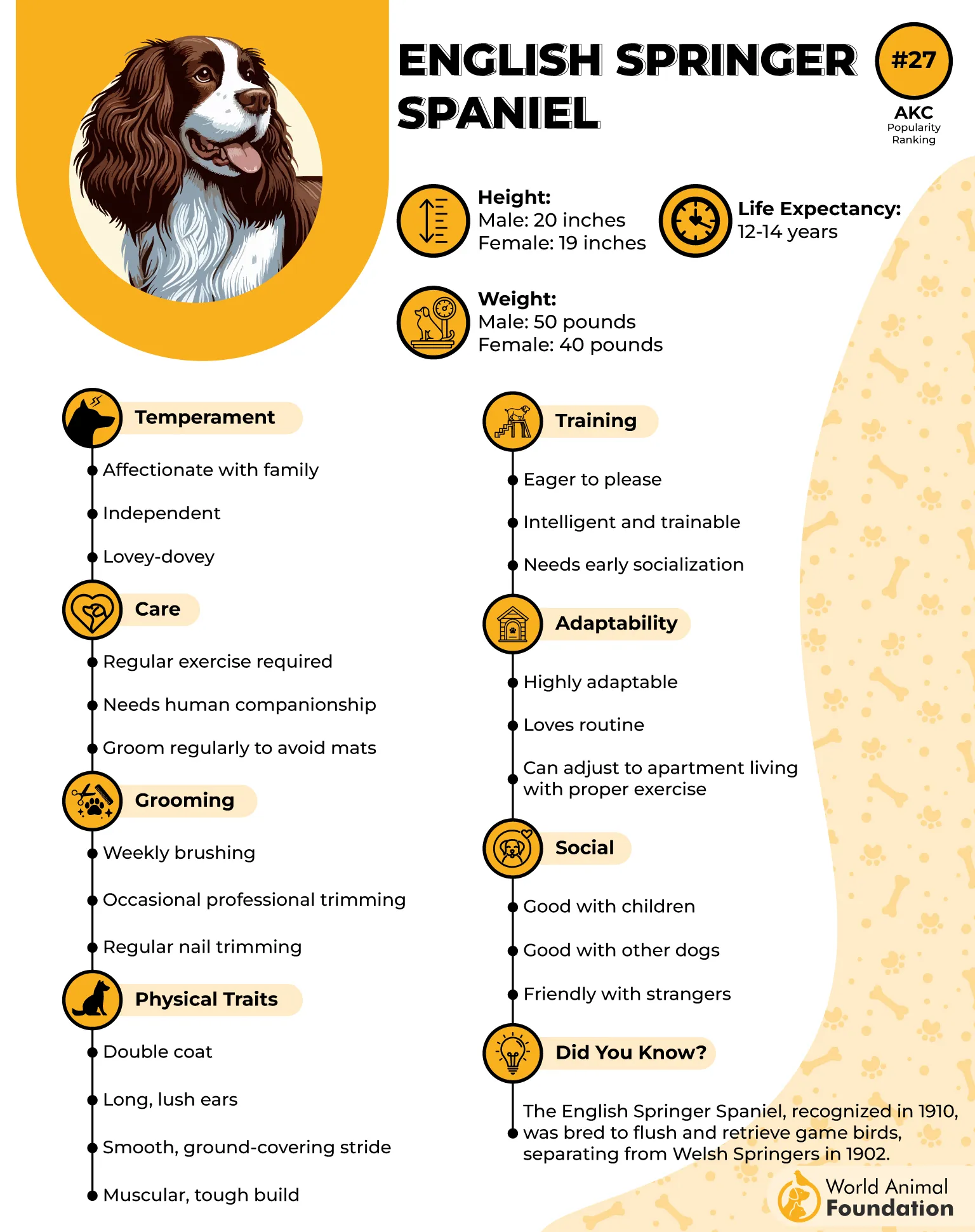
Originally bred in England for flushing upland game birds, they also excel at retrieving and working closely with hunters across different environments. Their agile, compact bodies allow them to move easily through thick brush while tracking and flushing out prey.
English Springer Spaniels are often called “velcro dogs” because of how strongly they bond with their owners. They don’t do well when left alone for long periods and may develop separation anxiety. Affectionate and social, they are also popular family dogs that typically get along well with children and other pets.
5. Basset Hound
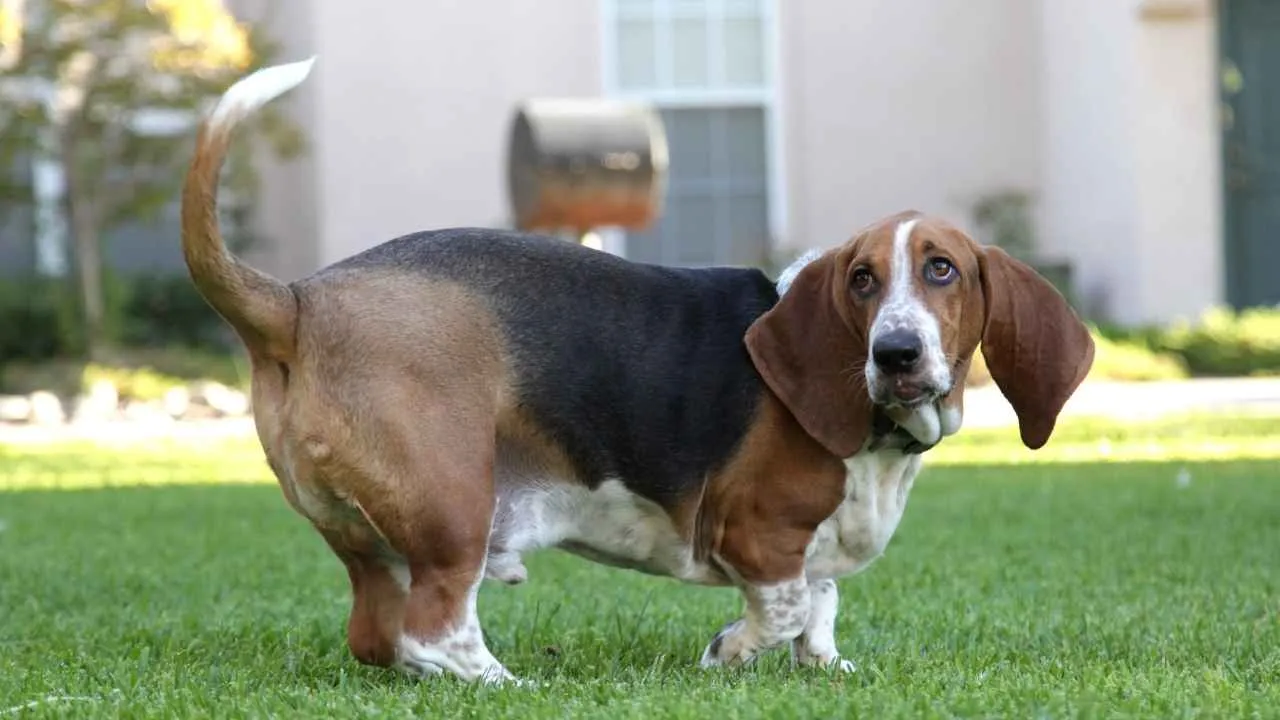
Basset Hounds are instantly recognizable by their sturdy build, short legs, and long, droopy ears. Beyond their unique appearance, these hounds are well-suited for versatile hunting roles, as they are obedient and excel at pack hunting, field trailing, and tracking game.
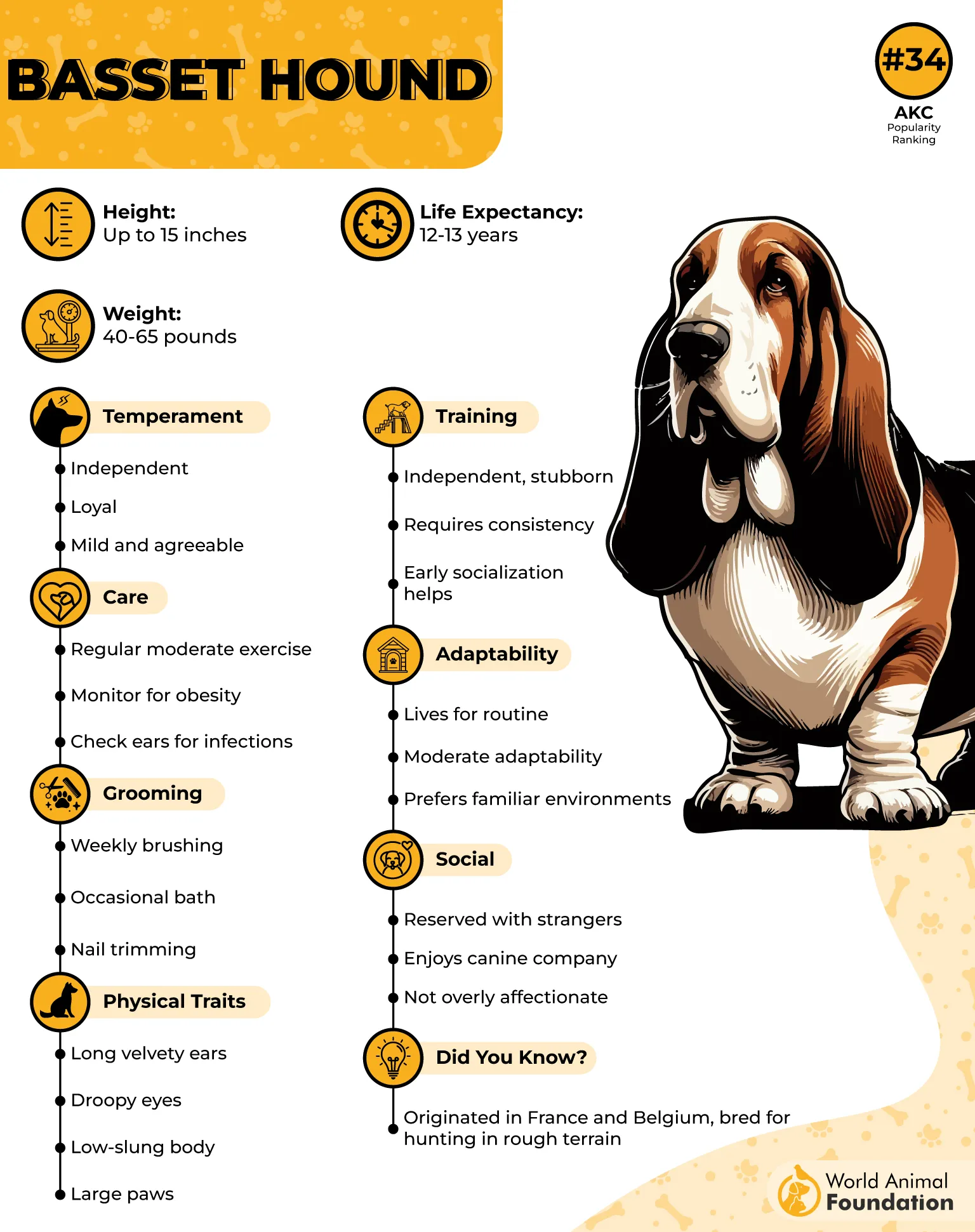
Like other hound breeds, the Basset Hound has a distinctive, deep, resonant “cry” that sets it apart from others. They are generally friendly and affectionate, making them good family companions. However, due to their strong prey drive, they may not be the best fit for multi-pet households.
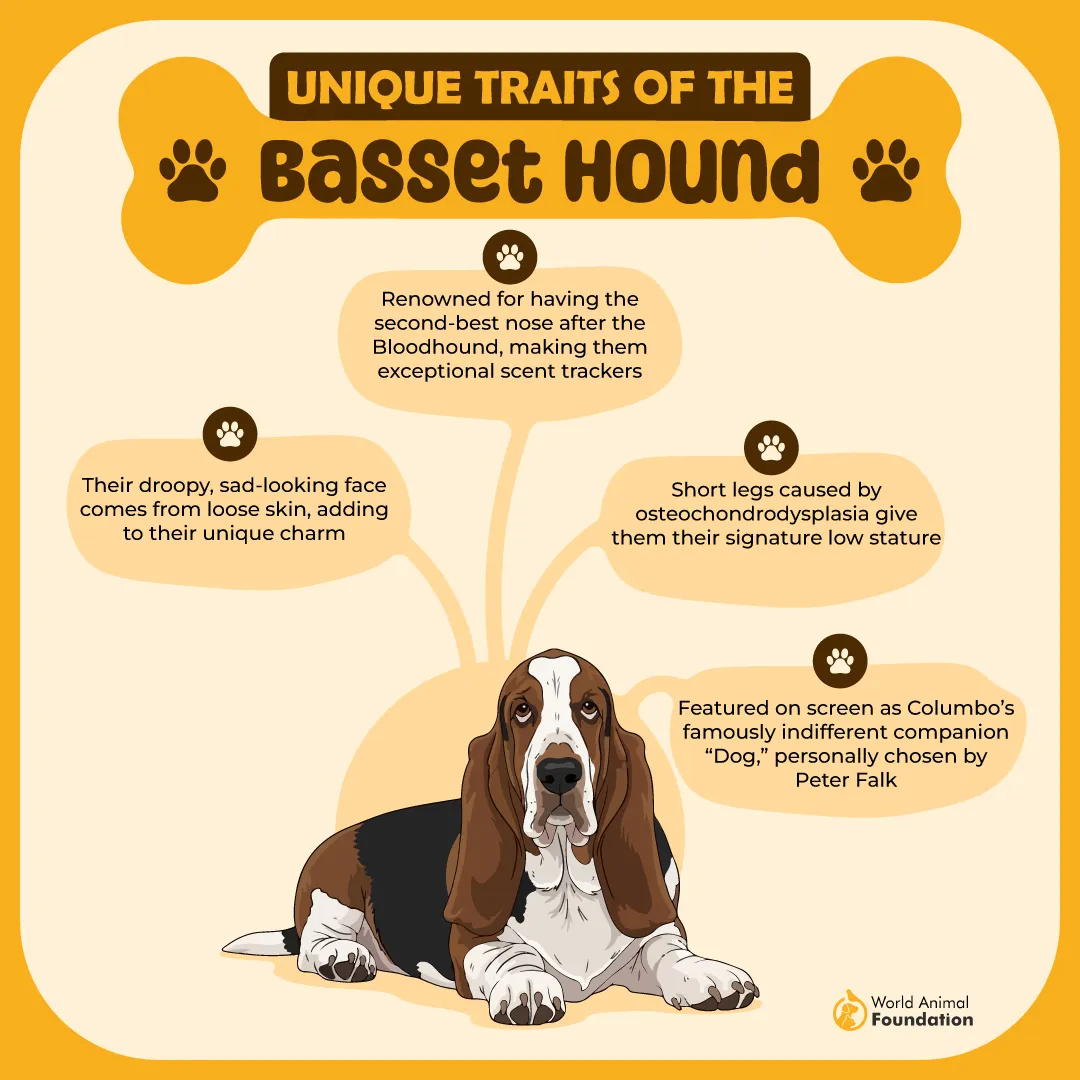
Their stubborn nature can make training a bit challenging for pet owners. While they are intelligent and capable of learning quickly, they require consistent guidance and patience for proper development. Basset Hounds also shed heavily throughout the year, which means they have fairly high grooming needs.
6. Beagle
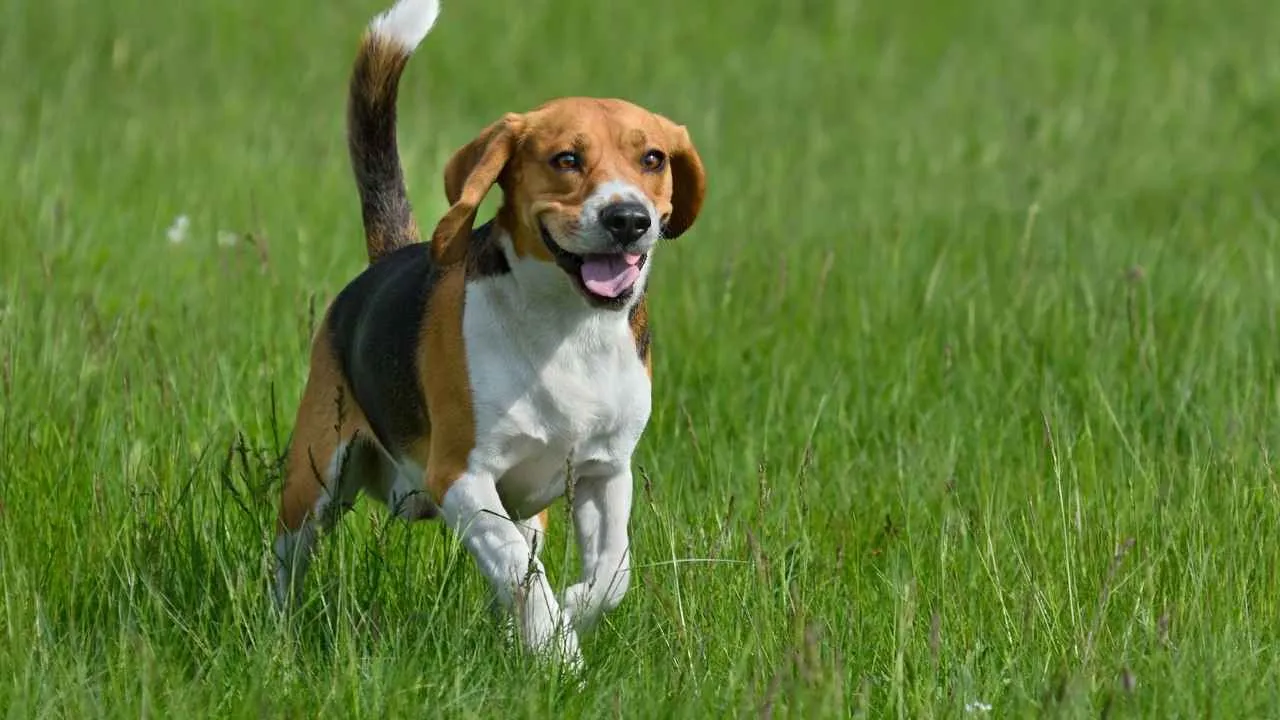
Thanks to their small stature and sharp sense of smell, Beagles are widely recognized as one of the top hunting dogs, especially skilled at tracking small game like rabbits through tight and challenging terrain. Hunters also identify them by their distinctive vocalization, known as a “bay.”
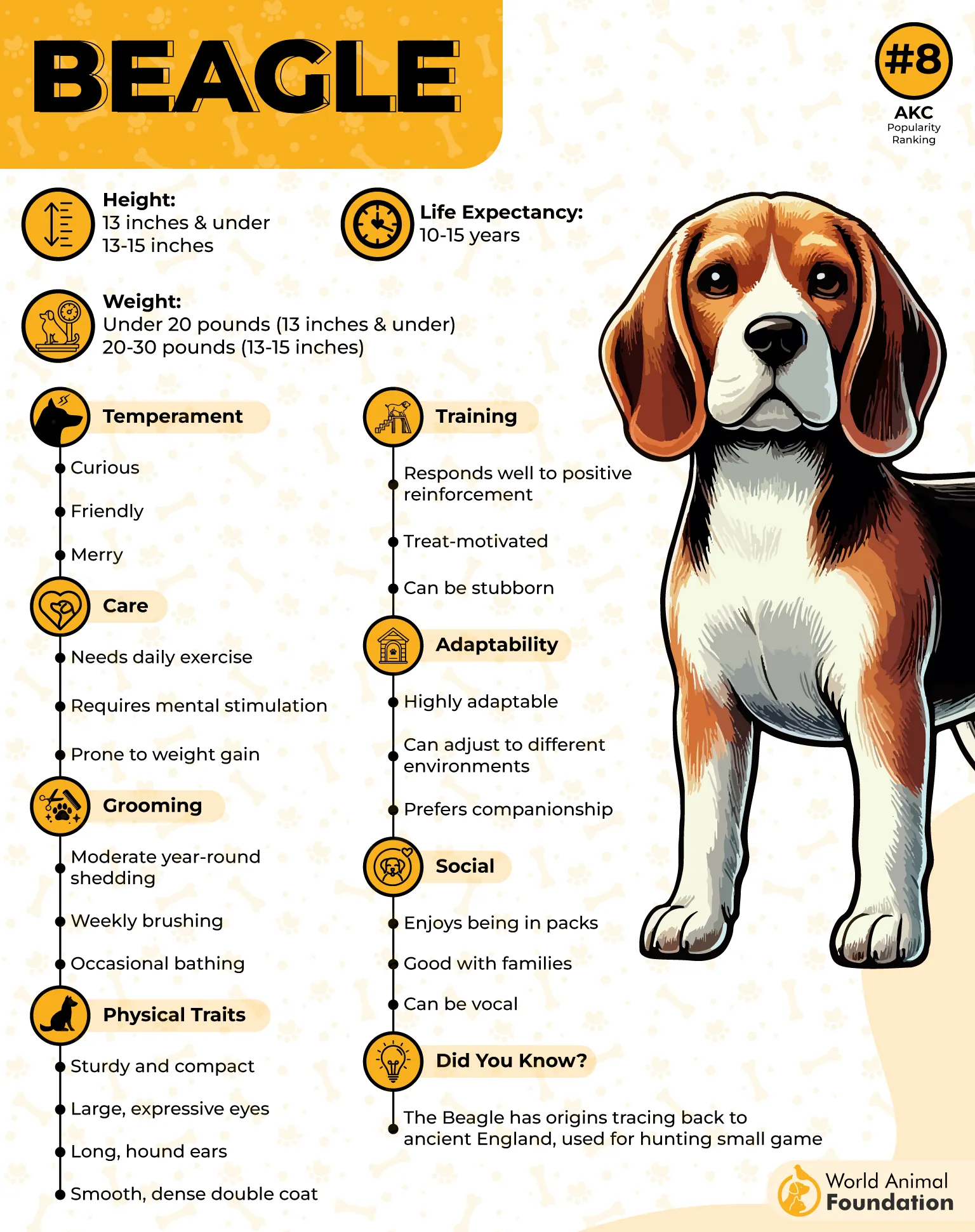
In the field, these alert and intelligent dogs are highly aware of their surroundings. When their exercise and stimulation needs are properly met, they are content even in a backyard setting. However, Beagles are prone to obesity, so owners should carefully monitor their food portions and diet.
Beagles are traditionally pack-hunting dogs, used for chasing prey in groups, which makes early training especially important. Known for their strong drive to hunt rabbits and hares, they have a high prey instinct that may not suit homes with small pets.
7. Pharaoh Hound
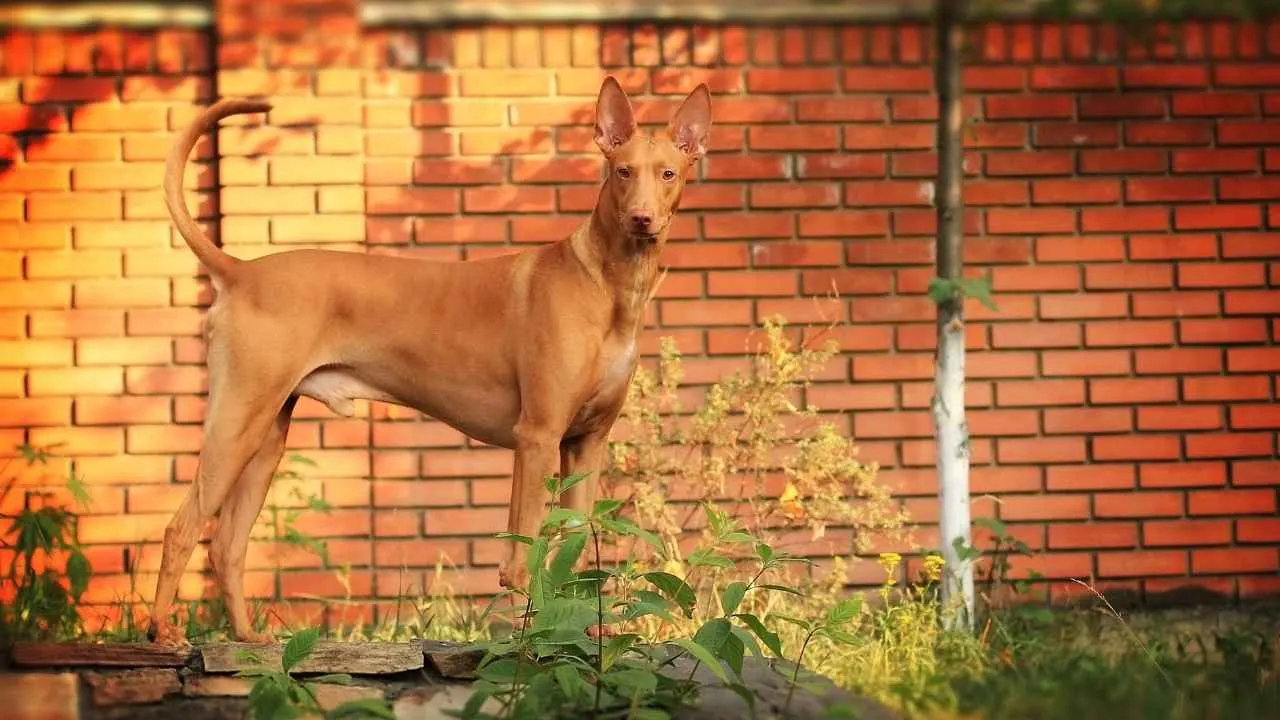
The Pharaoh Hound has served as a hunting dog for centuries, with origins linked to ancient Egypt. This breed was valued for its ability to assist hunters in the field—using alert vocalizations to signal the location of prey, while its careful approach helped keep game from escaping before capture.
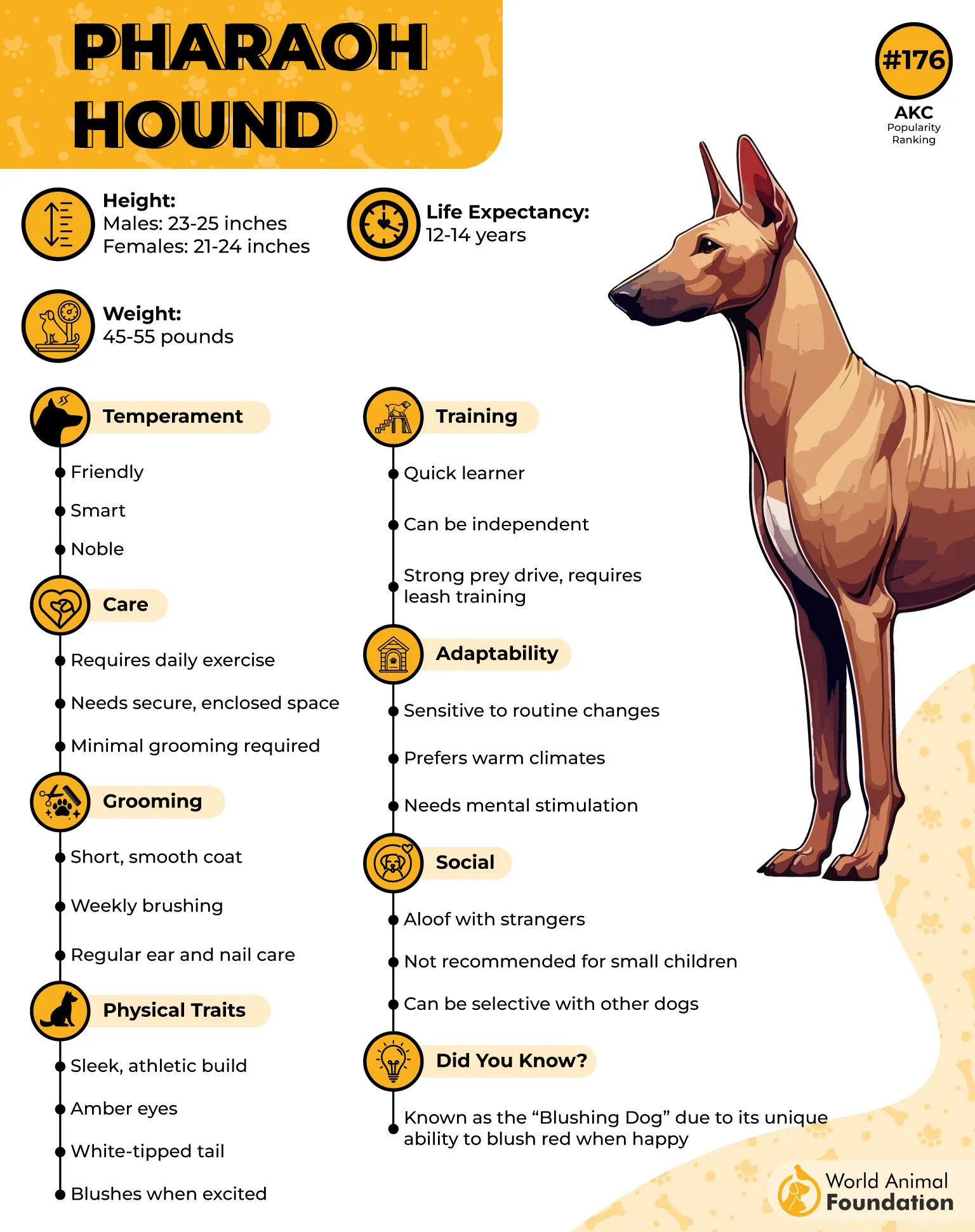
Pharaoh Hounds are lively, playful, and highly social dogs that love entertaining their families. They often have a “cat-like” personality—sometimes independent, sometimes cuddly. However, their intelligence and occasional stubbornness can easily outsmart inexperienced handlers, making them better suited for owners with prior dog experience.
Although primarily sighthounds, Pharaoh Hounds also show strong hearing and scenting abilities. With excellent stamina and endurance, they can run for long periods without tiring. Traditionally, they have been used to hunt rabbits and other small game, including ferrets, relying on speed, focus, and agility in the field.
8. Treeing Walker Coonhound
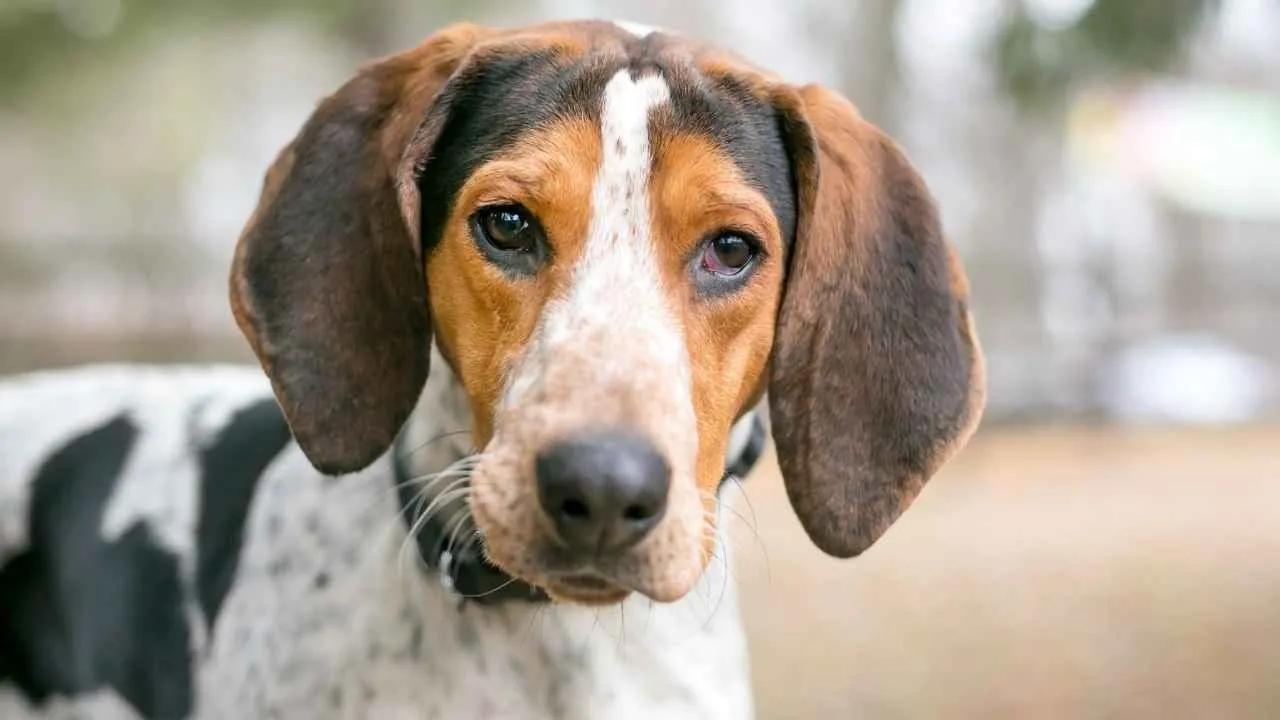
As the name suggests, the Treeing Walker Coonhound is known for “treeing” raccoons—tracking them and keeping them up a tree so hunters can easily locate and follow their target. This breed has a muscular build, long floppy ears, and a short, low-maintenance coat.
With a strong sense of smell, impressive speed, and a high prey drive, Treeing Walker Coonhounds excel in hunting both small and large game, including raccoons, rabbits, squirrels, deer, and even larger animals like cougars and bears. Their distinctive baying voice also helps hunters identify their location from long distances.
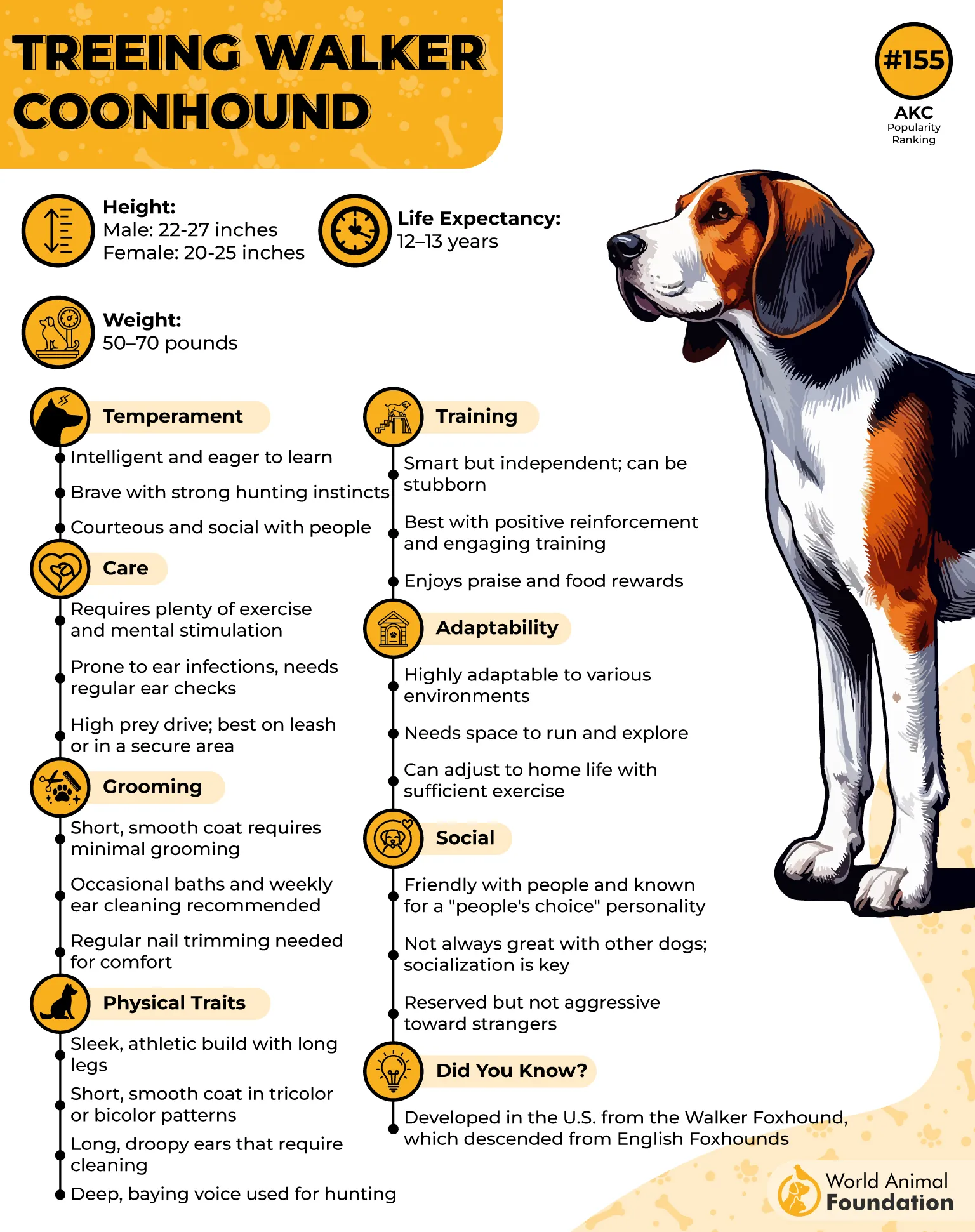
To prevent destructive behavior, they require consistent training and regular exercise. These dogs have an independent streak that helps them follow scent trails effectively, but can also make training challenging, as noted by Orvis.
9. Boykin Spaniel
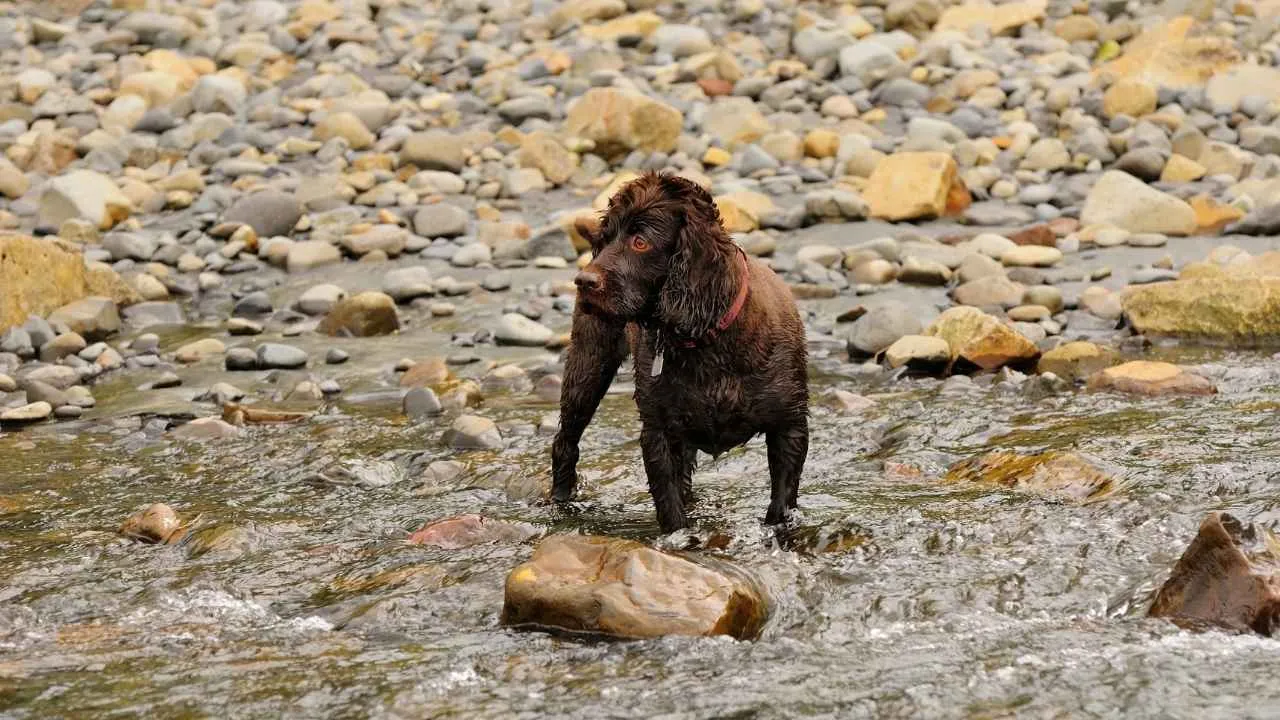
Our list of excellent tracking dogs concludes with the Boykin Spaniel, a breed originally developed in South Carolina for hunting wild turkeys and ducks. Today, they are considered versatile, multi-purpose hunting dogs that can track and work a variety of game in the field.
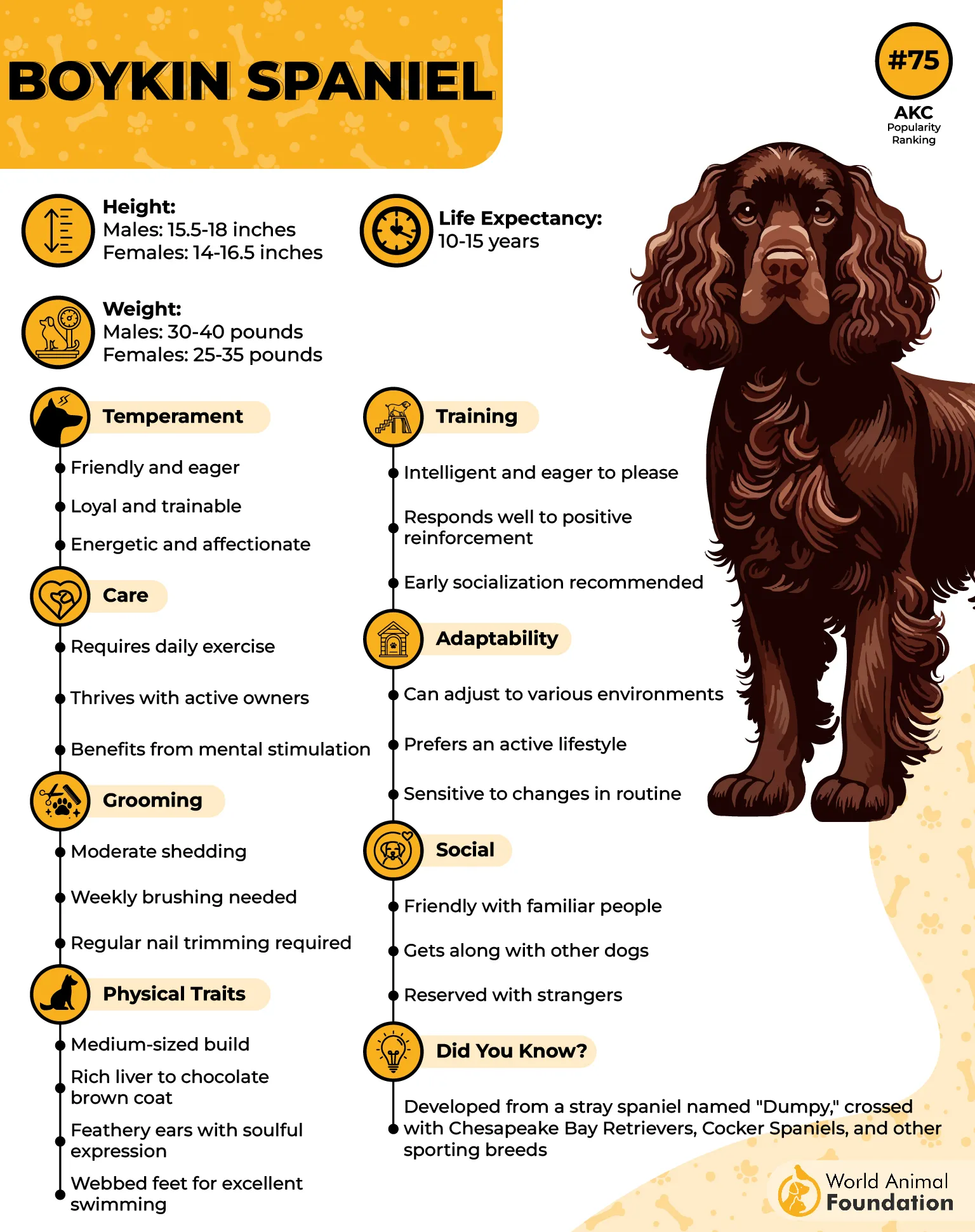
Boykin Spaniels are an excellent match for upland hunting, especially for those who want a dog that can flush small game and retrieve waterfowl. Their compact size allows them to move easily through dense cover and tight spaces, and they can also adapt well to apartment living when their exercise needs are met.
Although affectionate and easygoing, their activity requirements should never be ignored. Boykin Spaniels are energetic, hardworking dogs that need at least one to two hours of daily physical exercise, according to Chewy. Their endurance is impressive, allowing them to work effectively over long distances in the field.
Conclusion
In the world of field sports, few companions match the precision and instinct of tracking-focused hunting dogs. Choosing the right breed ultimately depends on a hunter’s environment, target game, and handling style.
For those seeking reliability, intelligence, and exceptional scenting ability, these dogs remain a timeless and trusted choice worth exploring further.
