




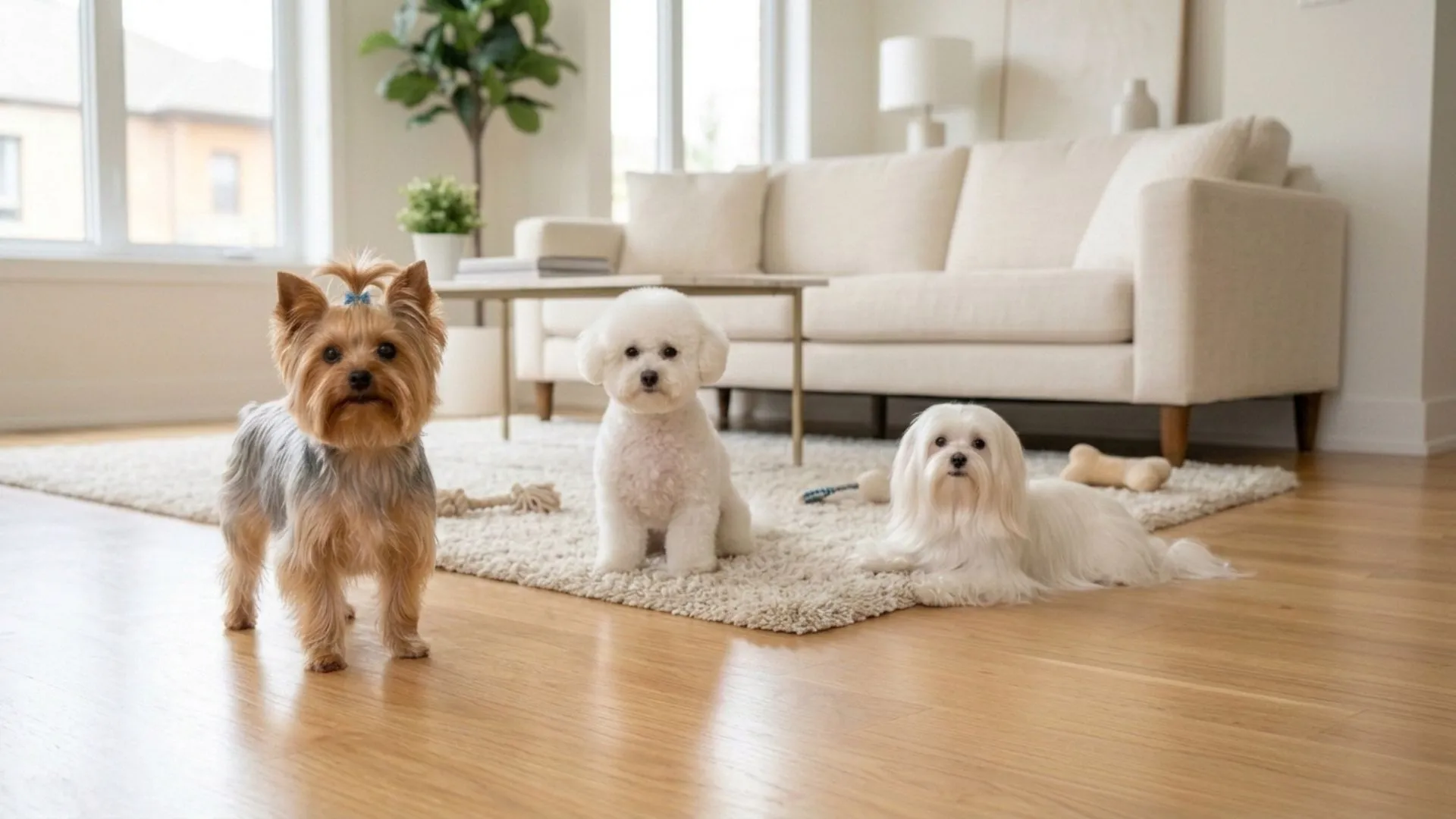
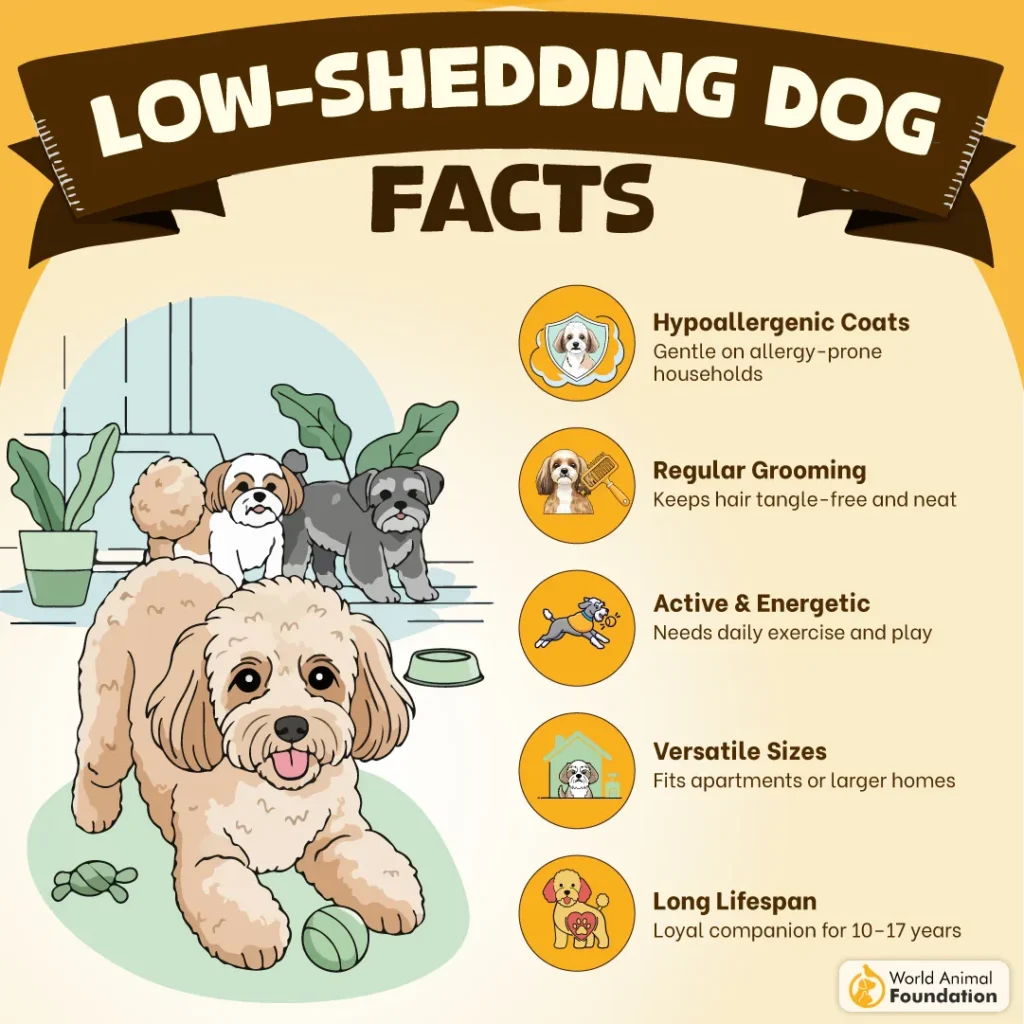
A loving dog can fill a home with warmth, laughter, and companionship, but let’s be honest, not everyone loves finding fur on every sofa cushion and piece of clothing. Thankfully, there are plenty of dog breeds out there that shed far less than others, making them a great option for anyone who values a tidier living space.
From playful companions to classic lap dogs, low-shedding breeds come with a wide range of temperaments and needs. It’s worth noting, though, that less shedding doesn’t always mean less grooming; several of these breeds still need regular care to stay looking and feeling their best.
If you’re after a canine companion without the constant battle against loose hair, these breeds might offer just the right balance between a clean home and the joy of having a pet by your side. Let’s dive into their traits and care needs to help you build a healthy, lasting bond, minus the extra mess.
Excellent Dog Breeds for a Tidy Home: Low-Shedding Options
1. Basenji
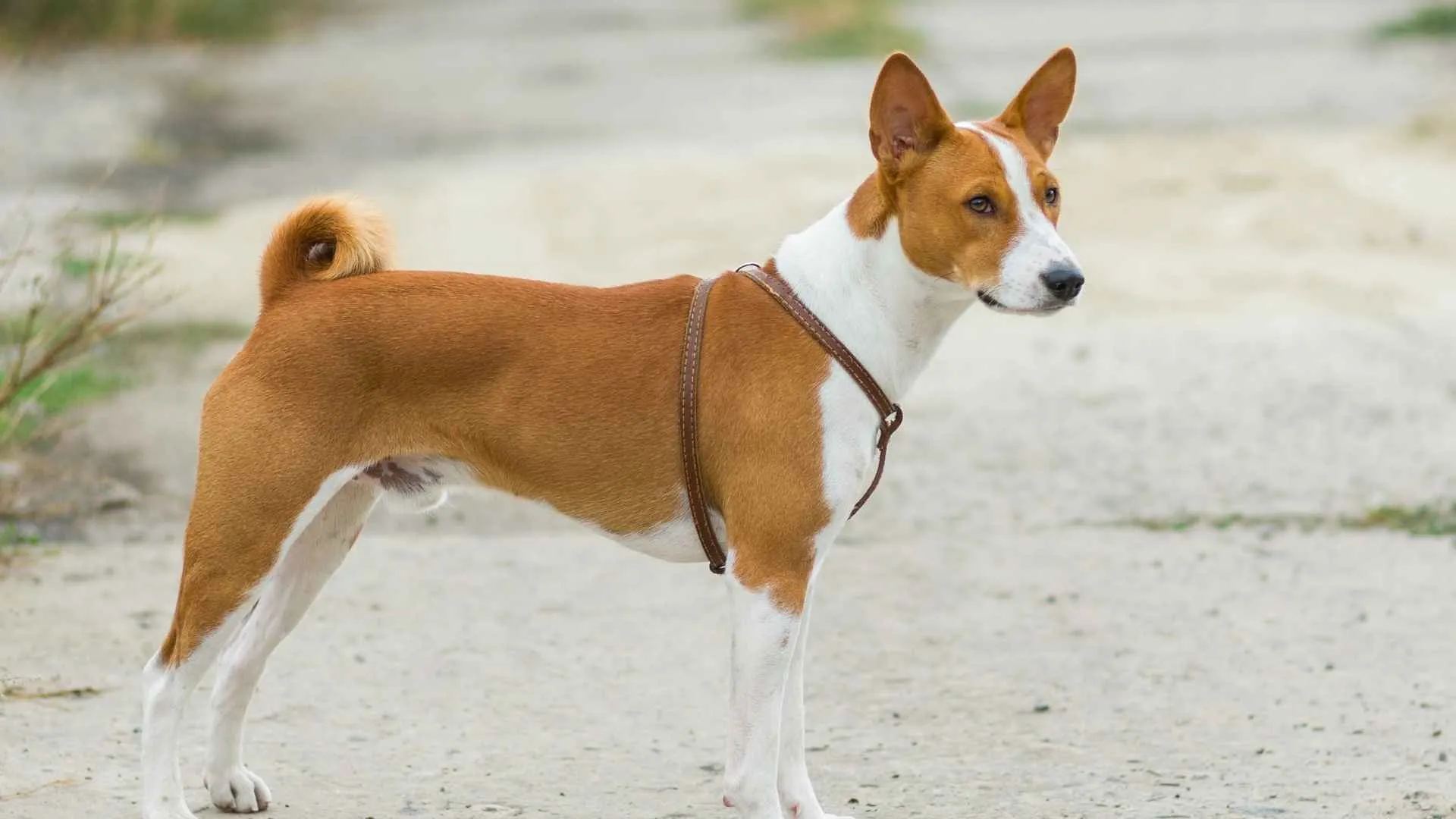
Hailing from central Africa, the Basenji has earned the nickname “barkless dog.” Originally bred as a hunting companion, this breed still thrives both alongside hunters and within families today. If you love hounds but also value a tidy home, the Basenji might be exactly the match you’re looking for.
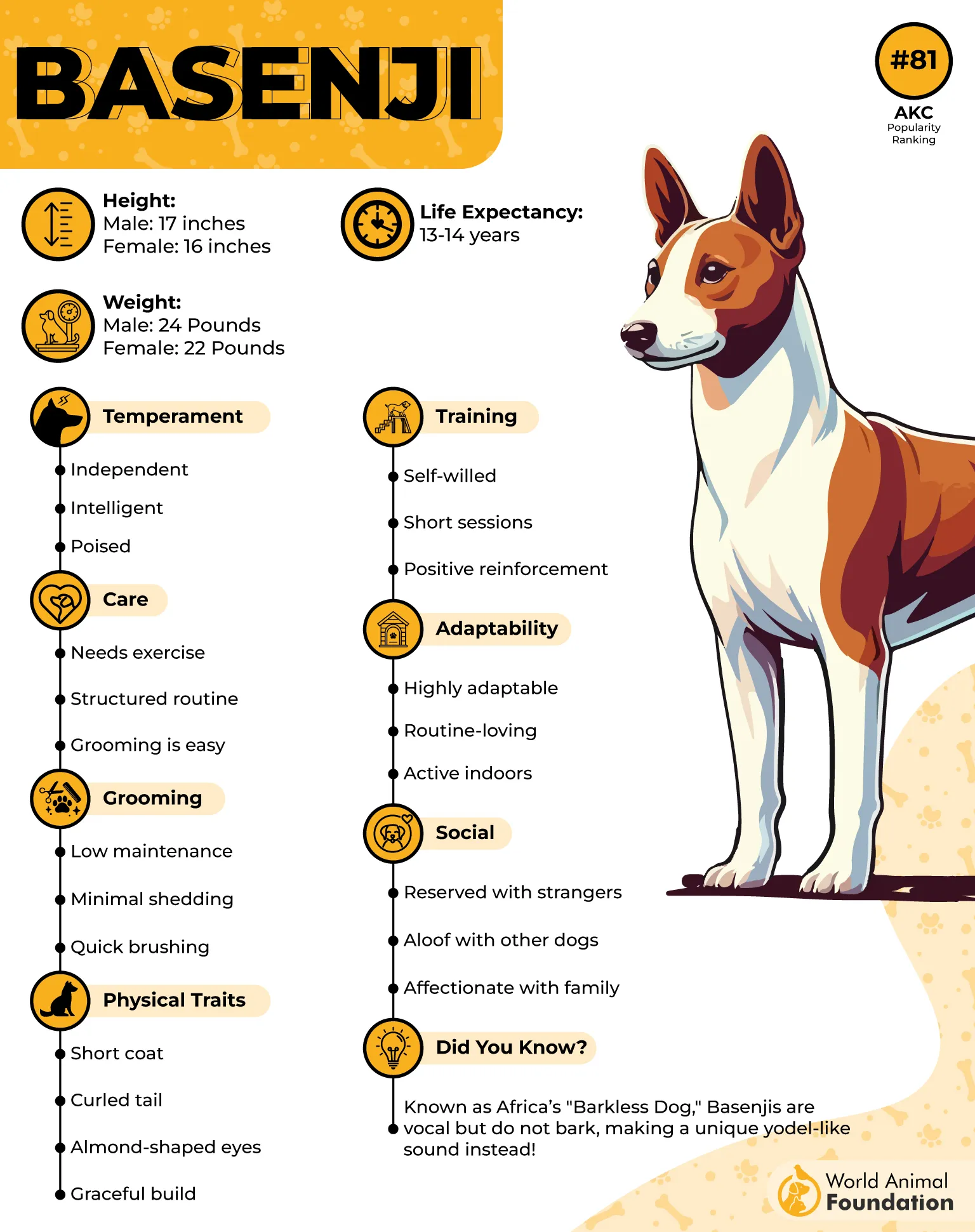
Basenjis are known for being intelligent, curious, and refreshingly independent. They form close bonds with their families, though they tend to stay reserved around strangers. Their stubborn streak can make training a bit of a challenge, so short sessions built around reward-based methods tend to work best.
Basenji coats come in a variety of colors, including red, brindle, and black. When it comes to grooming, this low-shedding breed is refreshingly easy to maintain; occasional brushing is usually enough to clear away loose or dead hair and keep the coat looking healthy.
2. Maltese
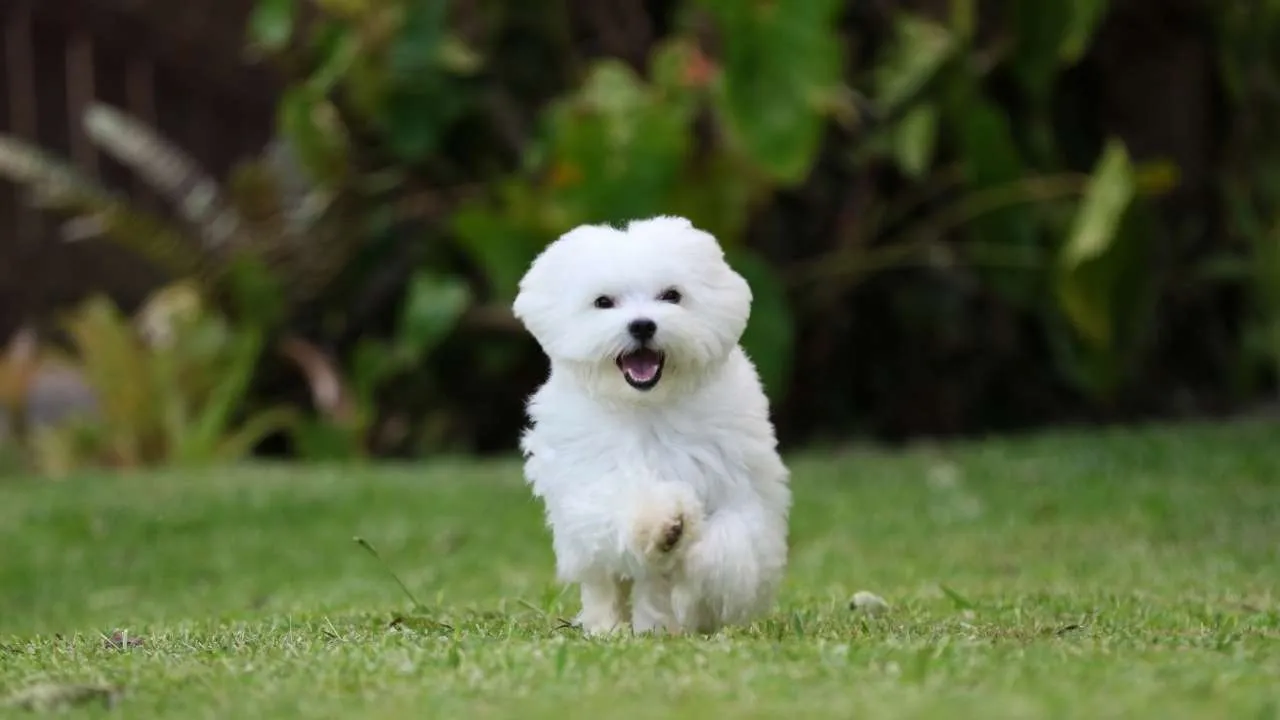
If you’re on the hunt for a small white dog that looks like a little cotton ball but doesn’t shed much, the Maltese is definitely worth considering. Their hair has a texture similar to human hair, which helps minimize shedding, though that same hair also tends to grow out fairly quickly.
Originally bred purely for companionship, Maltese dogs genuinely thrive on human interaction and get along well with both kids and other pets. That said, their small size and delicate build mean supervision is important during playtime with children, just to avoid any accidental injury.
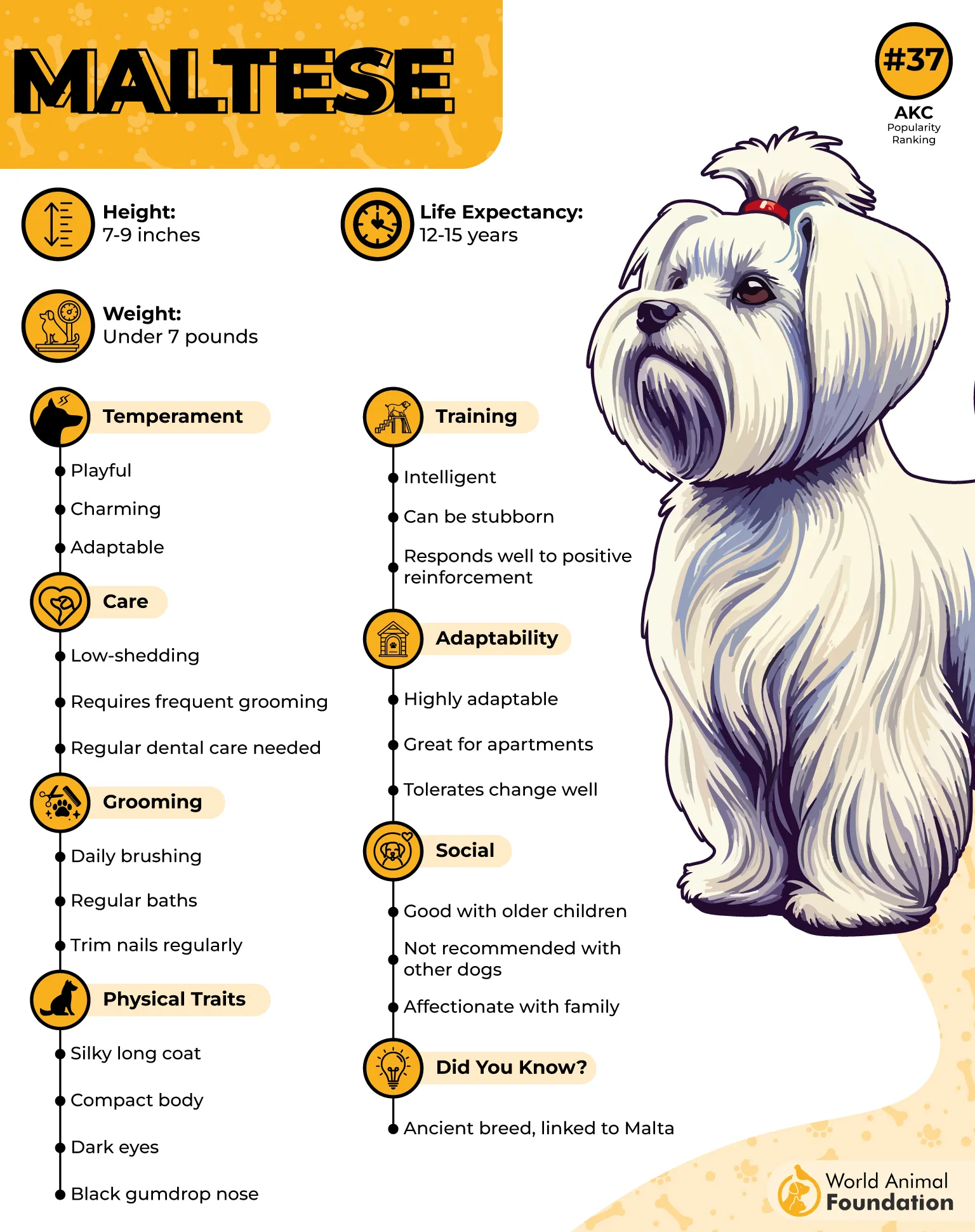
For owners who’d rather skip maintaining that long coat, a shorter trim is a popular option, and honestly, it looks just as adorable while being much easier to manage.
Even though Maltese are considered a low-shedding breed, that doesn’t mean grooming is hands-off. Daily brushing along with regular professional grooming visits are needed to keep their coat looking its best.
3. Yorkshire Terrier
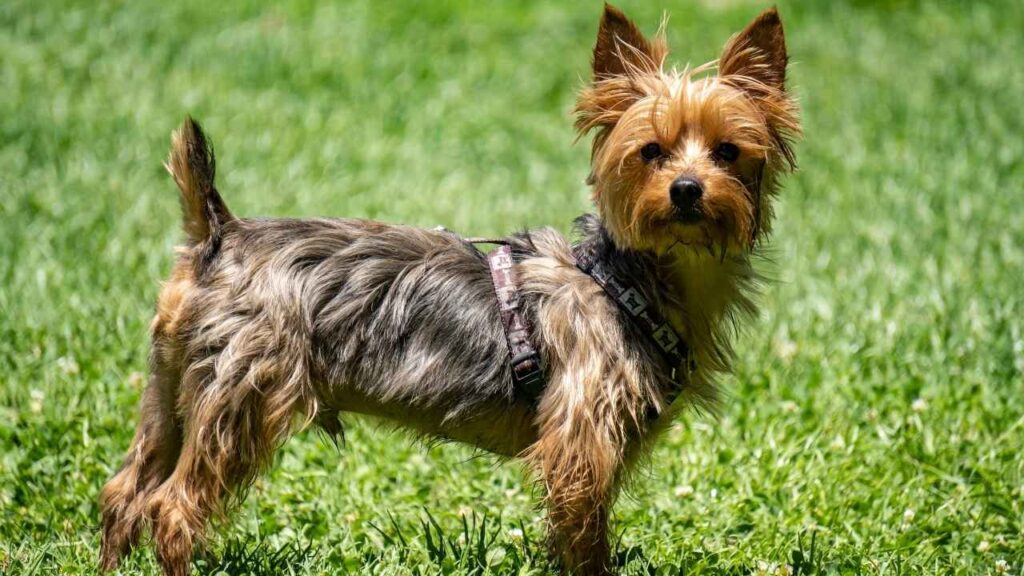
Affectionately known as Yorkies, these popular little dogs may be small in stature, but they consistently surprise owners with bold, lively personalities. Yorkshire Terriers are celebrated not just for being a low-shedding breed, but also for their striking looks and friendly disposition.
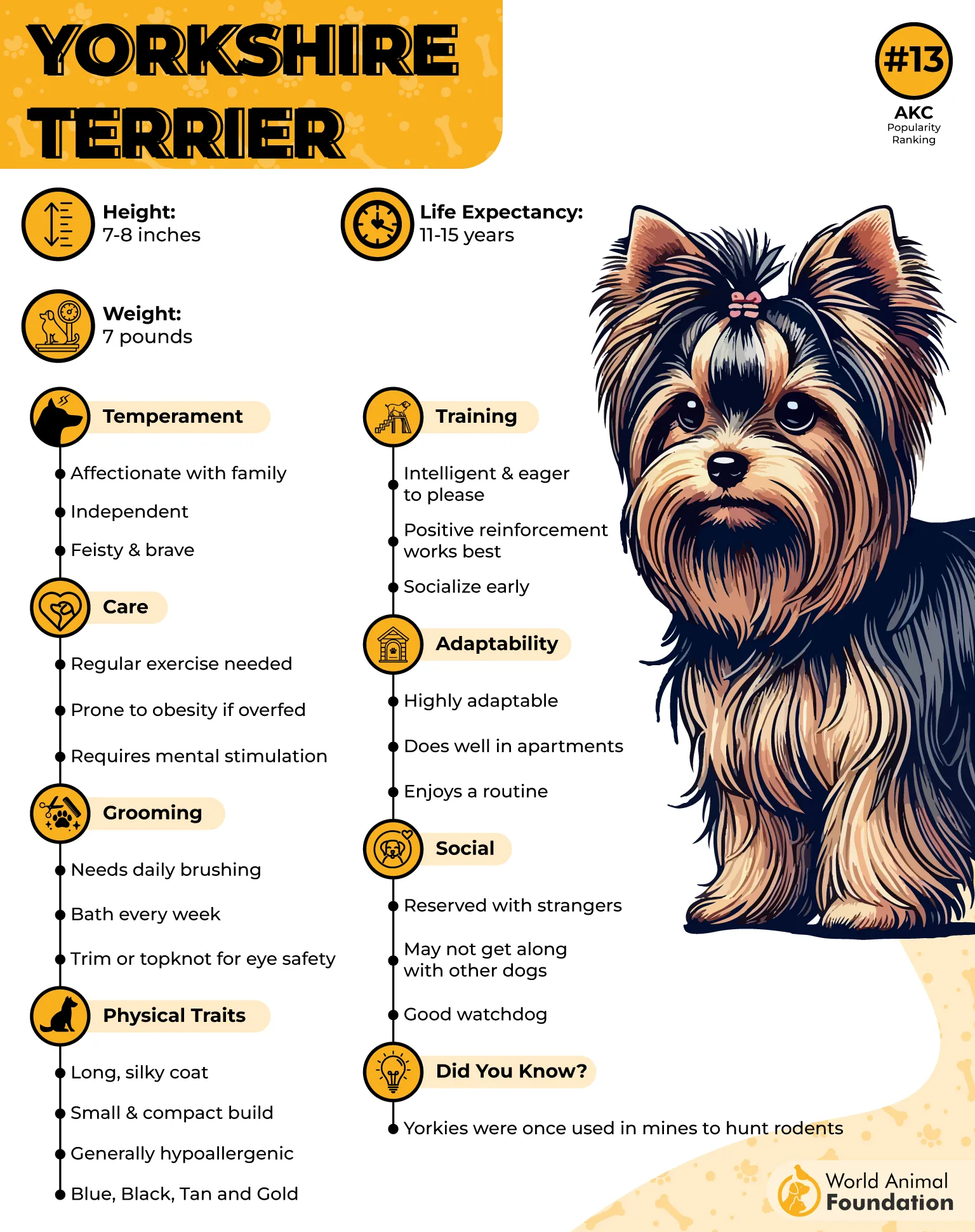
These little dogs typically sport straight, steel-blue coats with a texture that resembles human hair. Keeping that coat healthy takes some effort; regular brushing and weekly baths help keep it clean and smooth.
Many people also consider Yorkies a good option for allergy sufferers, since their coat tends to be gentler on sensitivities.
Smart and eager to please, Yorkies can occasionally show a stubborn streak, though early obedience training usually keeps that in check pretty easily. With their alert, protective nature, well-trained Yorkies also make surprisingly capable little watchdogs.
4. Chinese Crested
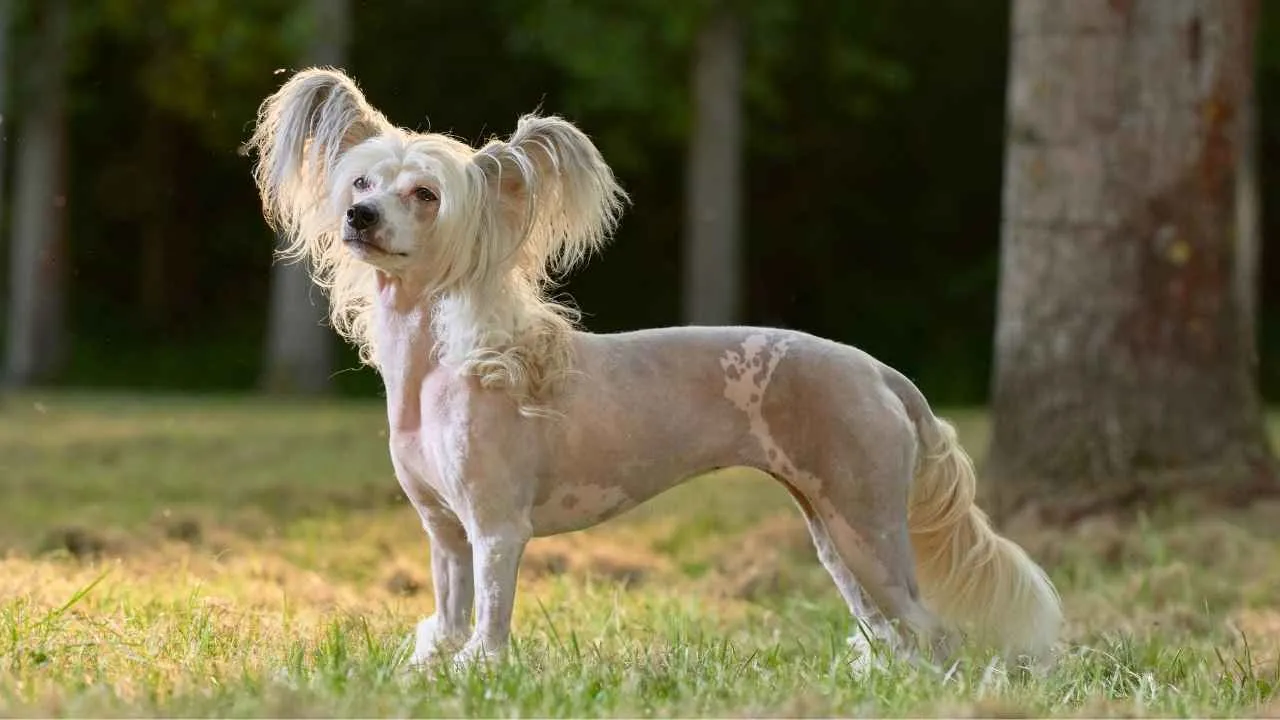
Best known for their striking hairless bodies, Chinese Crested dogs also come in a coated “powderpuff” variety. The hairless type sheds the least of all and needs virtually no hair-related grooming, though skin care becomes especially important to prevent issues down the line.
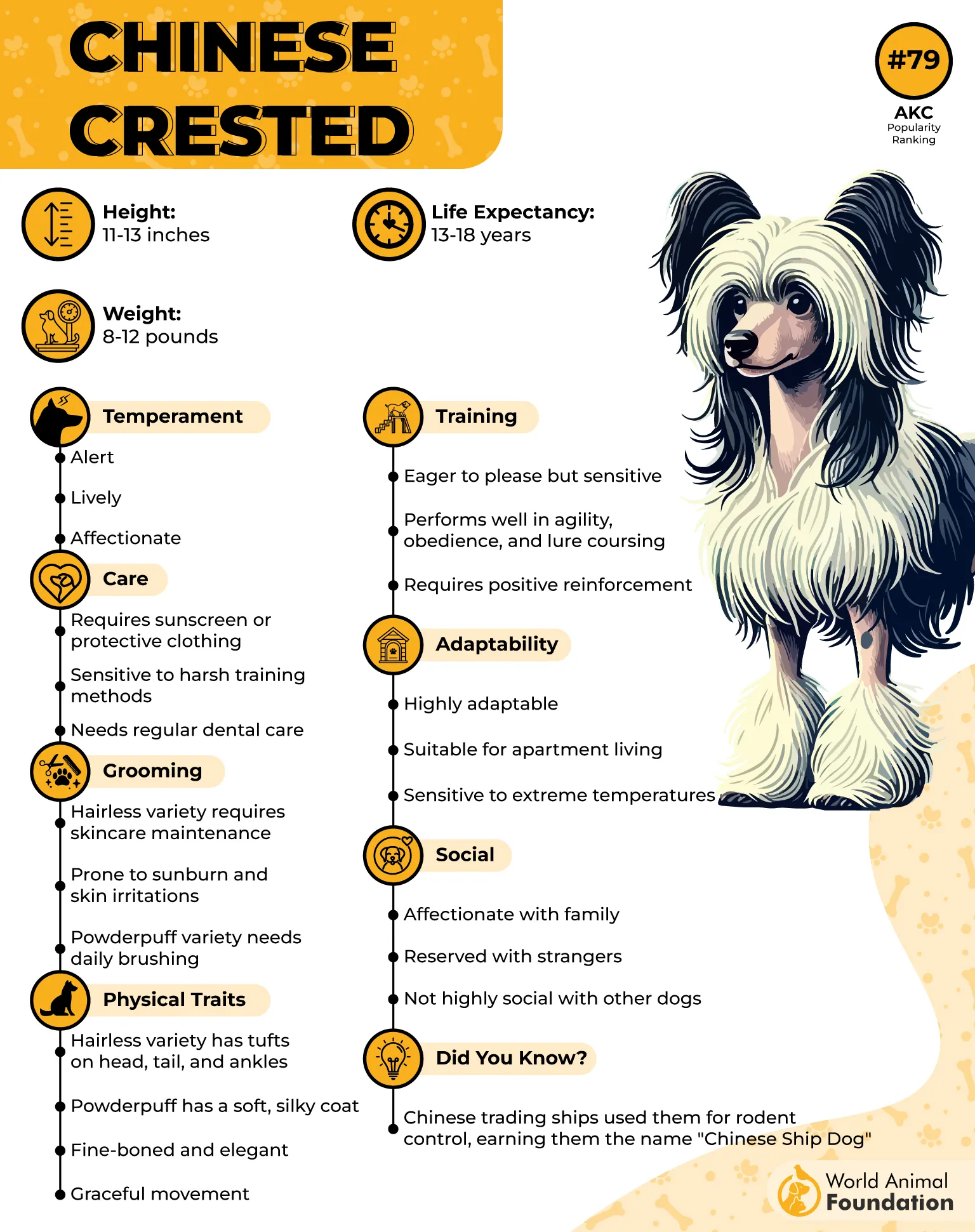
The powderpuff variety, on the other hand, needs regular brushing to help manage shedding. For hairless Chinese Cresteds, a good lotion after bathing helps prevent dry skin, and sunscreen is a must for longer stints outdoors.
This breed can be a bit reserved or shy around strangers at first, but they’re generally loving, sociable dogs once they warm up.
Exercise needs stay pretty low-maintenance too. Short daily walks paired with plenty of mental stimulation through play at home are usually more than enough. According to Omlet, this breed tends to be a great match for people who spend a lot of time at home.
5. Coton De Tulear
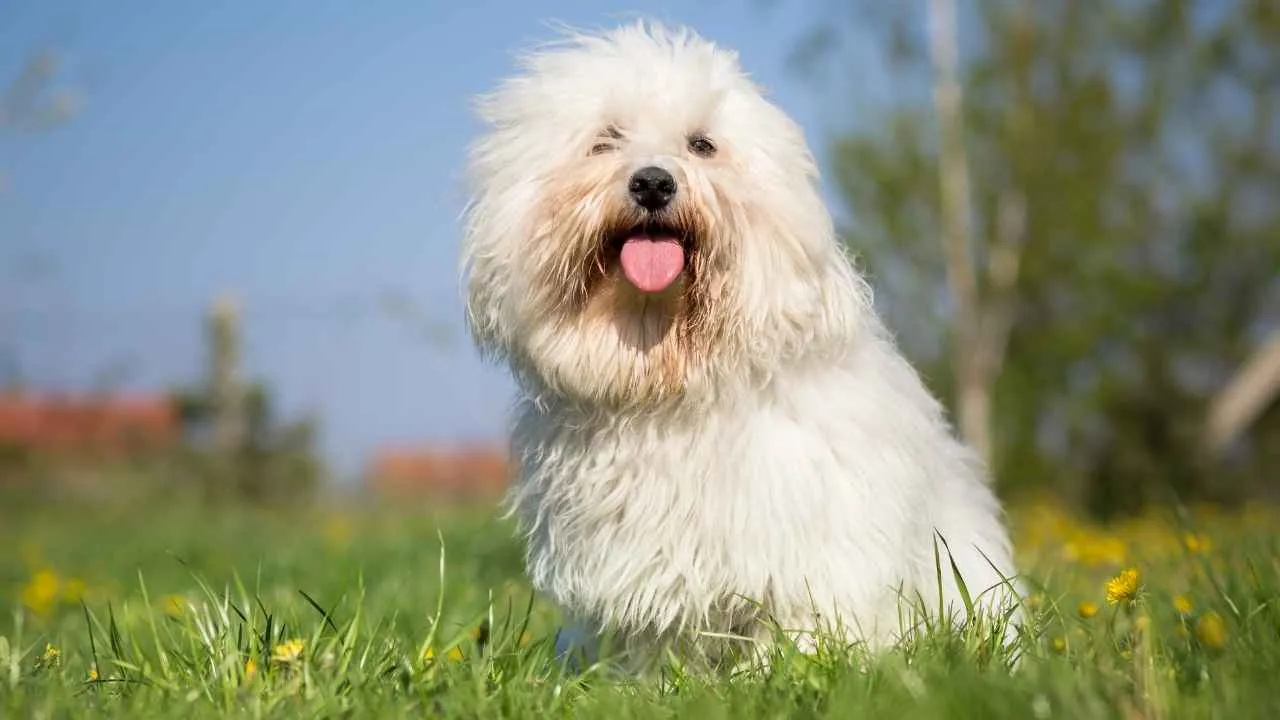
Coton de Tulear dogs are deeply people-oriented and quite vocal companions who still appreciate calm environments and gentle handling. According to PetMD, these adorable, cotton-like dogs are known for their low-shedding coat and adaptable nature, allowing them to settle comfortably into a variety of living situations.
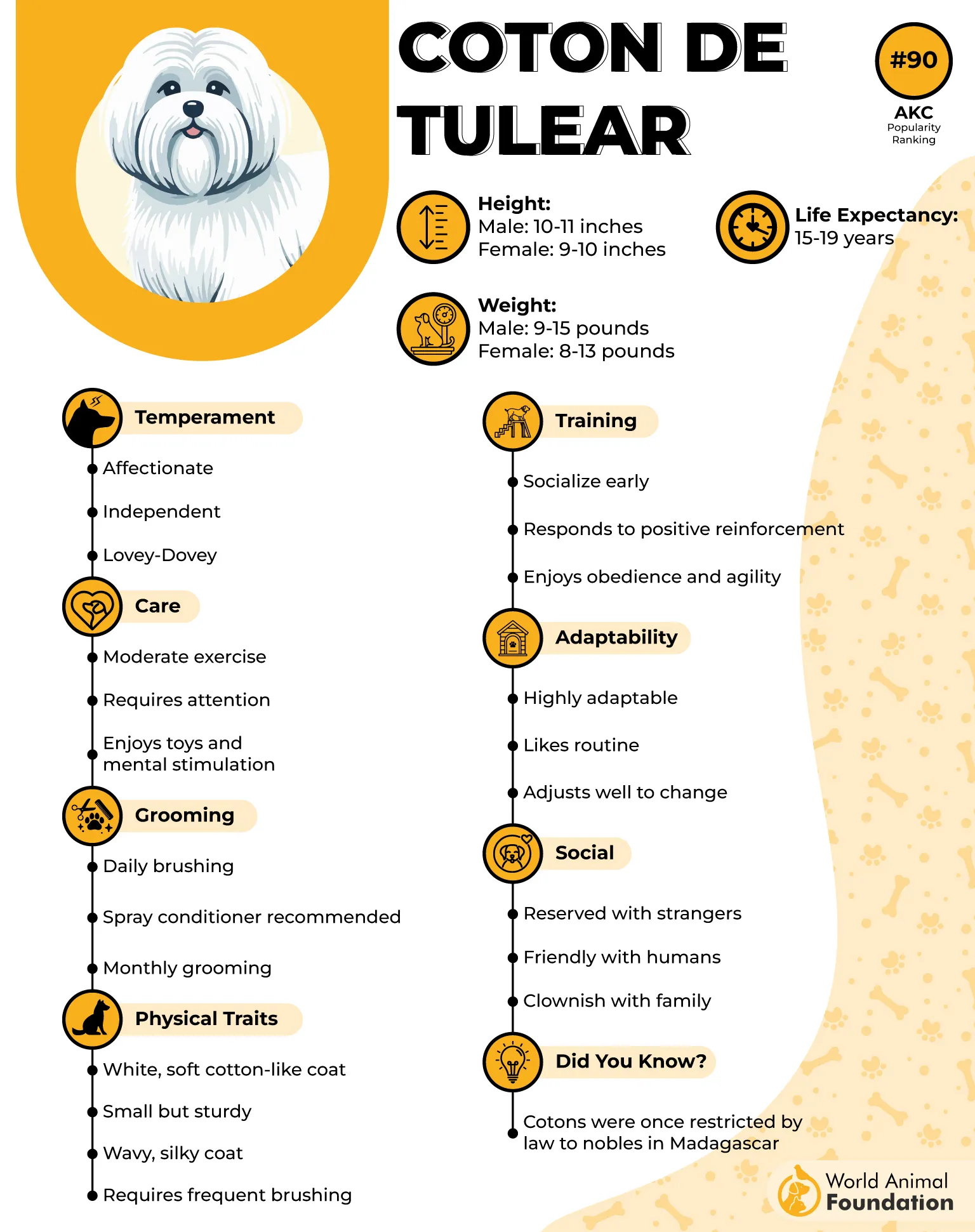
Their non-shedding fur makes them a solid option for allergy-sensitive households. That fluffy white coat does need consistent care, though; regular brushing with a pin brush three to four times a week keeps it in good shape, and routine visits to a professional groomer help prevent mats and tangles from building up.
Cotons are generally a healthy breed, but like many small dogs, they can be prone to patellar luxation, eye issues, and degenerative myelopathy. And since they do have a vocal streak, early socialization goes a long way in keeping excessive barking in check.
6. Bichon Frise
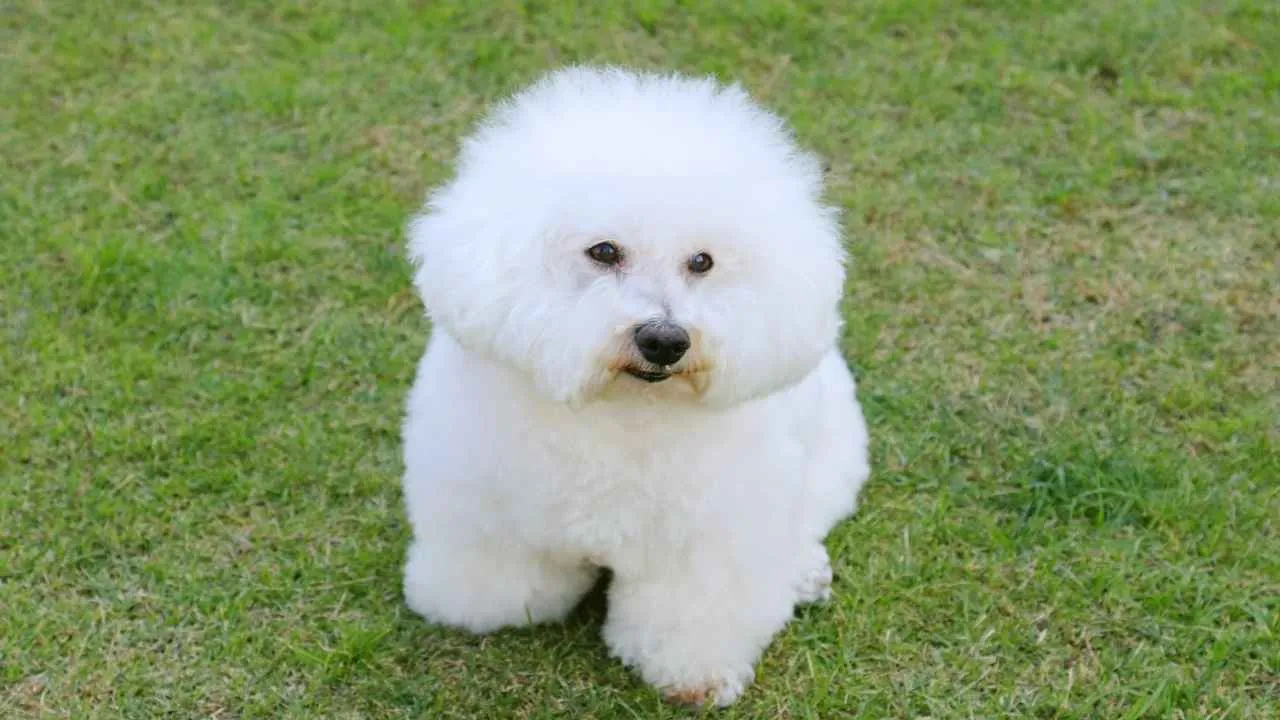
Don’t let the small size of the Bichon Frise fool you; there are plenty of perks that come with this breed. Thanks to their continuously growing hair, Bichons produce less dander than many breeds, which is exactly why they’re classified as a low-shedding dog.
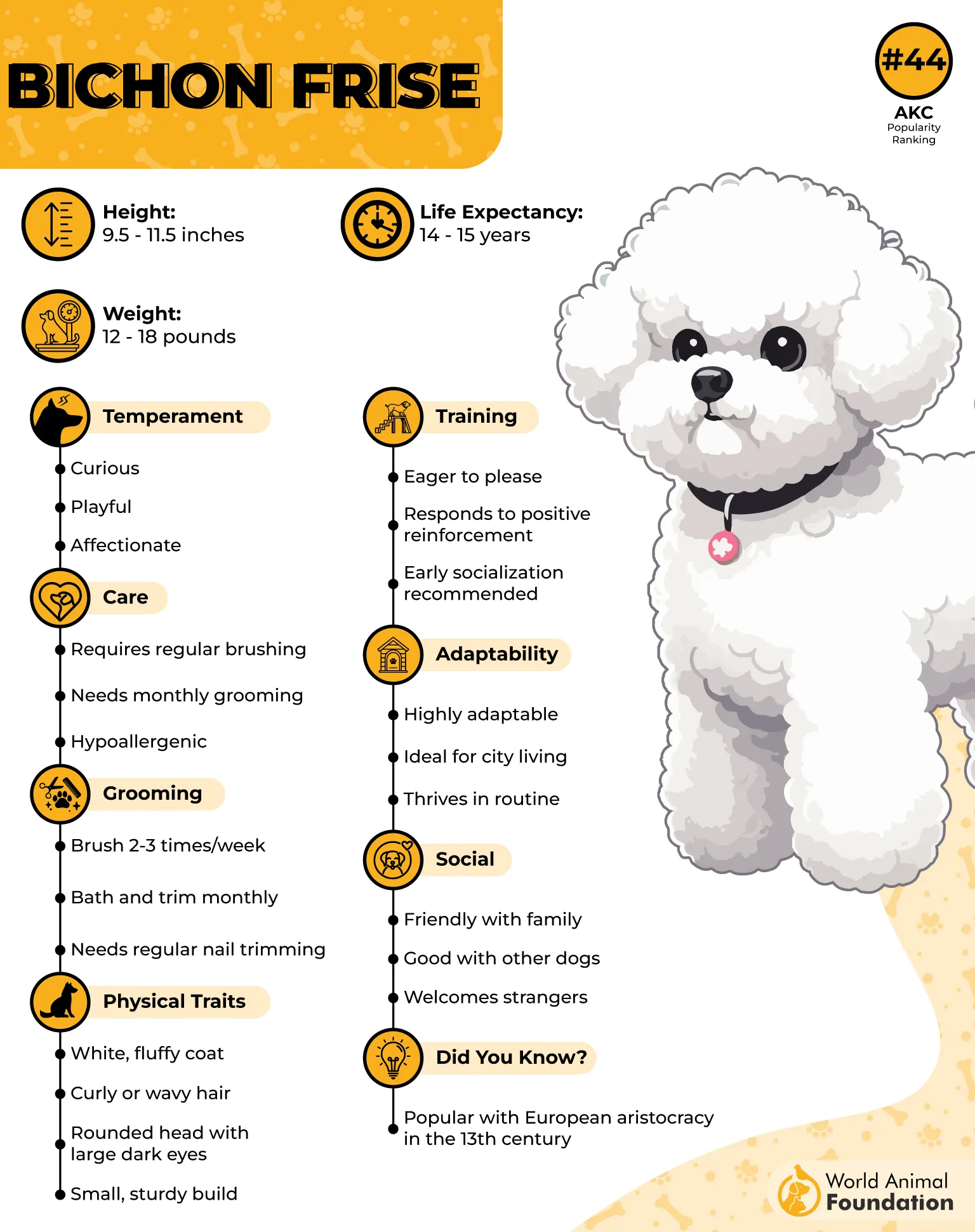
These little dogs seem practically built for laps and are friendly through and through. They form deep bonds with their families and get along wonderfully with kids and other household pets. While they shed minimally, their grooming needs are still fairly involved, though manageable with a consistent routine.
Bichon Frises need regular exercise in the form of short walks and indoor playtime to stay happy and healthy. Regular brushing helps prevent mats from forming, and if grooming time is tight, keeping the coat trimmed shorter is a great alternative, though it still calls for weekly upkeep.
7. Portuguese Water Dog
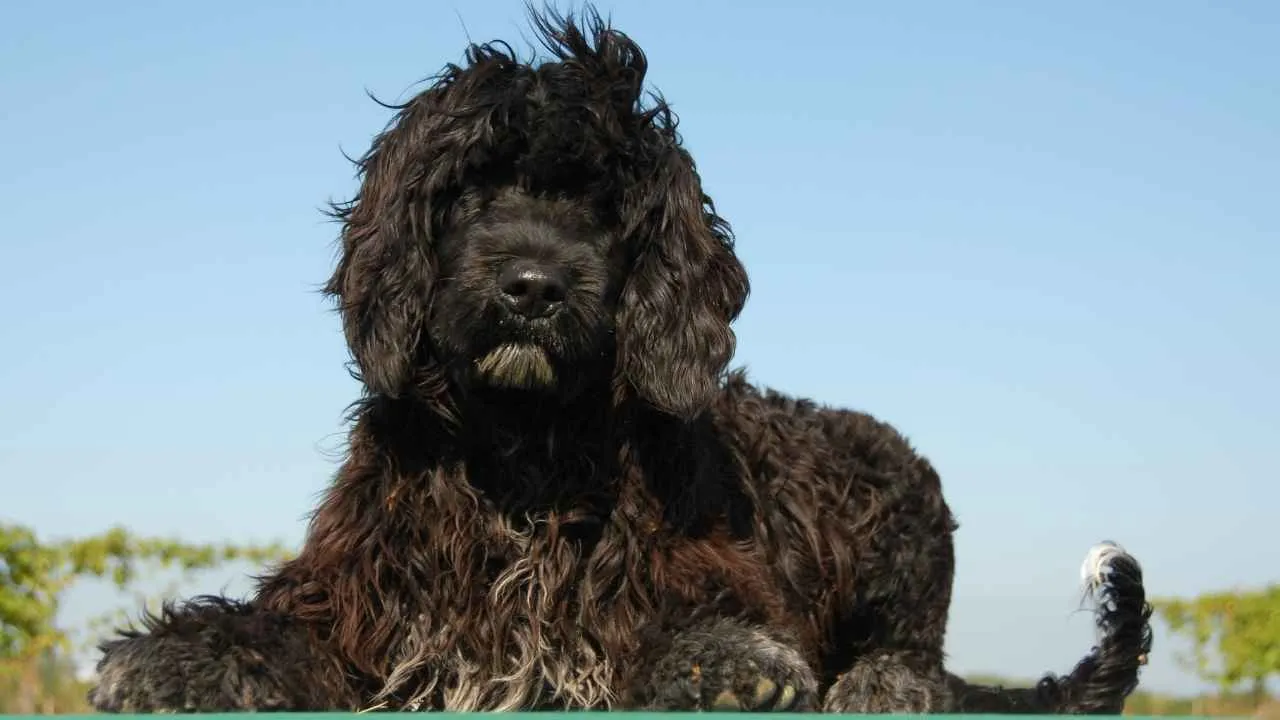
Portuguese Water Dogs are often considered hypoallergenic, thanks to producing less dander and shedding minimally. This breed is fairly rare and known for being both intelligent and independent. Originally bred as retrievers, that instinct still shows today, even as they’ve become just as beloved as family companions.
According to Orvis, Portuguese Water Dogs don’t have a double coat. Instead, they sport either a curly or wiry coat that’s thick, grows quickly, and sheds relatively little dander.
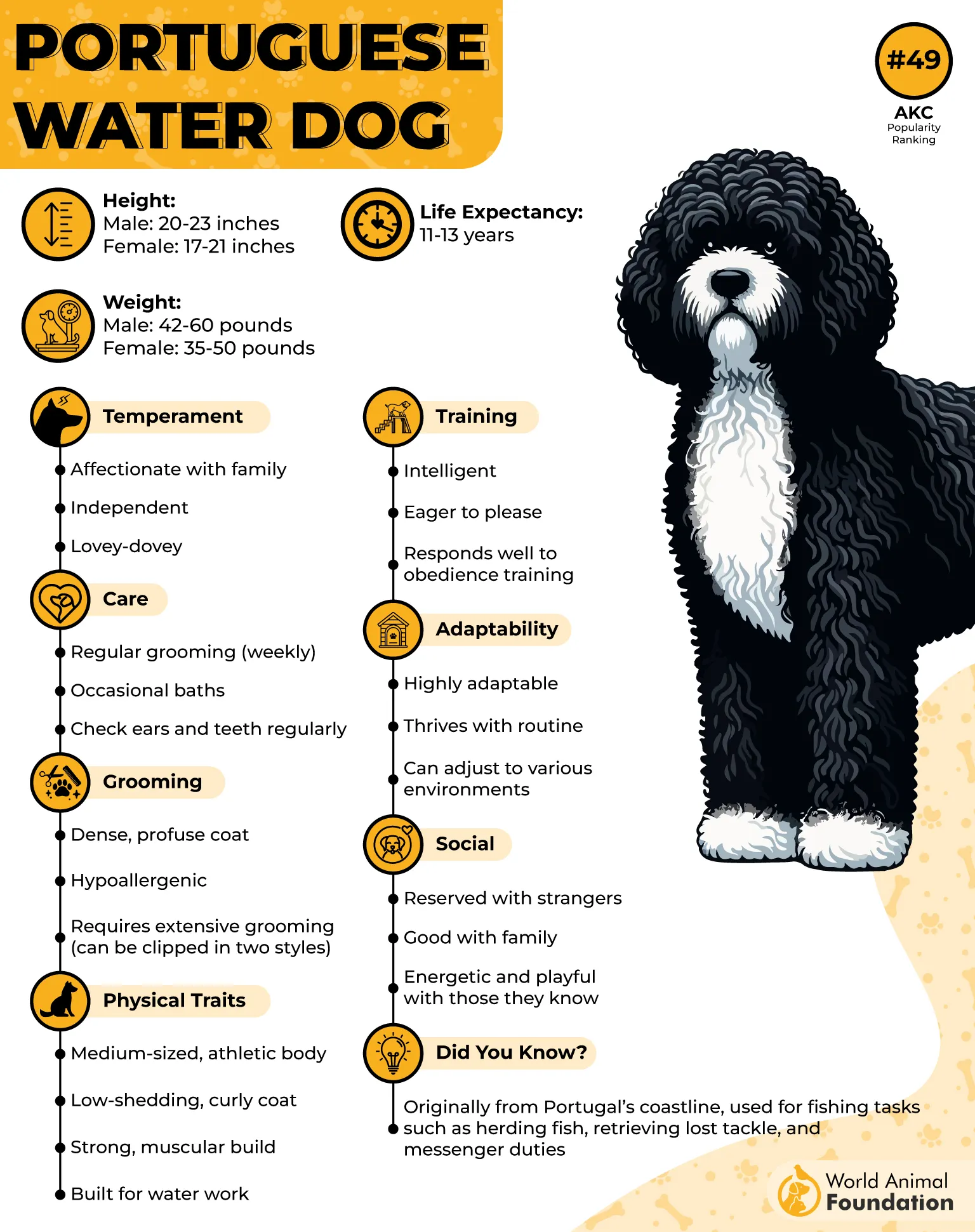
While generally considered allergy-friendly, it’s worth noting they can still trigger mild reactions in some people. Owners should also stay aware of potential health issues like eye and bone-related conditions.
That striking coat does need regular grooming to prevent tangles and mats. Many owners opt for the classic “lion cut,” where a groomer shaves half the coat and leaves the rest fuller for that signature look. As an active breed, Portuguese Water Dogs need plenty of exercise and genuinely love joining their owners outdoors.
Conclusion
Choosing a low-shedding dog breed can genuinely help keep your home cleaner while still giving you all the love and personality a great dog brings. That said, the best breed for you ultimately comes down to your lifestyle, grooming preferences, and family needs.
It’s worth clearing up one common misconception: no dog breed is truly non-shedding. Every dog sheds some dander and skin cells, and most also go through a seasonal coat blow, when double-coated breeds swap out their winter and summer coats; even breeds marketed as “hypoallergenic dogs” aren’t fully exempt from this.
What a low-shedding breed really offers is less visible hair on your couch and floors. The dander is still there; it’s just a lot less noticeable day to day.
