




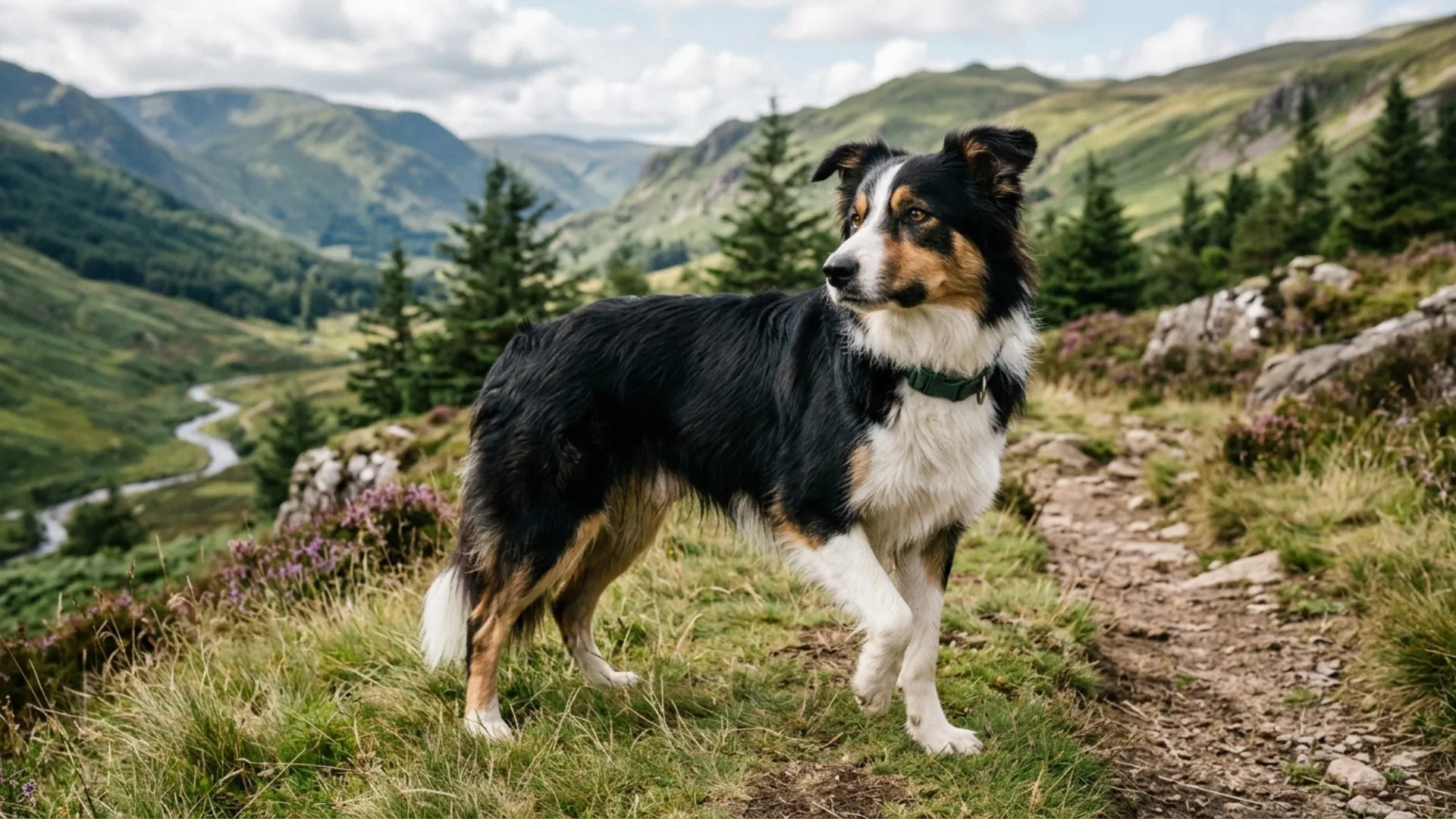
What makes some dogs seem born for the outdoors while others would rather stay curled up on the couch?
It’s not just about size.
Or speed.
Or boundless energy.
Most people assume any active-looking dog can handle long hikes, rugged trails, and outdoor adventures.
But the reality is very different…
Some breeds are built for exploration. They thrive in open spaces, challenging terrain, and hours of activity. Others may look athletic but struggle to keep up when the adventure gets serious.
That’s the difference.
The right outdoor dog doesn’t just enjoy nature—it lives for it.
And once you discover these remarkable breeds, you’ll understand why they’re considered some of the best companions for life beyond the backyard.
Let’s explore the excellent dog breeds that truly excel outdoors.
Excellent Dog Breeds That Excel Outdoors
1. Labrador Retriever
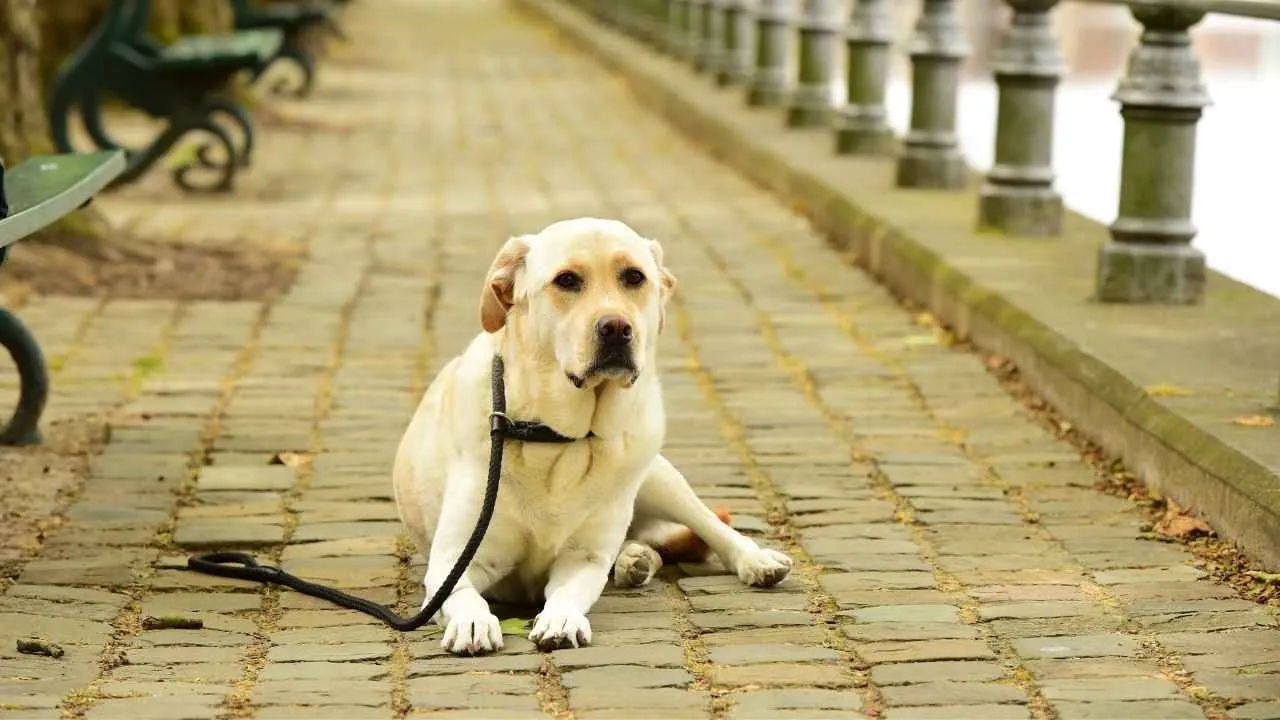
Labrador Retriever is the kind of dog that rarely says no to an outdoor adventure.
While some breeds are built mainly for hiking or running, the Lab easily moves between trails, lakes, open fields, and family camping trips. Its thick, water-resistant coat helps it stay comfortable in cool and wet conditions, as highlighted by Orvis.
Originally bred to retrieve game for hunters, this breed still carries the stamina and enthusiasm needed for long days outside. A well-conditioned Labrador can often handle runs of around five miles and hikes approaching ten miles.
Swimming is where the Lab truly shines. Its webbed feet and natural confidence in the water make it one of the strongest canine swimmers, whether retrieving objects or exploring a lake alongside its family.
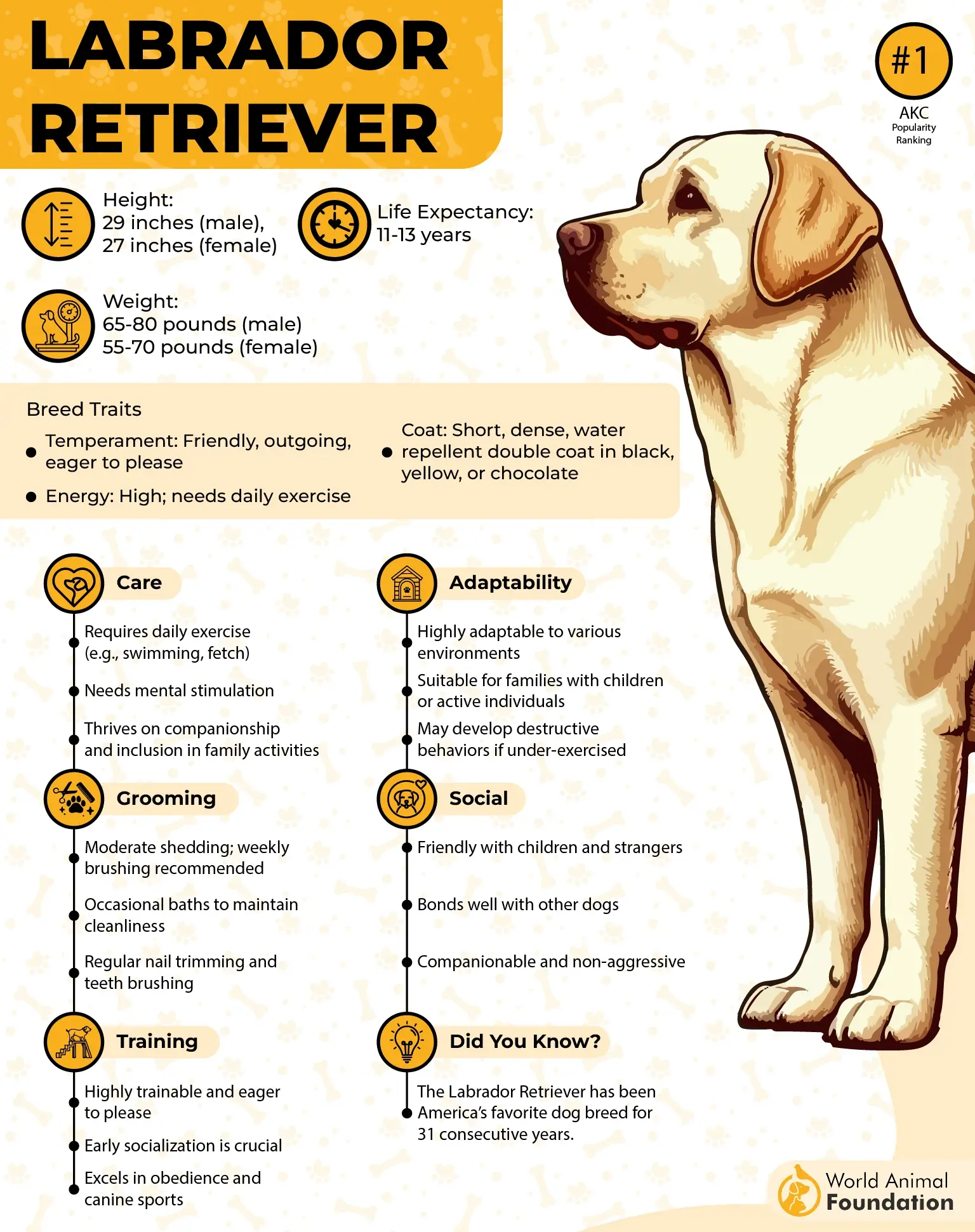
Another advantage is its famous otter-like tail, which works like a rudder and helps it steer efficiently through water. Few sporting breeds are as comfortable moving between land and water activities.
Unlike some independent outdoor dogs, the Labrador prefers sharing every adventure with its people. From weekend hikes to fishing trips and lakeside getaways, it thrives when included in the action.
For active families seeking a versatile companion, the Labrador Retriever remains one of the most dependable and enthusiastic partners for life outdoors.
2. Border Collie
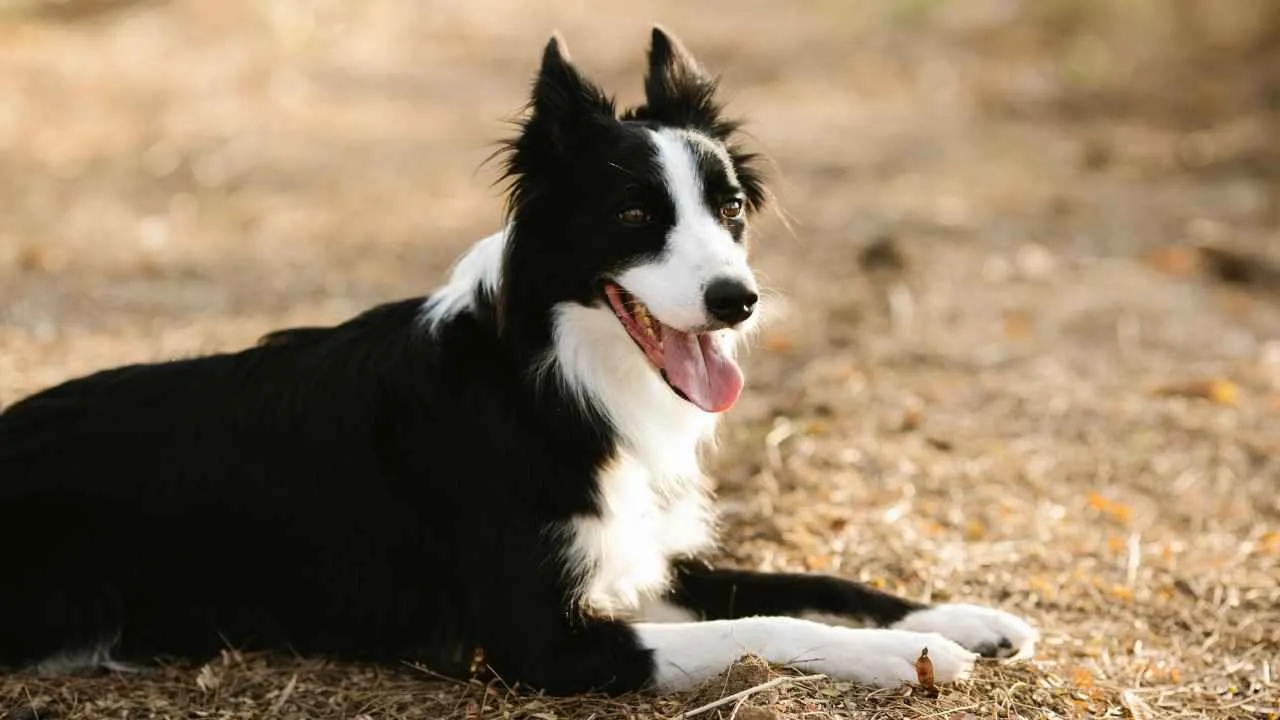
While some outdoor dogs are happy after a long walk or a swim, the Border Collie often wants a challenge that engages both body and mind.
The Border Collie is known for its very high energy and stamina, requiring daily exercise and mental challenges to prevent boredom and destructive behaviors.
Originally developed to manage livestock across large stretches of rugged countryside, this herding dog breed thrives in environments where there is space to move, think, and work.
A hike is rarely just a hike for a Border Collie. It naturally scans its surroundings, watches movement, and stays highly aware of everything happening nearby.
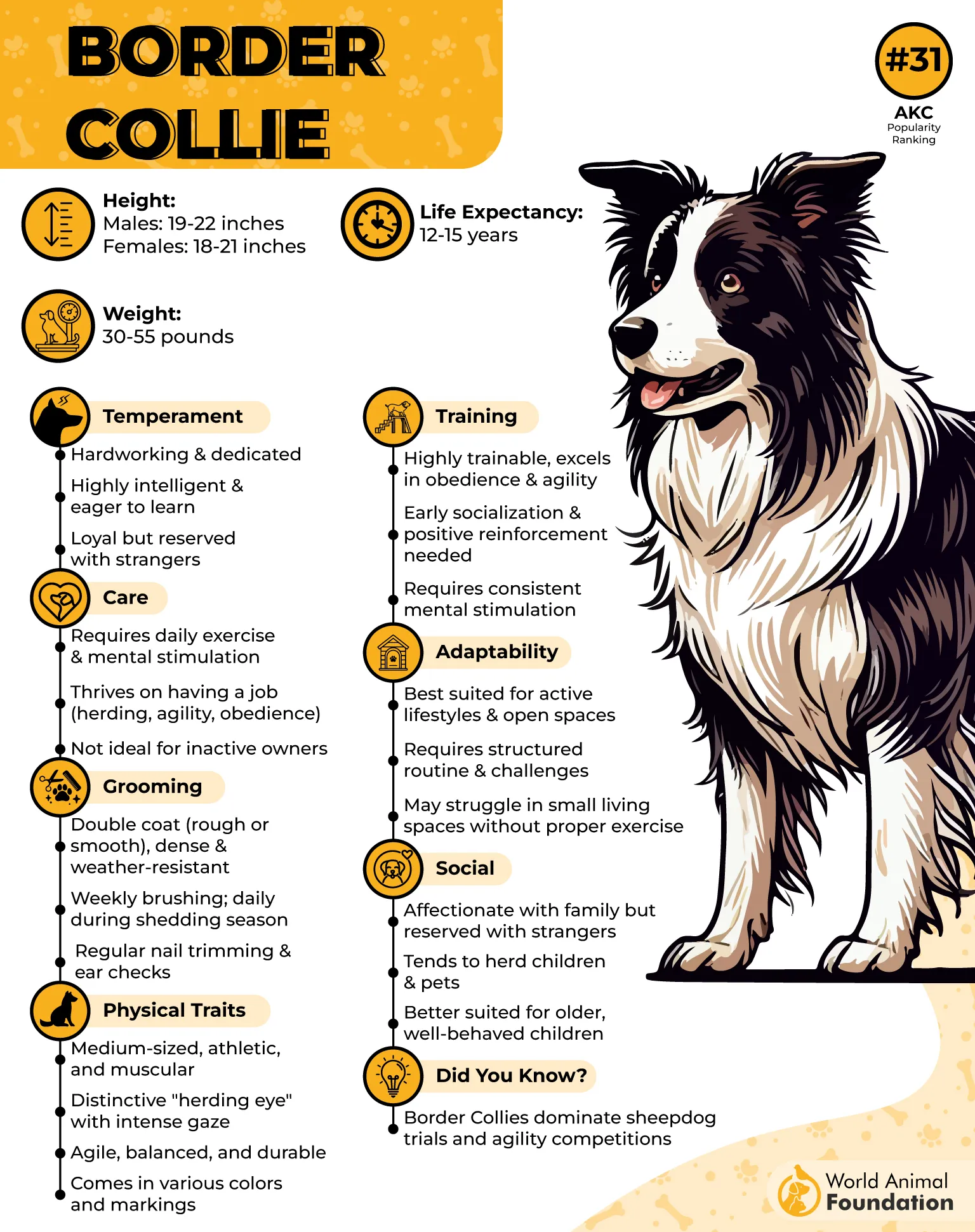
Whether navigating wooded trails, covering miles of open terrain, or participating in agility courses, this high-energy dog approaches every activity with remarkable focus and precision.
One of the breed’s most fascinating qualities is its famous “herding eye”—an intense gaze used to control livestock through visual pressure alone. Few dogs are known for making eye contact with such effectiveness while working.
Compared to many outdoor companions that rely mainly on endurance, the Border Collie combines stamina with exceptional problem-solving ability. This makes it a favorite among hikers, farmers, dog-sport enthusiasts, and people who spend long hours outdoors.
For those seeking a partner that is always ready for the next challenge, few breeds can match its drive and determination.
3. Siberian Husky
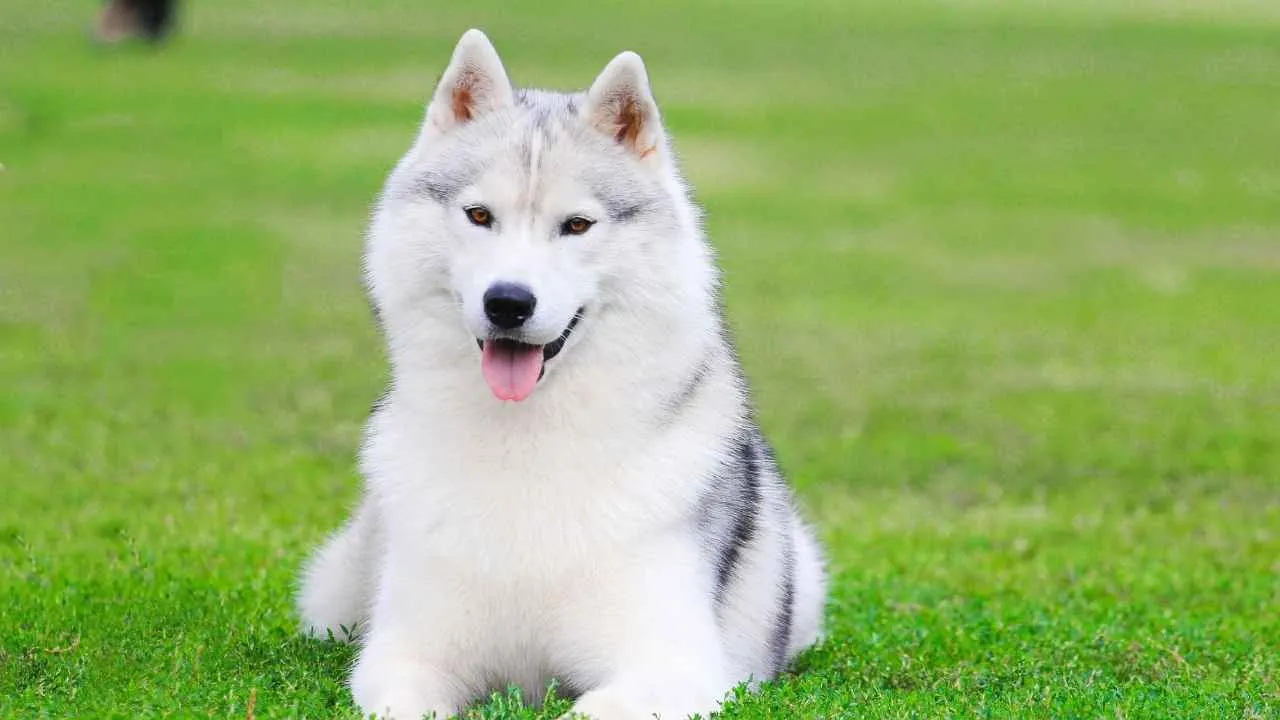
According to the AKC, the Siberian Husky was built for journeys that would exhaust many other dogs.
While some breeds are best suited for short outdoor adventures, the Husky was developed to travel long distances across frozen landscapes while pulling sleds for miles at a steady pace.
That history still shows today. Whether accompanying its owner on lengthy hikes, trail runs, or winter excursions, this breed is known for remarkable endurance and an effortless stride that seems to conserve energy.
Its thick double coat protects in cold weather, allowing it to stay comfortable in conditions where many dogs would struggle. Compared to heavier northern breeds, the Husky combines stamina with speed and agility.
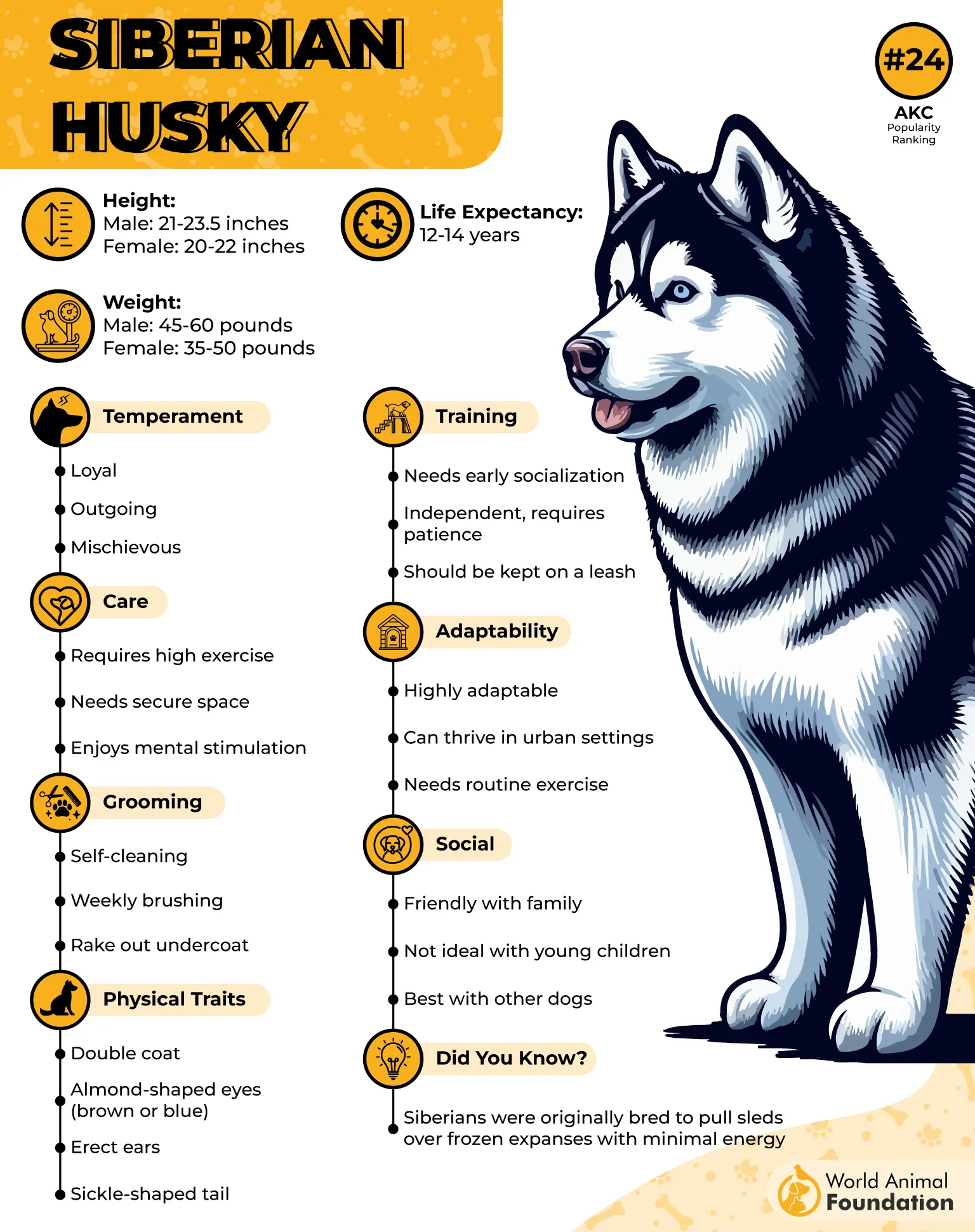
One of the breed’s most fascinating traits is heterochromia—having two different-colored eyes, often one blue and one brown. While not every Husky has it, the look is strongly associated with the breed.
Unlike dogs that prefer working alone, Siberian Huskies were bred to function within a team. They enjoy companionship and often do well with other dogs.
For outdoor enthusiasts who enjoy covering serious distances, especially in cooler climates, the Siberian Husky remains one of the most capable and enduring adventure partners in the canine world.
4. Alaskan Malamute
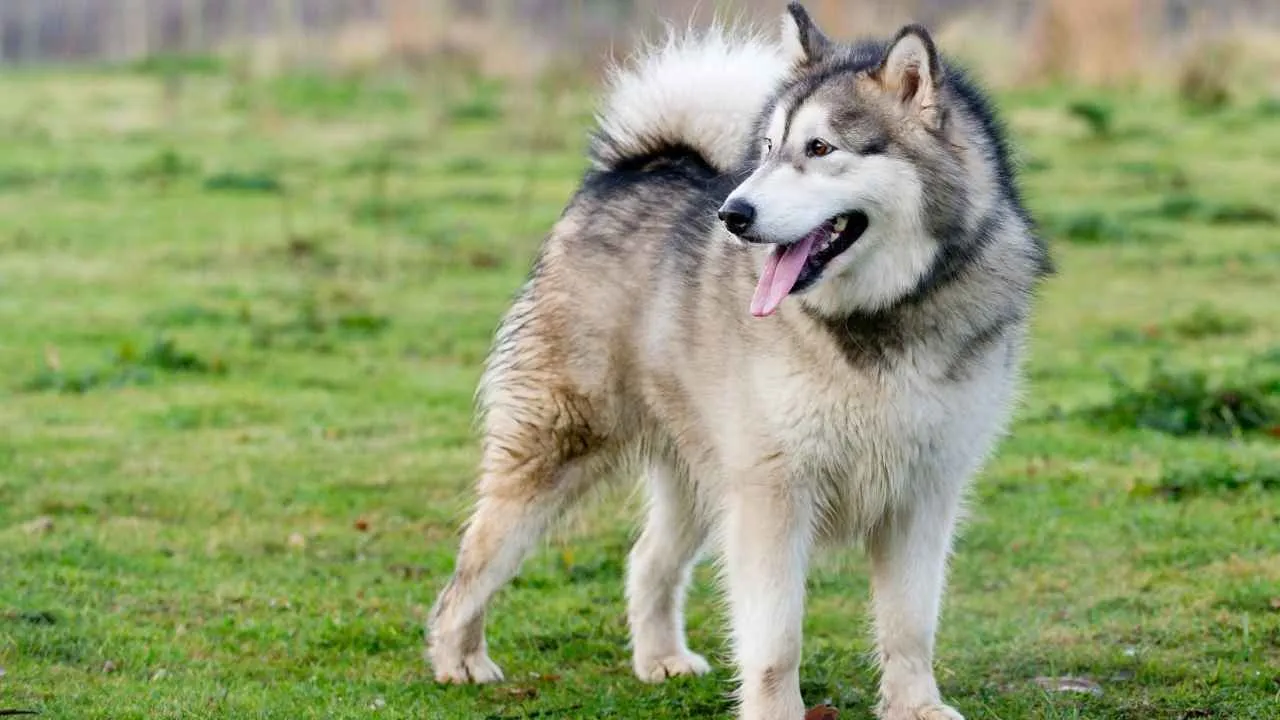
The Alaskan Malamute is the kind of outdoor dog that doesn’t just move through nature—it works through it.
Unlike fast sled racers built for speed, this breed was developed for power and endurance, capable of pulling heavy loads across harsh northern terrain. That strength still shows in how it handles outdoor life today.
Long hikes, backpacking trips, and extended walks suit it far more than short bursts of activity. A fenced outdoor space can help meet its daily energy needs, but it truly comes alive when given structured tasks like carrying gear, pulling weight, or joining long-distance trekking.
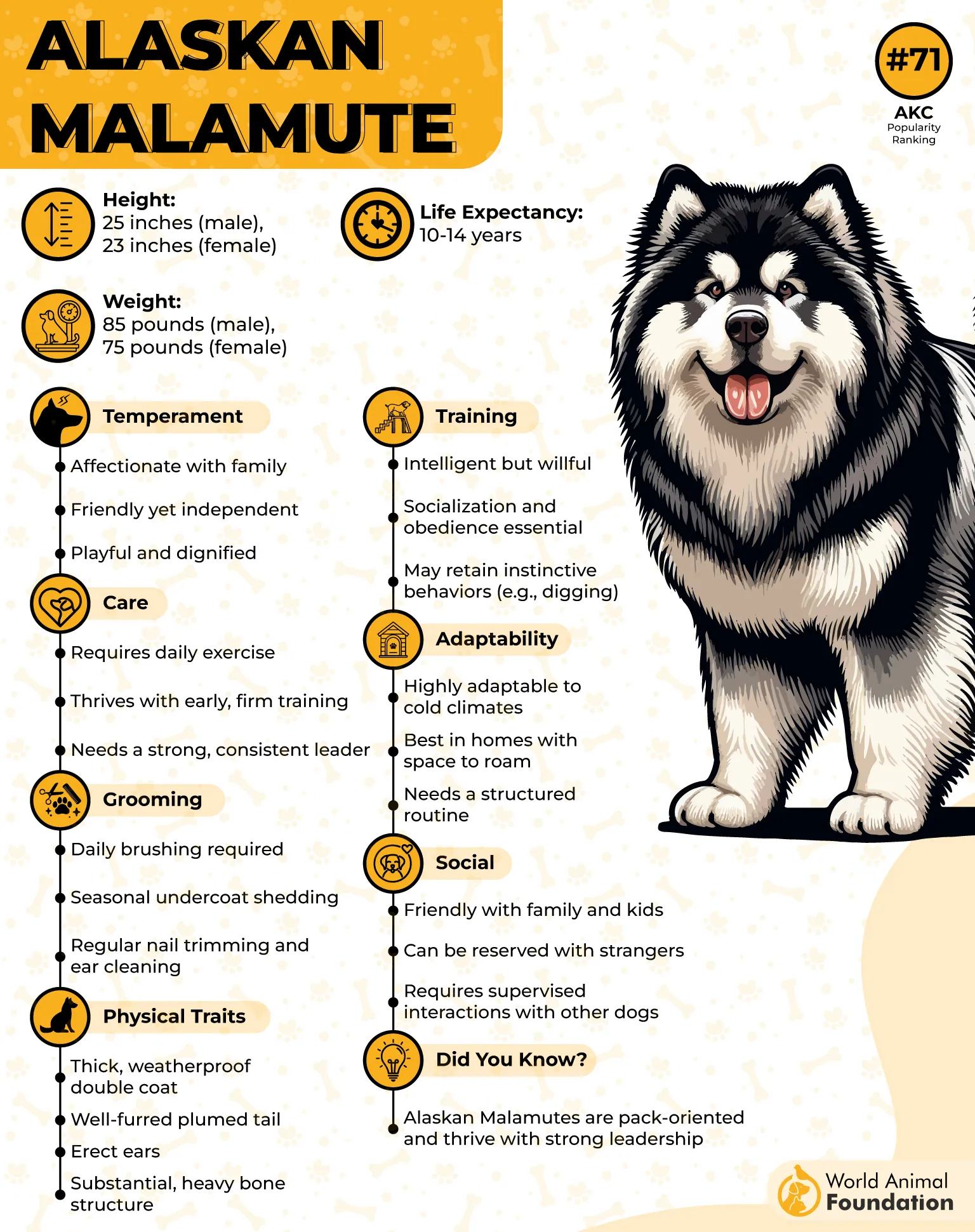
Many owners even involve Malamutes in skijoring and recreational sled work, where their steady pull and calm pace are more important than speed.
It can also take part in obedience and agility activities when properly trained, showing surprising coordination for a heavy-built working dog.
One striking physical detail is its thick, plume-like tail that curls over its back, helping shield its face when resting in snow and wind. This small adaptation reflects its arctic working roots.
Compared to lighter northern breeds, the Malamute focuses on strength over speed, making it better suited for carrying and steady movement than racing. Yet after work, it often settles into a calm, affectionate companion at home, loyal to its human “pack.”
5. German Shorthaired Pointer
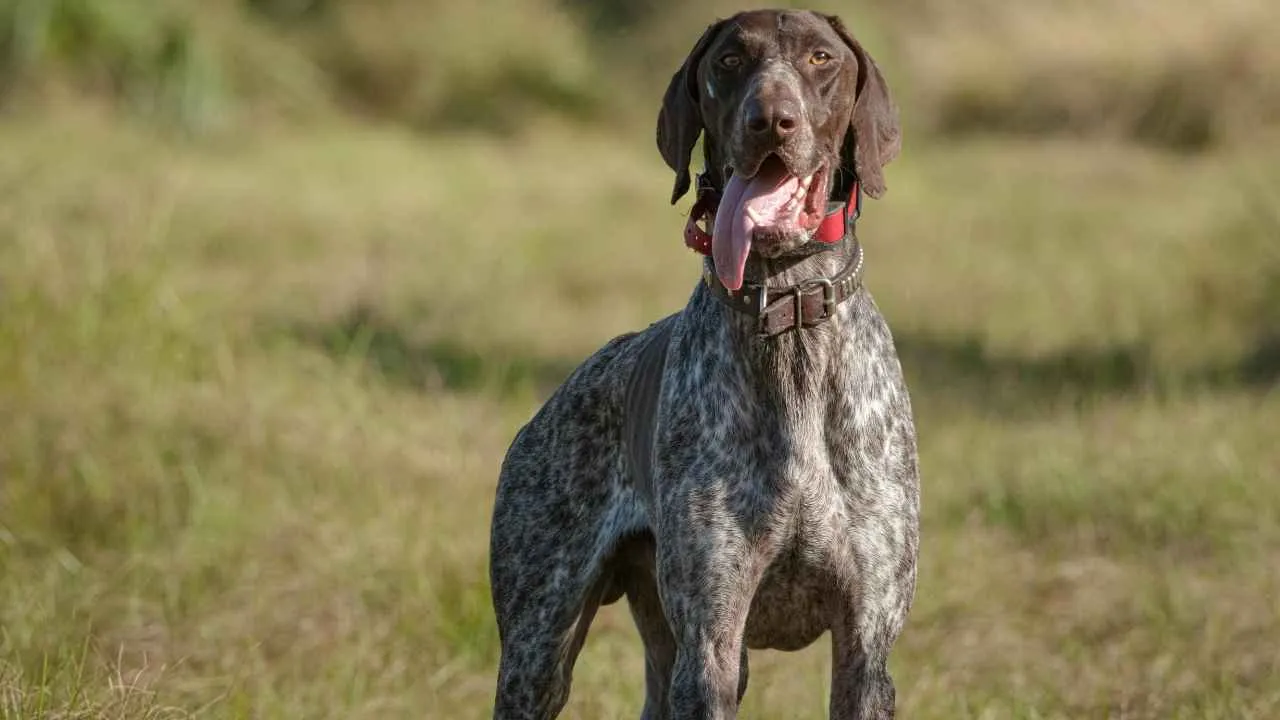
The German Shorthaired Pointer is the kind of outdoor dog that turns every activity into a mission.
While some active breeds enjoy exercise in bursts, this one is built for nonstop movement and purpose-driven work. Originally developed as a hunting and tracking companion, it moves easily between land and water while staying focused on the task at hand.
The German Shorthaired Pointer is built for long days outdoors, with high stamina and a love for activities such as hiking, running, and swimming.
A simple walk can quickly turn into a high-energy outing, with the dog scanning fields, following scents, and staying alert to every shift in the environment. Long hikes, running sessions, and water retrieves suit it better than casual strolls.
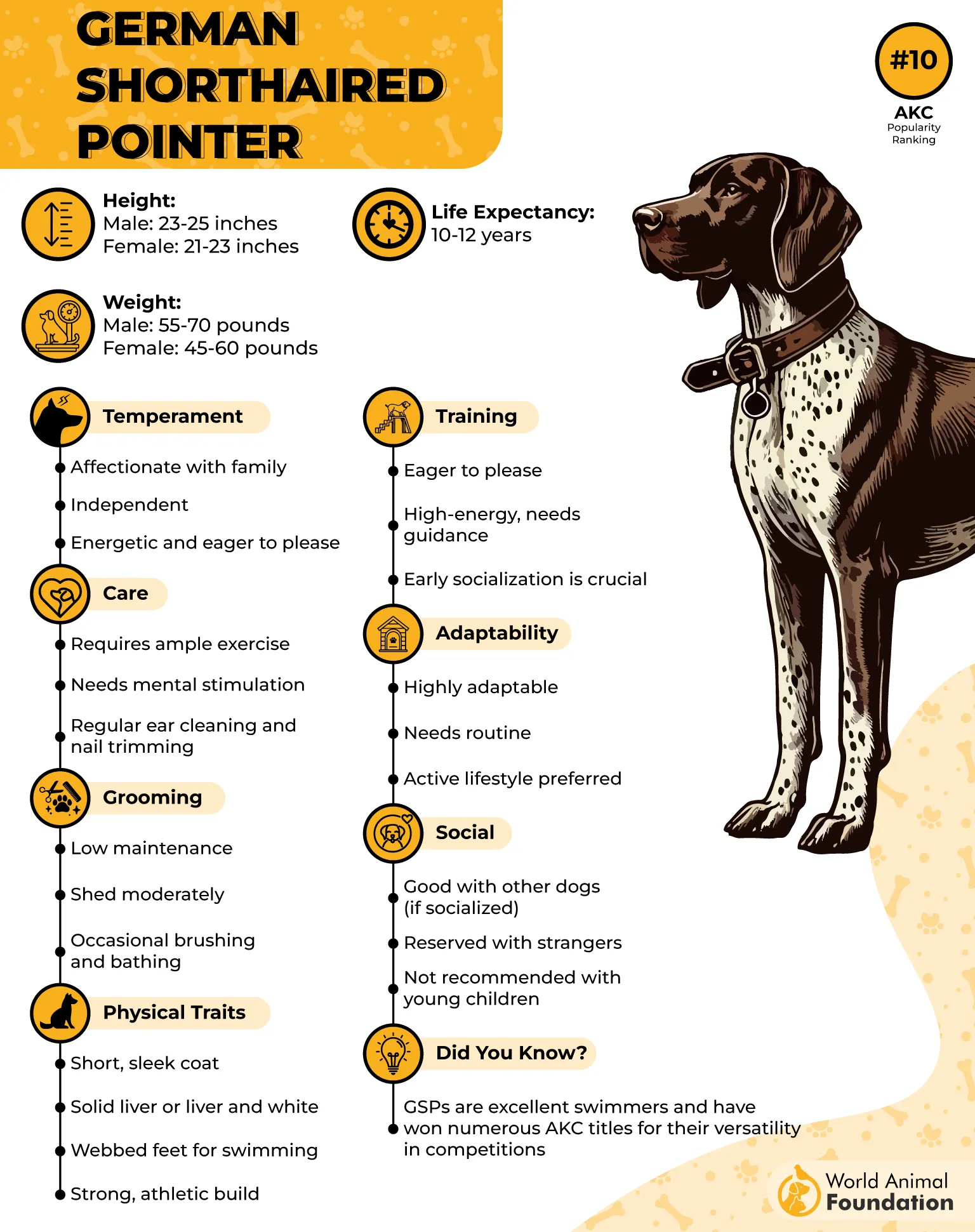
Its lean, athletic build supports sustained endurance, especially during activities that demand both speed and precision. Compared to heavier working dogs that rely mainly on strength, this breed blends agility with sharp awareness, making it effective in fast-changing outdoor situations.
One noticeable detail is its “ticked” coat pattern, a fine speckling across the body that helps it blend into grassy and woodland surroundings during fieldwork.
Unlike slower-paced companion breeds, the German Shorthaired Pointer thrives when given structure, direction, and continuous movement.
It performs best in active households where outdoor time is frequent and varied, from hiking trails to water-based games, always ready for the next challenge.
6. Weimaraner
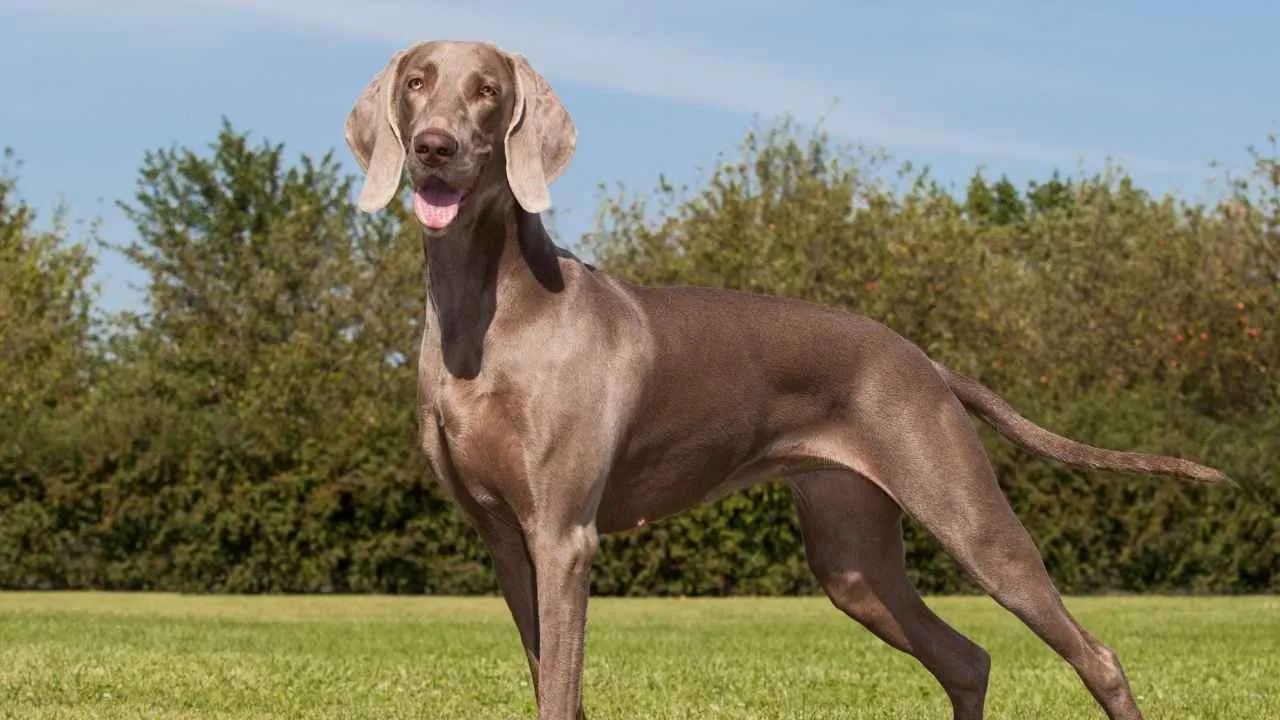
The Weimaraner stands out as an outdoor companion that thrives on constant movement and close human connection.
Unlike some hunting breeds that work in short bursts, this dog needs sustained activity every day, often several hours of running, hiking, or structured exercise. Without enough outdoor engagement, its intelligence can quickly turn toward unwanted habits like digging or chewing.
Built for endurance hunting, this hunting dog moves smoothly across open fields and wooded paths, tracking scents with focus while staying close to its handler. Long hikes, running sessions, and active play in secure open spaces suit it far better than idle time, as noted by PetMD.
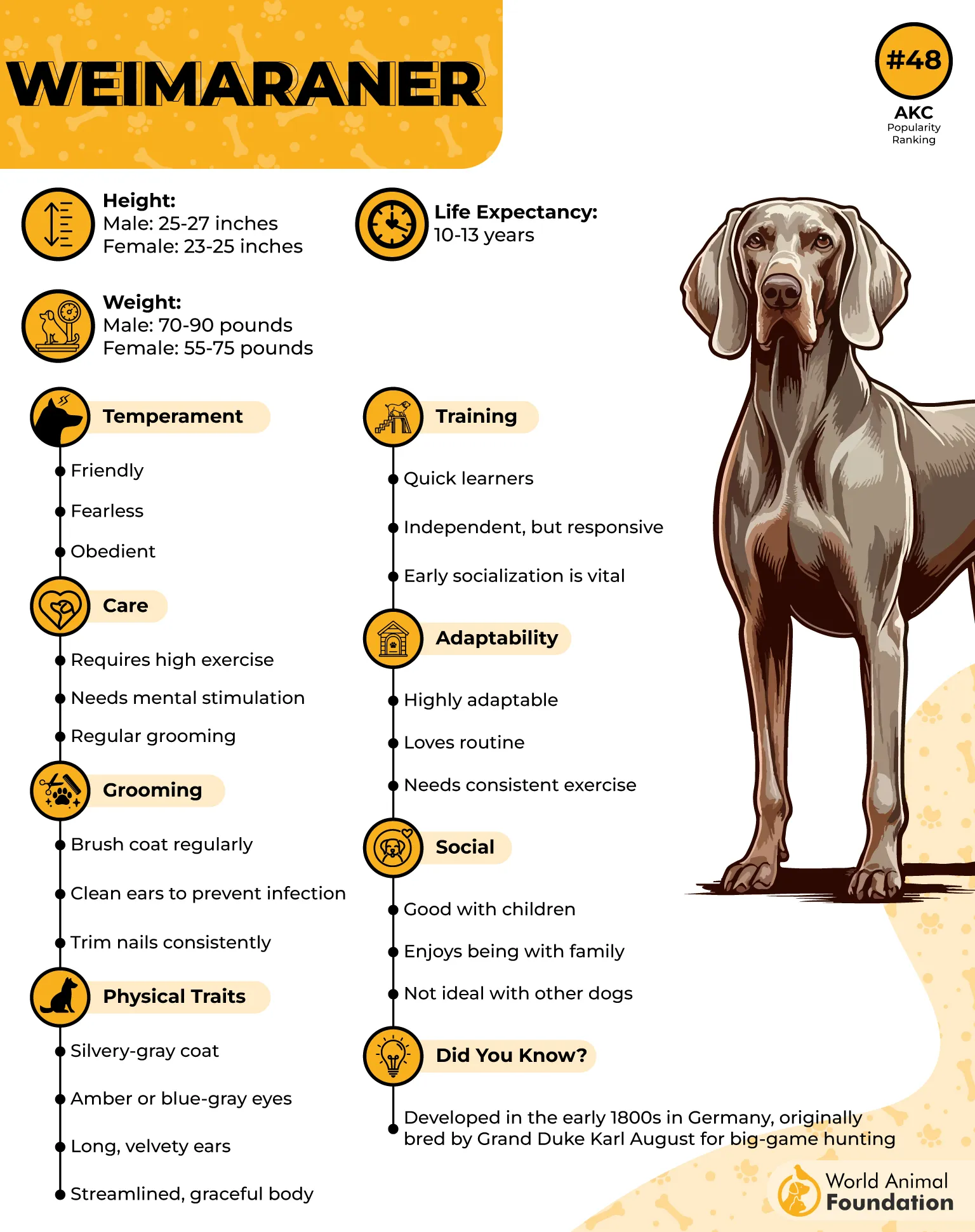
Compared to heavier working dogs, the Weimaraner relies on speed, agility, and alert awareness rather than brute strength. This makes it especially suited for fast-paced outdoor routines where conditions change quickly.
One noticeable physical detail is its sleek silver-gray coat, which gives it a uniform, almost metallic appearance in daylight and helps it stand apart from many other sporting breeds.
Unlike more independent outdoor dogs, this breed forms a strong attachment to its people and prefers staying within sight during activity. It performs best in active households where outdoor time is frequent, structured, and shared closely with its family.
7. Rhodesian Ridgeback
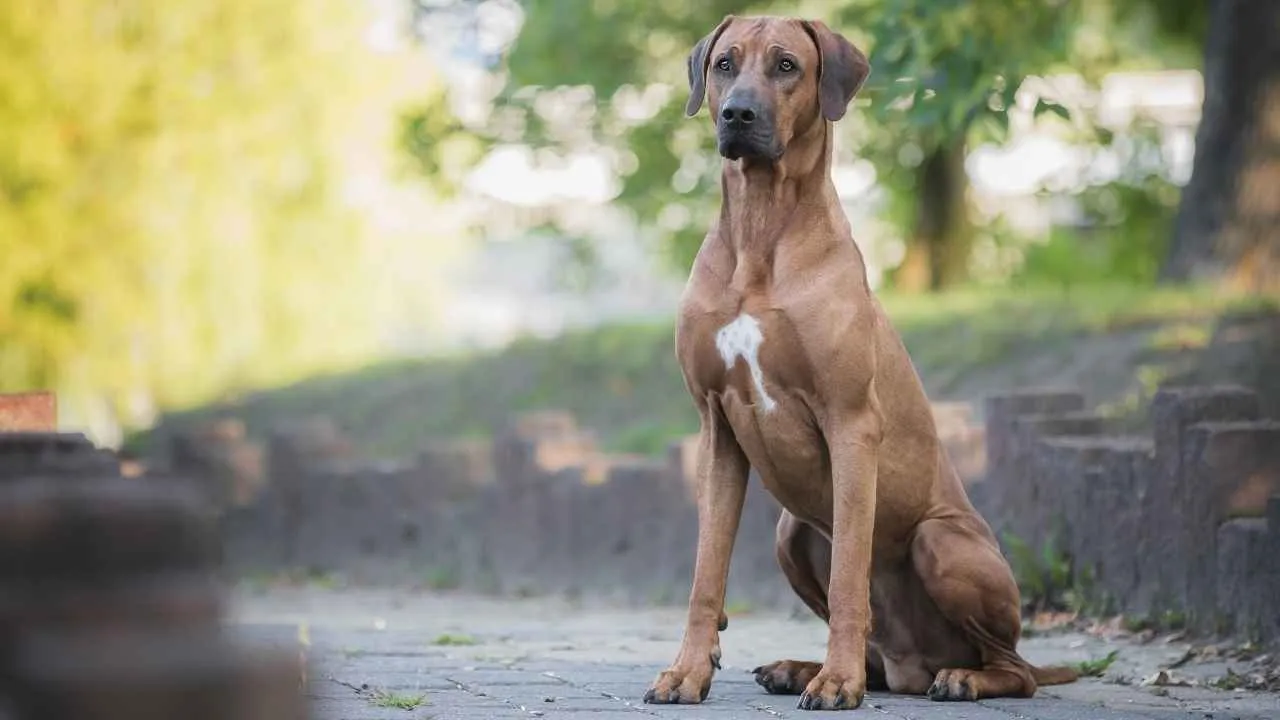
The Rhodesian Ridgeback is a powerful outdoor companion built for speed, stamina, and awareness in wide open spaces.
Unlike many sporting breeds that rely on constant direction, this dog was developed in southern Africa to track large game across long distances while working with a strong sense of independence. That background still shapes how it handles outdoor activity today.
Long hikes, trail runs, and extended walks suit it well, especially in environments where it can move freely but remain under control. Compared to softer companion breeds, it carries a stronger instinct to observe, assess, and react to movement in its surroundings.
One of its most recognizable features is the raised strip of hair running along its back that grows in the opposite direction of the rest of the coat, forming a clear ridge.
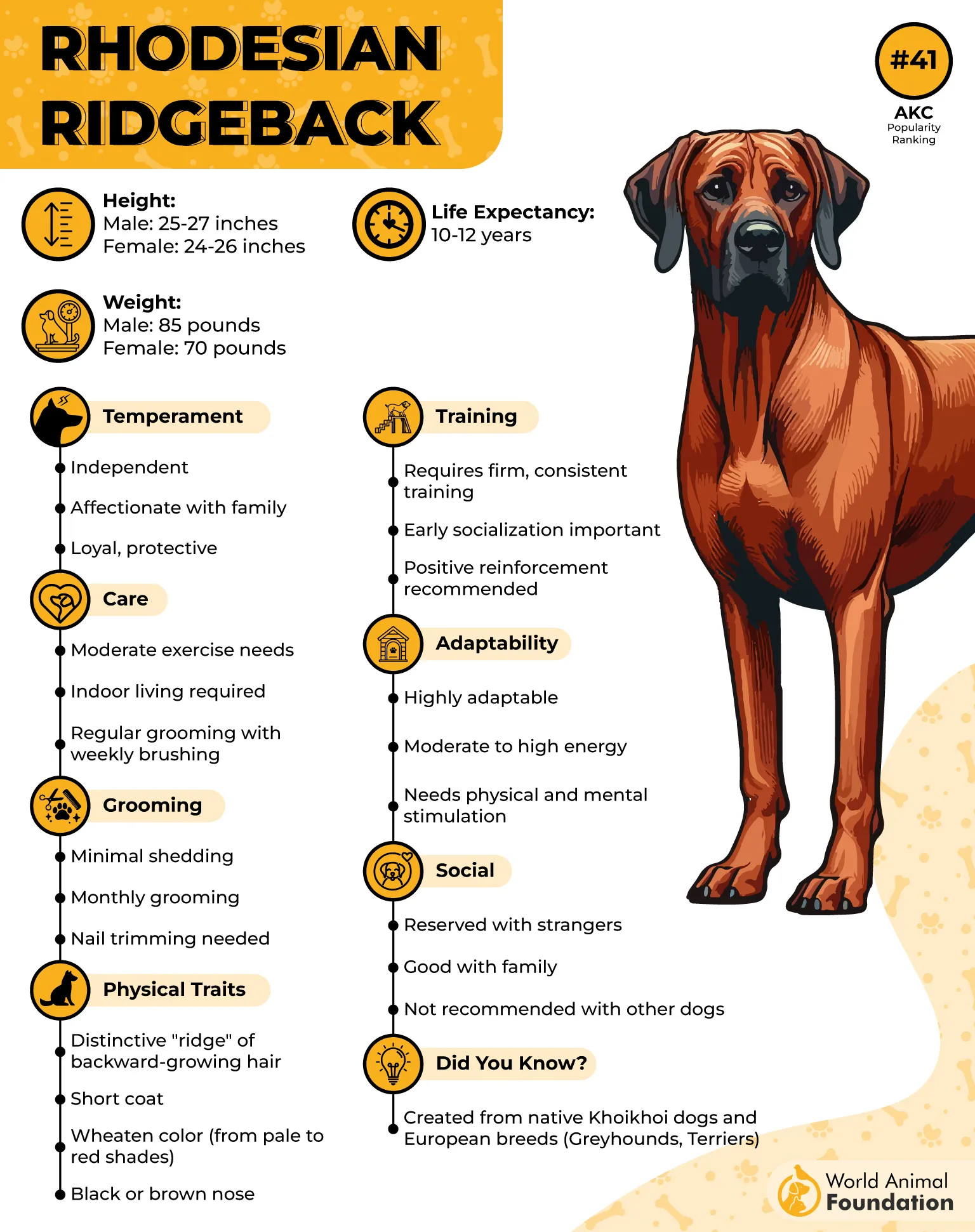
This physical mark reflects its history as a versatile working dog used for tracking and guarding farms, where endurance and alertness were equally important.
While it can be calm and loyal at home, outdoors, it becomes highly focused and energetic. It needs consistent training and structured exercise to balance its strong-willed nature, making it better suited for experienced owners who enjoy active routines.
Compared with other outdoor breeds, the Ridgeback blends speed, independence, and protective awareness into one capable, steady partner for demanding environments.
Conclusion
Not every dog is built for the same kind of outdoor life. Some thrive on long-distance endurance, others on speed, tracking, or water work.
What sets true outdoor companions apart is their ability to adapt to changing terrain, stay engaged for hours, and maintain energy where most would slow down.
From cold-weather explorers to agile field workers, these dogs share one thing in common—purpose-driven movement.
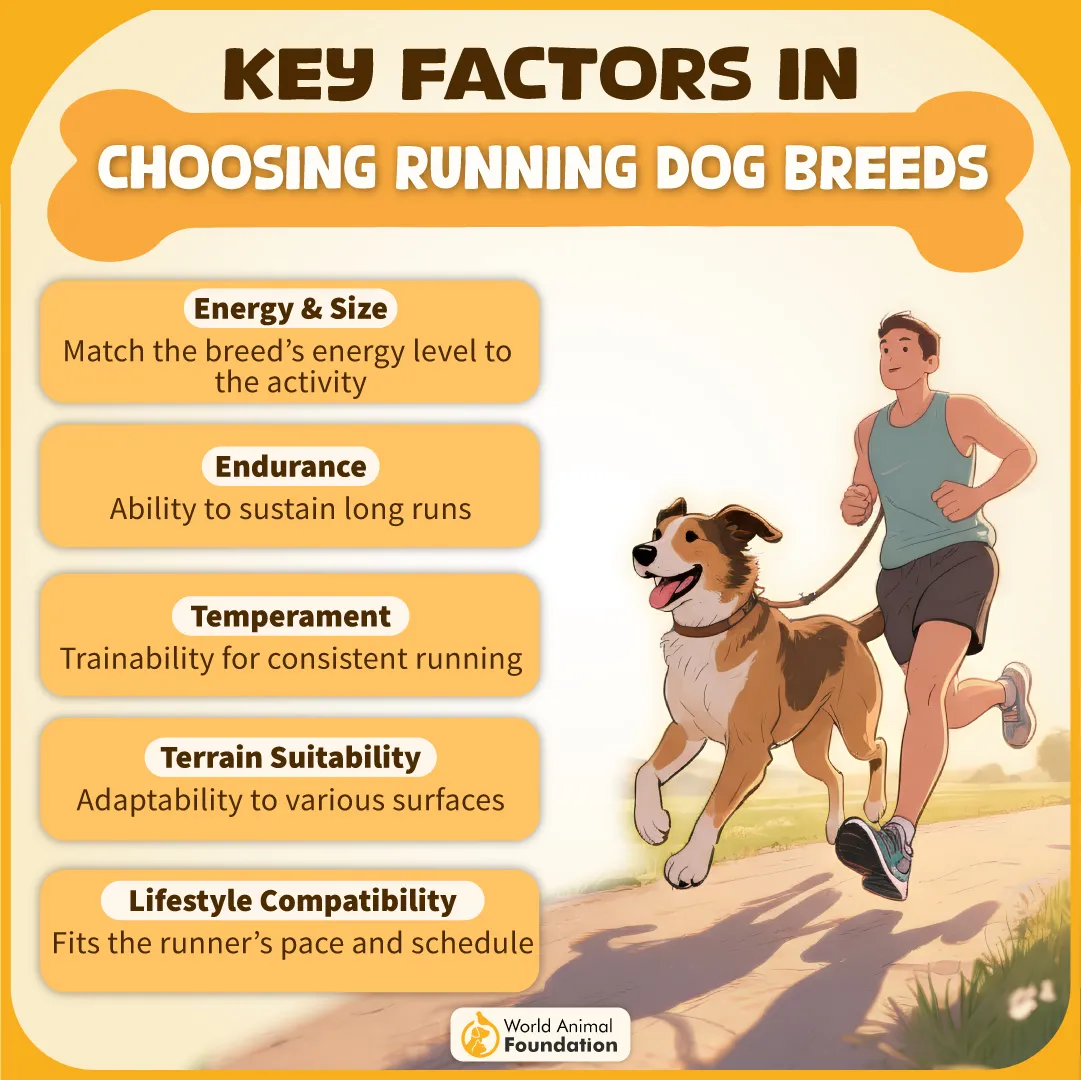
Choosing the right one means matching energy, temperament, and lifestyle with real activity needs, creating a partnership that turns every outdoor moment into a shared adventure.
