




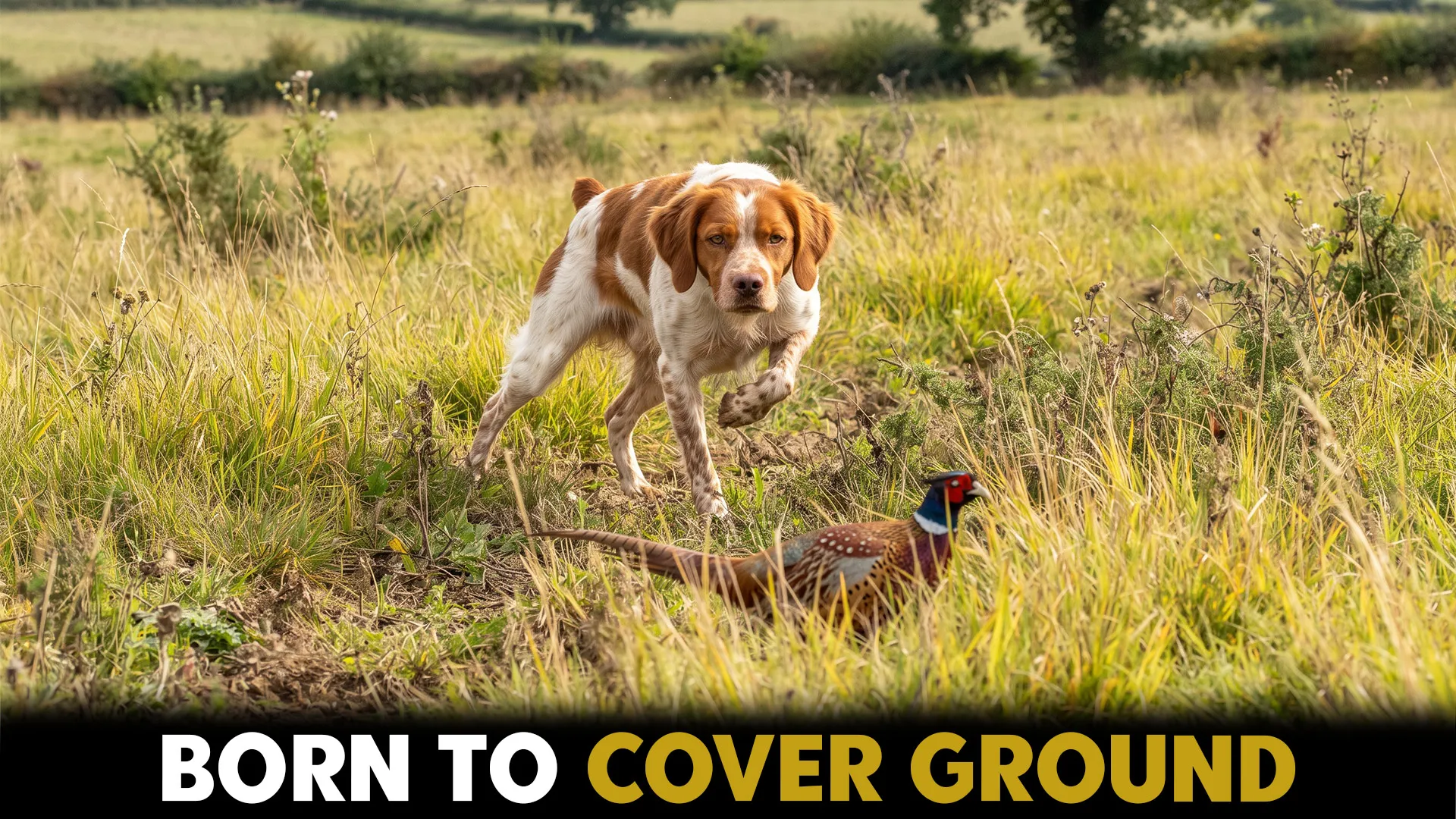
One second the field is quiet, and the next, a dog freezes mid-stride with its nose locked on a scent only it can smell. That single moment of focus is what separates a good bird dog from a great one.
A well-trained bird dog can locate a hidden game bird using nothing but its nose, often sensing it long before the hunter spots a single feather. That kind of instinct cannot be taught, only sharpened.
Upland hunting is not a solo sport. It is a partnership built on trust, timing, and years of training between handler and dog.
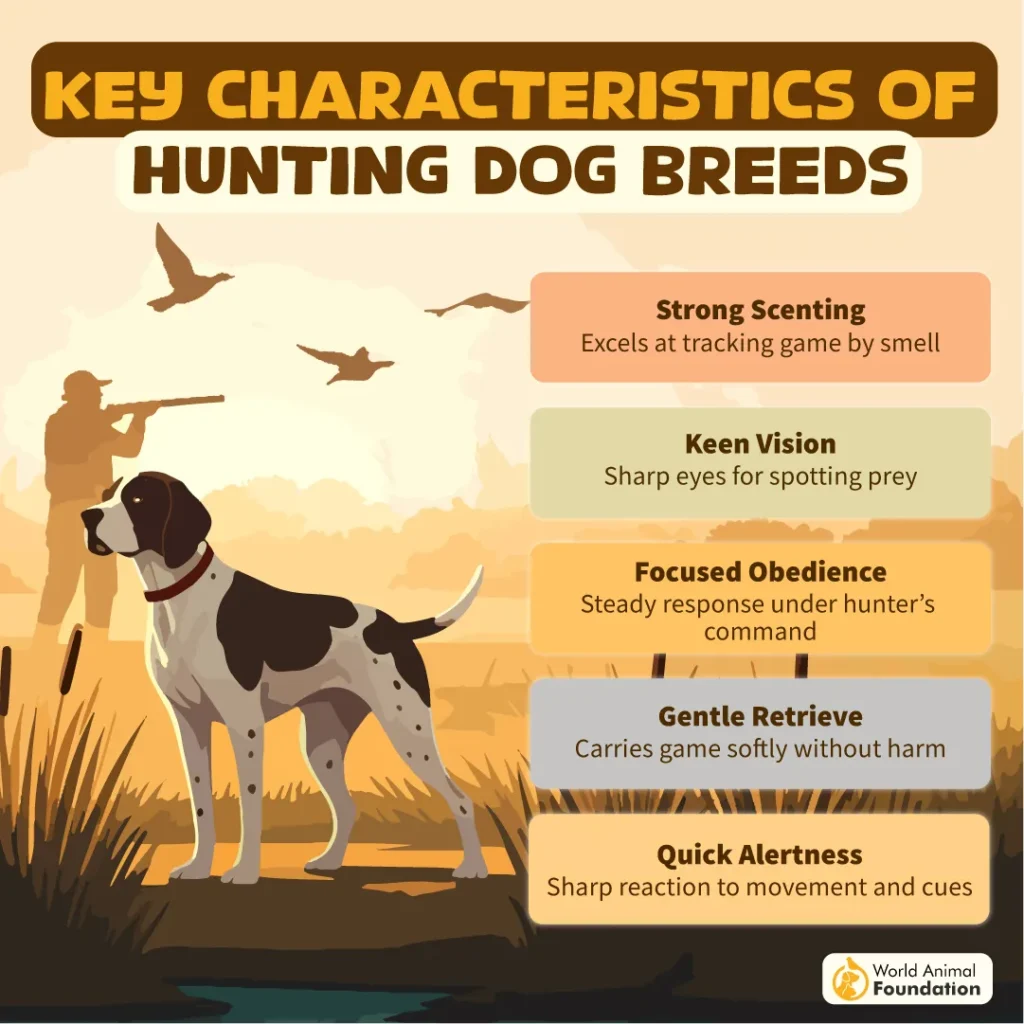
Not every breed brings the same hunting style to the field, and picking the wrong one can mean a frustrating season instead of a rewarding one.
Ready to find the bird dog built for your terrain, your pace, and your kind of hunt? Keep reading.
Excellent Dog Breeds for Upland Game Hunting
1. German Shorthaired Pointer
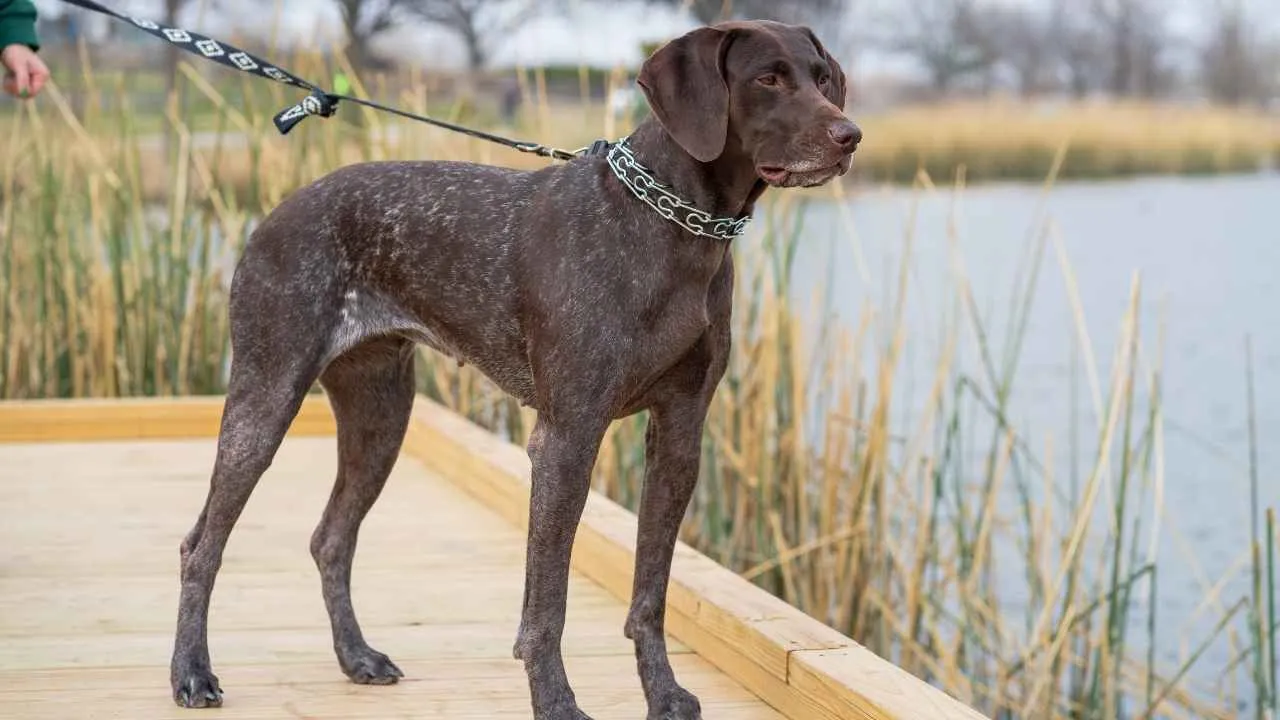
The German Shorthaired Pointer was bred as a versatile, all-purpose hunting dog, and it still lives up to that reputation. According to the American Kennel Club, this breed can point, track, and retrieve with equal skill. It remains a favorite among upland hunters who want one dog that does everything.
This dog learns quickly and thrives on close teamwork with its handler. Its short coat handles mud, brush, and cold water without complaint. Confidence and a calm temperament make it easy to trust off-leash.
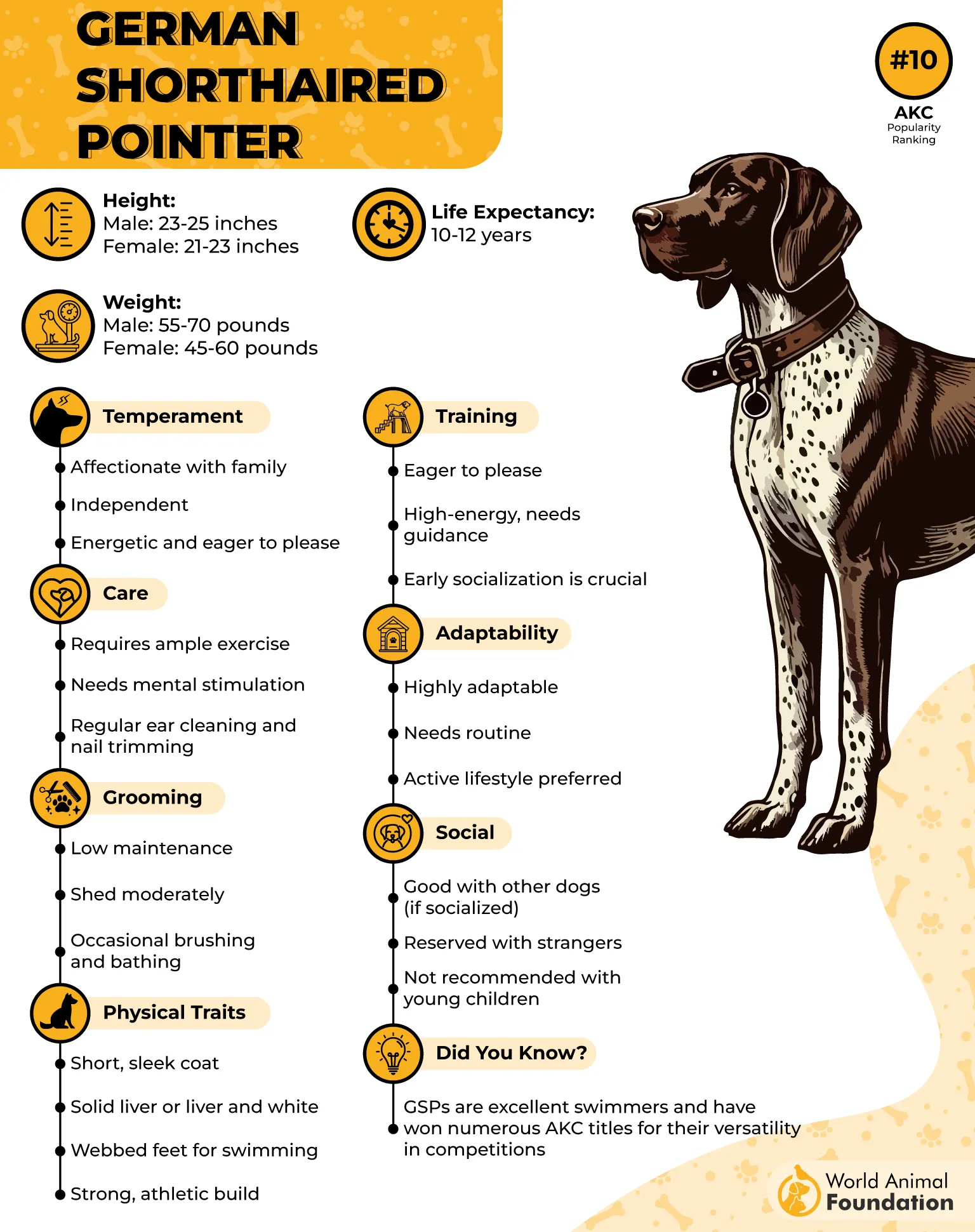
Energy level: High; needs a real outlet daily.
Range in the field: Hunts fairly close, checking in often.
Ideal game: Pheasant, quail, and grouse.
Terrain: Open fields, farmland, and light cover.
Life at home calls for daily exercise, not just a backyard romp. A long run, a swim, or a training session keeps this athletic dog content. Skip the outlet and restlessness follows quickly.
2. English Setter
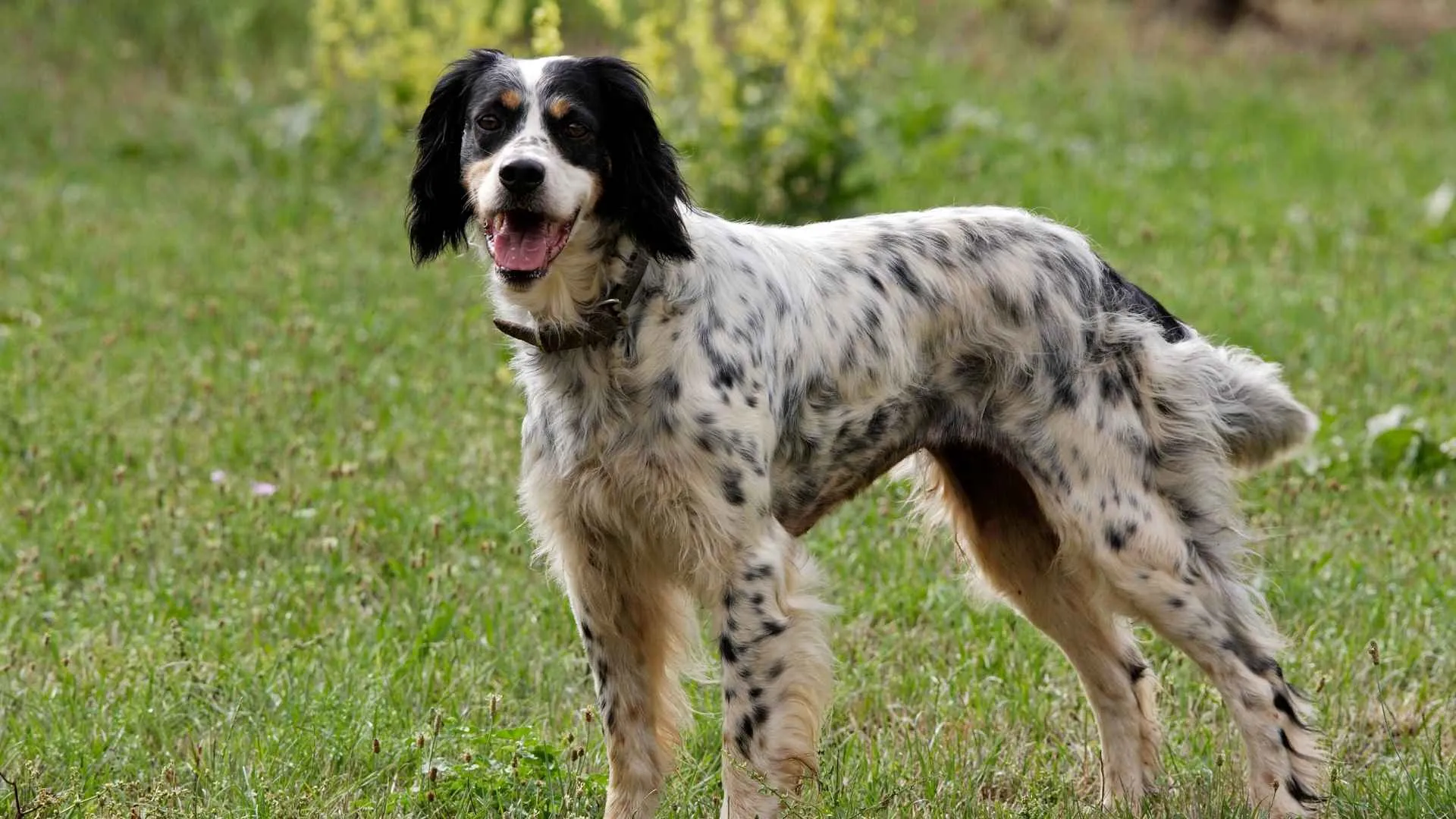
The English Setter is one of the oldest pointing dog breeds, developed centuries ago to find upland birds and freeze in place. Old paintings and records trace it back further than most other breeds. According to Britannica, it was refined largely in England for exactly this purpose.
Handlers love how eager this dog is to please, which makes training simple and enjoyable. Its silky, feathered coat needs regular brushing, especially after a day pushing through brush. Even so, that coat sheds water and holds up fine in cool, damp weather.
Energy level: Moderate, steady rather than frantic.
Range in the field: Ranges out but stays responsive to the whistle.
Ideal game: Grouse, woodcock and pheasant.
Terrain: Woods, fields and mixed cover.
This is a dog that wants company, not a kennel life alone. Regular walks and playtime keep its friendly nature balanced at home. Grooming sessions double as bonding time, so nobody minds the extra brushing.
3. Brittany
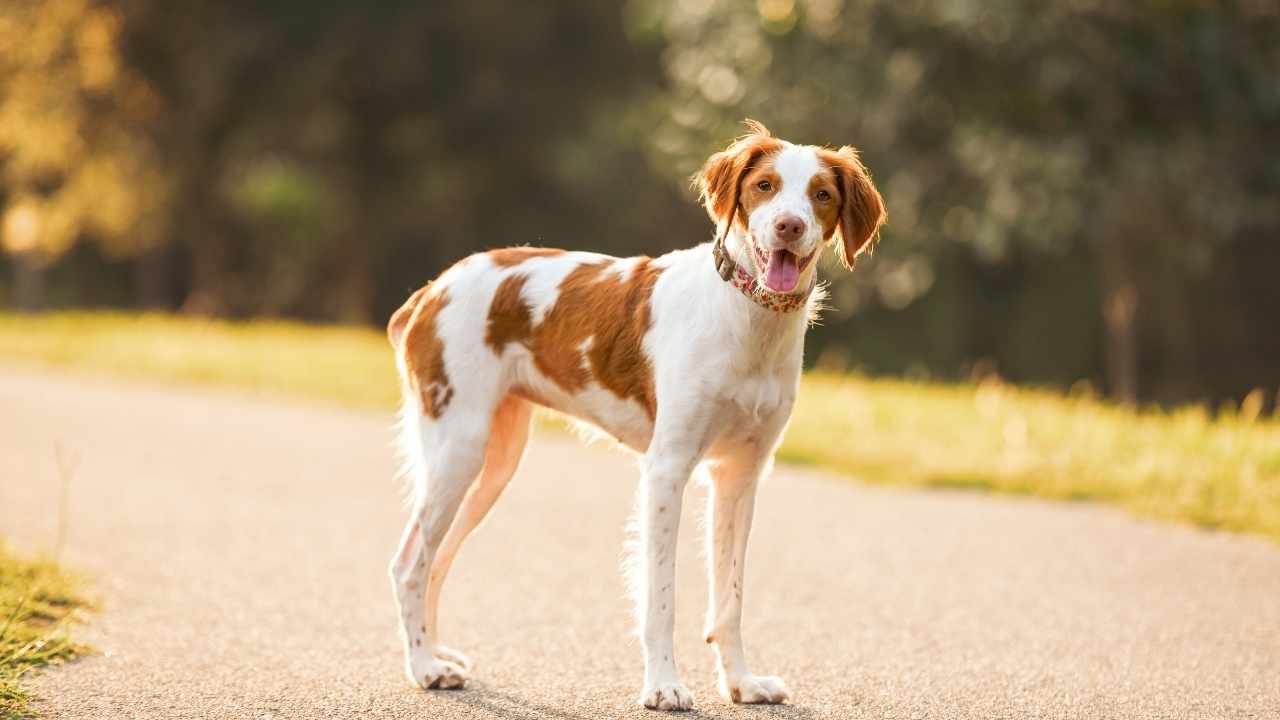
The Brittany may be small, but it hunts like a dog twice its size. Originally bred in France, it was designed to work as both a pointer and a natural retriever. Its compact build makes it easy to handle in a truck or a duck boat.
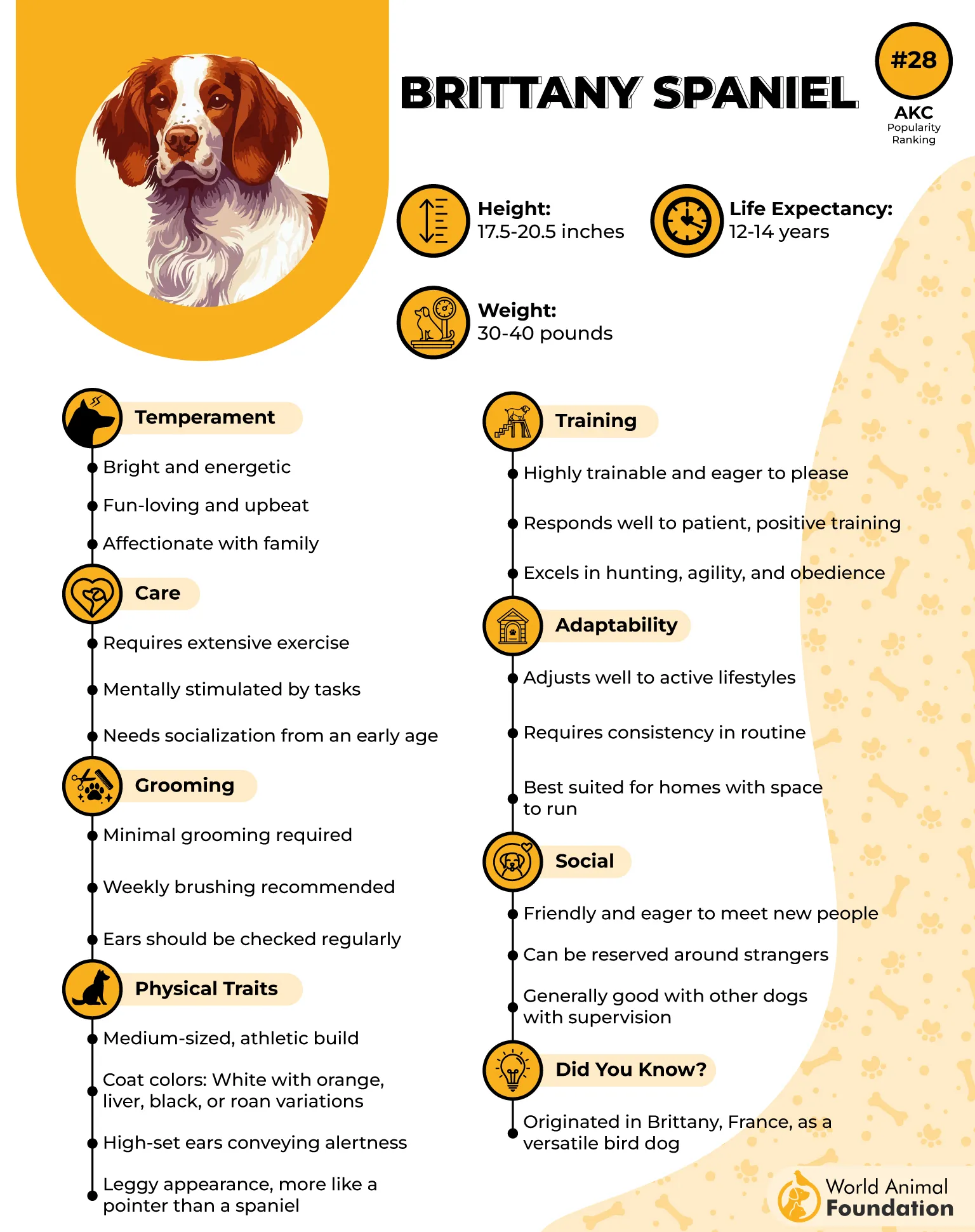
This breed is famously eager to learn, often picking up commands faster than its handler expects. Its short, dense coat sheds burrs and brush with little effort. A cheerful, sometimes sensitive temperament means harsh corrections backfire quickly.
Energy level: High and always in motion.
Range in the field: Works close, ideal for walking hunters.
Ideal game: Pheasant, quail, and partridge.
Terrain: Thick cover and rolling farmland.
Between hunts, this dog needs daily activity to stay level-headed. Fetch games, jogging, or agility work all do the trick. Without it, that famous enthusiasm turns into restless pacing indoors.
4. Wirehaired Pointing Griffon
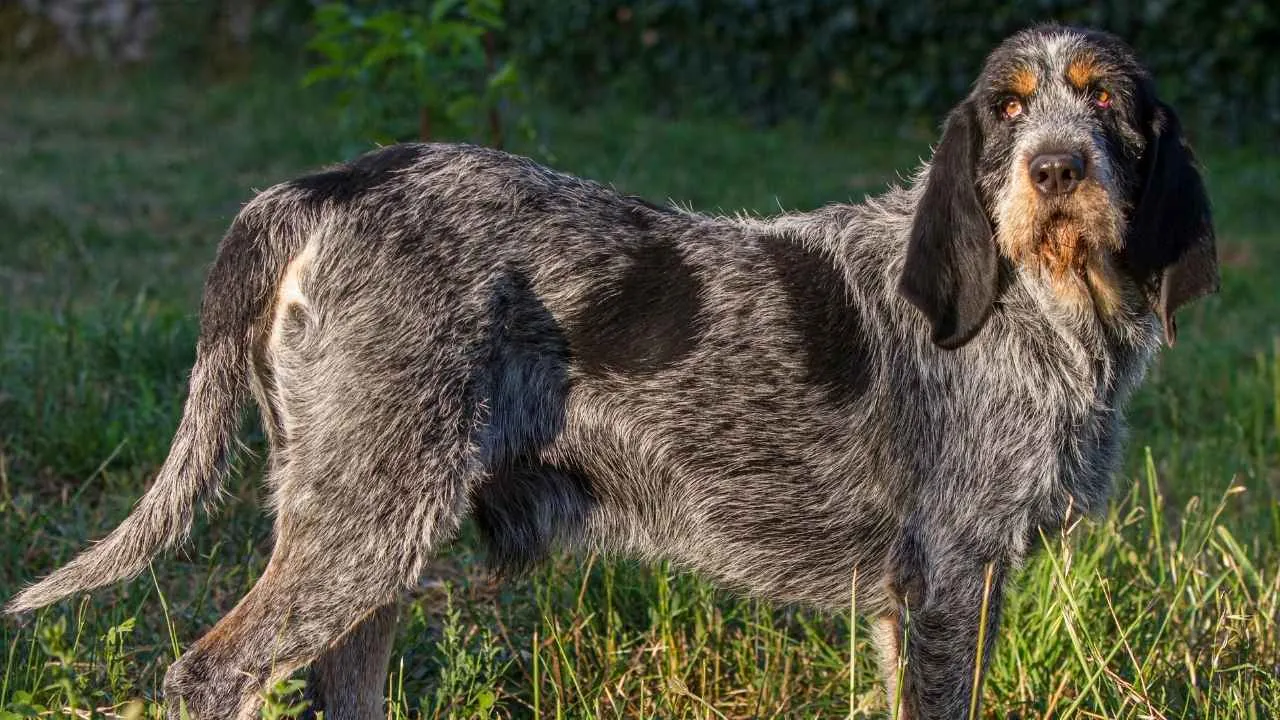
The Wirehaired Pointing Griffon was built for hunters who face rough terrain and punishing weather. Its shaggy double coat and bushy eyebrows are not just for looks. According to Orvis, this breed was developed specifically for hunters who refuse to sit out bad conditions.
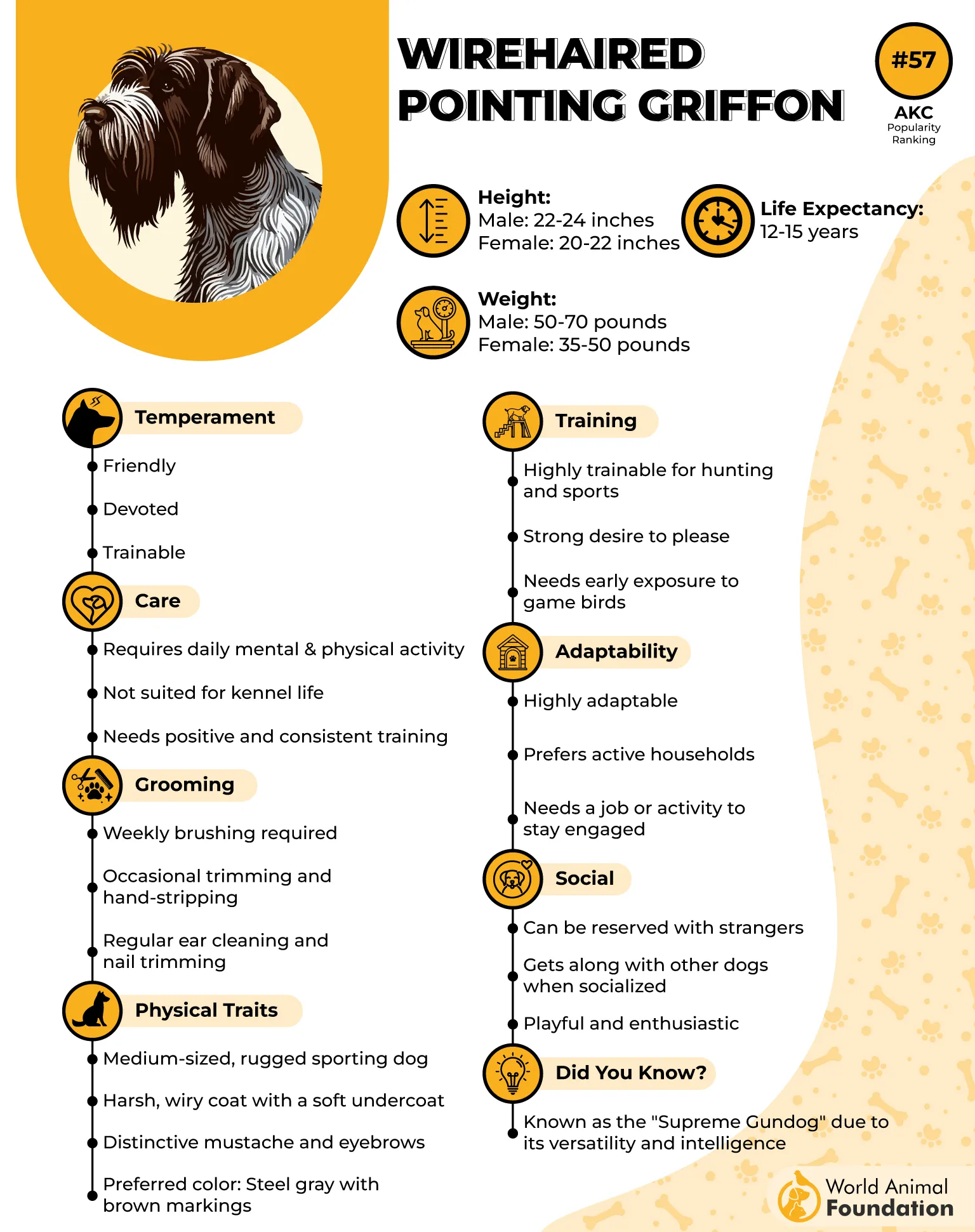
This dog trains at a slower, more thoughtful pace than some flashier pointing breeds, and patience pays off. That wiry coat shrugs off brambles and cold better than almost any other breed. A calm, biddable temperament suits first-time bird hunters well.
Energy level: Moderate, deliberate rather than hyper.
Range in the field: Hunts close and methodically.
Ideal game: Pheasant, woodcock and duck.
Terrain: Marshes, swamps and dense brush.
Outside the field, this breed is happiest curled up near its people. A daily walk and some mental stimulation keep it satisfied. Its low-key nature makes it a surprisingly easy dog to live with.
5. Irish Setter
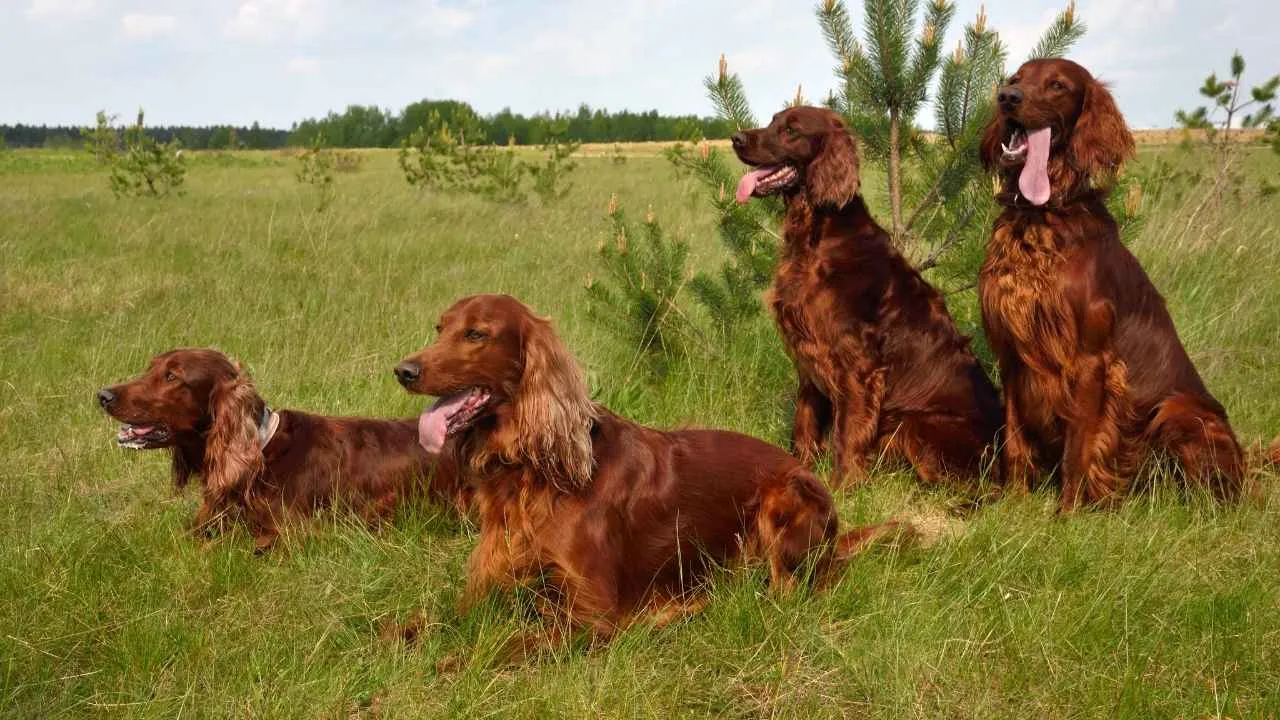
The Irish Setter turns heads with its flowing red coat, but it was bred for serious bird work. Early sporting dogs of this type could cover huge amounts of ground searching for game. Style aside, this breed has always been built for stamina, not the show ring.
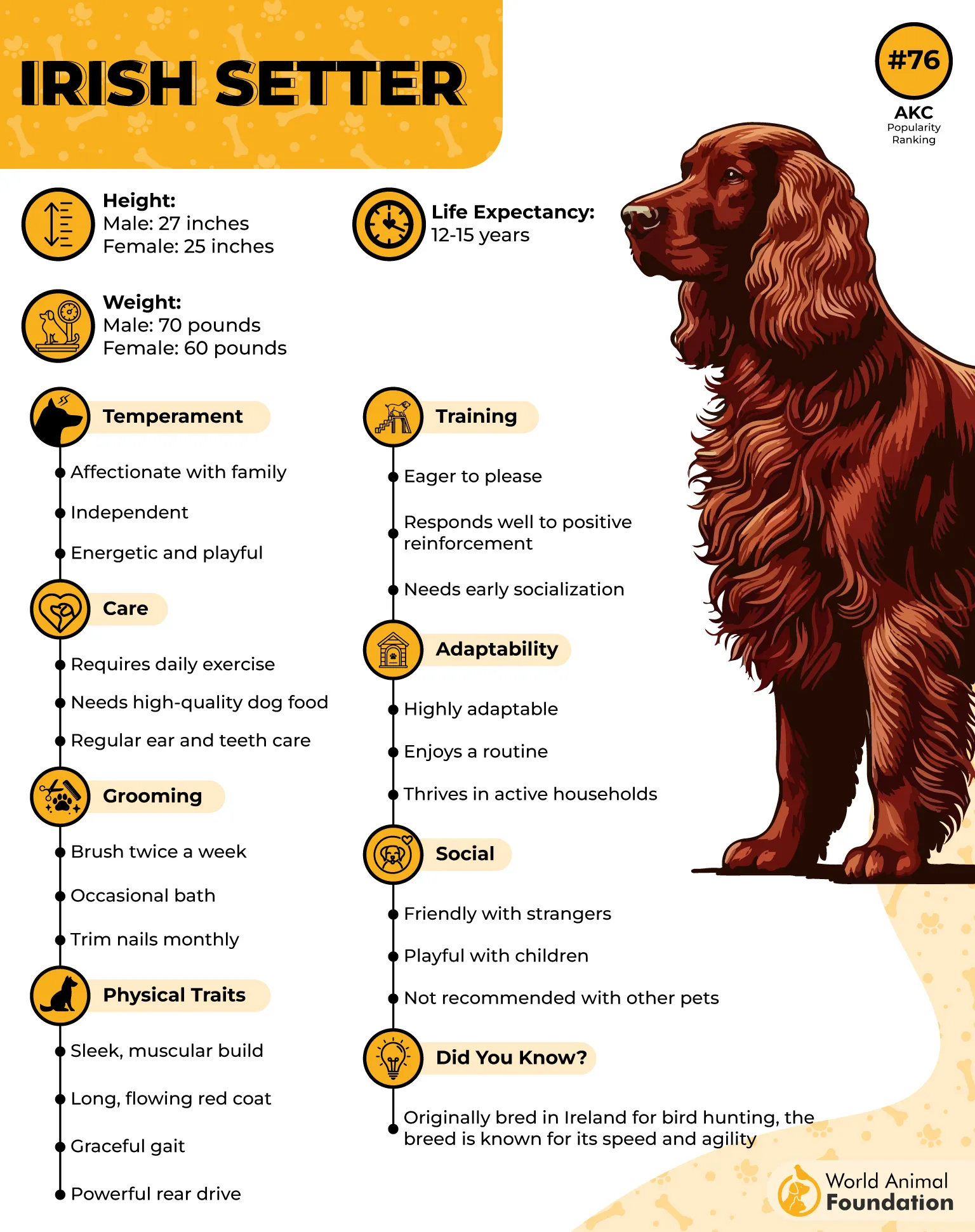
Training this dog takes patience, since it can be a bit independent and easily distracted by scent. That gorgeous coat needs frequent brushing to stay free of tangles and burrs. Even with the glamorous looks, it handles cold and wet weather just fine.
Energy level: Very high, built for long days outdoors.
Range in the field: Ranges wide and far from the gun.
Ideal game: Grouse and pheasant.
Terrain: Open moors and large fields.
This is not a dog for a small yard or a quiet lifestyle. Long runs and open space give it the outlet it craves. A bored Irish Setter will find its own entertainment, usually the destructive kind.
6. Vizsla
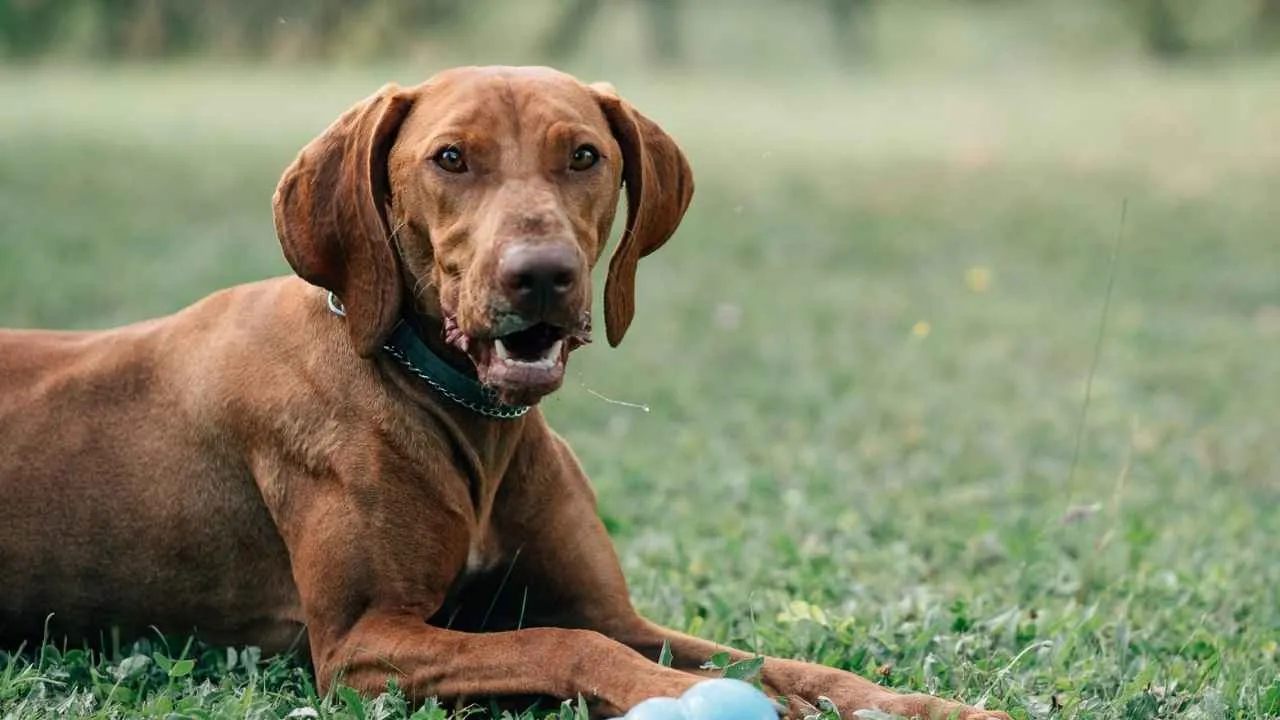
The Vizsla comes from Hungary, where it was prized as a devoted bird dog for centuries. Its sleek, golden coat and athletic frame make it easy to spot in any field. According to PetMD, this breed is known for its intense bond with its owner.
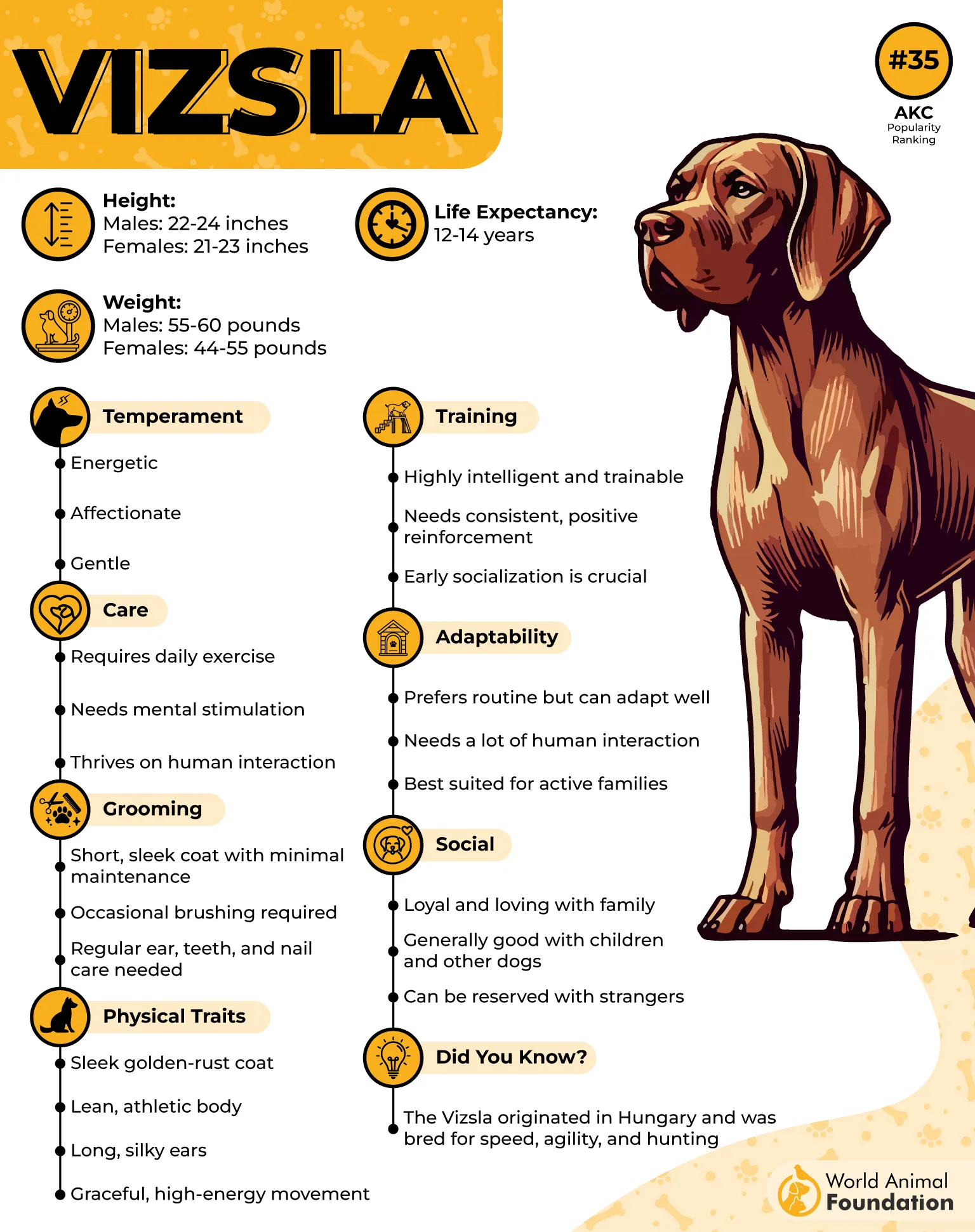
This breed is famously affectionate and does not do well with a distant, hands-off handler. Its short coat needs little grooming but offers almost no protection from cold water or thorny brush. A sensitive nature responds best to gentle, consistent training.
Energy level: High; needs a job most days.
Range in the field: Stays close, a true velcro dog.
Ideal game: Quail, heasant, and partridge.
Terrain: Open fields and light cover.
This dog wants to be wherever its person is, indoors or out. Daily exercise paired with real companionship keeps it settled and happy. Leave it alone too often, and separation anxiety can creep in.
7. English Springer Spaniel
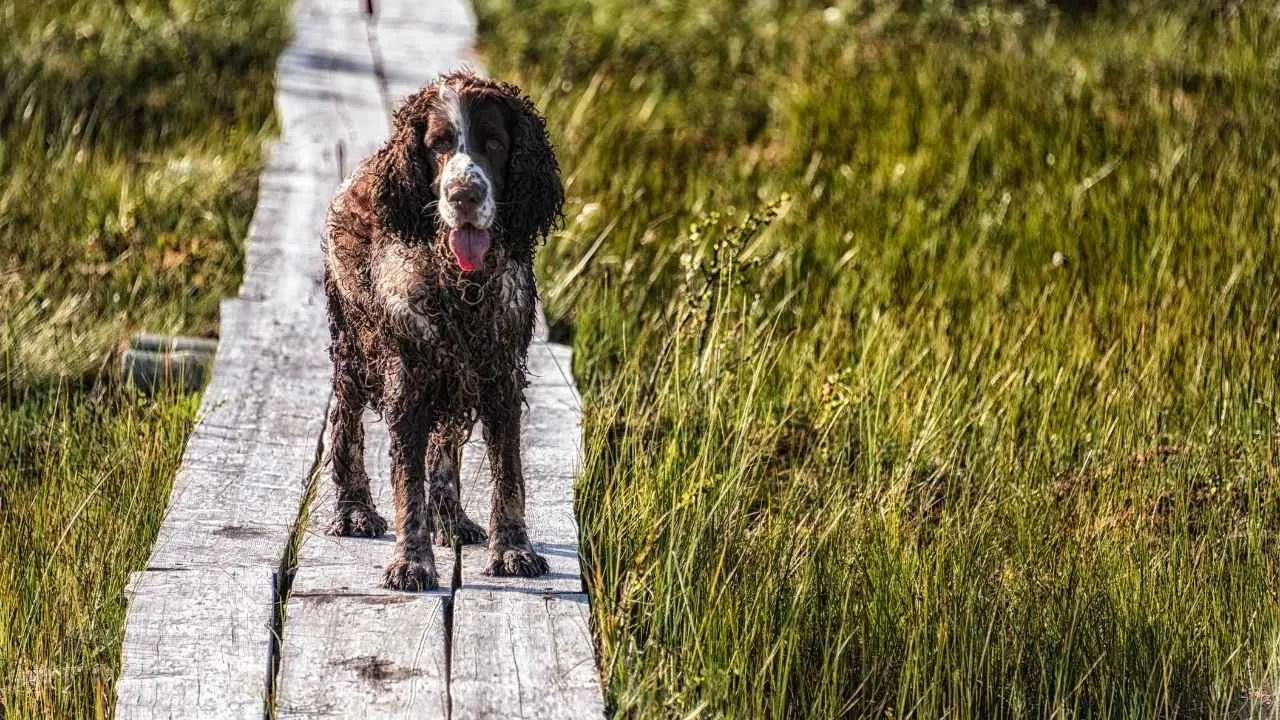
The English Springer Spaniel earned its name by springing birds into the air for the gun. As a flushing dog, it works differently from the pointing breeds on this list. According to VCA, this breed has hunted alongside people for centuries.
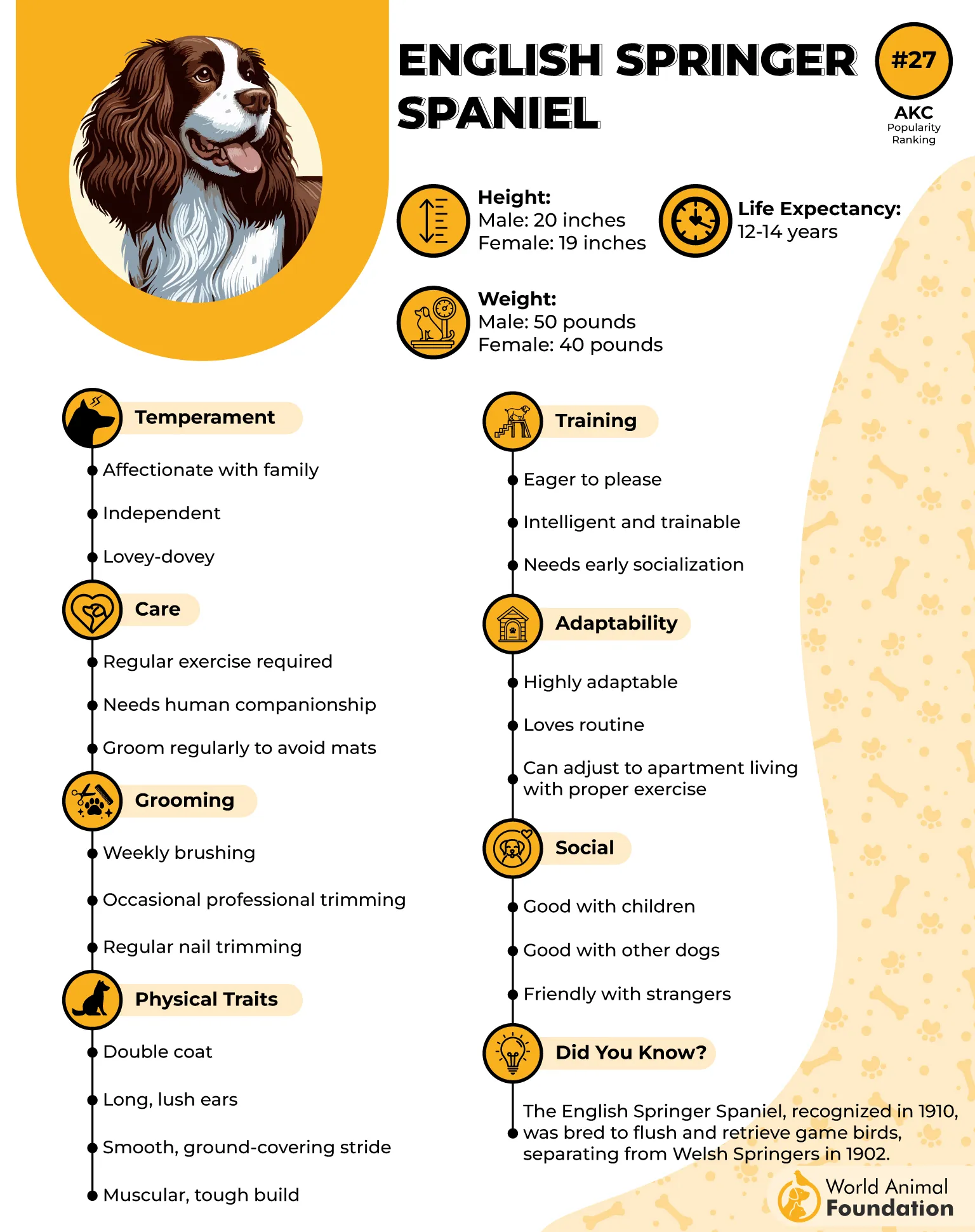
This dog is eager, smart, and quick to pick up new commands, which makes training genuinely fun. Its medium-length coat needs regular brushing but handles damp weather well. A friendly, biddable temperament makes it a natural family companion too.
Energy level: High, tireless once the hunt begins.
Range in the field: Works close enough for a shotgun’s reach.
Ideal game: Pheasant, grouse, and woodcock.
Terrain: Heavy cover and thick brush.
Back home, this breed needs a solid outlet or its enthusiasm turns into chewing and barking. Daily walks, fetch, and swimming all help burn off steam. A tired Springer Spaniel is a calm, content Springer Spaniel.
Conclusion
A pointing dog that locks up on scent and a flushing dog that busts birds from thick cover both bring something different to the field, and either one can turn a walk into a real partnership. Match its energy, range, and hunting style to your own pace, and you get a partner built for the long haul.
These seven breeds prove there is no single right answer, just the smartest fit for your terrain and your goals. Pick the one that matches your style, put in the training, and get ready for opening day.
