




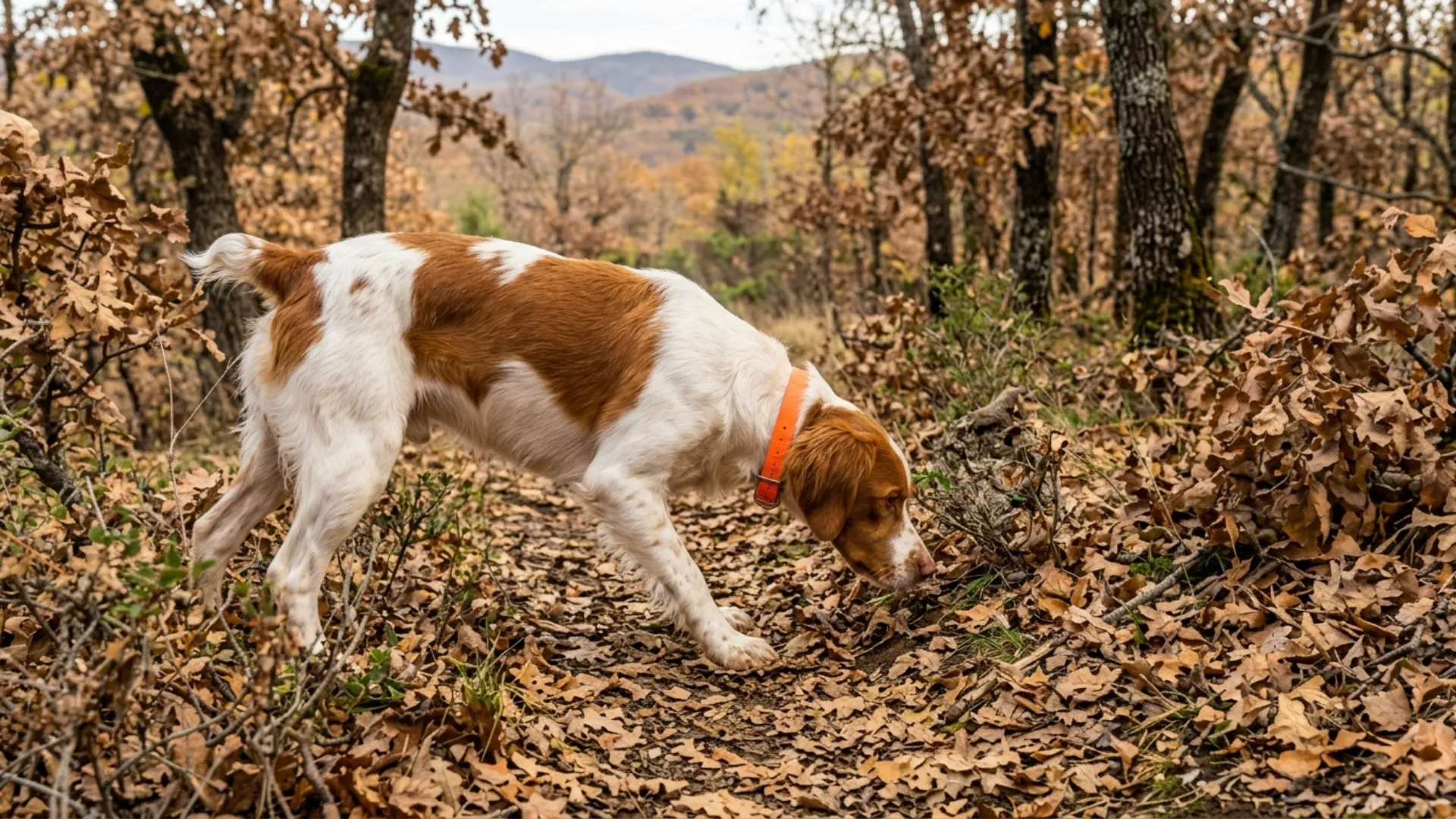
Ever watched your dog sniff one patch of grass like it holds the world’s biggest secret? Well, imagine putting that nose to work in the wild! For hunting dogs, following a scent isn’t just an interesting hobby. It’s serious business! Some can track animals through thick brush, while others locate hidden birds or follow trails across challenging terrain.
And here’s the fun part! These four-legged detectives bring more than a sharp nose to the field. They have stamina, determination, and the occasional stubborn streak when something smells REALLY interesting.
So, which dogs have what it takes to become impressive hunting partners? Let’s meet the breeds that make tracking wildlife look like an adventure!
Did you know?
Dogs may have around 300 million scent receptors, compared to roughly six million in humans! They also possess a special system that detects pheromones. No wonder their noses are such valuable tools for tracking wildlife and hunting!
Excellent Dog Breeds for Tracking Wildlife and Hunting
1. Irish Setter

Well, the Irish Setter certainly knows how to make an entrance! With its gorgeous red coat, graceful movements, and energetic personality, this lively hunting dog brings both style and serious working ability to the field. Quite the combination, right?
Back in Ireland, hunters needed a fast-working dog that could locate gamebirds across wide stretches of countryside. The Irish Setter was developed for exactly that purpose, with a keen nose and the ability to cover ground quickly.
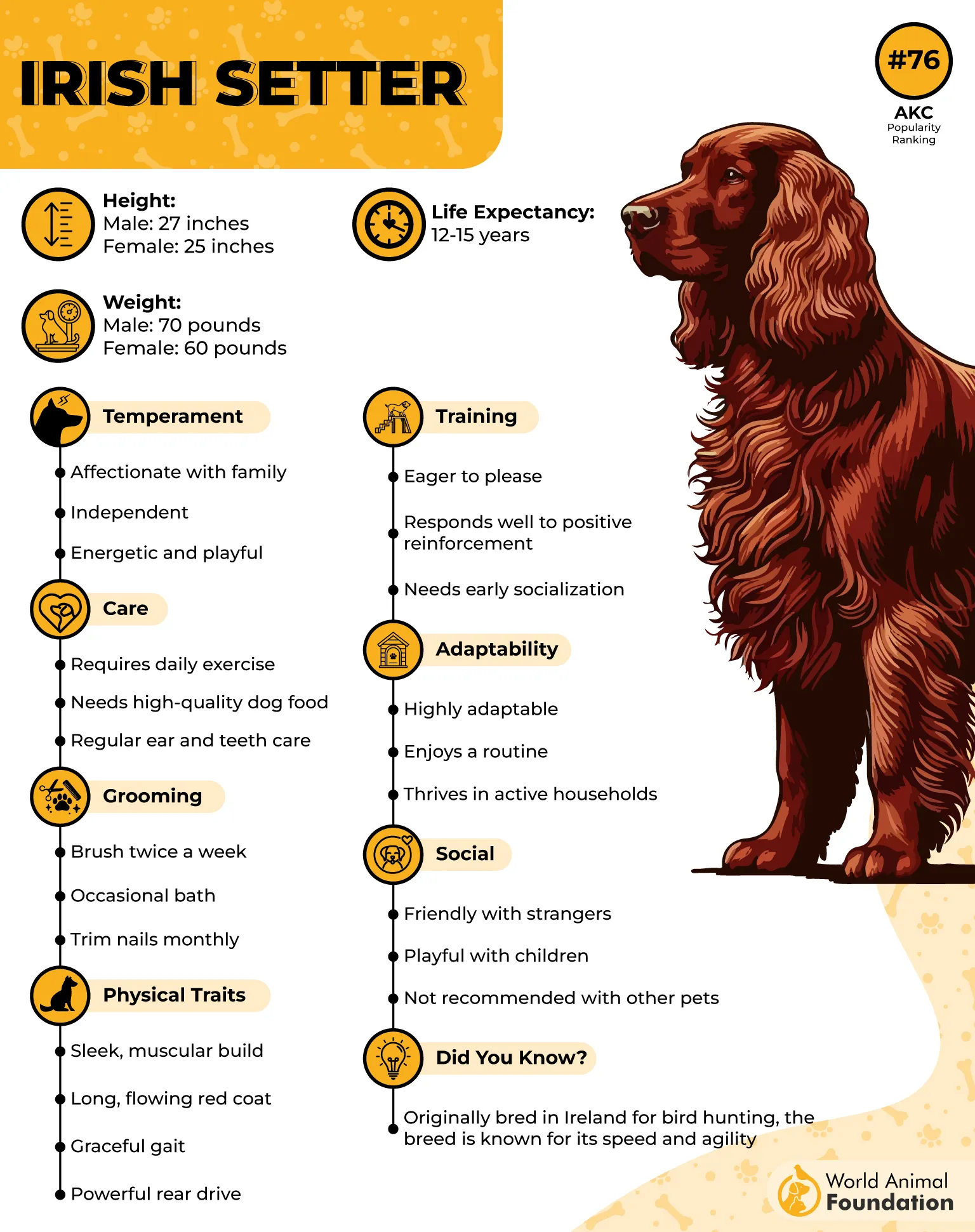
And when there’s wildlife to track, this red-coated adventurer means business! Irish Setters use their impressive scenting abilities to locate birds and signal their presence to hunters. Their enthusiasm and stamina also help them handle long days outdoors.
What Makes This Breed Stand Out
Excels in obedience, agility, and hunt tests.
Enjoys positive, reward-based lessons that remain interesting.
2. Brittany Spaniel
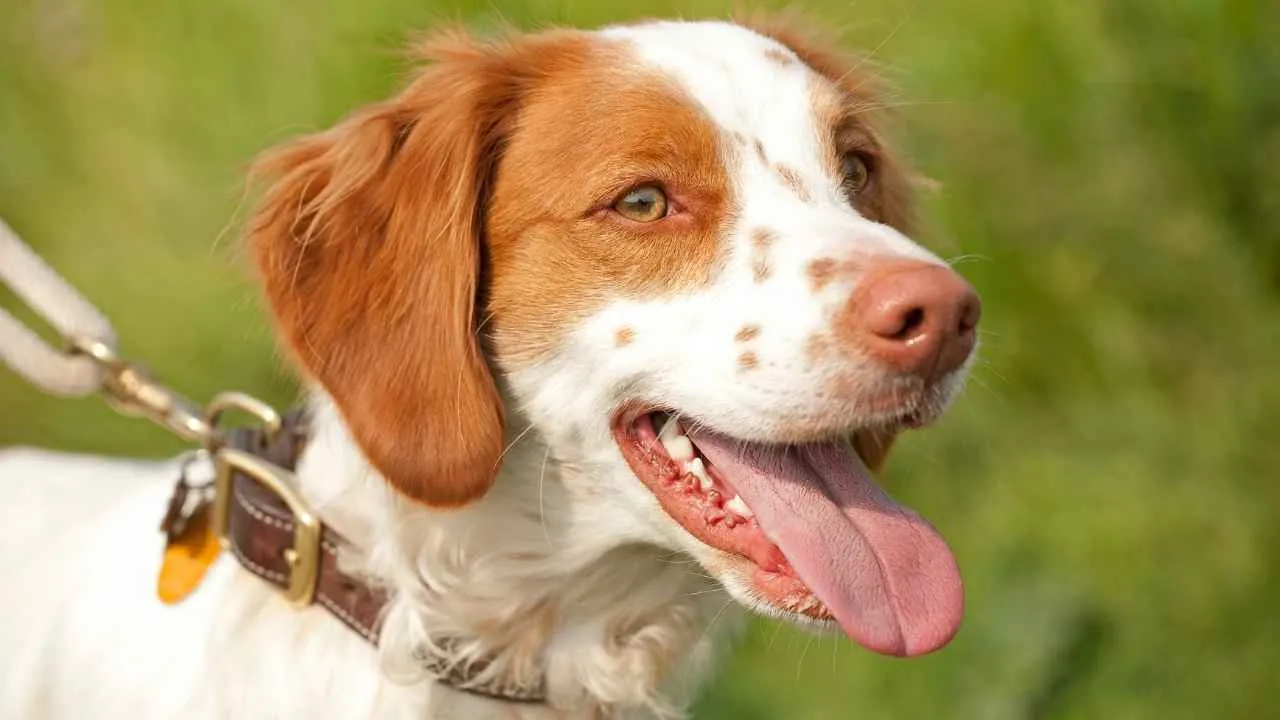
Got a soft spot for dogs that seem genuinely excited about everything? The Brittany Spaniel might steal your heart! This cheerful French sporting dog combines quick movements with impressive pointing instincts, making it a popular choice for upland bird hunting.
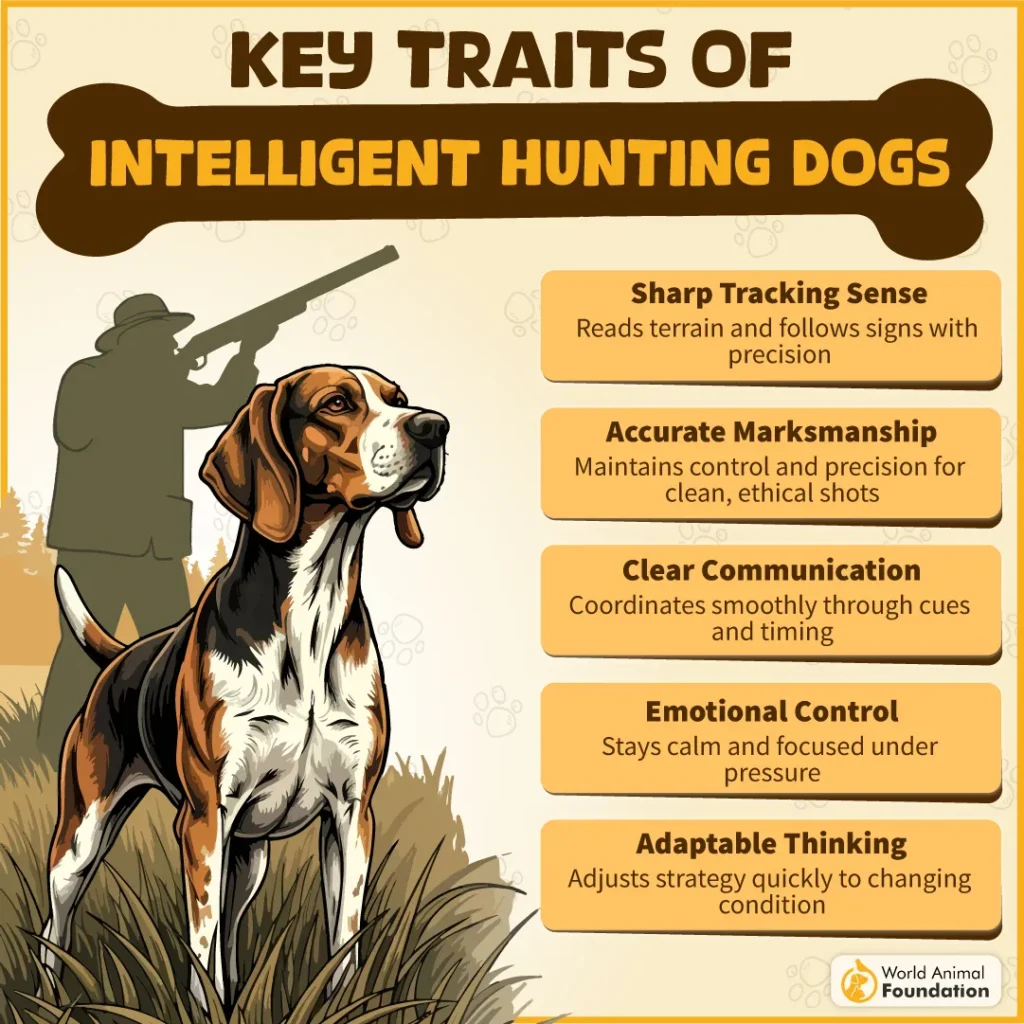
Now, rough and varied terrain is hardly enough to discourage this enthusiastic hunter! Brittanys are rugged and agile, allowing them to move through varied outdoor conditions. Their quick movements help them search efficiently while remaining responsive to their handlers during hunts.
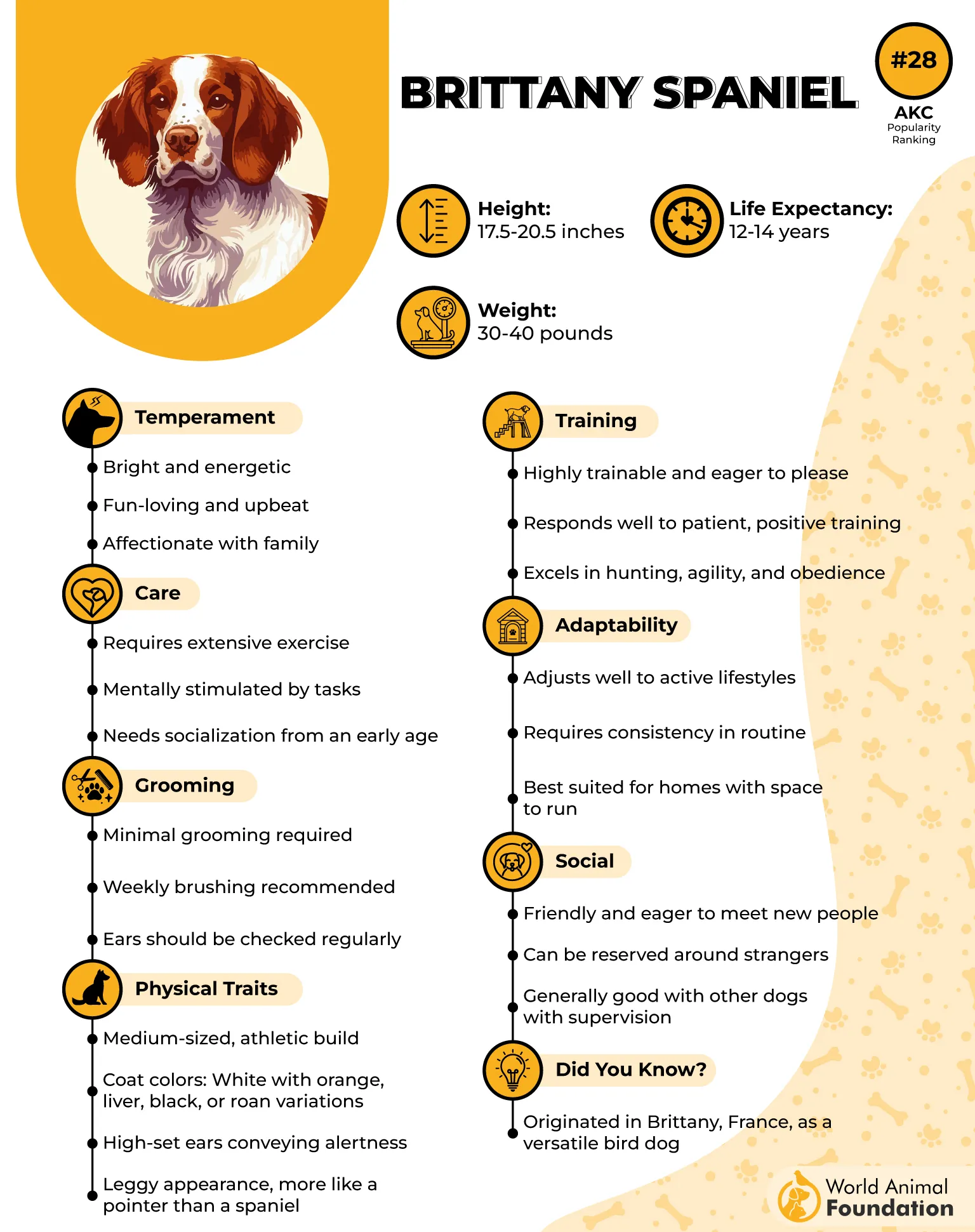
As noted by PetMD, Brittanys learn commands quickly but can become bored during lengthy lessons. Short, frequent, and proper training sessions filled with praise and treats keep them interested, while gentle encouragement helps these sensitive dogs develop their skills.
What Makes This Breed Stand Out
Can participate in flyball, dock diving, and field trials.
Often gets along well with children and other pets when properly socialized.
3. German Shorthaired Pointer
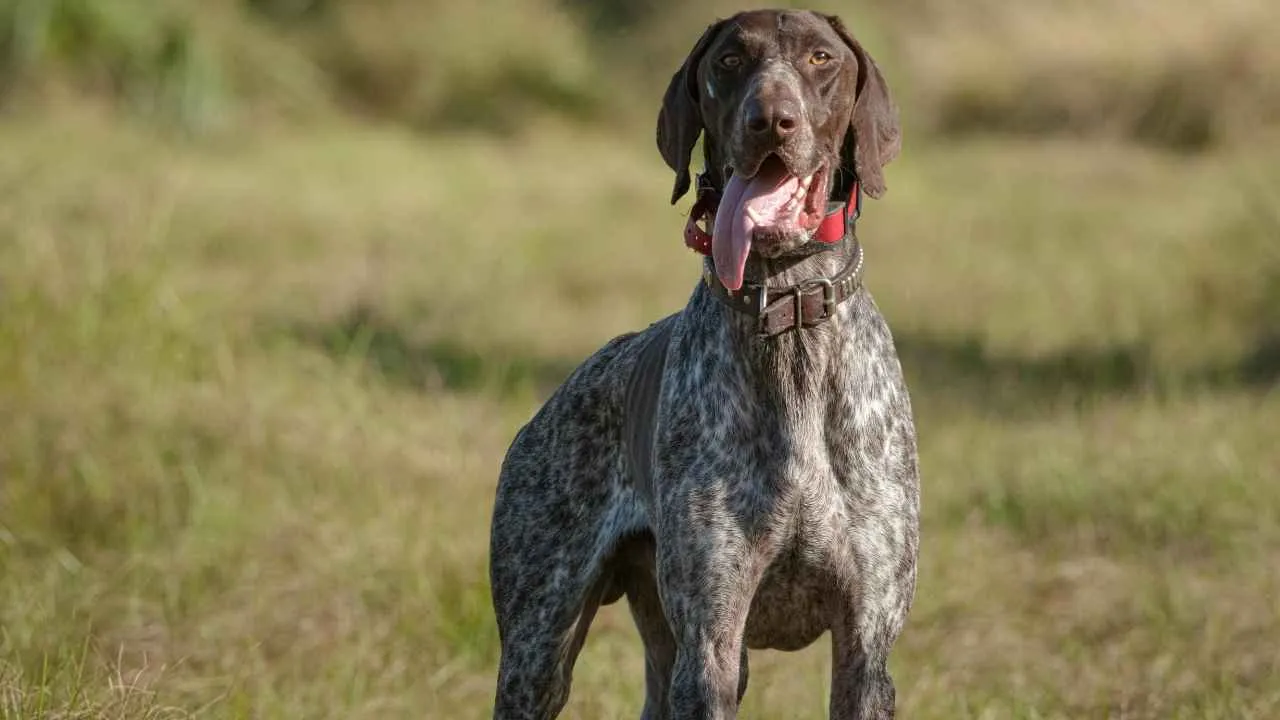
Some hunting dog breeds have one specialty, but the German Shorthaired Pointer apparently missed that memo! This intelligent breed has a remarkable range of working abilities, from locating hidden birds to retrieving game across both land and water.
Originally developed as a versatile gun dog, the German Shorthaired Pointer became particularly skilled at hunting upland game. When it detects a bird’s scent, it stops and points toward its location, helping hunters find their target, which is why it excels at hunting birds.
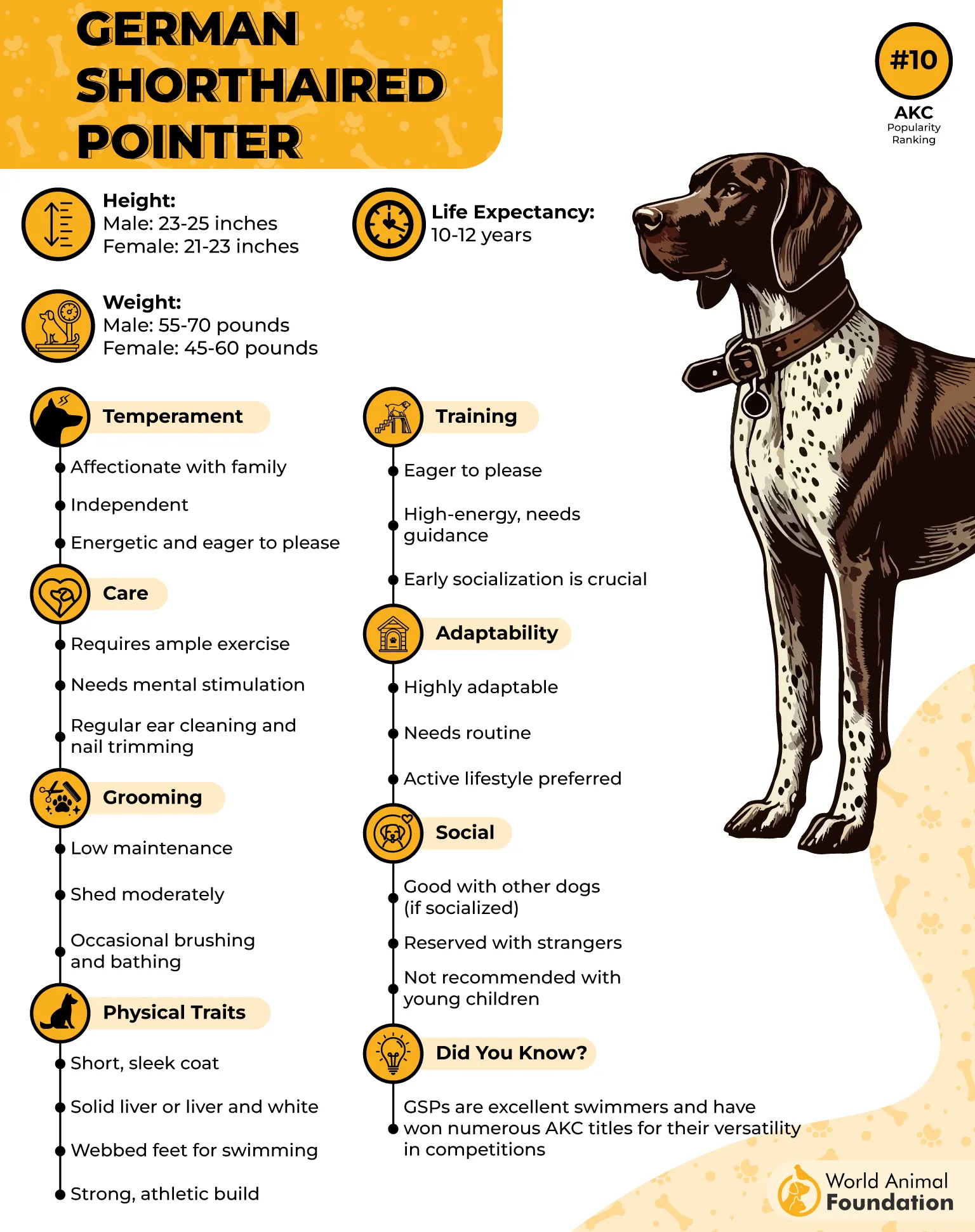
But birds aren’t the whole story here! German Shorthaired Pointers can also hunt rabbits, raccoons, possums, and even deer. Their strong scenting abilities allow them to follow different types of game, making them remarkably adaptable hunting companions.
What Makes This Breed Stand Out
Webbed feet help it work effectively in water.
The breed has enjoyed considerable success in hunting events.
4. Basset Hound
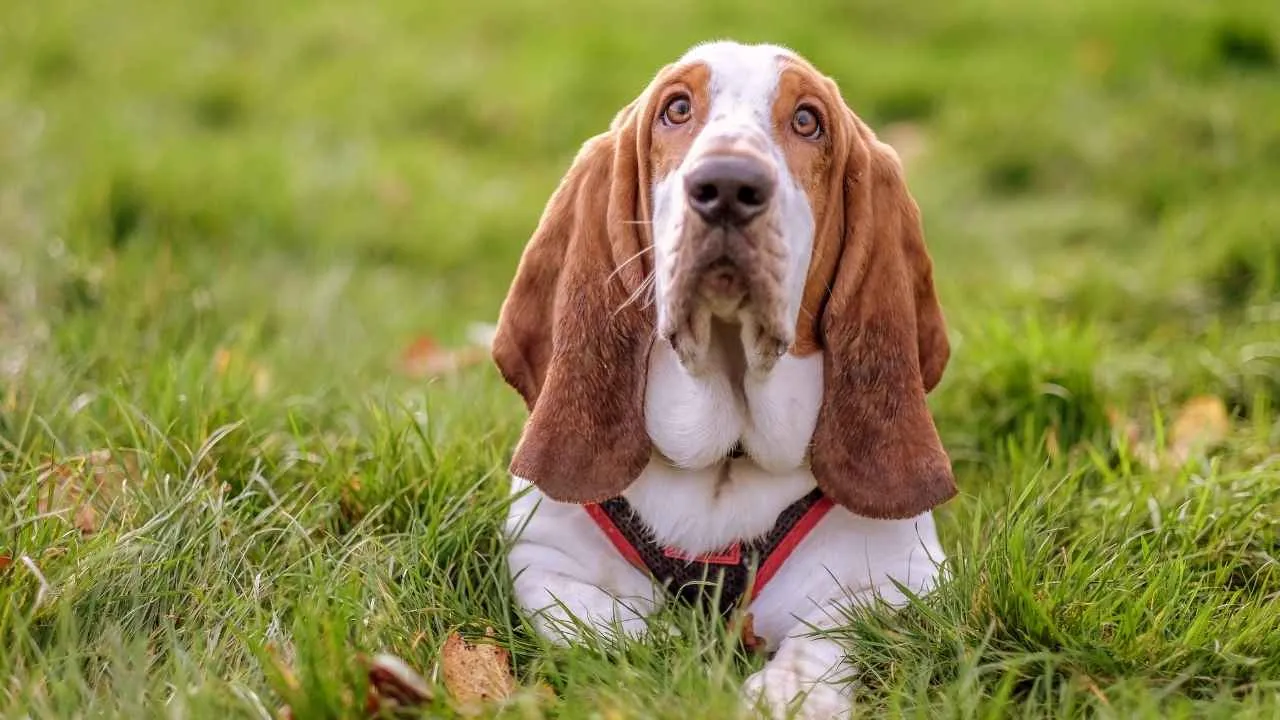
Those droopy eyes might suggest the Basset Hound needs a nap, but don’t underestimate that nose! This charming tracking dog has a remarkable sense of smell, which is useful in hunting tasks, and was recognized by the American Kennel Club (AKC) in 1885. Looks can be wonderfully deceiving!
Here’s something interesting about this determined hunter! Although Basset Hounds originally hunted small game like rabbits and hares, they were sometimes used to trail wounded game of large size as well. Their excellent scenting abilities helped them follow animal trails without requiring great speed.
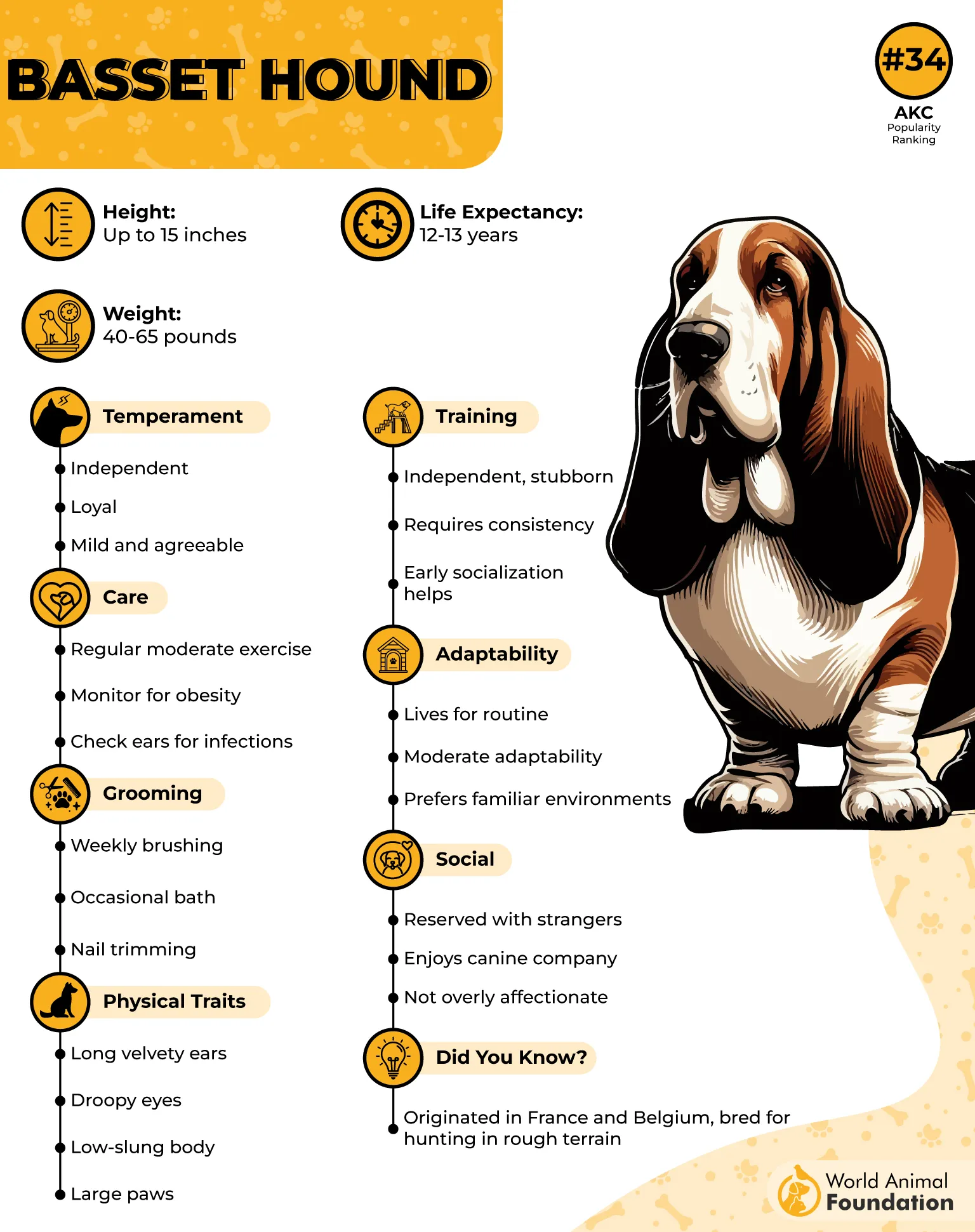
Well, training a Basset Hound can certainly test your patience! These independent dogs sometimes prefer following interesting scents over listening to commands. However, consistent training, positive reinforcement, and tasty treats can help keep them interested and cooperative.
What Makes This Breed Stand Out
Traditionally hunted alongside other dogs.
Its loud, ringing bark helps make its presence known.
5. Weimaraner
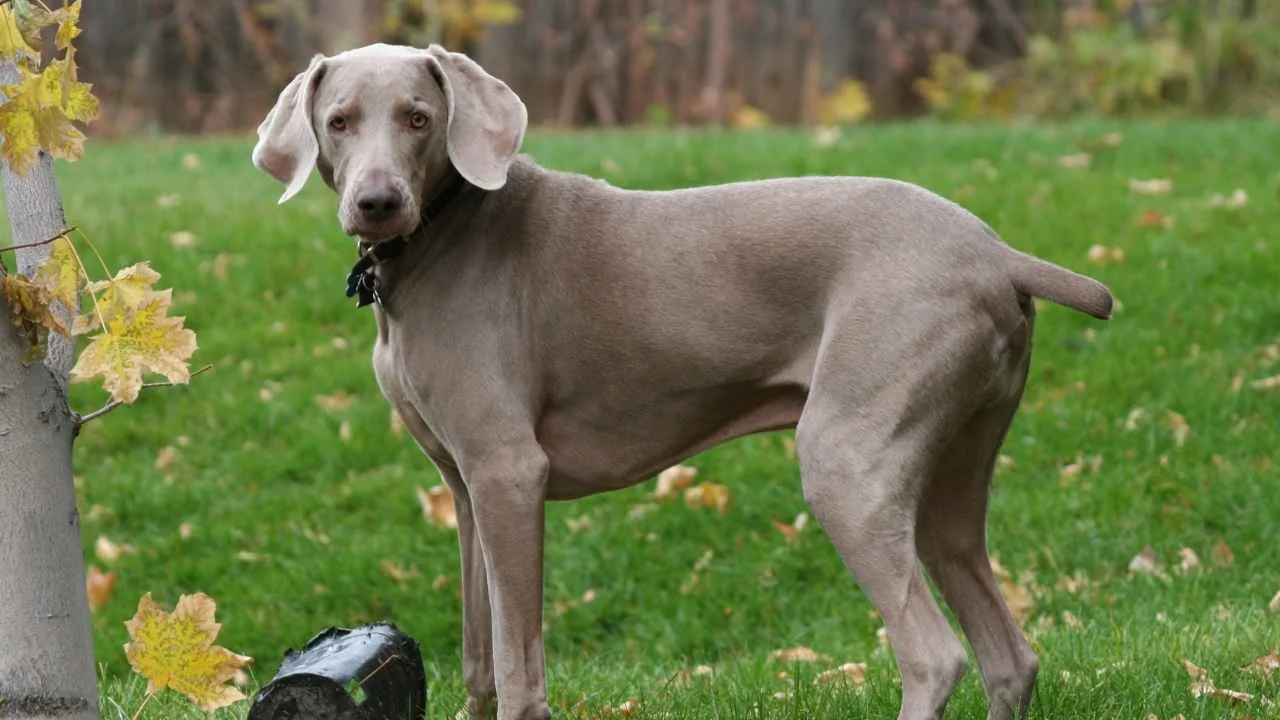
Well, German nobility certainly had ambitious plans when developing the Weimaraner! This elegant sporting breed was created to pursue formidable wildlife, including bears and wolves. Its courage, tracking abilities, and remarkable endurance made it a prized companion for aristocratic hunters.
And don’t let that serious hunting background fool you! Weimaraners are affectionate family companions that enjoy spending time with their favorite humans. These active dogs form strong bonds with their owners and thrive in households that keep them involved in activities.
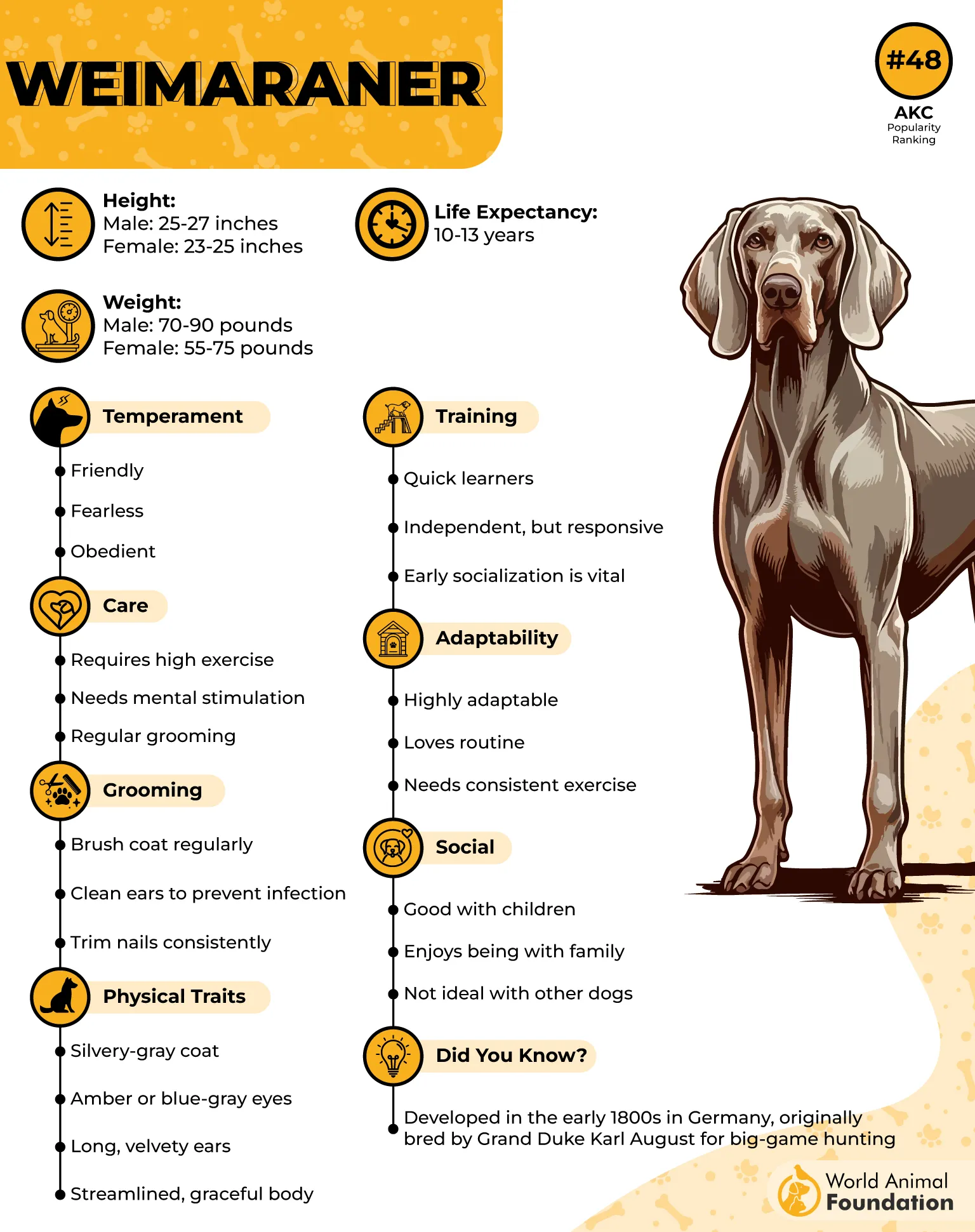
Now, this silver-coated hunter has quite a varied résumé! Weimaraners originally pursued large animals, including wild boars and deer, before becoming skilled bird hunters. Their hunting style combines scent tracking, pointing, and retrieving, making them capable partners in the field.
What Makes This Breed Stand Out
Webbed feet and strong swimming abilities support outdoor work.
Can participate in mantrailing and search-and-rescue activities.
6. English Pointer
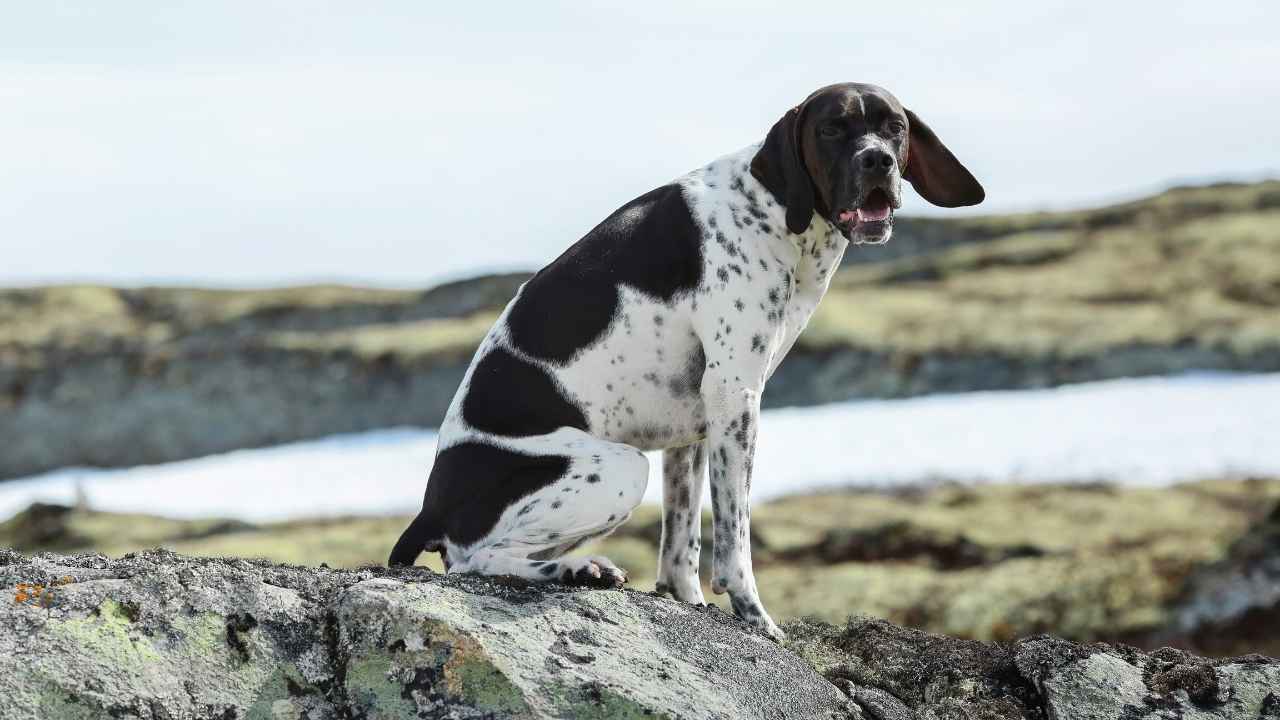
That famous pointing pose isn’t just for photographs! The English Pointer freezes when it catches the scent of game, directing hunters toward the animal’s location. With its nose forward and one front leg raised, this dog makes quite an impression!
Interestingly, the English Pointer’s hunting career began long before modern firearms became common. European hunters used these dogs to locate hares, which Greyhounds would then chase. By the following century, Pointers had become highly valued for locating gamebirds.
English Pointers can display hunting instincts as early as two months old, making training particularly important. Their energetic nature also calls for plenty of outdoor activity, helping them become calmer companions indoors.
What Makes This Breed Stand Out
Can cover extensive open ground during hunting.
Can excel in canicross, agility, and scent work.
7. Bluetick Coonhound
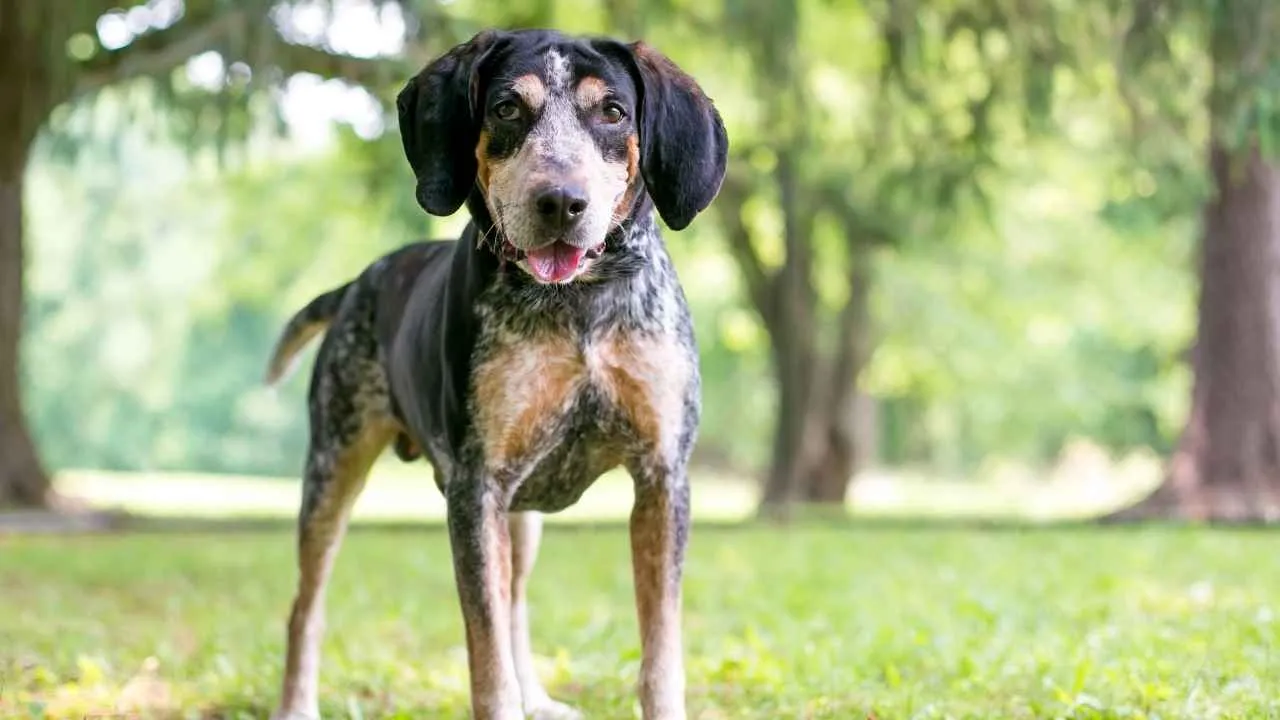
Ever heard a hunting dog that sounds like it’s performing an entire concert? Meet the Bluetick Coonhound! This American scent hound is famous for its unmistakable baying voice and determined pursuit of wildlife, particularly during nighttime hunting adventures.
As mentioned by WebMD, Bluetick Coonhounds need regular exercise to keep their hunting instincts satisfied. Long walks, games in a securely fenced yard, and activities like tracking or field trials help keep these energetic dogs happily engaged.
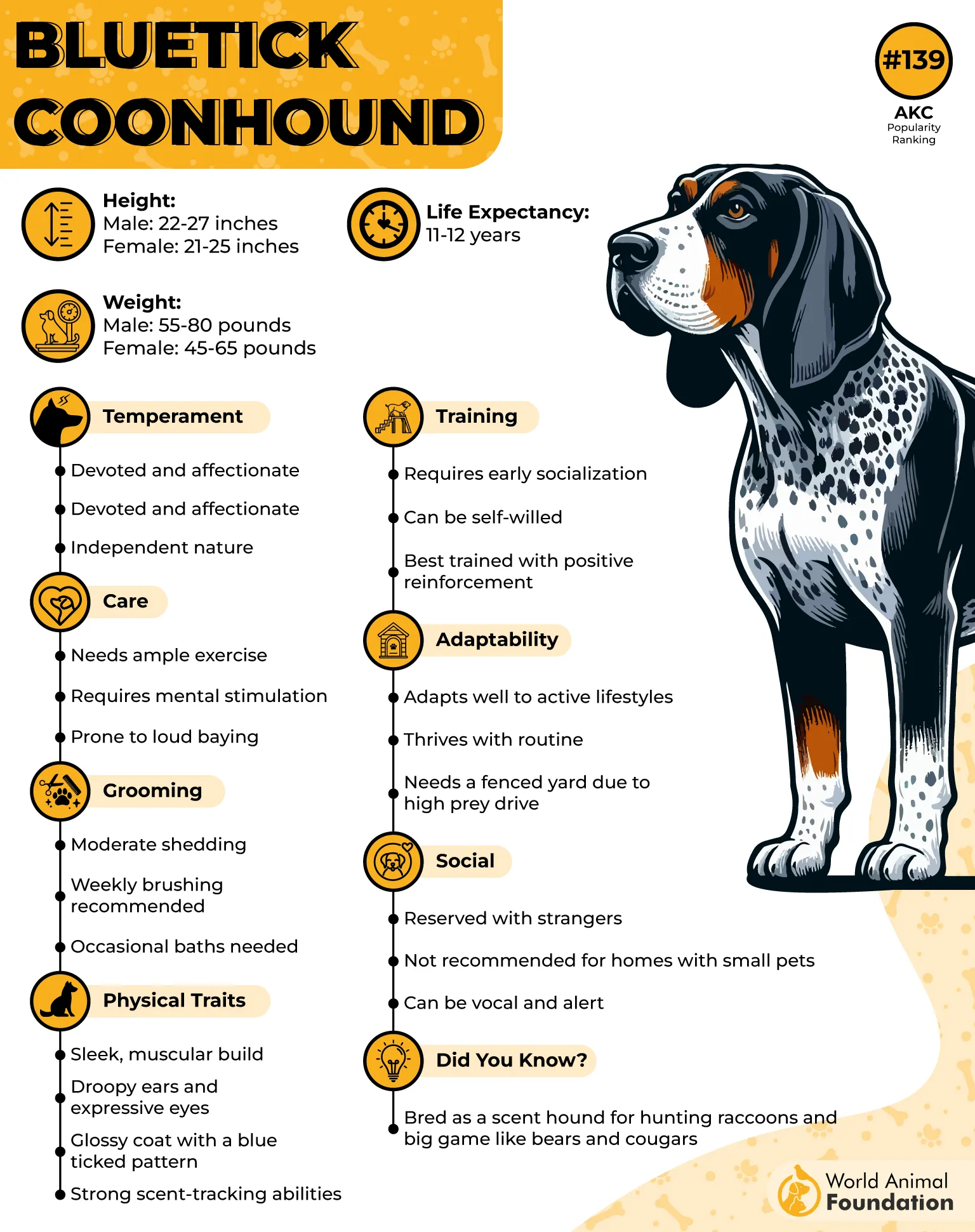
Once a Bluetick catches an interesting scent, good luck distracting it! These determined trackers can follow animal trails that are several days old. Their powerful noses and persistent approach make them especially valuable when tracking wildlife across demanding outdoor environments.
What Makes This Breed Stand Out
Tough paw pads and well-arched toes support movement over varied surfaces.
Can participate in hunting trials and organized nose-work activities.
Conclusion
Well, these hunting dogs certainly know how to put their noses to work! From enthusiastic bird hunters to determined scent trackers, each breed brings something special to the field. Some excel at pointing, while others follow animal trails with remarkable persistence. That’s quite an impressive collection of canine talents!
But which one belongs on your team? That depends on your hunting interests, experience, and ability to meet the dog’s activity needs. Take time to understand each breed’s instincts and personality before deciding. The right match could become more than a skilled hunting partner, bringing loyalty, excitement, and unforgettable adventures.
