




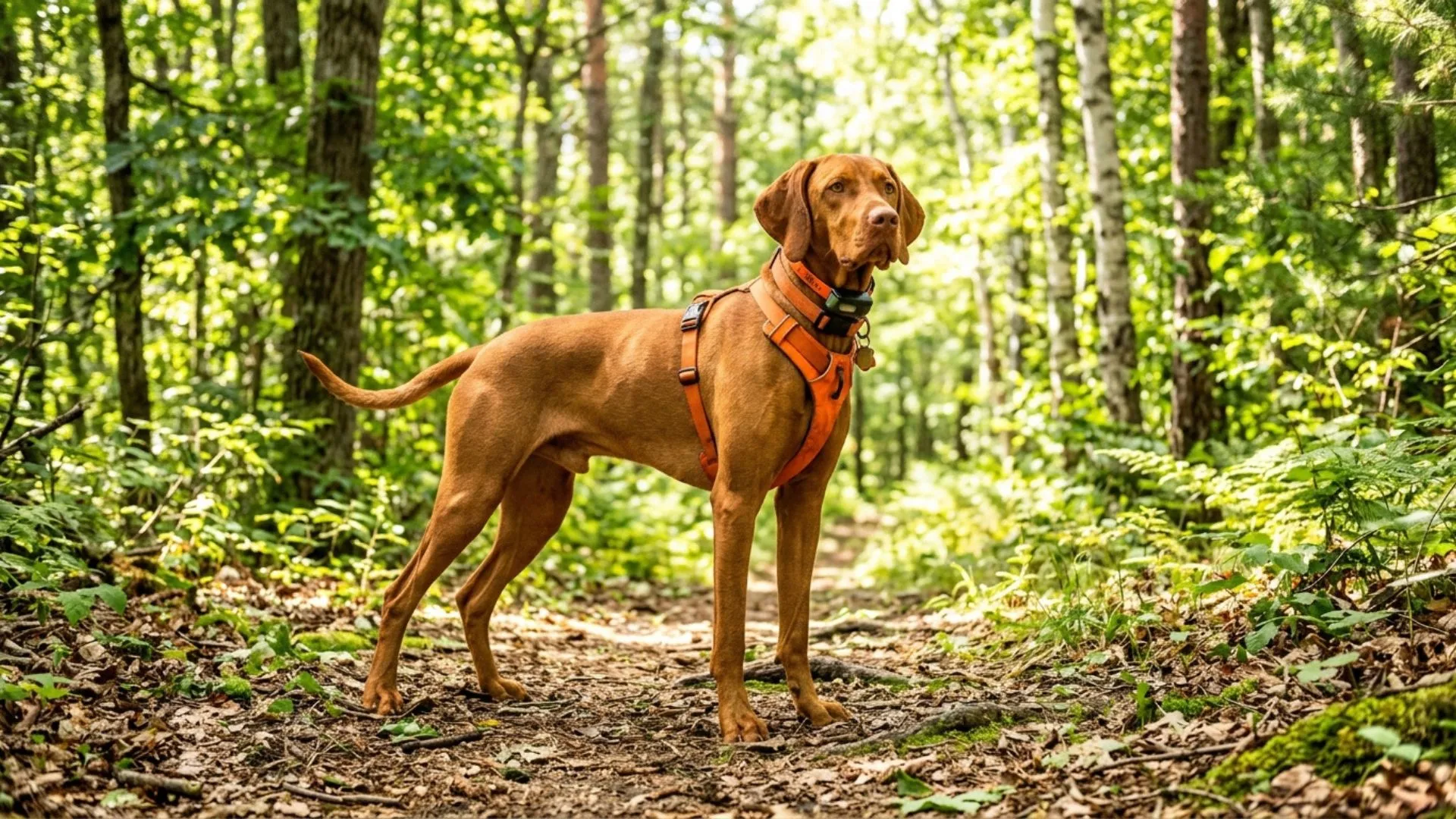
Forest hunting sounds exciting until the terrain starts testing every step. Thick brush, uneven ground, sudden turns, and long hours outdoors can quickly expose the difference between an average companion and a dog truly built for this kind of work.
Many dogs enjoy open spaces, but forest hunting demands far more than excitement alone. A reliable hunting dog needs stamina that lasts for hours, sharp awareness in dense surroundings, and the confidence to move through difficult terrain without hesitation.
Without those qualities, the experience becomes frustrating instead of rewarding. That is why experienced hunters pay close attention to instinct, endurance, and adaptability before selecting a dog for woodland adventures.
Ahead, you will discover the dogs that thrive deep in the woods, where patience, instinct, and steady movement matter more than speed alone.
Key Takeaways
Forest hunting demands more than energy, and only a few breeds have the balance to move through dense woods with purpose and control.
German Shorthaired Pointer and Weimaraner stand out for their relentless drive, covering rough ground with speed while staying locked on the hunt.
Vizsla and Bluetick Coonhound bring close teamwork and scent precision, making long tracking sessions feel controlled even in dense woodland.
Stay till the end to see which breeds turn forest hunting into a seamless blend of instinct, endurance, and sharp awareness.
Excellent Dog Breeds for Forest Hunting Adventures
1. German Shorthaired Pointer
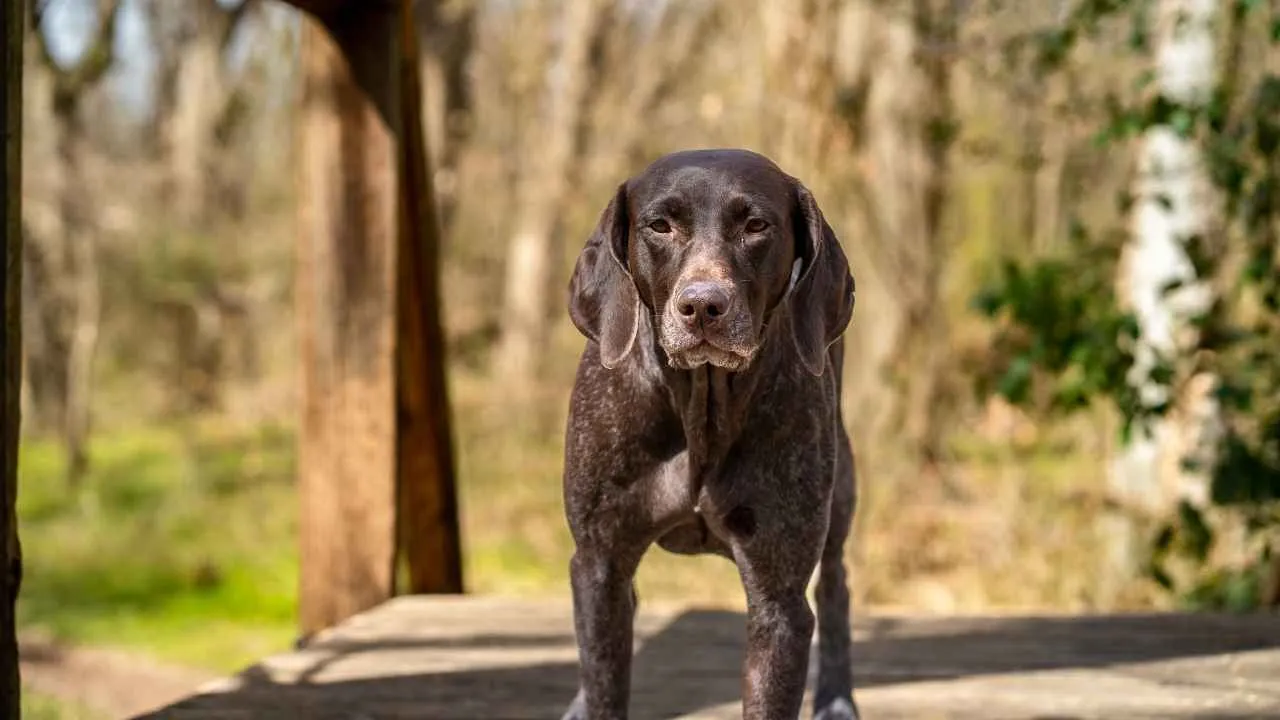
The German Shorthaired Pointer is a fast, athletic hunting breed known for covering ground with speed and control during field work. It was developed for locating and signaling game birds in open and forested terrain. Its movement style focuses on efficiency rather than short bursts of action.
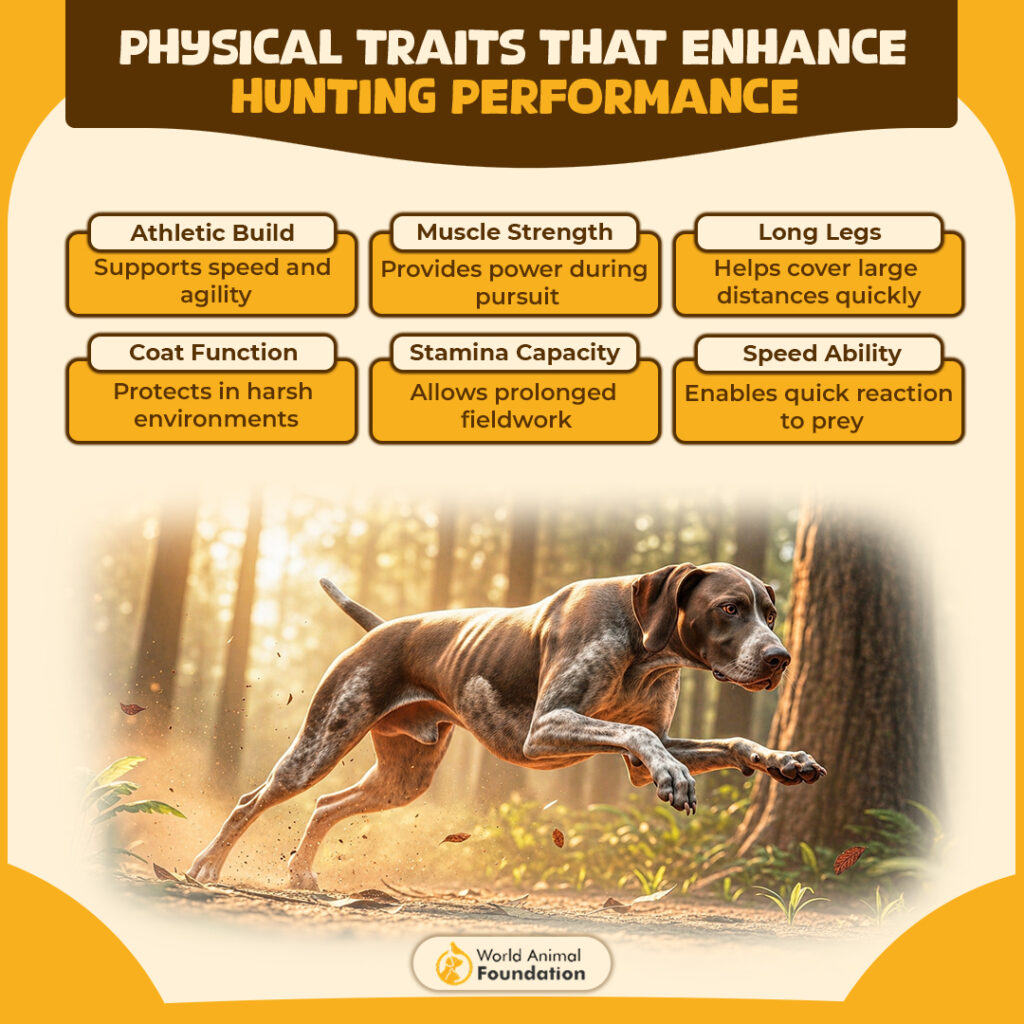
Structure built for speed and field accuracy
This pointing breed has a lean, muscular frame designed for fast ground coverage and long-distance stamina in hunting environments. Its body supports quick direction changes while maintaining steady endurance across uneven forest terrain.
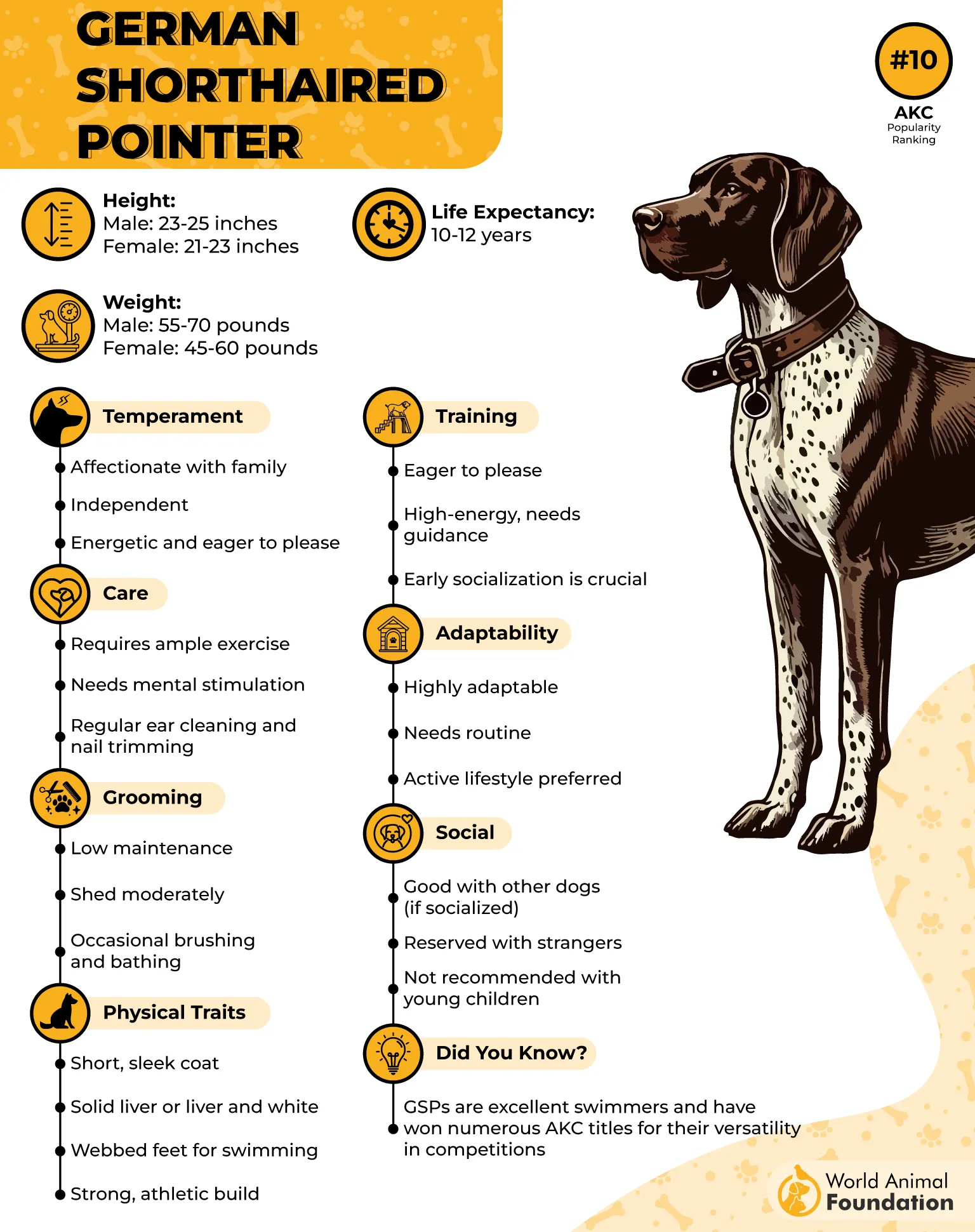
That field design reflects in clear working traits:
Lean frame supports fast ground coverage
Strong stamina suits long tracking sessions
Agile build helps with quick directional shifts
Field behavior during hunting work
As a versatile hunting dog, they use a pointing style where it stops and signal direction instead of rushing into action, as PetMD noted. It stays alert to scent patterns and waits for guidance from the handler before flushing game. This controlled response fits structured hunting environments.
2. Weimaraner
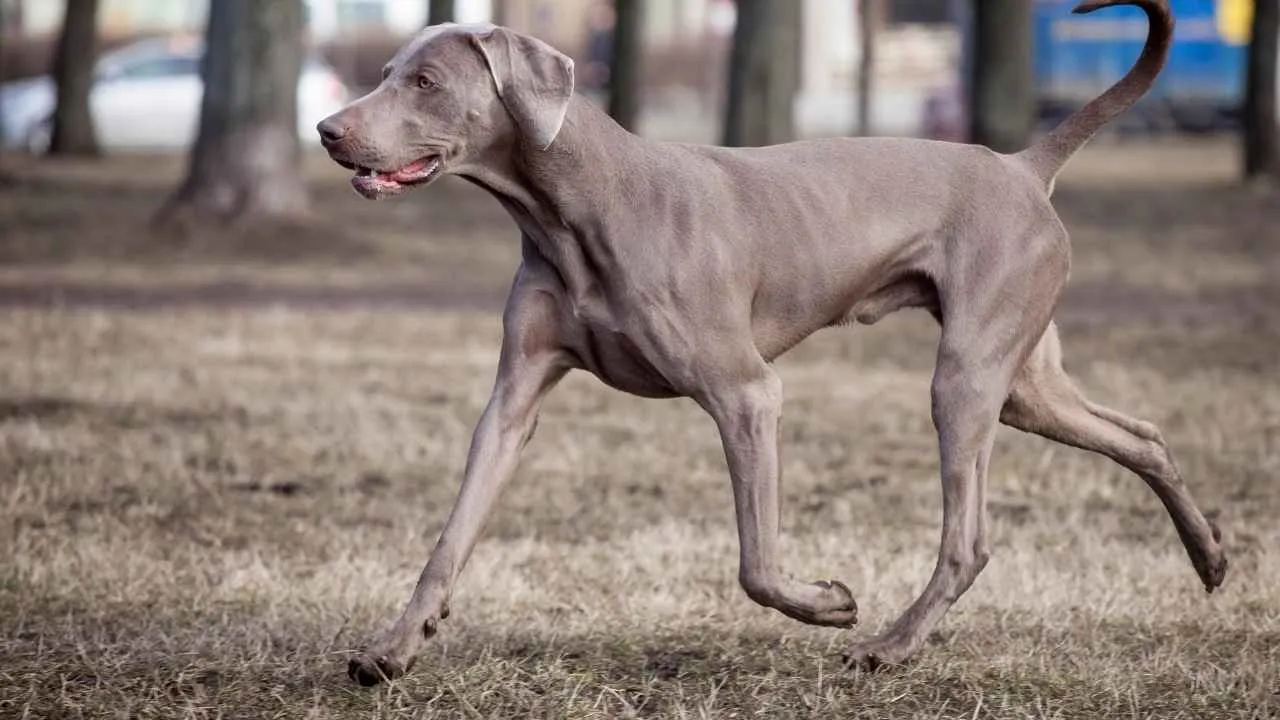
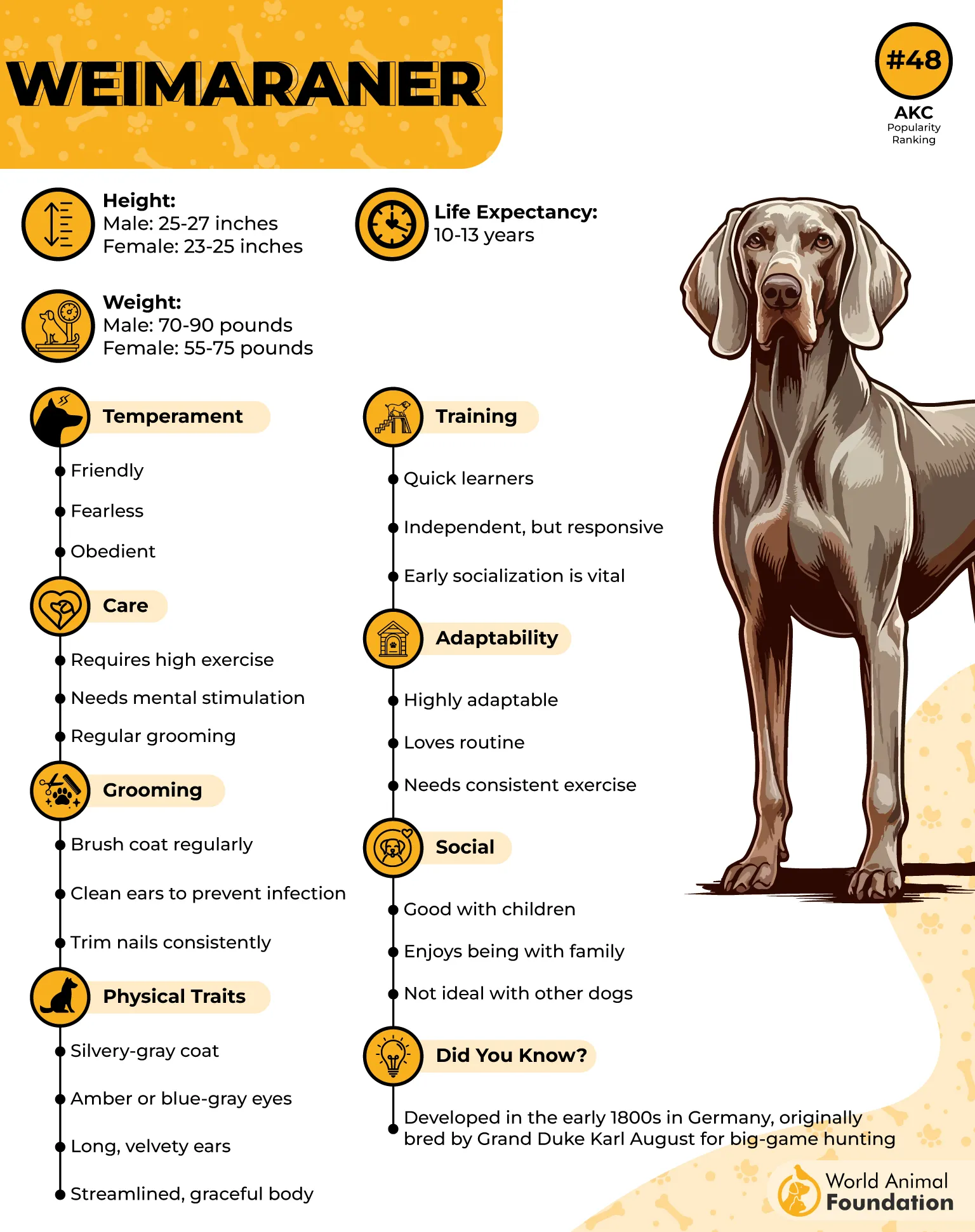
The Weimaraner was originally bred in Germany as a hunting dog used for large game and fast-moving field work. Early breeding combined tracking dogs and pointer lines to improve stamina and coordination outdoors. Forest movement and close human companionship became central parts of its working role.
Field structure designed for nonstop movement
With its streamlined body and long strides, it keeps its movements smooth across wooded trails and uneven ground. Its pace remains steady during extended outdoor sessions, which suits running, biking, and tracking work well.
That field ability appears in practical traits:
Long stride supports trail movement
Athletic frame handles rough terrain
Strong stamina suits hunting sessions
Outdoor behavior and training response
This hunting companion stays highly responsive during training when routines remain structured and mentally engaging, as Orvis mentioned.
Its intelligence shows through quick learning, though boredom can quickly lead to destructive behavior indoors. Hunting instincts also keep this breed alert during different hunting tasks.
3. Vizsla
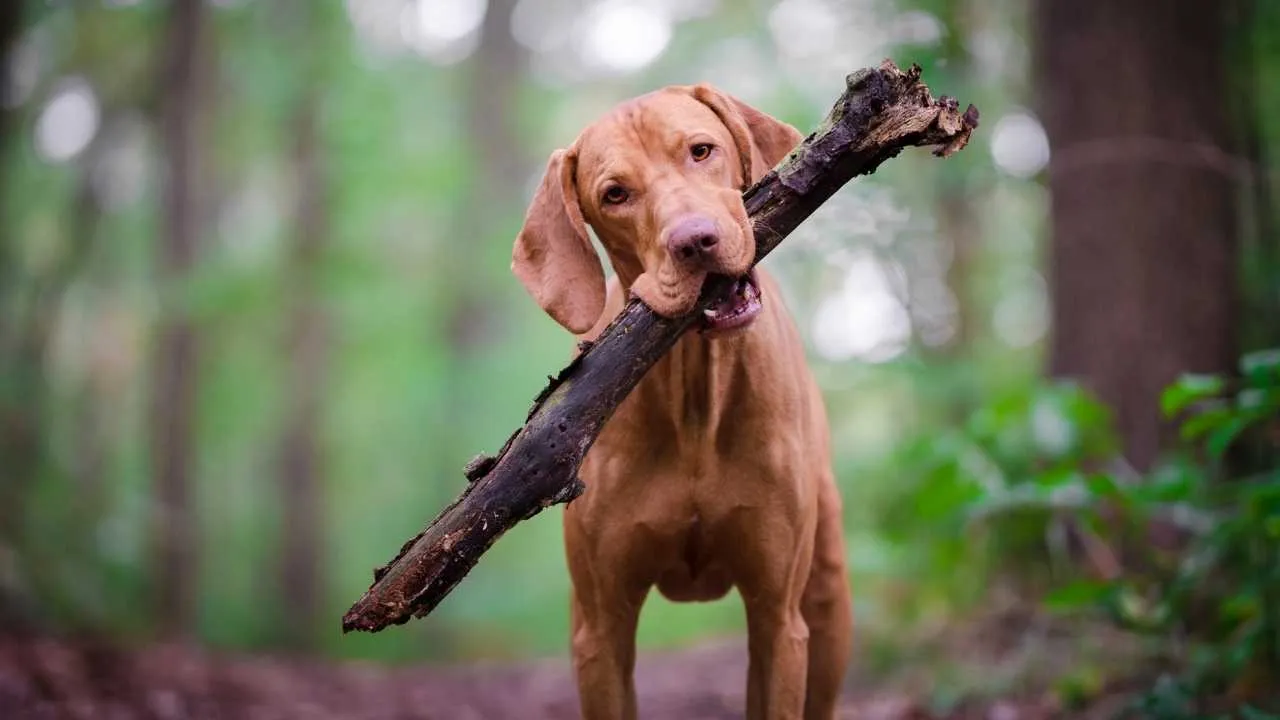
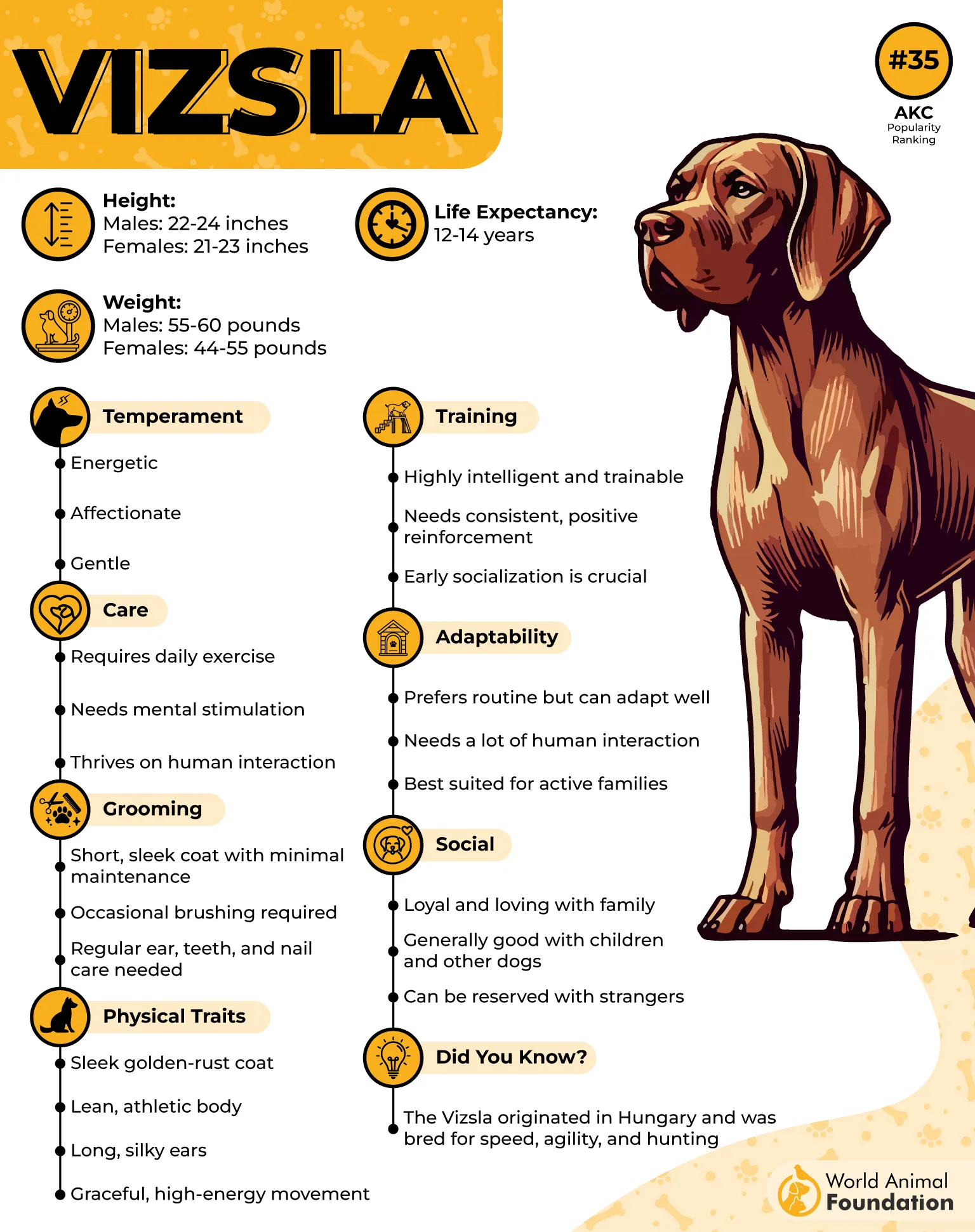
The Vizsla was developed in Hungary as a close working hunting dog used for tracking, pointing, and retrieving game in rough outdoor areas.
Its lighter frame helped it move through thick undergrowth quickly while staying near the handler during hunts. After World War II, the breed gained wider popularity beyond hunting fields.
Field movement shaped around close-range hunting
Vizsla moves with quickness and flexibility across wooded terrain, especially during tracking and retrieving work near its human companion. Its strong interest in water also makes swimming retrieval a regular part of outdoor activity.
That working style appears clearly outdoors:
Fast movement through dense undergrowth
Strong swimming ability during retrieval
Close-range focus beside handlers
Human interaction and training response
As a family dog, they stay deeply attached to people and often follow family members from room to room throughout the day. This strong attachment earned it the nickname “Velcro dog” among gun dogs familiar with the breed. Harsh correction usually affects its confidence because of its sensitive temperament.
4. Bluetick Coonhound
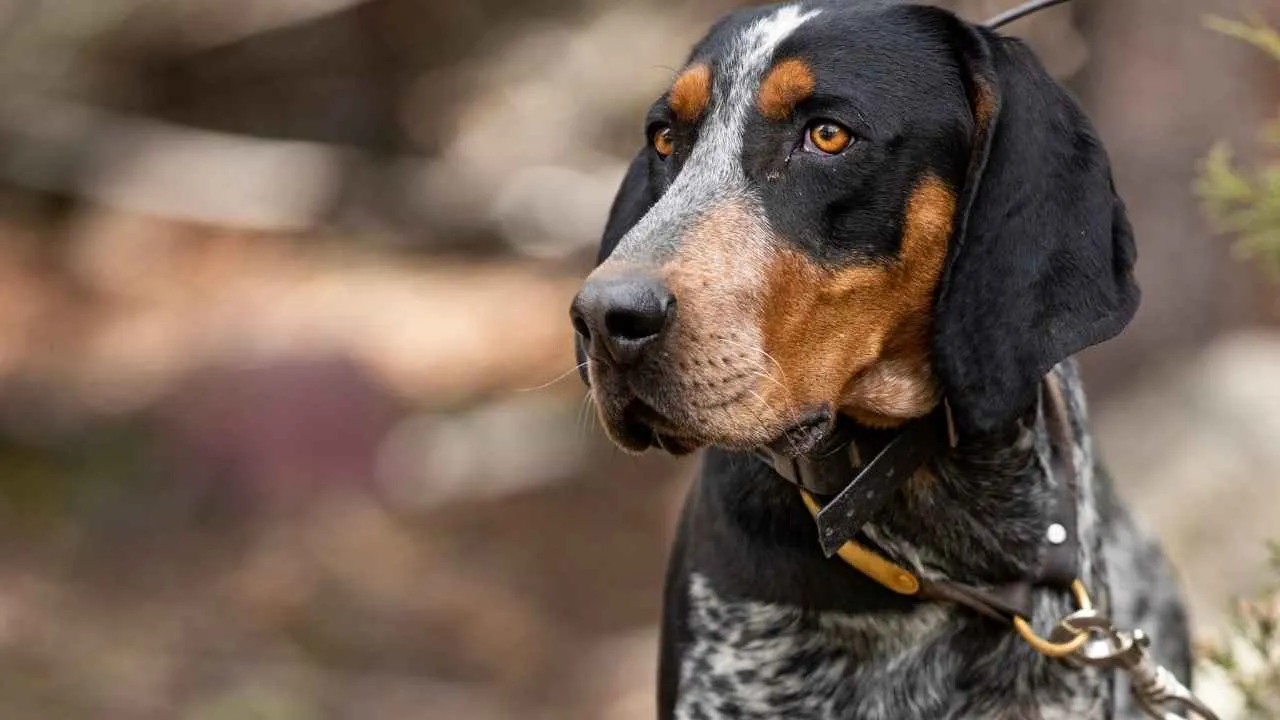
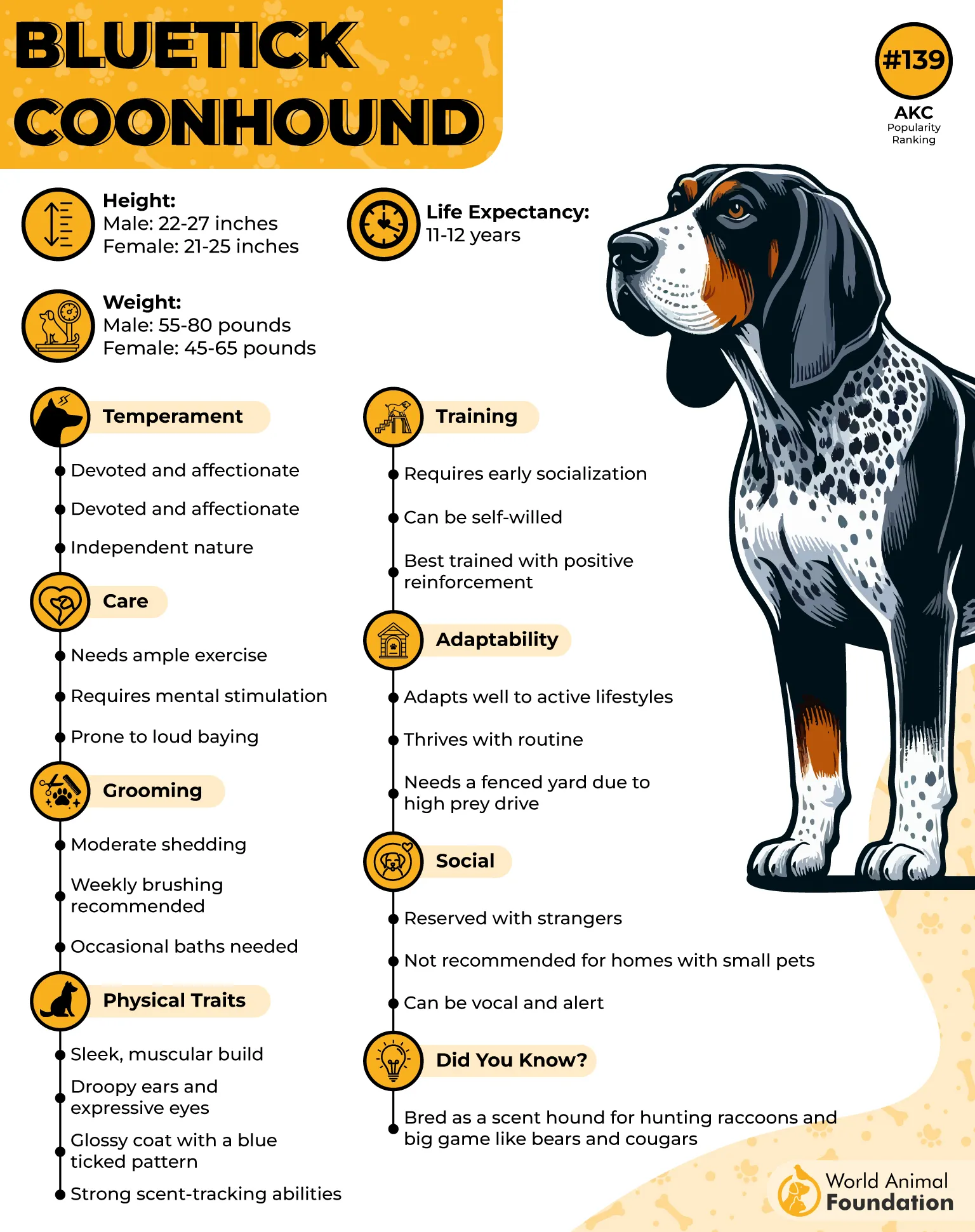
The Bluetick Coonhound traces back to French hunting hounds once gifted to George Washington by the Marquis de Lafayette.
Early hunters relied on this breed for tracking raccoons through forests, along with larger game like boars and cougars. Its hunting style depended heavily on scent work across long wooded trails.
Tracking structure shaped for scent-driven movement
Forest hunts suited this hunting dog breed because it could stay locked onto scent paths through rough terrain for extended periods. Its movement style leans more toward persistence than raw speed.
That hunting purpose appears clearly in working traits:
Strong nose supports long scent tracking
Steady stamina suits wooded trail work
Loud baying helps during active hunts
Forest activity suitability and living environment
The Bluetick Coonhound matches outdoor routines built around tracking games, long trail walks, and scent-focused exploration. Its deep baying voice worked well during hunting communication, though quieter neighborhoods may find it challenging, as per the American Kennel Club (AKC).
5. American Foxhound
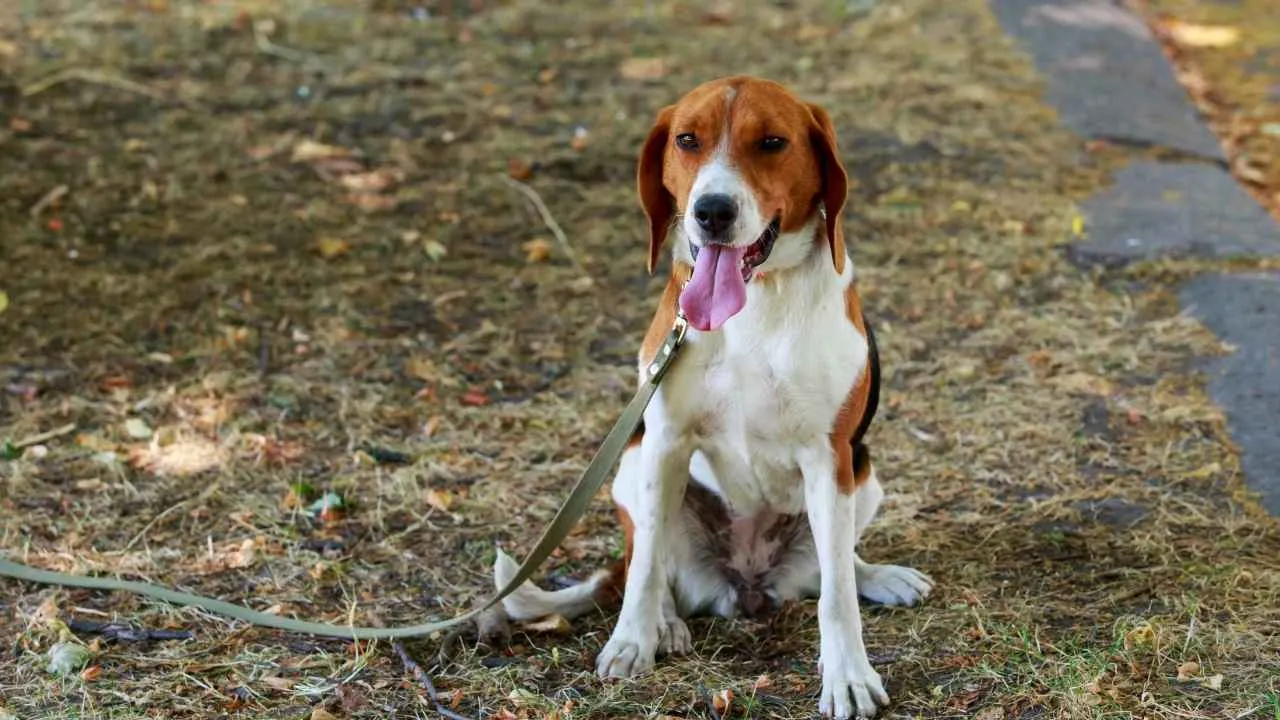
The American Foxhound arrived in America during the 1600s after English hunting dogs were brought across for organized fox hunts.
By the 1700s, riding with packs of Foxhounds had become closely tied to upper-class sporting culture. Its strongest instinct always centered around following scent trails over long distances.
Structure developed for scent pursuit and roaming
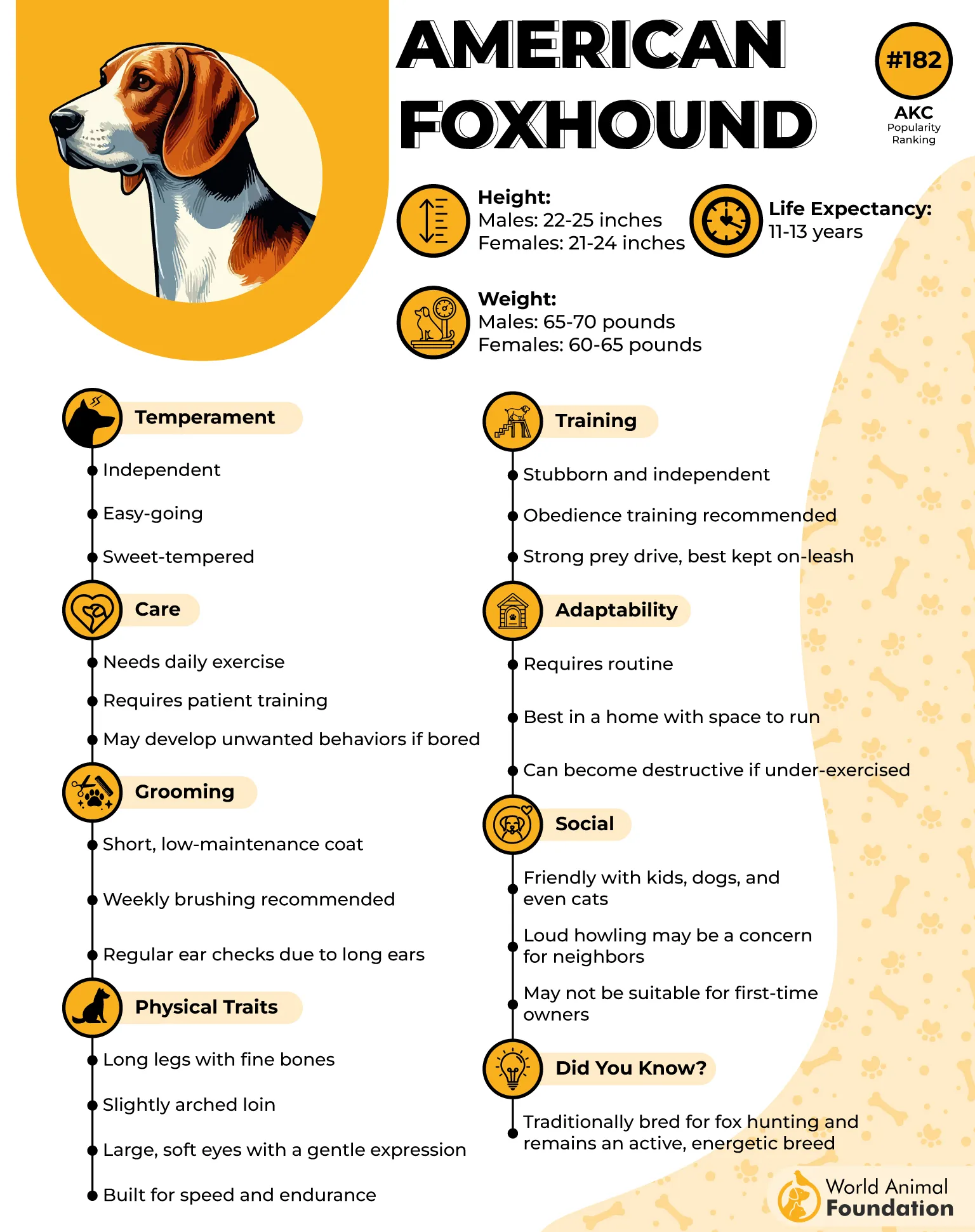
American Foxhound uses a lean frame and efficient movement style suited for covering large wooded areas during hunts. Its scenting ability keeps it focused on trails for miles, often without slowing its pace easily.
That hunting background appears in practical ways:
Strong nose tracks distant scent trails
Long movement suits roaming terrain
Pack instincts support group hunting work
Real-life behavior and handling
This energetic dog stays gentle around family life and usually mixes well with children, dogs, and familiar pets. Training often takes patience because this breed prefers following scent interest over listening immediately. Recall work usually needs ongoing reinforcement from an early stage.
6. Catahoula Leopard Dog
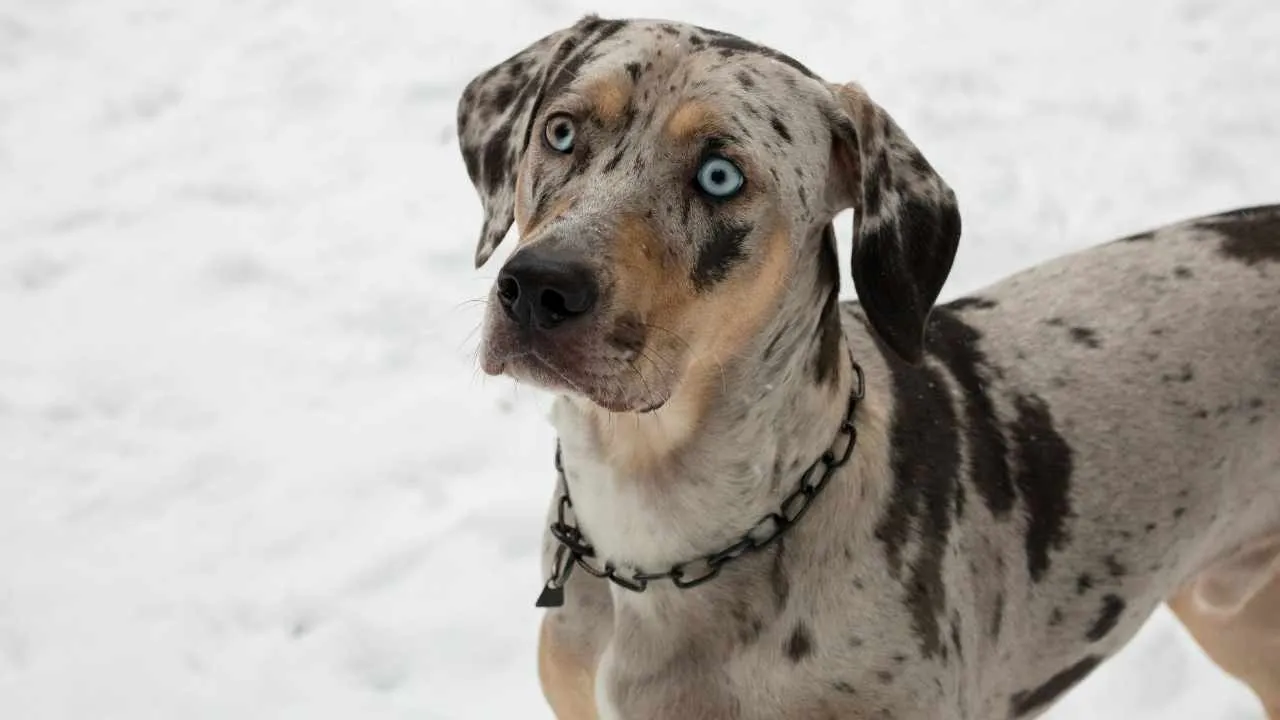
The Catahoula Leopard Dog comes from Louisiana, where it worked in open land for livestock control and forest-style tracking tasks. It was shaped in environments that required strength, awareness, and independence across rough outdoor terrain.
Structure built for rugged forest work
This high-energy breed uses its strong build and agility to move easily across challenging and harsh conditions. Its body supports fast direction changes during tracking or herding in outdoor settings.
That structure shows in key abilities:
Muscular build supports rough terrain work
Agile movement aids quick direction shifts
For long field activity, they have strong stamina
Field behavior and training response
The Catahoula Leopard Dog works with a strong focus during tasks and shifts into calm behavior around familiar people. It needs a clear structure early due to its independent decision-making style. Without guidance, it tends to take control of situations during activity.
7. Treeing Walker Coonhound
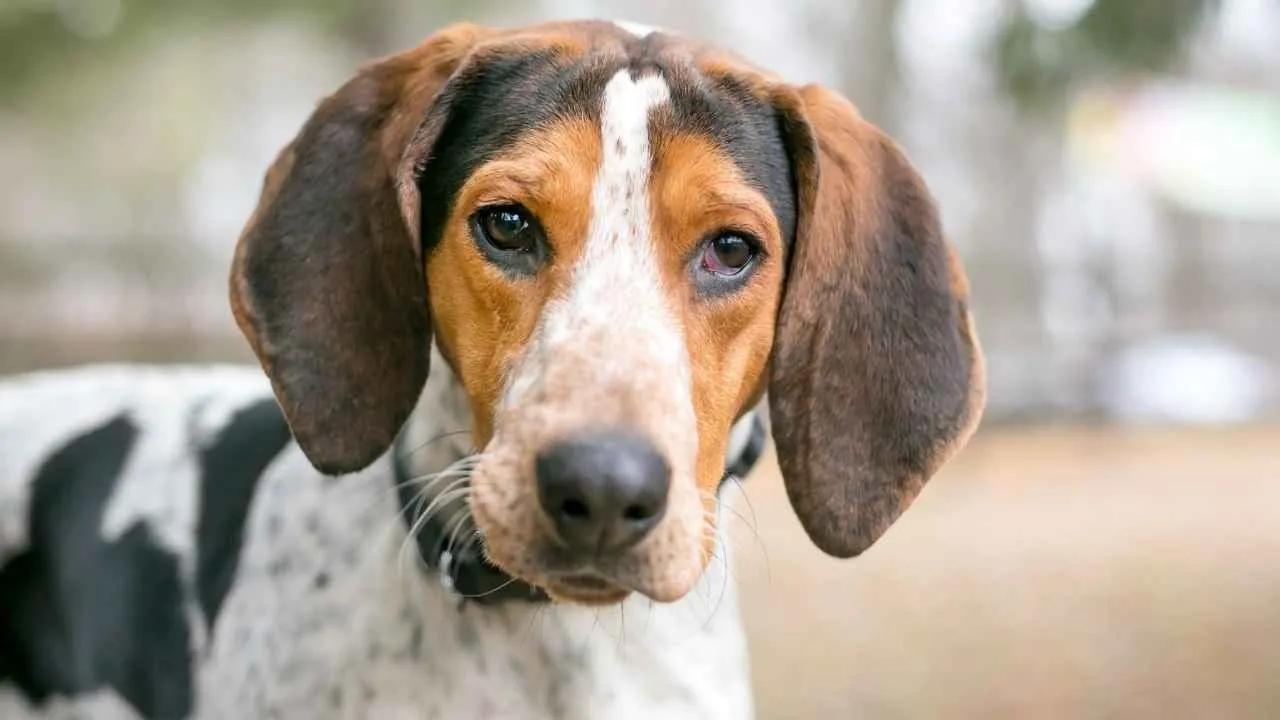
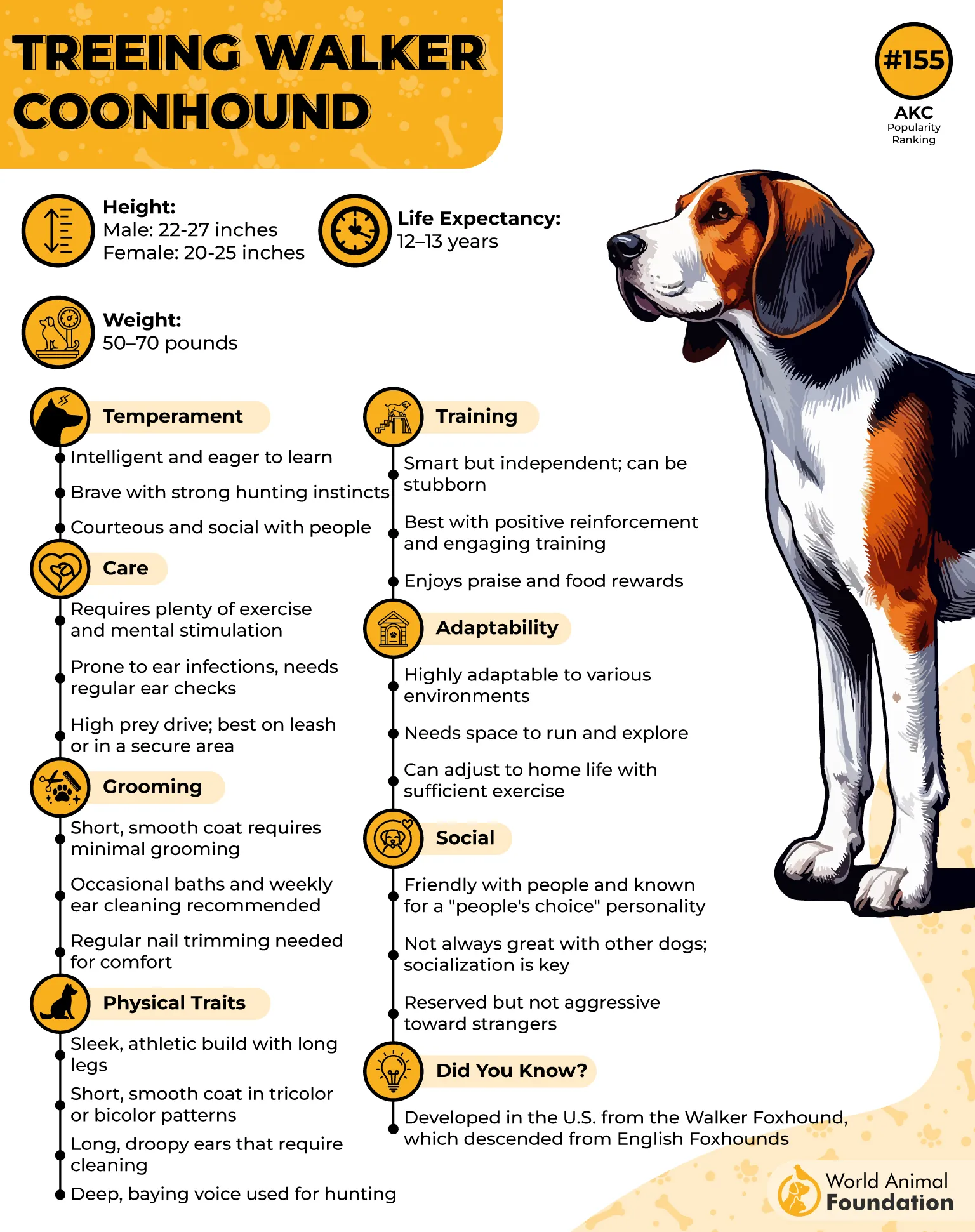
The Treeing Walker Coonhound traces back to American Foxhound lines developed for forest hunting across the Appalachian region. It was shaped for tracking a game that moves through dense woodland and uneven ground. That foundation built a hound focused on scent pursuit over long distances.
Scent-driven movement in open forest terrain
It works with a strong nose and steady push forward, staying on scent while moving through forested areas. Its lean structure helps it handle long tracking runs without breaking pace.
That field capability shows through clear actions:
Tracks scent trails across long forest distances
Maintains a steady pace during extended movement
Uses strong nose focus in dense terrain
Independent field behavior under guidance
The Treeing Walker Coonhound follows scent with strong independence during hunts, often pushing ahead while staying mentally fixed on the trail. It responds better when the direction is consistent, especially in structured hunting routines. Outside work, it settles into a calmer, more relaxed state.
Conclusion
The deeper the forest becomes, the more a dog’s natural ability starts to matter. Thick undergrowth, uneven trails, and long tracking sessions demand far more than simple energy or excitement. These versatile dogs continue performing because their instincts were shaped for exactly these conditions over generations of hunting work and upland hunting.
Some stay locked onto scent trails for hours, while others move quickly through rough terrain without losing focus or coordination. What connects them all is reliability in environments that constantly test stamina and awareness.
For outdoor owners who spend serious time in the woods, these dogs become steady hunting partners well suited for the challenge.
