




New roads feel better when a wagging tail rides along with you.
Travel should feel fun, not like a stressful math problem. The right dog makes that easier. Some dogs stay calm in crowds. Some dogs bounce with joy the moment the engine starts.
This blog will share seven dog breeds that often handle trips, road trips, and new environments with less fuss. You will see what makes each one travel-ready, plus simple care notes for pet-friendly hotels and packed schedules.
A travel lifestyle can look different for everyone. Some people want small dogs and a small size for tighter plans. Others need more space, and that is fine.
These popular breeds are not the best dog breeds for all dogs. They are just strong picks for finding a dream travel dog.
And here’s the best part! It is simple.
Excellent Dog Breeds for Exploring New Destinations
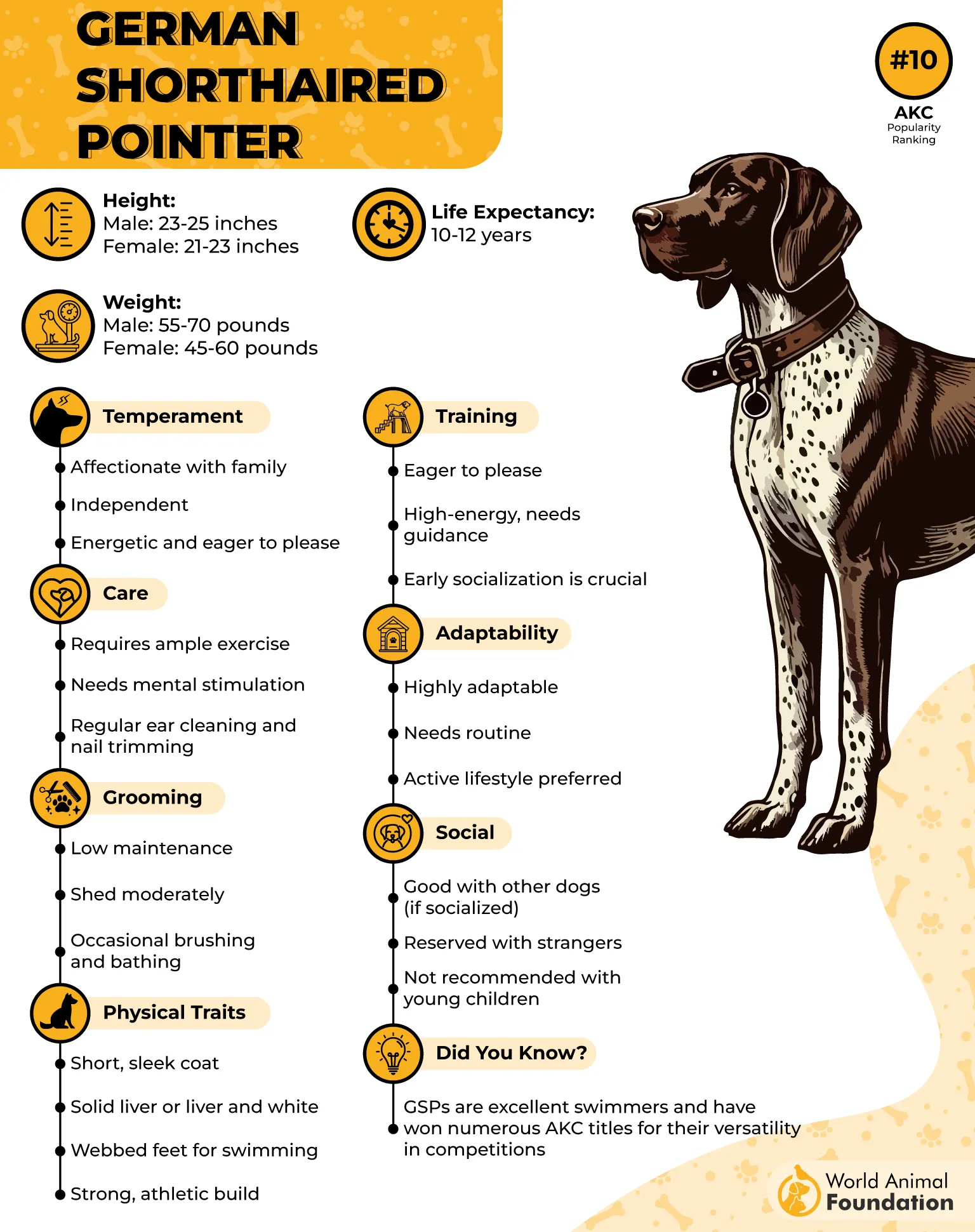
1. German Shorthaired Pointer
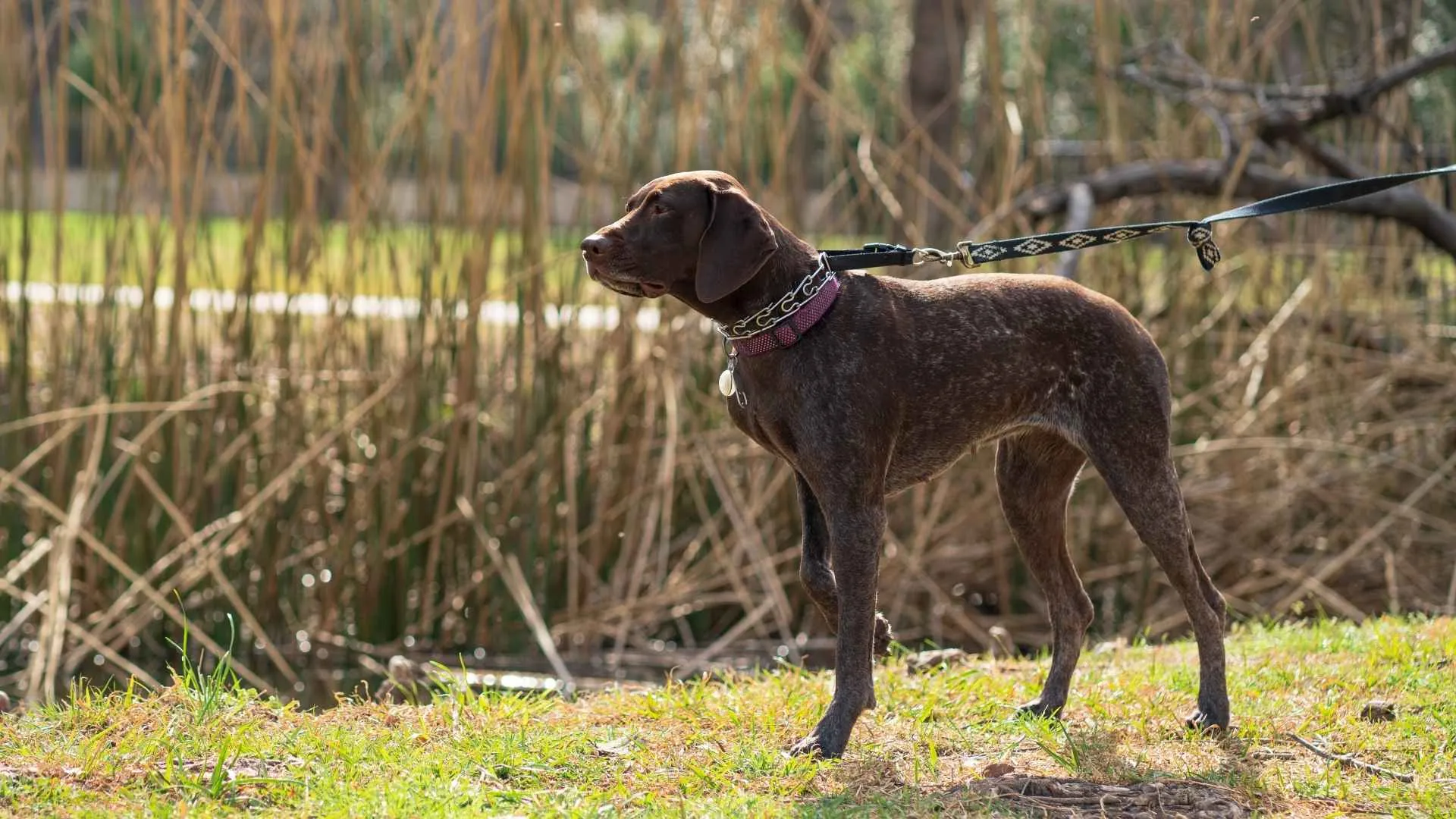
The German Shorthaired Pointer is an action-first dog with a curious nose and a steady drive. It was shaped to work long days on land and near water, so stamina is part of the package. Power, speed, and agility show up fast once it spots something interesting.
That is why this breed fits outdoor adventures that include trails, open shorelines, and lots of new smells. Many people also notice a friendly nature, which helps when strangers want to say hello.
On travel days, this dog does best when the plan has a rhythm. A short play session before you leave can stop restlessness later. A calm check-in cue helps in busy areas. This is one of those high-energy dogs that can go hard, then rest well, if the day includes real movement.
And here’s the best part! After a solid workout, many dogs like this can relax at a campsite or nap near your feet at dinner. This breed can be easily distracted in exciting places, so a leash plan matters.
Keep training upbeat and focused, then move on. Many dogs like this also do better when the first stop of the day is calm, not crowded.
Coat care is simple, but still worth doing. The short coat is easy to groom and usually needs a weekly brush, plus a bath when it gets truly grimy.
After muddy paths, look at paws for tiny cuts and check ears for moisture, especially after swimming.
Important note: According to PetMD, many dogs with strong prey drive need extra recall practice before off-leash time.
2. Labrador Retriever
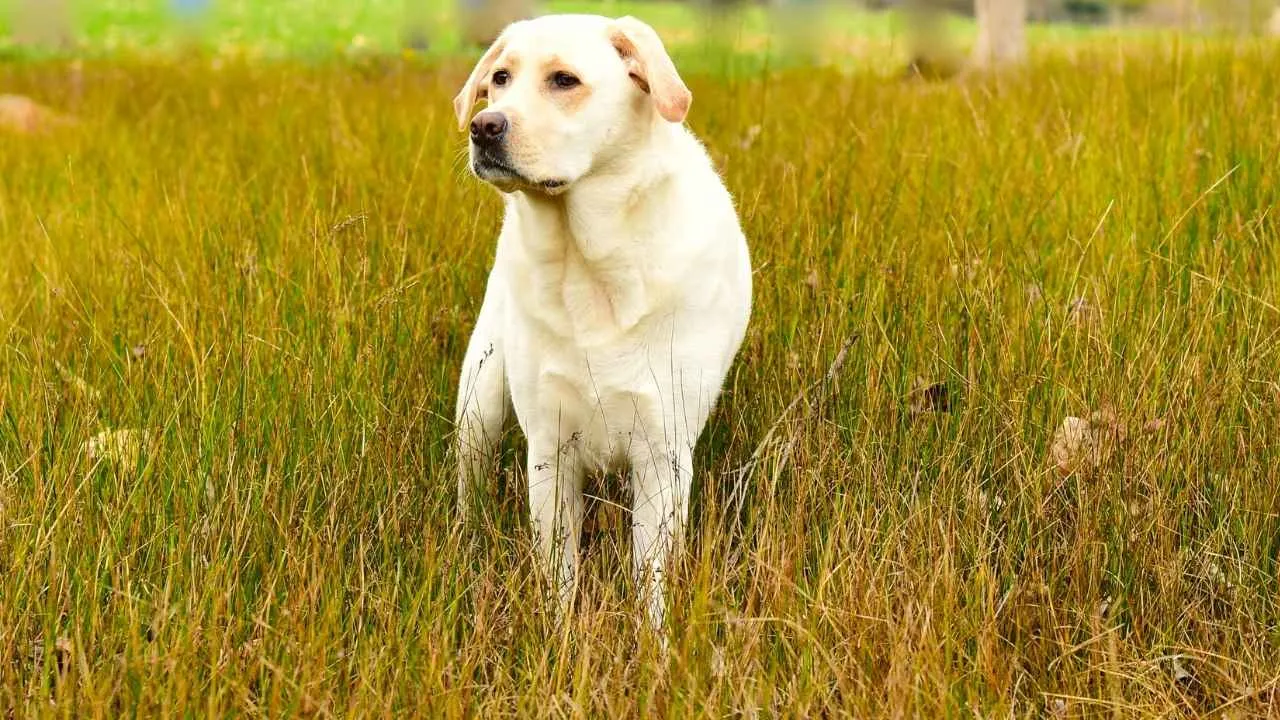
The Labrador retriever is a classic road buddy with a big heart. The Labrador retriever also tends to read human moods well, which helps on busy days. It is often a popular dog breed for a reason.
Labs tend to greet the world with a soft, friendly attitude and a ready-to-play grin. Many love retrieving and swimming, and water time can turn an ordinary stop into a highlight.
That joyful style is why so many families pick this breed for shared weekends and steady outdoor fun. For many dogs, a splash of play is the quickest way to kick off an adventure.
This breed is often easily adaptable when routines stay kind and clear. A busy sidewalk, a quiet cabin, a loud family picnic, it can adjust with steady support. That flexibility is gold on road trips where the day rarely goes exactly as planned.
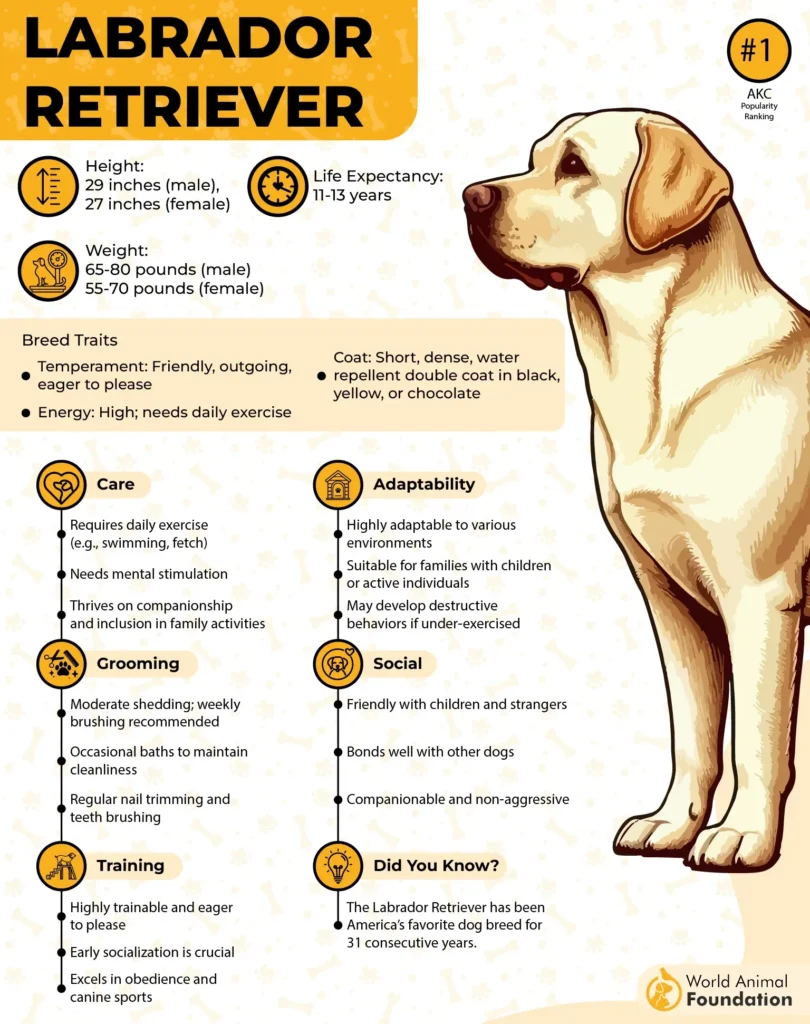
Here’s the good part: Labs often learn travel manners with patient practice. Teach an easy “wait” at doors, a calm settle on a mat, and a polite greeting. Many dogs pick this up faster when practice happens in short, happy bursts.
Then this dog can be the best dog in hotel lobbies and outdoor cafés without drama. A quick training tip: reward calm before excitement, not after it.
Care is mostly simple basics done well. Keep water available, especially after play. Offer breaks on long drives, even if the dog looks fine. For coat care, brushing helps with loose hair, and a rinse after muddy trails keeps the skin comfy.
This is fairly low maintenance compared to many other dogs, but it still needs daily movement. Add long walks on days without hiking. For car rides, bring a chew or a lick treat for the first ten minutes. That tiny habit can make the whole drive smoother.
Fun Fact: Studies show that sniffing helps lower a dog’s heart rate, which in turn reduces anxiety.
3. Border Collie
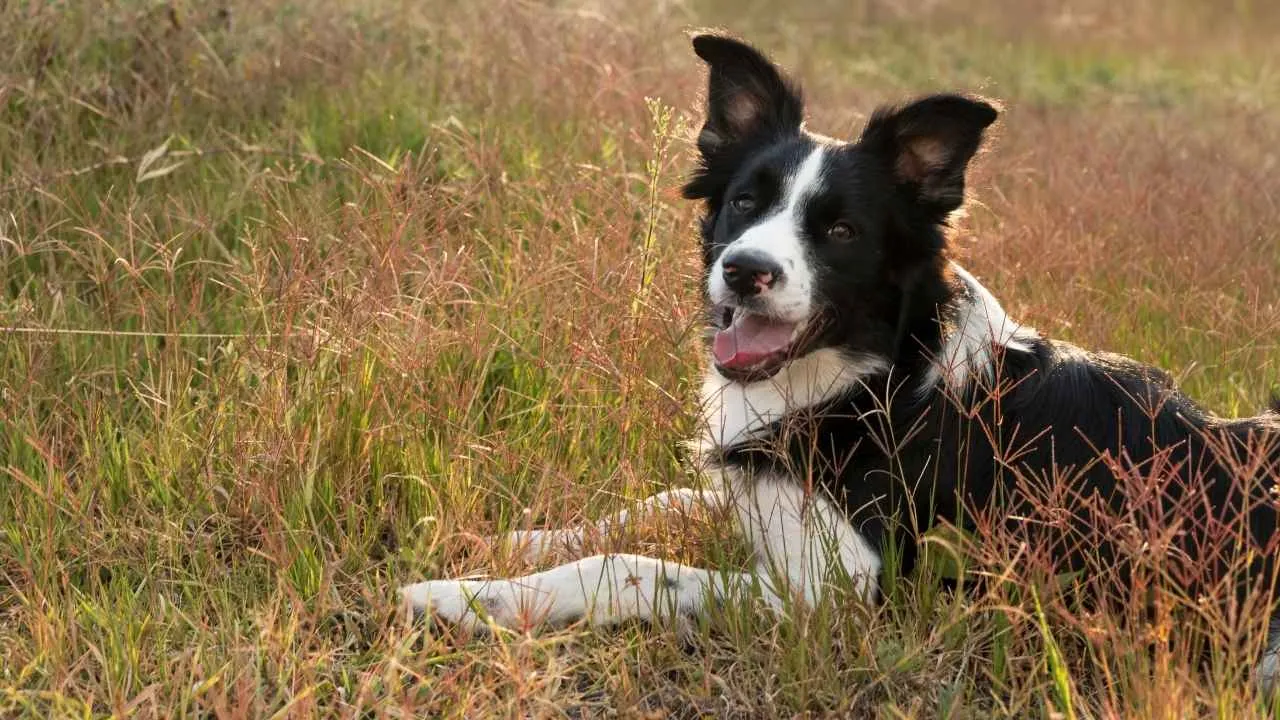
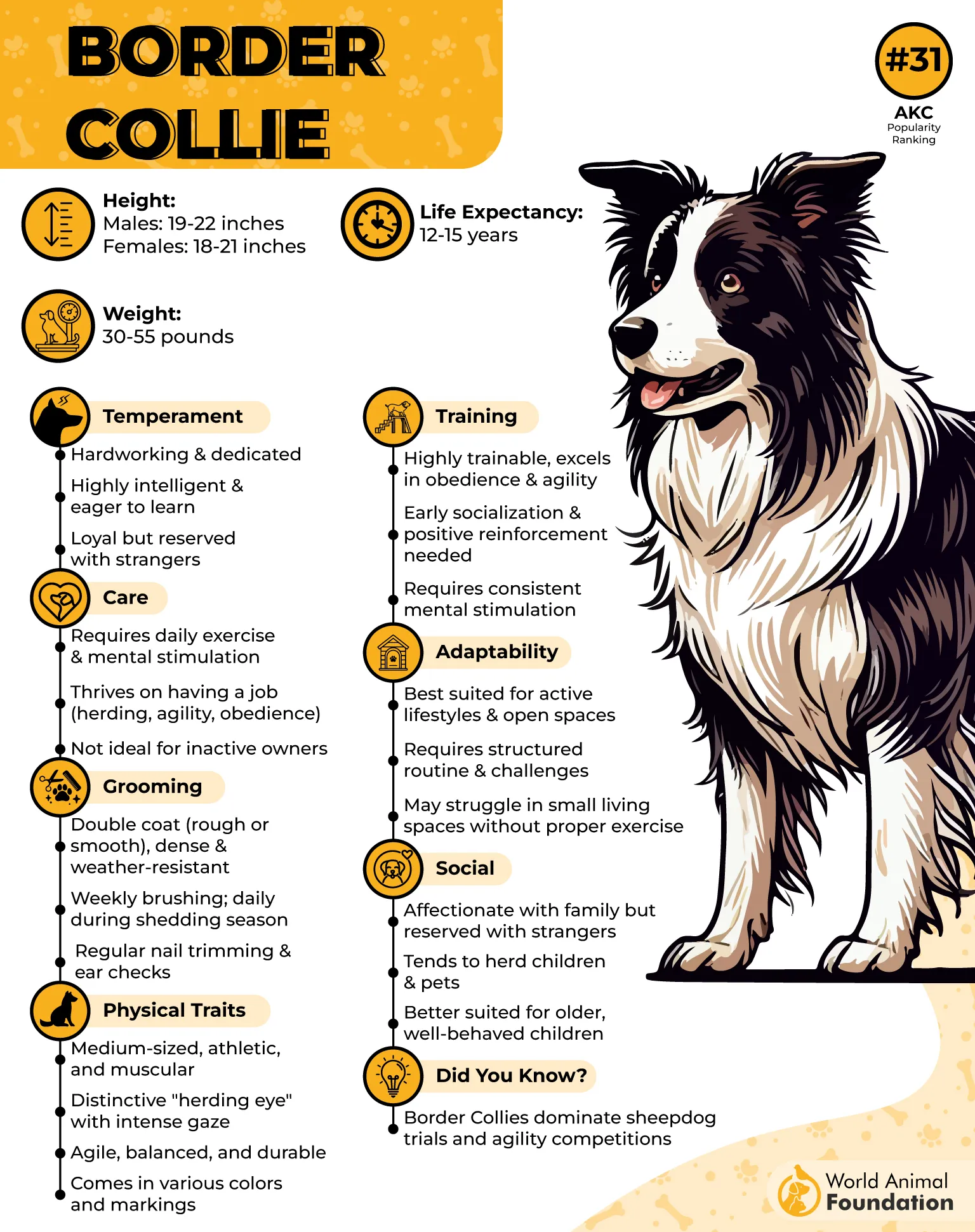
Border Collies are intelligent dogs with a strong work ethic and a sharp eye for detail. They were originally bred to herd sheep in the border regions between England and Scotland, and that history still shapes their focus.
On travel days, they often notice everything. A new sound. A moving bike. A door that opens in a different way. That alert brain can be a gift when it is guided well.
This dog thrives on mental stimulation plus real movement. It can be surprisingly athletic, with quick turns and smooth speed. But why bother with that? Because a Border Collie that gets to think is usually calmer later. Build small “jobs” into your days away.
Dogs that get a job often stop scanning for trouble and start looking to you for the next cue. Ask for a quick sit before crossing a street. Do a short scent game near the car.
Try a simple trick training at a viewpoint. This dog often does great in outdoor activities like agility-style games in a safe field, even when you are far from home.
Border Collies often do best with clear routines. Keep cues the same from place to place. Use the same calm-down spot, like a travel mat. Give a quiet wind-down after a busy outing. With that setup, this breed can adapt easily to a new city while staying polite and steady.
Remember, this dog may try to control motion, like fast feet or rolling luggage. Redirect early with a simple task and reward calm focus.
Important note: For dogs that herd, calm focus is the skill that unlocks fun travel days.
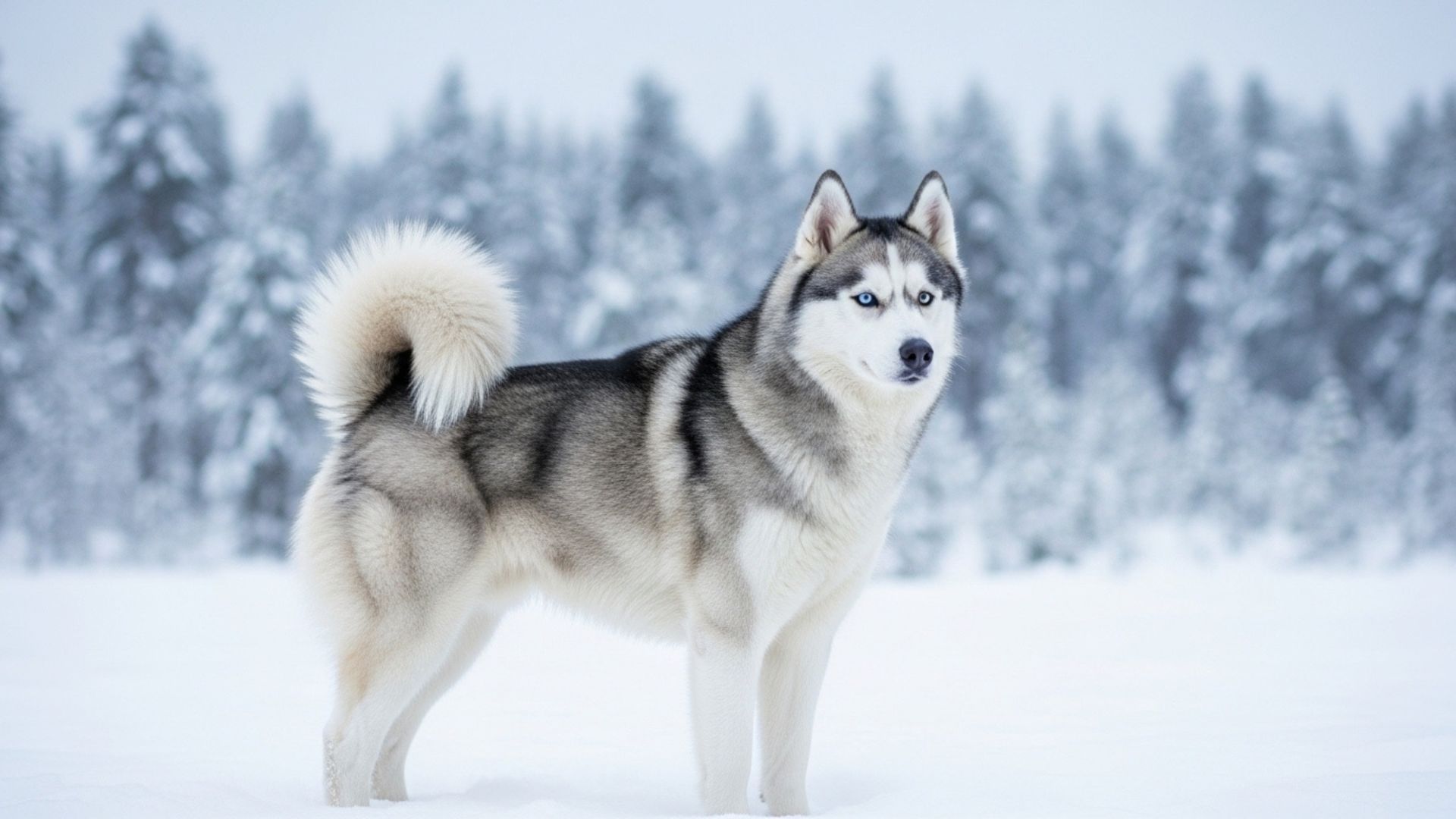
4. Siberian Husky
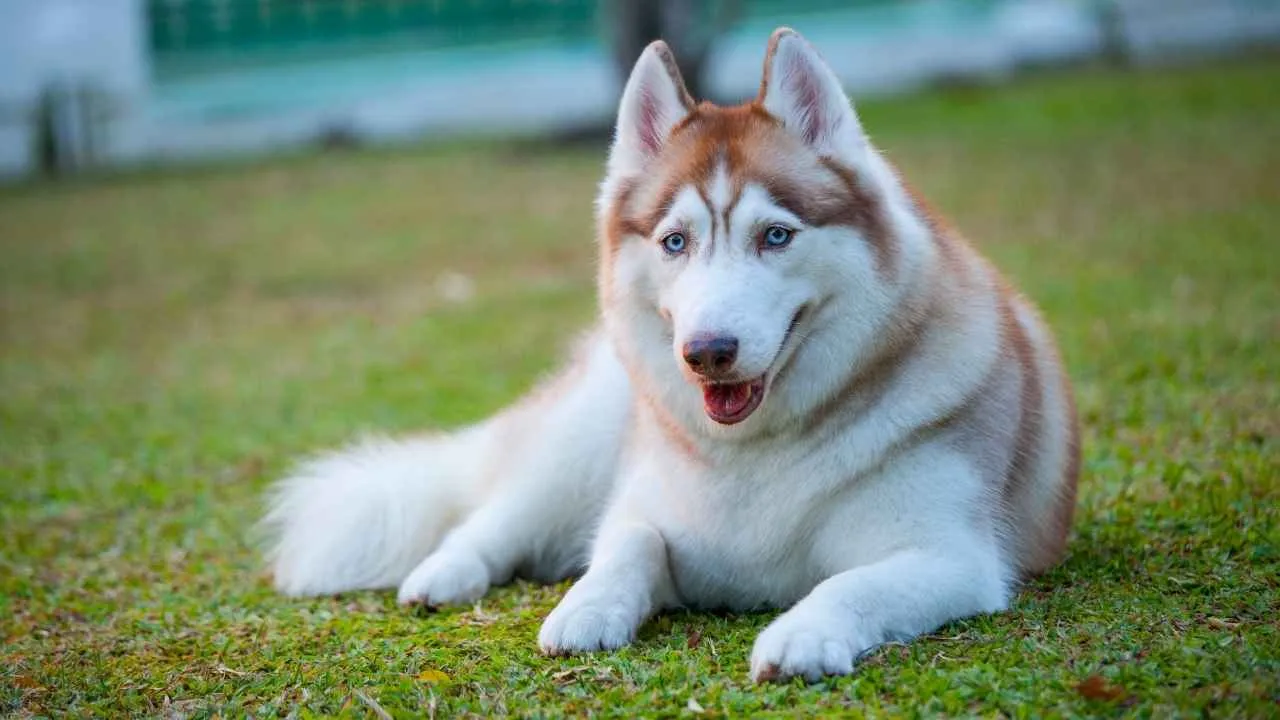
The Siberian Husky is built for steady effort and wide views. It is a compact sled dog with great endurance, developed to work in packs and pull light loads over frozen ground.
That history shows up as a love of movement and a bold, curious attitude. Many Huskies also keep a friendly demeanor with people, which can help during stops and introductions.
This dog tends to love cold air and crisp days. Its thick double coat helps it handle winter conditions far better than most dogs.
Heat is the real challenge. Plan early outings in warm months and keep shade close. Sounds crazy, right? But a simple morning schedule can prevent a miserable afternoon. Huskies can have a big personality, and that includes a strong desire to explore.
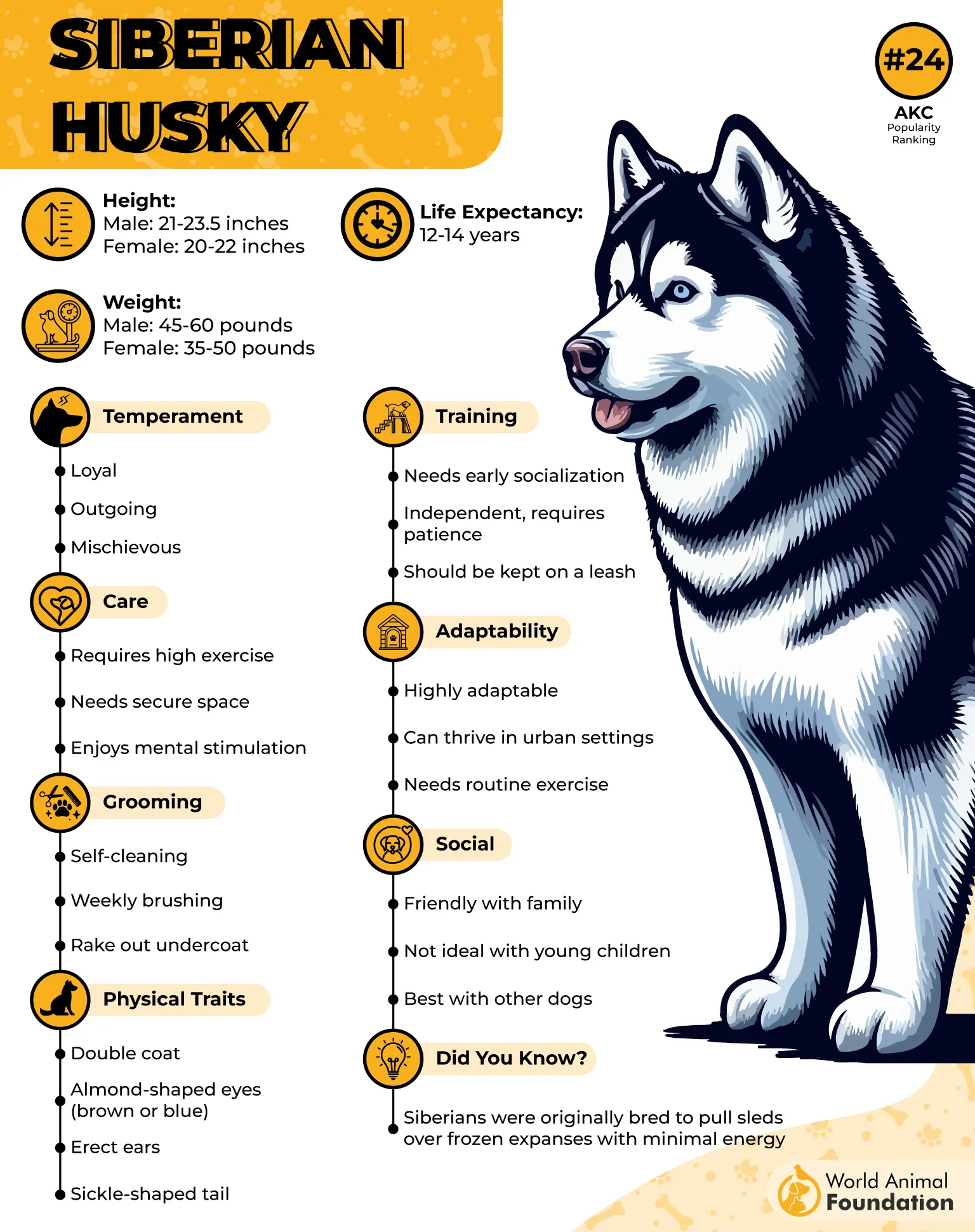
On days away, safety needs extra thought. Use secure collars or a harness, double-check gates, and never assume a yard is escape-proof. Dogs with a roaming urge can slip out in seconds, so double checks are worth it.
Training matters for travel freedom. Work on calm exits, waiting at doors, and coming back when called. Keep sessions short and upbeat. When those basics click, you can enjoy snowy paths and long hikes without feeling tense, even when the plan involves scaling mountains at a steady pace.
Many Huskies can handle long stretches of motion, yet they still need breaks to sniff and reset.
Fun fact: Stories of long-distance sled runs helped make this breed famous, and that endurance still shows when the day turns into a real adventure.
5. Vizsla
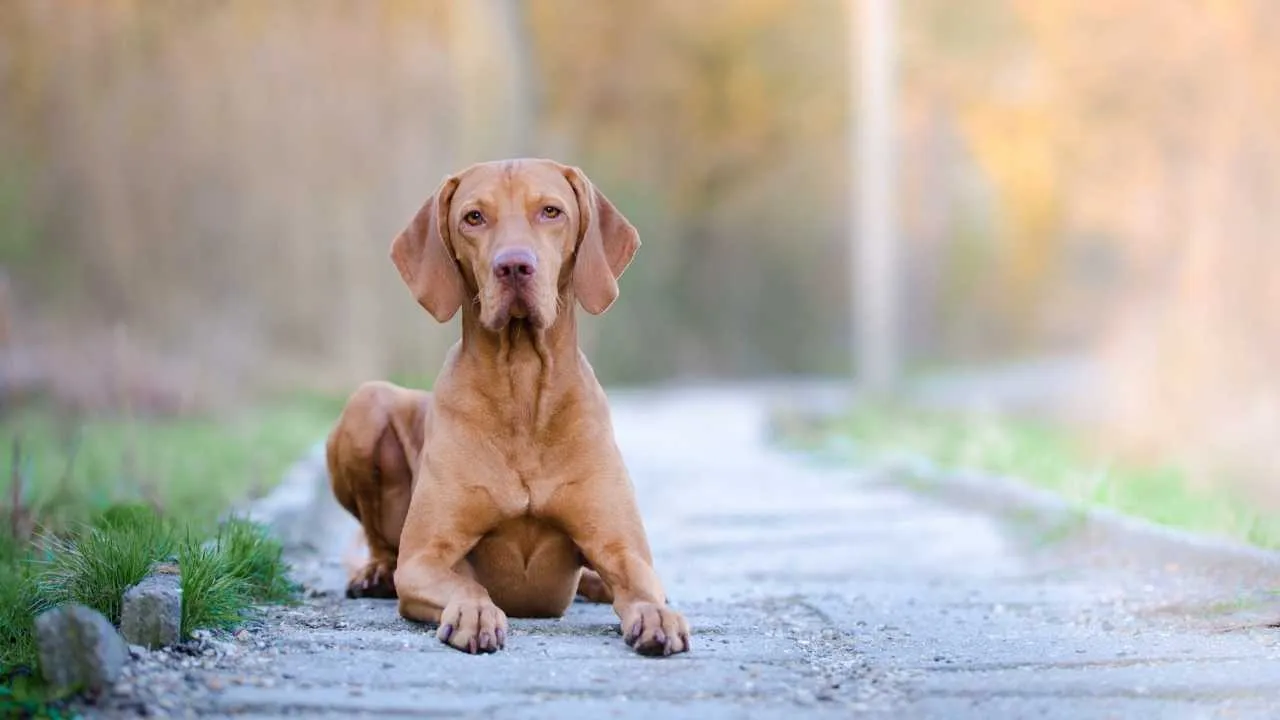
Vizslas are known for staying close. They are often called “Velcro” because they like to stick to their people. That trait can be a huge plus on the move, since the dog may stay tuned in instead of wandering off. Vizslas are also athletic and eager to move, and many enjoy running, hiking, and swimming.

This breed has high energy, but it is also deeply people-focused. That mix can turn travel into a shared routine rather than a tug-of-war. Let it stretch, then offer a quiet settle.
But wait, there’s more! Vizslas often do well with simple sameness. Use the same bedtime cue. Bring the same blanket. Keep feeding times close to normal. Those small anchors can help dogs relax in new environments, even when the room smells strange.
Some dogs also settle better after a quiet chew right after arrival. Many people say this breed bonds fast, which can make it feel like a true travel companion.
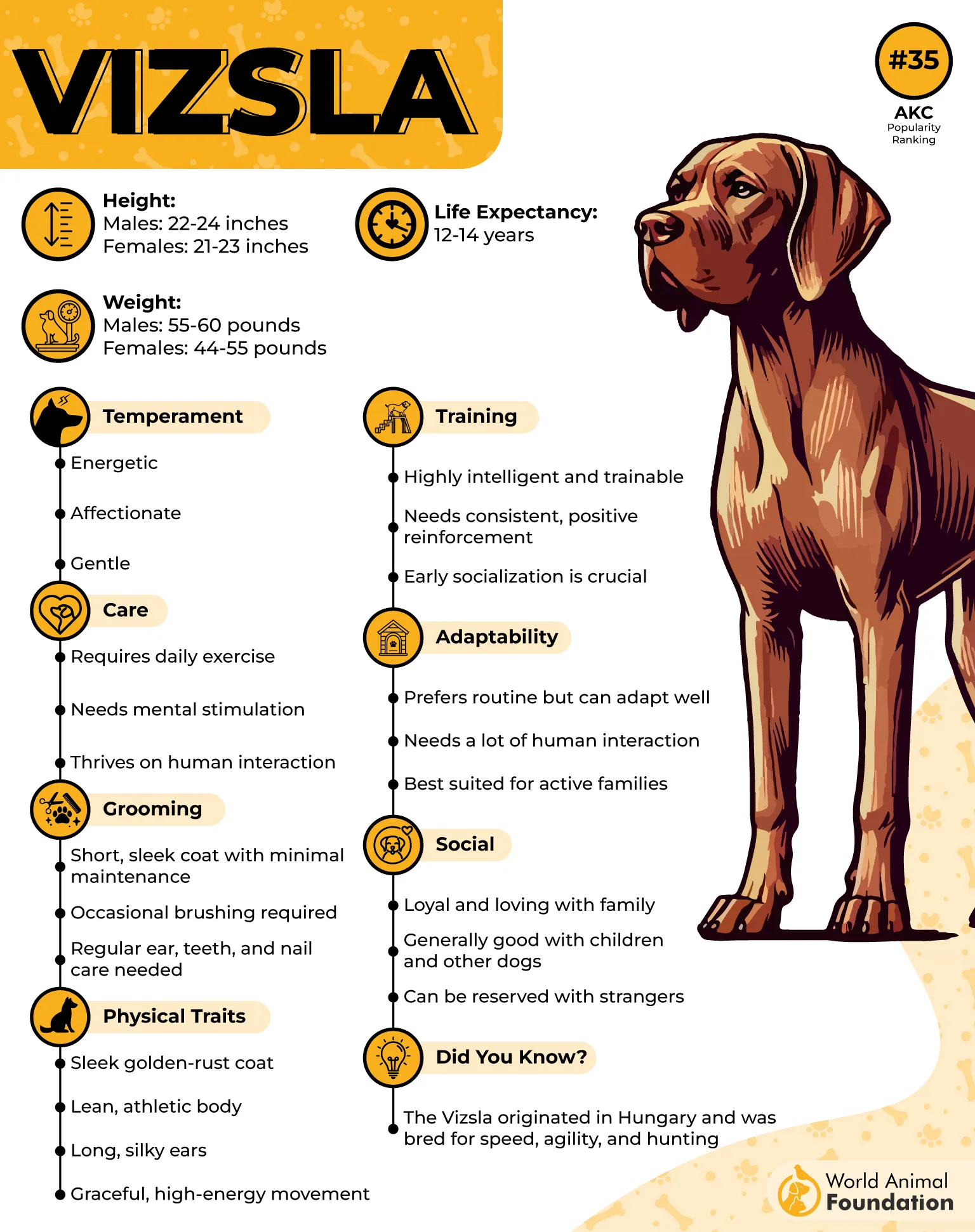
Coat care is simple and often suits minimal grooming, though regular grooming, like a quick brush, still helps after dusty paths.
Check ears after swimming. Trim nails so that slick floors do not feel scary. Many Vizslas lean into gentle contact, like a head on your knee, which can make drives feel less lonely.
They also tend to bring boundless energy to morning outings, then melt into a calm snuggle later, if the day is balanced.
Important note: Some dogs can feel anxious if left alone in a strange room, so practice short absences at home first.
6. Australian Shepherd
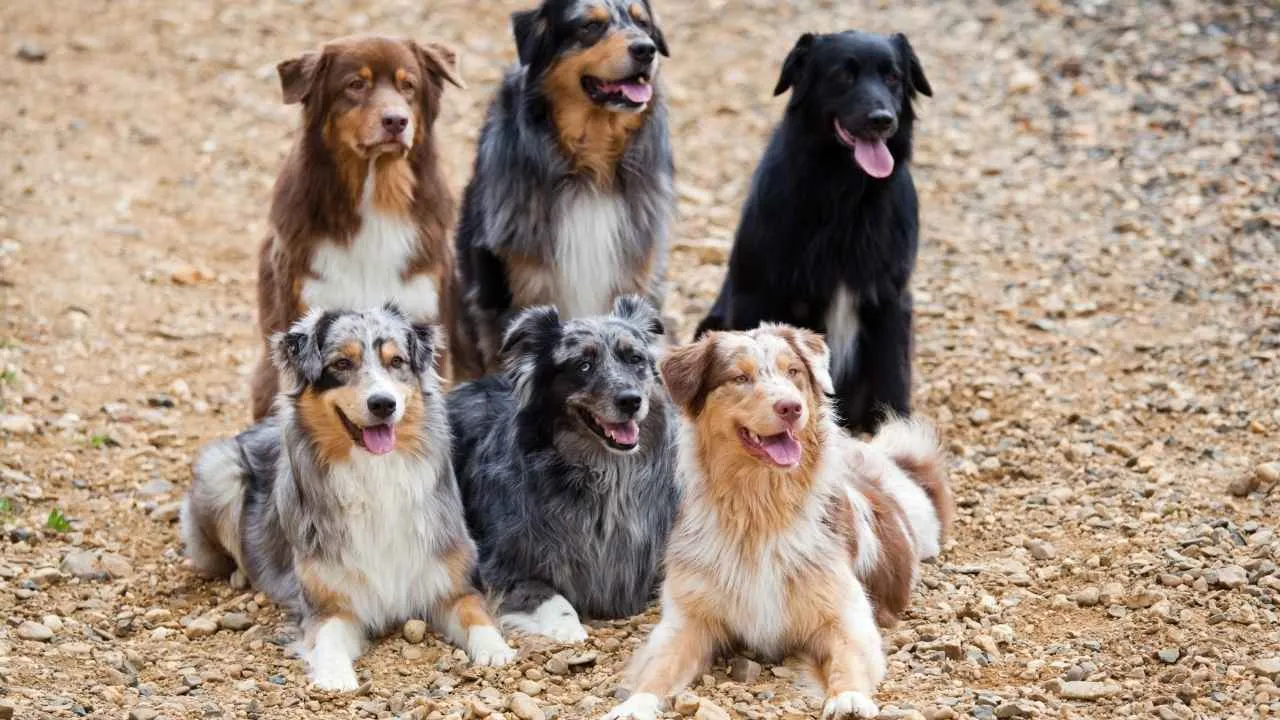
The Australian Shepherd is a focused, lively breed with a working-dog brain. The AKC describes it as a lean, tough ranch dog closely tied to cowboy life in the United States.
That background shows up in quick learning, strong awareness, and a love of tasks. On road trips, that can mean a dog that watches you closely and responds fast when taught clear rules.
Aussies do best when they get both movement and thinking. Skipping activity tends to backfire. Build a plan that includes training games, not just miles. Do a short “find it” in a grassy area. Practice a calm “place” cue in a rental. Give a simple job like carrying a light pack on a trail.
Here’s the good part: when the brain is engaged, Aussies often adapt quickly to change. That can make them excellent partners for people who mix nature days with city days, then rest at night without fuss. Dogs that learn one simple rule per day often improve fast on the road.
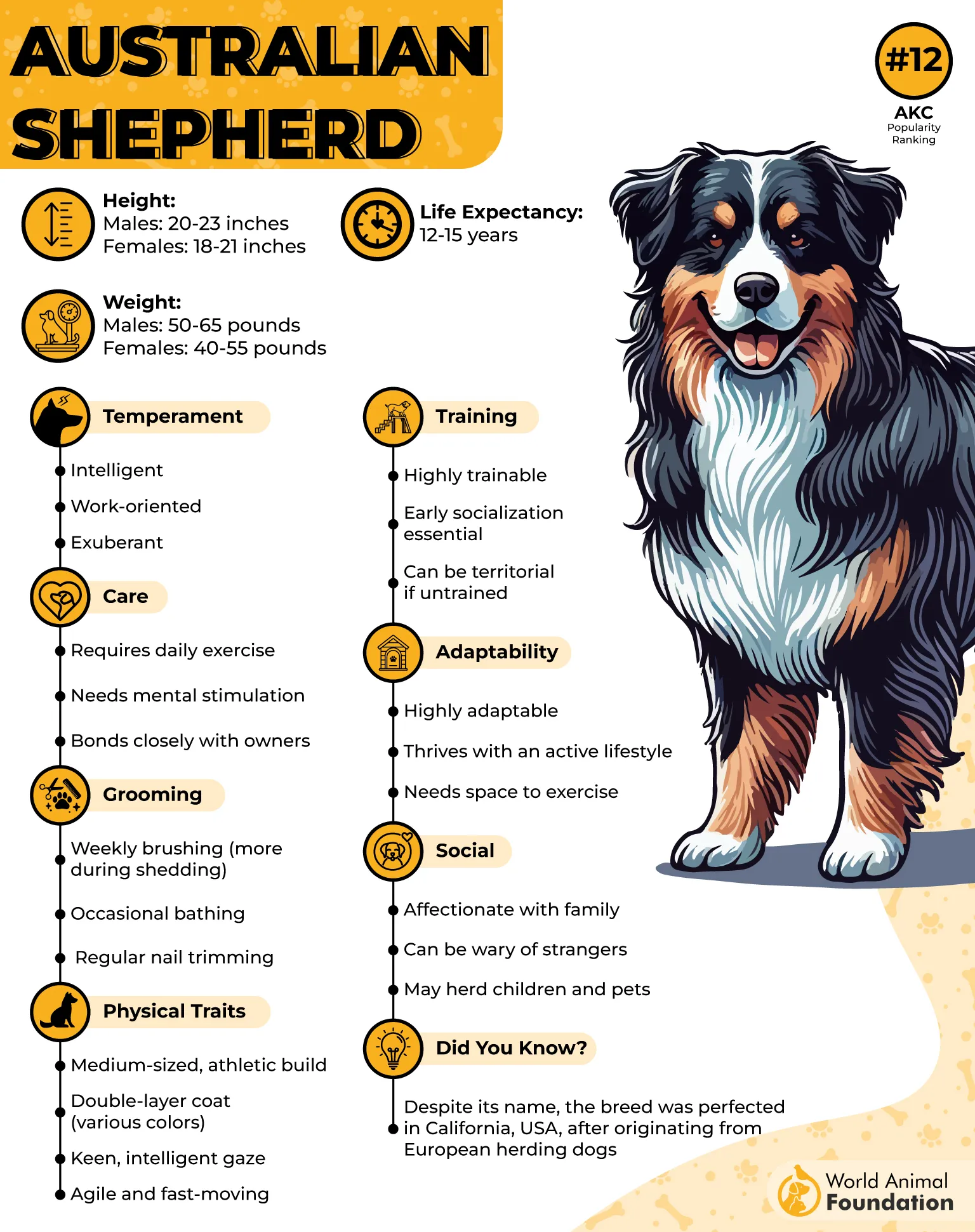
Coat care needs attention. Many have a weather-ready coat that catches burrs and dust, so brushing after outings is smart. Keep water breaks steady and watch the heat on sunny afternoons.
Aussies often love learning tricks, so road trips can include quick new skills at rest stops. That is a playful way to keep the mind happy without needing a huge field. It also keeps the adventure spirit pointed in a good direction.
Important Note: Did you know that many herding dogs relax faster after training than after extra laps around the parking lot?
7. Bernese Mountain Dog
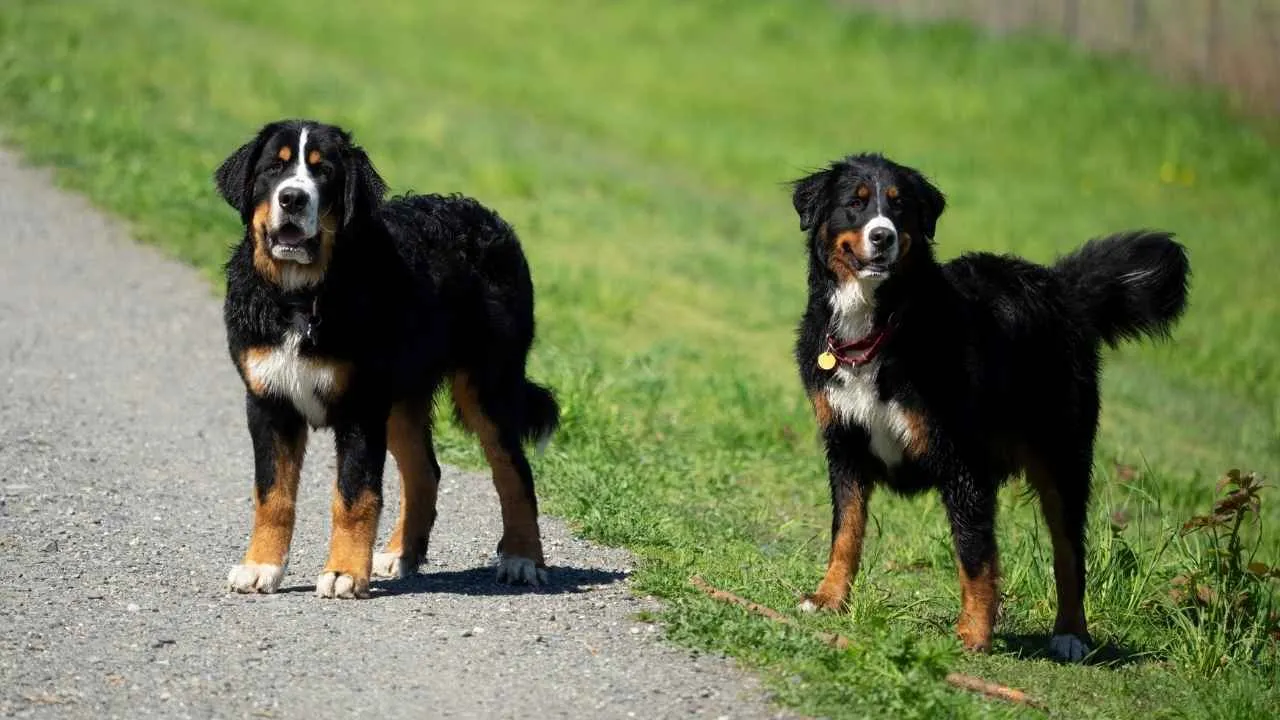
The Bernese Mountain Dog is a larger breed with a big heart and a steady presence. Many people love its gentle nature and calm vibe.
That calm demeanor can be a gift when travel gets loud, like busy streets, crowded parks, or a bustling check-in desk. This dog is not low energy, but it is not frantic either. It often enjoys steady time outside, then quiet time close to the family.
This breed often prefers cool weather. Its coat helps in cold climates, but it can overheat when it is hot.
Plan early outings in summer and pick shaded routes. If the day includes short walks and lots of scenic stops, this dog can be very happy.
In crisp air, many Berners love hiking at a moderate pace and taking breaks for photos. Many owners say the pace feels natural and unhurried. With steady social practice, that friendly disposition can help in shared spaces.
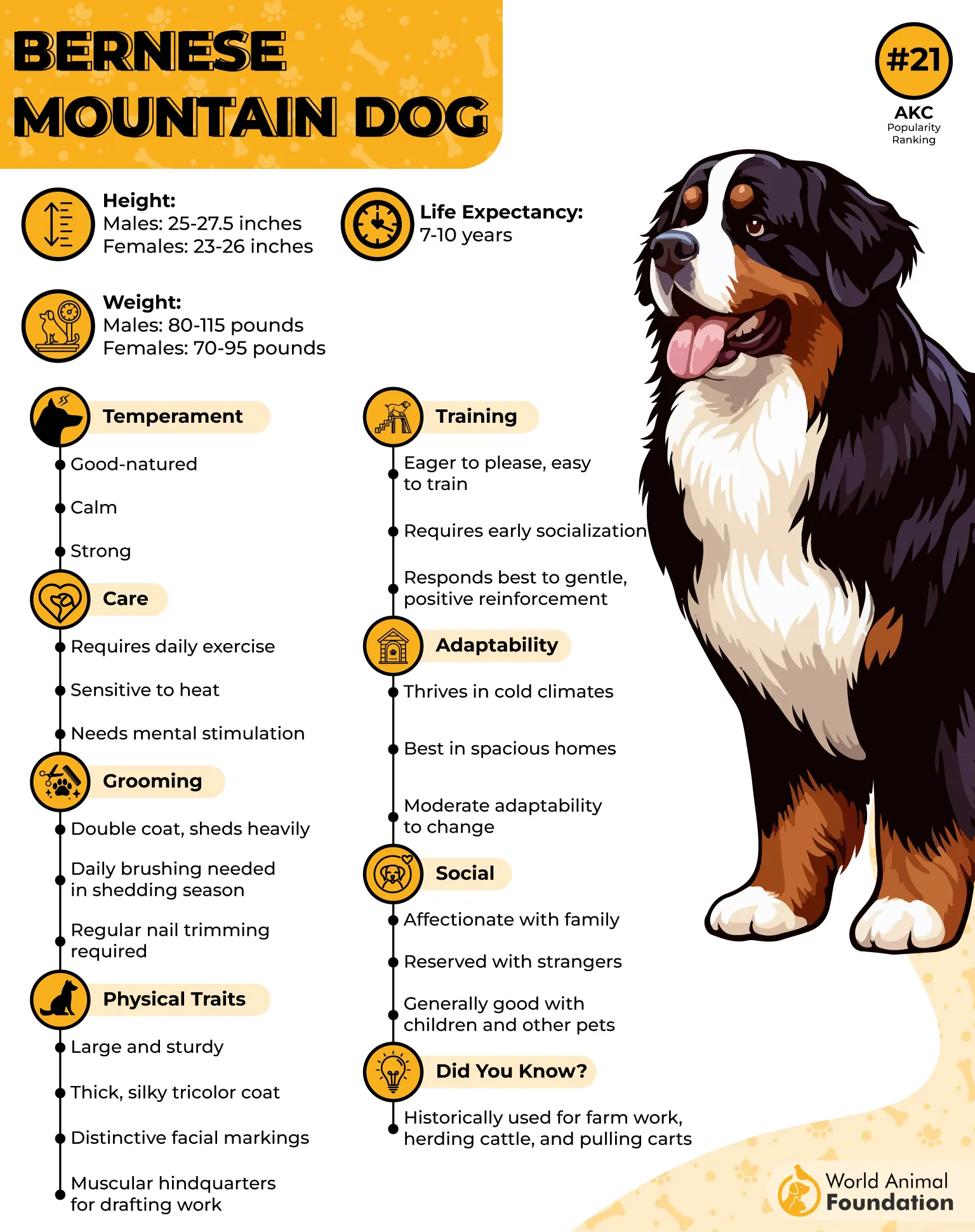
Grooming is part of life with this breed. The coat sheds year-round, and weekly brushing helps prevent tangles and matting.
Because of size, check any weight limit before booking, and think about small spaces like narrow hallways or tiny elevators. Planning ahead makes sense and keeps both humans and dogs comfortable.
Many dogs relax once they know where their water bowl and bed will be. Some owners like matching walking kits and accessories, which adds a playful touch for photos without changing comfort.
Important note: For dogs with heavy coats, cool floors, and shade can be a real comfort at midday.
Conclusion
A good trip feels simple when dogs feel safe. These dog breeds can help you find the best dog for travel. Start with the right dog, then support that choice with calm routines. Some people want small dogs for tight plans, and some small dogs handle flights well, too.
Others prefer big companions for cooler trails. Either way, pick what fits real life, not a fantasy, and not what works for other dogs. Keep road trips kind with breaks, water, and a quiet settle spot.
Practice manners before the next check-in at pet-friendly hotels, and the whole experience gets smoother.
