




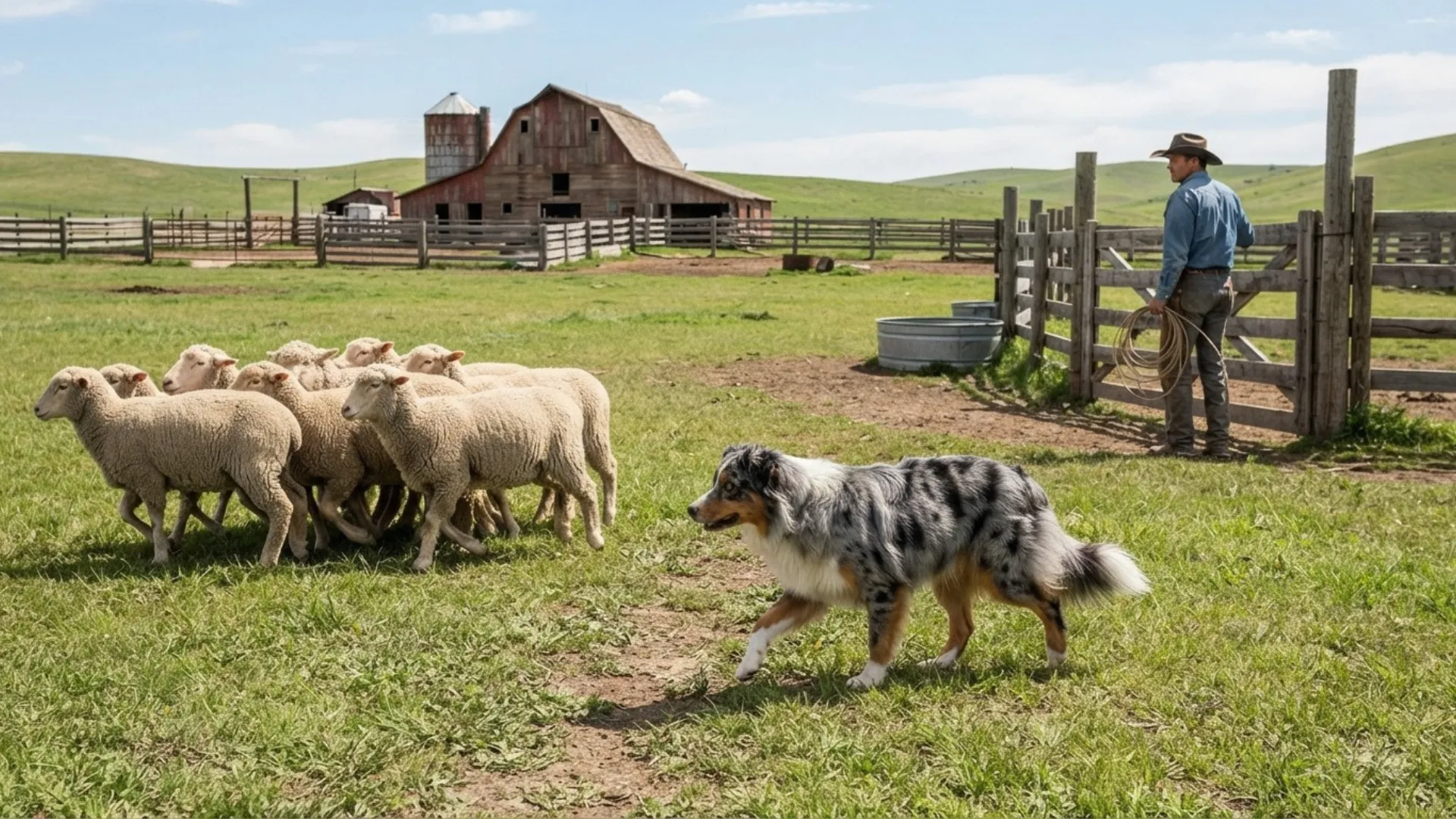
Ever wonder what a dog actually does all day on a working ranch? Spoiler: it truly involves a lot more work than lounging around on the porch.
Ranch dogs are hired hands, not pampered pets. They herd cattle, guard flocks, and patrol the property long after the sun goes down.
Fun fact: Some ranch dogs can cover more ground in a single day than a rider on horseback, relying on nothing but speed and sharp instinct.
Pick the wrong breed, though, and you quickly end up with a bored dog, stressed livestock, or a fence line with a mind of its own.
That is exactly where this guide comes in. Keep reading to meet nine intelligent breeds built for real ranch work, and find the one that fits your land best.
Essential Dog Breeds Every Ranch Owner Should Know
1. Australian Cattle Dog
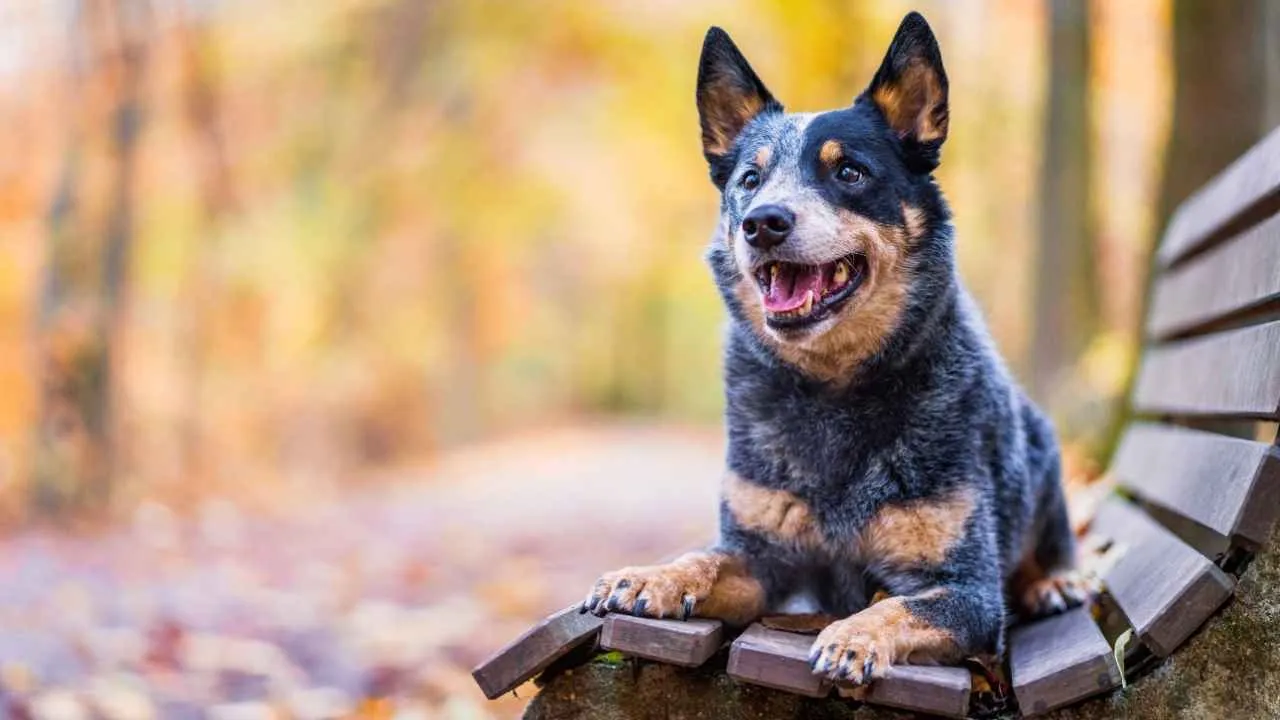
The Australian Cattle Dog is a clever, no-nonsense worker tied to the Australian Outback. It was bred alongside the Dingo, gaining rare toughness among herding breeds. That grit still shows in its bold personality.
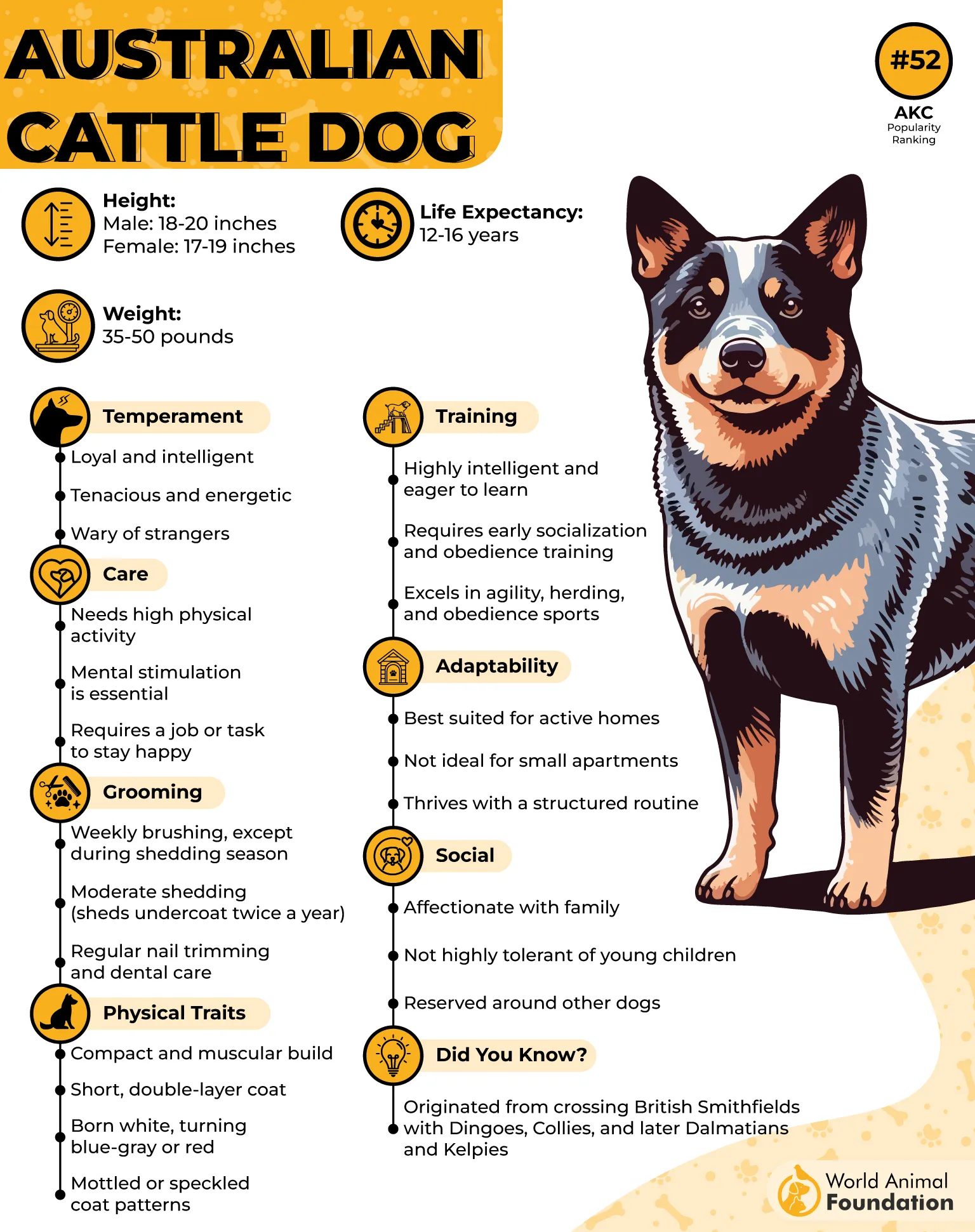
This breed needs a real job, not a quick walk. Daily training, herding drills, or agility keep its sharp mind out of trouble. Skip the workout and expect chewed fences instead.
Ranch job: Driving cattle over long distances, even in punishing heat.
Working style: Nipping at heels to steer stubborn herds forward.
Climate and terrain fit: Built for hot, dusty, wide-open country.
This dog suits ranchers who want a true partner, not a porch ornament. One heeler can outwork a whole crew.
Fun fact: Its blue coat earned it the nickname Blue Heeler, per the AKC.
2. Border Collie
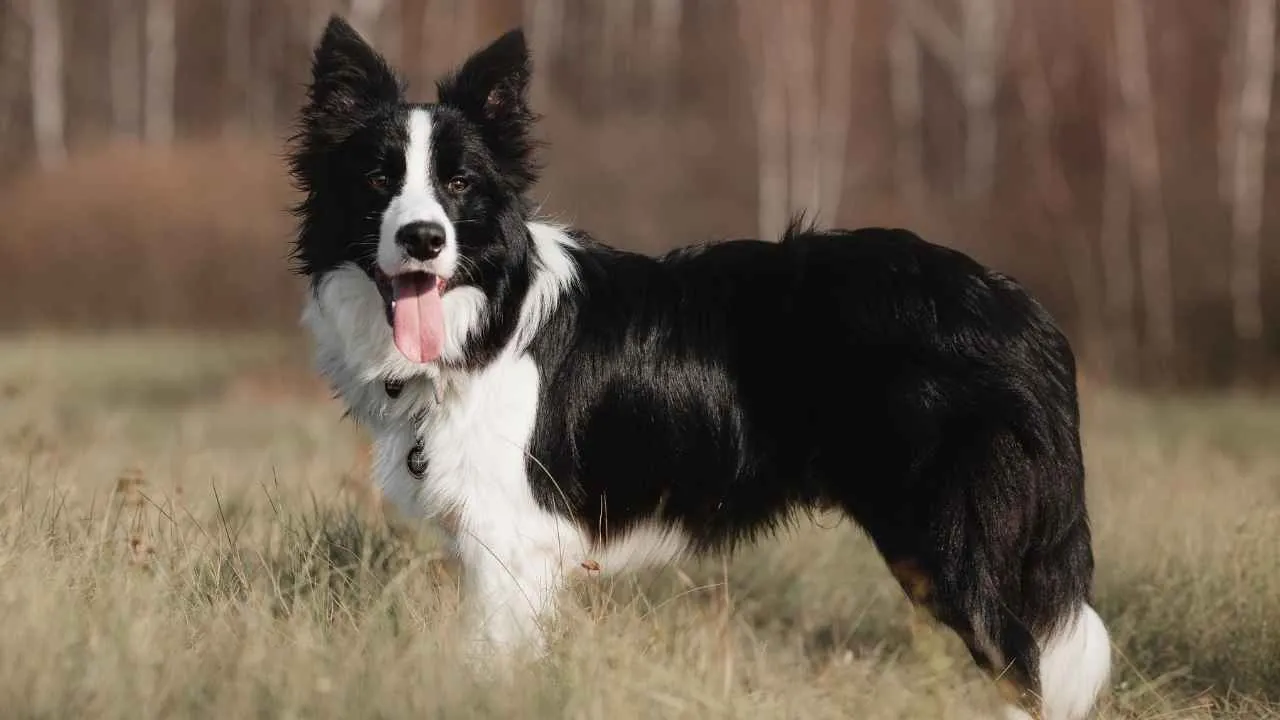
The Border Collie is often called the smartest dog breed alive today. It grew up in the hills between England and Scotland, working closely with local shepherds for generations.
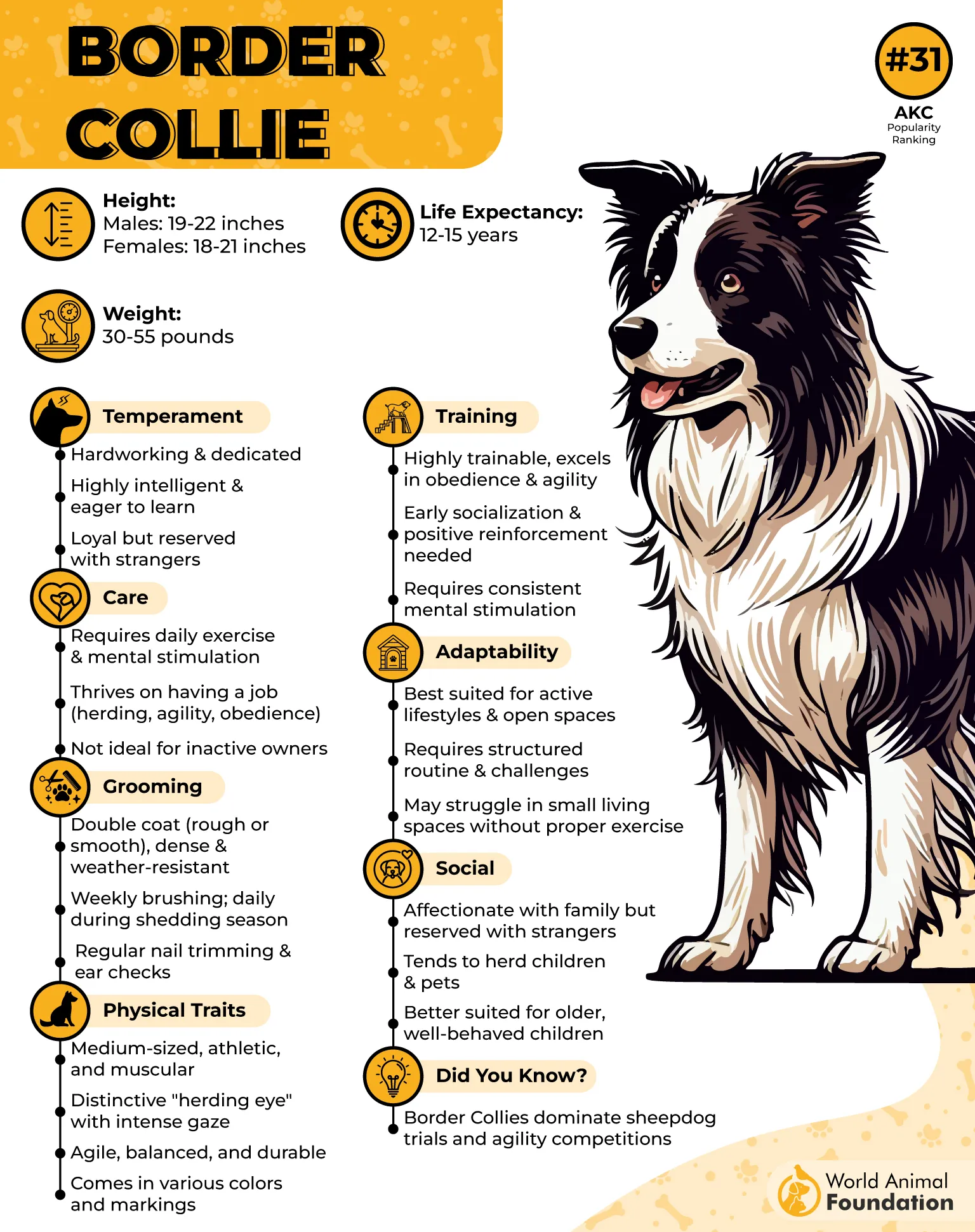
Training is not optional, since an idle Border Collie gets bored quite fast. Daily mental work, like agility, flyball, or long training sessions, keeps its sharp mind satisfied and out of trouble.
Ranch job: Managing sheep and cattle across open pasture with pinpoint accuracy.
Working style: The herding eye, a silent stare that freezes a flock in place.
Climate and terrain fit: Comfortable in most climates, from wet pastures to dry ranch land.
This breed suits ranchers who want a true working partner, not a couch companion.
Fun fact: Some Border Collies can even learn hundreds of words, per Purina.
3. Australian Shepherd
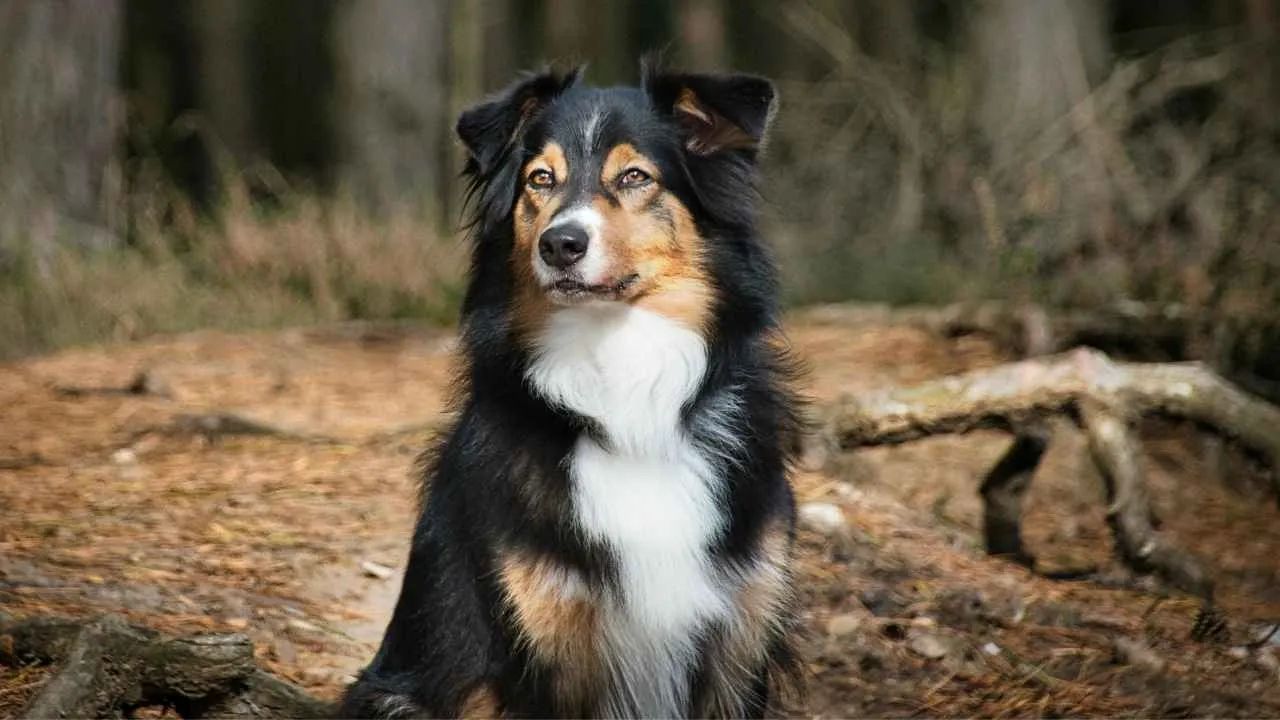
The Australian Shepherd is a bundle of brains and boundless energy. Its name points to Australia, but this breed grew up on ranches across the American West.
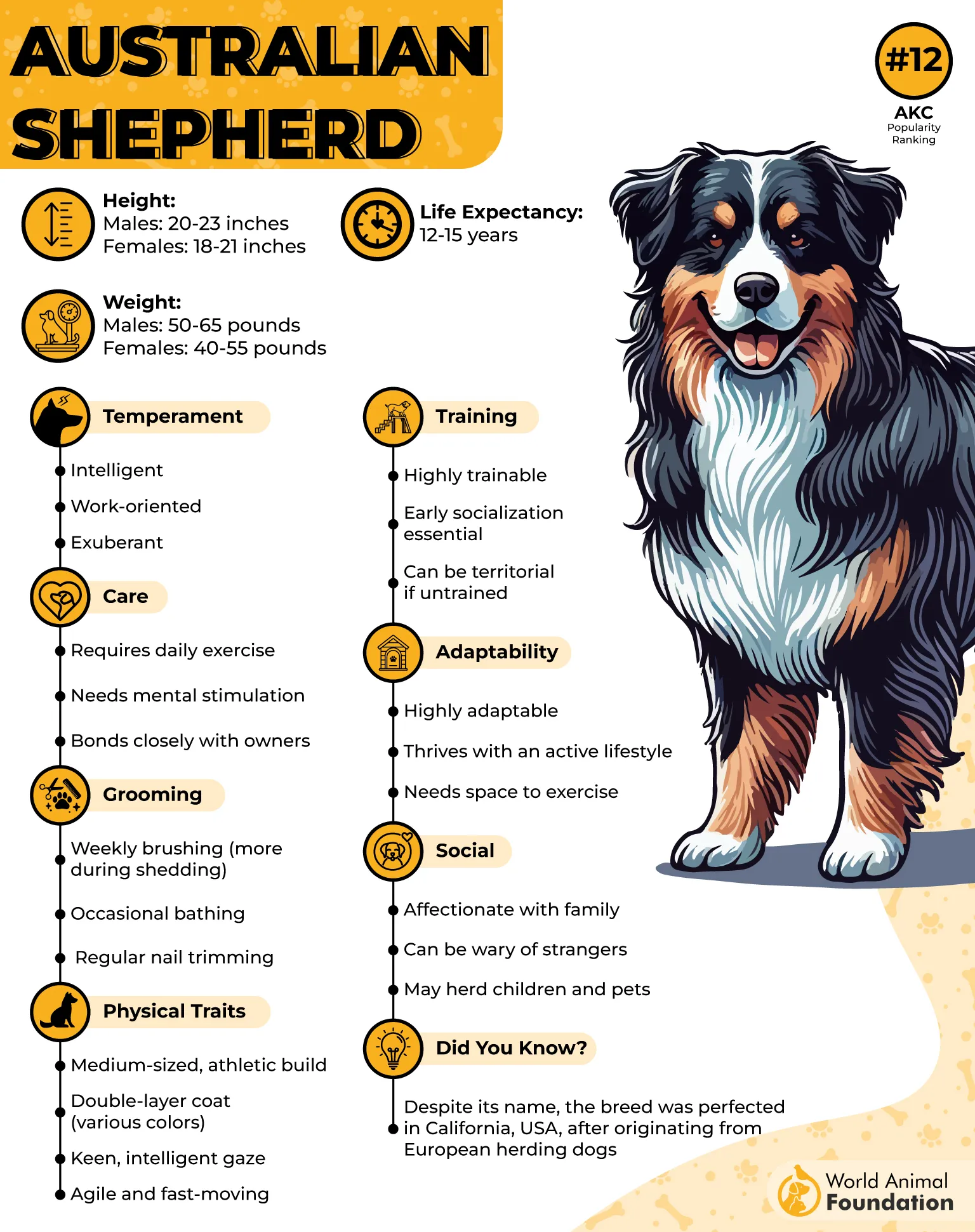
Training an Aussie means giving it a purpose every single day. Long runs, obedience work, and dog sports keep its mind and body satisfied. Left alone too long, it may start herding the kids or the cat.
Ranch job: Working general livestock, from cattle to sheep, on Western ranches.
Working style: Strong herding drive, gathering and moving animals with speed.
Climate and terrain fit: Suited to varied ranch terrain, from dry plains to higher ground.
This dog fits ranchers who want a devoted, do-it-all companion for daily chores.
Fun fact: Its flashy coat comes in patterns nicknamed red tri and blue merle.
4. Catahoula Leopard Dog
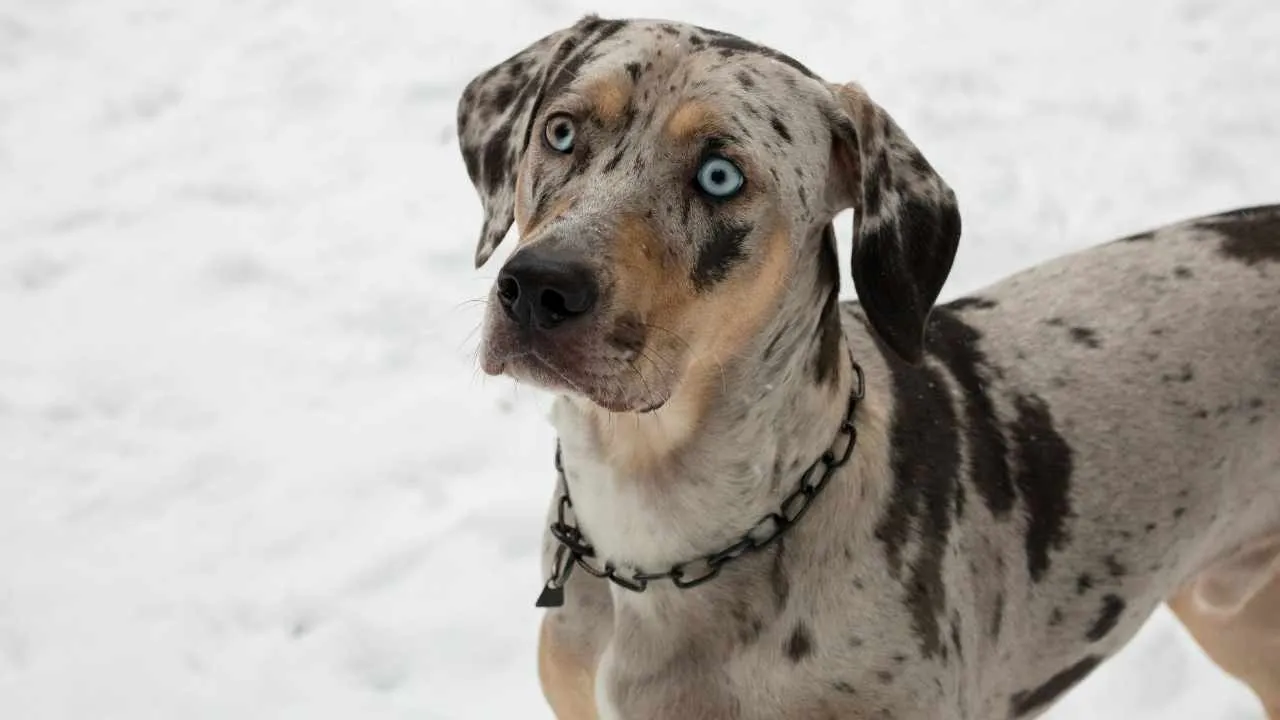
The Catahoula Leopard Dog looks like no other breed on this list. It was developed generations ago in the bayous of Louisiana for brutal, backcountry work, according to Hill’s Pet.
This breed trains well for an owner who stays firm and consistent. It needs an hour or more of exercise daily to burn off its drive. Skip that outlet and boredom quickly turns into digging or chewing.
Ranch job: Rounding up wild hogs and stray cattle in rough country.
Working style: Forming a living circle around livestock to hold them in place.
Climate and terrain fit: Comfortable in swampy heat and cooler months alike.
This dog is best for hands-on ranchers who like real hunting instincts.
Fun fact: No two Catahoulas ever look alike, thanks to endless coat patterns.
5. Australian Kelpie
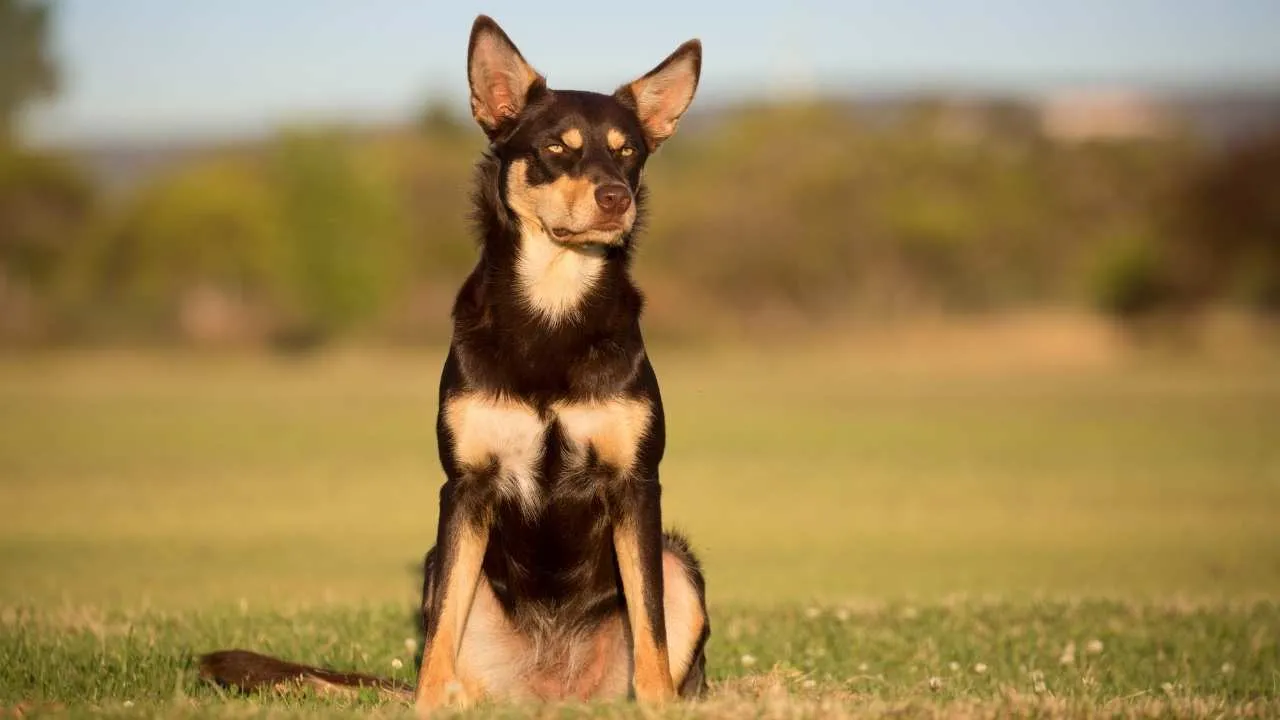
The Australian Kelpie is a small, wiry dog with an outsized work ethic and heart. It emerged in the 1870s in the Australian Outback, bred to help on a massive scale.
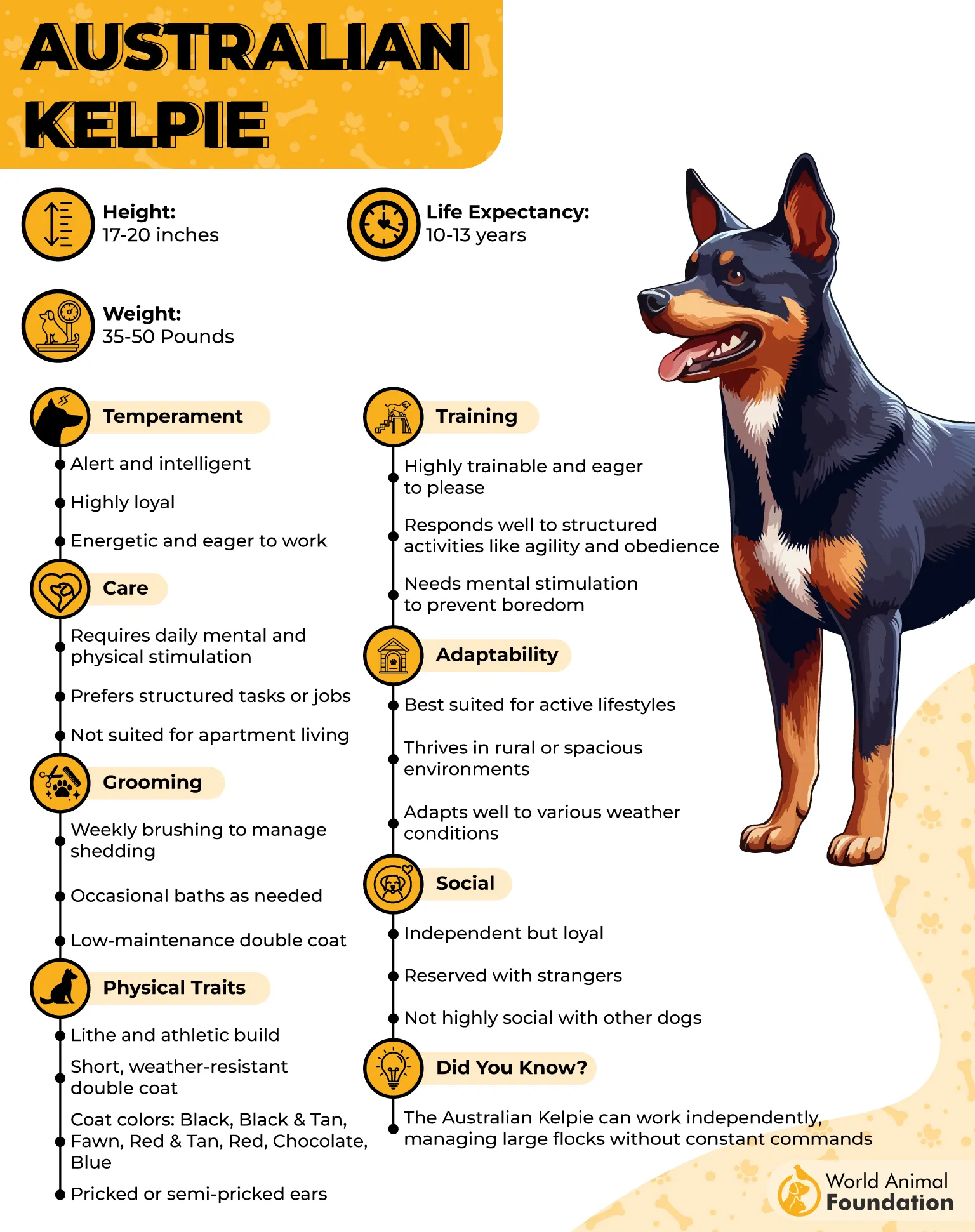
Give this dog less than an hour of exercise and expect trouble. Idle time quickly breeds barking, digging, and general restlessness. Its sharp mind makes training go smoothly, but it truly needs a job.
Ranch job: Moving sheep and cattle across wide, open grazing land.
Working style: Working independently, often out of sight of its handler.
Climate and terrain fit: Built for hot, dry country with little shade.
This breed suits ranchers who want a tireless, all-day, all-weather worker.
Fun fact: A Kelpie named Abbie Girl became a two-time world dog surfing champion.
6. Great Pyrenees
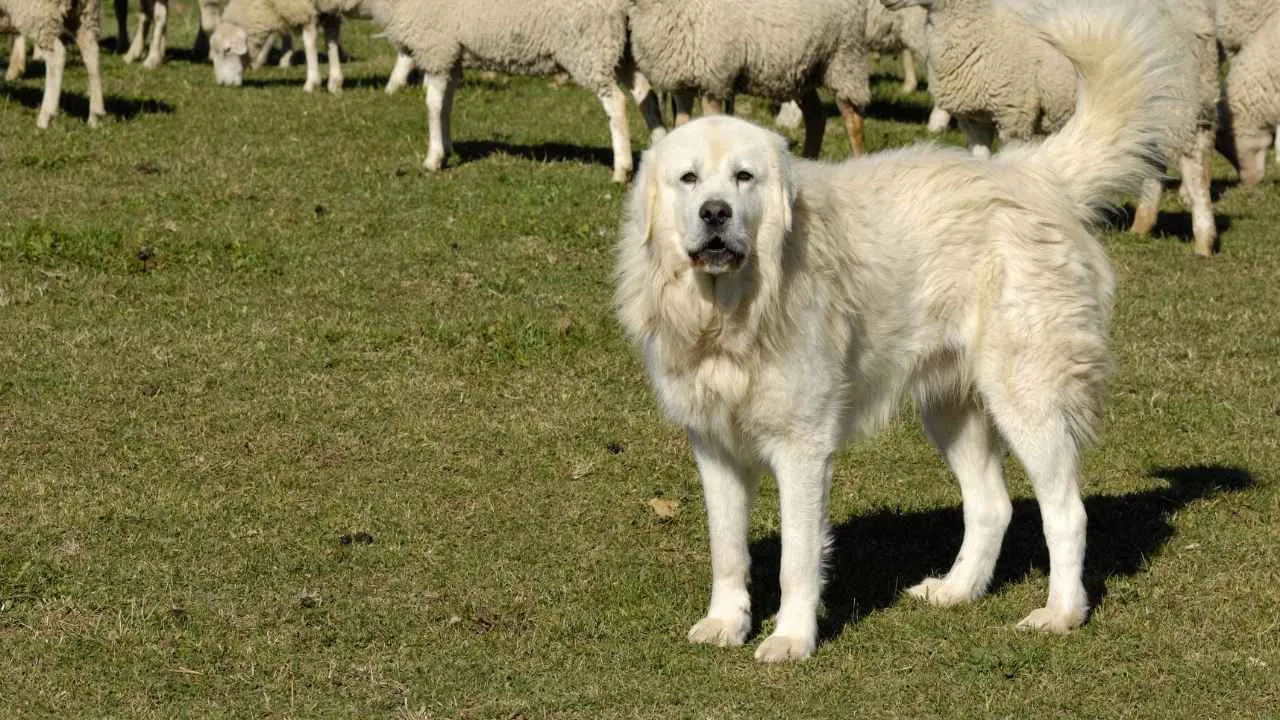
The Great Pyrenees carries itself with calm, gentle confidence. For centuries, French and Spanish shepherds trusted this breed with serious mountain responsibilities. That deep trust shaped a dog that is gentle at home yet independent.
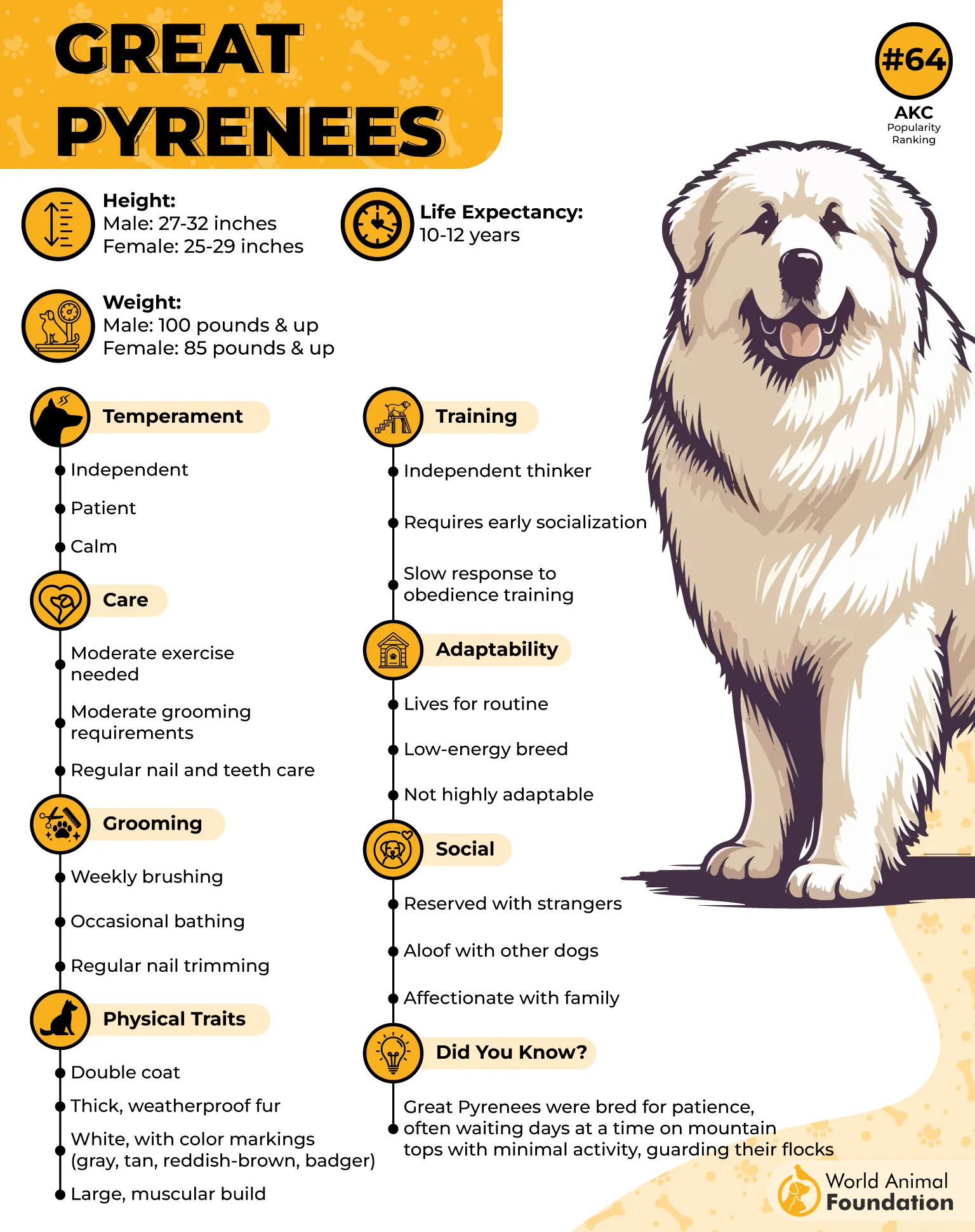
Training takes patience, since this breed would rather think for itself. It needs twenty to thirty minutes of exercise daily. Left unsupervised, it may wander off or bark through the night, according to Orvis.
Ranch job: Guarding sheep, goats, or other livestock from predators.
Working style: Patrolling alone and deciding how to react without commands.
Climate and terrain fit: A thick double coat suited to cold, mountainous conditions.
This breed suits ranchers who want a steady guardian, not a herder.
Fun fact: Never shave its coat, since it shields against the summer sun.
7. Anatolian Shepherd Dog
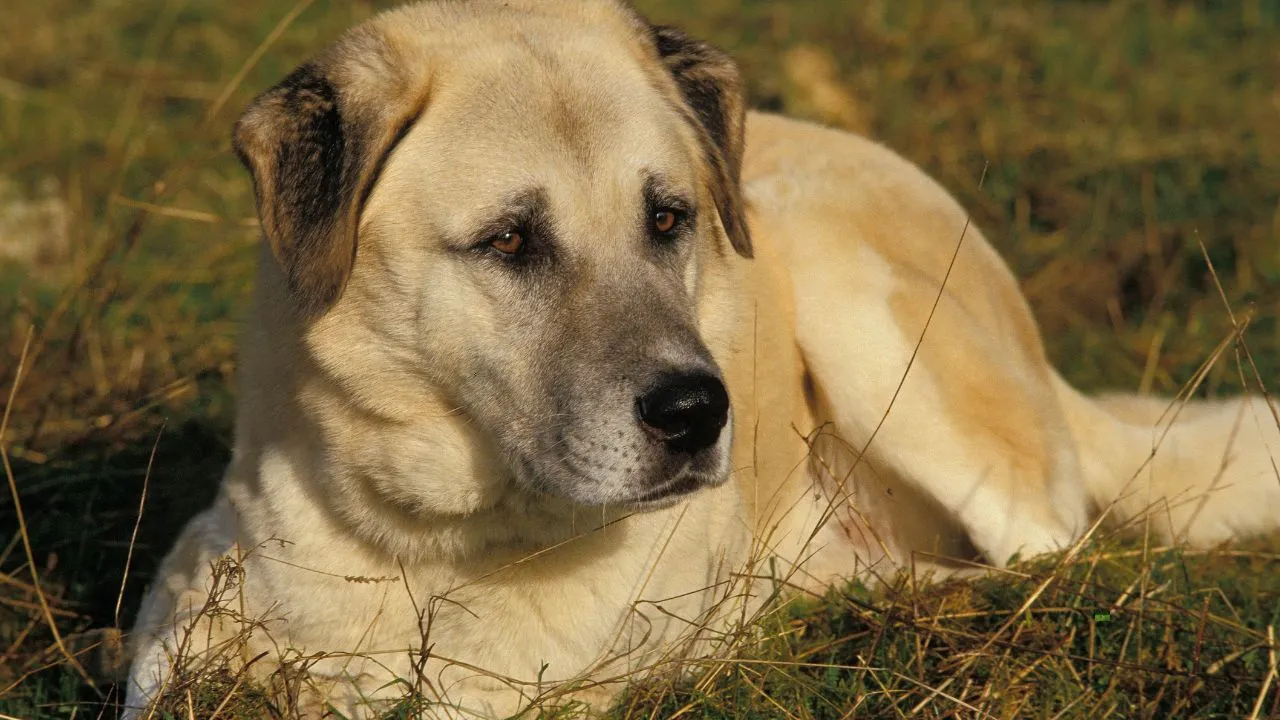
The Anatolian Shepherd Dog looks like a small lion with quiet authority. Its ancestors trace back thousands of years to the rugged highlands of Turkey. That ancient lineage built a dog that is dignified, watchful, and unhurried.
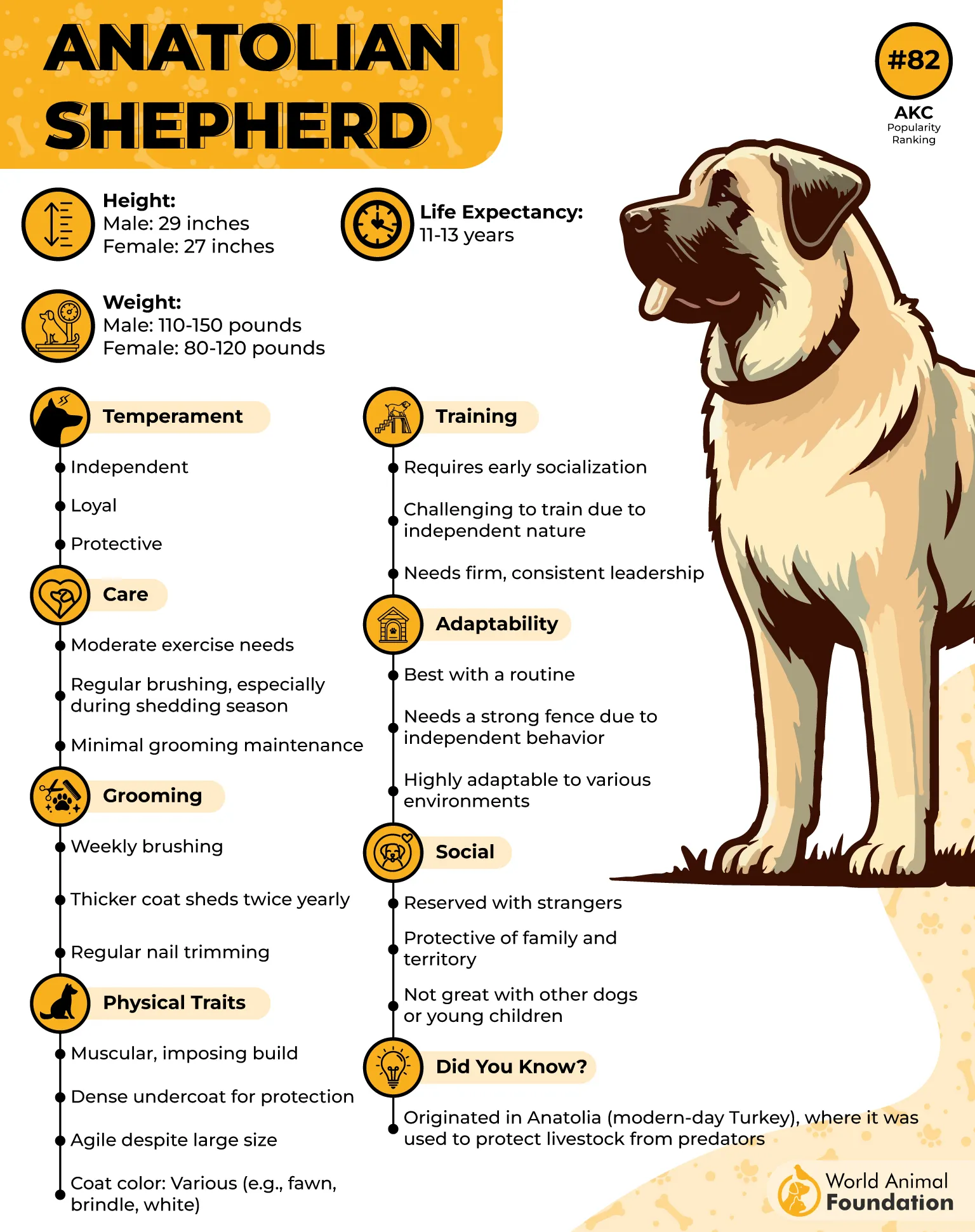
Early socialization matters enormously, since an undersocialized Anatolian can grow suspicious of visitors. Training rewards patience and consistency far more than repetition. It quietly assesses every situation before deciding how to react.
Ranch job: Protecting livestock from large predators on open range.
Working style: Standing tall as a visual deterrent before a warning bark.
Climate and terrain fit: Hardy across hot, dry plateaus and rugged country.
This breed suits ranchers who need a serious, low-maintenance guardian.
Fun fact: One Anatolian famously protected its owner from an aggressive cow without any command.
8. Rottweiler
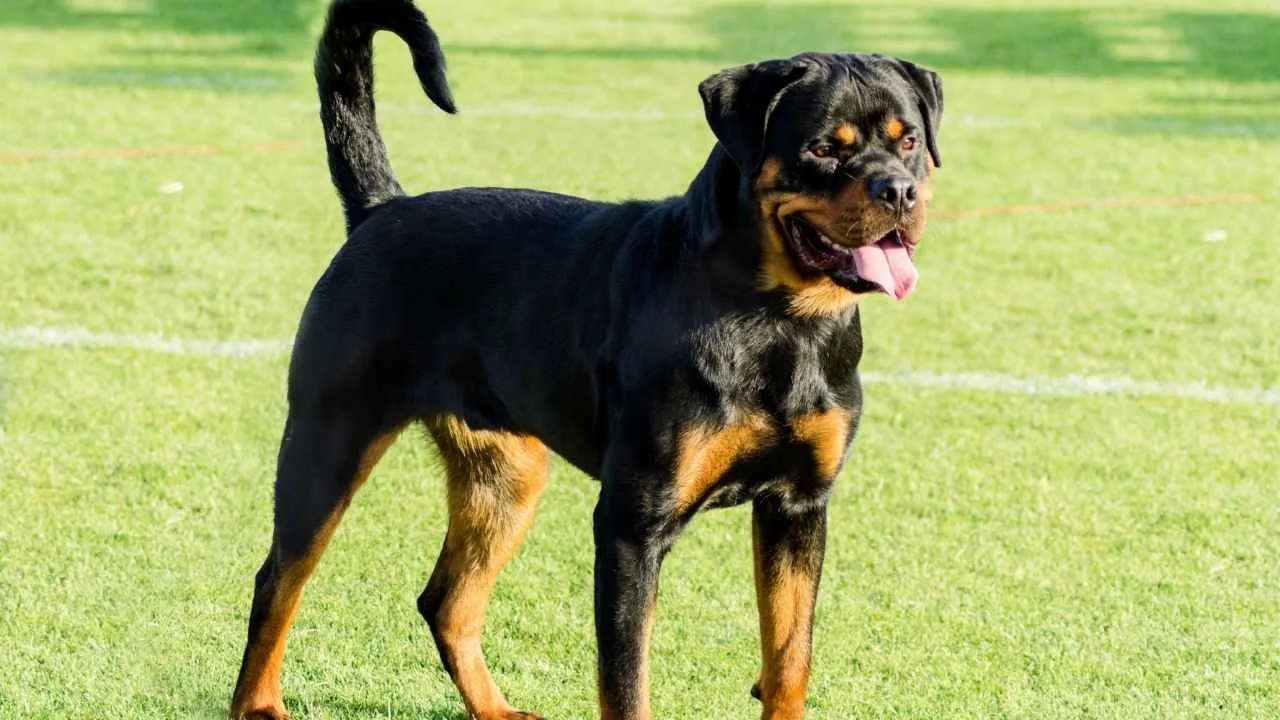
The Rottweiler carries an old, proud nickname, the Butcher’s Dog, and earned it the hard way. This breed grew up in the working towns of southern Germany, where daily life demanded real muscle and nerve.
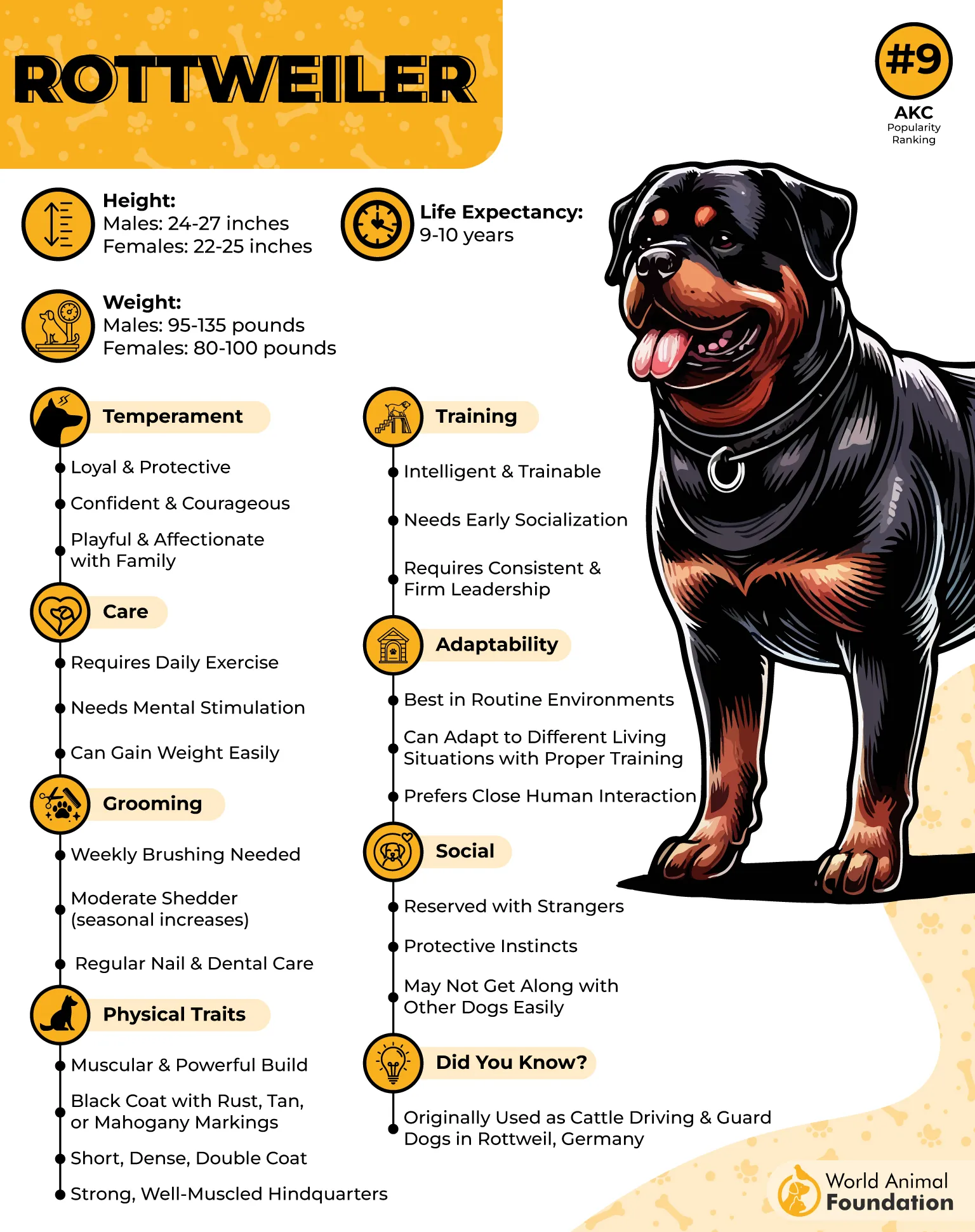
Training should start early, since a Rottweiler’s size and instincts need firm guidance. Skipping early socialization can leave it wary of strangers beyond what helps on a ranch.
Ranch job: Driving cattle and hauling loads on early farms.
Working style: Combining serious herding strength with an instinct to guard.
Climate and terrain fit: A dense coat that handles cooler climates best.
This breed is truly best for experienced ranchers who want muscle and brains in one dog.
Fun fact: Drovers once trusted this breed well enough to hang the day’s earnings around its neck.
9. Beauceron
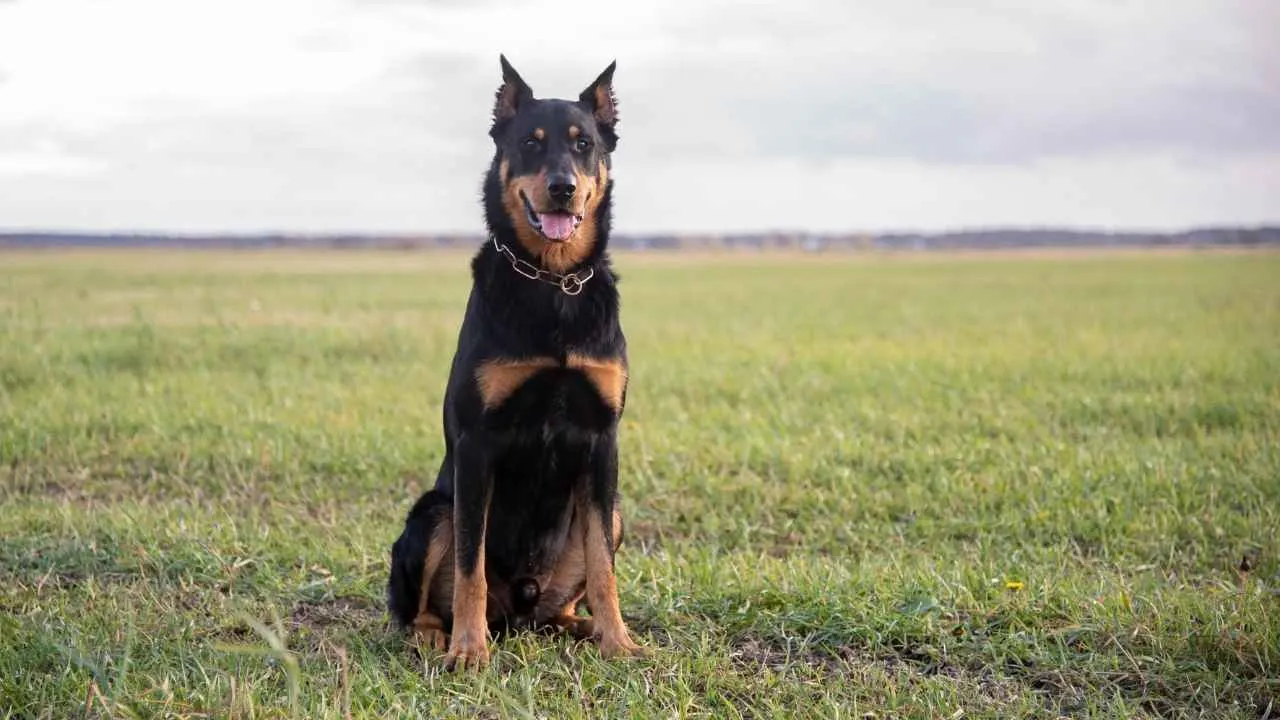
The Beauceron is a big, truly brainy dog often compared to a Border Collie in a hundred-pound frame. French farmers relied on this breed for centuries, trusting it with serious daily work.
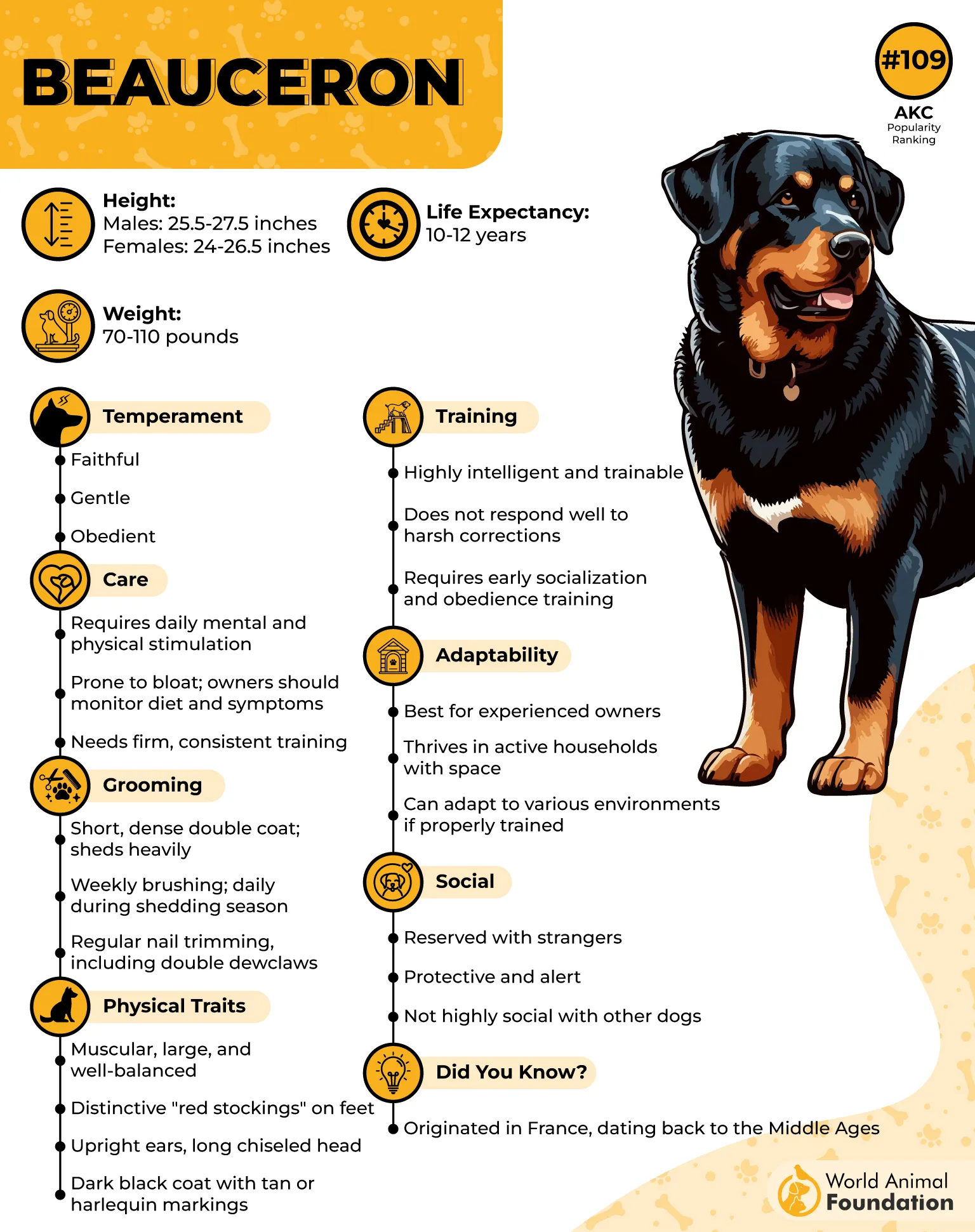
Training comes easily thanks to its sharp mind, but only with a confident owner. Without enough to do, a Beauceron may quietly try to run the entire household itself, according to VCA.
Ranch job: Herding sheep and cattle across large open farmland.
Working style: Working both as a skilled herder and a watchful farm guardian.
Climate and terrain fit: Adaptable to varied farmland and moderate climates.
This breed fits experienced ranchers who want just one dog that can wear multiple hats.
Fun fact: Its problem-solving skills are often ranked alongside the far smaller Border Collie.
Conclusion
Nine breeds, nine different jobs, and one big takeaway: the best ranch dog is the one built for the work you actually need done. Herders like the Border Collie and Australian Shepherd earn their keep moving livestock, while guard dogs like the Great Pyrenees and Anatolian Shepherd stand watch against coyotes and other predators through the night.
Match the job to the breed, put in the training, and you’ll gain a loyal buddy who feels like family from day one. Got a favorite among these ranch dogs, or one we should cover next? Drop it in the comments and tell us about your own farm life companion.
