




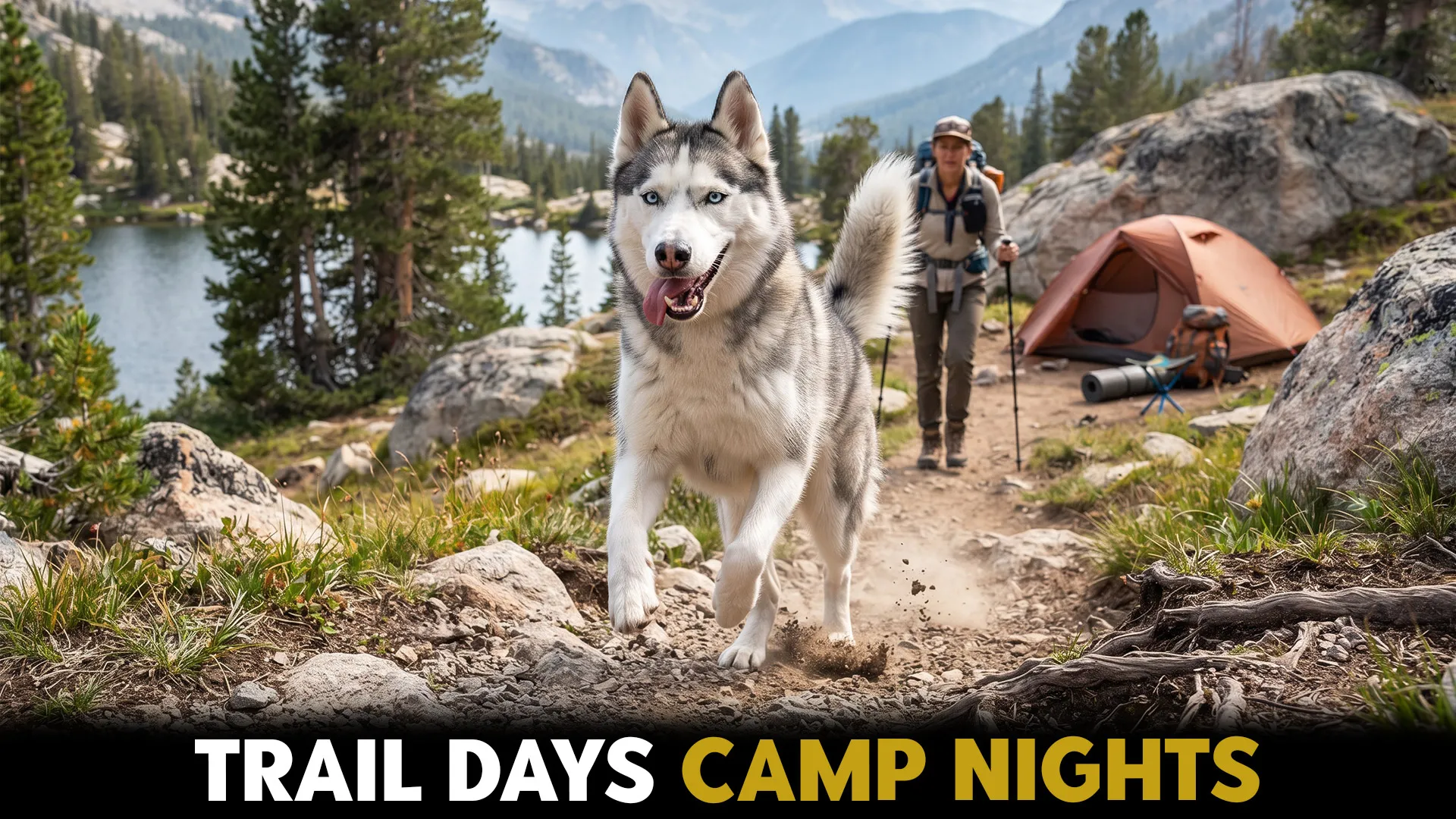
You can tell a lot about a dog once the trail gets longer, the ground gets rougher, and the easy part of the walk is behind you. Some dogs are happy with a short stroll around the neighborhood.
Others seem ready for another mile before you reach the trailhead. For camping and hiking, that difference matters. Energetic dogs often enjoy movement, exploring new scents, and staying involved. Still, enthusiasm alone does not make a dog trail-ready.
The National Park Service advises owners to choose routes that match their pet’s fitness and limits, while carrying extra water and watching for overheating. Dogs can become overheated because panting is their main cooling method. So the ideal hiking companion needs both stamina and sensible care.
Knowing what matters on the trail makes choosing an excellent hiking partners for weekends in the woods easier. The right choice can make those weekends feel made for you.
Key Takeaways:
A long hike can quickly show which dogs enjoy being outdoors and which ones would rather head home early.
Australian Shepherd has boundless energy for running, climbing, agility, and even long hikes when properly conditioned.
Vizsla follows with an impressive outdoor drive, while German Shorthaired Pointer can handle everything from swimming and camping to marathon-length hikes.
The latter picks take endurance even further, especially a northern breed whose ancestors hauled heavy loads across difficult ground for hundreds of miles.
Energetic Dog Breeds that Love Camping and Hiking
1. Australian Shepherd
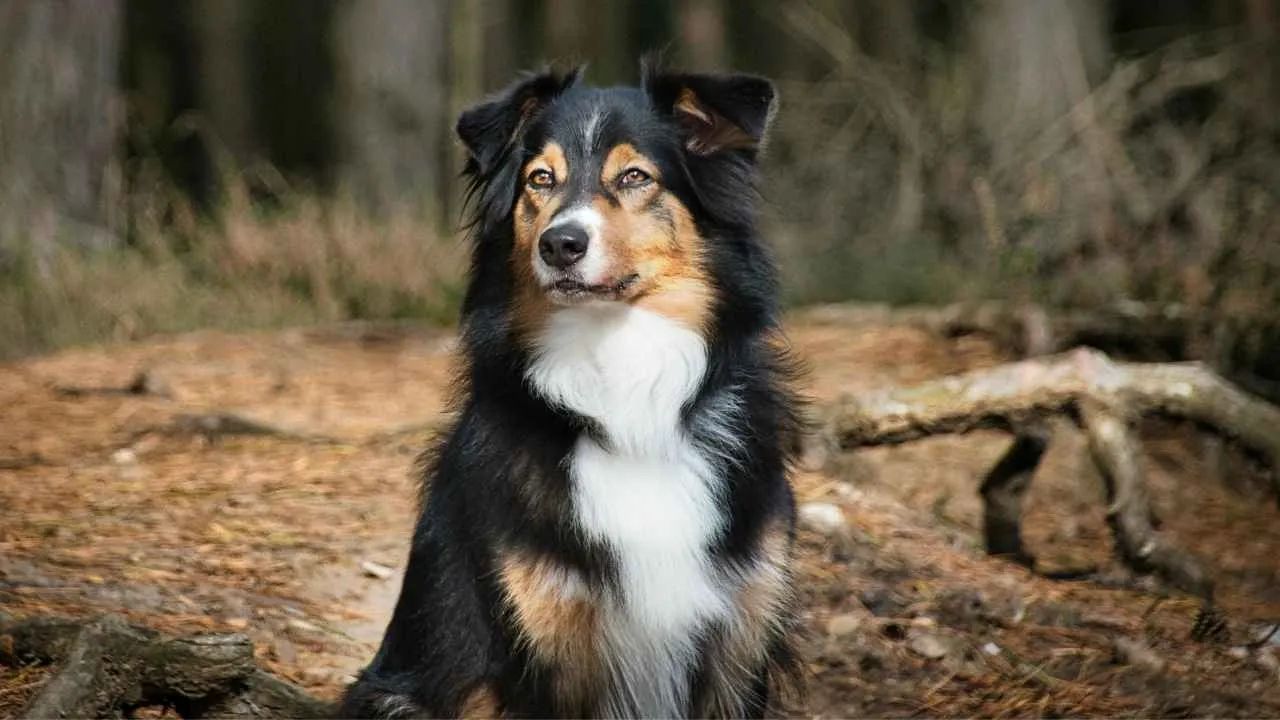
Australian Shepherd is actually an American herding breed, despite its name linking it to Australia. Basque shepherds from the Pyrenees brought small blue merle dogs to the United States in the late 1800s and early 1900s, while Australian imports may also have influenced the breed.
Born for the Trail
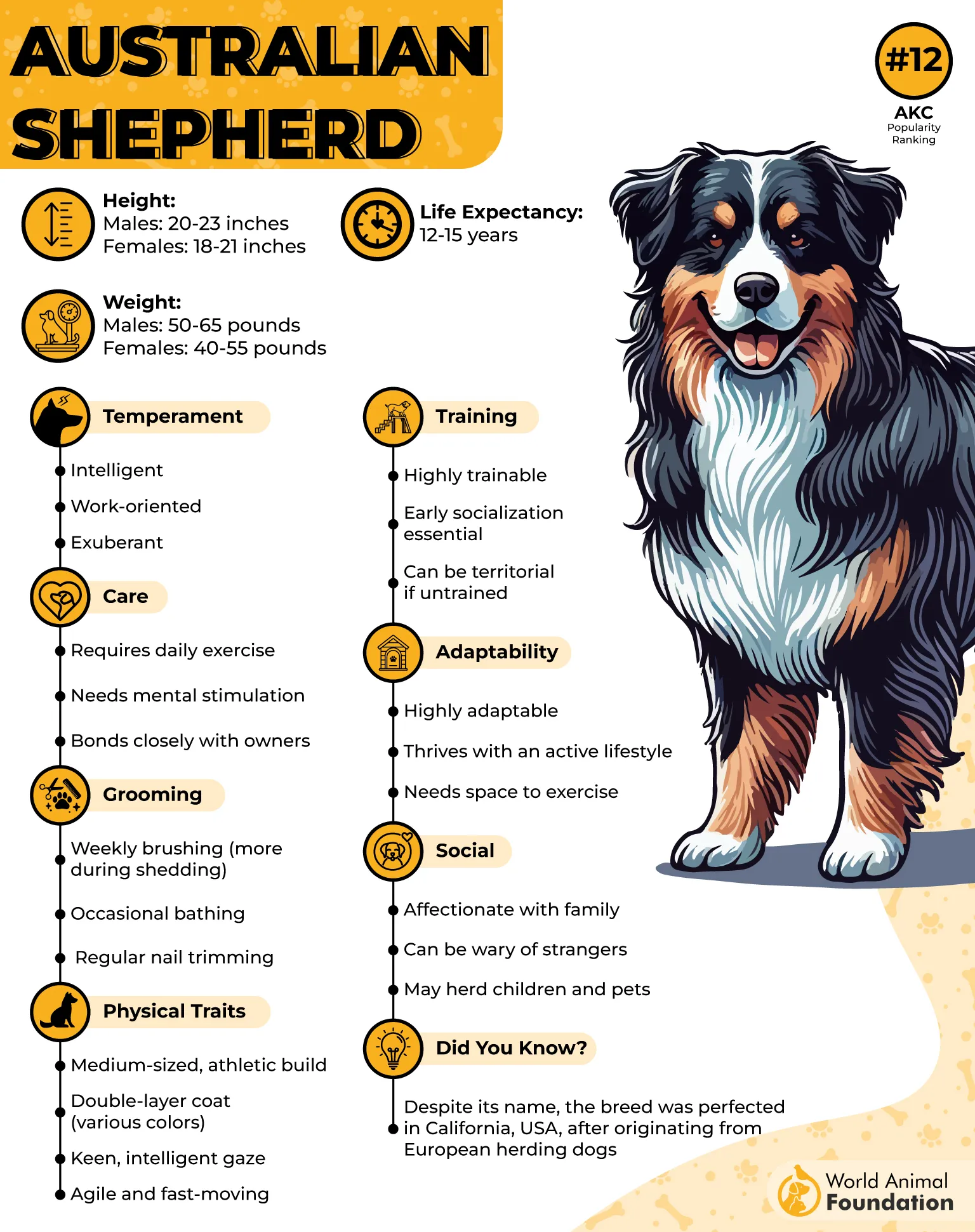
This athletic dog needs at least two hours of exercise each day, with demanding activities such as running, agility, or disc games fitting its energy level. A well-conditioned Aussie may handle hikes of up to 15 miles, with logs to cross and rocks to climb along the way.
A few details make its working style especially interesting:
Four to six-mile running potential
Cattle-herding ability
Skilled at search and rescue
A Training Addict
Australian Shepherd has taken its working brain into obedience, scent work, agility, field trials, and disc-dog competitions. Rodeo performances once added another unusual chapter, with Aussies performing tricks such as rope jumping, balancing acts, and walking on their front legs, as mentioned in Purina.
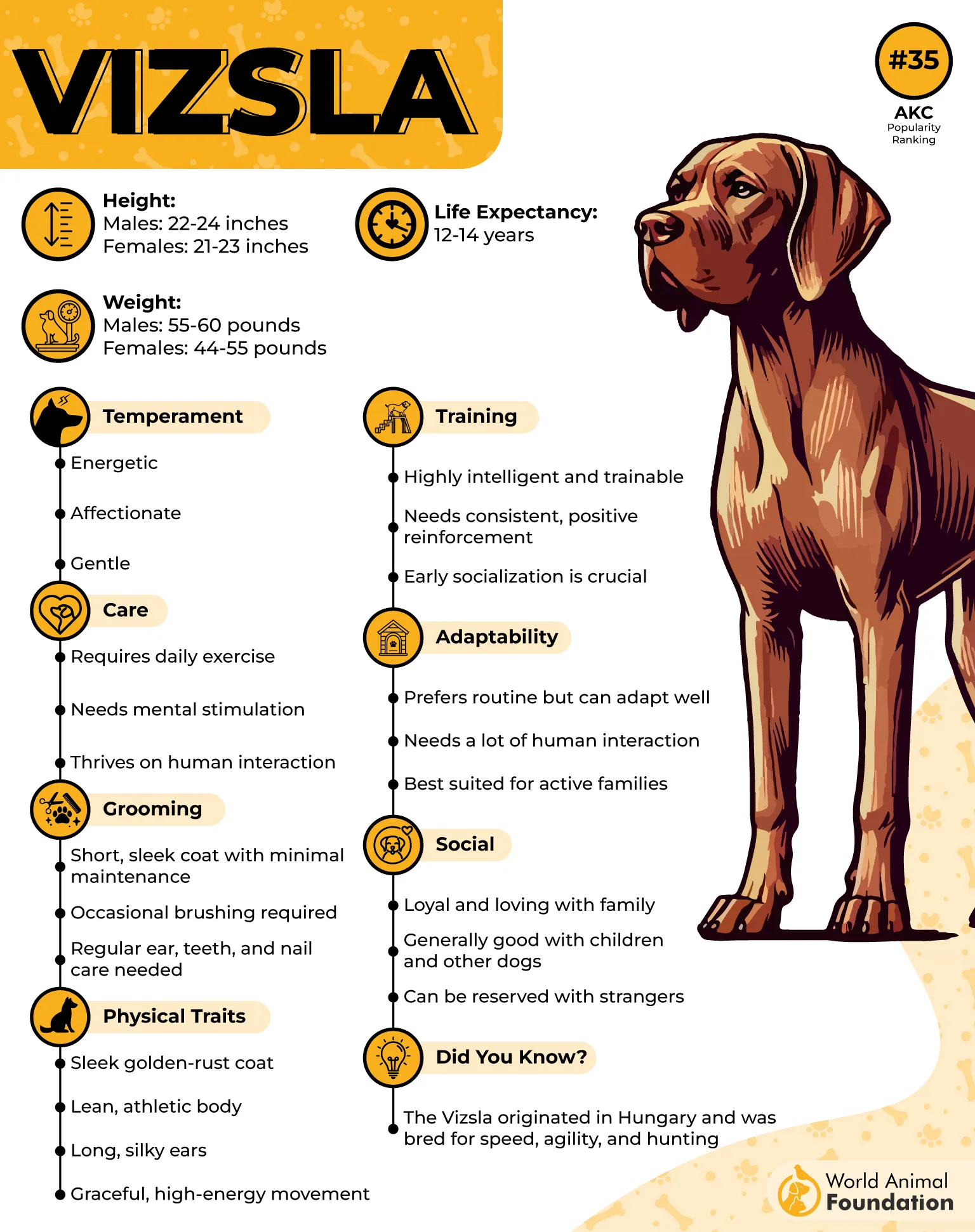
2. Vizsla
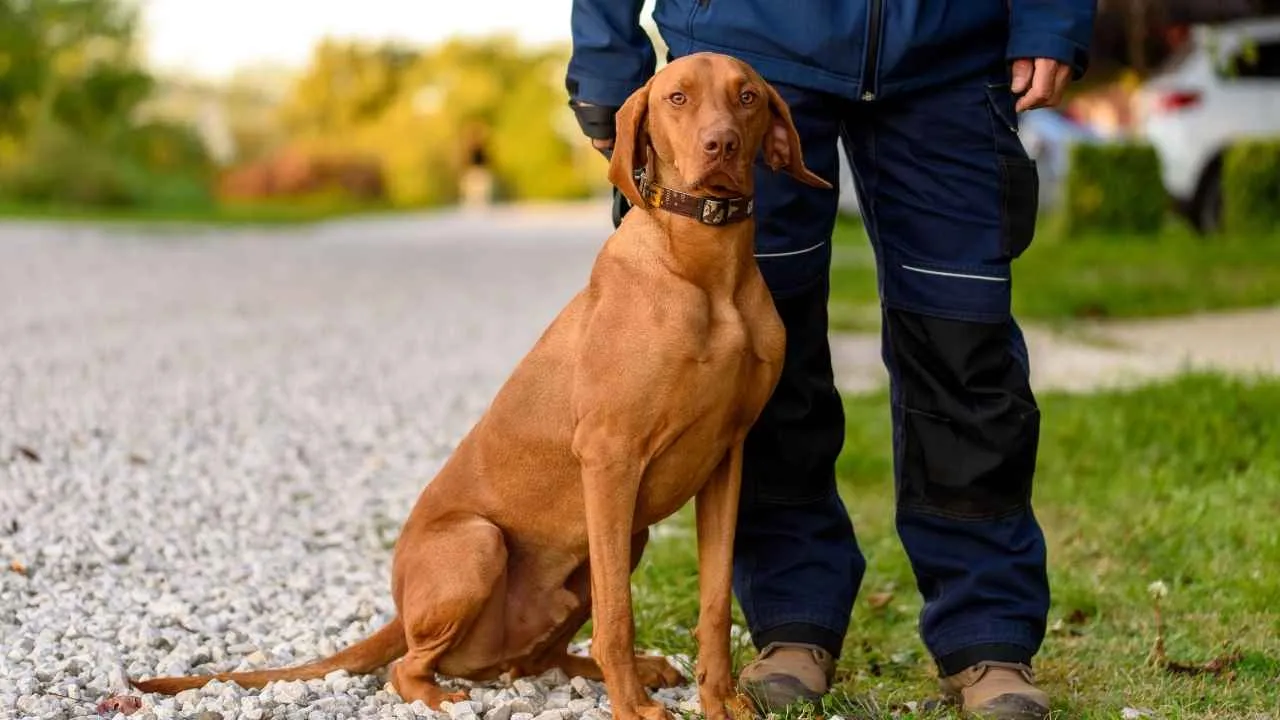
Vizsla has deep ties to the Magyar people, who traveled across Asia and Europe with swift reddish-brown dogs at their sides before settling in present-day Hungary. Hungarian nobles later favored these dogs for hunting, while the breed came close to extinction by the end of World War I.
Rough Terrain Isn’t a Big Deal
This dog breed needs at least two hours of active exercise each day, with plenty of room for free running and exploration.
For hiking adventures, this breed can comfortably cover around four to five miles in suitable weather, while serious runners may take it three to four miles, as Orvis claims.

The outdoor numbers give a clearer picture:
Enjoys retrieving on land and water
Excels at agility and dog sports
Needs reliable recall training
A Dog With a Job
This hiking dog also brings sharp intelligence to training and can learn new skills quickly, which has led to work in guide-dog and search-and-rescue roles. It also responds well to fun, rewarding sessions and can reach a high level of obedience when training keeps its attention.
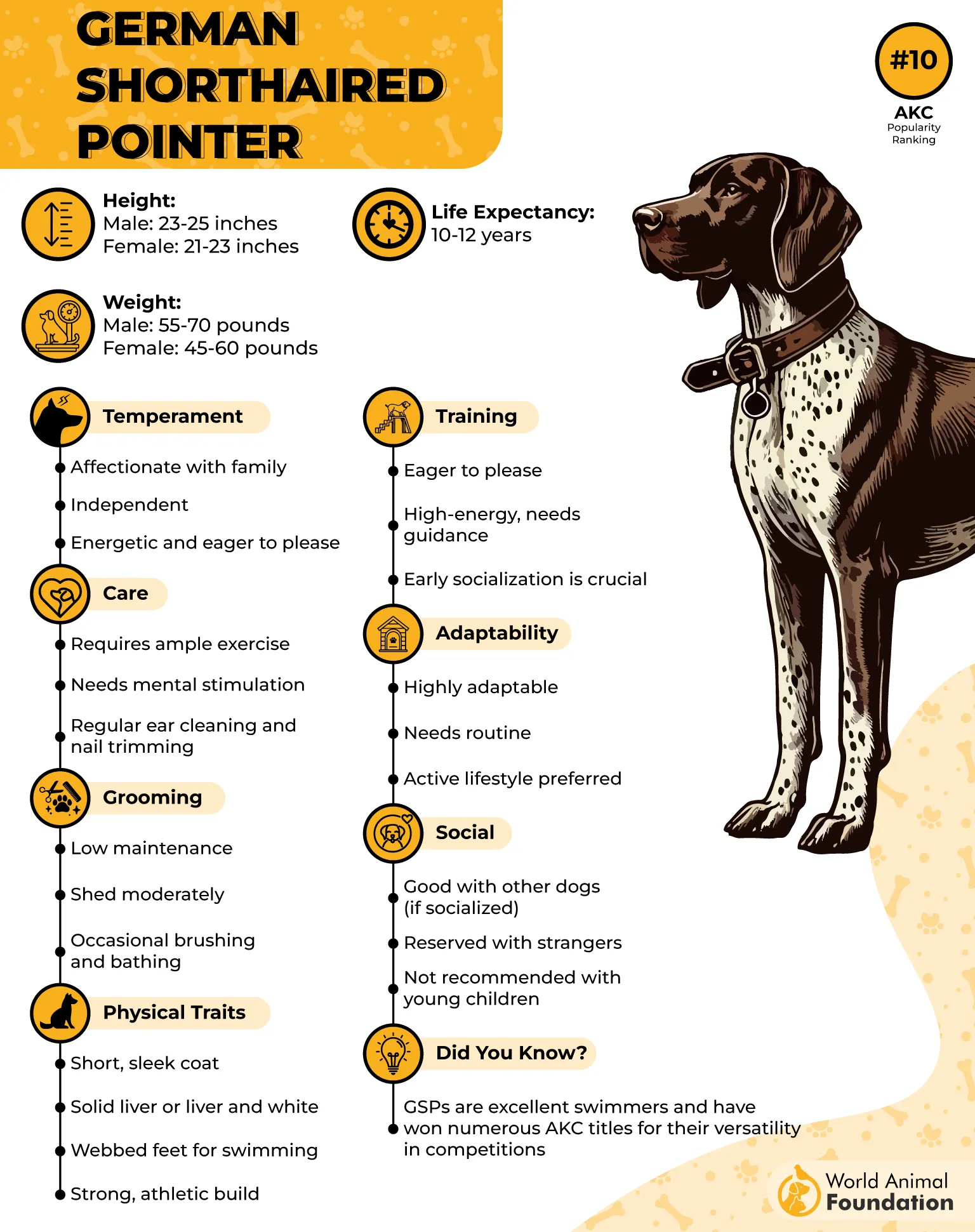
3. German Shorthaired Pointer
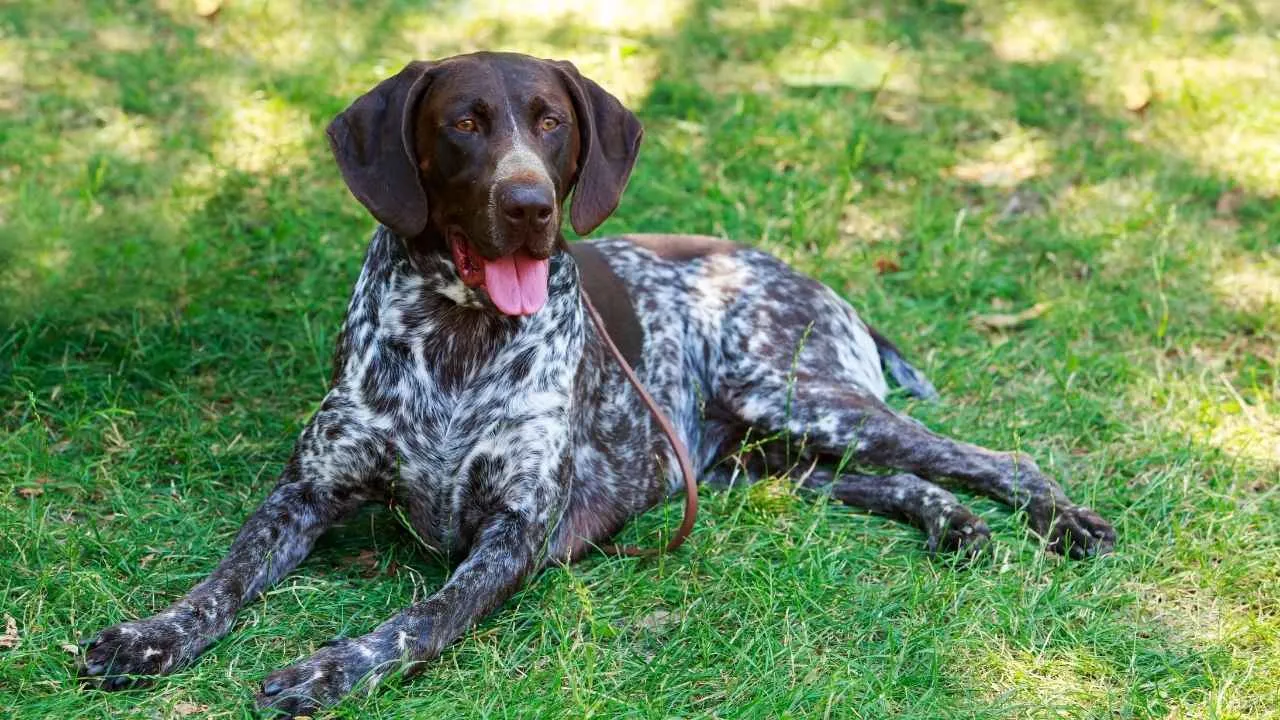
German Shorthaired Pointer was originally bred in Germany during the 17th century through crosses involving the Spanish Pointer and early German bird dogs, with the Bloodhound also suggested in some accounts. Later breeding with the English Pointer produced a lighter, faster dog from the heavier type that came before it.
Made for Big Days Outdoors
This high-energy dog requires substantial daily activity, with an ideal routine including physical work twice a day. Running, swimming, agility, field events, camping trips, obedience, and dock diving can turn its enormous energy into purposeful outdoor time.
This is what puts their endurance into perspective:
Three to four-mile runs once conditioned
Marathon-length hikes with proper conditioning
Running should begin after 18 months
A Nose With a Job
German Shorthaired Pointer brings an unusually strong combination of athletic ability and scent awareness to hiking trails, as UKC reveals. Its eagerness to learn also makes activities such as training games and structured fieldwork useful ways to keep its attention occupied.
4. Siberian Husky
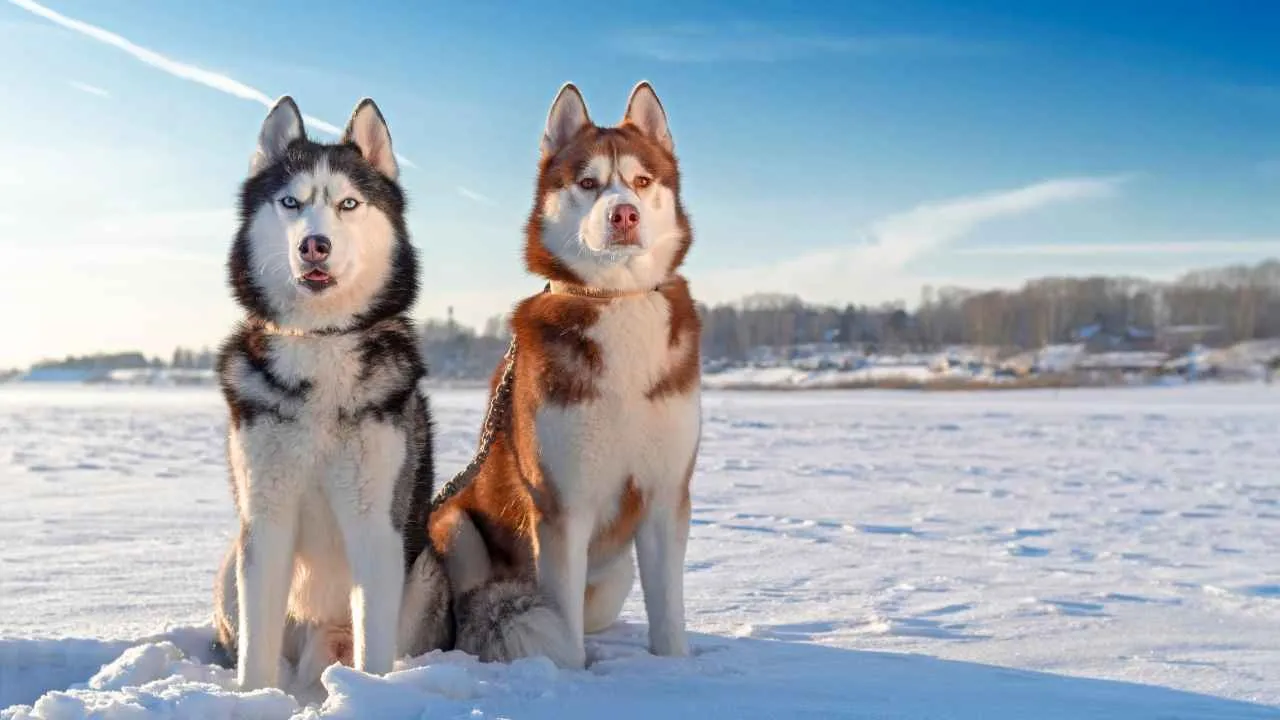
Siberian Husky belongs to one of the oldest northern sled-dog lines, with roots in Siberia reaching back roughly 3,000 years. Indigenous families relied on these dogs for long-distance hauling, selecting friendly, non-aggressive dogs that could work hard while living closely with children.
Miles Come Naturally
This big dog is built for distance rather than short bursts of speed, making extended hikes and multi-day camping trips a natural fit once properly conditioned. Adults need two or more hours of daily activity offering outlets for that drive.
Before setting off, keep these trail considerations in mind:
Secure fencing is essential
Leash work helps control wanderlust
Heat requires careful planning
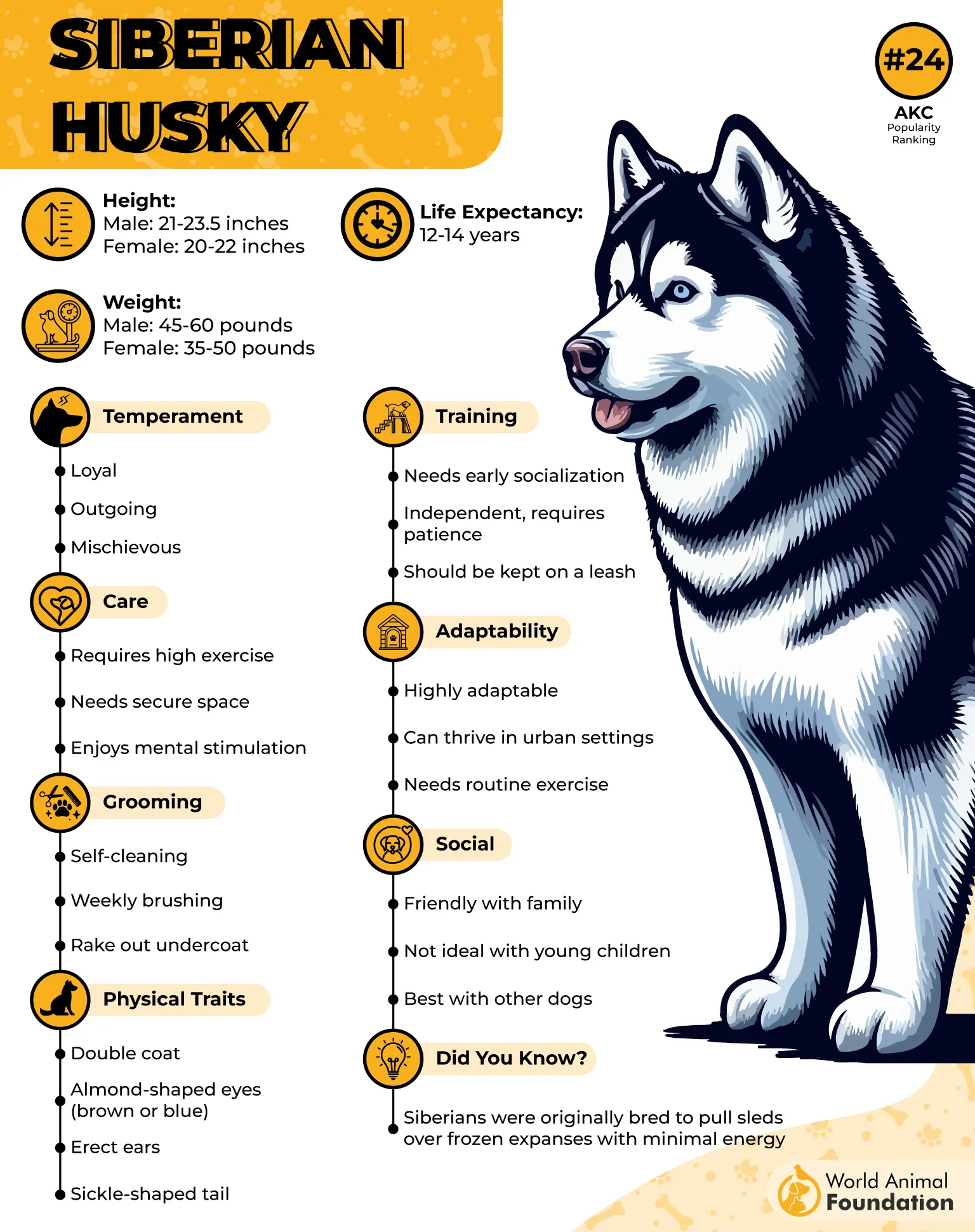
Trail Instincts
Siberian Husky has a natural hunting instinct toward smaller animals, while its easygoing nature generally makes it friendly with people and other dogs. However, on longer hikes, a leash remains important because its urge to explore can easily take priority over returning when called.
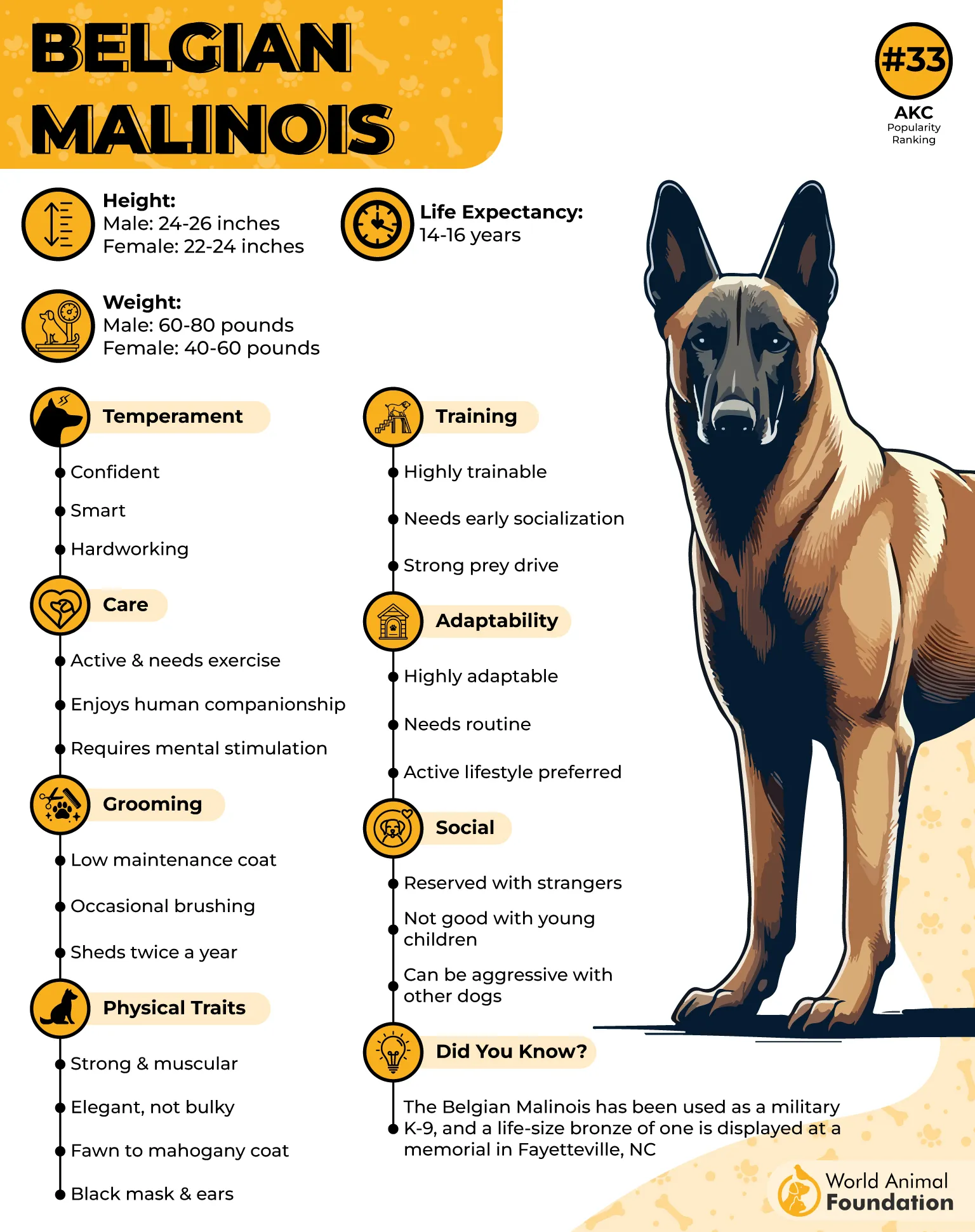
5. Belgian Malinois
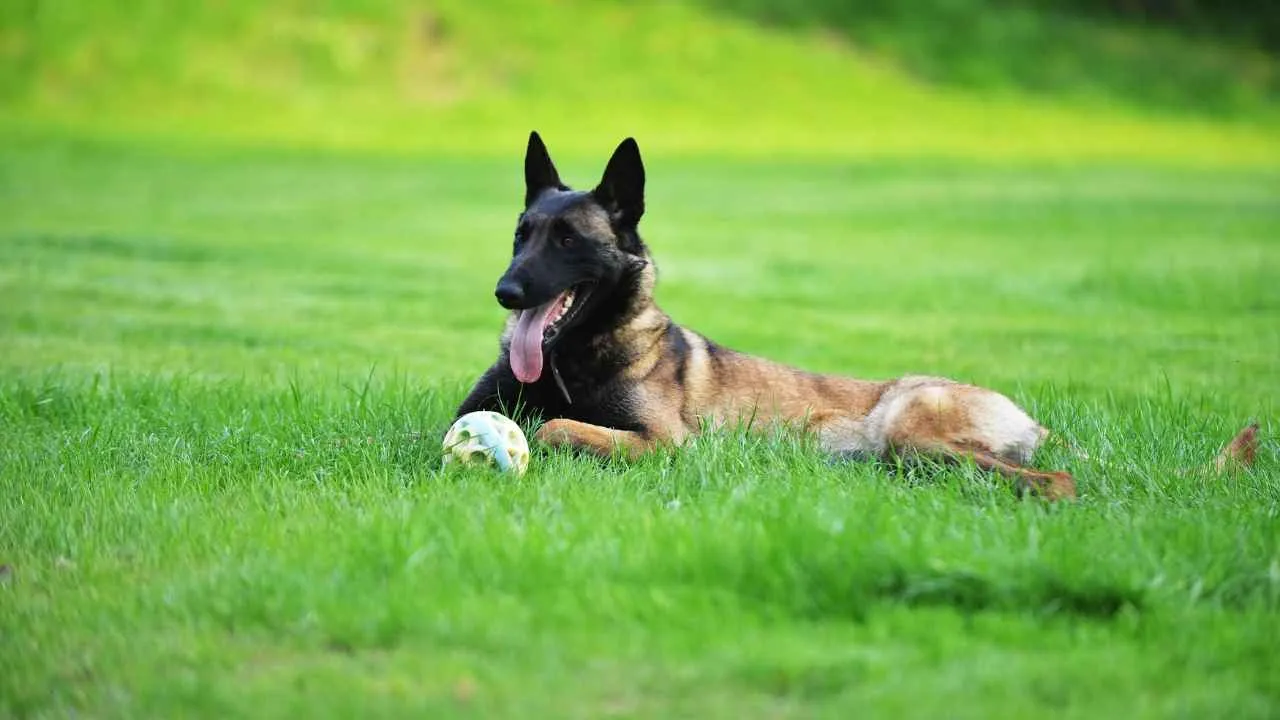
Belgian Malinois takes its name from Malines, Belgium, and the breed received official AKC recognition in 1959. Belgian farmers and ranchers valued these dogs for keeping track of sheep and cattle, while their arrival in the United States began in 1911 and gradually expanded their presence there.
Miles Come Naturally
This outdoor enthusiast has the stamina for demanding outdoor sessions, with a healthy dog capable of running upwards of five miles beside its person. Half-day hikes can also fit this breed’s abilities, making several hours on the trail far more realistic than a brief neighborhood stroll.
For active outings, these figures give a clearer idea of its range:
Need at least 2 hours of daily activity
Long dog-sport sessions are suitable for them
Positive training sessions
Intensity Matters
Belgian Malinois has strong guarding and biting instincts, so reliable training and careful handling are essential alongside its affectionate nature.
A quieter setting with varied walking routes and secure outdoor space can also suit this alert breed better than an environment filled with constant traffic and passing pedestrians.
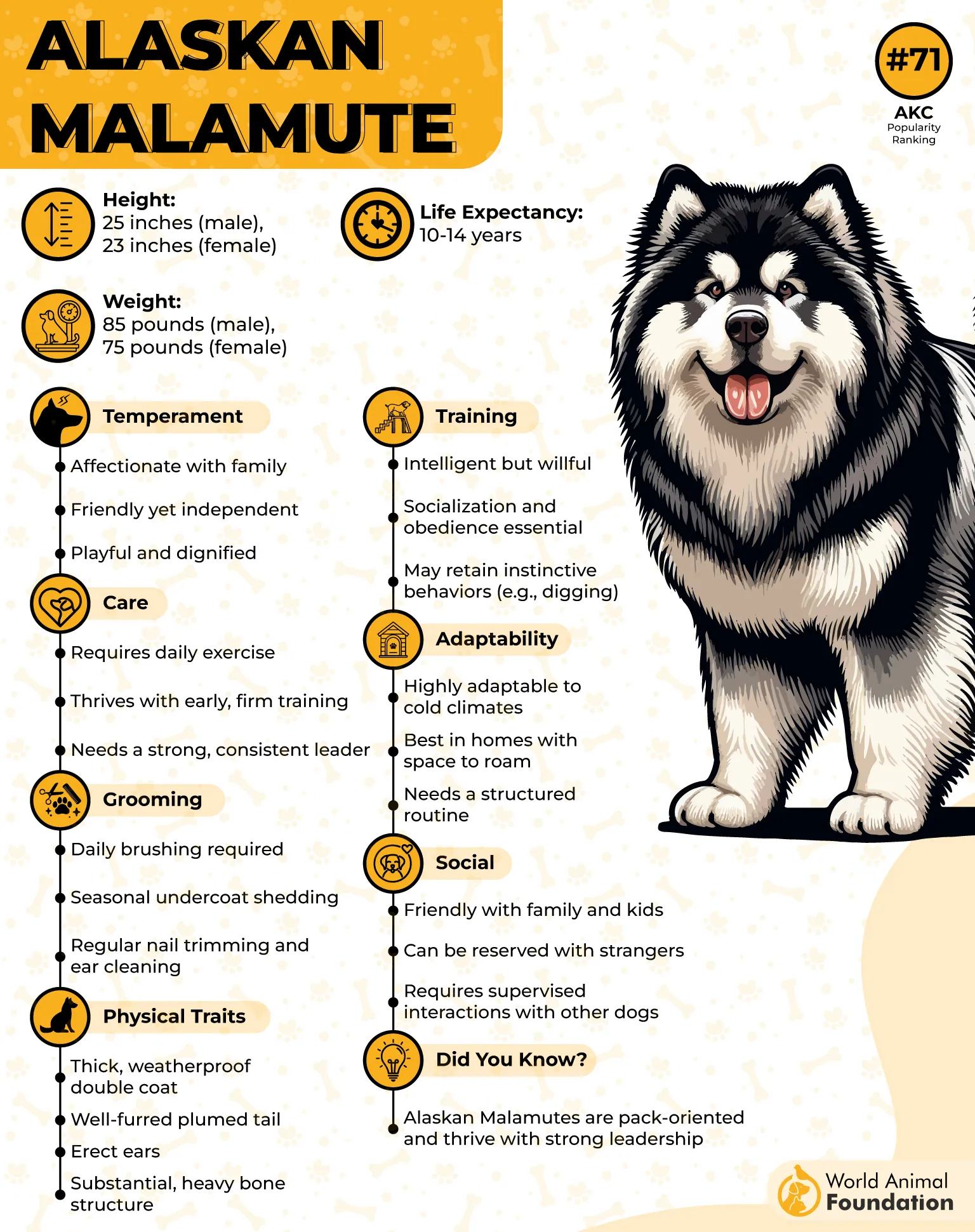
6. Alaskan Malamute
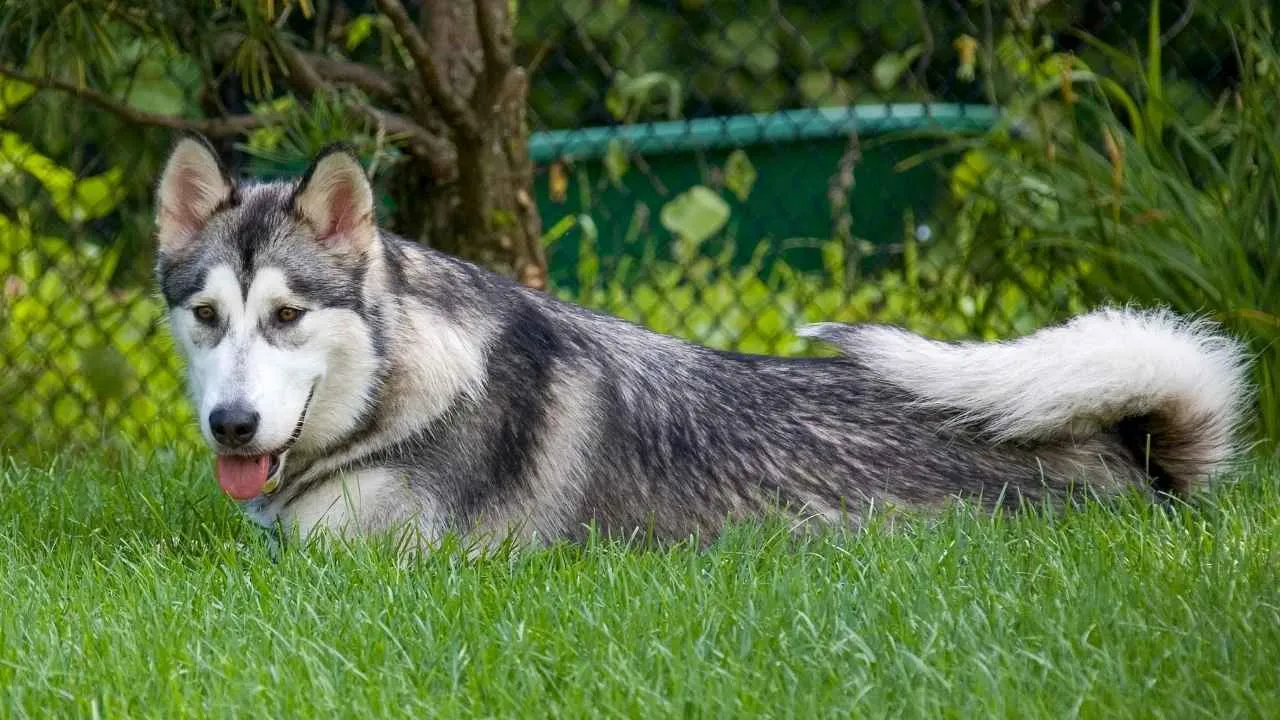
Alaskan Malamute has worked alongside Alaska’s Mahlemut people for thousands of years, with evidence suggesting the breed may have been working there for more than 5,000 years.
Teams were valued for hauling heavy loads, with a group of Malamutes able to pull roughly half a ton across difficult ground for hundreds of miles.
Made for Distance
Malamutes have the stamina for demanding outdoor adventures, with healthy dogs capable of running 10 miles or more when properly conditioned. Day-long and multi-day hikes also fit their capabilities, particularly in cool weather where their dense northern build is better suited.
When heading onto the trail, keep a few things in mind:
Long leash recommended because of prey drive
Early-morning activity helps prevent overheating
Secure fencing is important outdoors
A Busy Mind Too
This great hiking partner is a clever problem solver that may invent its own entertainment when the day lacks enough activity. Digging beneath fences, chewing furniture, learning tricks, playing hide-and-seek, and taking part in agility can give that sharp mind something useful to work on.
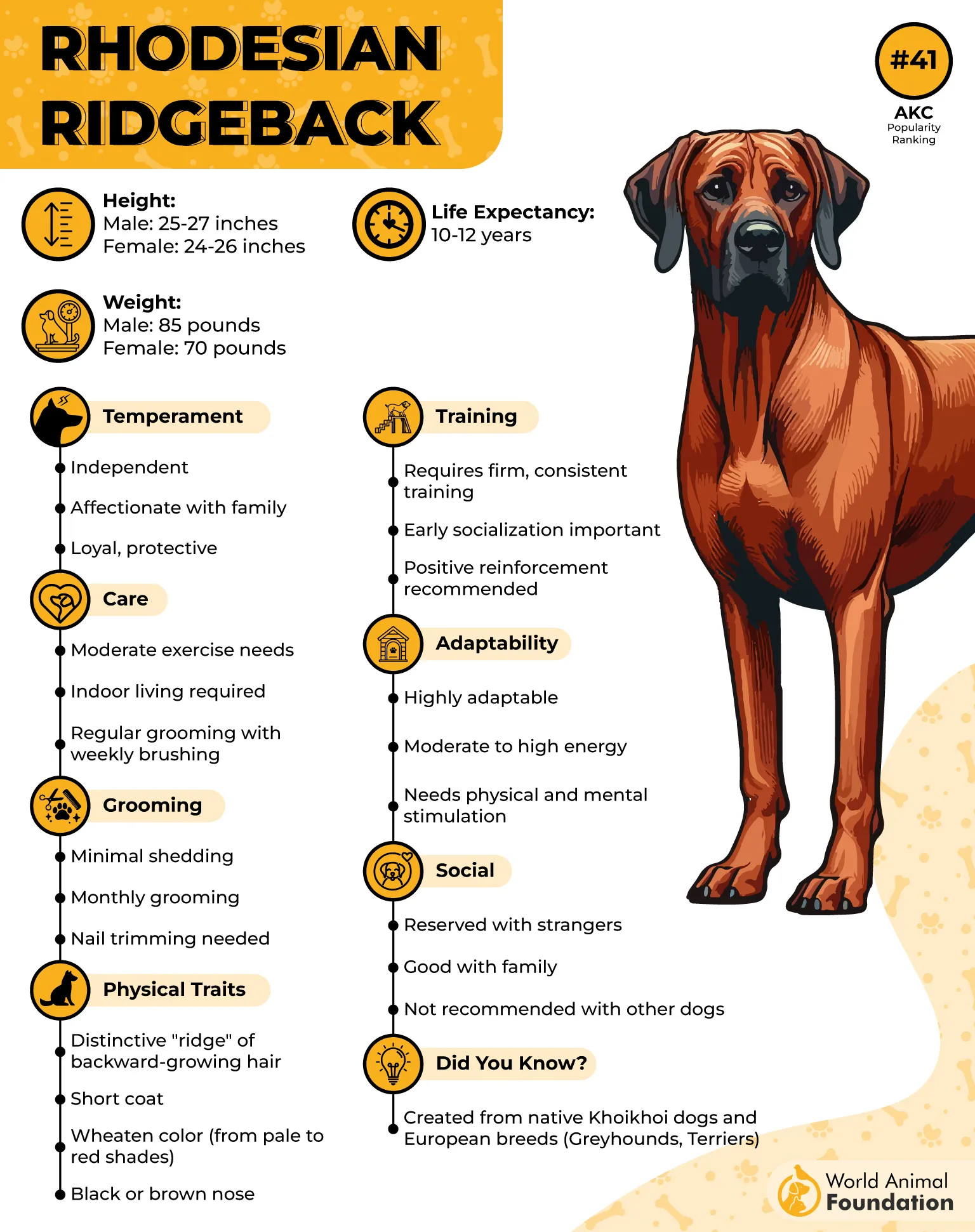
7. Rhodesian Ridgeback
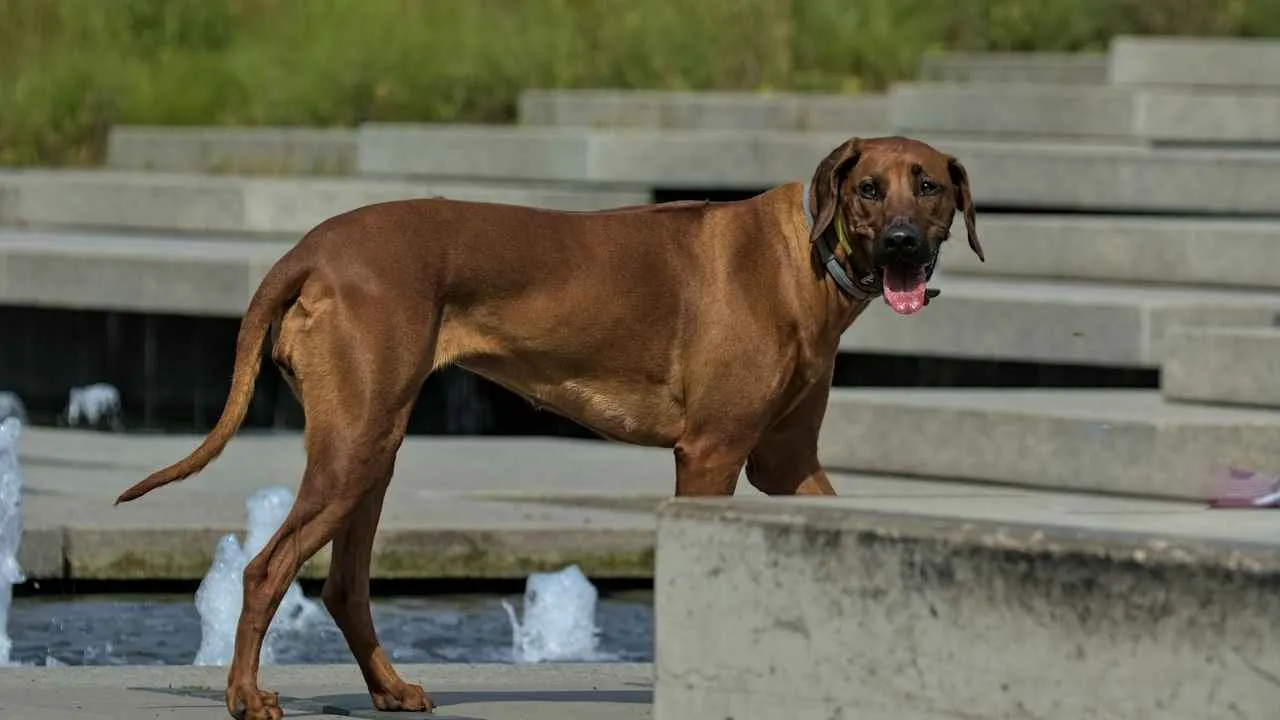
Rhodesian Ridgeback was once called the African Lion Dog, a name tied to its work pursuing large African game. European settlers later bred their mastiff, scenthound, and Great Dane types with local ridge-backed dogs that handled the southern African climate and tropical diseases well.
Made for Distance
This great companion needs roughly two hours of daily activity as an adult, with hiking and running fitting naturally into its athletic routine. A healthy, conditioned dog can reportedly handle six to eight miles of running and may still have plenty left after a 10-mile hike.
Before heading into the countryside, consider these points:
Secure fencing is strongly recommended
Strong hunting instincts affect off-leash freedom
Early socialization helps with unfamiliar dogs
Space Matters
Rhodesian Ridgeback suits rural or semi-rural homes with generous outdoor space and easy access to trails or open country. Older children who can participate respectfully in walking and training tend to be a better match, while supervised interaction remains important with younger children because of the breed’s size.
Conclusion
Outdoor adventures can bring out the best in an energetic dog, especially when there are trails to explore in the great outdoors and plenty of room to move. Yet even athletic companions need sensible limits. Conditioning helps prepare the body for longer distances, while water, shade, rest, and weather awareness help prevent problems on the trail in warmer climates or cooler climates.
Recall and leash habits matter too, particularly around wildlife and unfamiliar surroundings. Camping requires a dog that can settle after an active day and still enjoy mental stimulation instead of staying restless through the night. With realistic expectations, even the most popular dog breeds can enjoy hiking trips that offer exercise, exploration, and quality time without becoming unnecessarily difficult.
