




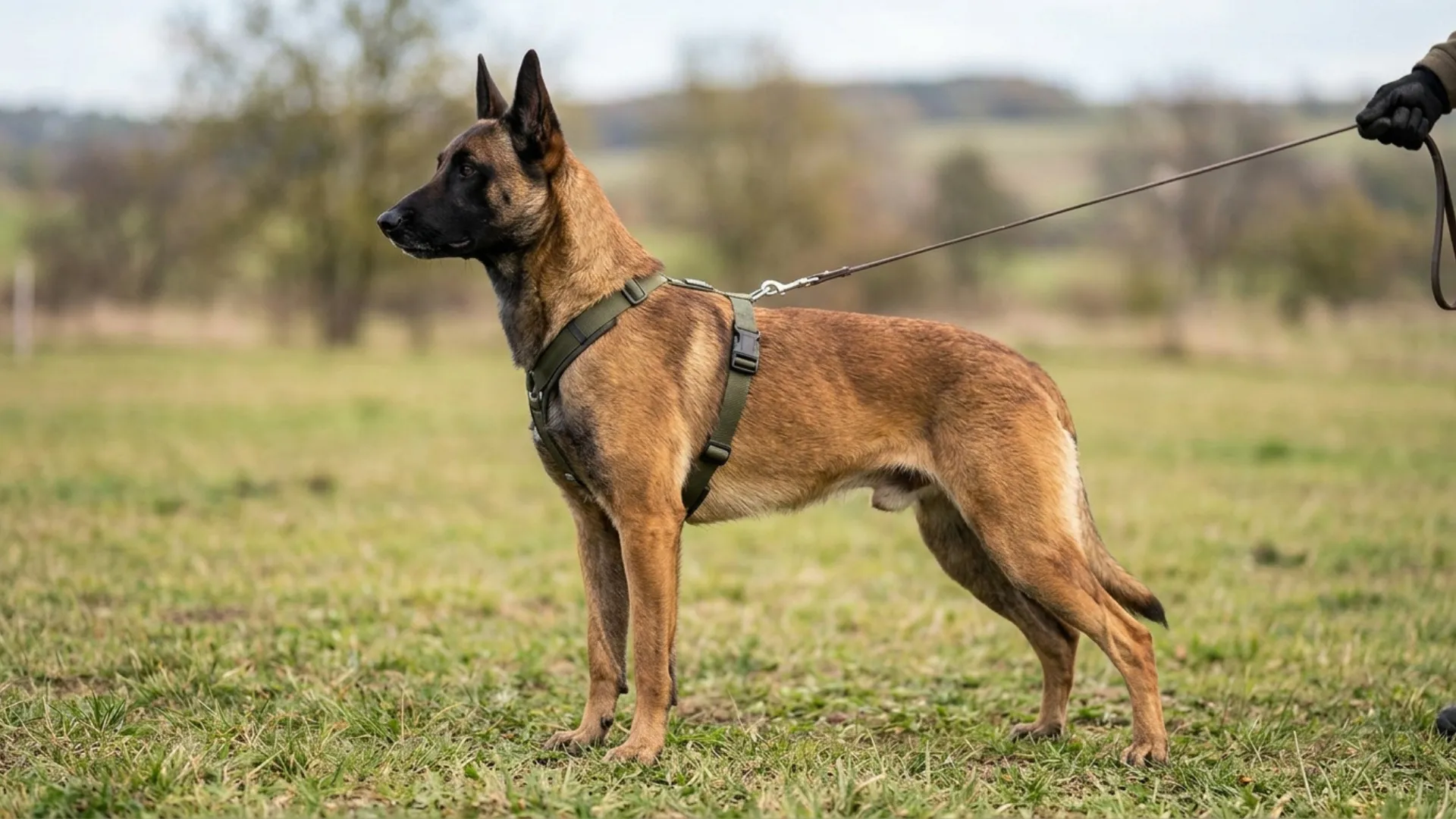
There’s something instantly captivating about dogs that combine raw strength with unwavering loyalty. These aren’t just ordinary pets—they’re the result of generations of careful breeding for demanding jobs like guarding, pulling, and protecting alongside humans.
Their muscular build, alert posture, and confident energy often make them stand out the moment they enter a room.
What truly defines these elite working dogs isn’t just appearance, but performance. Strength in canines comes from a mix of muscle power, stamina, intelligence, and instinct-driven purpose.
In this article, we’ll explore elite working dog breeds with muscular builds known for their strength, loyalty, and athletic nature.
Key Takeaways
These muscular working dogs aren’t just strong—they’re loyal, intelligent, and built for a real purpose.
From Malinois to Doberman, each breed brings a unique mix of power, focus, and devotion.
Rottweiler, Cane Corso, and Bullmastiff prove that protection and loyalty can go hand in hand.
Whether calm or high-drive, every breed here shows that true strength comes with control and heart.
Elite Working Dog Breeds with Muscular Build for Strength and Loyalty
1. Belgian Malinois
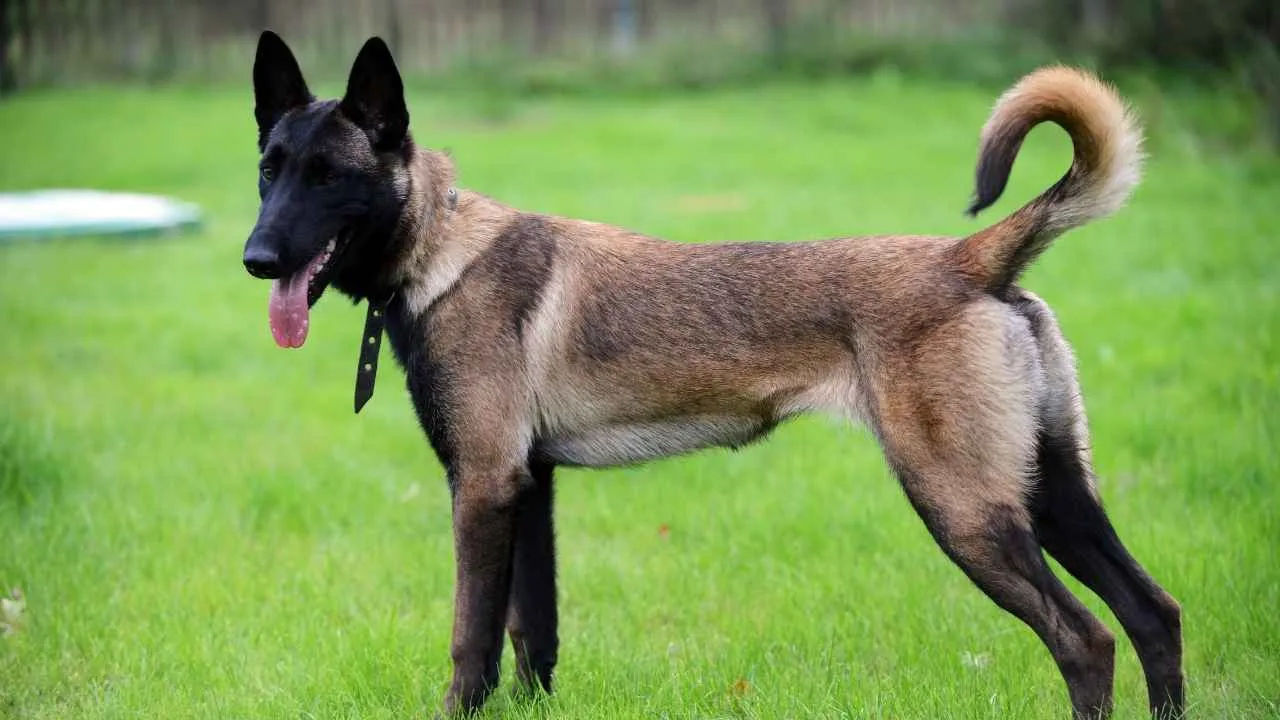
Known for its sharp intelligence and strong bond with its handler, the Belgian Malinois is built for serious work and constant activity.
It is not a dog that enjoys idle time. Instead, it thrives when given purpose, structure, and a close human connection. Without proper engagement, it can quickly become restless and under-stimulated.

Key traits of Belgian Malinois include:
Highly intelligent and fast-learning working dogs
Athletic build and the strongest dog breed with a lean frame
Deep loyalty and strong attachment to owners
High energy levels needing constant physical and mental work
Natural drive for herding, protection, and tracking tasks
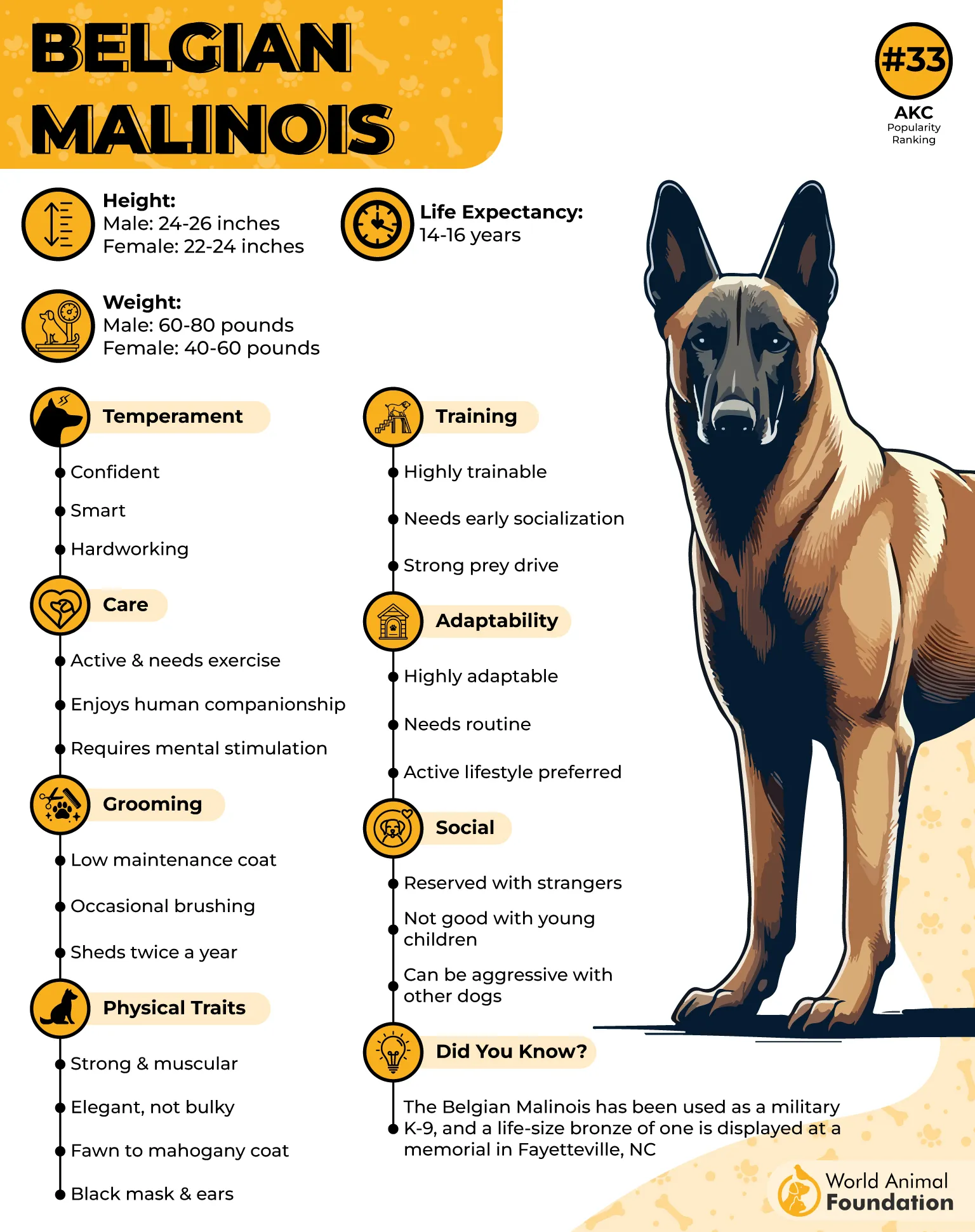
Originally developed in Belgium as versatile farm workers, these dogs were used for guarding property, moving livestock, and pulling light loads. Over time, their skills made them highly valued in demanding roles such as police work, military service, search and rescue, and protection tasks.
Their ability to perform under pressure comes from both their physical strength and sharp instincts, making them one of the most capable working dog groups in the world.
The Belgian Malinois also carries a confident and alert personality. Their expressive eyes and focused attitude reflect their constant awareness of surroundings. However, their strong prey drive means they may chase moving objects, so early training and socialization are essential.
They perform best when trained consistently and guided with a clear structure. With proper handling, they excel in obedience, agility, tracking, and protection-based activities.
2. Cane Corso
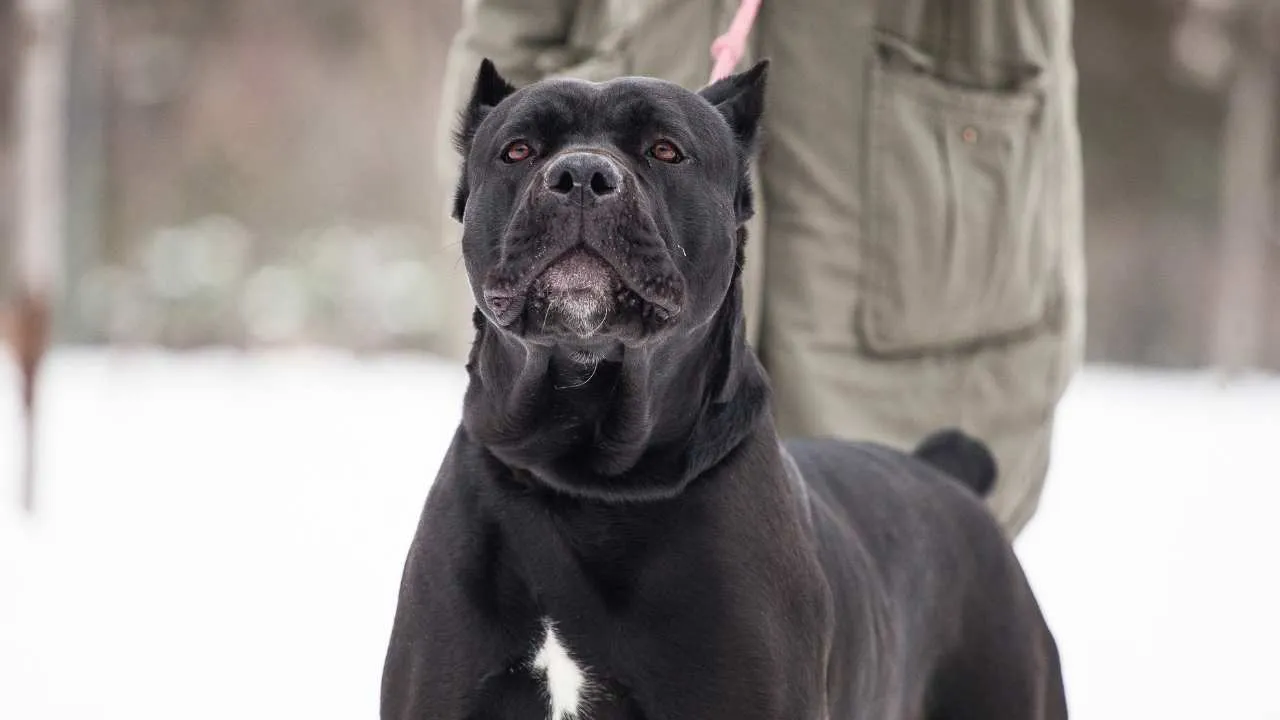
The Cane Corso stands out as a powerful dog with ancient roots. Descended from Roman-era working dogs, this breed was originally developed for protection, hunting large game, and guarding property.
Its very name reflects its purpose—“bodyguard dog”—highlighting its instinct to protect and serve its family with confidence and control.
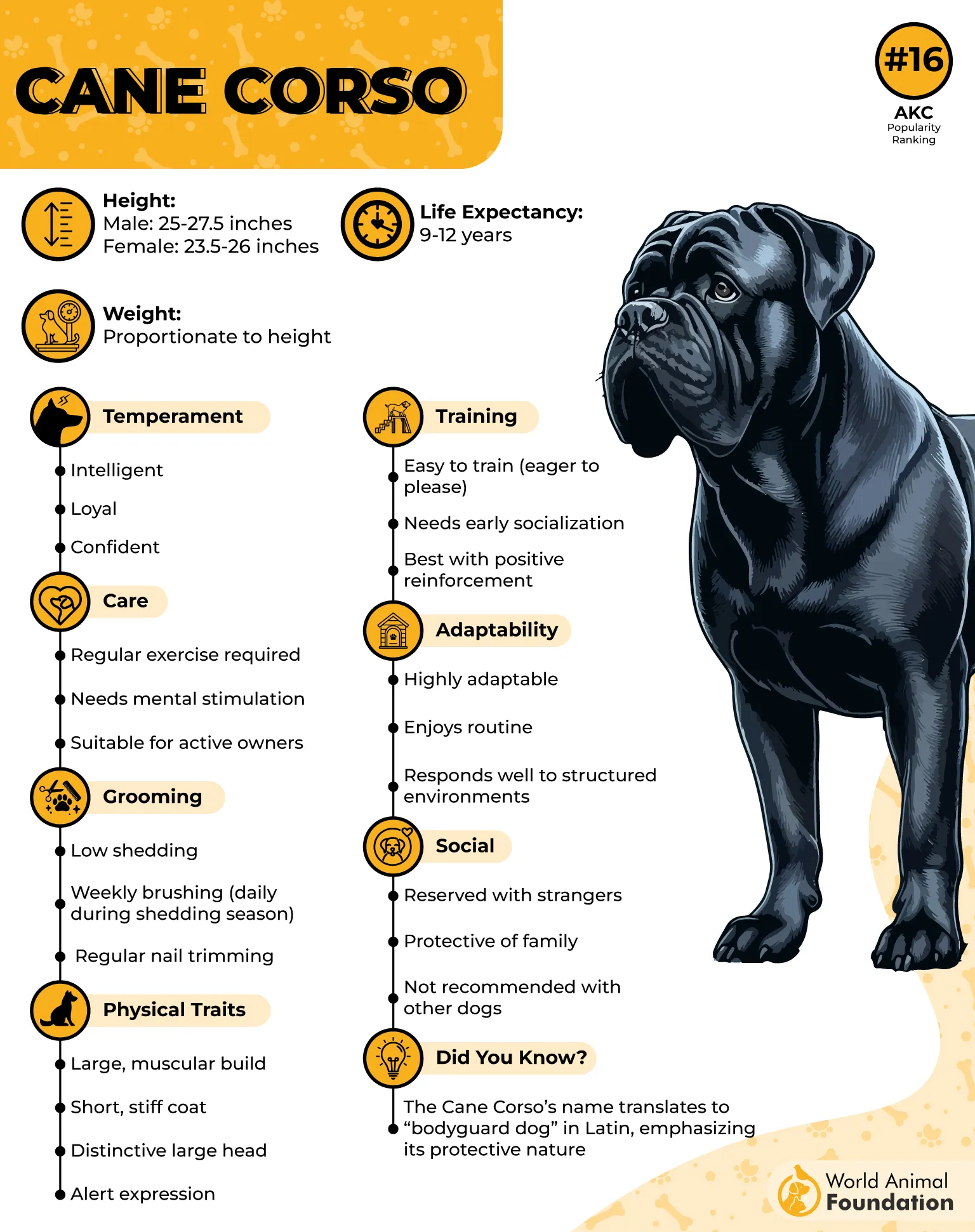
Key traits of Cane Corso include:
Strong, athletic, and muscular body with an imposing presence
Highly intelligent, loyal, and eager to please
Naturally protective with strong guarding instincts
Independent mindset that requires firm but fair guidance
Deep family bonding when properly trained and socialized
- Despite its intimidating appearance, the Cane Corso is known for being affectionate and deeply loyal to its owners. Its alert expression, powerful build, and confident stance often act as a natural deterrent to intruders. However, this strength comes with responsibility.
Without early training and socialization, the breed can become overly dominant or difficult to manage. That’s why structured obedience training is essential from a young age to shape a balanced and well-mannered companion.
This popular muscular dog breed also requires consistent physical and mental activity to stay balanced. Regular exercise, such as brisk walks, running, or structured working tasks, helps maintain both health and behavior.
Cane Corsos also perform well in activities like obedience training, tracking, and protection sports. While they may appear fierce, they respond best to calm leadership, positive reinforcement, and clear direction.
3. Doberman Pinscher
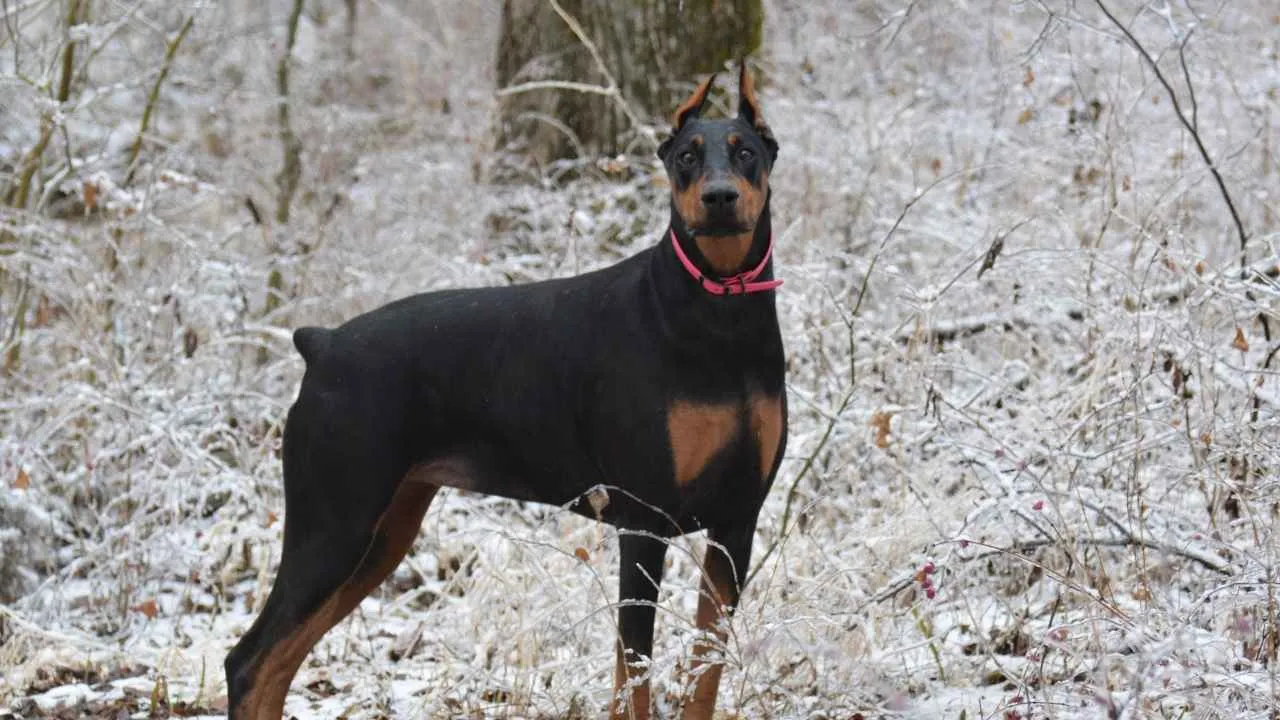
The Doberman Pinscher stands out as a sleek, powerful, and highly intelligent protector. Originally developed in Germany by a tax collector seeking a dependable guard dog, this breed quickly earned a reputation for fearlessness, speed, and unmatched loyalty.
Its elegant yet athletic structure makes it one of the most refined protection dogs in the canine world.
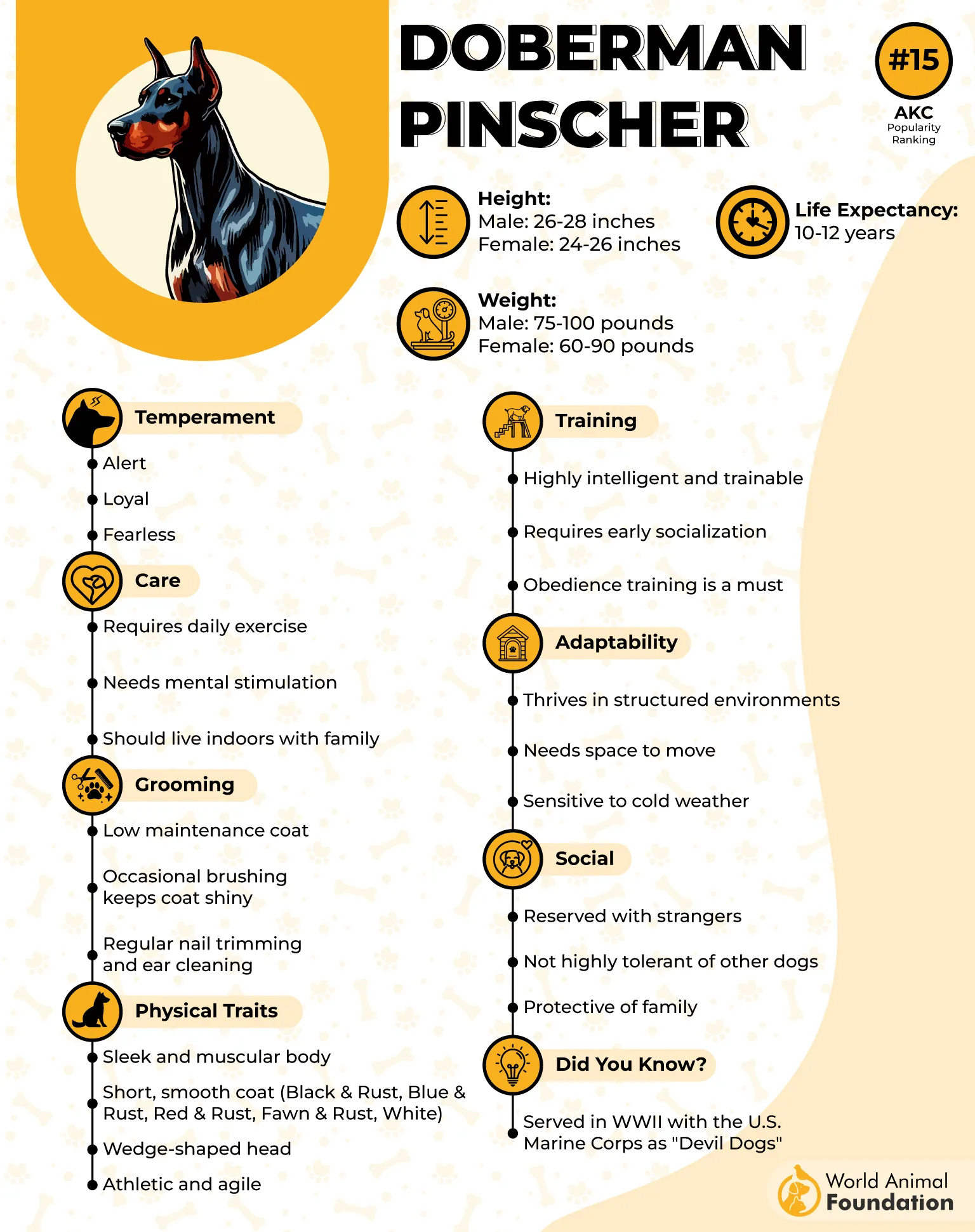
Key traits of Doberman Pinschers include:
Sleek but muscular athletic body built for speed and power
Highly intelligent, alert, and quick to learn commands
Strong loyalty and a deep bond with their families
Natural protective instincts with fearless confidence
High energy levels require regular physical and mental stimulation
Doberman Pinschers are known for their noble appearance and sharp awareness. Their wedge-shaped head, alert expression, and smooth, powerful movement give them a royal and commanding presence.
Despite their intimidating look, they are affectionate, obedient, and deeply devoted when properly trained. However, without early socialization and structured obedience training, their strong will and energy can turn into unwanted behaviors. That’s why consistent guidance from puppyhood is essential.
This muscular working breed thrives in active environments where both mind and body are engaged. They need regular exercise such as running, long walks, and structured activities like obedience training, agility, tracking, and protection sports.
Dobermans are not suited for inactivity or isolation, as boredom can lead to destructive behavior. When raised with discipline and care, they become one of the most loyal, intelligent, and reliable guardians.
4. Rhodesian Ridgeback
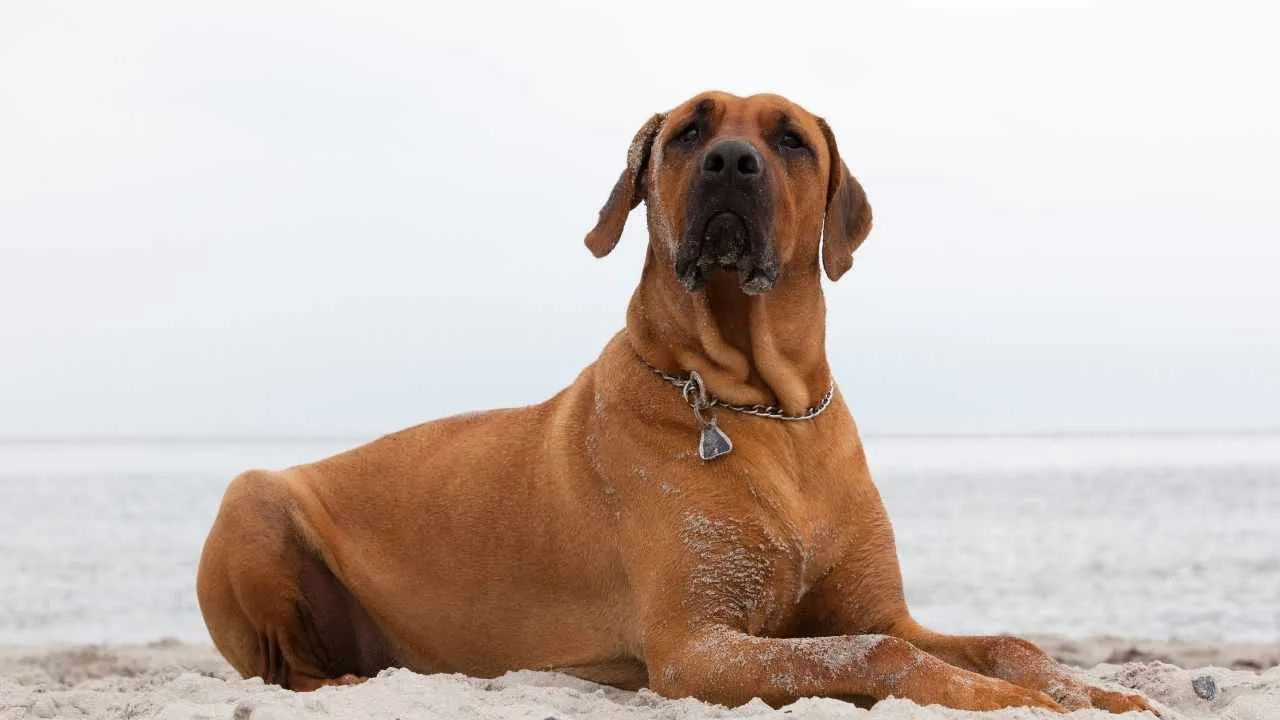
The Rhodesian Ridgeback is a powerful and all-purpose “Renaissance hound,” according to WebMD. Originally developed in southern Africa, this breed was used for tracking large game and protecting farms.
It is known for its strong independence, calm confidence, and natural guarding instincts, making it both a capable worker and a devoted family companion dog.
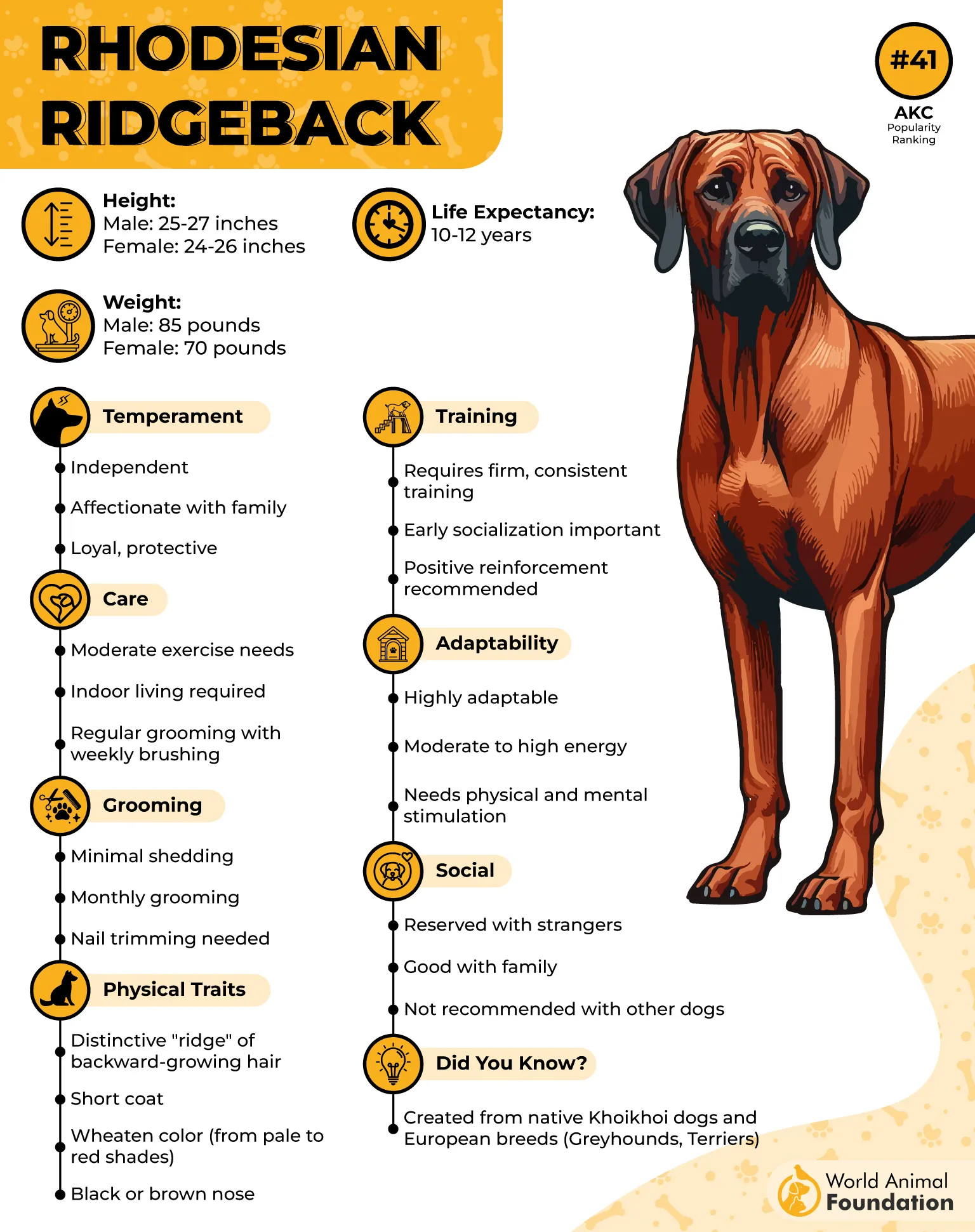
Key traits of Rhodesian Ridgebacks include:
Strong, muscular, and well-balanced athletic build
High stamina with speed and endurance for long activity
Strong prey drive and natural tracking instincts
Loyal and protective toward family members
Independent personality requiring firm but fair training
This breed is built for performance. It was historically used to track and hold large prey without engaging in unnecessary aggression, showing both intelligence and control. Its powerful body, endurance, and alert nature make it highly capable in outdoor work and physical challenges.
However, its strong prey drive means it should always be kept in secure areas when off leash.
Rhodesian Ridgebacks also require regular physical and mental activity to stay balanced. Daily long walks, running, and interactive training sessions help prevent boredom and unwanted behavior. They perform well in activities like tracking, agility, and obedience work.
While they can be reserved with strangers, they form strong bonds with their families and are known for being quiet, clean, and deeply loyal when properly trained and socialized from an early age.
5. Rottweiler
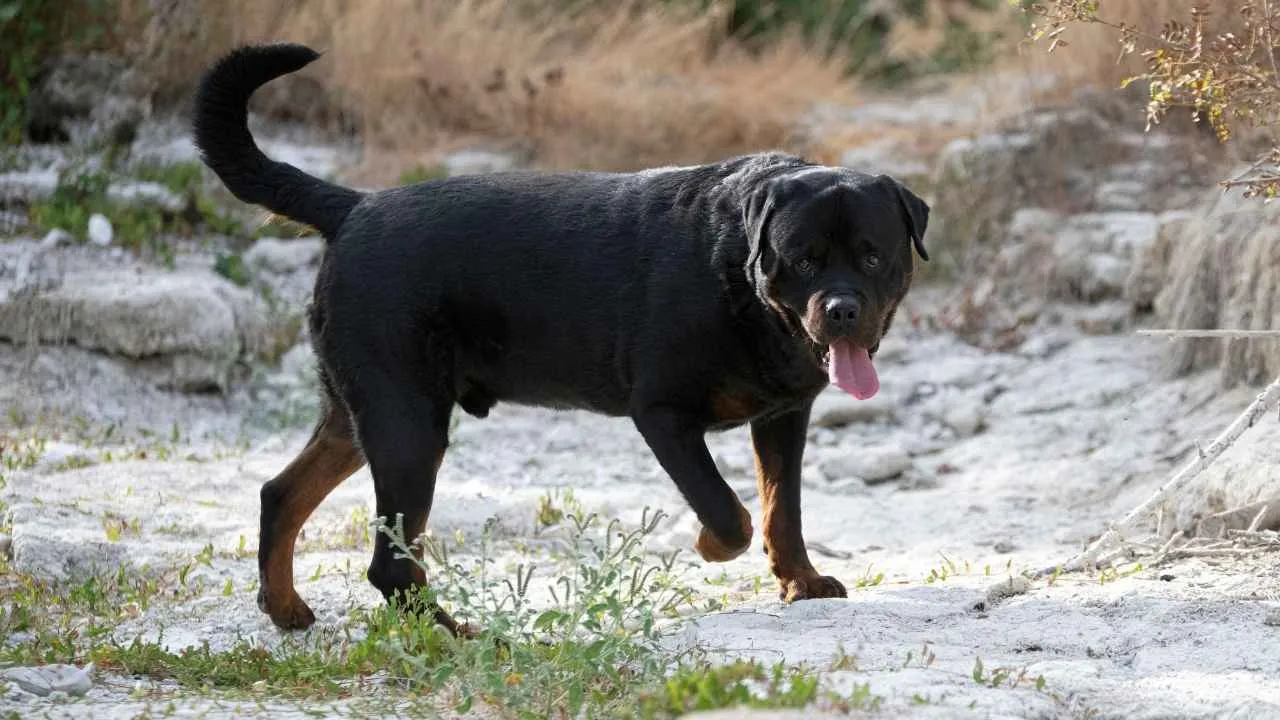
The Rottweiler stands out as a bold and dependable guardian. Descended from ancient Roman mastiff-type dogs, this breed was developed for herding, guarding, and protection work. With its strong presence and calm confidence, it remains one of the most trusted working dogs in the world.
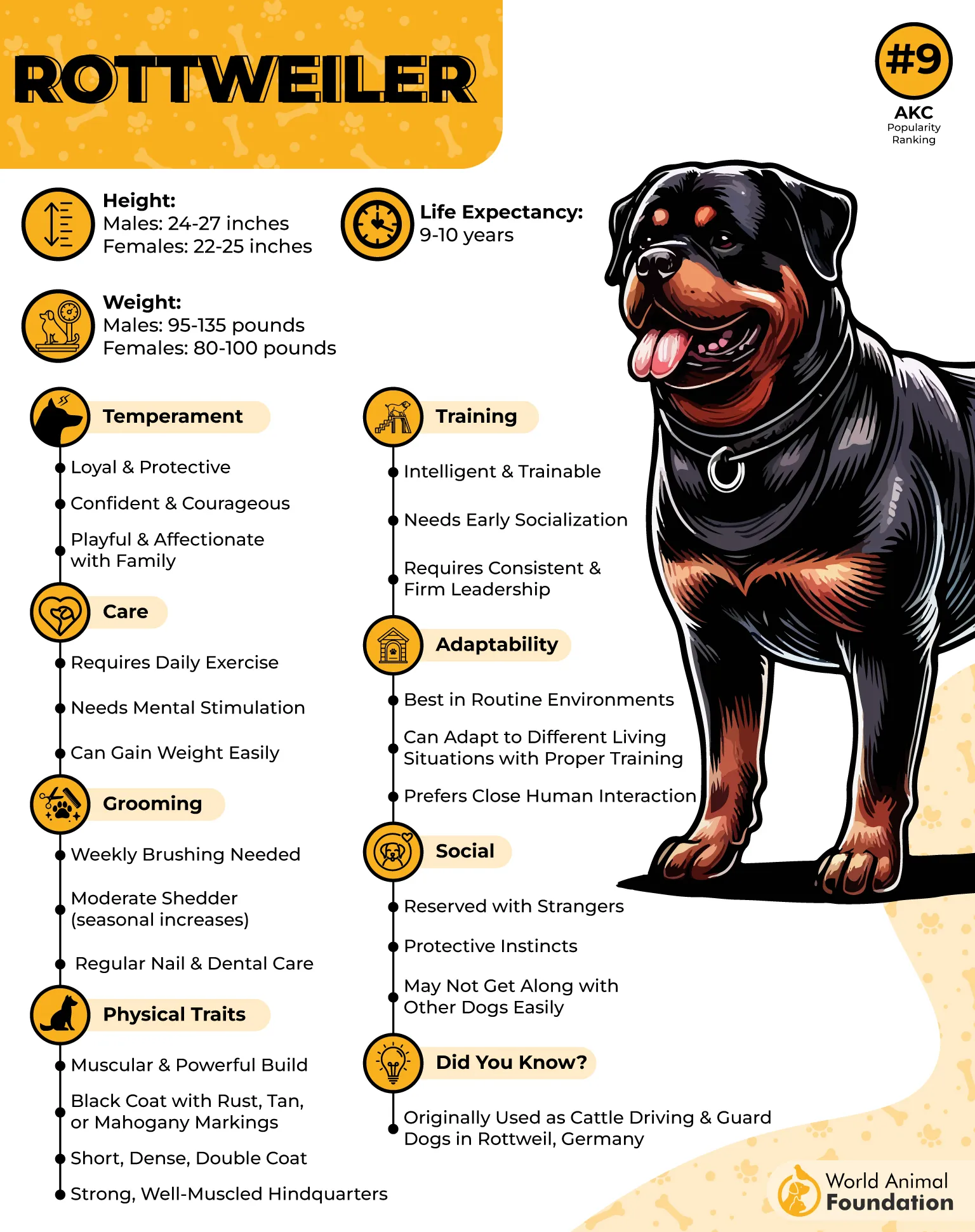
Key traits of Rottweilers include:
Powerful, muscular, and heavily built working dogs
Calm, confident, and naturally protective temperament
Deep loyalty and strong bonding with family members
Highly intelligent and quick to learn with proper training
Strong working drive with love for purposeful tasks
Rottweilers have a solid and imposing appearance, but their temperament is a balance of strength and affection. Within the family, they are playful, gentle, and even silly at times, but toward strangers, they remain alert and reserved.
This natural guarding instinct makes them excellent protectors, though it must be shaped early through proper socialization and consistent training.
These muscular working breeds require daily physical activity and mental stimulation to stay balanced. Long walks, running, hiking, and structured training sessions help maintain their strength and focus. They also excel in dog sports such as obedience, tracking, agility, and pulling tasks.
Without proper engagement, they can become bored or destructive due to their intelligence and energy. When raised with firm but fair leadership, Rottweilers become loyal, obedient, and highly capable companions who combine raw strength with deep emotional connection to their families.
6. Dogo Argentino
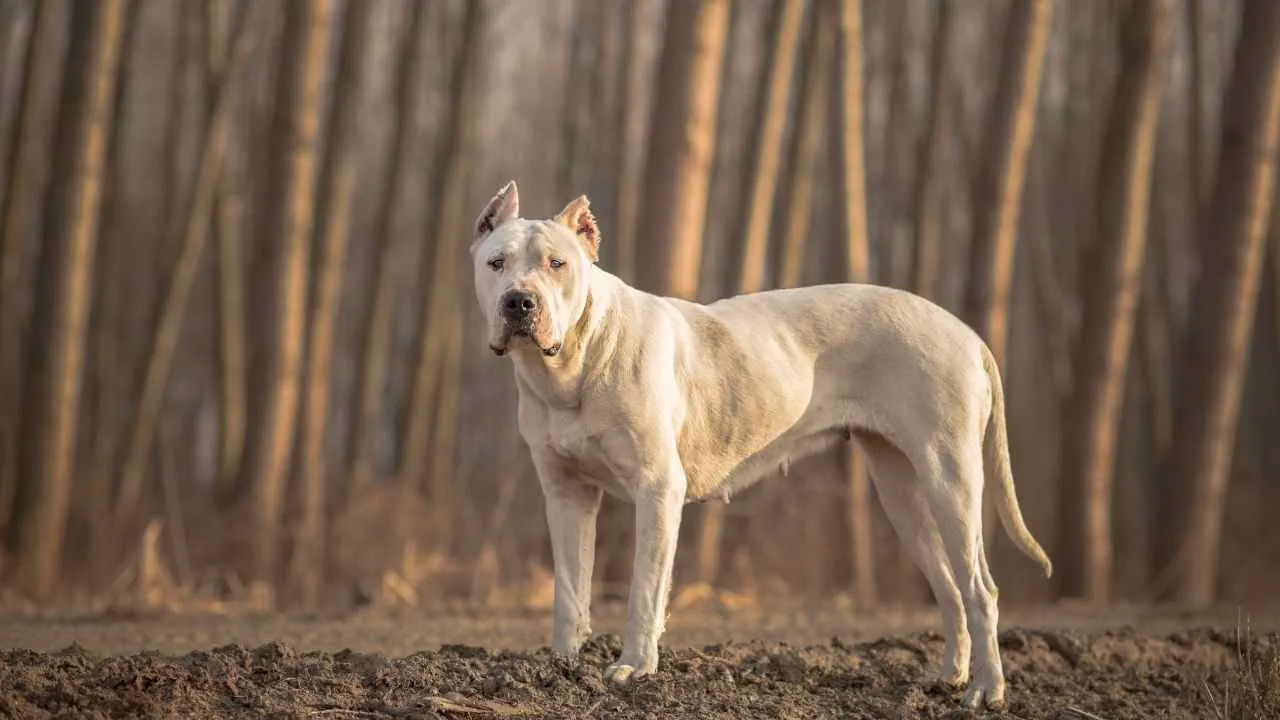
Originally developed in Argentina for big-game hunting, the Dogo Argentino was designed to track, chase, and control dangerous animals with speed, intelligence, and teamwork. Its bold presence and athletic structure reflect pure strength and purpose.
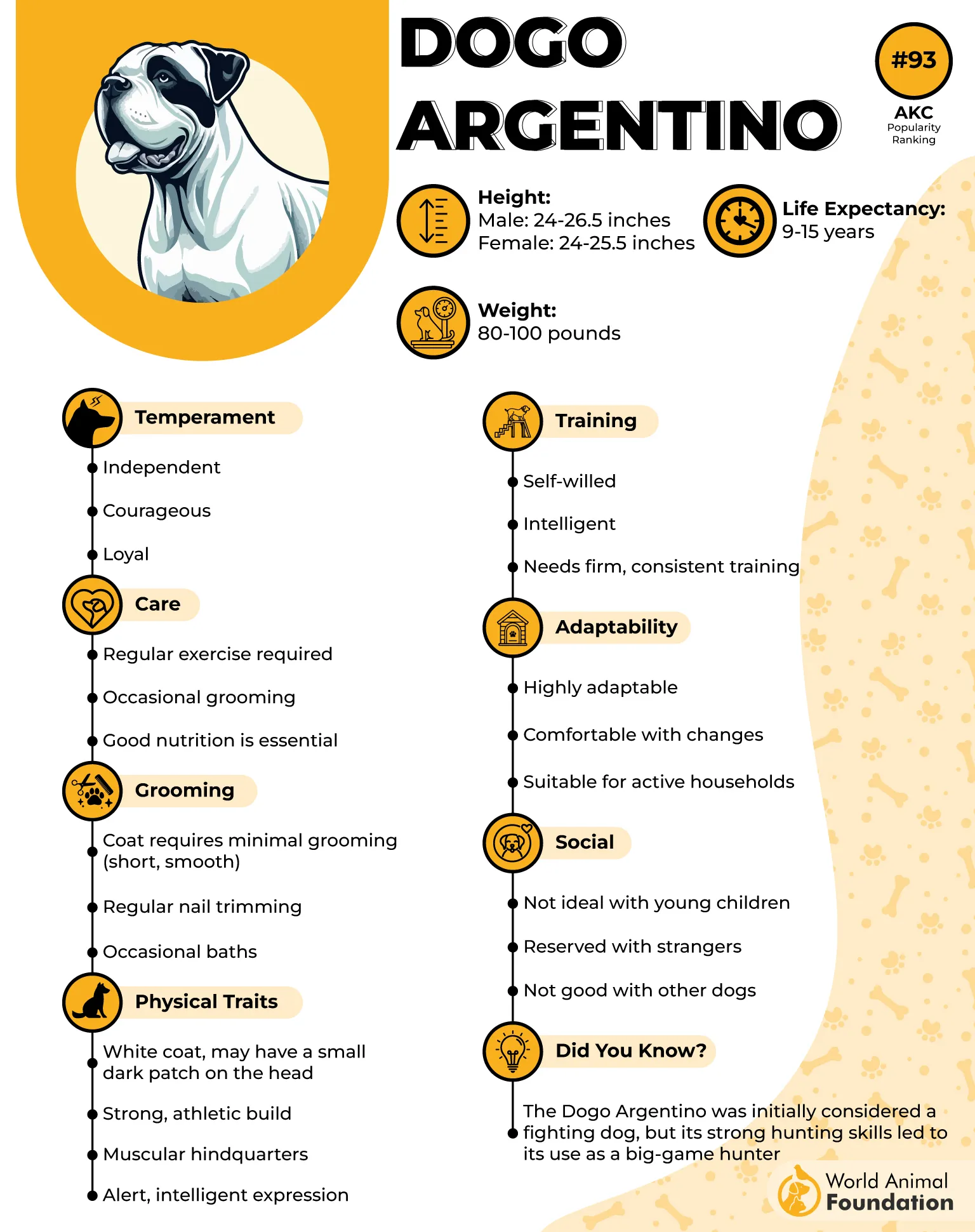
Key traits of Dogo Argentino include:
Strong, muscular, and highly athletic, a working build
Fearless, confident, and highly alert temperament
Strong prey drive with natural hunting instincts
Deep loyalty and protective behavior toward family
High stamina requiring intense daily activity
This breed is a true working athlete. It was built for endurance, explosive power, and agility in challenging environments. Its strong jaw, broad head, and well-balanced body give it both speed and control, making it highly effective in physically demanding tasks.
Despite its tough appearance, it forms deep emotional bonds with its family and can be affectionate, playful, and social when properly raised.
The Dogo Argentino requires an active lifestyle with structured exercise and mental stimulation. Running, hiking, swimming, and training-based activities like obedience, agility, and tracking are essential to keep it balanced. Without proper activity, it can become restless due to its high energy and strong instincts.
Early training and socialization are extremely important to guide its protective nature in a positive direction. When raised with consistency and leadership, it becomes a loyal, courageous, and highly capable companion that perfectly represents strength paired with devotion.
7. Boxer
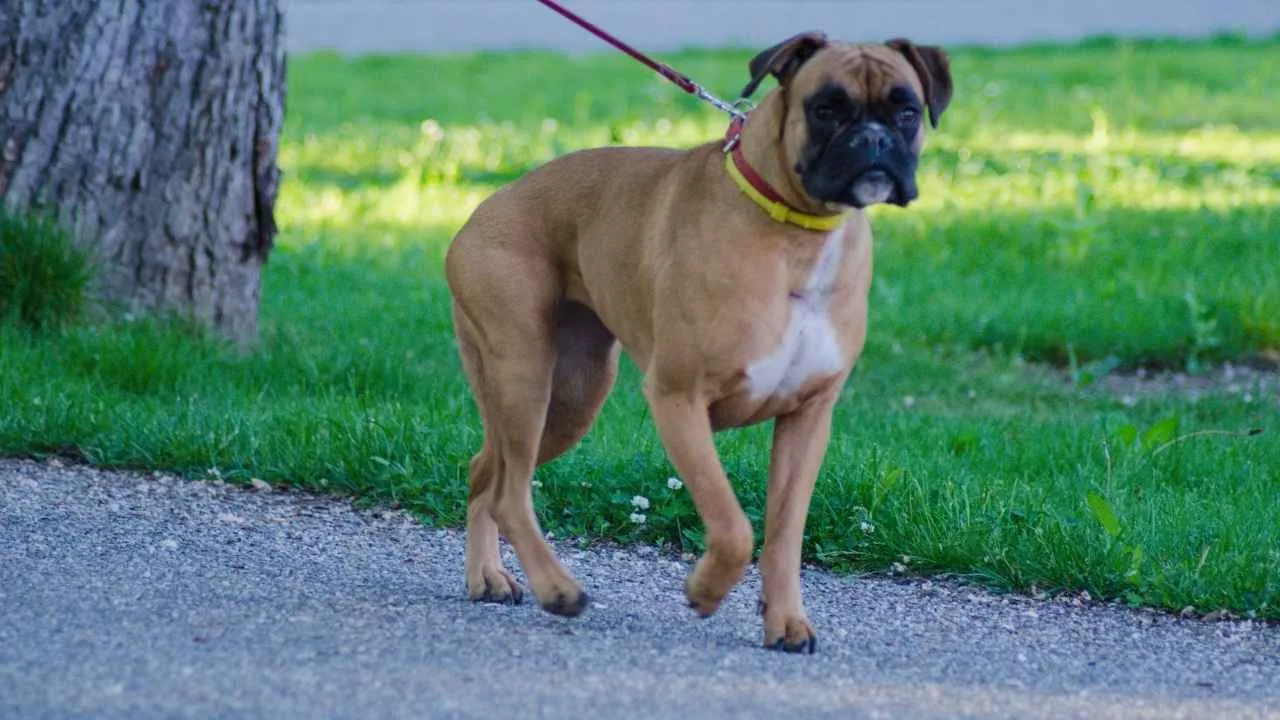
The Boxer stands out as a perfect blend of power, intelligence, and playful charm. Known for its athletic body and expressive face, this breed combines working ability with a fun-loving personality. Despite its playful nature, it remains a courageous and reliable guardian for its family.
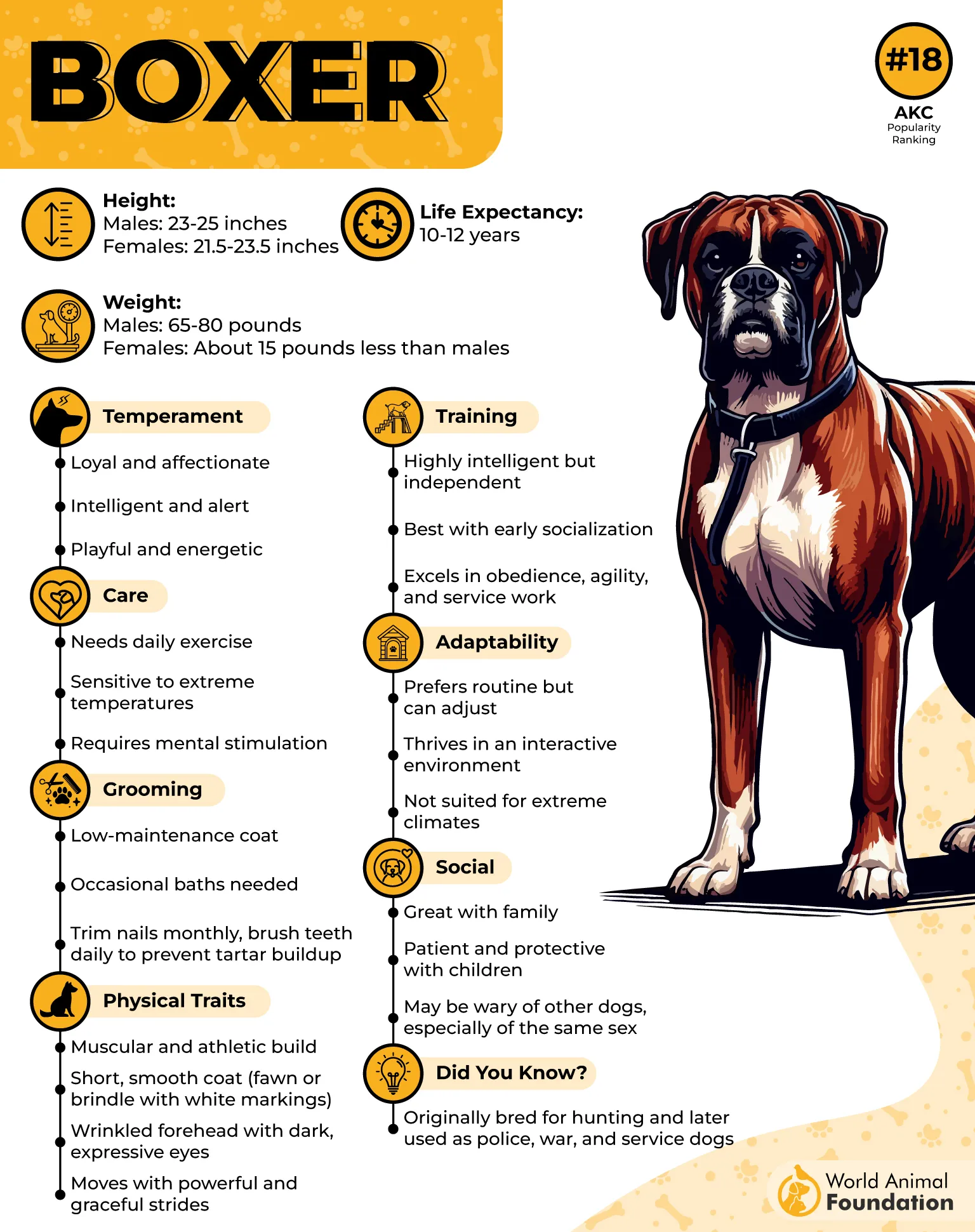
Key traits of Boxers include:
Strong, muscular, and athletic working build
Loyal, affectionate, and highly people-oriented nature
Intelligent but easily bored without mental stimulation
Natural protective instincts as a watchdog and guardian
High energy requiring daily exercise and activity
One of the most distinctive features of the Boxer is its wrinkled forehead and expressive face, which give it a constantly alert and curious look. Its short coat, powerful chest, and smooth, effortless movement reflect its background as an athletic working dog.
Boxers are playful and full of energy, often behaving in a silly, joyful way, but they can switch instantly into a protective and fearless guardians when needed.
This muscular breed thrives on activity and companionship. Daily exercise is essential, as Boxers love running, jumping, and interactive play. They perform well in obedience, agility, tracking, and even service or search-and-rescue operations due to their intelligence and strong work ethic.
However, they can become bored with repetition and may develop stubborn behaviors if not properly engaged. Early socialization and consistent training are crucial to channel their energy in a positive direction.
8. Alaskan Malamute
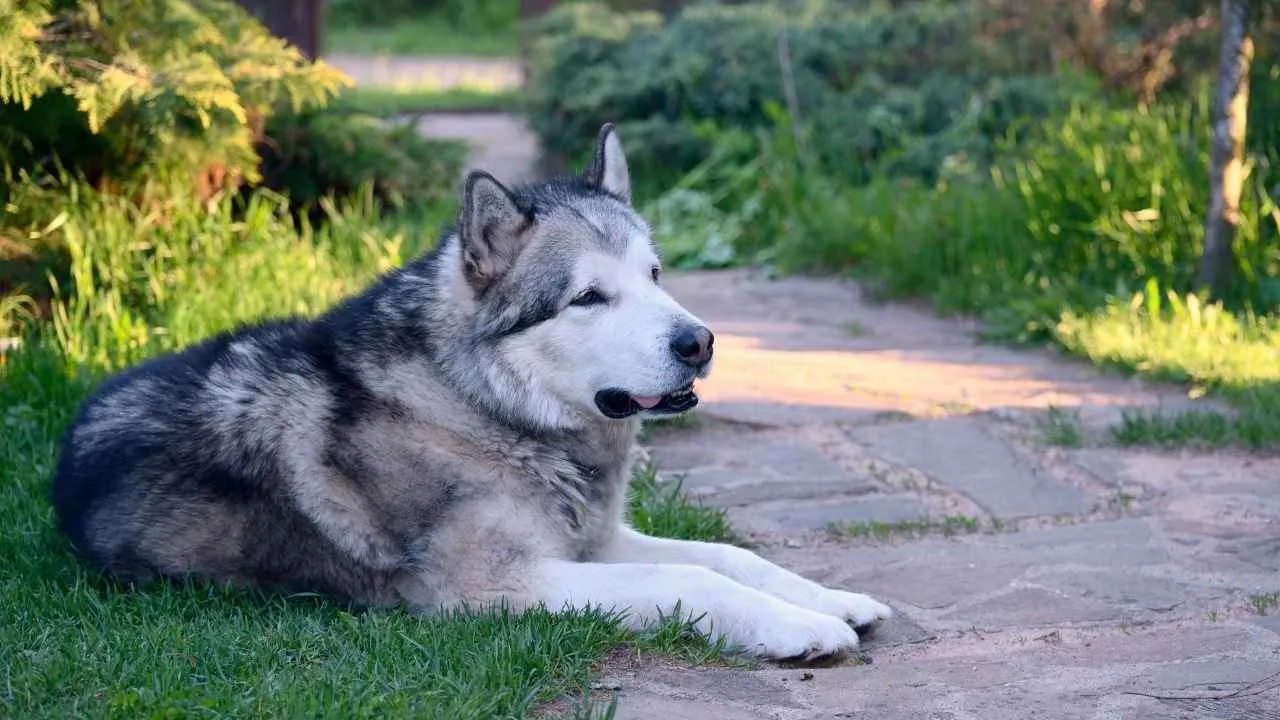
Among elite working dog breeds with a muscular build for strength and loyalty, the Alaskan Malamute stands as a true heavyweight of endurance and power.
Originally bred in the Arctic as a sled-pulling dog, this Spitz-type breed was used to scare polar bears, hunt seals, and haul heavy loads by the Mahlemut tribe in Alaska, as mentioned by PetMD.
Its wolf-like appearance, dense coat, and powerful frame reflect its history as a tireless working companion in extreme conditions.
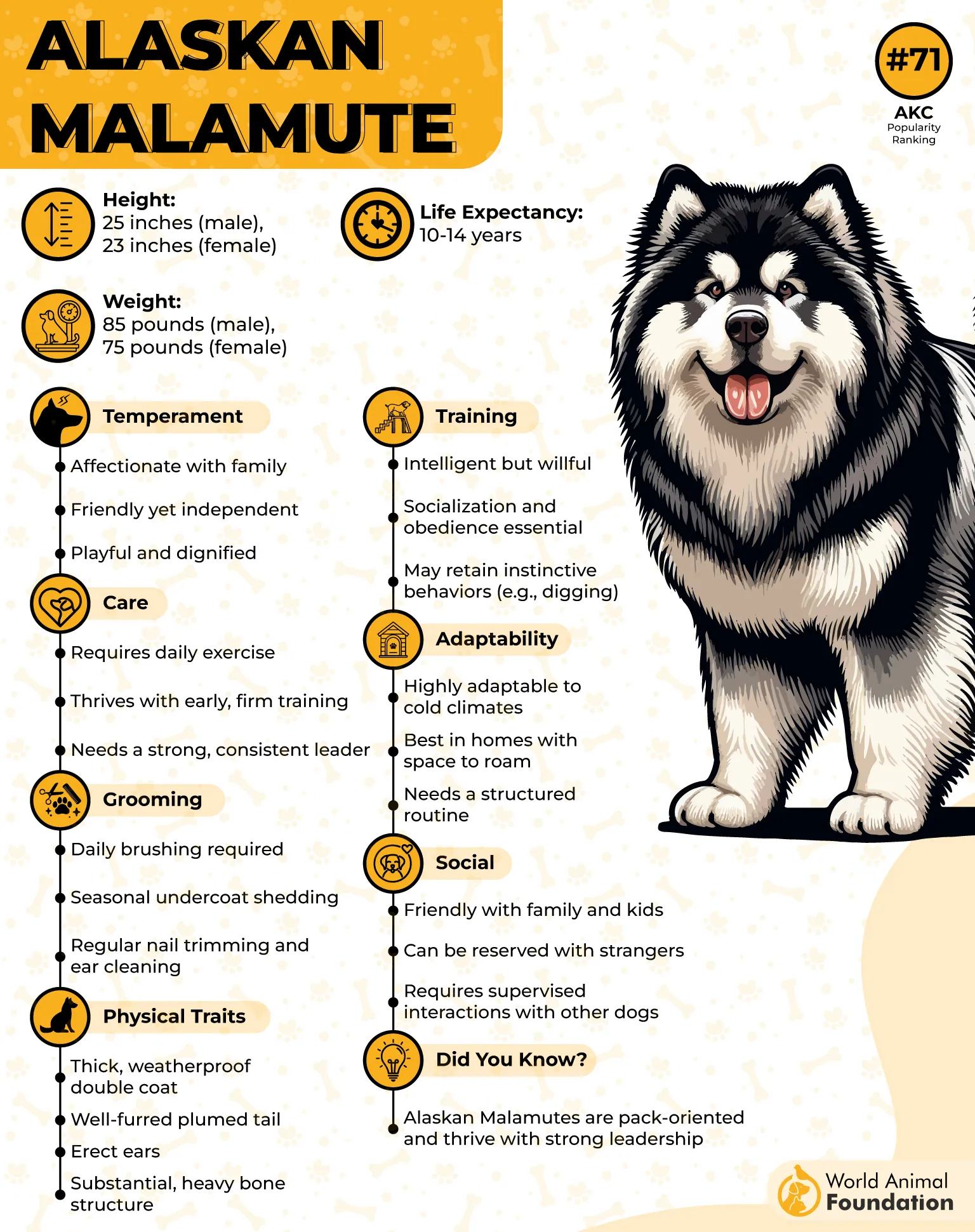
Key traits of Alaskan Malamutes include:
Heavy, muscular, and strong working build designed for endurance
Highly affectionate, loyal, and people-oriented temperament
Independent and intelligent with a strong-willed nature
Excellent stamina for pulling and long-distance work
Strong pack instincts require firm leadership
This breed is built for strength and survival. Its deep chest, thick bone structure, and powerful shoulders make it capable of immense physical work. Despite its rugged appearance, the Malamute is gentle, playful, and highly social within its family.
It thrives on companionship and does not like being isolated. However, its independent streak means it requires consistent training and clear leadership from an early age.
The Alaskan Malamute needs regular and intense physical activity to stay balanced. Long hikes, running, swimming, and sled-style activities like weight pulling or skijoring suit it perfectly. Mental stimulation is equally important, as this intelligent breed can become bored and destructive if left under-stimulated.
Known for behaviors like digging and exploring, it requires a secure space and structured engagement. When properly trained and exercised, it becomes a loyal, fun-loving, and powerful companion that brings both strength and warmth to any active household.
9. Bullmastiff
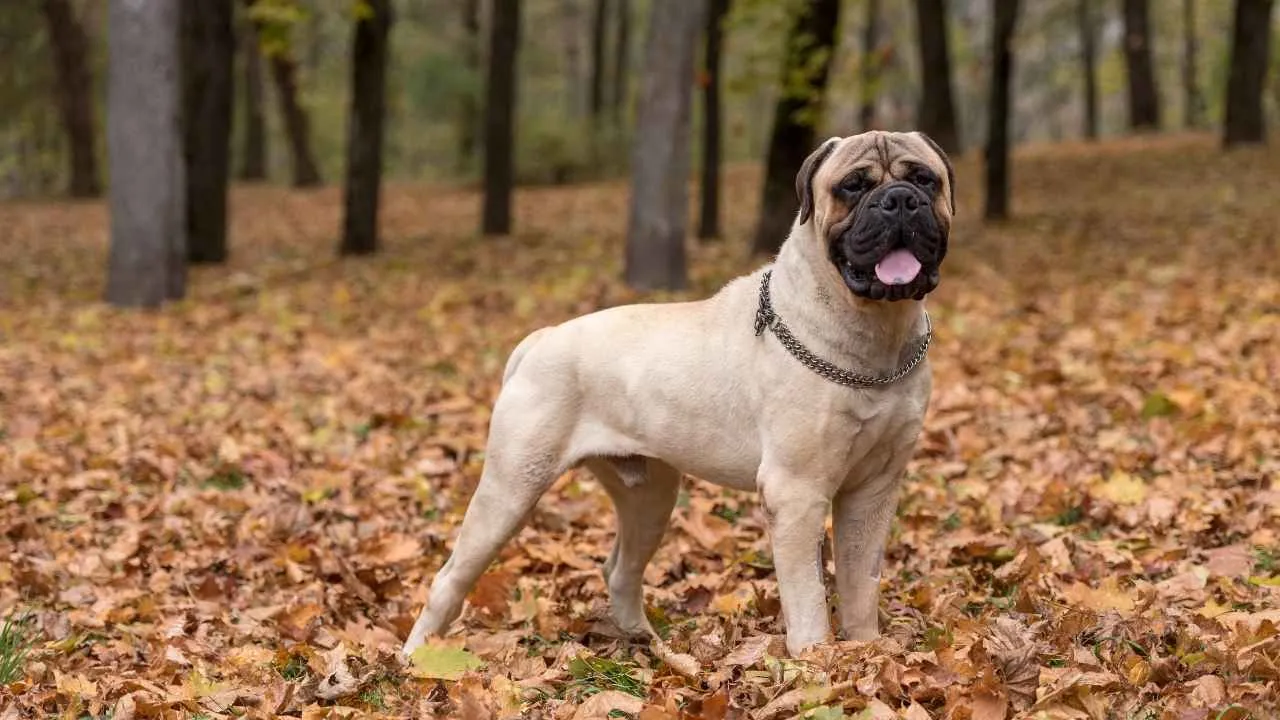
The Bullmastiff is a fearless guardian with a calm and gentle heart. Developed in England by crossing Bulldogs and Mastiffs, this breed was originally used to track and hold poachers. Its role required both strength and control, making it one of the most reliable protection dogs ever bred.
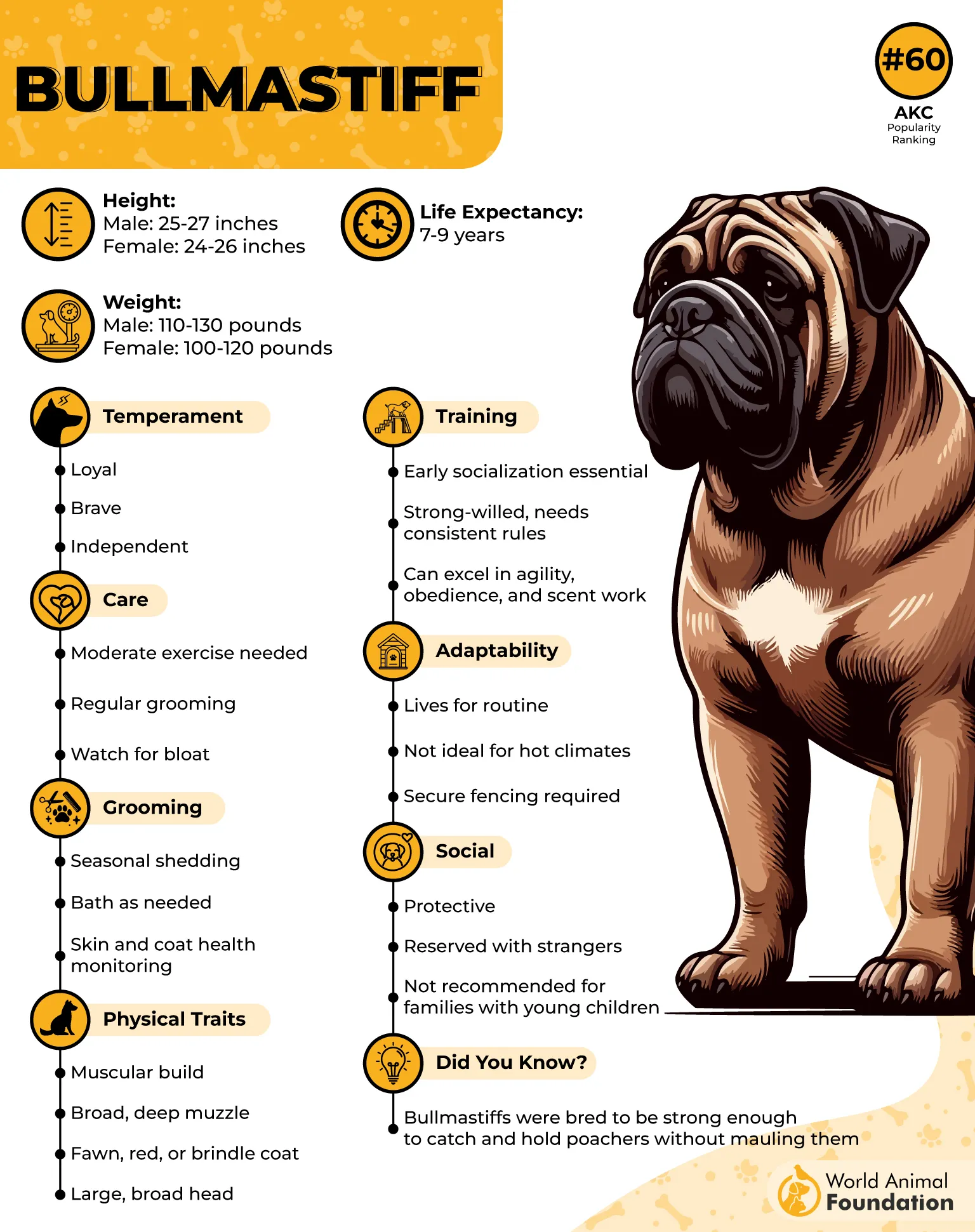
Key traits of Bullmastiffs include:
Incredibly muscular and heavily built guardian dogs
Calm, affectionate, and loyal with family members
Naturally protective with a strong instinct to guard property
Intelligent but sometimes independent and strong-willed
Moderate energy level requiring daily structured exercise
Bullmastiffs have a powerful presence with a broad head, strong muzzle, and deep-set eyes that reflect intelligence and alertness. Despite their intimidating look, they are gentle and loving within the family circle.
The AKC mentions that they are especially good with young children when properly socialized, though their large size means supervision is always important. Toward strangers, they tend to remain cautious and reserved, making them natural watchdogs.
These muscular working breeds need daily exercise such as walks and controlled outdoor play, but they are not built for long-distance running. Mental stimulation and early training are essential, as Bullmastiffs are quick learners but can become stubborn without clear guidance.
They respond best to consistent, positive reinforcement from a young age. With proper training and socialization, they grow into calm, dependable, and deeply loyal companions who combine quiet strength with unwavering devotion.
Conclusion
Elite working dog breeds with a muscular build are more than just powerful-looking companions—they are intelligent, loyal, and purpose-driven animals shaped by generations of hard work. Across all these breeds, one theme stays consistent: strength is only part of the story.
If you’re considering one of these remarkable breeds, remember that it thrives on guidance, exercise, and meaningful engagement. Choosing the right dog is not just about appearance or strength, but about matching energy, lifestyle, and commitment.
In the end, these muscular dog breeds remind us of something simple yet powerful—true strength is most impressive when it is balanced with loyalty and heart.
Looking for more powerful dog breeds? You can also check out the American Pit Bull Terrier, Bernese Mountain Dog, Staffordshire Bull Terrier, German Shepherd, Great Dane, German Pinscher, Italian Mastiff, and Siberian Husky.
