




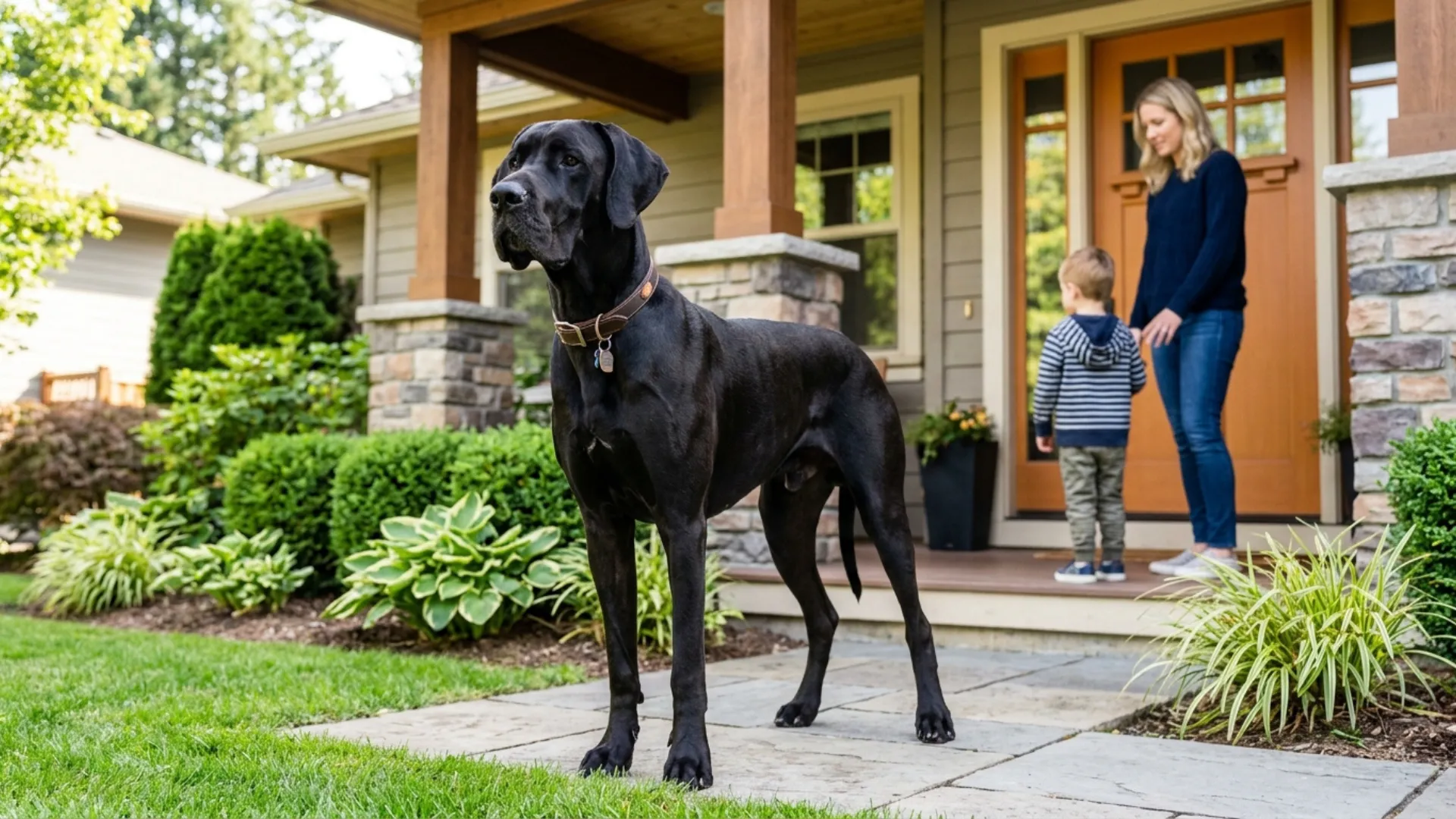
What if your family’s best friend could also help keep you safe?
For many families, a dog offers love, comfort, and a greater sense of security. In fact, about 53% of U.S. households own at least one dog, according to an APPA survey.
Some owners also value a dog’s natural guarding instincts. However, not every dog makes a good protector. A strong body or loud bark does not always mean a dog can handle danger well.
So, what makes a dog a reliable family guardian?
The answer goes beyond looks and size. A good protective dog should stay calm at home, follow commands, and respond wisely to real threats. In this guide, you’ll discover seven protective breeds with different traits and backgrounds.
You’ll also learn why early socialization, proper training, and a stable temperament matter. With the right match, you can find a loyal companion that fits your family, home, and daily life.
Elite Protective Dog Breeds to Keep Your Loved Ones Safe
Here we go, one by one.
1. German Shepherd
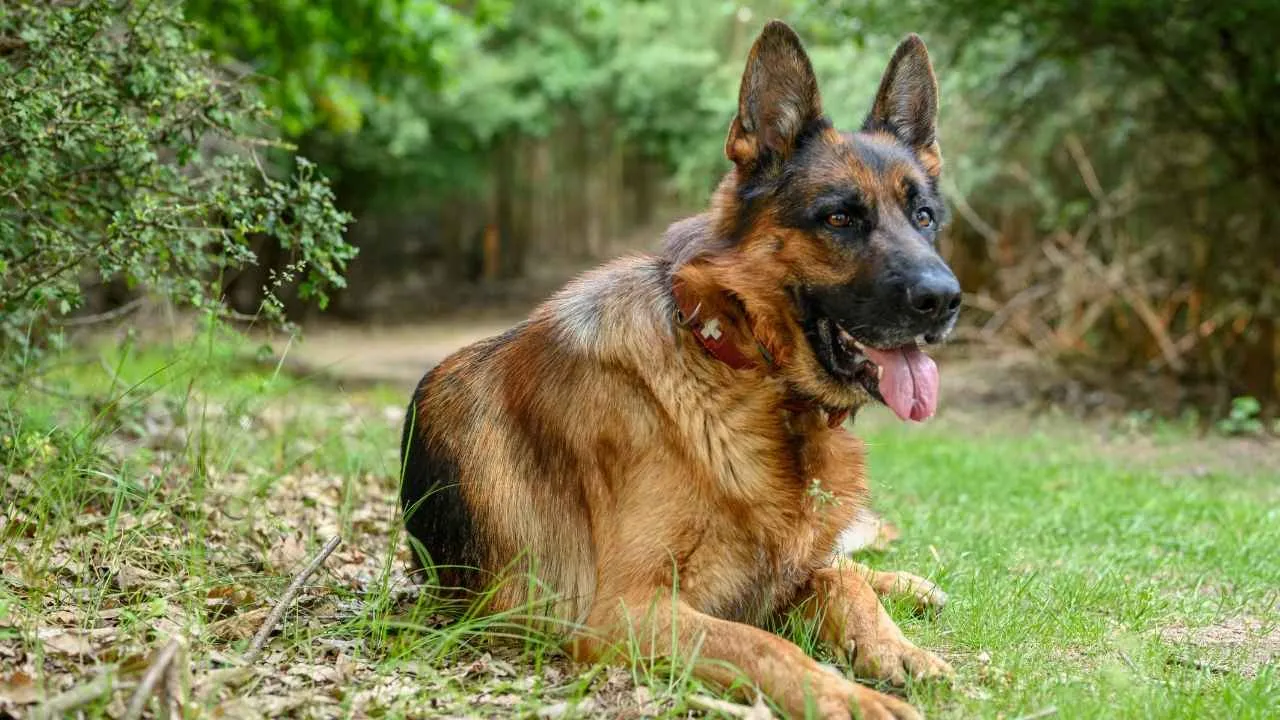
German Shepherds are known for their courage and deep family bonds. According to the American Kennel Club, their character combines loyalty, confidence, and a strong ability to learn.
These dogs are incredibly loyal and often form close ties with their owners. Their naturally protective instinct also helps explain their reputation as the best guard dog. However, they can remain gentle family pets when raised with care.
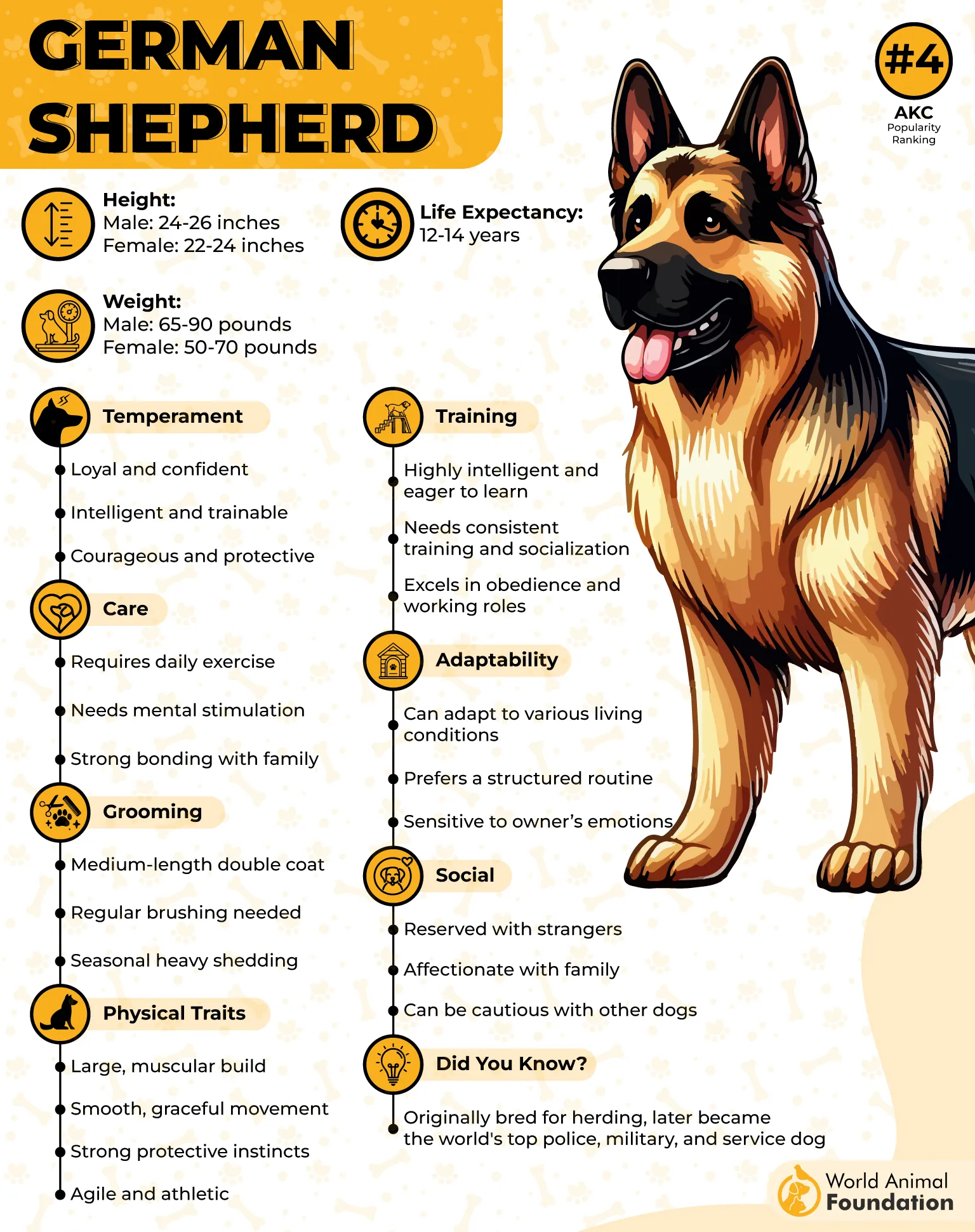
Their alert nature helps them notice changes around the home. Professionally trained German Shepherds can learn when to respond and when to stay calm.
What Makes This Breed Special?
Versatile worker: German Shepherds can serve in search and rescue, police work, and other demanding roles.
Athletic build: Their muscular bodies support smooth movement and impressive speed.
Quick learner: They can master many tasks with clear, consistent guidance.
Coat care: Their double coat sheds, so regular brushing helps manage loose fur.
Family compatibility: Early socialization helps them feel more comfortable around children, guests, and other pets.
2. Rhodesian Ridgeback
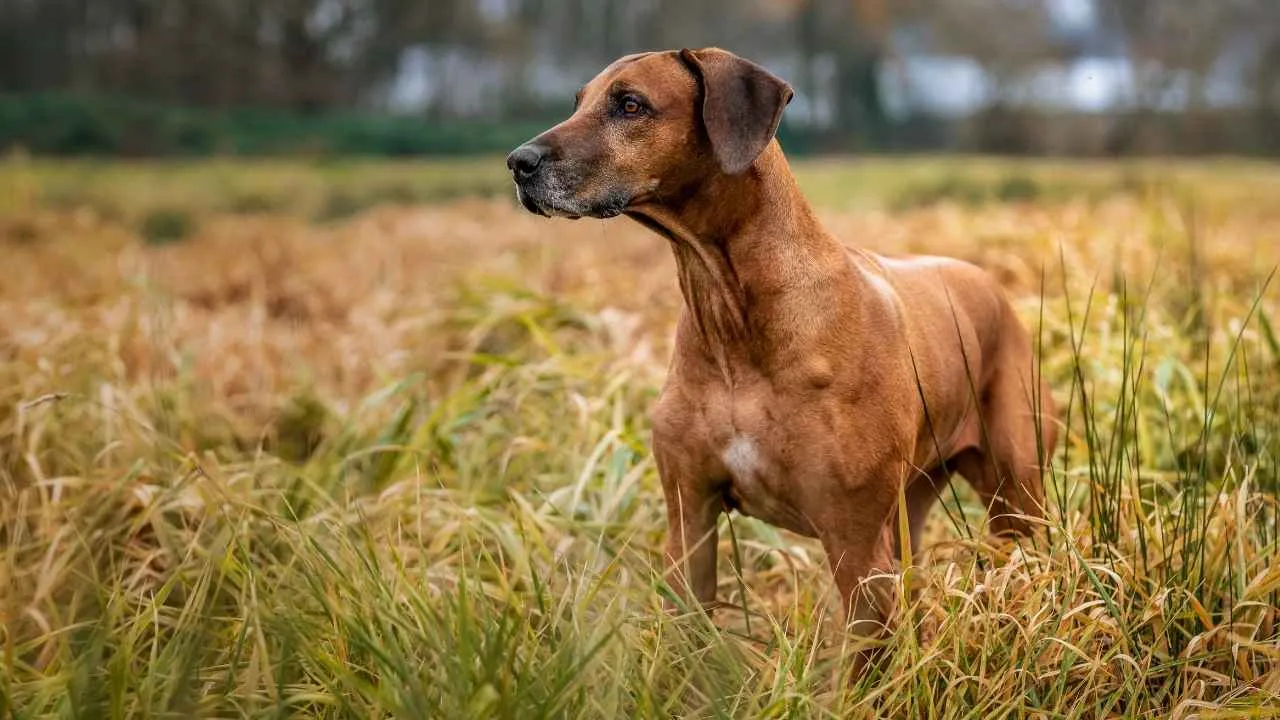
The Rhodesian Ridgeback has a remarkable history rooted in southern Africa. According to Britannica, this large dog breed developed from native hunting dogs crossed with European breeds. Its signature ridge forms where hair grows backward along its spine.
Historically, these dogs helped hunters track large game, including lions. Their past shaped a strong, independent nature that calls for patient handling. With its muscular build and natural instinct to watch its surroundings, the Ridgeback can serve as an excellent guard dog.
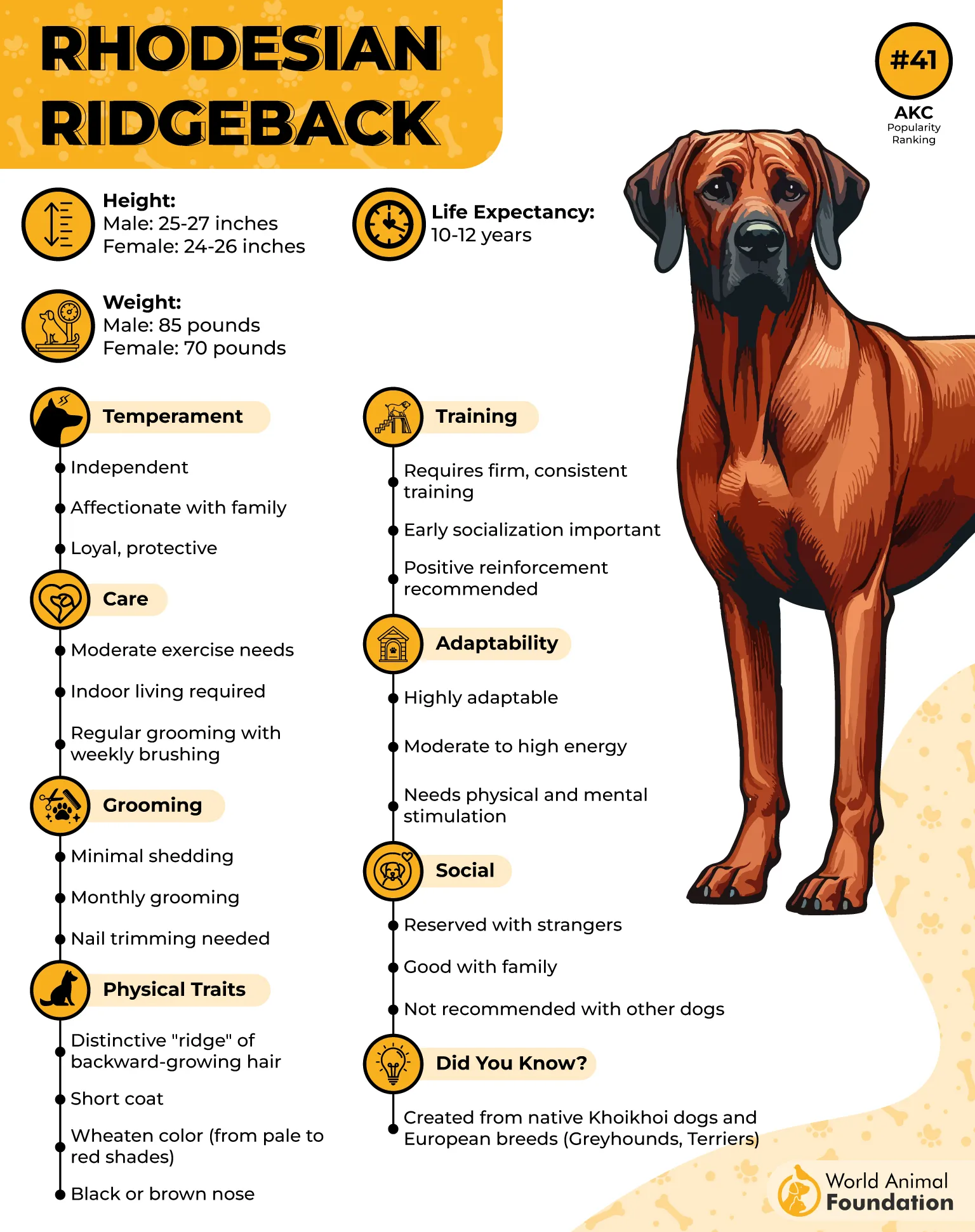
However, protection requires more than strength. Consistent socialization helps this watchful dog handle new people and settings calmly. Owners should also teach reliable recall and clear household rules. A fully trained Ridgeback needs guidance to respond safely rather than react without control.
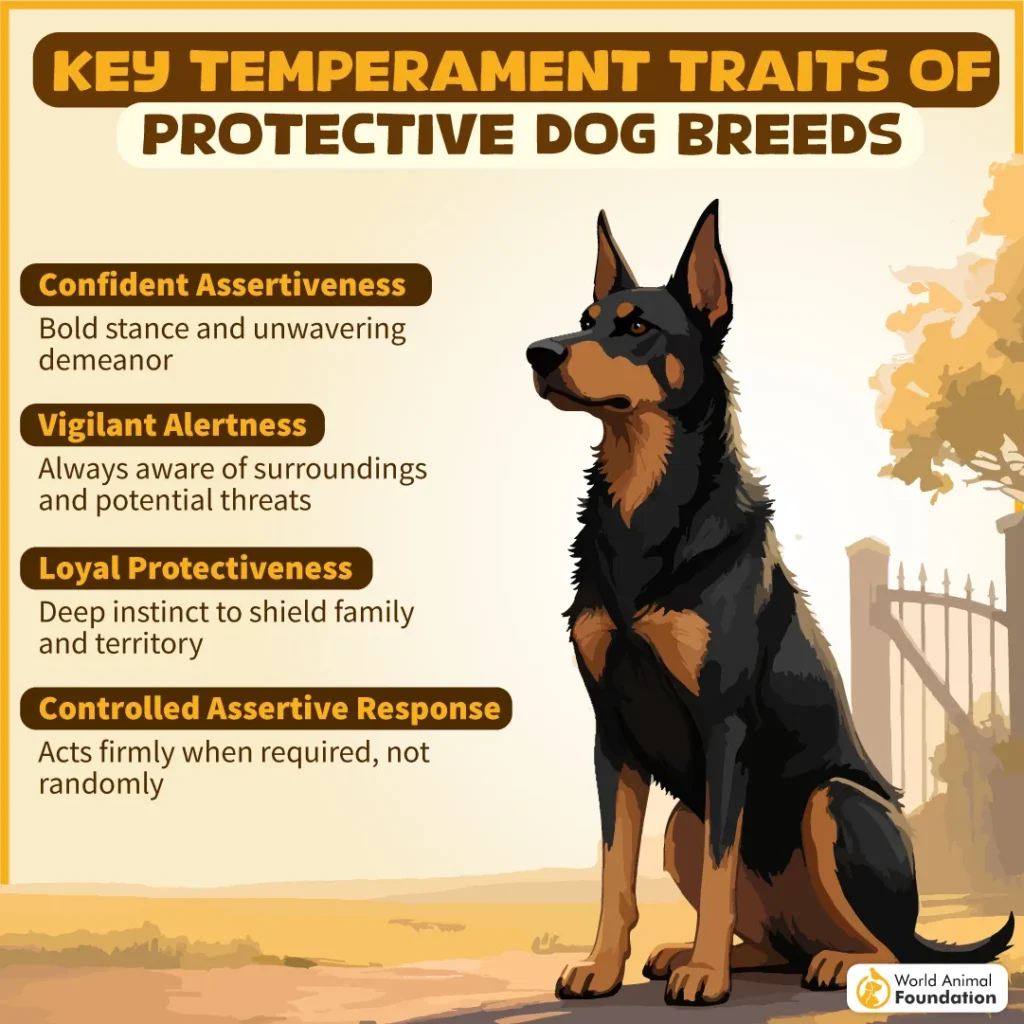
What Sets This Breed Apart?
Endurance: Its athletic background suits active homes.
Short coat: Its sleek fur needs little upkeep.
Reserved nature: It may take time to warm up to strangers.
Clear boundaries: Firm, fair rules help guide independent choices.
Responsible ownership: Early training supports safer protective behaviour.
3. Great Dane
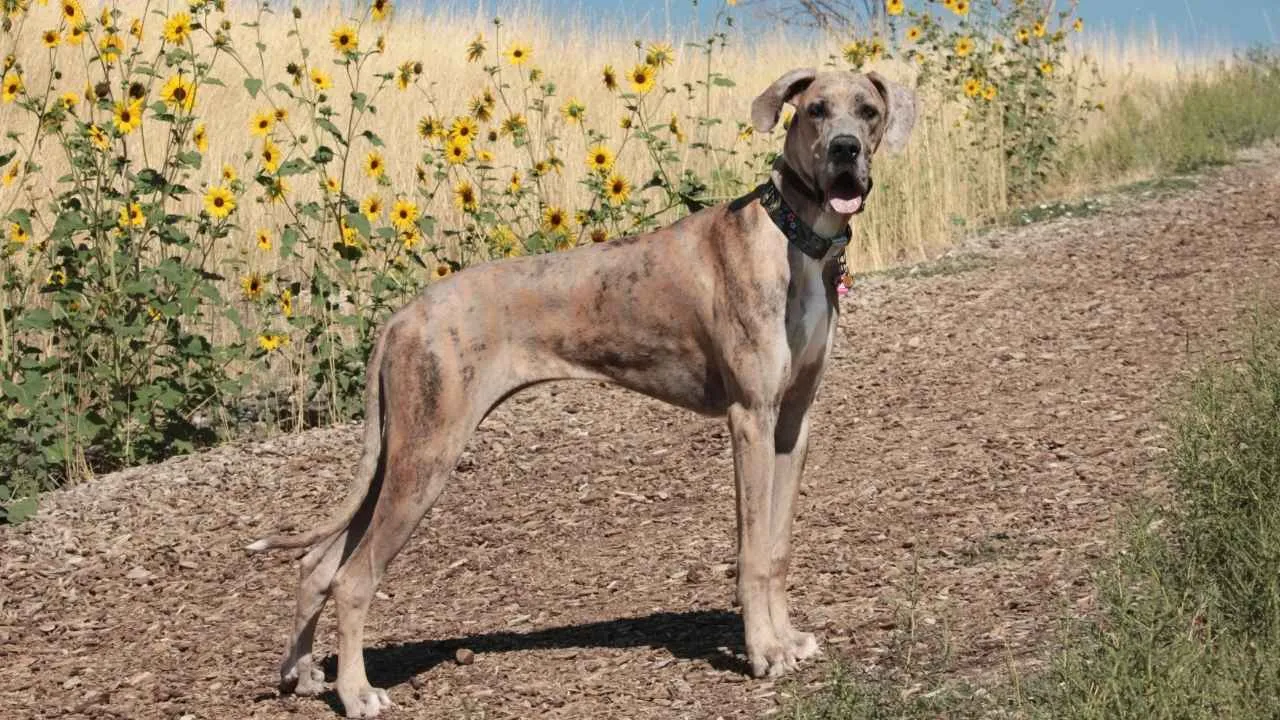
The Great Dane is famous for its impressive height and calm presence. Often called one of the tallest dog breeds, it can make visitors pause at the door. However, size alone does not make the best guard dog.
According to PetMD, Great Danes tend to be gentle and quiet companions, though each dog has its own personality. Originally bred for hunting large game, these dogs can form a deep bond with their families.
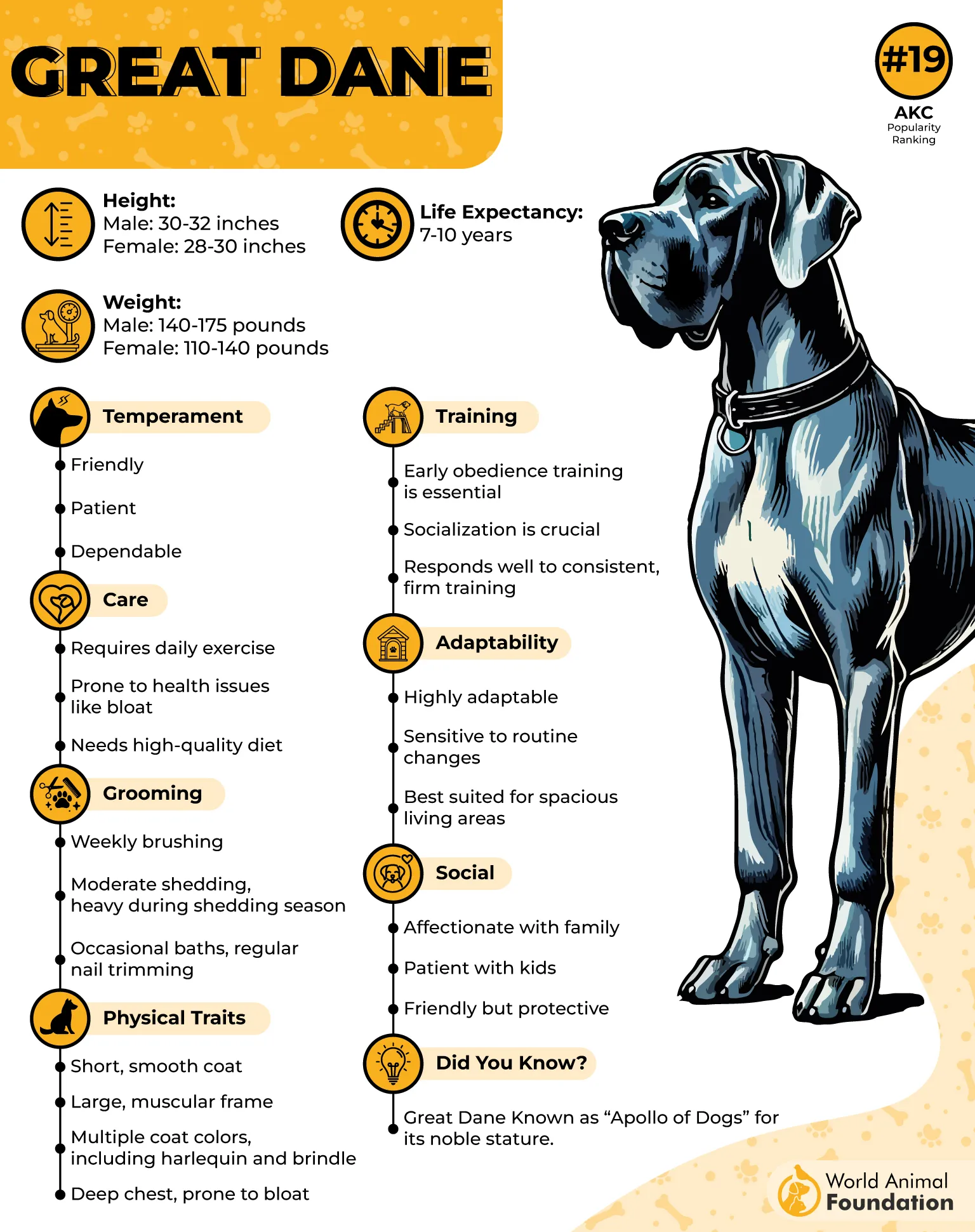
Their protective nature may make them alert to changes around the home. Still, they are not automatically suited to protection work. With proper training, they can learn good manners and fit well into family life. Their large size also calls for careful leash handling and supervision around small children.
Living With a Gentle Giant
Room to move: Give this large dog enough space to stretch and rest.
Food budget: Feeding a giant breed can cost more.
Basic obedience: Teach calm greetings and loose-leash walking.
Health needs: Ask your vet about breed-related health risks.
Family guardian: Build good habits rather than relying on size to protect your home.
4. Boerboel
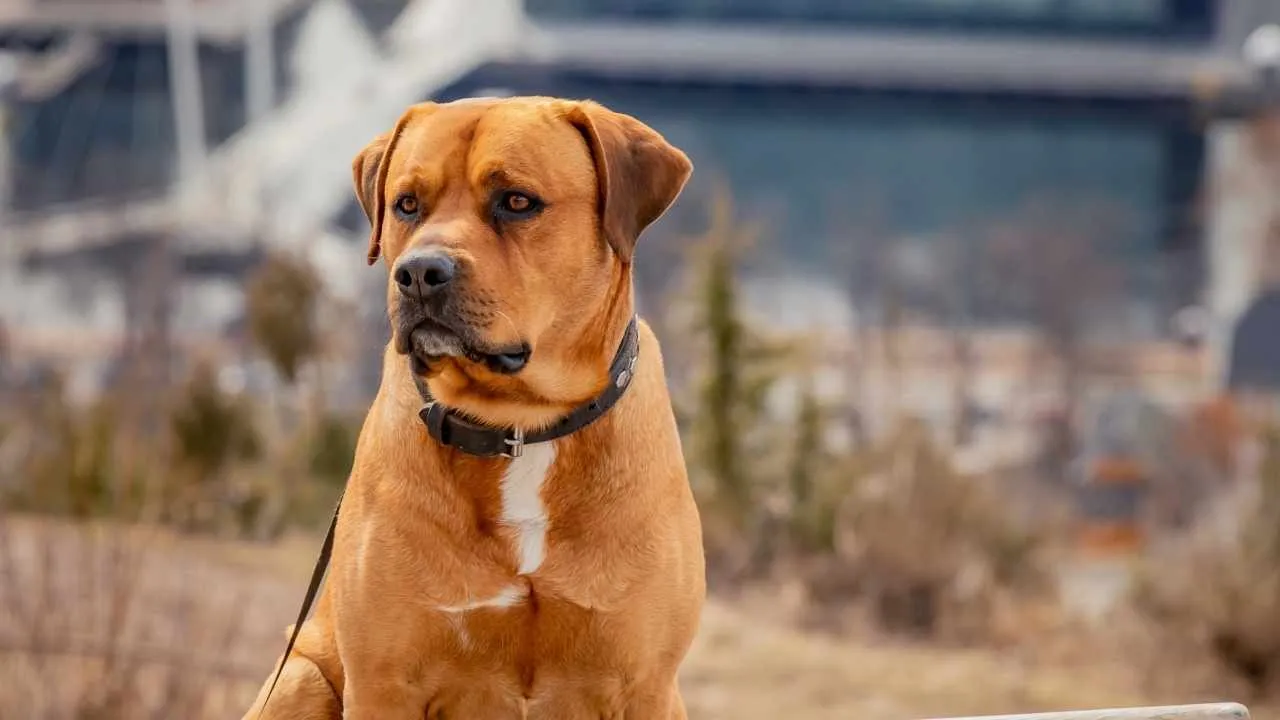
The Boerboel originated in South Africa, where farmers needed dogs to guard homes and livestock. Originally developed for demanding guarding duties, this muscular dog has a strong natural instinct to protect its territory.
According to WebMD, Boerboels were bred as defenders and can distinguish familiar people from potential threats. Their strength and confidence can make them an excellent guard dog, but these traits demand responsible handling.
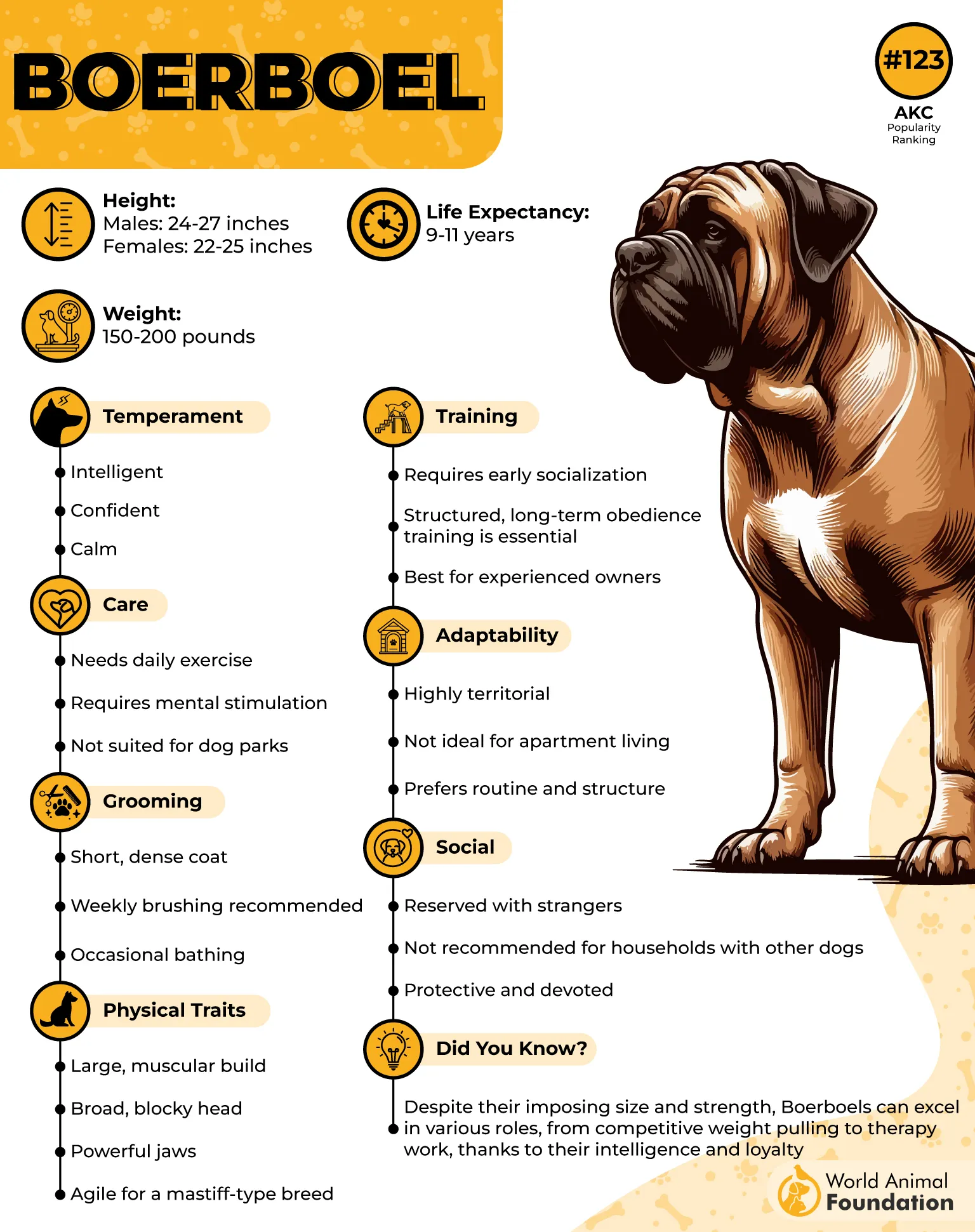
As a protection dog, the Boerboel needs clear rules and professional training. It may not be well suited to first-time owners. Early socialization also helps it behave safely around visitors and other dogs.
With the right guidance, this loyal breed can become an effective guardian while living in a stable family environment. Owners must provide secure boundaries and careful supervision.
What Responsible Ownership Requires
Experienced handling: Owners must manage a powerful dog with confidence.
Early exposure: Introduce new places and people gradually.
Safe introductions: Monitor meetings with unfamiliar animals.
Consistent rules: Everyone at home should follow the same boundaries.
Expert support: Seek a qualified trainer who uses humane methods.
5. Broholmer
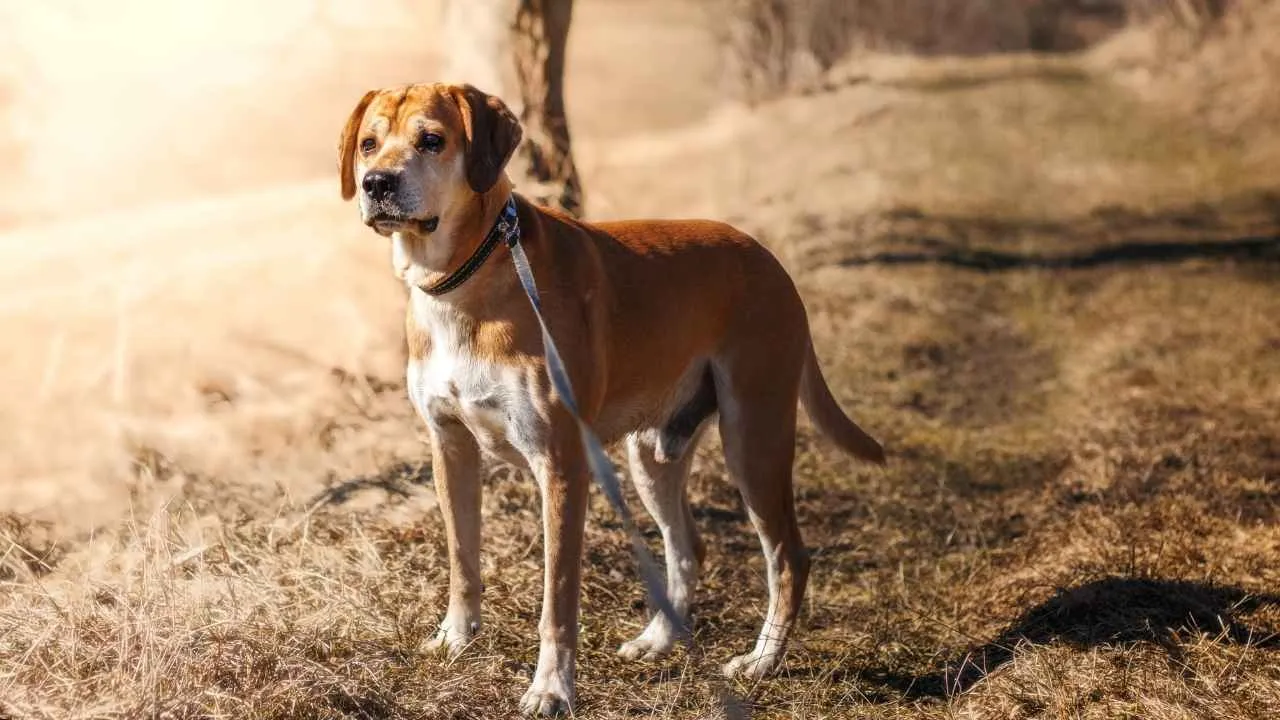
The Broholmer is a large Danish breed with a remarkable past. It once guarded estates and properties, making it one of Denmark’s traditional natural guardians. According to Royal Canin, this excellent guard dog breed nearly disappeared before Danish breeders began rebuilding its population in the mid-1970s.
Today, this confident dog can be a friendly dog breed when raised with care. Its natural instinct to watch over its home may make it an excellent watchdog. However, personal protection takes more than size and presence.
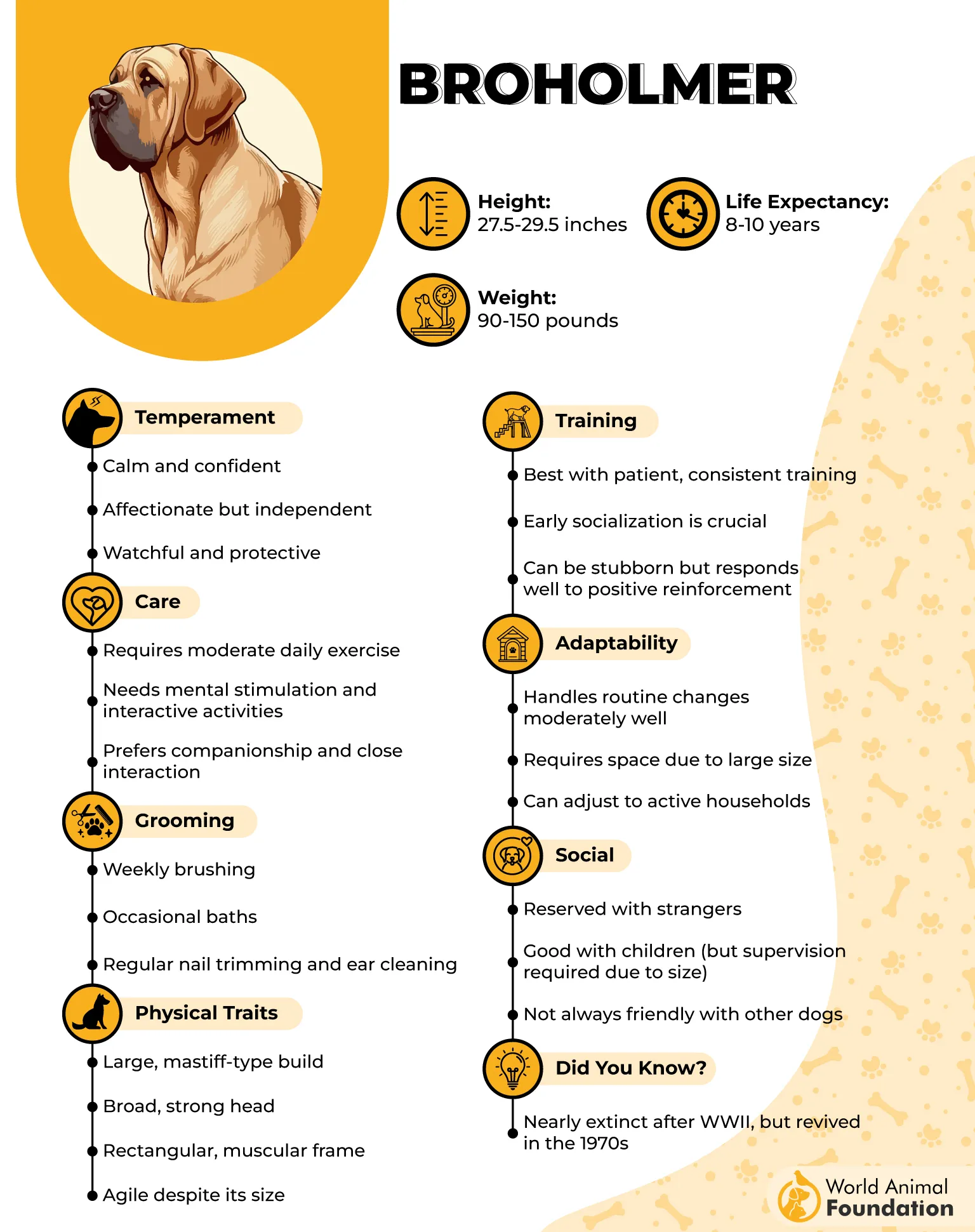
Early socialization helps the Broholmer stay calm around visitors, new sounds, and unfamiliar places. Owners should also choose reputable breeders who assess temperament. With patient guidance, this deeply loyal companion can learn safe household behavior without becoming overly wary of everyday activity.
What Makes This Breed Stand Out?
Steady nature: Calm routines can support balanced behavior.
Protection training: Use qualified trainers who teach control, not aggression.
Visitor manners: Reward calm greetings and relaxed responses.
Breeder research: Ask about health checks and temperament.
Daily care: Plan for its size, food needs, and comfortable resting space.
6. Tibetan Mastiff
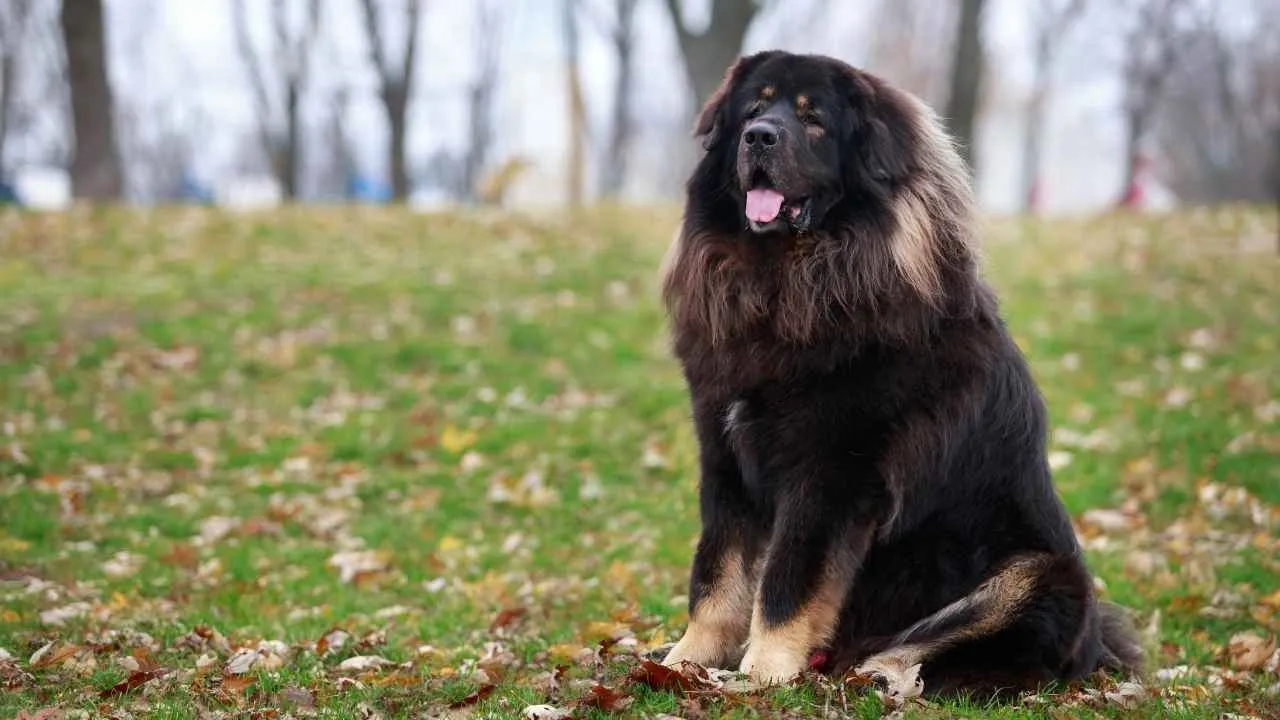
The Tibetan Mastiff is a powerful livestock guardian dog breed with roots in the Himalayan regions. According to Purina, this large dog was originally bred to guard families and property. Its massive, wedge-shaped head gives it a striking appearance.
However, its intelligence and independent nature are just as notable. This working dog is courageous, loyal, and patient, yet naturally wary of unfamiliar people. Its protective instinct makes it alert to changes around its territory. Still, it may act without waiting for direction.
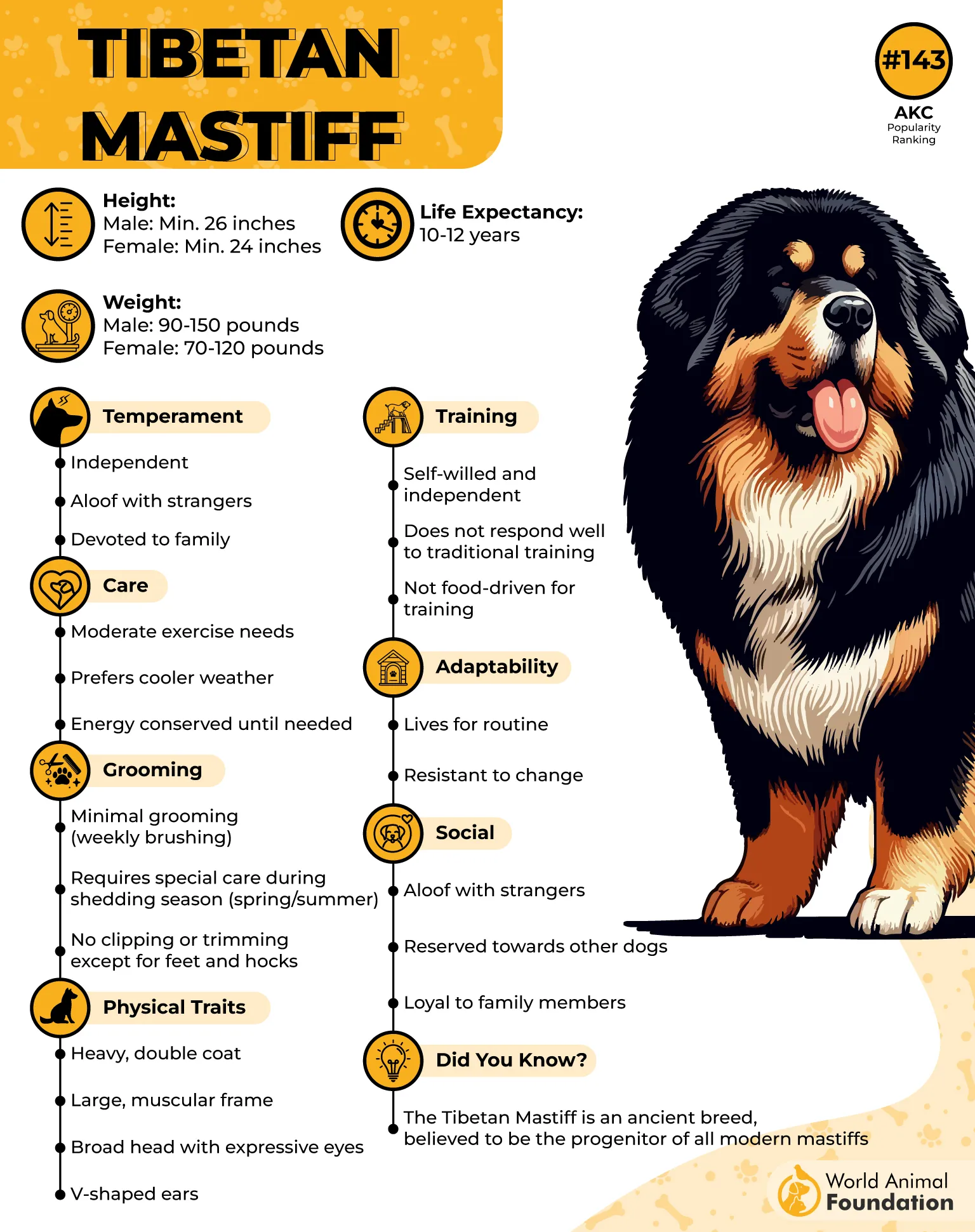
Owners need secure fences and careful visitor management. Socialization from an early age helps it handle new situations more calmly. A professionally trained protection dog also needs an experienced handler who understands this breed’s strong will. Heavy seasonal shedding means extra coat care, especially once a year.
What Owners Should Know
Climate needs: Its thick coat suits cold conditions better than intense heat.
Brushing: Brush often during its heavy annual shedding period.
Secure exercise: Use a sturdy leash and reliable fencing.
Training approach: Keep lessons calm, clear, and consistent.
Realistic expectations: This guardian breed today still needs skilled handling and ongoing guidance.
7. Bullmastiff
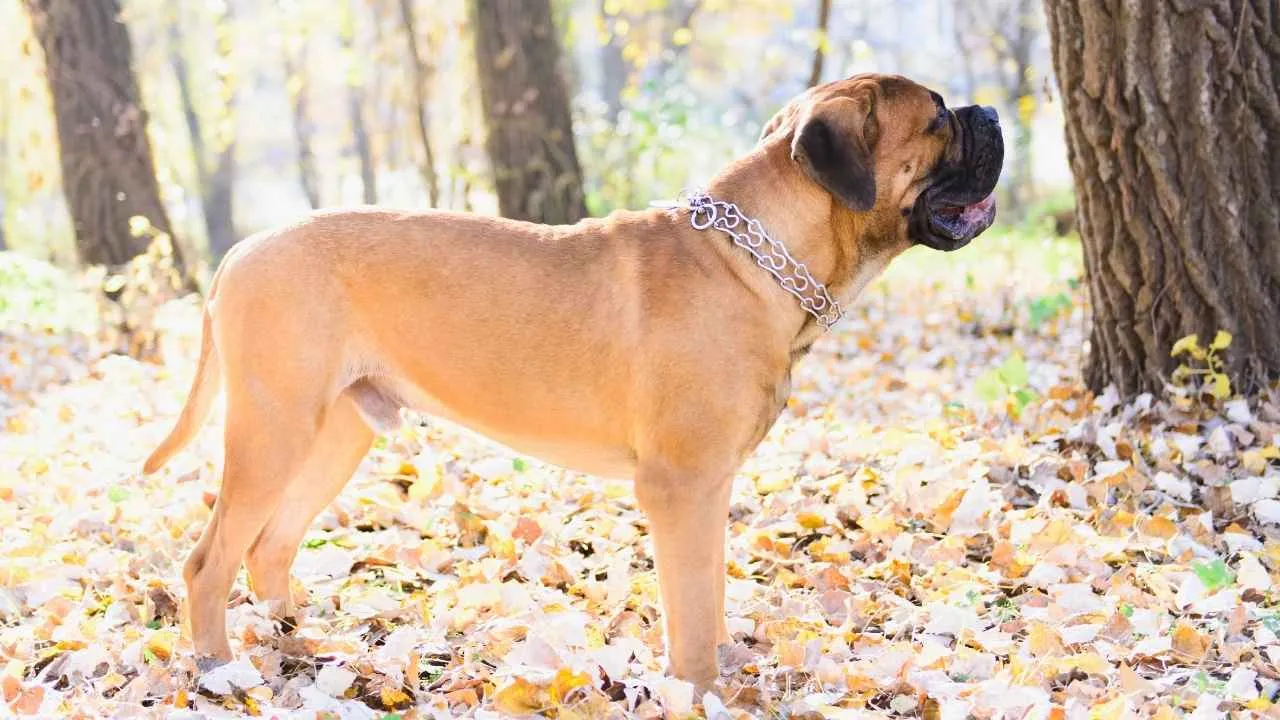
The Bullmastiff was developed in Britain to deter poachers and guard large estates. Its history helped shape its reputation as a powerful guardian. However, this breed has a gentle side, too. According to PDSA, Bullmastiffs are devoted to their owners and love spending time with familiar people.
Their physical strength and watchful nature can make them an excellent protector. Still, even the best guard dog needs guidance to respond safely. Early training helps teach polite greetings and calm behavior around strangers.
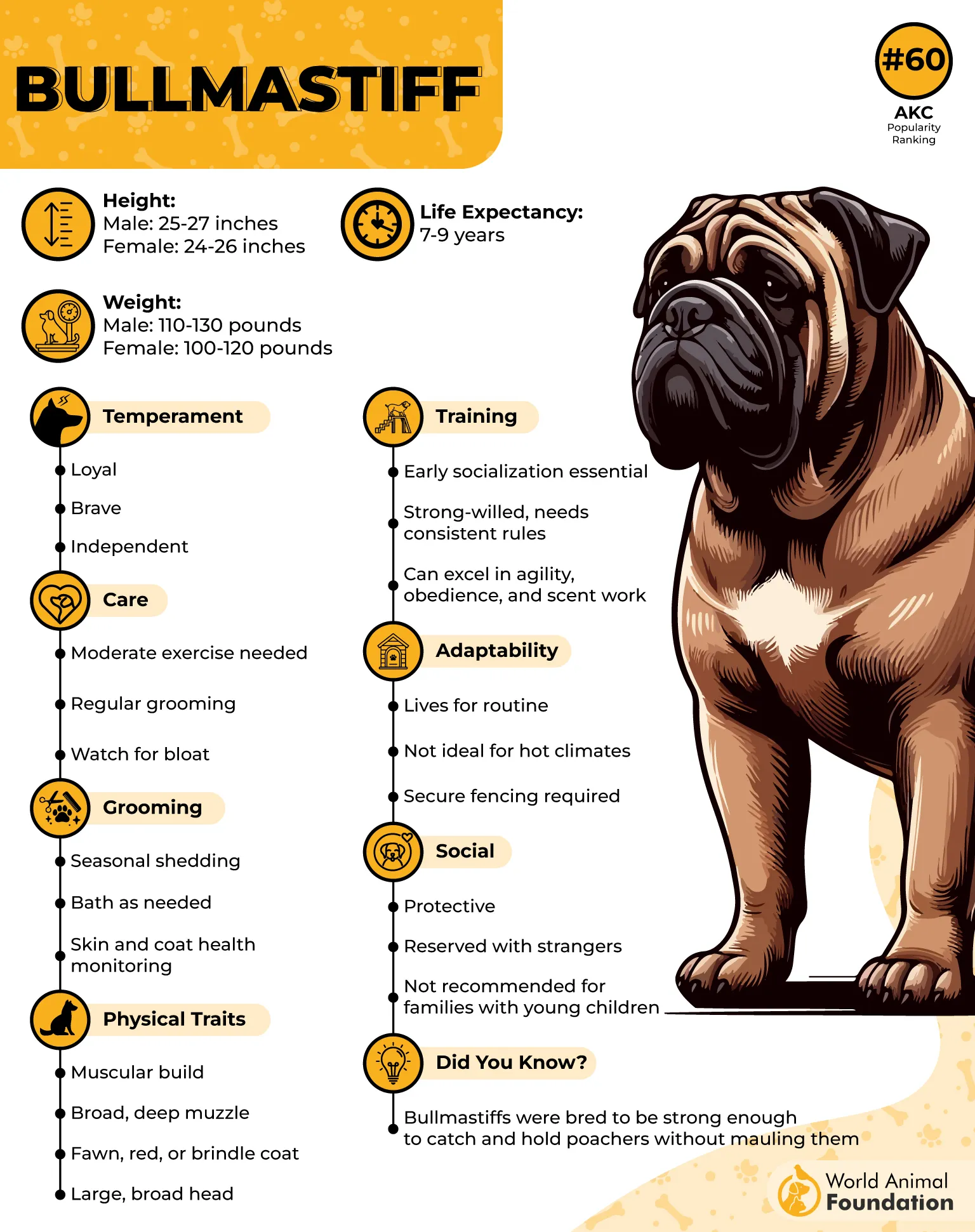
Although Bullmastiffs can be affectionate family companions, their size makes supervision around young children important. They may suit homes that can provide steady care, suitable exercise, and clear rules. Their loyalty shines brightest when owners build trust rather than encourage aggression.
Raising a Well-Behaved Guardian
Training: Bullmastiffs are highly trainable when lessons stay clear, calm, and consistent.
Daily routine: Plan walks and gentle activities to maintain fitness.
Home life: Provide a comfortable place to rest near family.
Health care: Choose responsible breeders and keep up with vet visits.
Family safety: Supervise children and teach them to respect the dog’s space.
Conclusion
Choosing the best guard dog means looking beyond size and strength. Each of these seven breeds offers a different mix of watchfulness, loyalty, and companionship. However, the right protection dog must also show a stable temperament and sound judgment.
Strong guarding instincts alone cannot guarantee safe behavior. Dogs need impulse control to respond calmly instead of reacting to every unfamiliar sound or visitor.
The right breed depends on your family’s lifestyle, experience, and home environment. Some dogs suit active households, while others need more space and experienced handling.
Early socialization, consistent obedience, and help from a professional trainer can guide protective behavior in the right direction. As you explore your options, remember that the right combination of training, care, and temperament matters most.
A good family protector should help protect your loved ones while bringing comfort and confidence, never fear or tension.
