




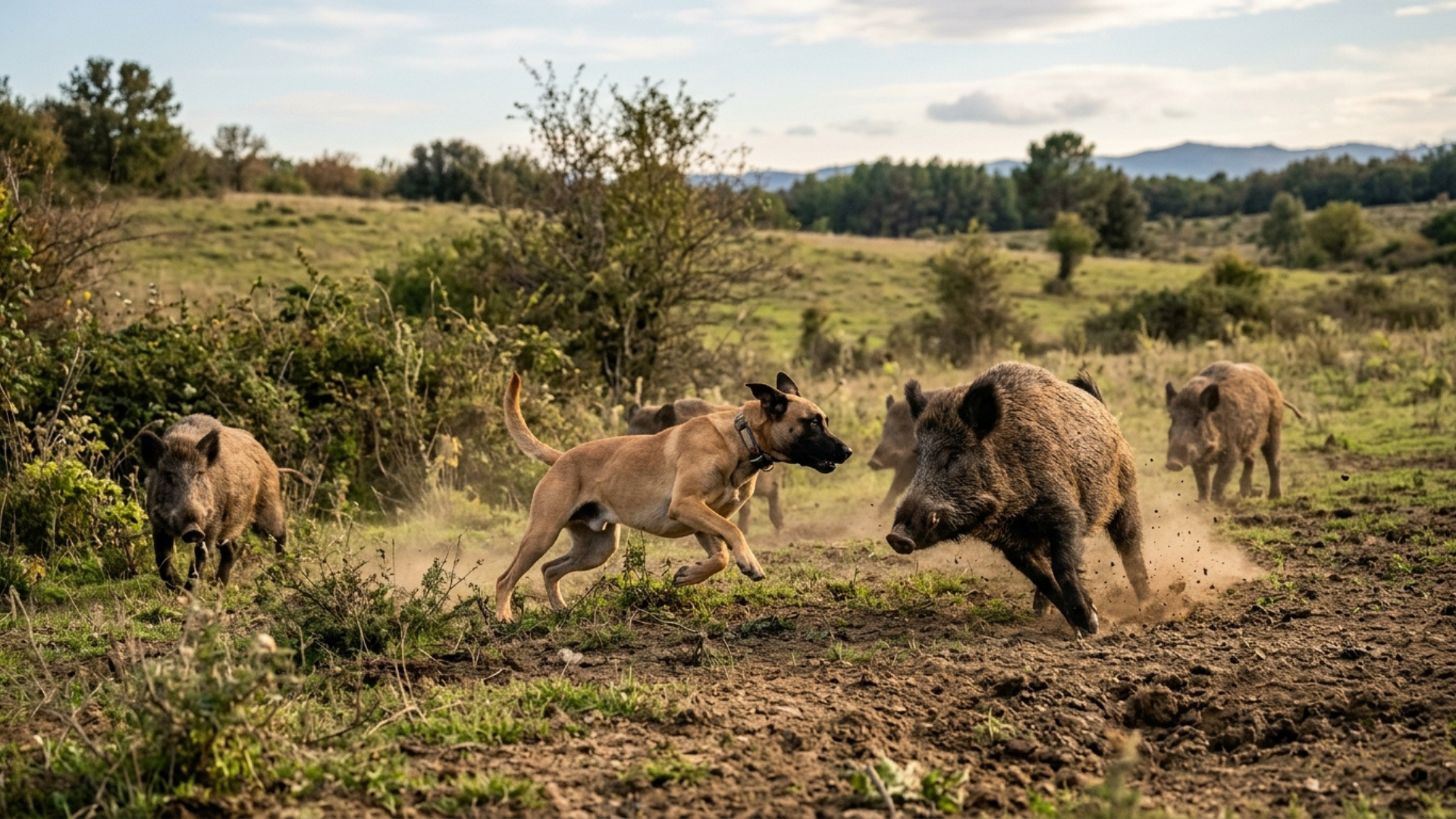
Wild boars don’t play nice. Fast, aggressive, and highly intelligent, these formidable beasts are enough to make even the most seasoned hunters sweat. That is exactly why you don’t walk into a boar field with just any canine companion; you bring a specialist: a breed wired for the grit, possessed of an elite nose, and packing the raw muscle to match.
As Mark Twain famously noted, “It’s not the size of the dog in the fight, it’s the size of the fight in the dog.” Hunting feral hogs demands exactly that kind of relentless drive, passion, and fierce loyalty.
The USDA points out that the stakes out there couldn’t be higher: wild hogs cause an estimated $2.5 billion in agricultural damage annually across the U.S., and their population is skyrocketing. It’s a serious game, and your dog needs to know it.
Here are seven elite breeds built to outsmart and outlast wild boars, with the legendary history to prove it.
Elite Dog Breeds That Outsmart Wild Boar Fields
1. Catahoula Leopard Dog
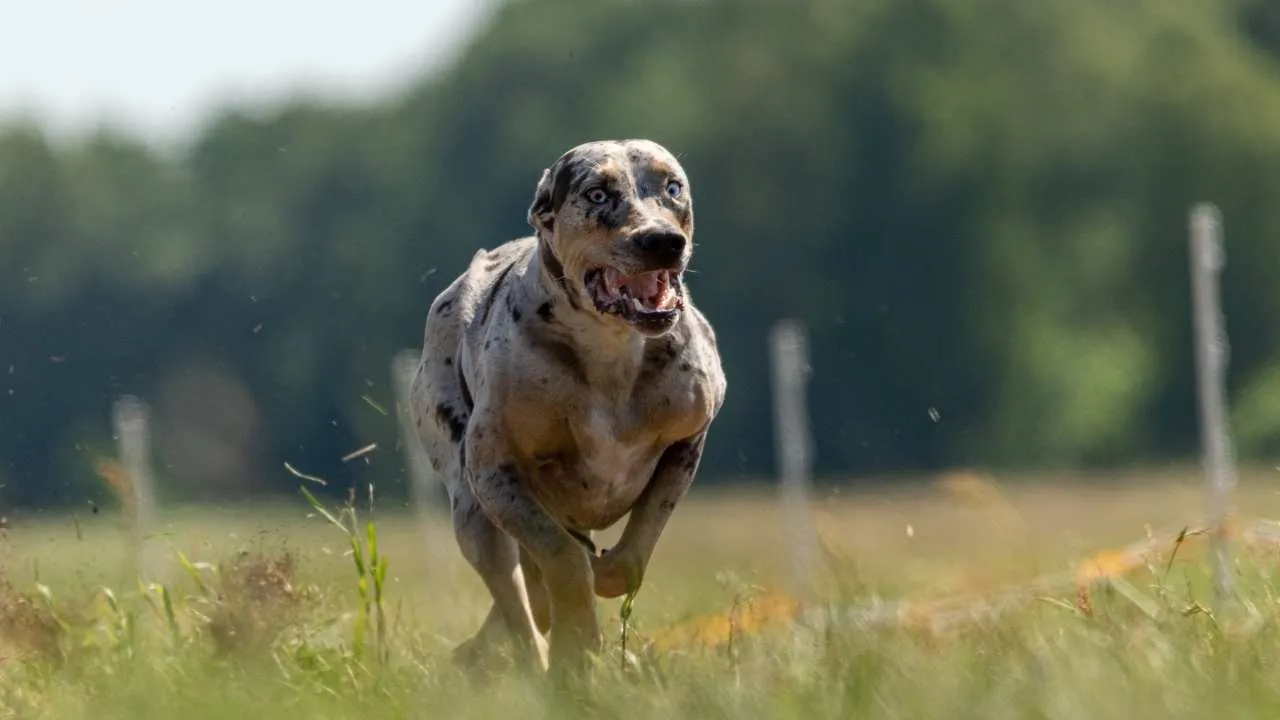
Originally bred by crossing America’s native domesticated dogs and Spanish dogs, the Catahoula Leopard Dog is one of the rarest hunting dog breeds. It is affectionate with family members, children, and other pets. However, it can be aggressive towards other male dogs. This hog hunter tends to bark less and only barks to alert the owner, according to Chewy.
Weighing around 50-95 pounds and standing 22-24 inches tall, this dog has well angulated forequarters and hindquarters (allowing ground covering stride to save energy), a broad chest (to ensure optimum oxygen intake), a short, water-resistant coat (for thermoregulation and shedding mud and water easily), and a scissor bite to catch and hold feral hogs.
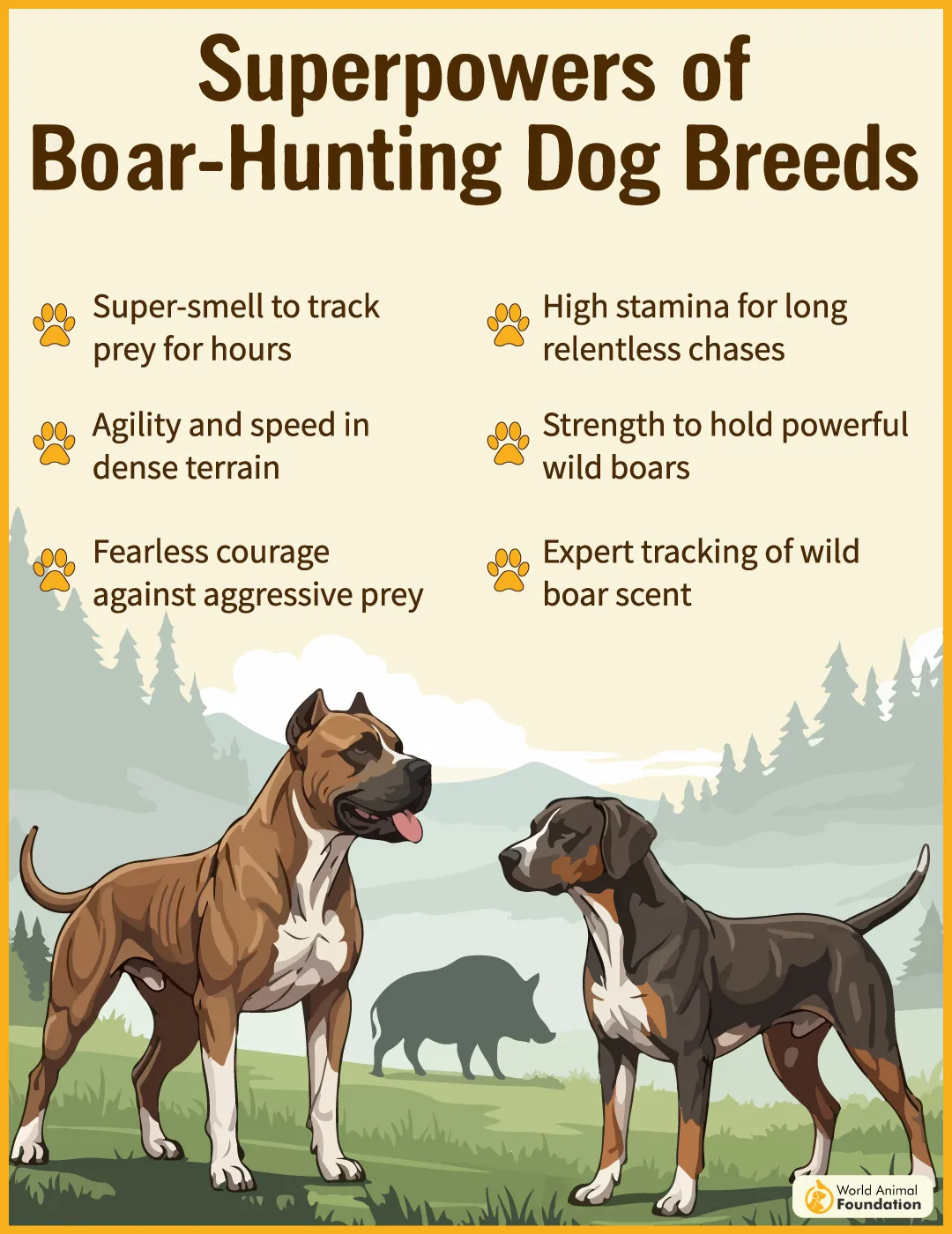
It works by tracking scent. It makes wide circles to look for scent, covering a large area. It stops the boar by directly positioning itself in front of the animal at a safe distance. It barks aggressively to intimidate the boars and may even nip at their noses as a defense mechanism. Once the hunter arrives, it holds the boar at bay, allowing the hunter to dispatch the boar safely.
2. Dogo Argentino
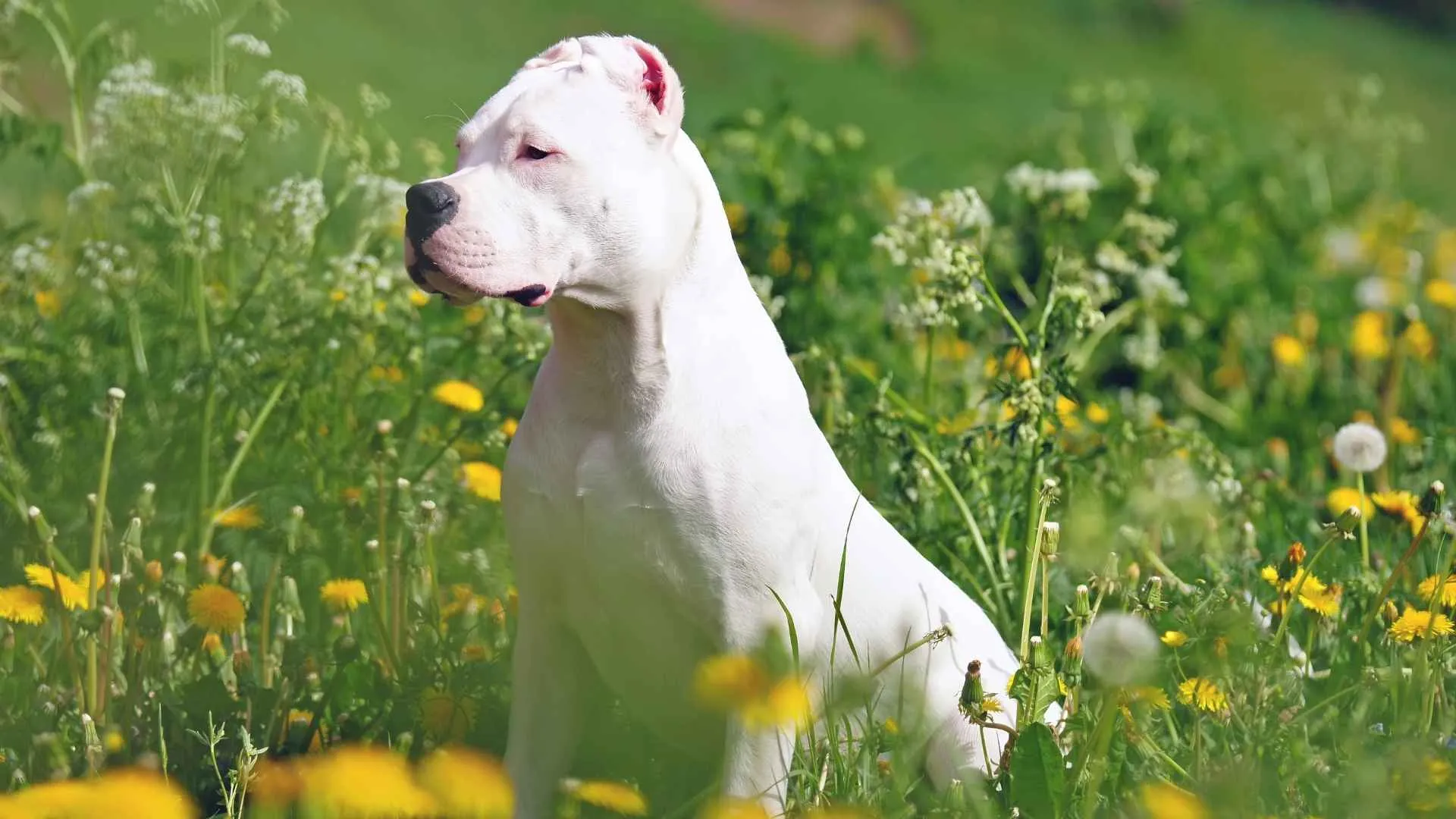
This large dog of mastiff type was originally bred in the 19th century in central Argentina for hunting large game, such as wild hogs, pumas, and peccaries. Because of its great speed, stamina, and strong sense of smell, it is widely used as a police and military dog.
A deep chest provides larger lung capacity, allowing the breed to breathe faster while tracking. Powerful jaw structure and a muscular neck help hold the prey firmly and avoid sudden jerks. This musculature is strong enough to bear heavy loads. The razor-sharp lower teeth enable lethal lacerations. Since it was bred from the Cordoba Fighting Dog, it has a high pain tolerance (bite force: 500 PSI).
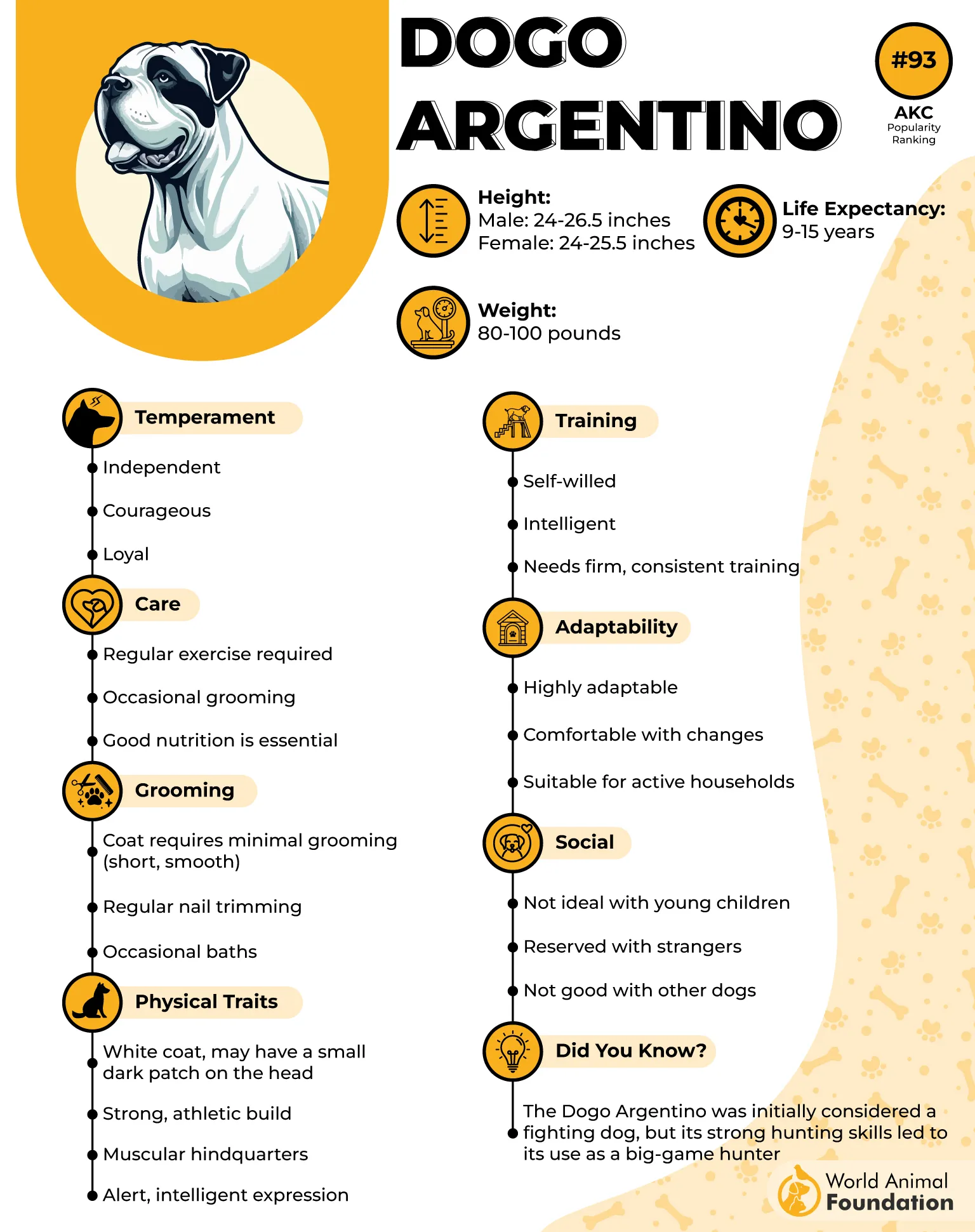
Unlike other hunting breeds, the Dogo Argentino silently tracks and flushes the prey. Once the boar realizes that it is being chased, it stops and tries to attack. So, this energetic breed stays at a distance and moves in a circle to distract. It holds the boar as soon as it gets a chance and puts heavy pressure on it if the boar tries to escape.
3. Polish Hound
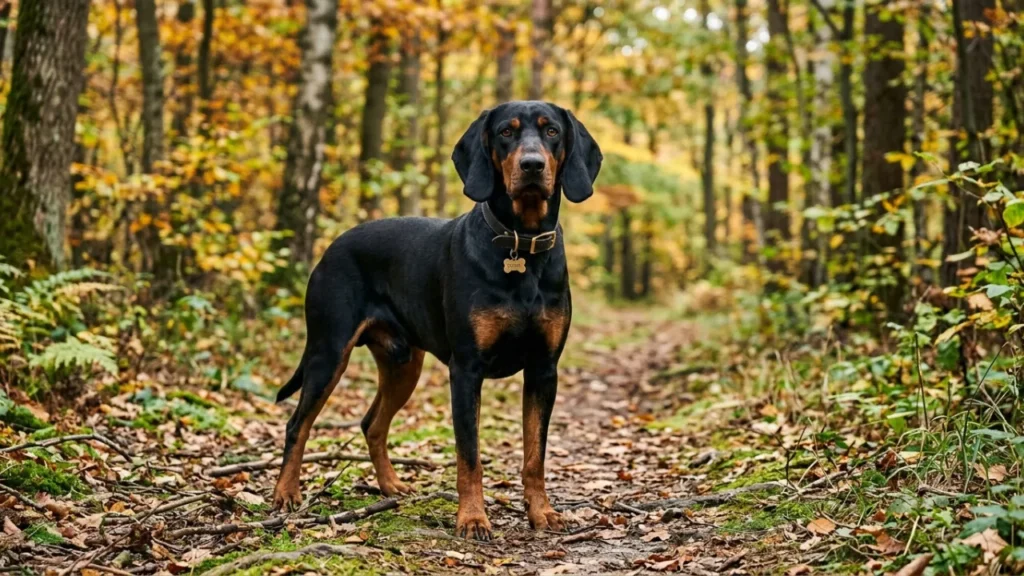
This medium-sized dog was developed in Poland as a hunting breed. It has a very thick and muscular neck with folded and loose dewlaps that help neutralize the boar’s movement. The breed has evenly spaced white teeth with a scissor bite, according to UKC. It has a heavily muscled, long, and oblique pair of shoulders.
The shoulder blades are positioned at an angle of 100 degrees, which promotes fluid gait over rough terrain and absorbs ground impact. This dog is capable of increasing the cardiac output by 74-200% during exertion. The breed excels in exercise and agility since they trigger splenic contractions (boosting RBCs and hemoglobin concentration).
This protective breed relies on ground or air scent to track the fresh odor of a boar. Then it uses its high speed (15-20 mph) to drag the boar out of the bushes towards the waiting line of the hunters. If the boar is injured during the hunt, this hunting breed shifts to tracking.
4. Weimaraner
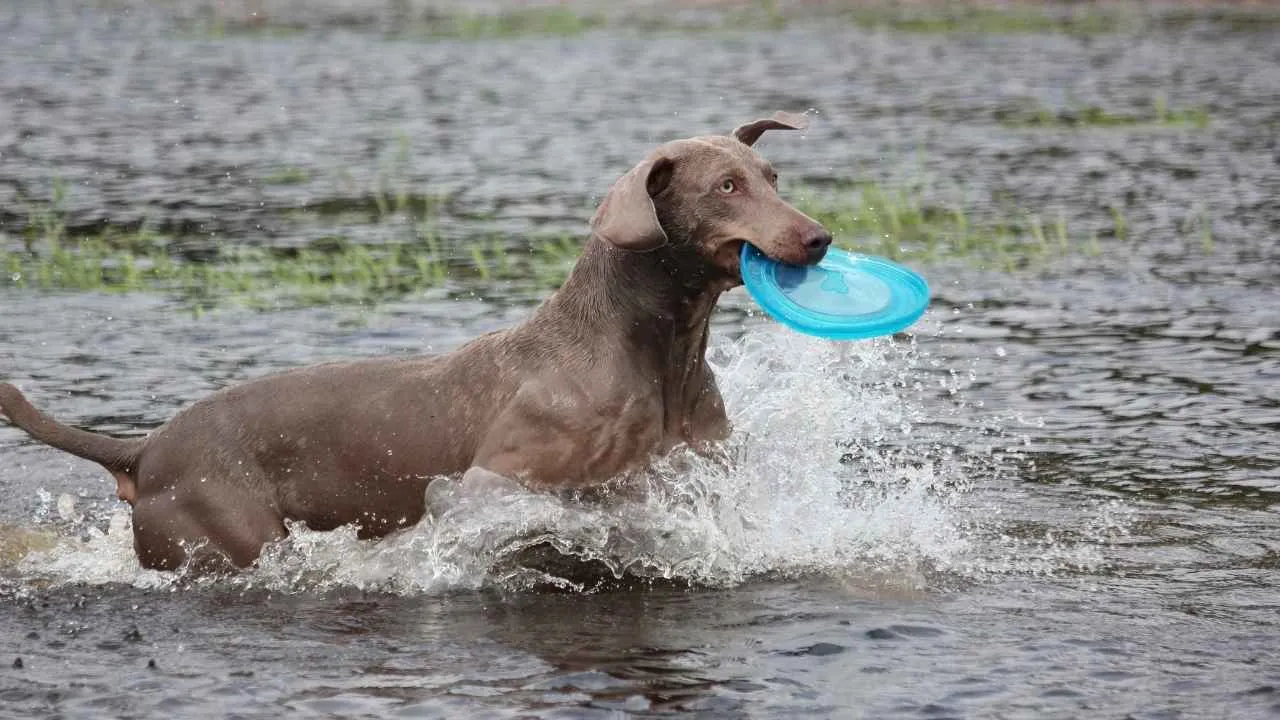
Originally bred in the 19th century by Grand Duke Karl August, a German man looking to develop a perfect hunting dog, this best hog dog was built by crossing the Bloodhound, German, and French bulldogs. This breed was also kept by famous people, such as Dwight D. Eisenhower, the former U.S President.
The breed weighs around 55-80 pounds. So, the Weimaraner has a sinewy and muscular body that maximizes strength without adding much weight. The rectangular body and powerful legs enable galloping to cover long distances in a shorter period of time. The well-angulated hindquarters and shoulders act as a shock absorber while running.
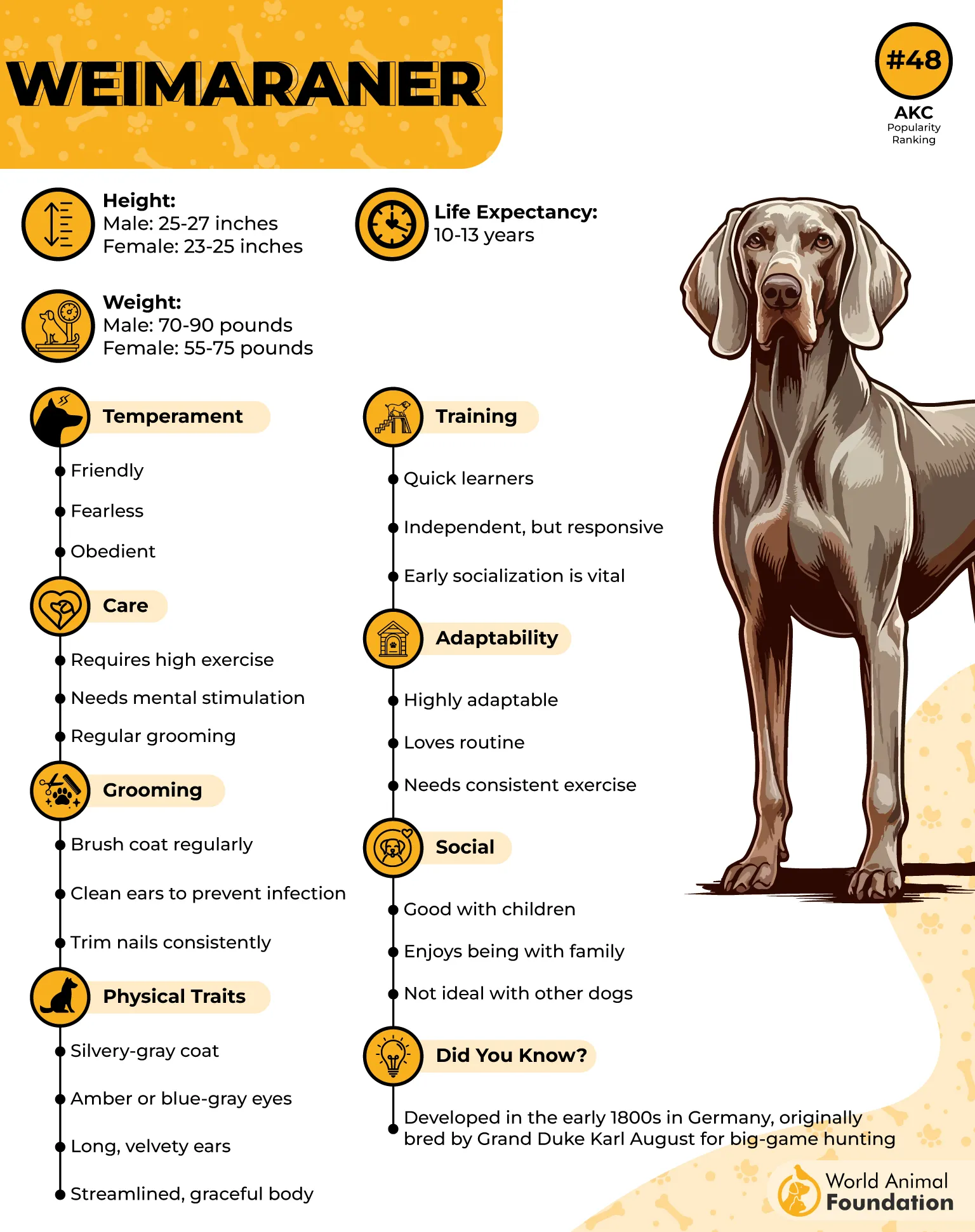
A short mouse-grey or silver coat helps it blend perfectly in the shadowed woodland, creating a camouflage for the wild hogs. It has a strong prey drive and high intelligence that assist the breed in hunting, pointing, and retrieving big game.
5. Plott Hound
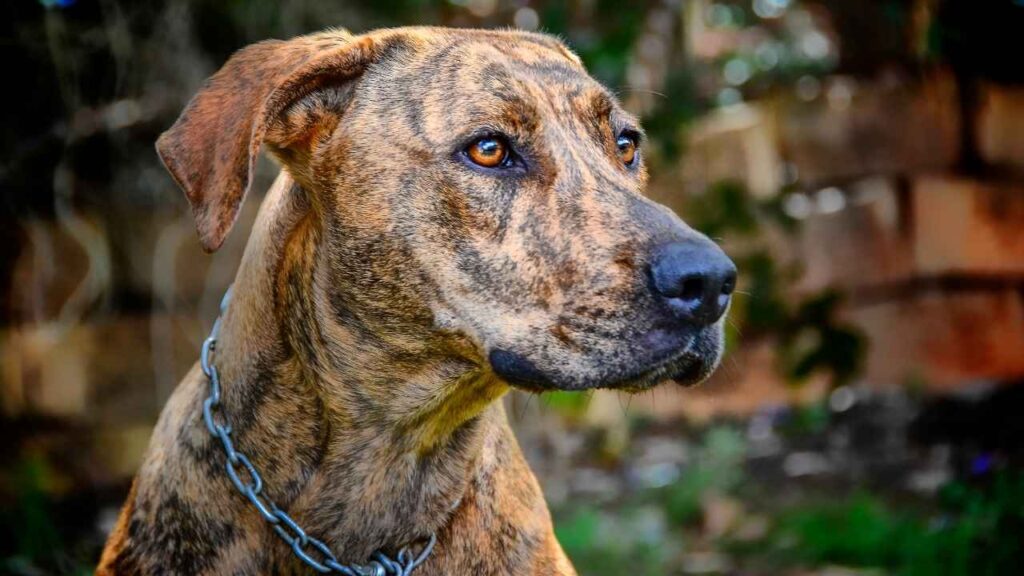
Originating in North Carolina by Johannes Plott in the 17th century, the Plott Hound has German ancestors. The Plott family used this breed specifically to hunt bears, boars, and beagles, etc. This brindle-coated dog is known for its confidence, courage, and loyalty, as per PetMD.
It has round, cat-like feet with thick pads that provide traction and protection over sharp terrain. The rapid cardiovascular system prevents premature lactic acid build-up. The short and smooth coat has a glossy texture that protects the breed from rough and harsh bushes, thorns, and unpredictable weather.
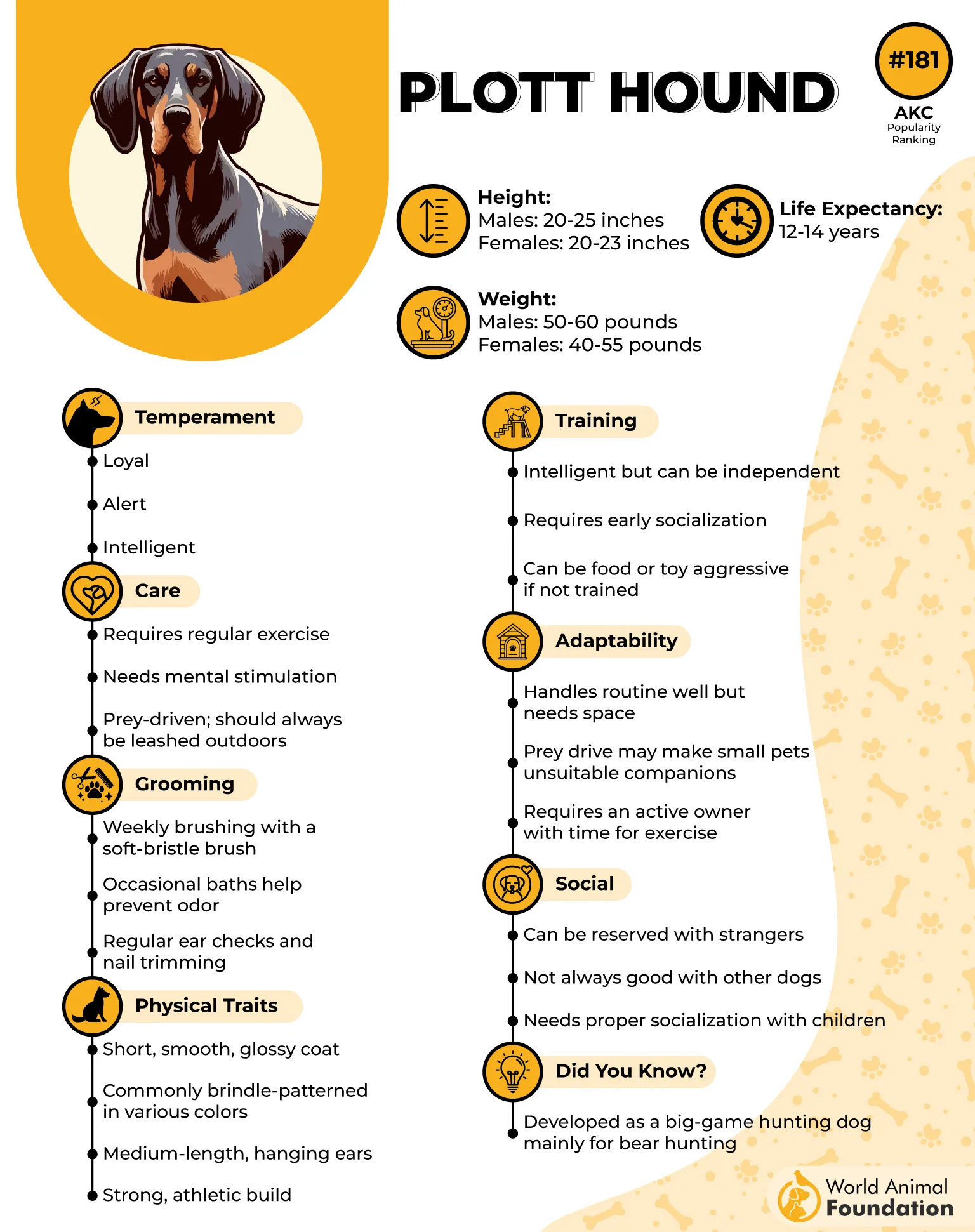
Its tight skin helps it avoid cuts, snags, and abrasions through thick vegetation. It uses loud barking to corral the bear, surrounds it from a distance (providing safety against the sharp teeth of the prey), and signals the hunter simultaneously.
6. Black Mouth Cur
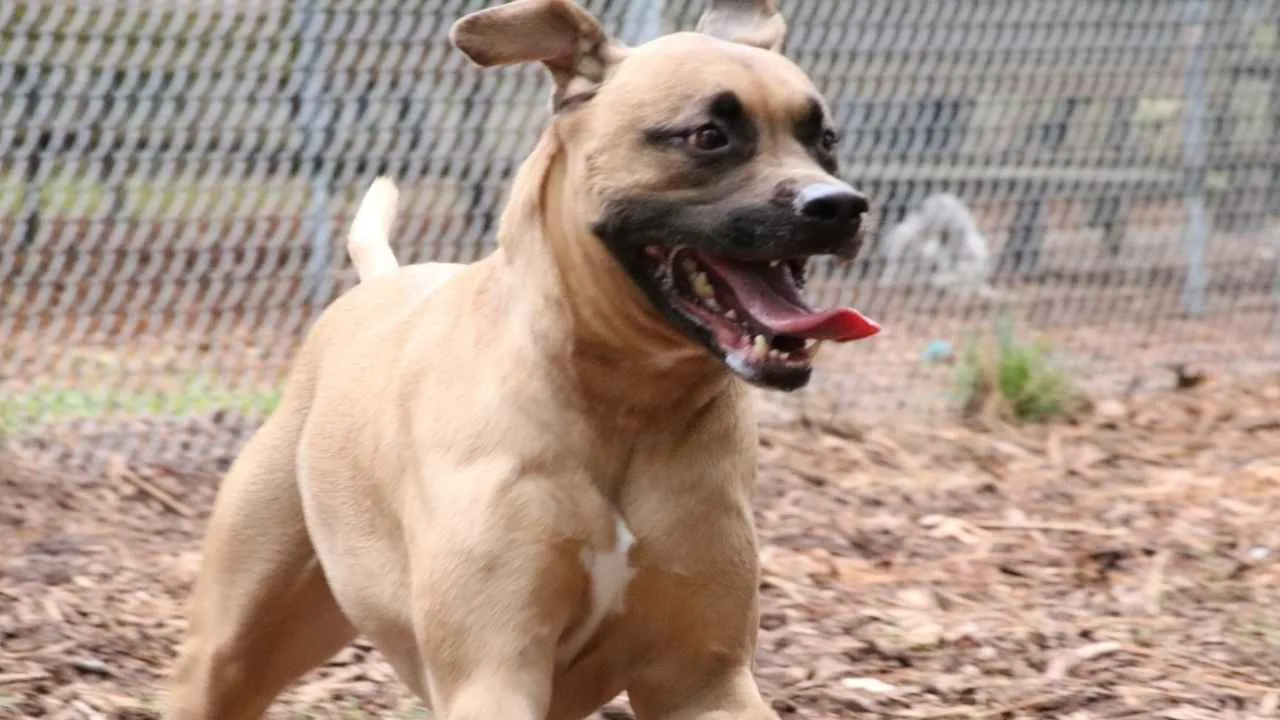
Also known as the Southern Black Mouth Cur and the Yellow Black Mouth Cur, this breed is a medium-to-large American dog. It is known to be descended from some other dogs, such as the Belgian Malinois. Despite hunting big game, it is also used in herding, guarding, and companionship.
The breed has correctly angled stifles (knee joints) and laid-back shoulders. This balanced structure directly translates kinetic energy from the hindquarters into forward momentum, assisting energy conservation. The heavy bones and lean muscle mass provide power for jumping, running, and treeing game.
This hog hunting dog has air and ground scent to locate the sounder (a pack of pigs). Once it locates the prey, it rushes towards the target and aims at the pig to throw off its balance and disorient it. This dog corners the boar and barks at a safe distance to alert the owner.
7. Bluetick Coonhound
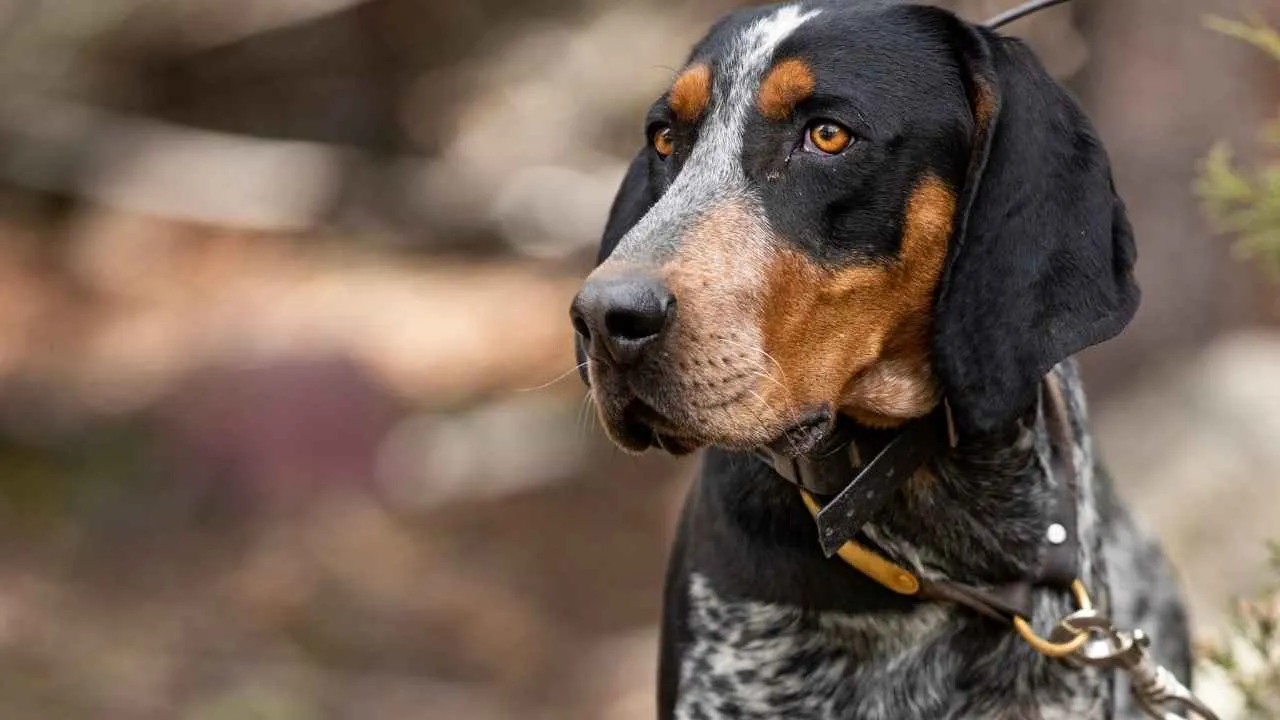
This is one of the oldest dog breeds, originating in the United States. The Bluetick Coonhound was developed by crossing a French Foxhound and an English Foxhound and was gifted to George Washington. It has low-set ears and loose lips that redirect the scent directly into the nose.
The nose processes the scent and sends it to the brain, where a large, dedicated portion further processes the scent, differentiating between “cold scent” and “hot scent.” This muscular breed requires 60-90 minutes of daily exercise and mental stimulation. Known for its “bawl” or “chopping” sound, this breed changes the bark to a vocal tone to alert the owner.
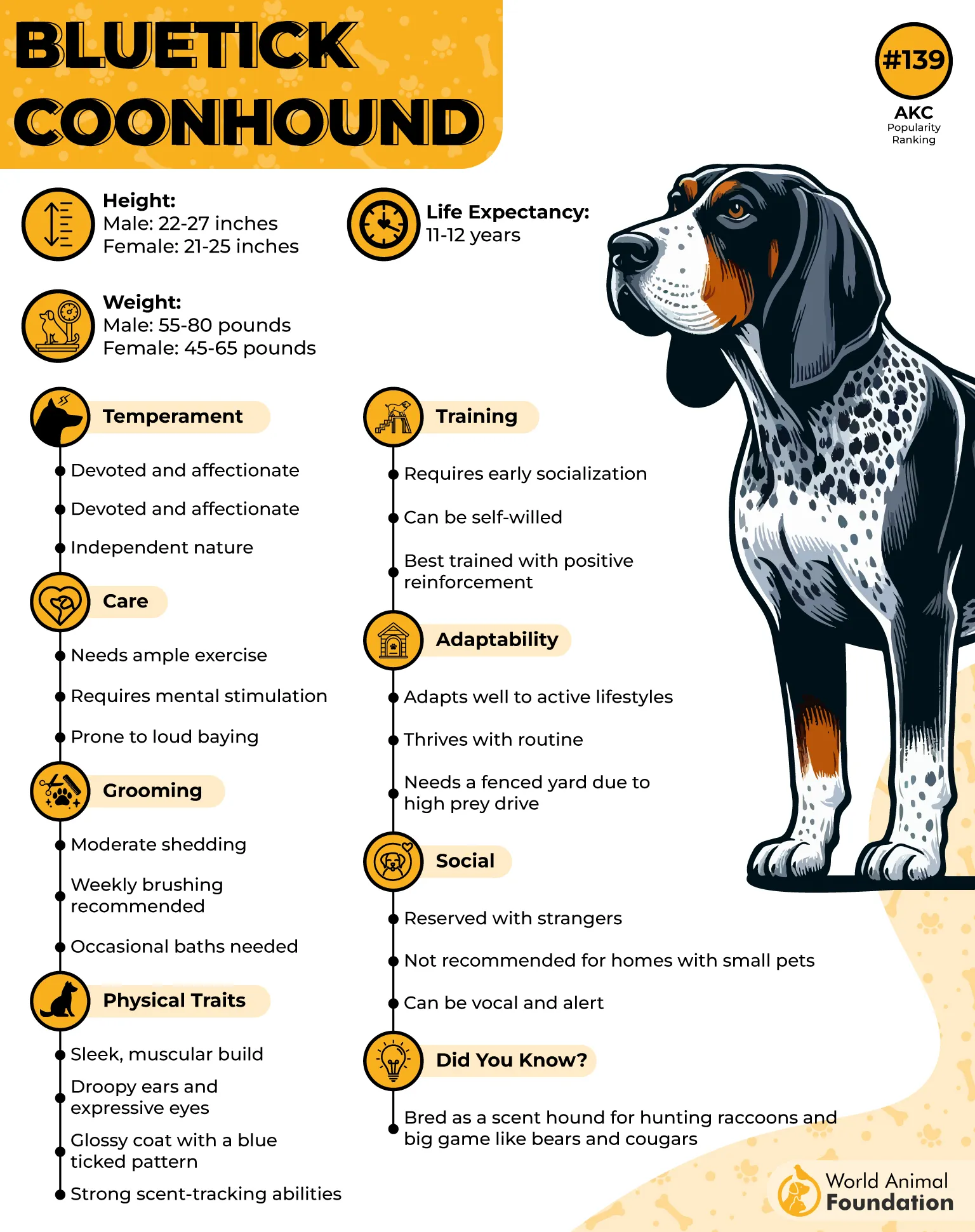
Because of its independent nature, it can work alone, away from the handler. The chop bay serves two purposes: it makes the boar slow down and continuously alerts the owner of the dog’s location. If the boar tries to escape, the Bluetick Coonhound aggressively dashes in to stop it and then resumes its barking.
Conclusion
Wild boar hunting is not a hobby for cowards. It demands the right dog, one with instinct, intelligence, physical toughness, and a genuine drive to work. Each breed mentioned on this list has something special to offer. The Catahoula outsmarts. The Dogo overpowers. The Polish Hound out-tracks. The Weimaraner outpaces. The Plott Hound outlasts. The Black Mouth Cur balances grit with heart. And the Bluetick follows trails no other dog will bother with.
The best hunting dog does not always have to be the loudest or the biggest, but it just needs to match your lifestyle and your demands. Conduct thorough research, contact suitable breeders, know about their temperament, and then adopt a perfect dog for you.
