




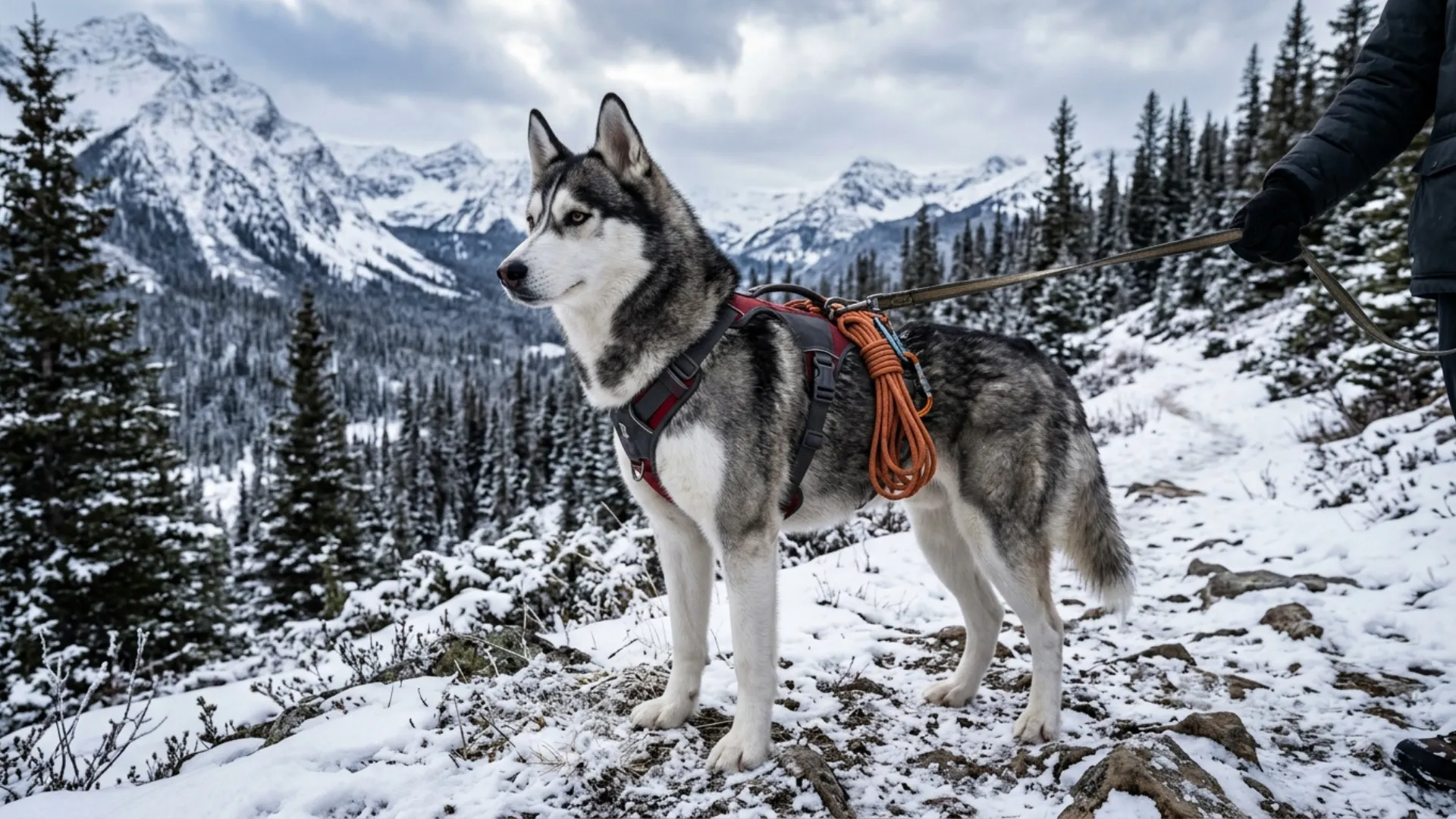
The wild environment presents unpredictable conditions, which make life difficult to predict. It requires physical strength, mental alertness, and stamina to handle challenges. Some dog breeds cannot survive these conditions, but certain breeds were intentionally developed to handle such difficulties.
Working dogs possess natural survival instincts, which make them trustworthy companions for outdoor activities and survival training.
Certain dog breeds exhibit exceptional strength from cold mountain areas to hot plains. These dogs exhibit three core abilities, which include smart thinking, athletic performance, and their ability to naturally protect their territory. They reach their highest potential in three specific functions, which include tracking, guarding, and challenging environments.
Some dog breeds used for survival training can detect environmental changes before humans become aware of them. Sled dogs such as Siberian Huskies can run multiple miles without exhaustion. Livestock guardians often patrol independently without guidance.
Elite Dog Breeds That Excel in Wilderness Survival Skills
1. Alaskan Malamute
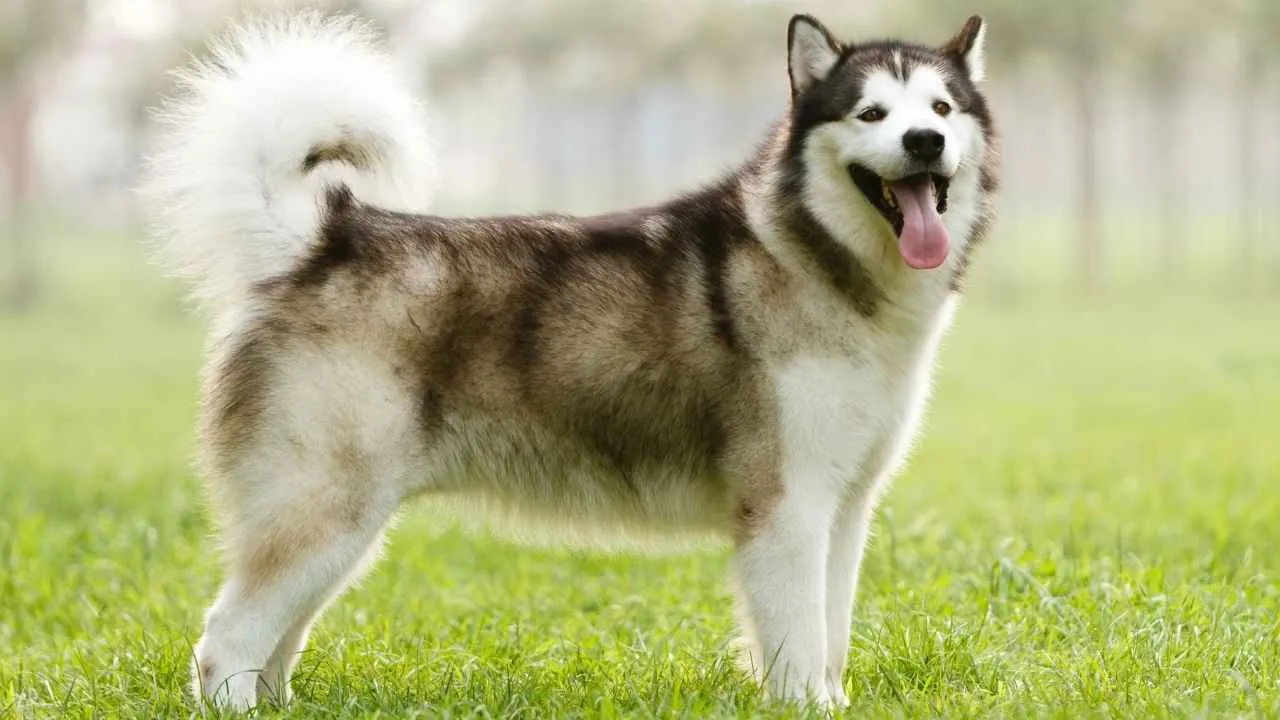
The Alaskan Malamute stands as one of the most powerful survival dogs built for cold weather and intense physical activity. This large, wolf-like breed was developed to transport heavy loads across frozen terrains. Thick fur and exceptional endurance allow it to function efficiently in extreme temperatures.
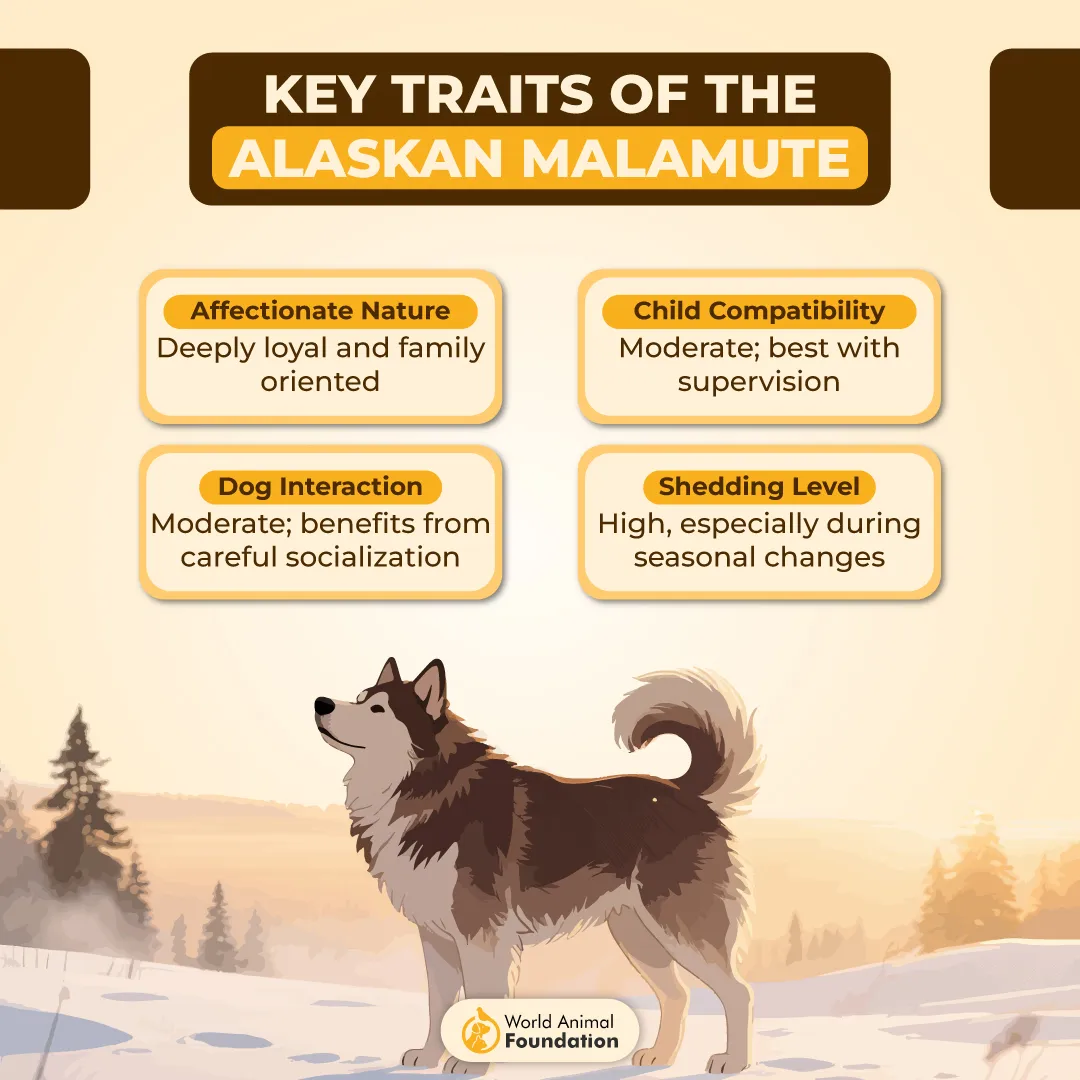
The Alaskan Malamute shows strong independence and a natural tendency for exploration. Common behaviors include long-distance movement, digging, and roaming. High energy levels require continuous activity, making this breed suitable for experienced outdoor-focused owners.
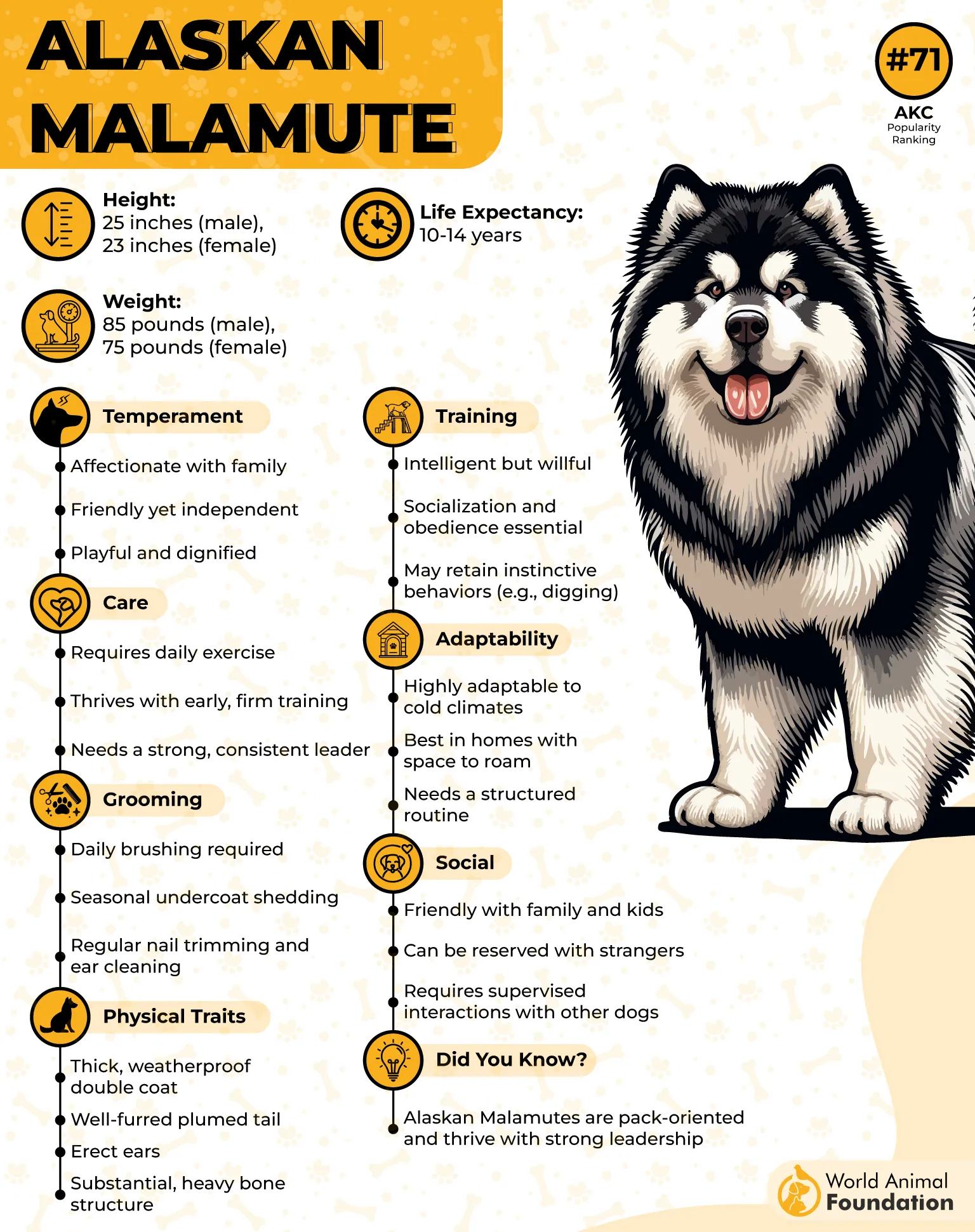
The Alaskan Malamute requires cold environments and large open spaces for optimal living. Both physical and mental stimulation are necessary for balance. Strong prey drive and independence demand consistent training routines.
Purina states that structured routines help maintain discipline in powerful working breeds.
🎧 Dogcast
Episode 37 — Why Dogs Stay Close without Touching
If you don’t hear sound, tap the button above to enable audio.
2. Rhodesian Ridgeback
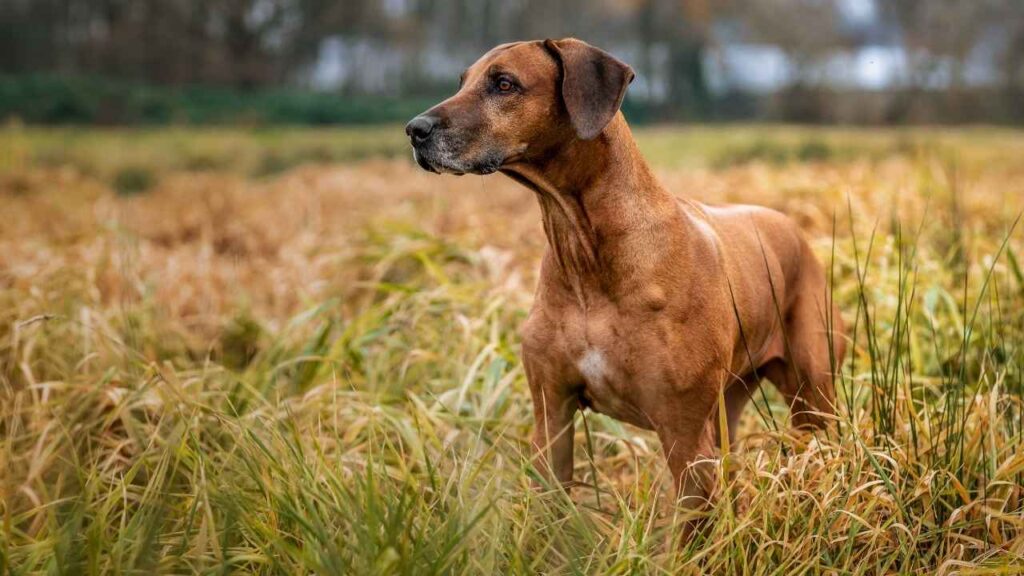
The Rhodesian Ridgeback brings survival ability from warm weather environments. The African breed was developed to help hunters track large game, which included lions. It possesses an athletic physique together with keen awareness, which enables it to function as an ideal partner for outdoor activities.
The Rhodesian Ridgeback exhibits a calm demeanor while remaining alert enough to survival scenarios with self-assuredness. It develops a strong bond with its family through protective and loyal behavior, but shows restraint when meeting new people. This dog breed requires minimal grooming, which makes it suitable for use in demanding outdoor environments.
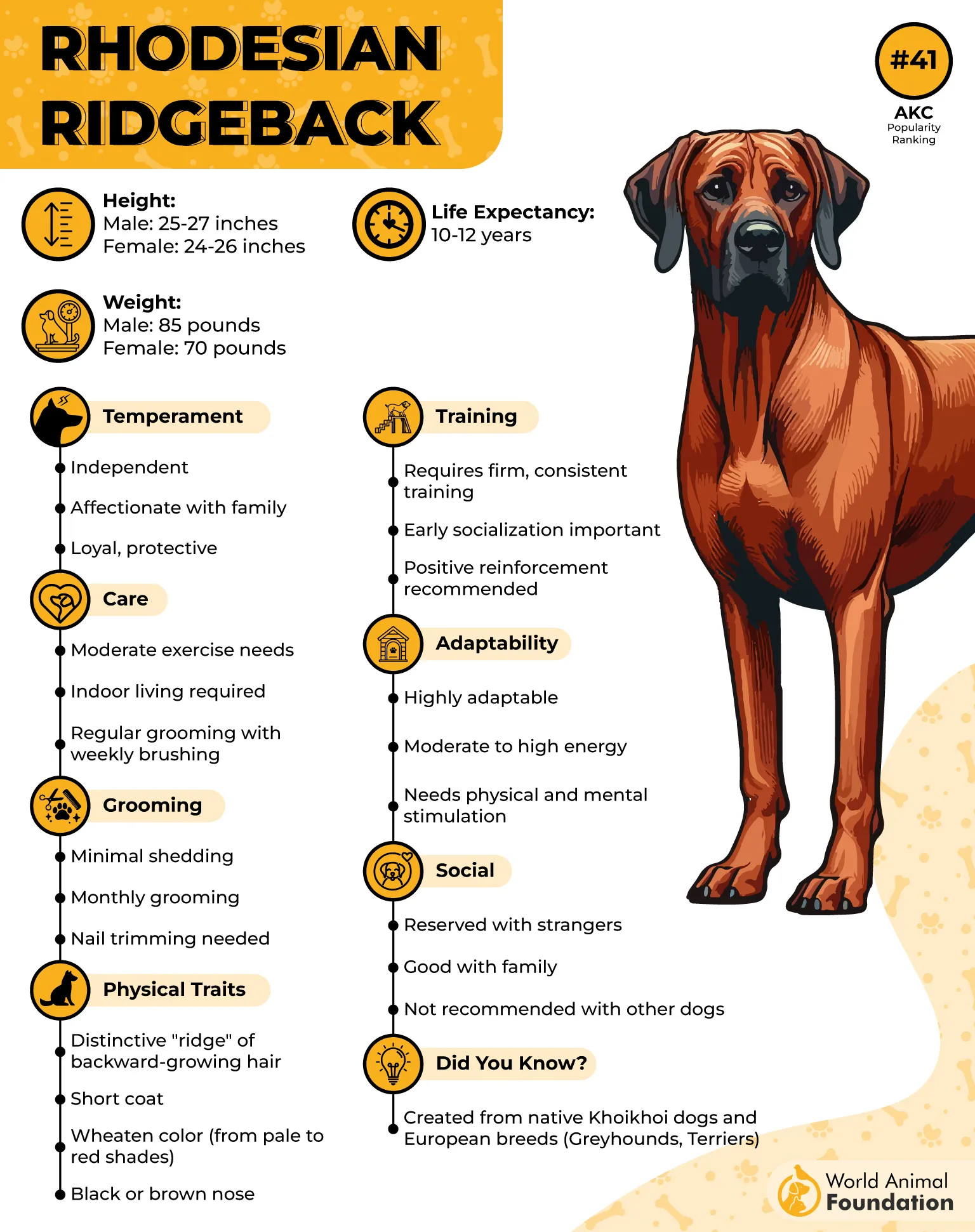
The Rhodesian Ridgeback shows good adaptability to warm climates and open terrain that exists in its natural environment. The training program needs to include consistent practice and social exposure during the initial stage to control the breed’s instincts.
Effective training transforms this breed into a trustworthy outdoor companion who maintains proper behavior.
3. Siberian Husky
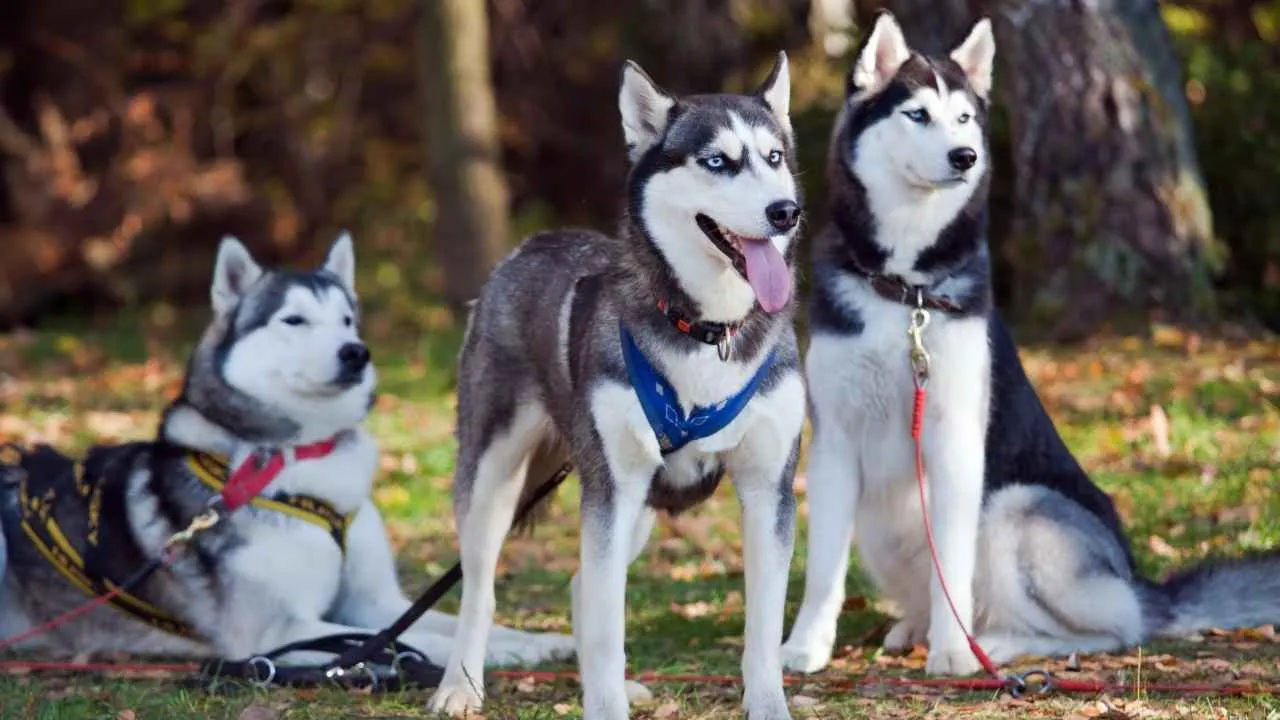
The Siberian Husky stands as the most recognizable breed for its ability to sustain itself through freezing temperatures. The medium-sized dog breed exists to operate as a snow travel companion, which enables people to traverse snow landscapes on extended journeys.
The Siberian Husky possesses strong stamina that enables it to maintain efficient movement during extreme cold weather conditions.
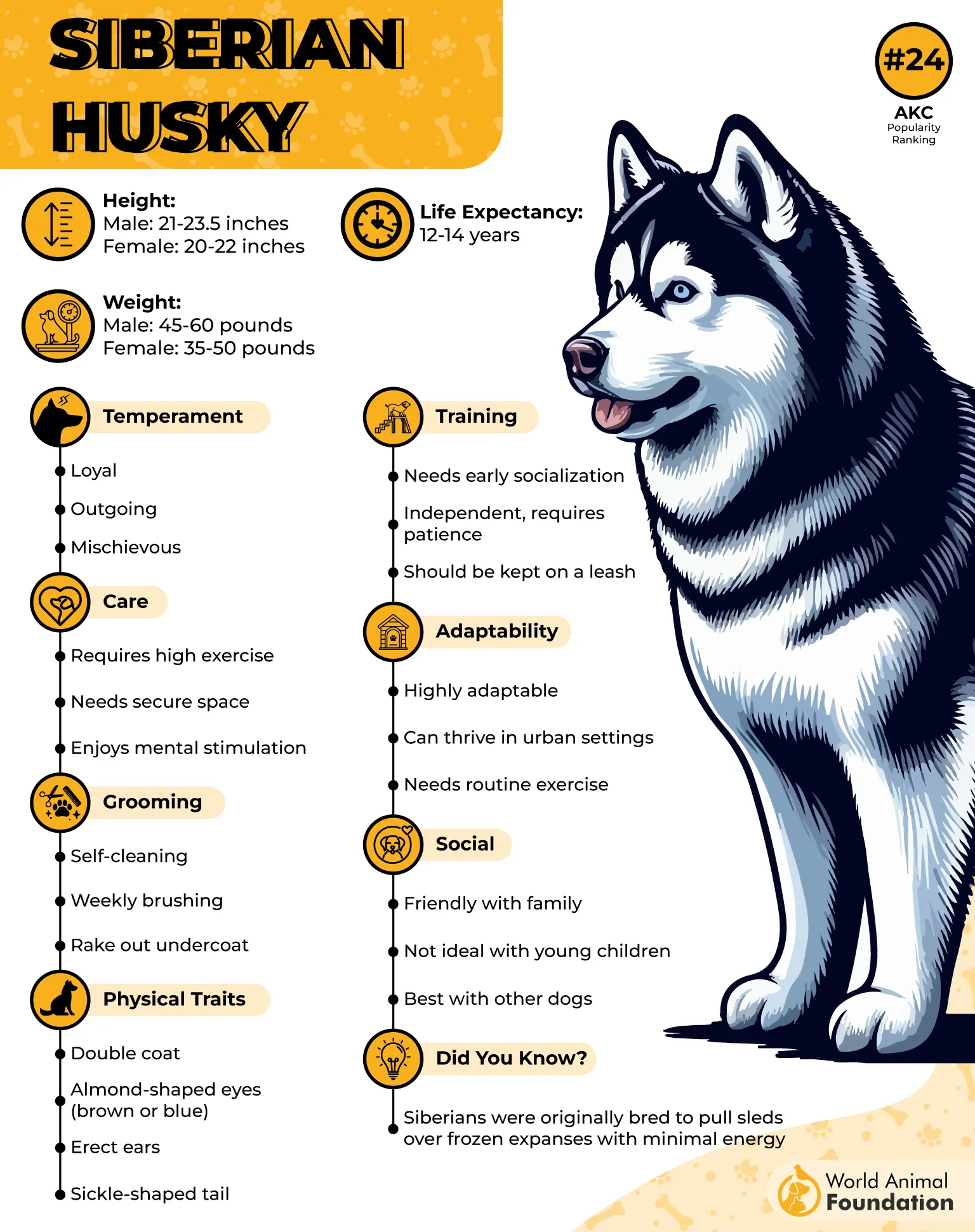
A friendly nature allows easy interaction, but an independent personality remains evident. High energy levels require daily exercise and open spaces. Lack of activity may lead to restlessness.
The Siberian Husky requires cold weather environments and regular exercise patterns to reach its optimal performance level. This dog needs a secure area due to a strong tendency to wander. The American Kennel Club states that this breed requires both physical exercise and mental activities to achieve complete health maintenance.
4. Belgian Malinois
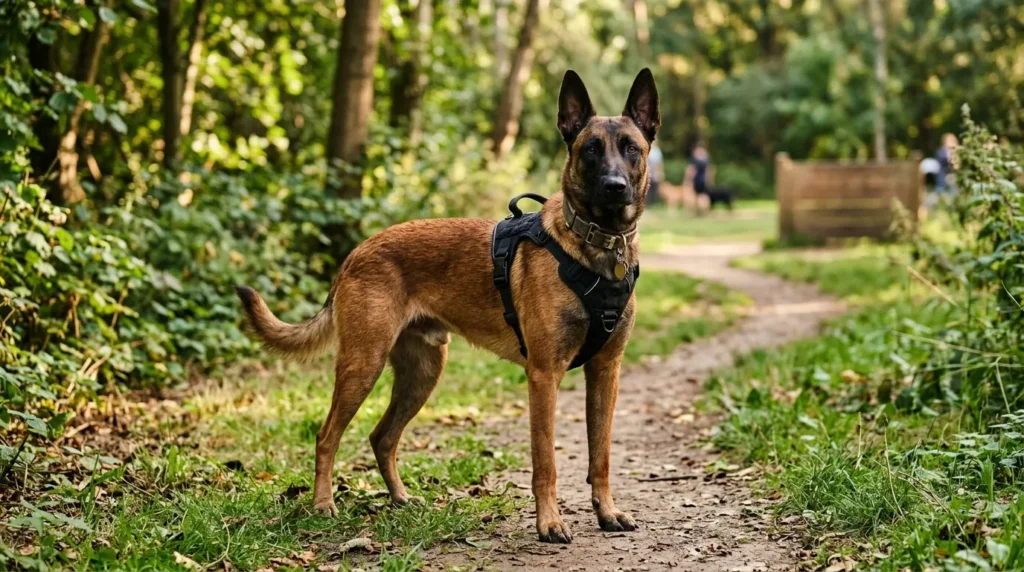
The Belgian Malinois represents intelligence, together with speed and an unmatched work ethic. The highly athletic breed demonstrates exceptional performance in search and rescue, protection, and military operations. Survival ability comes from sharp awareness and the capacity to respond quickly in challenging environments.
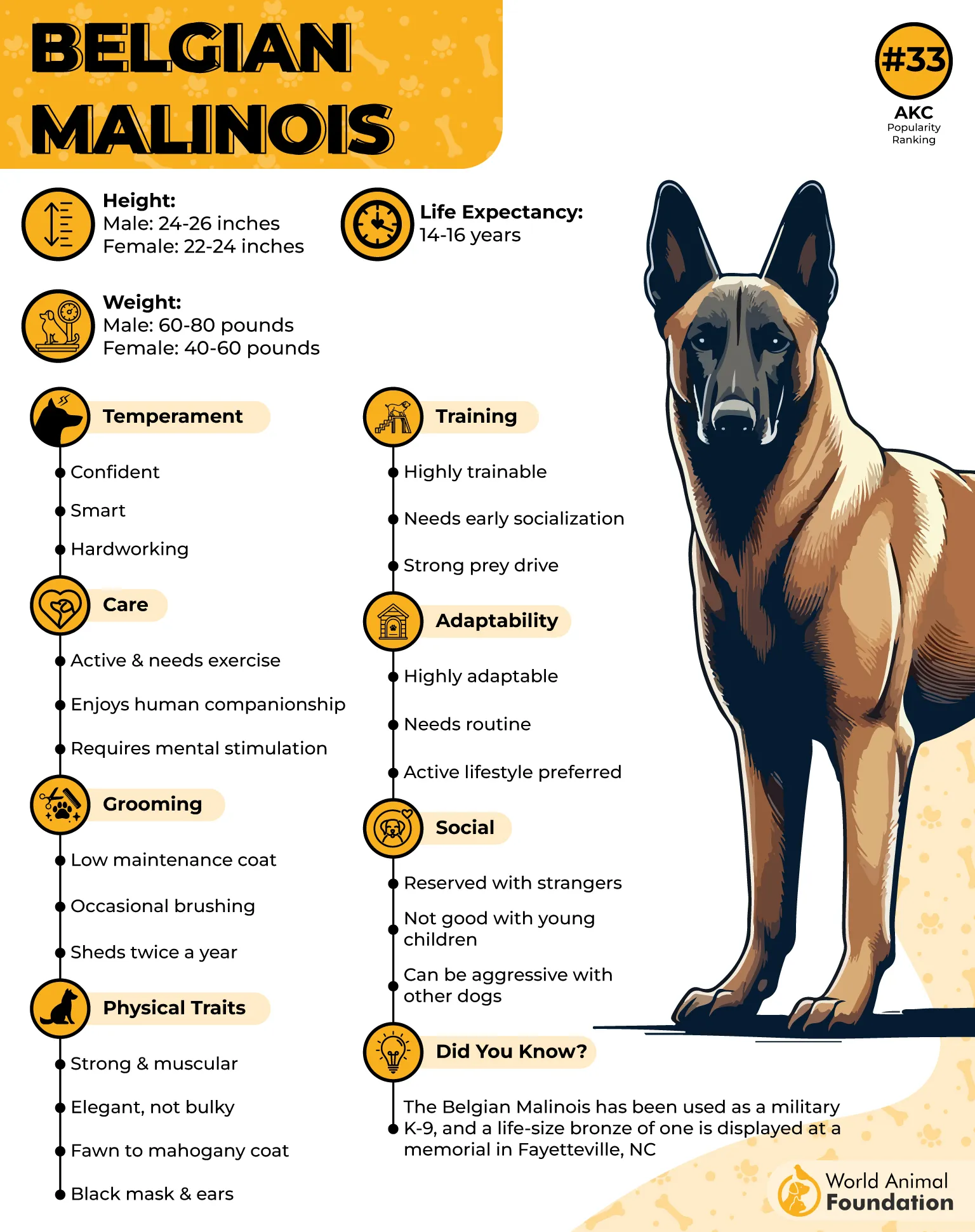
This breed shows its best performance when it works on tasks that have a specific purpose. The absence of an established framework leads to excessive energy levels that need to be controlled. The Belgian Malinois uses its strong protective instincts to perform its guarding and patrol duties because of its ability to handle unpredictable outdoor situations.
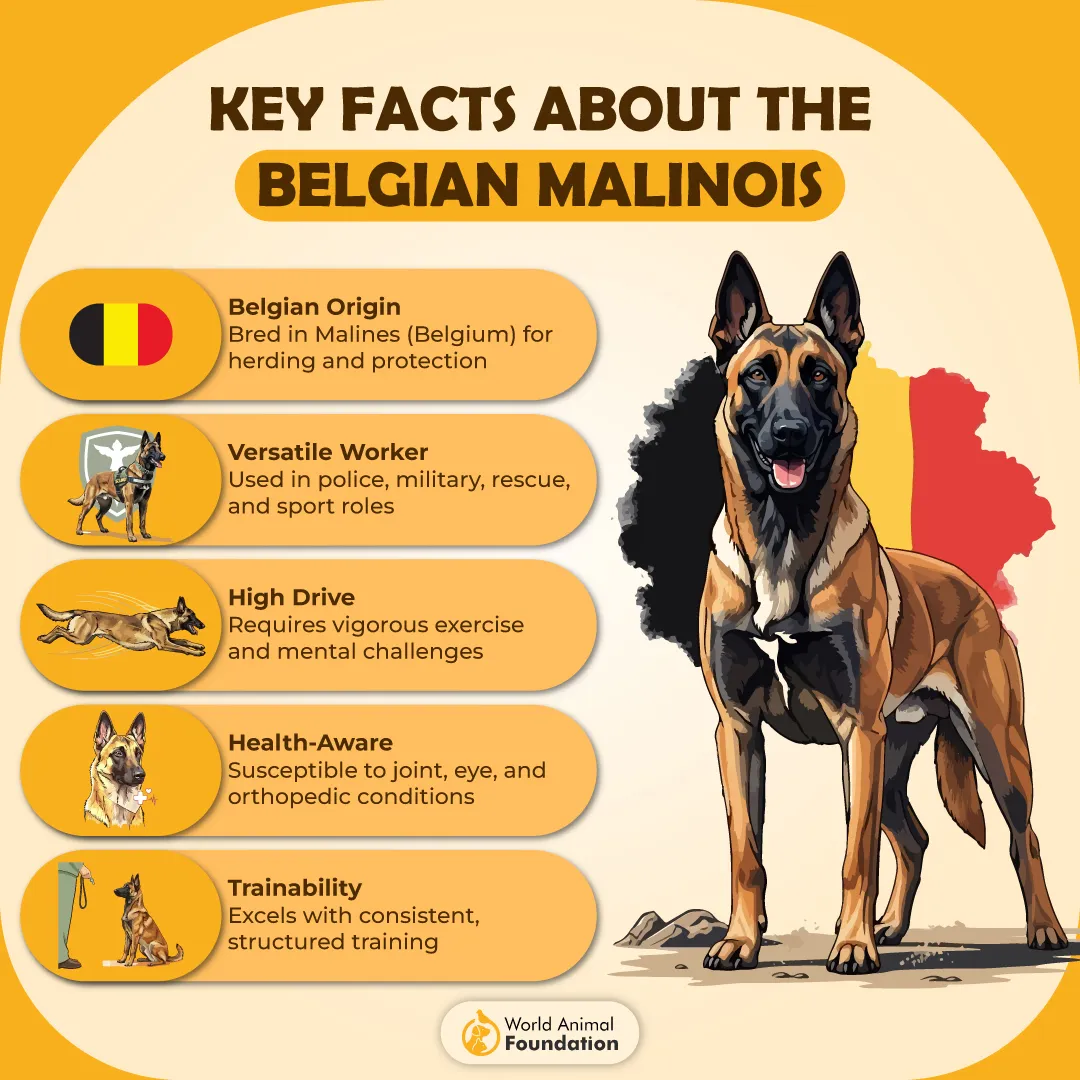
The Belgian Malinois needs continuous training and physical activities to keep its brain active. It uses both physical activities and mental exercise to maintain its health. According to Hills Pet Nutrition, structured routines support both physical health and behavioral stability in highly intelligent working dogs.
5. Akita
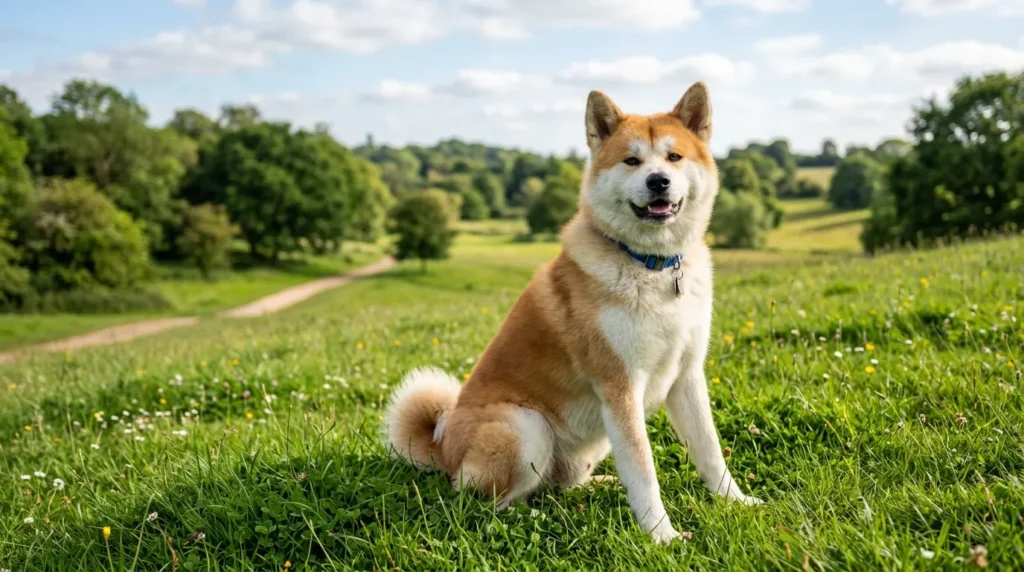
The Akita stands as a strong and dignified dog that protects its owner through loyal companionship. This breed, developed in Japan, functions as a mountain hunting guard dog. It uses its thick coat and strong build to survive in extremely cold conditions.
The Akita maintains a calm demeanor while staying fully aware of its surroundings. It requires experienced handlers due to its independent personality and strong determination. Family members receive deep loyalty, resulting in protective behavior during times of seclusion.
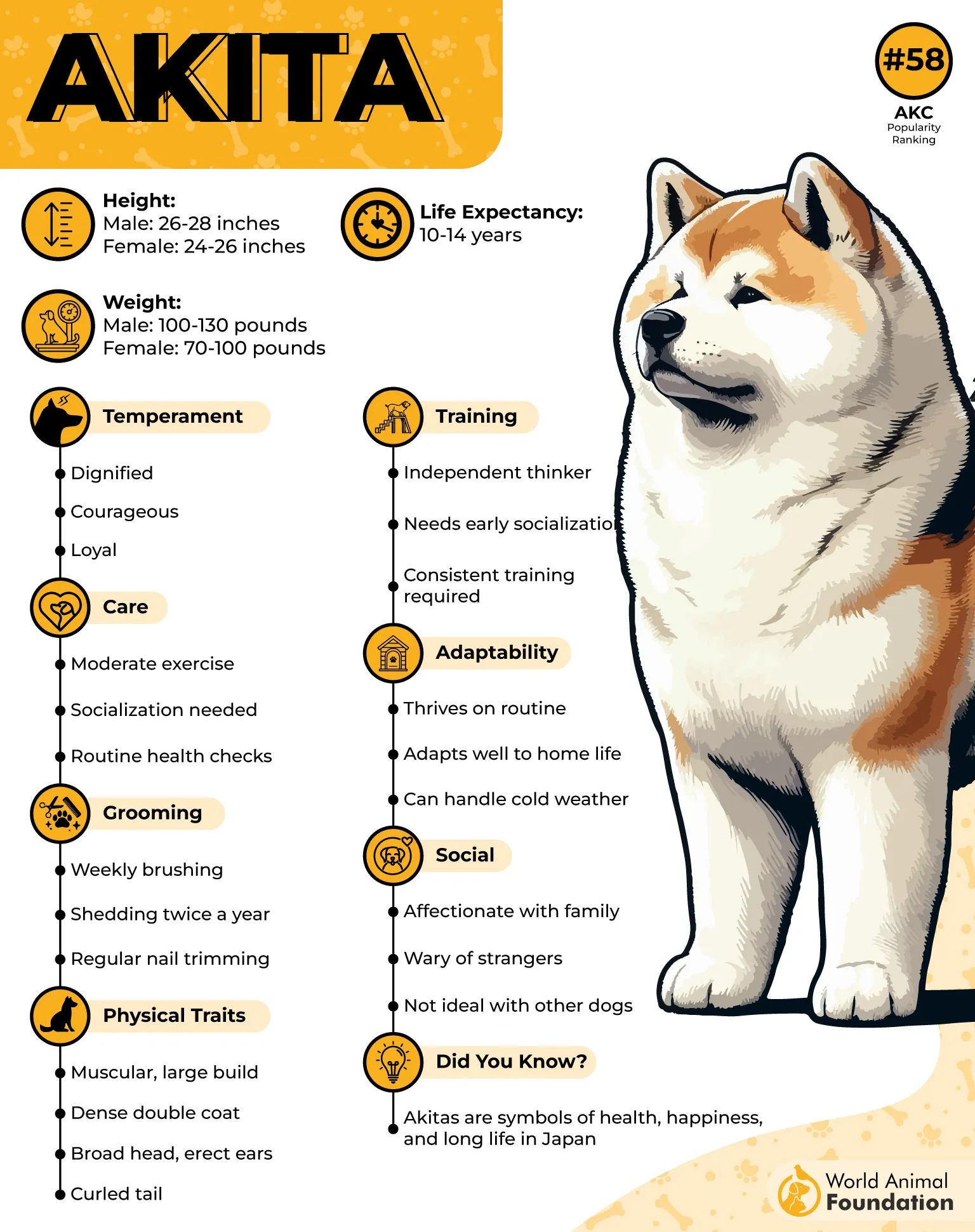
The Akita needs strong training methods and socialization introduction at a young age to achieve its maximum potential. Its body requires exercise to build strength, while exercise also serves as a way to establish emotional stability. PDSA states that regular training sessions enable effective control of the breed’s dominant personality characteristics.
6. German Shepherd
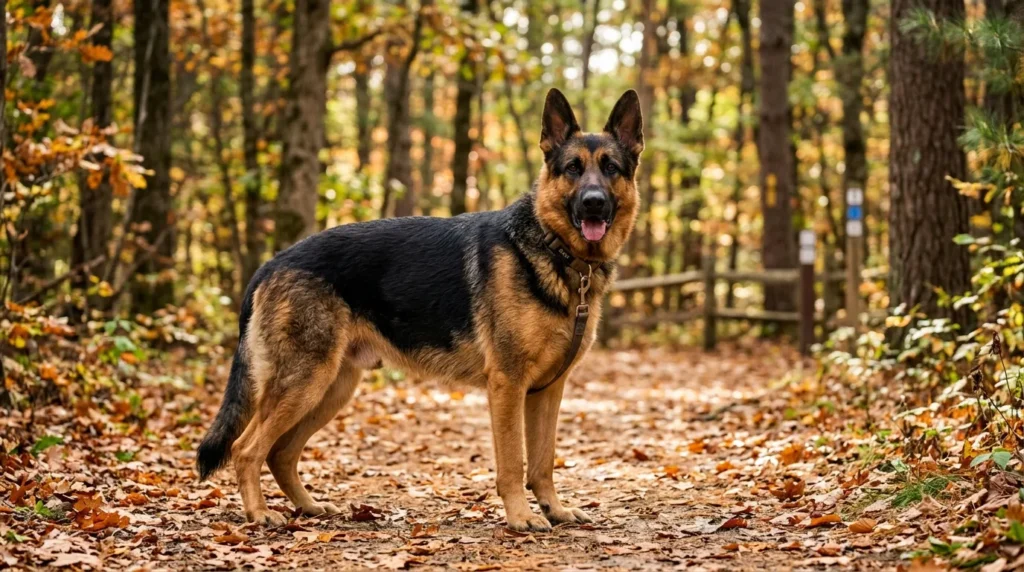
The German Shepherd stands among the most versatile survival dogs in the world. This breed originally developed as a herding dog, but now serves various roles, including protection, search and rescue operations, and service work. The GSD possesses intelligence and adaptability, which enable it to function effectively in different survival situations.
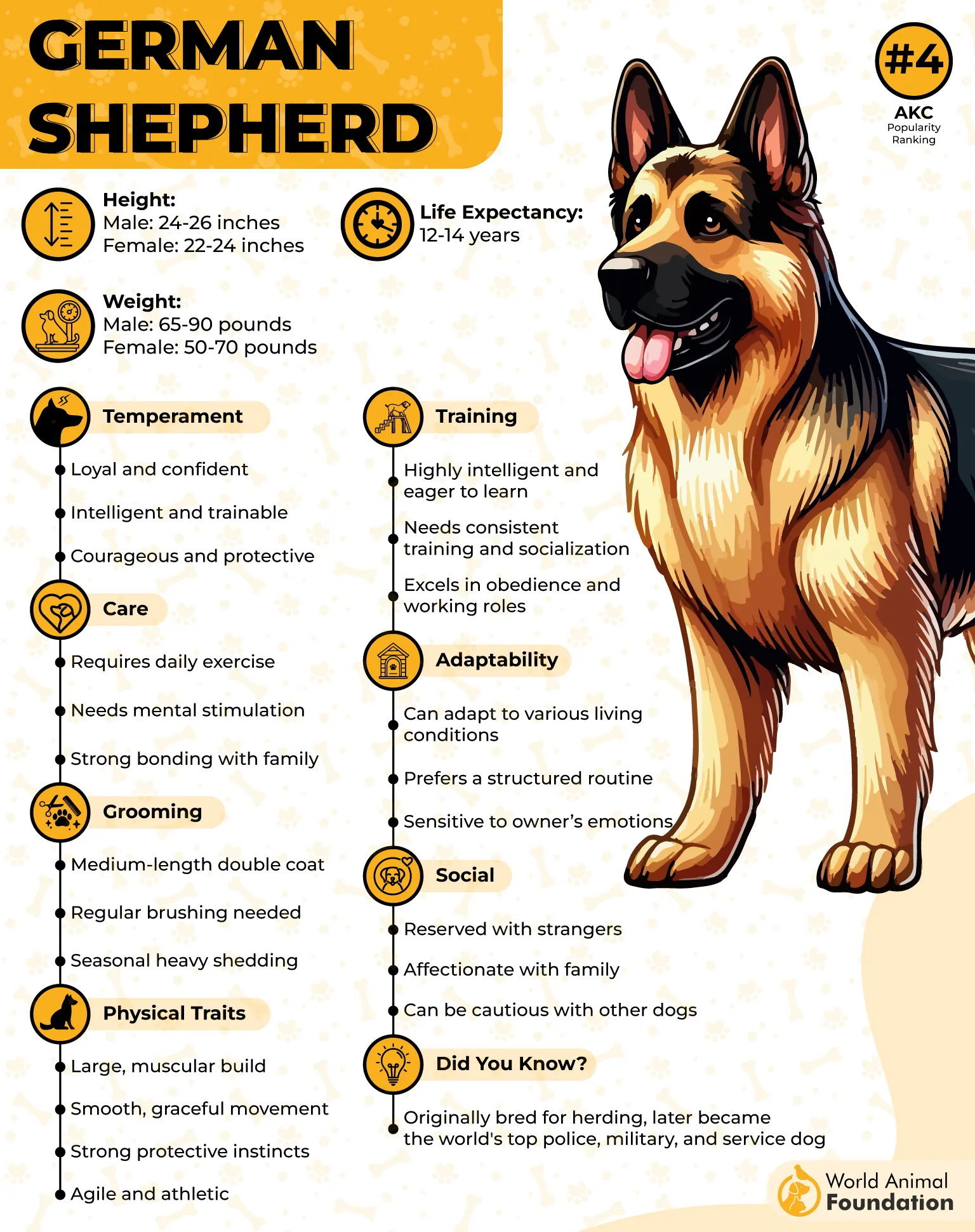
The German Shepherd is effective in training results because it possesses both physical strength and obedience. It maintains its protective nature while displaying a calm and controlled behavior. The GSD develops into a trustworthy pet that functions well in both outdoor and indoor situations when provided with proper training.
The German Shepherd needs exercise and mental activities to sustain its operational capabilities. Training during the initial stages of life establishes both safe behavior patterns and self-assurance in individuals.
German Shepherds, being active working dog breeds, benefit from structured activities because these activities enhance their lifespan and health, according to PetMD.
7. Anatolian Shepherd
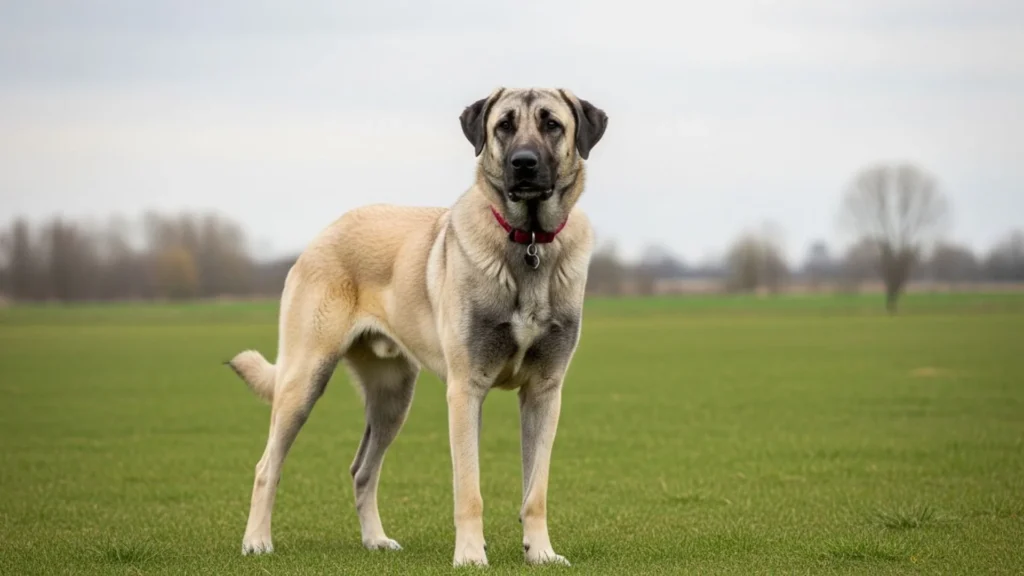
The Anatolian Shepherd serves as a natural guardian that protects livestock across extensive and difficult-to-access geographical areas. The large breed possesses powerful physical strength, which enables its independent nature to conduct patrols and protect areas without needing ongoing oversight. This dog shows its deep-rooted survival instincts through its behavior.
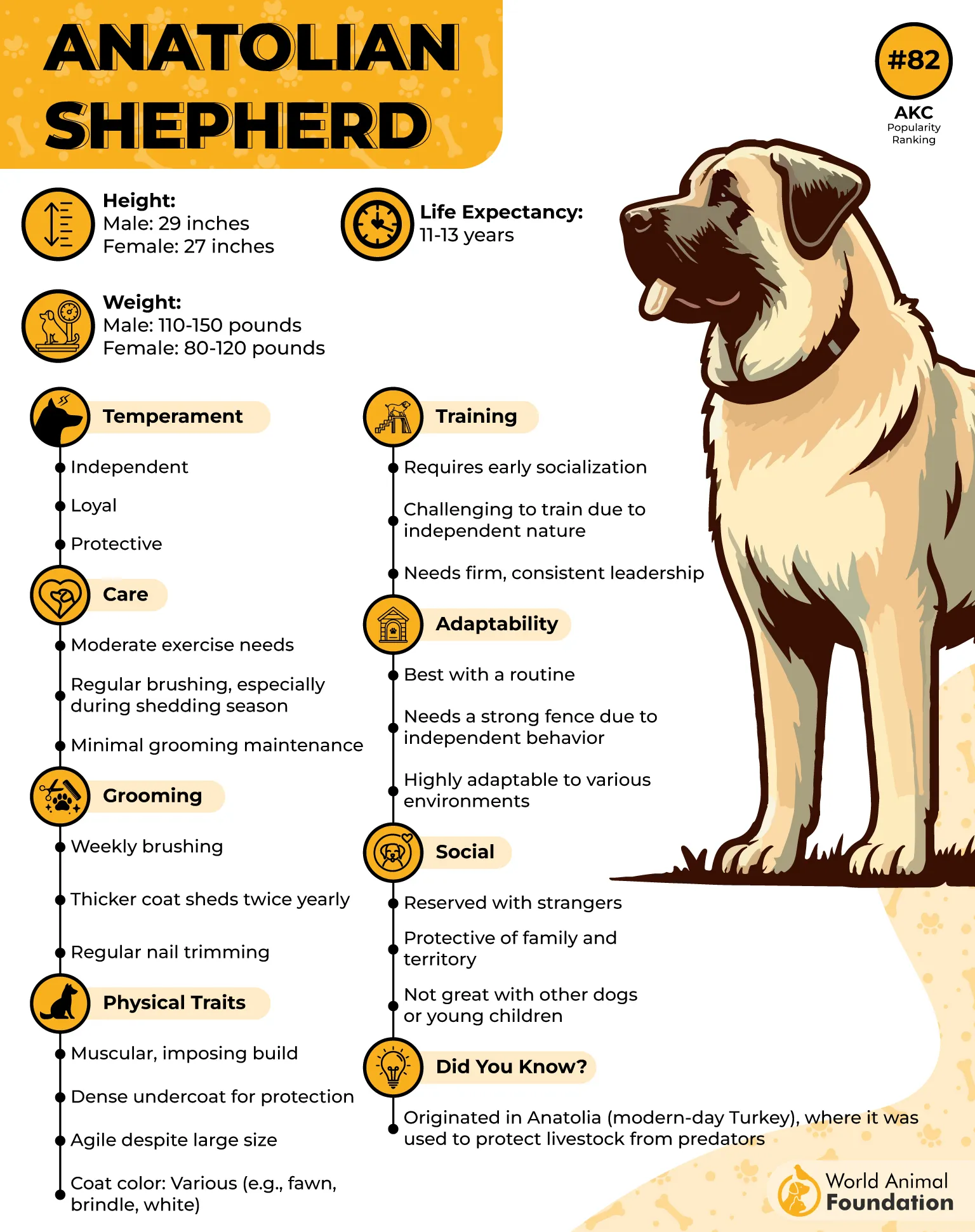
The Anatolian Shepherd maintains its calm demeanor while displaying strong territorial behavior. This dog uses its suspicious nature toward unfamiliar people to protect remote areas. It possesses both physical strength and endurance, which enable it to perform outdoor activities throughout extended periods without difficulty.
The Anatolian Shepherd requires firm training from an early stage. This dog needs secure space for regular activity, which helps develop balanced behavior. Omlet states that strong guarding instincts in Anatolian Shepherds require management through early training and appropriate environmental conditions.
Conclusion
Wildlife survival requires more than physical strength. It demands intelligence, quick decision-making, and adaptability. These dog breeds demonstrate how natural abilities develop through purpose-driven roles over time.
These qualities allow consistent performance in unpredictable environments where conditions change rapidly. Strong instincts combined with proper training create dependable companions for extreme outdoor challenges.
Dog selection for outdoor activities requires assessment of three factors, which include environmental conditions, personal experience, and dedication to training. Some dog breeds excel in cold weather, while others achieve optimal performance in hot weather.
The fundamental requirements for success remain identical because they demand that dogs undergo appropriate training and take part in daily physical activities while maintaining strong bonds with their human trainers.
Can You Master These Elite Survival Dog Breeds? 🐕🌲 Test Now!
Which dog breed was developed to transport heavy loads across frozen terrains?
Which breed was historically used to track and hunt lions in Africa?
Which sled dog can run multiple miles without exhaustion in freezing conditions?
Which breed is widely used in military, search and rescue, and protection roles?
Which dog breed originated in Japan and is known for its loyalty and cold-weather survival?
Which breed naturally patrols livestock independently across large territories?
