




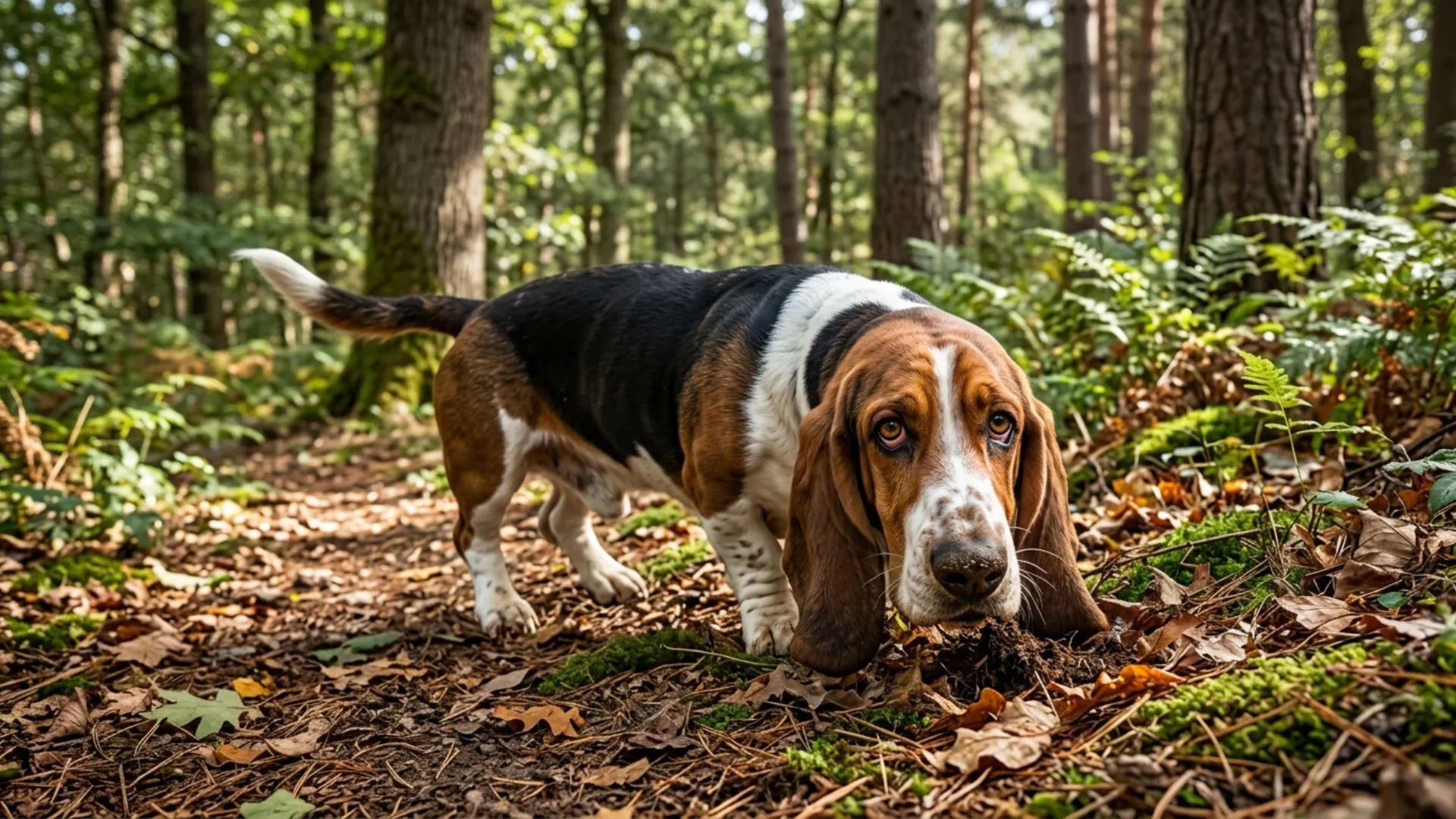
A dog’s nose is nothing short of a biological masterpiece. While humans rely mostly on sight to experience the world, dogs live through scent, and honestly, that makes total sense once you look at the numbers: dogs have around 300 million olfactory receptors, compared to just about 6 million in humans, roughly 50 times more.
That kind of nose lets dogs sniff out things hidden underground, follow trails that are days old, and even track down lost objects, which is honestly pretty amazing on its own.
This incredible sense of smell makes dogs genuinely useful across all kinds of tasks, from tracking game and search-and-rescue missions to detection work and even alpine avalanche recovery.
In this guide, we’ve rounded up nine dogs known for their powerful sense of smell. You’ll learn what kinds of trails they’re best at sniffing out, along with details on their temperament, exercise needs, and training requirements.
So if you’re on the hunt for a tracking dog, whether for hunting, detection, or any other specialized work, stick around.
Elite Dog Breeds Known for Their Powerful Smell Sense
1. Bloodhound
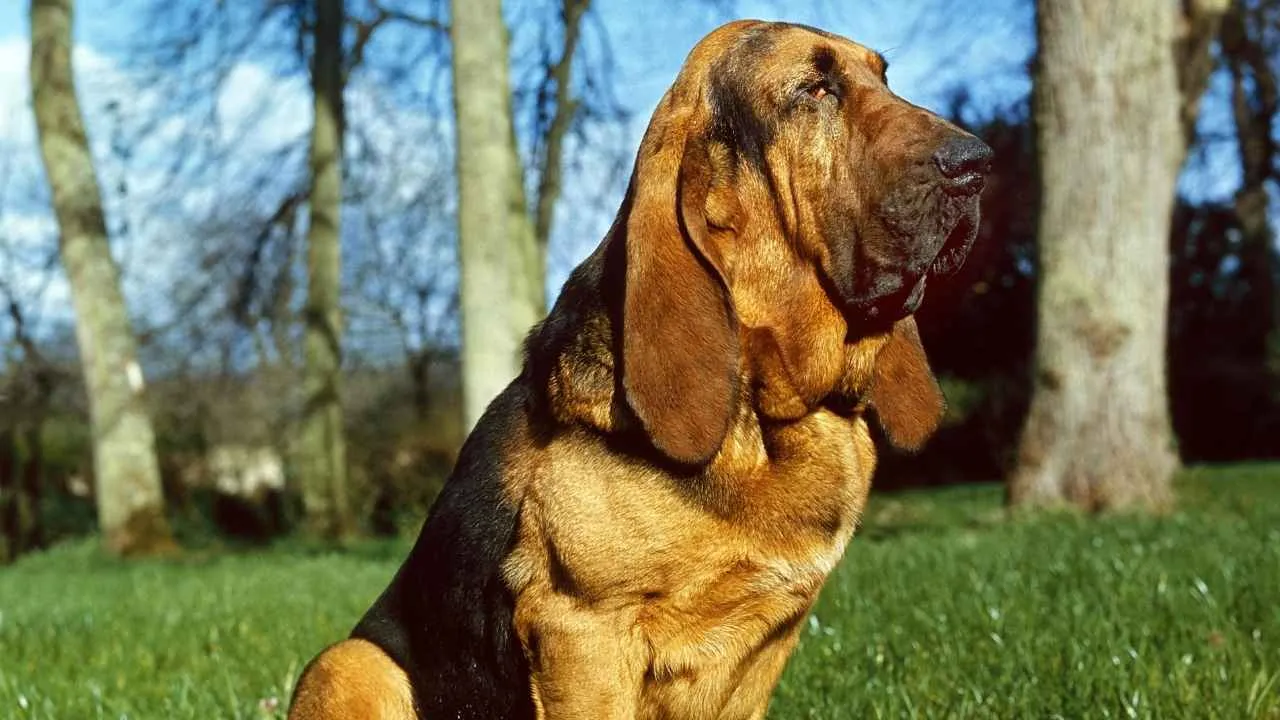
Bloodhounds are gentle, affectionate, noble dogs with a laid-back attitude. At home, they’re calm and mild-mannered, but the moment they catch a scent, they become intensely focused and determined. These scent hounds were originally bred for tracking deer, boar, and bears.
With around 240 million olfactory receptors, Bloodhounds have arguably the most powerful sense of smell in the entire canine world. In fact, according to Britannica, they’re so skilled at nose work that their tracking results can even be submitted as evidence in court.
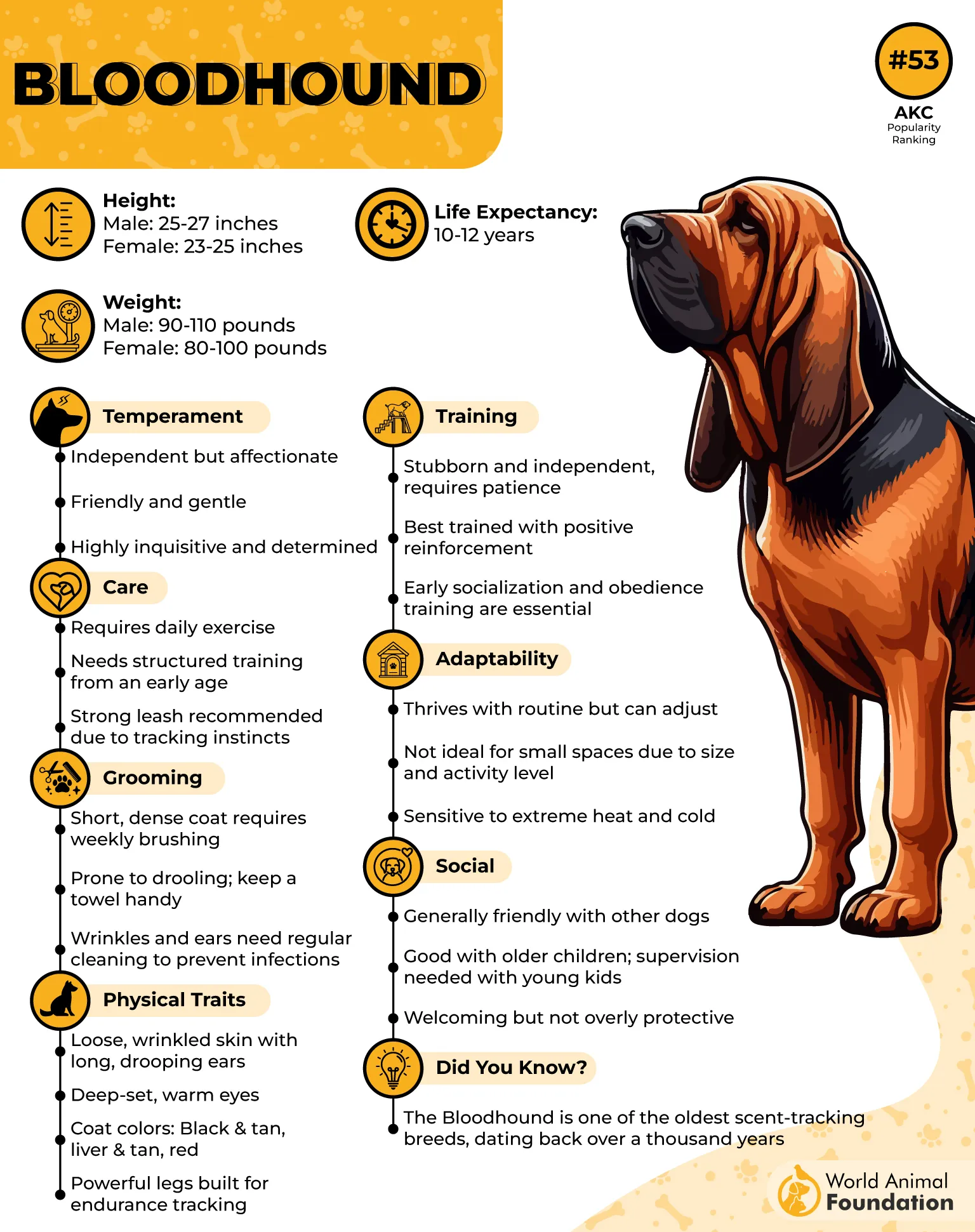
They’re true masters of cold trails and also excel as search-and-rescue dogs. These Hounds have high energy levels and moderate to high training needs, and since they can be independent and a bit stubborn, patient handlers tend to get the best results. As for grooming, their short coat only needs weekly brushing to stay in good shape.
2. Basset Hound
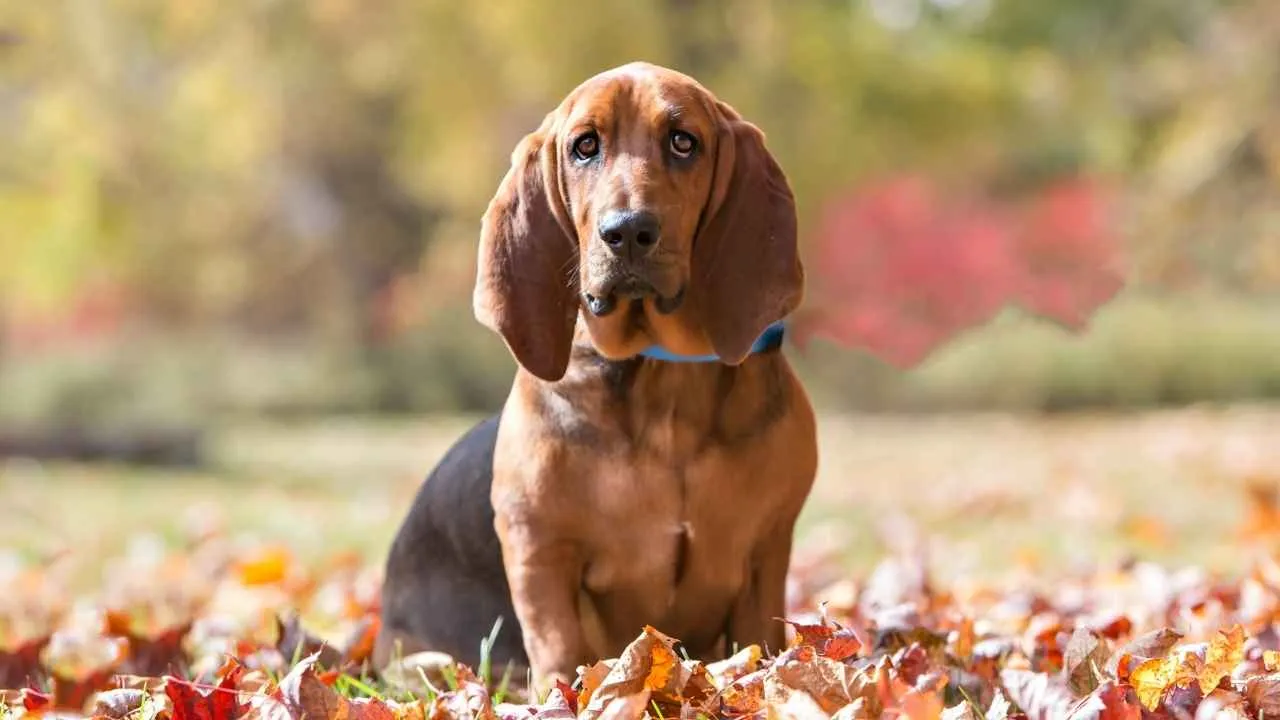
Basset Hounds are easygoing, charming, and thoroughly affectionate dogs. They have a patient temperament and make wonderful family pets, though every so often their stubborn streak makes an appearance. Originally, they were bred to hunt badgers, rabbits, and hares.
These working dogs come with long ears, loose skin folds around the head, and that signature low-slung build, all of which actually help with scent work. Basset Hounds are exceptionally good at picking up both fresh (hot) and older (cold) ground trails, staying locked in without losing momentum or focus.
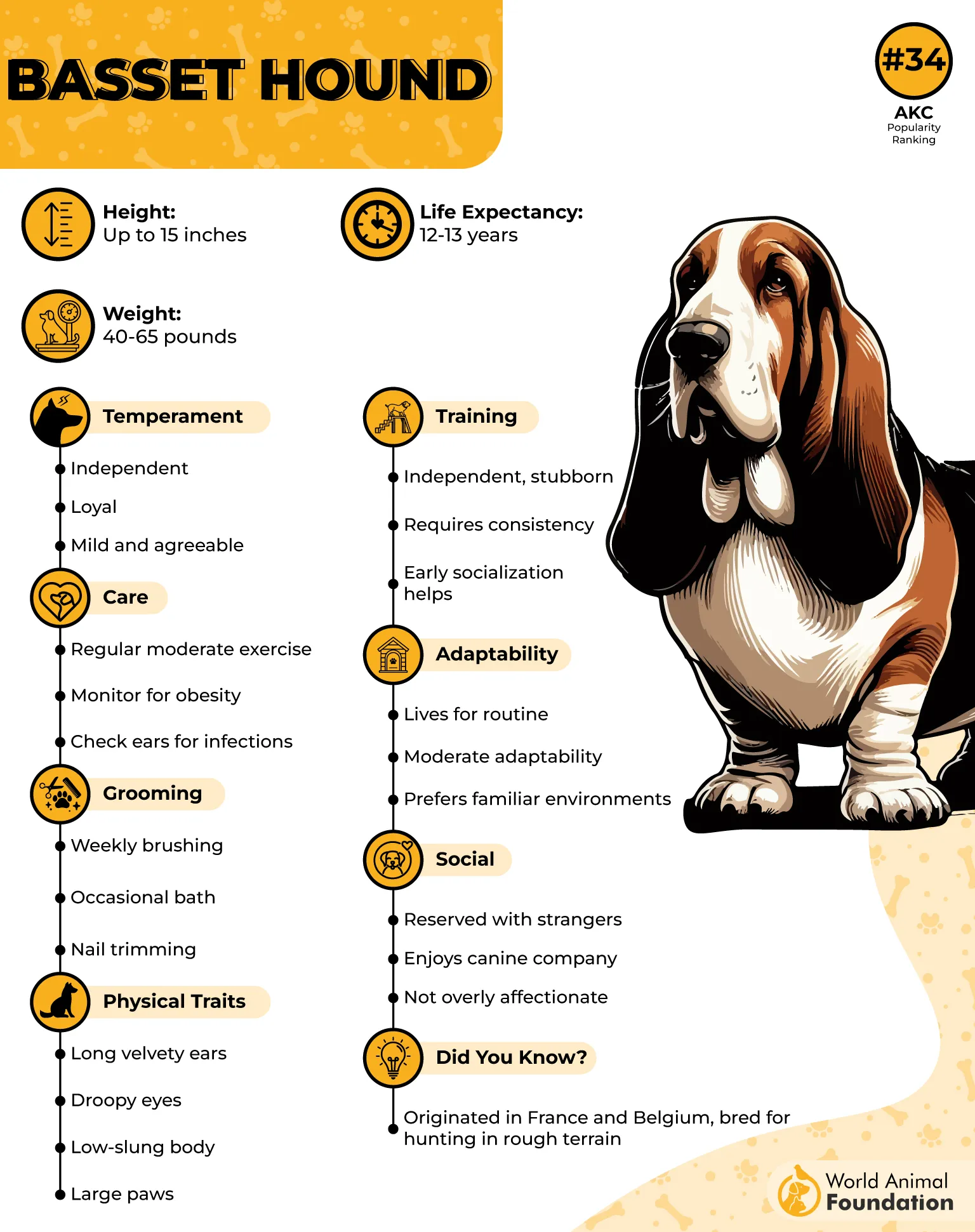
That said, according to PetMD, Bassets are fairly low-energy dogs, though it’s still important to give them 45-60 minutes of activity a day. They do best with patient, consistent handlers who lean on positive reinforcement during training. As for grooming, they have a short coat with average shedding.
3. Beagle
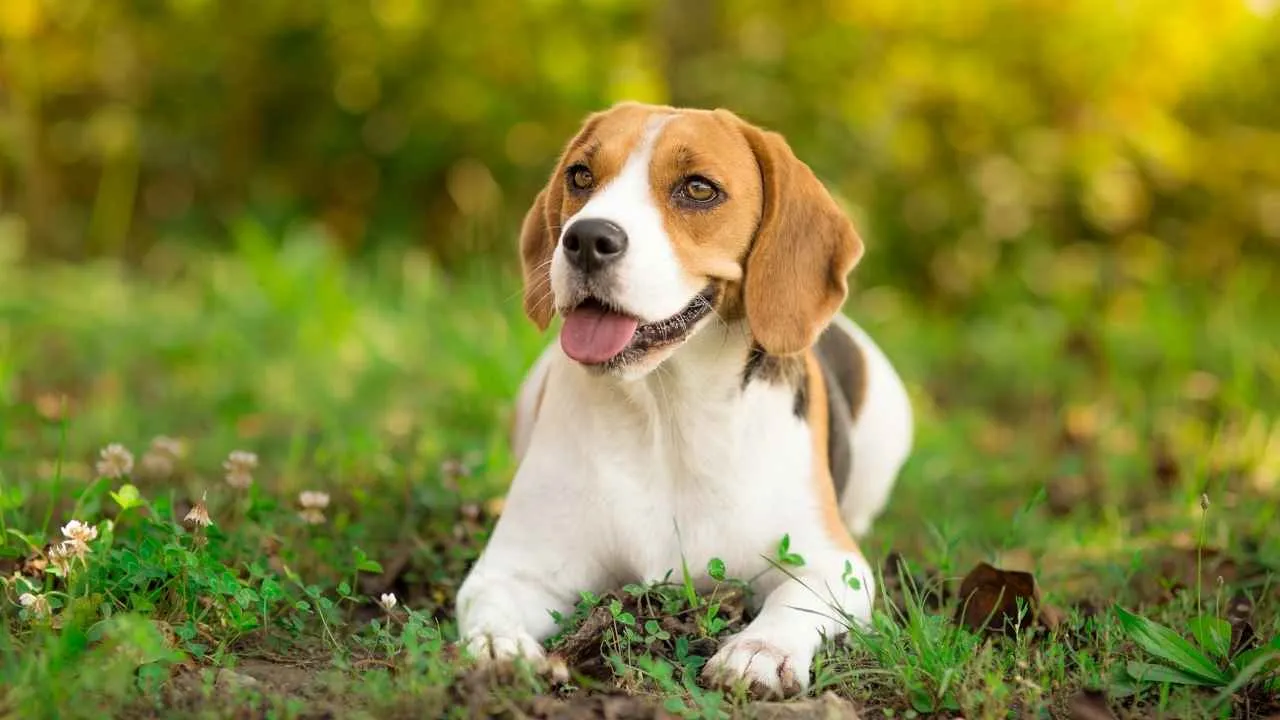
Beagles are friendly, merry, and outgoing dogs. They’re naturally social and known for their gentle nature, without much of an aggressive streak at all. These medium-sized dogs were originally bred to track small game, so scenting ability is basically built into who they are.
Their broad muzzle and long, dome-shaped ears actually help them follow both hot and cold trails over long distances, whether they’re working through fields, thickets, or rough terrain. Combined with their sharp senses and keen perception, it’s easy to see why Beagles are such a popular choice for human tracking work too.
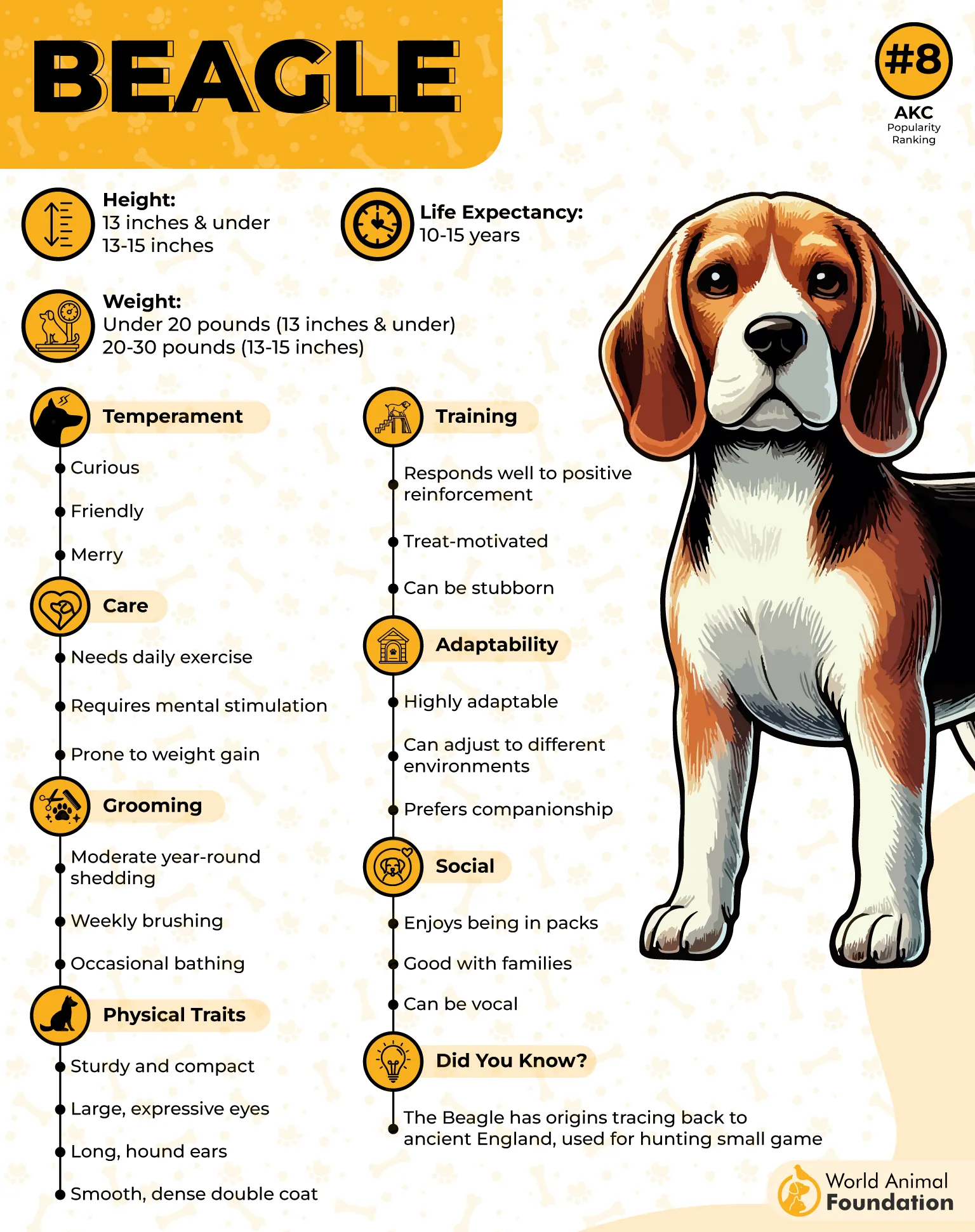
That said, Beagles need at least 60-90 minutes of daily exercise to stay mentally stimulated. They’re smart and eager to please, but their strong-willed side means they do best with patient handlers. And since they absolutely love food, treats and other rewards make training a whole lot easier.
4. German Shepherd
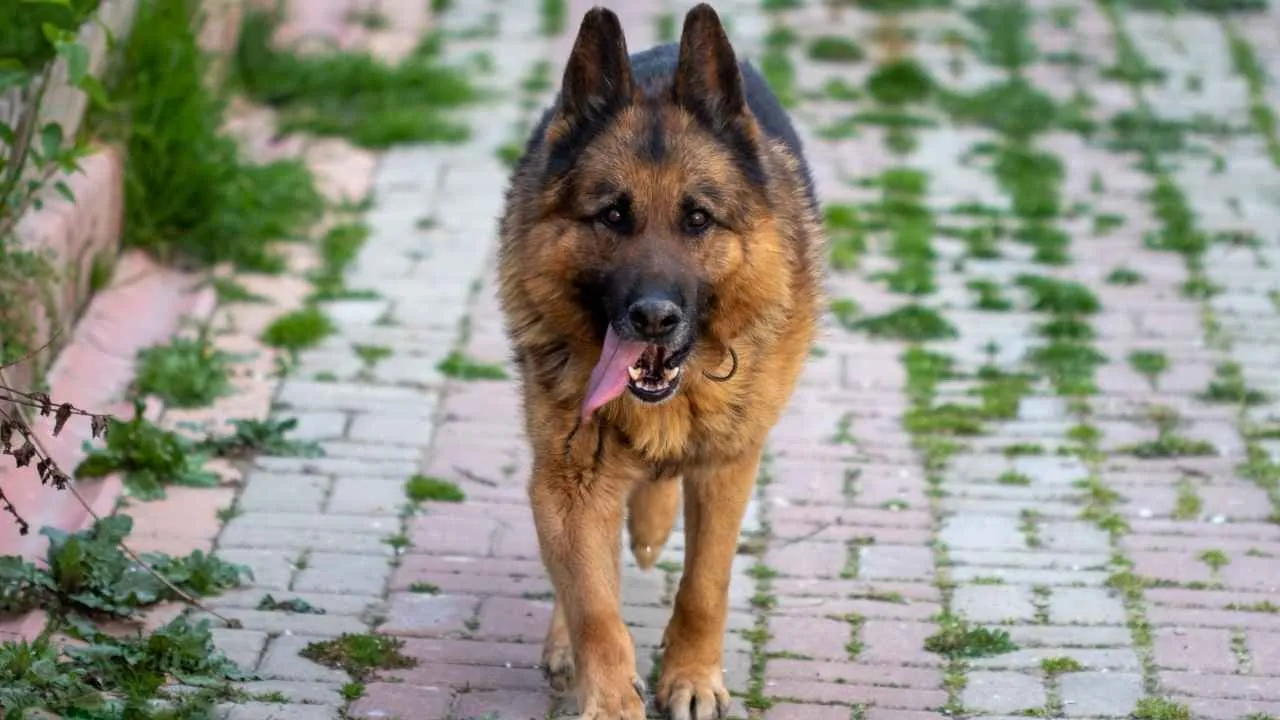
German Shepherds are confident, intelligent, and fiercely loyal working dogs. Highly vigilant by nature, they were originally bred for livestock guarding, and that background shows in their high trainability, mental stamina, and sharp sensory awareness, including a genuinely impressive sense of smell.
These large dogs can follow both ground scent trails and airborne scents, which makes them excellent at tracking work and a natural fit for police and detection roles. On top of that, German Shepherds have high activity levels and need around 60-90 minutes of exercise a day to stay balanced.

They’re also among the easiest breeds to train, though they do best with an active, confident handler who can keep up with them. As for grooming, GSDs have a medium-length coat that sheds continuously year-round, with heavier shedding during seasonal changes, so regular brushing is a must.
5. Labrador Retriever
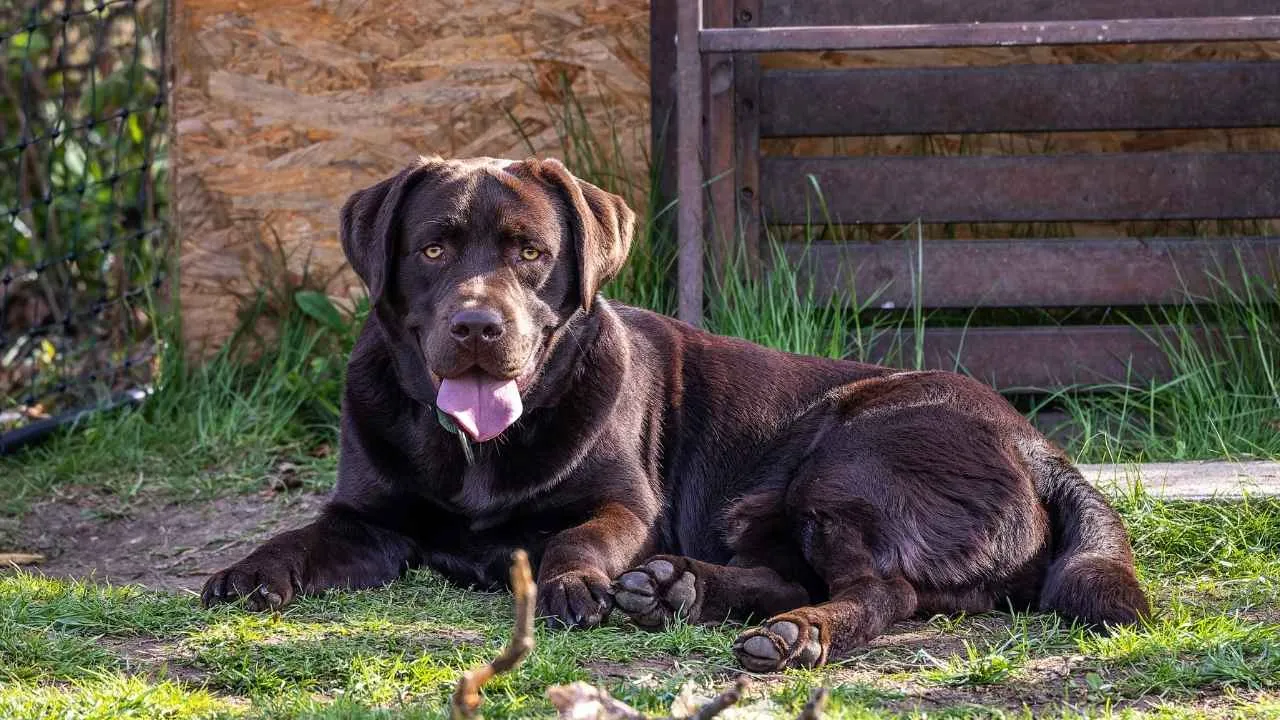
Labrador Retrievers are famous for being friendly, outgoing, and even-tempered dogs. Originally bred to haul fishing nets from icy water and retrieve waterfowl, Labs also come equipped with around 220 million olfactory receptors and a broad skull with long, drooping ears that help funnel scent toward their nose.

That keen sense of smell, paired with their famously soft mouth, allows them to pick up on subtle scent profiles, which is exactly why the Royal Kennel Club considers them among the best service dogs around. Labs are natural water lovers too, with high exercise needs, typically requiring 60-90 minutes of daily activity to stay mentally satisfied.
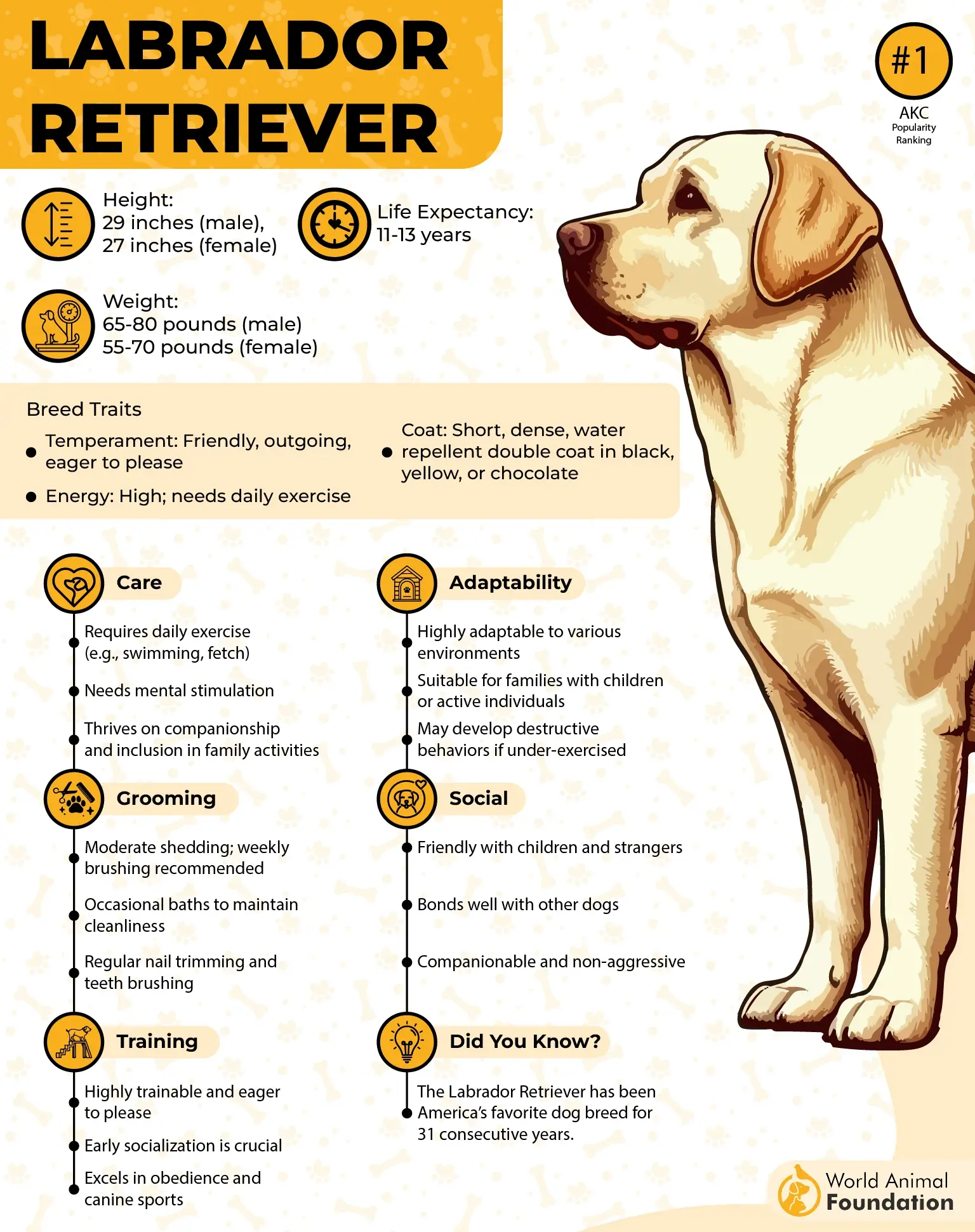
They’re also highly food-motivated and eager to please, which makes them one of the easiest breeds to train. As for grooming, Labradors have a short, water-resistant double coat that sheds moderately year-round and needs brushing 2-3 times a week to stay in good shape.
6. Bluetick Coonhound
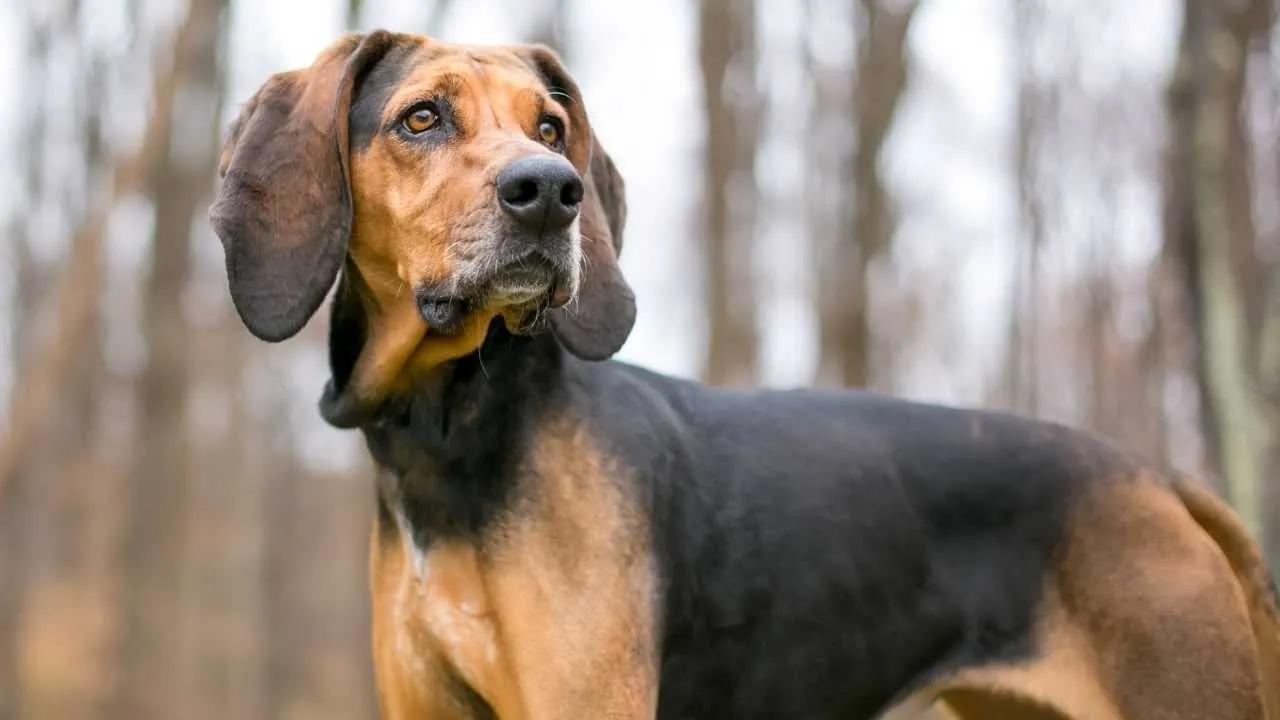
Bluetick Coonhounds are gentle, sweet-tempered, athletic dogs originally bred as hunting dogs to track and tree game like raccoons and bobcats. They’re also known for having an exceptionally cold nose, along with broad muscles and those distinctive low-hanging ears.
Their nose truly is excellent, making them well suited for human detection, locating lost objects, and even narcotics work. Bluetick Coonhounds run high on energy and genuinely enjoy brisk hikes, long-distance walks, and open-field scent games that keep both their body and nose engaged.
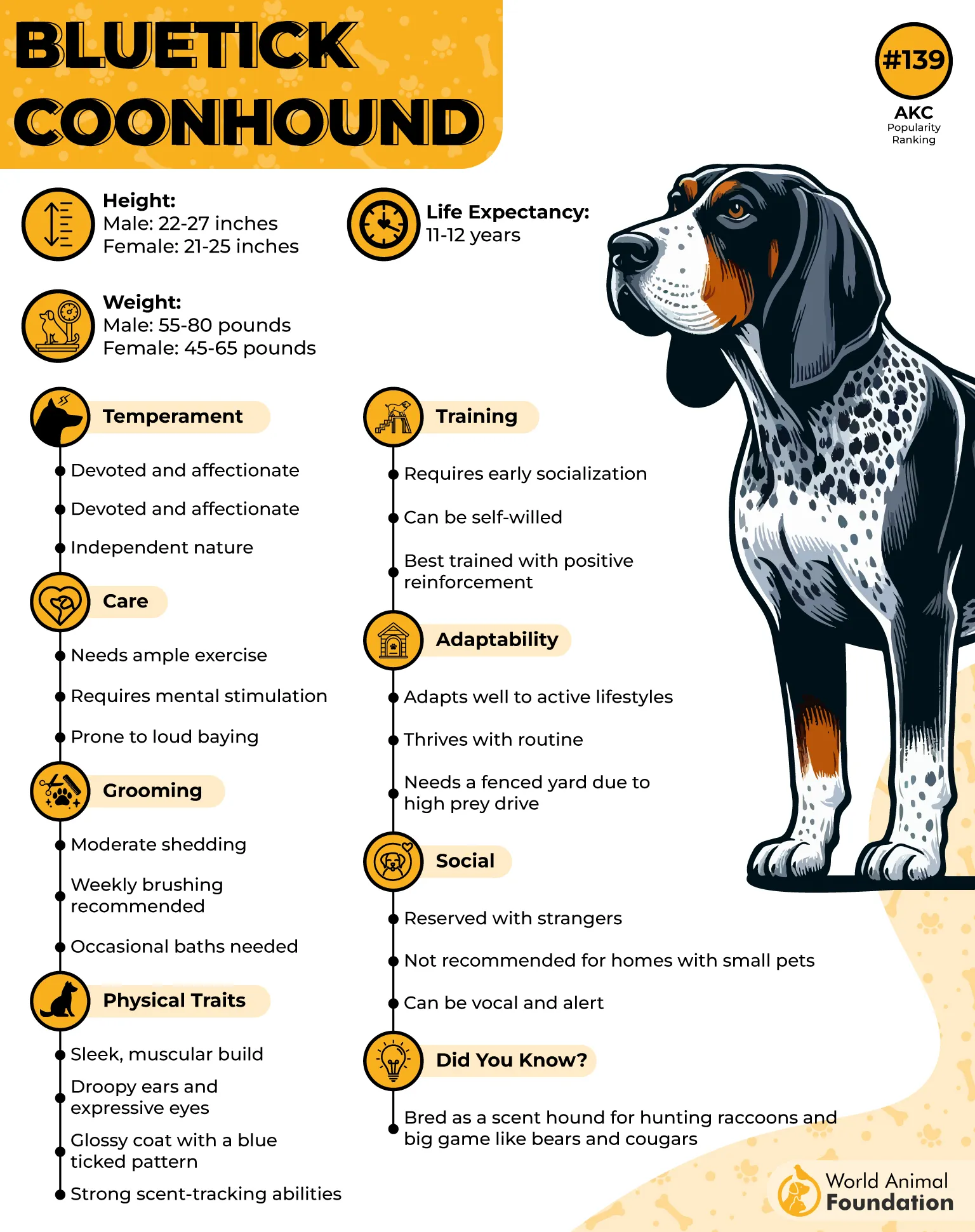
Blueticks are intelligent but also strong-willed, with an independent streak and a high prey drive, so they really do best with experienced owners who know how to train them effectively. As for grooming, their short, smooth coat sheds moderately and just needs a weekly brushing.
7. American English Coonhound
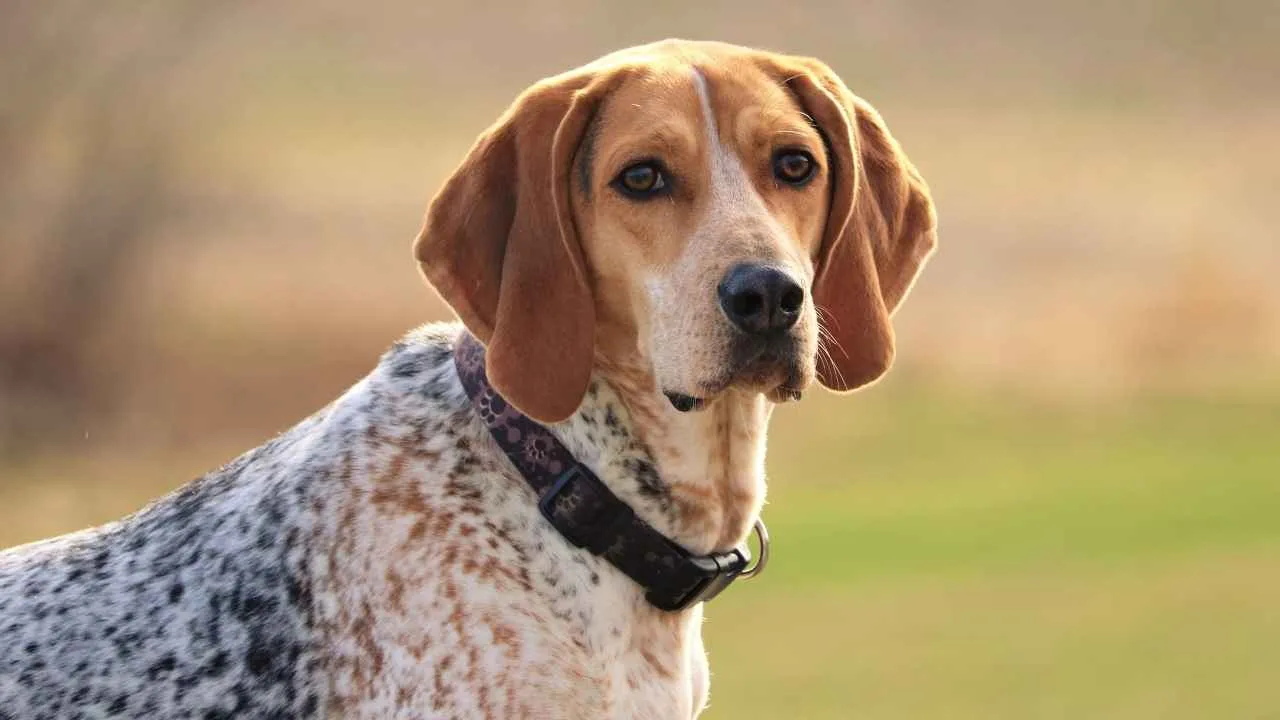
American English Coonhounds were also bred for hunting, so a high prey drive comes naturally to them. Beyond that, though, they’re highly social, sweet-natured, confident, and friendly dogs with a strong, muscular build. As scent detection dogs, they’re especially known for their endurance and speed in the field.
They’re skilled at working both hot and cold trails, which is exactly what sets them apart. These Hounds run high on activity and need around 60-90 minutes of vigorous exercise a day. They’re extremely eager to please, but that stubborn streak still shows up now and then, so an active, consistent handler makes all the difference.
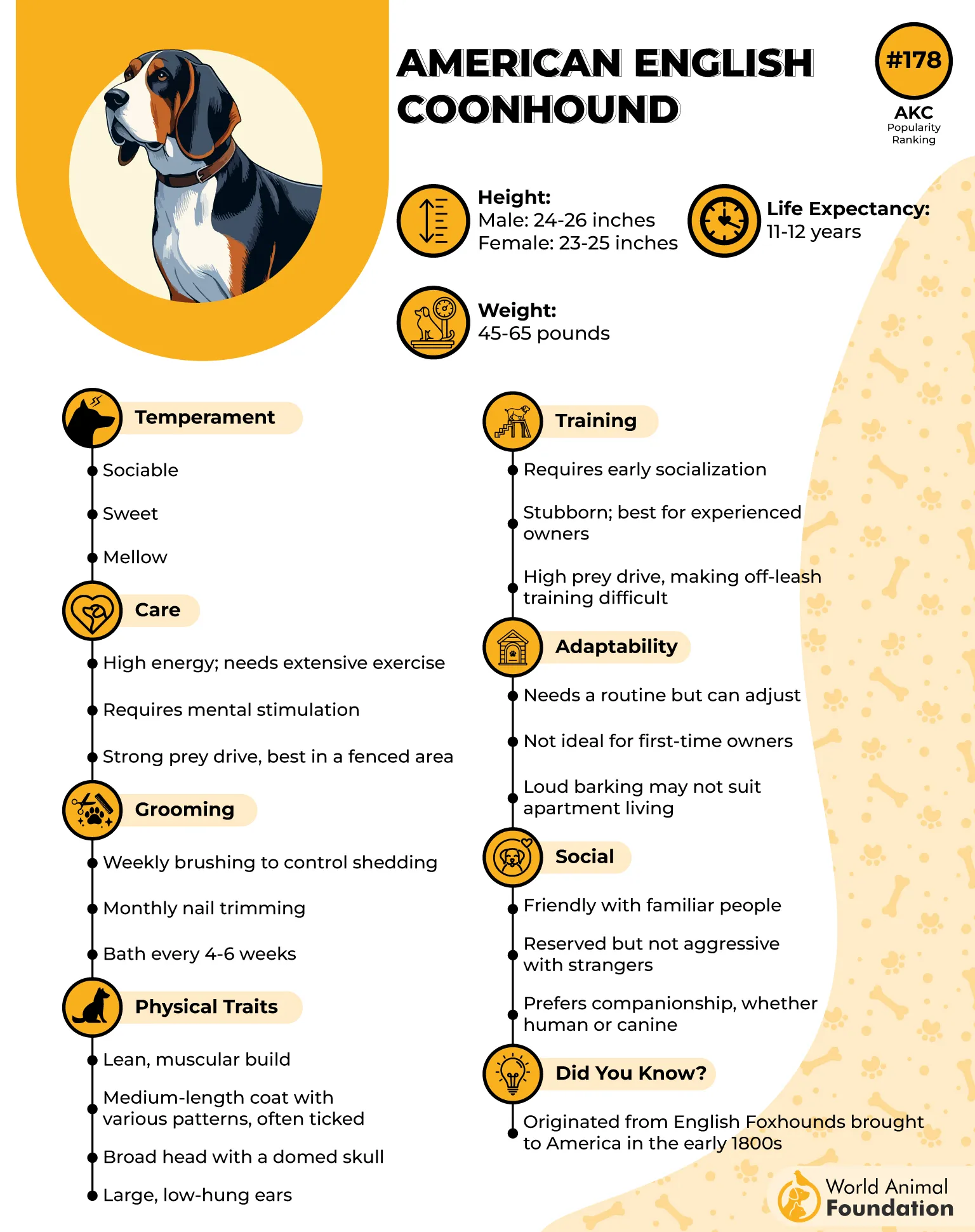
Grooming-wise, American English Coonhounds are fairly low maintenance, with a short coat that sheds an average amount and just needs weekly brushing to clear out loose hair. Regular ear cleaning is also important, since those long ears can be prone to infections.
8. Dachshund
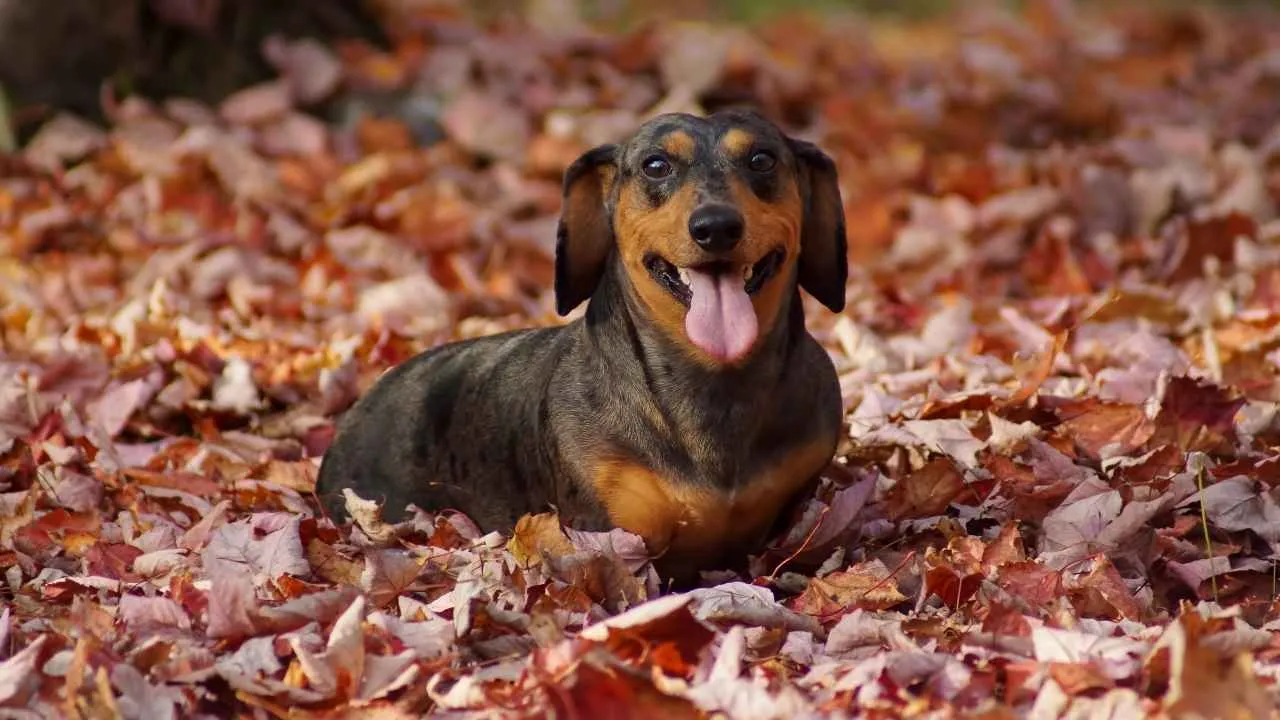
Dachshunds are clever, courageous, and lively dogs with a surprisingly bold, brave, and tenacious personality, which actually makes a lot of sense once you know their history. According to Pedigree, these long-backed dogs were originally developed to hunt badgers and other burrowing animals.
They come equipped with one of the most powerful noses around, along with droopy ears and that signature low-slung build, all of which help them track with real precision. Dachshunds are especially good at following hot scent trails. They have moderate energy levels and need about 40-60 minutes of daily exercise to stay content.
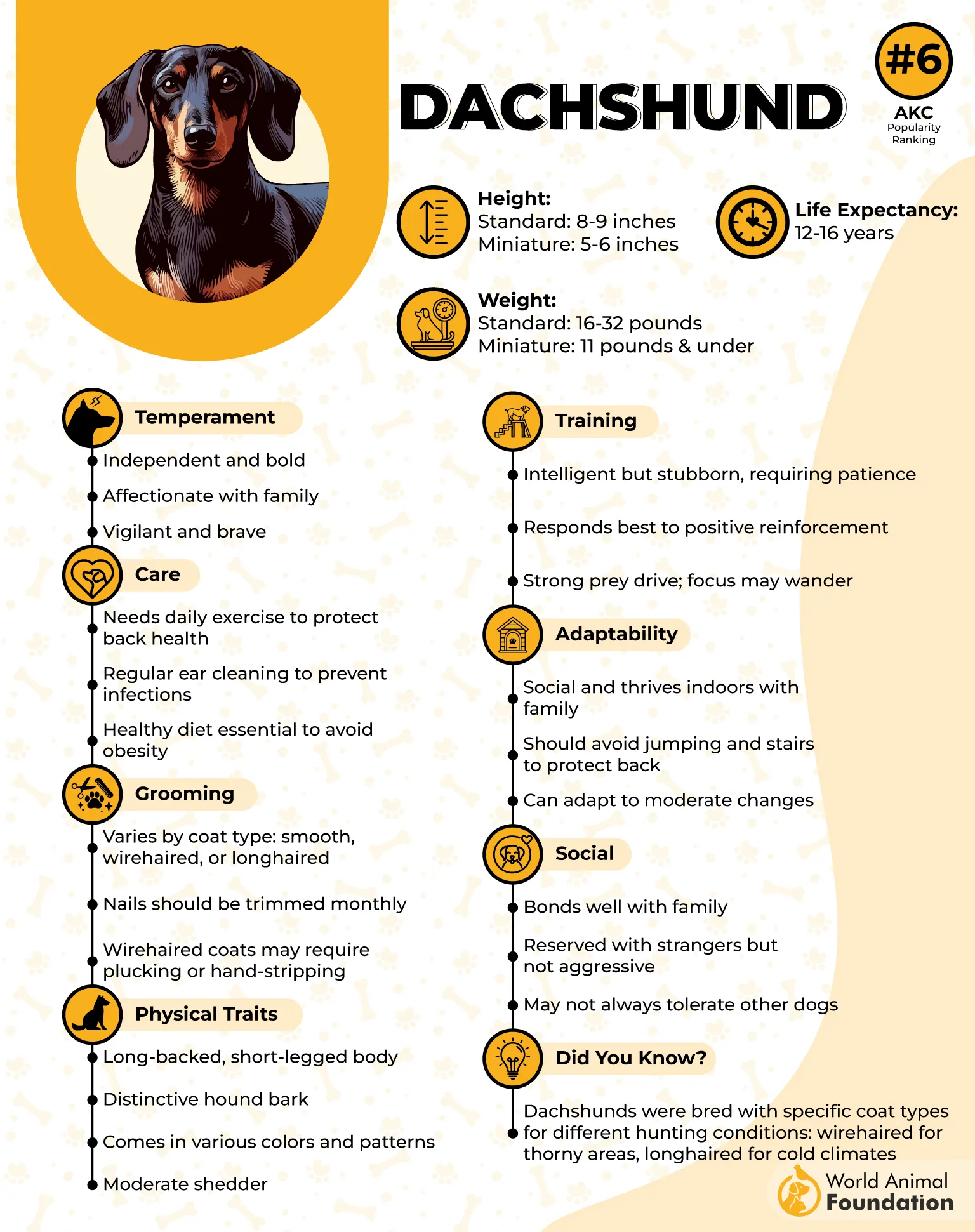
That said, they’re independent and stubborn, so patient handlers tend to get the best results when training them. Dachshunds respond well to reward-based training, and their coats come in smooth and wiry varieties, with grooming needs that vary depending on which coat type they have.
9. English Springer Spaniel
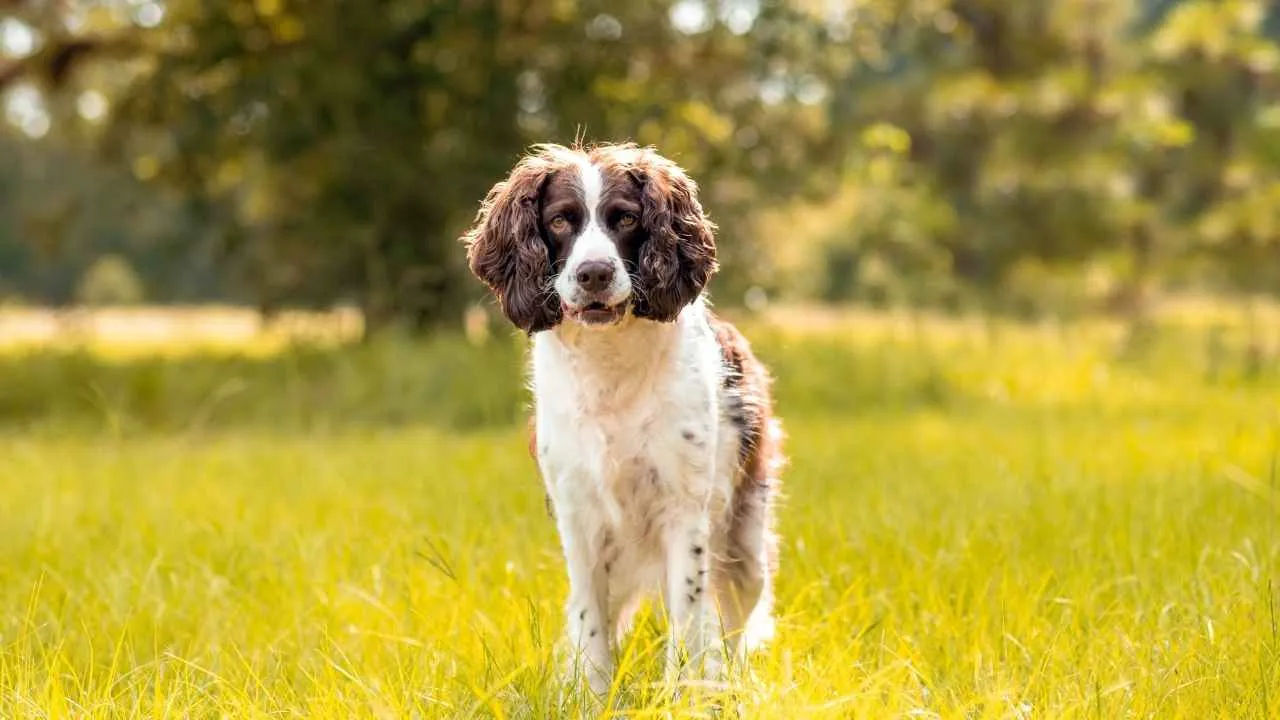
English Springer Spaniels are friendly, enthusiastic, and highly energetic dogs, originally bred to flush game birds like pheasants, woodcocks, and ducks out of dense brush. They also bring a joyful demeanor and a gentle nature around children, which makes them wonderful family pets on top of being skilled working dogs.
Their nose is impressively capable too, able to pick up on subtle scent plumes carried on the wind as well as fresh ground trails. Their medium-length broad muzzle and feathered drop ears actually help trap and carry scent particles, giving their tracking ability an extra edge. Springer Spaniels also have high activity levels and need around 60-90 minutes of exercise a day to stay satisfied.
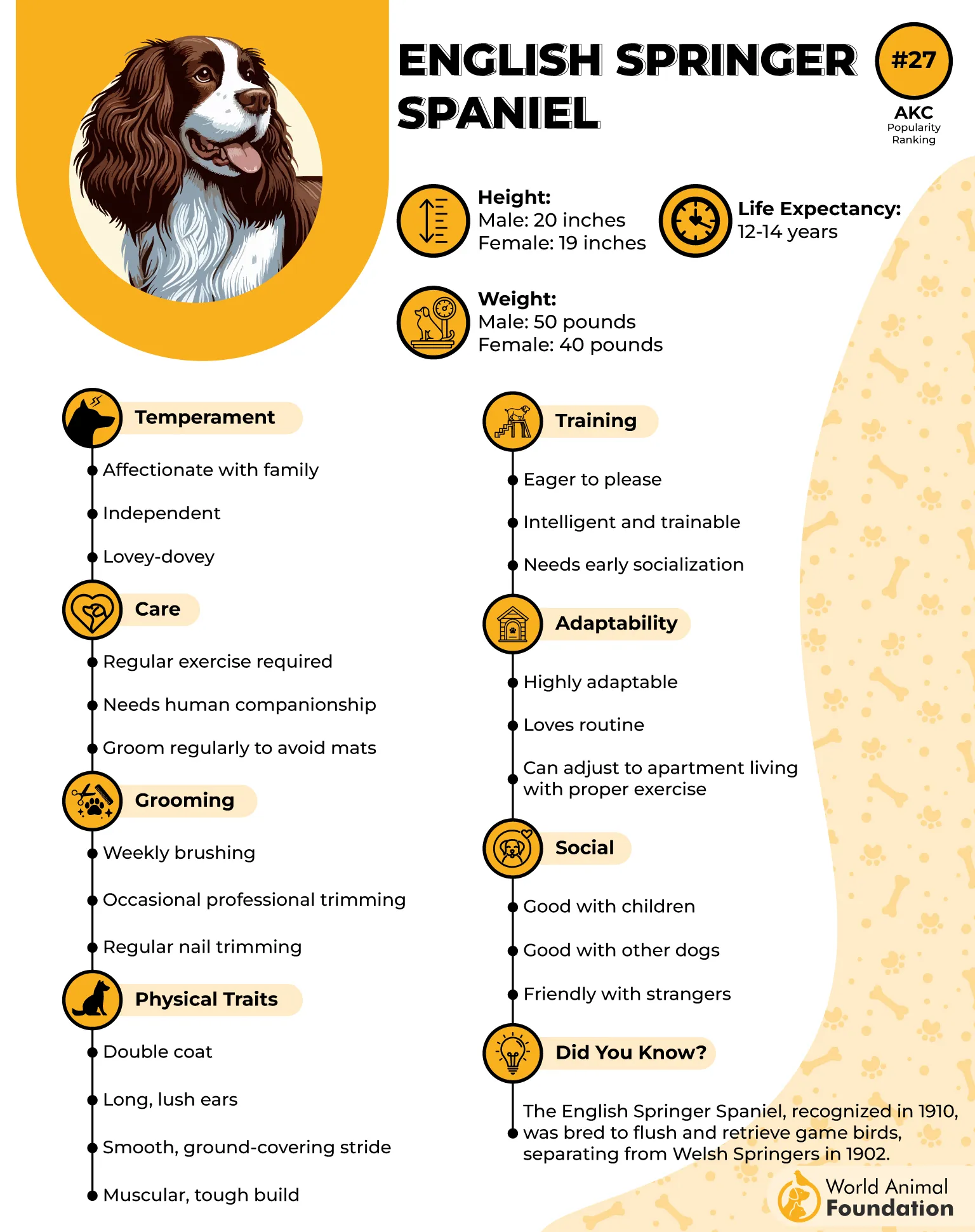
They learn quickly and respond well to positive reinforcement and similar training methods. As for their coat, English Springer Spaniels have a medium-length double coat with lovely feathering on the ears, chest, and legs. They shed moderately, so regular brushing is important to keep mats and tangles at bay.
Conclusion
These nine dogs stand out for having the strongest sense of smell in the canine world. Most of them are hounds with tracking and sniffing instincts baked right into their genes. Bloodhounds, in particular, are trusted enough that their tracking results can even be submitted in court as evidence.
That said, they all differ in the type of trail they’re best at following. Some excel at cold trails, others shine on hot ones, and a few can handle both with equal skill. So take a moment to read back through the details above and choose the breed that fits both what you’re hoping to accomplish and what you can realistically handle.
