




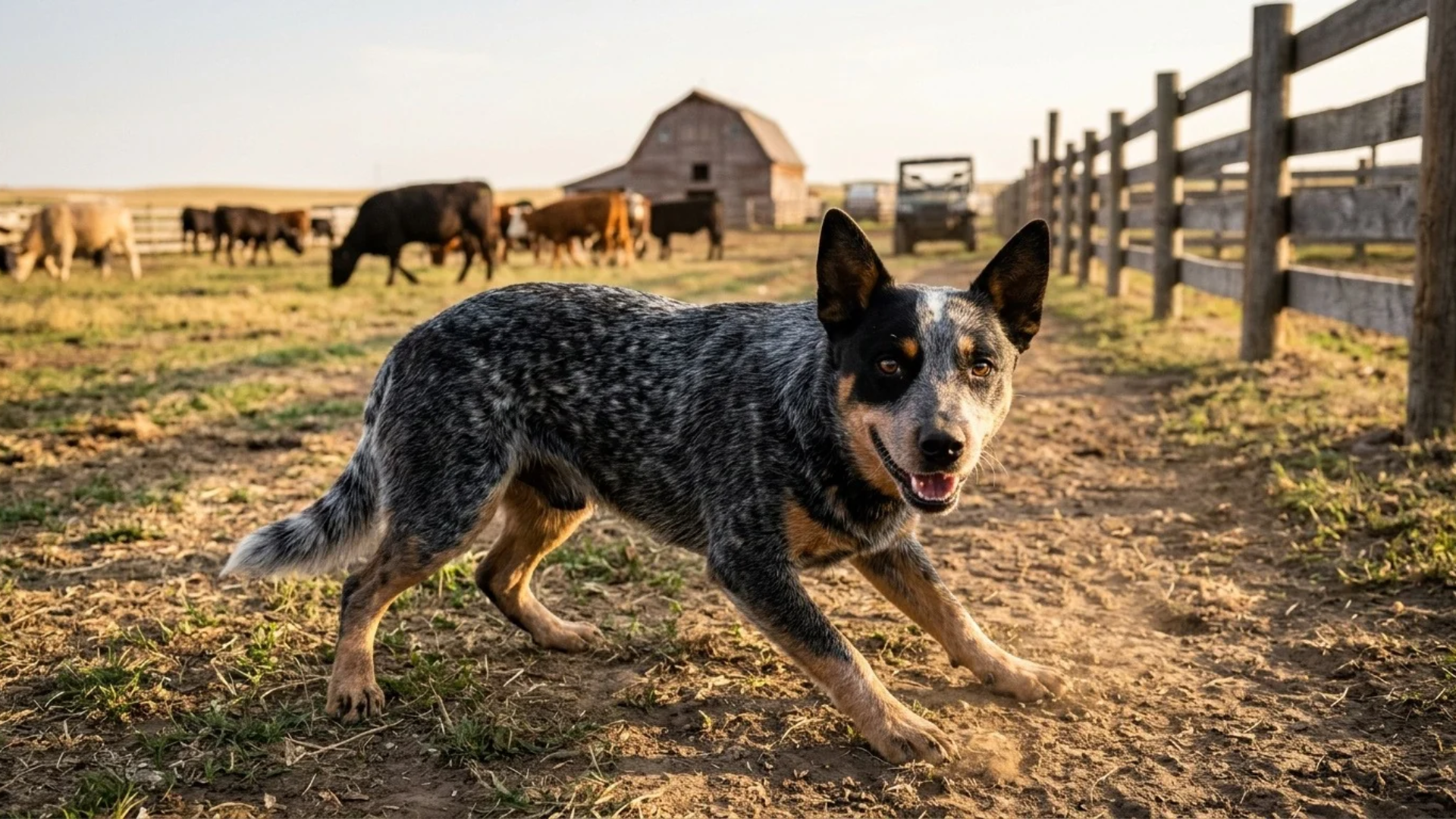
Managing sprawling pastures and stubborn livestock demands more than just physical stamina—it takes sharp instincts, fearless grit, and an unmatched work ethic. Elite cattle herding and farm dog breeds have spent centuries working shoulder to shoulder with ranchers, moving massive herds across rugged terrain with split-second precision.
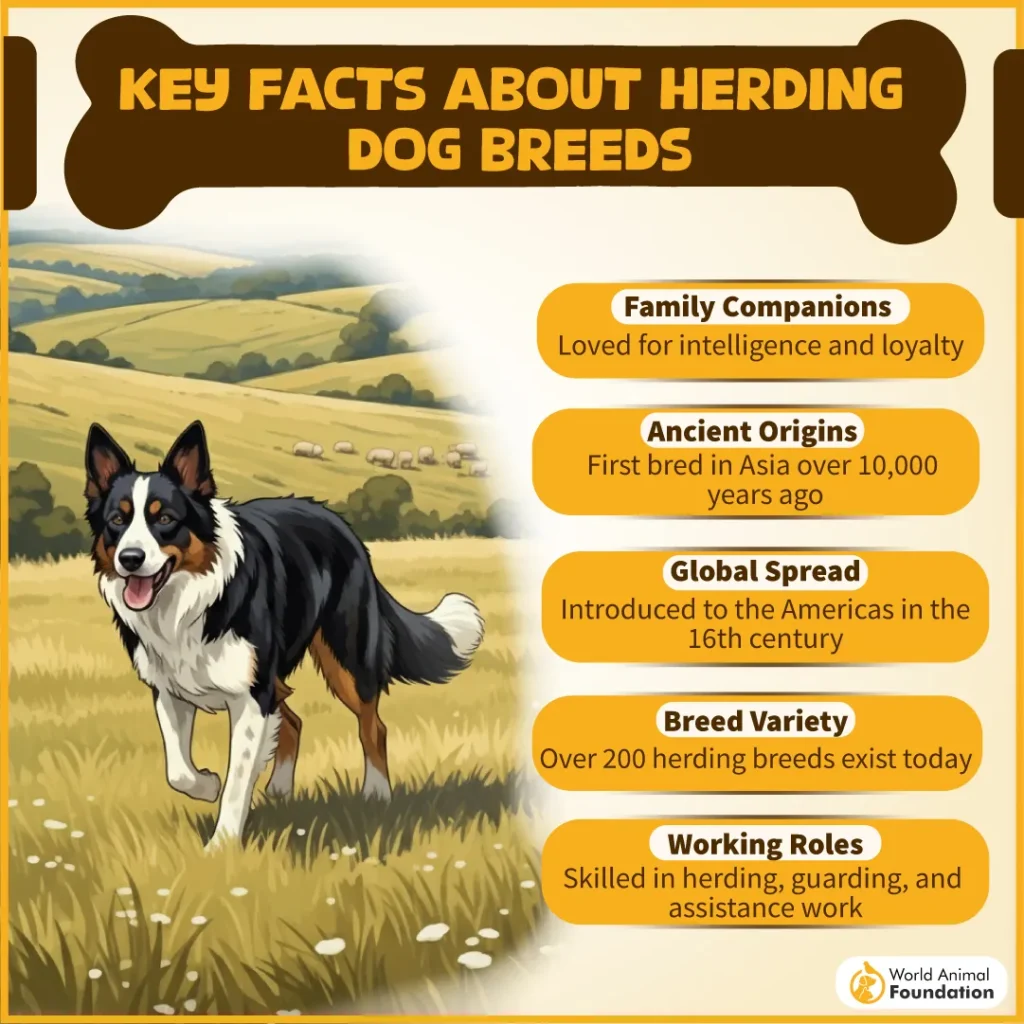
Whether nipping at the heels of stray steers, guarding barnyards from predators, or responding to whistle commands from hundreds of yards away, these tireless workers bring intelligence and loyalty to every chore. Their rugged coats, agile builds, and natural problem-solving skills make them indispensable partners on demanding agricultural land.
Exploring the elite dog breeds ideal for cattle herding and farm work highlights the most dependable canines built for tough outdoor life. From tireless heelers to versatile homestead guardians, these hardworking dogs turn overwhelming ranch duties into seamless teamwork.
Elite Dog Breeds Ideal for Cattle Herding and Farm Work
1. Border Collie
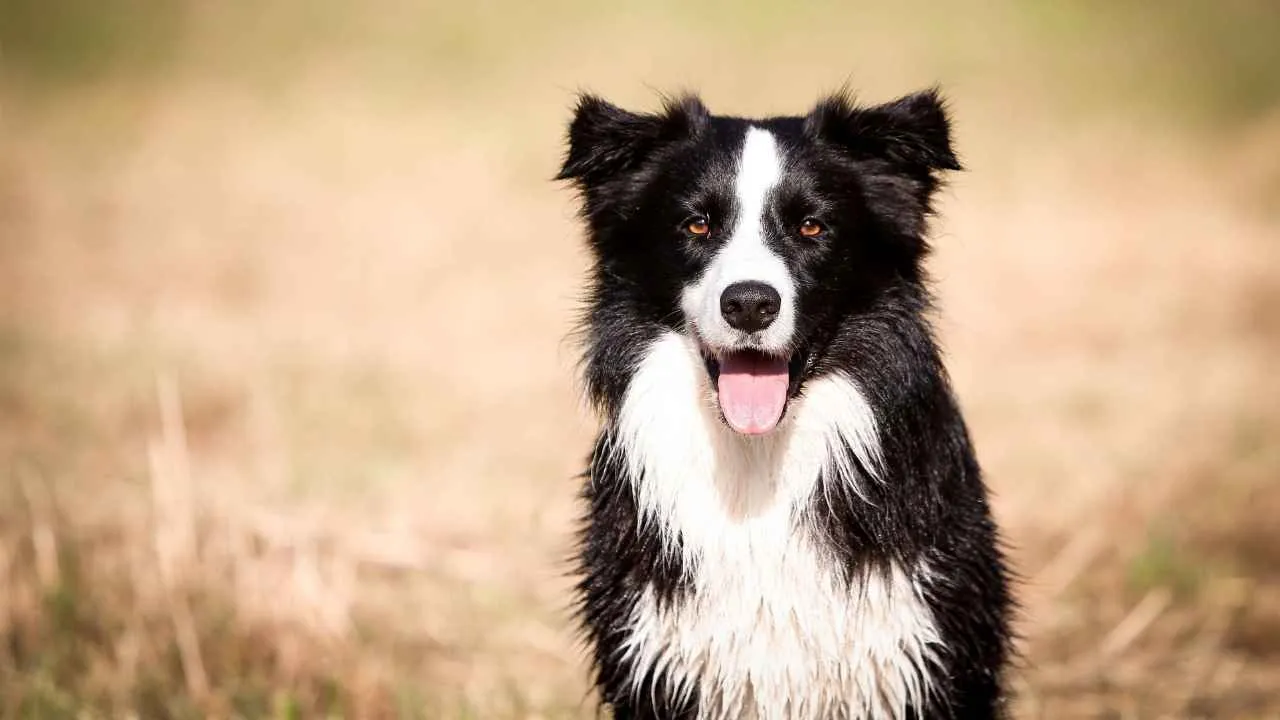
The Border Collie sits at the softest setting on the dial: the stare. They crouch, lock eyes on a cow, and let silent pressure do the pushing, no barking required. Britannica traces the breed to the border region between Scotland and England, so this famous eye was sharpened on sheep rather than beef cattle.
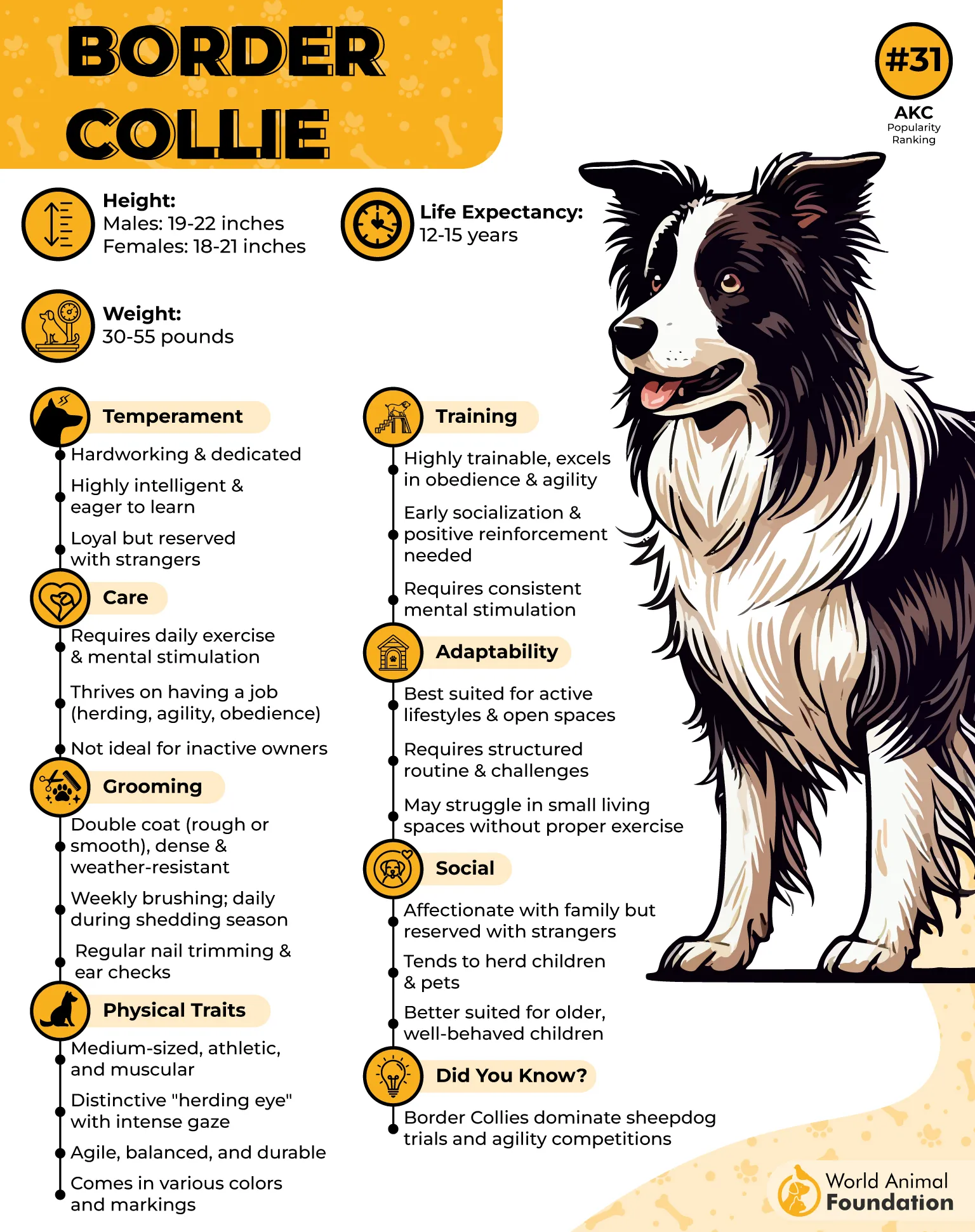
Here is the catch. A stare that melts a flock may not impress a stubborn cow, and a herd that refuses to blink can turn a quiet moment into a standoff that no staring contest can win. Good handlers plan for that day with clear training and a backup move.
Off-duty farm skill: Whistle and hand signals let a busy farmer run chores from across a field, and the same eagerness shines in dog sports.
Hidden cost: These extremely intelligent dogs need daily mental and physical stimulation, or they invent jobs like herding the family.
In short, Border Collies shine on wide, open pasture with a patient trainer. A cramped yard gives the stare no room to work, and the whole style falls flat.
2. Australian Kelpie
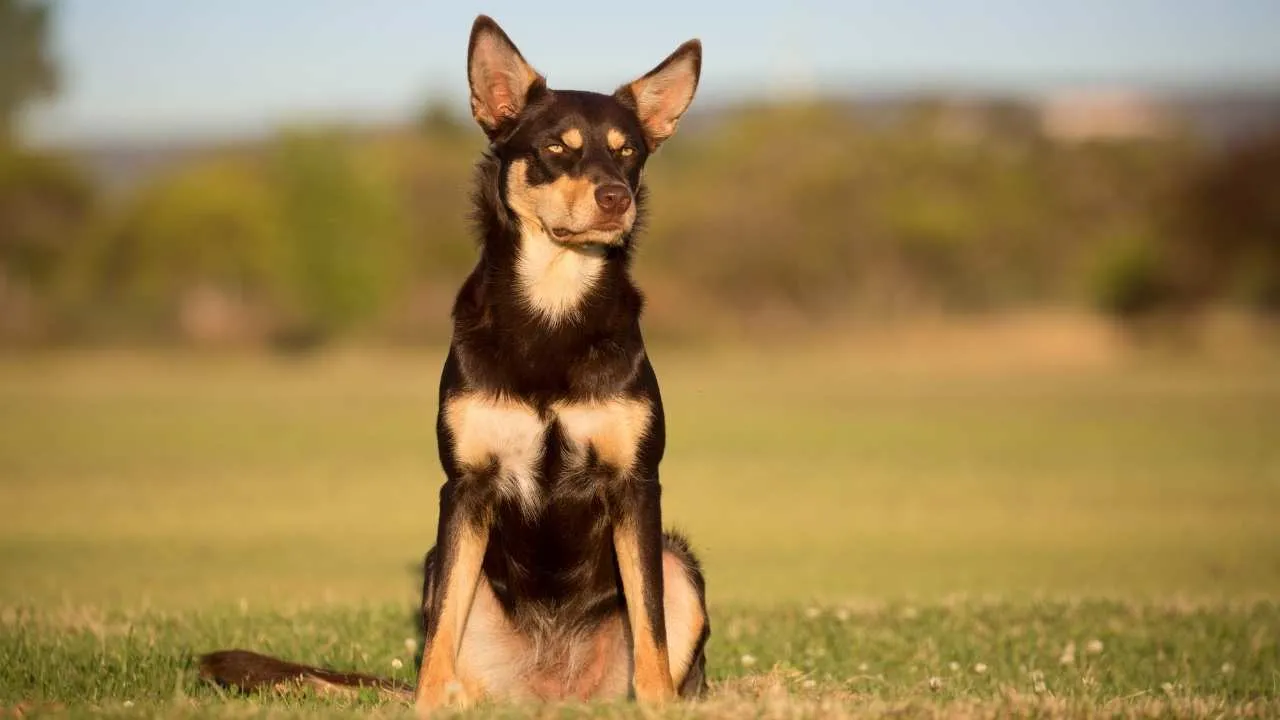
Next comes the moving setting on the dial: fast, loose circling that never lets stock settle. Legend says the name came from a pup beside a misty creek, and Greencross Vets adds that Kelpie is Gaelic for water sprite. The breed itself grew out of Australia’s wool boom, when farmers needed tough dogs that could herd sheep and survive harsh land.
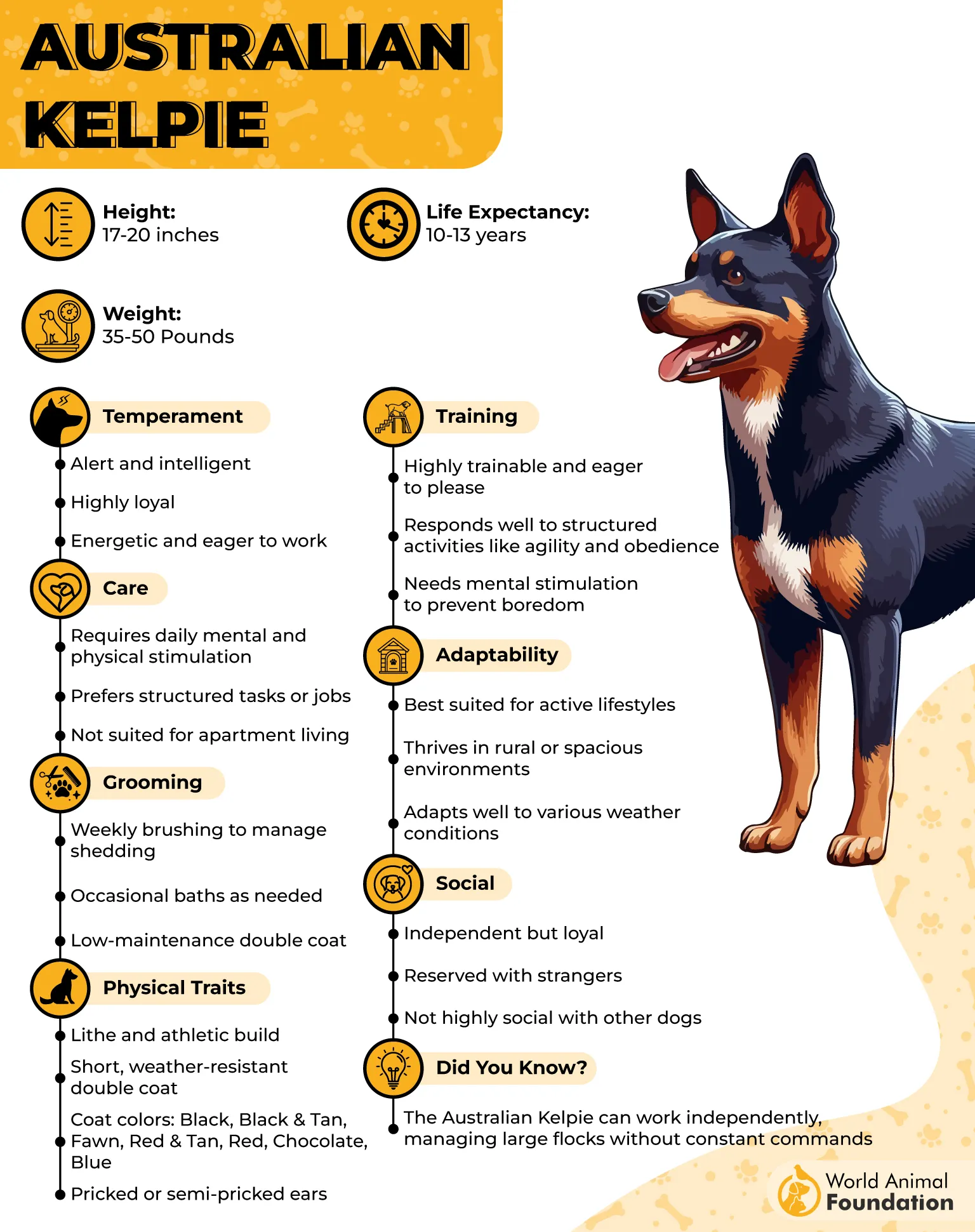
A dog that rushes cattle can bunch the herd too tight or send them bolting, and cattle rarely forgive a sprint. Slow, steady lessons teach that calm moves a mob farther than speed ever does.
Off-duty farm skill: Yard and loading work, where quick feet keep stock moving through gates and onto trucks.
Hidden cost: Boundless energy that needs daily exercise, because a bored Kelpie digs, chews, and plots escapes.
Overall, large rangeland with long working days suits this breed best. A small hobby farm simply cannot match the scale the Kelpie was built for. Pair the dog with an outdoorsy handler who loves farm life, and the partnership clicks.
3. Australian Shepherd
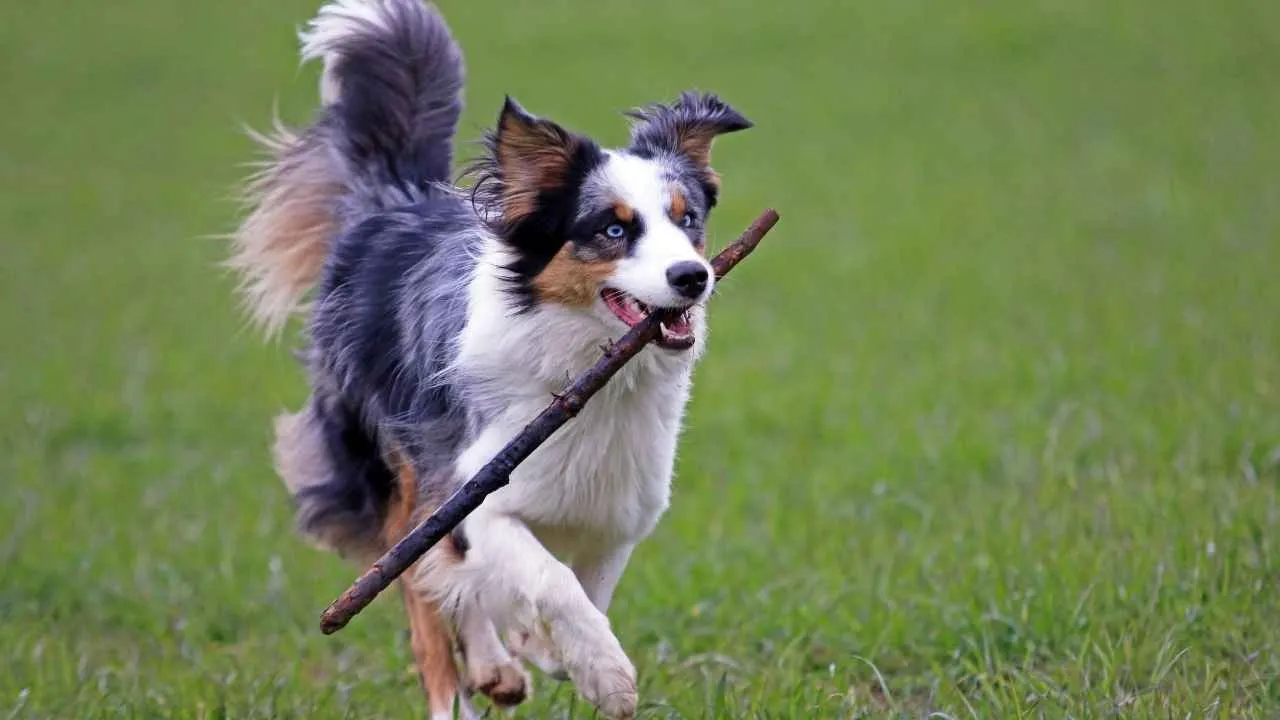
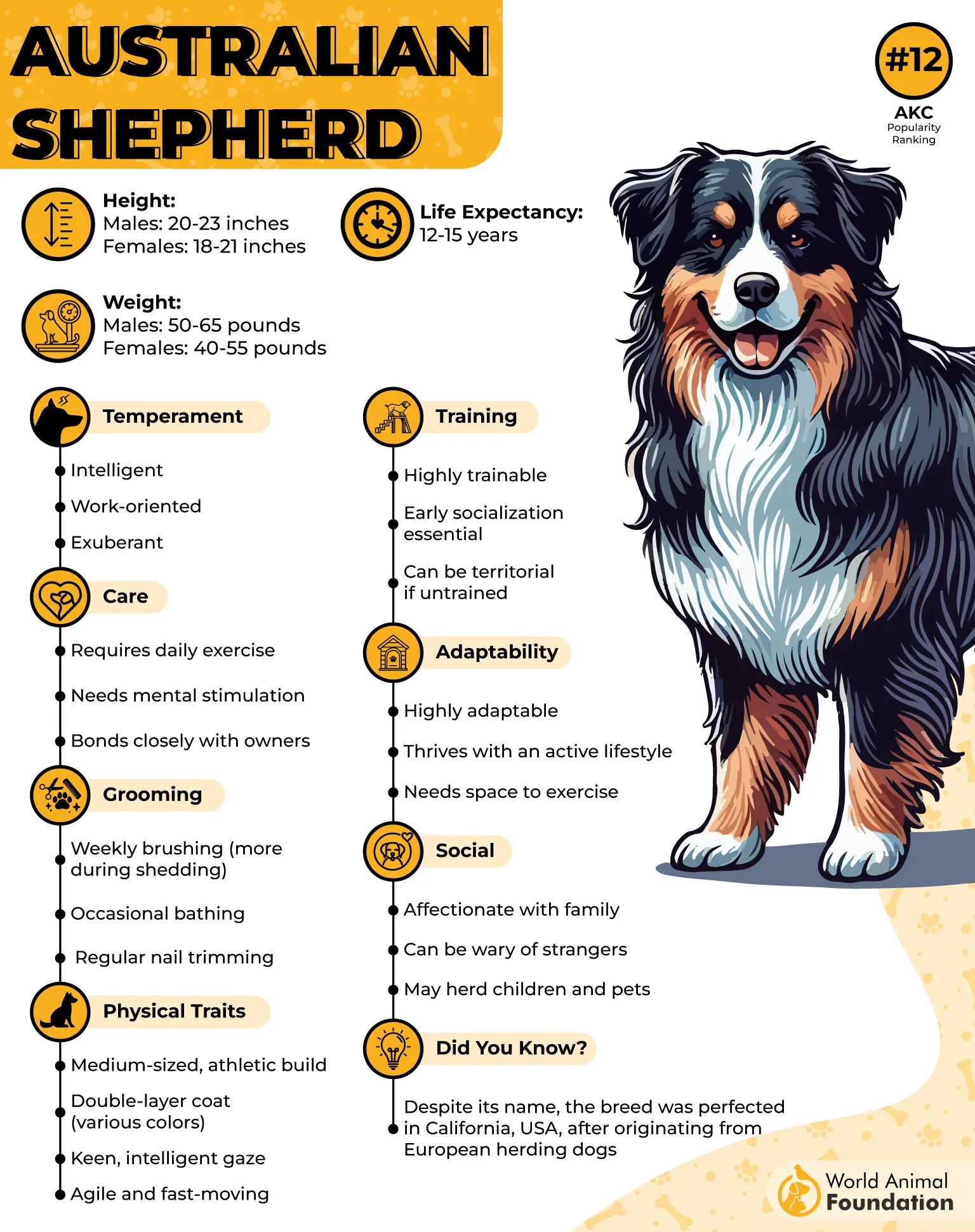
The Australian Shepherd works the loose-eye setting: a bold stance, a sharp bark, and a quick body block that turns a wandering cow. The name misleads, since the AKC says the breed probably came from the Basque region of Spain and was developed solely in the United States. Aussies later gained popularity at rodeos, where they showed off herding skills on bulls and performed tricks.
Strong herding instincts push an Aussie to nip too eagerly, which can scatter a herd they meant to gather and cost a cow’s respect. Clear rules and a firm cue to stop keep that zeal useful, even in the heat of the moment.
Off-duty farm skill: Versatile helper with other livestock, from sheep and goats to horses, so 1 dog covers many species.
Hidden cost: Regular brushing for a thick coat, plus steady mental stimulation to keep a highly intelligent mind out of trouble.
A busy working ranch with open land and varied chores fits an Australian Shepherd perfectly. A quiet farm with few jobs is the toughest match.
4. Beauceron
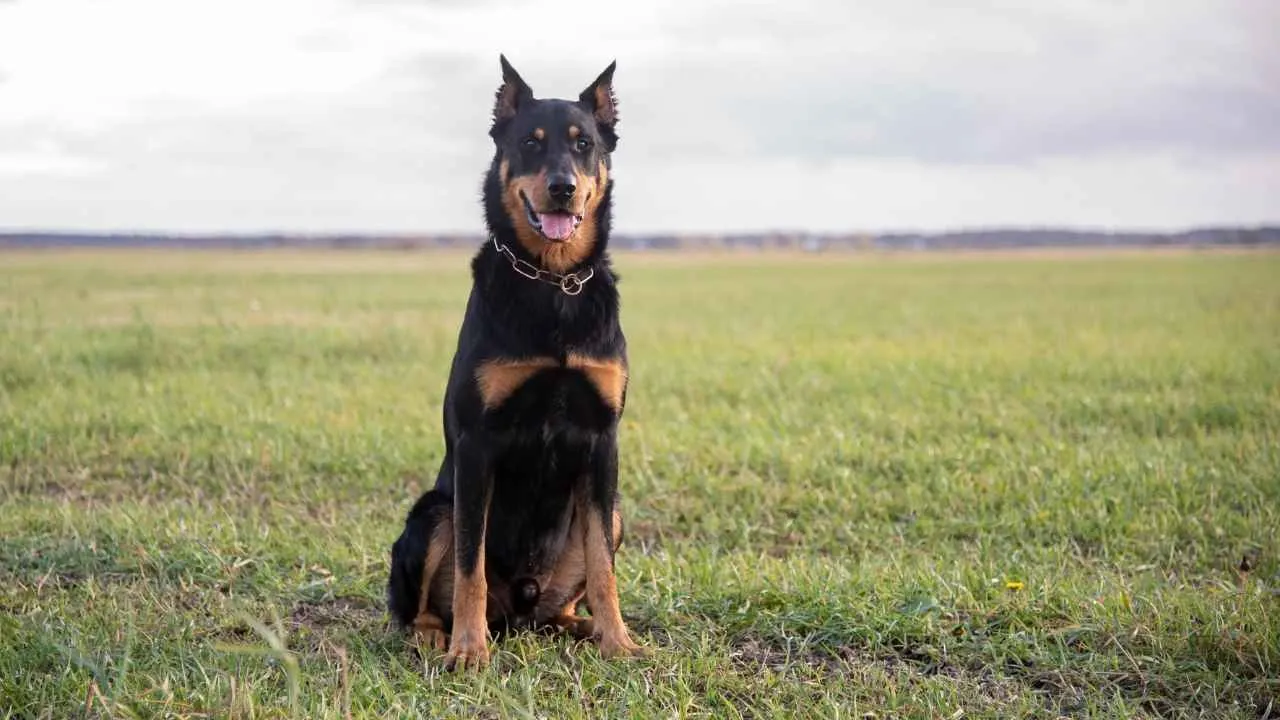
The Beauceron works the calm-authority setting: a big, steady presence that says “stay put” without a sprint. Orvis explains that the breed developed in France during the Middle Ages to herd and guard vast flocks of sheep and livestock. That long history of double duty explains the confident, no-fuss style.
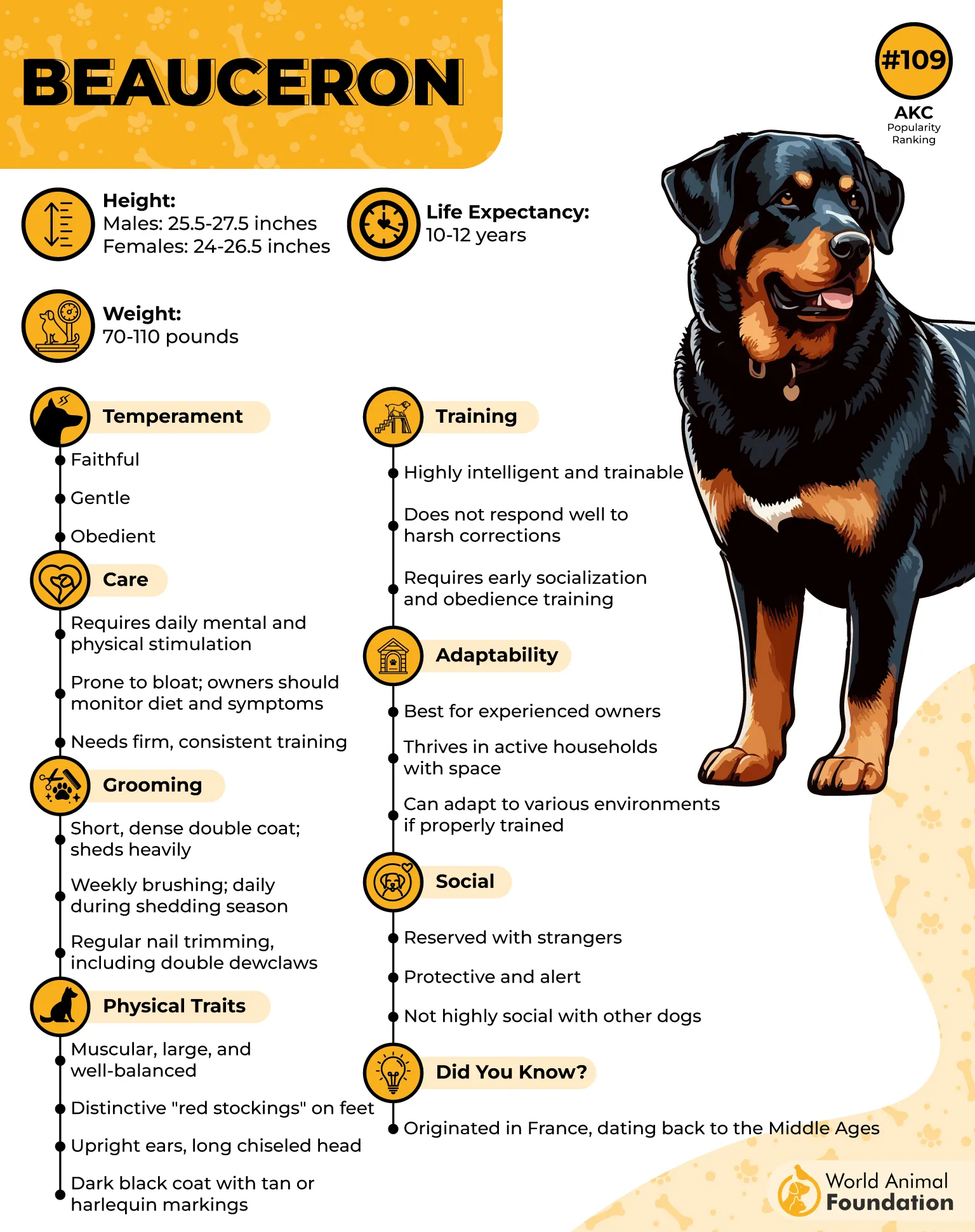
A Beauceron that leans too hard while herding cattle can turn guarding into bossing, and a herd that feels cornered may bolt or fight back. Calm cues and early exposure to stock keep the presence gentle.
Off-duty farm skill: Night and day patrol, since this watchful breed makes an excellent watchdog for protecting property and livestock.
Hidden cost: An experienced, assertive owner and early socialization, because a strong-willed dog will happily promote themselves to pack leader.
A large, fenced farm with a confident owner and a clear daily routine suits a Beauceron. A busy yard with frequent visitors and a casual handler is a risky match. Give them space, structure, and a steady hand, and the calm authority pays off.
5. Belgian Malinois
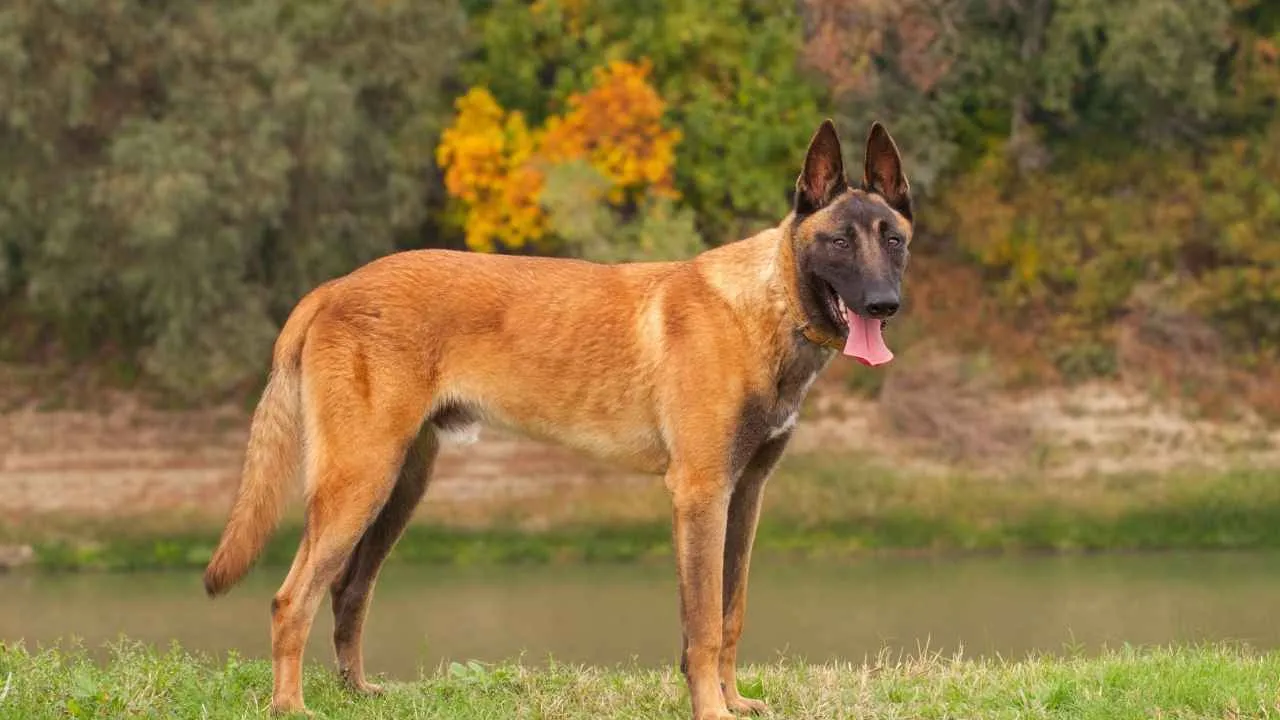
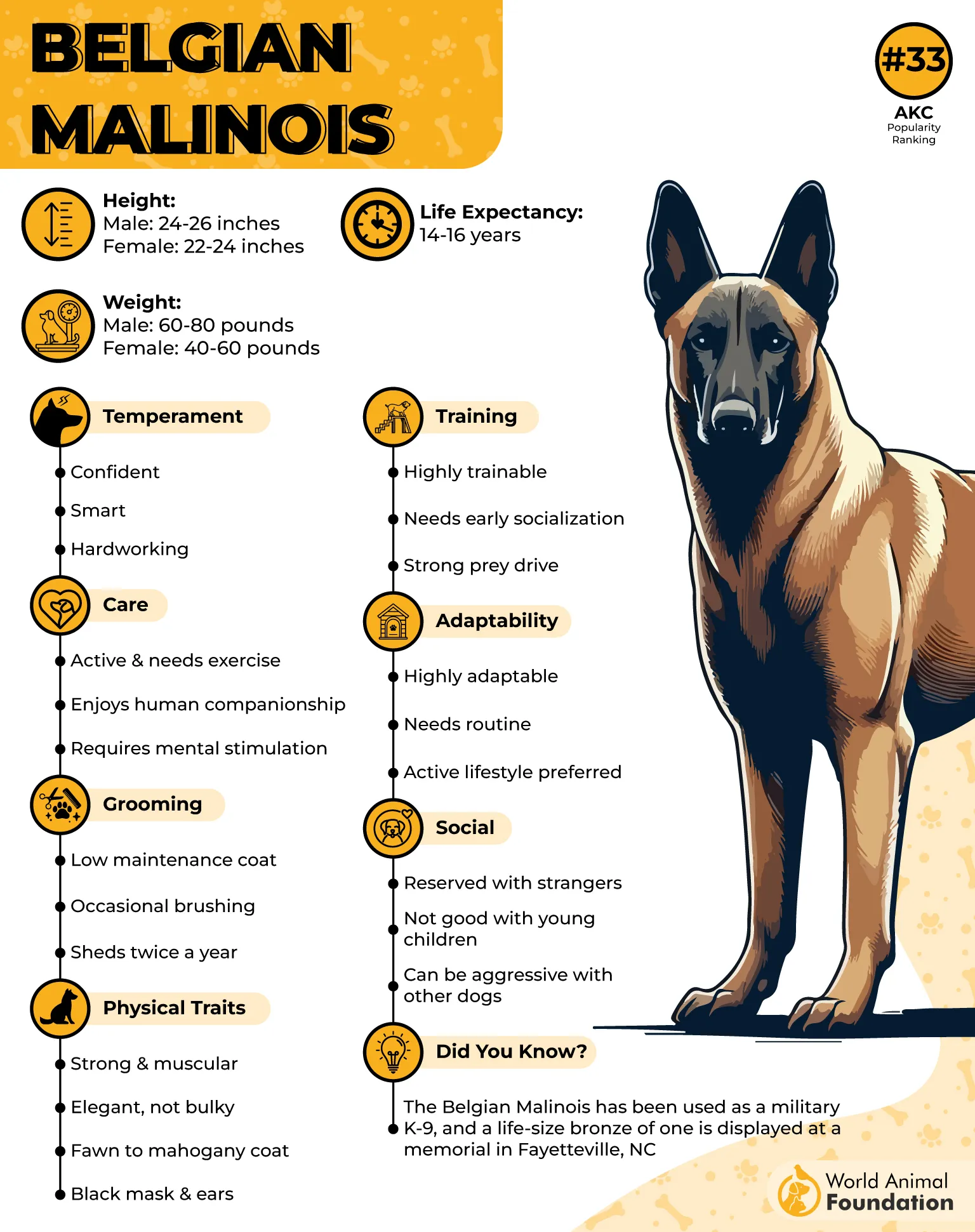
The Belgian Malinois cranks the dial to speed and intensity: a lightning rush, then a quick nip when a stubborn cow argues back. The breed takes its name from the Belgian city of Malines, among the Belgian shepherd varieties bred to herd. Fame came later, as the Belgian Malinois gained popularity through police and military work.
A Malinois on a cattle drive can overwhelm a calm herd, and a sharp nip without a measured pause can start a stampede. That is why timing matters more than raw speed.
Off-duty farm skill: Gate and barn security, since their watchful nature makes them excellent watchdogs that alert the farm to strangers.
Hidden cost: A constant need for mental and physical stimulation, plus a skilled handler who can steer all that drive toward the work.
Farms with experienced handlers and structured daily work are the best fit. A quiet hobby farm with a casual owner is the worst. Give the breed a daily mission, and the intensity becomes an asset instead of a problem.
6. Australian Cattle Dog
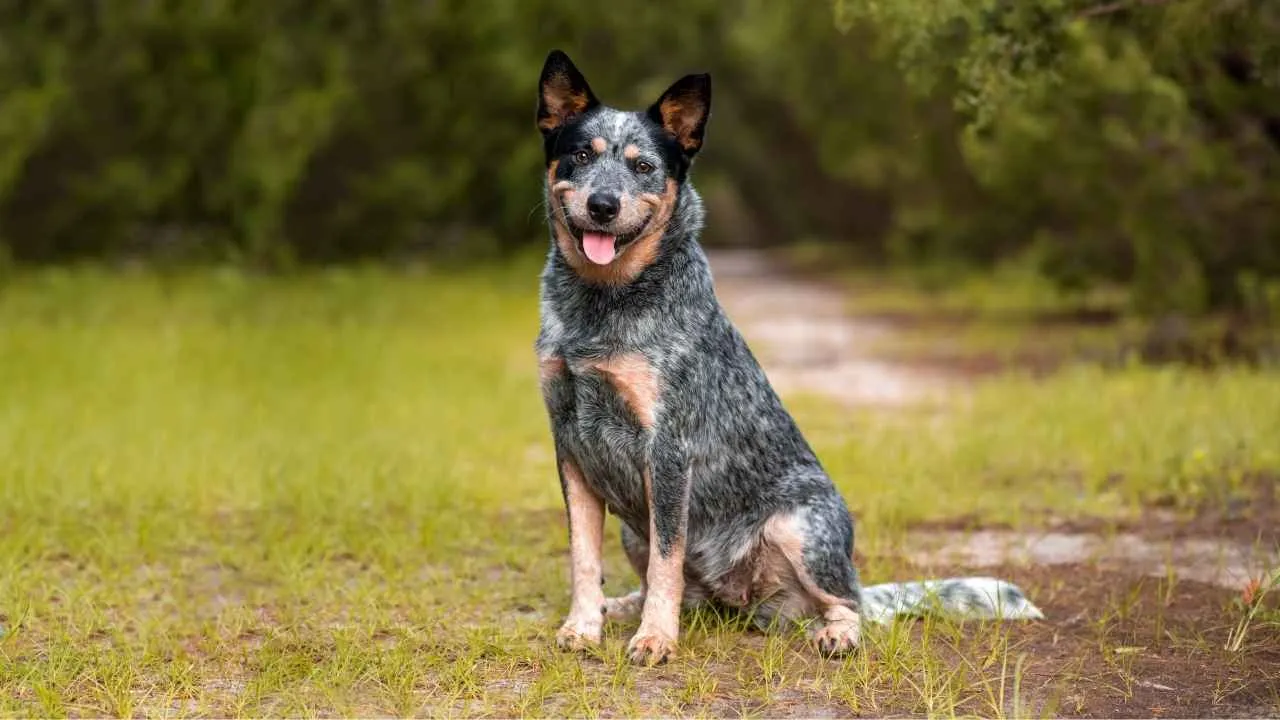
The Australian Cattle Dog works the heel nip: a low, quick snap at the back legs that says “move along.” That habit earned them the nickname blue heelers, a name still heard on farms today. Originally bred in Australia with dingo and collie blood, this cattle dog was built to handle wild cattle across vast, rough country.
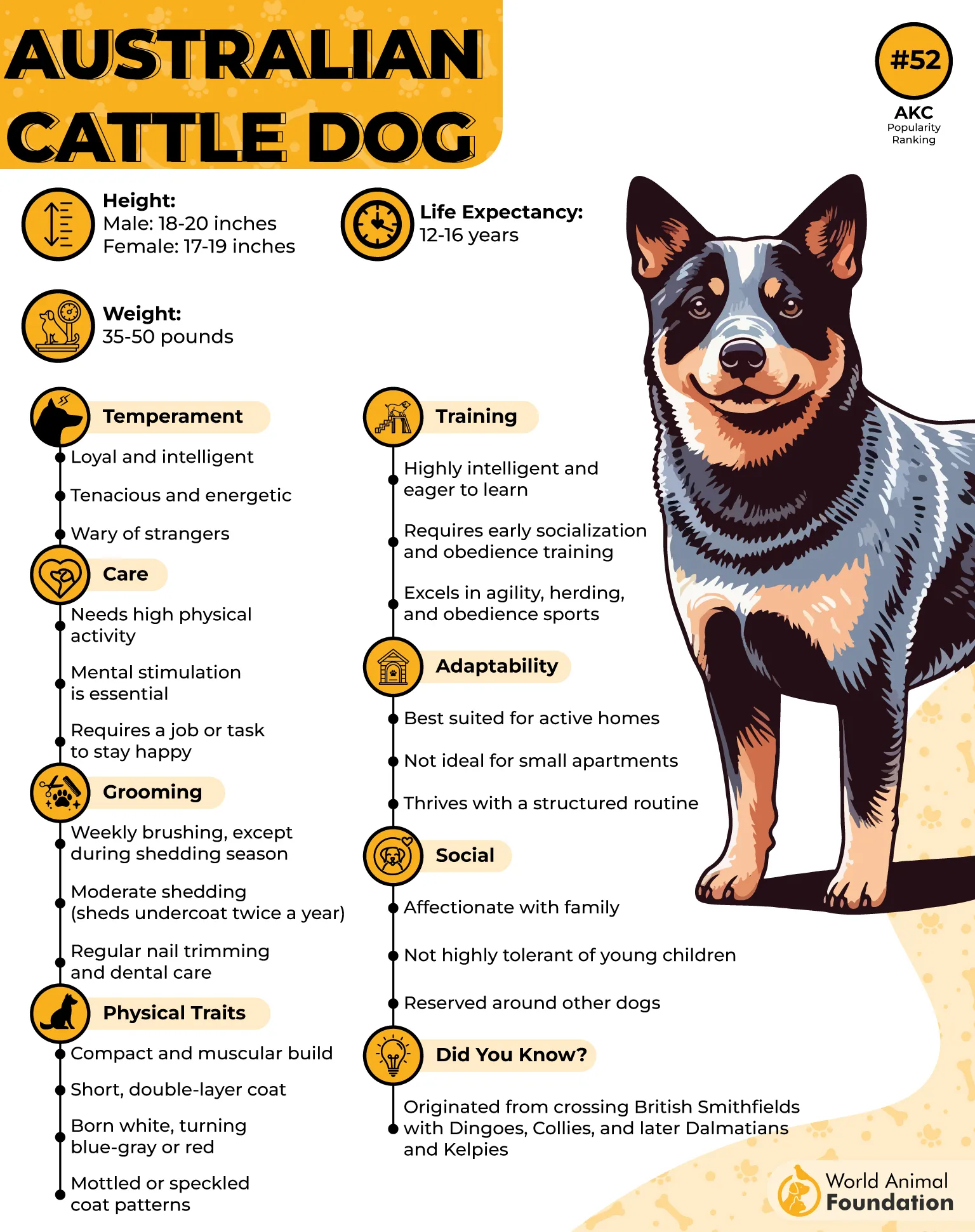
Timing is where heelers slip. A nip while the herd is already walking turns a steady line into a scramble, and a cow with a good kick will happily correct the dog’s manners. Smart handlers teach the nip as a tool, not a habit.
Off-duty farm skill: Property guard duty, thanks to a fiercely loyal nature and a strong protective instinct that works like a built-in alarm.
Hidden cost: Early socialization, because this breed can be pushy with other dogs and may herd family members, especially children.
A large cattle station with stubborn herds and long distances is where these working dogs thrive. A tiny plot is a poor match. Give them room to cover ground, and the stamina pays off.
7. Rottweiler
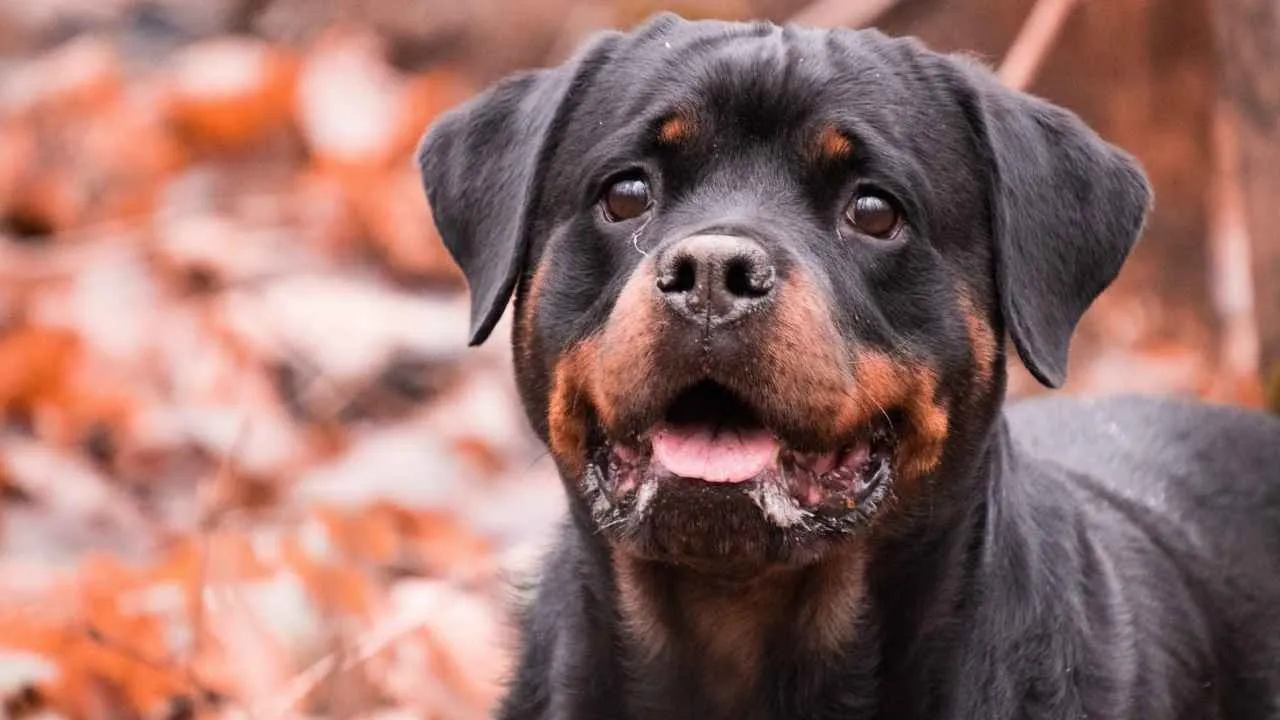
The Rottweiler sits at the hardest setting: the lean-in, a steady push of pure body weight. VCA explains that the town of Rottweil became a cattle trading center, where drover dogs drove cattle to town and guarded the money from their sale. Those butcher dogs drove herds forward, so the breed still pushes more than it circles.
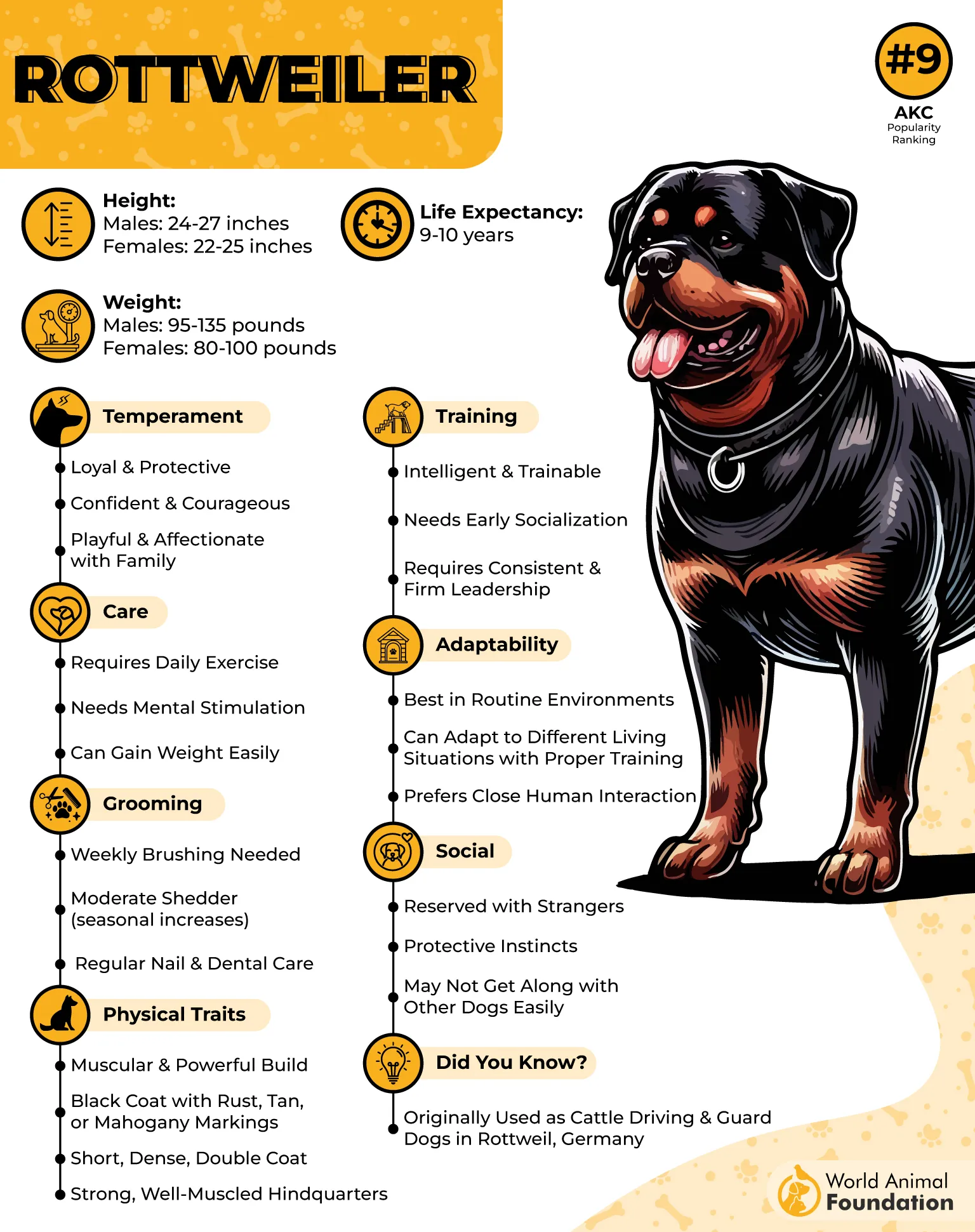
A Rottweiler leaning in on a nervous herd can pin cattle against a fence, so handlers must teach the dog when to ease off. Calm, consistent lessons turn that raw power into precise teamwork.
Off-duty farm skill: Guard duty around the busy farmyard, because the breed is confident and naturally wary of strangers.
Hidden cost: Daily exercise and portion control to stay healthy, plus regular brushing, since the short coat still sheds.
Close-range jobs suit them best, such as moving cattle between pens, down chutes, and onto trucks. Wide pastures where cattle scatter are a poor match. Give them a clear task and a calm handler, and the strength becomes an asset.
Conclusion
Here is the takeaway: every one of these farm dogs turns the pressure dial differently, and the best herding breeds are the ones whose style your cattle respect and whose endless energy fits your acreage. Match the push to your herd, and a long history of careful breeding does the heavy lifting while you take the credit.
Many of these farm dogs also protect livestock after hours, and with early socialization, they get along with other animals and make excellent family pets once the chores end. Pick your dial setting, visit a working farm, and meet your match in action today.
