





Bringing a dog home is a long-term commitment, and the cost of ownership goes beyond the initial adoption or purchase price. Food, grooming, supplies, veterinary care, training, and everyday maintenance can all affect a pet parent’s budget. Choosing a breed whose size and lifestyle needs fit comfortably within those expenses can make ownership more manageable.
Smaller dogs are often considered economical because they generally eat less than large breeds and may require fewer household resources. However, size is only one part of the equation. A breed with simple grooming needs or modest exercise requirements can also help keep routine expenses and time commitments under control.
The seven breeds below have different personalities and activity levels, but each can offer qualities that appeal to budget-conscious pet parents. Their individual needs should still be considered carefully before bringing one home.
Top Economical Dog Breeds for Happy Pet Parents
1. Chihuahua

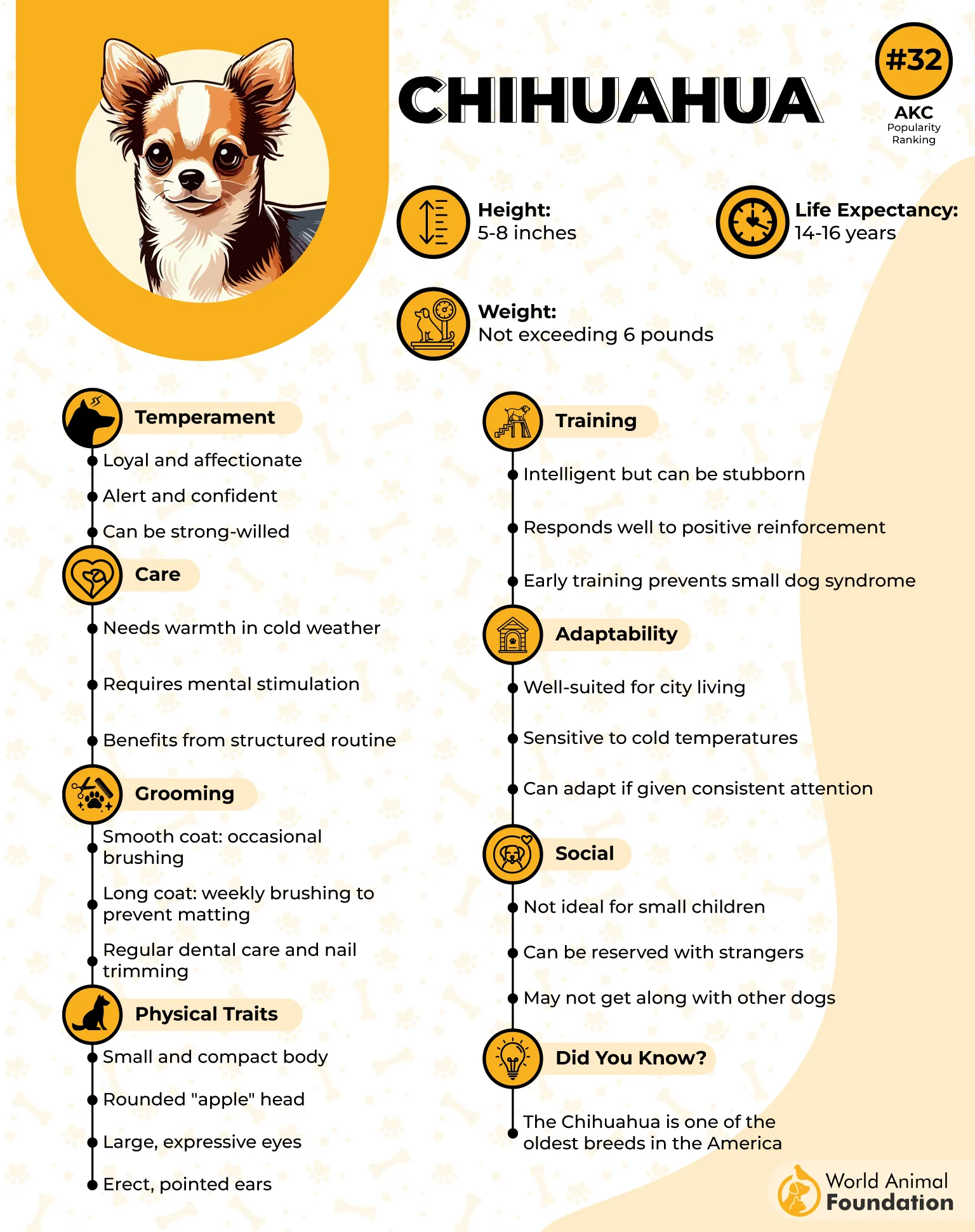
The Chihuahua is one of the world’s smallest dog breeds and takes its name from the Mexican state of Chihuahua.
Its ancestry is associated with the ancient Techichi, a small companion dog kept by the Toltec and later Aztec civilizations. The modern Chihuahua developed further in Mexico before gaining widespread popularity as a companion breed.
Small Body, Big Personality, and Manageable Training Needs
Chihuahuas may be tiny, but they can be surprisingly energetic and alert. Short daily walks combined with indoor play can often provide sufficient physical activity, while basic obedience training and early socialization help prevent excessive barking or nervous behavior. Because of their small size, even a modest living space can provide plenty of room for movement.
An Economical Companion With Modest Everyday Needs
A Chihuahua’s tiny frame can translate into lower food consumption compared with medium and large breeds.
Their compact size also means beds, carriers, toys, and other supplies can be relatively small. Both smooth-coated and long-coated varieties need routine care, but neither requires the extensive coat maintenance associated with some larger, heavily coated breeds.
2. Dachshund

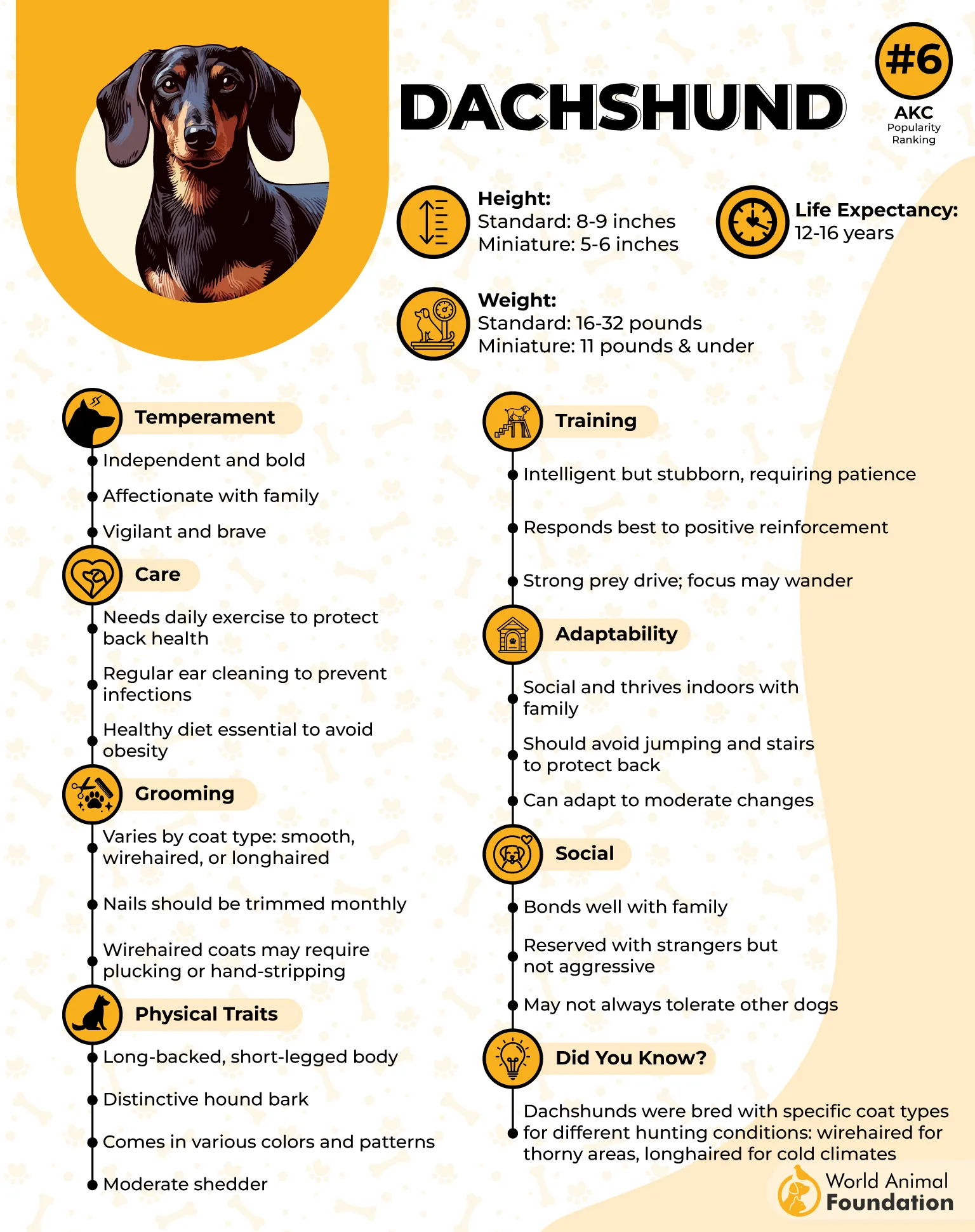
Dachshunds originated in Germany, where they were developed to hunt badgers and other animals that lived in underground burrows, as per PetMD.
Their long bodies and short legs were particularly useful for entering tunnels, while their determination helped them pursue quarry in confined spaces. Over time, the breed became increasingly popular as a household companion.
Training Needs That Benefit From Patience and Consistency
Dachshunds are intelligent dogs but can have an independent streak inherited from their hunting background. Daily walks and interactive games help keep them active, while reward-based training can make lessons more productive.
Owners should also be mindful of their elongated backs and avoid activities that place unnecessary strain on the spine, such as repeated jumping from heights.
A Budget-Friendly Breed With a Convenient Size
Their relatively small bodies mean Dachshunds typically consume less food than larger dogs. They also fit comfortably into many homes and do not require large amounts of outdoor space.
Grooming expenses vary according to whether the dog has a smooth, long, or wire-haired coat, but overall, their compact size can make many routine ownership costs easier to manage.
3. Beagle

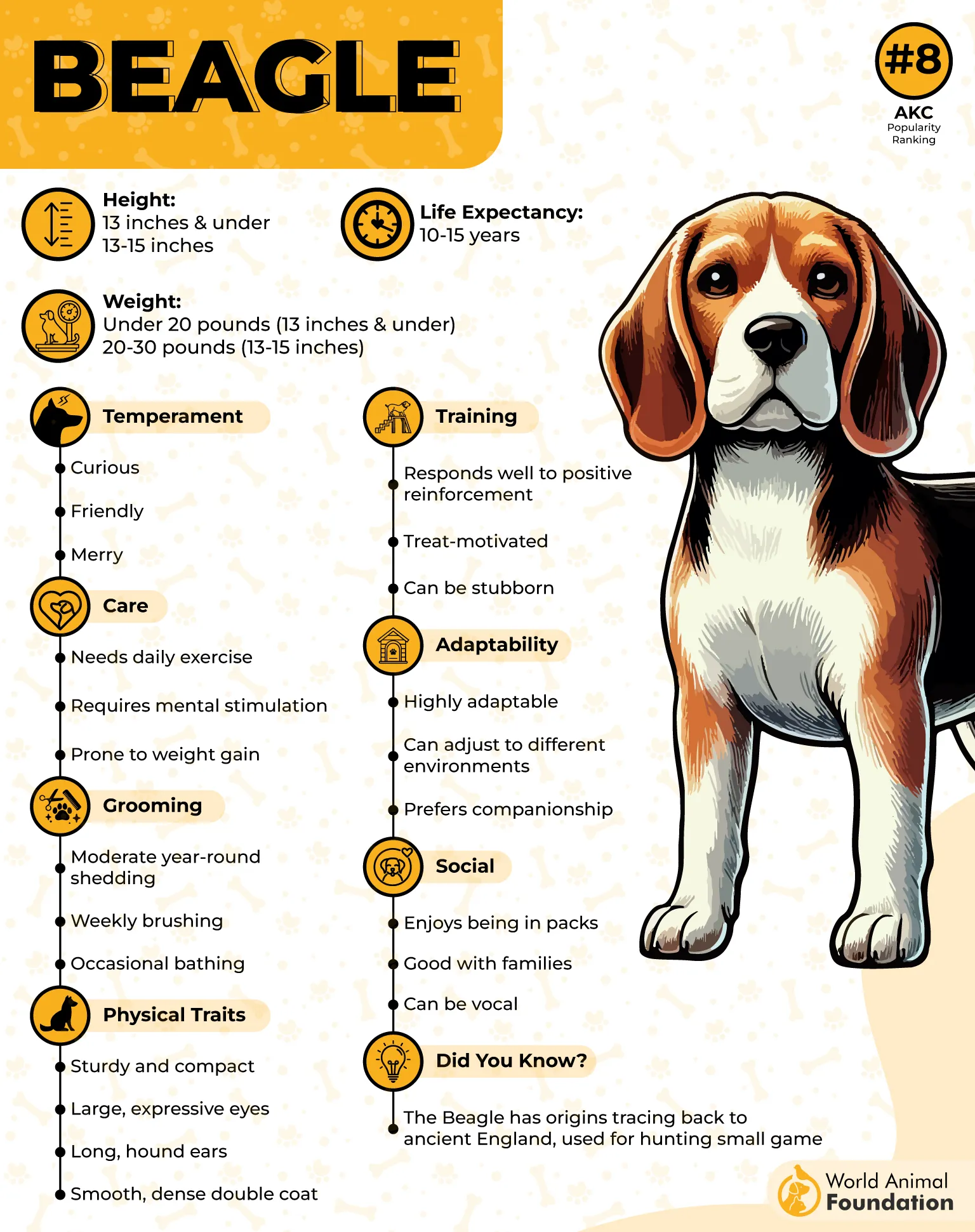
Beagles have a long history as scent hounds in Britain, where smaller hunting dogs were developed to track rabbits and other small game.
Their exceptional noses and strong tracking instincts made them useful companions for hunters who followed them on foot. Their friendly appearance and sociable nature eventually helped them transition into popular family pets.
A Nose-Driven Breed That Needs Daily Engagement
Beagles are active dogs that benefit from regular walks, play, and opportunities to investigate their surroundings.
Training can require some creativity because their attention may quickly shift when an interesting scent appears. Puzzle toys, scent games, and structured obedience sessions can help turn their natural curiosity into productive activity.
Reasonable Size Without the Expense of a Giant Breed
A Beagle is large enough to enjoy outdoor activities but small enough that its food requirements remain below those of many bigger dogs.
Its short coat is also uncomplicated to maintain, reducing the need for frequent professional grooming. For pet parents who want an energetic companion without the resource demands of a giant breed, this can be an appealing balance.
4. Rat Terrier

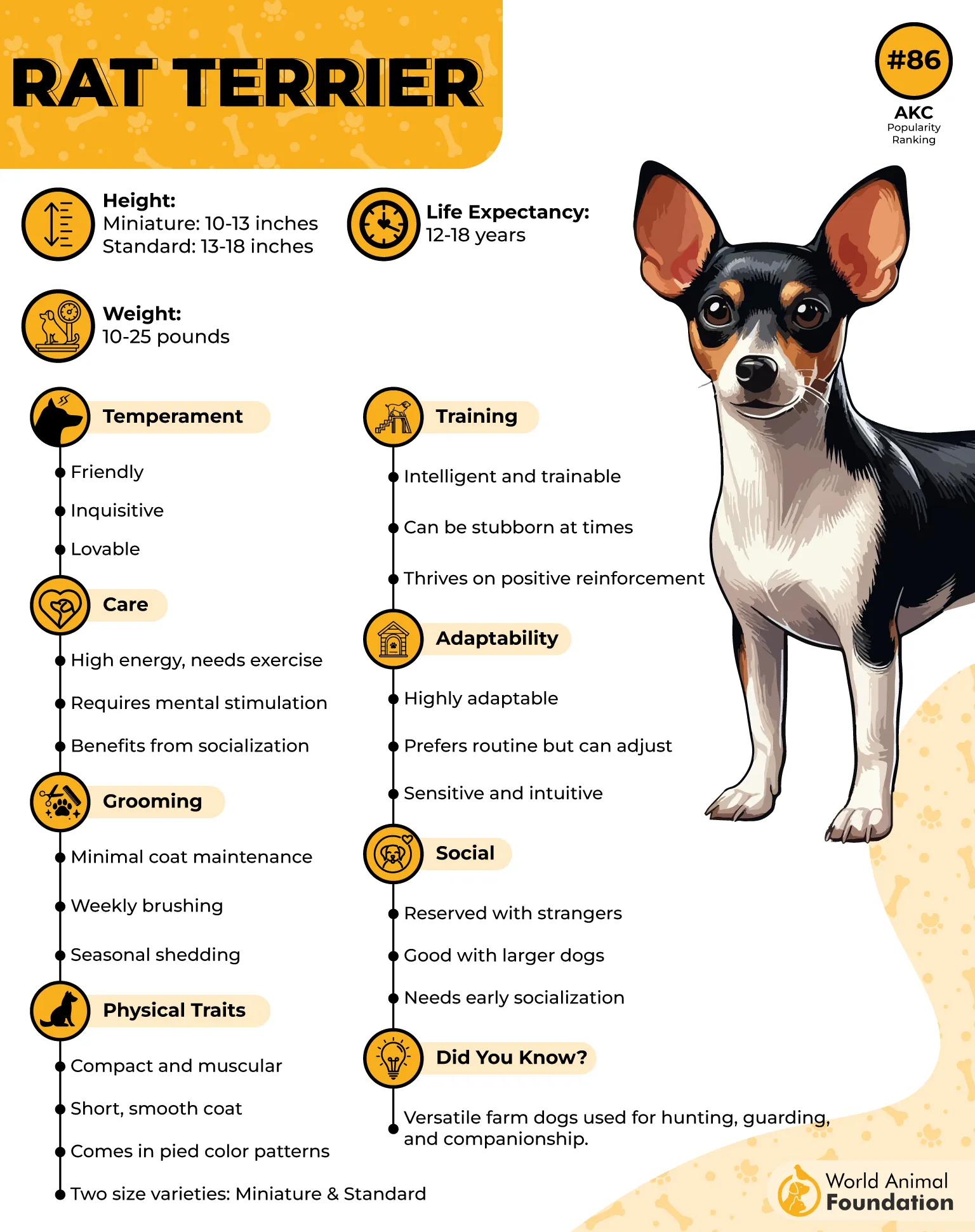
The Rat Terrier was developed in the United States from several terrier and working-dog lines. Farmers valued these dogs for controlling rats and other pests around homesteads, and their usefulness helped establish them as practical farm companions. Different regional lines contributed to the breed’s development before it became recognized as a distinct American breed.
An Energetic Worker That Thrives on Activity and Learning
Rat Terriers are lively, intelligent dogs that usually need more than a brief walk around the block. Fetch, agility-style games, obedience exercises, and other interactive activities can help satisfy their active minds. Their willingness to learn can make training enjoyable when sessions remain varied and engaging.
Easy to Care For Without a High-Maintenance Coat
The Rat Terrier’s short coat is generally simple to brush and maintain. Its medium-to-small size also means food portions and many supplies can be more manageable than those required for a larger working dog, as per CKCUSA.
While its energy level means owners should budget time for activity, its straightforward physical care can help keep routine maintenance relatively economical.
5. Miniature Pinscher

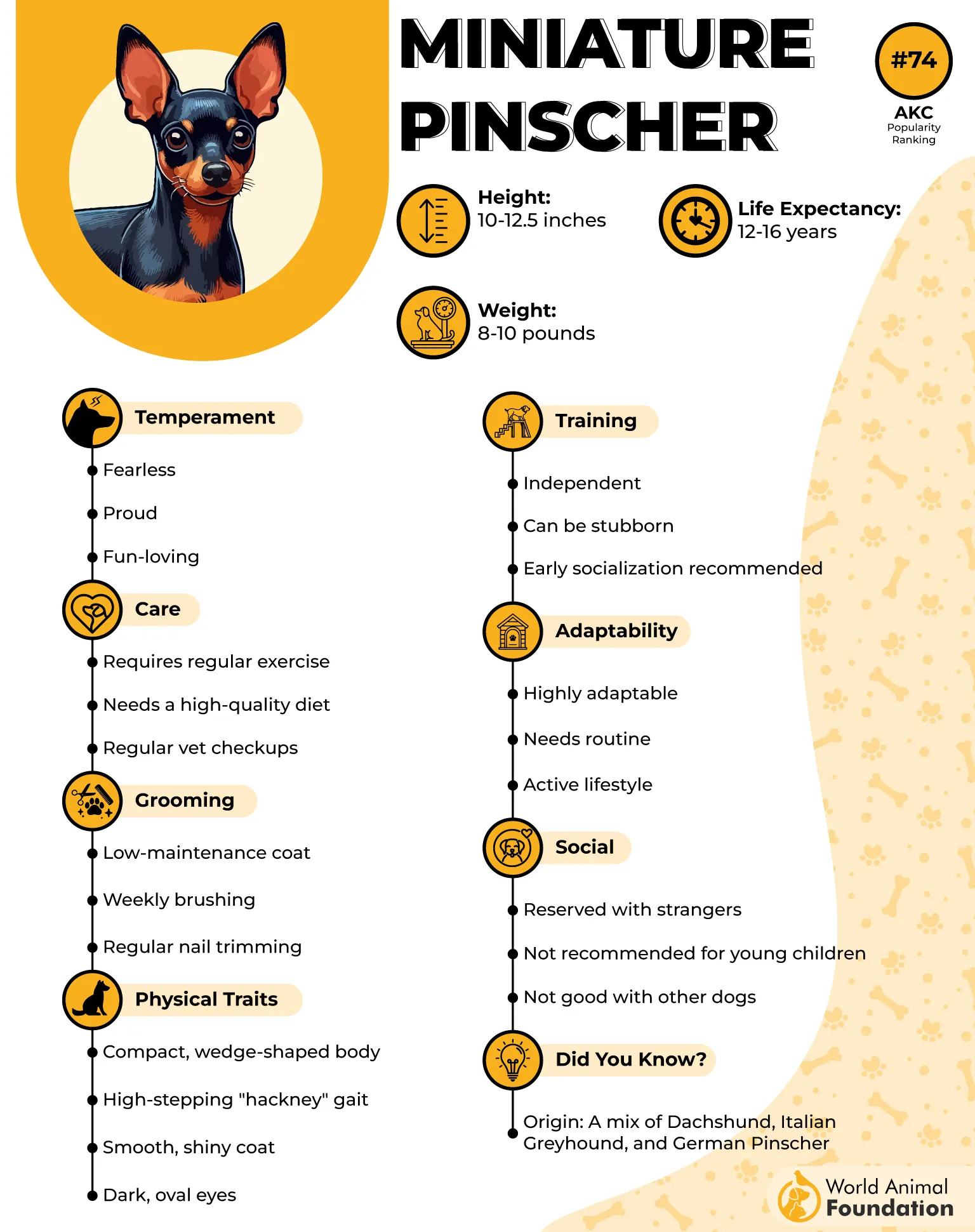
The Miniature Pinscher originated in Germany and has a history dating back several centuries. Despite its resemblance to a small Doberman, the two breeds are not simply miniature and full-sized versions of one another. Miniature Pinschers were developed from older German breeds and were used to control vermin before becoming popular dogs.
Quick, Confident, and Best With Structured Training
Miniature Pinschers are active for their size and often enjoy brisk walks, games, and short training sessions.
Their confident personalities can sometimes lead to stubborn behavior, making consistency important from an early age. Mental stimulation is useful as well, particularly for a dog that likes having something to investigate or accomplish.
A Tiny Dog That Can Stretch a Pet Budget Further
The Miniature Pinscher’s compact build naturally limits food consumption and makes many everyday supplies easier to purchase and store.
Its short coat requires very little grooming beyond routine brushing and bathing. Pet parents still need to account for veterinary care and quality nutrition, but the breed’s small size can reduce several recurring household expenses.
6. Jack Russell Terrier
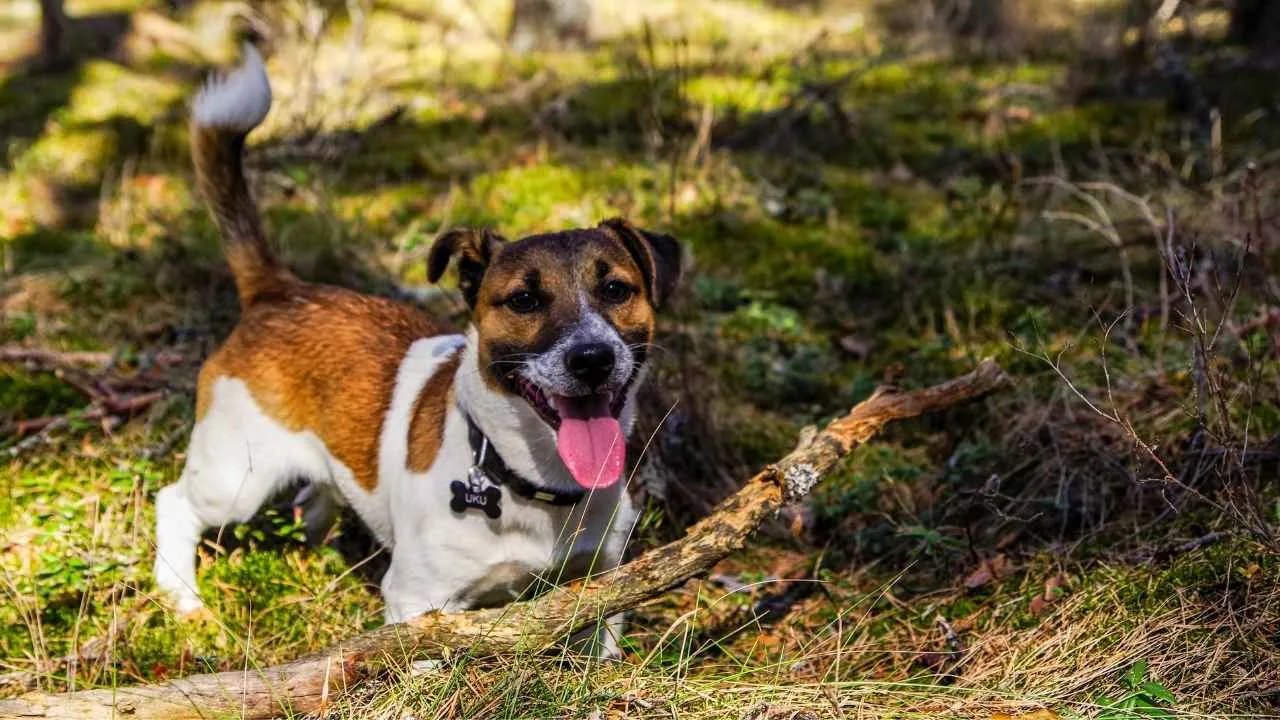
The Jack Russell Terrier was developed in England during the nineteenth century by Reverend John Russell, who wanted a small terrier capable of working alongside foxhounds, as per Hill’s Pet.
These dogs were bred for determination, agility, and the ability to pursue foxes into their underground dens. Their working heritage remains highly visible in their energetic and inquisitive personalities.
A High-Energy Terrier That Needs More Than a Casual Walk
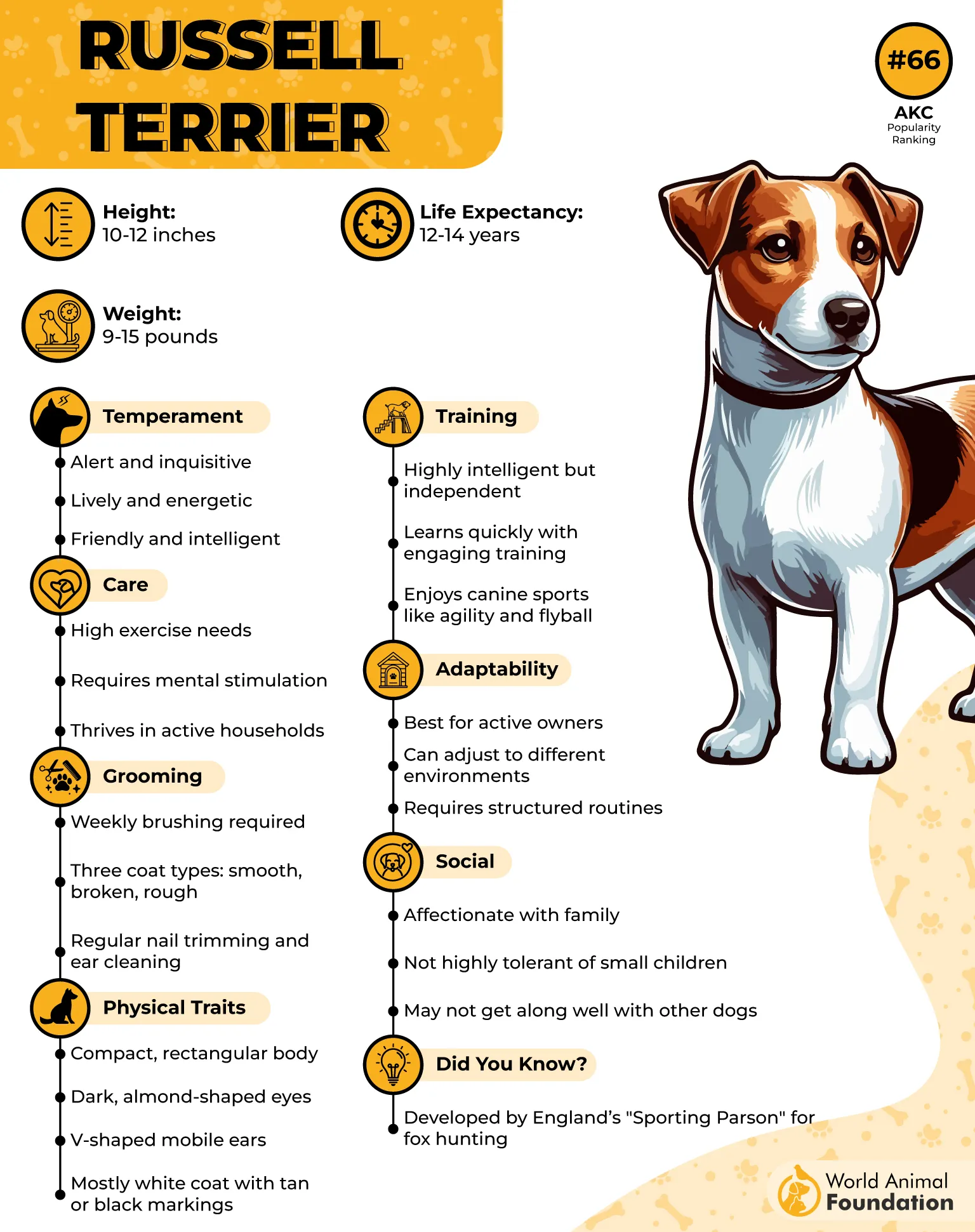
Jack Russell Terriers are not couch potatoes. They generally require daily physical activity combined with games, training, and mental challenges.
Their intelligence and strong prey drive can make activities such as scent work, fetch, and controlled agility particularly rewarding. Consistent boundaries are important because an under-stimulated terrier may find its own entertainment.
Economical Care Without Economical Exercise Needs
Although the Jack Russell requires considerable time and activity, its physical upkeep can be relatively straightforward. The breed’s small size keeps food requirements modest, while its short or broken coat generally does not demand elaborate grooming.
For an active pet parent, this combination can offer a financially manageable dog without sacrificing an energetic companion.
7. Whippet
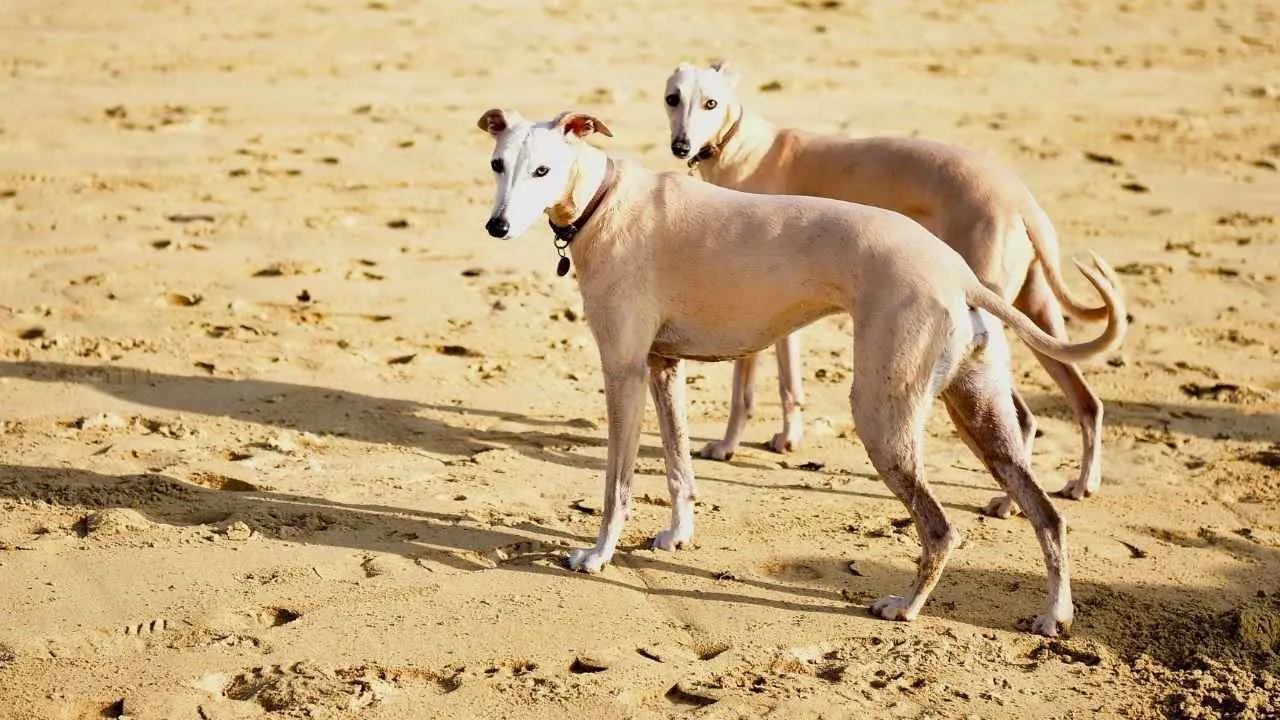
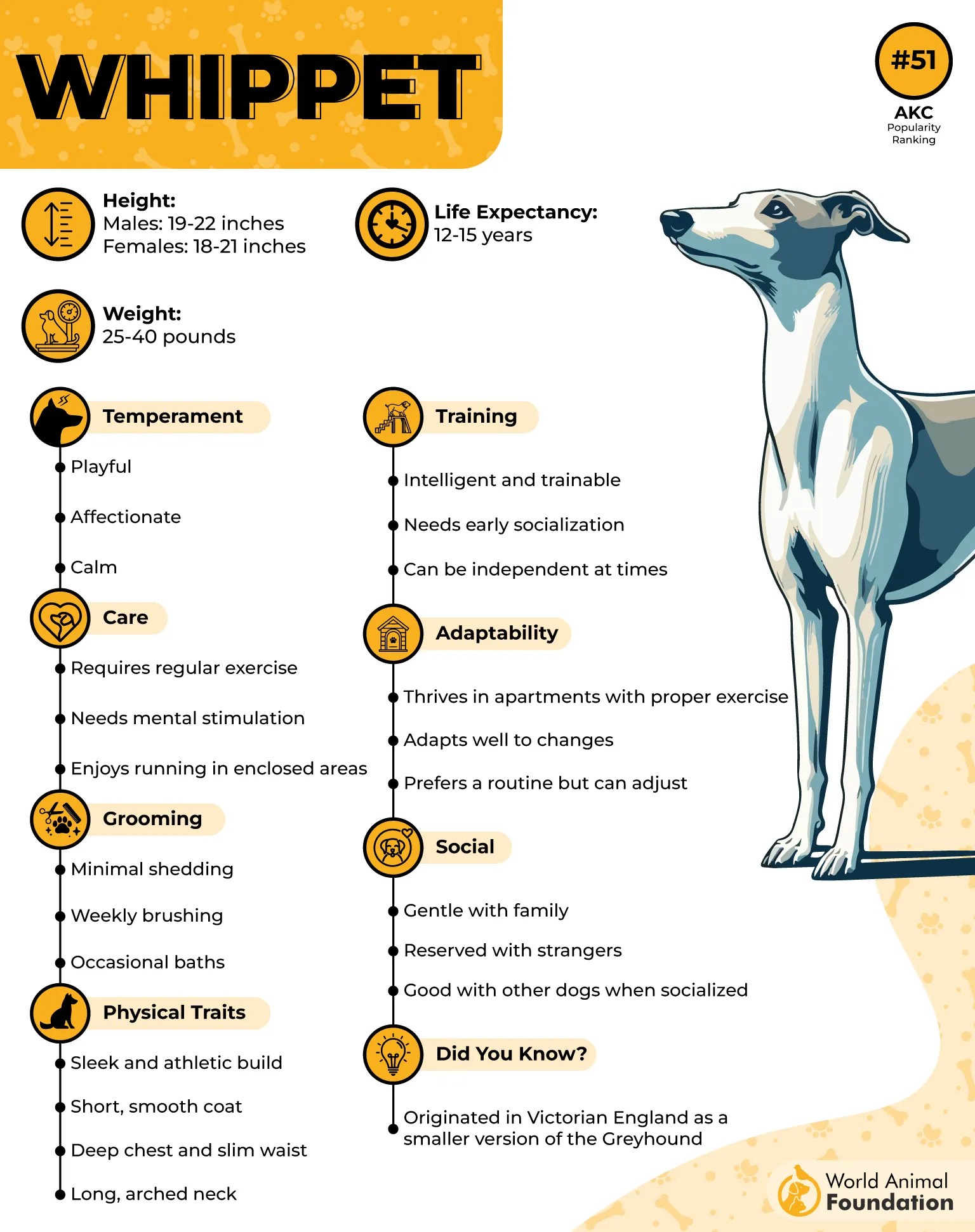
The Whippet was developed in England from Greyhound-related dogs and smaller breeds, eventually becoming popular among working-class communities.
These agile sighthounds were used for hunting small game and later became associated with racing and lure coursing. Their streamlined bodies reflect generations of selection for speed and efficient movement.
Short Bursts of Speed Followed by Plenty of Rest
Whippets are capable athletes, but their exercise pattern can be different from what their racing reputation suggests.
They often enjoy opportunities to run safely, followed by long periods of relaxation at home. Daily walks and controlled play can complement their natural bursts of speed, while gentle reward-based training works well for this sensitive breed.
A Lean Dog With Relatively Simple Maintenance
The Whippet’s short, fine coat requires little grooming, and its medium-sized frame generally keeps food consumption below that of much larger breeds.
Their streamlined bodies also mean they do not need bulky grooming equipment or elaborate coat care. For someone looking for an economical dog that can switch between outdoor activity and quiet indoor living, the Whippet offers an interesting combination.
Conclusion
Chihuahuas, Dachshunds, Beagles, Rat Terriers, Miniature Pinschers, Jack Russell Terriers, and Whippets can all appeal to pet parents who are mindful of ownership costs. Their advantages are not identical: some save space and food through their small stature, while others combine straightforward grooming with relatively simple everyday care.
Being economical should not mean choosing a dog based solely on food consumption or initial expenses. Veterinary care, vaccinations, quality nutrition, training, preventive treatments, and unexpected medical costs remain important considerations for every breed.
The most practical choice is ultimately the dog whose needs fit both the household and the owner’s budget. A good match can make responsible pet ownership more sustainable while still giving the dog plenty of exercise, enrichment, affection, and quality care.
