





When it comes to bringing a dog into your home, temperament and trainability are often top priorities. Easiest dog breeds make ideal companions, blending a calm demeanor with a willingness to learn. These dogs adapt well to various environments, making them perfect for families, singles, or first-time owners.
The easy-to-train dog breeds are not only affectionate but also highly receptive to proper training. Their patience, intelligence, and eagerness to please mean commands are quickly learned, and behavioral challenges are minimal.
This makes daily routines smoother and strengthens the bond between the dog and the owner.
Choosing a laid-back, trainable breed ensures your home remains harmonious and stress-free. With consistent guidance and positive reinforcement, these dogs thrive, bringing joy without unnecessary complications.
Easy-Going Dog Breeds That are a Breeze To Train
1. Border Collie
Brainy Athletes of the Herd
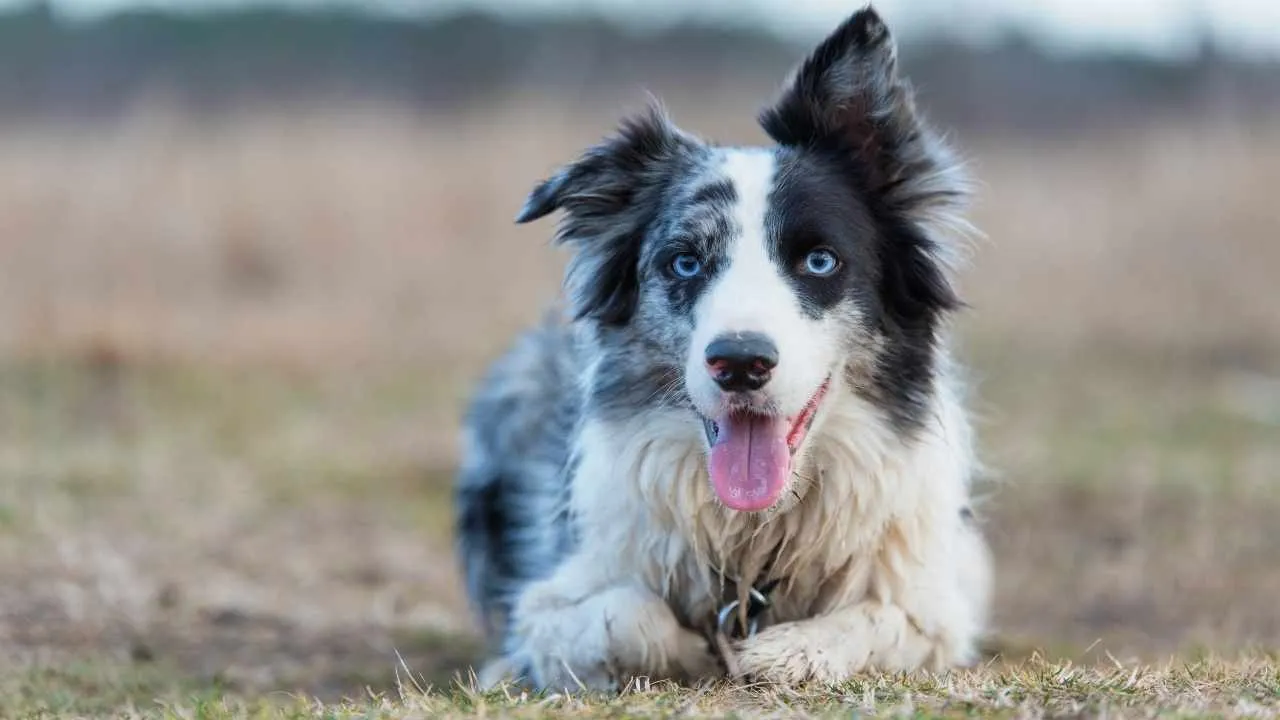
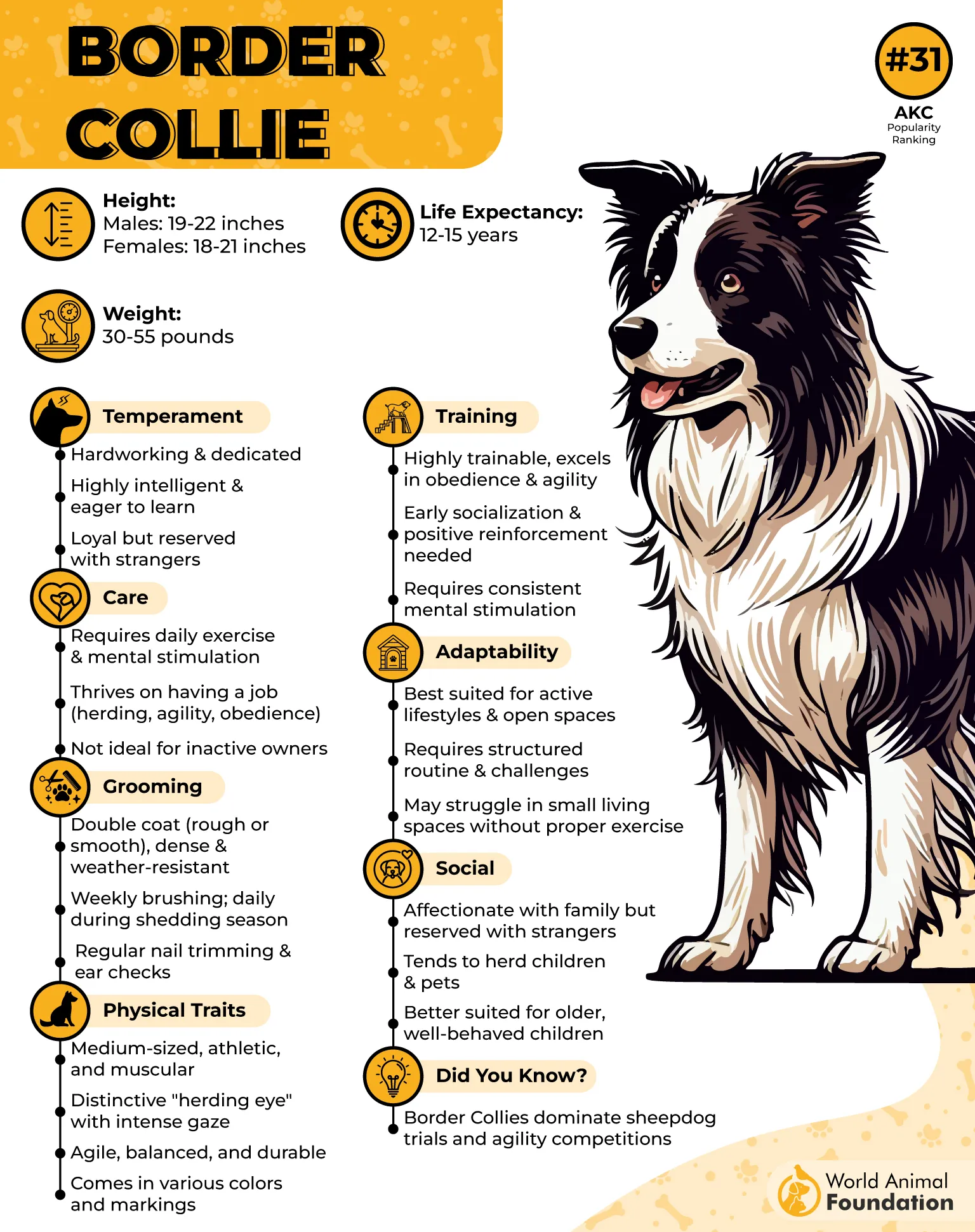
Border Collies are legendary for their intelligence and boundless energy. Built for herding, these athletic, medium-sized dogs are nimble and alert, with almond-shaped eyes that hold the breed’s iconic “herding gaze.”
From Roman Fields to Scottish Hills
This breed’s roots trace back to Roman and Viking herding dogs, blending power and agility to master the rocky highlands of Scotland and Wales. Over centuries, Borders became the ultimate herding companions, dominating sheepdog trials and earning a reputation as the world’s smartest working dogs.
A Mind That Needs a Job
Energetic and endlessly curious, Border Collies thrive when challenged. Daily mental and physical stimulation is essential, from agility and flyball to herding exercises. Without purposeful activity, they may herd children, chew, or bark excessively, making structured training a must.
Trainable with Heart and Focus
Border love to learn and respond well to positive reinforcement. Their combination of intelligence, athleticism, and eagerness to please makes them remarkably easy to train—whether mastering basic commands or excelling in high-energy sports.
2. Golden Retriever
Scotland’s Amiable Water-Lover
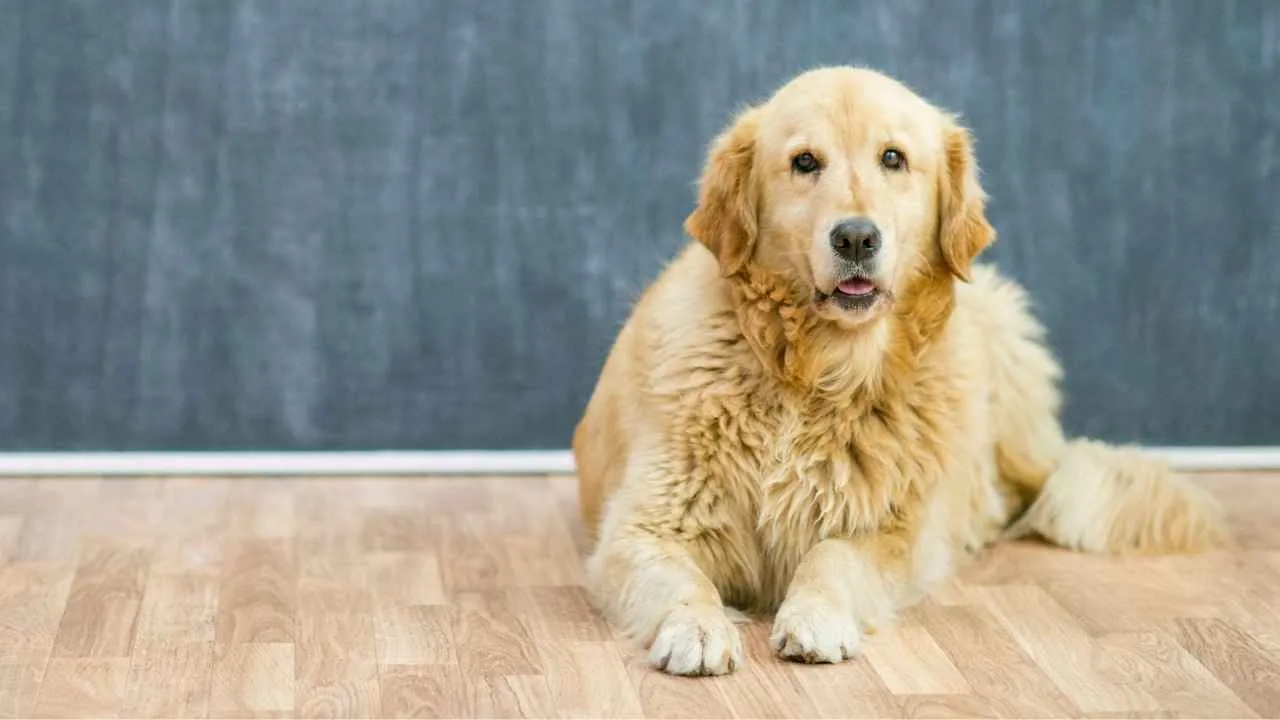
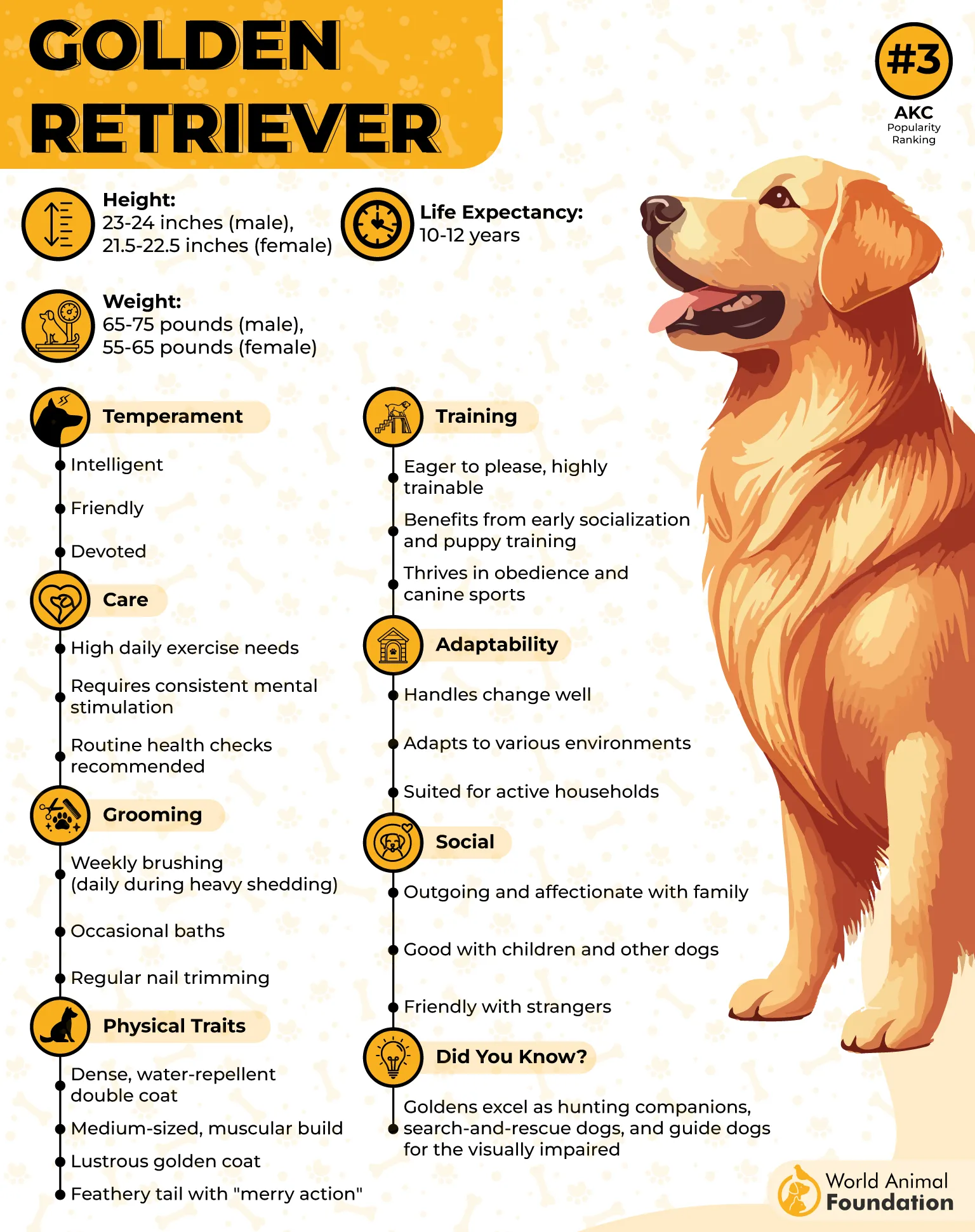
Golden Retrievers were bred in 19th-century Scotland to assist hunters in retrieving game from land and water, as per PetMD. Strong, hardy, and excellent swimmers, they sport a thick, golden coat that shines in shades from light to deep gold, making them instantly recognizable and photogenic.
History of Versatility
From gundog to guide dog, the Golden Retriever’s versatility has made it a favorite worldwide. First shown in England in 1908 and registered in the U.S. in 1925, this breed quickly became beloved for its gentle, friendly, and hardworking nature.
Playful Minds, Eager to Learn
Golden Retrievers thrive on mental and physical activity, from fetch and swimming to agility and obedience training. Intelligent and eager to please, they respond well to positive reinforcement, though early distractions can challenge new trainers at first.
Easygoing Trainers’ Dream
Affectionate, energetic, and socialized early, Golden Retrievers are both loving family pets and attentive learners. Their combination of intelligence, calm temperament, and eagerness to please makes training a fun and rewarding experience.
3. Labrador Retriever
Newfoundland Roots, Global Fame
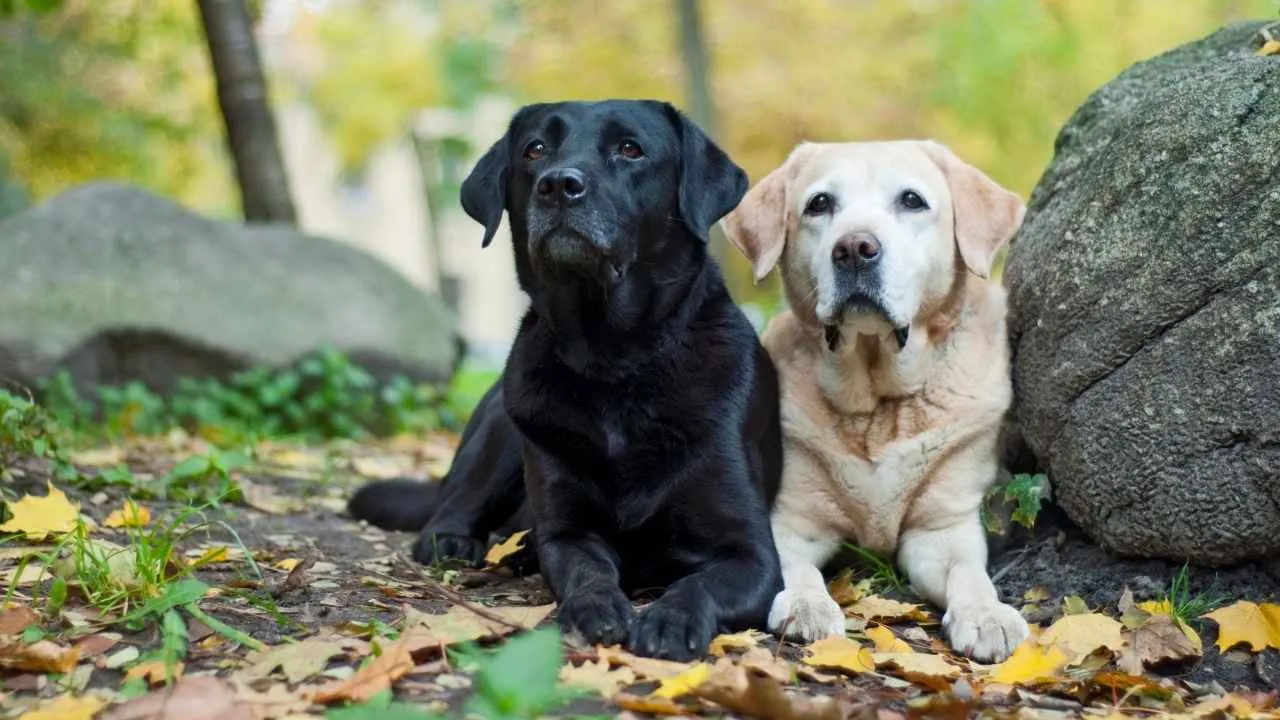
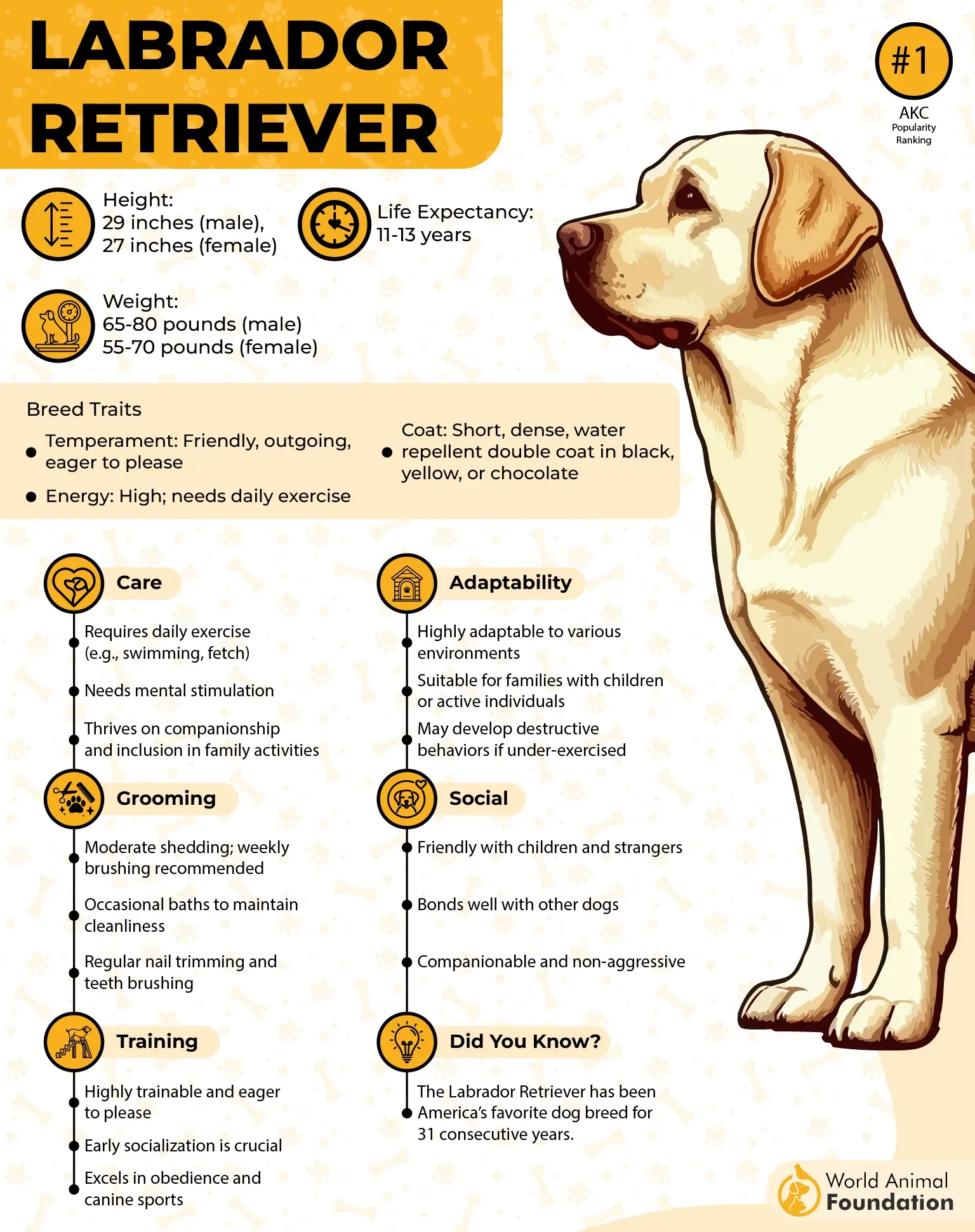
Labrador Retrievers originated from the St. John’s water dogs of Newfoundland, refined in England for retrieving waterfowl. Today, they are medium to large sporting dogs, instantly recognizable by their broad heads, expressive eyes, and thick, water-resistant double coats.
A Life of Purpose and Play
Labs thrive on activity and mental challenges, from fetch and swimming to dock diving and service work, as per Purina. Their intelligence and eagerness to please make them highly trainable, though consistent exercise and engagement are essential to prevent hyperactivity or boredom.
Loyal, Friendly, and Social
Known for their loving temperament, Labradors excel as family pets and companions, getting along with children and other animals. Early socialization ensures confidence and a gentle nature, making them adaptable to homes of all kinds.
Training Made Easy
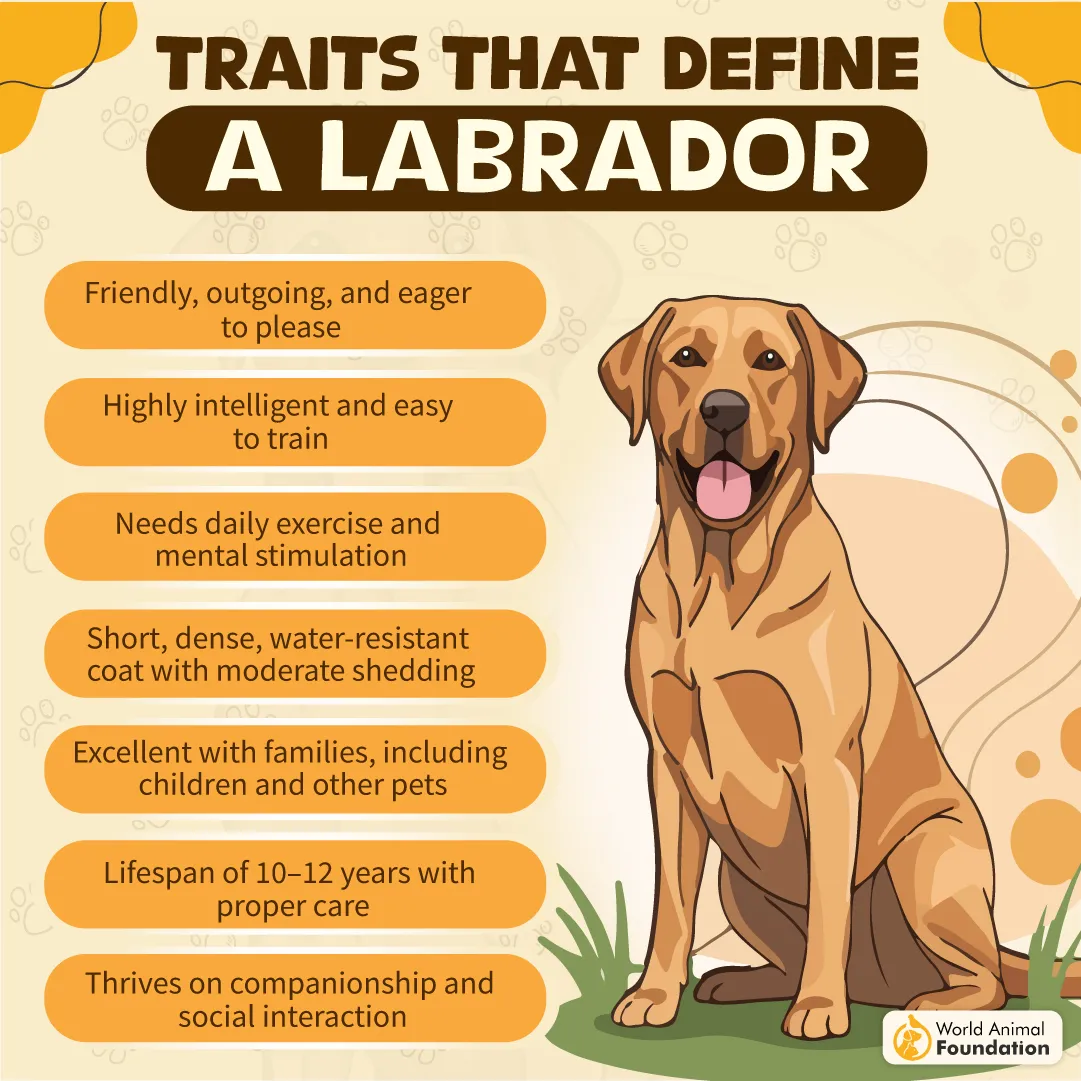
Driven by a desire to work alongside humans, Labs respond well to positive reinforcement. Their intelligence, patience, and enthusiasm make training straightforward, whether for obedience, retrieving, or canine sports, solidifying their reputation as one of the easiest breeds to teach.
4. German Shepherd
Noble Heritage, Versatile Worker
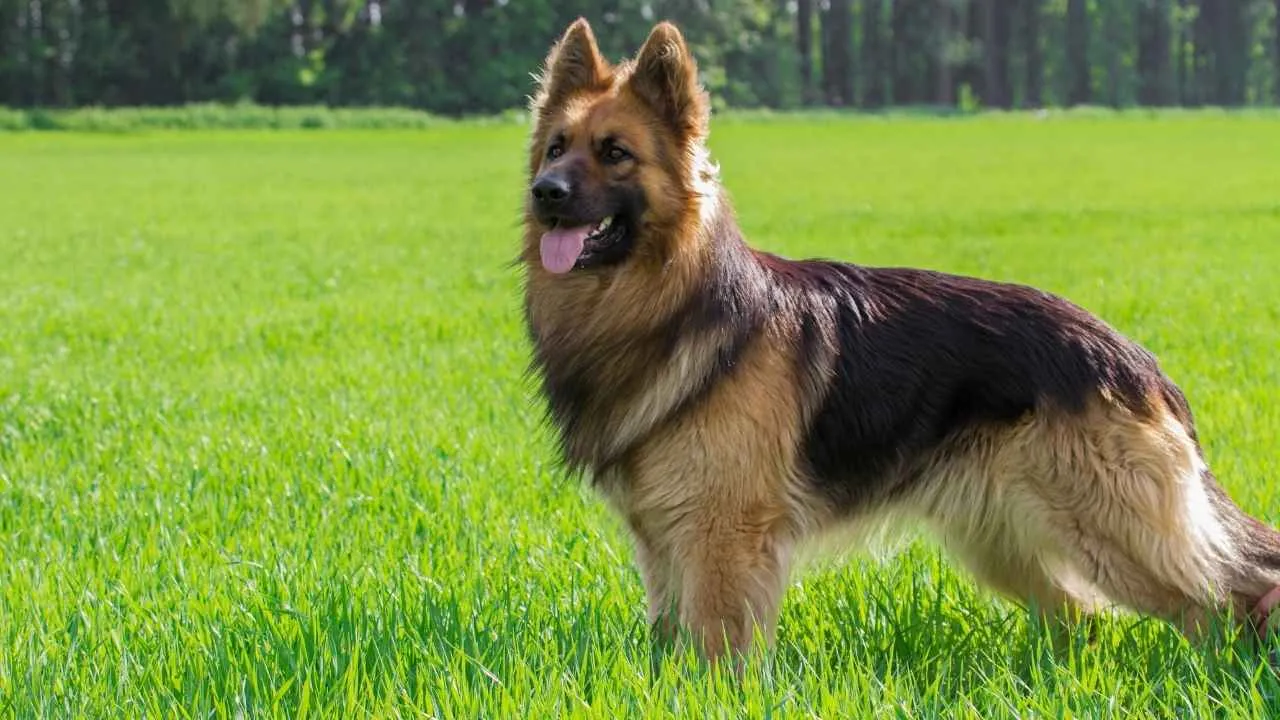
German Shepherds are large, agile, and intelligent dogs originally bred in Germany for herding. With strong, graceful physiques and expressive, confident demeanors, they combine power and elegance, making them ideal working partners and loyal family companions.
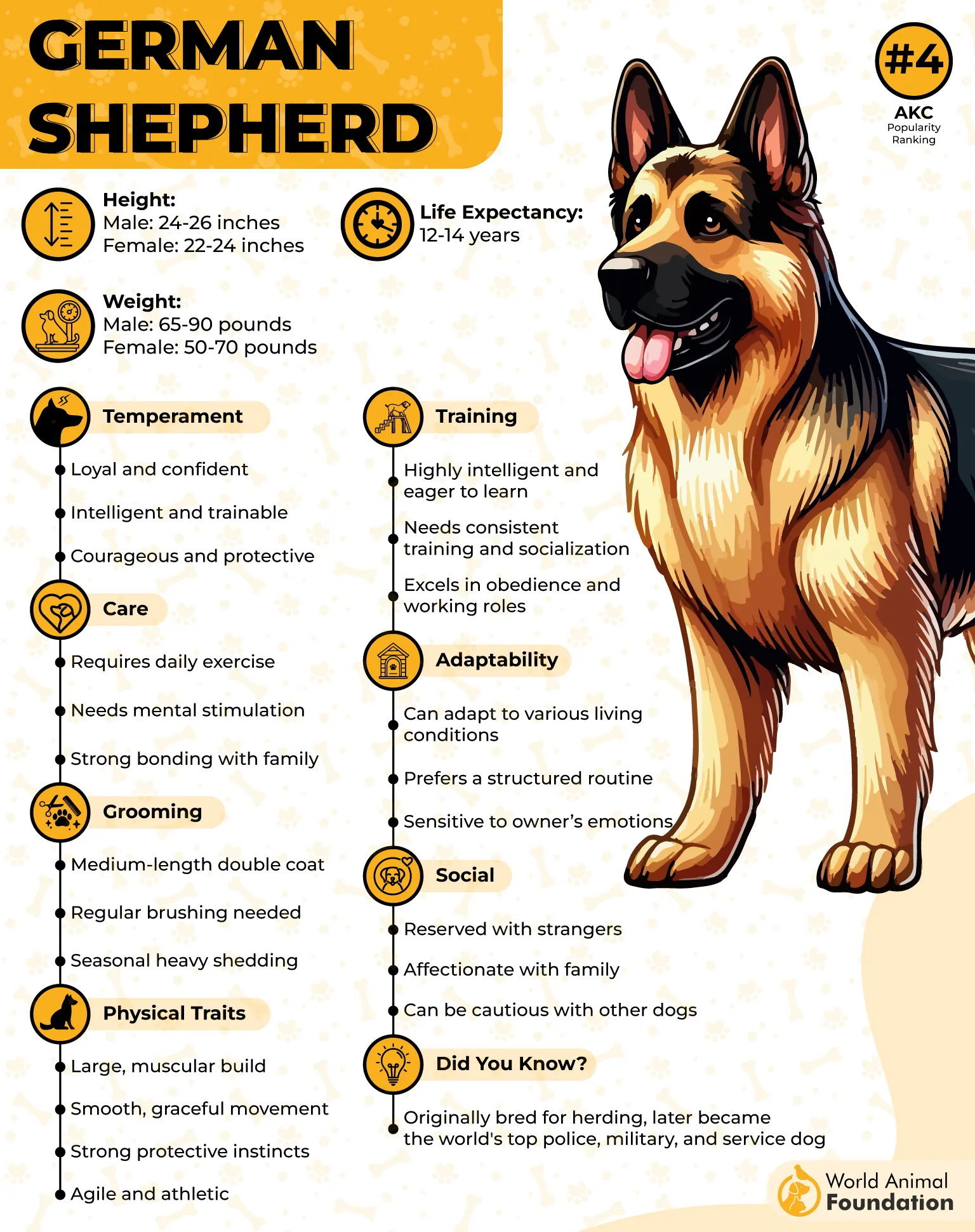
From Sheep Pastures to Global Fame
Developed by Captain Max von Stephanitz in the late 1800s, German Shepherds evolved from regional herding dogs into a standardized breed. Their intelligence and versatility quickly made them stars in police, military, and cinematic roles, cementing their global popularity.
Loyal Minds Need Purpose
Highly energetic and driven, GSDs thrive on exercise and mental challenges. They enjoy having a job, whether obedience, agility, tracking, or protection work, and require consistent training to channel their intelligence and energy positively.
Training Champions at Heart
German Shepherds are eager learners who respond best to positive reinforcement. Their combination of loyalty, courage, and keen intellect makes them remarkably trainable, capable of mastering complex tasks while forming deep bonds with their human companions.
5. Doberman Pinscher
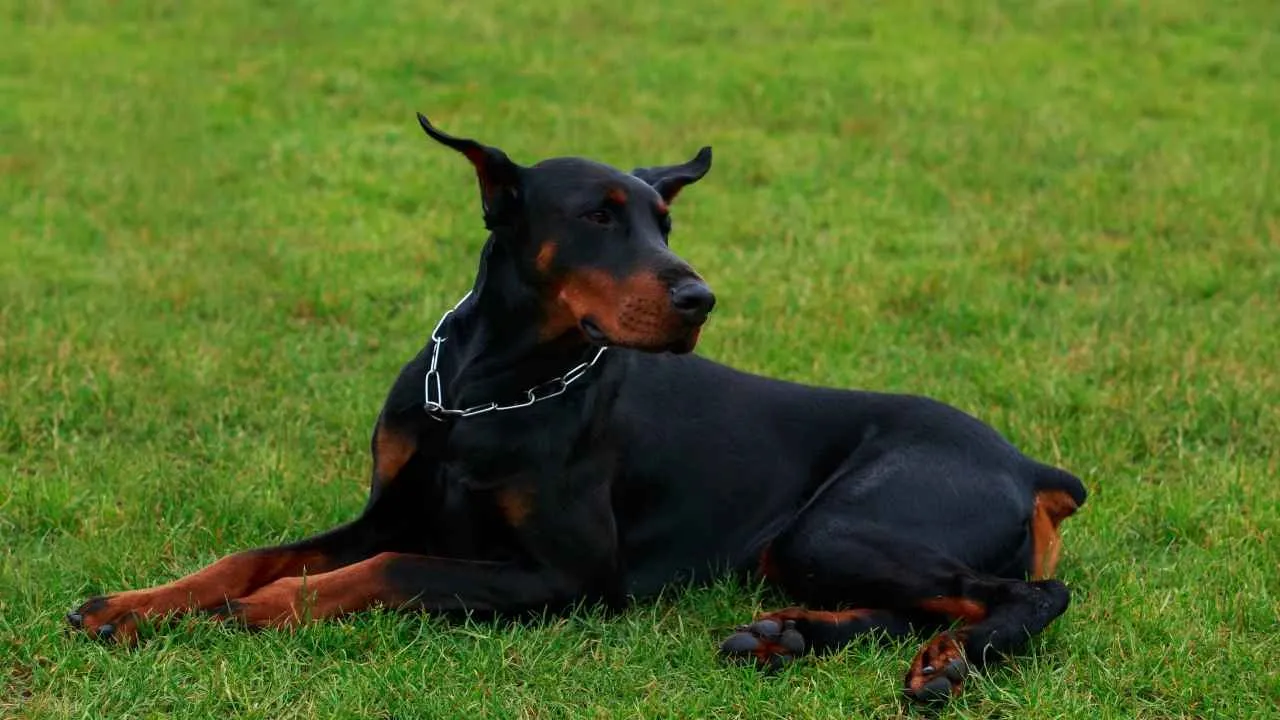
Crafted for Courage and Loyalty
Doberman Pinschers were developed in the late 1800s in Germany by Louis Dobermann, blending intelligence, agility, and strength, as per the AKC. Sleek and powerful, they are instantly recognizable by their rust-marked coats, alert expressions, and athletic build, combining elegance with resilience.
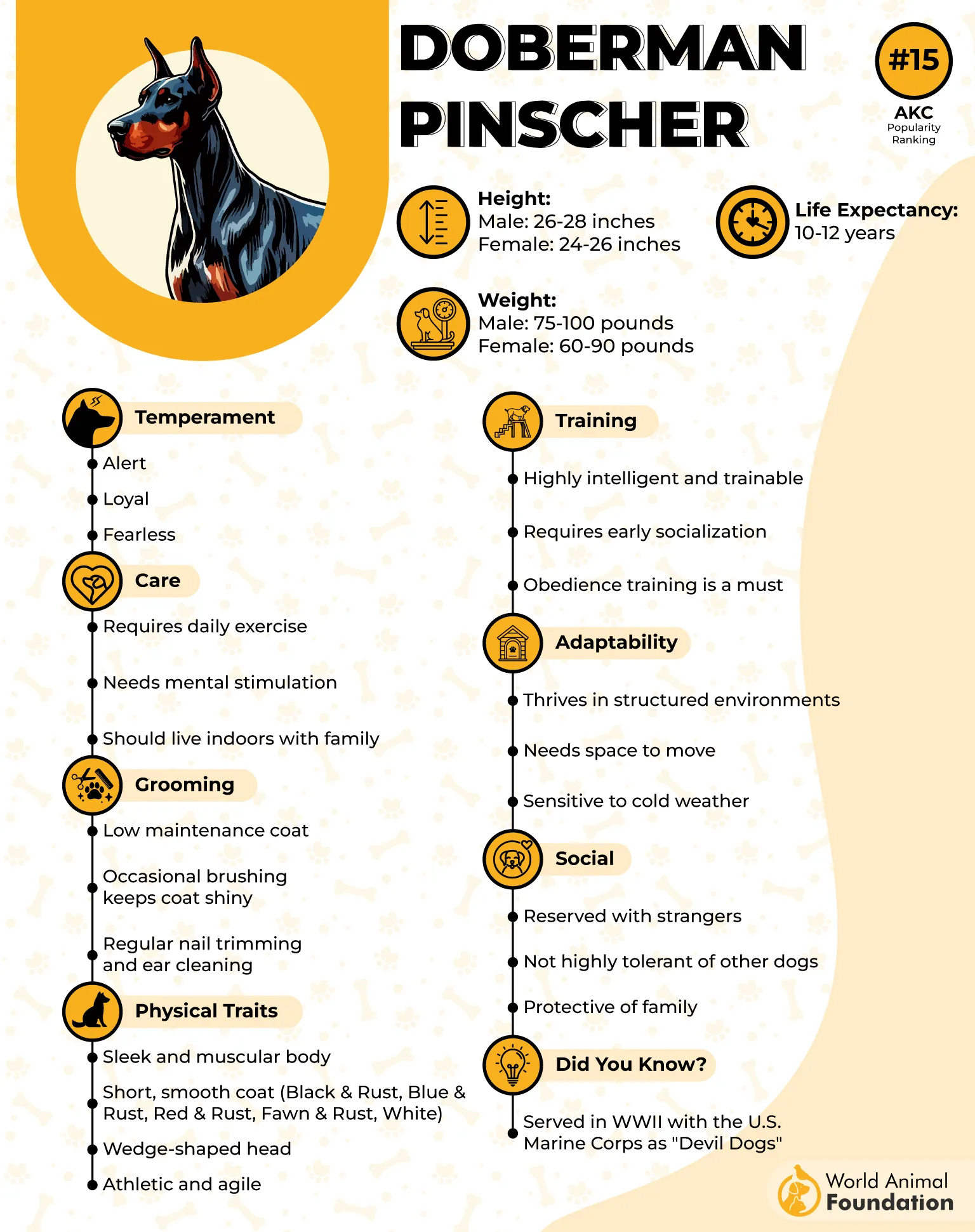
From Watchdog to Global Hero
Originally bred for protection, Dobermans quickly proved their versatility in police, military, and family roles. Their bravery, intelligence, and adaptability have earned them acclaim worldwide, including service in war efforts and international dog competitions.
Energy, Exercise, and Engagement
High-energy and athletic, Dobermans thrive with daily physical and mental challenges like jogging, agility, tracking, and swimming. Without sufficient activity, they can become bored or restless, so structured play and training are essential.
Trainable, Intelligent, and Protective
Dobermans excel in learning complex tasks due to their sharp intelligence and eagerness to please. Loyal and attentive to family, yet discerning with strangers, they are highly trainable and make outstanding companions for experienced dog owners seeking a devoted guardian.
6. Poodle
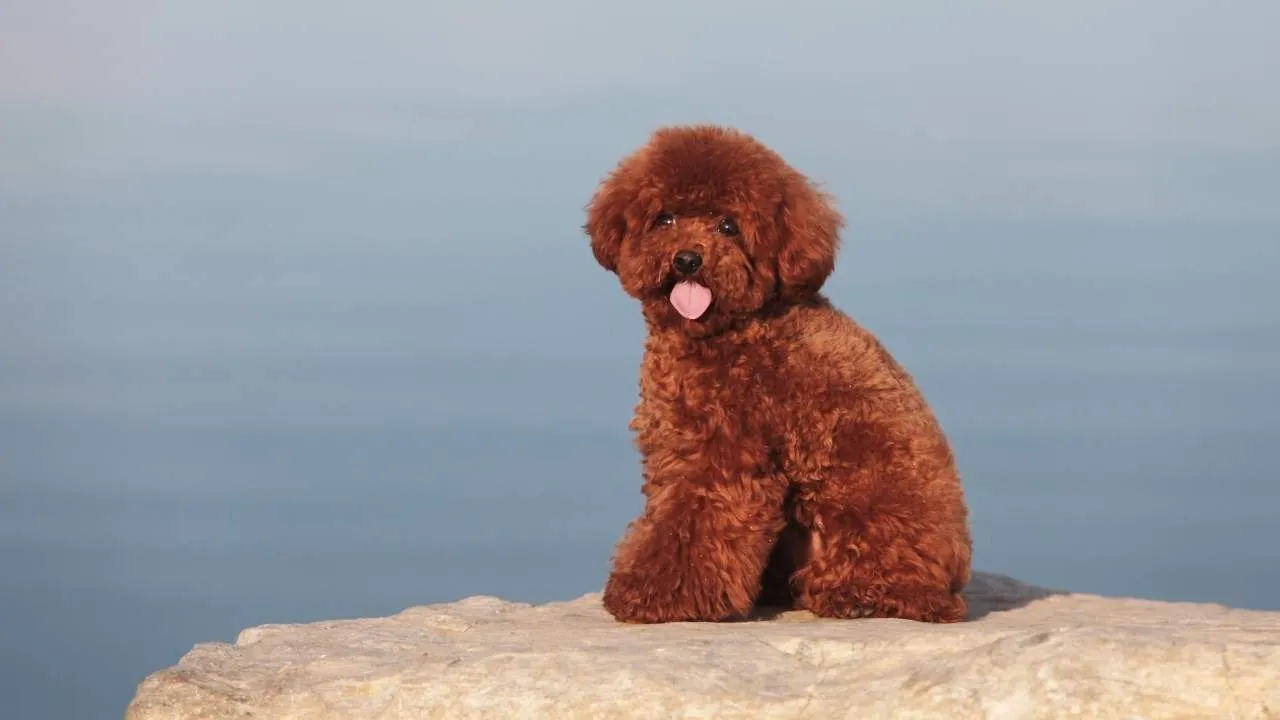
Elegance Meets Function
Poodles are instantly recognizable by their square outline, long neck, and graceful gait. With a docked tail and leggy build, they carry themselves with poise while remaining agile and athletic. Originally bred as water retrievers, their coats were designed to protect vital areas in cold water.
Iconic Coats and Grooming
The Poodle’s curly coat is its signature feature, requiring regular brushing and clipping to prevent matting, as per Britannica. Show dogs have extravagant clips, while pet Poodles often wear simpler trims.
Their low-shedding hair makes them ideal for allergy-sensitive households, though consistent grooming is essential.
Intelligent, Energetic, and Trainable
Poodles are highly intelligent and thrive on mental and physical stimulation. They excel at obedience, agility, and even performance work, including guiding the blind and participating in dog sports. Without engagement, they can develop nuisance behaviors like barking or mischief.
Loyal and Social
Poodles bond closely with their families and do well with children and other pets if socialized early. Protective yet playful, they require daily exercise, companionship, and mental challenges. Despite their aristocratic reputation, they remain skilled hunting and retrieving dogs at heart.
7. Papillon
A Tiny Beauty with a Big Personality
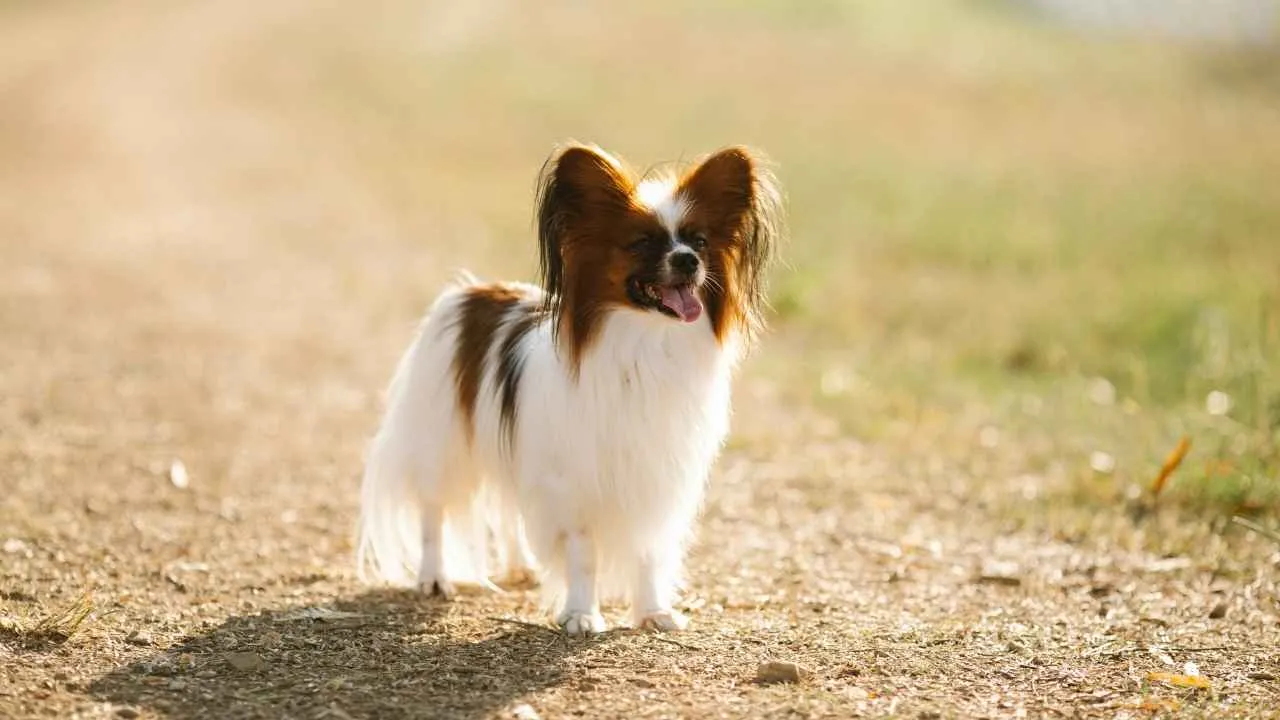
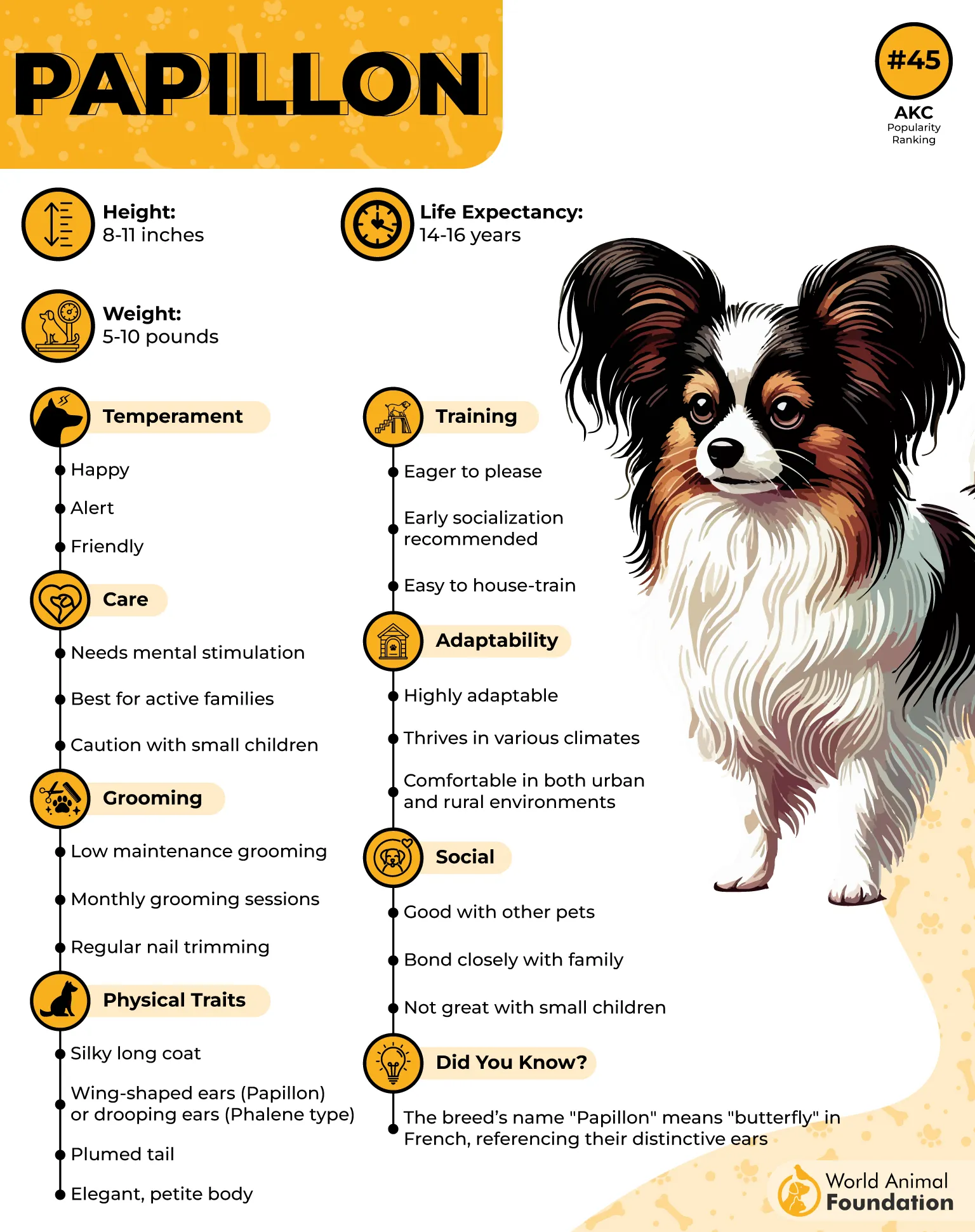
The Papillon is a small, elegant dog with ears that resemble a butterfly—hence the name. Descended from toy Spaniels, this breed has appeared in European art as far back as the 16th century, according to WebMD. Compact and light, making them adaptable to apartments or homes with yards.
Intelligent and Trainable
Papillons are exceptionally smart and eager to please. They quickly learn commands and tricks, excel in agility, and sometimes serve as therapy or service dogs. Their intelligence and desire to work make training rewarding and relatively easy when approached with patience and positive reinforcement.
Friendly, Active Companions
These small dogs are alert, energetic, and sociable. With proper socialization, they get along well with children, other dogs, and cats. Papillons enjoy family activities, playing indoors or in a fenced yard, and daily walks. Despite their small size, they require regular mental and physical exercise to stay happy.
Care and Grooming
Papillons have long, silky coats without an undercoat, making grooming simple but necessary to prevent mats. A few brushings each week are usually enough, while occasional bathing keeps them clean and comfortable.
They thrive on attention and companionship, though crate training and enrichment toys can help manage mild separation anxiety.
Conclusion
Choosing the right dog breeds for your home is essential for a happy family life. Easy-going dog breeds that are a breeze to train suit first-time dog owners and anyone looking for a gentle temperament and affectionate nature.
Small dog breeds and larger breeds alike can thrive in apartment life or active homes with proper socialization. Trainable dogs with a strong desire to learn respond well to dog training, obedience tasks, and house training routines.
Highly intelligent and quick learners, these dogs excel with consistent training, positive reinforcement techniques, and structured training sessions that meet their high energy and need for mental stimulation.
Highly trainable dogs form strong bonds, respond to positive reinforcement, and are eager to please, making them perfect for first dog experiences or complex tasks.
