




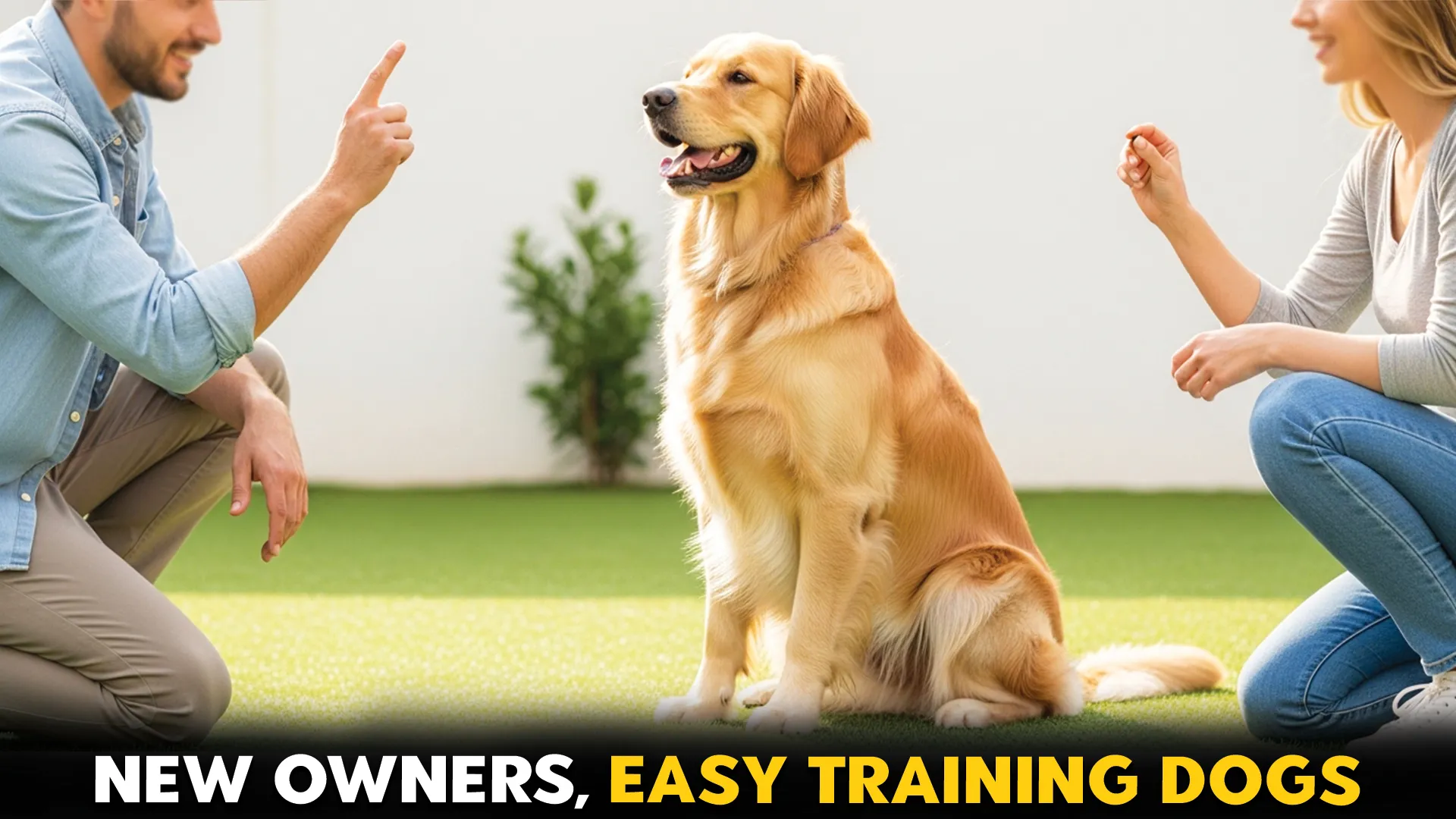
So you’ve decided to get a dog—major life upgrade unlocked. But let’s be honest, training a dog can either feel like a wholesome bonding experience… or a full-on chaos simulator. That’s why choosing the right breed matters, especially if you’re a first-time pet parent.
The good news? Some dog breeds are basically born overachievers. According to canine intelligence research by psychologist Stanley Coren, certain breeds excel in obedience and learning speed, making training smoother and way less stressful.
In this guide, we’re breaking down the easiest dog breeds to train—aka the ones that actually listen (most of the time). Let’s meet your future well-behaved bestie.
Easiest Dog Breeds to Train: Perfect for New Dog Parents
1. Chinese Crested
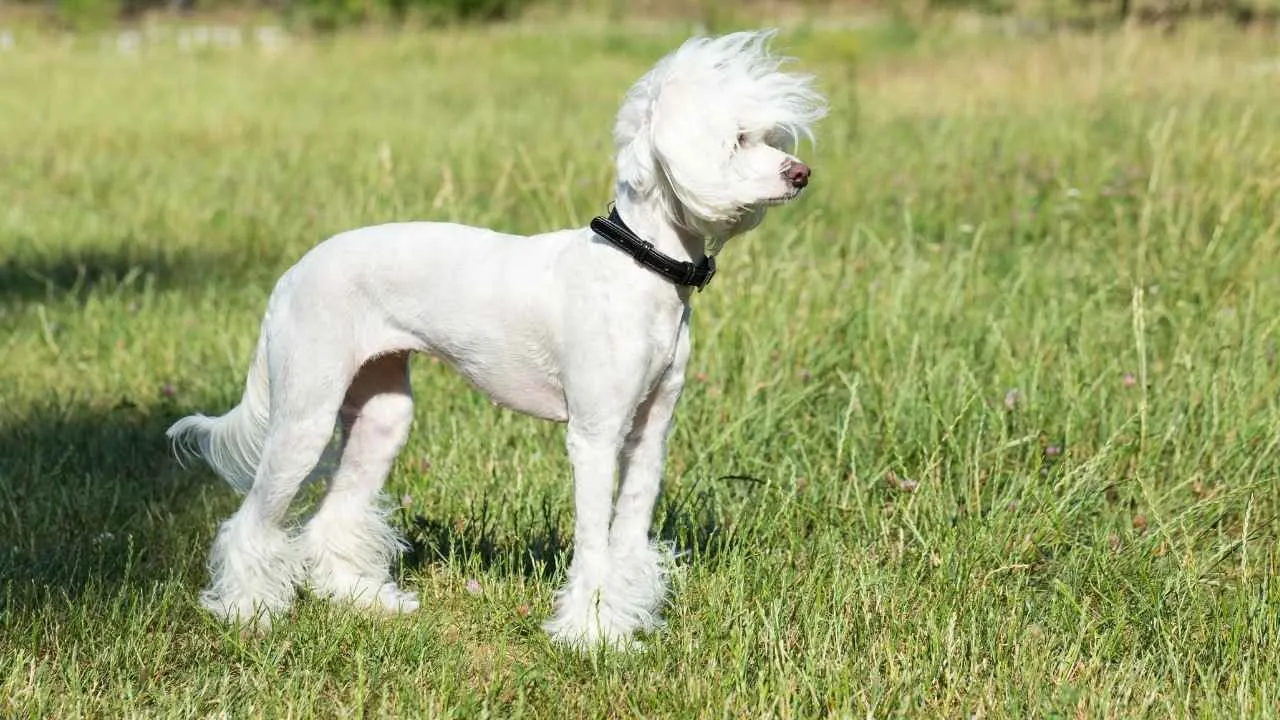
The Chinese Crested is a quirky little icon with brains to match its unique looks. Whether hairless or powderpuff, these dogs are quick learners and love pleasing their humans, hence they are one of the dog breeds for first-time owners. Training them feels more like teamwork than a struggle.
They’re highly responsive to positive reinforcement. Treats, praise, and attention work like magic on them. Basically, hype them up, and they’ll do anything.
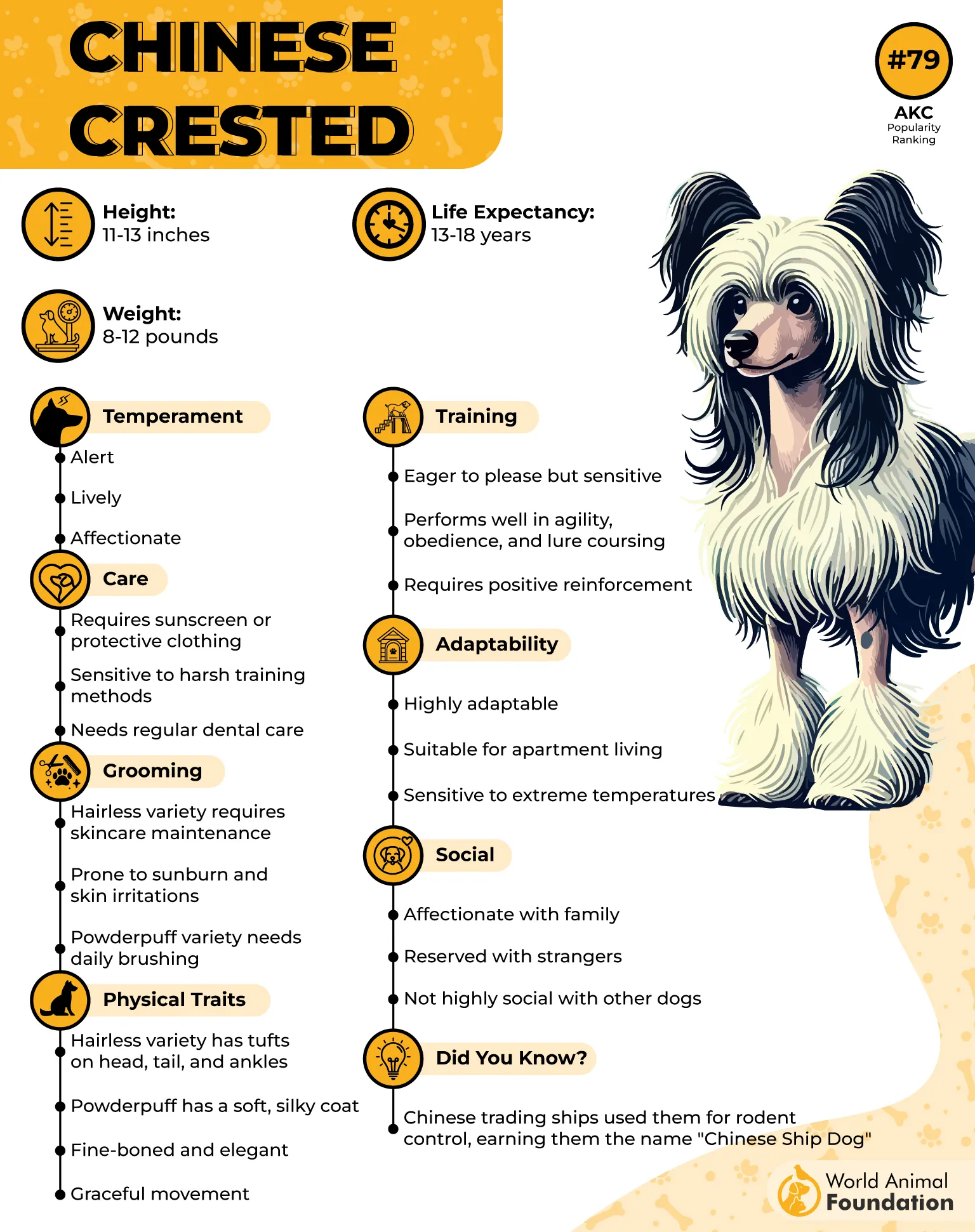
Despite their delicate appearance, these Chinese dogs are quite agile and alert. They enjoy learning tricks and commands, especially when it involves interaction. It keeps them mentally engaged and happy.
They’re also very attached to their owners. This strong bond makes training easier because they naturally want to follow your lead. Loyalty = motivation.
Overall, they’re smart, sensitive, and surprisingly trainable. Just keep things fun and gentle, and they’ll thrive.
Who is an ideal parent for this breed?
Someone who enjoys interactive training sessions and bonding time
Owners who prefer a sensitive, people-focused companion
2. Border Terrier
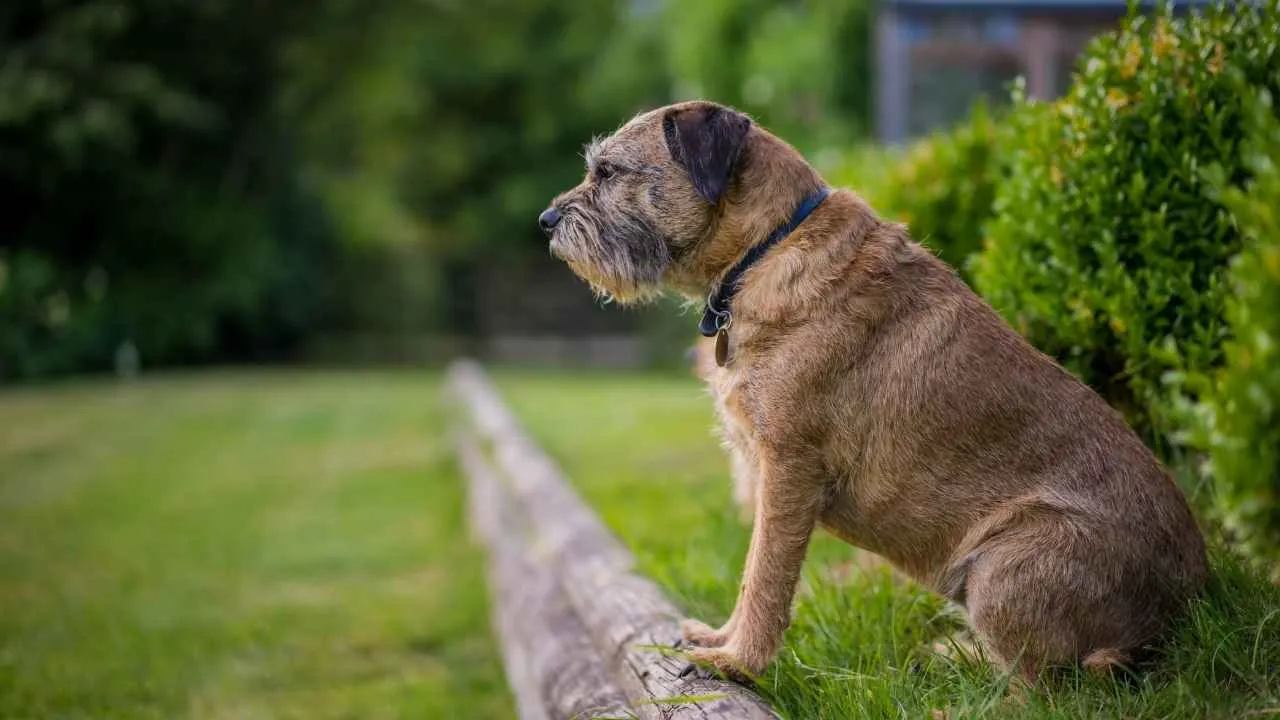
Border Terriers may look chill, but they’re secretly super smart. Originally bred for hunting, as per the Royal Kennel Club, they have sharp instincts and a strong ability to learn quickly. Training them is like unlocking hidden potential.
They respond best to consistency and patience. While they’re intelligent, they can also be a bit independent. So yeah, they’ll listen… but on their terms sometimes.
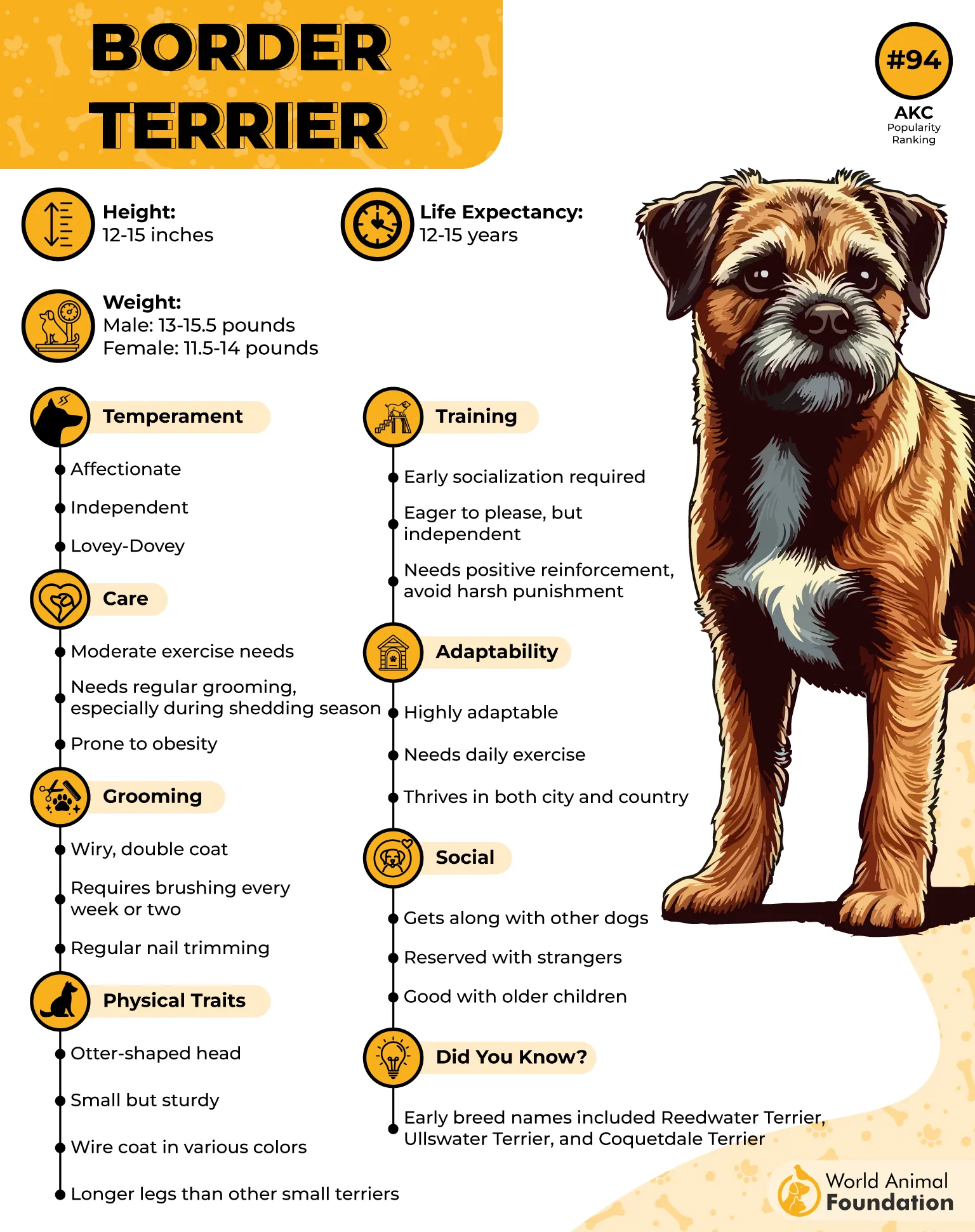
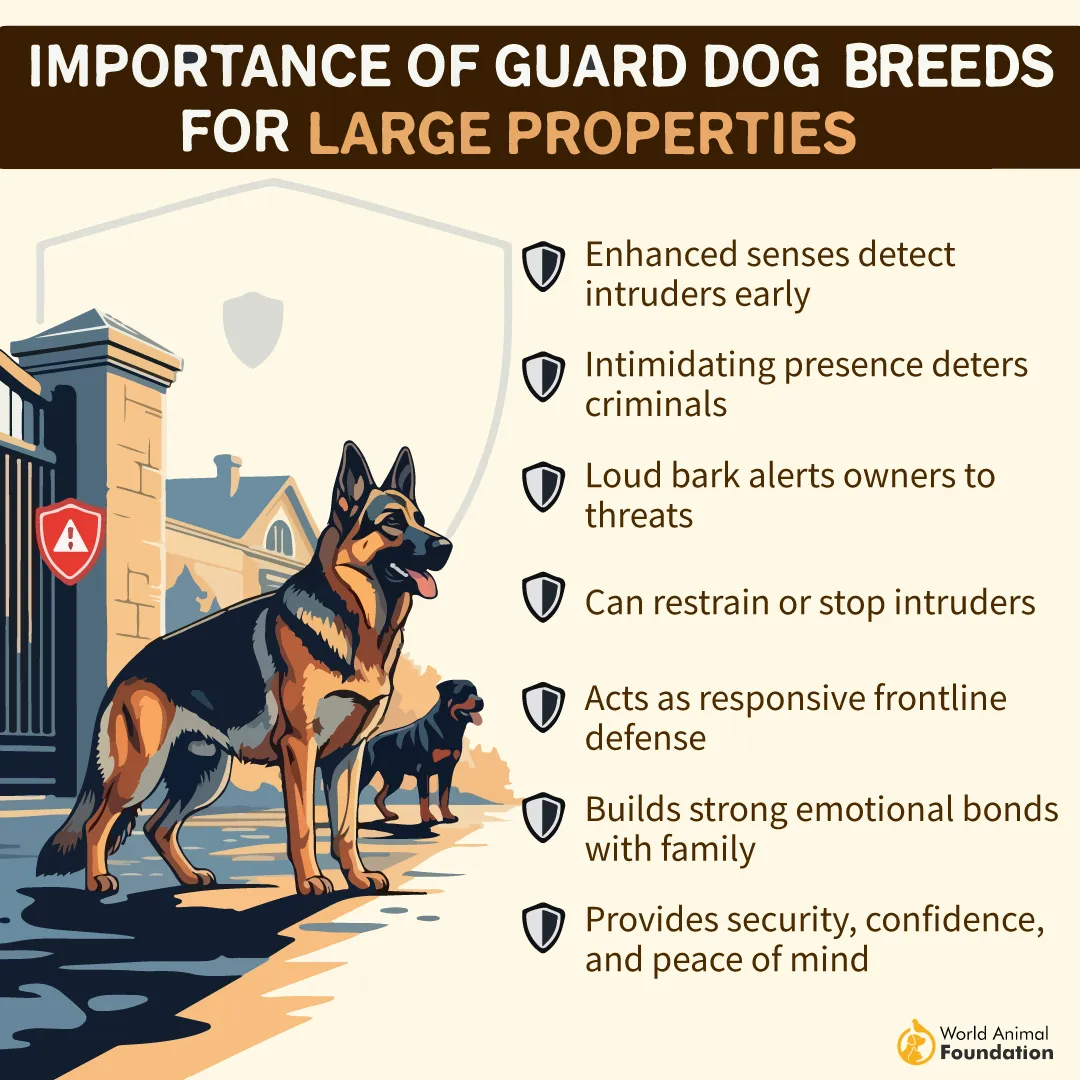
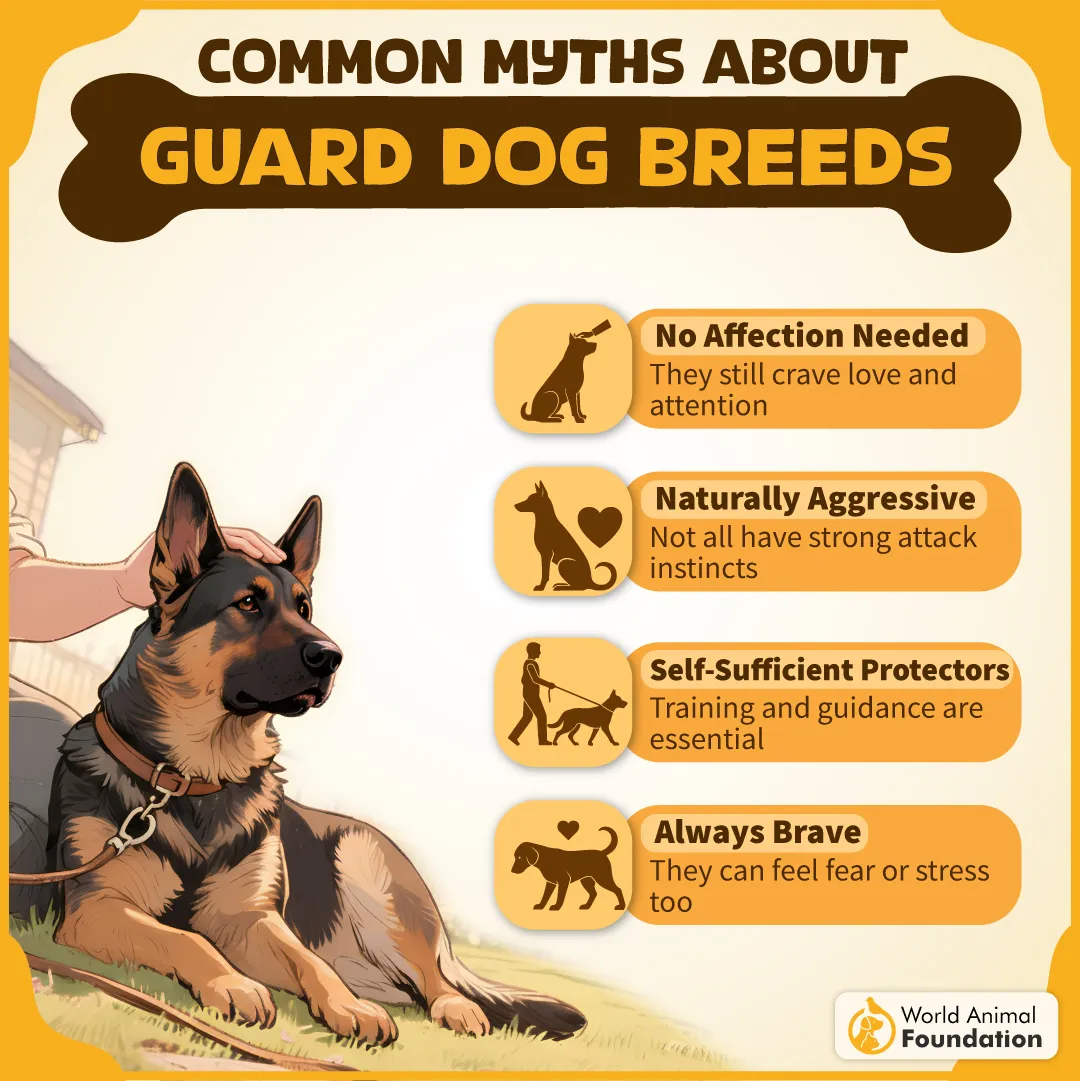
They love activities that challenge their mind. Puzzle toys, scent games, and obedience training keep them engaged. Boredom is their enemy. As guard dogs, they are naturally alert and aware of their surroundings. Also, they will bark to signal something unusual, but don’t offer aggressive protection.
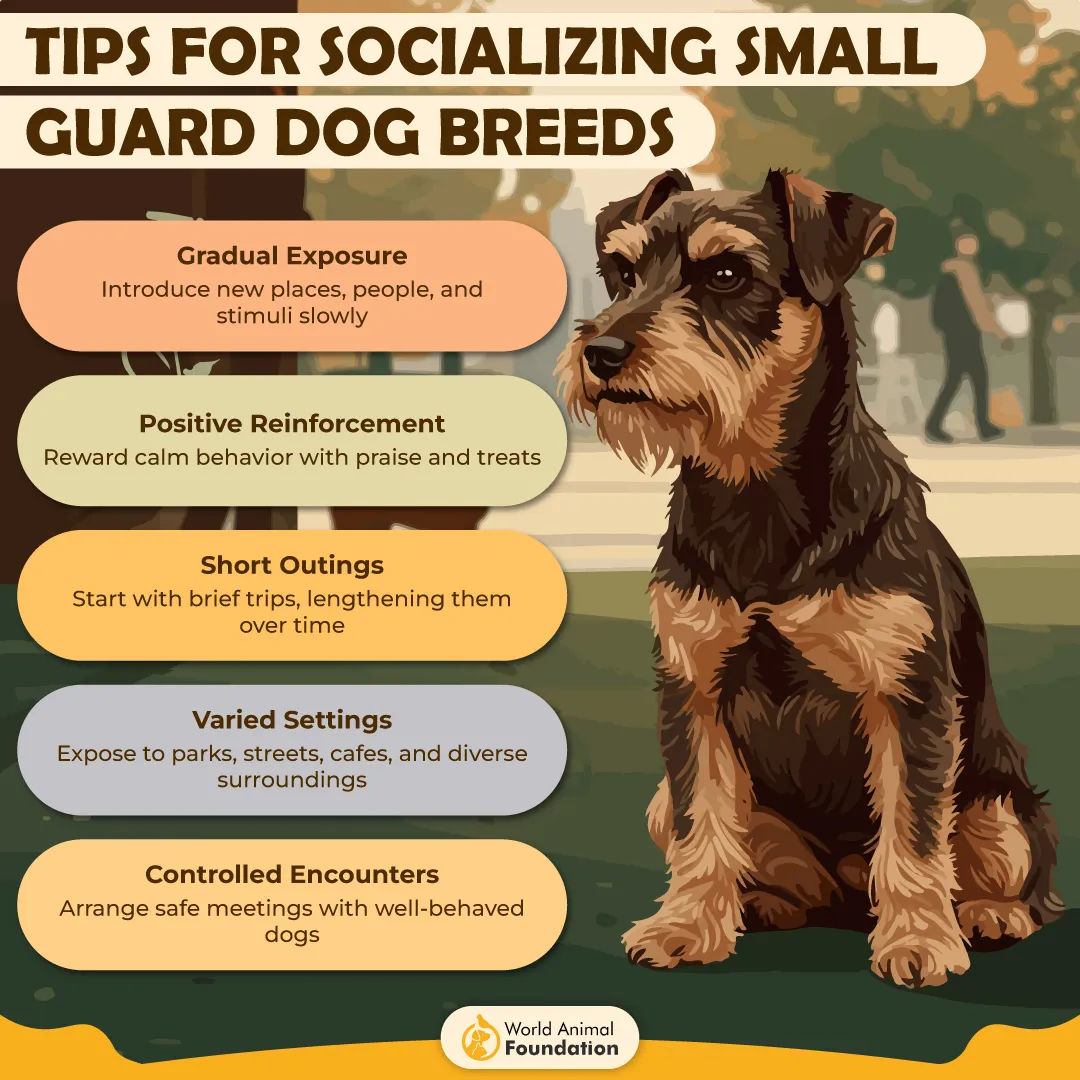
Their friendly and adaptable nature makes them great for families. They’re social, easygoing, and generally eager to learn when properly motivated.
With the right approach, Border Terriers become well-mannered and reliable companions. Just keep things structured and fun.
Who is an ideal parent for this breed?
Active individuals who enjoy mental stimulation games
Owners who can stay consistent with training routines
3. Pug
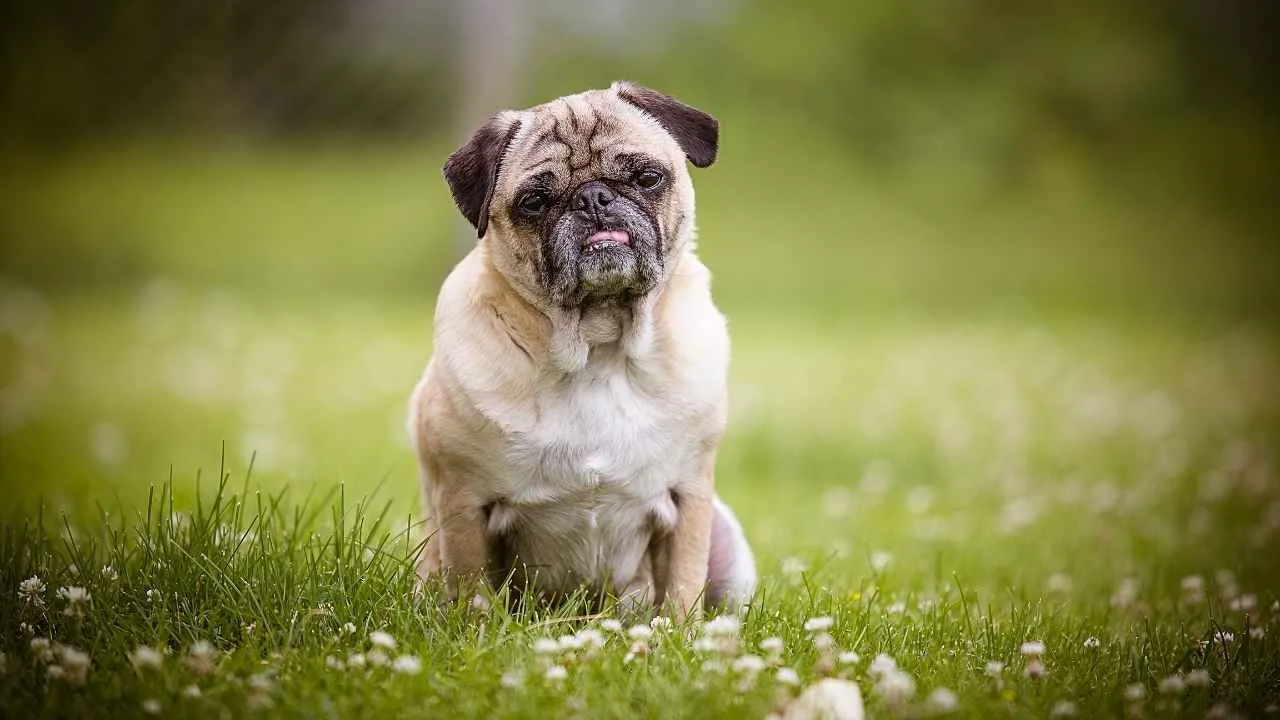
Another dog breed ideal for first-time owners is the Pug.
These dogs may look like sleepy couch potatoes, but they’re actually pretty trainable. Their love for food and attention makes them easy to motivate. Snacks = instant obedience.
They thrive on positive reinforcement and short training sessions, as per PetMD. Long, intense routines? Not their vibe. Keep it fun, and they’ll stay engaged.
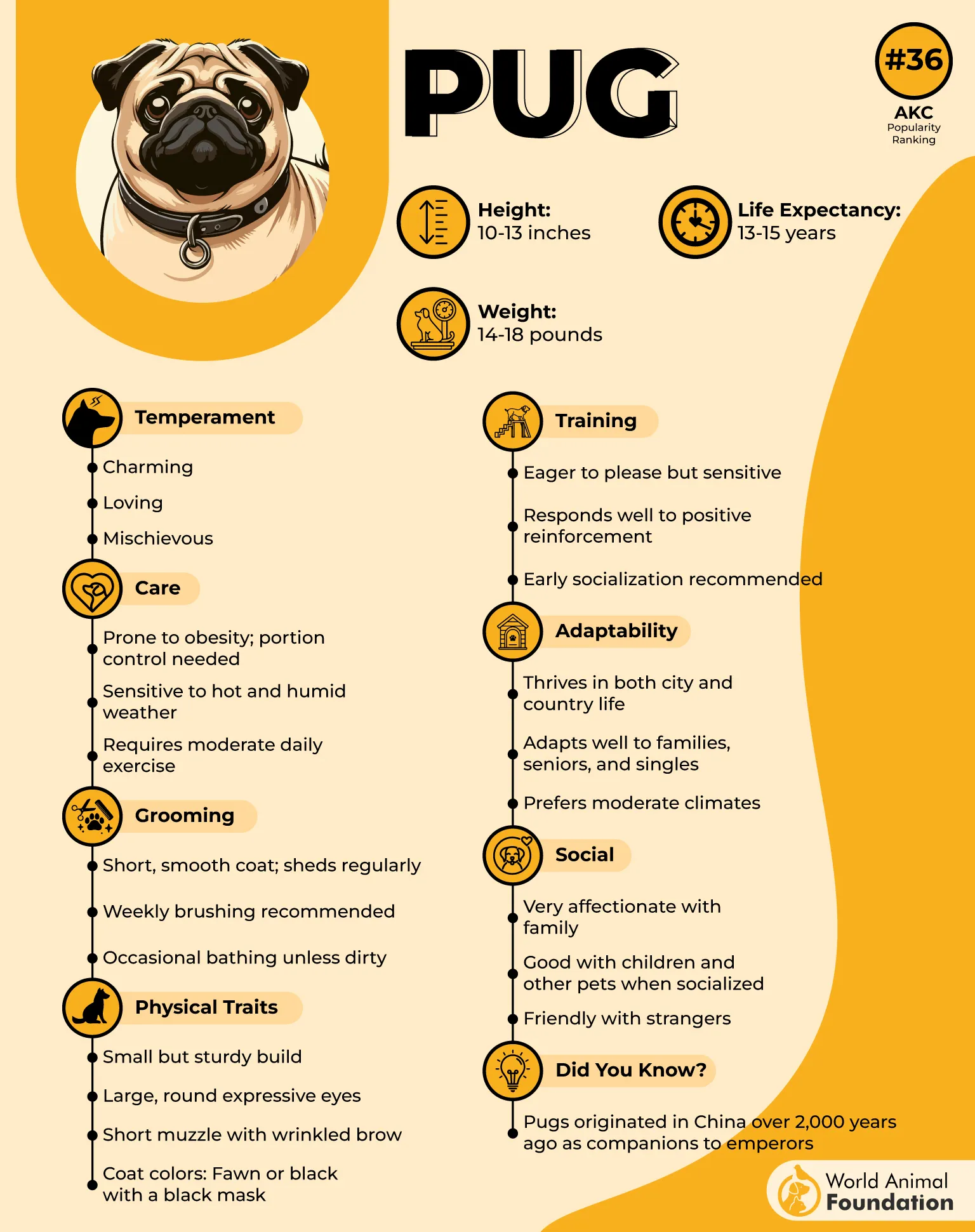
They are incredibly people-oriented. They love being around their humans, which helps with bonding and learning commands. They just want to make you happy (and get treats).
Their playful personality adds a fun twist to training. Expect goofy moments and lots of laughs along the way. It’s not just training—it’s entertainment.
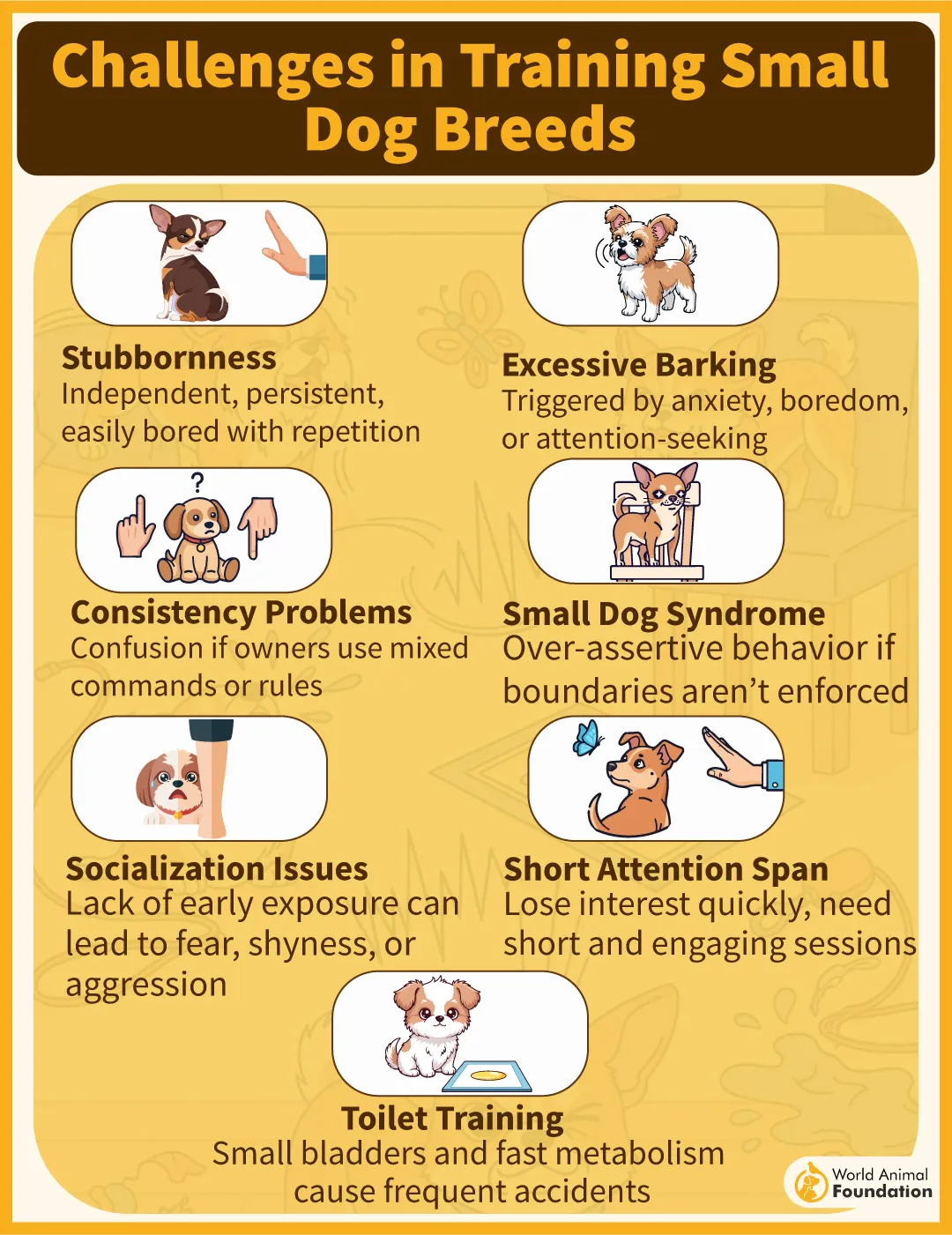
While this small dog breed can be a bit stubborn, patience goes a long way. With consistency, they become well-behaved little companions.
Who is an ideal parent for this breed?
First-time owners who want a low-pressure training experience
People who enjoy short, playful training sessions
4. Cavalier King Charles Spaniel
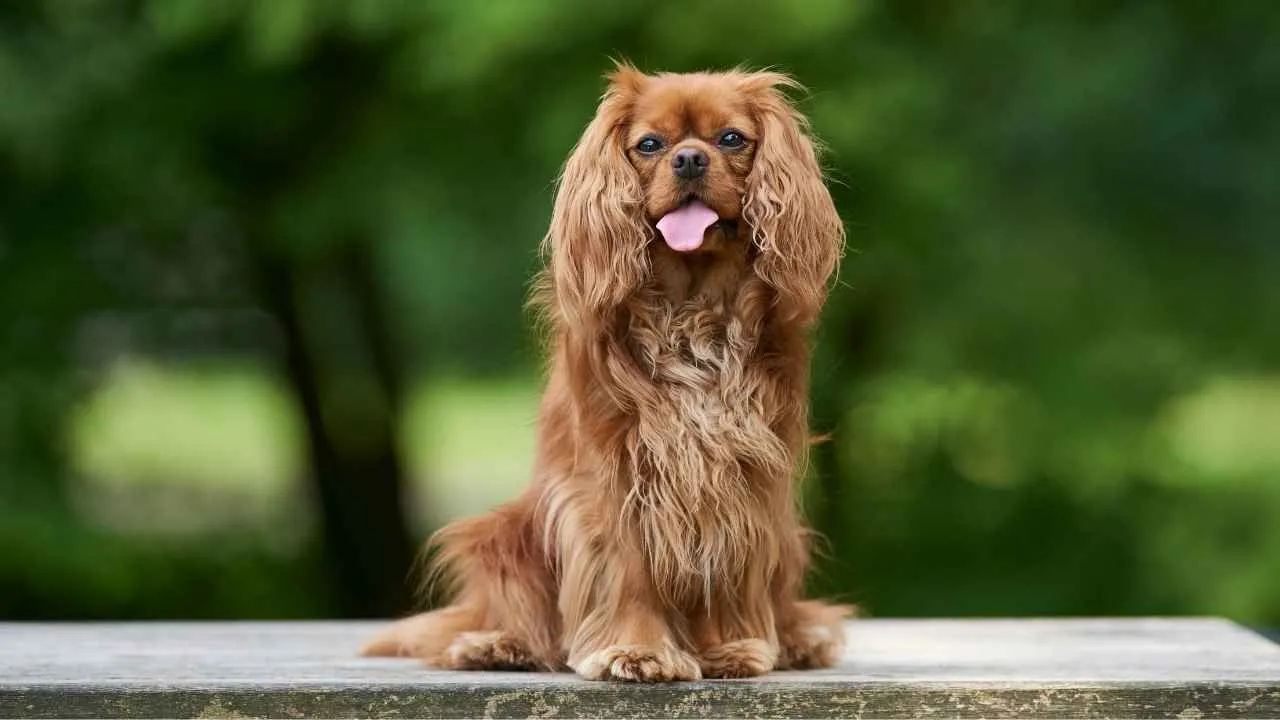
Cavalier King Charles Spaniels are basically straight-A students in the dog world. They’re intelligent, eager to please, and super responsive to training. Teaching them feels almost too easy.
They excel in obedience because they genuinely enjoy making their owners happy, according to PDSA. Positive reinforcement works incredibly well with this dog’s training. Praise them, and they’ll glow up instantly.
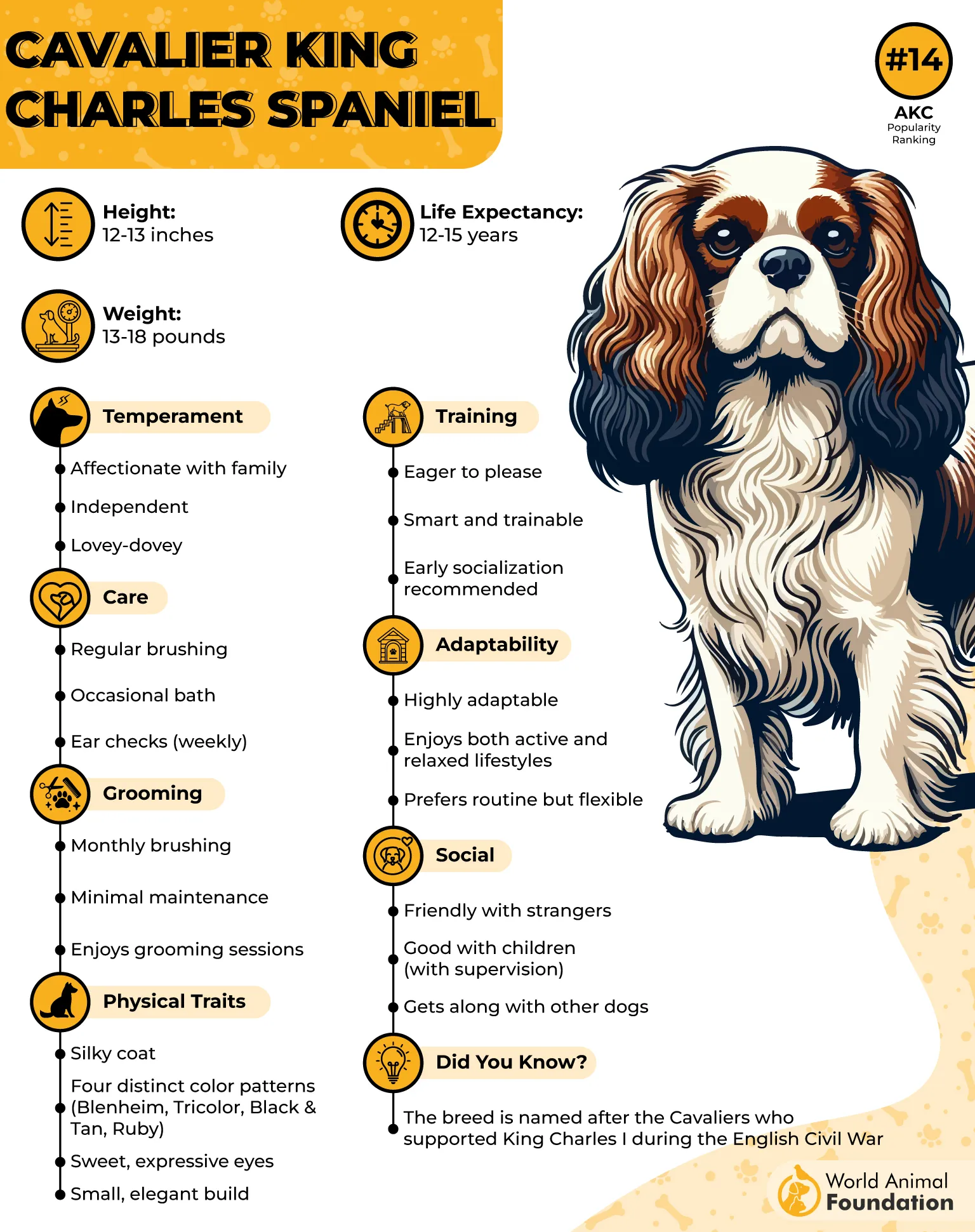
Their calm and gentle temperament makes training smooth and stress-free. No drama, just cooperation. Perfect for beginners. The best tip for house training a Cavalier is consistency with a fixed routine—take them out at the same times every day (especially after meals, naps, and play), because they learn best when their schedule is predictable and repetitive.
They’re also highly adaptable. Whether it’s basic commands or advanced tricks, they pick things up quickly. They’re low-key overachievers.
Who is an ideal parent for this breed?
Beginners looking for an easygoing, obedient companion
Families wanting a gentle and trainable dog
5. Havanese
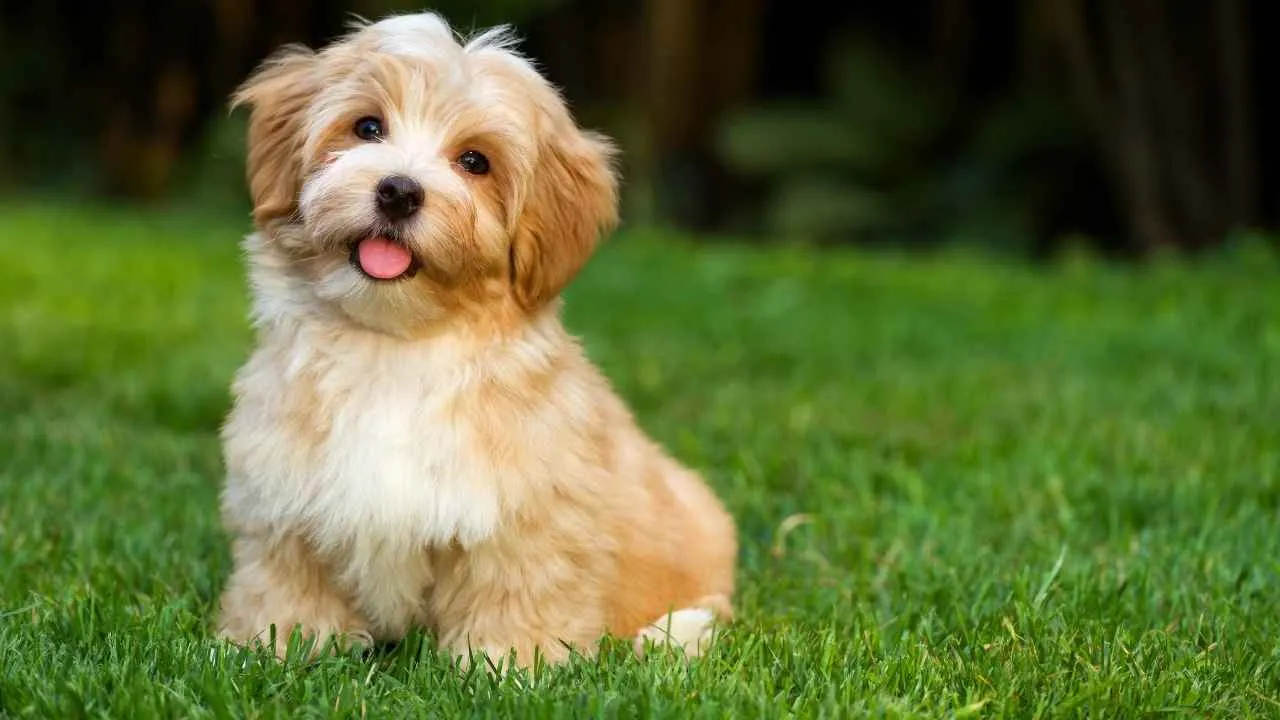
Havanese dogs are small, fluffy geniuses with a love for learning. They’re highly trainable and thrive on interaction. Training them is basically a bonding session.
They’re known for their intelligence and adaptability. They rank high in learning ability among toy breeds. Small but smart.
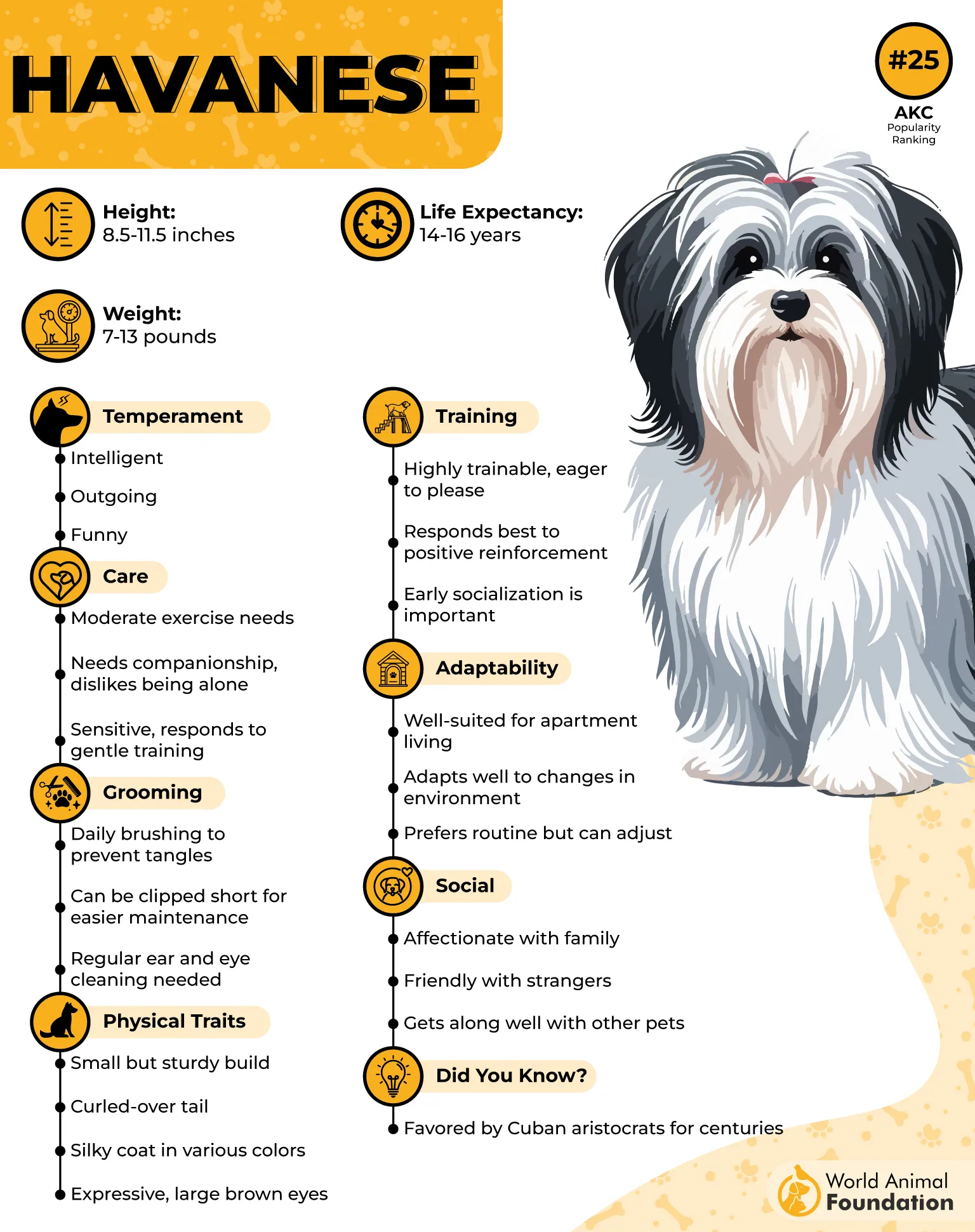
Purina says they respond well to positive reinforcement and consistency. Keep sessions engaging, and they’ll stay focused. Boring routines? Not happening.
Their playful and social nature makes them eager participants. They enjoy being the center of attention and showing off their skills. It’s giving star student energy.
With proper guidance, they become incredibly well-behaved companions. Easy to train and fun to live with—what more do you want?
Who is an ideal parent for this breed?
Owners who enjoy interactive and playful training
Families looking for a smart, social companion
6. Shih Tzu
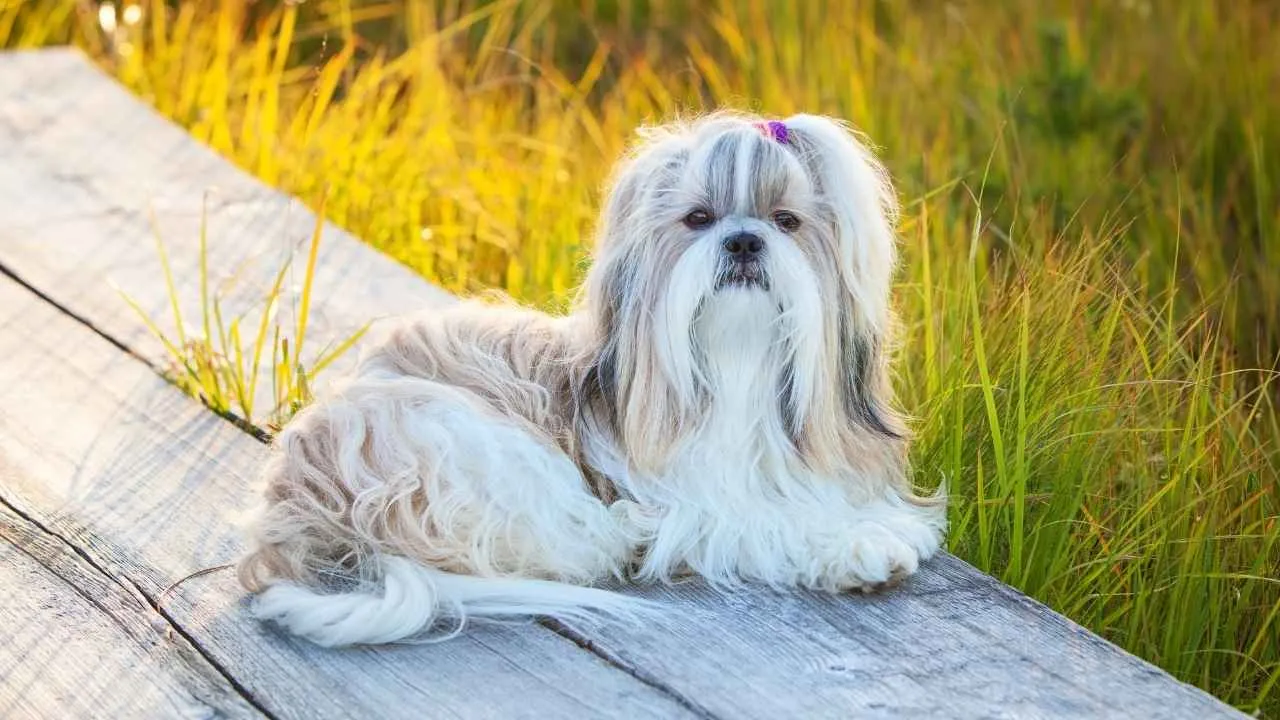
Shih Tzus are charming little dogs with a surprisingly trainable side. While they can be a bit stubborn, they respond well to patience and consistency. Training them is all about balance.
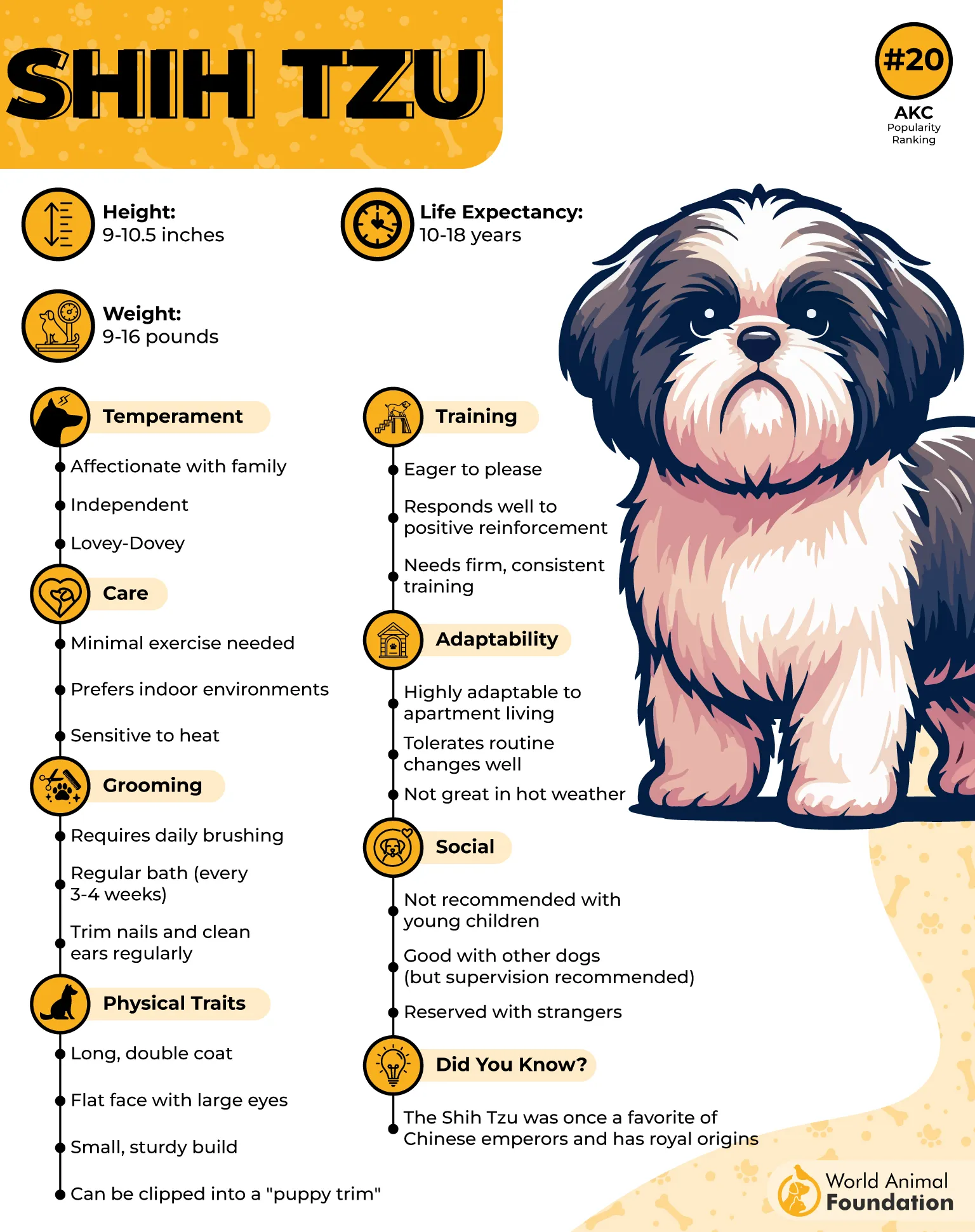
House training a Shih Tzu works best with consistency, patience, and positive reinforcement. Start by setting a strict routine—take your dog out first thing in the morning, after meals, after naps, and before bedtime, as puppies typically need breaks every 2–3 hours.
PetPlan says that this dog loved being around people!
Always use the same potty spot and a simple cue like “go potty” so they build a clear association, and immediately reward success with praise or treats to reinforce the behavior. Avoid punishment during accidents and clean thoroughly to remove odors, since negative reactions can confuse them.
Crate training can also help, as Shih Tzus naturally avoid soiling their sleeping area, encouraging better bladder control. With steady effort and a calm approach, they gradually learn and become reliable over time.
With the right approach, Shih Tzus can learn commands and routines effectively. Just don’t rush them—they like to take their time.
Who is an ideal parent for this breed?
Patient owners who prefer a relaxed training pace
People living in apartments or smaller homes
7. Poodle (Toy)
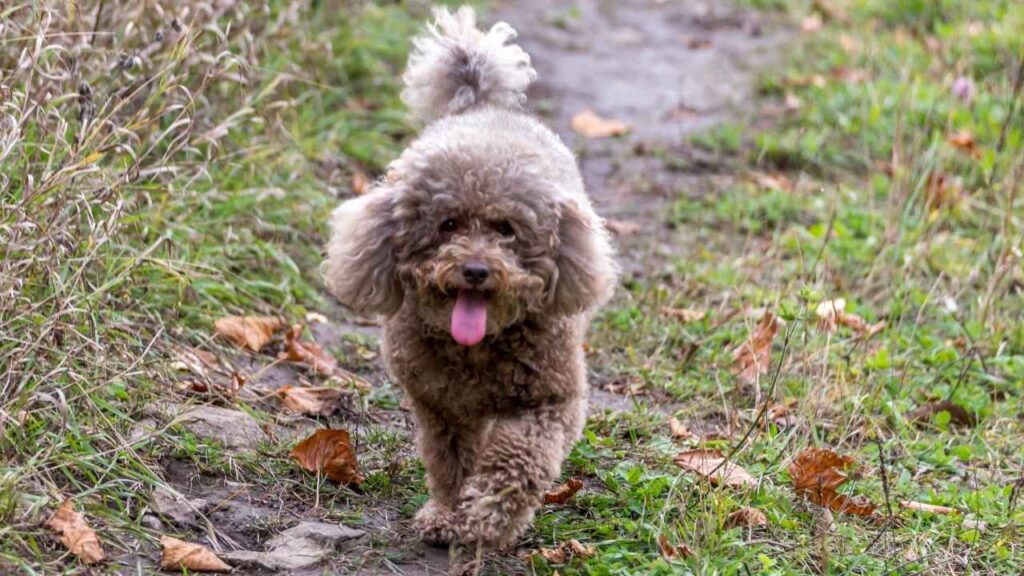
Toy Poodles are absolute brainiacs. Ranked among the most intelligent dog breeds, they learn commands insanely fast. Training them feels like teaching a tiny genius.
They excel in obedience, agility, and even tricks. They are among the top performers globally. Smart is an understatement, despite it not being a large dog breed.
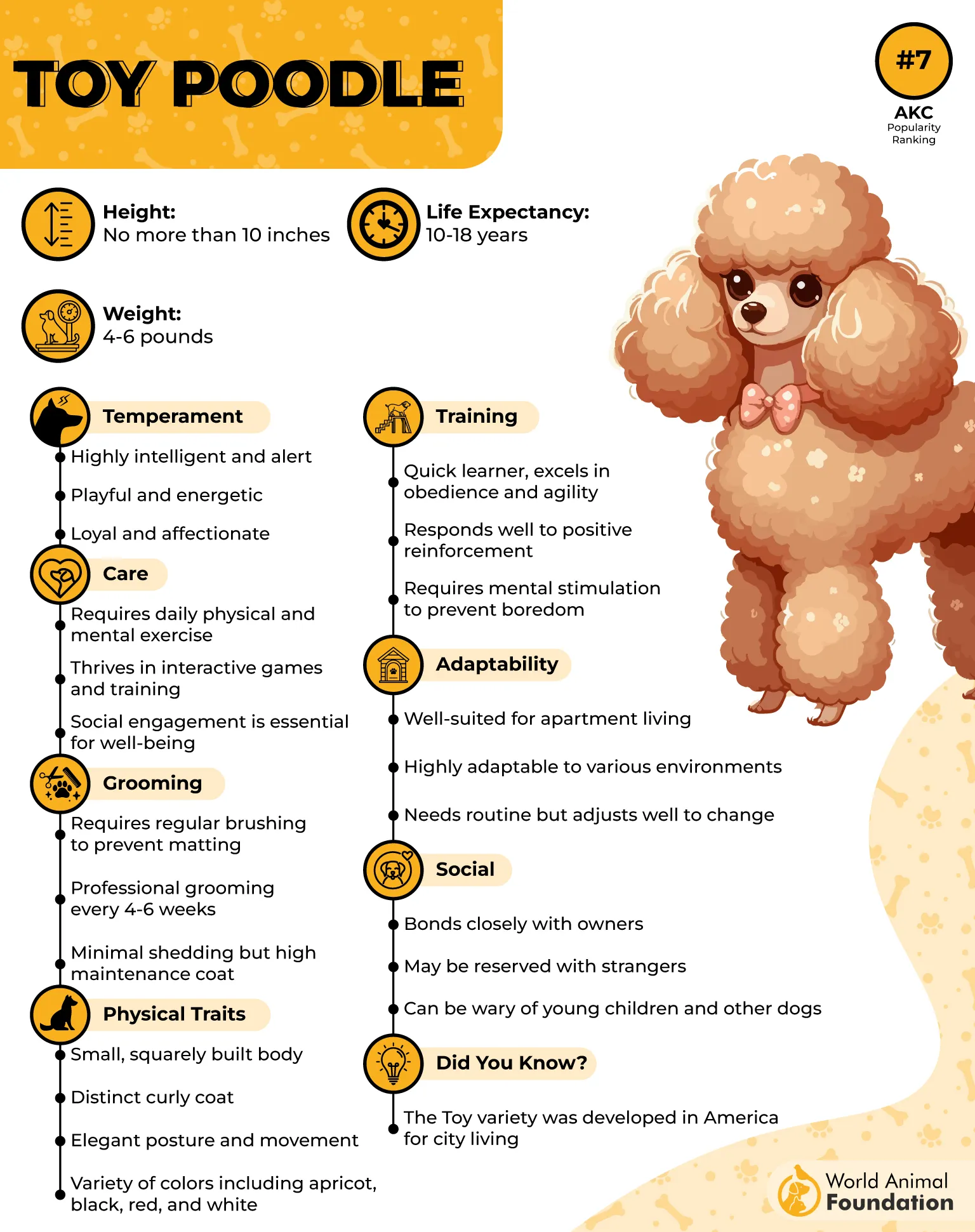
They thrive on mental stimulation. Training sessions, games, and challenges keep them happy and engaged. A bored Poodle is a chaotic Poodle.
They’re also highly responsive to positive reinforcement. Praise, treats, and interaction keep them motivated. They love showing off what they’ve learned. What makes them some of the best guard dogs for homes is their ability to work as an “alarm system” rather than a defender.
If you want a dog that picks things up quickly and loves learning, the Toy Poodle is elite. Smart, stylish, and super trainable.
Who is an ideal parent for this breed?
Owners who enjoy teaching tricks and advanced commands
People who can provide regular mental stimulation
Conclusion
Training a dog doesn’t have to be stressful—it can actually be one of the most rewarding parts of pet ownership. Choosing a breed that’s naturally intelligent and eager to learn makes the whole process smoother, especially for first-time dog parents.
These breeds prove that with the right mix of personality, intelligence, and motivation, dogs can become well-behaved companions without turning your life into chaos. From the genius Toy Poodle to the affectionate Cavalier, there’s a perfect match for every lifestyle.
Labrador Retriever, Golden Retriever, Bernese Mountain Dog, Basset Hound, Cocker Spaniels, French Bulldogs, Border Collies, German Shepherd, and English Springer Spaniel are some of the best dog breeds for new dog parents, owing to the ease with which they can be trained.
