




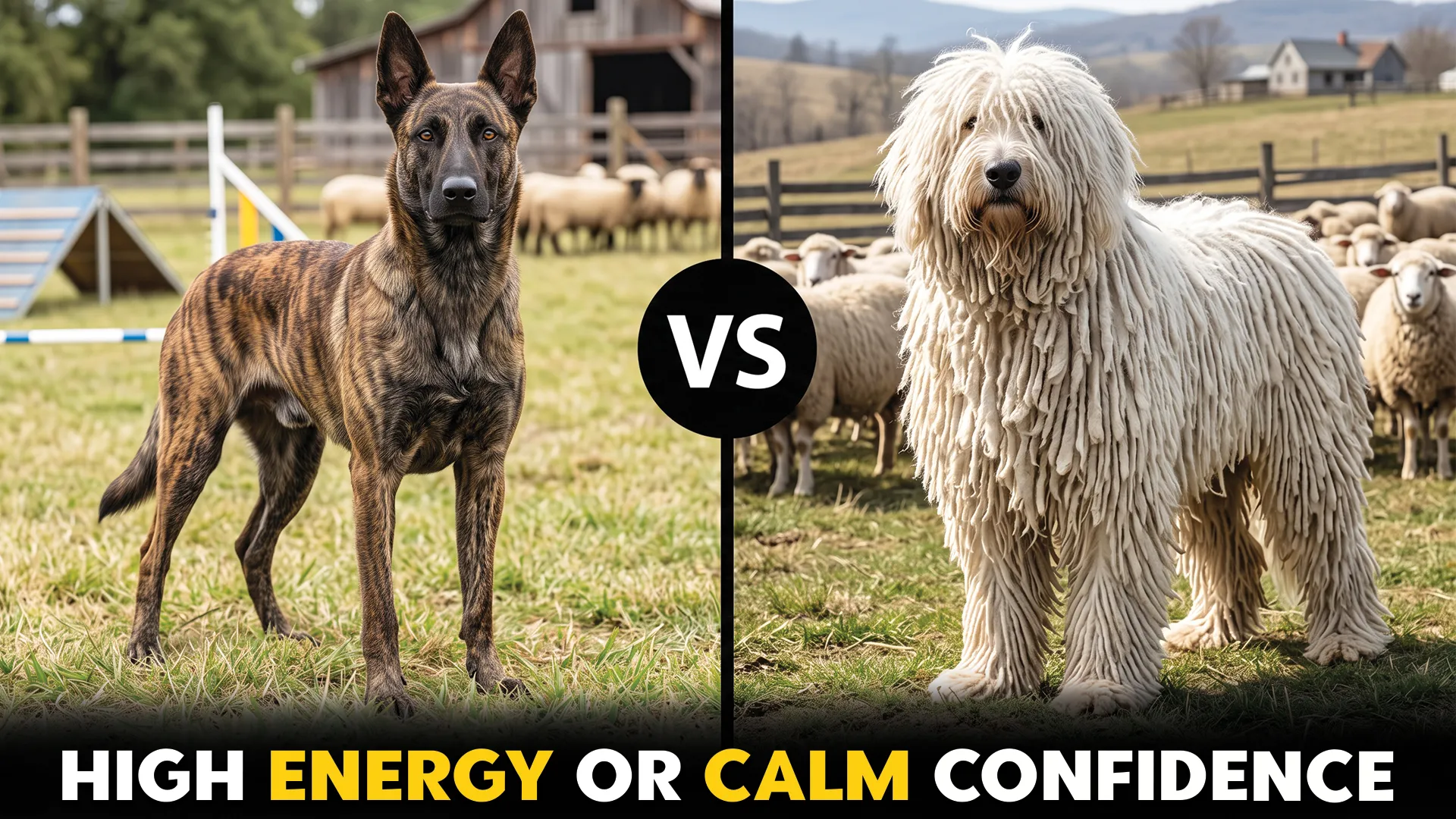
Comparing breeds is not as easy as an ordinary person might think. Because every breed in the canine world does wonders that leave mankind astonished. No matter what size, breed, or historically they come from, dogs bring joy and unwavering loyalty in everyday life.
Komondors and Dutch Shepherds are two different types of breeds that thrive in their working roles, but when it comes to companionship, both are remarkable.
Depending on the breed’s work history, they are reflected as hardworking breeds, but slightly differ in their working roles and environments they were bred for.
The Dutch Shepherd is a versatile herding dog that possesses qualities like intelligence and athleticism. The Komondor is a massive livestock and flock protector that is famous for its appearance, corded coat, and independent nature.
If you have to pick a breed from these two and can’t decide or distinguish between their personality traits, energy levels, coat maintenance, suitability, and which goes well as a family pet or guard dog, etc. This guide will help you explore every important detail that you are looking for.
Dutch Shepherd vs. Komondor: How to Choose
Origins & Purpose
Beginning with their historical events, as they are important in shaping their personality, training and exercise needs, energy levels, and compatibility with mankind.
Dutch Shepherd, also known as Dutch herders, originally came from the Netherlands during the 19th century. There was a need for a single dog that was capable of handling a wide variety of daily tasks; basically, herding skills were required.
During World War II, many dogs perished because of fighting; at that time, this rare breed was reestablished. And they began to serve as farm all-rounders, which had the strength to pull carts, guard property, herd sheep and cattle, etc.
Even today, their versatility makes them perform multiple roles. When they are not working alongside farmers, they serve in police work, military service, search and rescue, and competitive dog sports.
The Komondor is believed to have arrived with the nomadic Cuman people, while it originated from Hungary. Because of their corded coat, they are also called mop dogs. They were used for the protection of flocks of sheep, and their coat played a vital role in protecting sheep and attacking predators. This breed also faced distinction during World War 2, but was re-established.
The independent and fearless nature of the Komondor has made it one of the world’s most respected livestock guardian breeds. After securing this breed, it became Europe’s national treasure.
Komondor was recognized by the AKC in 1937, whereas the Dutch Shepherd was recorded in the AKC’s FSS in 2012.
Size & Physical Build
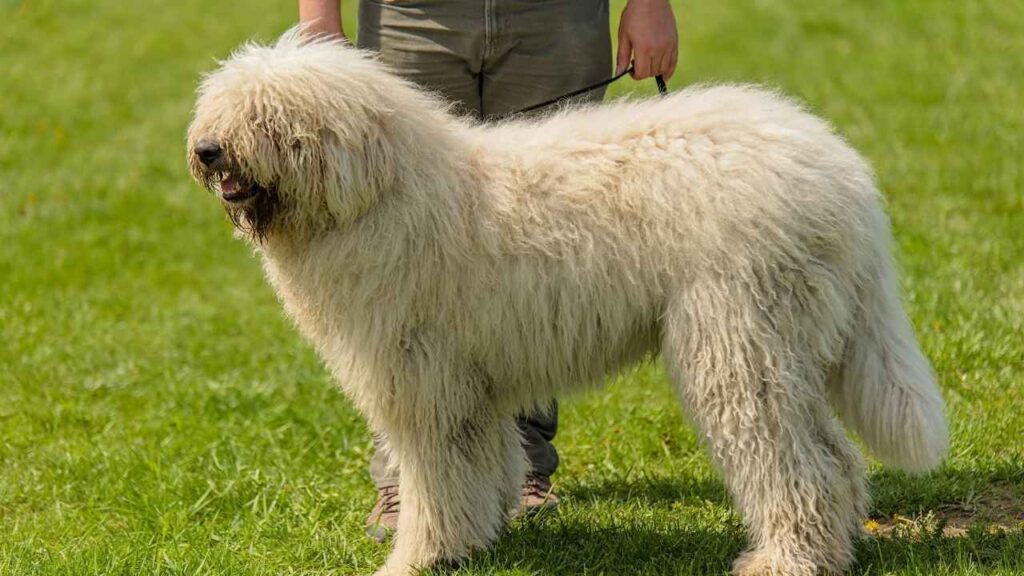
The Komondor is a large, powerfully built dog with an imposing presence. It stands 25.5-27.5 inches tall, and weighs more than 100 pounds. They are quick and agile dogs with a muscular, heavy body hidden beneath their corded coat. Combined with this, the sturdy limbs and powerful jaws enable the dog to stand its ground and thrive in protecting livestock and harsh conditions.
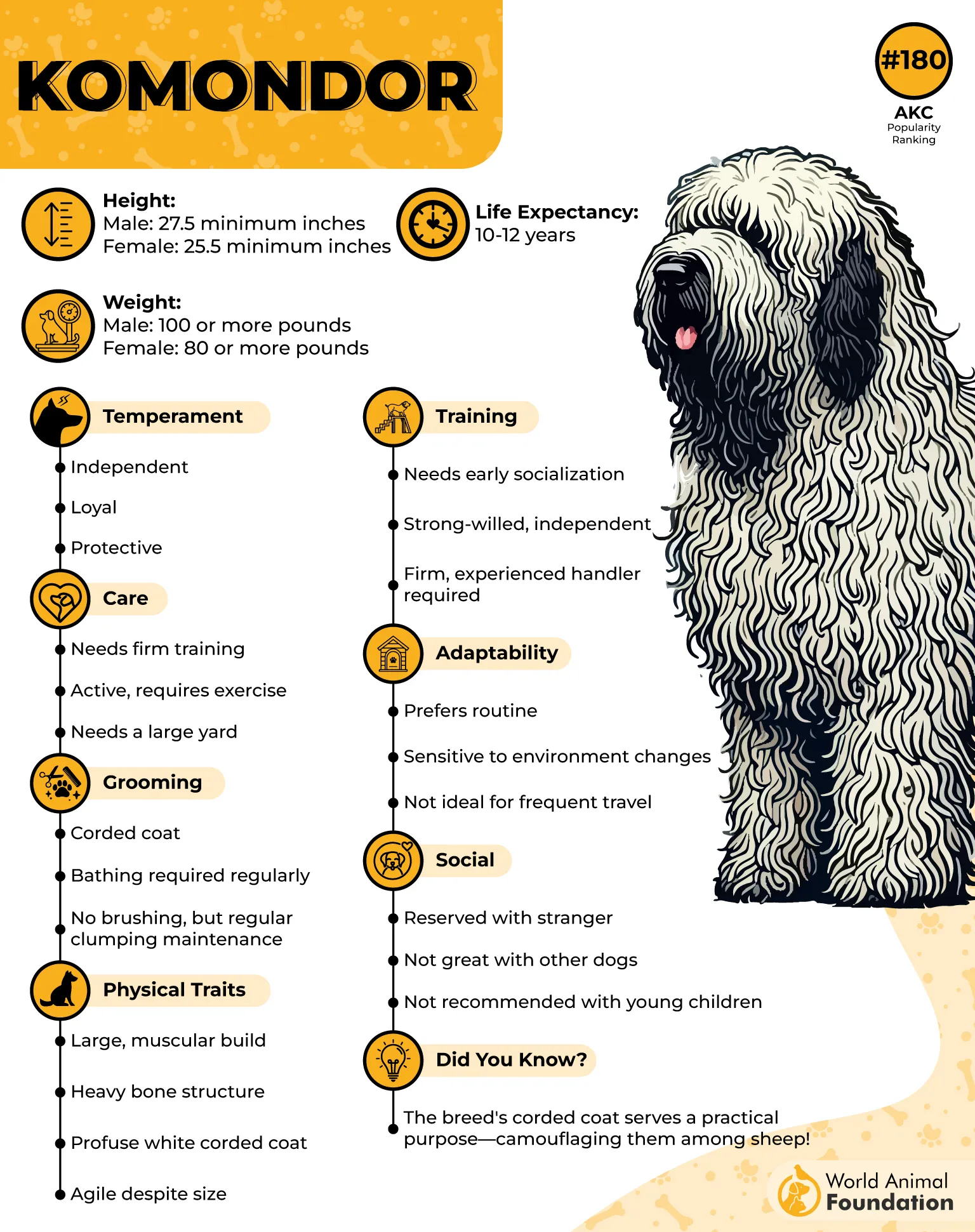
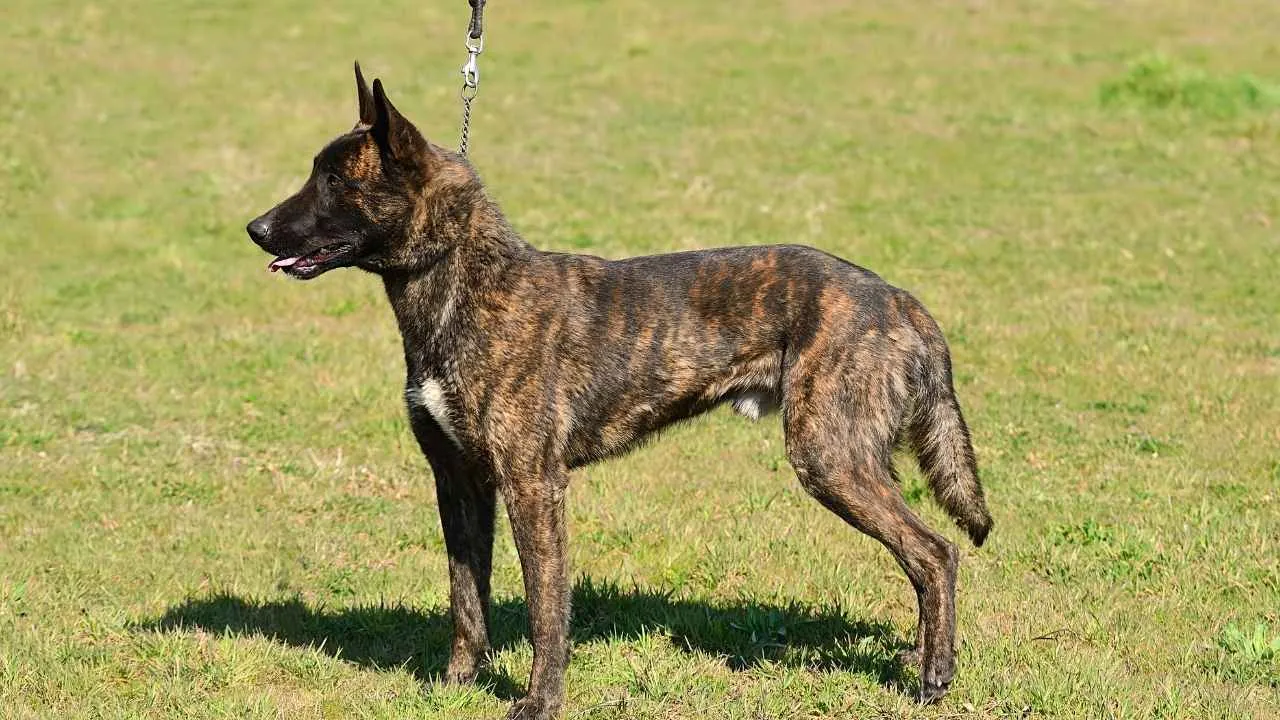
On the other hand, the Dutch Shepherd is a medium- to large-sized dog that weighs 42-75 pounds and stands 21.5-24.5 inches tall. Their athletic build and well-muscled body enable them to work for long hours at herding livestock, guarding property, pulling carts, and performing demanding tasks.
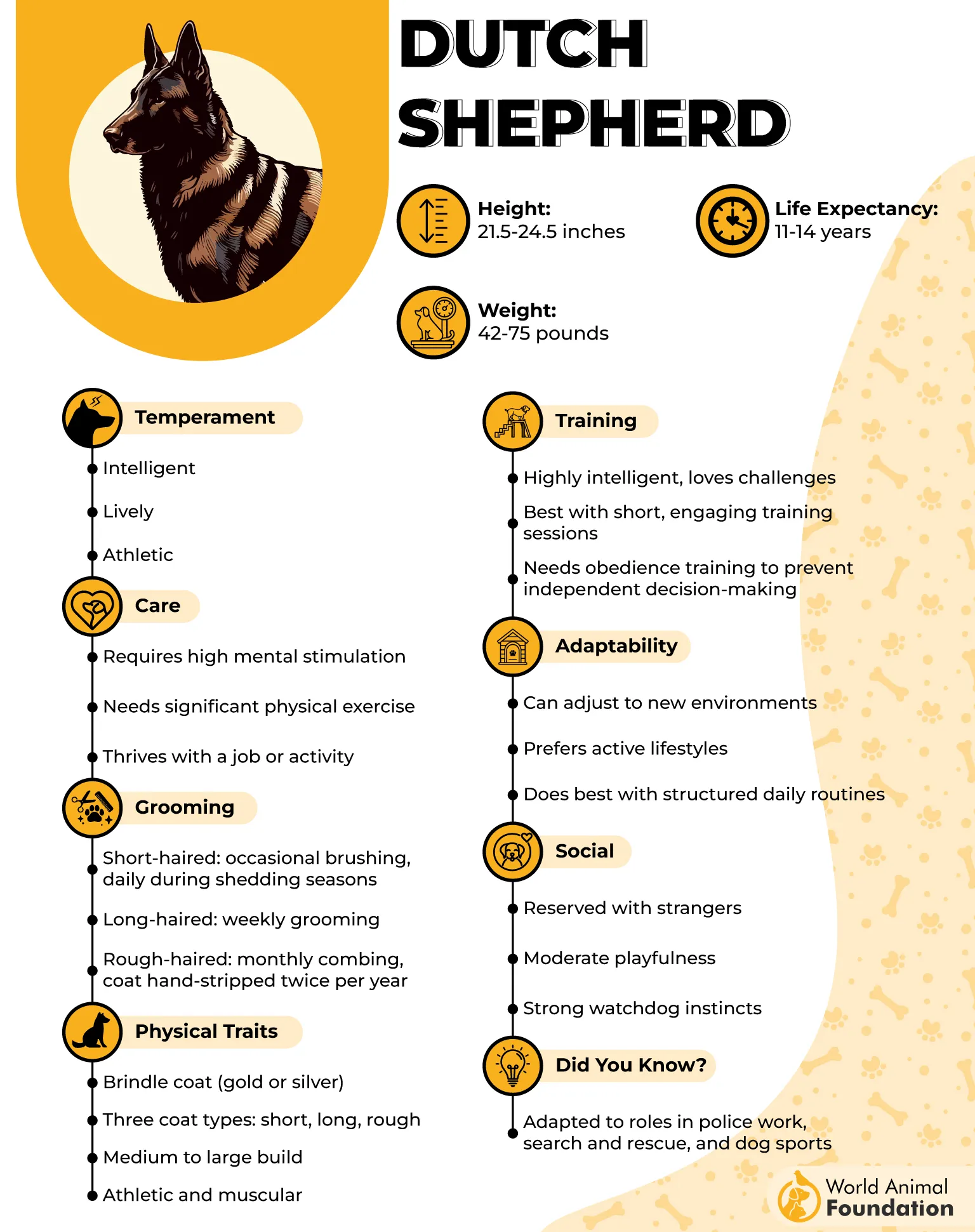
It has a wedge-shaped head, alert ears, and attentive eyes that make it a versatile and popular breed for its abilities.
Temperament & Personality
Considering the characteristics, both of these dogs are loyal and willing to please their owners. They form strong bonds with their owners and do not prefer to be left alone for a long time.
The Komondor is a loving, stubborn, willing-to-please, and aggressive breed that was bred as guardian dogs. Their independent and quiet nature makes them alert around strangers and protect their family. As they choose to remain reserved around strangers, PetMD recommends introducing them to new people and places at an early age, as it helps in making them comfortable.
Dutch Shepherds are affectionate, loving, willing-to-please, and smart dogs that thrive when they get to exercise and spend time with their owners. They are affectionate dogs that get along with children, dogs, and other animals when they are trained and socialized properly. They are adored for their high intelligence, temperament and working skills. Having said that, keeping them busy should be the top priority.
Exercise & Energy Levels
Energy levels and exercise requirements of these breeds are based on their working history and athletic build. Komondor has medium energy levels, but exercise needs are high. These agile dogs need high-intensity exercise daily, followed by runs and half an hour of walking once or twice a day.
Whereas the Dutch Shepherd has high energy and exercise needs, as they crave activity, they must be involved in agility or obedience. They must exercise daily for about two hours. Once their exercise needs are met, you will find them relaxed and calm.
Training & Intelligence
Typically, in picking a breed, owners who refer to the dog’s training ability and intelligence are found to have a smooth experience with them. When we look closer at the training requirements of both these breeds, they are quite similar, but in some elements they differ.
Dutch Shepherd is a smart and cunning dog that is highly trainable and enjoys when its physical powers and intelligence are being tested. They pick up cues quickly, and to channel their natural guarding instinct, training must not be compromised. To avoid boredom issues, owners must come up with interactive sessions.
On the other hand, training makes Komondor an obedient dog. Through socialization and obedience training, they work best from an early age. As they were bred to be independent thinkers, they enjoy learning new skills and get annoyed when sessions are boring. Therefore, owners are advised to keep sessions short and use positive reinforcement methods.
Coat Maintenance
When keeping a dog or any animal as a pet, the majority of owners worry about their maintenance. As we look deeply into both of these breeds, Komondor coat maintenance requirements are high to very high. Whereas Dutch Shepherd requirements are at a medium level.
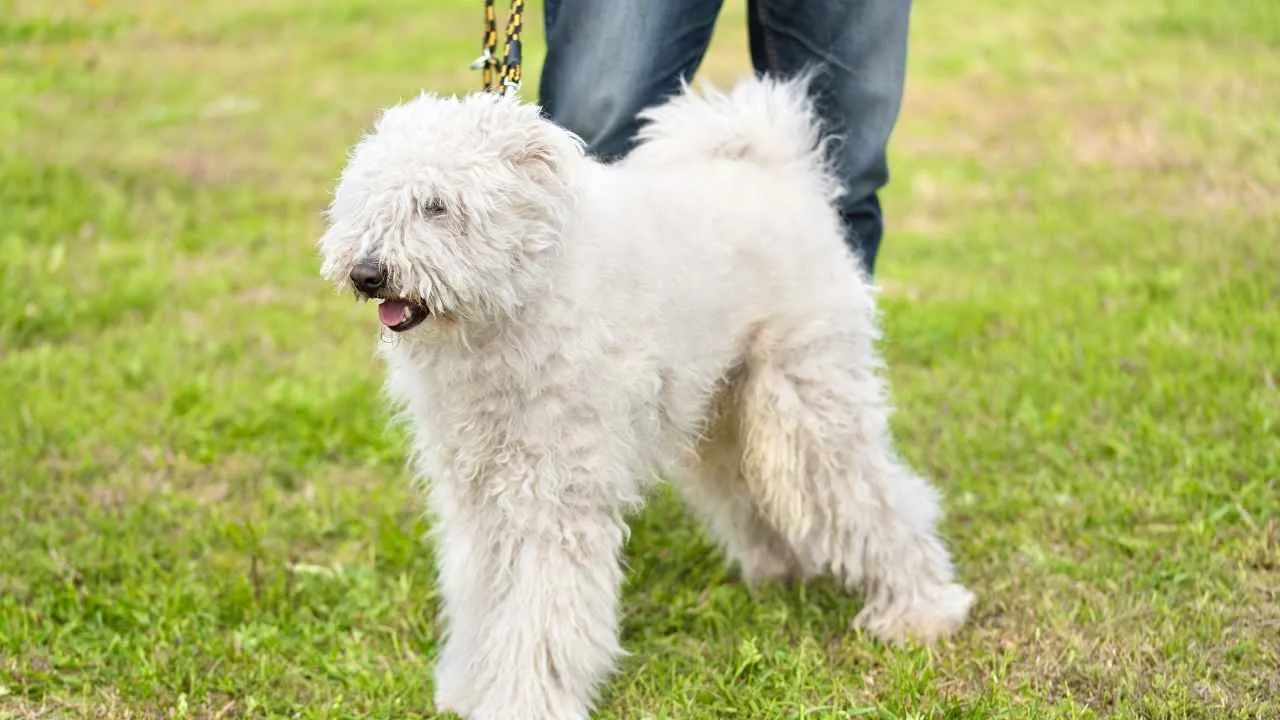
Many owners think twice before owning a Komondor because of its heavy coat of white cords. To maintain the coat and keep it healthy, it demands effort and time from the owner. A strict grooming regimen has to be followed. But like other dogs, Komondor’s coat should not be brushed. You can even trim their coat for your ease.
The Dutch Shepherd has three coat varieties—short-haired, long-haired, and wire-haired—all characterized by their distinctive brindle coloration. It demands weekly brushing to reduce shedding and keep the coat healthy. And as the coat is weather-resistant, it does not need regular bathing. Usually, they do not need a bath unless they have gone for an outdoor activity.

Health & Lifespan
Generally, both breeds are considered healthy. Genetics also play a role, but there are a few health problems that are common and occur when not taken care of properly. We suggest owners invest in pet insurance as it helps cover vet costs.
The average lifespan for a Komondor is 10–12 years. And for a Dutch Shepherd is 12-15 years. While joint problems are common in many dog breeds, other issues that require attention in Komondor are: ear infections, entropion, and bloating.
Whereas the Dutch Shepherd is considered the healthiest among Shepherd breeds. But health problems like progressive retinal atrophy (PRA), bloating, degenerative myelopathy, and Von Willebrand disease require care.
Dutch Shepherd vs. Komondor: Suitability as Family Pets vs. Guard Dogs
These breeds feature qualities that make them family- and kids-friendly. But as we know, the Komondor was bred to guard livestock, the independence in its nature shapes its personality and helps it turn out as a loyal and protective dog that can sense threats. They make affectionate, playful, and protective family dogs.
However, the Dutch Shepherd, according to Royal Canin, makes a great family dog that is affectionate towards its family. And it thrives in active households. As they form strong bonds with their owners, they must not be left alone for a long time. Their herding history may make them chase small animals, so socialization and early training must be focused.
As a guard dog, the Komondor does not rely on constant barking; it acts when needed. And the Dutch Shepherd is quick to react to commands.
Conclusion
Both the Dutch Shepherd and the Komondor are exceptional breeds, each with unique strengths and characteristics. Understanding their history, temperament, and working style helps prospective owners determine which breed best suits their lifestyle and needs.
The Dutch Shepherd is known for its versatility, intelligence, and strong work ethic, while the Komondor stands out for its independence, loyalty, and natural guarding instincts. Despite their differences, both breeds can become devoted family companions when provided with consistent training, early socialization, and responsible care.
