




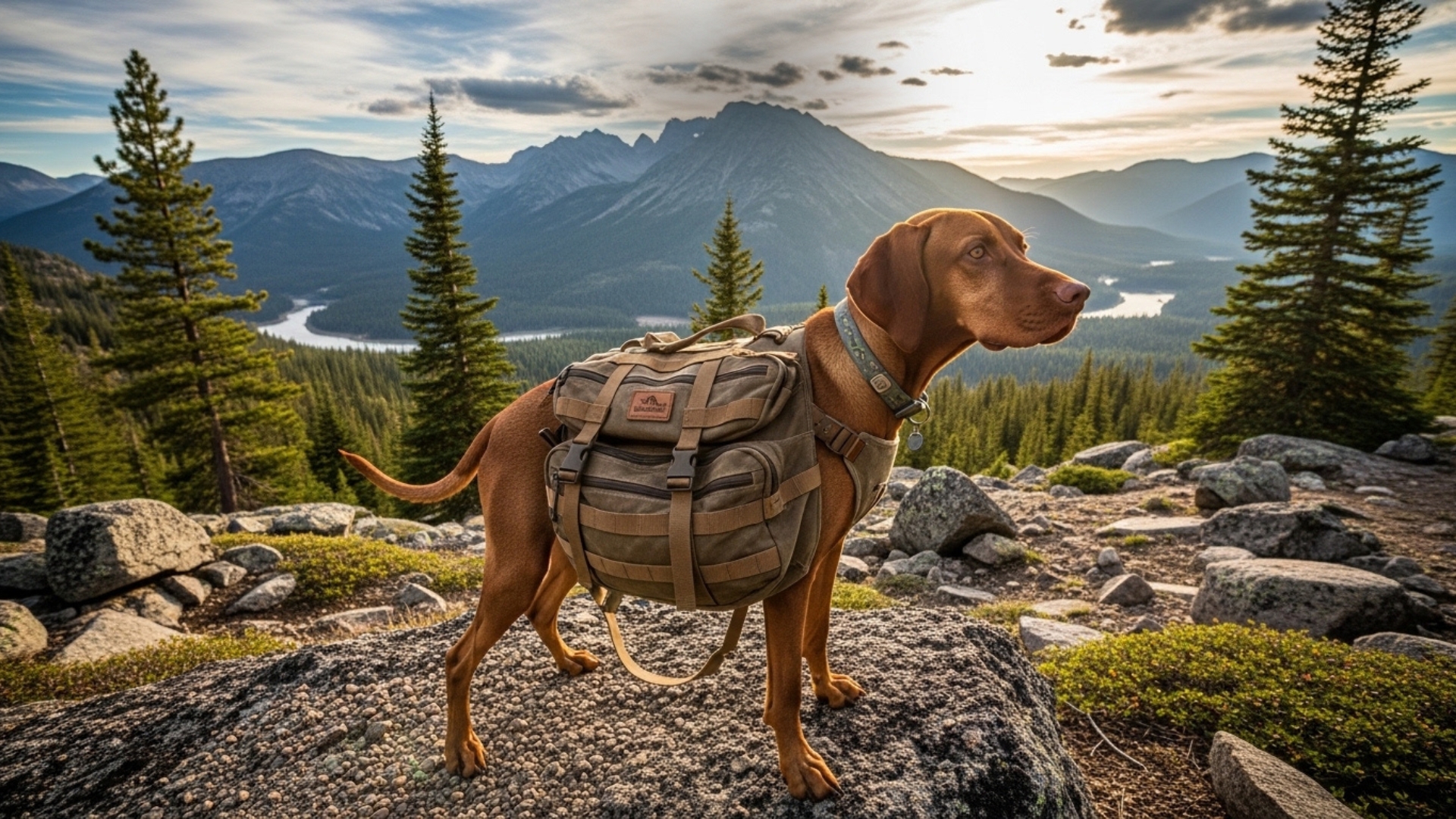
Walking into the wild with a dog by your side creates a special feeling that connects you to nature.
The sound of gravel crunching together with wind blowing through trees creates a peaceful atmosphere, which includes any dedicated dog who travels with you without hesitation about the destination.
Backcountry hiking requires dogs that possess special skills to handle the challenges of the journey. The journey demands advanced fitness levels because the condition combines long-distance hiking with cold mountain environments, rough mountainous terrain, and wild animal encounters.
The system needs people who can perform their work because they require multiple abilities, which cover both basic physical needs and their mental abilities, emotional control, and social connection abilities.
The dog breed that withstands extreme conditions needed for mountain trekking and outdoor survival missions exists as a physical powerhouse. They possess both physical strength and mental stability, which enable them to learn different outdoor behavior patterns starting from their early training years.
The original purpose of these breeds involved work activities, which included herding cattle and pulling carts, while they also served as rescue dogs and animal guards who walked through difficult terrain.
Durable Dog Breeds for Backpacking and Wilderness Survival
1. Border Collie
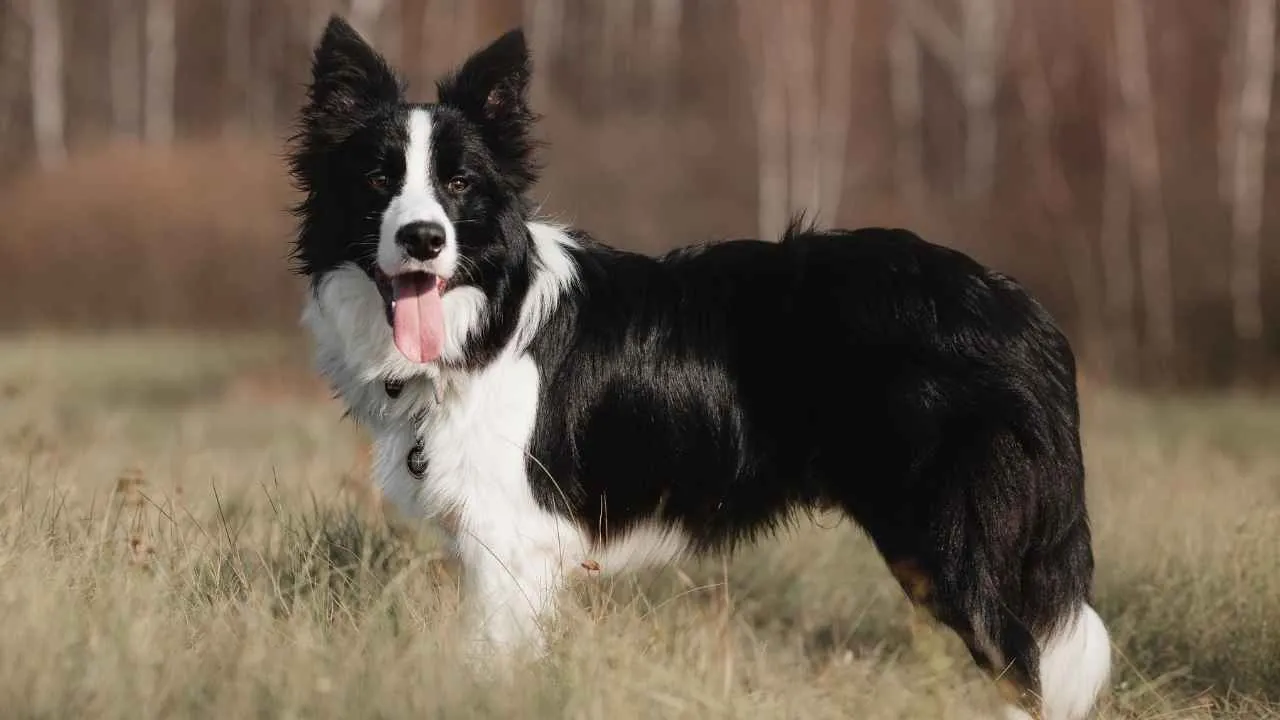
The Border Collie possesses advanced intelligence, which goes beyond its typical description as an intelligent dog. The dog, which originated from the England-Scotland border region, was trained to shepherd sheep across open areas for extended periods.
The dog shows its ability to handle challenges through its performance during long-distance hikes and difficult hiking routes.
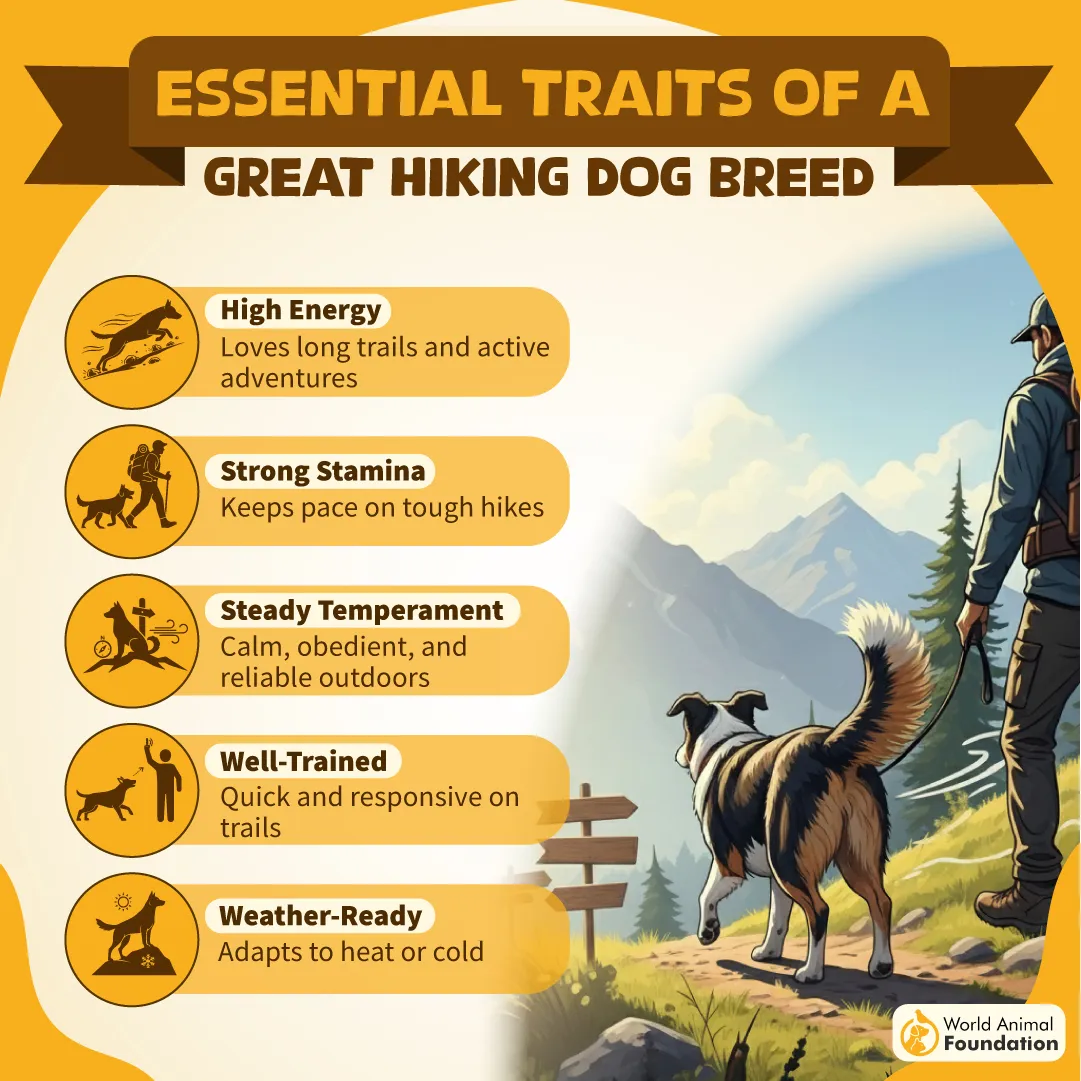
Their athletic body, alert eyes, and quick reflexes make them reliable partners in unpredictable environments. Border Collies maintain surrounding awarness which assists them in wildlife zones and mountain path traversal. This breed requires structured activities that include physical movement and defined tasks to achieve optimal performance.
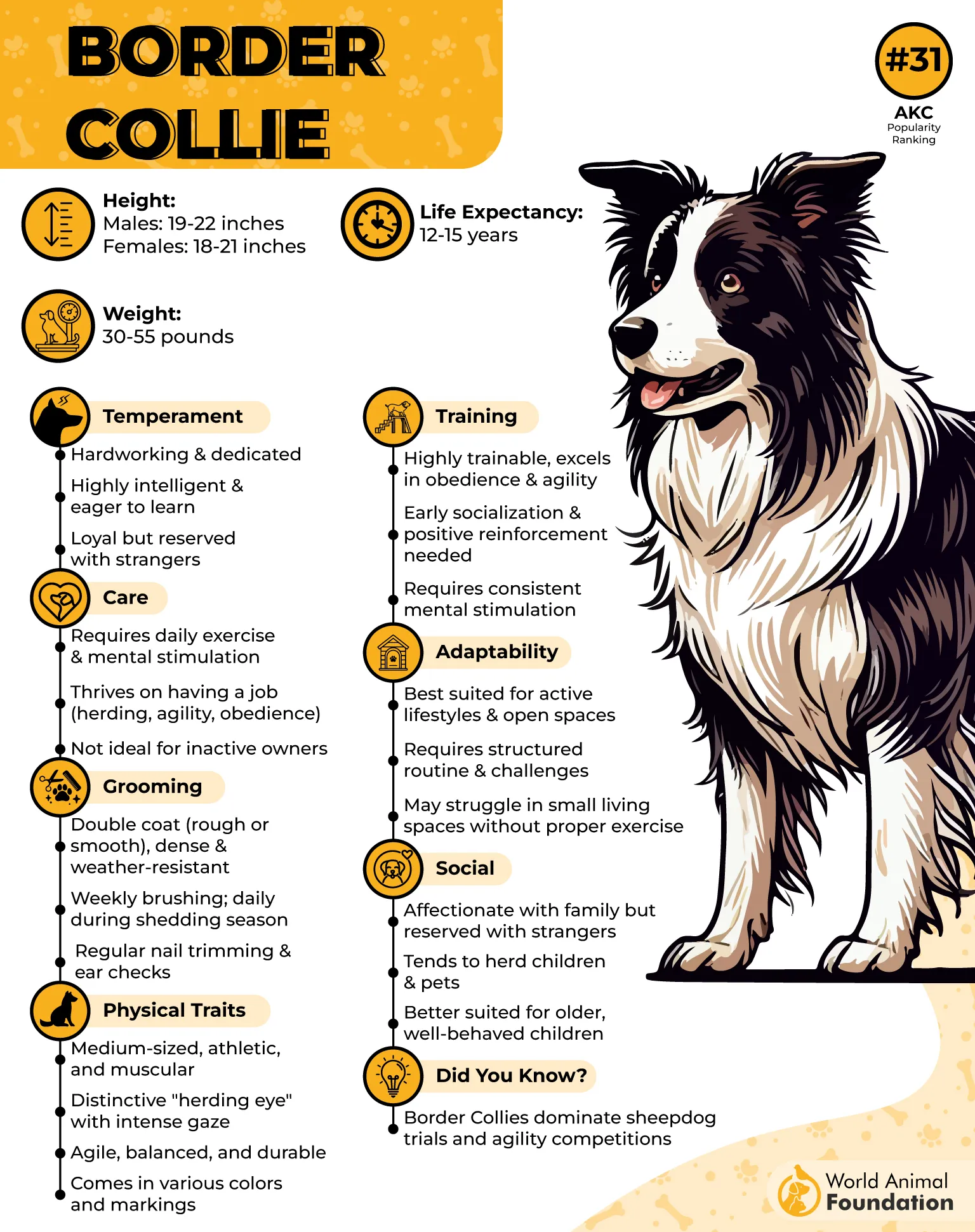
During hikes, these dogs maintain proximity to their owners while they follow leash cues and display their training in obedience. The dogs require human companionship because they cannot handle being alone, and their minds must stay active throughout their downtime.
They maintain peaceful behavior through exercise, which requires two hours of activity, because they develop strong trust toward their owners during backpacking excursions.
2. Siberian Husky
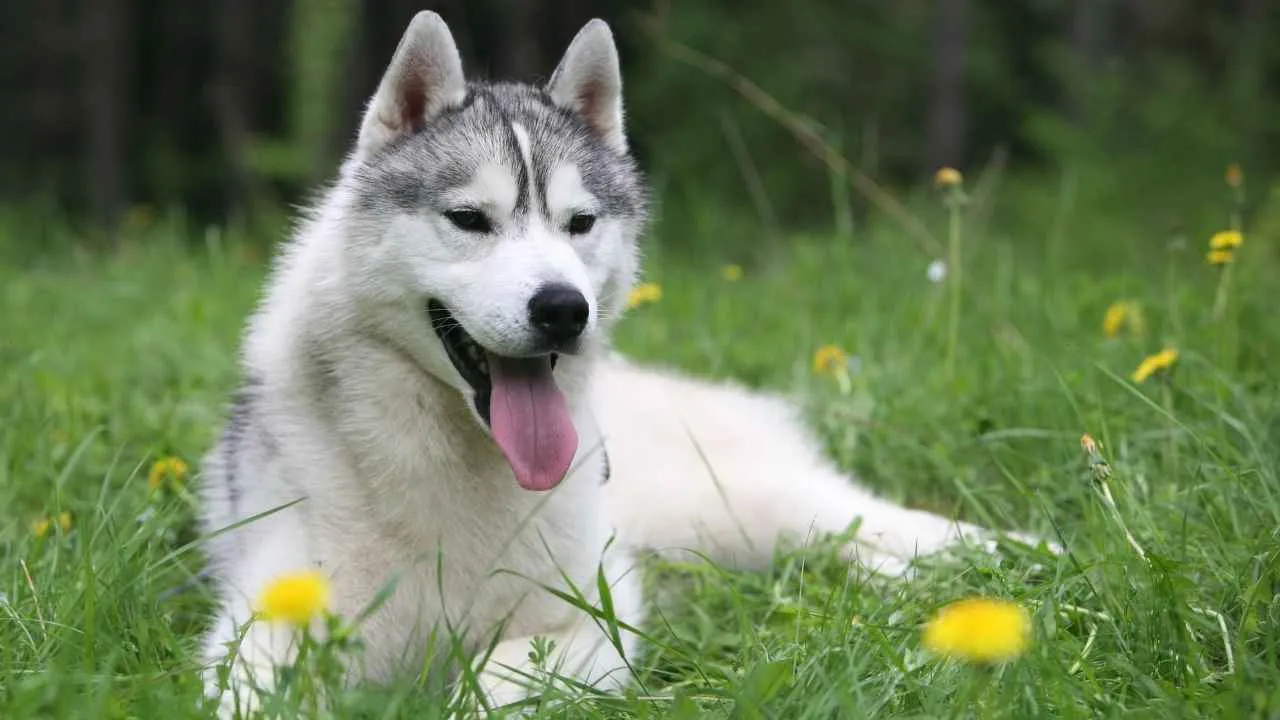
The Siberian Husky stands as one of the most defined breeds that represent wilderness survival. Dog breeders established this breed to function in freezing temperatures by hauling heavy loads across icy terrains.
These dogs develop energy-saving capacities through their double-layered fur and strong leg muscles which enable them to travel extended distances.
Hill’s Pet Nutrition identifies Huskies as dogs who think independently. Their independent nature helps them handle difficult terrains, yet trainers must use persistent training methods to manage their behavior.
The dogs show friendliness toward humans and other dogs, which makes them appropriate for walking in groups or spending time outdoors with family members.
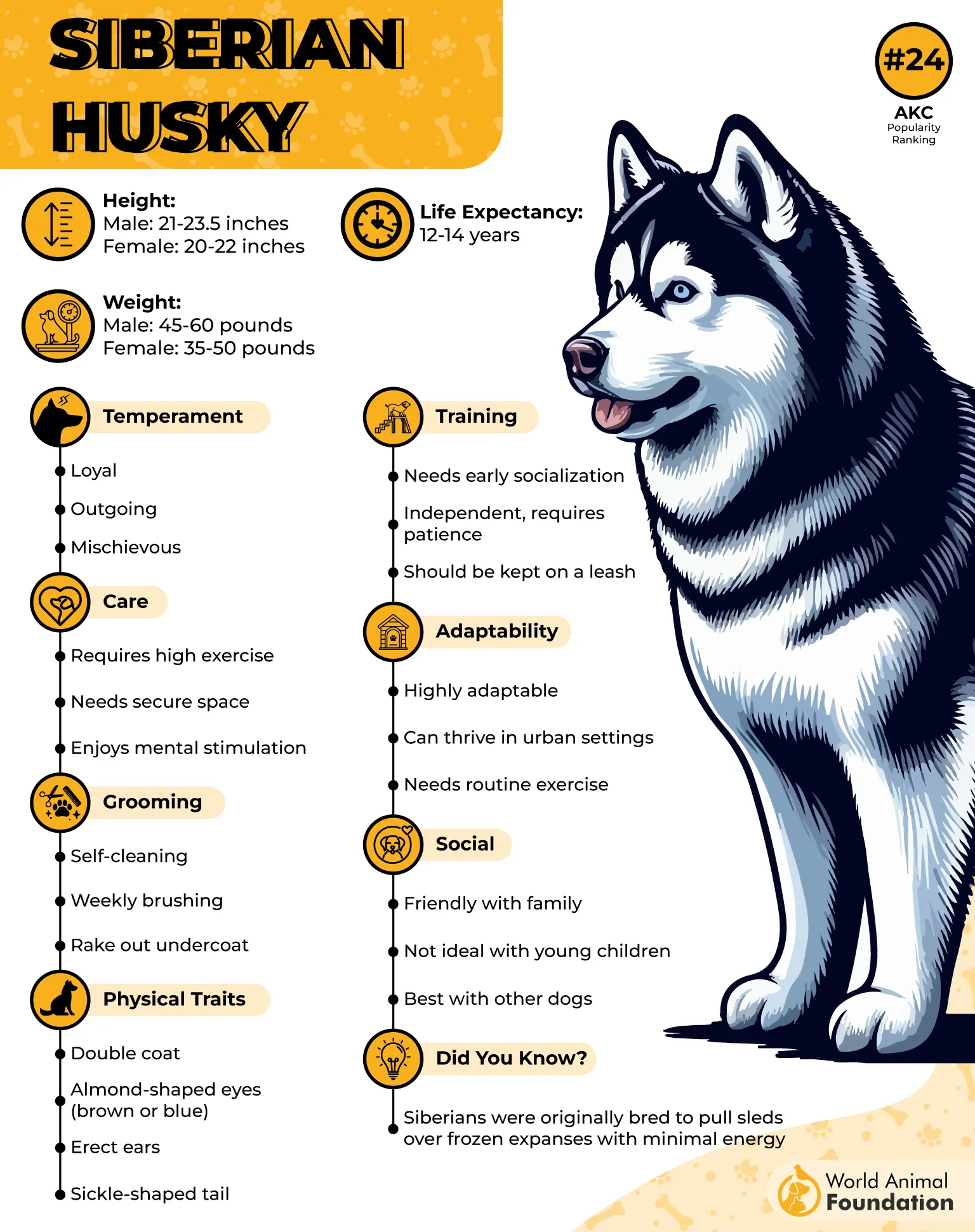
Huskies prefer to walk at a constant pace, which makes them susceptible to feeling bored when they have insufficient activity. The dogs demonstrate a tendency to howl instead of barking, which often takes new pet owners by surprise.
Leash control becomes necessary because the dogs have a strong urge to chase things when they encounter other animals. No dog breed in cold mountain environments can match their endurance level.
3. Vizla
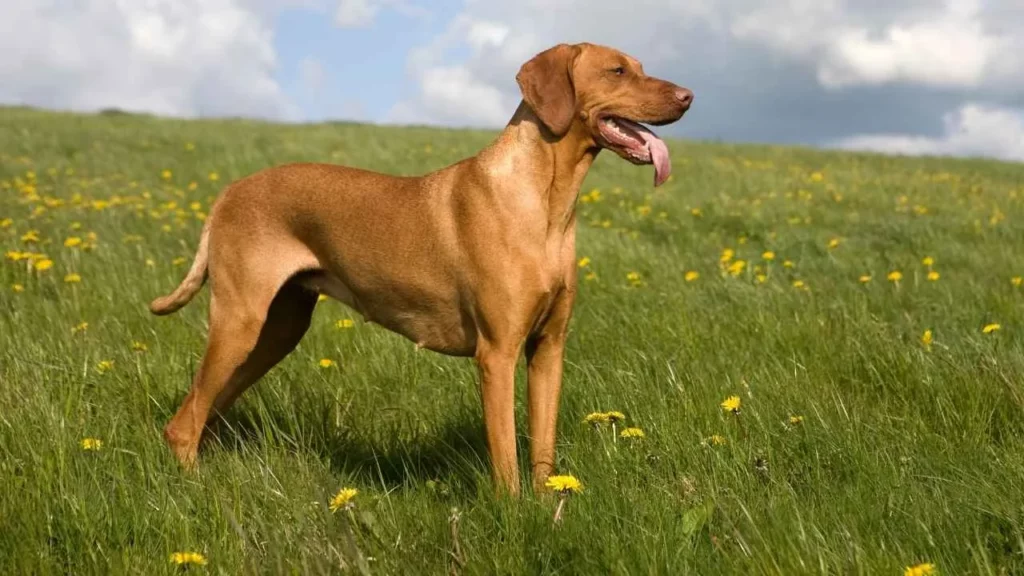
The Vizla exhibits graceful movement together with its short hair, which reveals its ability to endure prolonged physical activity. The dog originates from Hungary as a hunting companion, which enables it to travel with humans for extended periods through fields and forests.
PetMD notes that they form strong bonds with their owners, which makes them suitable as hiking companions.
Vizslas require both physical activity and meaningful work to maintain their energy. The breed performs best when they cross through extensive hiking trails, which include water obstacles and open landscape spaces. Their affectionate nature means they stay close, checking in often during walks or climbs.
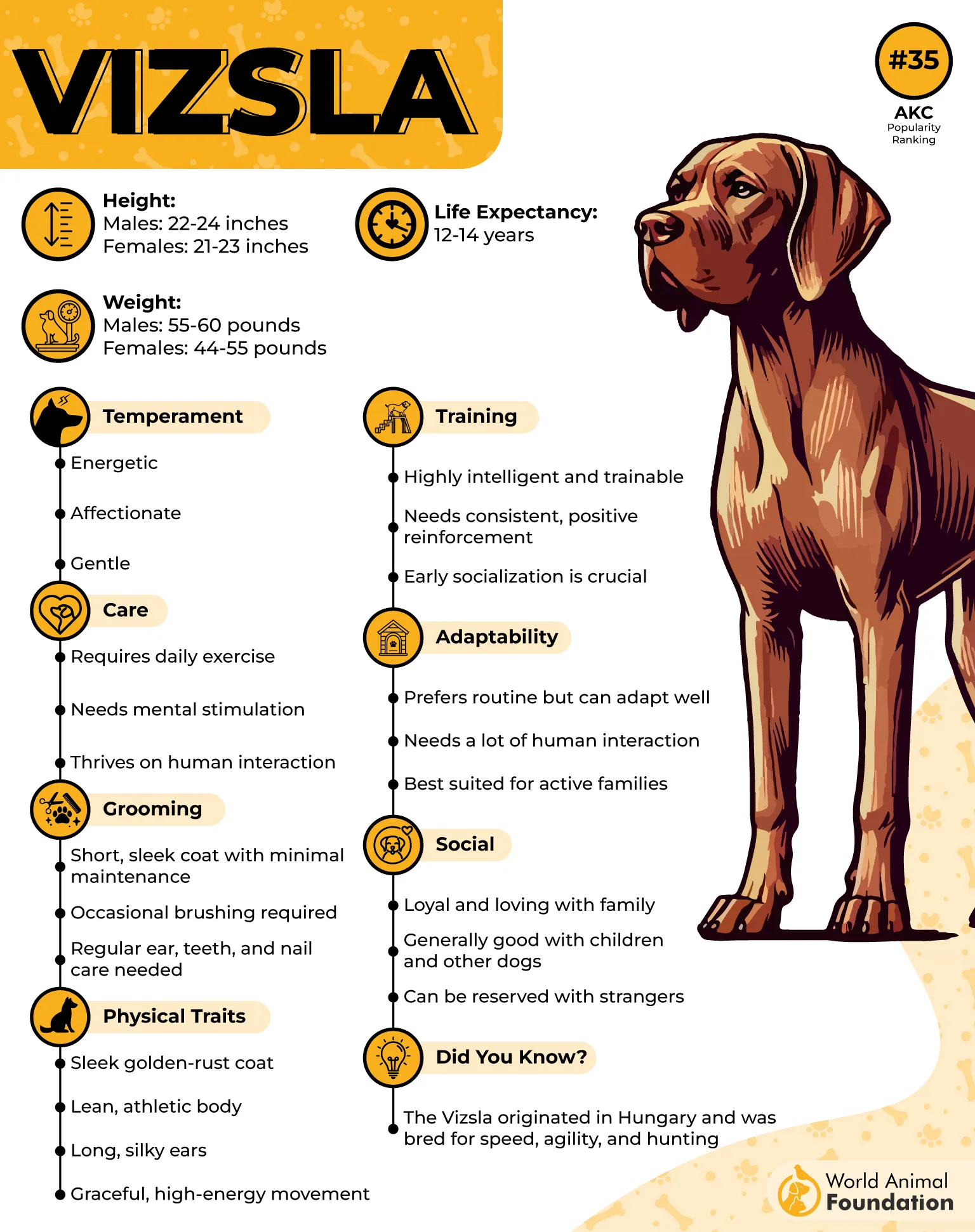
The breed requires daily activity together with mental exercise to keep its members from becoming restless. The dogs show behavior towards children while displaying friendly behavior toward other dogs when exposed to social situations in their early development.
The extra training needed to maintain their thin coat in cold weather conditions makes them ideal for backpacking because of their loyal nature and energetic personality.
4. Rhodesian Ridgeback
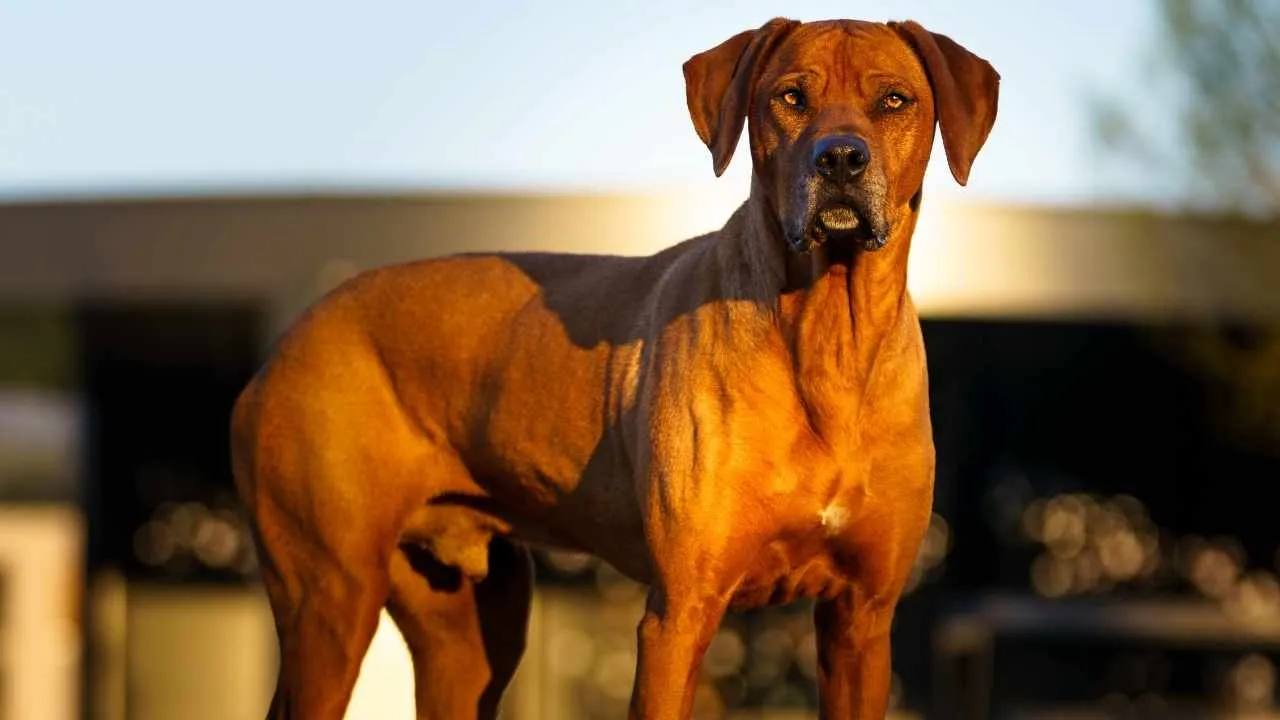
The Rhodesian Ridgeback reflects both strength and control because its original purpose was to hunt large African mammals. The breed features a distinctive hair ridge which serves as a unique identification mark while protecting the dog from dangerous situations which requireit to run long distances.
Purina states that this breed possesses both an athletic physique and a peaceful, self-assured nature. Ridgebacks stay calm during their hikes because they maintain composure when facing new situations. Their defensive nature provides additional protection when they spend time in remote wilderness areas.
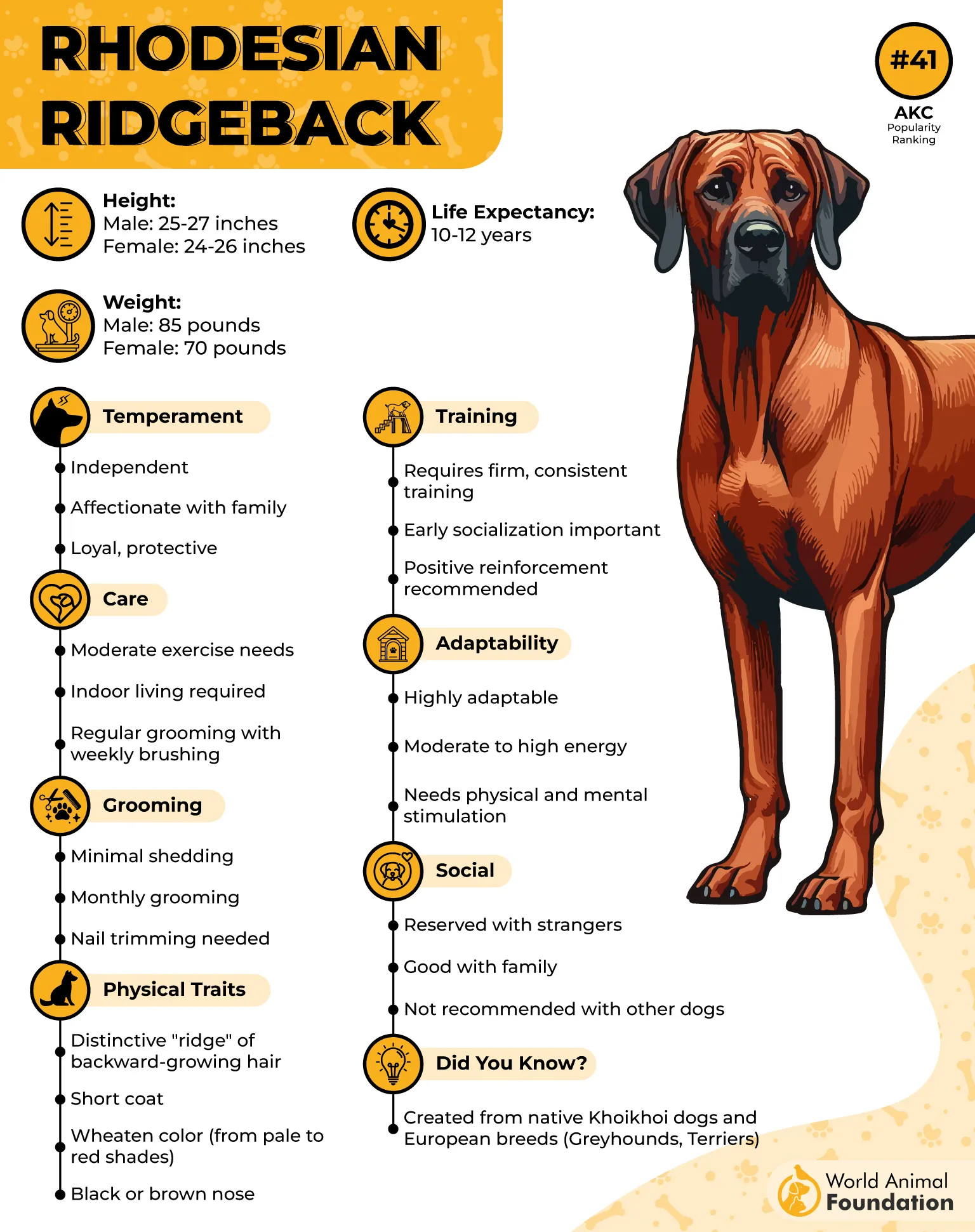
They are reserved around strangers and other animals, so early socialisation matters. Ridgebacks do best with experienced owners who understand leash discipline and consistent training. Their short coat handles heat well, but hikers need to maintain proper hydration and food intake throughout their extended walks.
5. Bernese Mountain Dog
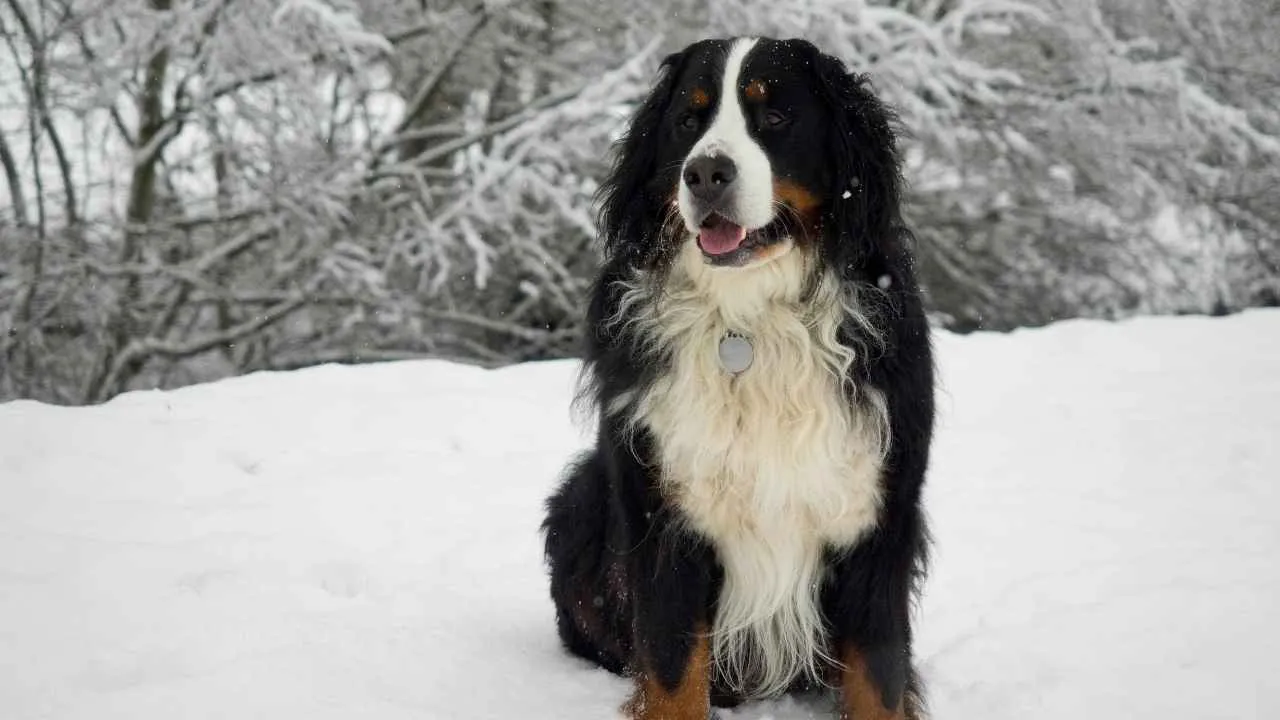
The Bernese Mountain Dog serves as an authentic companion for mountain exploration. This mountain dog originated in Swiss regions to pull carts and protect farms, and it excels in cold environments and rough mountain areas. The American Kennel Club describes them as strong, gentle, and emotionally steady.
Their large size and calm nature make them reliable on steady trails rather than extreme climbs. Bernese dogs present deliberate movement patterns that help them maintain their energy while they remain aware of their surroundings without showing signs of stress.
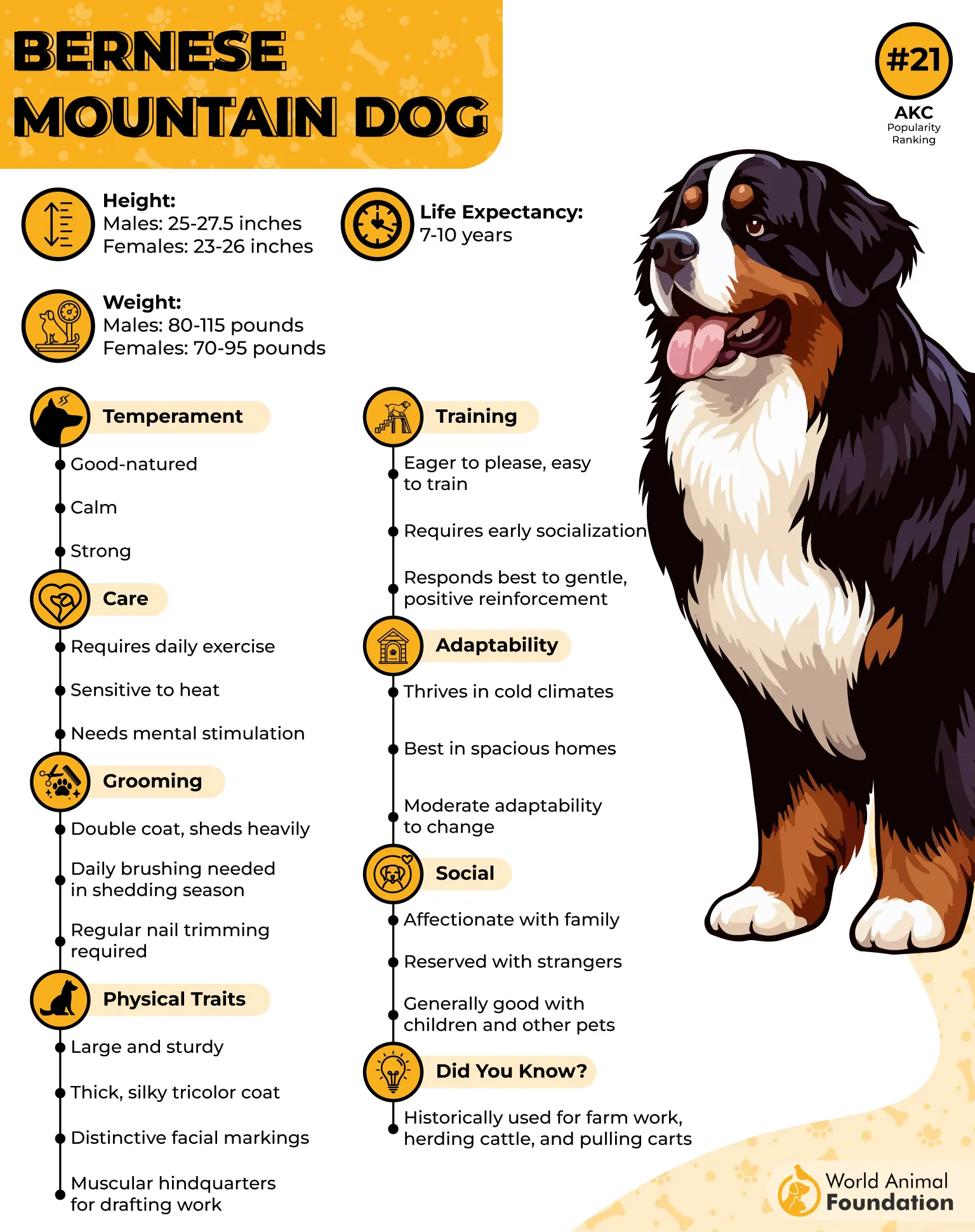
The Bernese Mountain Dog establishes strong connections with family members, showing protective behavior toward children. The dog needs joint management because its weight requires special handling of hip dysplasia during extended walking activities.
This dog can complete backpacking trips that require proper pacing on cooler climate routes.
6. Weimaraner
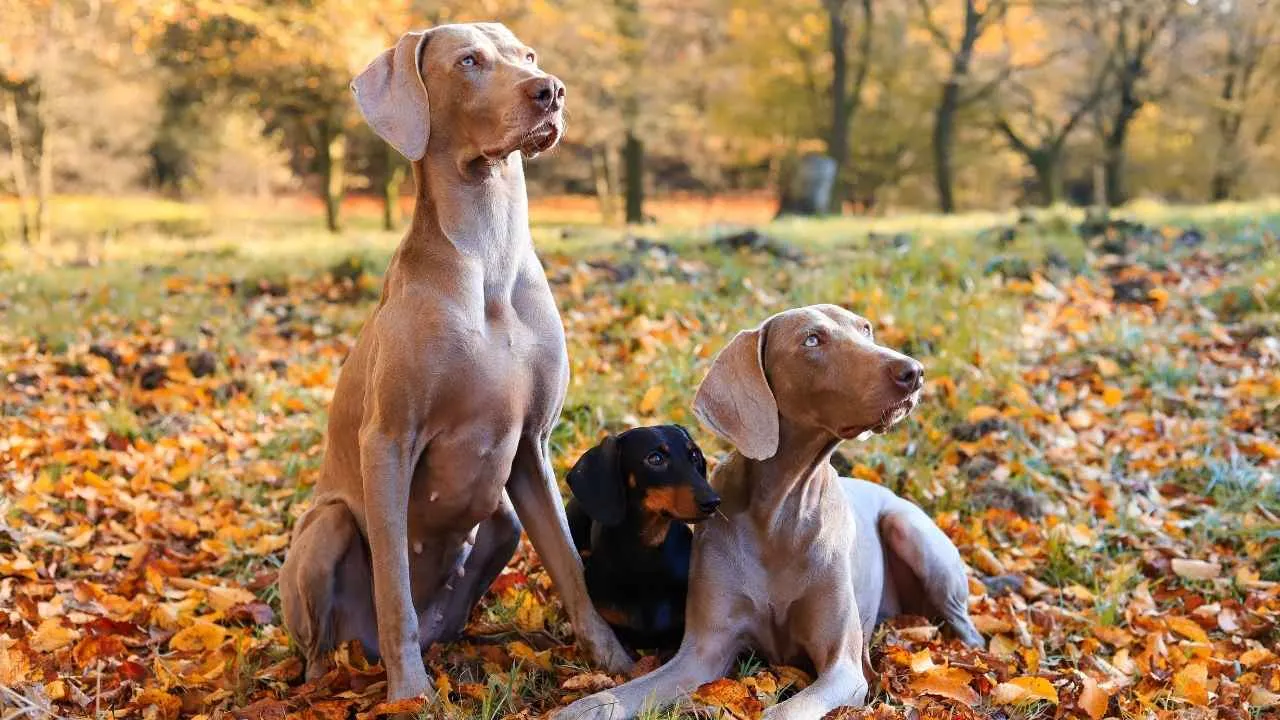
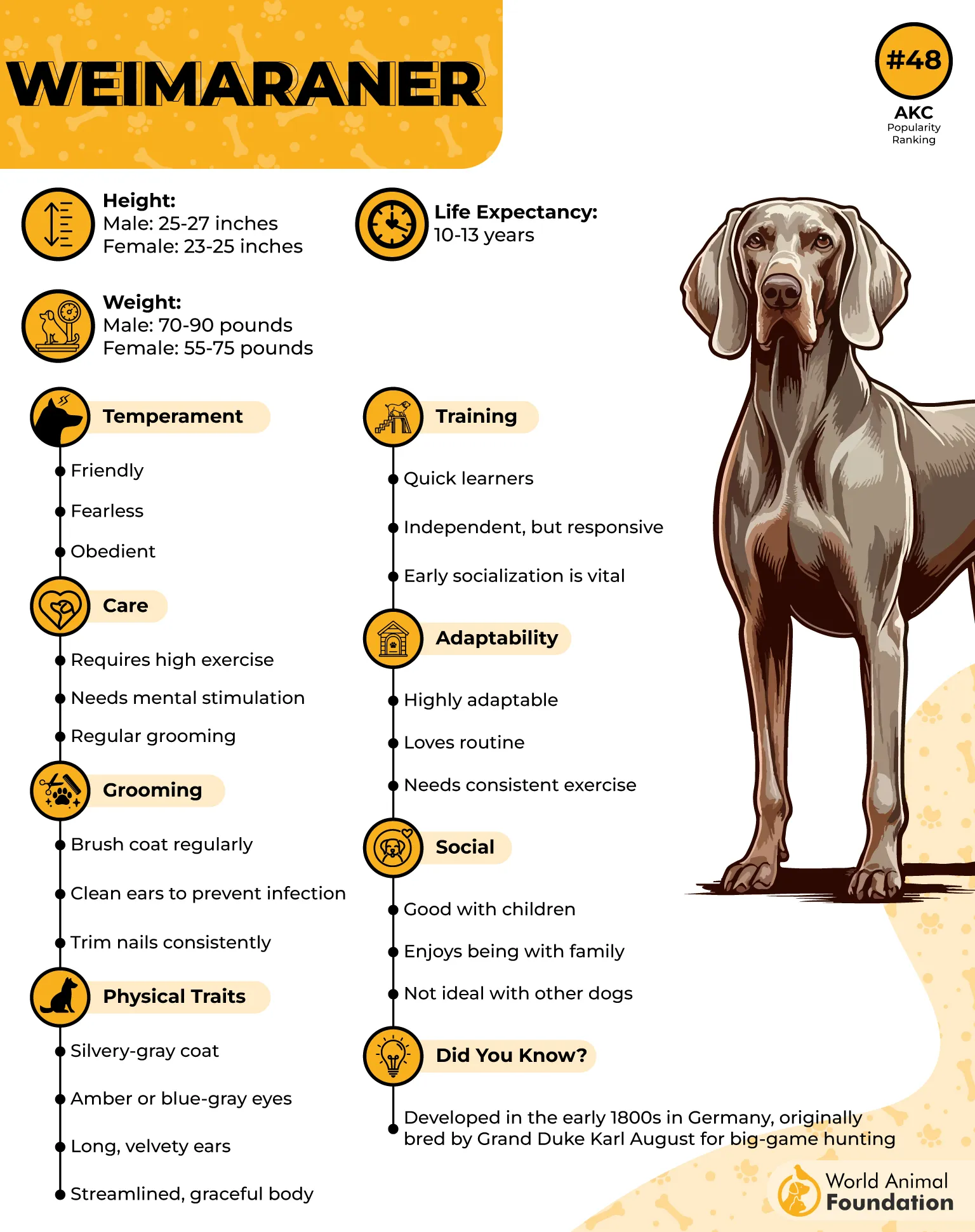
The Weimaraner breed, also known as the grey ghost, has a distinctive appearance and energetic personality while showing a strong attachment to its human companion.
PDSA states that this breed performs best in active households that provide both extended walking opportunities and outdoor physical activities as part of their regular schedule.
This breed possesses both an athletic body and a peaceful, self-assured personality. Ridgebacks possess composure on the trail because they do not become anxious about new experiences in different environments.
People who stay in remote wilderness areas receive extra protection from the dog’s natural protective behavior.
The breeding of these dogs as hunting companions establishes their strong hunting instincts and their ability to endure. The Weimaraner maintains its state of alertness while staying connected with its handler and showing a desire to continue walking.
7. Portuguese Water Dog
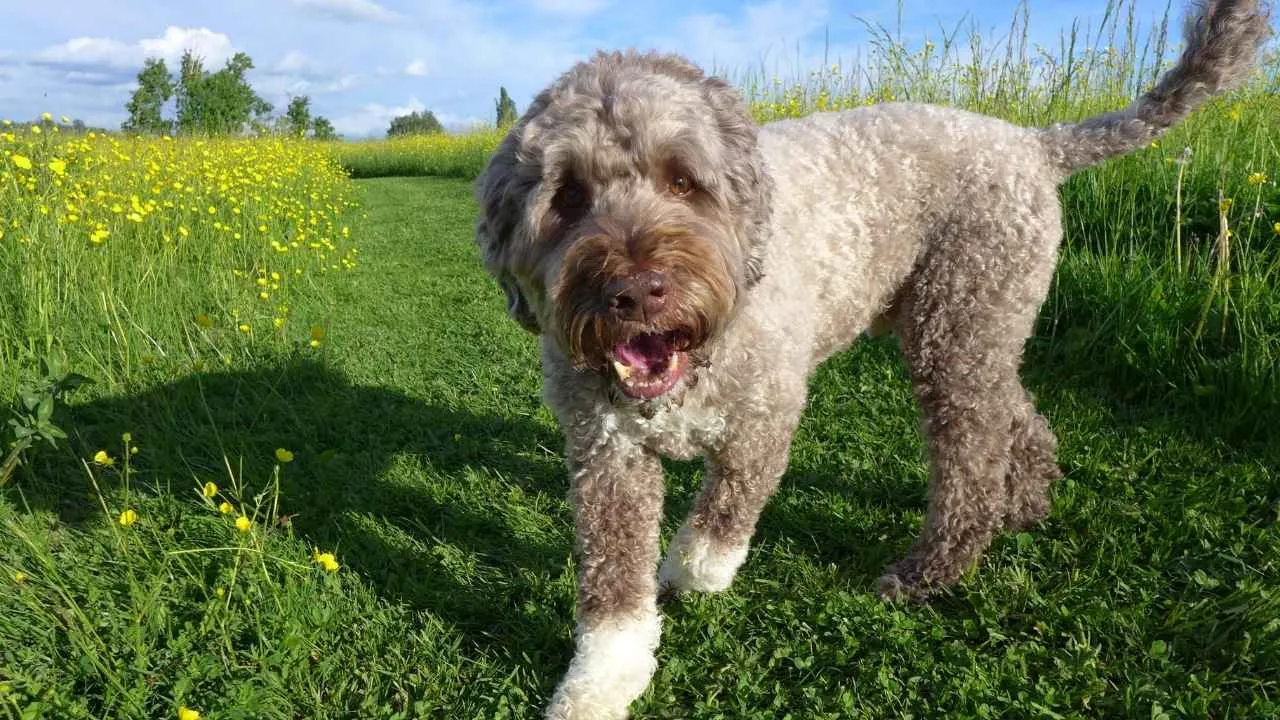
The existence of this breed shows a deep connection with work and physical stamina requirements. According to Orvis, Portuguese Water Dogs once assisted fishermen by retrieving nets, delivering messages, and swimming through rough waters. The work ethic of this breed becomes evident in outdoor environments.
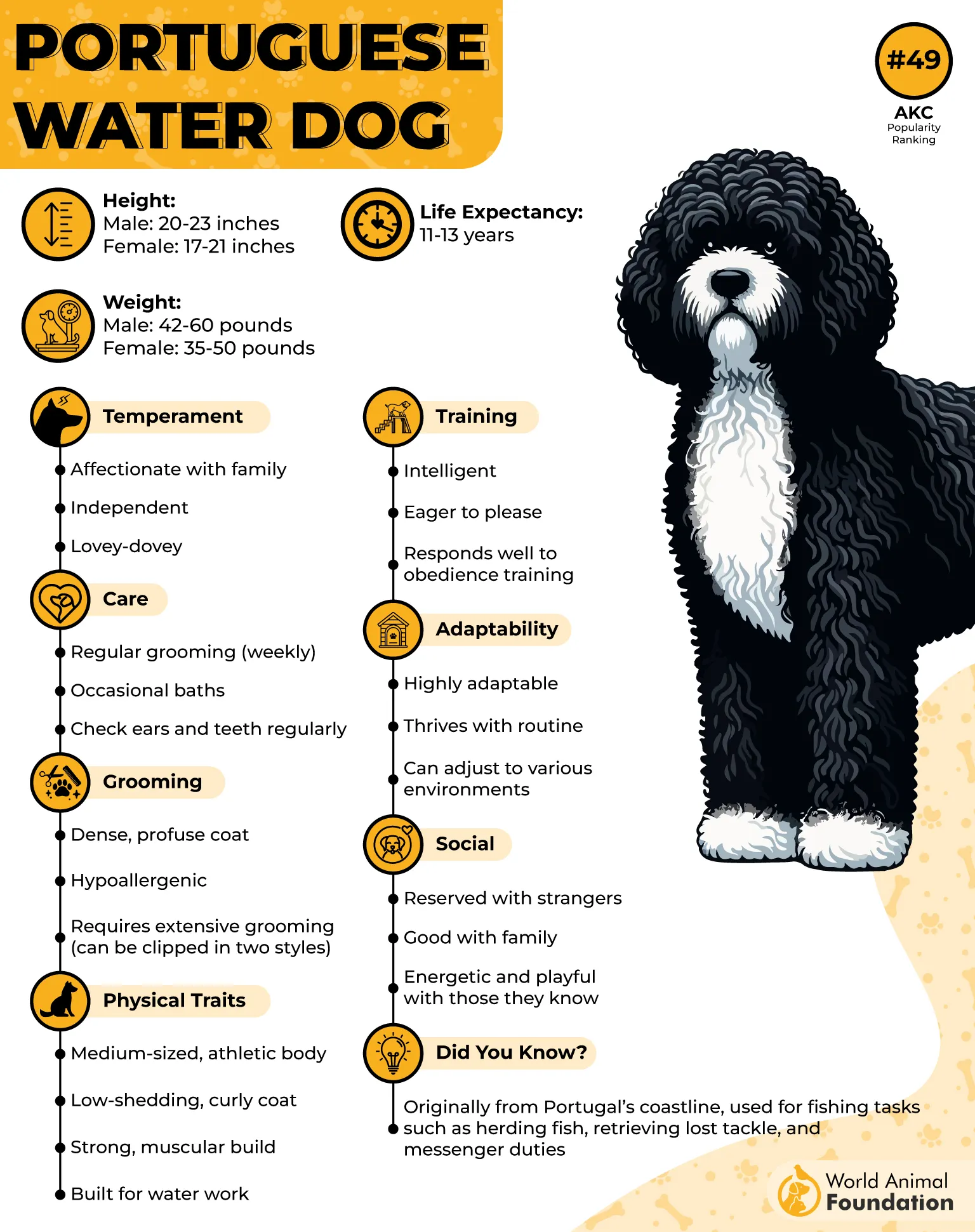
The dogs possess strong swimming abilities and move through spaces with assurance, which makes them appropriate for backpacking trails that include rivers and coastal paths. The dogs possess intelligence and a strong desire to satisfy their trainers, which makes it easier to train them in a new location.
Beyond physical strength, the Portuguese Water Dog brings mental sharpness and loyalty to any adventure. Highly trainable and eager to please, it responds well to commands—an essential trait in unpredictable wilderness settings.
Its alert nature also makes it attentive to surroundings, offering both companionship and an added sense of security on remote trips.
8. Alaskan Malamute
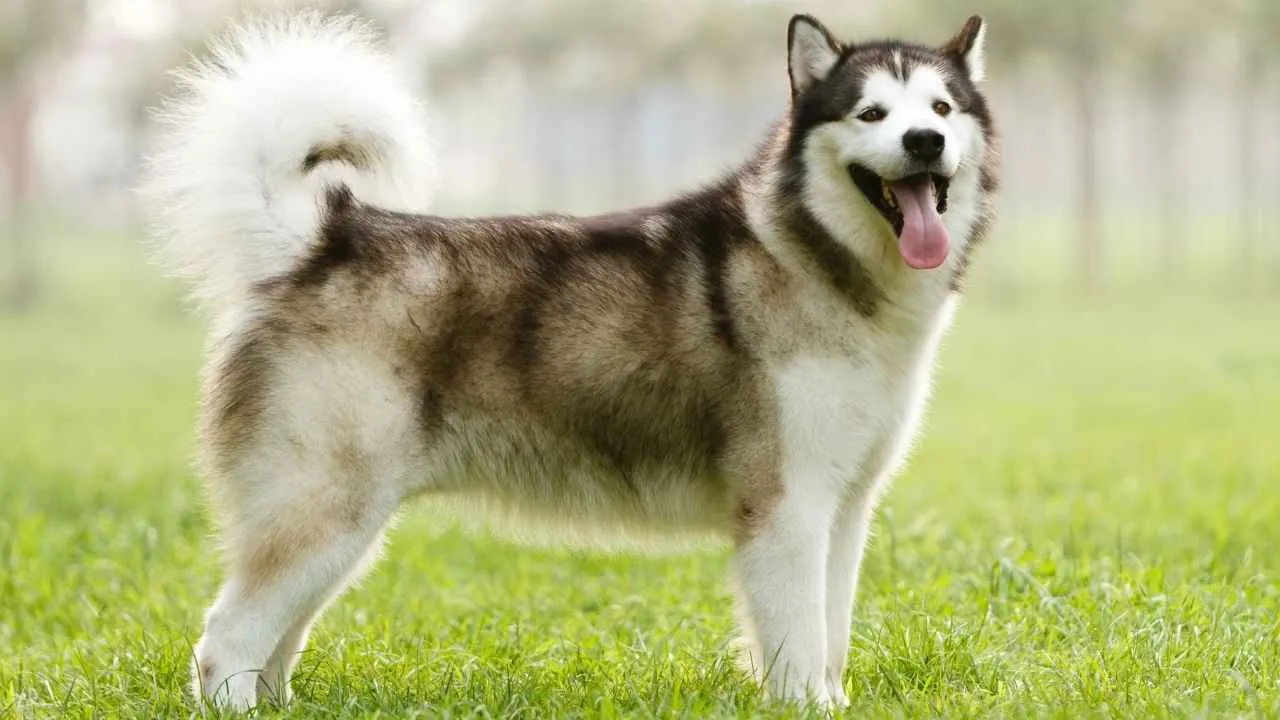
The Alaskan Malamute breed has developed physical characteristics that support its ability to endure challenging conditions.
The breed developed through its original purpose, which required it to transport heavy loads across icy terrain, and its present-day capabilities, which include strength, power, and emotional balance. Their dog show competititions demonstrates their ability to perform work tasks under extreme conditions.
They maintain their ability to move effectively through cold environments while carrying heavy loads. Their dense coat enables them to withstand snow-covered mountain environments and strong wind conditions.
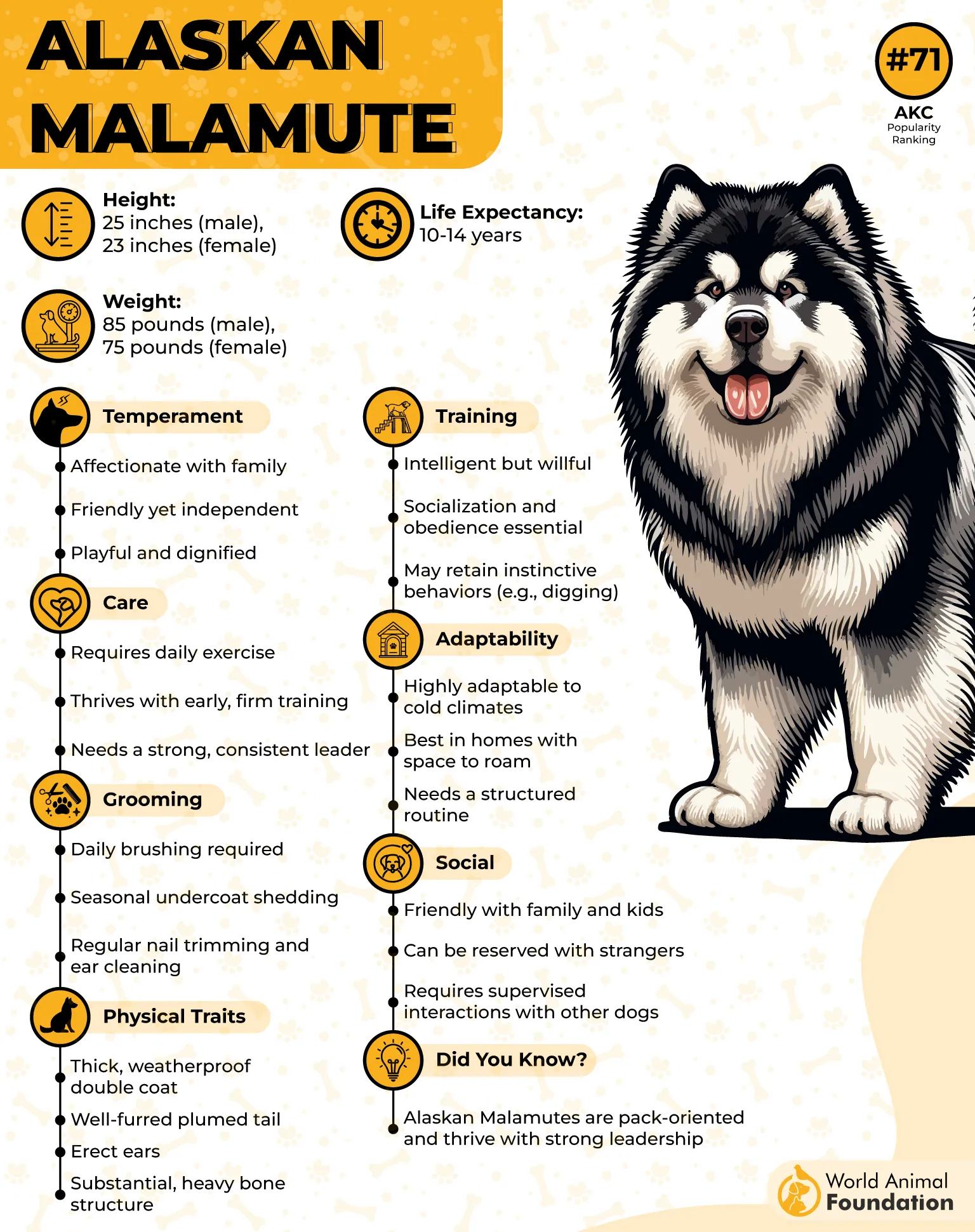
Malamutes show their independent nature, which requires them to be handled by a professional who possesses handling expertise. The dogs need training and leash control because they tend to dominate other dogs in their presence.
The dogs demonstrate complete loyalty to their owners after bonding with them, and they reflect resilience during challenging hiking experiences.
9. Australian Shepherd
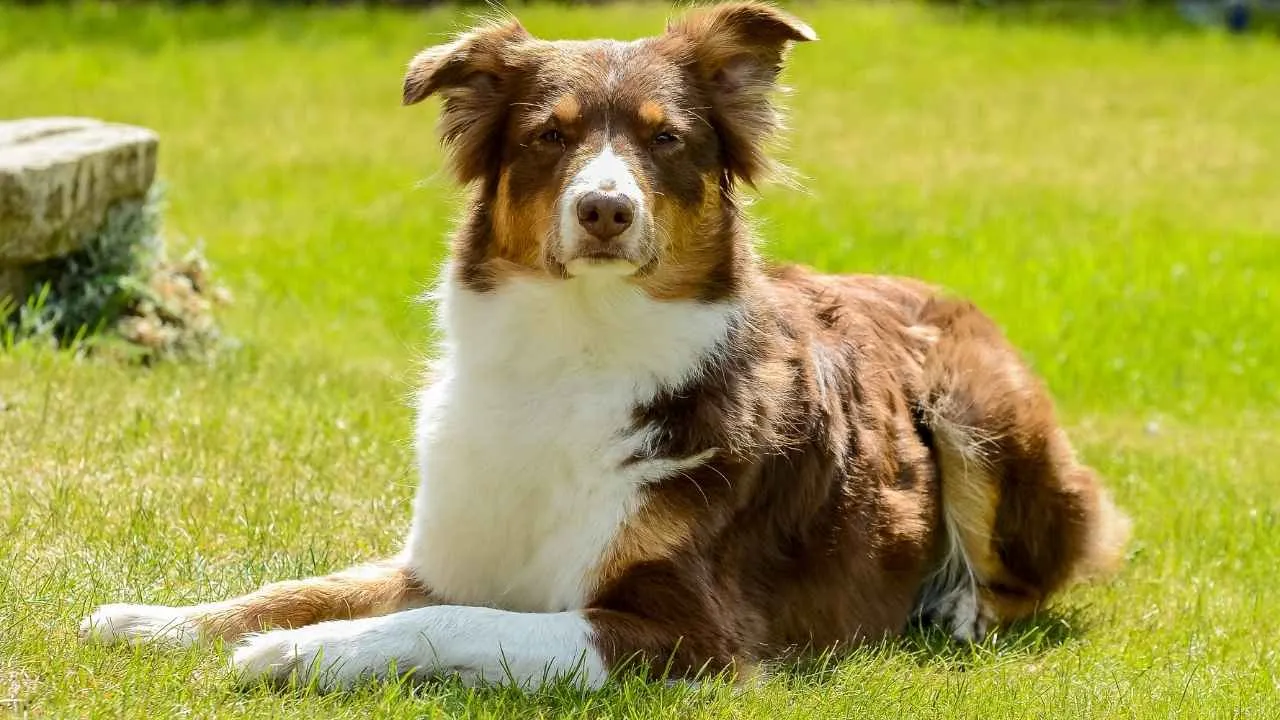
While their name suggests Australian origins, Australian Shepherd dogs originated in the United States to serve as cattle herding dogs for open pasture land. The combination of their intelligence and agility and their high energy levelmakes them suitable for backpacking activities that require continous dedication and flexible thinking.
Australian Shepherds quickly follow commands, and their training results in exceptional performance in obedience tasks. That dogs succeed in environments that provide them with continuous mental and physical stimulation.
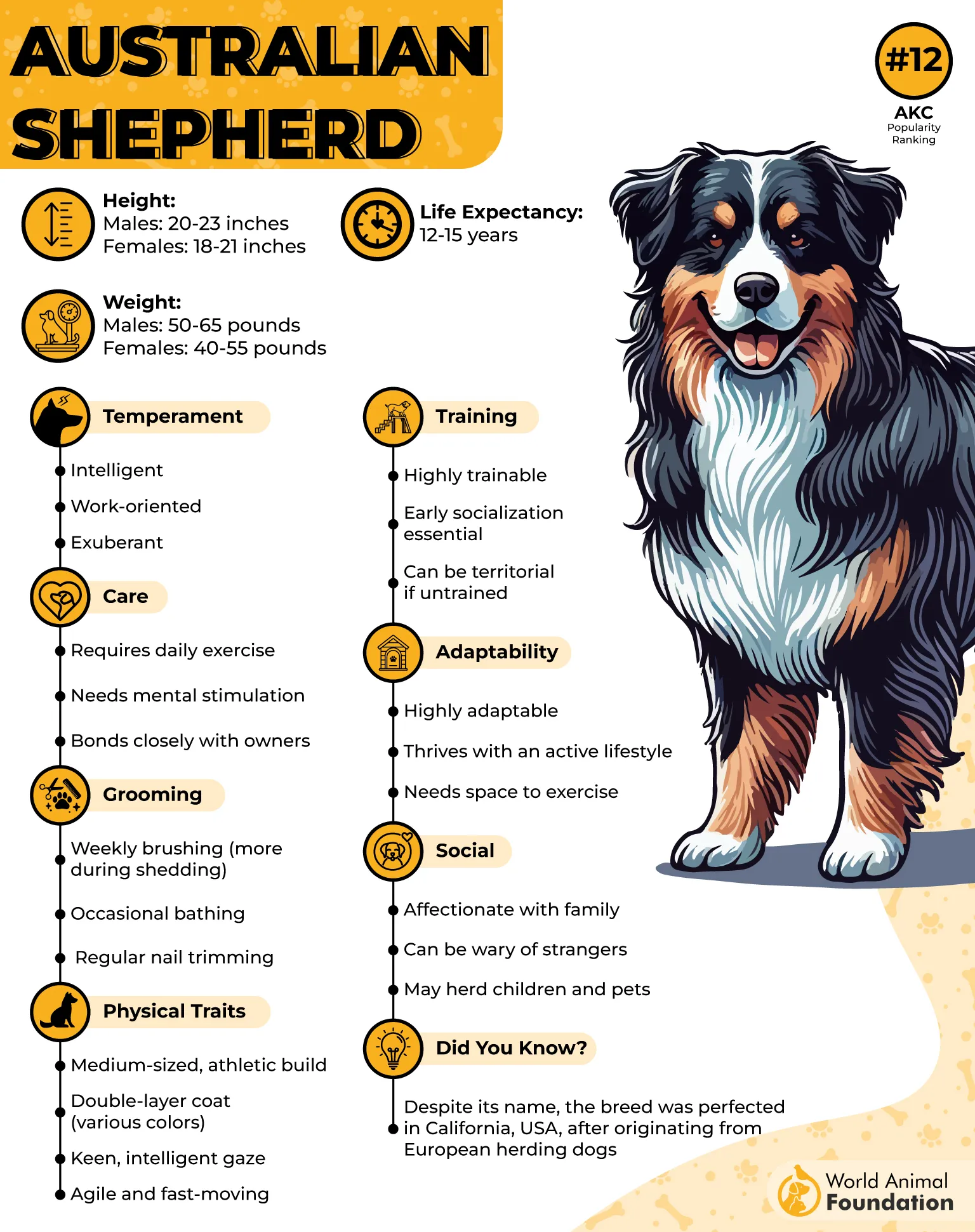
These dogs show protective behavior but do not reveal any signs of danger when they act as natural guardians of the trail. The training, which begins at an early stage, serves to control their herding behavior when they encounter other animals. The dogs need both physical activity and dependable outdoor partners who maintain their emotional stability.
Conclusion
Backpacking and wilderness survival require dog breeds that can withstand challenging conditions because they need to demonstrate more than physical endurance.
Their success depends on the ability of partners to establish trust and work together at a unified pace throughout their time on the trail. The working relationship between humans and these dogs develops special skills that become crucial when unpredictable situations arise.
The right dog breed requires proper training, food planning, and breed-specific limit understanding, which enables these companions to thrive in the wild. The right dog works with you at the same speed as you travel on your journey. The dog stays by your side through every step of your journey.
