




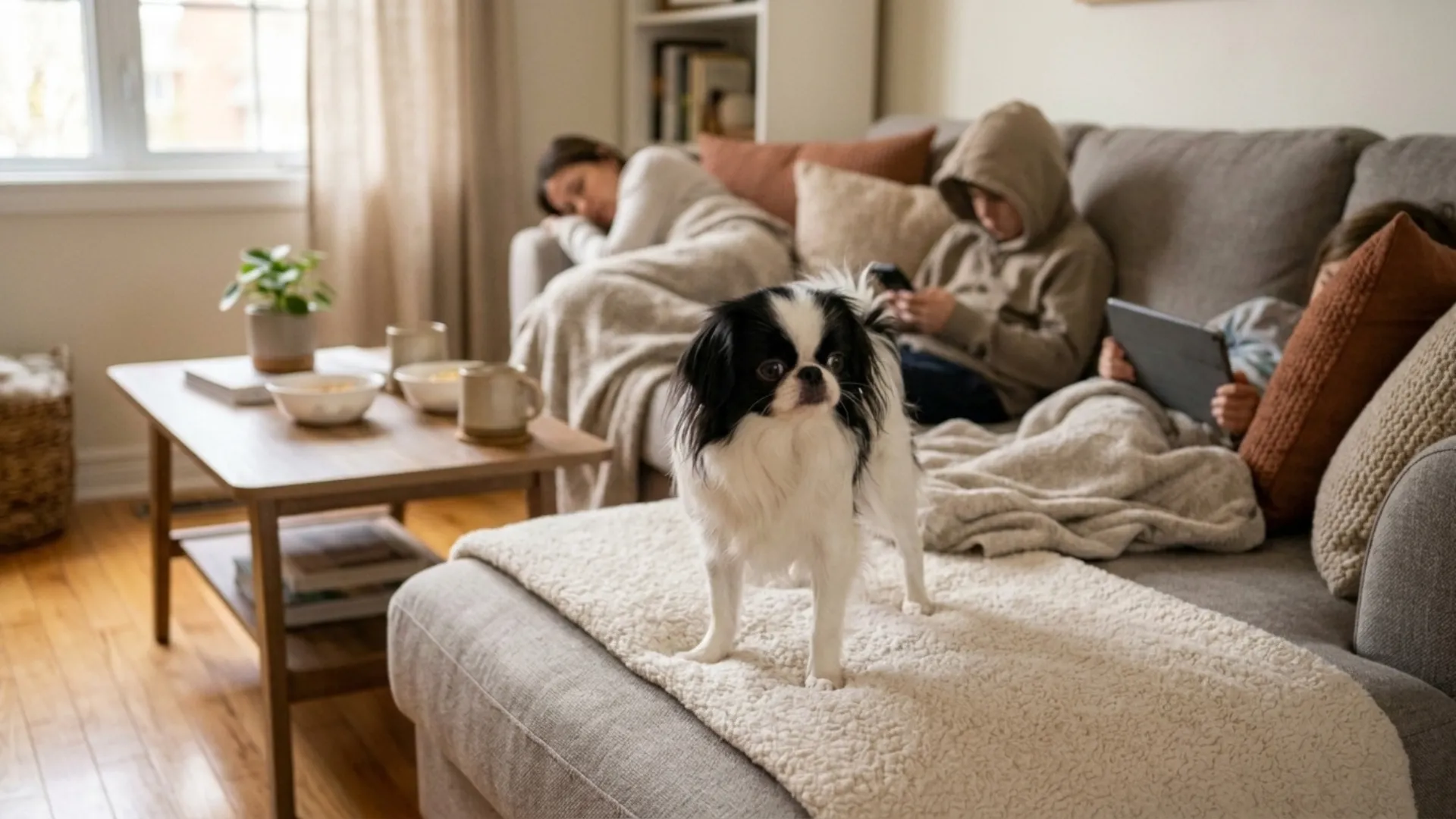
Some families dream of weekend hikes. Others dream of a soft blanket, a good movie, and a dog curled up beside them. If that sounds like your perfect evening, you’re in the right place. While every dog needs daily exercise, some breeds are naturally happier with a slower pace and extra cuddle time. These gentle companions prove that happiness isn’t always about adventure.
Happy with a short walk and hours of quiet company, these breeds do well in apartments, with older adults, or anywhere calm beats the chaos. They aren’t boring or aloof; they just show love in quieter ways, sticking close without begging for constant attention or high-energy games.
Sometimes it’s really about sharing quiet moments, warm naps, and a little snoring from the other end of the couch. Here are seven lovable breeds that truly understand the art of relaxing with family.
Dreamy Dog Breeds for the Couch‑Addicted Family
1. Bolognese
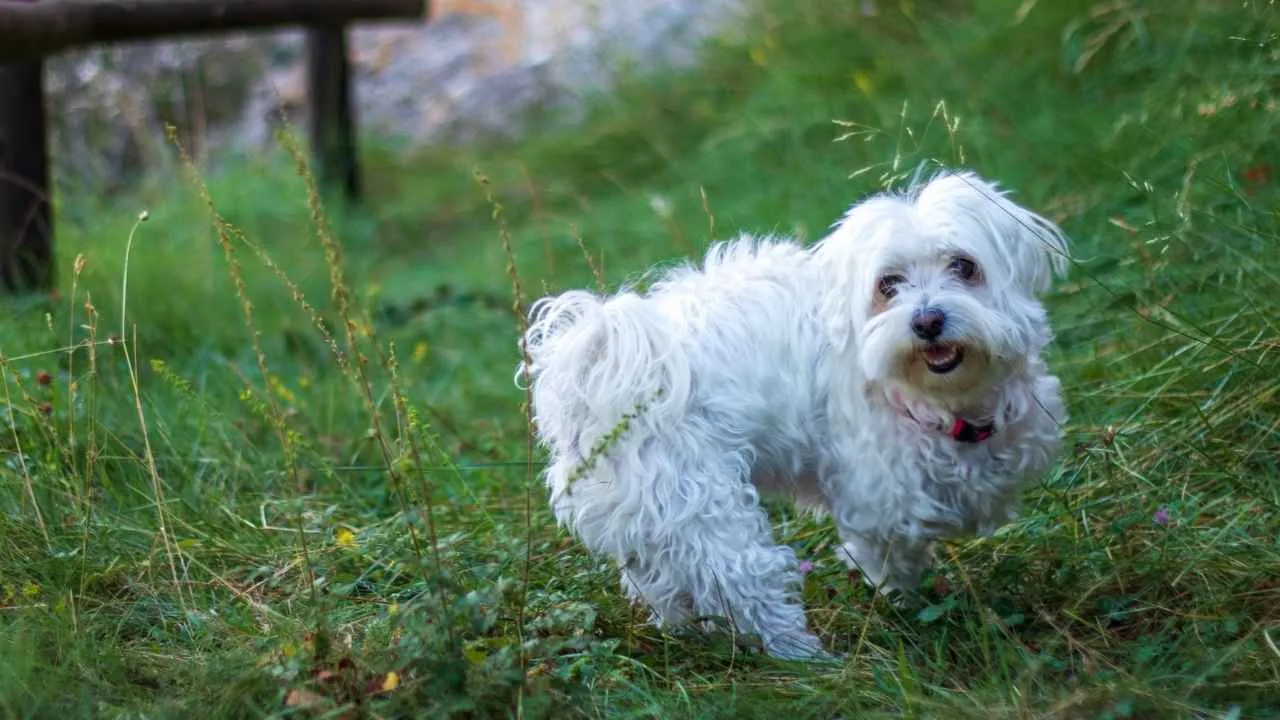
This bichon-type small dog breed was originally bred in Italy. It belongs to the toy dog category and is widely kept as a companion dog. Similar dogs have been found in the 17th century. It was brought to England in 1990. It was able to be shown in all shows with all of its classes in 2001, says Wikipedia.
The small dog is ideal for households with at least one person always there and for senior citizens. It has a playful and easygoing nature; thus, it gets along well with family members, children, and other pets. It has a balanced personality, making it neither hyperactive nor overly timid.
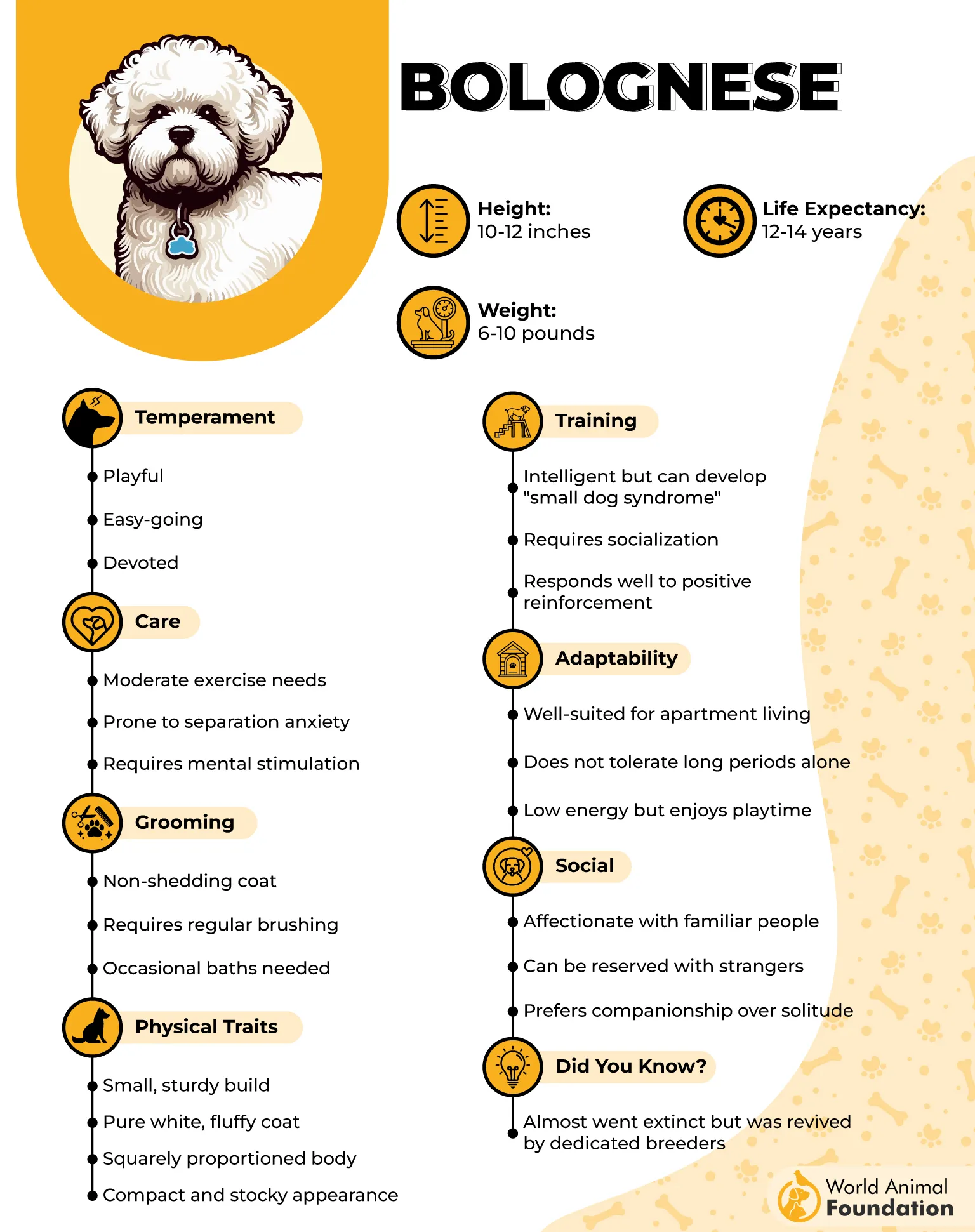
The perfectly happy breed needs 30-60 minutes of daily exercise: 1-2 walks, free play (in fenced yard), basic obedience training, hide-and-seek, and indoor play.
2. Shih Tzu

This is one of the most ancient dog breeds and was developed by the Buddhist monks in Tibet and the nobility combined. As lions have a sacred place across Chinese culture, the breed was intentionally made to look like a lion (a thick ruff around its neck). Its primary goal was to serve as a watchdog and a companion dog.
It is a velcro dog and tends to follow you from room to room. It is a brachycephalic breed and may find difficulty breathing during outdoor activities in summer. It has small feet and a high metabolic rate, which easily tires the breed. The breed craves human companionship and loves being a part of indoor activities.
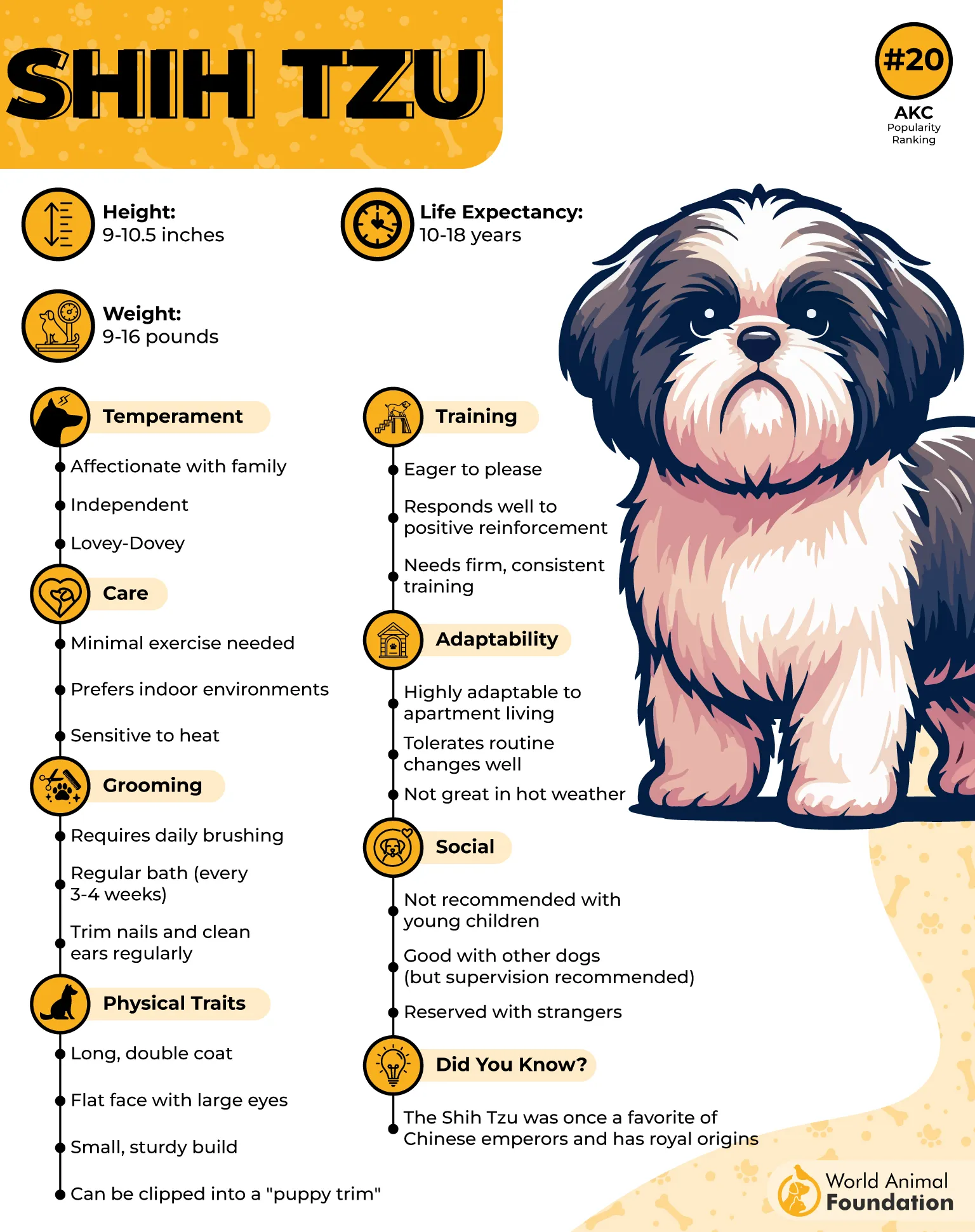
It has low-to-moderate exercise needs (20-60 minutes): 1-2 walks (30-40 minutes), puzzle toys, treat-dispensing balls, gentle fetching, and hide-and-seek. Heavy panting, slowing down, and snorting are the signs that you should wrap up the session.
3. Japanese Chin
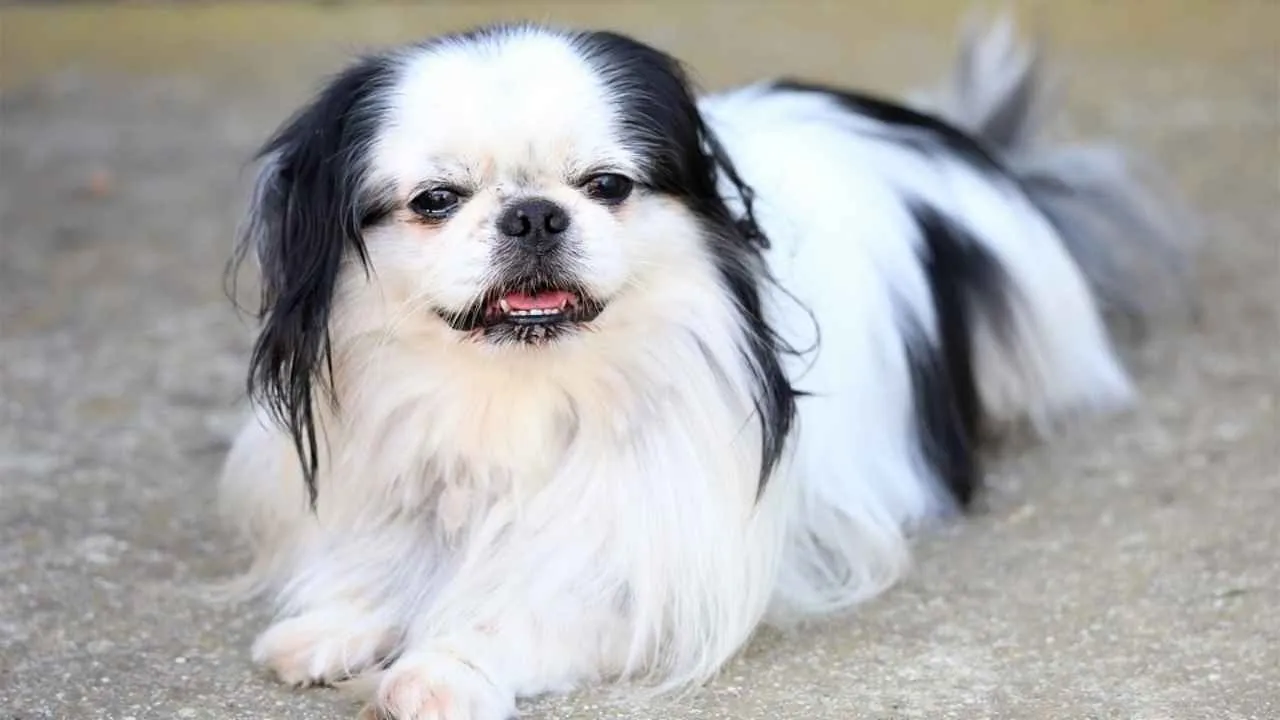
The ancestry of this ancient breed is unclear. However, it is believed that the forefathers came from China or Korea in either 520 or 732 AD. It arrived in the USA through Commodore Perry of the USA, who was on a mission to trade with Japan, as per Dog Australia.
It is a neonatal breed with a well-cushioned muzzle, round head, large, expressive, dark eyes, and a compact body, making the owner fall in love with it instantly. It is a temperature-sensitive breed and gets easily exhausted from long runs and intense heat.
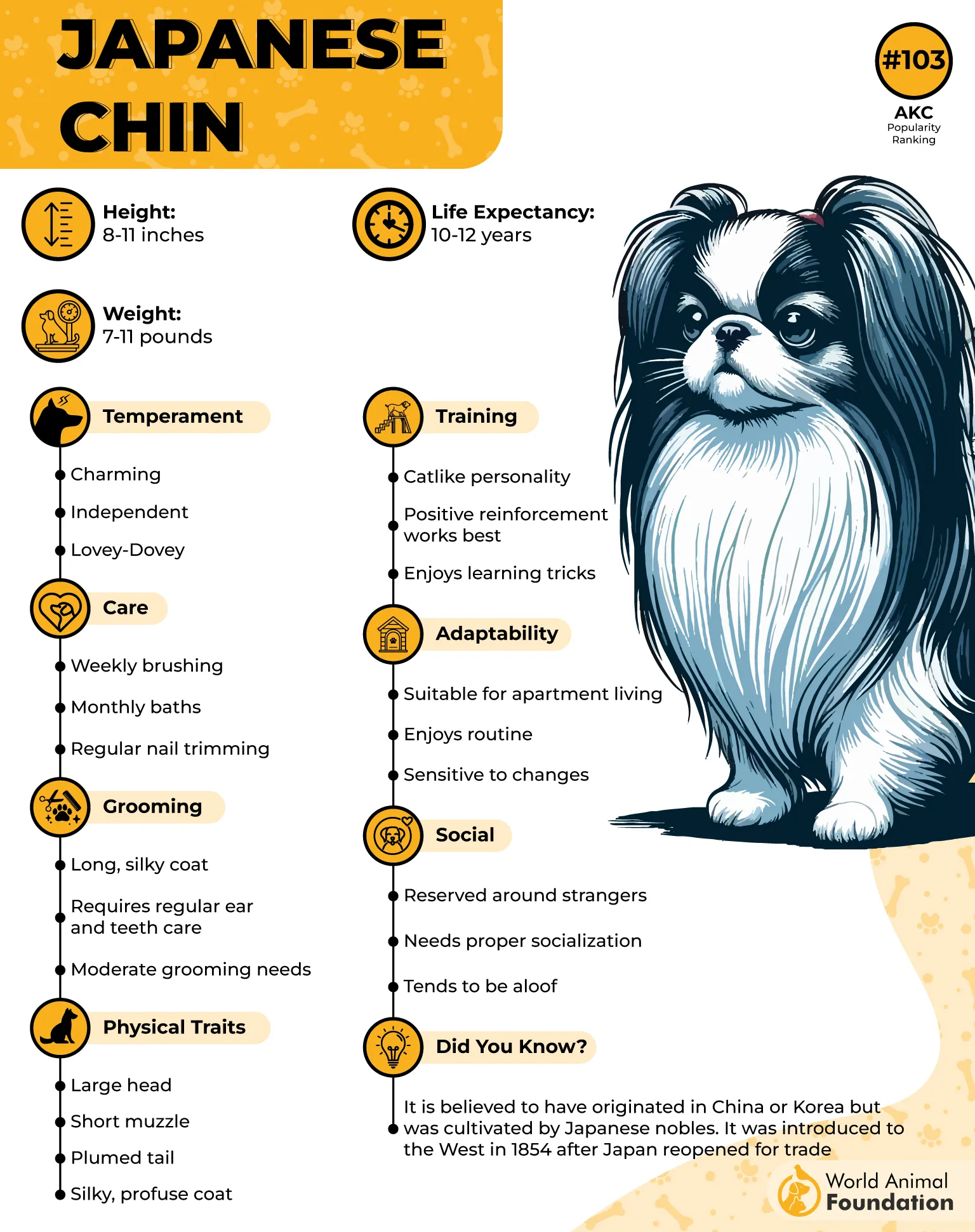
This low-energy breed has a cat-like personality and chooses one vantage point to sit on calmly and keenly observe its surroundings. It needs 20-30 minutes of low-impact exercise: short walks and indoor play.
4. Pug
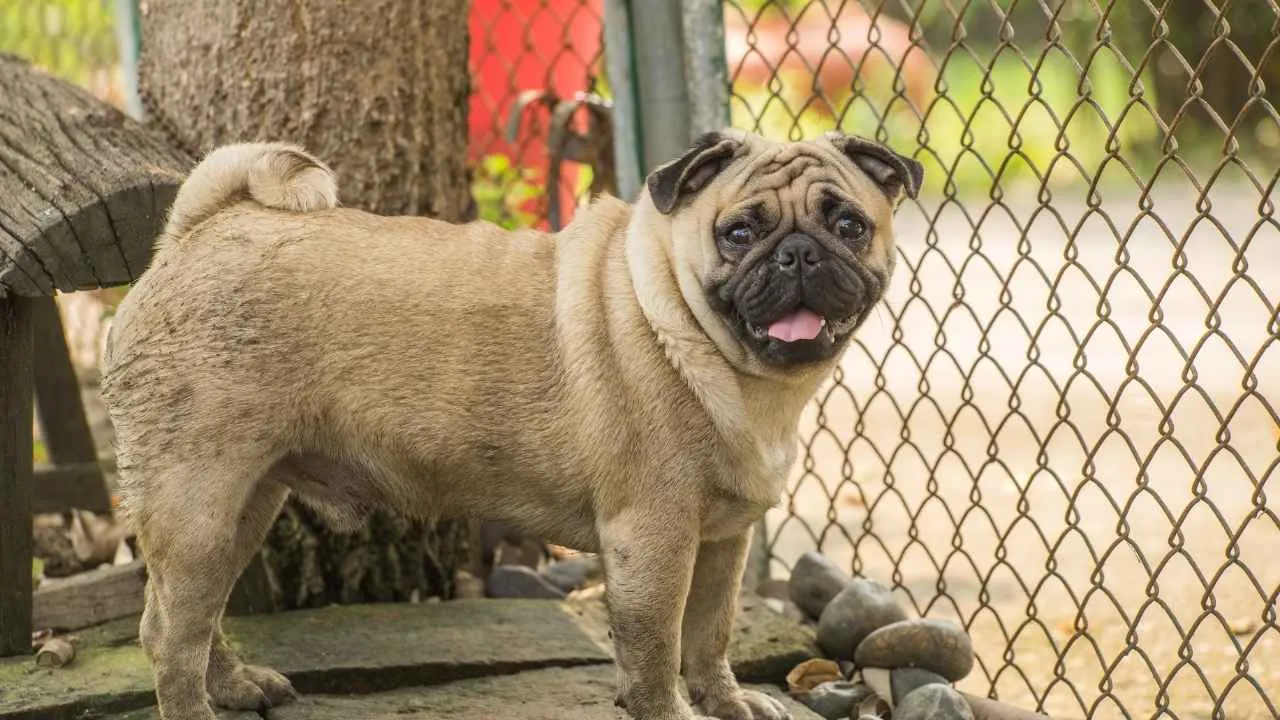
This is one of the oldest breeds and was developed in ancient China during the Han dynasty (206 BC to 200 AD). It was specifically bred to be the lap dog of the Emperor. It was bred by crossing the Lo-sze, the Pekingese, and the Lion Dog. These dogs were kept by the Buddhist monks as well.
It is a compact breed with heavy and thick bones and massive weight, making it harder to jump or run faster. Thus, it prefers staying on the couch mostly. It has narrowed airways and can not use panting to thermoregulate; it thrives less in outdoor adventures.
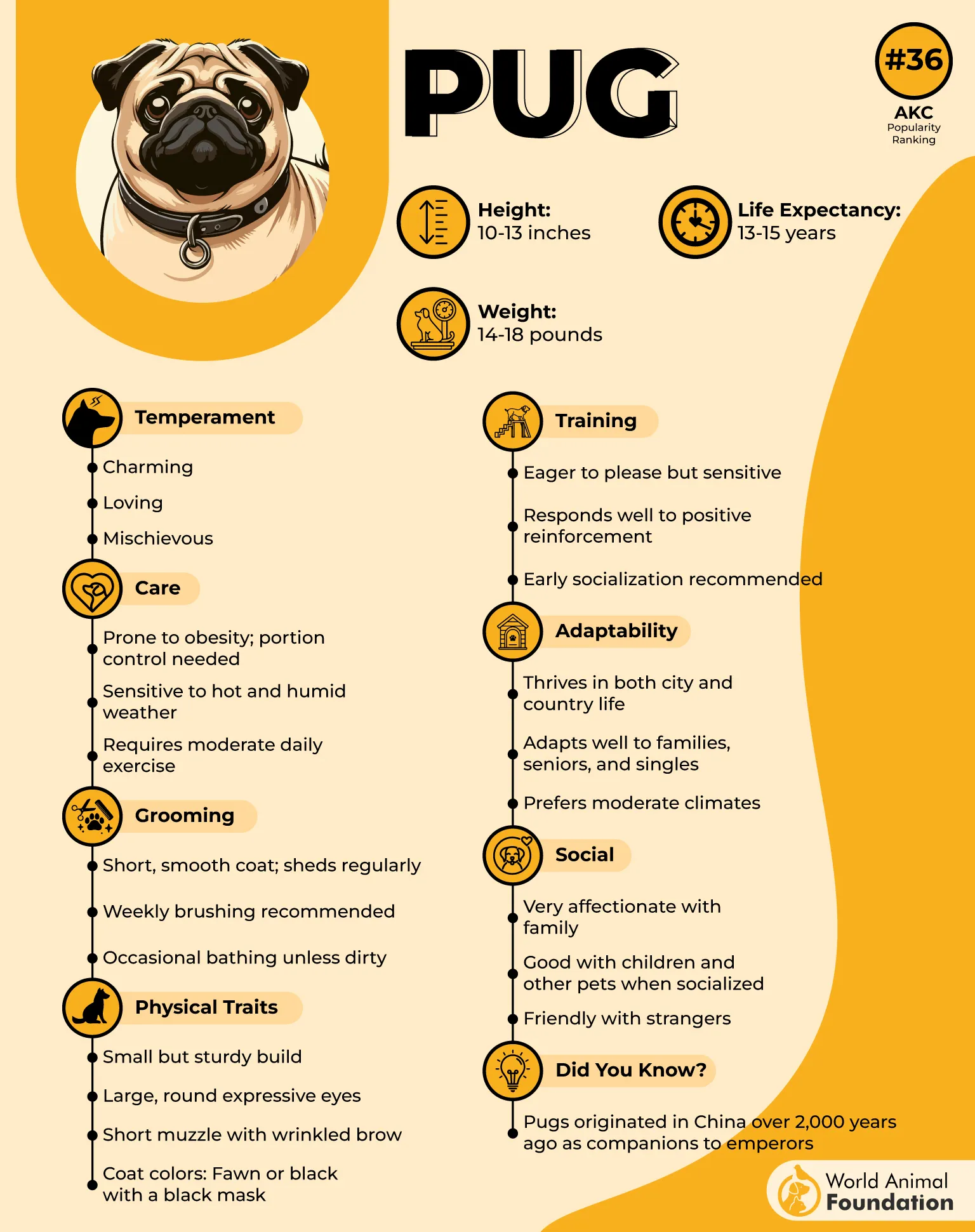
The affectionate and calm dog needs daily 30-45 minutes of physical and mental stimulation: 2 walks each day (split into 15 minutes), hide-and-seek, gentle fetching, puzzle toys, and scent game.
5. Clumber Spaniel
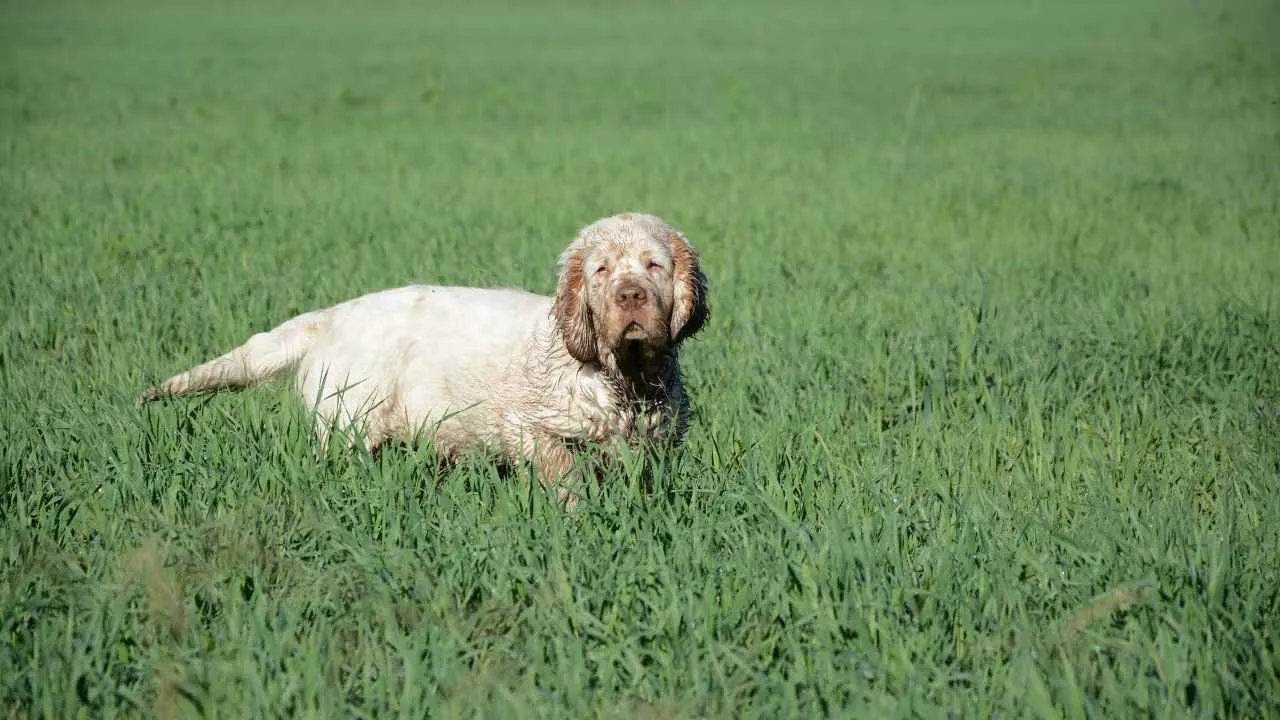
A Duke from Clumber Park and his gamekeeper, William Mansell, developed the modern-day Clumber Spaniel in the 19th century. It is a bird dog that excels both on the hunting field and the couch. It participated in one of the earliest dog shows in Great Britain.
Its role was shifted from a hunting dog to a couch potato over the years. Because of its double coat, it excels in cold climates, but may face health risks in summer. It has a slow and lumbering gait; thus, it is not ideal as a jogging or running partner.
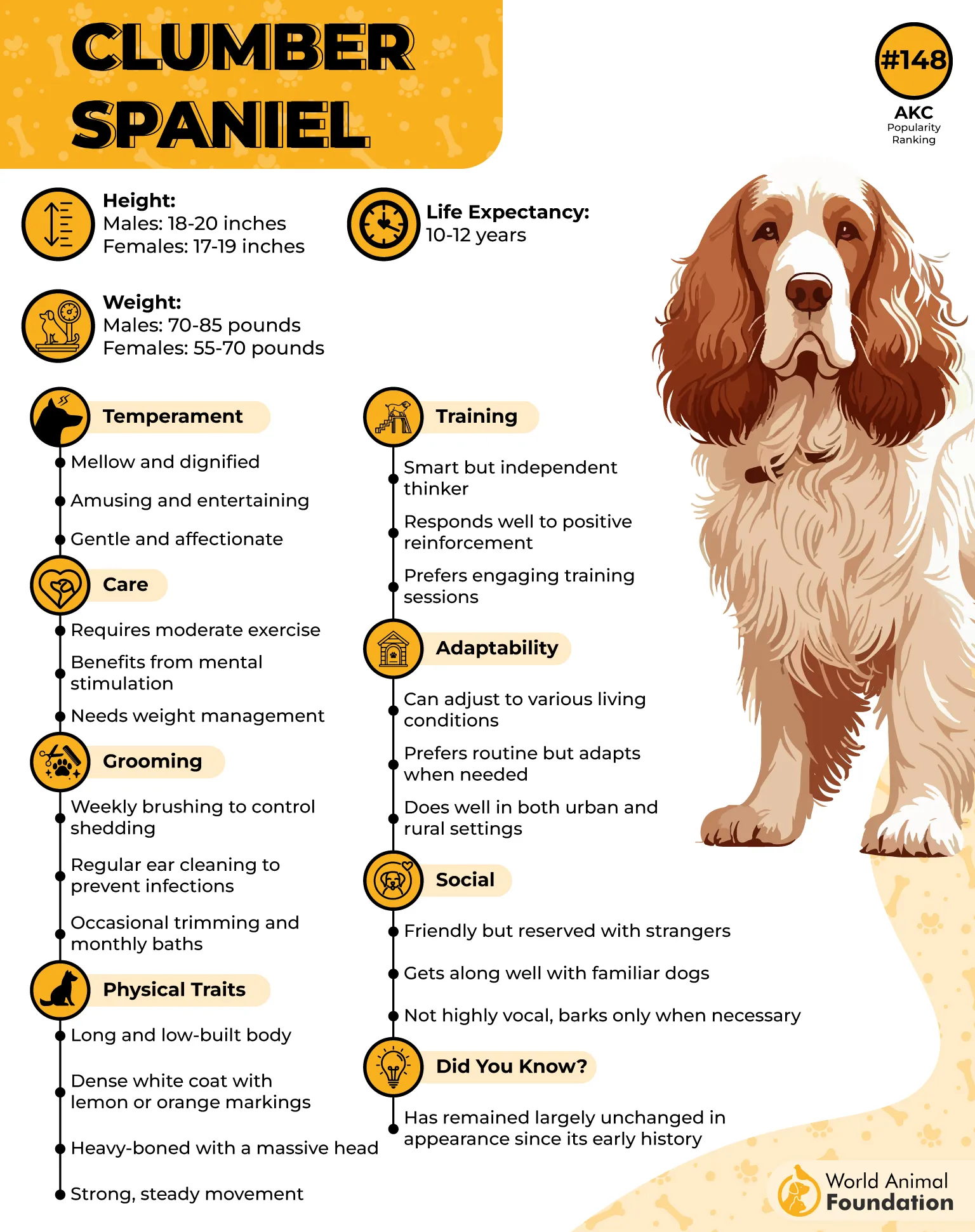
It needs 3-60 minutes of daily exercise: walking (30-45 minutes), sniffing air, fetching, swimming, and puzzle toys. Keep it on-leash since it has strong hunting instincts, and it will start following interesting scents.
6. Saint Bernard
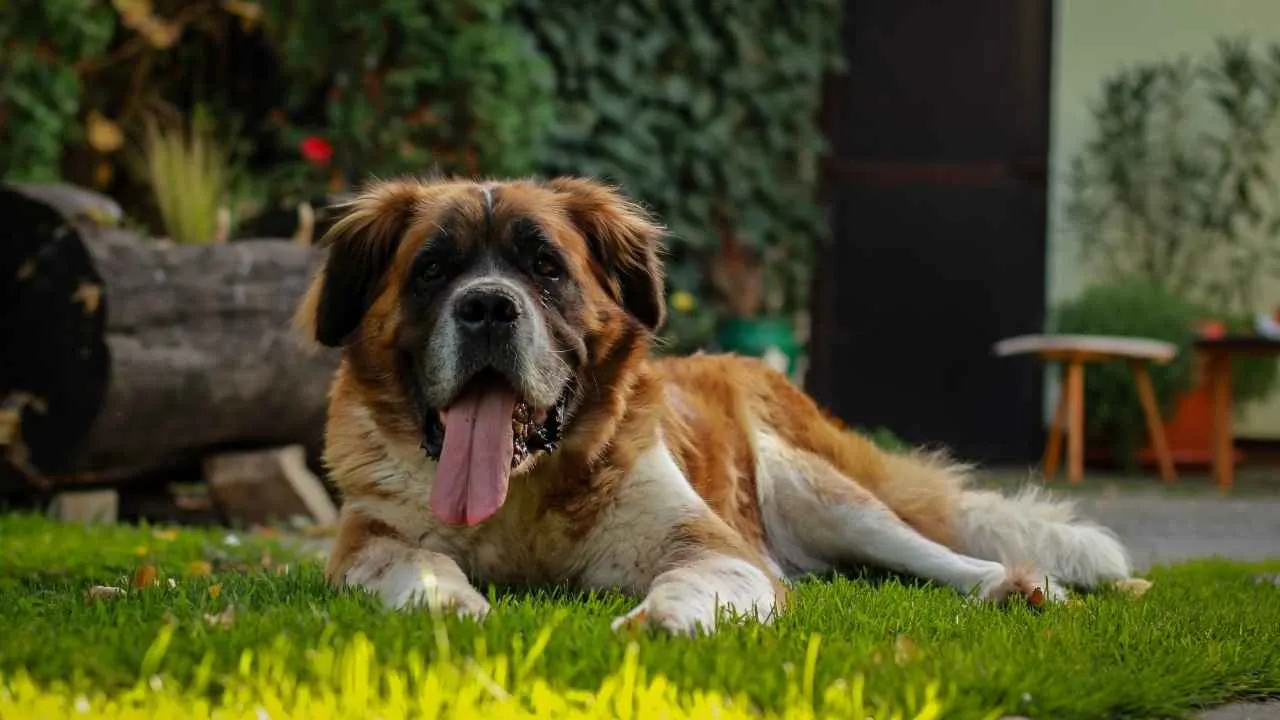
The great St. Bernard Hospice was built by Archdeacon Bernard de Menthon in the 11th century. It was not until the 17th century that the hospice began to use mastiff-like dogs to protect the families and property of the region. This mastiff-like dog was then bred with the local Alpine dogs, resulting in the St. Bernard dog, says UKC.
The heavily muscled breed is built for steady pulls and gets easily tired of fast play. It has a low metabolism, so there is little need for long runs. The massive weight compared to body also makes walks slower, quickly tiring the breed. It can sleep for 16-18 hours a day.
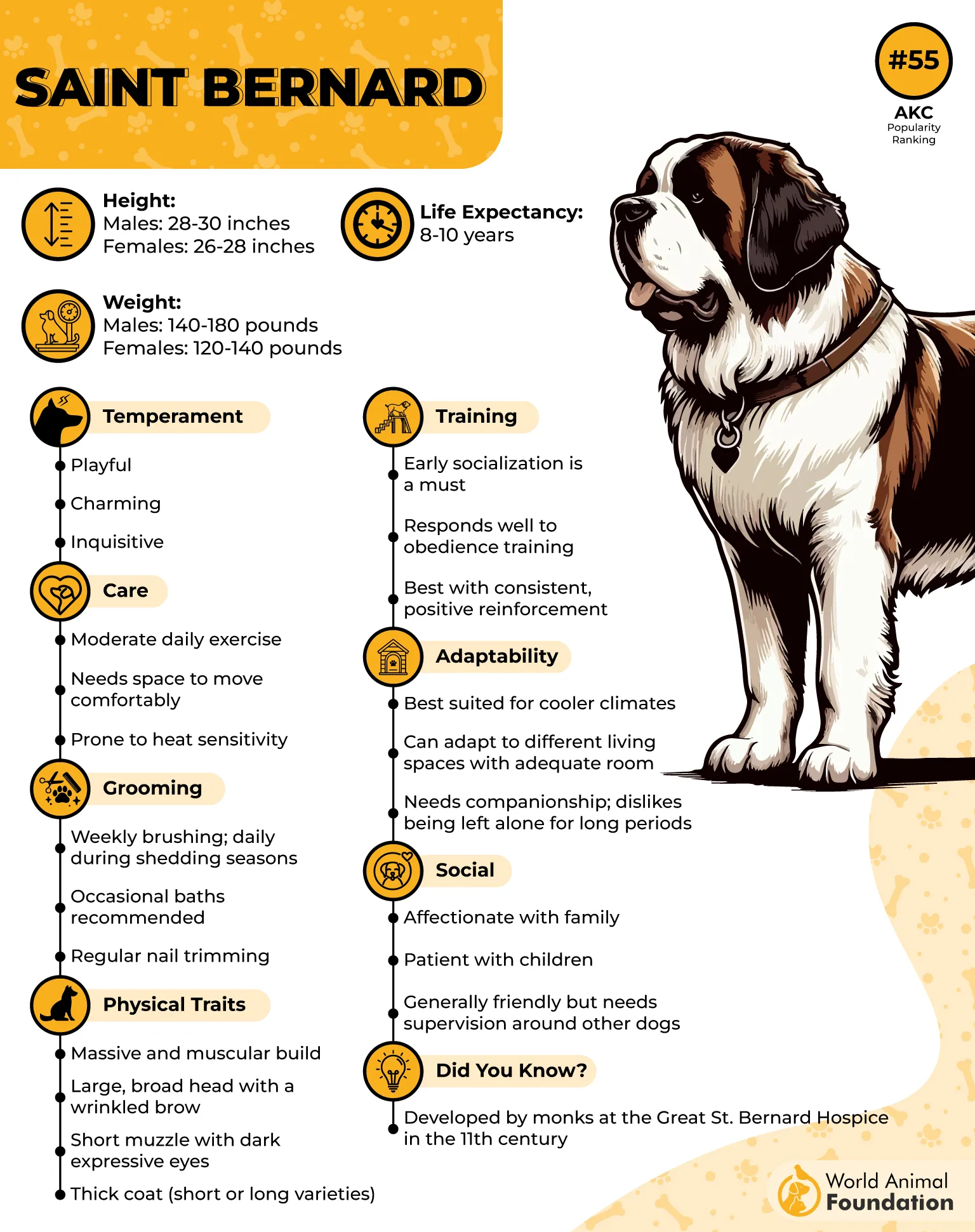
It is a low-energy breed and needs 20-30 minutes of daily exercise and mental stimulation: split walks, indoor playtime, soft fetching, and swimming. Avoid physical activities, such as running, jumping, or long walks on hard surfaces.
7. Newfoundland
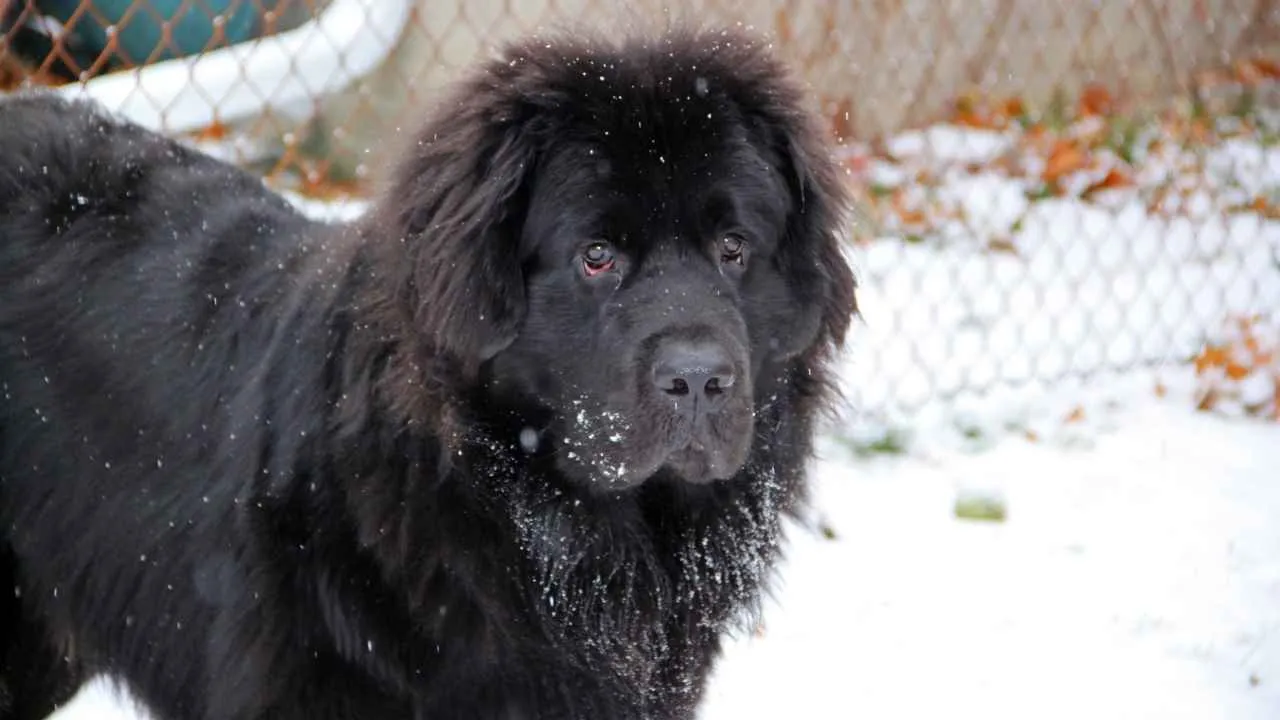
The dog shares its characteristics with the Mastiff and the Saint Bernard. The breeding began in the 16th century with the Portuguese Fishermen’s Mastiff. Its primary goal was to haul nets, swim, and pull carts for the fishermen. The gentle giant excels in water because of its thick, double coat and webbed feet.
It has a low centre of gravity that keeps it steady. Because of its sweet disposition and gentle nature, it makes an excellent family pet. It may develop separation anxiety when left alone for too long. Despite having an independent streak, it is highly intelligent and trainable.
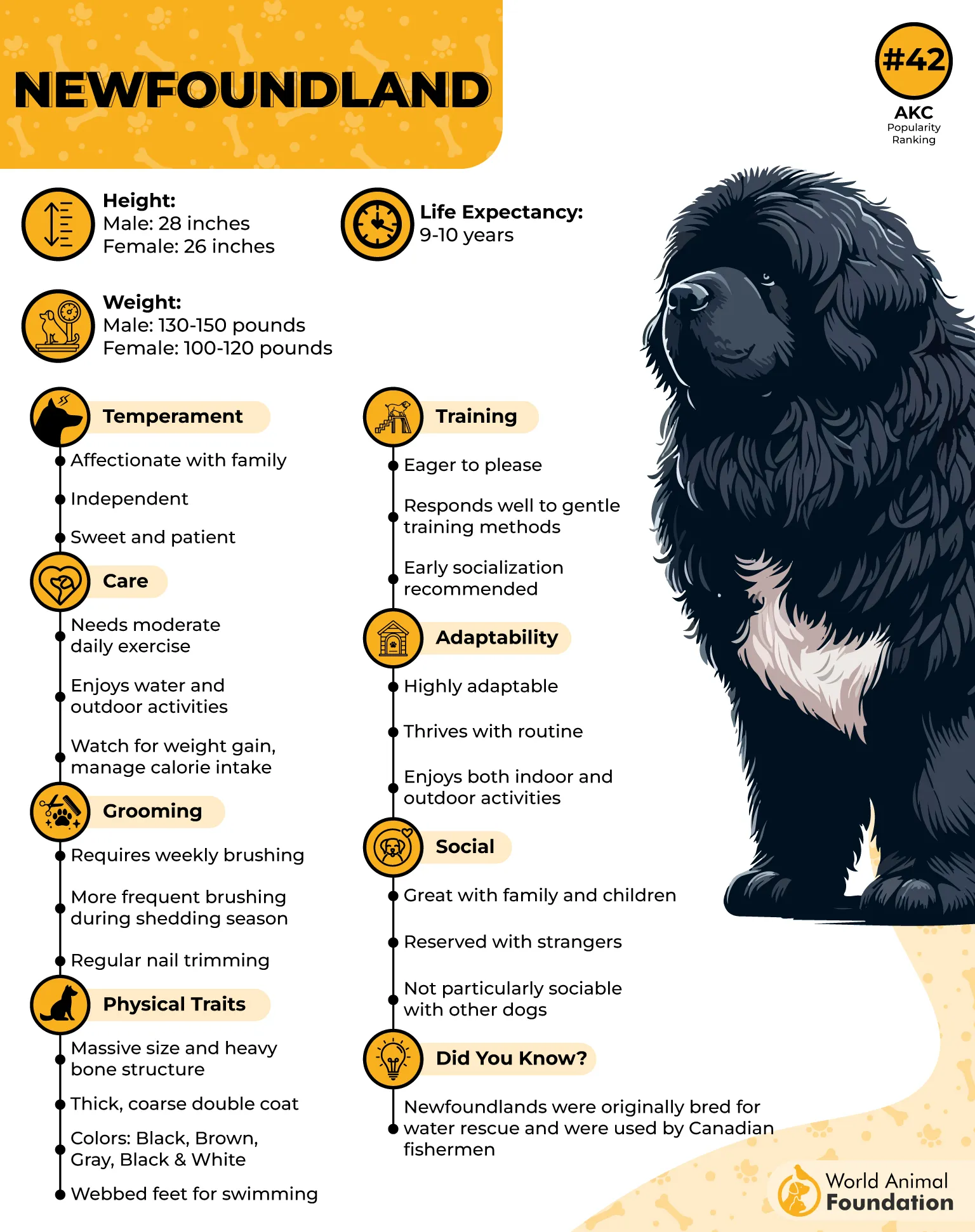
The breed needs moderate exercise for 30-60 minutes: walking, swimming, and gentle play. Avoid hard running and jumping for puppies (because of the developing joints) til they reach 2 years of age. Keep the sessions short and non-repetitive to avoid boredom,
Conclusion
A couch-loving family does not need a lazy dog. It needs one with the right balance of calm energy, affection, and adaptability. The Bolognese, Shih Tzu, Japanese Chin, Pug, Clumber Spaniel, Saint Bernard, and Newfoundland each bring something special to quiet homes. Some love gentle play before settling beside you, while others seem happiest simply sharing your space.
No matter which breed steals your heart, remember that every dog still needs regular walks, mental stimulation, healthy food, and lots of love. Choose a companion whose personality fits your daily routine, and your sofa may become the favourite place for your entire family; four legs included.
