




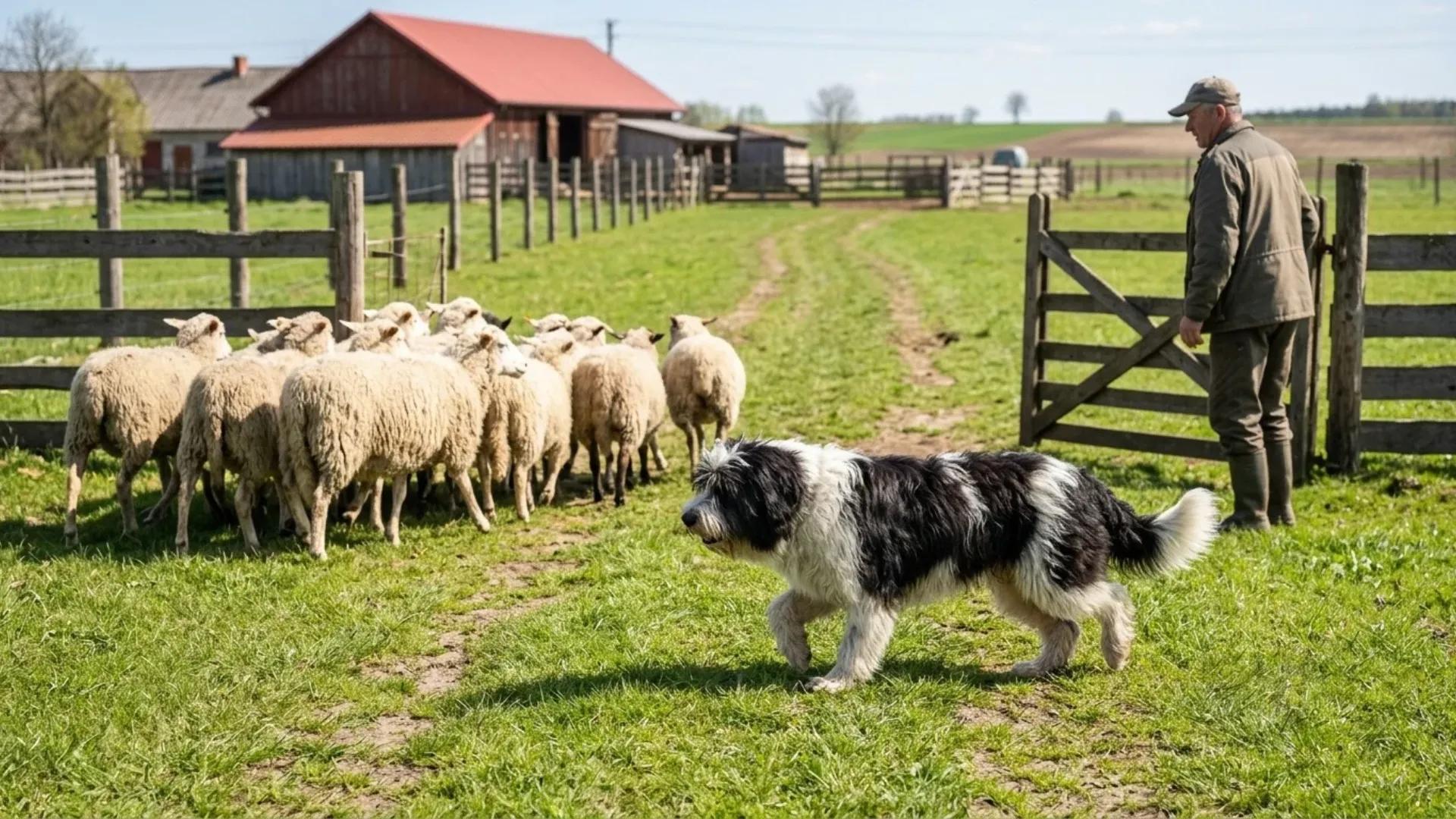
Herding breeds were developed to manage livestock such as cattle, sheep, and reindeer. Until 1983, the AKC’s herding breeds were part of the Working group. These dogs have a natural instinct to control the movement of other animals.
Beyond moving livestock, these versatile pooches guard farm animals, protect property, and alert the farmer when something goes wrong. They often do all of this with minimal direction.
Herding dogs are usually highly intelligent and energetic, and their strong work ethic means they thrive on having a job to do.
Keep in mind that herding breeds have a natural urge to chase anything that moves. Plenty of regular exercise and early socialization can help you manage that drive.
Here are nine of the top dog breeds built for ranching and herding.
Dominant Dog Breeds Built for Ranching and Herding
1. Briard
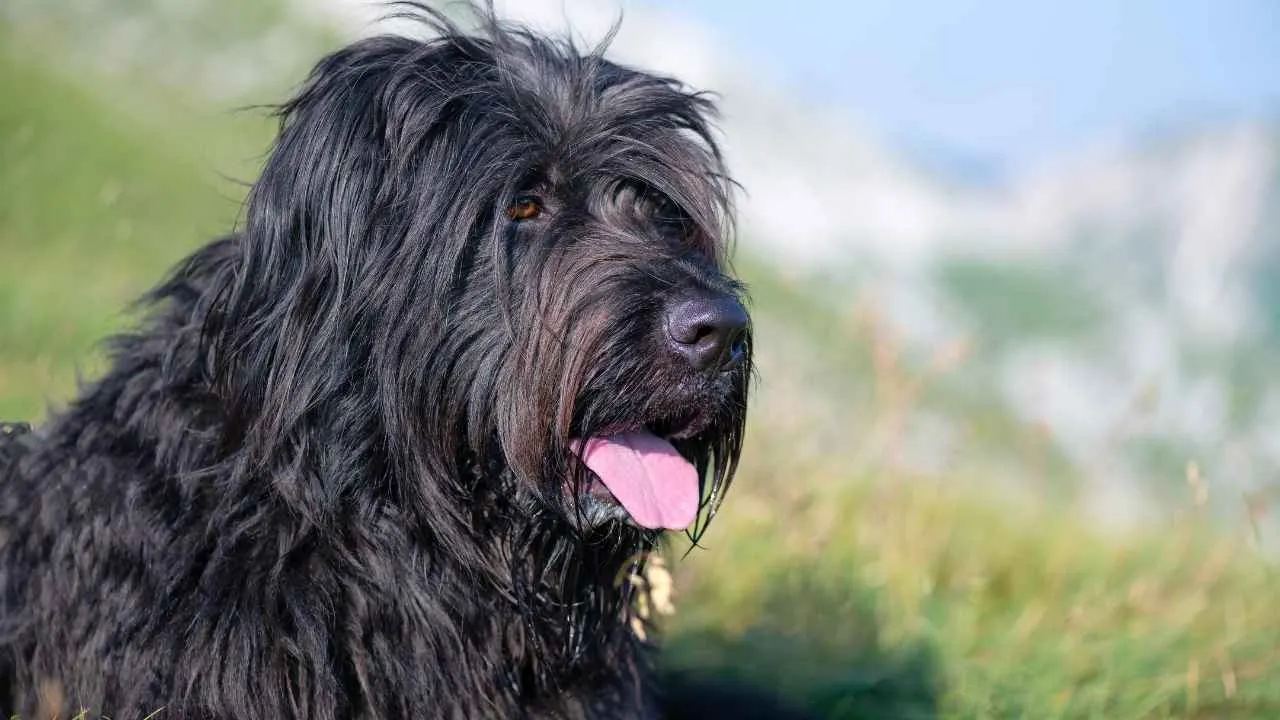
Briards are an old herding breed from France. Known for their rugged appearance and star-studded history. You can see them in tapestries alongside Emperor Charlemagne. Napoleon Bonaparte was also a fan of this breed.
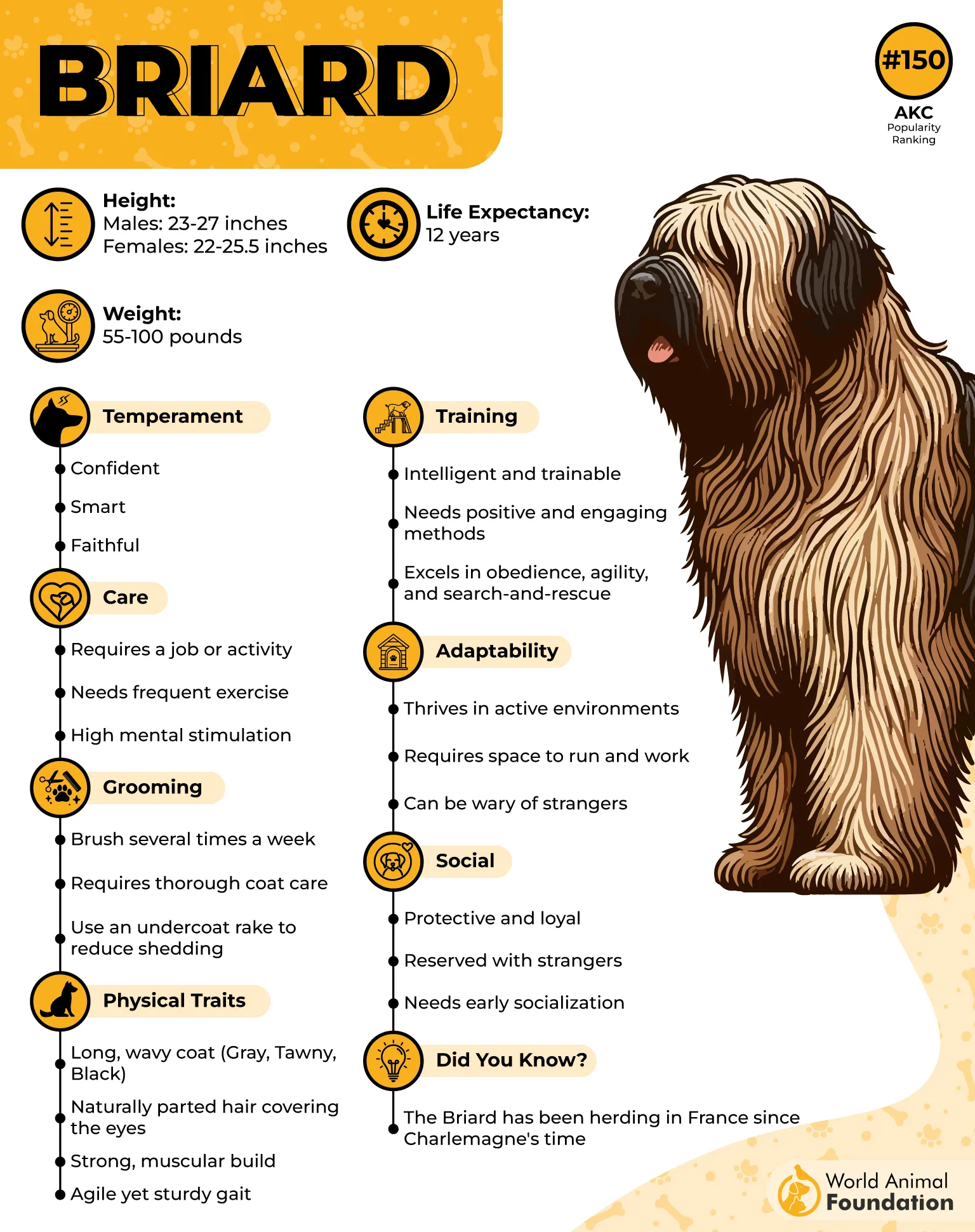
Their physical prowess and temperament make them ideal for guarding and herding cattle. Briards are large, powerful, and muscular dogs with strong herding instincts. Their temperament is a fascinating mix of intelligence and independence, which makes them perfect for working on a ranch or farm.
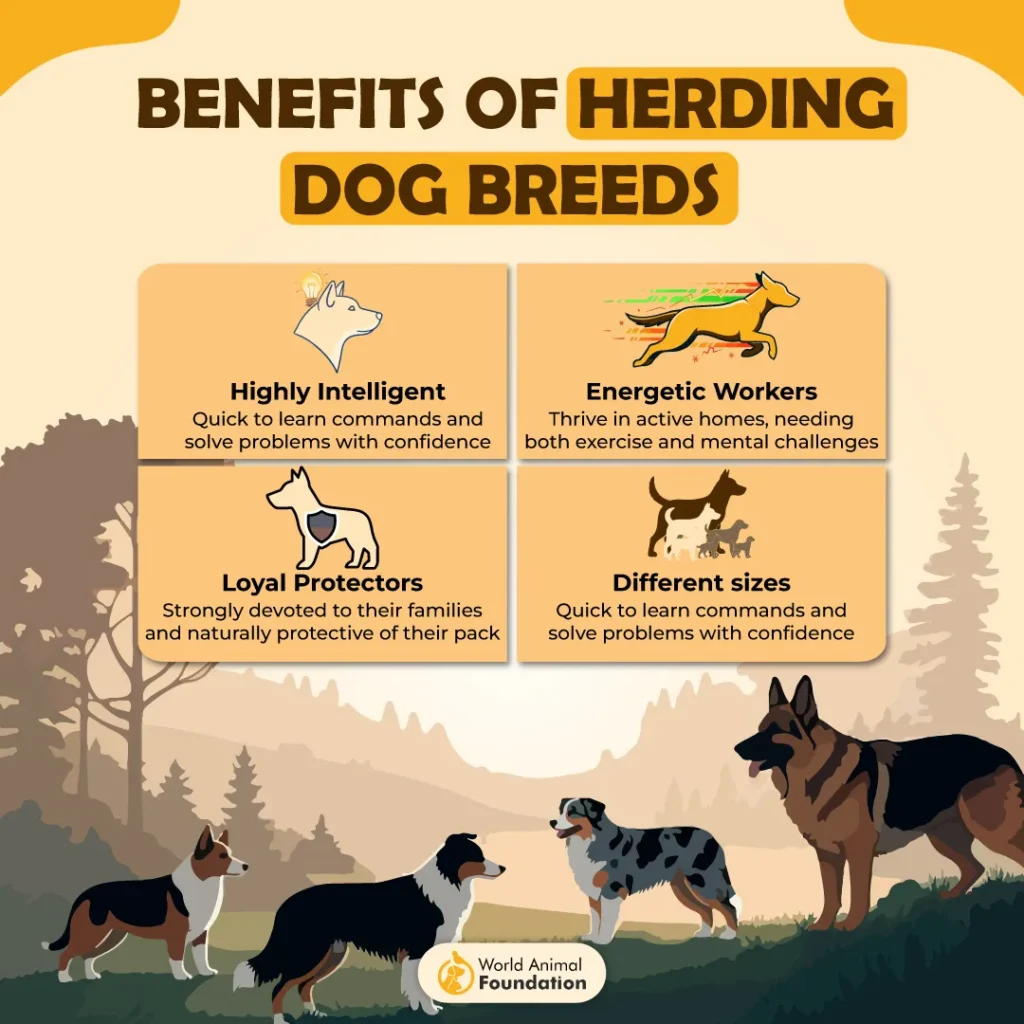
Having a rich history as working dogs, Briards may try to herd small children sometimes and may be a bit wary of strangers. Their thick and wavy double coat protects them against weather and rough terrain. Briards are highly driven dogs who thrive on daily exercise and time with their people.
Briards make wonderful companions for bikers, hikers, and joggers, according to the American Kennel Club. Chasing a tennis ball thrown by their owner is also a great way to burn off excess energy.
2. Australian Shepherd
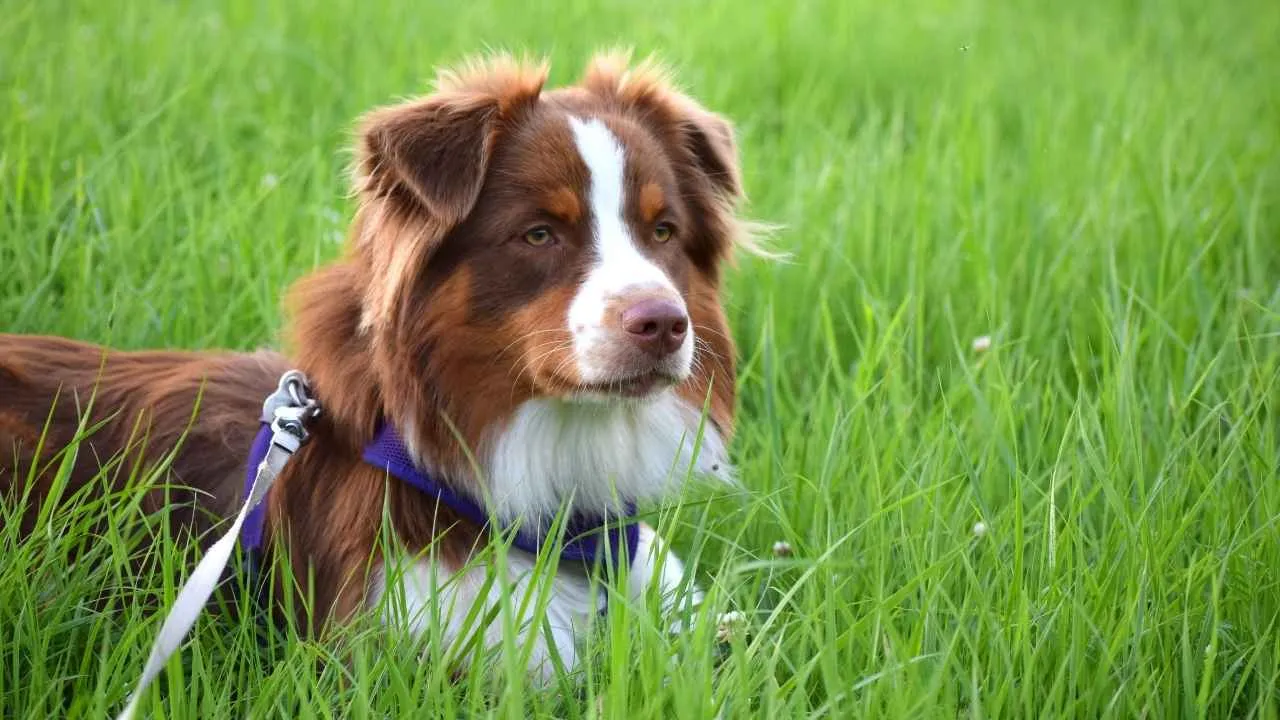
Australian Shepherds are lean and tough ranch dogs, prized for herding sheep and driving cattle. Thanks to their strong herding instincts, high intelligence, and adaptability, Aussies are quite popular among ranchers and farmers.
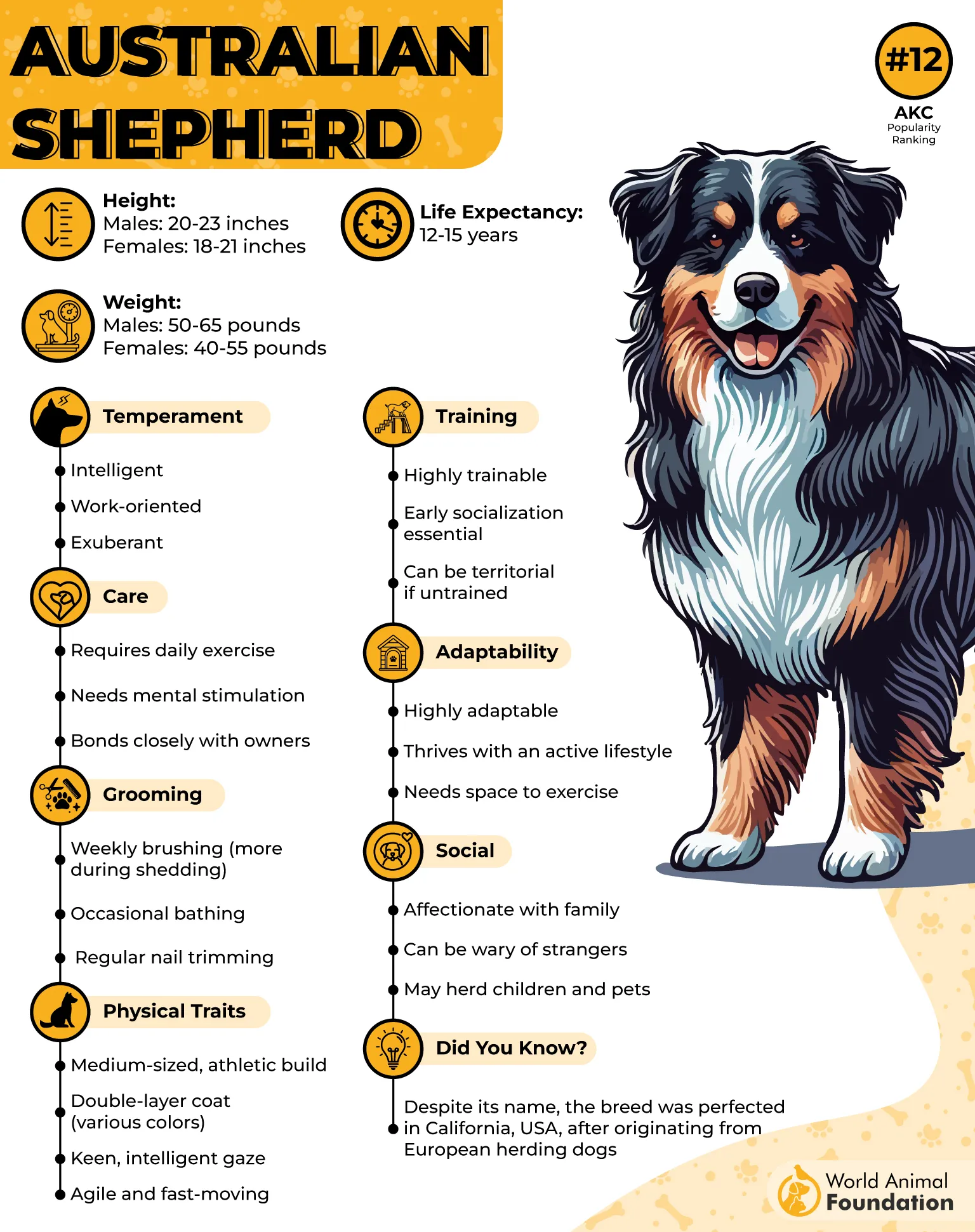
Their well-muscled bodies enable them to navigate rugged landscapes, while thick double coats provide adequate insulation from cold. Their tolerance for climate and altitude makes them well suited for working in rocky mountains, mentions Orvis.
Always looking for a job to do, Australian Shepherds are highly driven, energetic, and hardworking dogs. They are loyal and affectionate to their humans and pick up on new commands quickly. Australian Shepherds require two to three hours of daily exercise for physical and mental stimulation.
Thanks to their incredible stamina and high endurance, Aussies make great hiking and running companions.
3. Polish Lowland Sheepdog
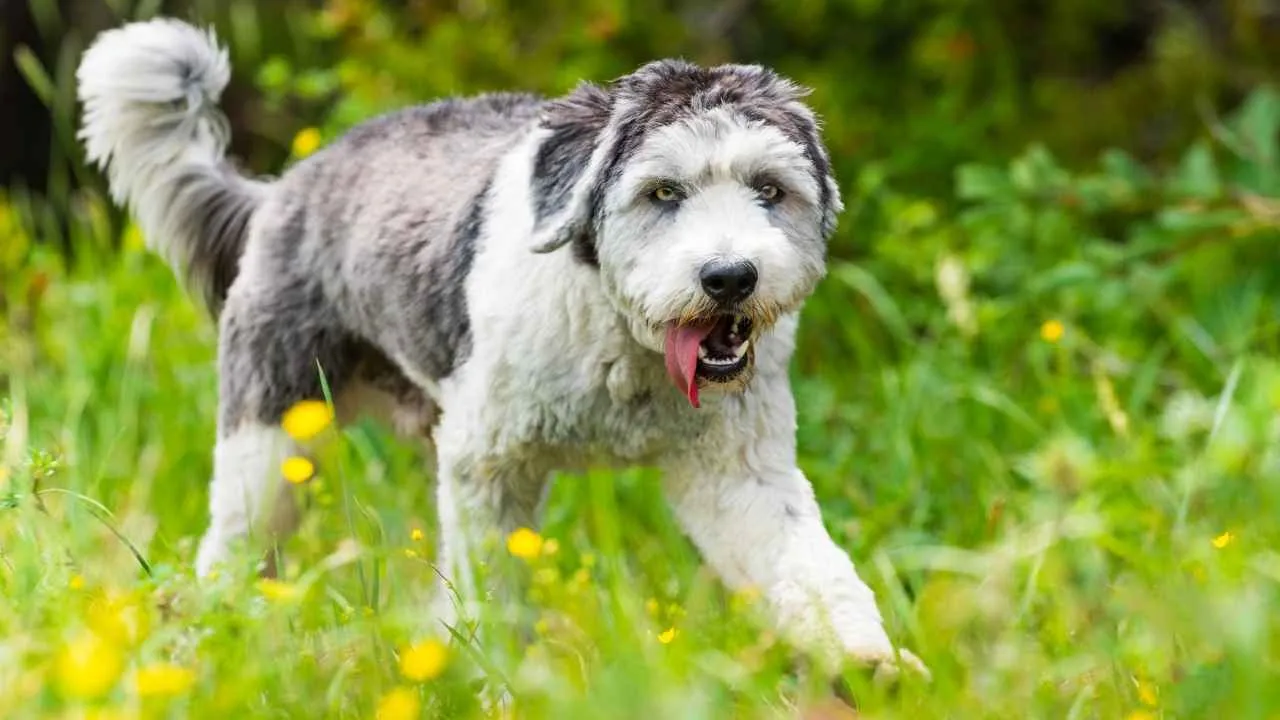
Sporting the signature ‘peekaboo’ hairstyle, Polish Lowland Sheepdogs are shaggy and muscular dogs with a rectangular outline. They have probably inherited their mop-like appearance from their Hungarian Puli ancestors.
Also known as Polski Owczarek Nizinny (PONs), these dogs were originally bred to guard and herd livestock. PONs are quick learners, sparkling with intelligence. They tend to be highly affectionate to their humans, but tend to be wary of strangers.
Being herding dogs, they are very active and athletic and need regular exercise on a daily basis. PONs bond closely to their humans and love to accompany them on long walks and hikes. Their agility, robustness, and independence make them ideal for ranching and herding.
However, PONs are better suited for experienced owners who can offer dedicated training and early socialization.
4. Bergamasco Sheepdog
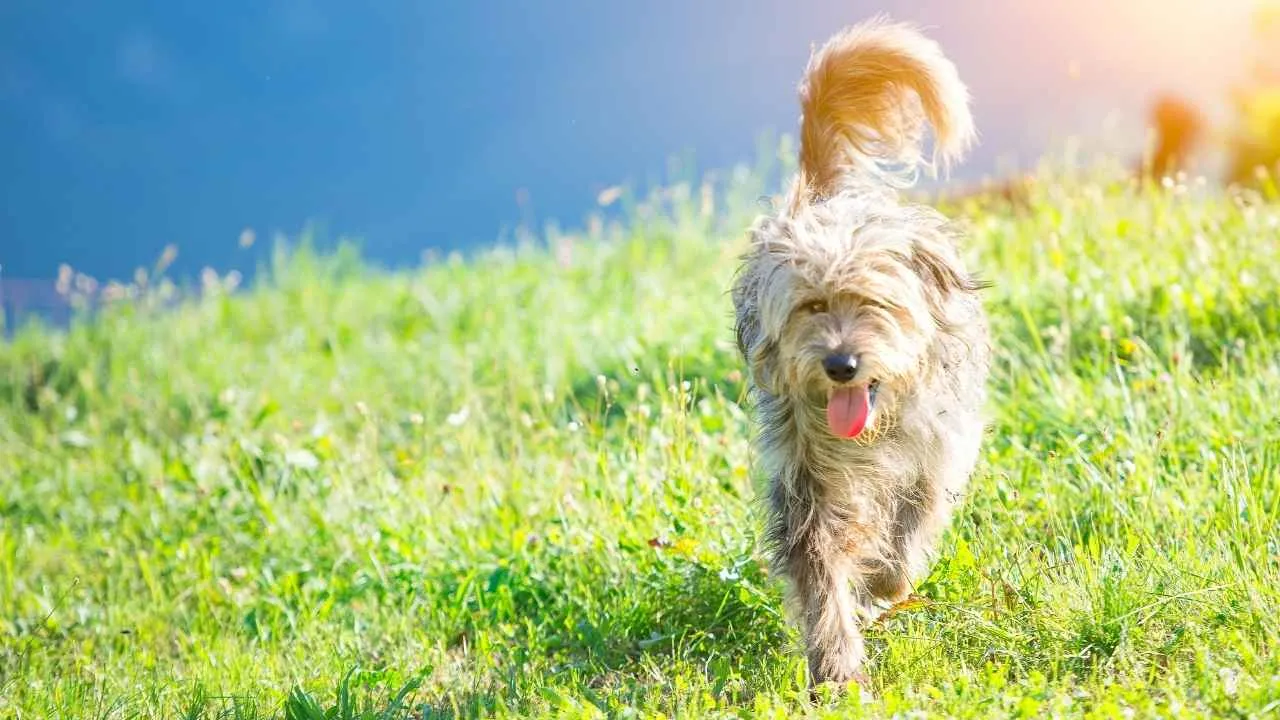
Bergamasco Sheepdogs are medium to large dogs from the Alps. Their well-muscled bodies are covered in a distinctive coat, which gives them a rustic and ungroomed appearance. The coat comprises hair of three different types that form naturally occurring mats of ‘flocks.’
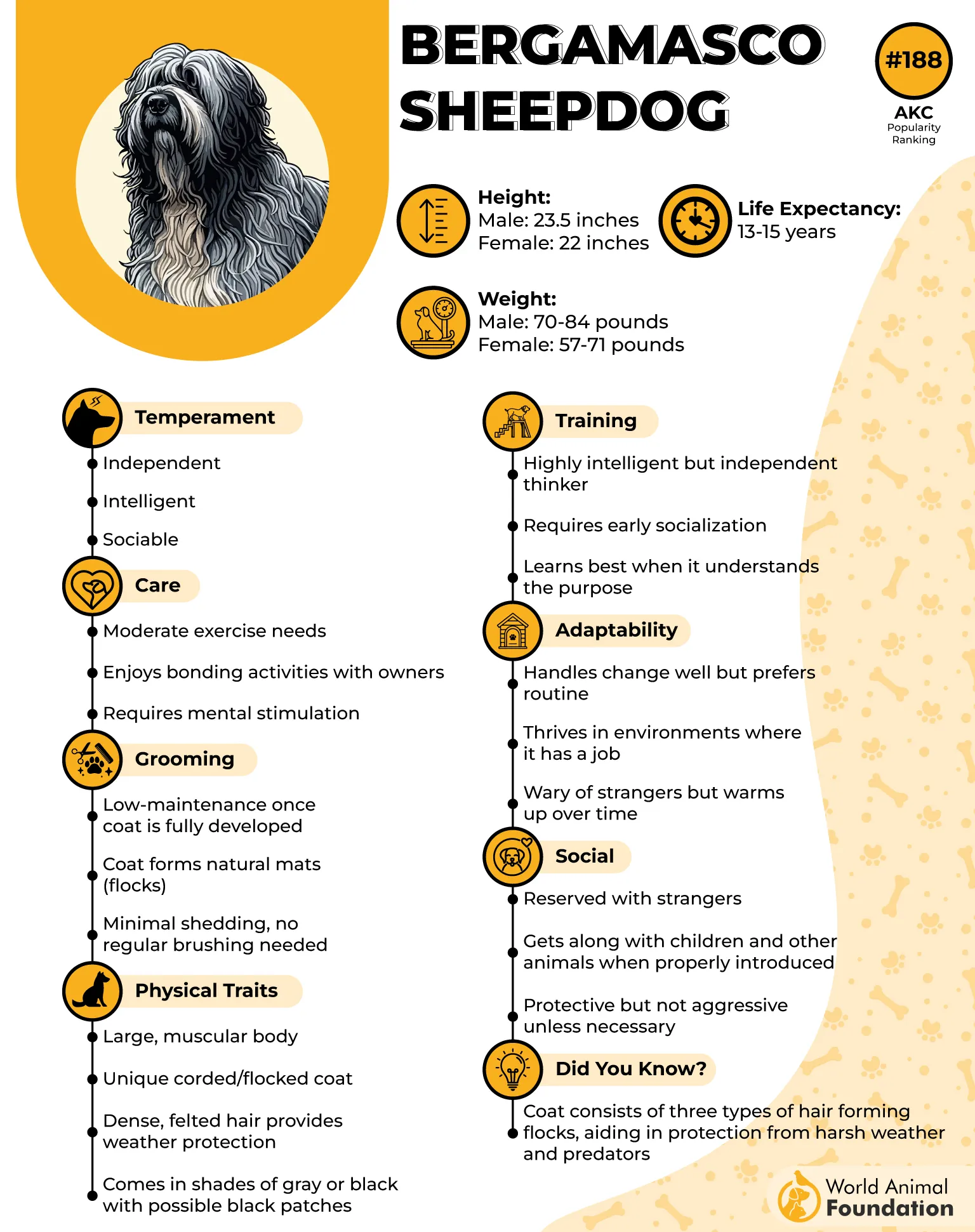
Their extremely long eyelashes keep the hair out of their eyes and protect them from snowblindness. The flocks are not only for good looks, but also provide protection from fierce cold and wild predators.
Their powerful build, speed, and agility make them well suited for working on farms and ranches. Bergamascos are loyal, bright, and trainable dogs. They were originally bred to herd and guard livestock, according to Purina.
Bergamascos also enjoy watching over their loved ones with a serene vigilance. They are naturally suspicious of strangers, so they need proper training and early socialization. If you are looking for a moderately energetic farm dog, consider adopting this breed.
Bergamasco Sheepdogs bond intensely with their people, so exercise should come in the form of mutual activity that strengthens the dog-owner bond.
5. Puli

Pulik (Puli is the singular) are highly driven dogs with an active and self-confident personality. These ancient Hungarian herding dogs can be distinguished by their unique, wooly, and corded coat that gives them a mop-like appearance and protects them from harsh elements.
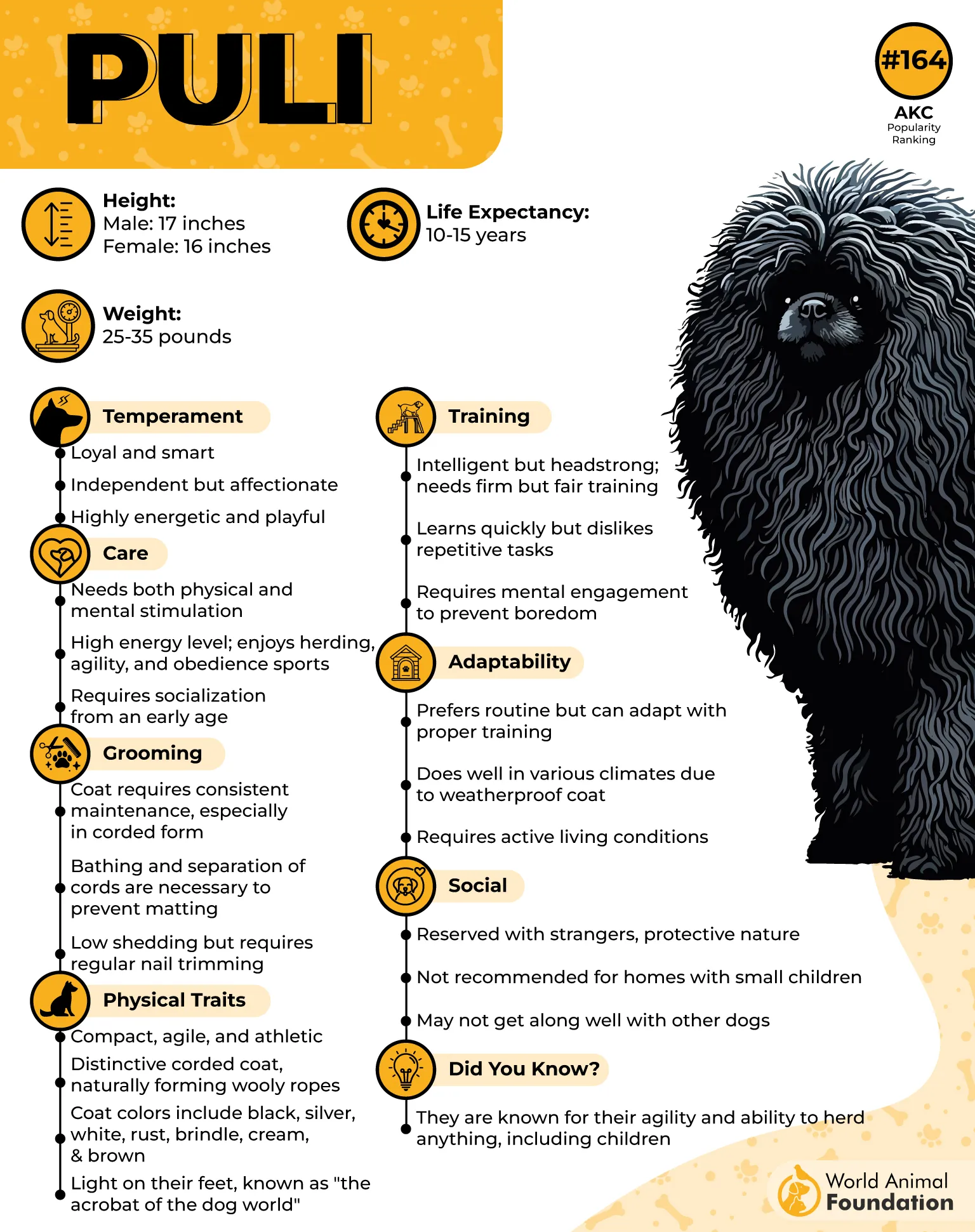
These dogs are highly affectionate and protective of their people, making ideal family companions and watchdogs. Pulik retain playfulness throughout their lives and are moderately active. Regular exercise and mental stimulation help keep them healthy and content.
Pulik are extremely intelligent dogs who make effective guardians for your family, flocks, and farm. Due to their natural instincts, Pulik may end up herding their own people and nipping at their heels. Proper socialization and early training can help manage this behavior.
Their coat does not need to be brushed. Cords are simply ‘organized mats’ that tighten up with time. You can separate the clumps by pulling them apart with your fingers.
6. Belgian Malinois
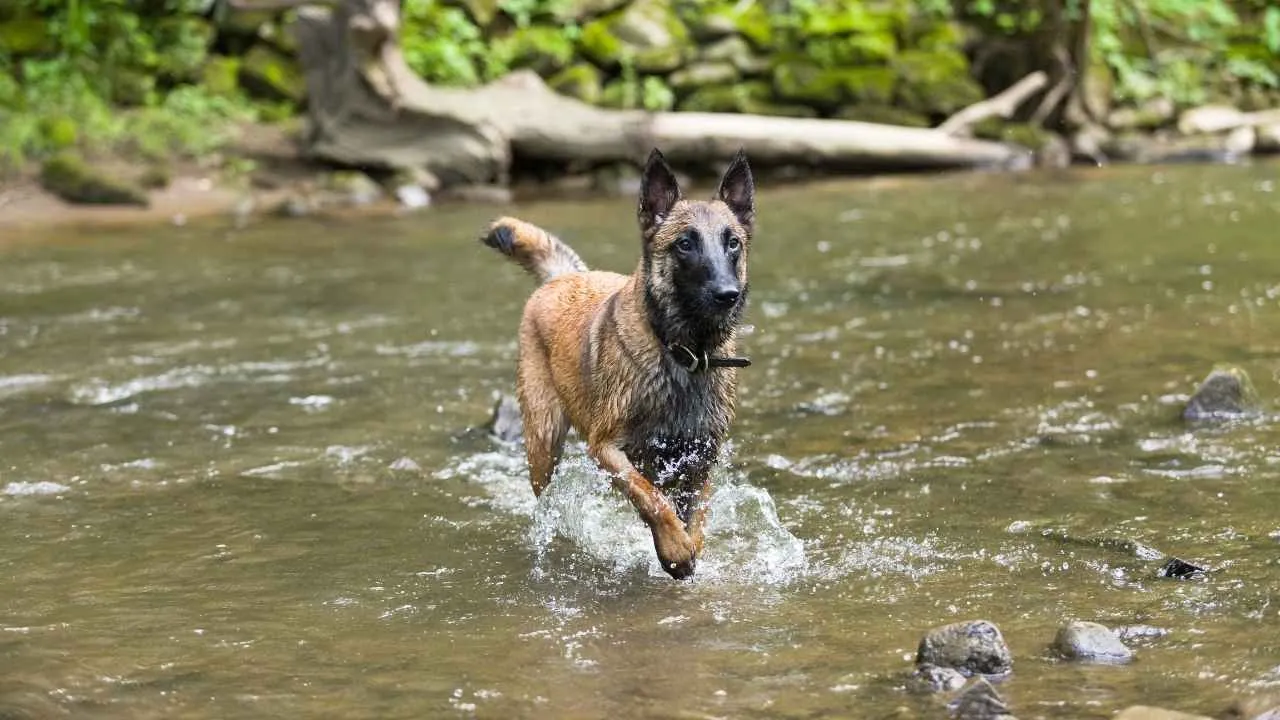
Belgian Malinois are confident, smart, and hardworking dogs that were originally bred to herd. However, they are frequently employed as police dogs, guard dogs, search and rescue dogs, and military dogs due to their high intelligence and trainability.
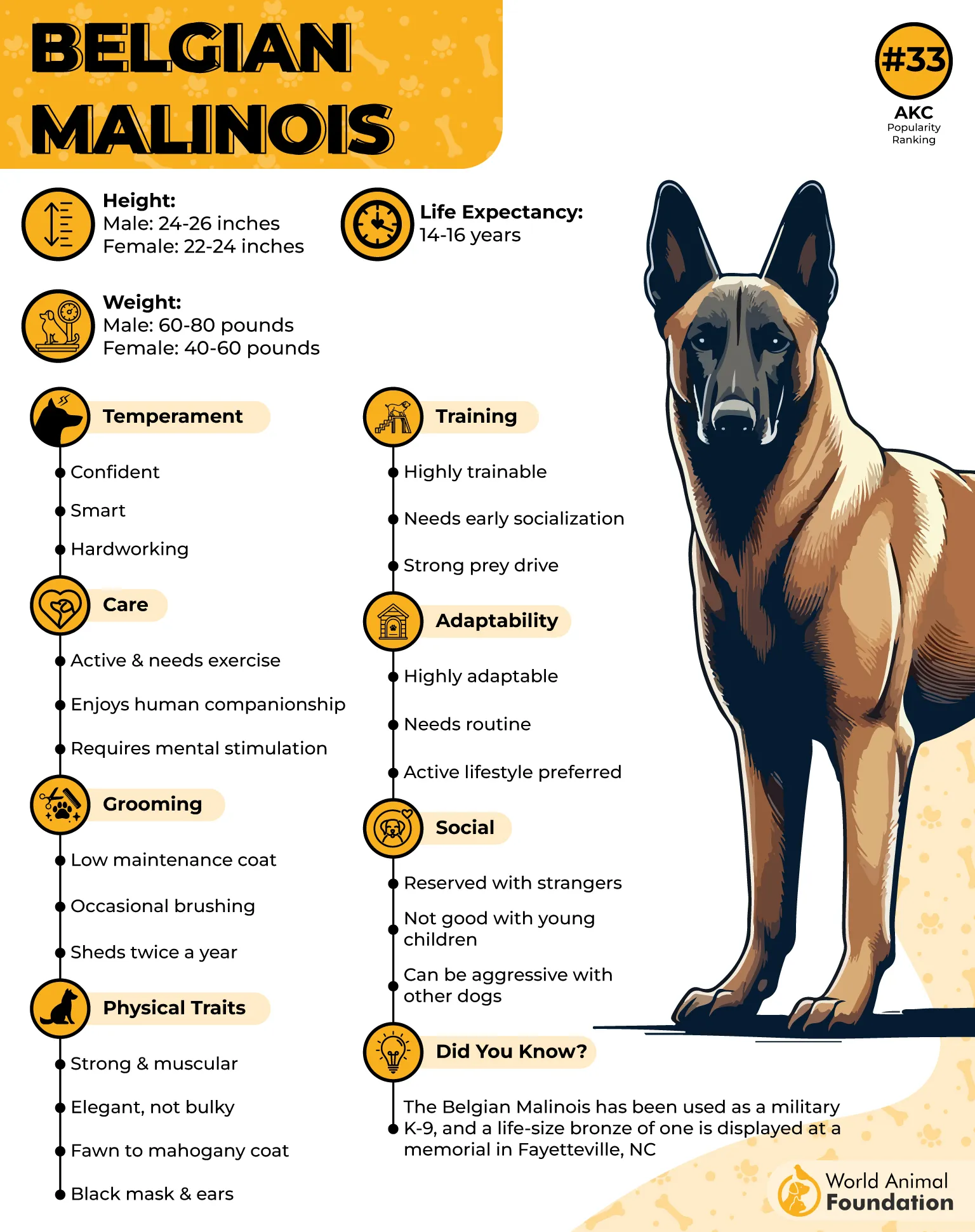
Known for their agility, endurance, and strength, these muscular dogs make great canine companions for ranchers and farmers. Belgian Malinois are immensely affectionate dogs who form an unbreakable bond with their humans.
They are exceedingly devoted to their humans and are very protective of them. Malinois tend to be naturally wary of strangers and do not let them enter their territory. These athletic dogs require lots of daily exercise for physical and mental stimulation. They have a low-maintenance coat.
Belgian Malinois also excel at a variety of canine sports, including agility, obedience, tracking, and herding competitions.
7. Beauceron
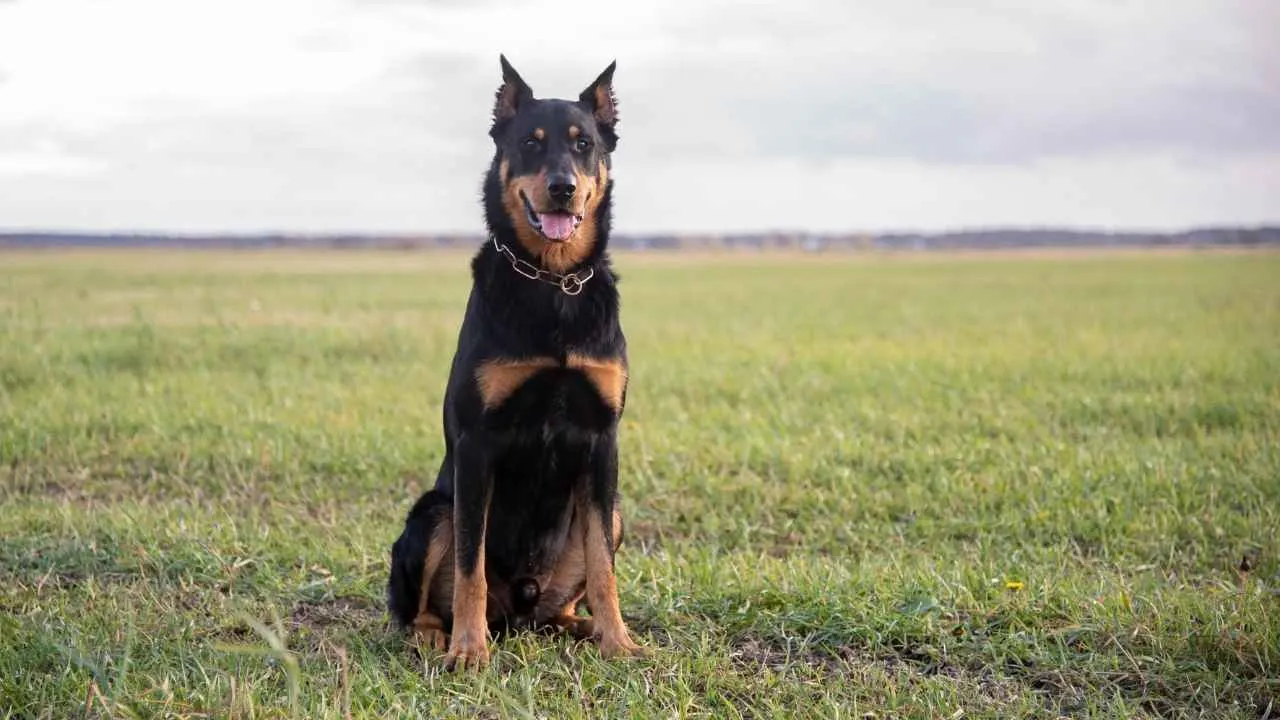
Also known as French Shepherds, Beaucerons were bred to help farmers protect and herd sheep in central France. Their skills enabled them to work outside the farms and ranches as well. Beaucerons served as military dogs in World War I.
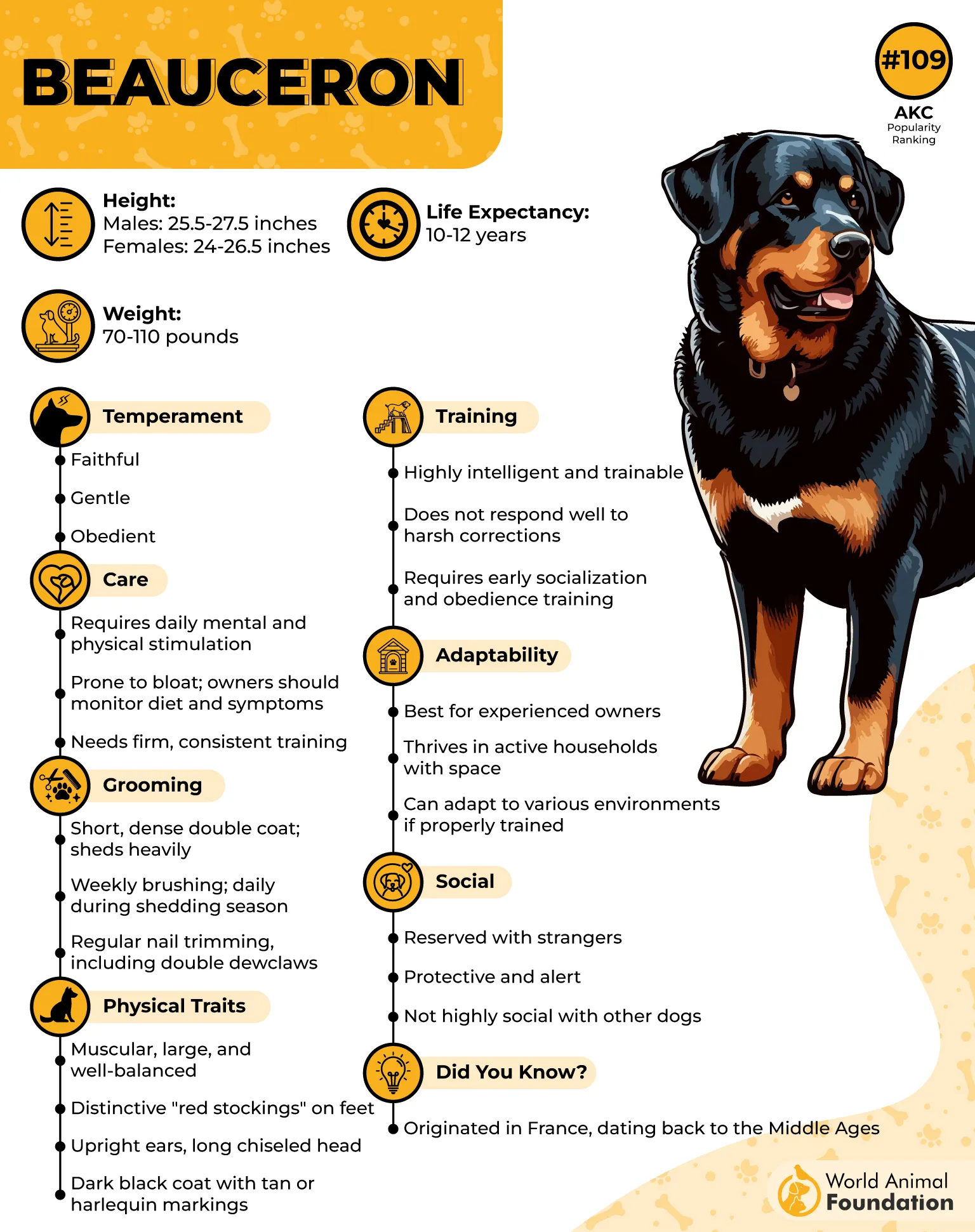
Their rich historical background is reflective of their stamina and smarts. Beaucerons have an easy-to-maintain coat and need at least two hours of daily exercise for physical and mental stimulation. They are generally healthy dogs.
However, they are also prone to certain health issues like all other breeds. Beaucerons may suffer from hip dysplasia, GDV, and allergies. Their physical strength and independent streak make them unsuitable for first-time owners.
8. Bearded Collie
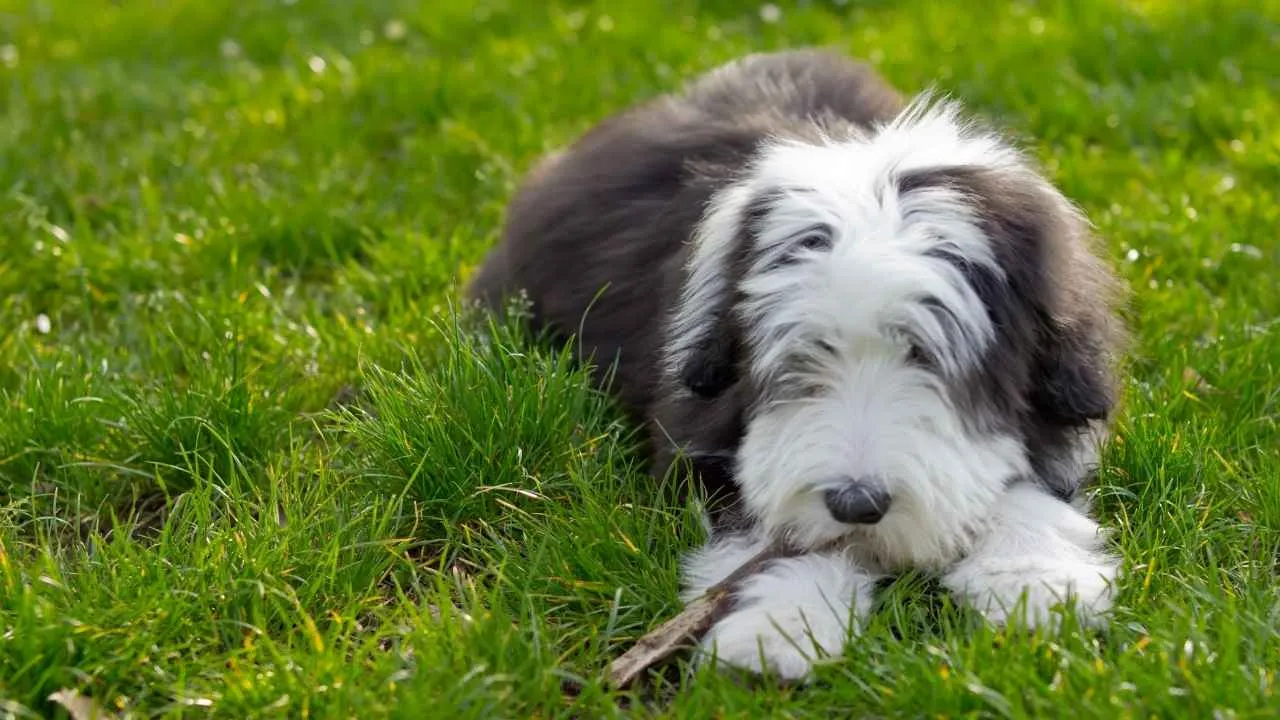
Bearded Collies are medium-sized herding dogs from Scotland. Affectionately known as Beardies, these collies are highly energetic working dogs. Bearded Collies can be instantly recognized through their shaggy coats that form a beard around their muzzle.
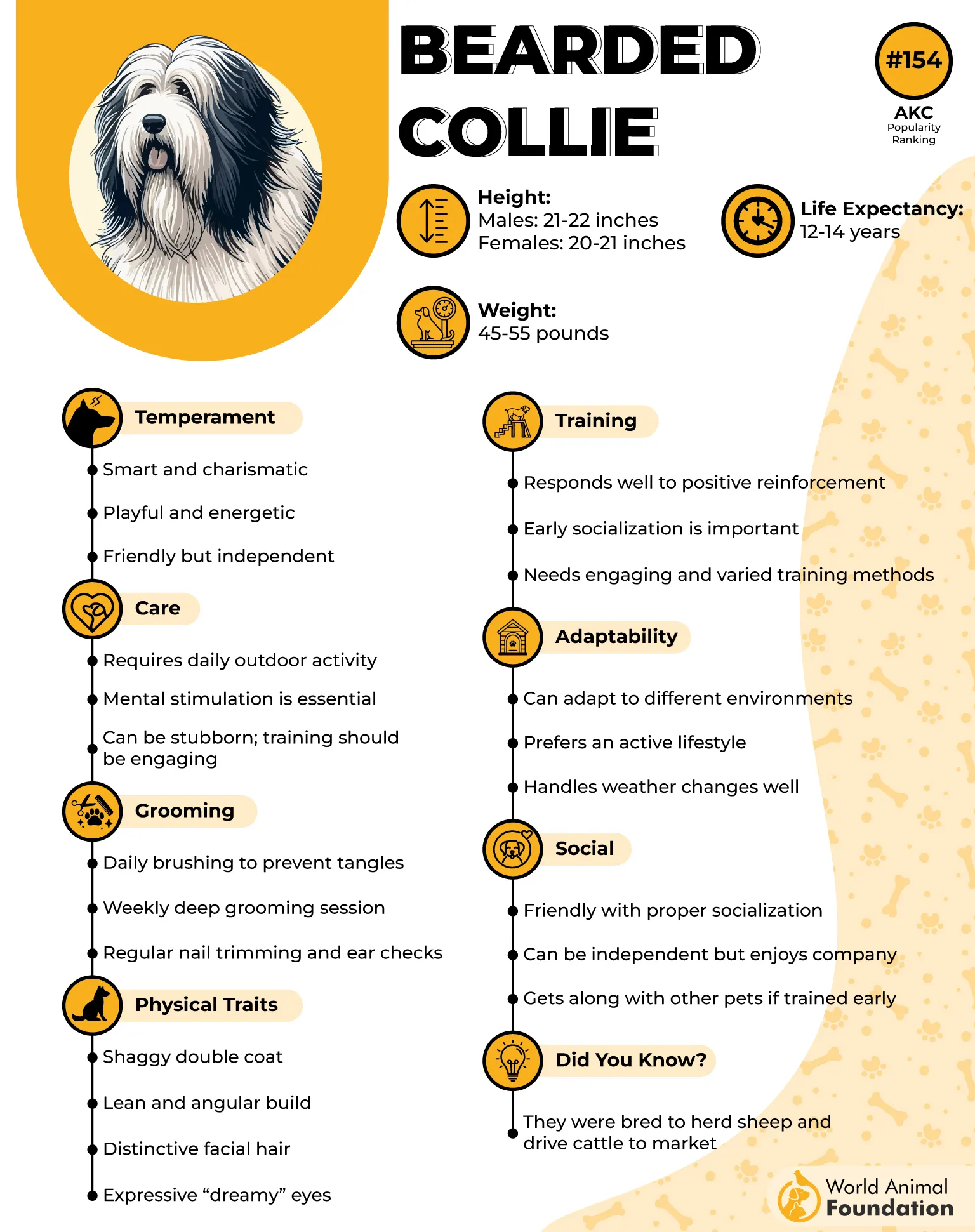
Their stamina enables them to work for long hours on the farm. Apart from being farmhands, Bearded Collies also make loving family companions. Like other herding breeds, they also require plenty of structured exercise and mental stimulation to stay healthy and content. Lack of adequate enrichment can lead to destructive behaviors like excessive barking or chewing.
Therefore, prospective owners should have an active lifestyle. Bearded Collies are smart and athletic dogs who excel at a variety of dog sports like agility, obedience, rally, and herding trials.
Coat care consists of two parts. The first is daily brushing to remove tangles and debris, which takes no more than five to ten minutes. The second part is the weekly brushing to remove dead hair. It takes around half an hour to an hour.
9. Shetland Sheepdog
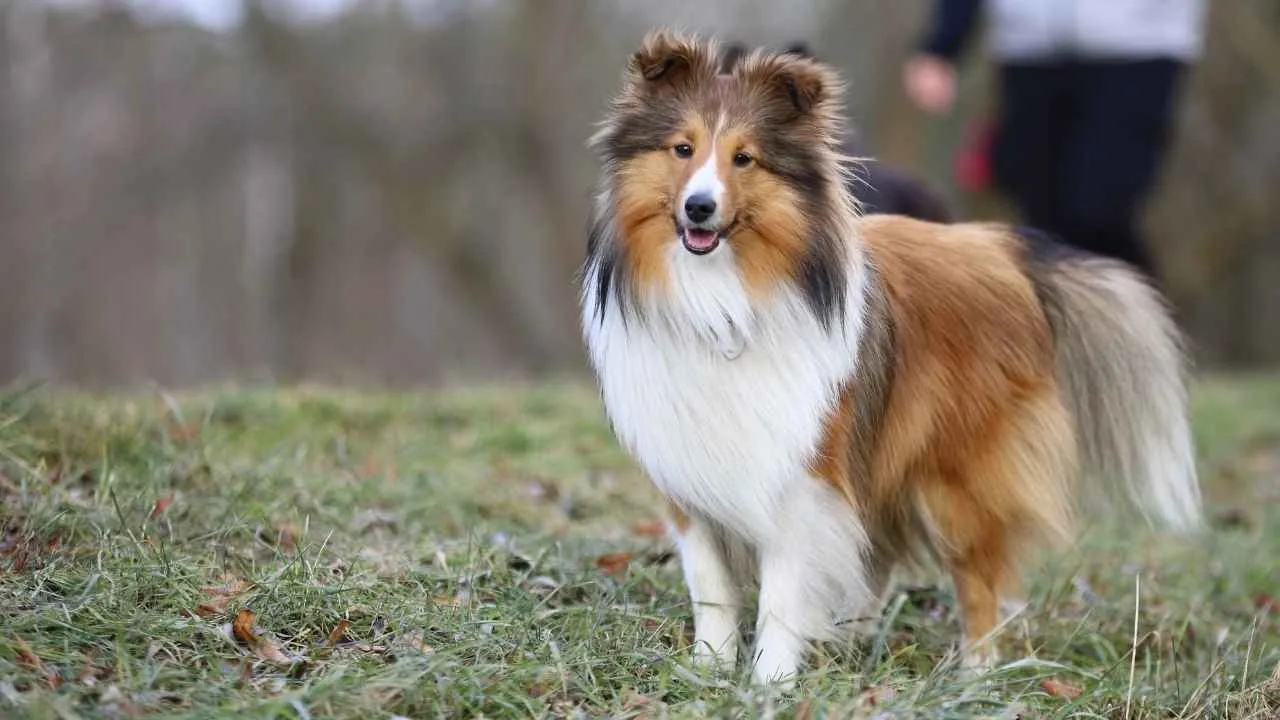
Shetland Sheepdogs are small yet hardy canines that were originally bred in the Shetland Islands where they were used by crofters as sheepdogs. These herding breed dogs do not require vigorous physical activity. Instead, they do well with only moderate daily exercise.
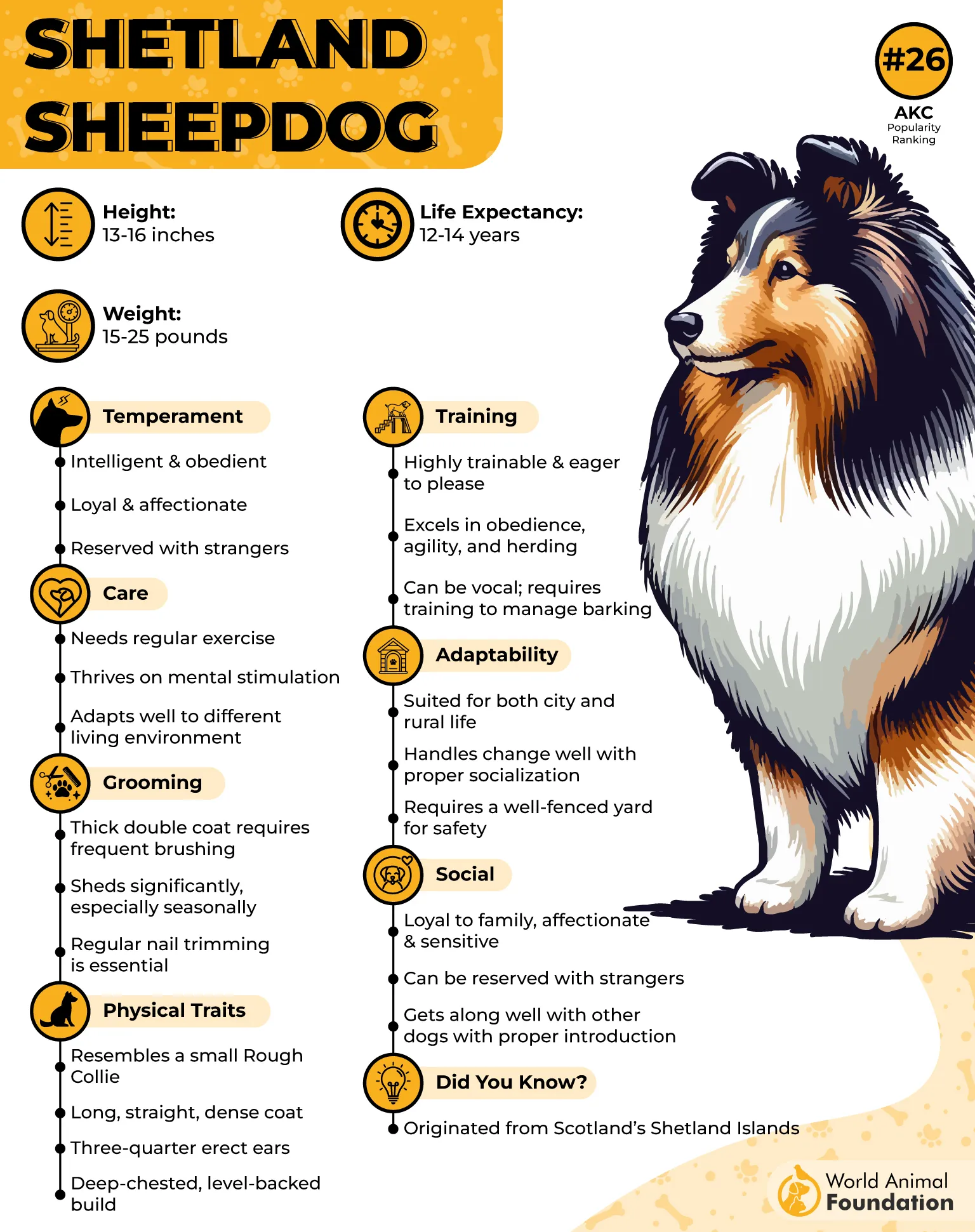
Shelties are not fragile dogs. When there was a feed shortage on the farms, they were ferried to outlying islands to guard the flocks and left there for extended periods. After surviving harsh conditions, when Shelties were brought back to the farms, they were still devoted and affectionate to their humans.
Their thick double coat sheds considerably and requires weekly brushing to keep looking good. Frequent brushing may be needed during shedding season. Shelties are one of the smartest dog breeds, having an eager-to-please nature. They respond best to positive reinforcement training.
Conclusion
Some dominant dog breeds make great herding and ranching dogs due to their historical background, immense strength, and incredible stamina. These canines are highly driven and thrive on having a job to do.
Herding breeds are usually very energetic and require lots of daily exercise for physical and mental stimulation. They thrive on love and affection from their humans. However, these versatile fellows need proper training and socialization to manage their natural instincts.
