




Imagine a workout partner who never needs a rest day, never complains about the heat, and can easily run circles around your best personal record. While most house dogs are perfectly happy lounging on the couch after a quick trip to the dog park, a rare few are powered by an engine that simply will not quit.
These powerhouse breeds were built for heavy-duty—born to run, pull, and work for hours on end without losing steam. Their secret lies in an extraordinary combination of deep chest capacity, dense muscle, and a mental drive that craves a constant challenge.
If you are a serious runner, high-mileage hiker, or outdoor adventurer looking for a partner who can truly keep up, standard breeds won’t cut it. Step inside to discover the most tireless dog breeds on the planet—the ultimate canine athletes built to crush extreme workouts and outlast almost anyone on the trail.
Dog Breeds with Unmatched Endurance for Extreme Workouts
1. Alaskan Malamute
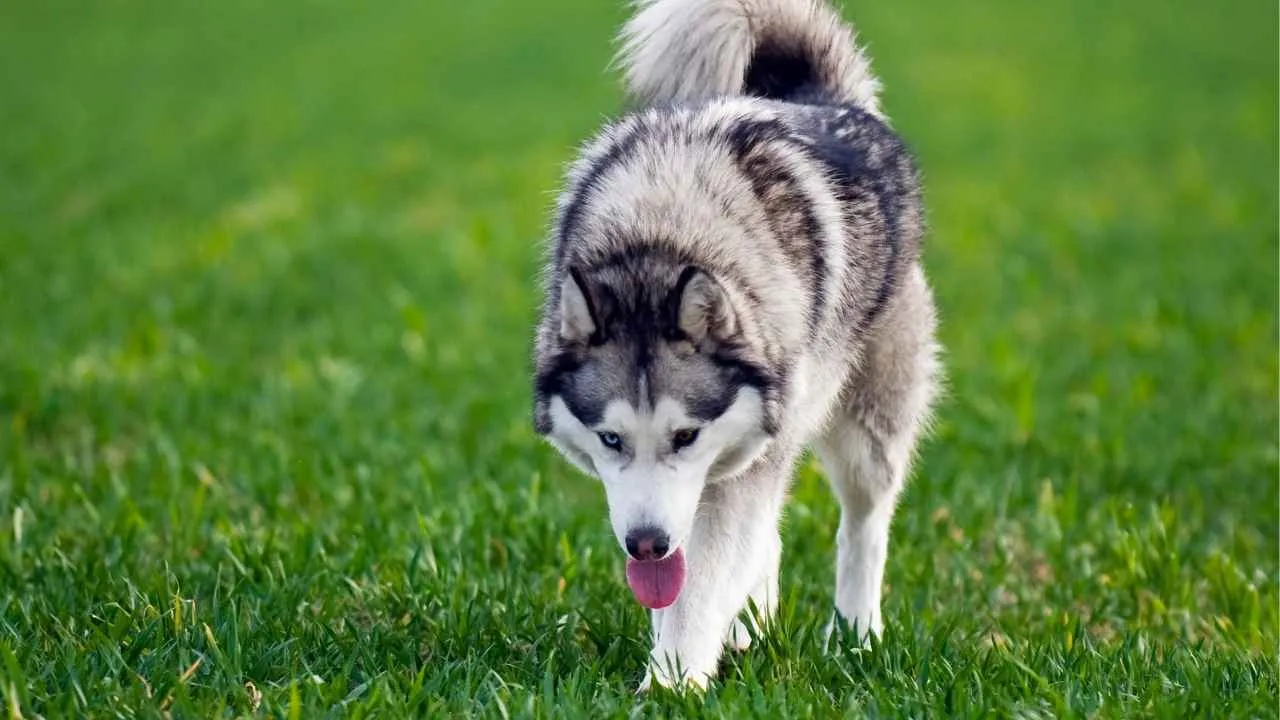
The Malamute’s whole résumé is built around one job: hauling heavy freight across the Arctic for the Mahlemiut people, a task that rewards raw power over speed. Its thick double coat and tough paw pads were made for brutal cold, not flash. This breed is built for output, not sprints.
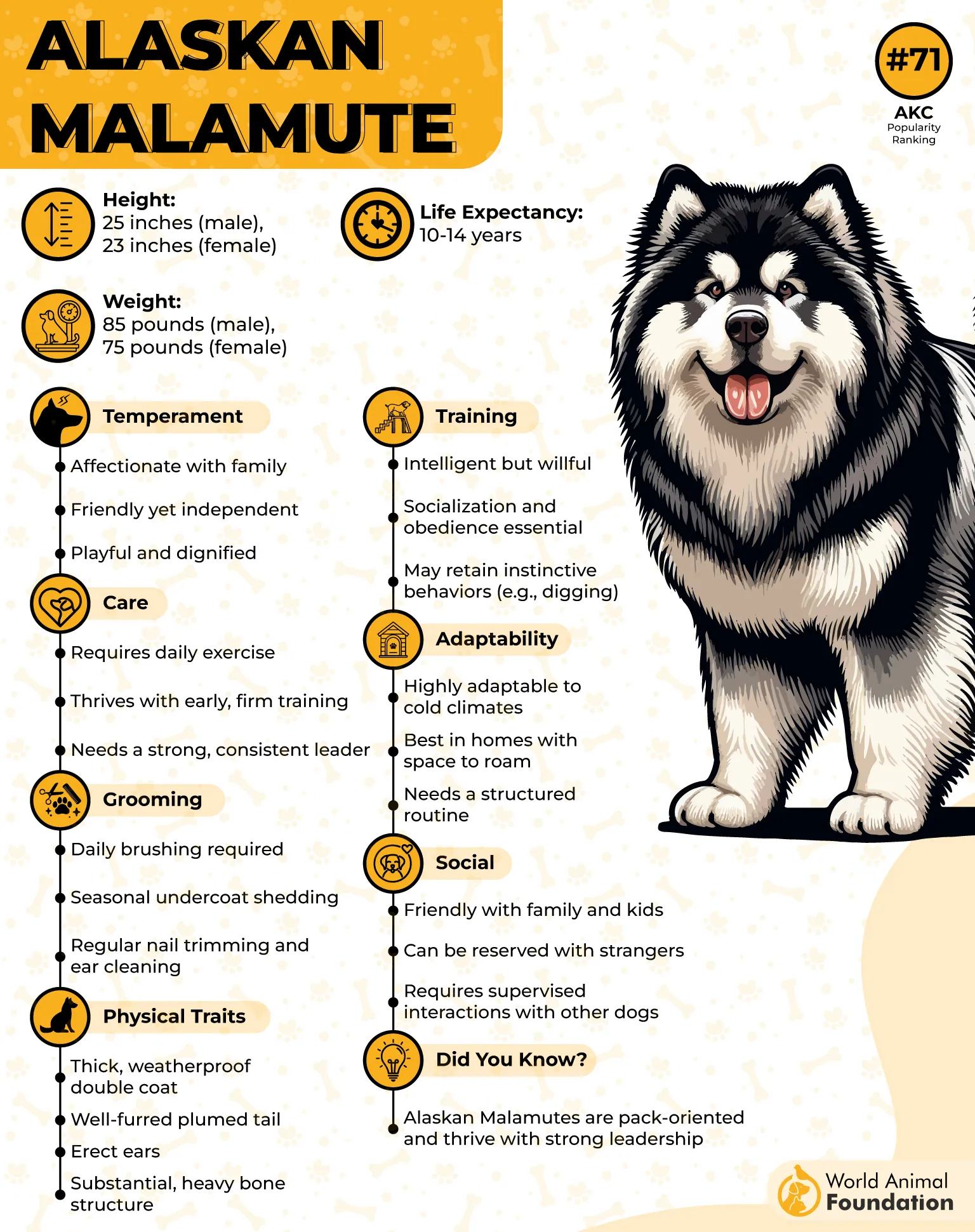
Cold-hardy and built for snowy climates, per the AKC, but extreme heat is genuinely risky for its coat type.
Weight-pulling and mushing are where this breed feels most alive. Long, steady hikes suit its build far better than short bursts of speed. Think marathon energy, not sprinting.
Start pulling drills light and add weight gradually.
Save vigorous exercise for cool mornings or evenings.
Track distance over speed as the real goal.
This isn’t a beginner dog, and its remarkable stamina can outlast an owner’s patience fast. Overheating comes on quickly in warm weather, so structured conditioning matters. Getting one means committing to real outdoor time, year-round.
2. Akita
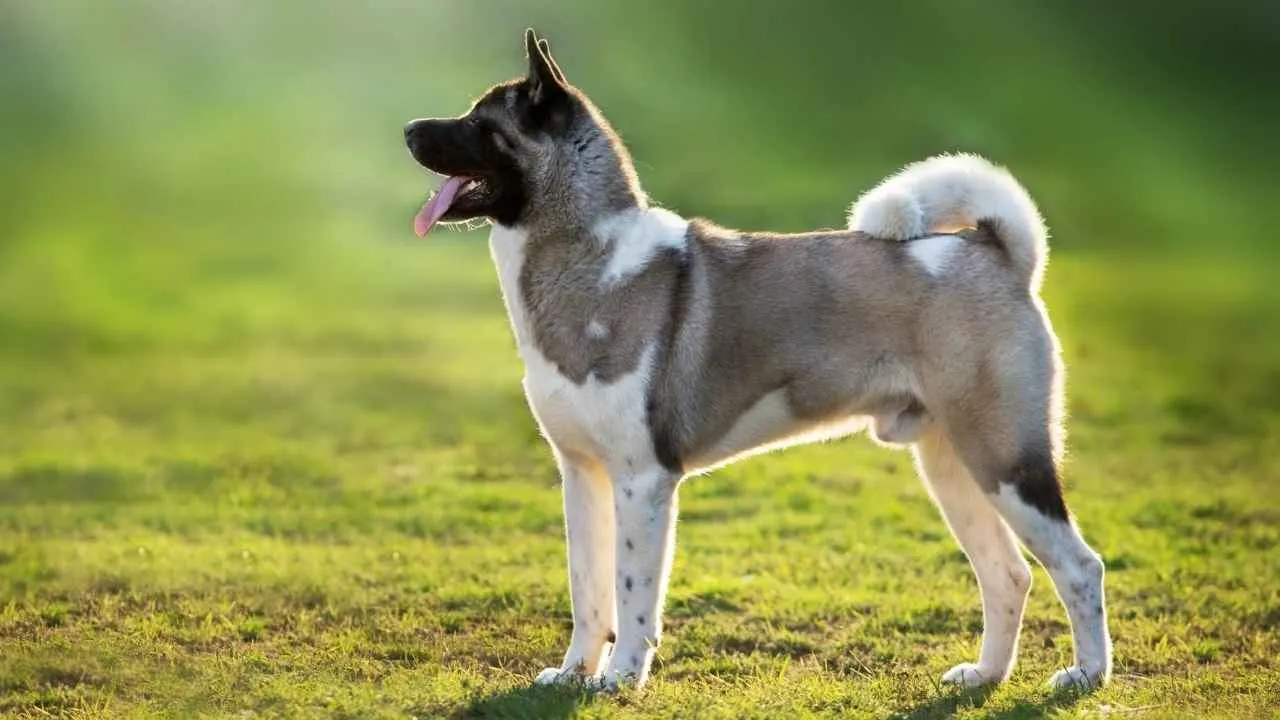
Bred in Japan for hunting and guard work, the Akita carries centuries of purpose in its powerful, muscular frame. Its dense double coat kept it comfortable through harsh winters in the mountains. Endurance here comes packaged with serious guarding instinct.
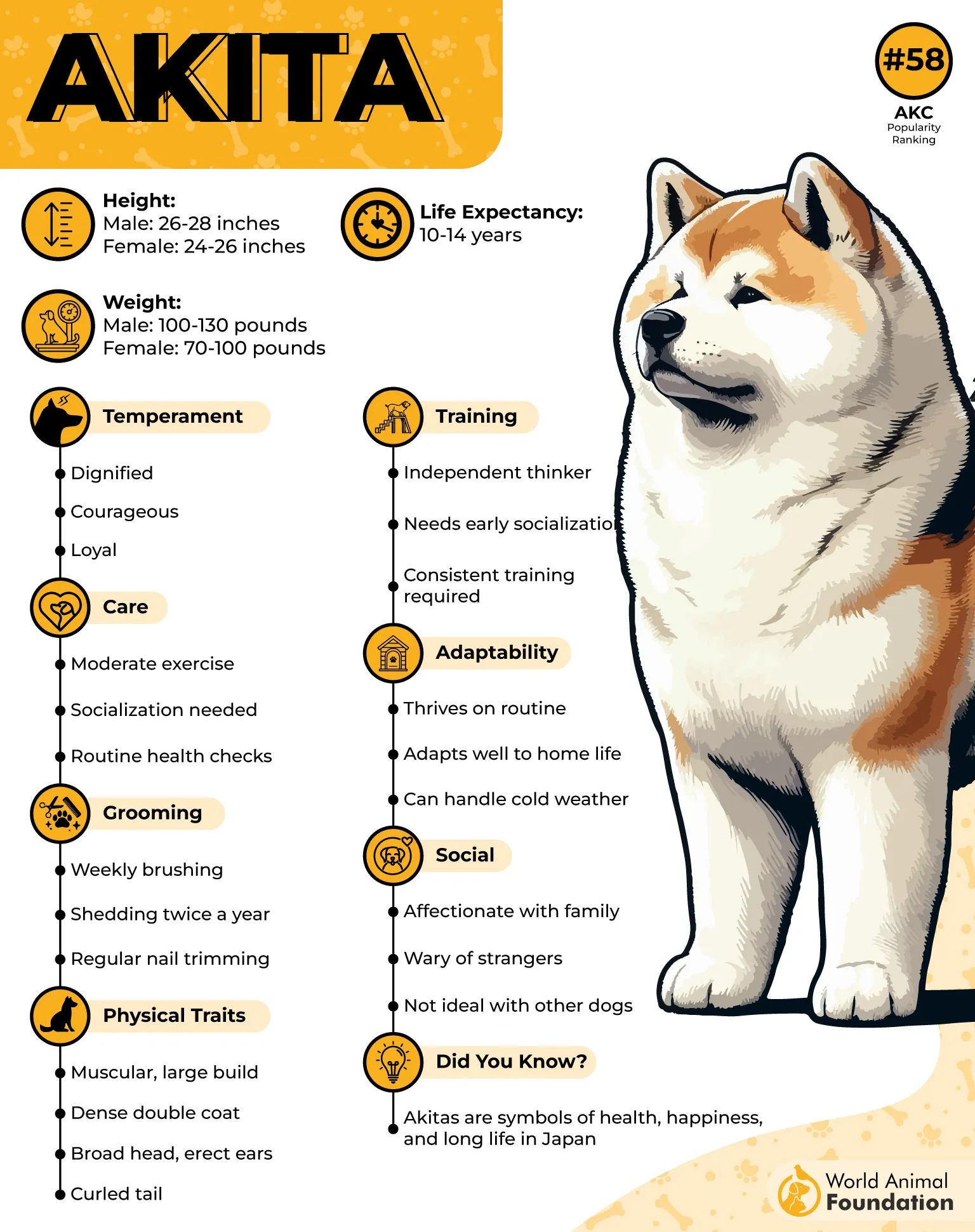
Cold-weather built, according to Hill’s Pet, with low tolerance for extreme heat.
Hiking and steady pulling work suit an Akita better than flashy agility runs. It enjoys purposeful activity alongside its person rather than solo exercise. Vigorous exercise keeps this energetic pet physically and mentally balanced.
Build trust through short training sessions before adding intensity.
Keep workouts brief and shaded in warm weather.
Reward calm focus, since Akitas are independent thinkers.
This Japanese breed is strong-willed and not always eager to please, so structured training from an experienced handler matters. Heat sensitivity means workouts need real planning. This athletic ability comes with real responsibility attached.
3. Norwegian Elkhound
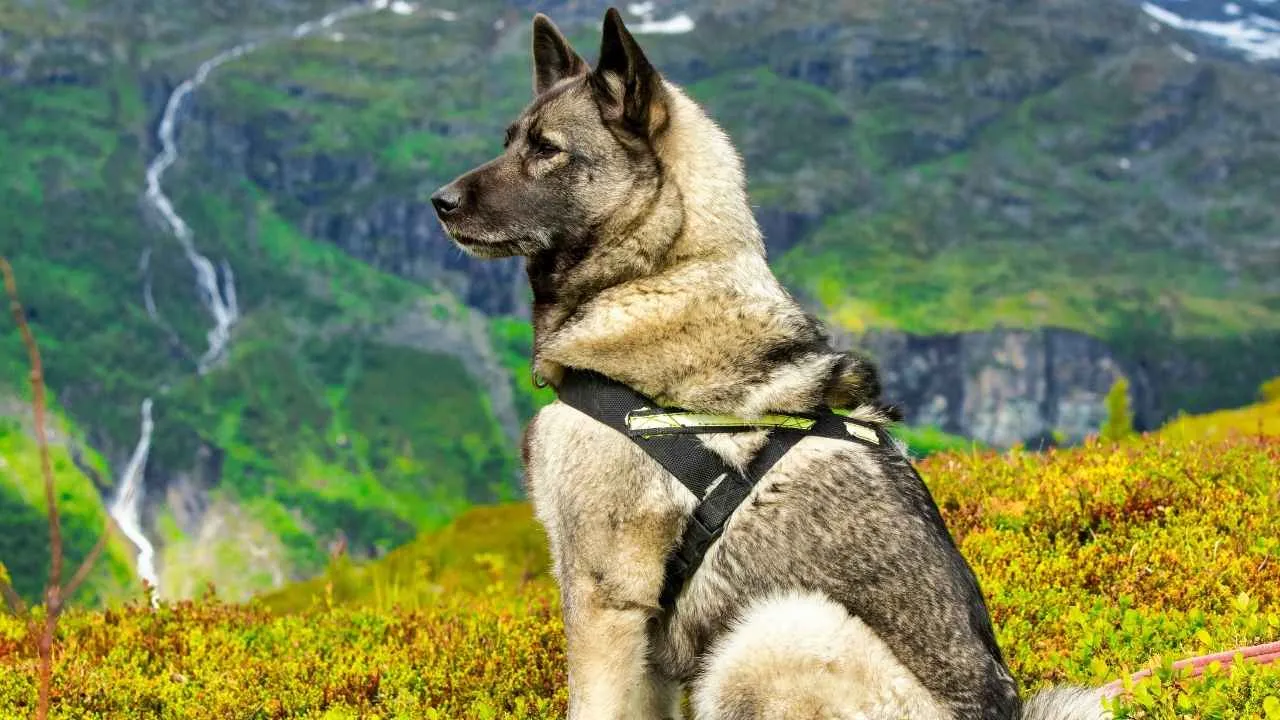
Vikings relied on this compact hunter to hold moose at bay for hours, barking and dodging across rough terrain. Its dense, weather-resistant coat and strong bone structure gave it the endurance to work in freezing rain and snow. Small in size, tough in ability.
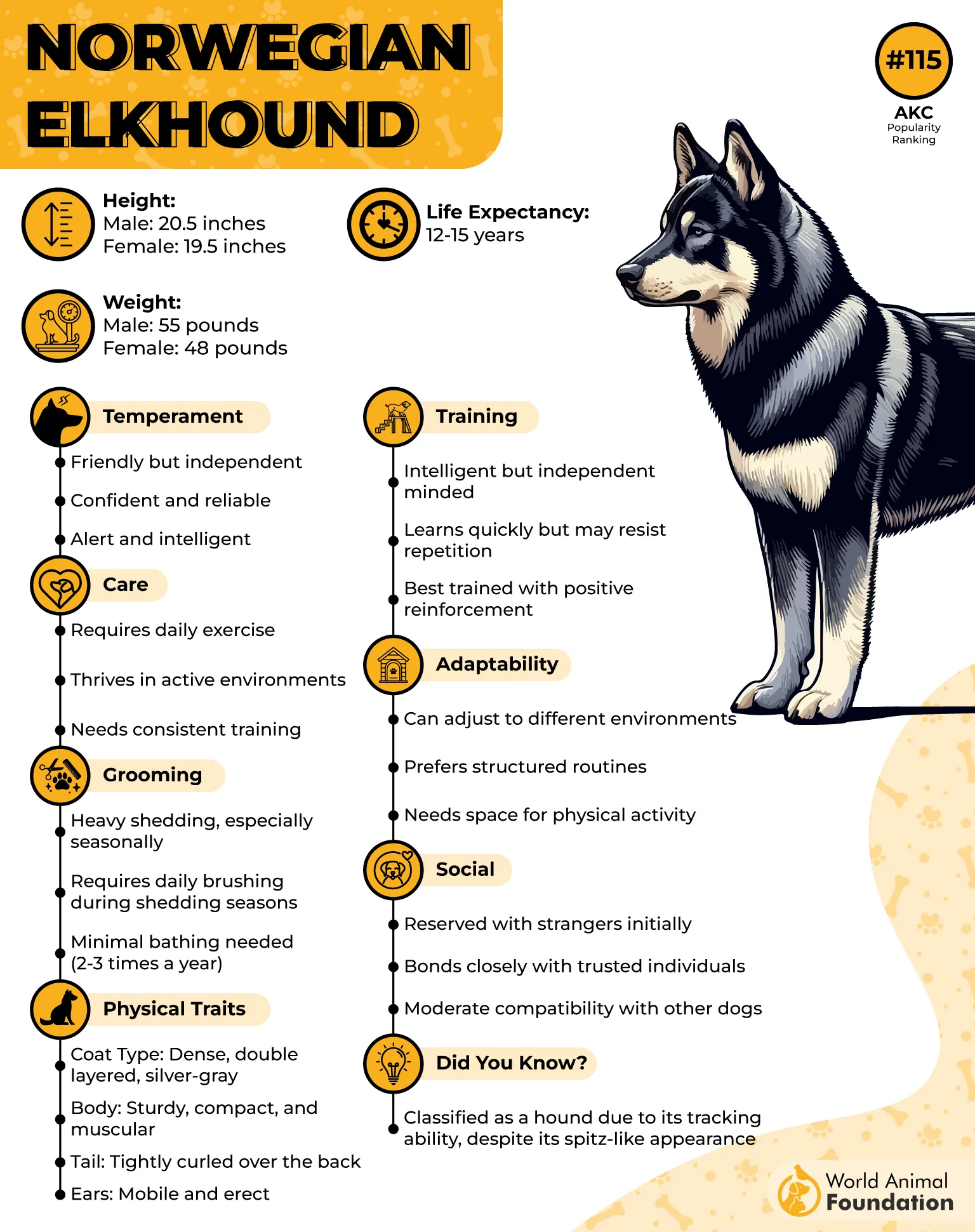
Cold-climate specialist built to withstand wet, freezing conditions, notes Orvis.
Long treks and scent-driven hikes are where an Elkhound truly shines. It enjoys exploring challenging terrain more than flat, repetitive routes. This is a dog built for outdoor adventures, not treadmills.
Introduce scent trails early to channel natural instinct.
Build hiking distance slowly across varied terrain.
Keep training sessions short but frequent.
Elkhounds bark a lot, and that vocal streak is bred in, not a bad habit. Its independence can read as stubbornness to new owners. Patience and consistency go a long way here.
4. Saint Bernard
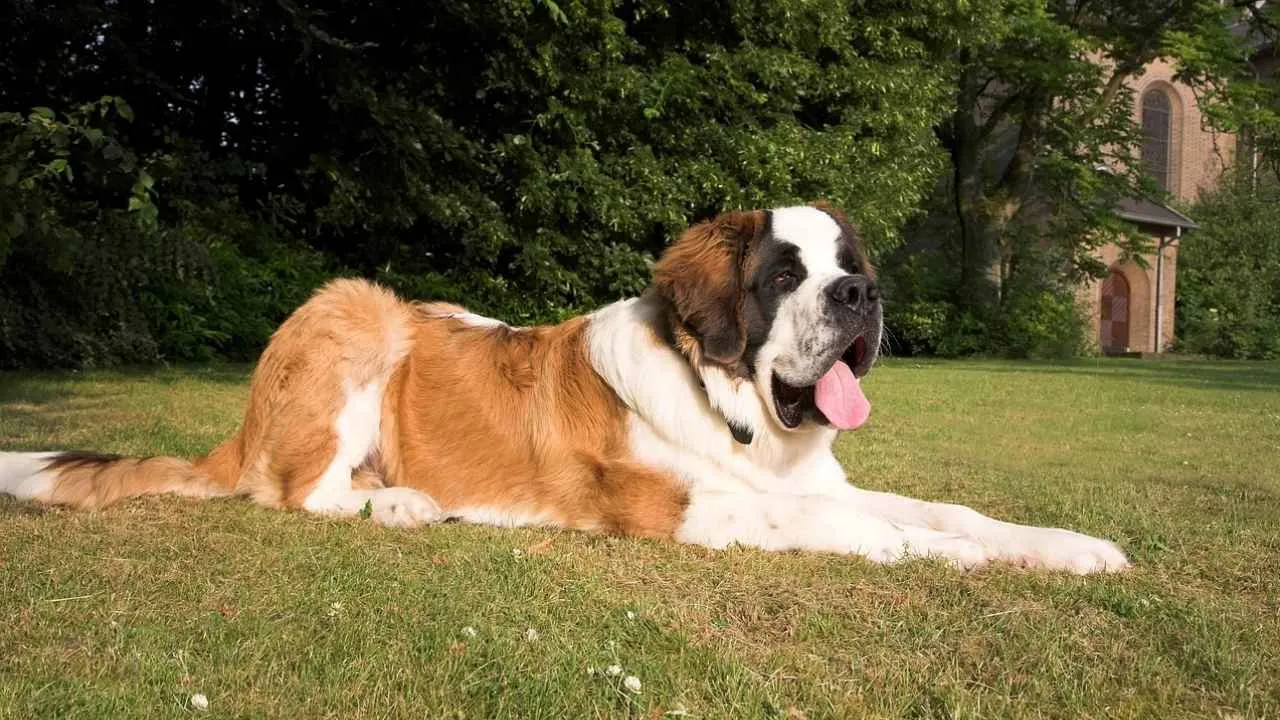
Monks bred these gentle giants at the Great St. Bernard Hospice to locate travelers lost in Alpine snow and avalanches. Massive muscle and a dense coat gave this large breed real staying power in brutal mountain conditions. This is strength built for rescue, not racing.
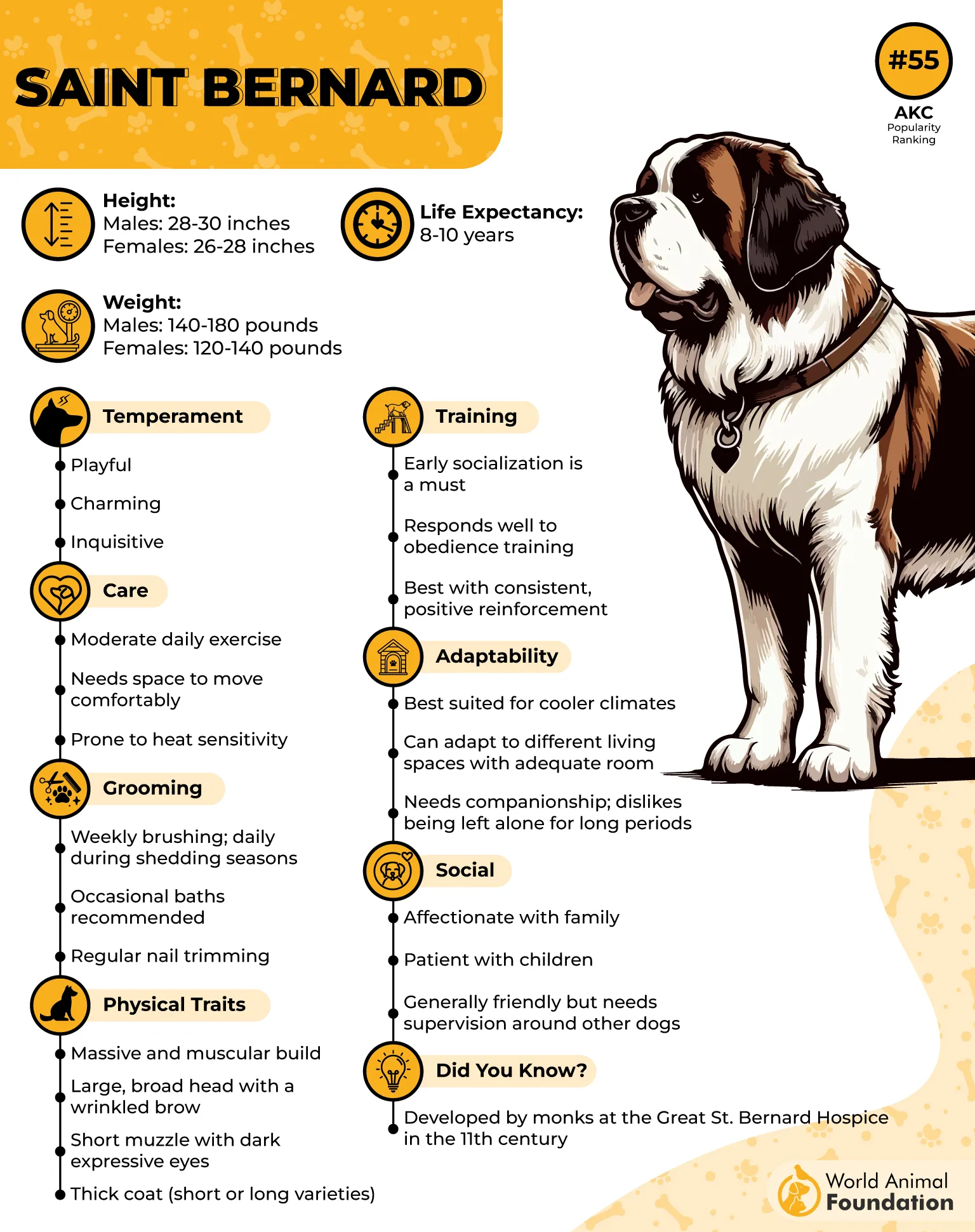
Cool-climate lovers, according to Britannica, who struggle in extreme heat.
Steady, low-impact trekking through snow suits a Saint Bernard far better than high-intensity activities. Its size makes joint-friendly movement the smarter path. Slow and sustained wins here, every time.
Favor flat, gentle terrain over hills and jumps.
Keep sessions short to protect growing joints.
Watch for fatigue rather than pushing for more.
Giant breeds like this one carry real risk for hip issues and bloat, so a vet-guided plan is essential before anything strenuous. This is a family dog, but not a fitness project for beginners. Comfortable pace wins over ambition here.
5. Dogo Argentino
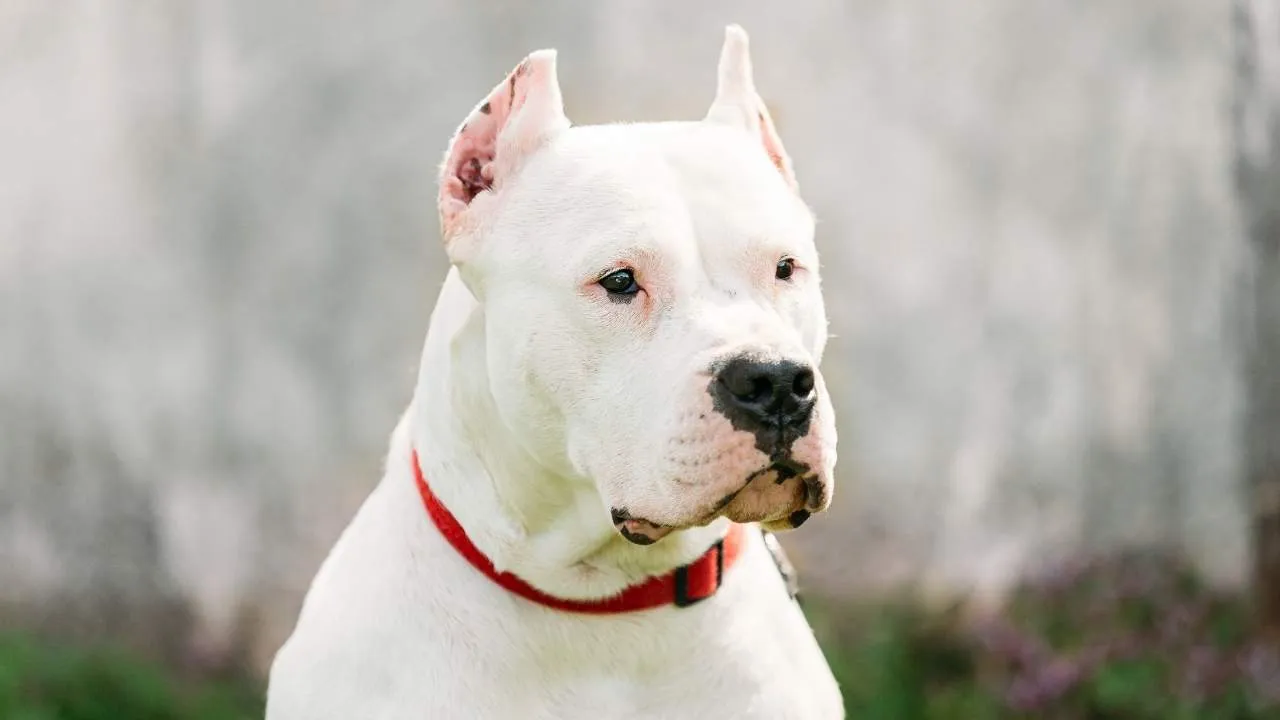
Developed in 1920s Argentina, the Dogo was built for pack hunting big game like wild boar and puma. Its muscular, athletic frame and sharp lungs give it real staying power across rough ground. Power and endurance were the whole design brief.
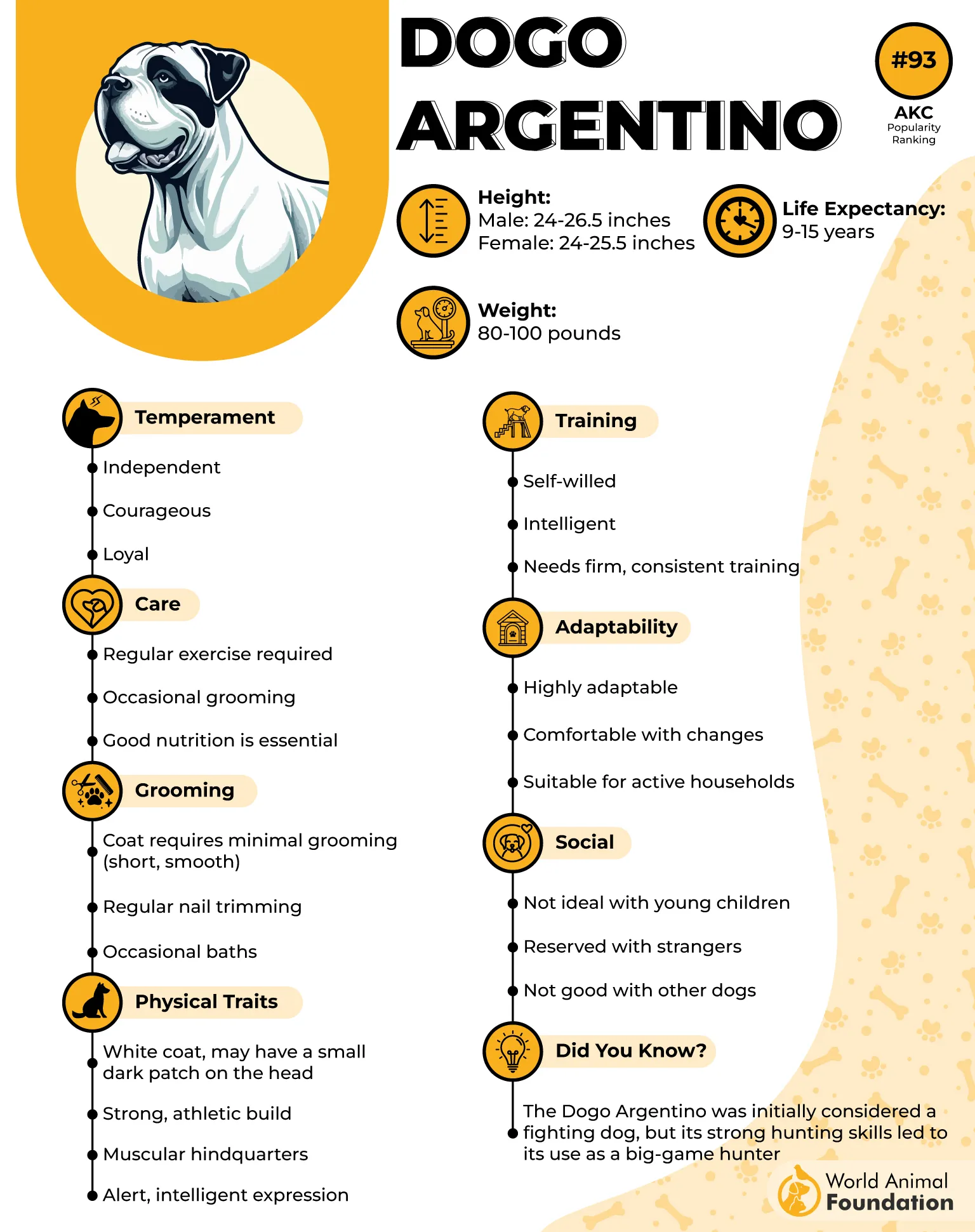
Warm-climate friendly thanks to its short coat, per Purina, though cold weather needs extra layers.
Tracking, agility, and long hikes keep a Dogo genuinely happy and physically challenged. It enjoys a job to do, not idle time on the couch. Higher intensity activities suit its hunting roots well.
Socialize early around other animals and people.
Build stamina through varied, engaging terrain.
Pair physical work with mental challenges like tracking.
Strong prey drive means early socialization is non-negotiable, and this breed is restricted in some regions. It is not the right choice for first-time owners. Confident handling and real structure make all the difference.
6. Great Pyrenees
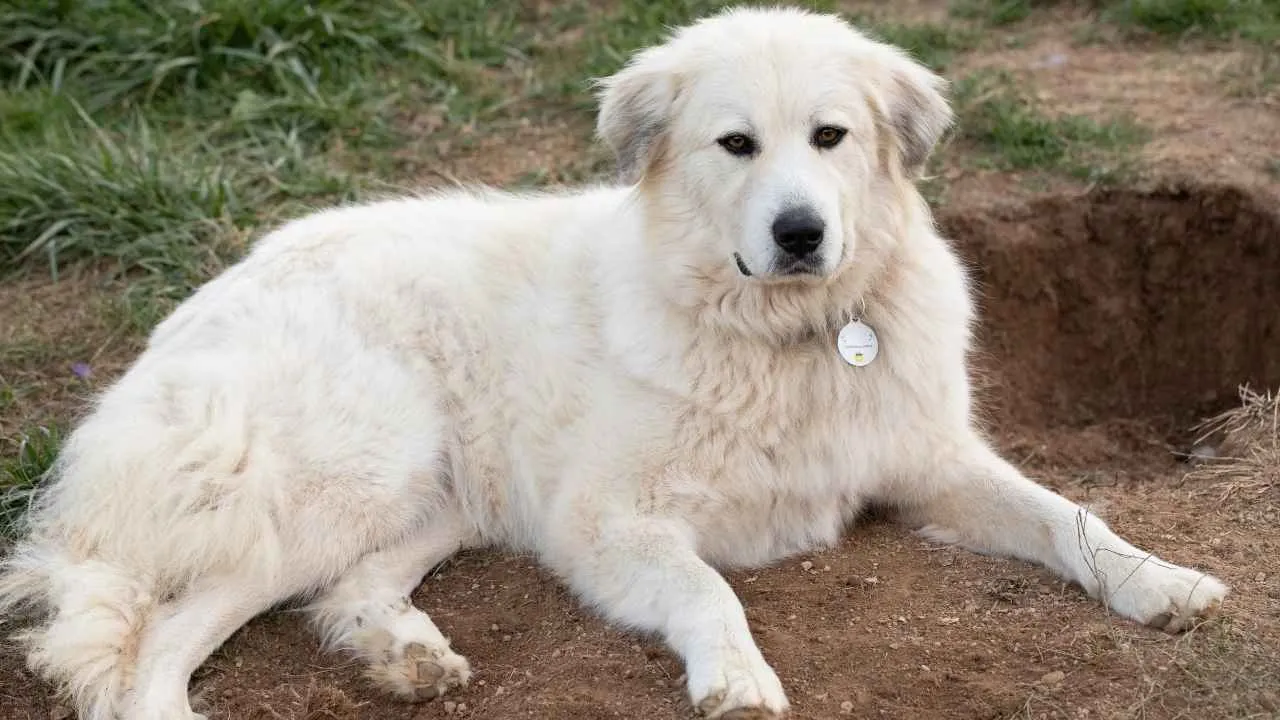
Bred to guard flocks against wolves in the Pyrenees mountains, this breed’s endurance is about patience, not pace. Its heavy double coat and imposing stature let it stand watch through harsh winters for hours on end. This is stamina measured in hours outdoors, not miles covered.
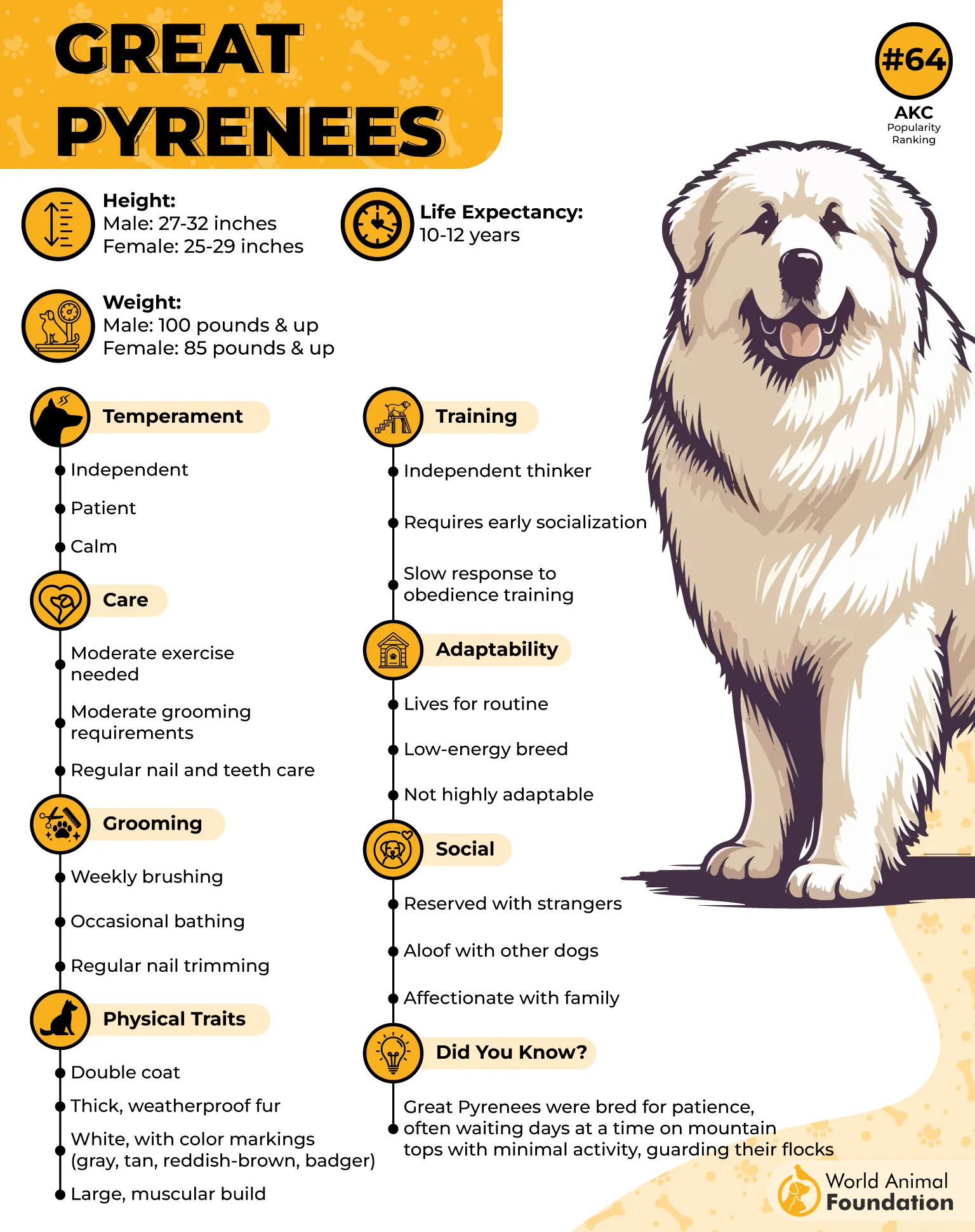
Cold-hardy by design, comfortable in snowy climates, but extreme heat wears it down fast.
Long, slow hikes and steady patrol-style walks suit a Great Pyrenees far better than sprinting or agility work. It enjoys covering ground at its own pace, alert and watchful the whole way. Vigorous exercise here means duration, not speed.
Build up walking time gradually, not intensity.
Keep outings shaded and cool in warm months.
Reward calm, steady focus over excitement.
Large breeds like this one carry real risk for joint strain, so structured conditioning matters before any serious outdoor challenges. Its independent streak means training takes patience too. Getting one means signing up for a watchful, deliberate companion.
7. Rhodesian Ridgeback
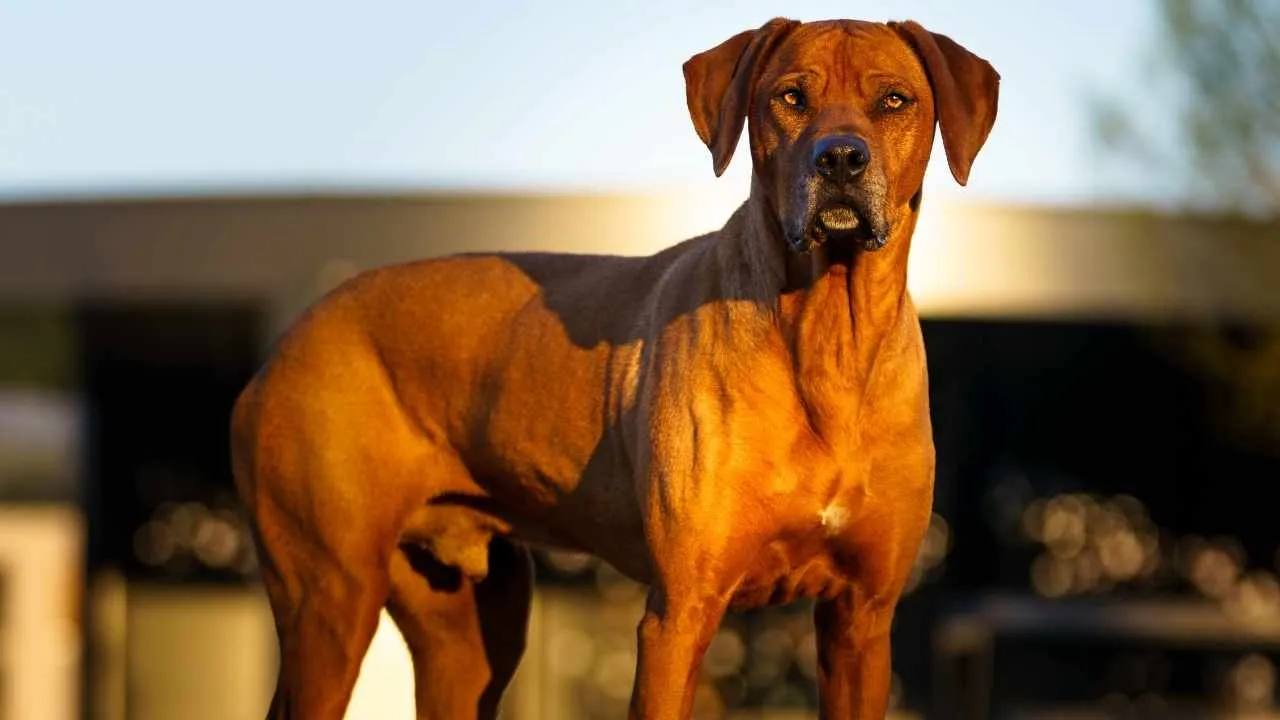
Bred in Southern Africa to track and hold lions at bay, the Ridgeback needed real courage and lasting endurance to survive the job. Its short coat and lean, athletic build let it run hard under brutal sun. Few breeds pair speed and stamina quite like this one.
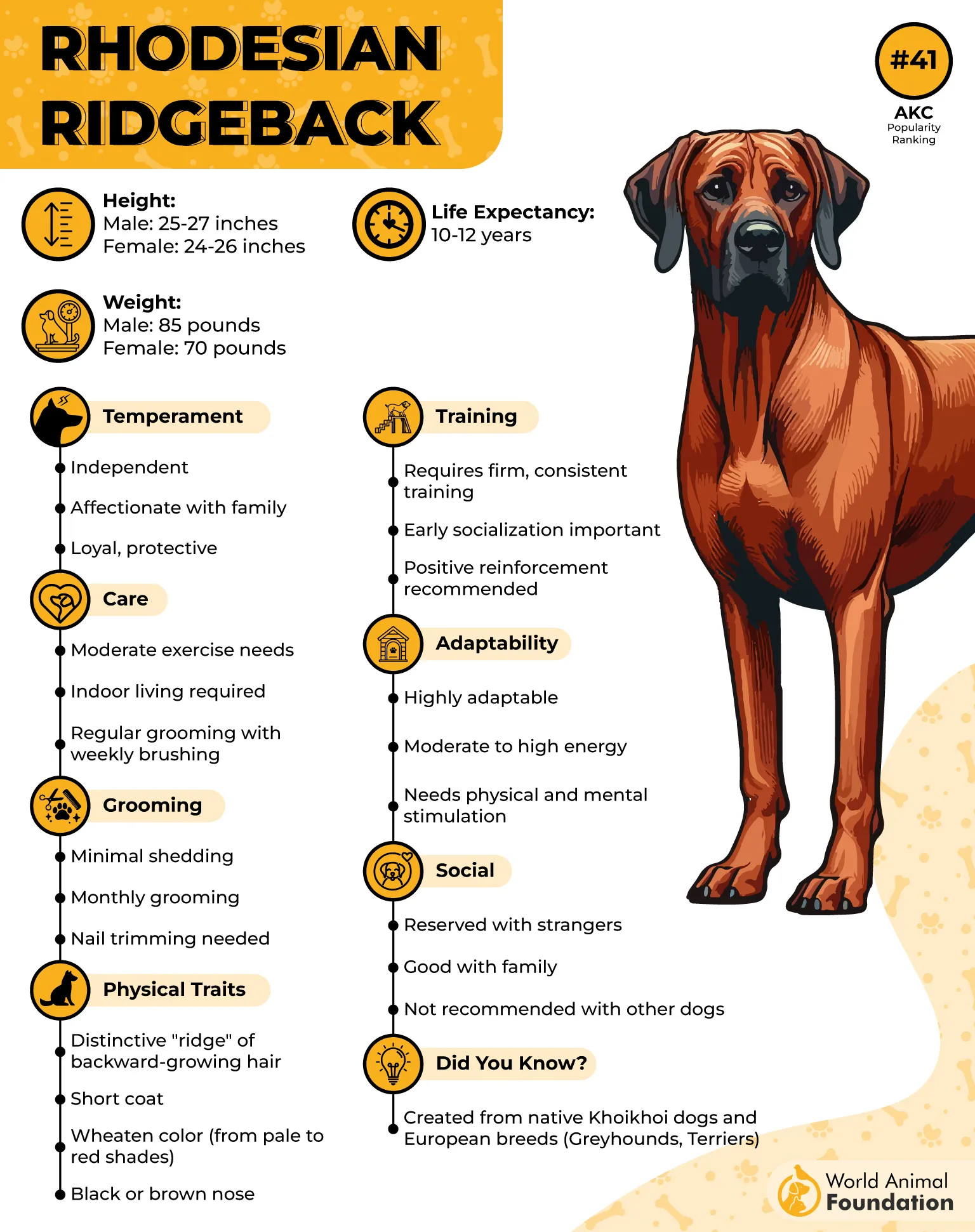
Remarkably adaptable across climates, though its short coat offers little protection in extreme cold.
Long-distance running and trail hiking are where a Ridgeback truly comes alive. It enjoys keeping pace alongside an active human for miles at a time. This is a dog built for endurance sports, not backyard lounging.
Build mileage slowly to protect growing joints.
Pair runs with off-leash recall training.
Layer up for cold-weather outings.
Strong prey drive and independence mean early, consistent training is non-negotiable. This is not an ideal pick for first-time owners looking for an easygoing pet. Structure early, and this breed becomes a genuinely tireless adventure partner.
8. Anatolian Shepherd Dog
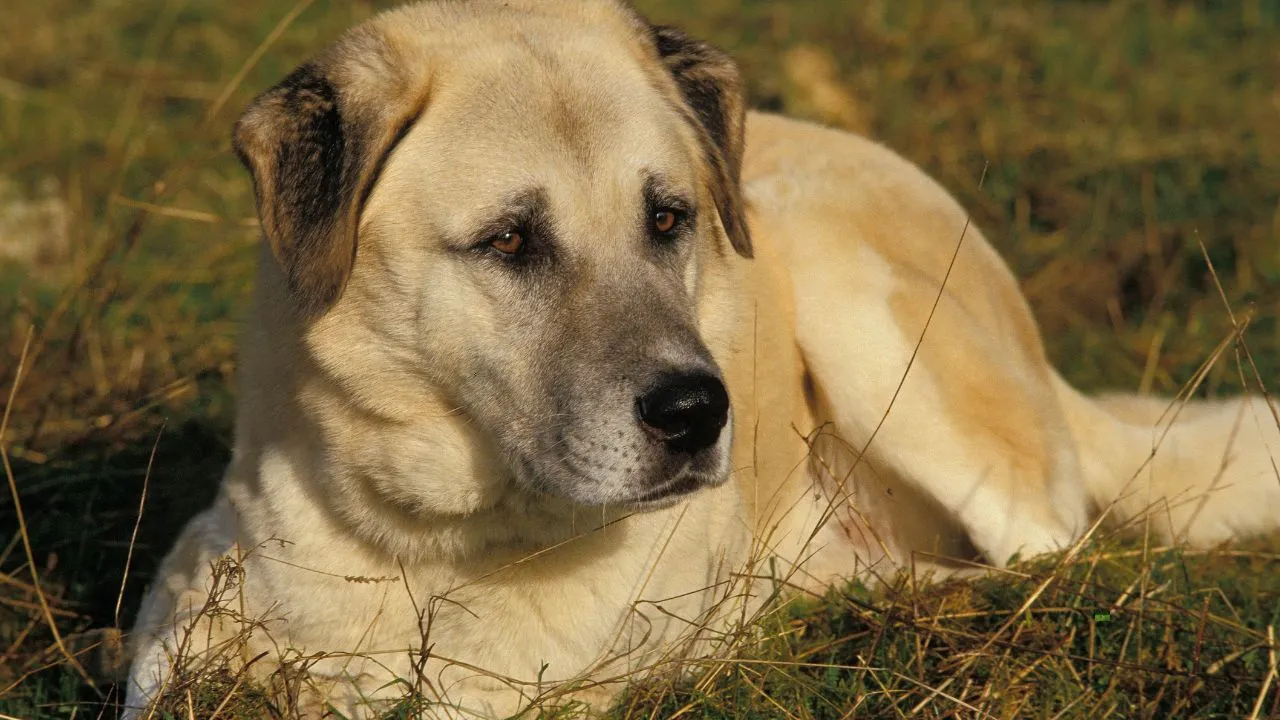
Developed in Turkey to guard livestock across vast, open terrain, this breed needed the stamina to travel long distances without direct supervision. Its large, rugged frame and steady gait were built for covering ground, not speed. Independence and endurance are baked into its history.
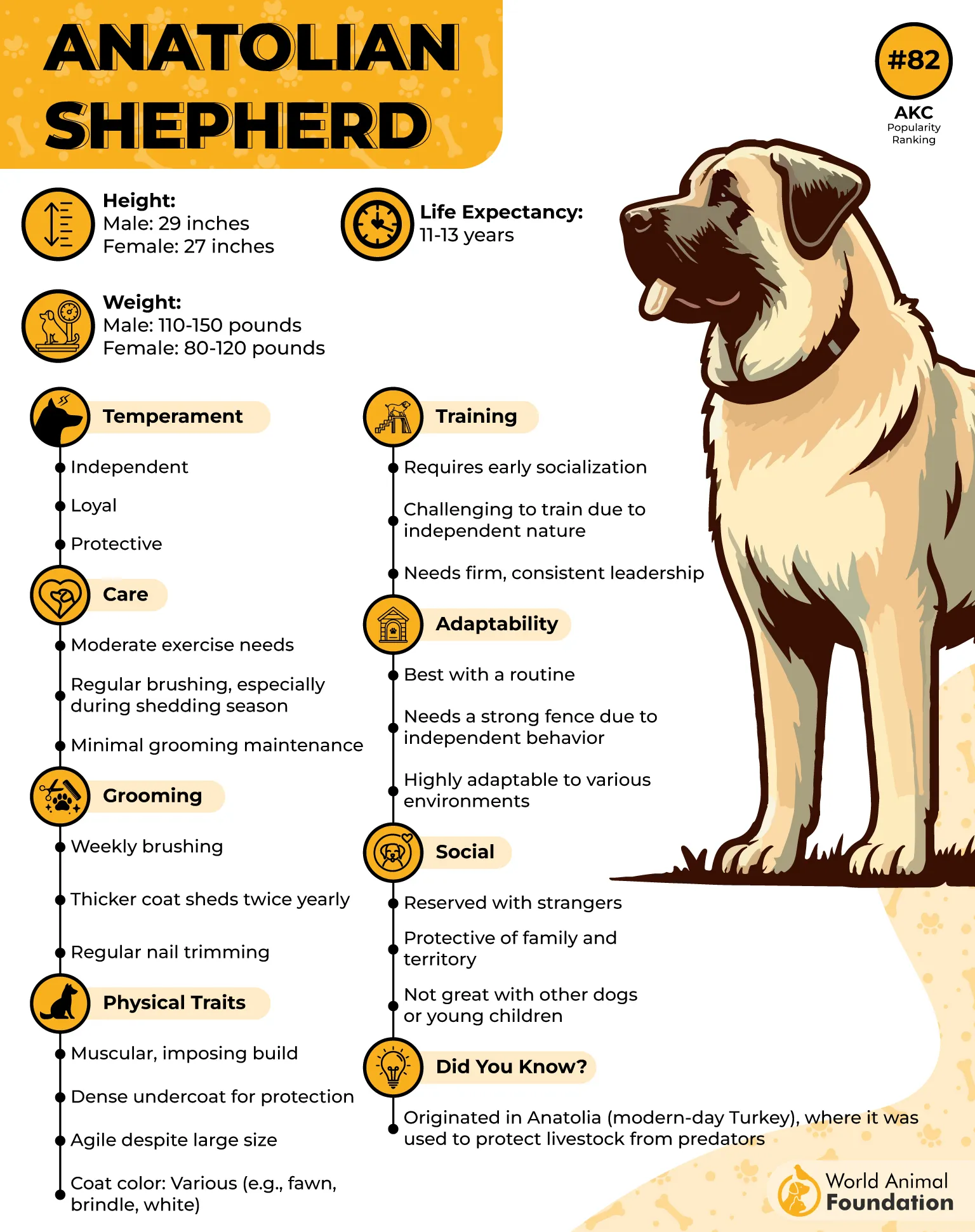
Built for the toughest conditions, handling both harsh winters and sweltering summers with ease.
Long treks across varied, challenging terrain suit an Anatolian Shepherd best. It enjoys purposeful movement, ideally with a flock or family to watch over along the way. This breed thrives on real outdoor responsibility, not casual strolls.
Introduce new terrain gradually to build confidence.
Keep training sessions purposeful, not repetitive.
Reinforce calm decision-making during outdoor challenges.
Its territorial, protective nature calls for early socialization and firm, consistent handling. This is a working breed at heart, not a casual family pet for everyone. Confident ownership brings out its full potential.
9. Vizsla
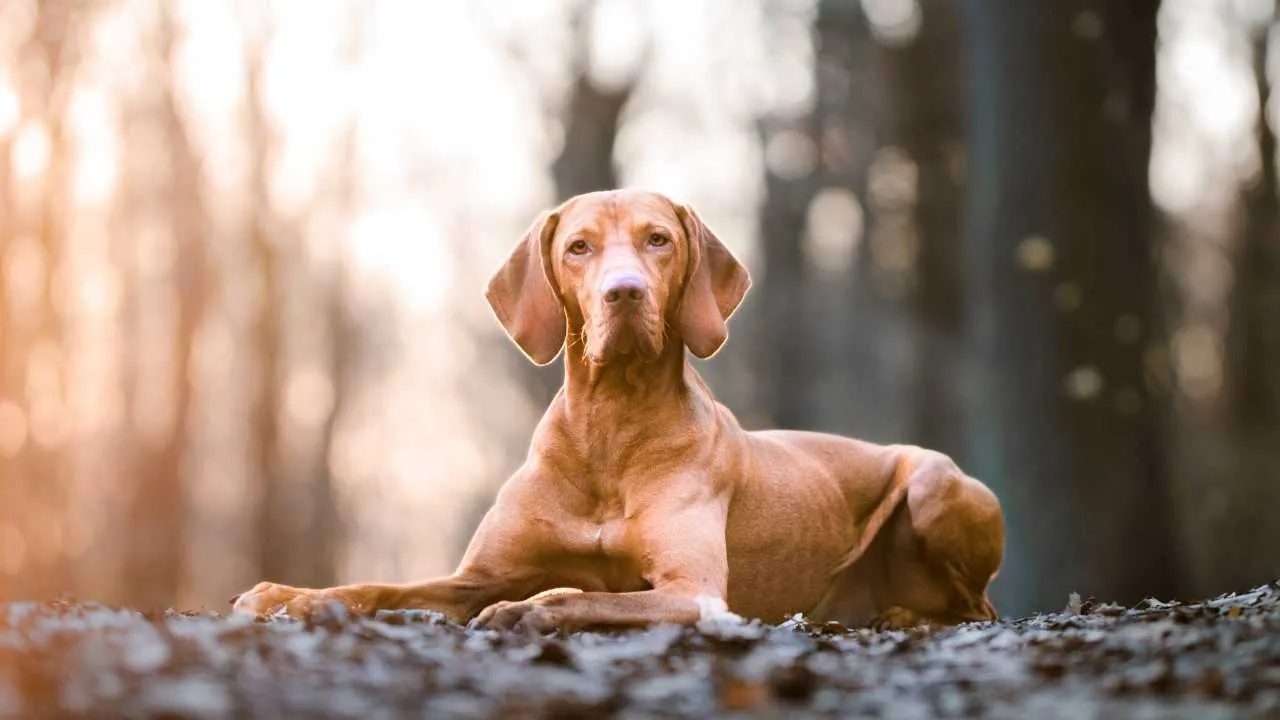
Hungarian nobility relied on the Vizsla as a pointer-retriever, a job that demanded both agility and lasting endurance in the field. Its lean, muscular build lets it sprint fast and keep going for miles after. Few breeds combine speed and stamina this well.
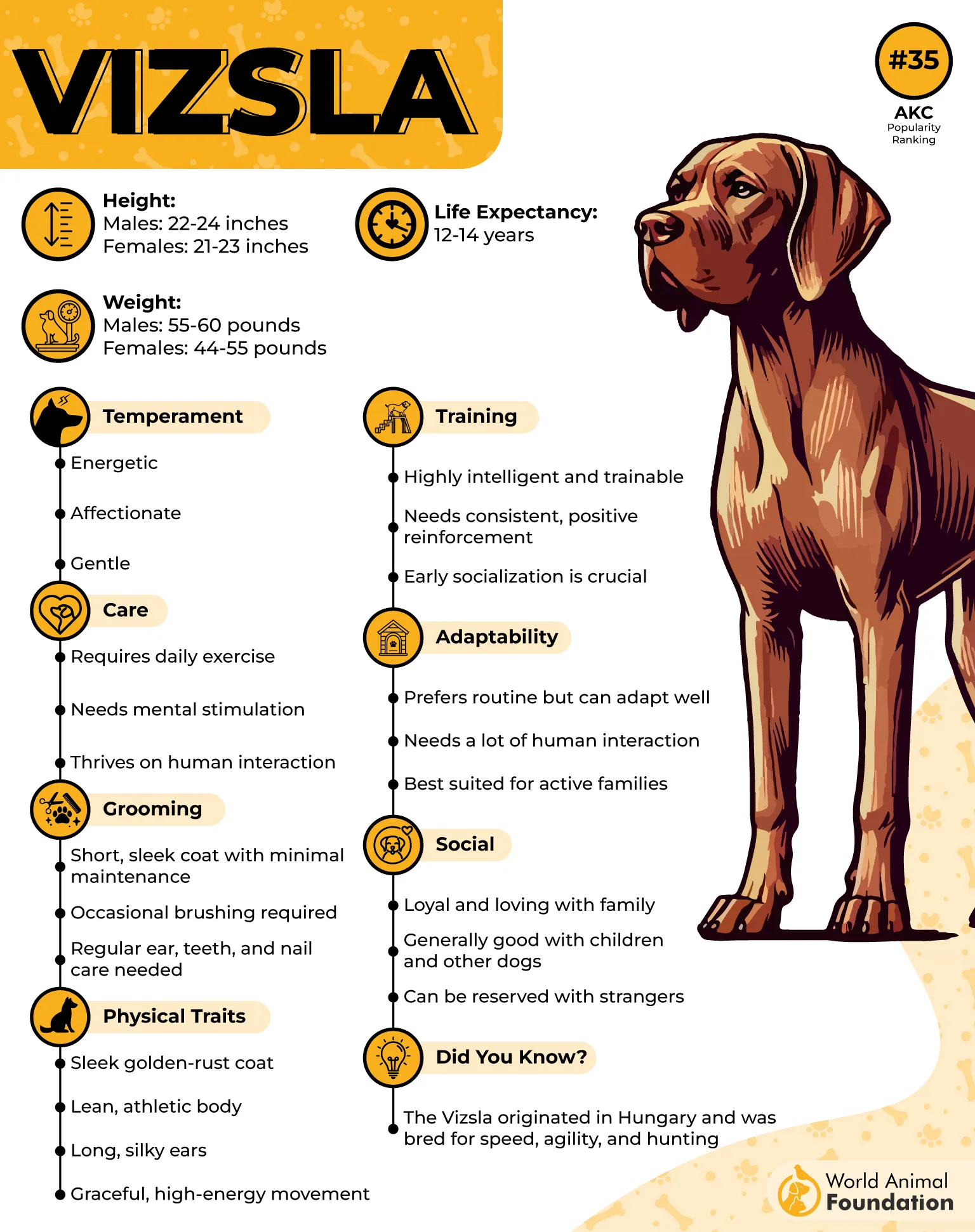
Comfortable across moderate climates, though its short coat gives little protection from extreme cold.
Running, hiking, and swimming all suit a Vizsla’s athletic ability perfectly. It enjoys being physically close to its person, so solo workouts rarely satisfy it the way shared ones do. This breed is built for active humans, not idle owners.
Hold off on long-distance runs until the dog reaches maturity.
Mix physical activity with mental games.
Keep training sessions consistent, not sporadic.
Vizslas bond intensely with their people and struggle with long stretches alone. Pushing young joints too hard, too soon risks real injury. Patience early pays off in a genuinely tireless companion later.
10. German Shorthaired Pointer
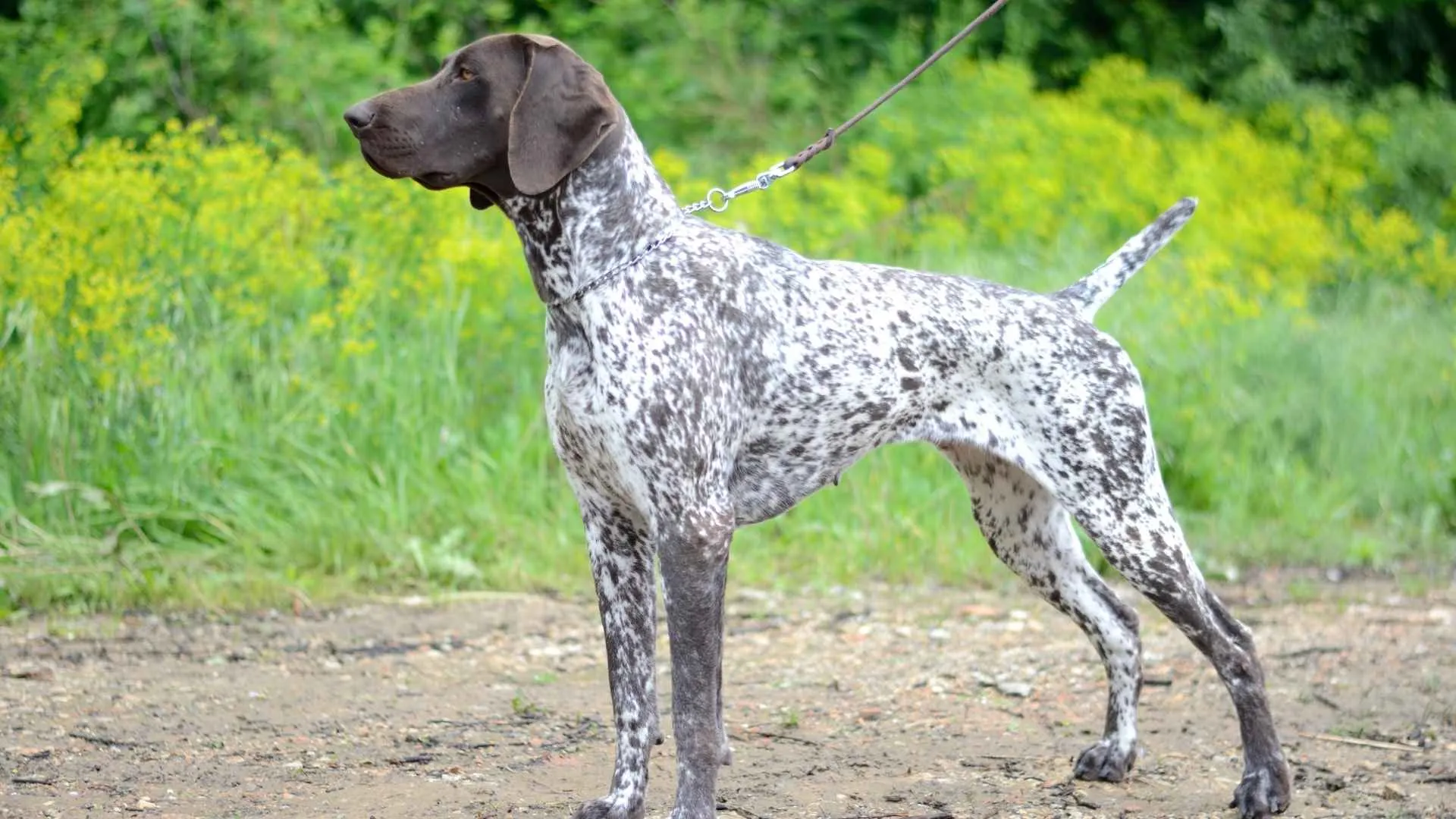
Bred in Germany as an all-purpose gun dog, the GSP needed strength and endurance to perform in both field and water. Its athletic build and strong legs give it real staying power across rough terrain. Versatility, not one specialty, defines this breed.
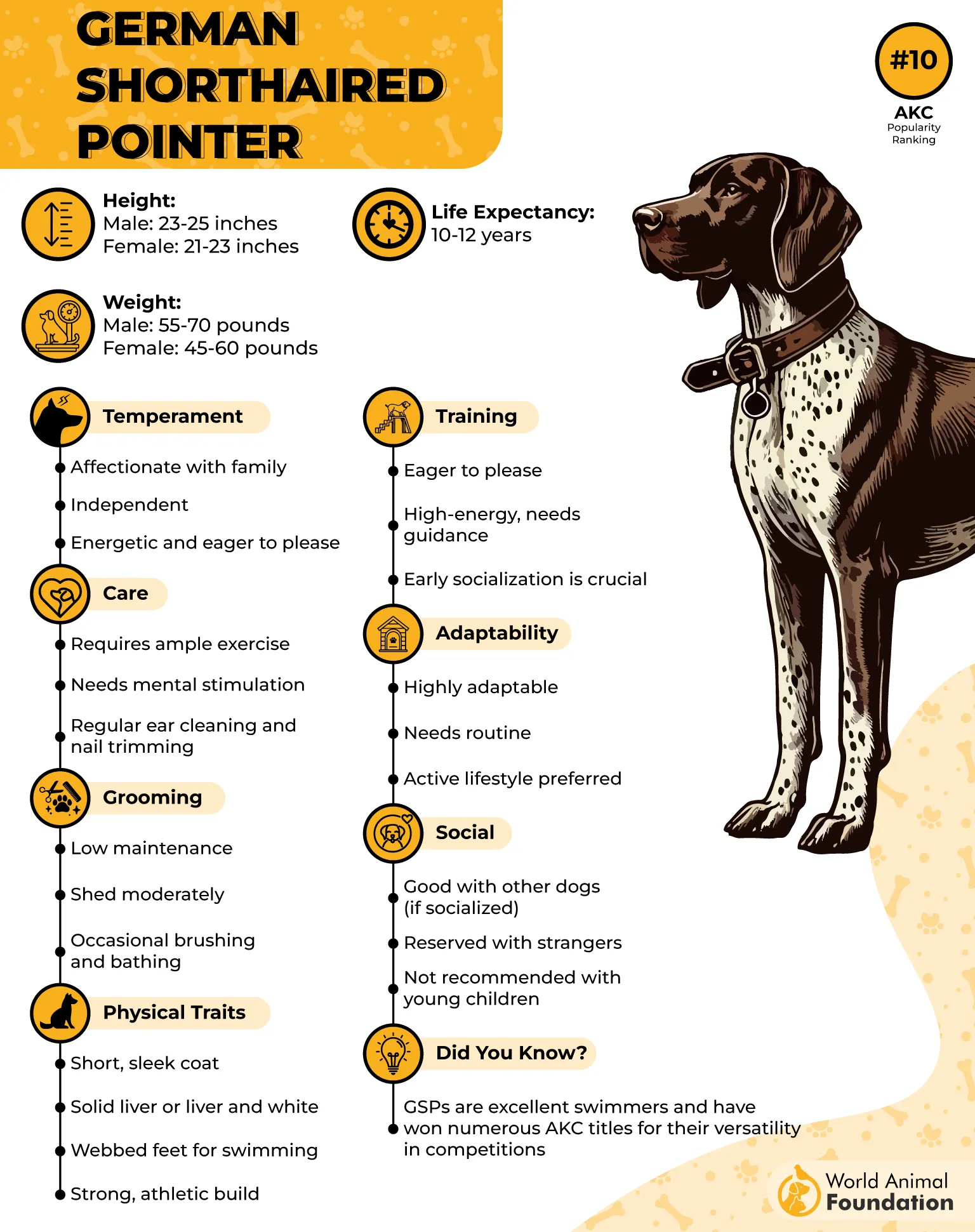
Adaptable across most climates, with only moderate protection from extreme cold.
Trail running, swimming, and field work all keep a GSP genuinely satisfied. It enjoys constant activity and struggles when left without a job to do. This is one of the more incredibly energetic breeds on any list.
Rotate activity types to prevent boredom.
Build endurance gradually through varied terrain.
Pair exercise with scent or retrieval games.
Under-exercised GSPs often turn that energy into anxious or destructive habits. A structured daily routine matters more than occasional bursts of activity. This pointer breed rewards active owners generously, but demands real commitment first.
Conclusion
Real stamina always comes from somewhere specific. The toughest dog breeds on this list earned their endurance doing one job, in one climate, for one kind of terrain, and that history still shapes what it needs from you today.
Before getting one, map your own climate and weekly activity level against what that breed was actually bred for. Talk to a vet or a breed-specific trainer about a conditioning plan, then build your dog’s stamina gradually, one structured outing at a time.
