




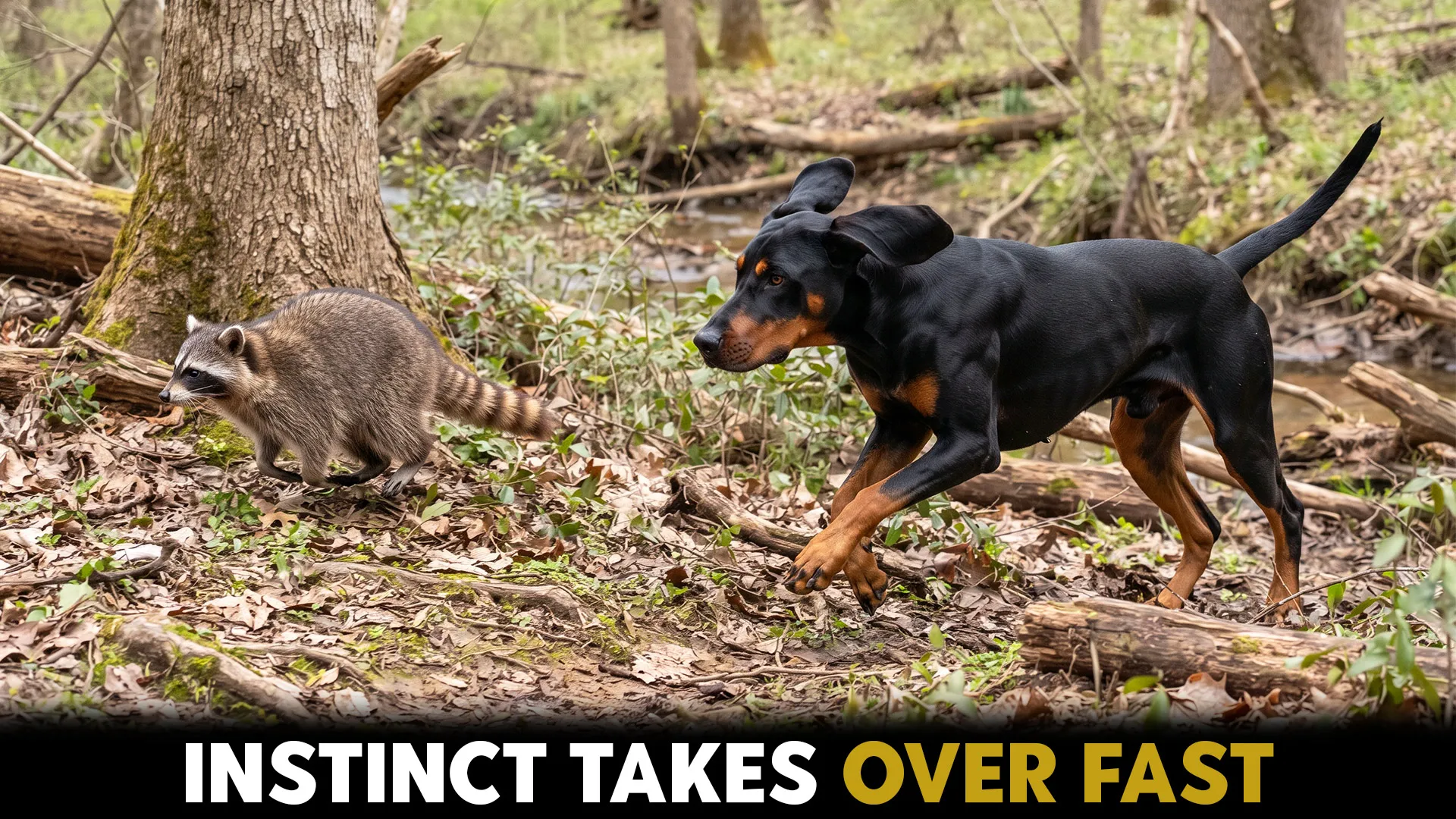
There are some dogs that are just naturally attracted to movement, scents, trails, and outdoor spaces. This isn’t an automatic occurrence. Several breeds were bred over many years to find game, follow a scent trail, point towards birds, flush game from cover, or to follow game over difficult terrain.
Today these dogs can be great companions, but they may have some of their hunting instincts that can affect their behavior at home.
High prey drive could result in a dog being more susceptible to the pursuit of an interesting smell from a strong nose; squirrels, rabbits, and birds can be harder to miss out on when the prey drive is strong.
Let’s take a look at seven breeds that have a special affinity for hunting work. They all have different skills, and thus have different reasons for being interested. Some of these are mixed breeds with naturally protective instincts, while other dogs are purebred and have a love for hunting animals and wild birds.
Dog Breeds with Natural Hunting Instincts: The Ideal Hunting Breeds
1. German Shorthaired Pointer
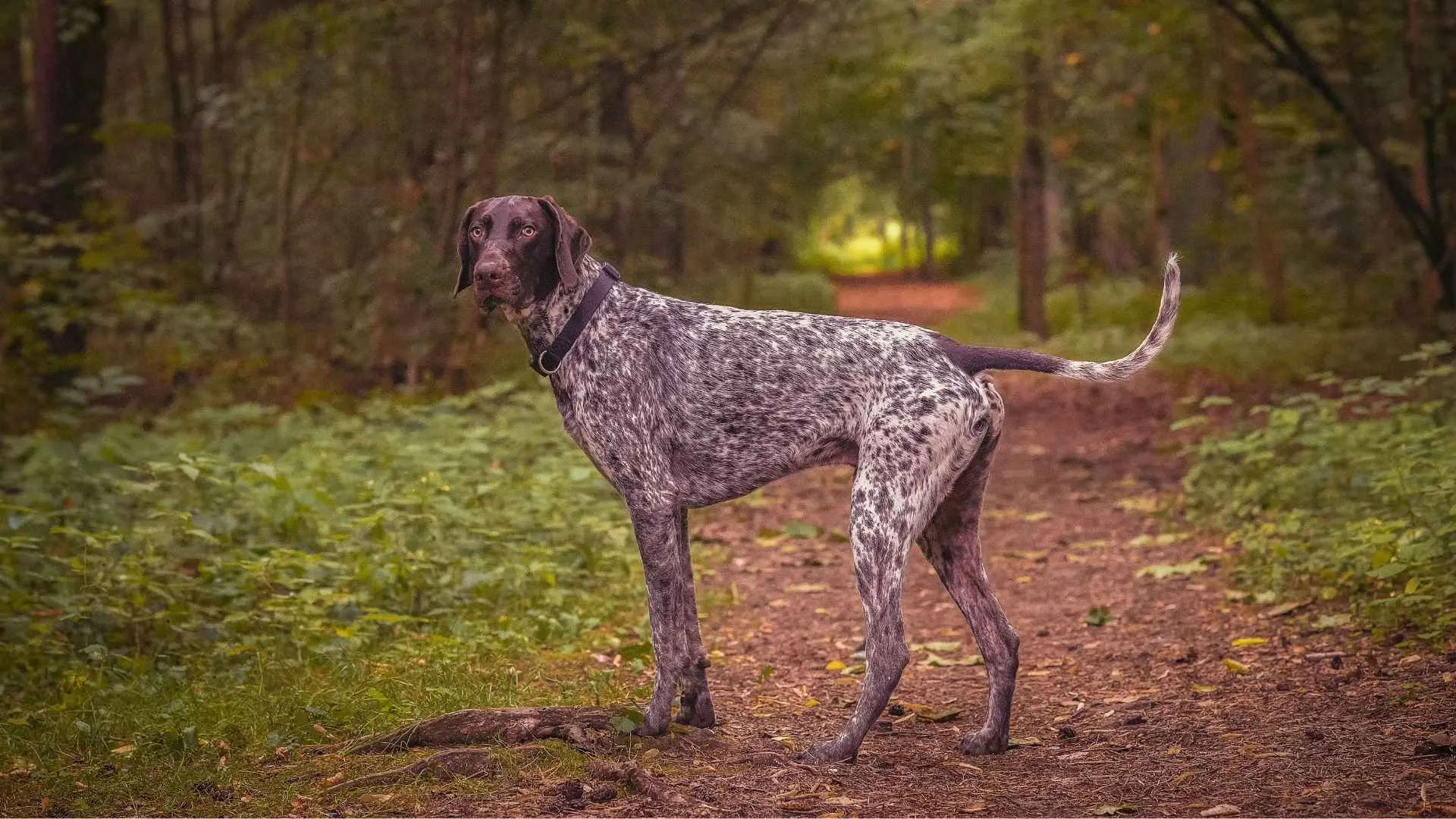
The German Shorthaired Pointer is one of the most obvious hunting breeds that were bred for hunting. This versatile sporting breed was developed to find game and let others know by pointing.
A GSP does more than simply chase. It is well known for its classic “stop and sniff” routine, which is used to find a scent and sniff it up. This creates a visual clue for the handler as to where game can be hiding.
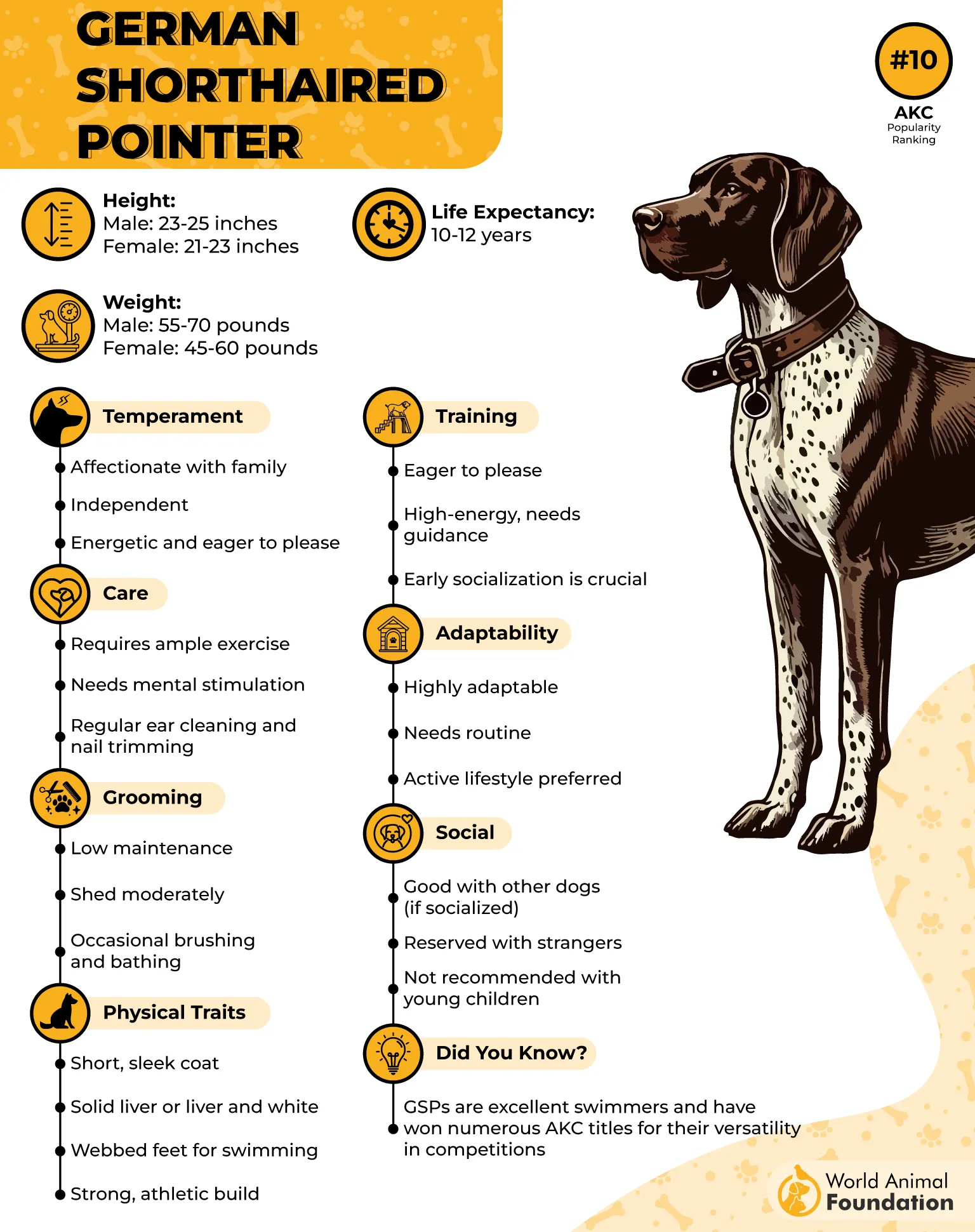
The breed is also known for its speed and endurance, making it able to be active for long periods, according to the American Kennel Club.
It has a very keen sense of smell, which can also affect its day-to-day routine. If left to free-range, they will wander, and a GSP can be fascinated by a smell they are not familiar with. The breed is known for its high prey drive, especially towards smaller animals and birds.
Ideal for: Active owners who desire a pointing and scouting dog.
2. English Springer Spaniel
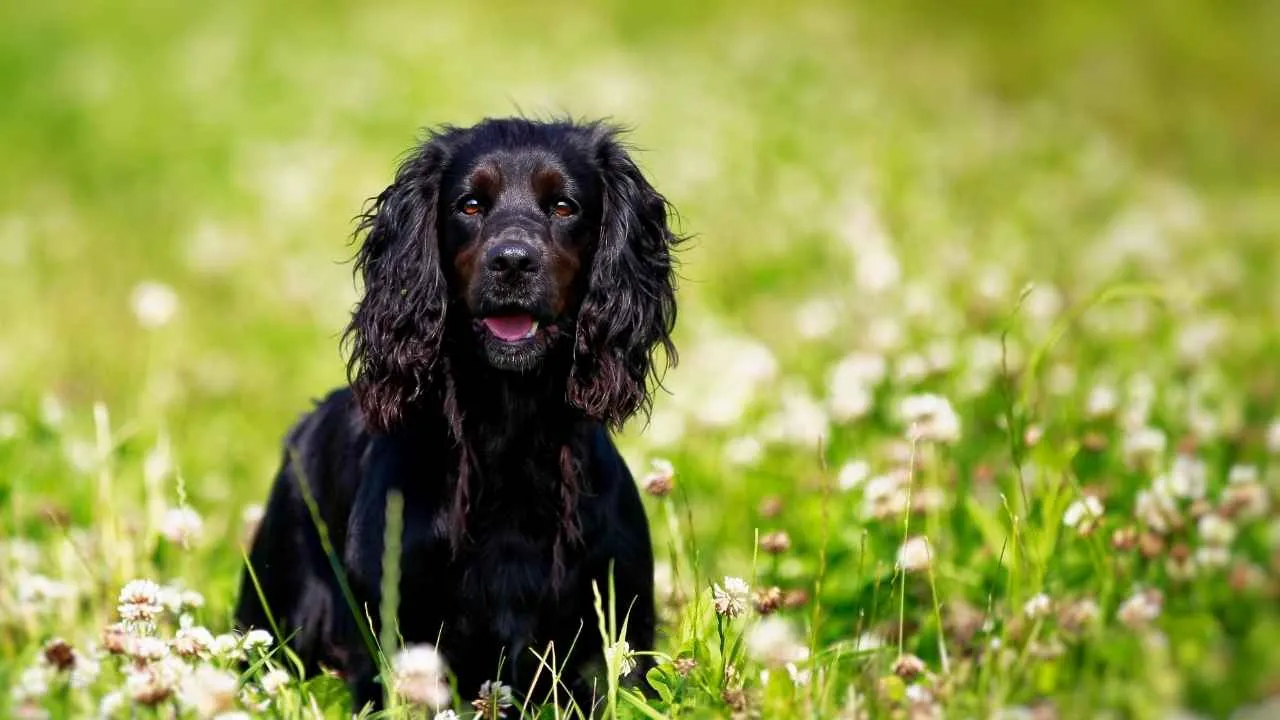
The English Springer Spaniel is a different type of hound. Unlike the traditional pointing-type dogs, Springers were bred specifically to track and drive birds from cover, making them valuable hunting aids in fields and areas with heavy cover.
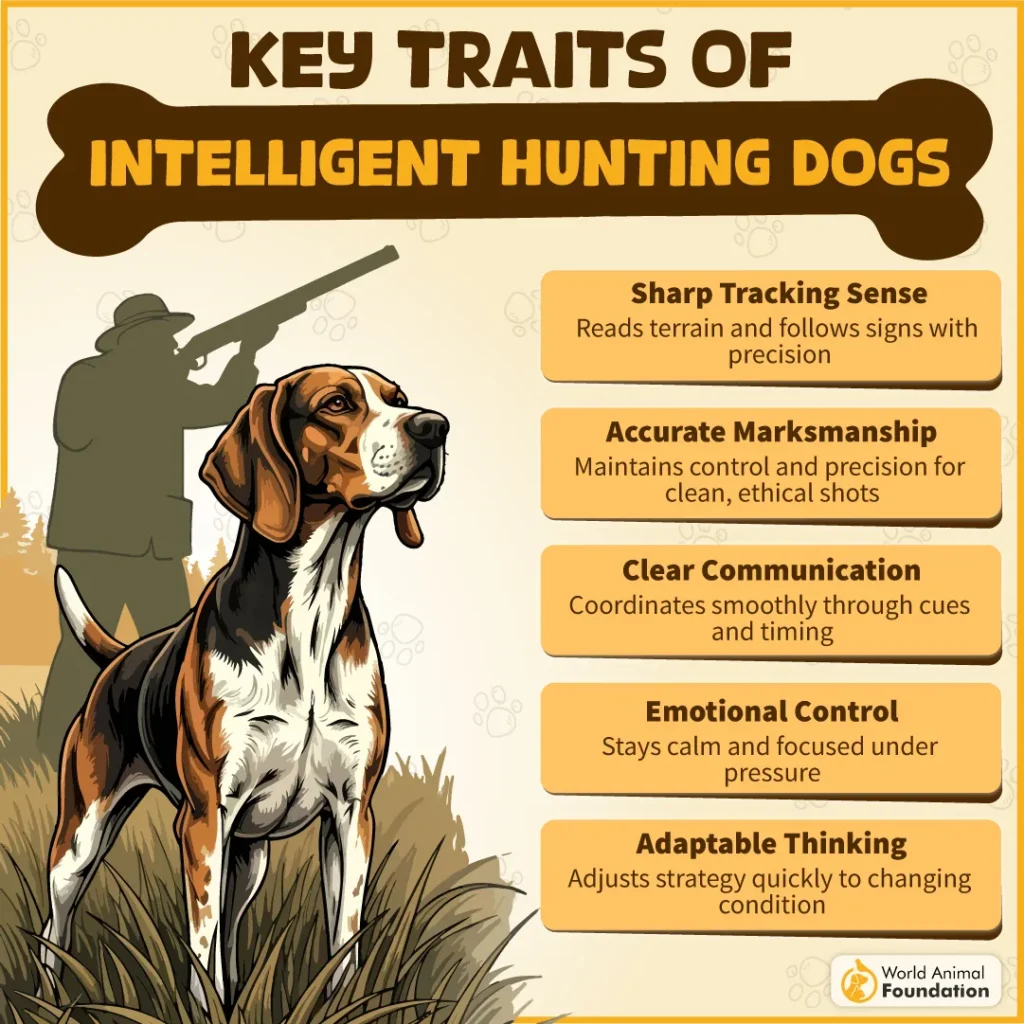
This is why they are called the “Springers”. The dog would find birds and stir them out of cover so that the hunter could go to them.
This breed is endowed with natural retrieving instincts and takes great pleasure in completing hunting tasks in nature. Springers love to be engaged in some activity that requires them to interact with their owners, such as retrieving, swimming, extended walks, or gentle training.
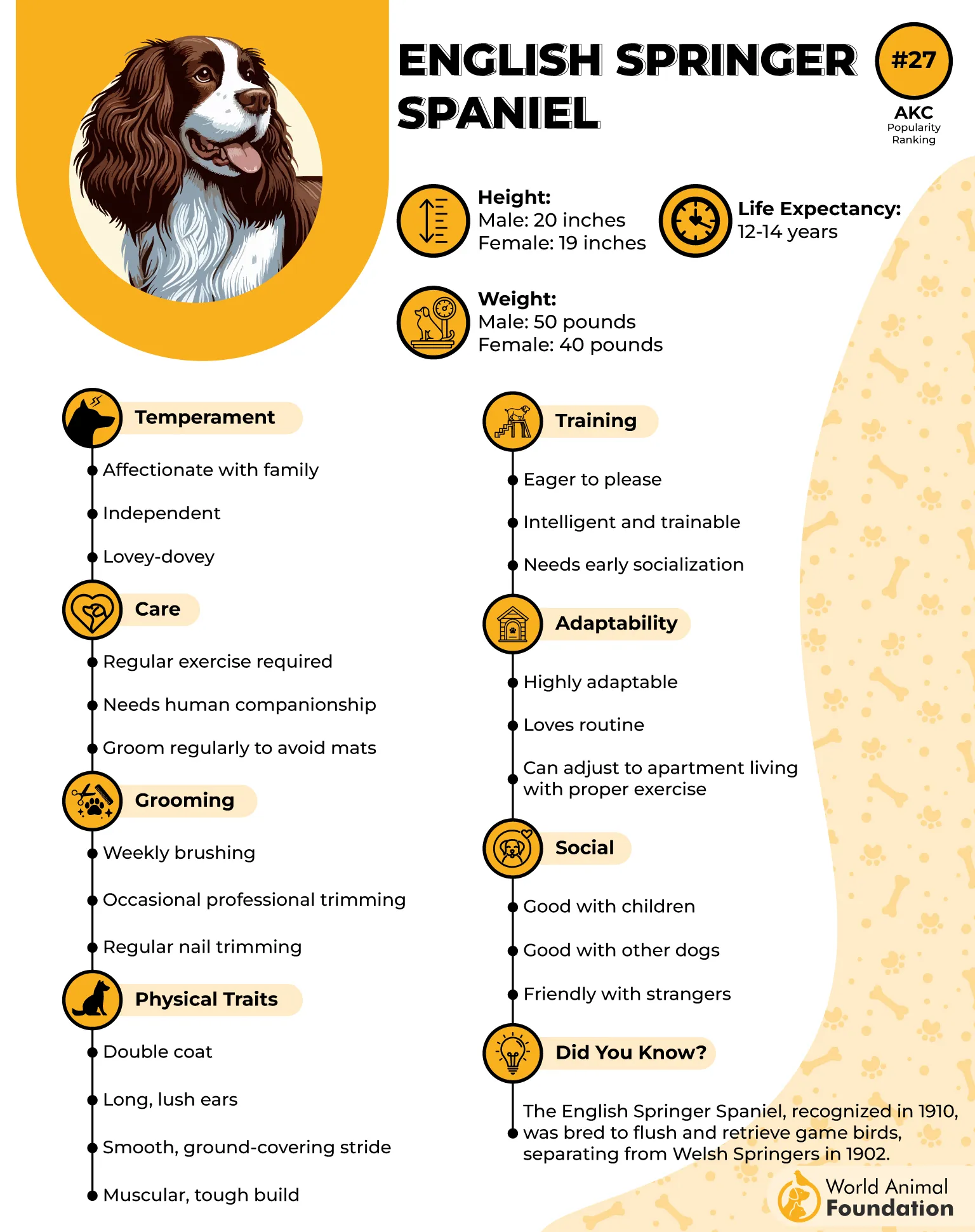
Ideal For: Active families looking to have a dog that is people-oriented and can naturally retrieve and flush.
3. Black and Tan Coonhound
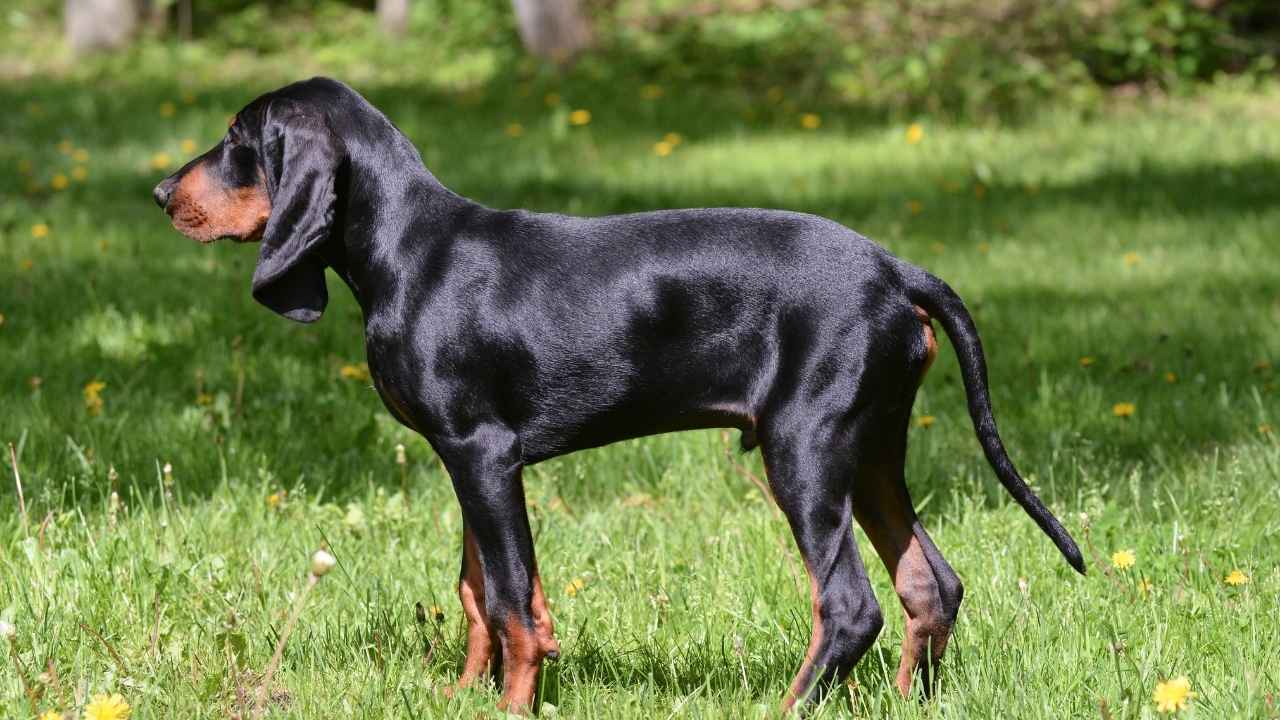
The Black and Tan Coonhound is the prime example of an individual dog’s sense of smell when it has been bred for generations to perform these tasks.
This American scenthound was bred for the main purpose of tracking raccoons. The Black and Tan Coonhound is different than a dog that has to see the object that it is looking for; like any dog, it can follow scents and trails through difficult terrain.
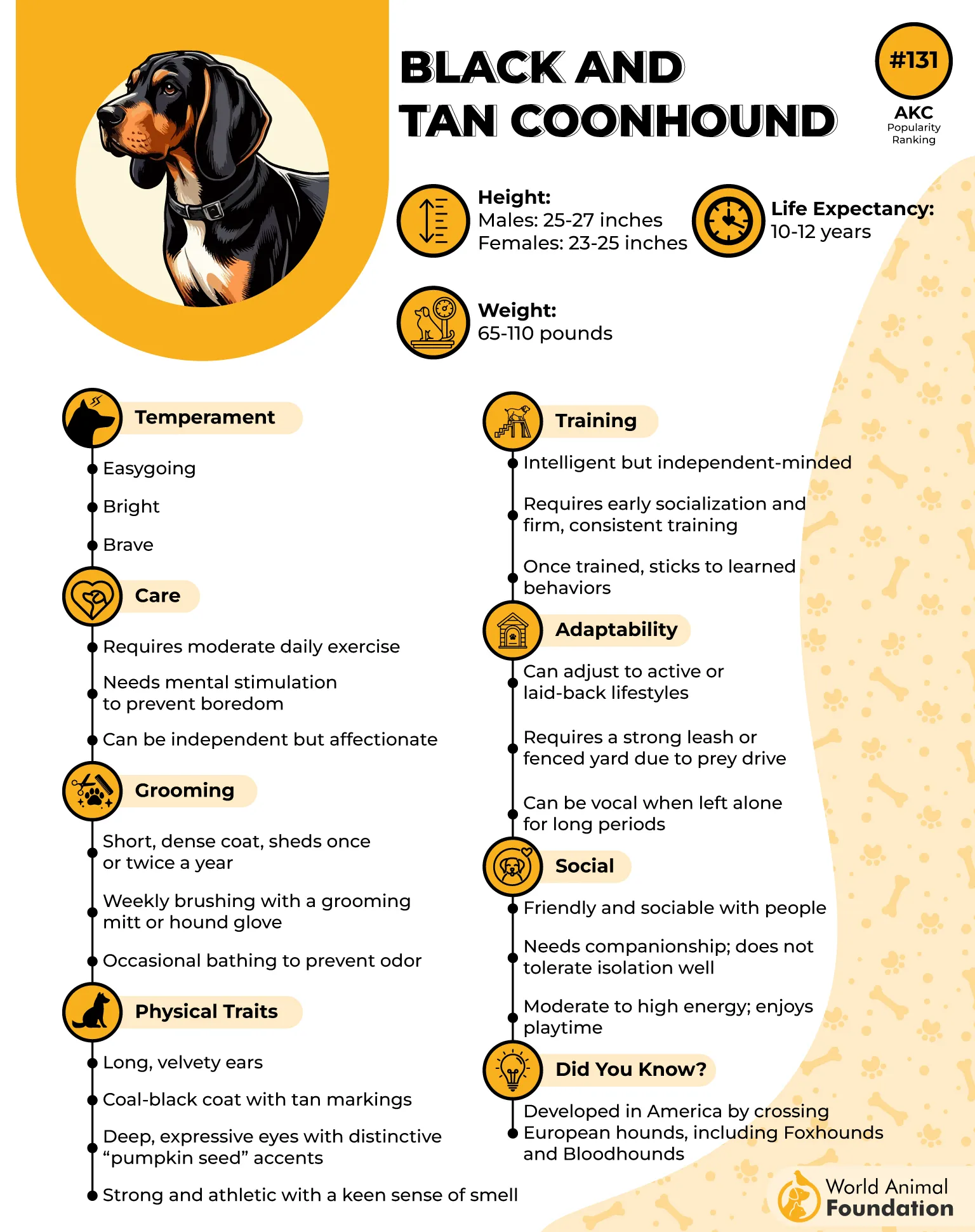
The breed’s unique baying is also a useful piece of history. When the treeing dog found and treed its game, the loudness of the dog’s voice could be used to help the hunters locate their dog.
The breed is hard-working, strong, and can cover long distances and track scent on varying terrain. It is also a hunter for large game such as deer and bears, unlike some specific dogs.
Ideal For: Scent-driven dog owners who are ready to deal with a powerful trail drive.
4. Weimaraner
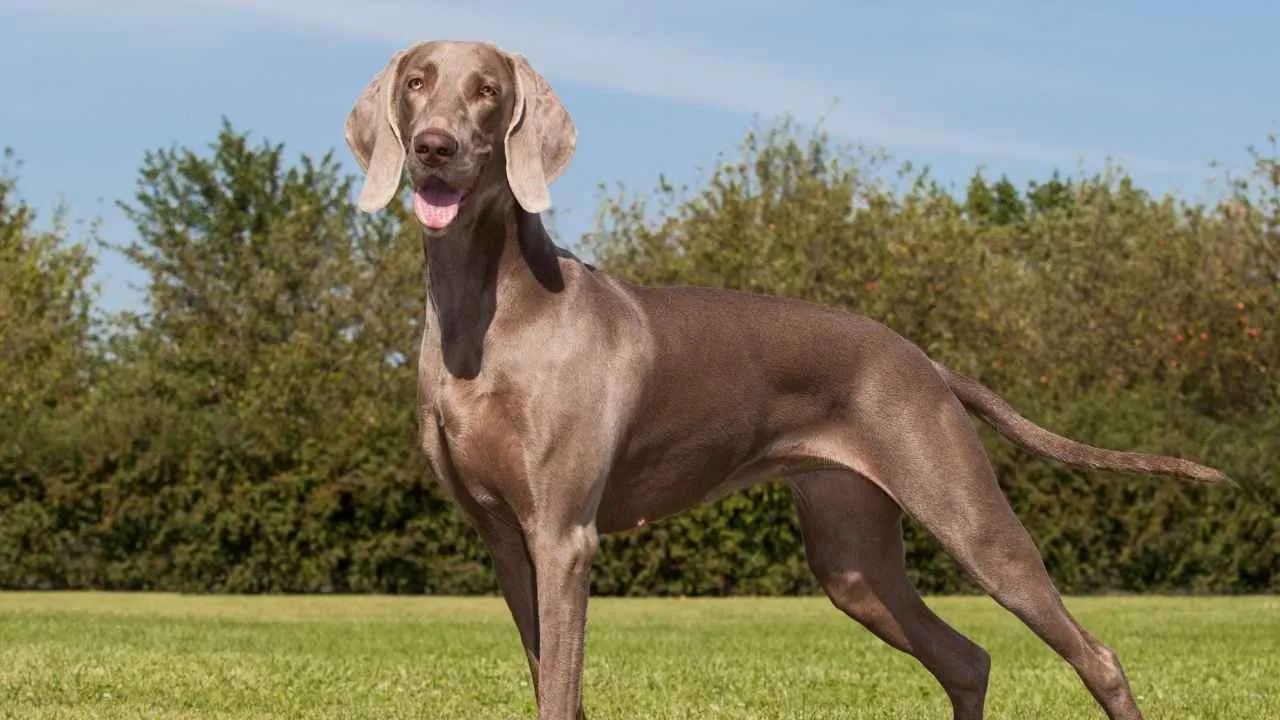
The Weimaraner was bred in Germany as a general-purpose hunting breed and is not a specific type of hound. Its history is closely linked to attributes like fastness, tracking, courage, and endurance.
Called active dogs by Purina, the breed originated in the 19th century when German nobility wanted a working dog that was good at tracking, fast, brave, and hardy.
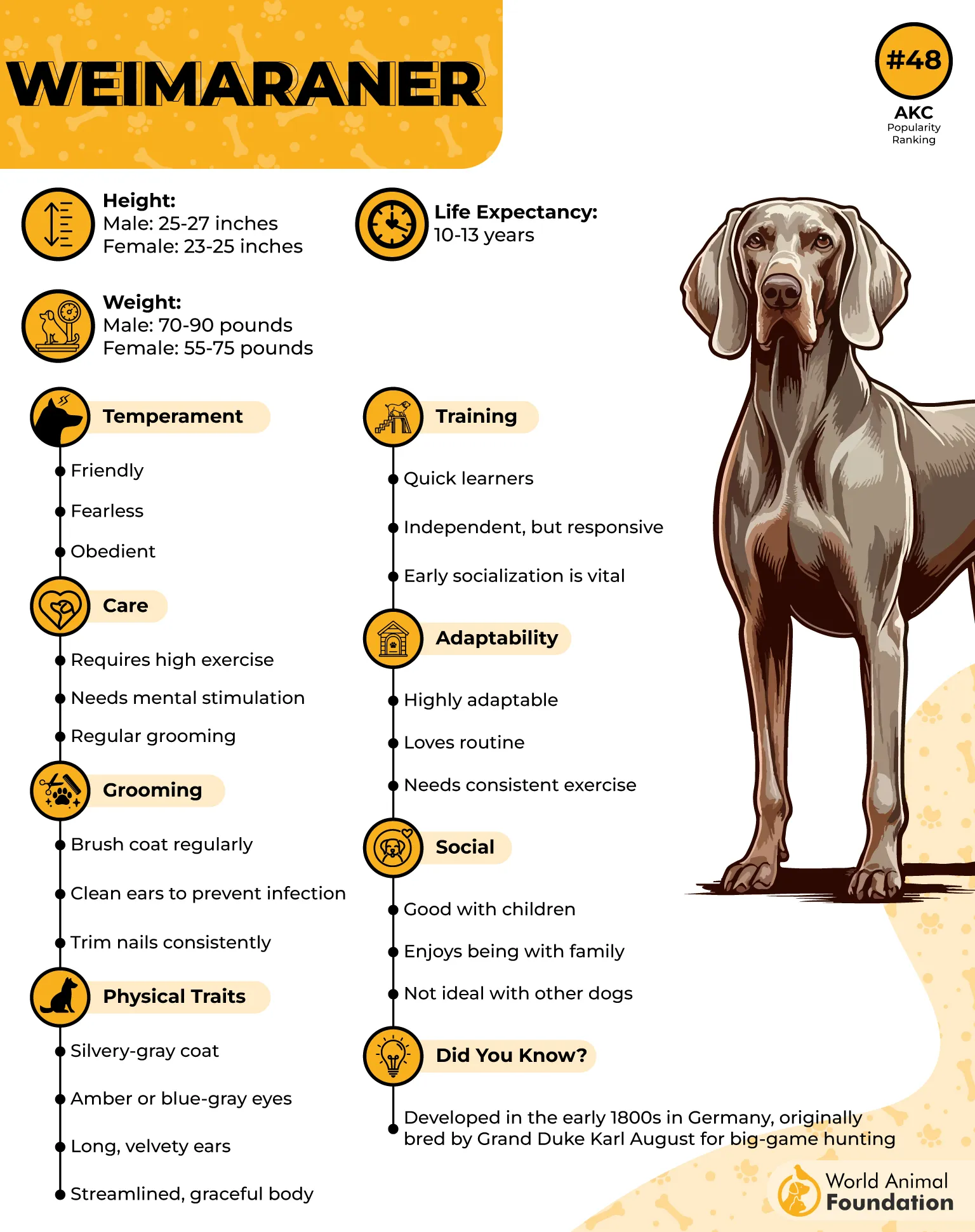
This background might account for the fact that a modern Weimaraner might appear ready to investigate anything around it. These dogs are active, athletic, and mentally stimulated and require a longer walk than a short one a day can supply.
They may also show their natural behavior when they instinctively chase objects or through an excessive fascination with moving objects. That energy may be hard to manage if not given the right exercise and mental stimulation.
Ideal For: Active families that desire an energetic dog with a flexible work history.
5. Mountain Cur
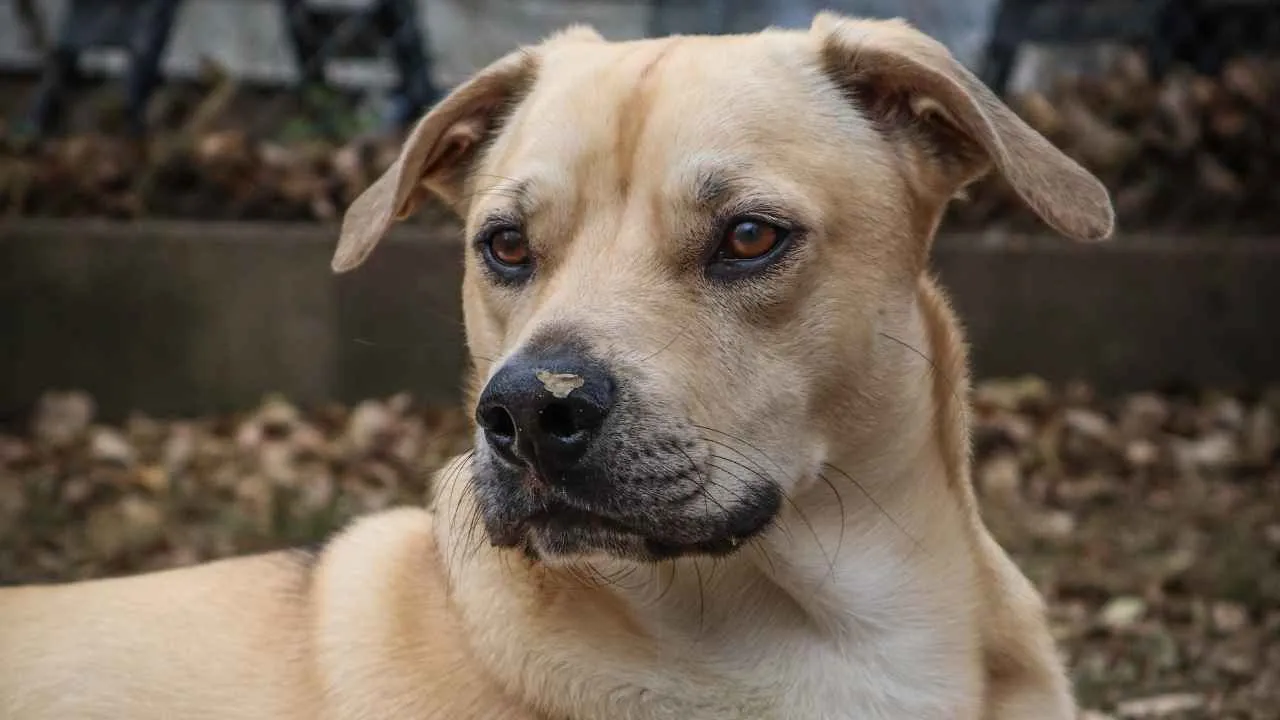
This is another lesser-known breed, with the Mountain Cur’s history as a hunting dog being particularly interesting. These dogs were useful to early settlers and homesteaders to hunt wild game and guard households when properly trained.
The Mountain Cur is a hunting dog that has a very strong treeing instinct. This is in contrast to pointing dogs like the German Shorthaired Pointer. This traditional form of employment was related more to the interests of rural families than to the world of dog sports.
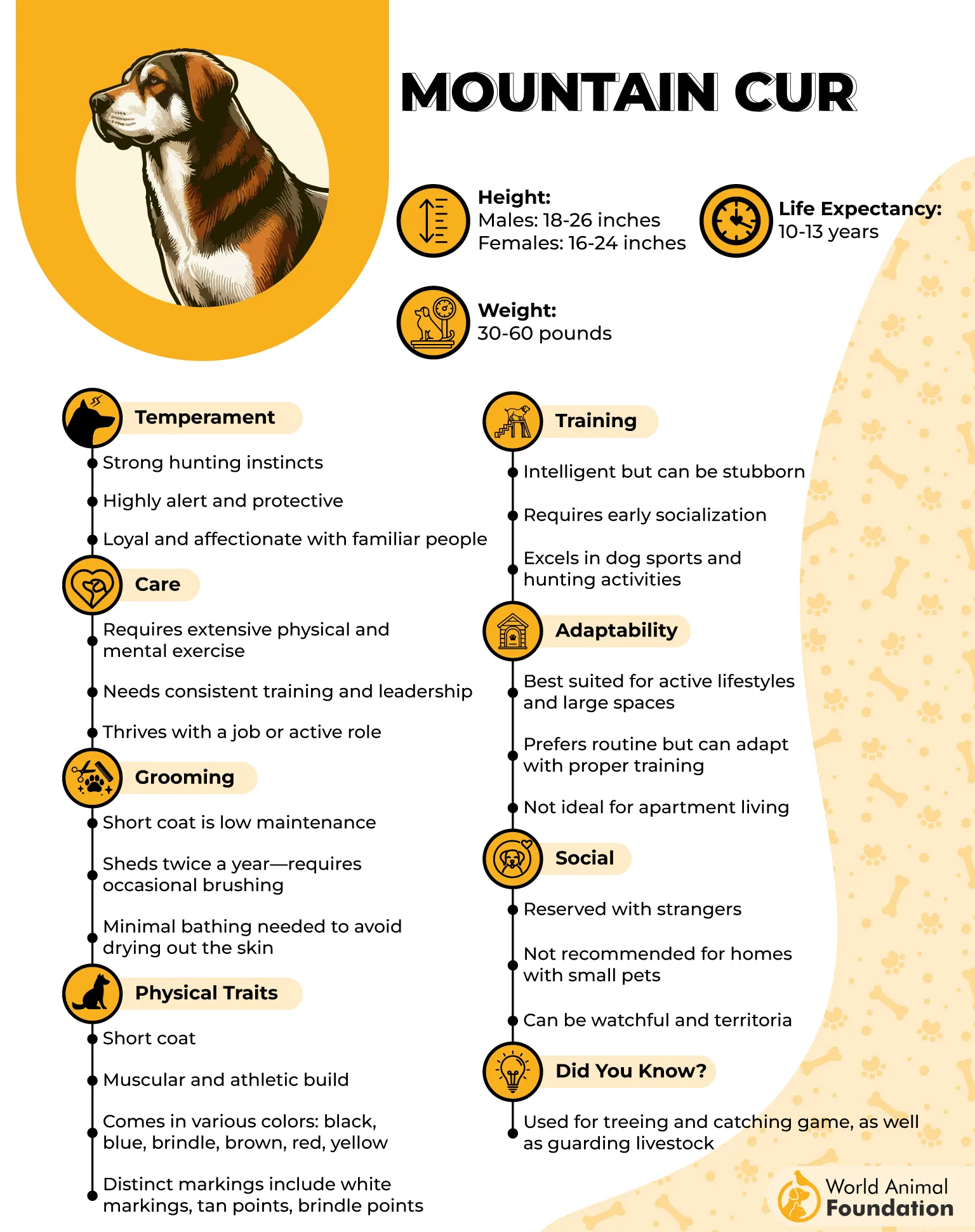
The breed also gained a reputation for being courageous and intelligent. Mountain Curs were expected to do useful work and were required to think for themselves while at the same time responding to their owners.
Ideal For: The right dog for owners who are experienced and seek a hardy working dog with a keen sense of tracking and treeing wildlife.
6. Beagle
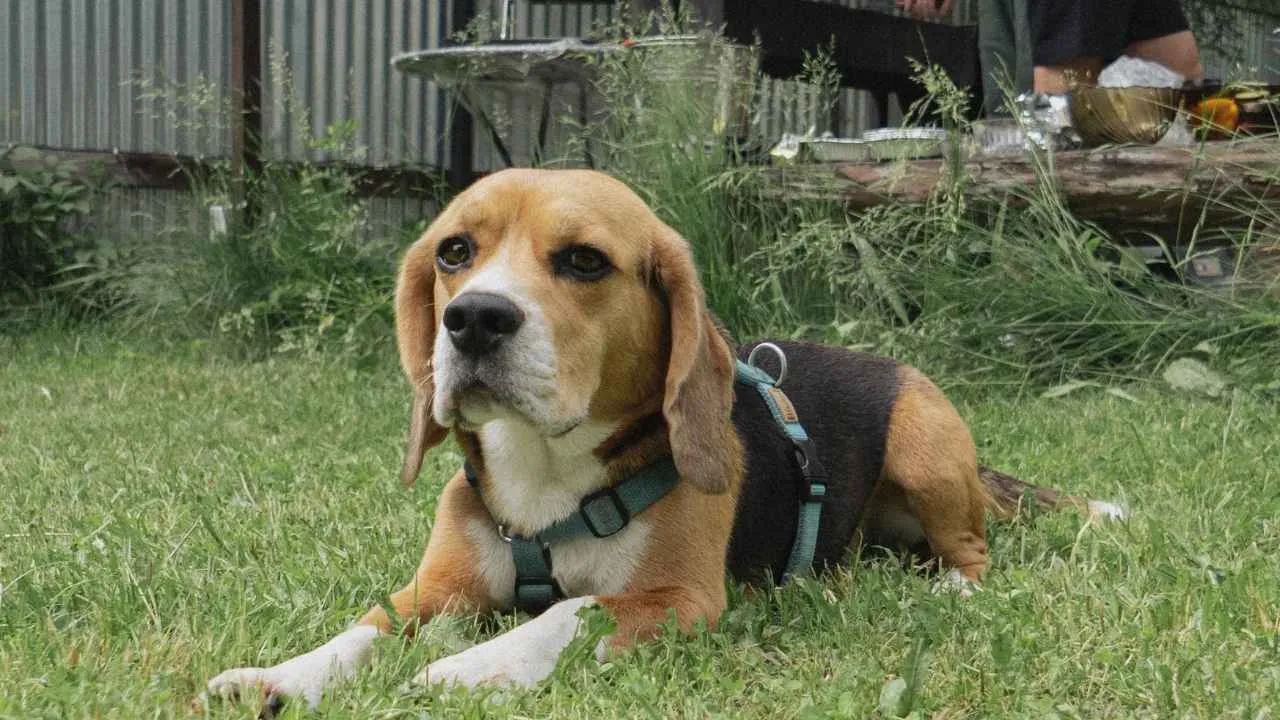
At first glance, the Beagle is a happy family dog, but beneath the surface, it has a lot of history and an instinct for hunting.
This breed readily adapts, as it is a scent hound created for the purpose of hunting for rabbits and hares. The nose was very important to them as they followed a trail when working with other dogs.
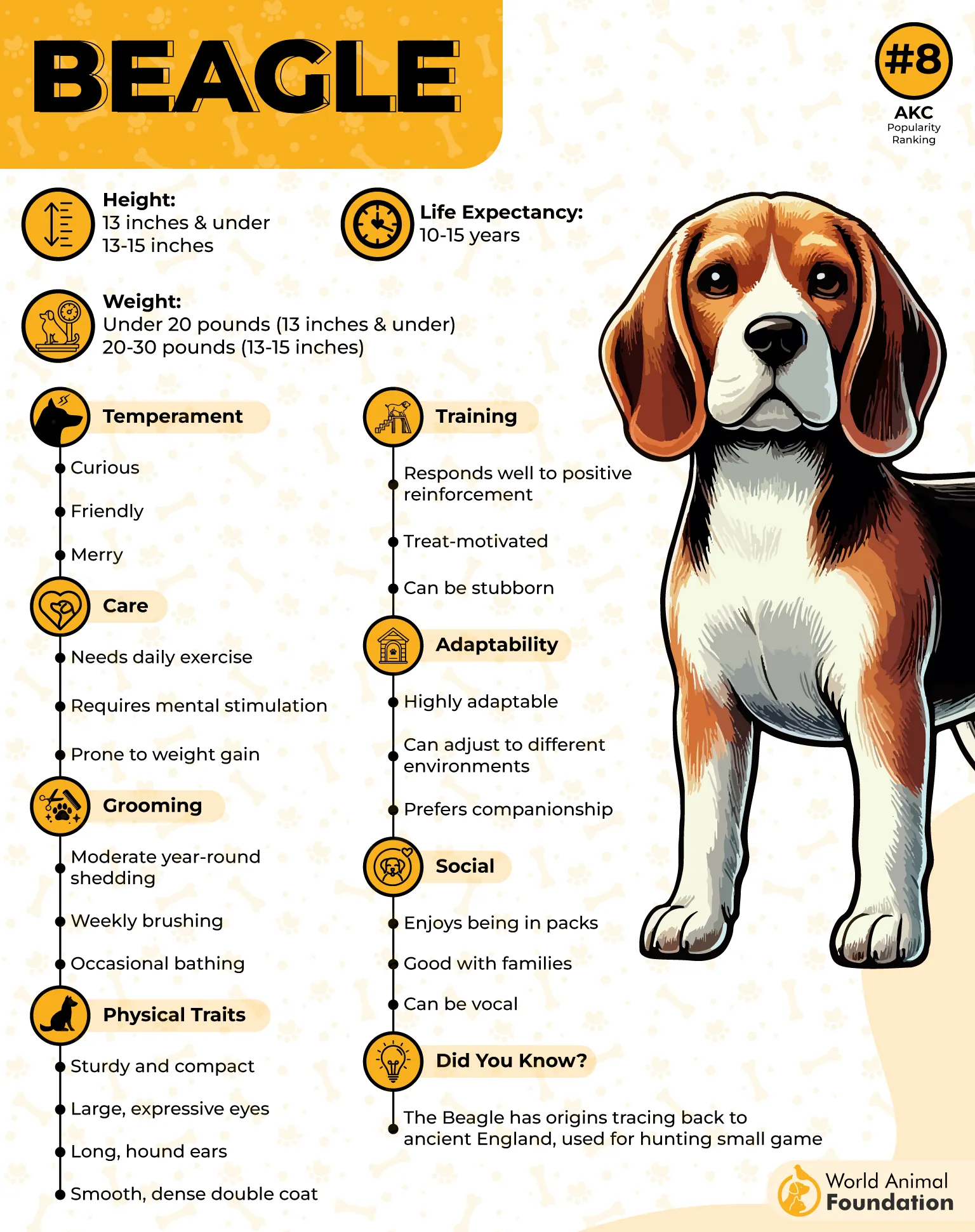
According to PetMD, their popularity as family pets doesn’t stop them from being good hunters.
They have a natural curiosity because of their background and history. You’ll want to have a safe yard and proper leash manners, too, because a fascinating fragrance can prove more attractive compared to whatever else is going on around them.
Ideal For: Families that desire a smaller dog with stronger pack-hound instincts and a great sense of smell.
7. English Setter
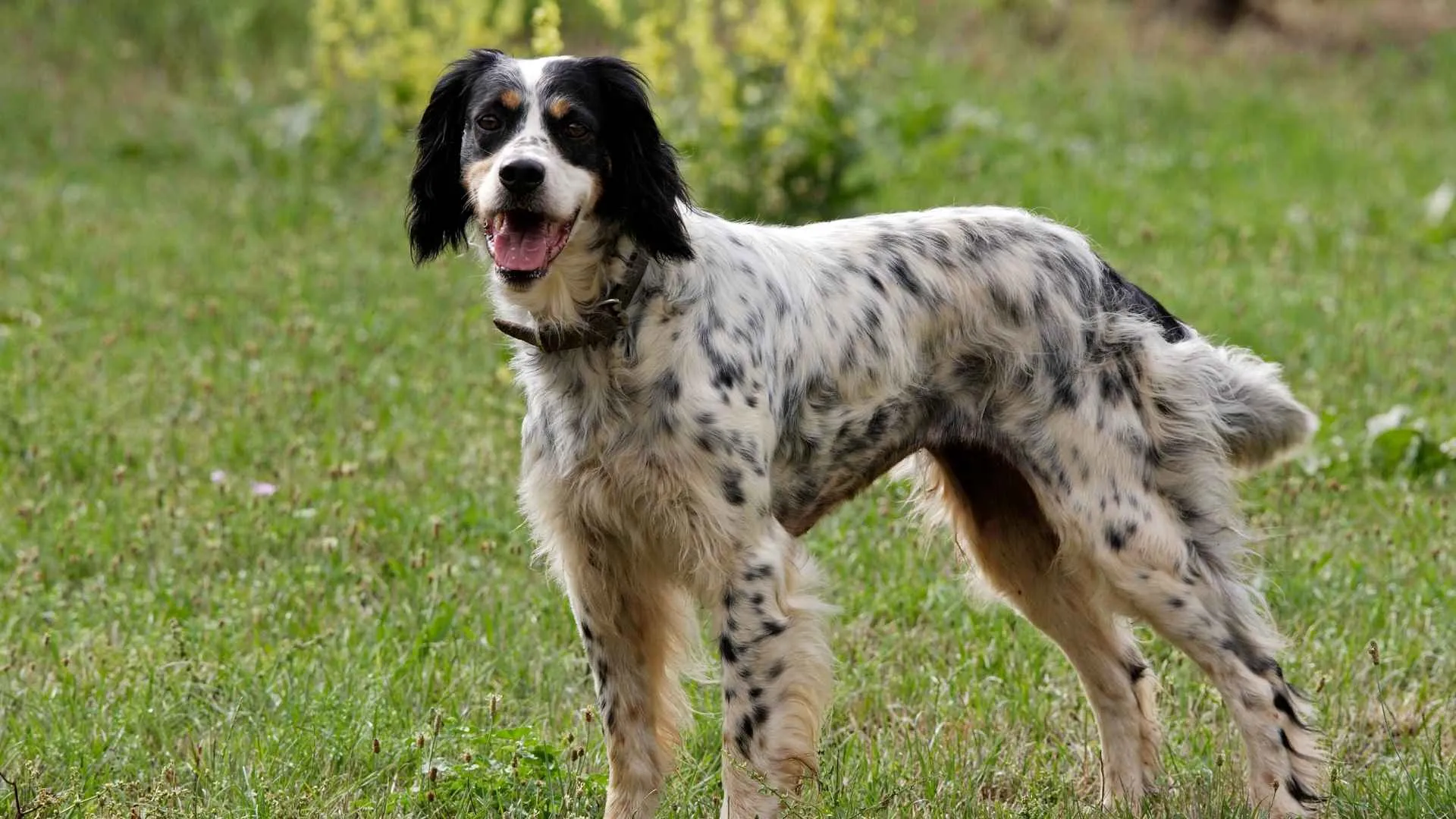
Among these breeds, the English Setter’s hunting history is the most unique.
The early English Setters were used as bird dogs, assisting their masters in locating birds, crouching or “setting” when they came upon them. This enabled hunters with nets to determine bird location.
As the hunting style changed, the breed’s function also changed over time. There is still something of the field dog in the modern English Setter, for the dog is still used to its job of finding and pointing out birds.
They are adept at covering ground with their noses, and their hunt is very closely linked to their scenting ability. Dogs from working lines must be active outdoors.
Ideal For: Owners who like to be outdoors and want a good sport that has a long tradition of bird hunting.
Conclusion
The hunting instincts of these breeds may vary from one to another.
The dogs in this blog have a naturally high hunting instinct and love chasing animals like wild boars. These upland dogs are the best companions for a hunting trip because they have a highly developed sense to chase fast-moving animals and are highly adaptable to different terrains.
If you are looking to own a highly intelligent hunting breed, it is not so important if it has a hunting instinct. It’s whether or not that strong retrieving drive is compatible with your way of life.
When a strong working drive is met with adequate exercise, mental stimulation, training, and outlets for the natural drive, a strong working breed can make a great companion.
