




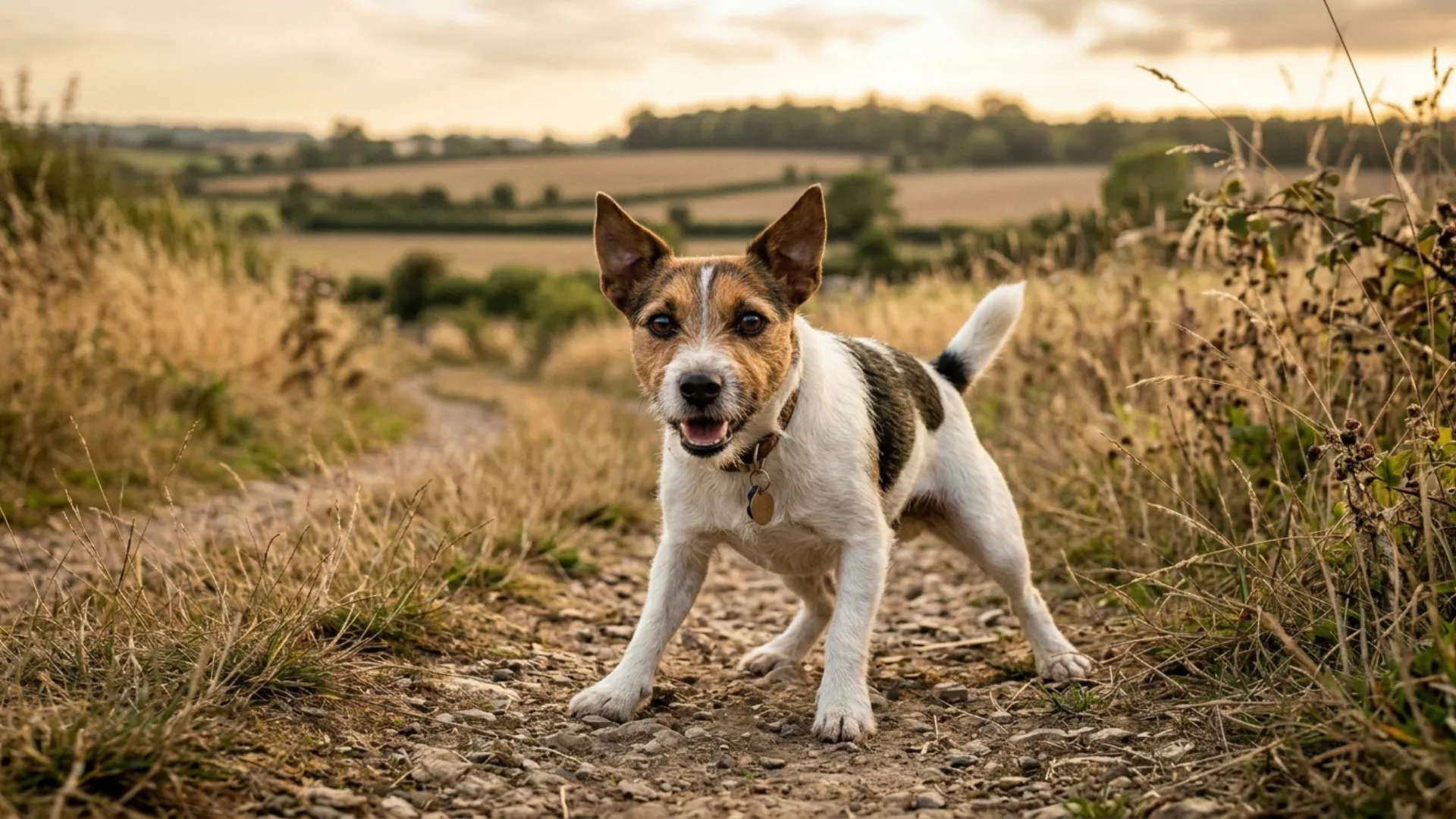
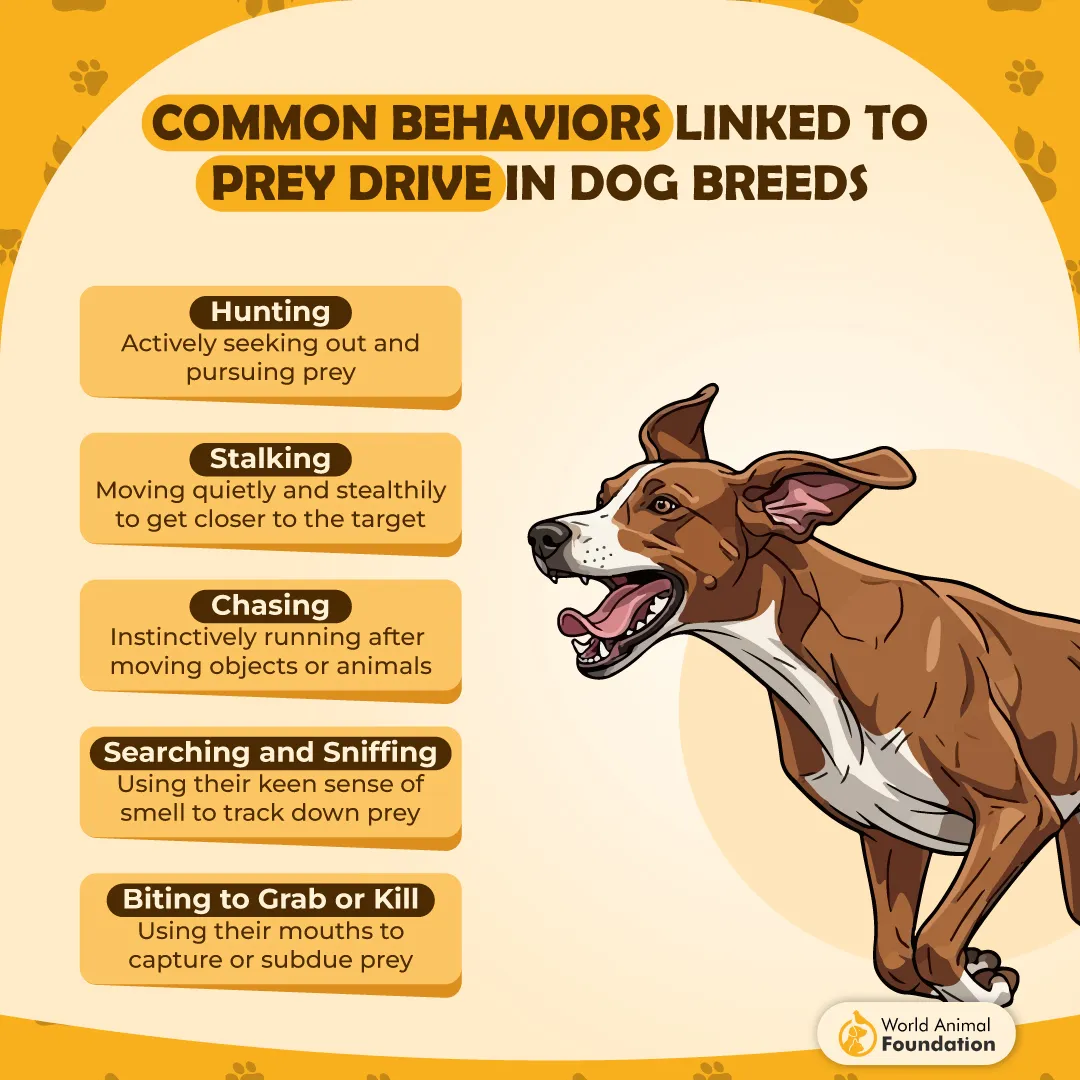
Few canine traits are as misunderstood as prey drive. Many people assume a dog that loves chasing rabbits, birds, or even a rolling ball is simply being playful, but that behavior often runs much deeper than that. It stems from powerful instincts that have been part of a dog’s genetic makeup for centuries.
Dogs with high prey drive were originally bred to locate, pursue, and sometimes capture prey. Even today, those instincts remain strong, regardless of whether the dog lives on a hunting field or in a suburban home. The result is a dog with intense focus, quick reactions to movement, and an almost automatic response to anything that catches their eye.
Understanding prey drive matters for responsible ownership. It shapes training strategies, influences how a dog interacts with other animals, and determines the type of activities they enjoy most. High prey drive is not a sign of aggression or poor behavior; it’s simply a reflection of natural instinct.
Before choosing a breed with these tendencies, it’s worth knowing what daily life actually looks like and how to manage that drive in a healthy, constructive way.
Dog Breeds with High Prey Drive: What You Should Know
1. Greyhound
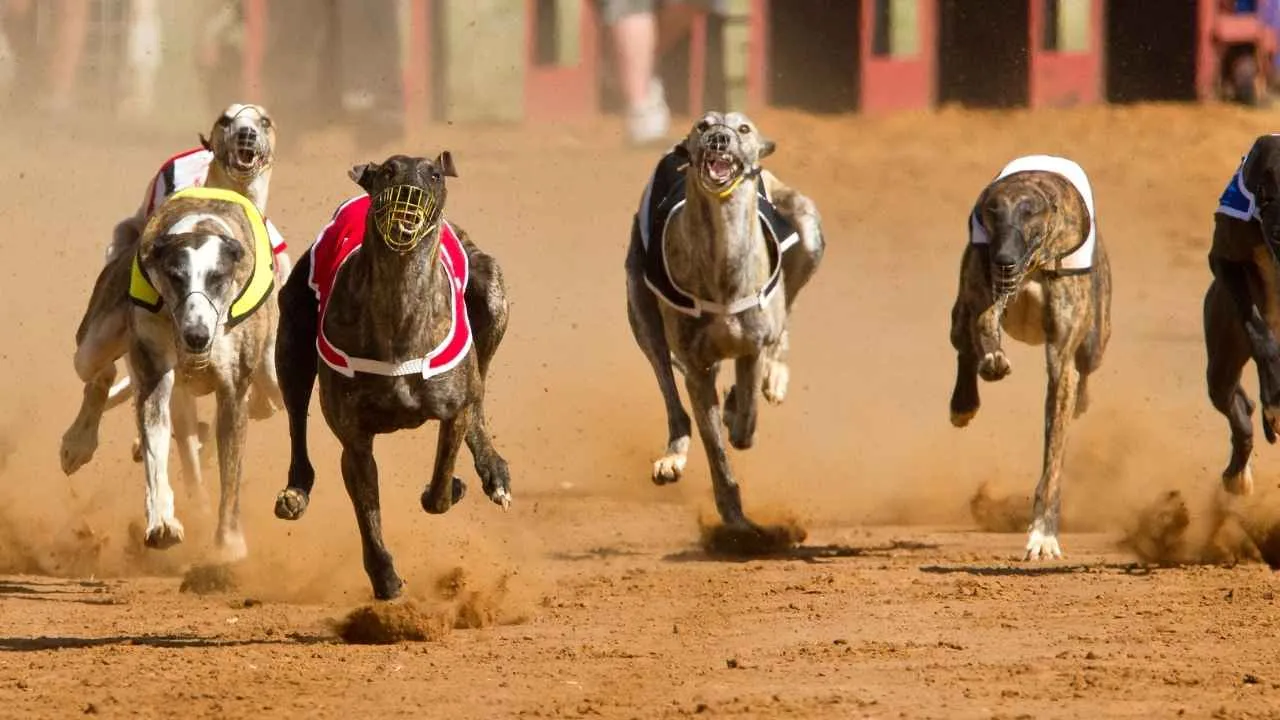
Evidence of Greyhounds hunting dates back thousands of years, and it’s not hard to see why they were prized for it. With a top speed of 45 miles per hour, combined with exceptional agility and sharp vision, they were purpose-built to chase, which is also why they rank among the breeds with the highest prey drive.
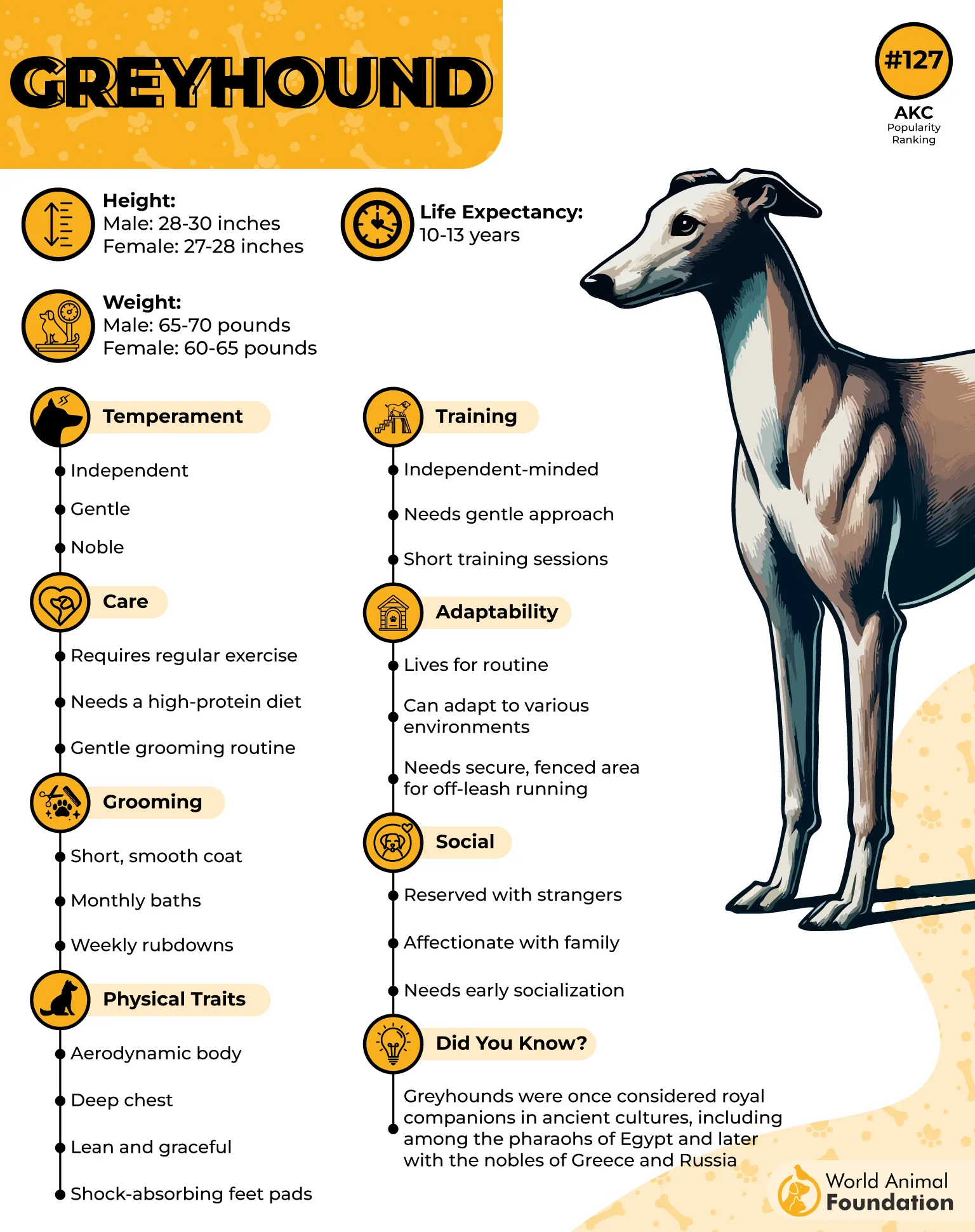
That inherited instinct means Greyhounds can struggle to live peacefully alongside small animals with quick, darting movements. With other dogs, they generally do fine, and some can coexist with cats under the same roof, though early socialisation and training make a significant difference either way.
As PetMD notes, Greyhounds are independent dogs, but their sweet and gentle temperament balances out their personality in a way that makes them surprisingly easy to live with. And despite their athletic background, they don’t need extensive exercise: a solid 20-minute run is usually enough to satisfy them. After that, they’re perfectly happy to curl up and snooze for the rest of the day.
2. Siberian Husky
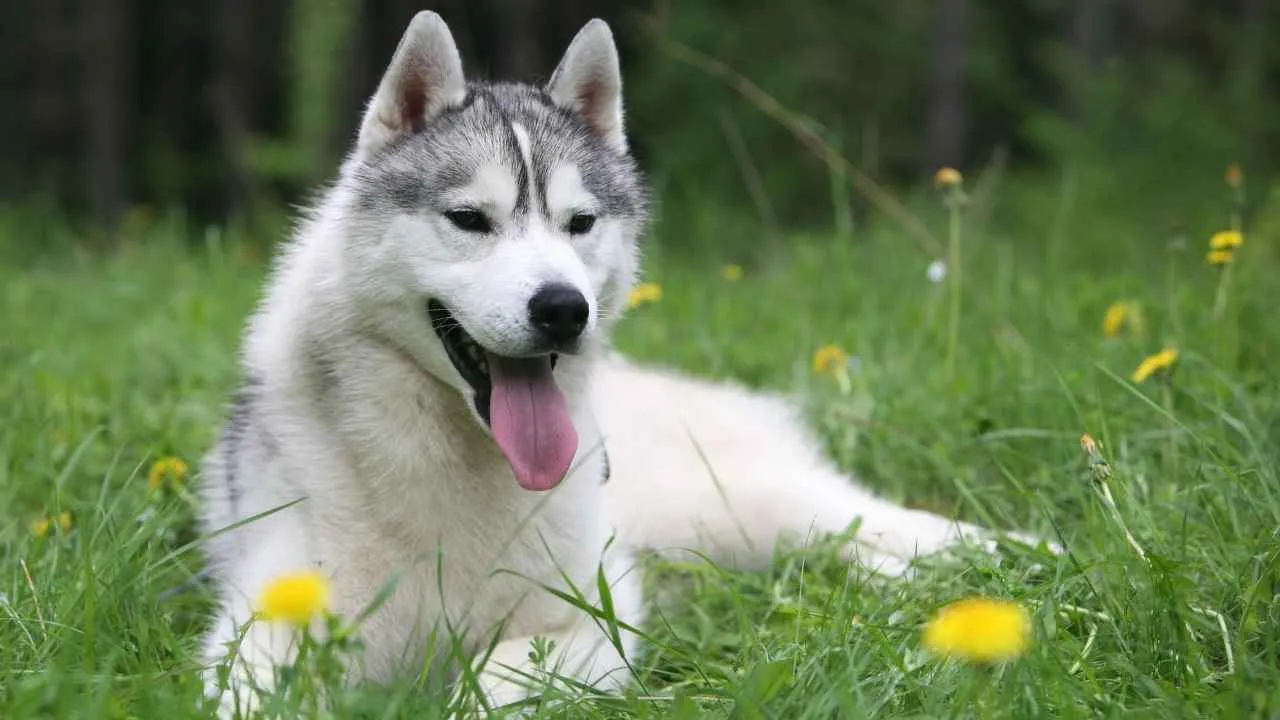
Siberian Huskies sit somewhere between moderate and high prey drive, and it tends to vary from dog to dog. Historically, they worked alongside the Chukchi people of the Arctic: hunting, herding, and pulling sleds through brutal conditions.
That background gave them extraordinary endurance and a strong work ethic that still shows up today, making them best suited to active households.
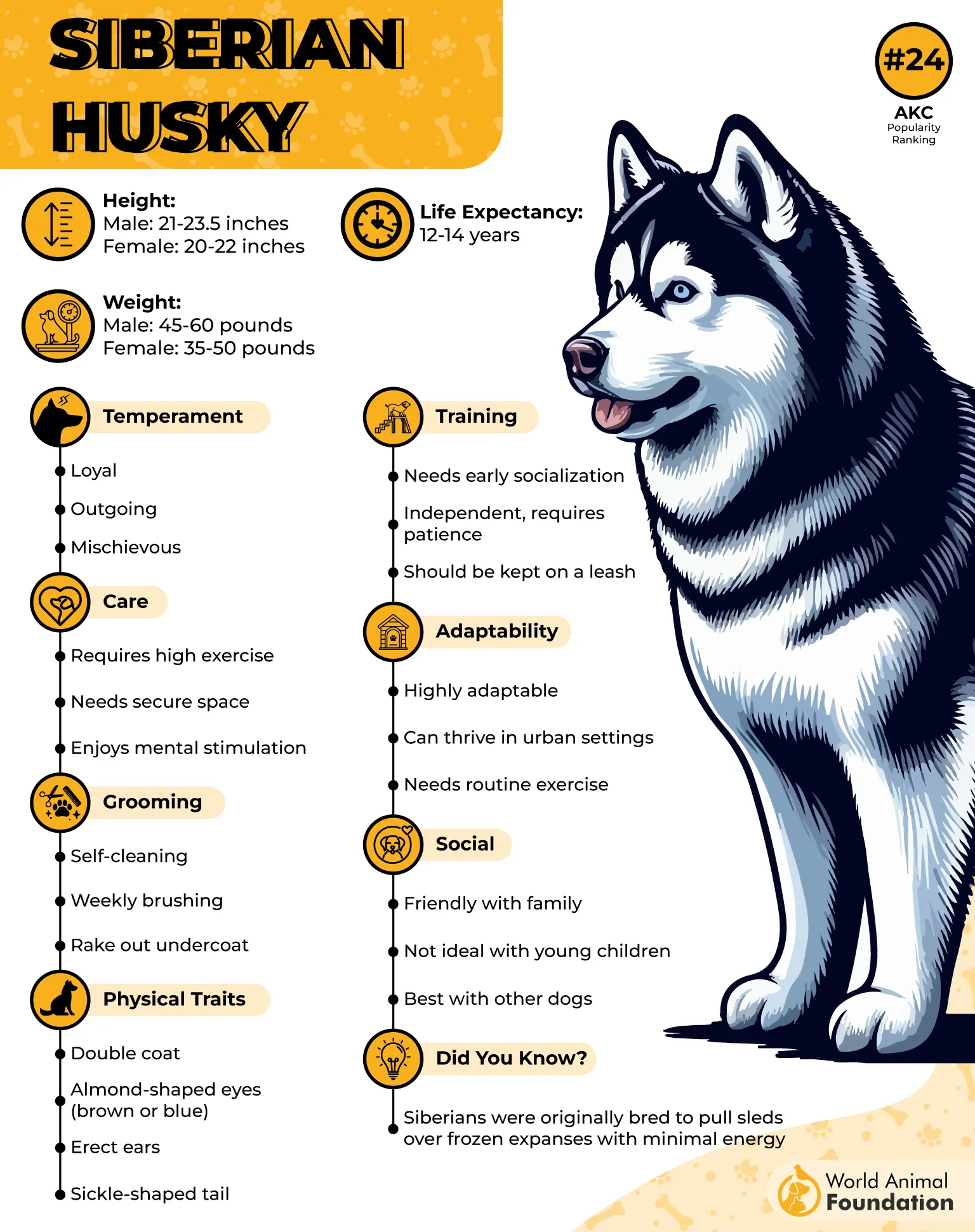
Their prey instincts drive them to chase fast-moving animals: squirrels, rabbits, and cats are common targets. A keen sense of smell and a naturally curious nature only amplify this tendency, which is why homes with small pets aren’t a great fit for this breed.
To keep those instincts in check, Huskies need plenty of daily exercise and consistent mental stimulation. They’re also not people-pleasers, which means training takes time and patience; another reason why they’re not the best option for novice pet parents. For the right owner, though, they’re energetic, loyal, and endlessly entertaining companions.
3. Jack Russell Terrier
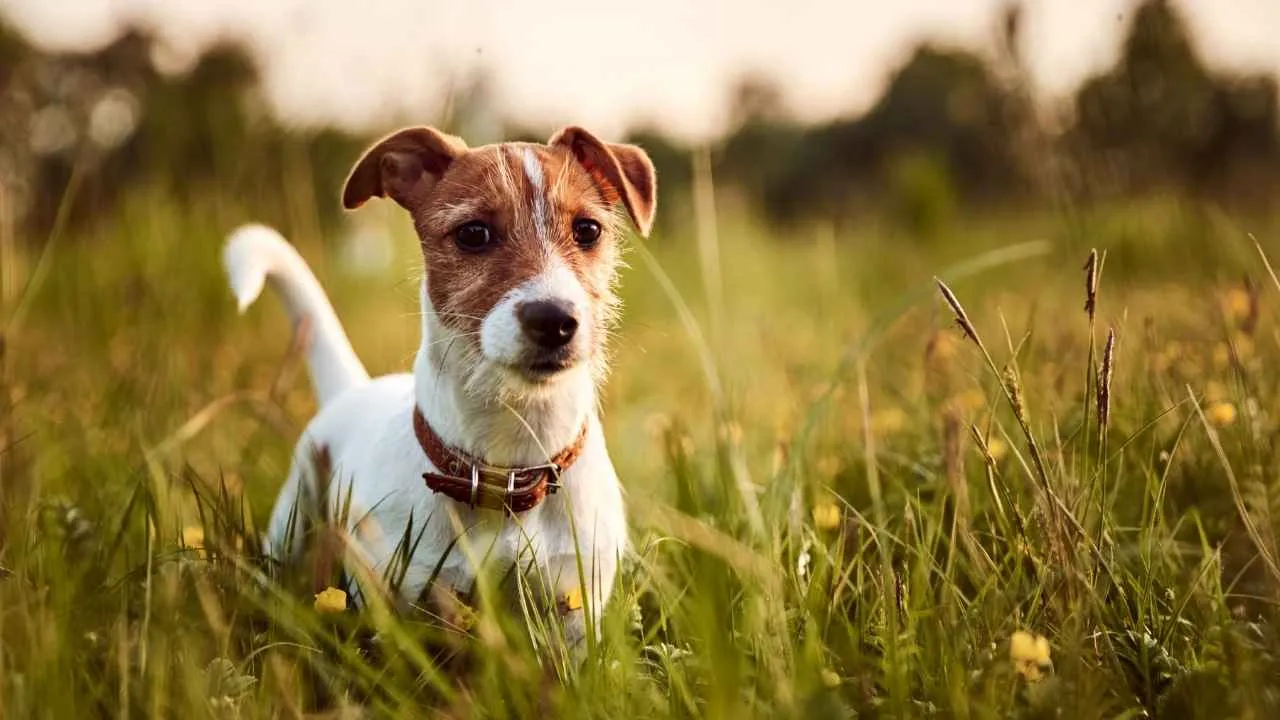
The Jack Russell Terrier was developed in England by a devoted fox hunting enthusiast who wanted a breed specifically built for the job: tenacious, fearless, and tireless enough to pursue foxes underground. That original purpose shaped everything about this breed.
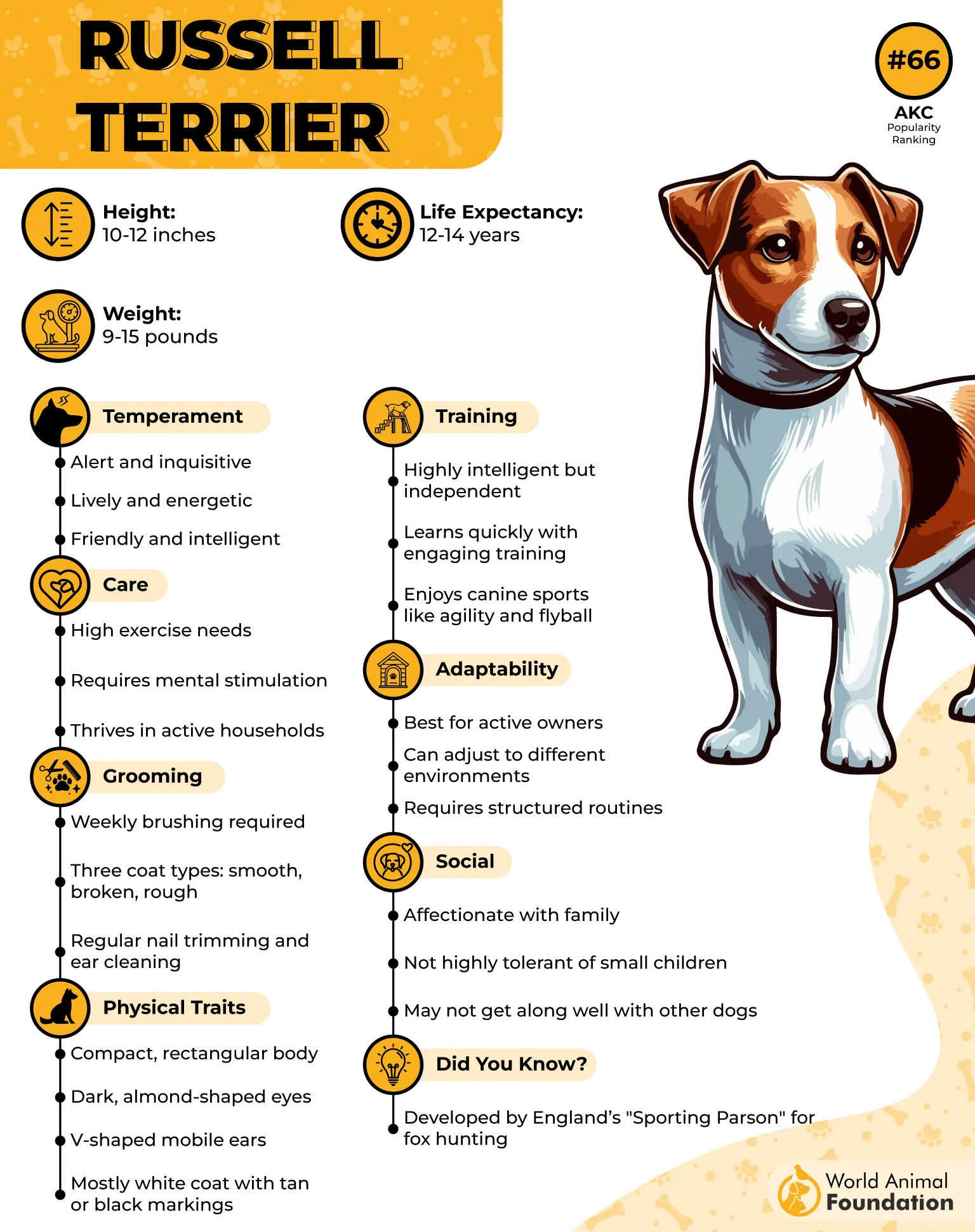
Today they’re mostly kept as companion dogs, but don’t let the compact size fool you. The prey drive is still very much there, along with classic terrier traits like digging, chasing, and a stamina that can sustain nearly 10 hours of work in a day. They’ll confidently take on dogs three times their size without a second thought.
According to Royal Canin, Jack Russells need at least an hour of exercise daily, along with some off-leash time in a securely fenced yard, and supervision is essential because they’re skilled escape artists. Early training and socialisation as puppies are important for helping them get along well with children and other animals.
4. Saluki
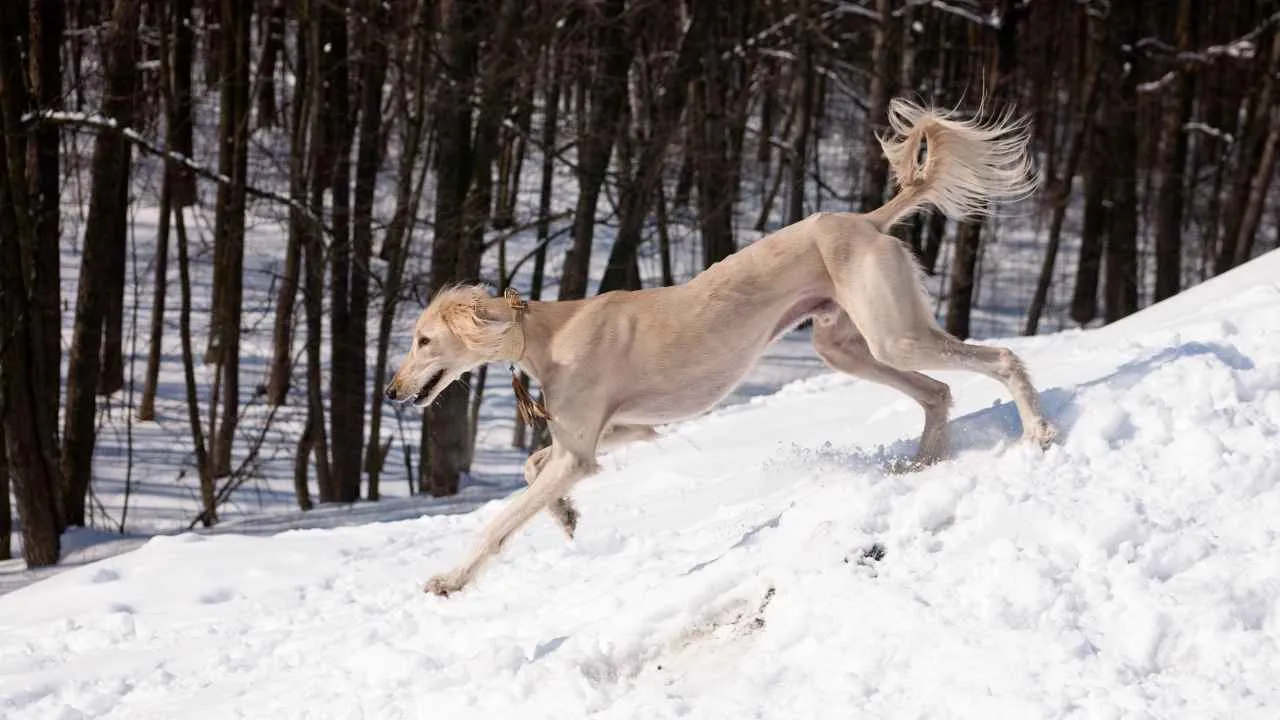
Salukis take a laid-back approach to life, but don’t let that relaxed demeanor fool you when it comes to prey drive. Bred to hunt game across open desert terrain, their instincts to chase fast-moving creatures are deeply ingrained. Cats, small animals, and even running children can trigger that chase response, which is why they don’t do well in multi-pet households.
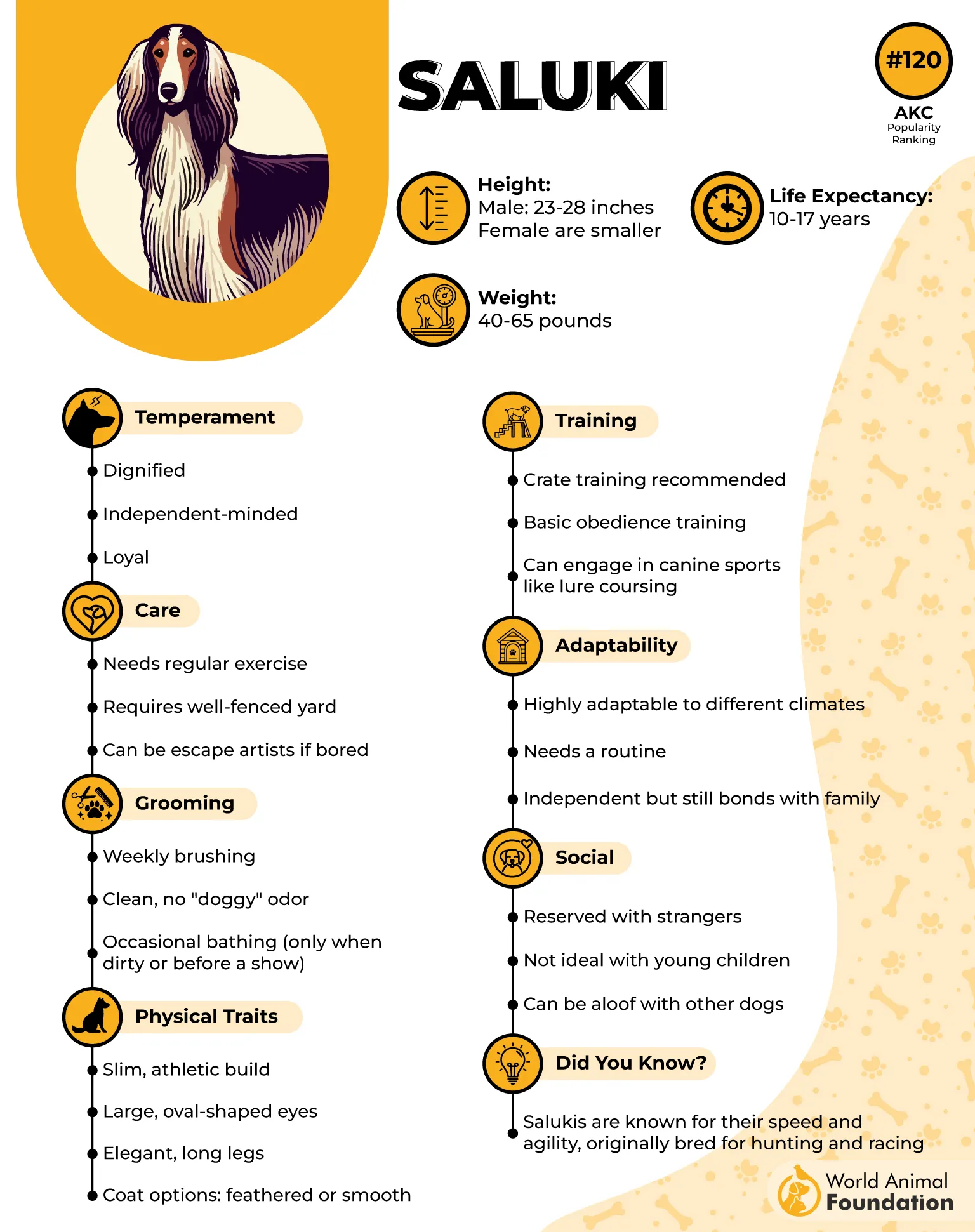
Despite those strong instincts, Salukis are calm and deeply devoted to their owners, as Orvis notes. They can be aloof with strangers and aren’t particularly interested in being a child’s playmate, making them a better fit for families with older children who understand how to respect a dog’s boundaries.
At home, they’re happy to lounge around, but outdoors they come alive and love showing off their natural athleticism. They’re intelligent and pick up commands quickly; though keeping training sessions fun with toys and treats gets a much better response than straight repetition. As a bonus, they’re clean dogs that shed very little, which is always a welcome trait in a larger breed.
5. Afghan Hound
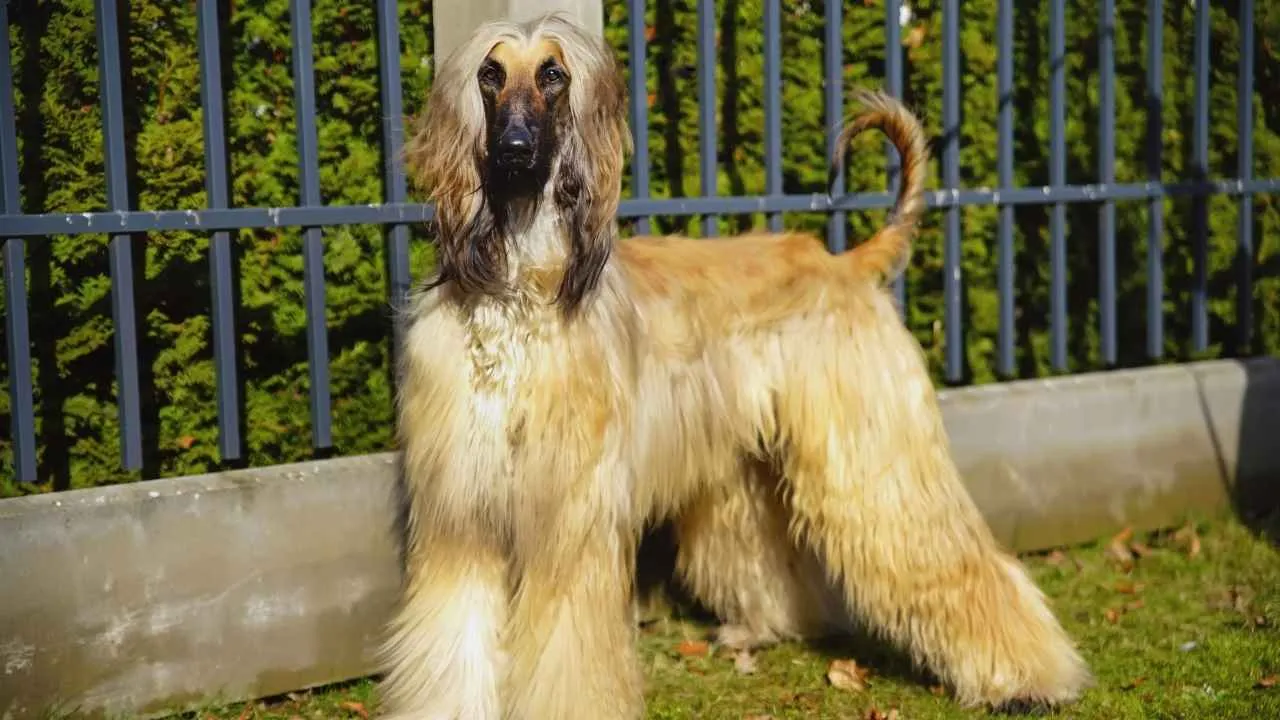
Afghan Hounds are celebrated for their striking looks and impressive prey drive, and they rank among the most beautiful dog breeds for good reason. But beneath that elegant exterior is a determined, independent hunting dog built for tracking large game at speed.
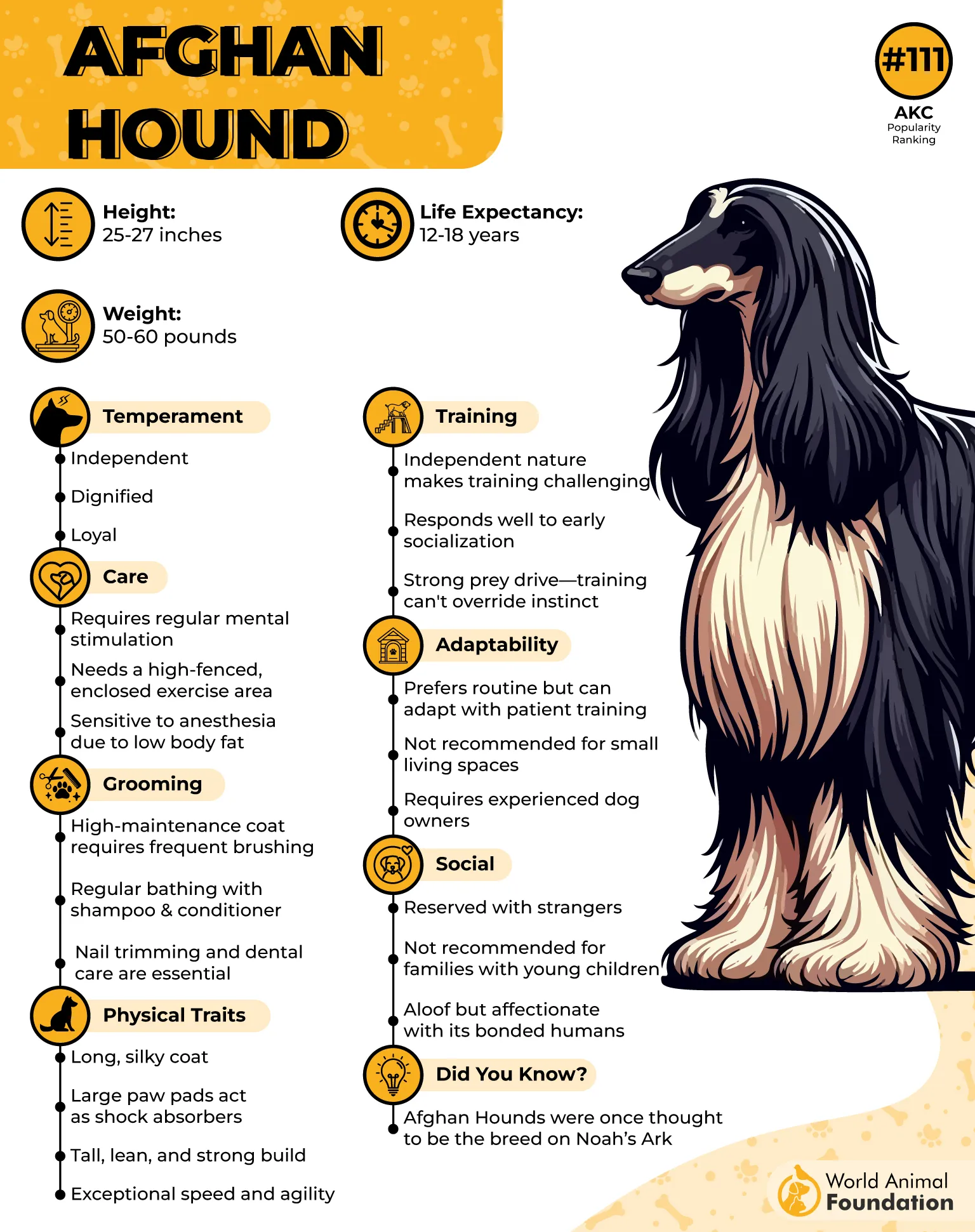
That combination of instinct and velocity means leash training is non-negotiable. Given the opportunity, an Afghan Hound will take off after a small animal, or simply something that caught their eye, and disappear in the blink of an eye. Managing their high energy levels requires ample exercise and consistent mental stimulation.
They’re not big barkers, but they do tend to be aloof around strangers. In training, positive reinforcement is the most effective approach; it works with their strong will rather than against it. Their long, flowing coat also requires regular grooming to keep it in good condition, which is worth factoring in before bringing one home.
6. Border Collie
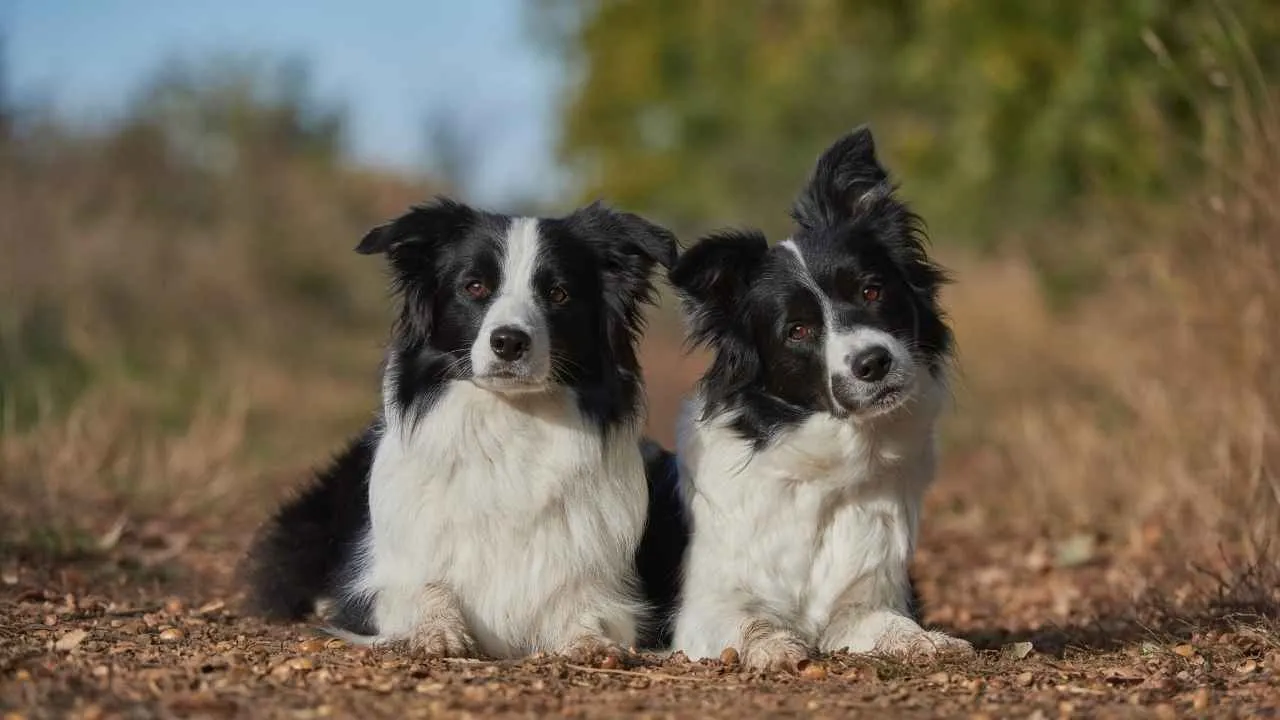
Often regarded as the smartest dog breed in the world, Border Collies were bred to herd livestock, and it’s that herding background that gave them their high prey drive. They’re known for their intense focus, alert demeanor, and seemingly endless energy, all of which trace back to the work they were built for.
Their instinct to chase other animals stems from innate behavior rather than aggression; they’re not trying to hurt anything; it’s simply what comes naturally.
The good news is that Border Collies are highly trainable and sharp enough to learn and respond to recall commands reliably, which makes that drive manageable with the right foundation. Starting training early makes a significant difference.
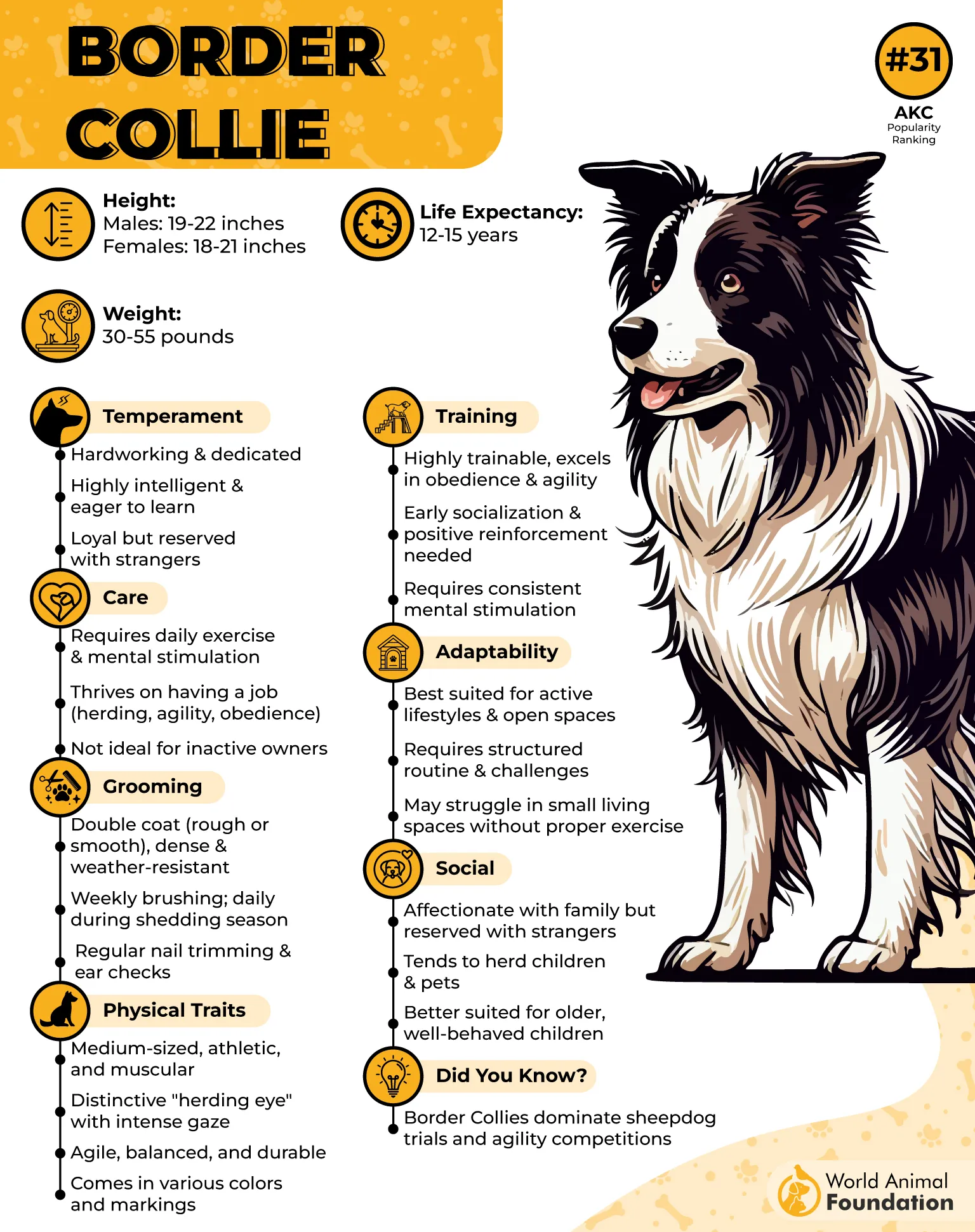
Left alone in a yard without enough stimulation, especially as puppies, they can develop unwanted behaviors like leash pulling, excessive barking, or general restlessness. Keeping them well exercised and mentally engaged is the most effective way to channel that strong prey drive in a positive direction.
7. Australian Cattle Dog
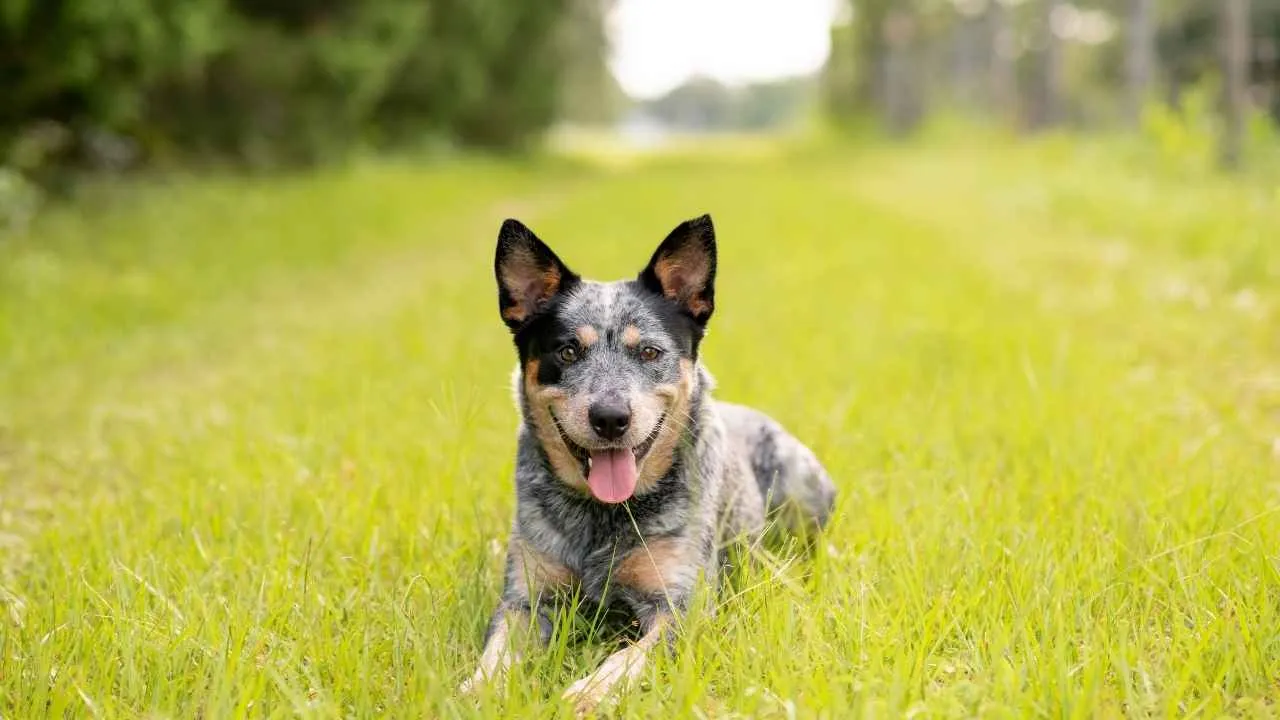
Often called Blue Heelers, Australian Cattle Dogs are recognizable by their blue-grey speckled coat and their distinctive herding technique: nipping at the heels of cattle to move them along. Courageous and intensely work-driven, they were bred to work alongside Australian cattlemen, and that purpose is baked into everything about them.
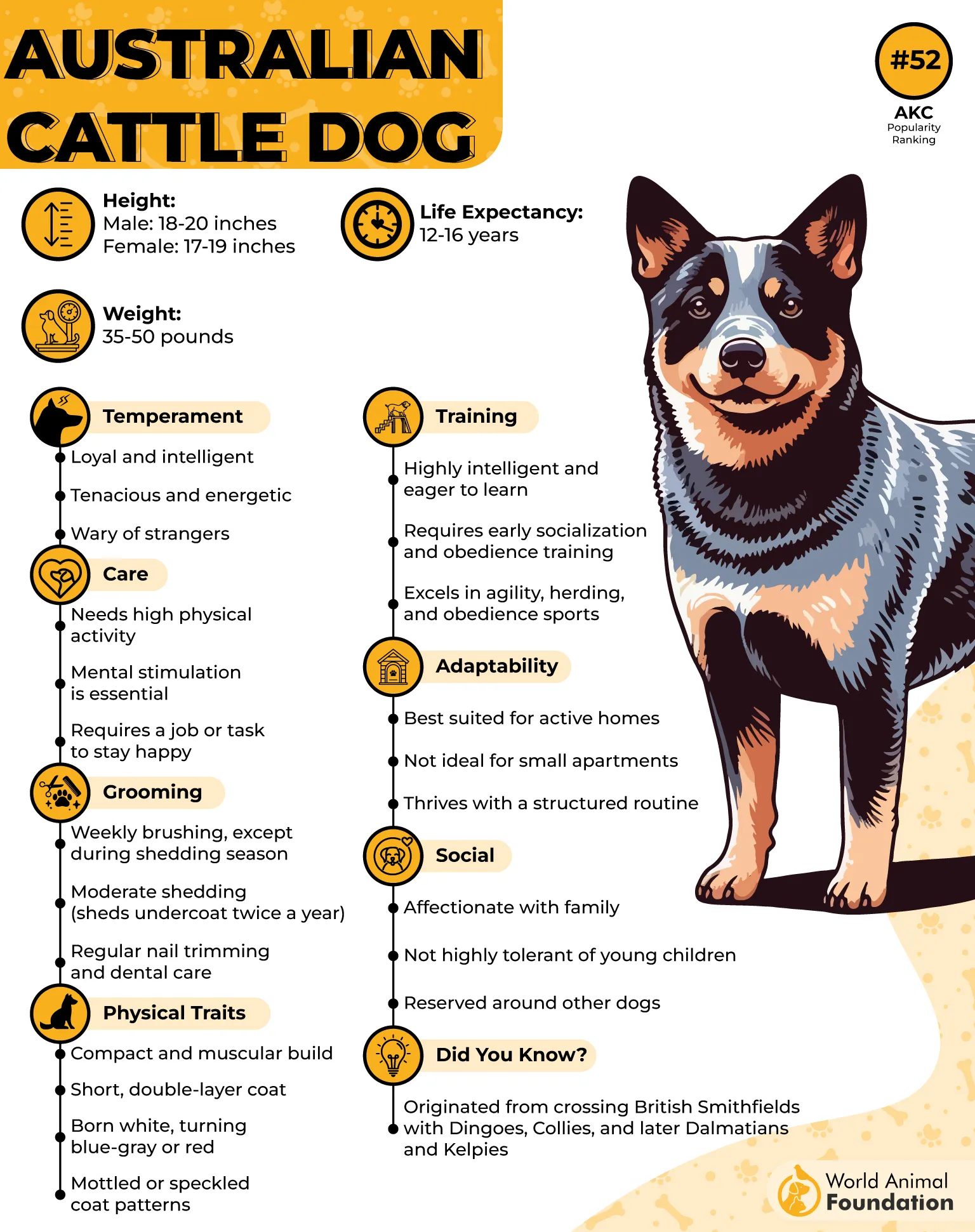
They thrive in households that offer structured training, constant activity, and confident leadership. Their herding and protective instincts also place them firmly in the high prey drive category, and those instincts need an outlet; without one, things can get challenging quickly.
Early training, socialisation, and mental stimulation are all important for keeping their natural drives in check. Introducing them to children and other dogs can take some patience and careful management. With their high energy levels and strong stamina, Australian Cattle Dogs are best suited to active, experienced owners who can match their pace and give them a sense of purpose.
Conclusion
A high prey drive is not a flaw; it’s a natural trait shaped by generations of selective breeding for hunting, tracking, and working roles. For the right owner, it’s simply part of what makes these breeds so capable and compelling.
That said, prospective owners should honestly consider whether they can meet the exercise, training, and management demands that come with these dogs before bringing one home. They’re rewarding companions, but they do require commitment. As with most things in dog ownership, patience and consistency make all the difference.
