




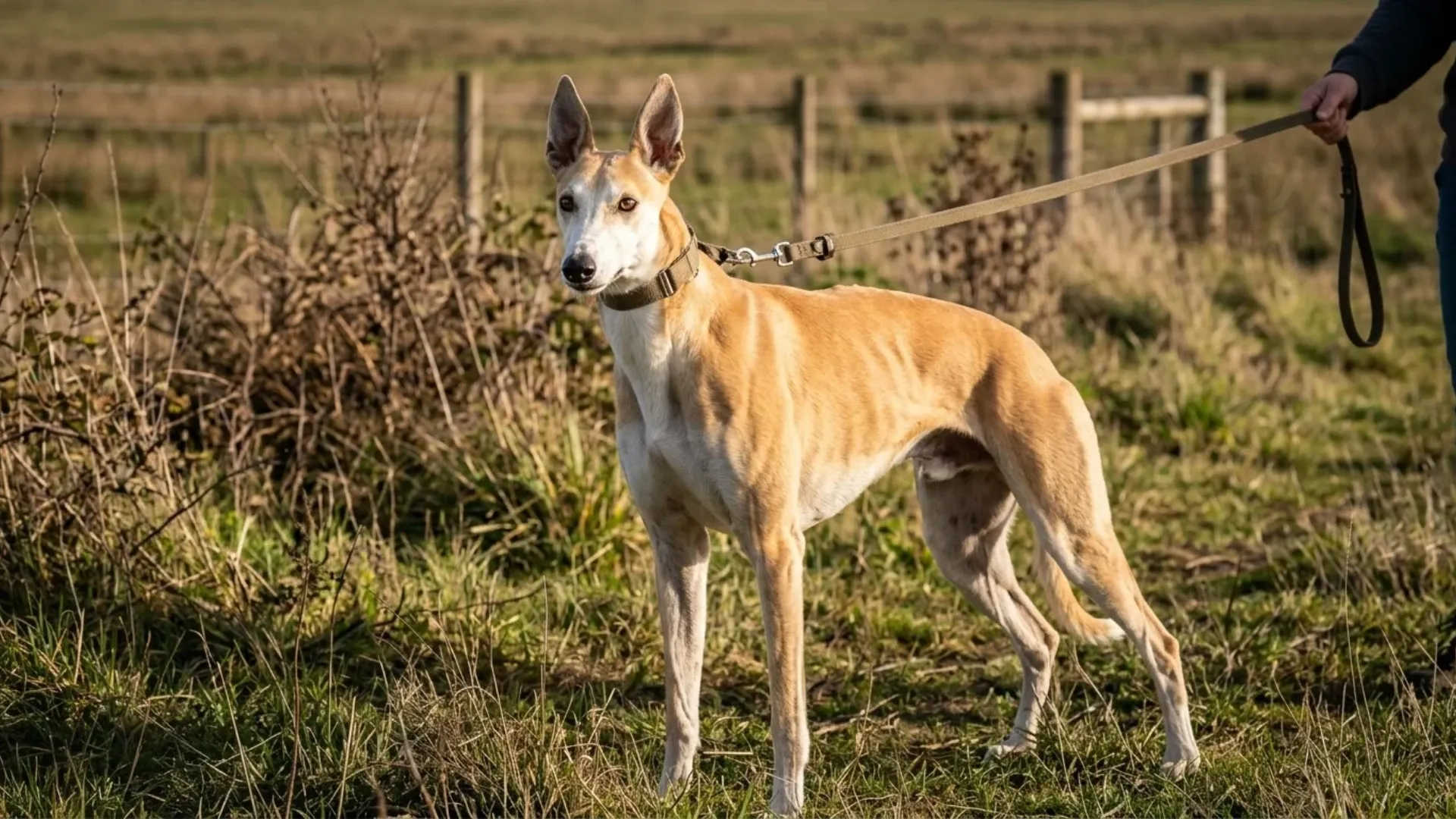
Ever seen your dog see a squirrel and see it turn into an Olympic sprinter? One moment they’re walking peacefully beside you, then the next thing they’re yanking on the leash just like they found the biggest treasure on Earth. Yes, it’s the prey drive at work.
Prey drive is the normal instinct of a dog to become alert to and pursue, chase, catch, or detect a moving animal. It stems from their hunting instincts, and some breeds are more inclined to it than others.
People usually associate high prey drive with dogs that cannot be good pets, but that’s simply not true. It only indicates that some visual, auditory, and physical stimuli can give rise to a strong urge to pursue.
But this instinct can become deadly when your dog rushes at oncoming cars, runs after animals, or takes a small pet in your home for a bite to chase.
The good news? You can train them away, provide safe spaces and activities to allow your dogs to express their instincts in a controlled way. Meet seven breeds of dogs that have a strong prey drive and find out how to manage their chasing instincts.
Dog Breeds With High Prey Drive and Ways to Manage It
1. Greyhound
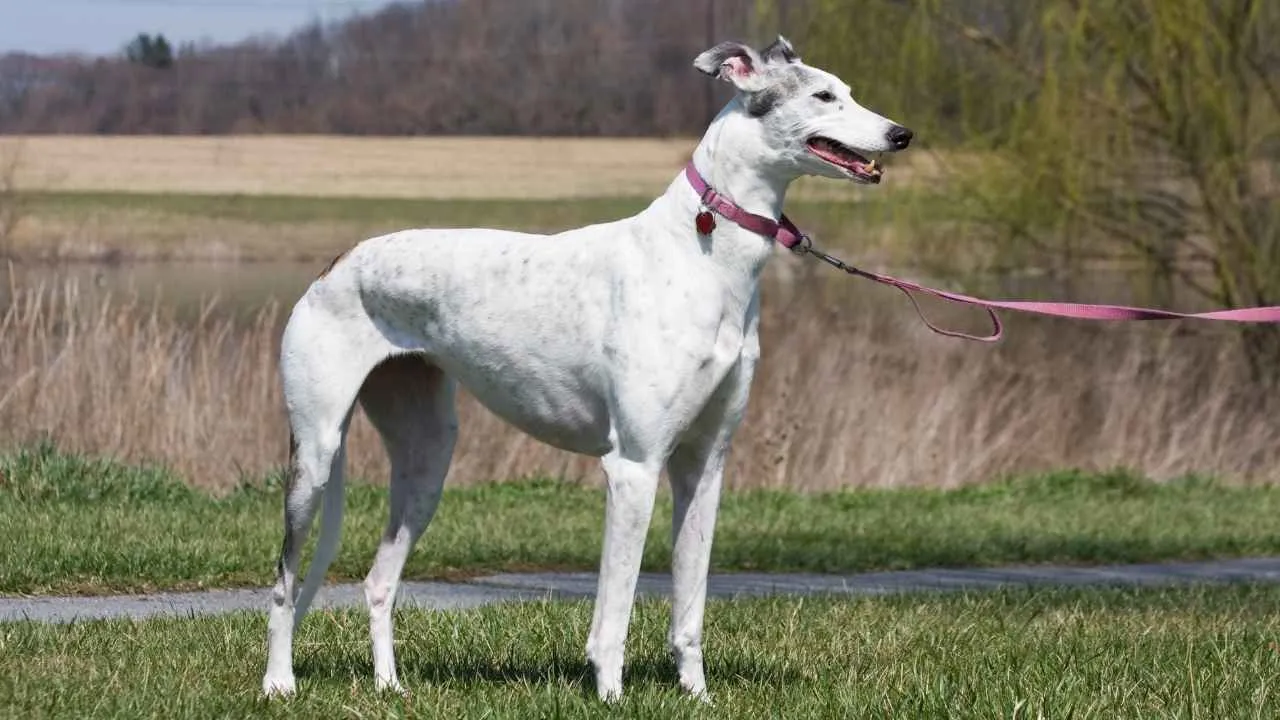
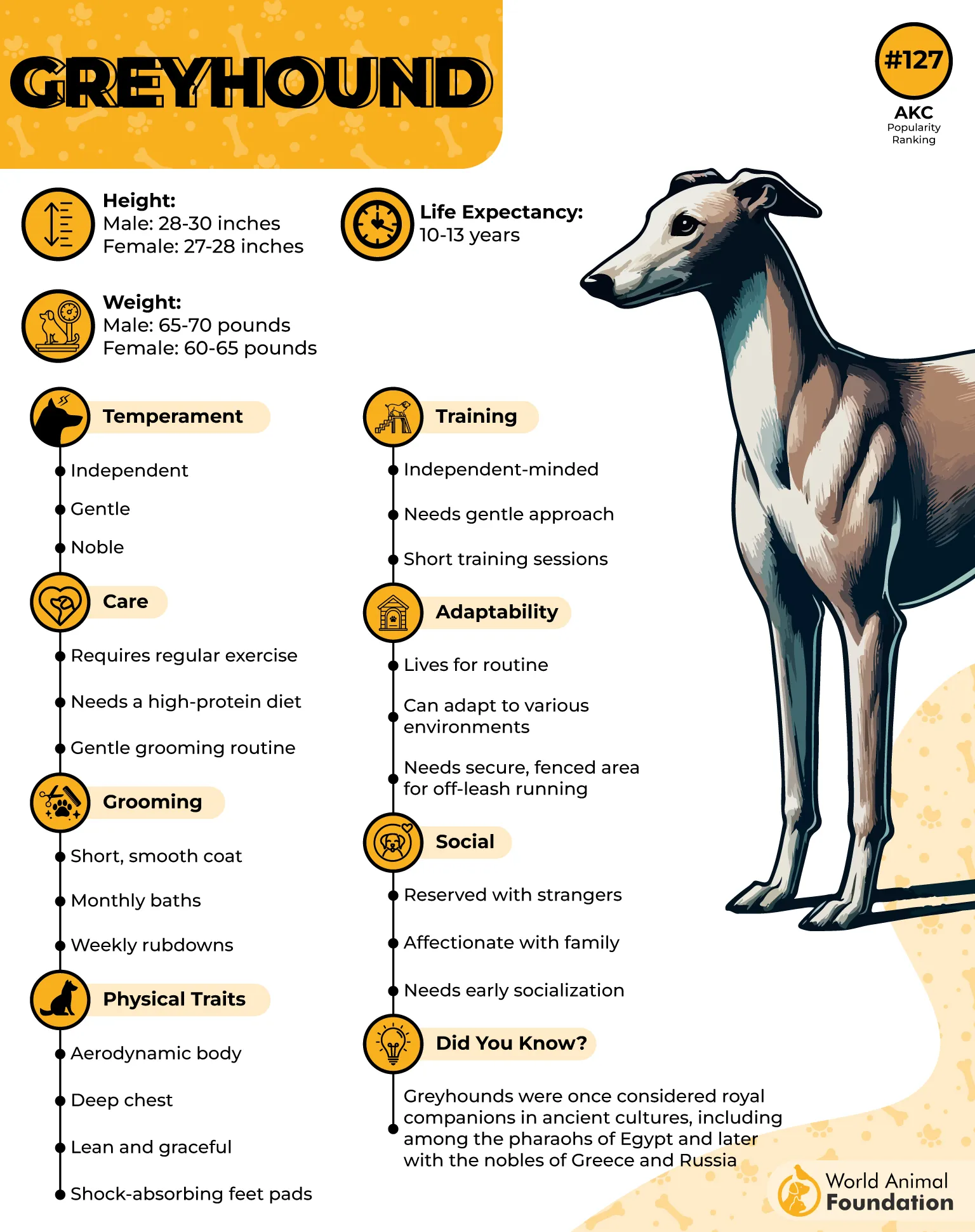
Get to know the dog speed machine. Greyhounds are famous for their incredible running ability, but there’s more to them than fast legs and a graceful appearance. They are sighthounds, designed to hunt moving prey from a distance.
This instinct can come into play in just a few seconds when a bunny or squirrel suddenly scurries across an open field. Greyhounds may have an ancient history, as similar hunting dogs can be seen in Egyptian art thousands of years ago. They are the quickest dog breed, so their chasing instinct needs to be well controlled.
How to control their prey drive?
Never let these dogs outside without a leash, particularly when small animals are around.
Select off-leash running areas that are safely enclosed.
Use an appropriate controlled chasing opportunity by introducing lure coursing.
Teach these dogs the recall command by training them gently.
Surprisingly, these dogs can be very laid-back inside according to the American Kennel Club. But don’t let these couch potatoes fool you. If they are stimulated to pursue prey, their rapid speed can make them very hard to catch.
2. Rhodesian Ridgeback
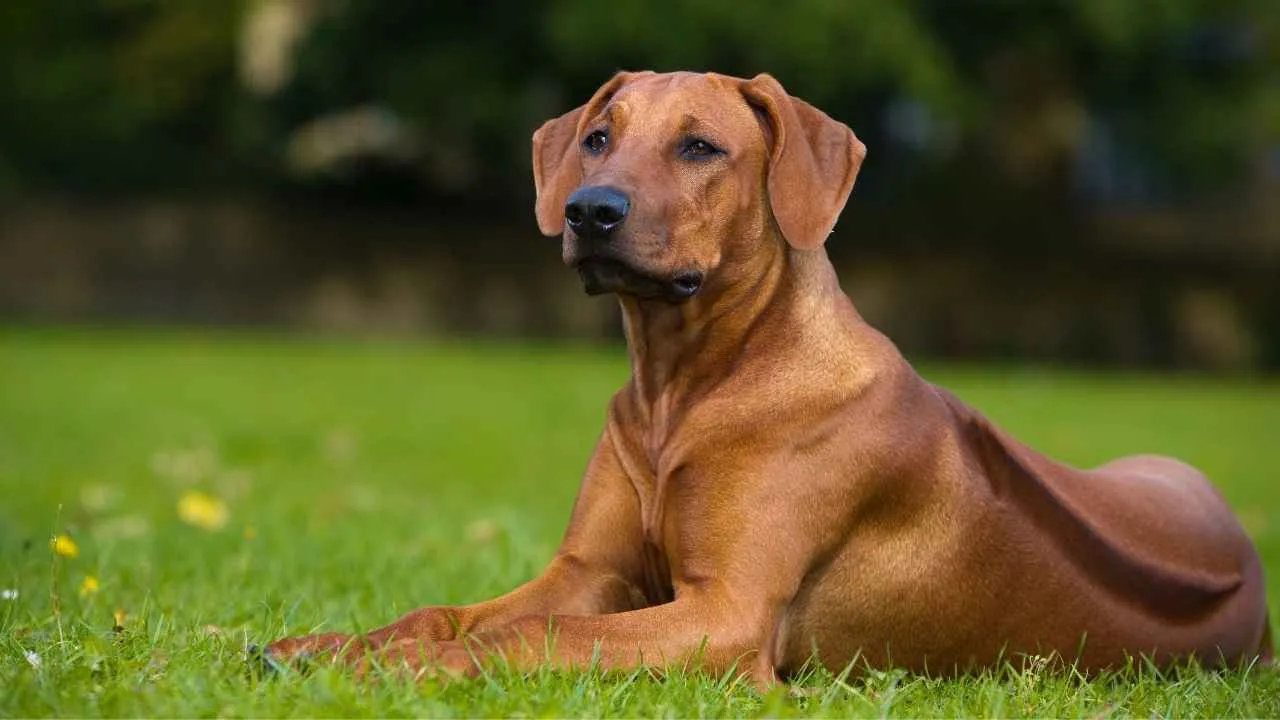
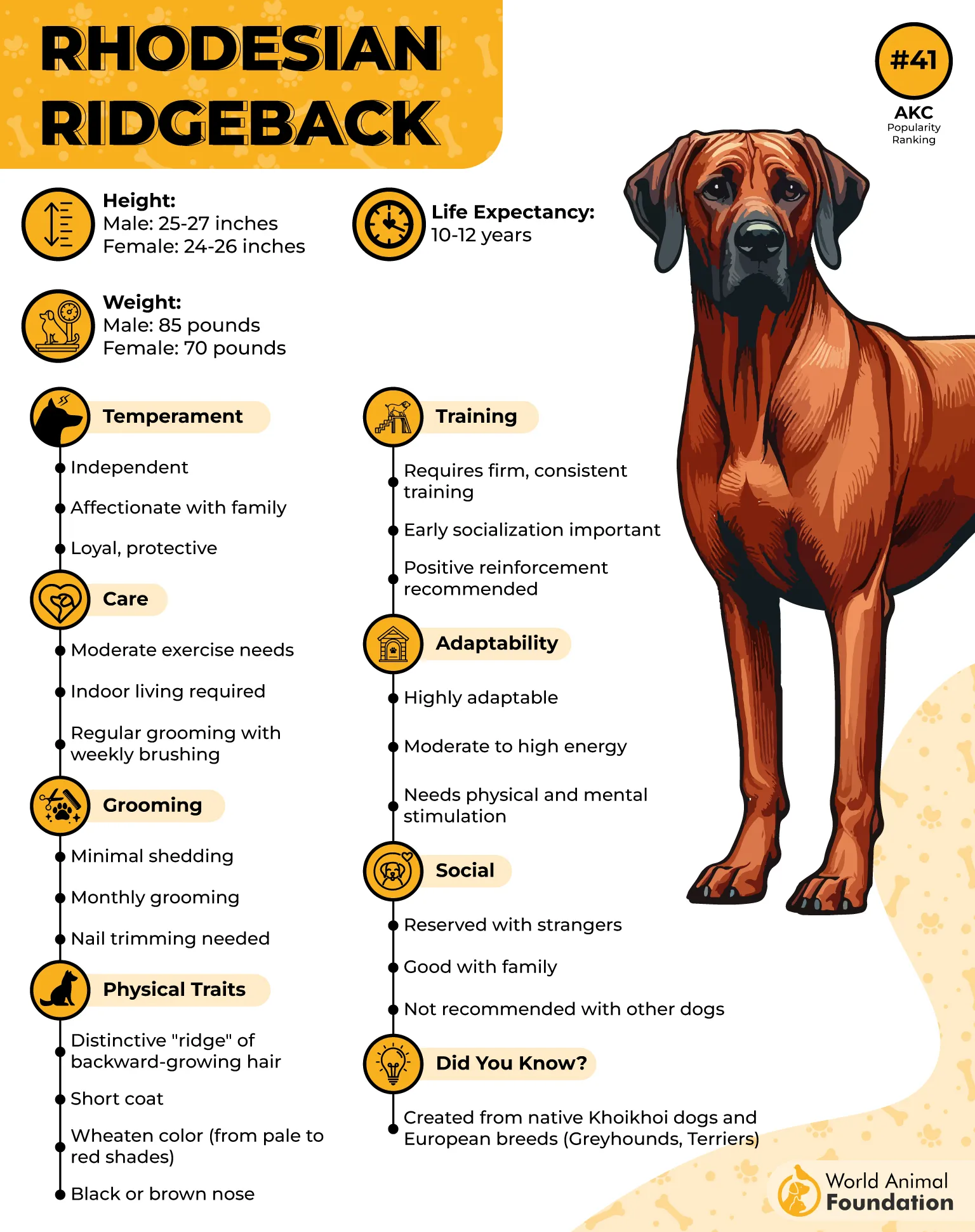
The Rhodesian Ridgeback has an interesting hunting history and is very active in chasing moving animals. These dogs were first bred in southern Africa for tracking and baying large game such as lions. Their task was to follow these dangerous animals.
They are easily identifiable by the unique layer of hair that grows on the ridge of their spines. It is important to understand the nature of these dogs.
How to control their prey drive?
Use a leash when they are in the area where wildlife might be present.
Exercise and play in secured, fenced areas to manage them.
Begin training for recall and impulse control when they’re young.
Introduce them slowly to other small animals; don’t just expect them to be friends.
It is important for their owners to primarily be patient and consistent in training these dogs, as they do have an independent streak and can be a bit stubborn. However, positive reinforcement is a great tool to make them listen to you, according to Hill’s Pet.
3. Jack Russell Terrier
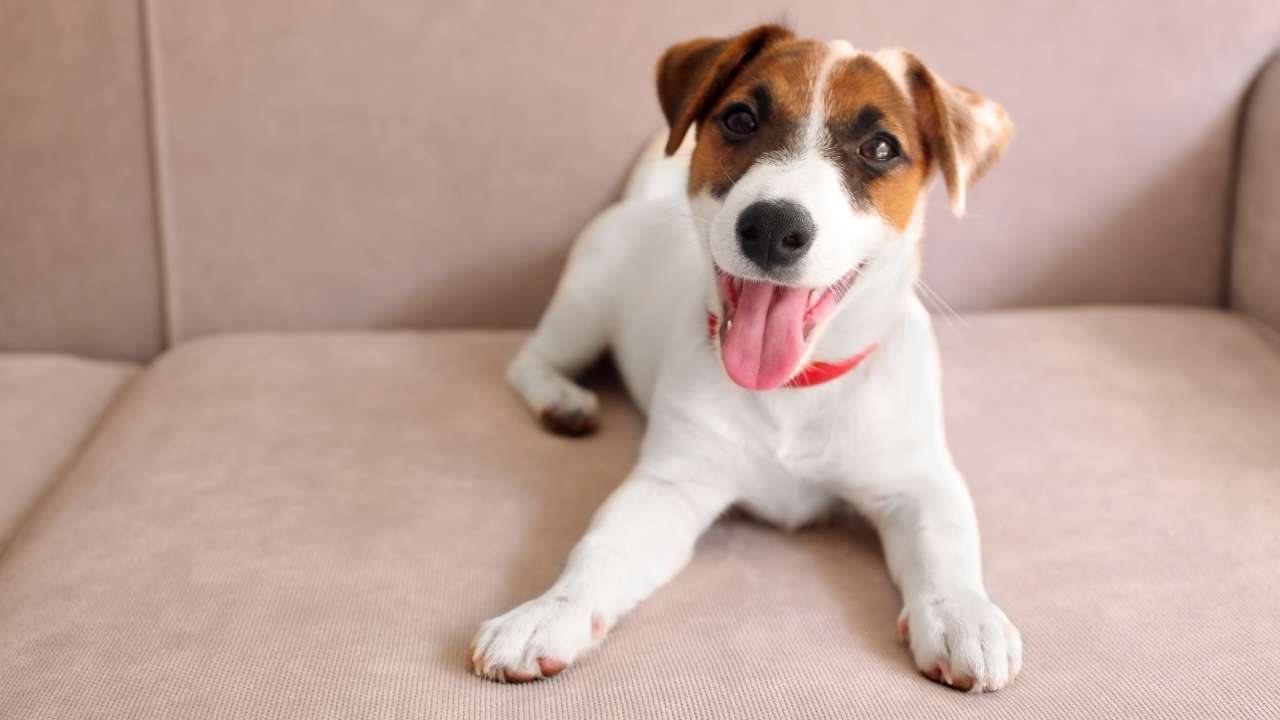
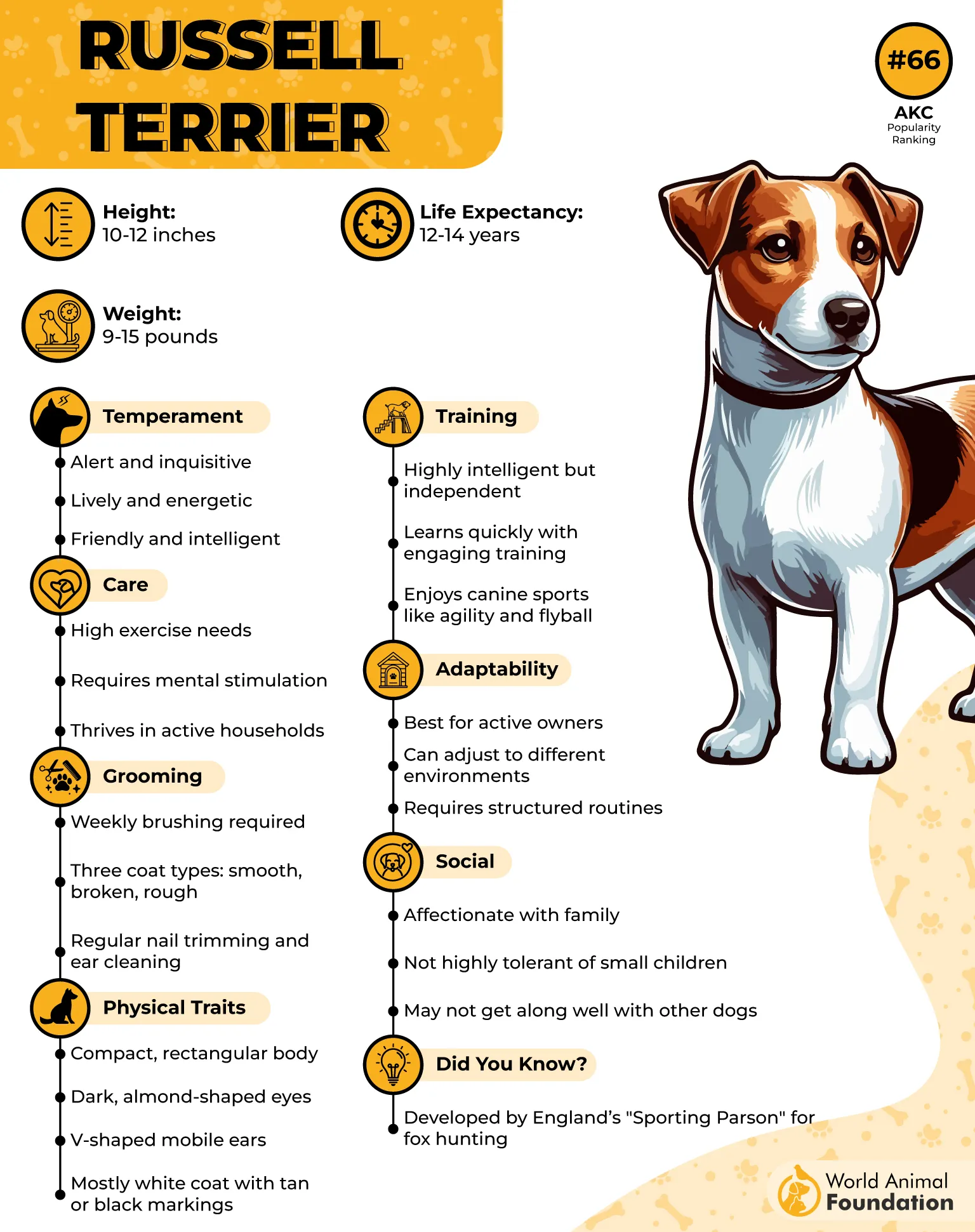
A little pooch with big hunting fantasies. The Jack Russell Terrier may be small in size, but big in hunting ability. These courageous terriers were bred for fox hunting, and were supposed to find out what’s going on and to bring up foxes from their dens underground according to Dog Breed Info.
These dogs are well built despite their small size. They are always on high alert and are highly determined to finish their tasks, which makes them good working dogs. Any detection of a mouse or a squirrel can unleash the digger in these dogs and make your garden a mess.
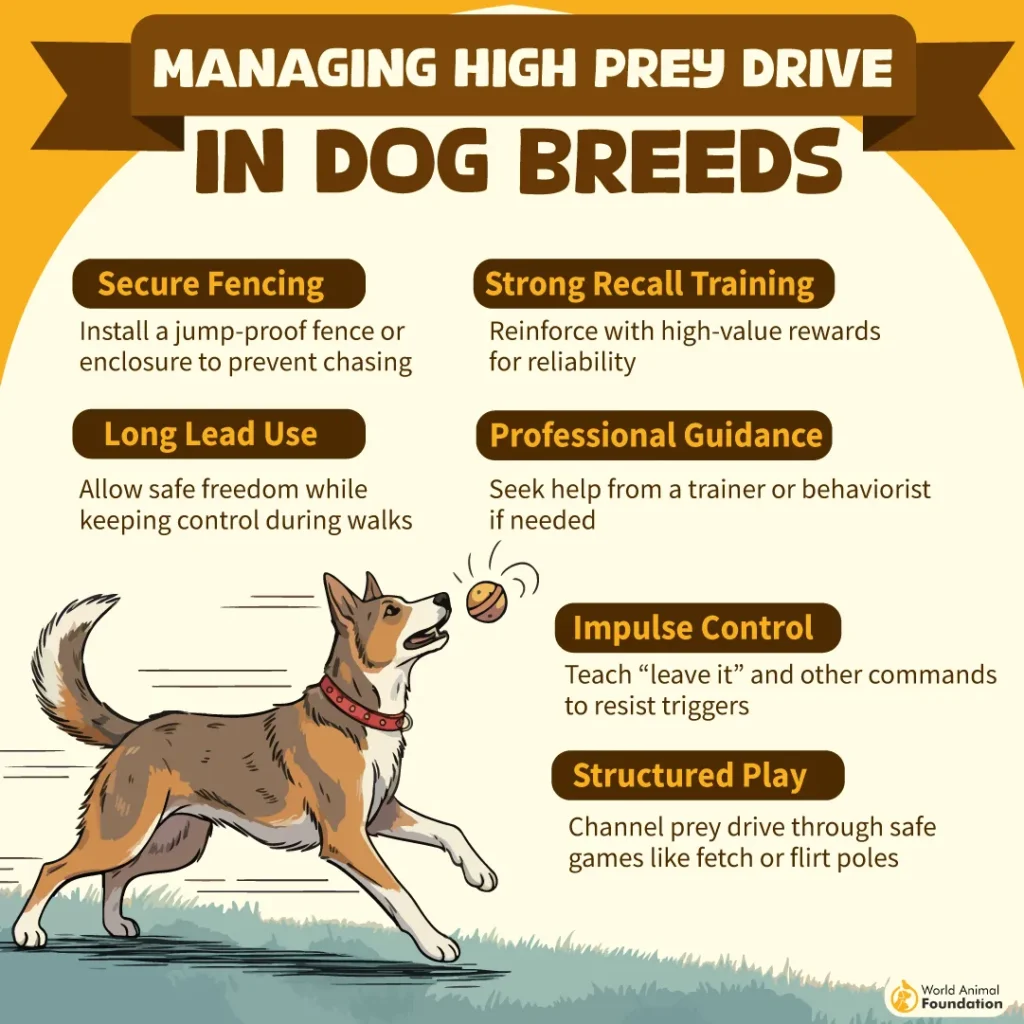
How to control their prey drive?
Offer supervised digging opportunities, e.g have a designated digging pit.
Keep them occupied with puzzle toys and distract them with smell-based games.
Introduce them to small pets and animals gently.
Use a reliable “leave it” cue and reward them with a treat so they can associate this action with getting rewards.
Did you know that Jack Russells were bred to dig? It’s in their nature from the get-go. Provide them with a suitable spot to dig, and your flower beds may have a better chance.
4. Beagle
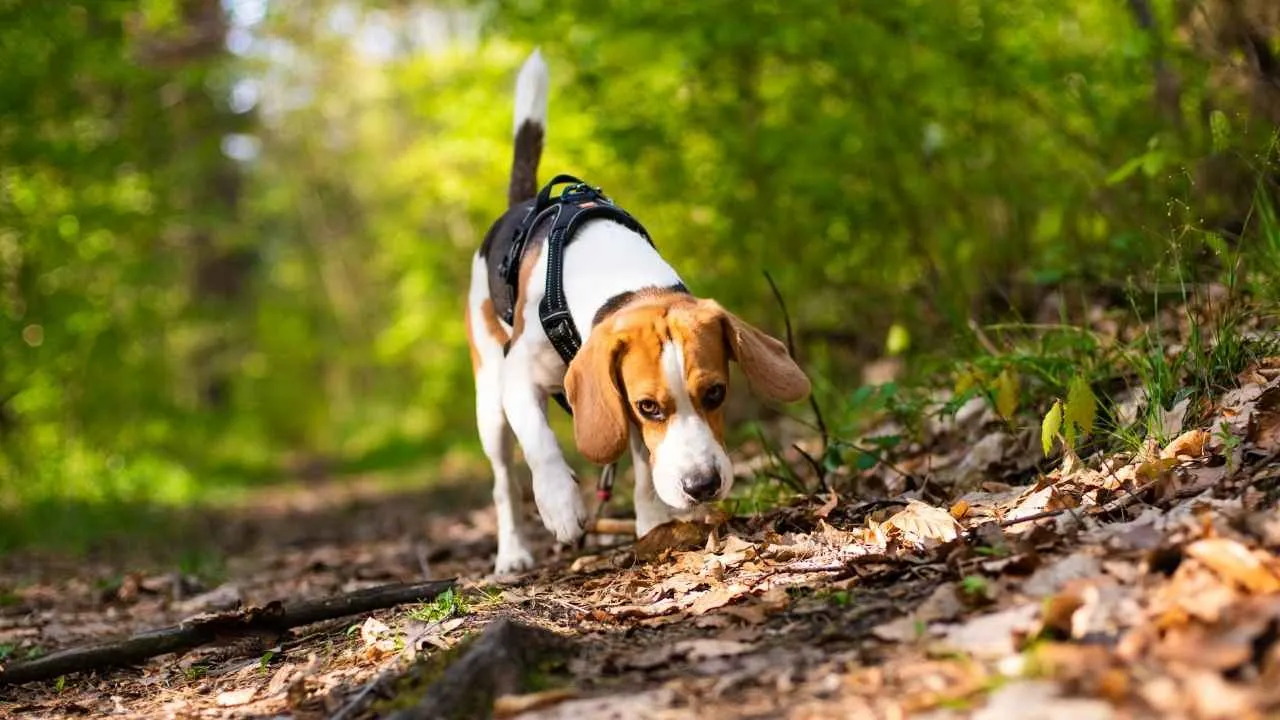
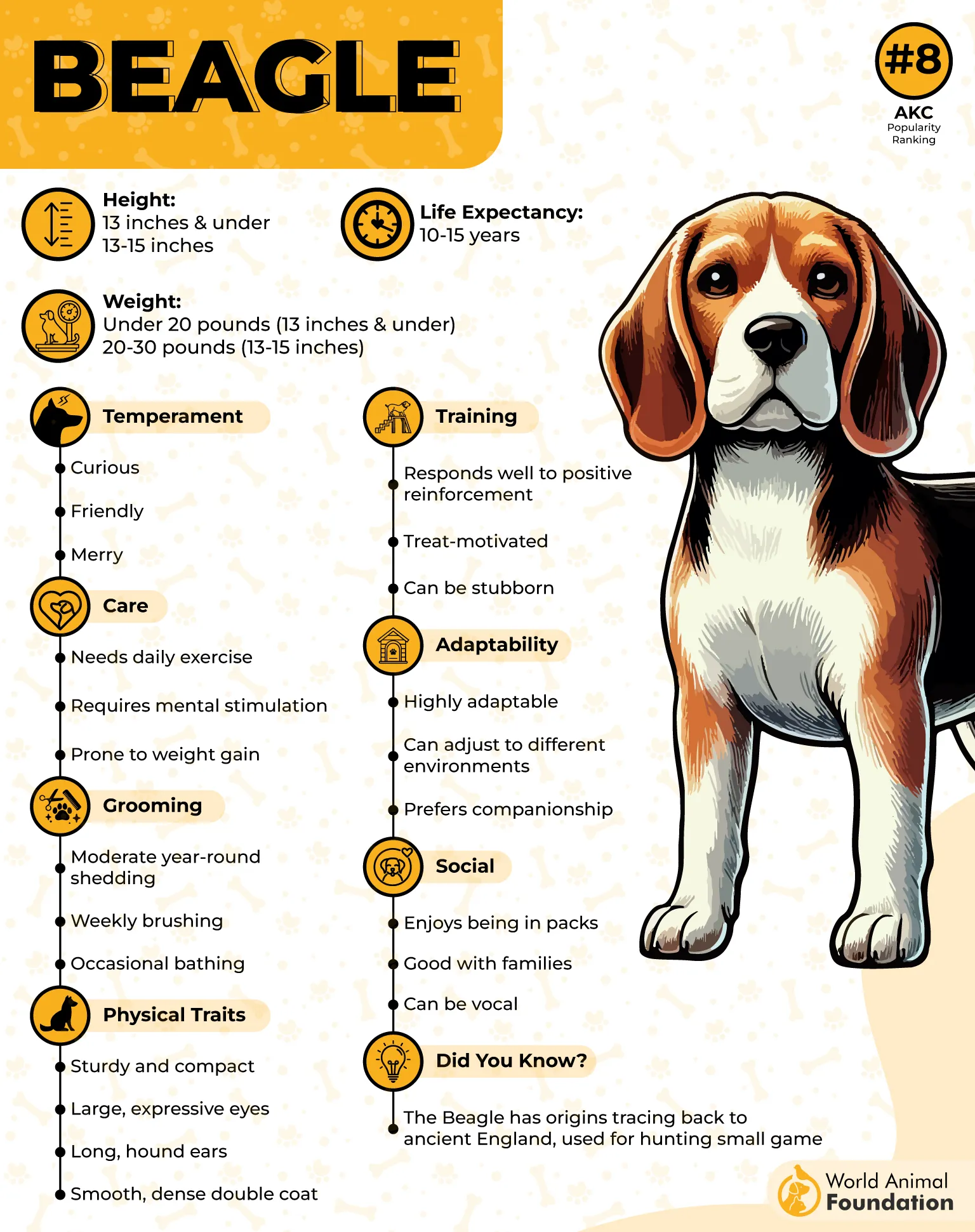
If your Beagle is suddenly distracted while on a walk, chances are that it’s found something more exciting than a walk, like a wounded animal, maybe. The Beagle is a scent hound, bred to hunt rabbits and other small game. They have strong noses that can detect trails that we usually cannot.
Beagles use their superior sense of smell rather than their sight. They can become very focused once they have sniffed an interesting smell.
How to control their prey drive?
When walking, keep them on a leash, including in places that appear quiet.
Give them delicious treats whenever they obey the recall command.
Play scent-based games with them to distract them from always nosing around the house.
Set up strong fencing and inspect for areas they may be able to squeeze through or dig under.
Did you know that these dogs are known for their ability to make unique sounds? If your Beagle finds an interesting smell, then the whole neighbourhood may hear about it.
5. Siberian Husky
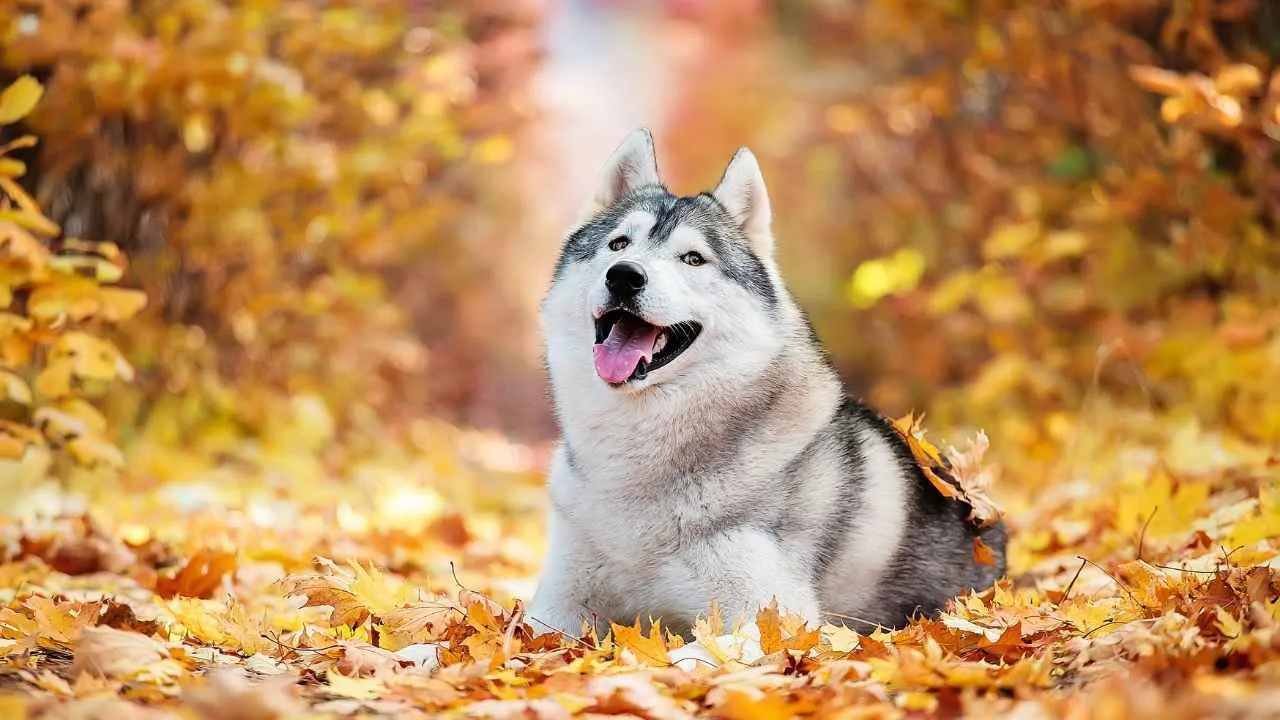
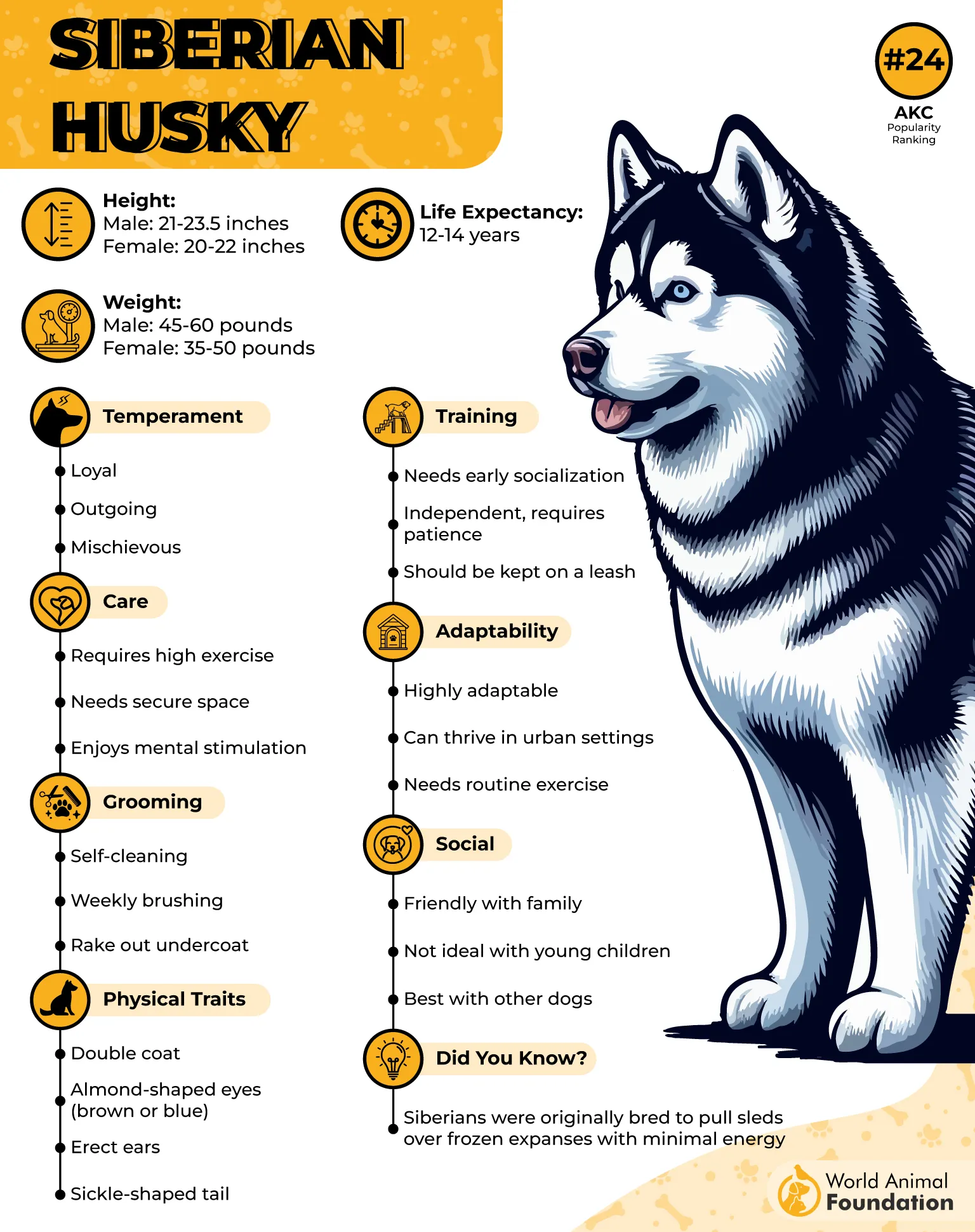
Siberian Huskies are one of the most unique dogs in this list. These dogs were bred by the Chukchi tribe to use for sledding long distances in very cold weather. While they were not used for hunting, many Huskies still have a strong urge to chase any moving animal.
They can be very difficult to train and are often very independent, athletic, and hardy. If your Husky sees a rabbit, it might think it’s more fun to chase it rather than focusing on any recall command.
How to control their prey drive?
Always have them wear a well-made harness, as they can have extreme reactivity to sudden sounds.
Do not presume that they will be safe or in your house if your lawn is not fenced off.
Provide regular exercise and mentally stimulating activities.
Introduce small pets slowly and carefully, and always keep them under your supervision.
Huskies are not suitable for novice owners. Be sure you have the experience needed to handle these pets.
6. Belgian Malinois
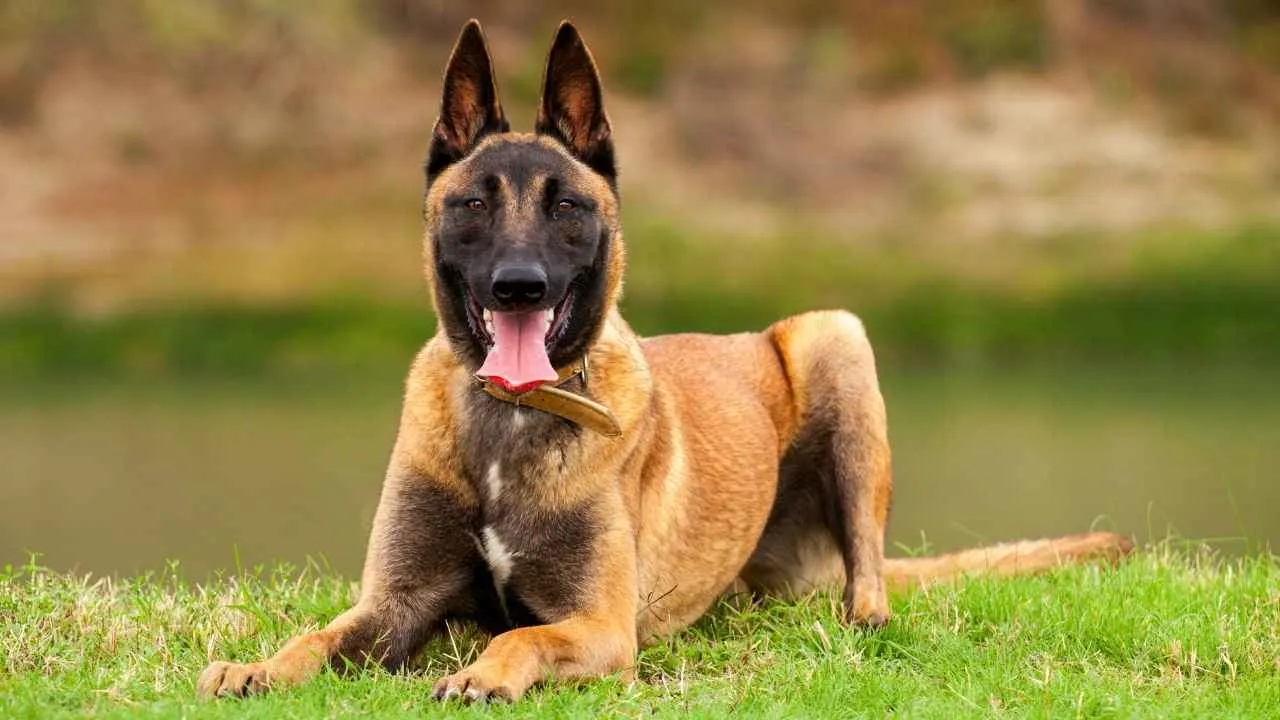
The Belgian Malinois is an athletic, intelligent working dog that has a fantastic desire to seek out moving objects. This breed was developed for herding and farm work and has a high prey drive which can be stimulated enough by running animals, toys, bicycles, and even vehicles.
Malinois are also popular police and military working dog breeds due to their trainability, attention, and energy. But these fantastic qualities also mean that you have a lot of responsibilities. They require structure, guidance, and lots of mental stimulation.
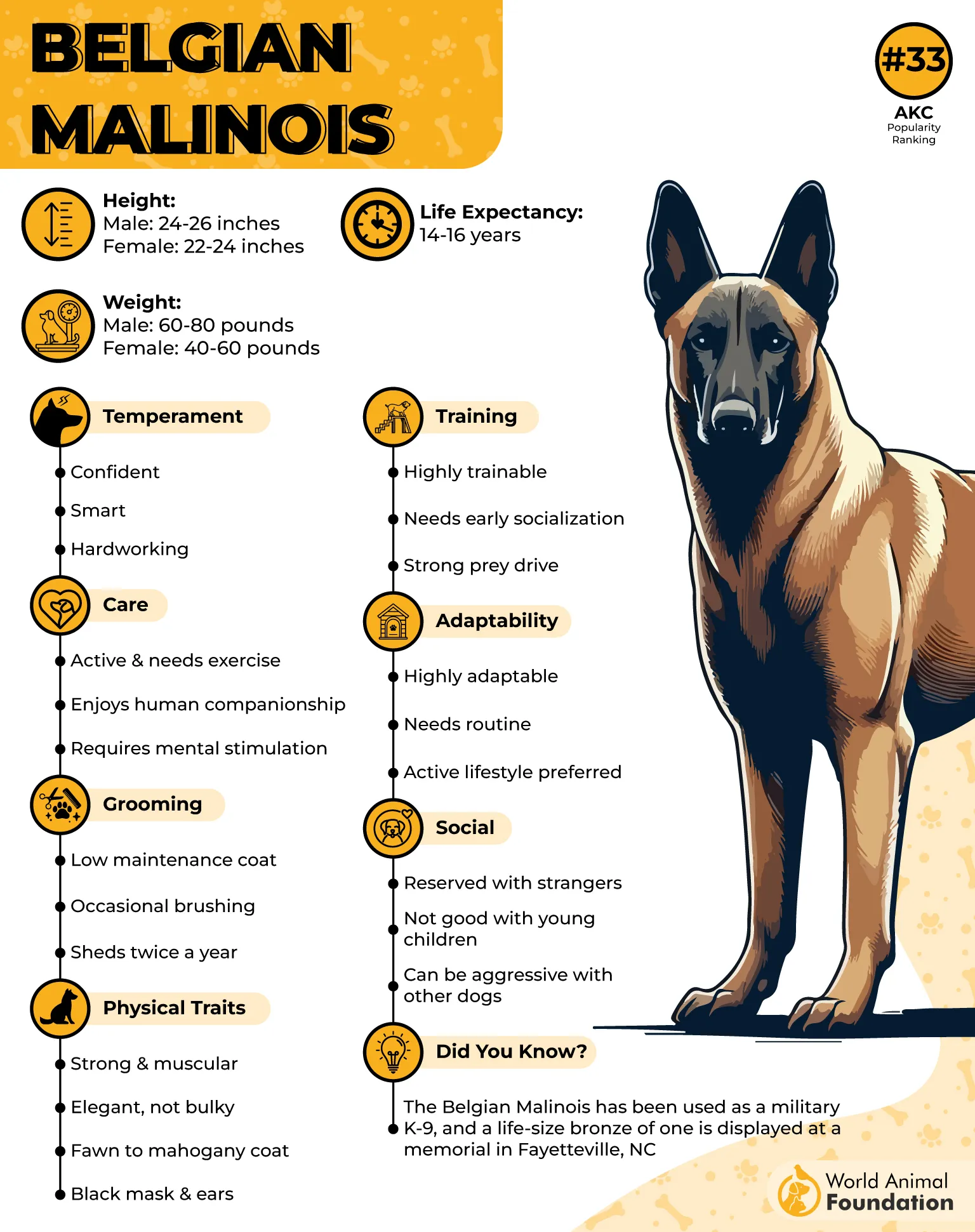
How to control their prey drive?
Help teach impulse control skills such as “wait”, “leave it,” and “stay”
Play fetch and tug games that are well structured and have clear starting and stopping signals.
Use reward-based approaches for better training results.
Give positive reinforcement for quiet responses while notifying them of moving objects.
If chasing is difficult to control, work with a professional handler, which can be beneficial for both you and your dog. A Malinois can be totally relaxed once they have been exercised, ideal for owners if they want a good guard dog.
7. Dachshund
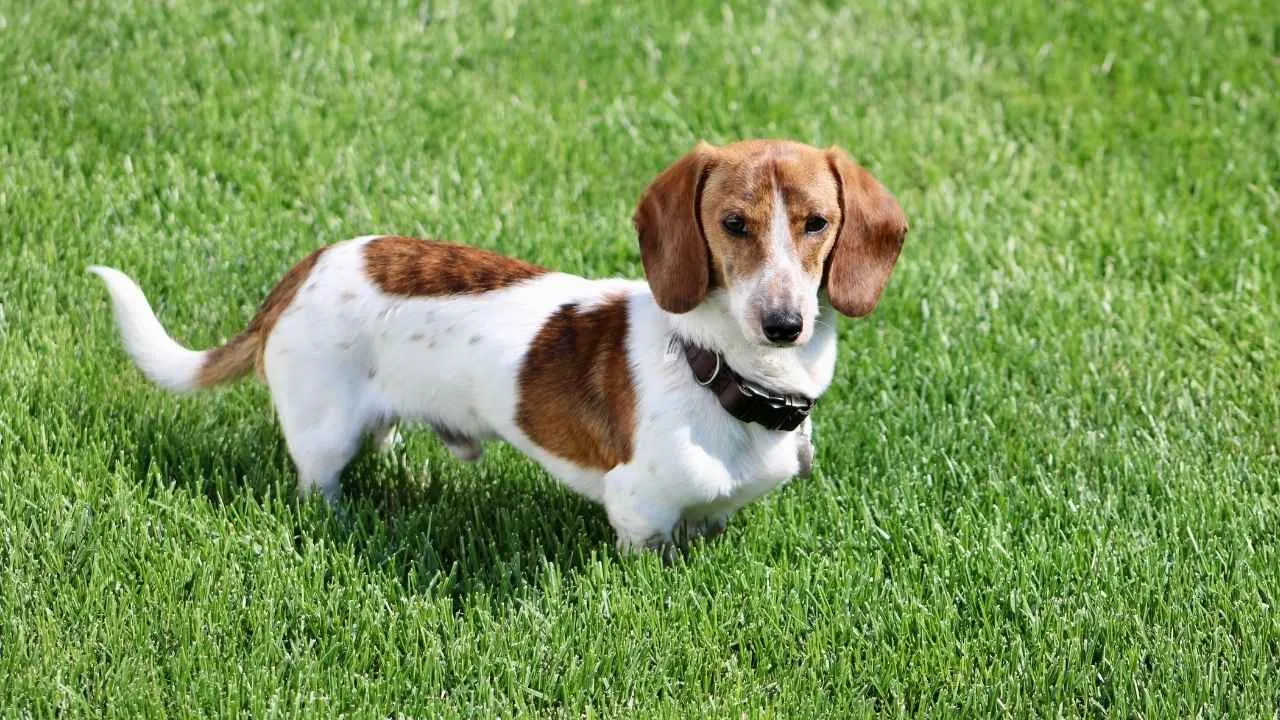
Don’t be deceived by their short legs. Dachshunds were bred to hunt badgers and have the courage and determination to take on jobs that are surprisingly difficult. They literally mean “badger dogs” in German. They can scare off predators and are easier to manage, which is why many experts highly recommend them.
They have long bodies and short legs, which enable them to creep into tunnels and burrows underground to hunt for food. They also have great noses and are very enthusiastic little trackers. They can chase or attack animals, although it happens rarely; do follow the following steps to control their prey drive.
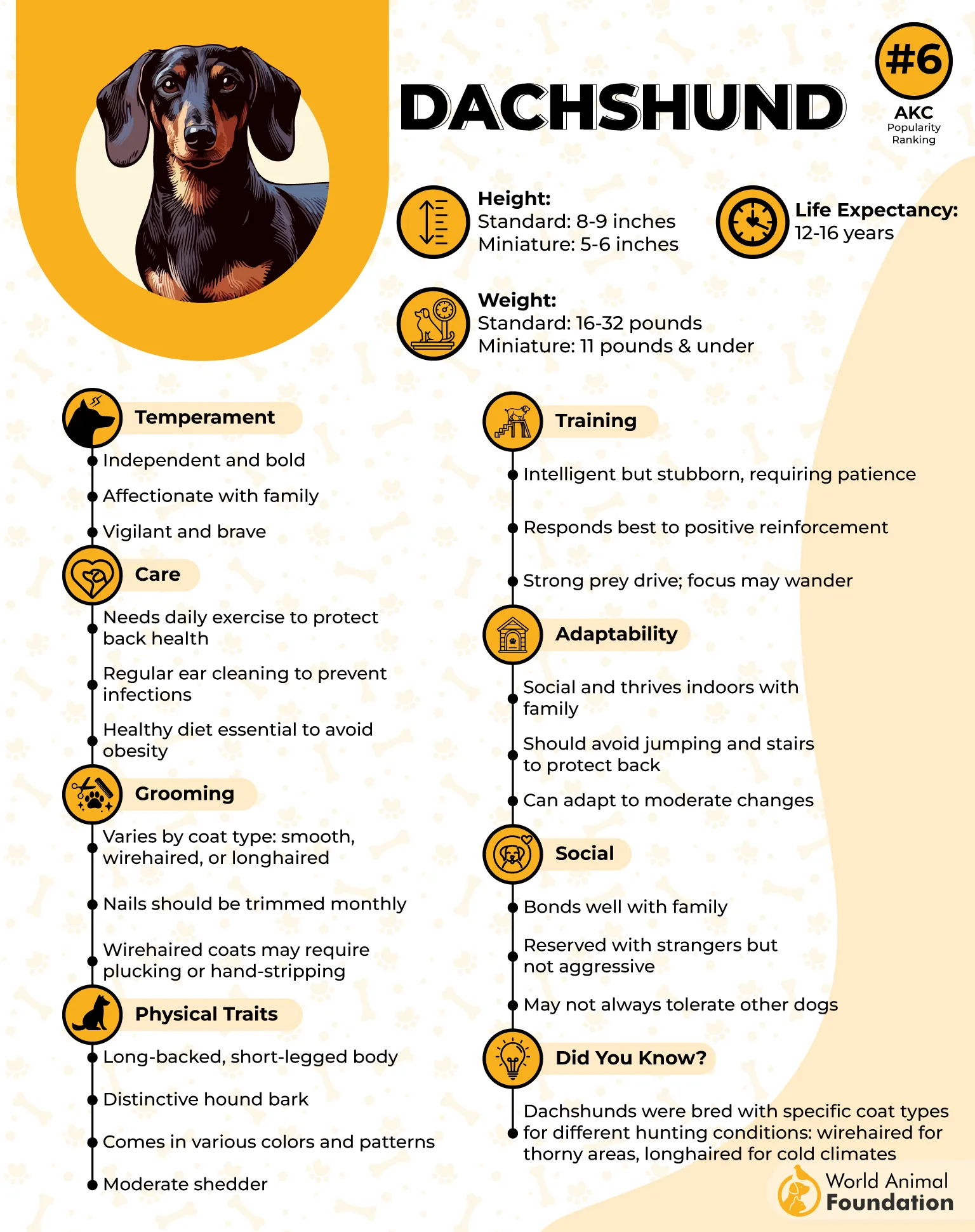
How to control their prey drive?
Do not let them run loose around rabbits, rodents, and small animals.
Offer supervised games of digging and smelling.
Keep predation substitute training sessions short and sweet to hold attention.
Don’t let them chase wildlife just because they are small in size.
Did you know that these hunting breeds have three coat types: smooth, longhaired, and wirehaired? They all have the same function, which is to keep the dog warm in cold weather.
Conclusion
All of the dogs listed above have instincts that can lead them to be enthusiastic chasers. They are not at fault, but it is an essential characteristic in their ancestry, which was to hunt or track prey in difficult areas.
Have your dog play a full, happy life without putting itself, animals, or neighborhood squirrels at unnecessary risk through secure handling, consistent training, and activities designed to make use of your dog’s natural behavior.
Don’t ignore or suppress them, and you’ll be in a much better situation with your companion.
