




Not all fluffy coats work the same way. It works more like a built-in winter coat, trapping warm air right against the skin.
That trapped-air trick is why some coats puff into a soft, cloud-like shape while other long coats just hang flat, as the AKC’s guide explains. The difference comes down to structure, not length.
Not every fluffy coat behaves the same way once it comes home with you. Some demand daily brushing to stay tangle-free, while others mostly maintain their own shape.
If you love the look of a fluffy dog but want to know what you are signing up for, the real answer sits in the coat itself, not the cuteness.
Keep reading to see which breeds pull off that cloud-like fluff best, and what it truly takes to keep them looking that soft.
Top Dog Breeds with Fluffy, Cloud-Like Fur for Comfort Seekers
1. Samoyed
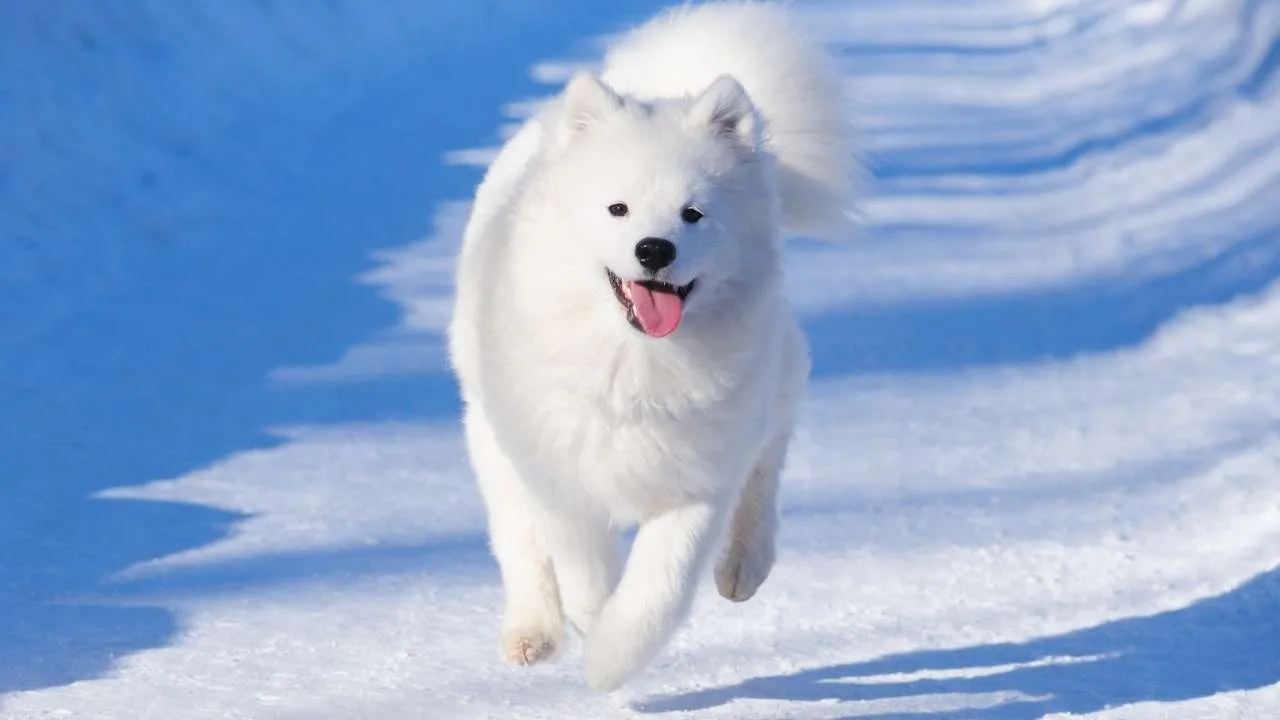
Picture sleeping pressed against reindeer herders through brutal Siberian winters; that is this breed’s real backstory. Cold weather built this fluffy dog long before anyone called it cute.
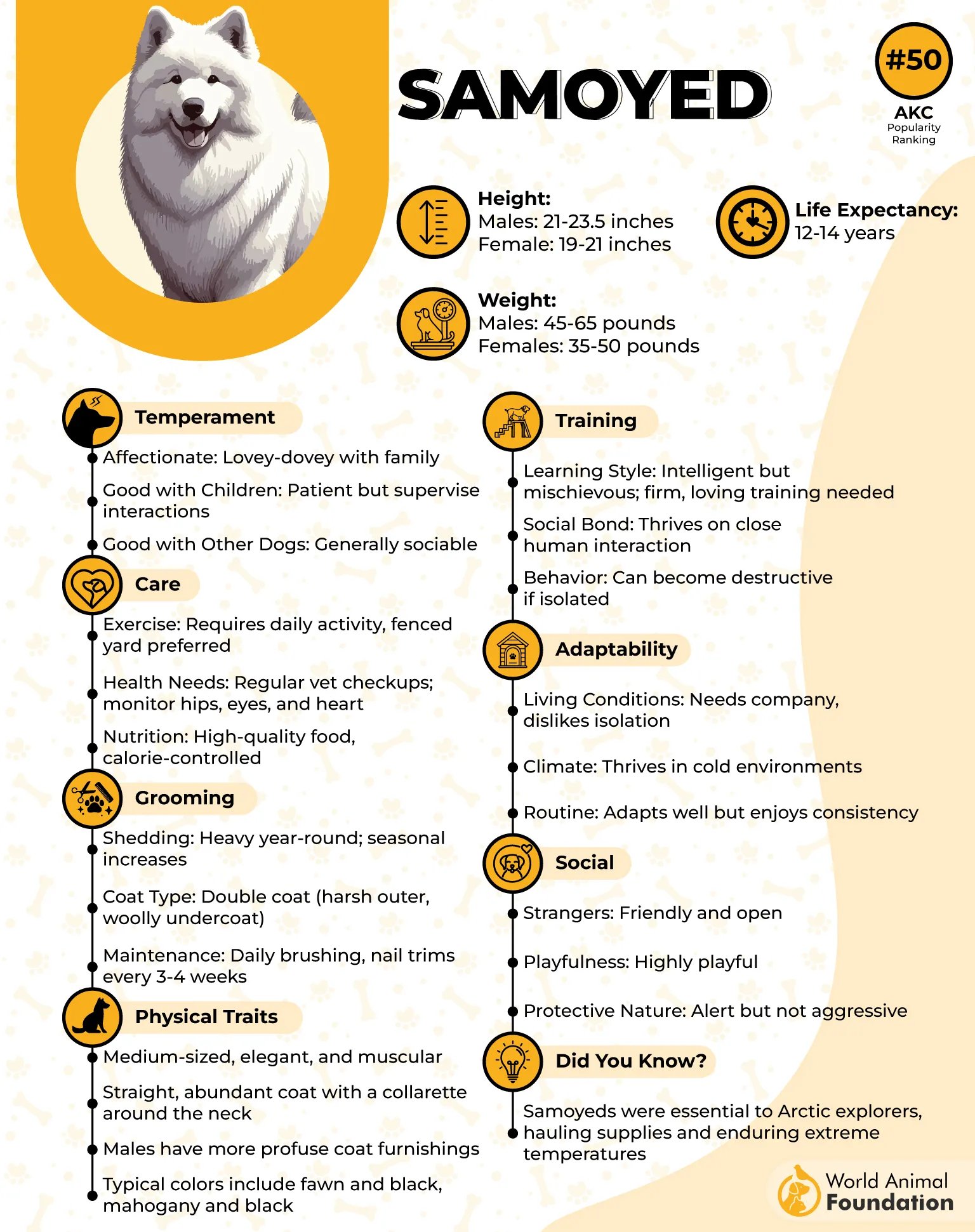
Run a hand through this coat, and it feels dense and springy, not stiff. A straight outer layer stands away from a plush undercoat instead of lying flat. That standoff shape is what turns thick fur into a true cloud.
Brush type: A pin brush and undercoat rake work best.
Frequency: Brush 2 to 3 times a week, daily during shedding season.
Here is the myth worth dropping. Soft fur does not mean easy care. Samoyeds blow their undercoat hard 1 or 2 times a year, so that fluffy appearance actually warns of serious shedding ahead.
2. Great Pyrenees
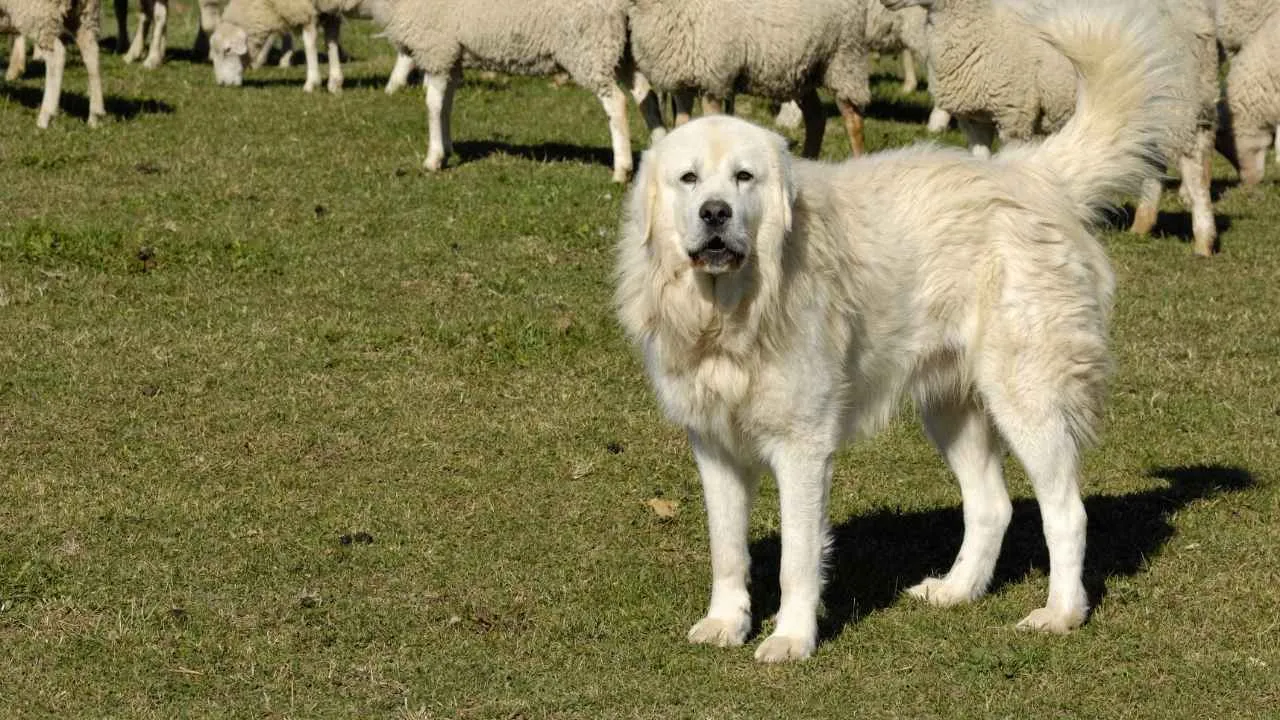
High in the Pyrenees mountains, this breed once guarded sheep from wolves, says VCA. A white coat let it vanish into the flock at night. Cold weather shaped every inch of this thick coat.
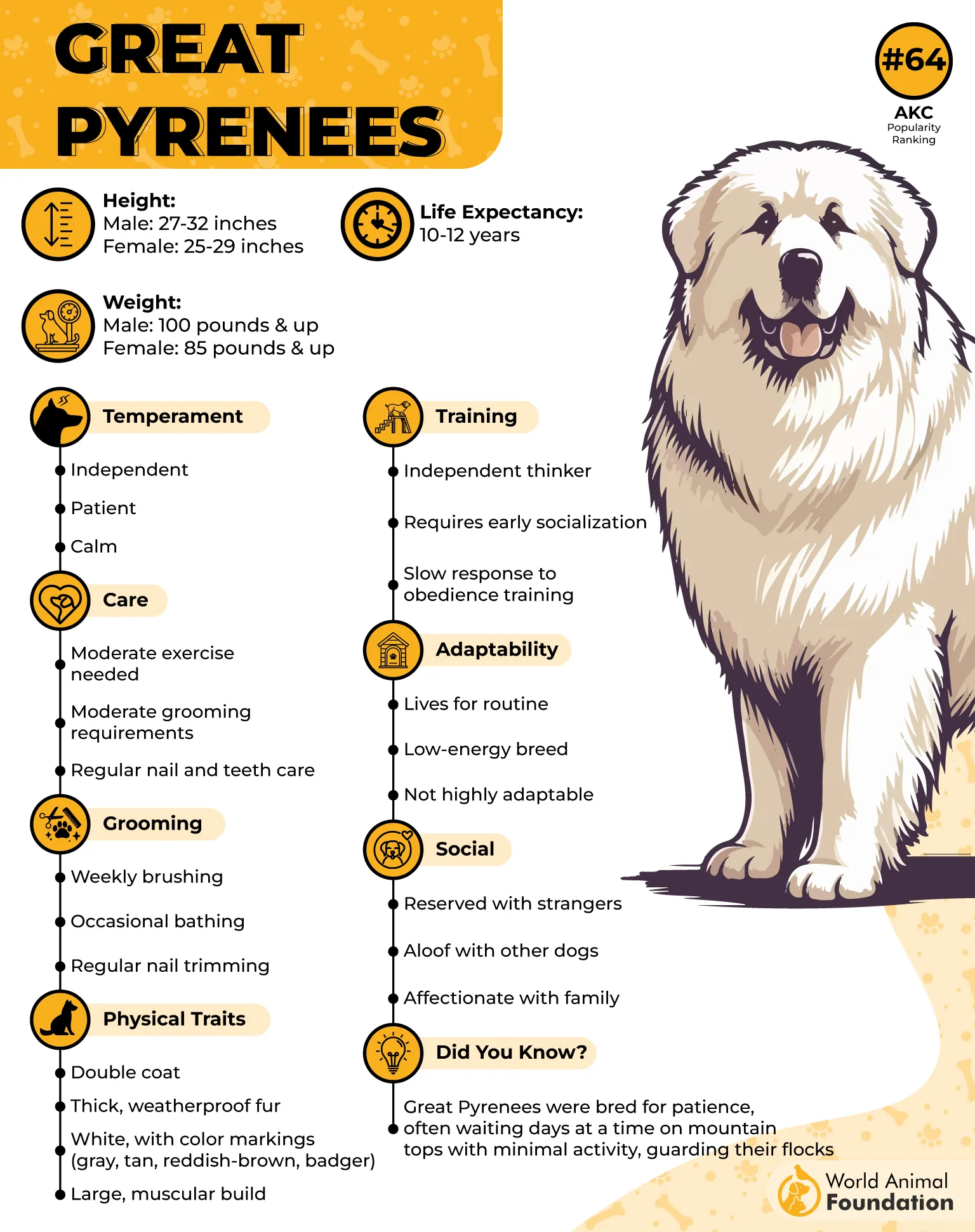
This coat feels coarse outside and soft underneath, like two fabrics stacked together. A fairly flat outer layer handles weather, while a dense undercoat does the real lofting work beneath it. That combo gives this large breed its cloud-like bulk.
Brush type: A slicker brush and undercoat rake clear loose hair fast.
Frequency: Brush weekly, and more often once shedding ramps up.
Here is the surprise. This thick coat is naturally dirt-resistant, so it sheds grime on its own. Regular maintenance still matters, since this breed blows its undercoat hard once the seasons shift.
3. Chow Chow

Chow chows once guarded temples and homes in ancient China, built for cold northern winters. That rough, plush coat and lion-like mane are not just for show, notes PetMD. Thick fur kept this breed warm on freezing nights.
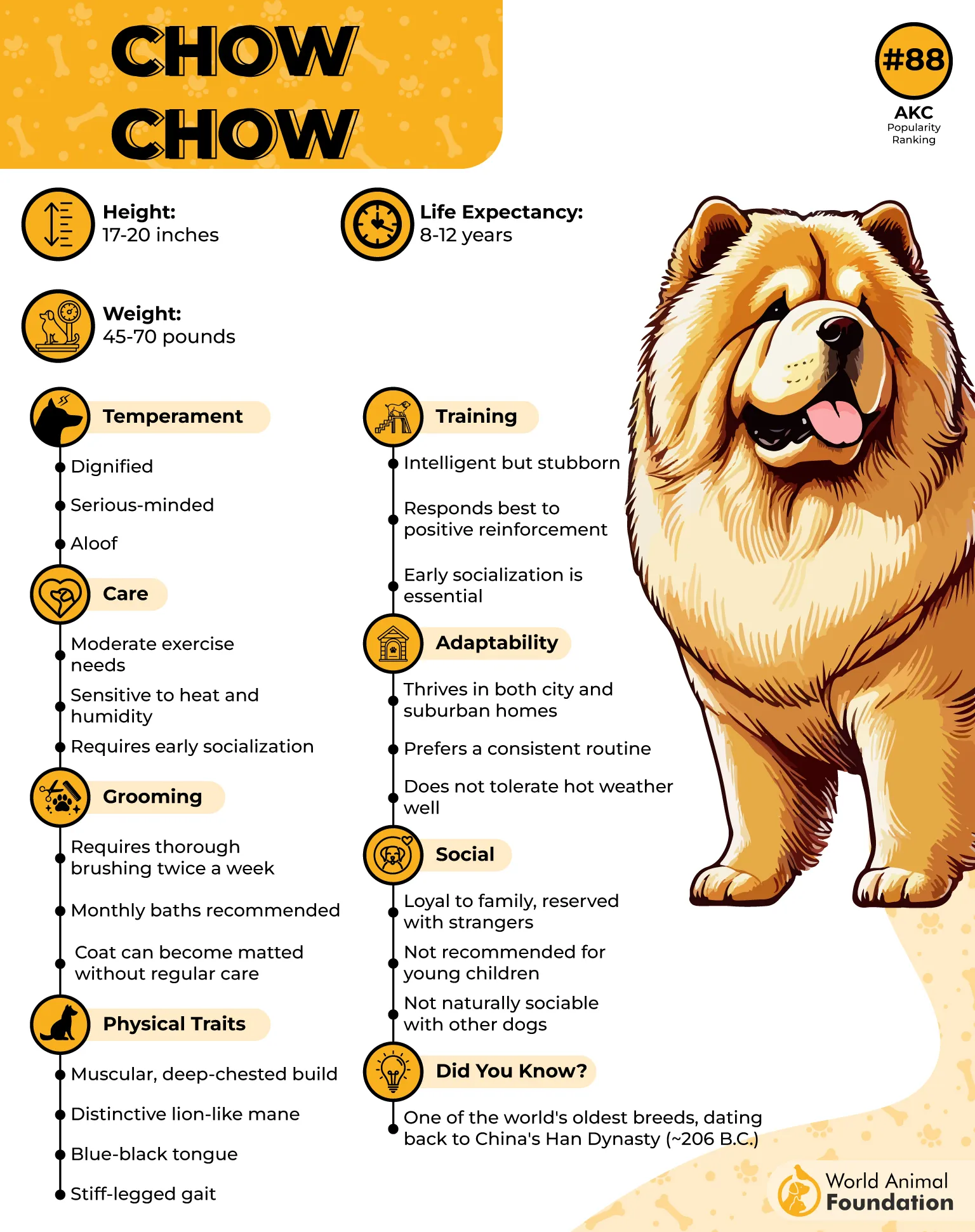
Touch a Chow Chow and the coat feels dense, almost bristly on top with a soft wool-like layer underneath. The outer hair stands straight off the body instead of lying down. That standoff texture builds the breed’s signature mane and cloud-shaped look.
Brush type: A metal comb and slicker brush prevent tangled mats.
Frequency: Brush 2 to 3 times a week year-round.
Chow Chows look calm and tidy, so owners assume light shedding. The opposite is true. This breed blows its coat hard twice a year, and that plush appearance hides serious shedding underneath.
4. Pomeranian
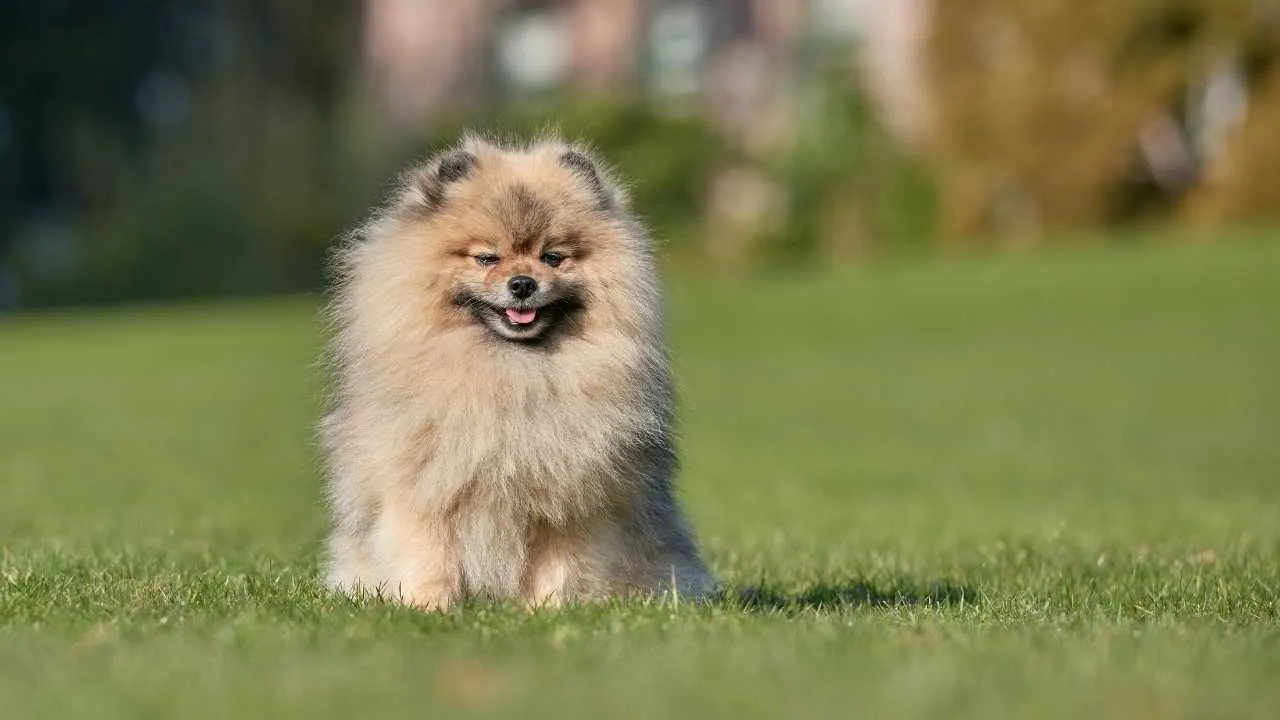
Pomeranians descend from larger Arctic sled dogs, bred down to small dog size in Germany and England. Queen Victoria made the breed famous centuries ago. That history explains why such a small dog carries such a thick coat.
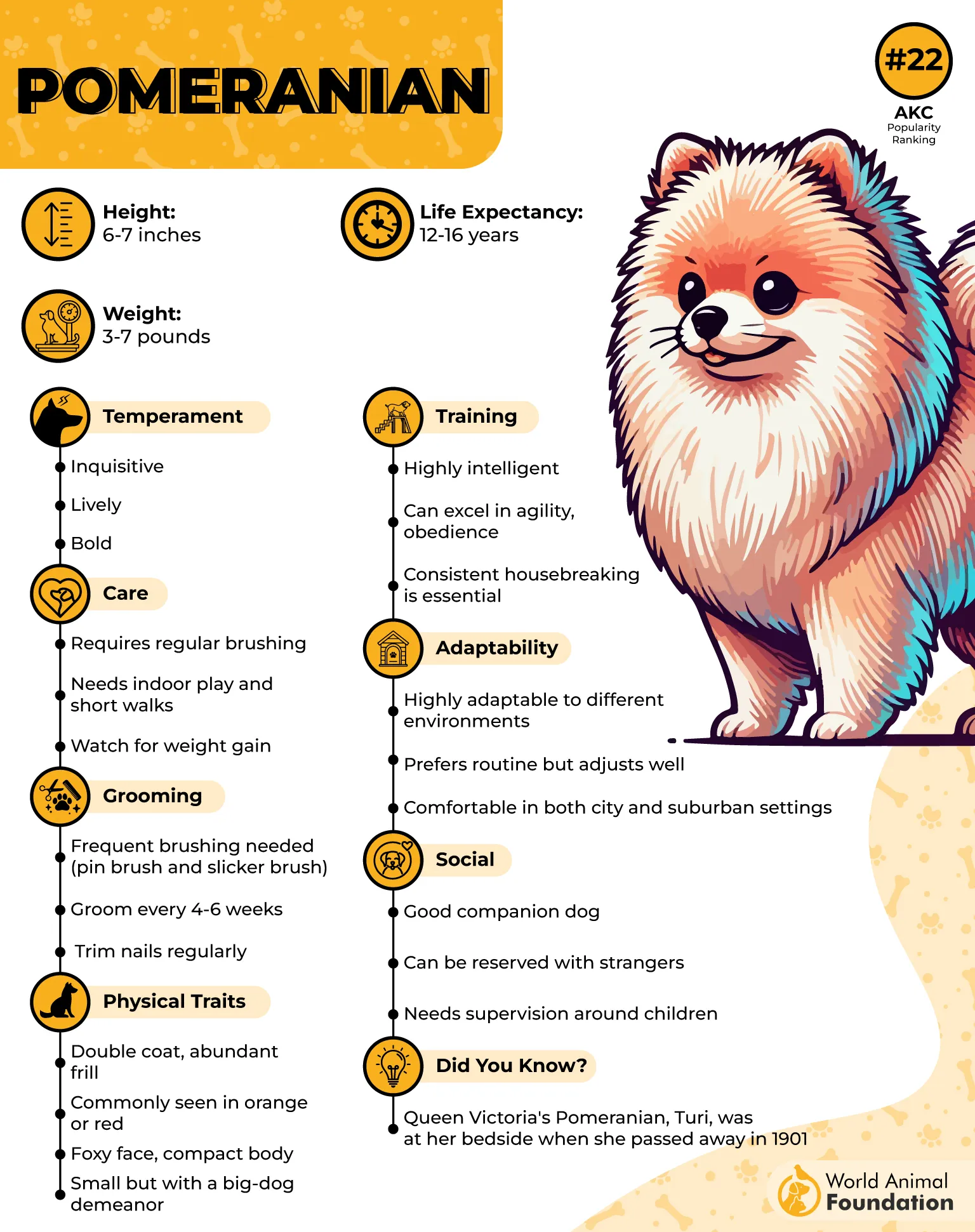
This coat feels soft but surprisingly full for such a tiny frame. Long guard hairs stand straight out from a dense undercoat, creating the breed’s trademark powder puff shape. Size has nothing to do with how much loft a coat can hold.
Brush type: A pin brush with line brushing keeps the fluff separated.
Frequency: Brush 3 times a week, more during coat blow.
People assume a small dog sheds less. Pomeranians prove that wrong every season. This breed’s dense undercoat sheds heavily twice a year, no matter how compact the body underneath it is.
5. American Eskimo Dog

This breed descends from European spitz dogs and became a farm watchdog across the United States. A bright white coat once made it easy to spot in the snow. Cold weather shaped this fluffy dog breed completely.

The coat feels thick and slightly harsh on top, with a much softer undercoat hidden beneath. Guard hairs stand straight out rather than lying flat, which builds that fluffy appearance first. Loft, not length, does most of the work.
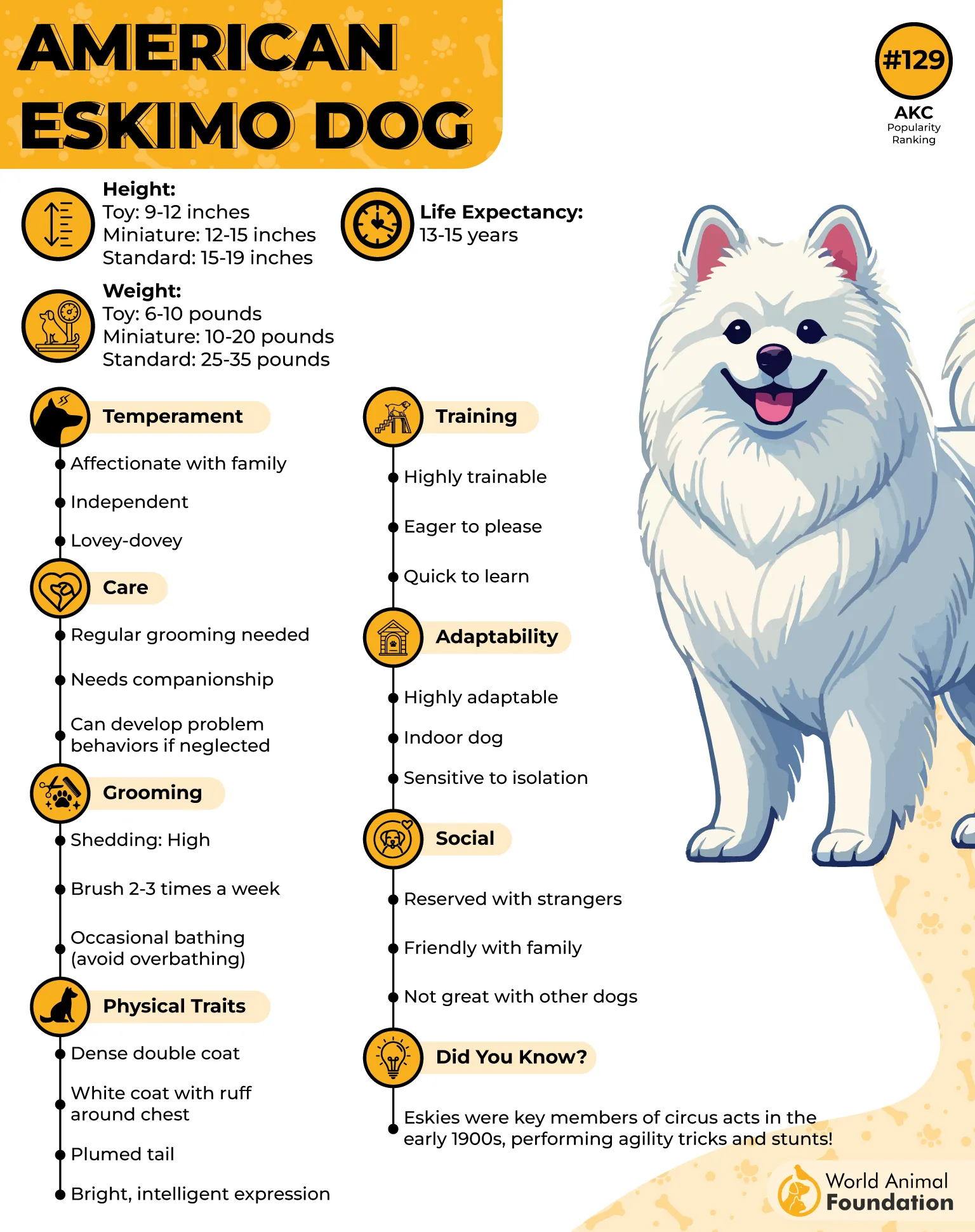
Brush type: An undercoat rake plus a slicker brush clears loose fluff.
Frequency: Brush weekly, and daily once shedding season hits.
A pure white coat looks like it should stay spotless with little effort. Real life says otherwise. This breed sheds constantly and blows its coat hard twice a year, so regular grooming is not optional.
6. Old English Sheepdog
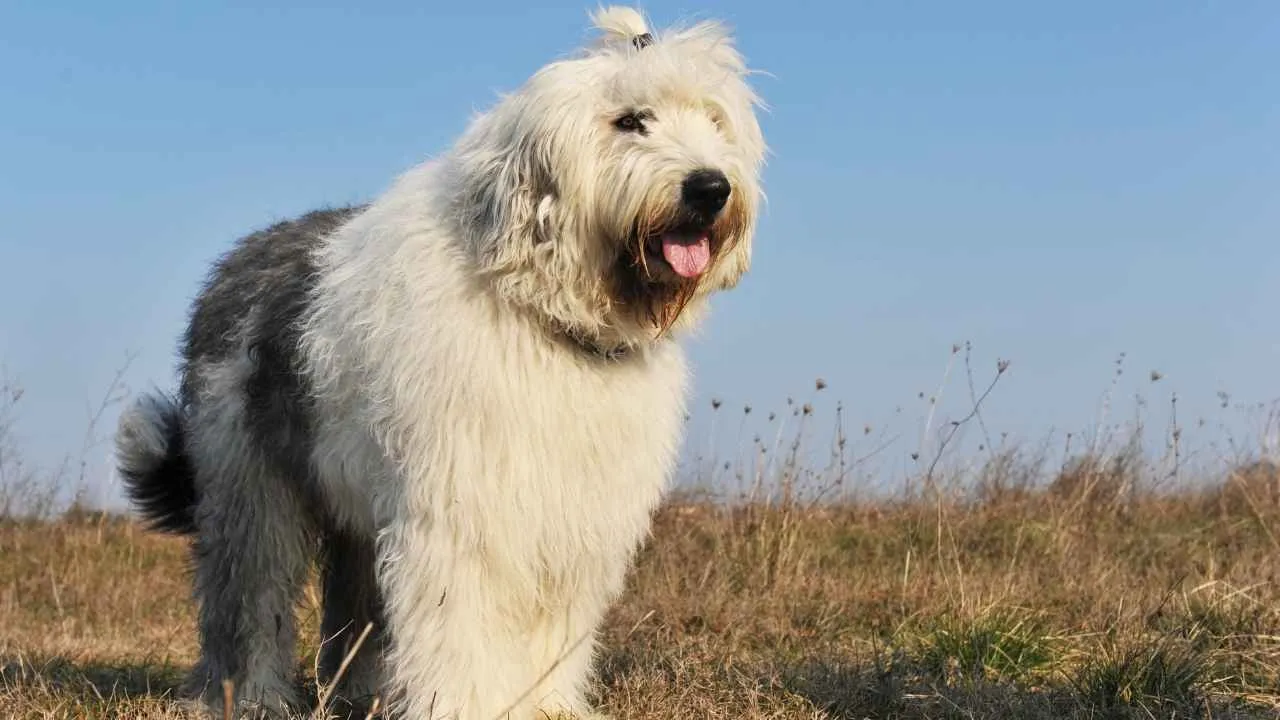
Old English Sheepdogs worked British farms for generations, herding animals through wet, rough weather. That job demanded a coat built like a raincoat with insulation sewn in. Function came before looks for this breed.
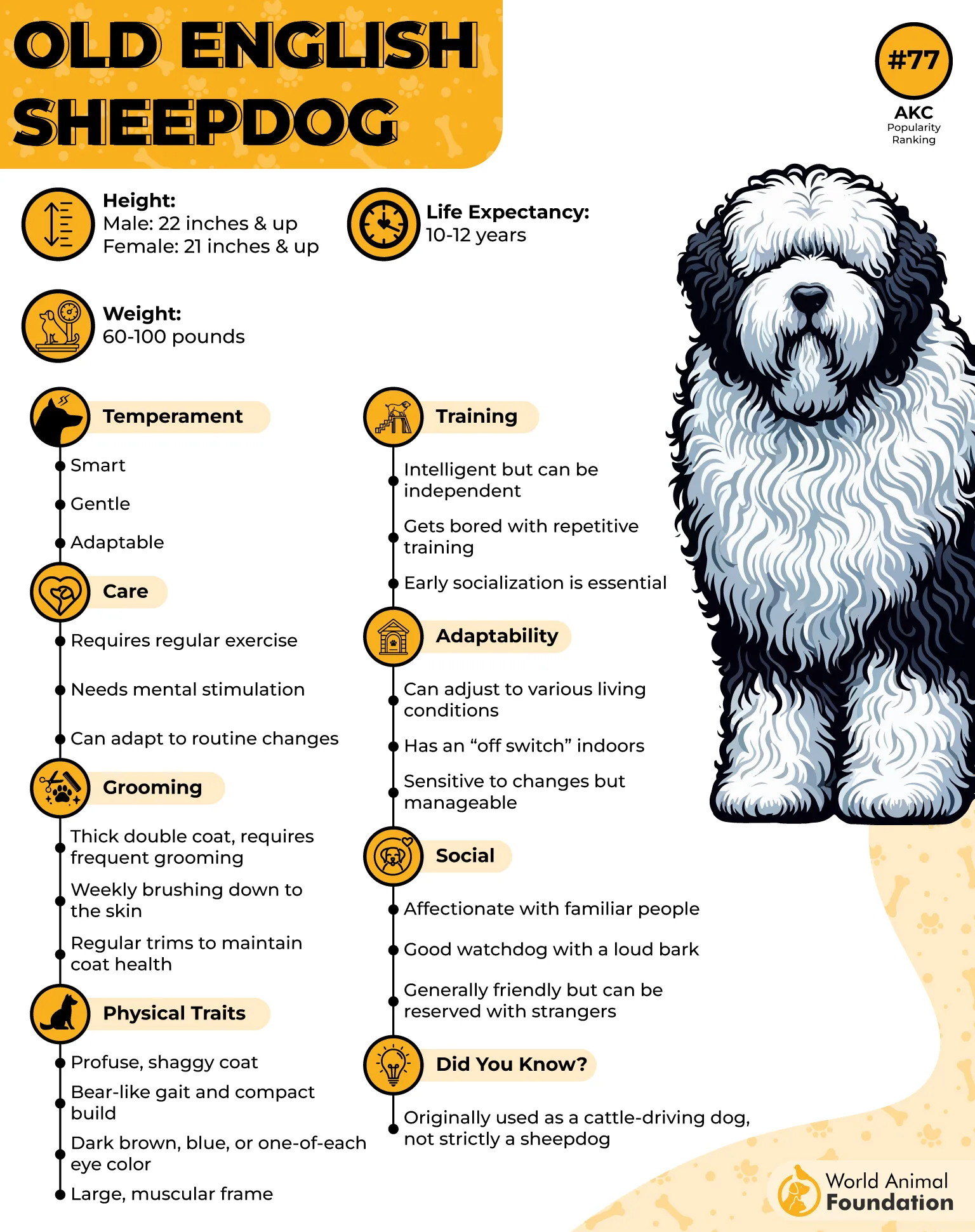
This coat feels shaggy and dense, hanging in loose locks instead of a true standoff puff. A harsh outer layer sheds rain, while a softer undercoat traps warmth close to the skin. Loft here comes from sheer volume, not lift.
Brush type: A slicker brush and long-tooth comb reach down to the skin.
Frequency: Brush daily, since this coat tangles fast without it.
A shaggy coat like this looks like it would shed constantly. In truth, loose hair often gets trapped inside the mats instead of falling to the floor. That is hidden shedding, not low shedding.
7. Leonberger
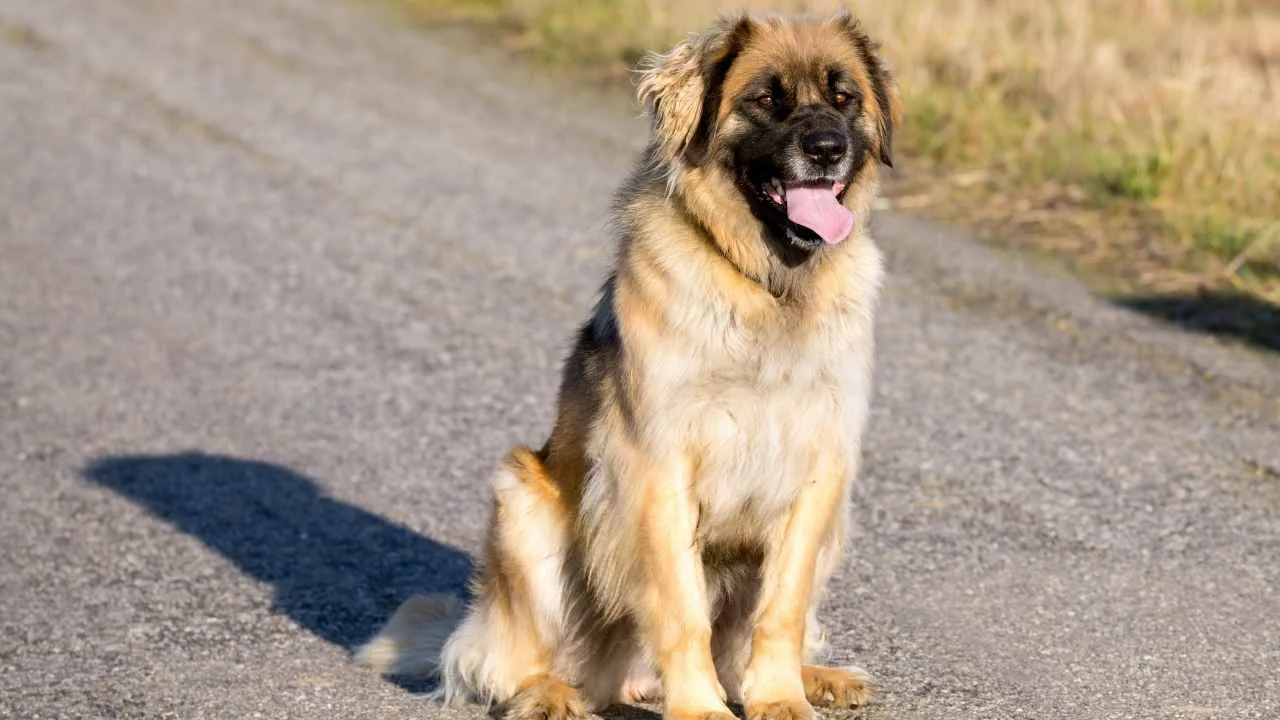
Bred in the German town of Leonberg, this giant breed was shaped to resemble a lion for alpine winters. Impressive size and a thick mane made it a natural fit for cold mountain life.
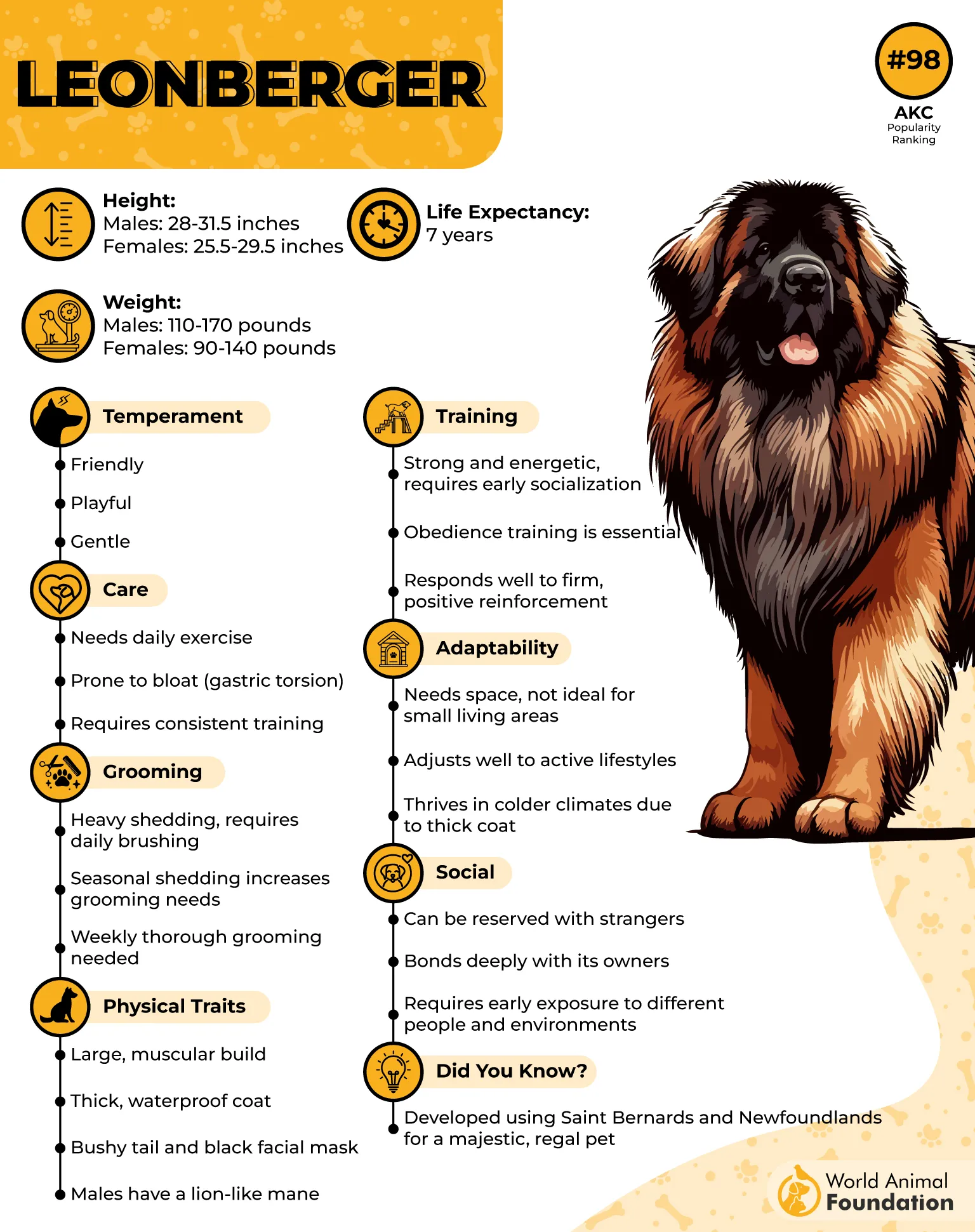
This coat feels dense but coarser than smaller fluffy dog breeds, with guard hairs lying closer to the body than most. A thick mane builds extra volume around the neck. Loft is real here, just carried on a bigger frame.
Brush type: A slicker brush and rake manage the undercoat volume.
Frequency: Brush weekly, more during the twice-yearly heavy shed.
A dog this large seems like it would need constant grooming. Oddly, the bigger problem is volume, not difficulty. Leonbergers release huge amounts of loose fur each shedding season, simply because there is so much coat to lose.
8. Pekingese
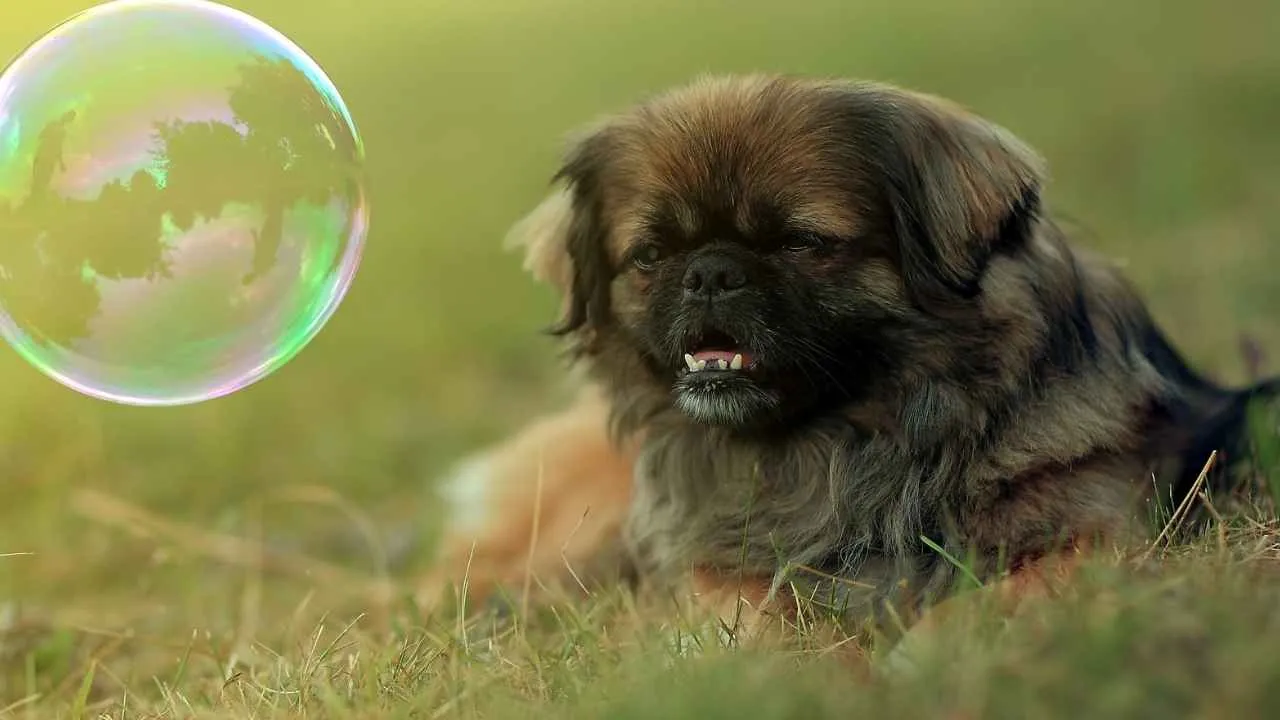
Pekingese dogs lived inside Chinese imperial palaces, prized as a symbol of status, notes Purina. Their long coat marked them as royalty, not working dogs. That background still shows in this small dog’s regal mane today.
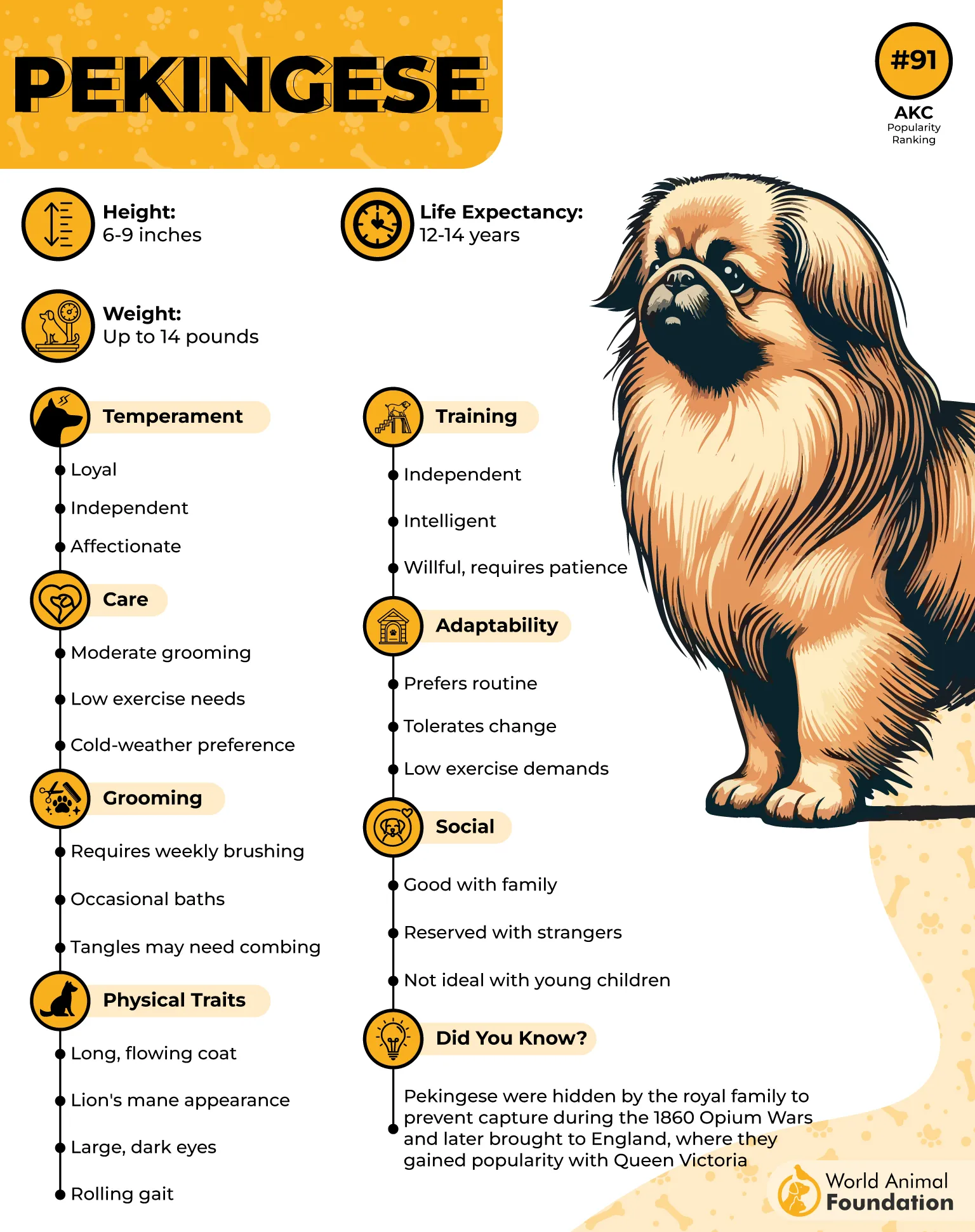
This coat feels long and slightly coarse on top, framing the face like a tiny lion. A thick undercoat beneath adds the real body, since the outer hair mostly drapes rather than stands up. Loft comes from undercoat volume under long hair.
Brush type: A slicker brush and metal comb reach past the topcoat.
Frequency: Brush daily, since this coat tangles fast around the legs and ears.
People assume a glamorous coat like this barely sheds. Pekingese actually shed plenty underneath all that length. Tangled fur just traps loose hair, making the real shedding harder to notice.
9. Tibetan Mastiff
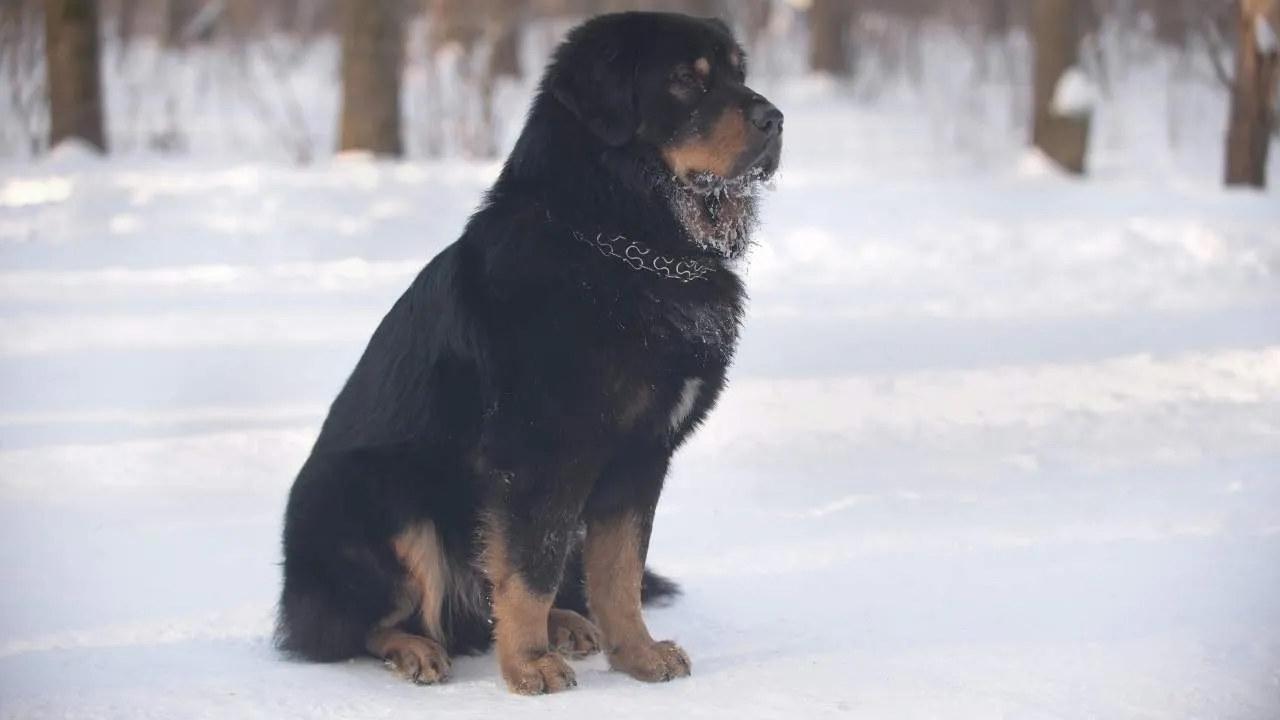
Tibetan Mastiffs guarded monasteries and nomadic camps across the Himalayas, built for extreme cold, according to Britannica. Strong protective instincts and a heavy coat went hand in hand in that job.
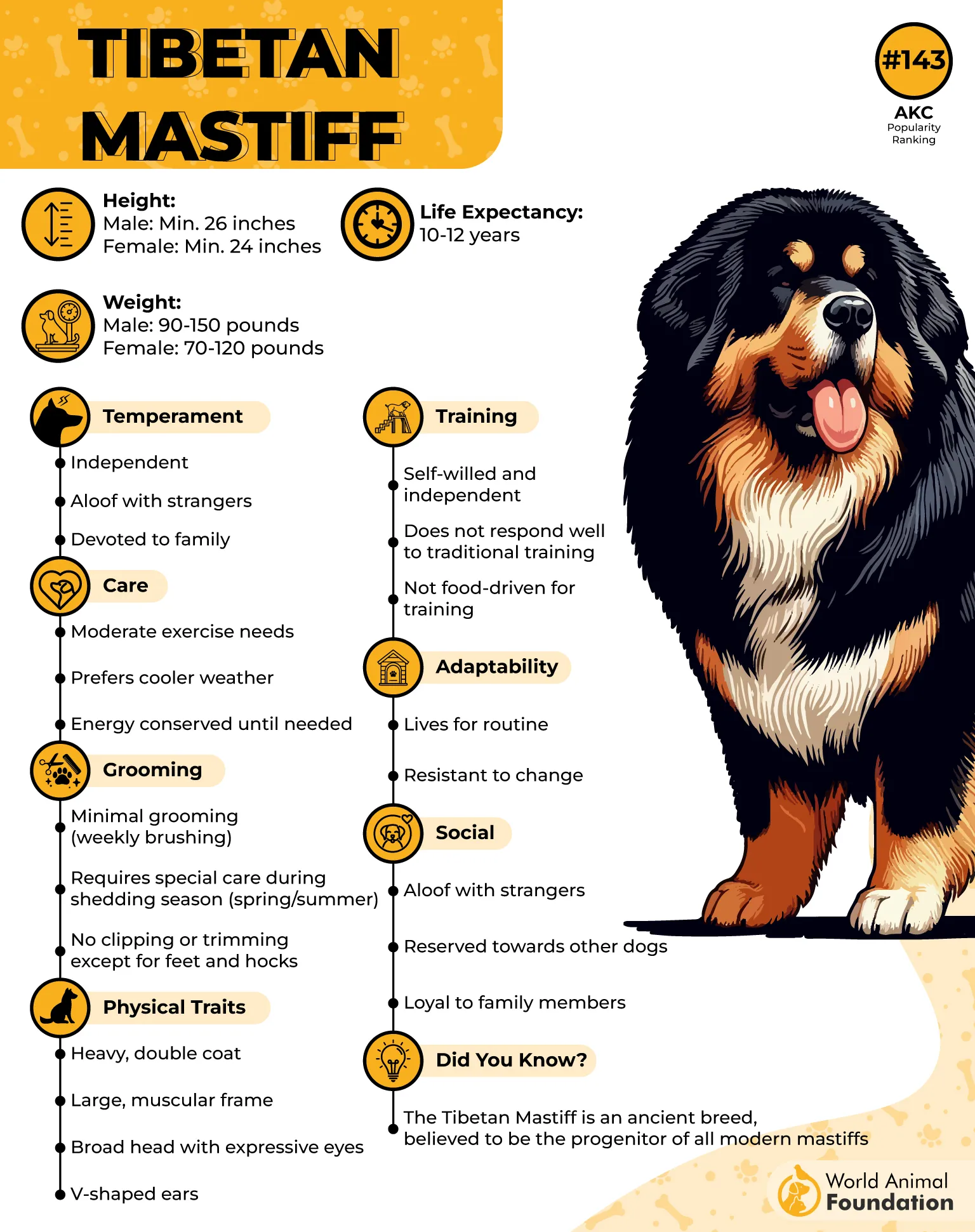
This coat feels thick and almost bristly outside, hiding a soft undercoat underneath. Long guard hairs form a heavy mane around the neck, adding serious lift. That mane is the clearest cloud shape on this whole list.
Brush type: A pin brush and undercoat rake handle the mane and body coat.
Frequency: Brush weekly, more during the twice-yearly heavy shed.
A coat this big looks like a grooming nightmare. It actually sheds dirt fairly well on its own. The real work comes twice a year, when this breed blows its undercoat hard and loses huge amounts of fur fast.
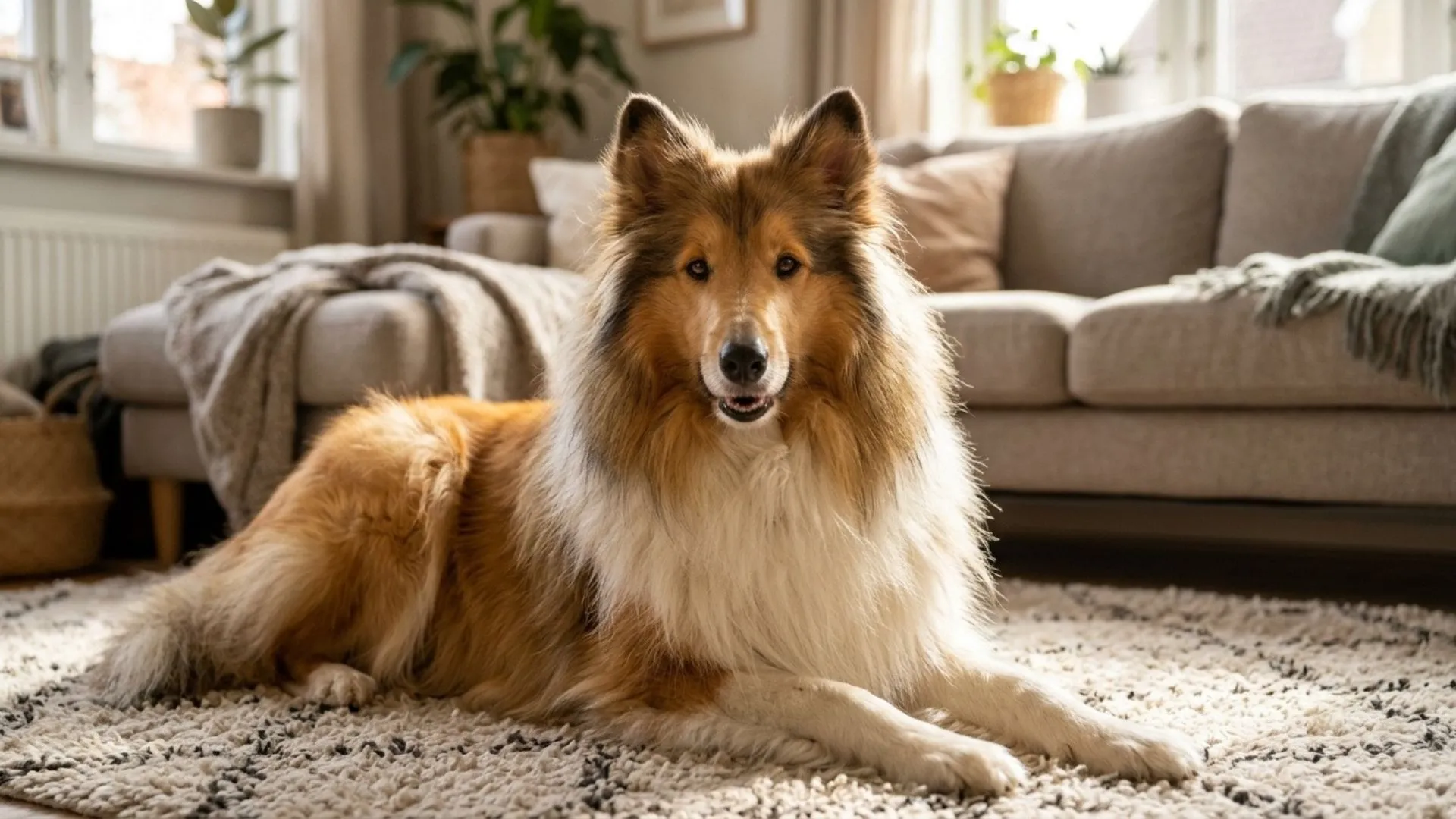
10. Collie
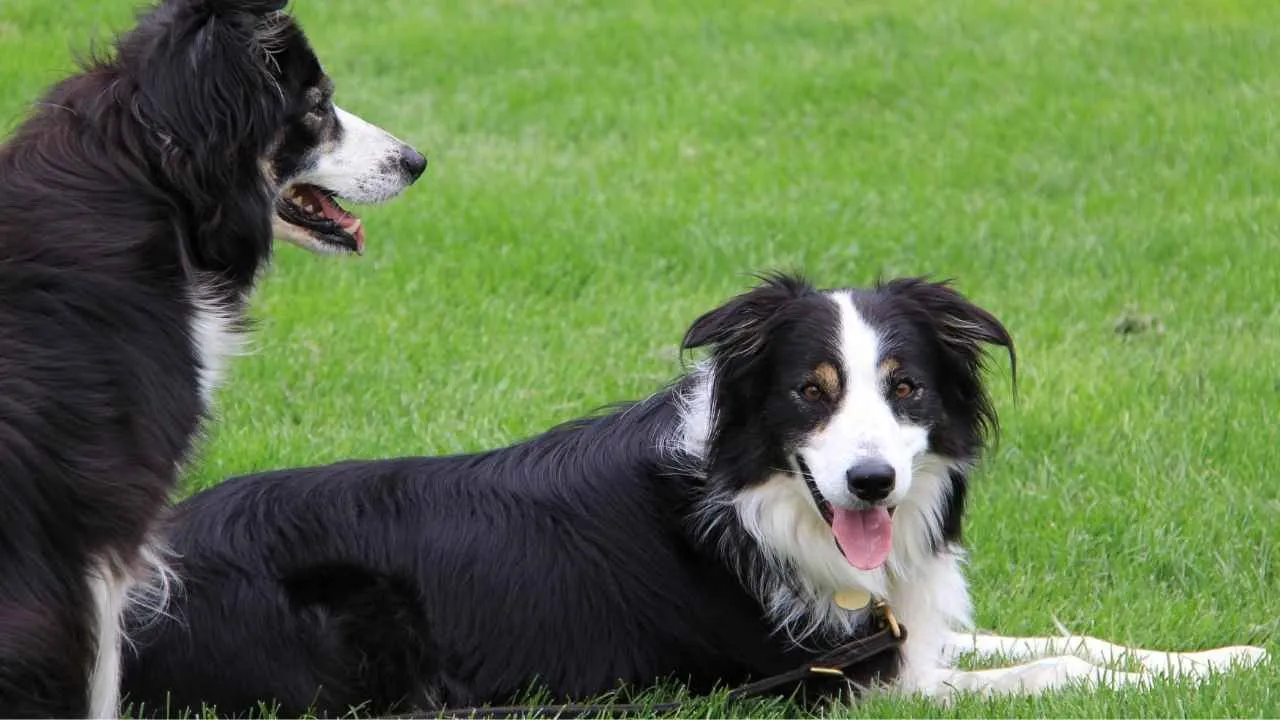
Collies herded sheep across the Scottish Highlands, working long days in rough, wet weather. A coat built for protection mattered more than a coat built for beauty.
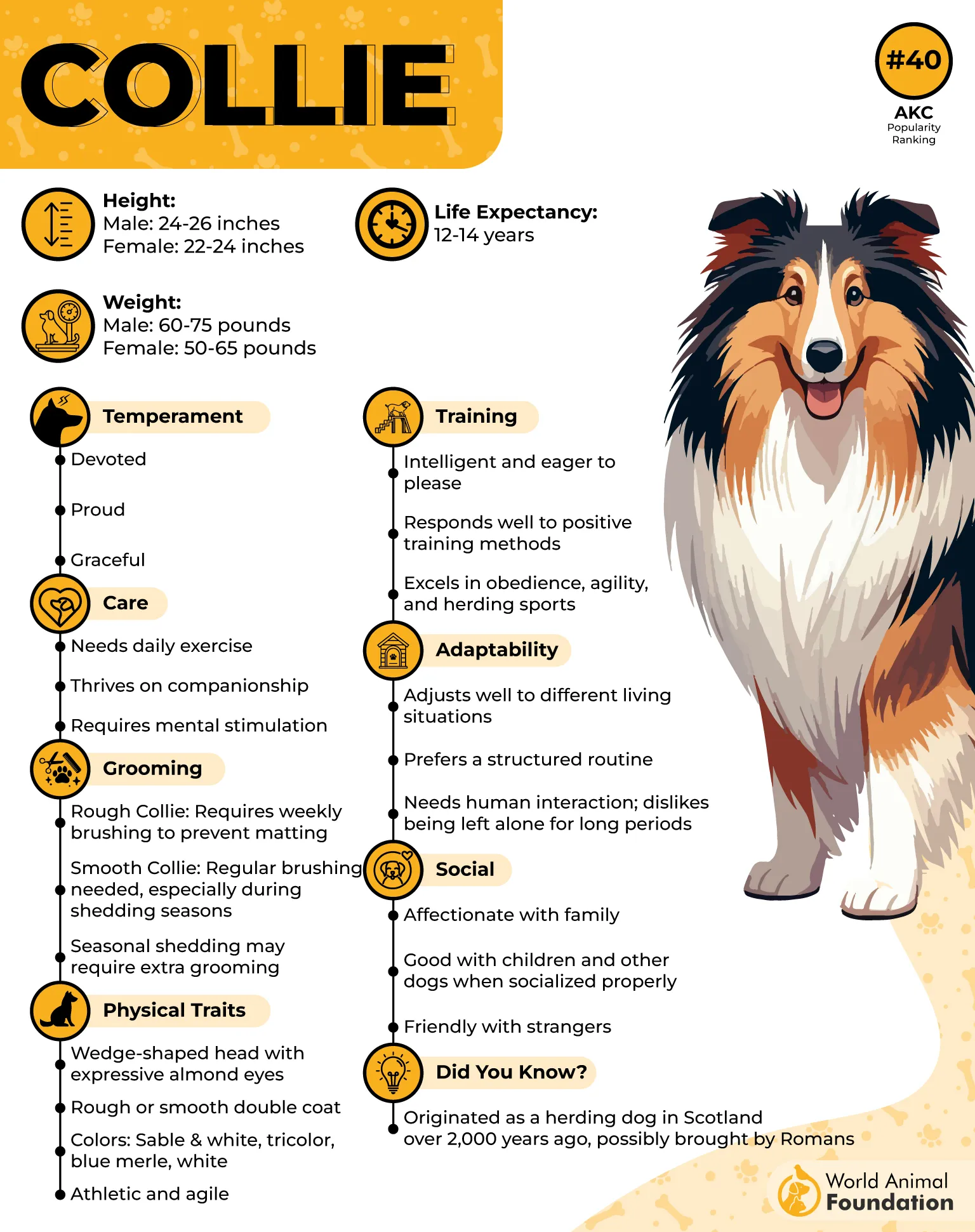
This coat feels different from the rest of this list, since long hair drapes and flows instead of standing up. A dense undercoat sits underneath doing quiet work, even though the outer coat lies fairly flat. Loft here comes from undercoat thickness, not lift.
Brush type: A pin brush and rake work through the mane and leg feathering.
Frequency: Brush 2 to 3 times a week, daily during heavy shedding.
A flowing coat like this looks like it would shed less than a puffed-up one. That is not how it works. Collies shed heavily twice a year, no matter how smooth the coat looks.
Conclusion
A cloud-like coat is never just about first impressions or how good it looks in a photo. The real test is how much regular grooming and proper care you are actually prepared to give, since that commitment is what keeps the shape soft and tangle-free instead of matted.
Match that maintenance commitment to your own time, energy, and household, and the companionship and love that follow will be worth every brush stroke. Pick your favorite fluffy breed from the list above and start planning its first proper grooming routine today.
