




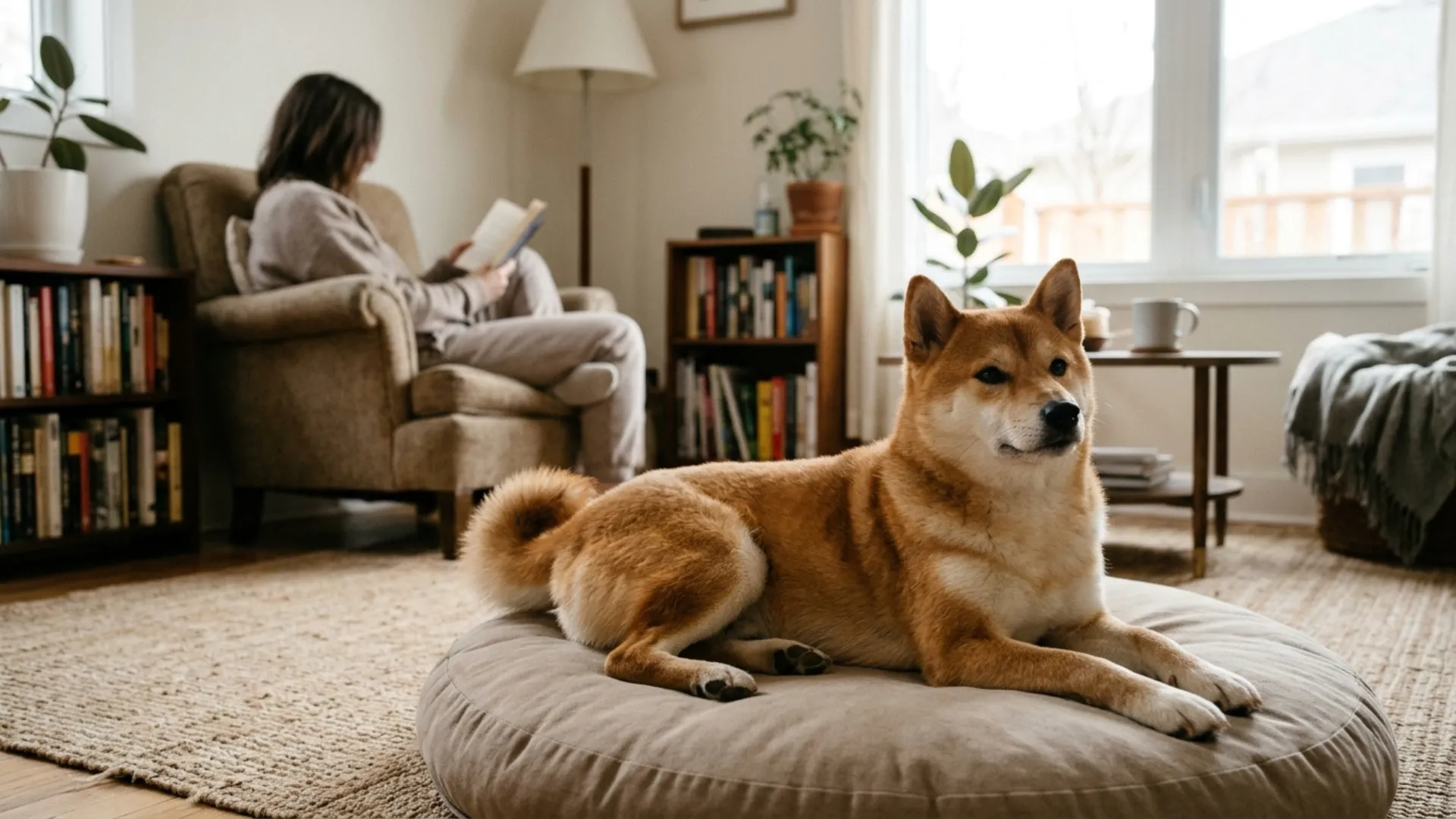
People who prefer quieter surroundings may appreciate a dog whose companionship does not depend on constant social activity. A suitable breed can offer affection, loyalty, and shared routines while being comfortable with a peaceful household.
Introversion does not mean someone dislikes companionship or activity. Many introverted owners enjoy spending time outdoors, walking, reading, relaxing at home, or pursuing individual hobbies. The important consideration is whether a dog’s daily needs fit naturally into that routine.
The breeds below represent different sizes, temperaments, and activity levels. Individual personality remains important, and every dog still needs appropriate exercise, enrichment, training, veterinary care, and social exposure.
Top Dog Breeds That Thrive with Introverted Owners
1. Basset Hound
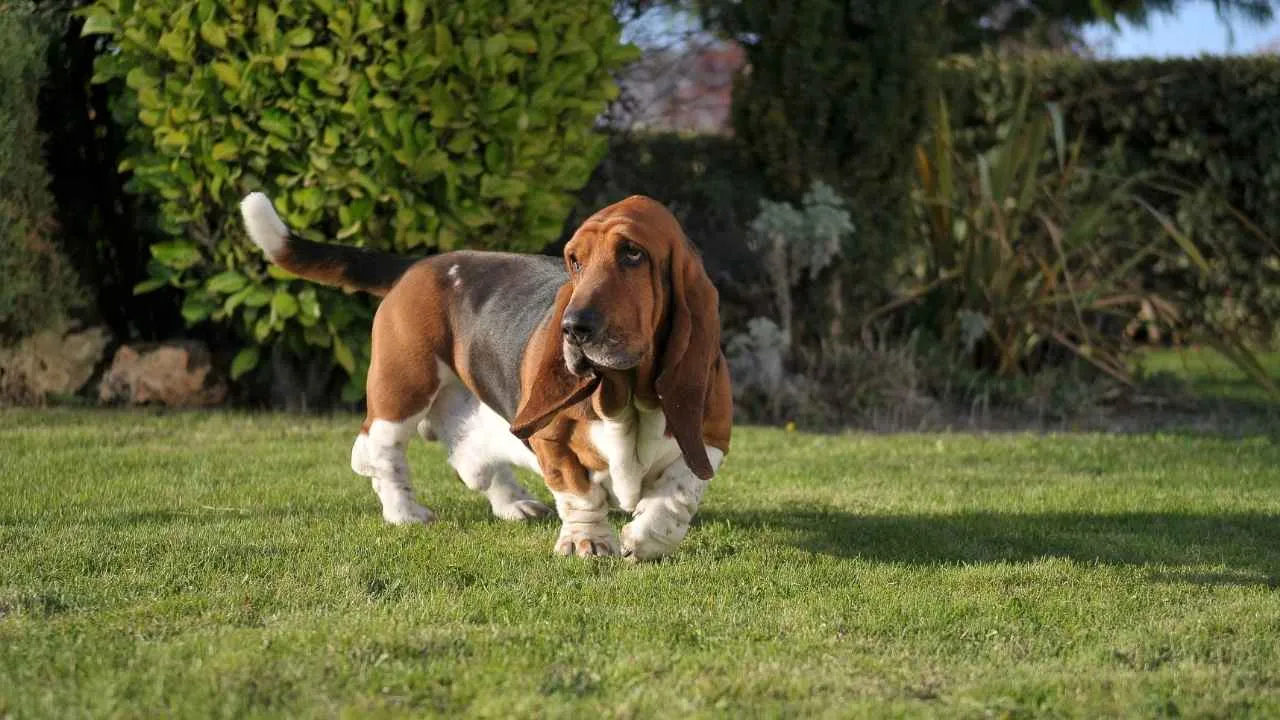
The Basset Hound originated in France, where short-legged scent hounds were developed for tracking game. Their low stature allowed them to follow trails at a steady pace through difficult terrain. The breed later became popular in Britain and developed into a familiar household companion.
Patient Training and Early Socialization
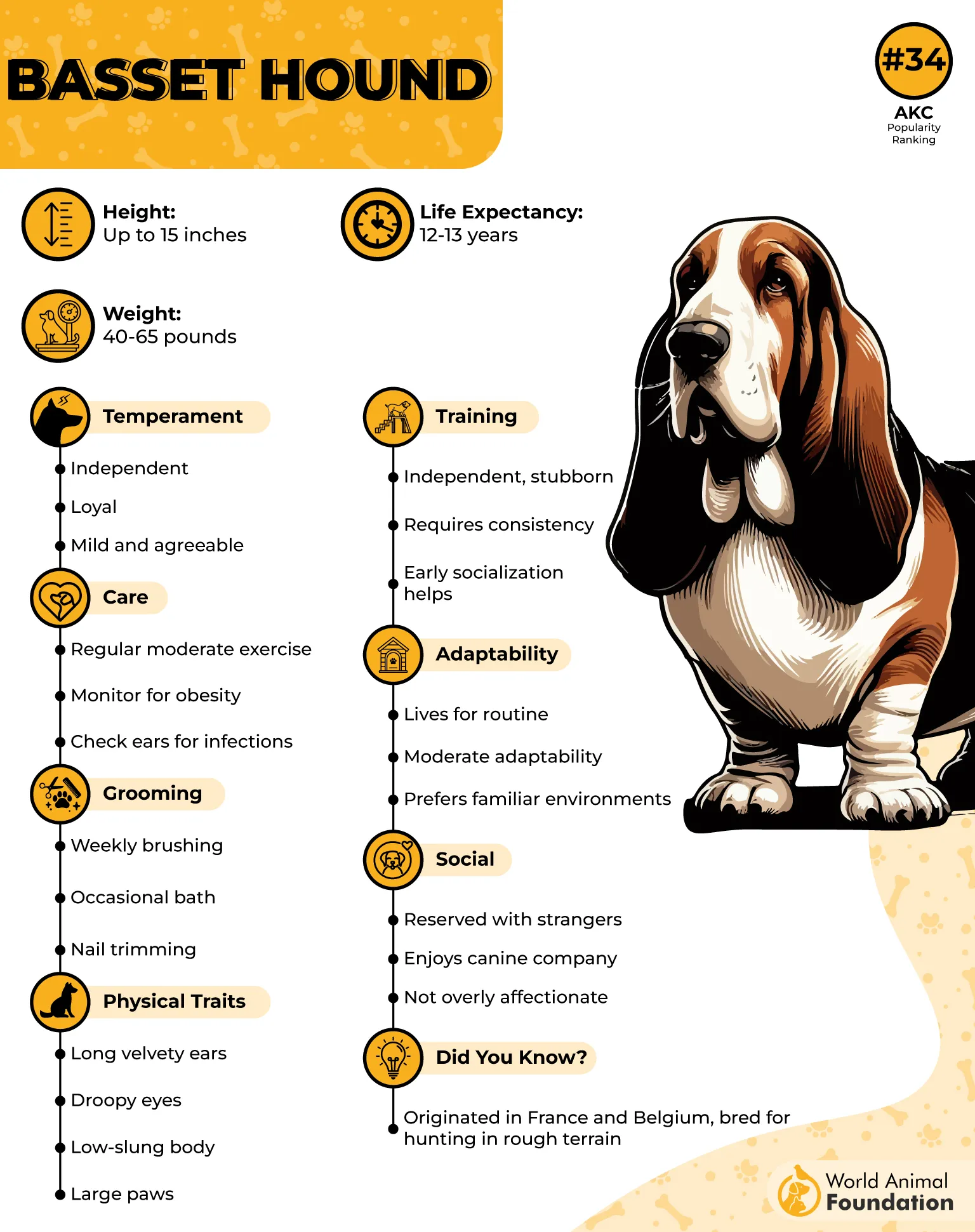
Basset Hounds can have an independent nature, so training is often most effective when lessons are brief and rewarding. Early exposure to visitors, animals, sounds, and different environments can encourage confidence. Consistent routines can also help reinforce desirable household behavior.
A Relaxed Companion for Quiet Living
Their generally laid-back nature can complement an owner who enjoys an unhurried lifestyle. Basset Hounds still appreciate daily walks and opportunities to investigate scents, but they can spend plenty of time relaxing afterward. Their affectionate presence can provide companionship without demanding constant activity.
2. Lhasa Apso
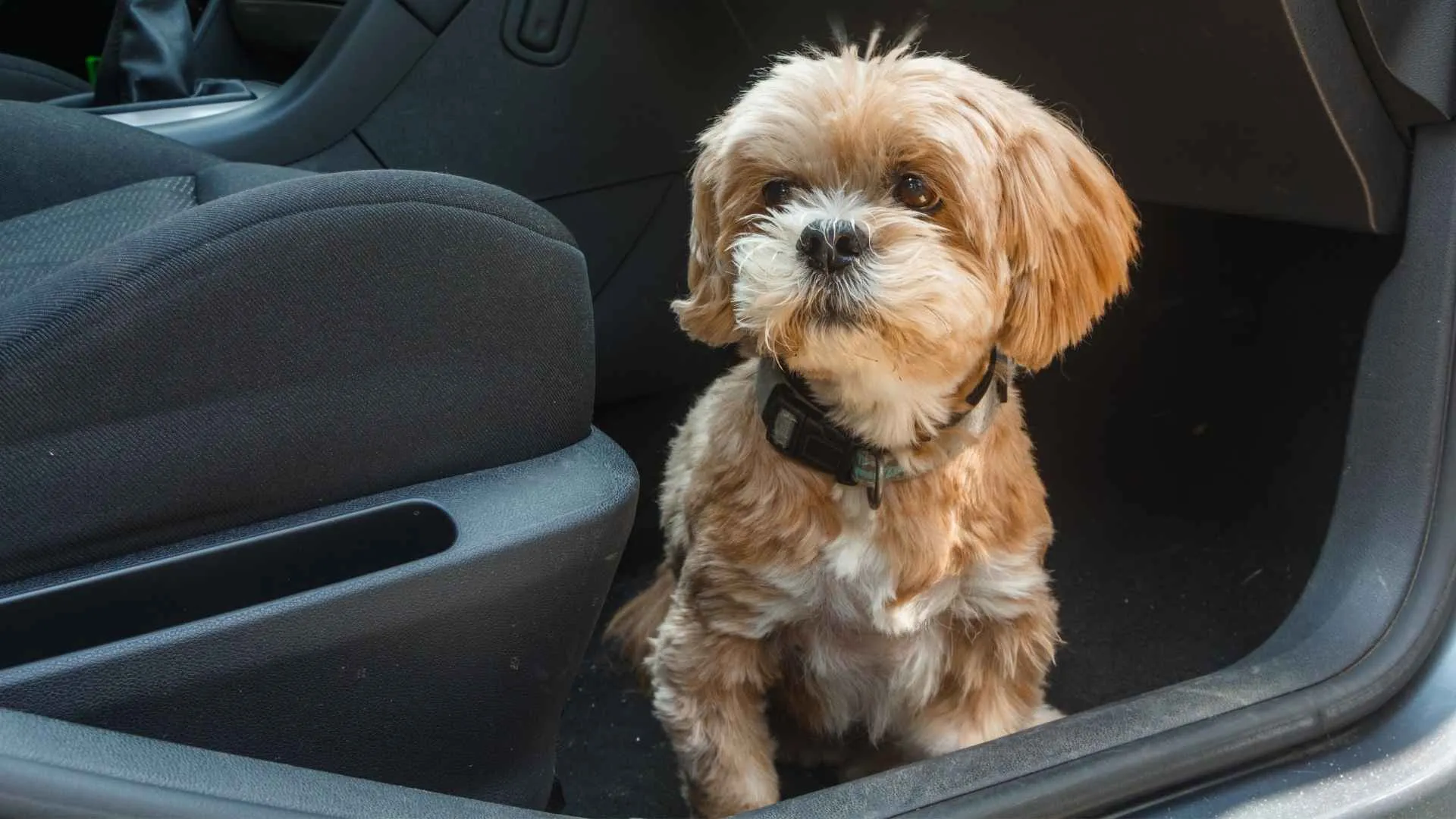
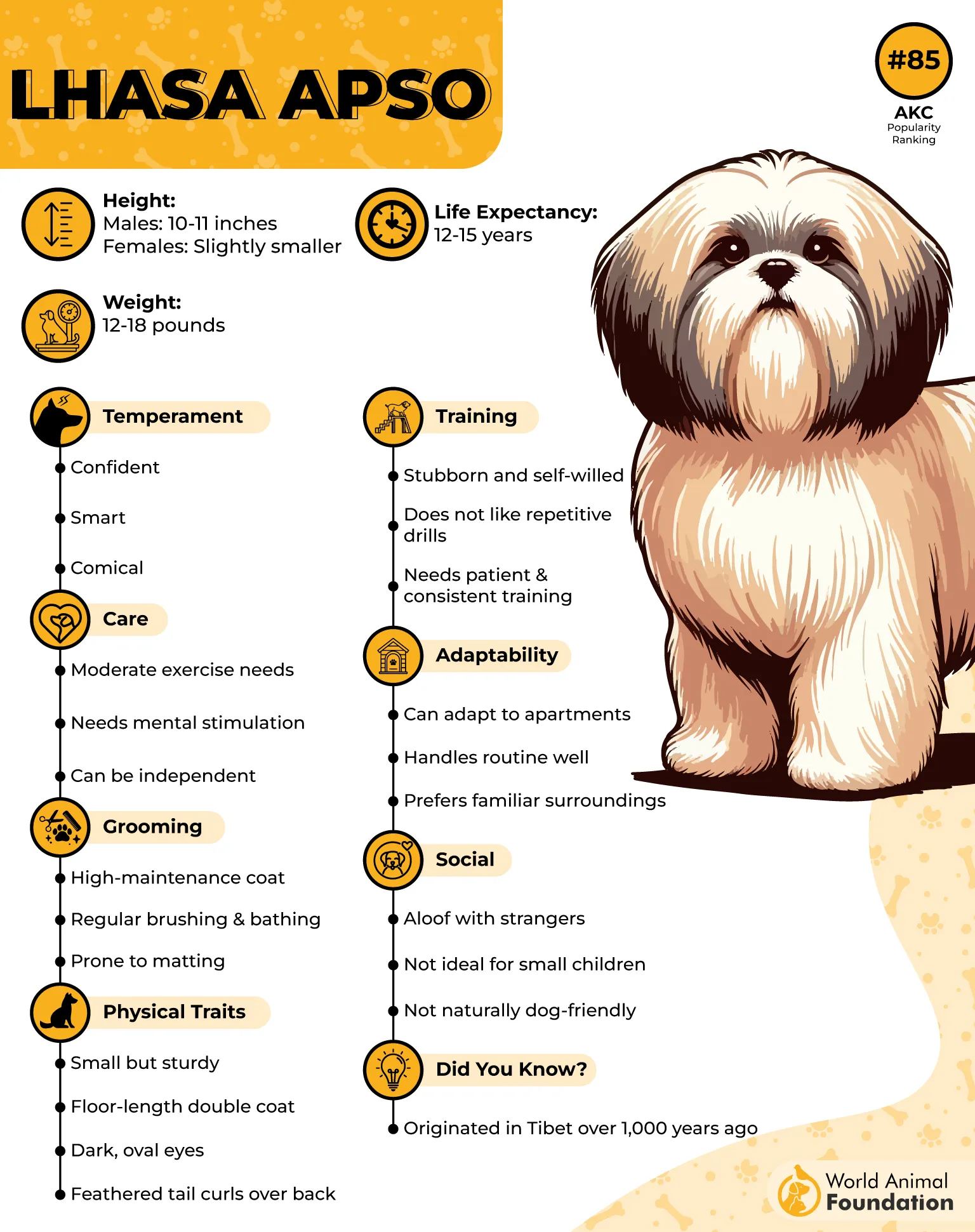
The Lhasa Apso originated in Tibet and was traditionally kept in monasteries and homes. Its alertness made it useful as a small guard dog, while its compact size suited indoor living. The breed eventually spread beyond the region and became valued internationally as a companion.
Independent Learning and Careful Socialization
Lhasa Apsos can be intelligent and self-assured, making patience important during training. Reward-based methods can encourage cooperation while maintaining a positive relationship. Introducing puppies to people, places, sounds, and other animals can help reduce unnecessary apprehension.
A Self-Directed Household Companion
This breed may appeal to people who enjoy having a dog nearby without needing uninterrupted interaction. Lhasa Apsos can form close bonds while remaining comfortable entertaining themselves. Their naturally observant personality can also suit owners who appreciate a more reserved companion.
3. Irish Wolfhound
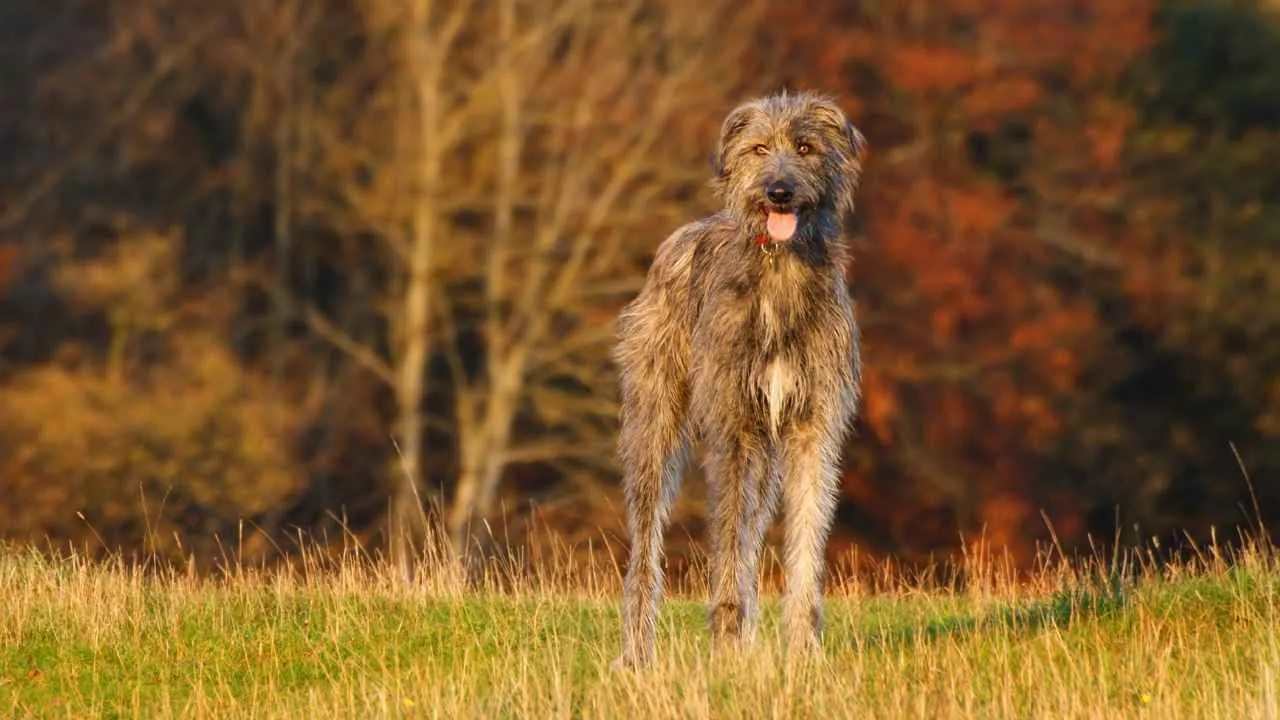
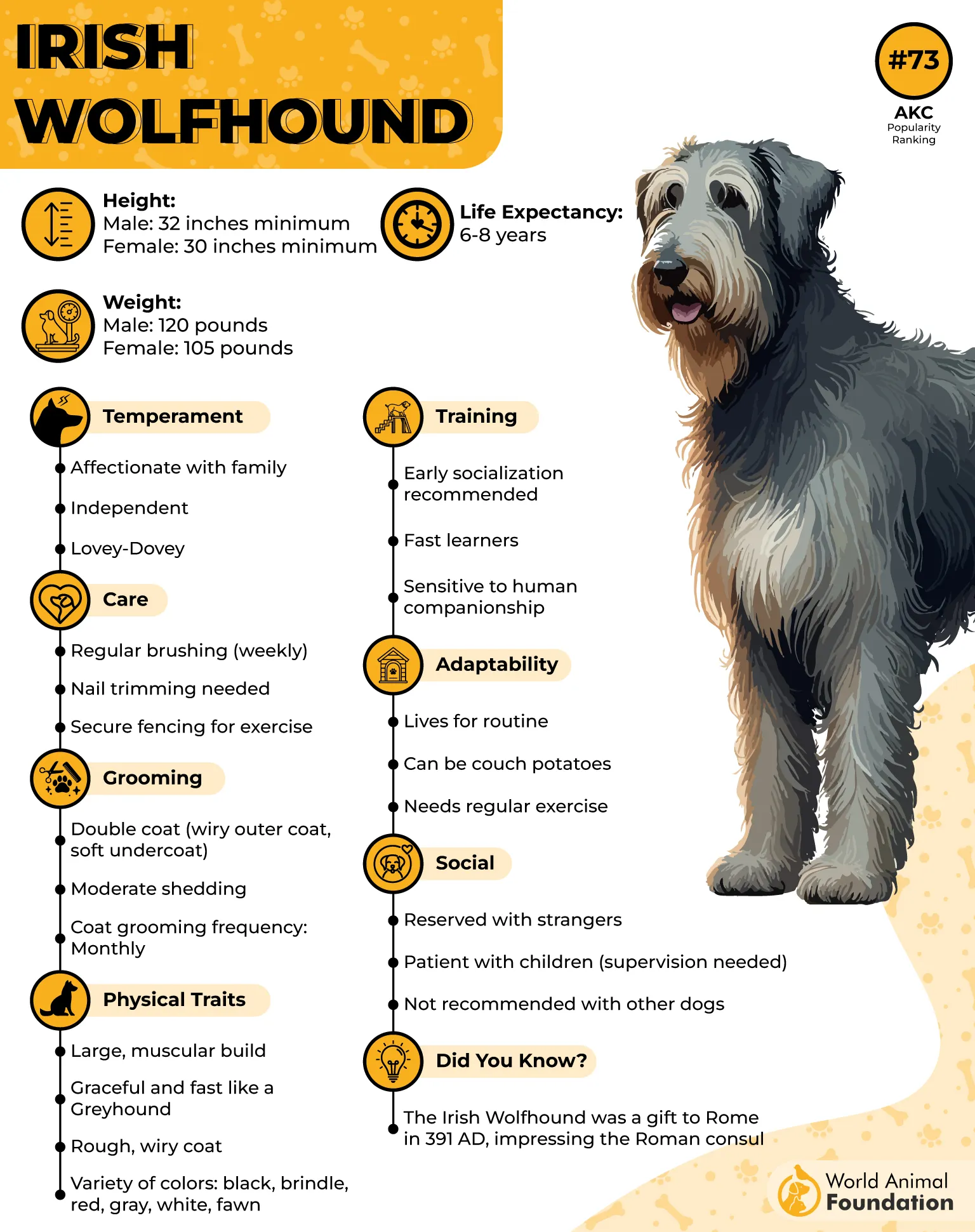
The Irish Wolfhound has a long history in Ireland, where large hounds were associated with hunting and noble households. These hunting dogs were valued for their size, strength, and ability to pursue large game. Over time, the breed became better known as a gentle companion.
Gentle Training and Positive Socialization
Their considerable size makes early manners especially important. Irish Wolfhounds generally benefit from calm instruction, reward-based training, and regular exposure to different people and environments. Teaching reliable basic commands can make everyday handling much easier.
A Gentle Giant for Peaceful Homes
Despite their impressive stature, Irish Wolfhounds can have a calm and affectionate character indoors. They require appropriate exercise and room to move, but they may enjoy quiet periods once their needs are met. Their gentle companionship can suit owners who prefer a peaceful household atmosphere.
4. Pug
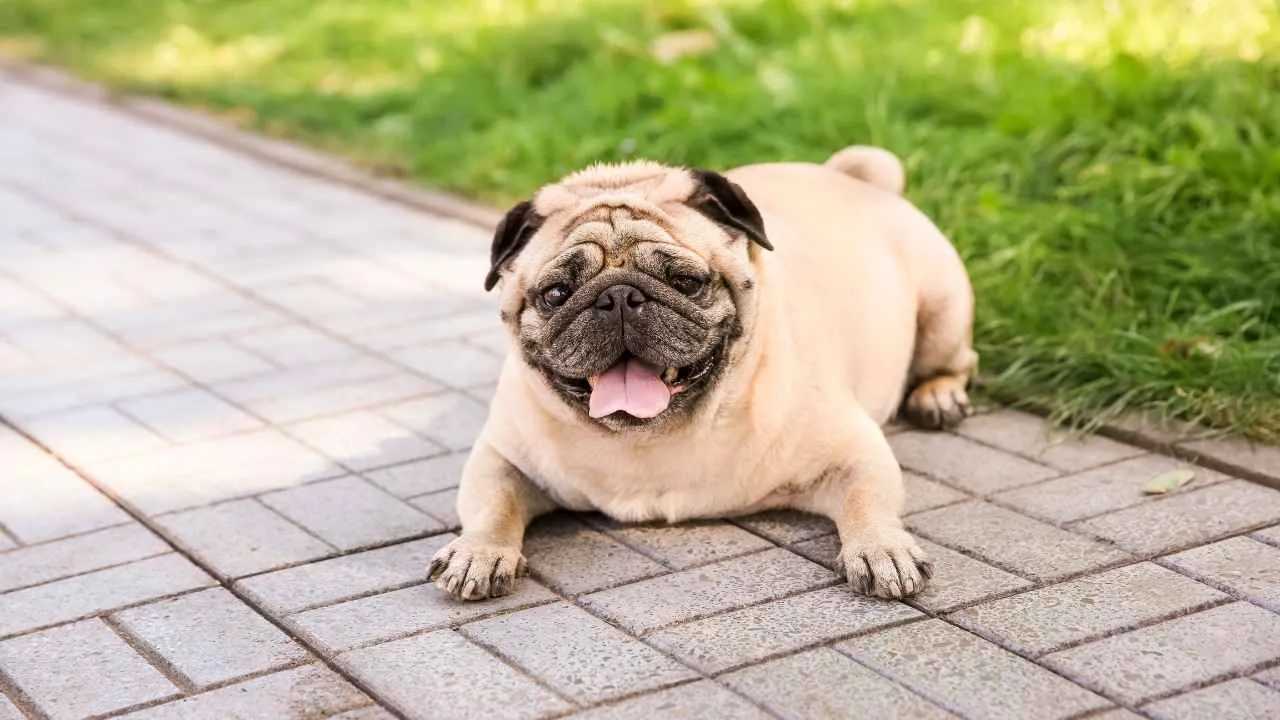
The Pug has an ancient history in China, where small flat-faced companion dogs were associated with imperial households. Unlike many working breeds, it was primarily developed for companionship. The breed eventually reached Europe and became popular among aristocratic households.
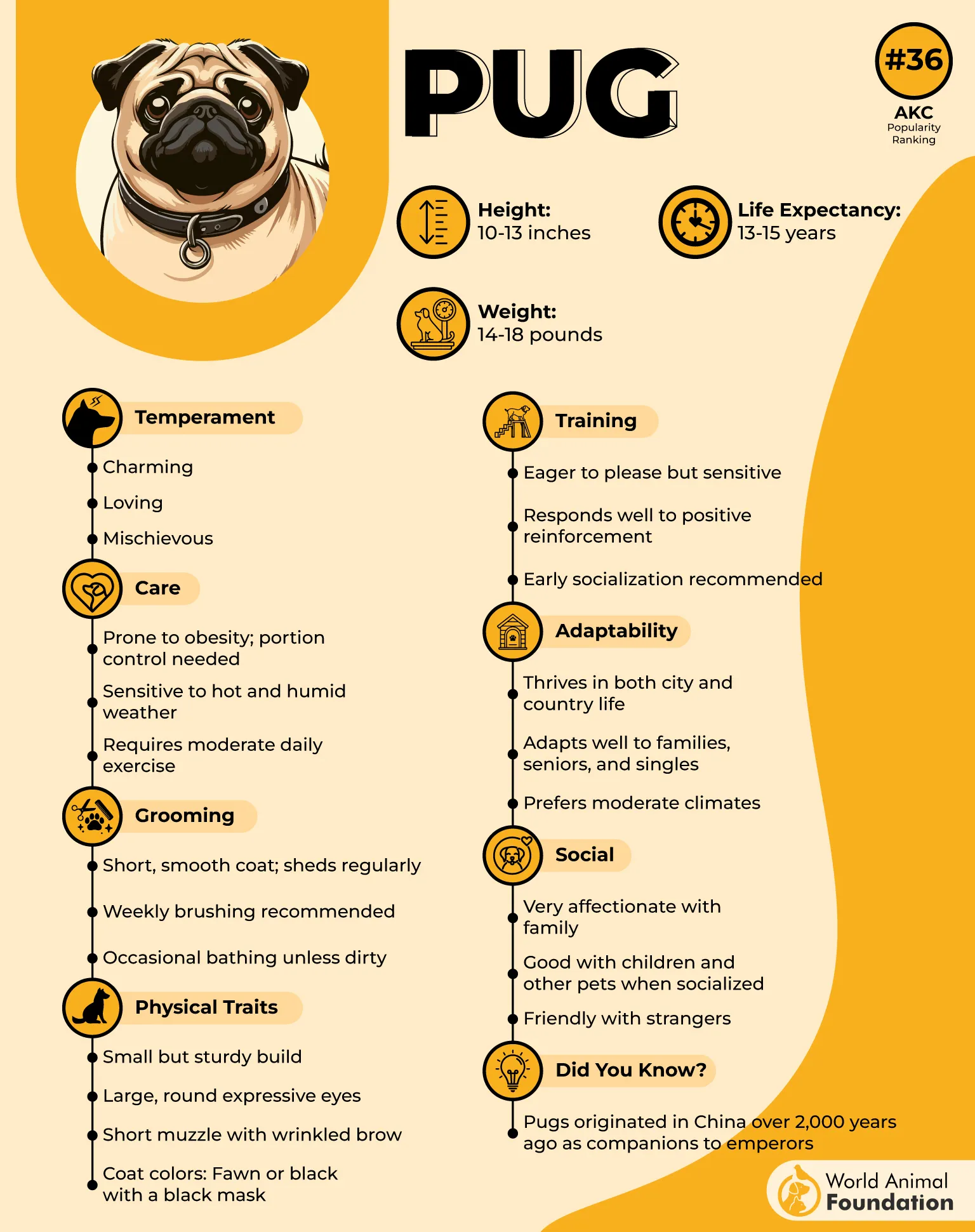
Short Sessions and Friendly Socialization
Pugs can respond well to brief training exercises that use food rewards, praise, and repetition. Socialization should introduce them gradually to unfamiliar people, friendly dogs, household sounds, and new surroundings. Their physical limitations also mean activities should remain appropriate for their build.
A Home-Oriented and Affectionate Nature
Pugs often enjoy staying close to their owners and participating in relaxed household routines. They need play and regular movement but generally do not require intense athletic activity. Their affectionate personalities can provide plenty of companionship for someone who spends substantial time at home.
5. Shiba Inu
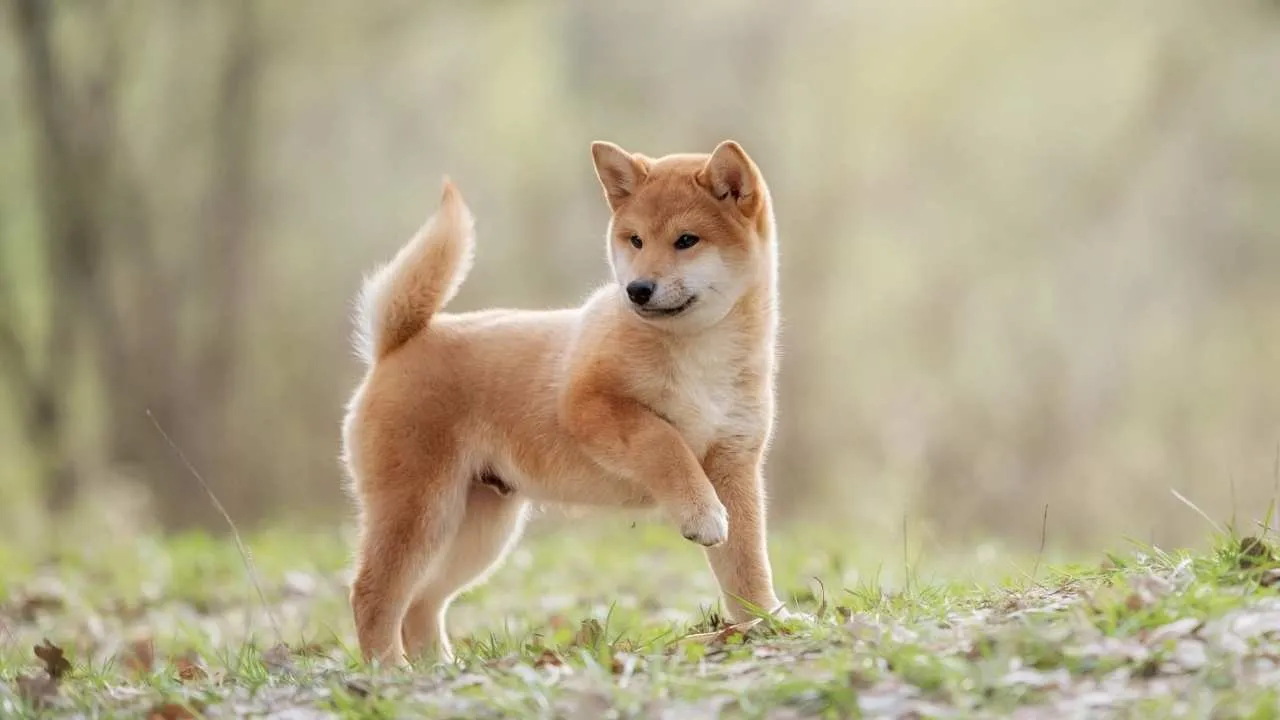
The Shiba Inu originated in Japan and is among the country’s native dog breeds. Historically, these small dogs were used to hunt small animals in mountainous areas. Their agility, alertness, and independent working style helped them navigate challenging terrain.
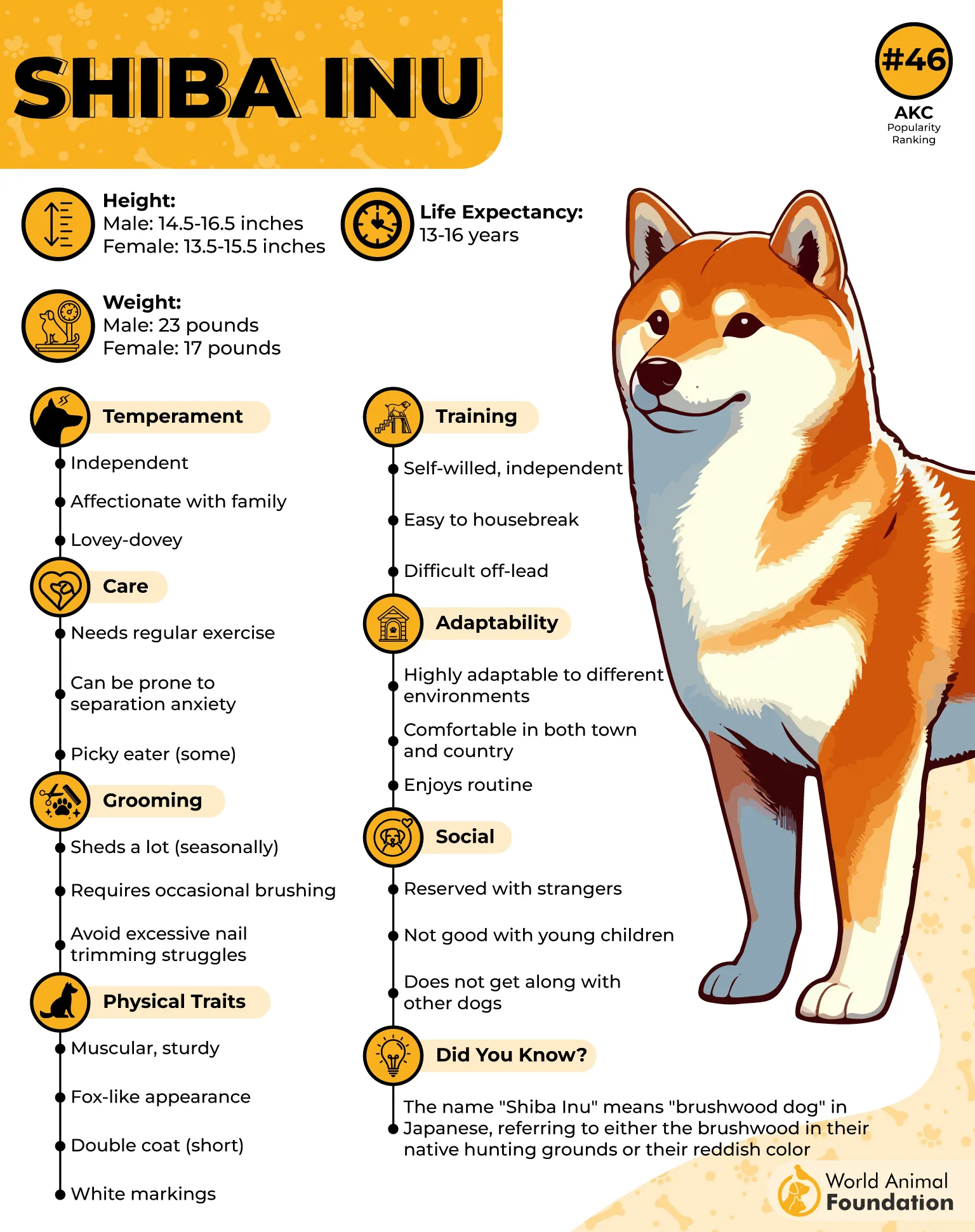
Firm Guidance and Thorough Socialization
Shiba Inus can be clever and independent, so training usually benefits from clear boundaries and motivating rewards. Early socialization can introduce them to different people, animals, locations, and experiences. Building dependable responses requires consistency because the breed may not always seek to please.
Independent Character for Reserved Owners
Their self-contained personality may appeal to people who prefer a dog with a degree of independence. Shiba Inus can enjoy companionship without constantly seeking physical attention. However, their spirited nature still requires exercise, enrichment, supervision, and structured daily routines.
6. Chow Chow
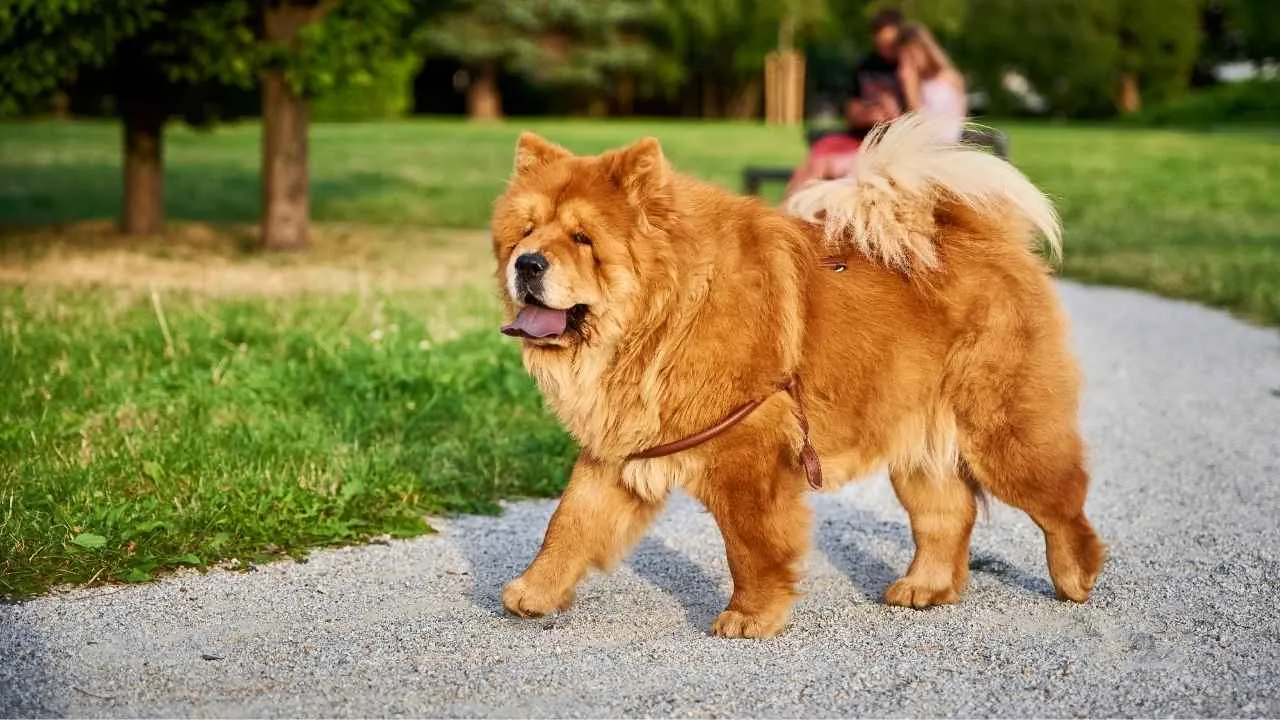
The Chow Chow has deep roots in northern China and historically served as a versatile working dog. It was associated with guarding, hunting, and pulling tasks in different periods, as per Purina. Its dense coat and sturdy body developed alongside its history in demanding environments.
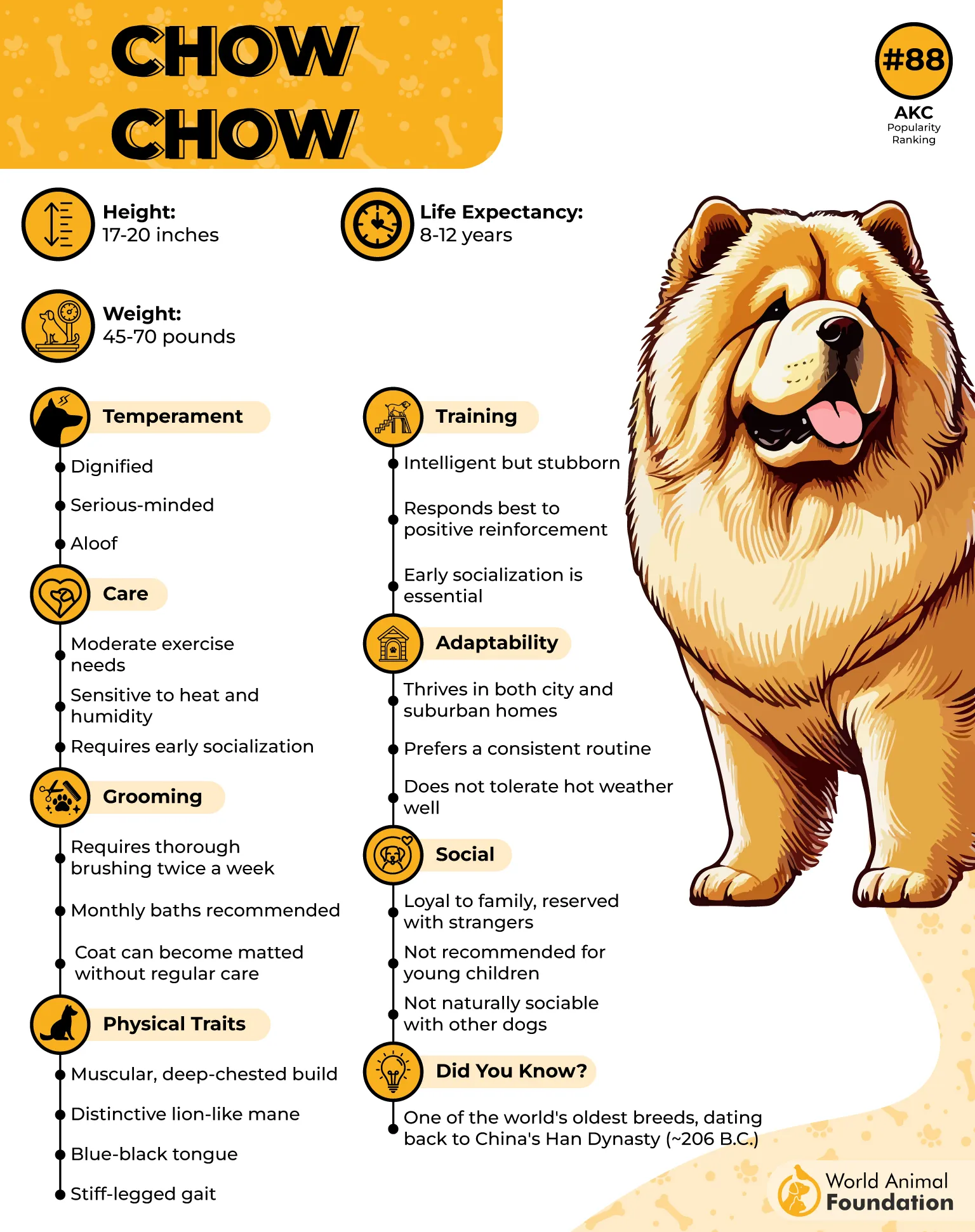
Structured Training and Early Exposure
Chow Chows can be reserved with unfamiliar people, making early socialization particularly valuable. Training should establish clear household expectations through calm and consistent reinforcement. Regular exposure to everyday situations can help young dogs become more comfortable with unfamiliar experiences.
A Reserved Dog for Low-Key Households
The Chow Chow may suit someone who appreciates a companion that is not naturally outgoing with everyone. It can develop strong family attachments while remaining somewhat distant toward strangers. Its composed personality can fit owners who prefer limited social interaction and a quieter home.
7. Scottish Deerhound
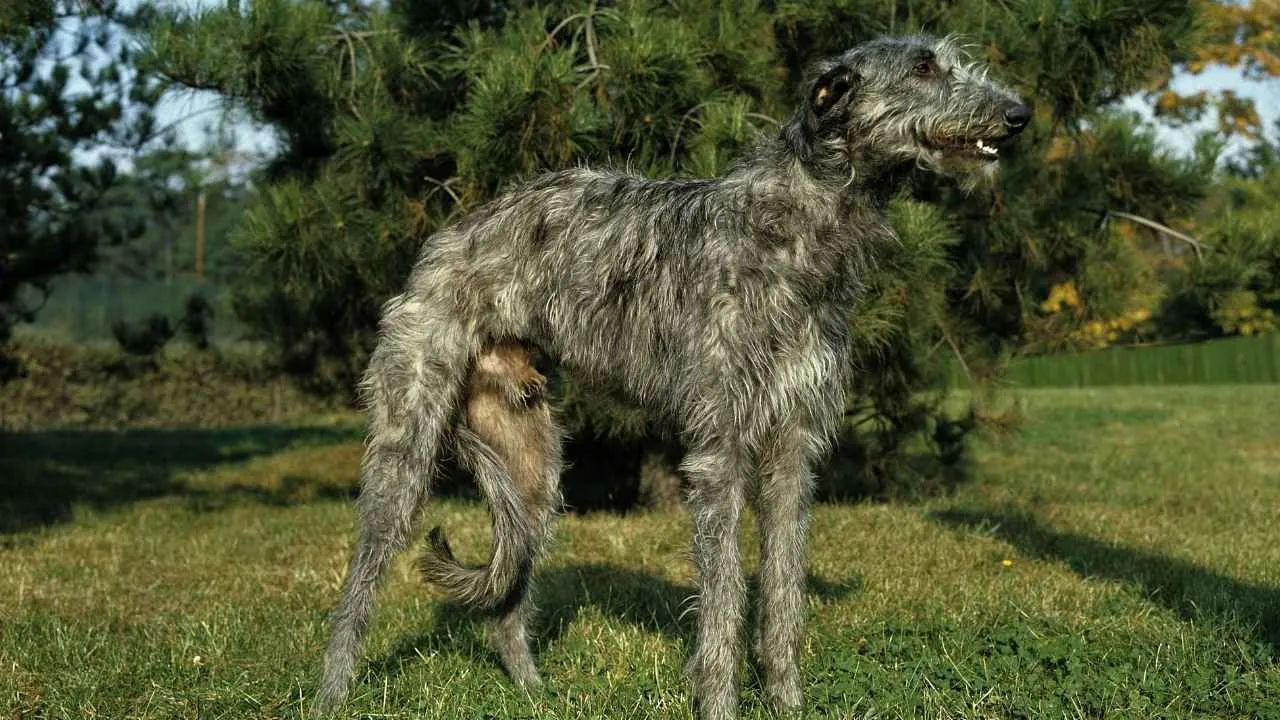
The Scottish Deerhound developed in Scotland and was historically used to pursue red deer, as per Hill’s Pet. Its long legs, athletic structure, and endurance made it suited to hunting across rugged landscapes. The breed became strongly associated with Scottish nobility and traditional deer coursing.
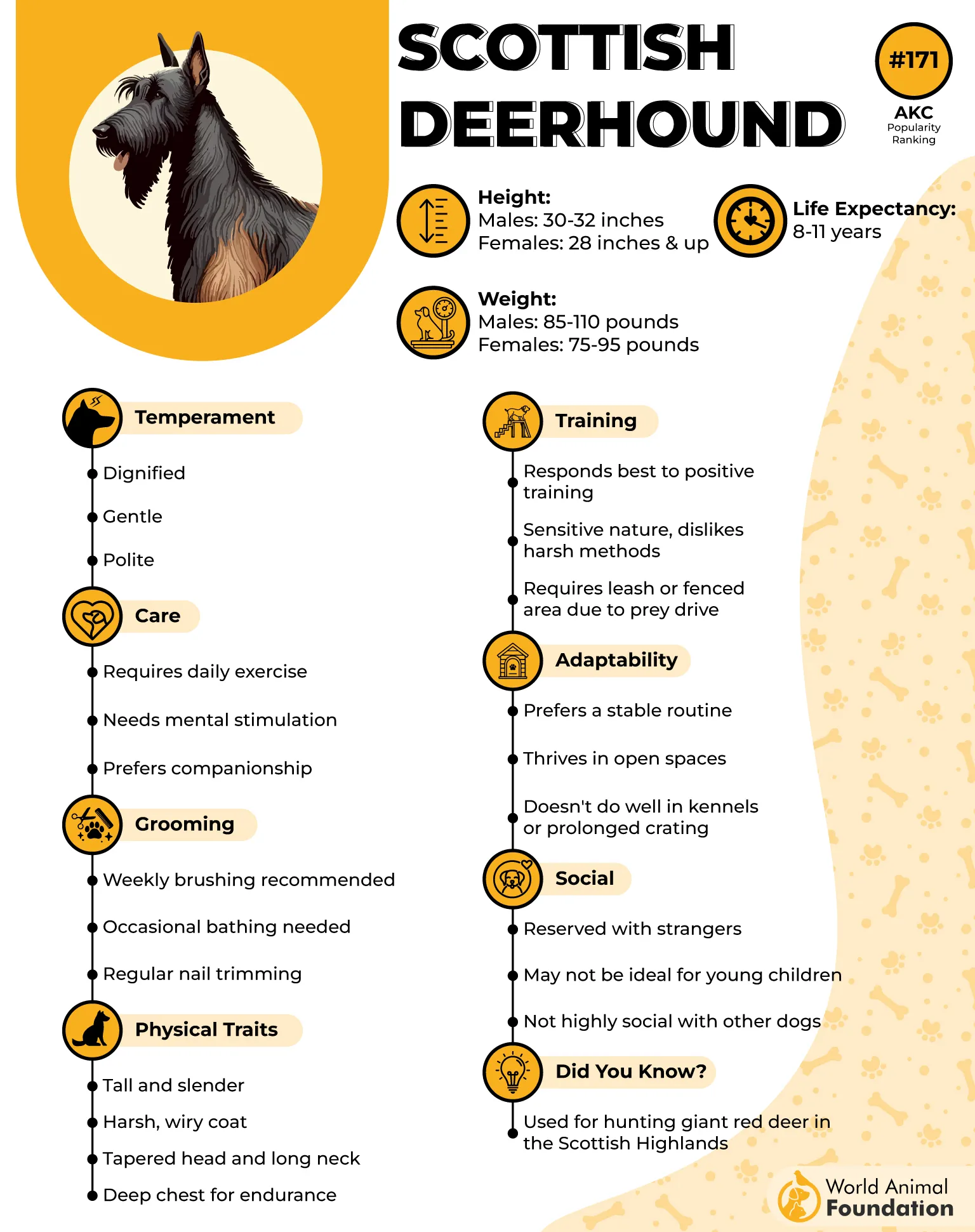
Patient Instruction and Confident Socialization
Scottish Deerhounds generally benefit from gentle, reward-focused training. Young dogs should experience different people, household environments, animals, and everyday situations in a controlled manner. Teaching leash manners and basic obedience is particularly helpful because of their considerable size.
A Calm Presence for Quiet Companionship
Scottish Deerhounds can be surprisingly tranquil when indoors despite their athletic background. They need regular opportunities to walk and stretch their legs, followed by comfortable downtime. Their soft and affectionate demeanor may work well for someone who enjoys peaceful companionship.
8. Greyhound
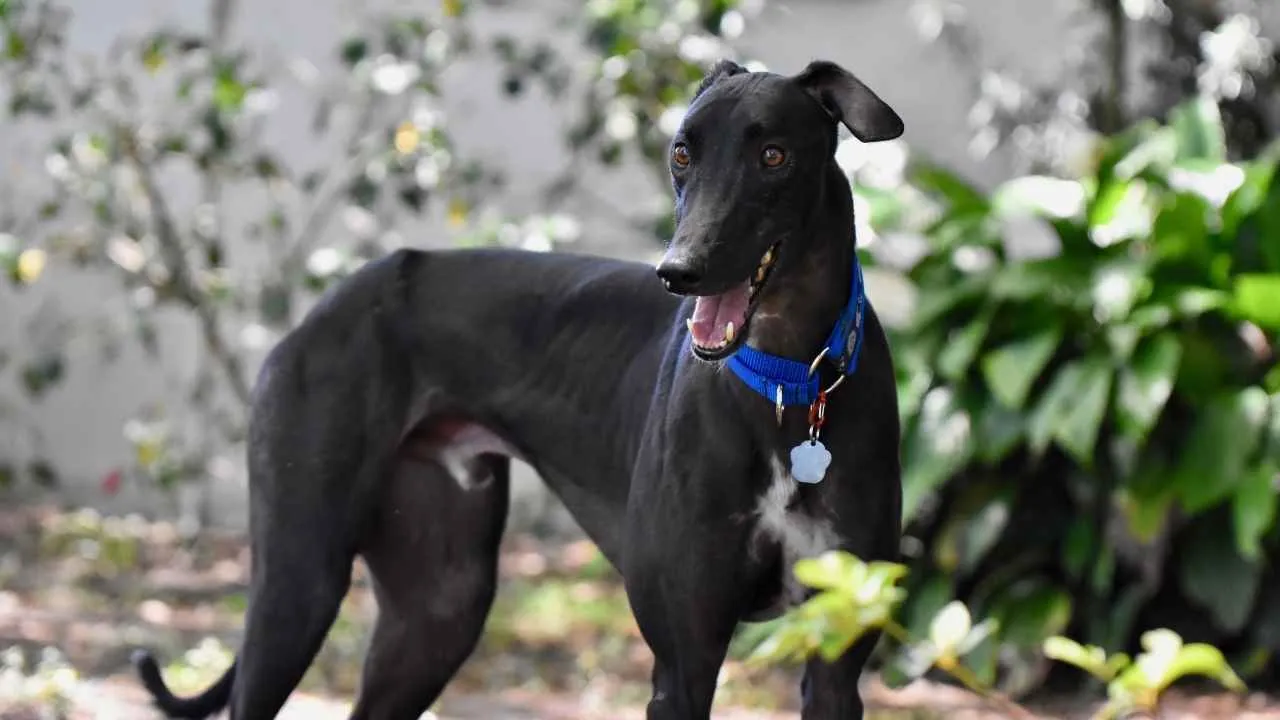
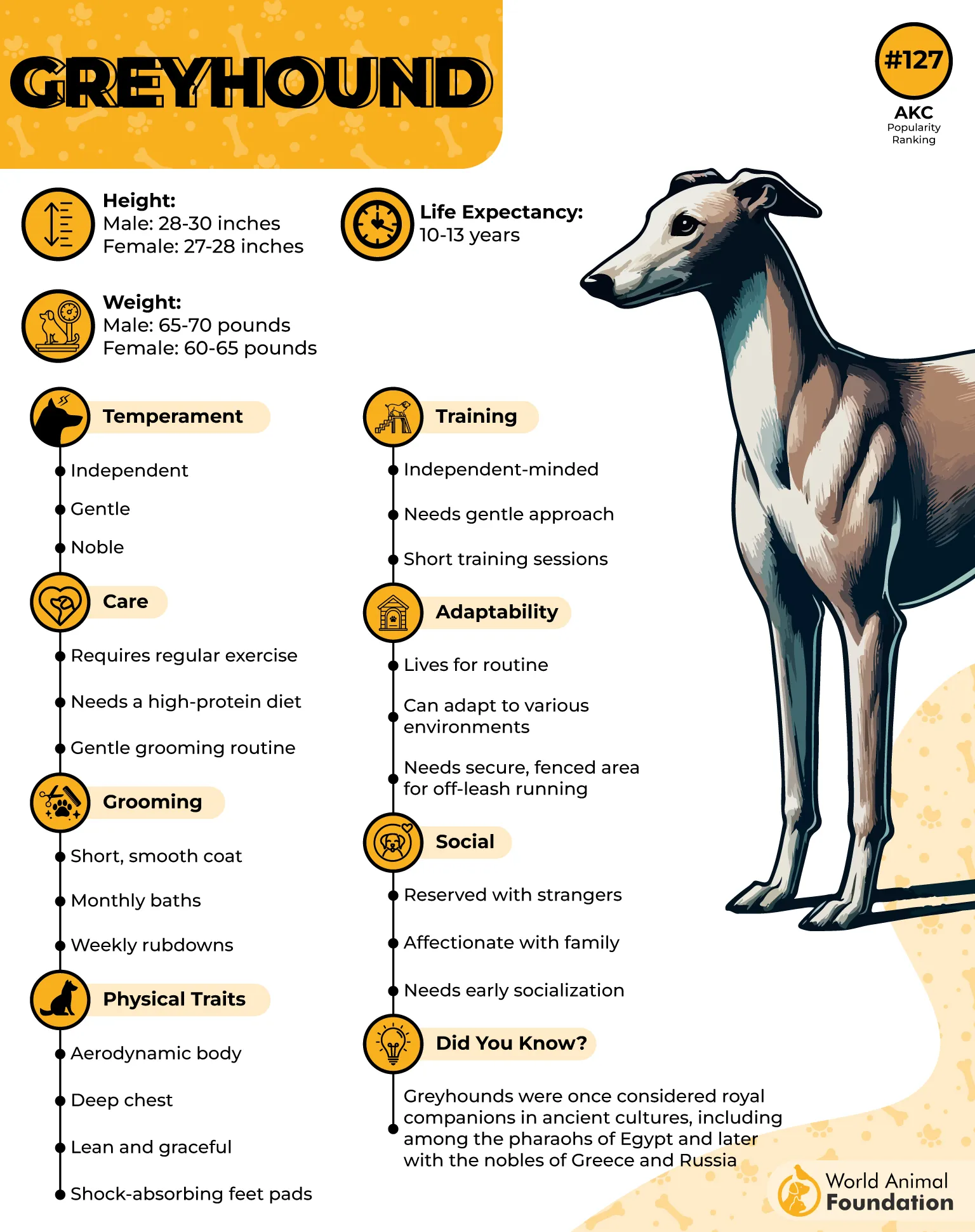
Greyhounds belong to one of the oldest types of sighthounds, with their history extending through ancient civilizations and later European development, as per PDSA. Their speed and exceptional eyesight made them valuable for pursuing fast-moving prey. Modern Greyhounds are also widely appreciated for their companionable nature.
Gentle Lessons and Practical Socialization
Greyhounds can respond well to calm, reward-based training and predictable routines. Socialization should expose them gradually to new sounds, surfaces, people, animals, and household experiences. Because prey drive varies between individuals, careful management around smaller animals is also important.
A Couch-Loving Companion After Exercise
Although Greyhounds are capable of remarkable speed, many are notably relaxed inside the home. They often appreciate comfortable resting areas after receiving suitable exercise. This combination of outdoor athleticism and indoor calm can appeal to an introverted owner who enjoys occasional activity followed by quiet time.
9. Great Pyrenees
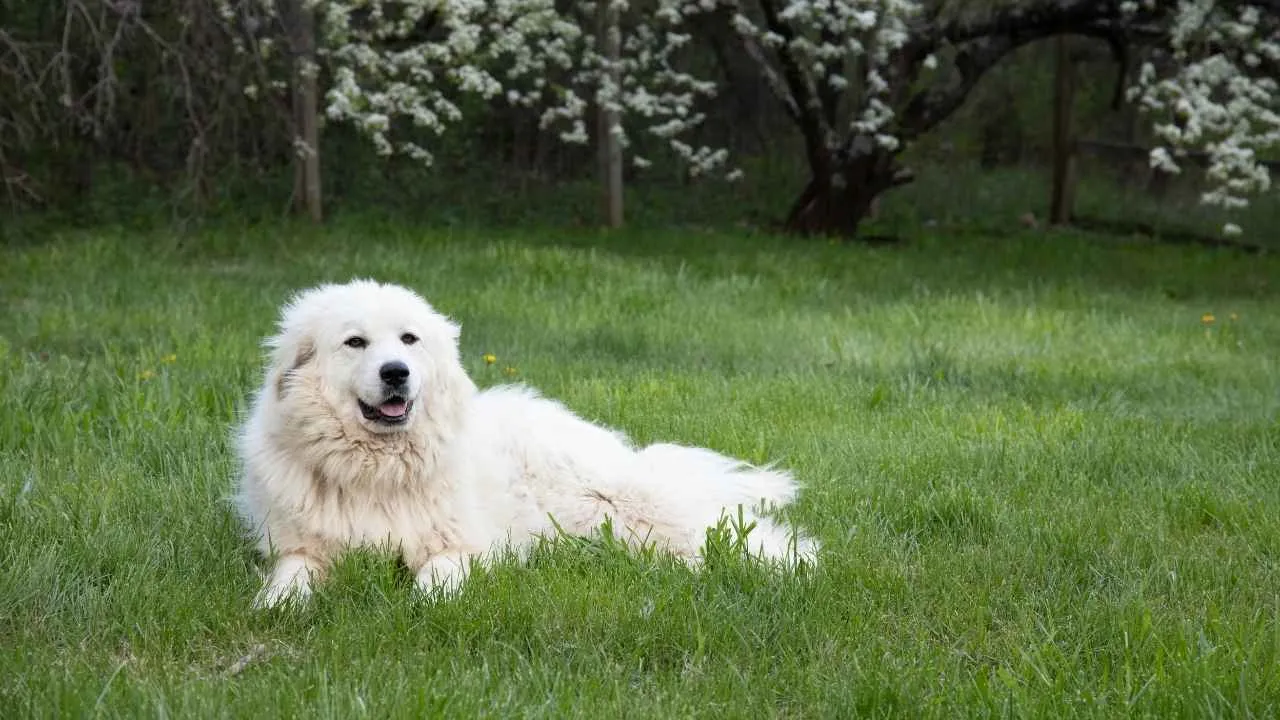
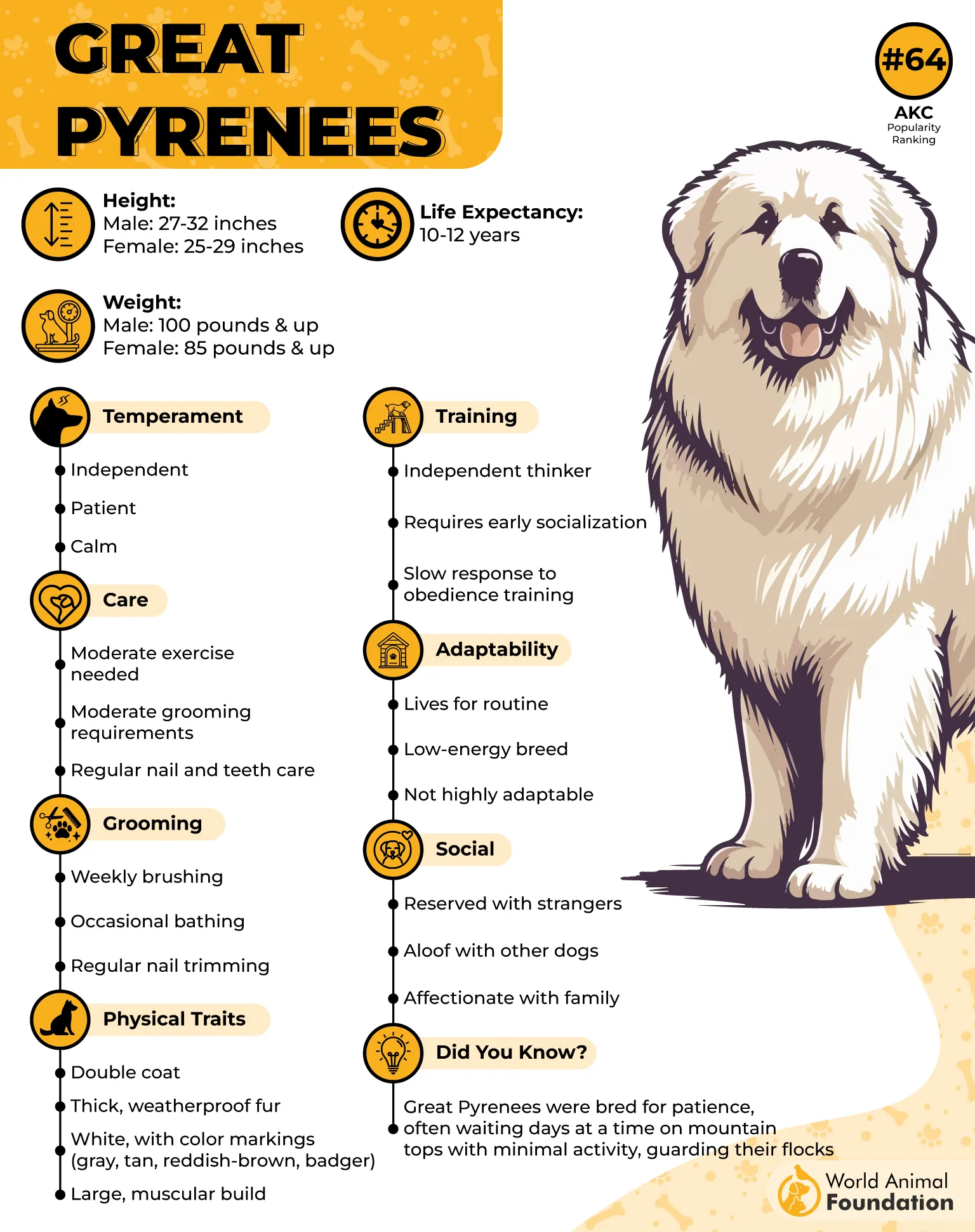
The Great Pyrenees originated in the mountainous region surrounding the Pyrenees between France and Spain. These large dogs were developed to protect livestock from predators, often working with considerable independence. Their thick coats and strong physiques suited them to challenging outdoor conditions.
Independent Training and Social Development
Great Pyrenees may naturally make their own decisions, reflecting their livestock-guardian background. Early training should establish boundaries while socialization teaches them to distinguish ordinary household events from genuine threats. Calm repetition and consistent reinforcement can help shape dependable behavior.
A Quiet but Protective Housemate
The breed can be calm and affectionate with familiar people while remaining watchful of its surroundings. That combination may suit an owner who values peaceful companionship and a naturally observant dog. However, barking, grooming, size, and protective instincts should all be considered before choosing one.
10. Akita
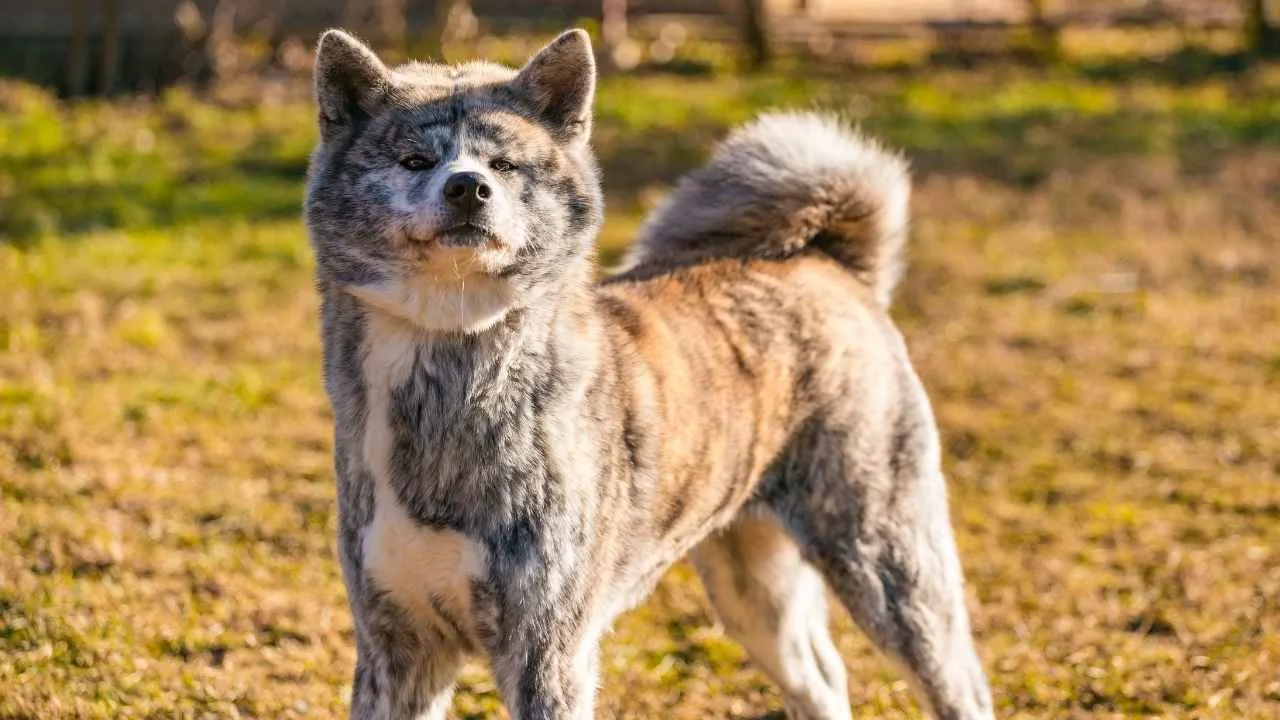
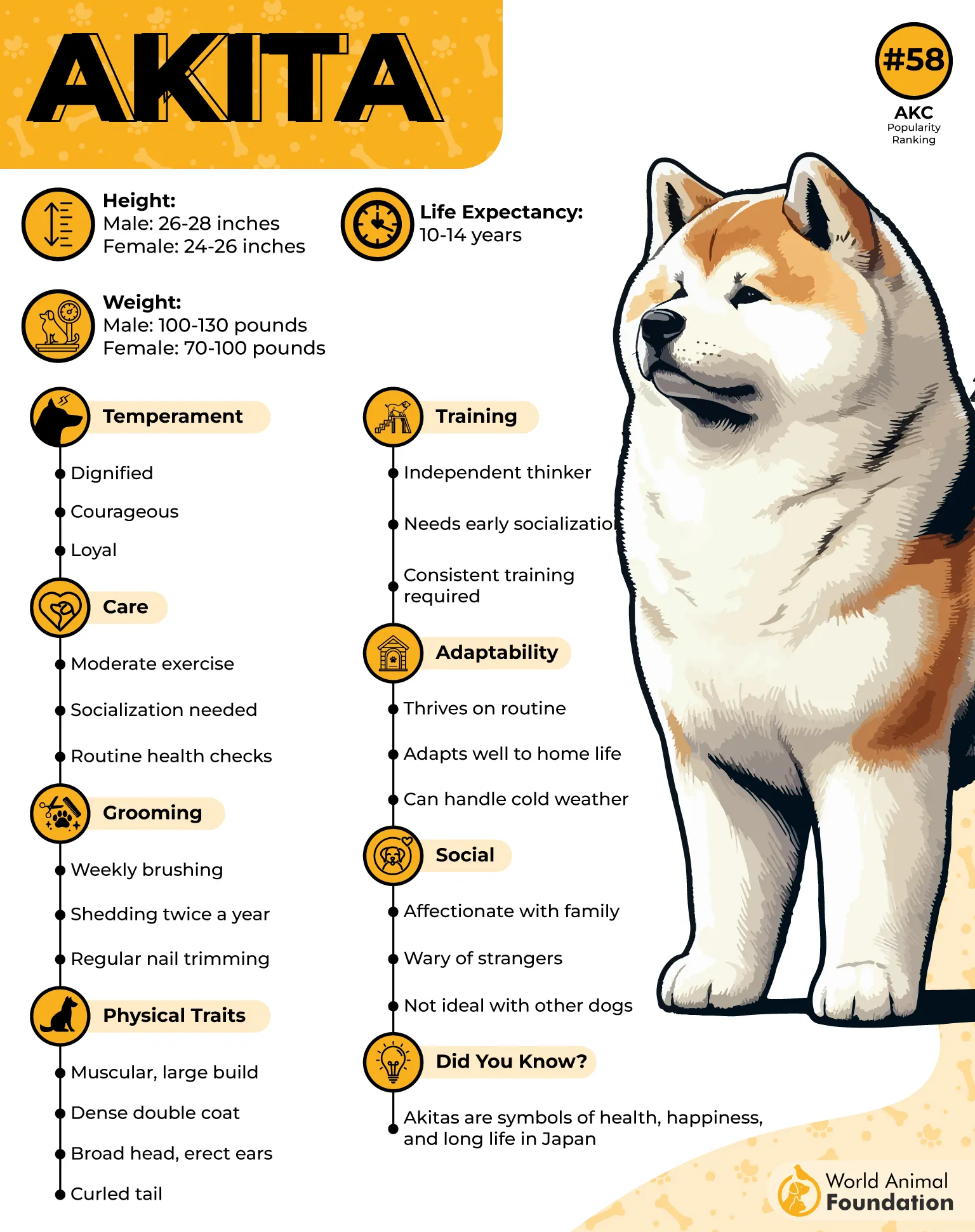
The Akita originated in northern Japan and developed as a strong, capable hunting and working dog. Earlier Akita-type dogs were used in demanding tasks, contributing to the breed’s physical strength and independent character, as per PetMD. Over time, the modern Akita became established as a devoted household companion.
Consistent Training and Careful Socialization
Akitas benefit from early exposure to different people, environments, and situations. Training should combine clear expectations with positive reinforcement and consistent boundaries. Because some individuals can be selective around unfamiliar dogs, introductions should be managed carefully rather than assuming universal sociability.
Loyal Companionship Without Constant Socializing
Akitas can form deep bonds with their families while remaining reserved around unfamiliar people. Their loyalty and independent nature may appeal to someone who prefers a close household circle. They still require regular exercise, enrichment, responsible handling, and ongoing training to thrive.
Conclusion
Choosing a dog for an introverted lifestyle involves matching the animal’s natural characteristics with the owner’s preferred daily rhythm. Basset Hounds, Lhasa Apsos, Irish Wolfhounds, Pugs, Shiba Inus, Chow Chows, Scottish Deerhounds, Greyhounds, Great Pyrenees, and Akitas all offer different forms of companionship.
Some breeds may prefer a relaxed household, while others combine independence with a strong attachment to their owners. Activity requirements also vary considerably, so a quieter personality should never be mistaken for low maintenance.
Most importantly, breed tendencies cannot predict every dog’s personality. An introverted owner should consider the individual animal’s energy, sociability, training needs, exercise requirements, and ability to fit comfortably into the household’s everyday routine.
