




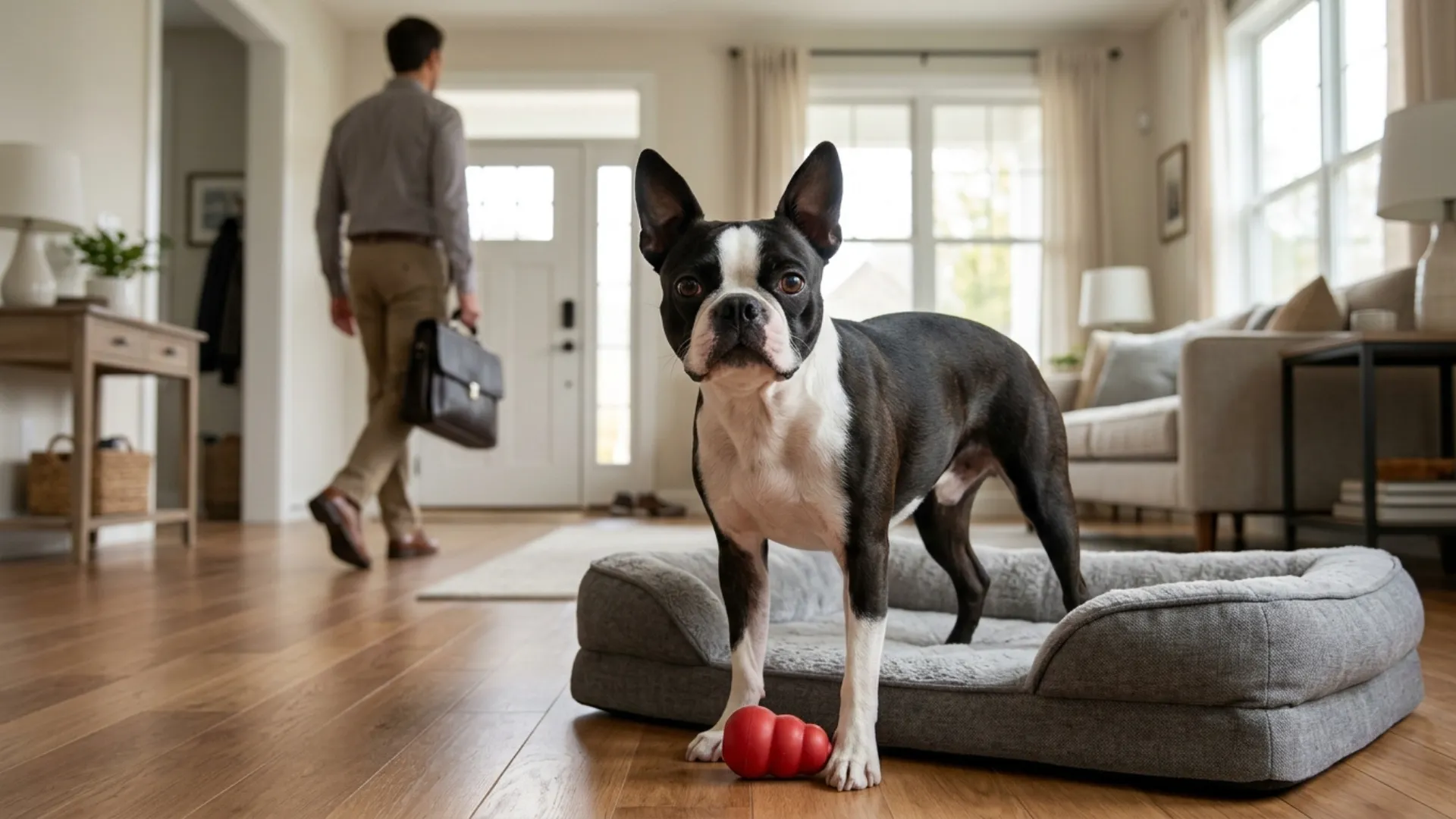
Morning starts before the sun is fully up. Breakfast is quick, the work bag is ready, and the front door closes before the day gets hectic. For some dogs, that quiet stretch can be easy.
They settle into a familiar spot, sleep for part of the morning, and wait for their people to return without turning the house upside down. Other dogs find the same hours harder, especially when they are highly social, under-exercised, or uncomfortable being separated.
That difference can shape everyday life more than a cute face or popular breed label ever will. Dogs with greater independence may fit into busy households more comfortably, but they still need enough exercise, companionship, training, and mental stimulation during those quiet periods.
If your schedule regularly leaves your dog home alone, this article takes a closer look at breeds known for coping well with solitude and what makes them suitable for demanding routines.
Key Takeaways
The hours you spend away from home can feel very different depending on the dog waiting for you. Some settle down easily once they learn the routine.
Greyhounds are one of the biggest surprises here, with incredible speed on one side and a serious love of sleep on the other.
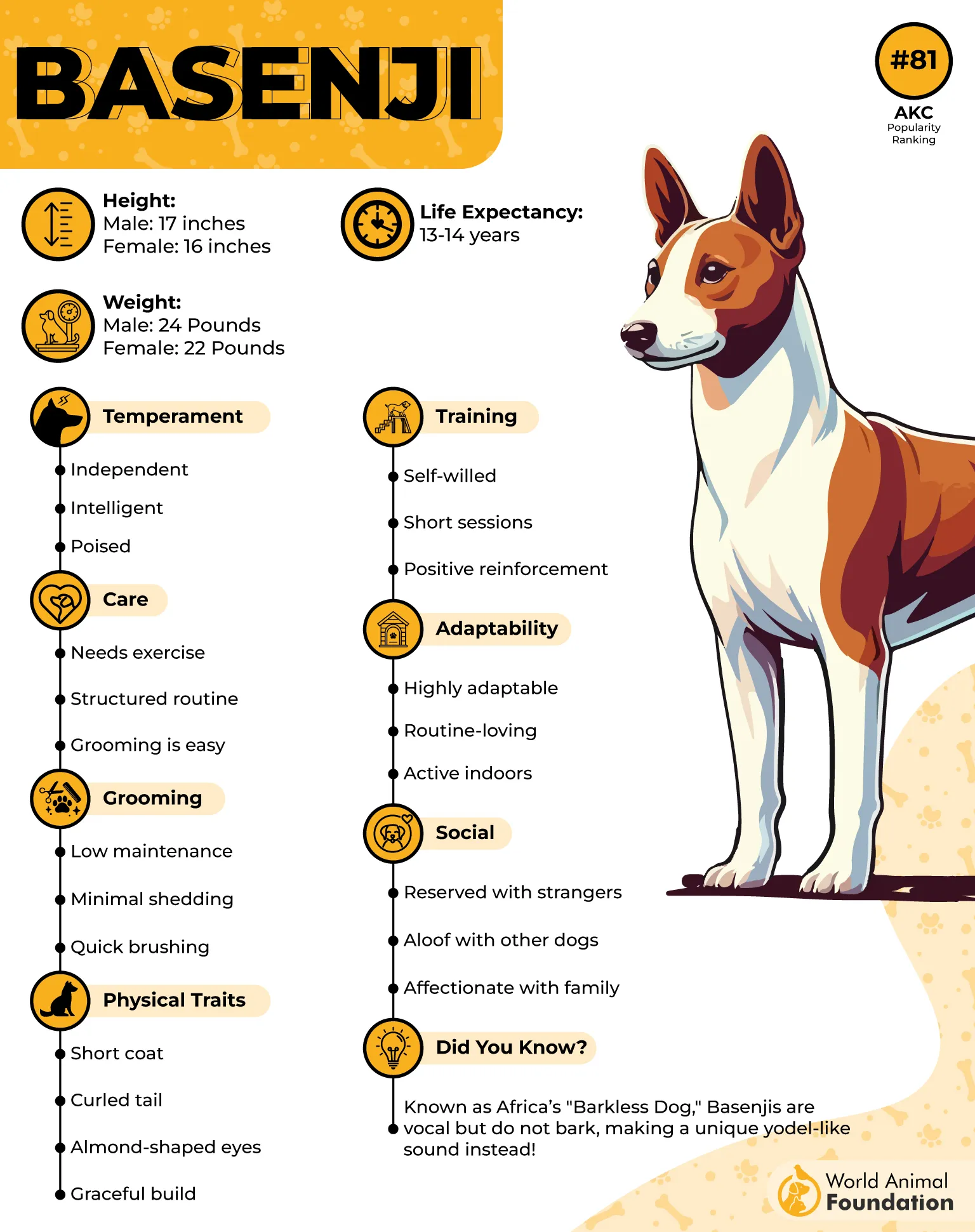
Basenjis bring even more independence to the list, and some can potentially manage up to eight hours alone with the right setup and enrichment.
The rest of the list gets more interesting as alone-time limits become shorter and each breed brings its own way of coping.
Dog Breeds That Thrive When Left Alone for Busy Owners
1. Greyhound
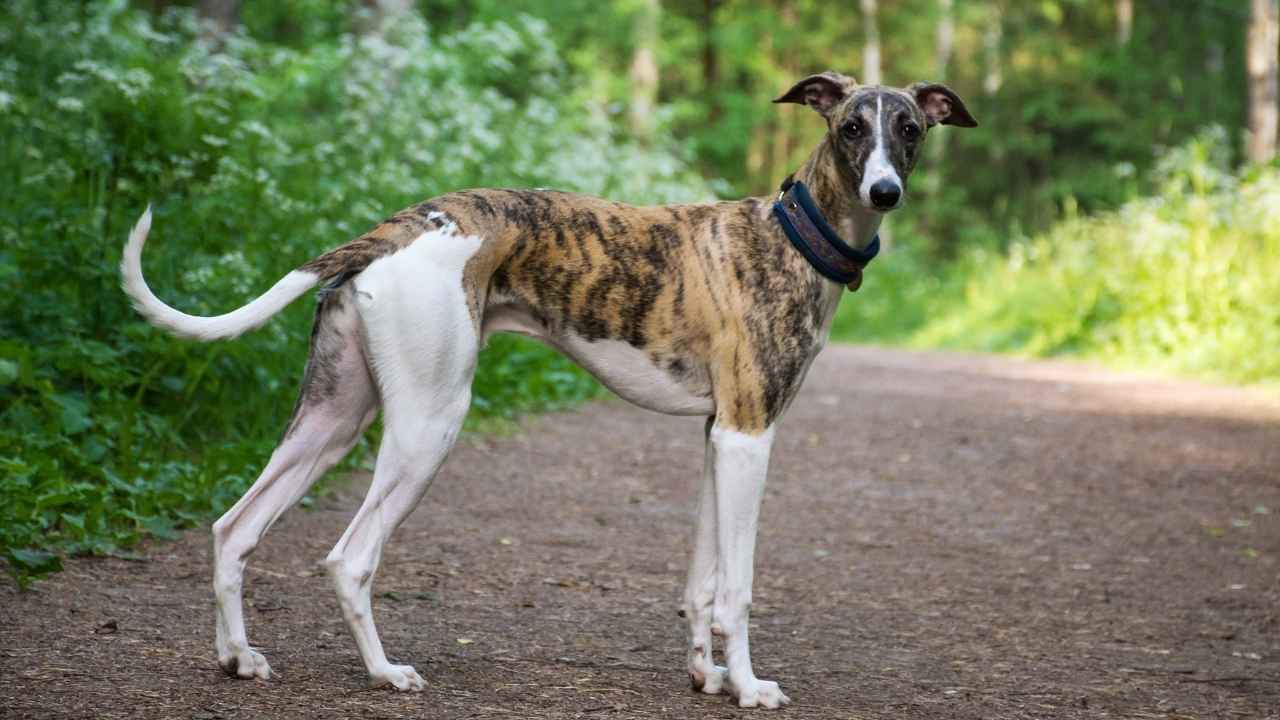
Greyhound is an old European sighthound once used to spot and pursue game, with its role closely tied to hunting by sight. For centuries, the breed was associated with nobility before Greyhound racing gained popularity in America and Britain during the early 1920s, as Omlet reported.
A Sprinter at Heart
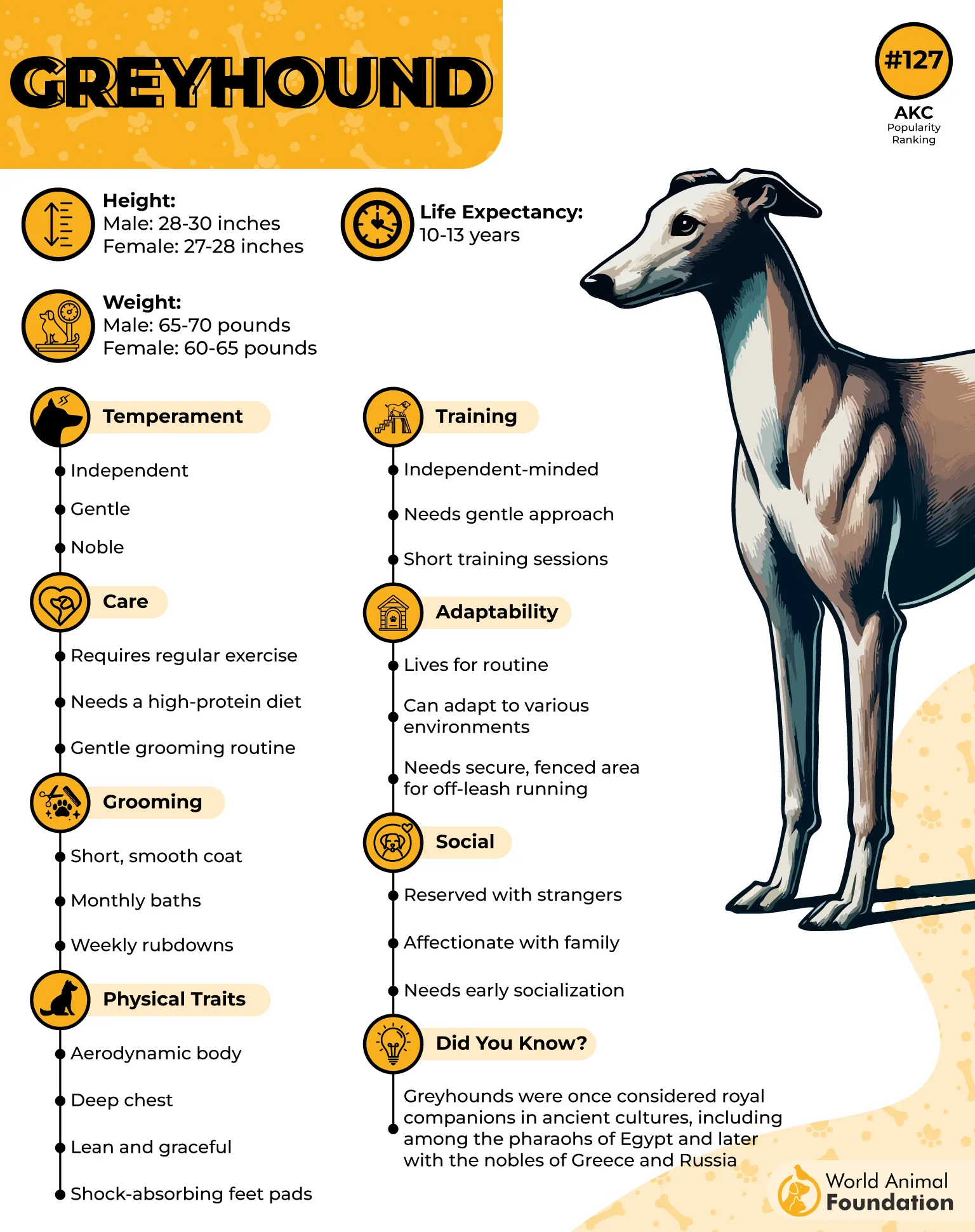
For busy households, a Greyhound’s activity pattern can be surprisingly practical: explosive bursts of speed are followed by plenty of sleep.
Their long legs, flexible spine, and slim frame can propel them to about 43 mph over short distances, while extended walks are not their preferred form of exercise.
These characteristics are also useful to know:
Intelligent and responsive to training
Sensitive and sometimes stubborn during recall
Leash walks are safer around small animals
Alone-Time Training
Greyhounds can learn to handle around four to six hours alone when independence is introduced gradually, and the dog has been properly prepared. A familiar bed, favorite toys, predictable routines, and calm departures can make periods without company easier to manage.
2. Lhasa apso
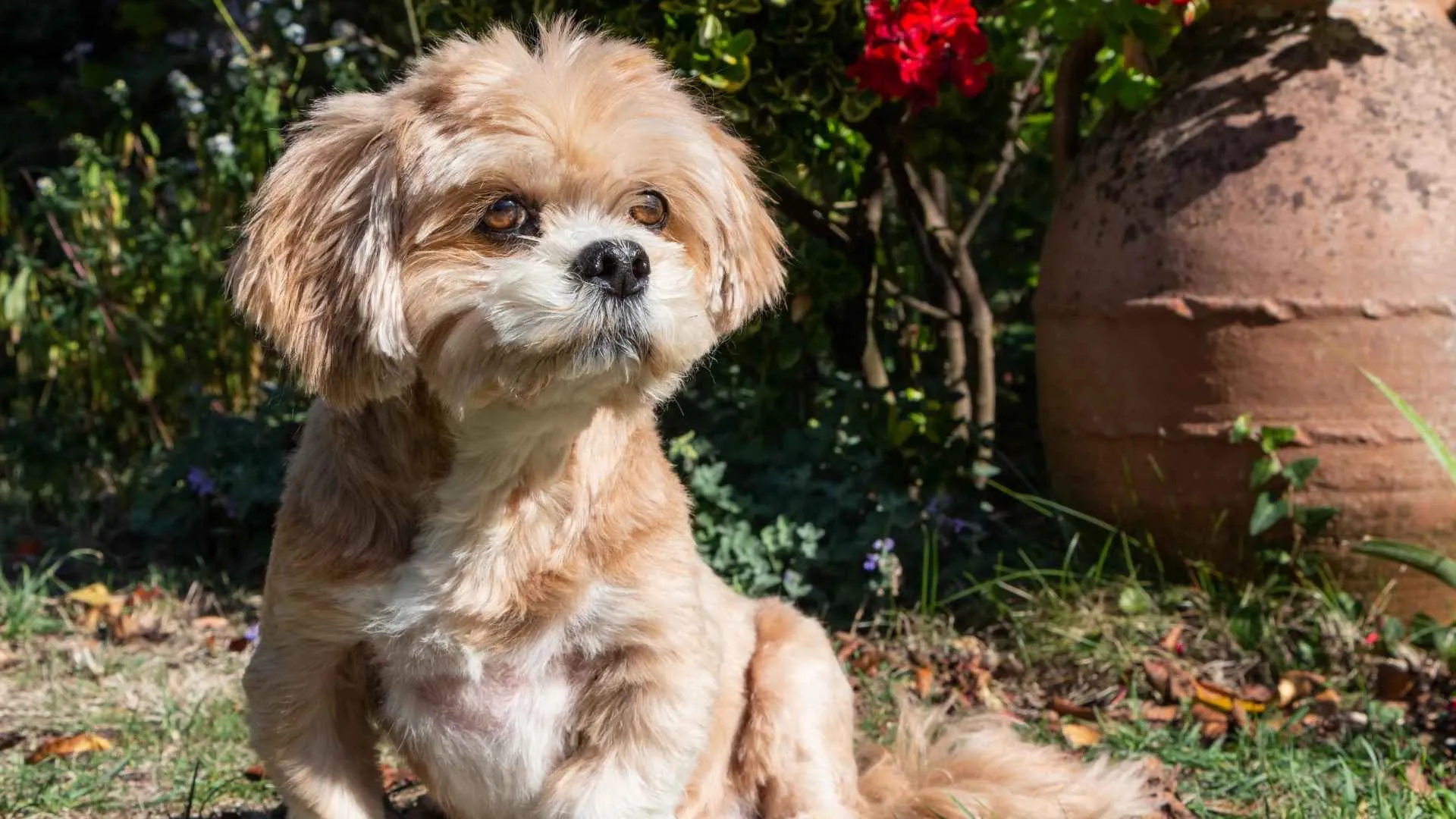
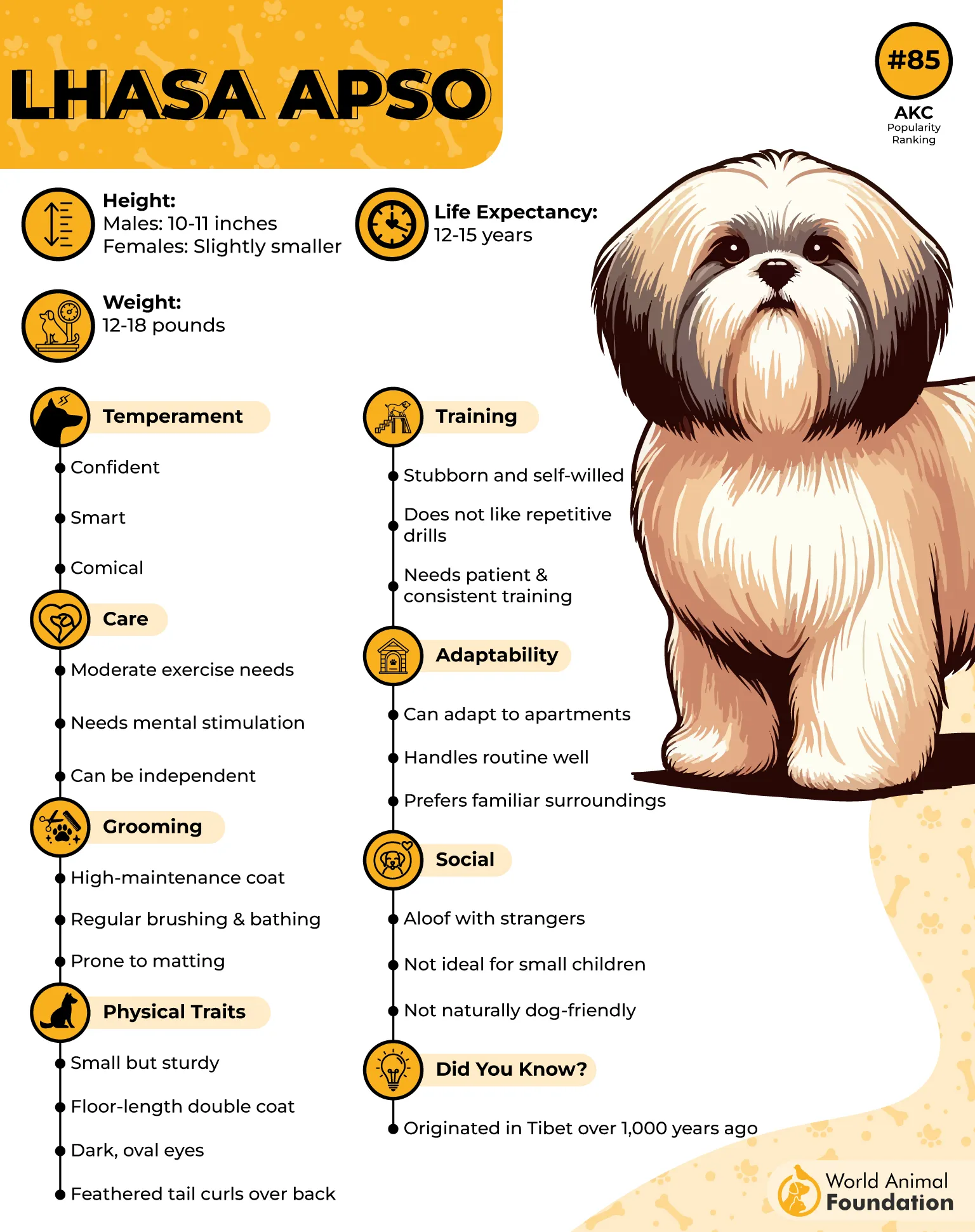
Lhasa Apso has roots in Tibet, where these small dogs guarded remote mountaintop palaces and Buddhist monasteries more than a thousand years ago. Their name is loosely translated as “bearded lion dog,” fitting a breed once associated with sacred status, good luck, and prosperity.
Independent at Home
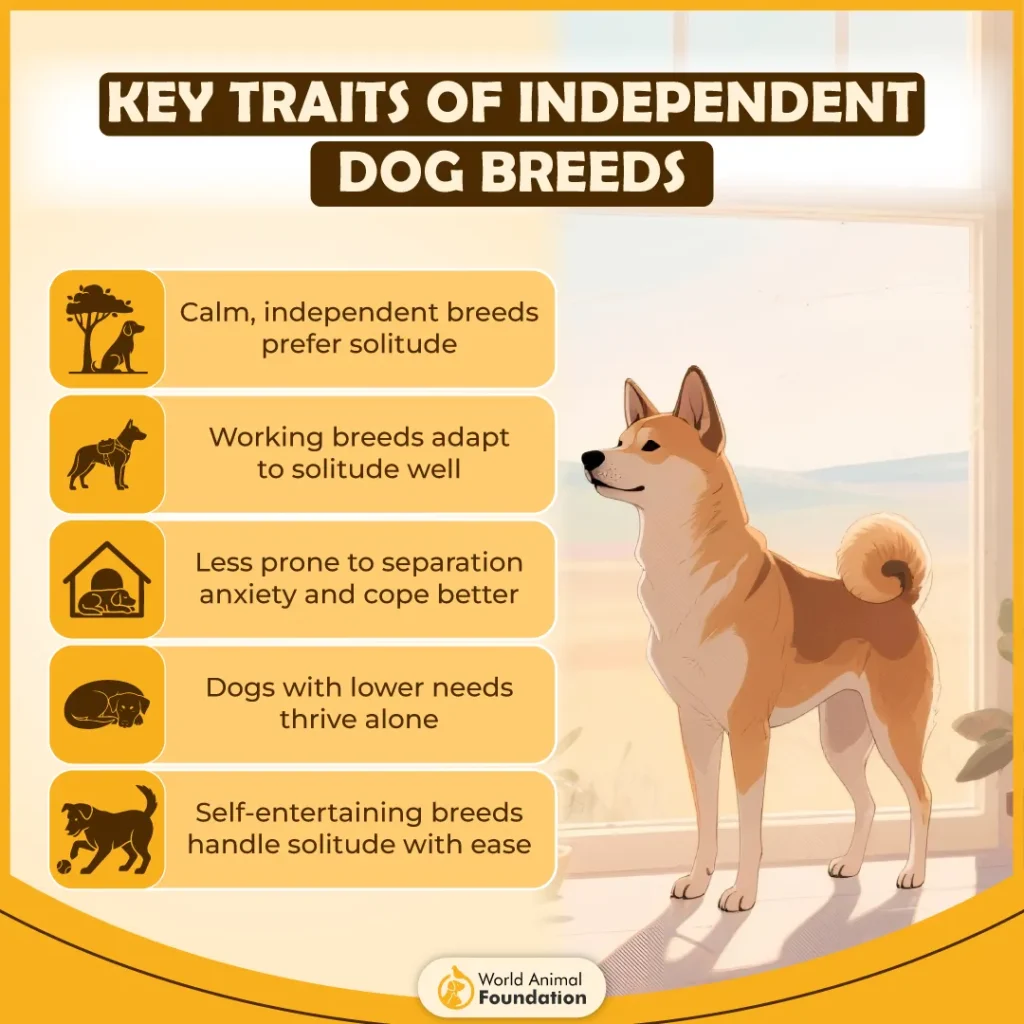
They do not necessarily need company all day and can spend a few quiet hours alone once that routine feels familiar. Their independent nature is linked with a lower tendency toward separation anxiety, although absences should remain limited.
Keeping it comfortable while alone matters too:
Fresh water and a favorite toy should be available
A secure crate or pen can help prevent household mischief
Their alert nature comes from their old guarding role
Play, Then Peace
Lhasa Apso can remain playful and surprisingly agile well into its later years, enjoying toys and games before retreating for quiet time, as stated in PDSA. Training requires patience because this confident breed can be strong-willed and may try to take charge of household routines.
3. Basenji
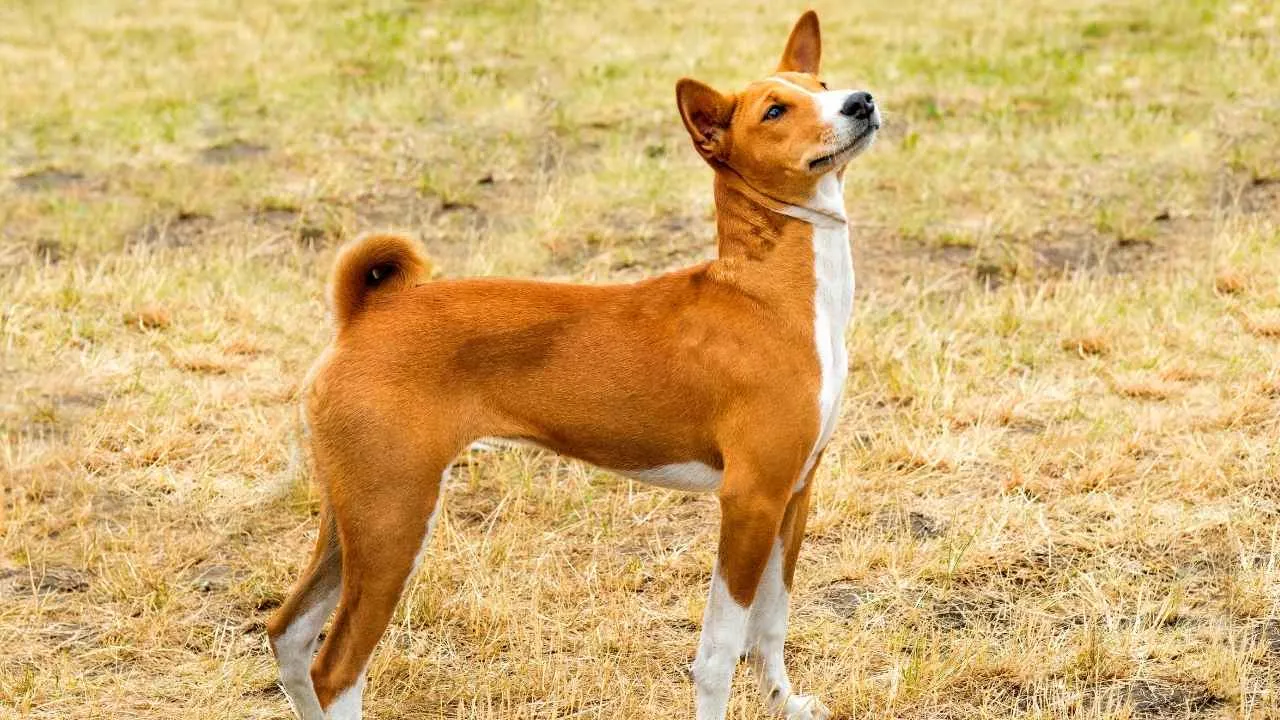
Basenji appears in ancient Egyptian art dating back about 4,500 years, with similar dogs depicted across centuries of funeral artwork linked to the Pharaohs. Its remarkably consistent appearance across such a long span places this breed among the oldest dogs known for retaining its traditional form.
A Different Kind of Alone Time
Basenji is a small dog that does not require much indoor space, making a warm home with a window to watch the outside world quite suitable. The bigger requirement comes outdoors, where this energetic hunter needs at least an hour of daily exercise and room to explore.
These are important traits for a busy household:
Can potentially handle up to eight hours alone
Crate training may help prevent destructive behavior
Trash and unsafe objects need to be kept out of reach
A Mind That Keeps Working
This independent dog breed has exceptional problem-solving ability, so simply leaving toys around may not provide enough engagement. Interactive feeding toys, scent-work activities, and enrichment games give this clever breed something worthwhile to figure out during the day.
4. Basset Hound
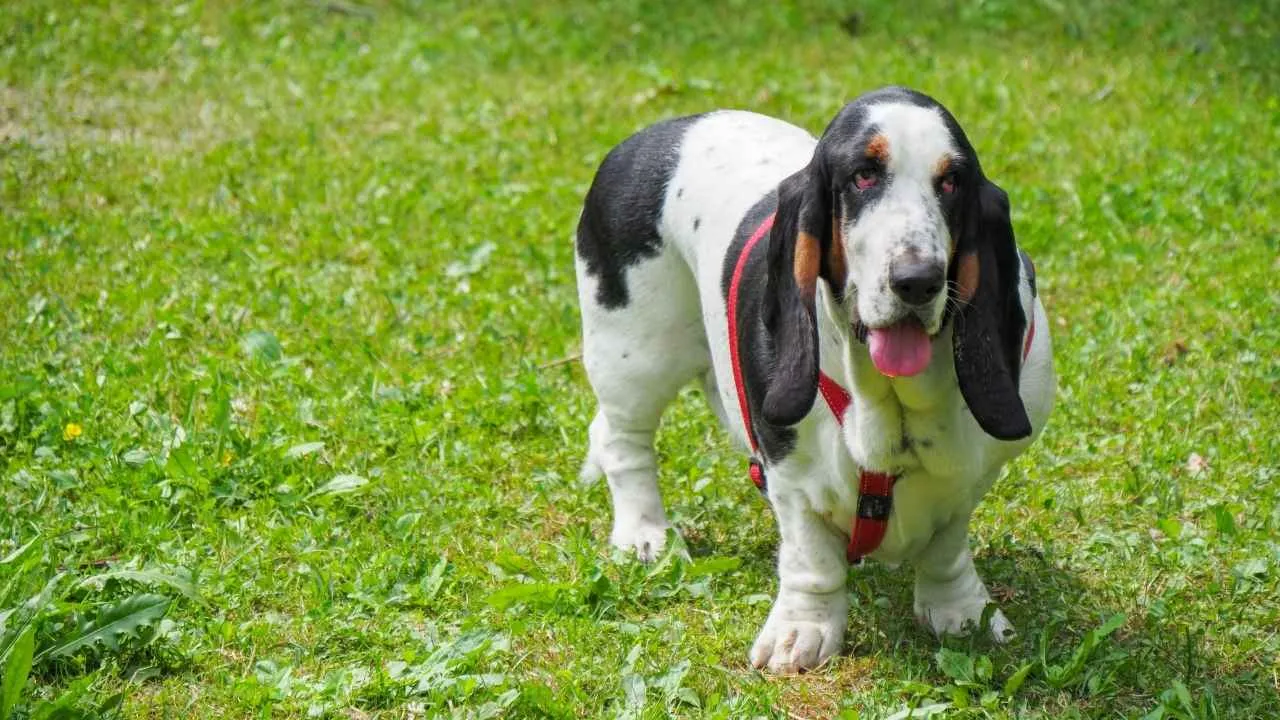
Basset Hound was originally bred in France as a scent hound for hunting rabbits, hares, and wild boar, with the name “basset” referring to its short or low build.
Short-legged mutations appeared within traditional hound lines, and hunters on foot found these dogs useful in heavy cover where horses could not easily travel.
Alone for a While
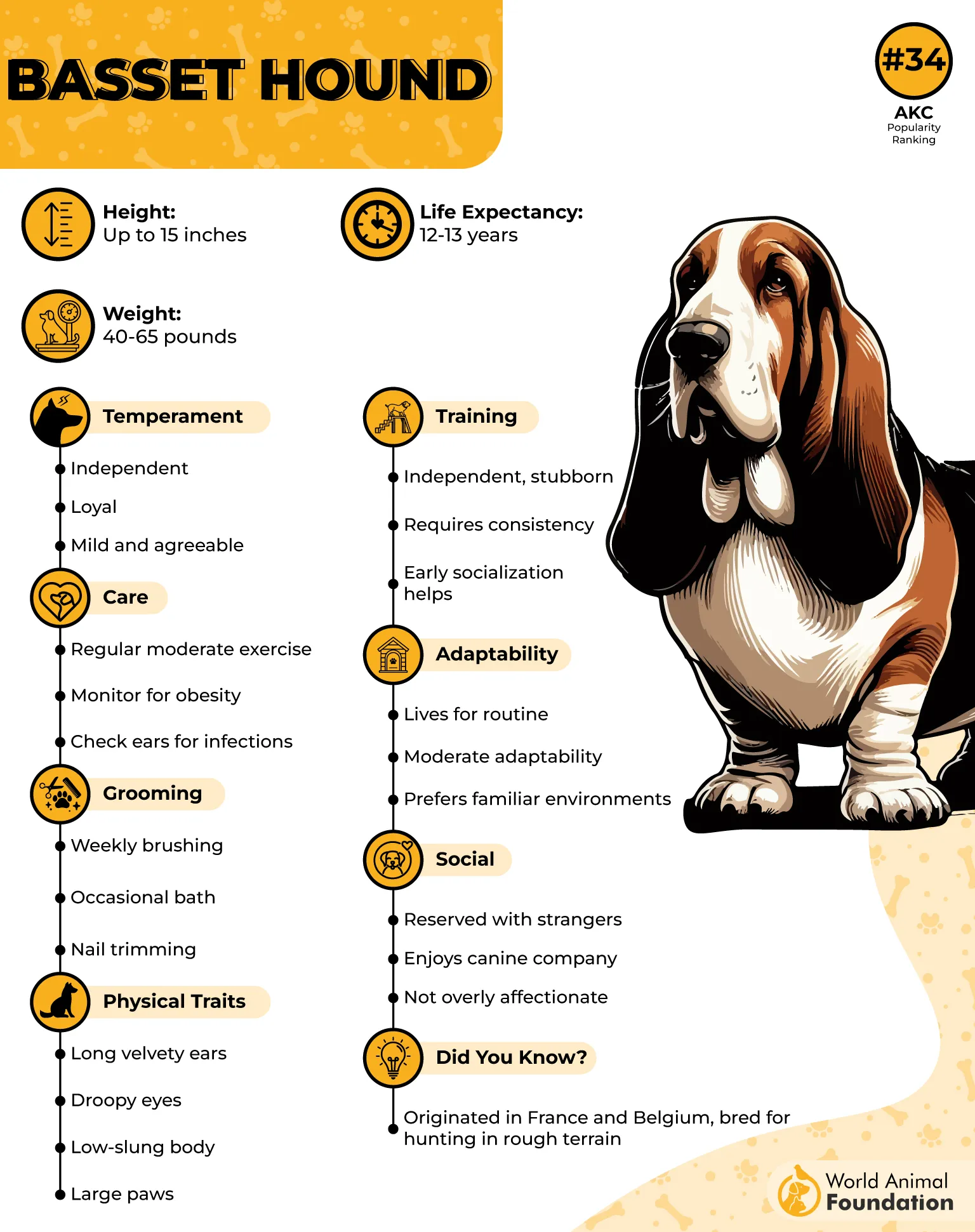
This cute dog breed can generally behave well when left alone, but their strong need for company makes extended isolation a poor routine. Four hours is the recommended upper limit for alone time, with gradual training helping some dogs work toward longer periods.
A few practical details are worth knowing:
Long body and low frame need household planning
Suitable bedding and careful stair use are important
Puppies should avoid stairs until 18 months old
A Slow-Paced Routine
Basset Hounds need about an hour of daily exercise at a steady, ambling pace, even though their relaxed personality can make inactivity tempting, as claimed by Purina. Keeping up regular activity also helps manage weight, which matters because excess weight can contribute to back problems later in life.
5. French Bulldog
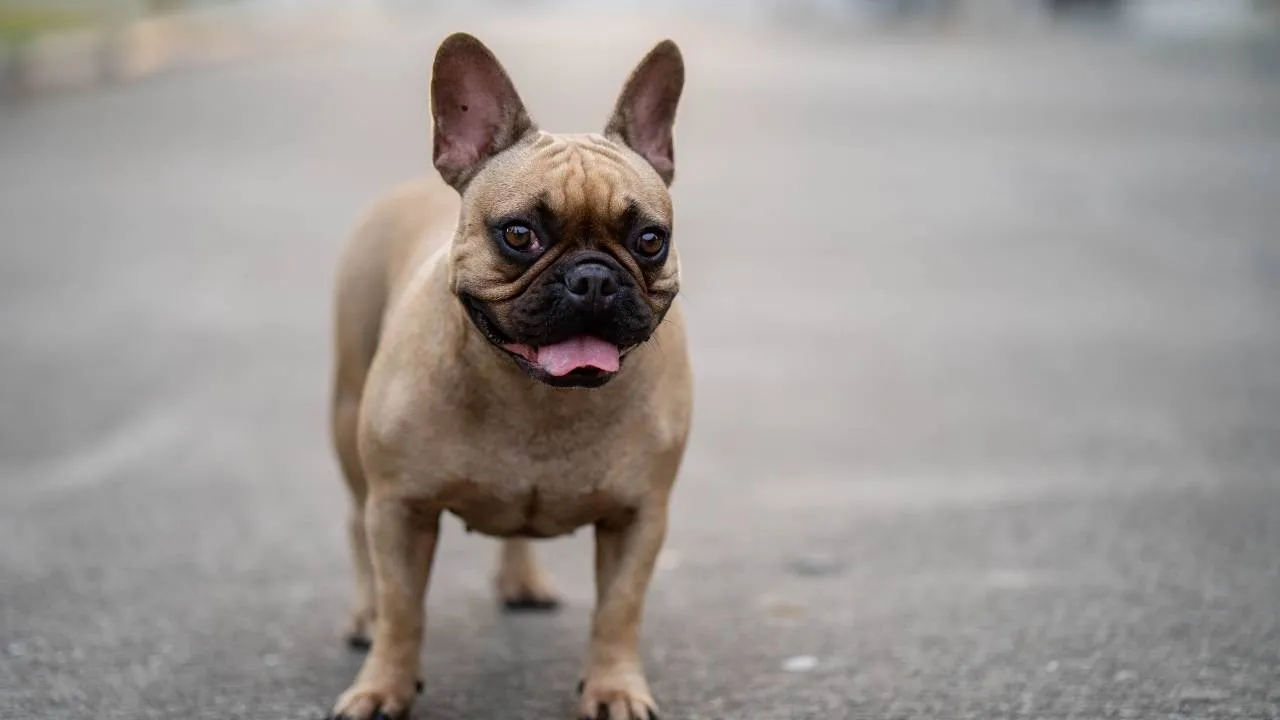
French Bulldog began in England as a smaller version of the Bulldog, gaining popularity among lace makers who later brought these miniature dogs with them when they moved to France. The breed then reached the United States in the late 1800s and received official AKC recognition in 1898.
Easier Hours Alone
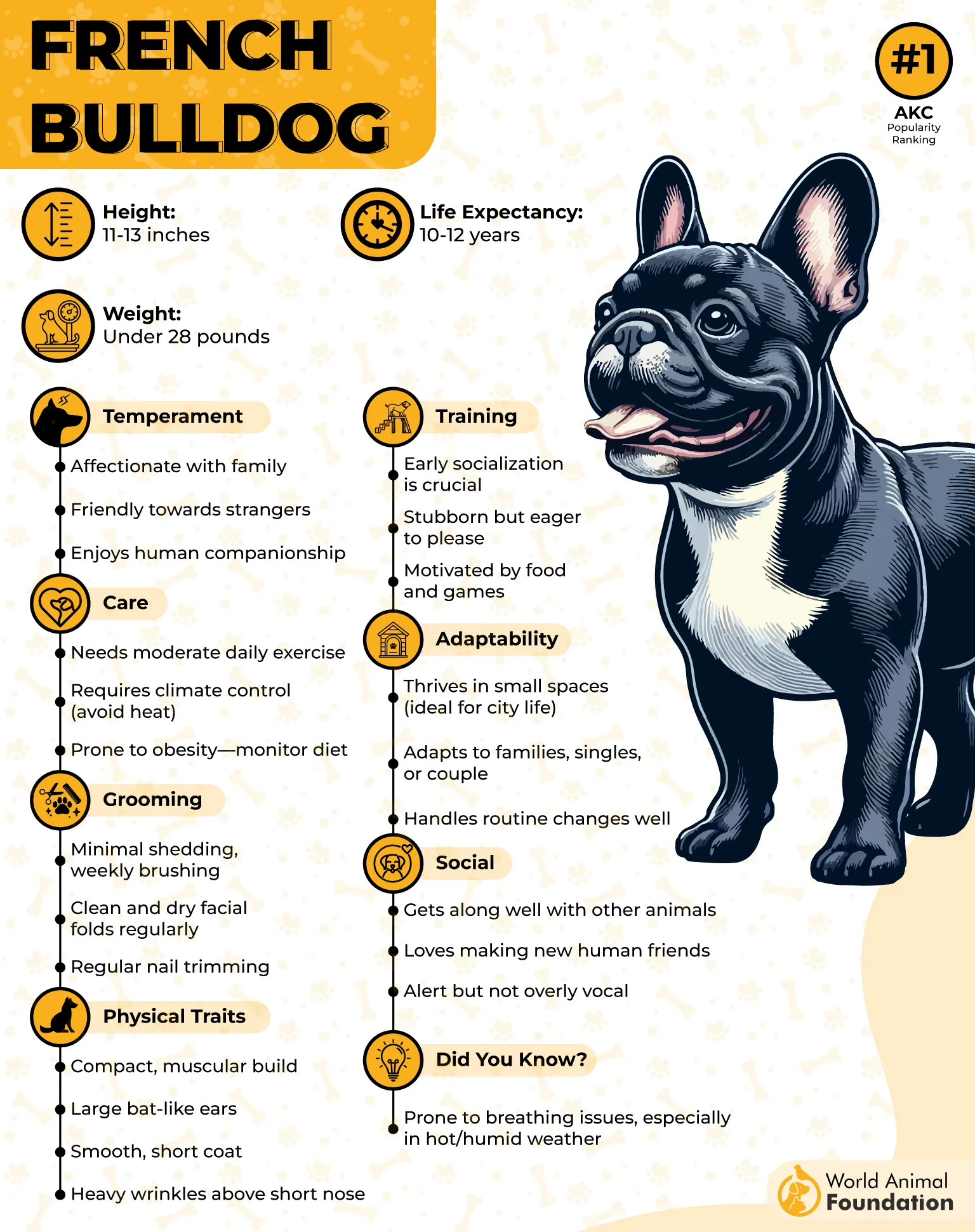
Frenchies can manage shorter periods without company when their routine includes activity and mental engagement before departure.
A practical guideline is roughly 1 to 4 hours for dogs with established routines, while longer stretches can bring boredom, chewing, accidents, barking, or separation-related stress.
These habits make their daily routine easier to manage:
Short daily walks are usually sufficient
Puzzle feeders provide food-based enrichment
A quiet den can include soft bedding
A Playful Personality
French Bulldogs have a playful, quirky temperament and can fit into homes with children, adults, cats, or other dogs when socialization begins during puppyhood.
Training may take patience because some Frenchies can be stubborn, while games, rewards, and consistent practice can encourage cooperation.
6. Boston Terrier
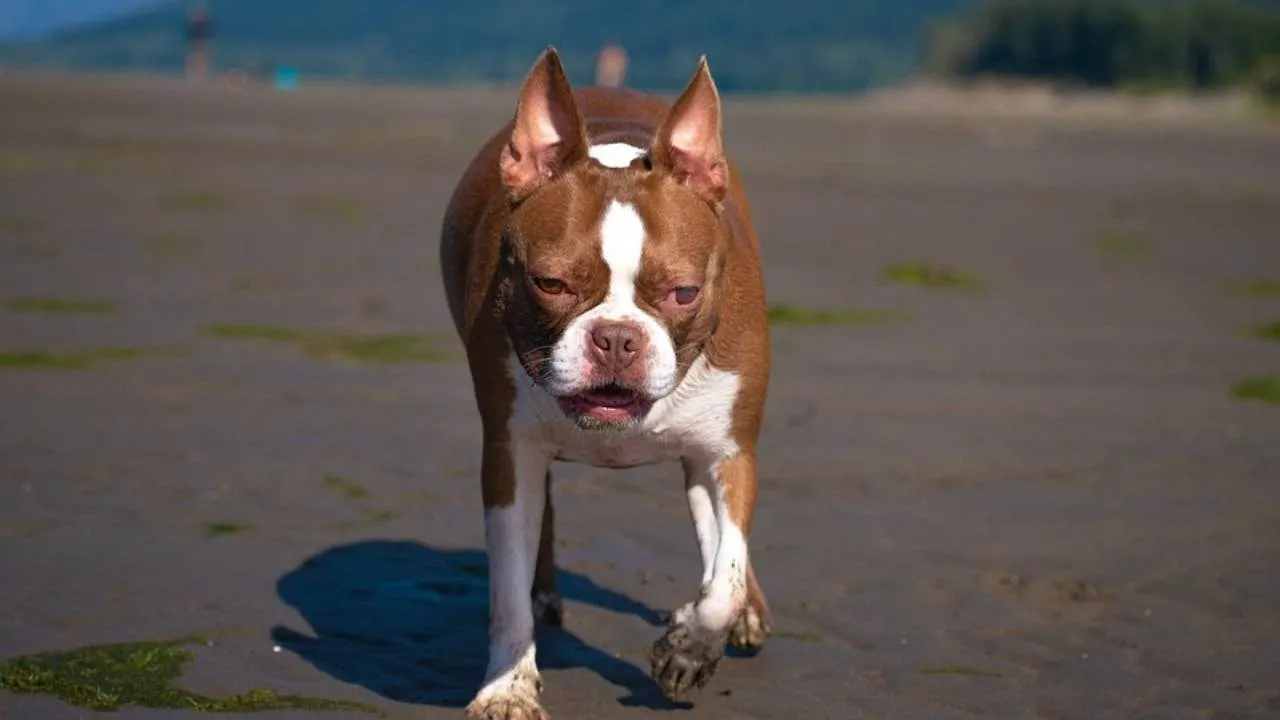
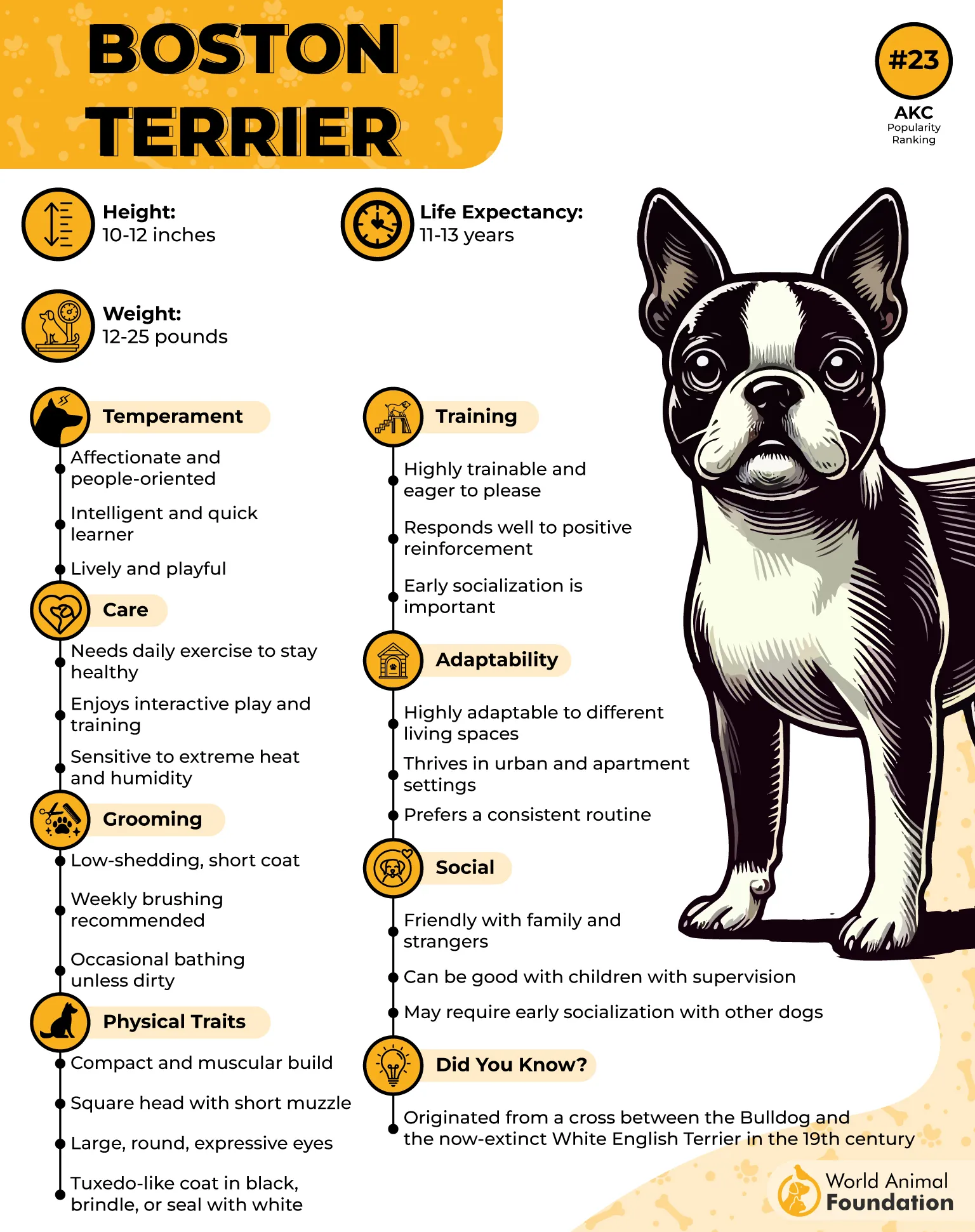
Boston Terrier began in Boston in the late 1800s through crosses between Bulldogs and white English Terriers. The breed has also been called a Boston Bull and an American Bull Terrier before its official name became Boston Terrier in 1891, and AKC recognition followed in 1893.
Alone-Time Limits
A healthy adult Boston Terrier can generally handle 4 to 6 hours alone, while puppies need shorter periods based on their age. Seniors may need more frequent bathroom breaks, making their schedule less flexible than that of a mature adult.
These factors matter when planning the day:
Puzzle toys or treat-dispensing toys keep their minds busy
Set up a comfortable, secure room or pen
A midday walker breaks up the day
Moderate Activity
This wonderful companion gets enough exercise from several short fetch sessions or moderately paced walks, making lengthy, vigorous workouts unnecessary. Their intelligence helps with training, although stubborn and mischievous moments can make obedience less predictable.
7. Great Pyrenees
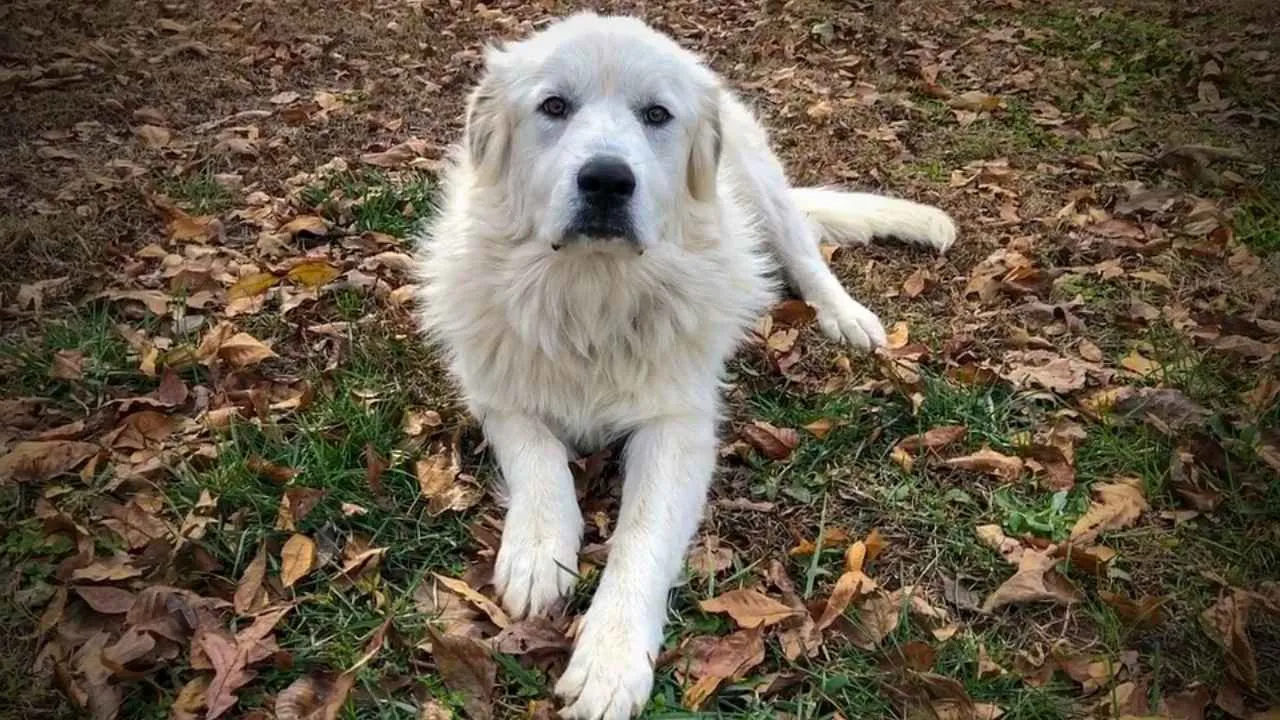
Great Pyrenees descends from large guardian dogs associated with Asia Minor, with early records dating back nearly 3,000 years. The breed later became closely linked with the Pyrenees range between France and Spain, where it guarded livestock against wolves and bears.
Made for Quiet Hours
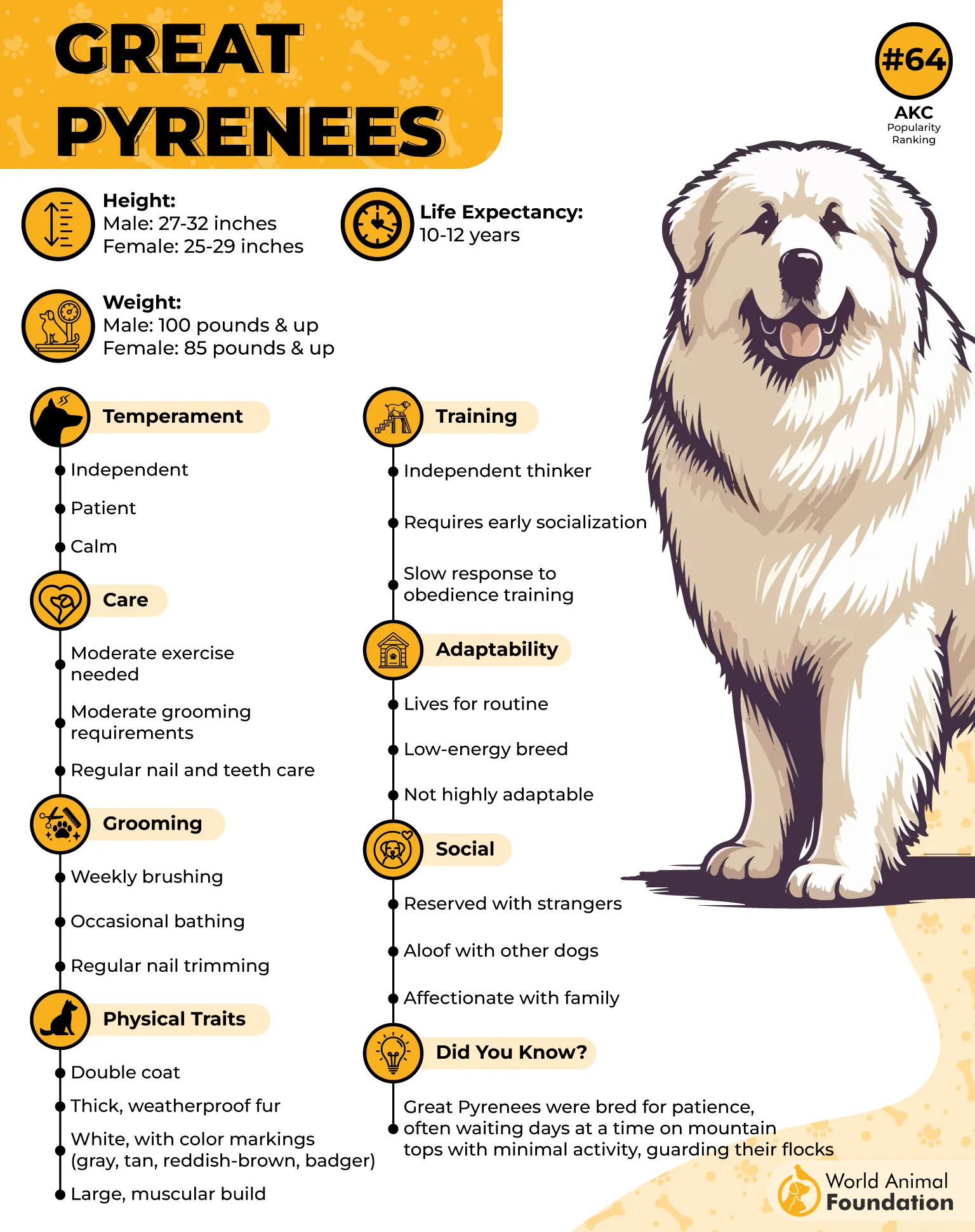
They can handle stretches of solitude better than highly dependent breeds, with a healthy adult generally able to spend about 6 to 8 hours alone. Mature dogs may sleep through much of that period, making their naturally unhurried daily rhythm particularly useful for busy households.
Their independence is easier to understand here:
Reserved around unfamiliar people
Needs time to accept new visitors
Protective of family and household pets
A Watchful Presence
This well-muscled dog tends to observe its surroundings carefully before reacting, giving household life a calmer rhythm when nobody is home. Its thick white coat and confident manner accompany a dog that can quietly monitor its surroundings without constant excitement or activity.
Conclusion
Life can get busy, and a dog that handles quiet time well may fit that routine more comfortably. Still, even independent breeds do not remove the need for regular exercise, enrichment, companionship, and regular bathroom breaks. Age, proper training, temperament, and the length of time alone all influence how smart dogs manage separation.
A familiar space and simple activities can help make the day more predictable, while longer absences may call for a dog walker or sitter. Pay attention to barking, chewing, pacing, or escape attempts rather than assuming calm behavior will come naturally, even around family members. A realistic daily schedule helps keep everyday life manageable for everyone involved.
