




A boar charges into a fight with all the rage it has. Boar hunting is a dangerous pursuit that has been practiced for centuries across much of Central Europe, the Mediterranean region, and even parts of Asia. It was once done by individuals or groups of armed men on horseback with specialized boar spears. Today, it’s mostly done with rifles.
In plain words, hog hunting is a brutal sport that can cause serious injury and even death.
This tusked animal, known by different names around the world, is an aggressive opponent in the field. Taking down a feral hog takes precision, preparation, and nerve. No matter how skilled a hunter is, they’ll also need a pack of bay dogs and catch dogs, along with proper weapons, to track and hunt this big game.
Wild boar tracking requires dogs with sharp scenting abilities, remarkable stamina, and strong hunting instincts. Certain breeds excel at following challenging trails and navigating rough and varied terrain, making them valuable companions for experienced hunters. Now let’s get to know these dogs.
Dog Breeds That Thrive in Wild Boar Tracking and Pursuit
1. Plott Hound
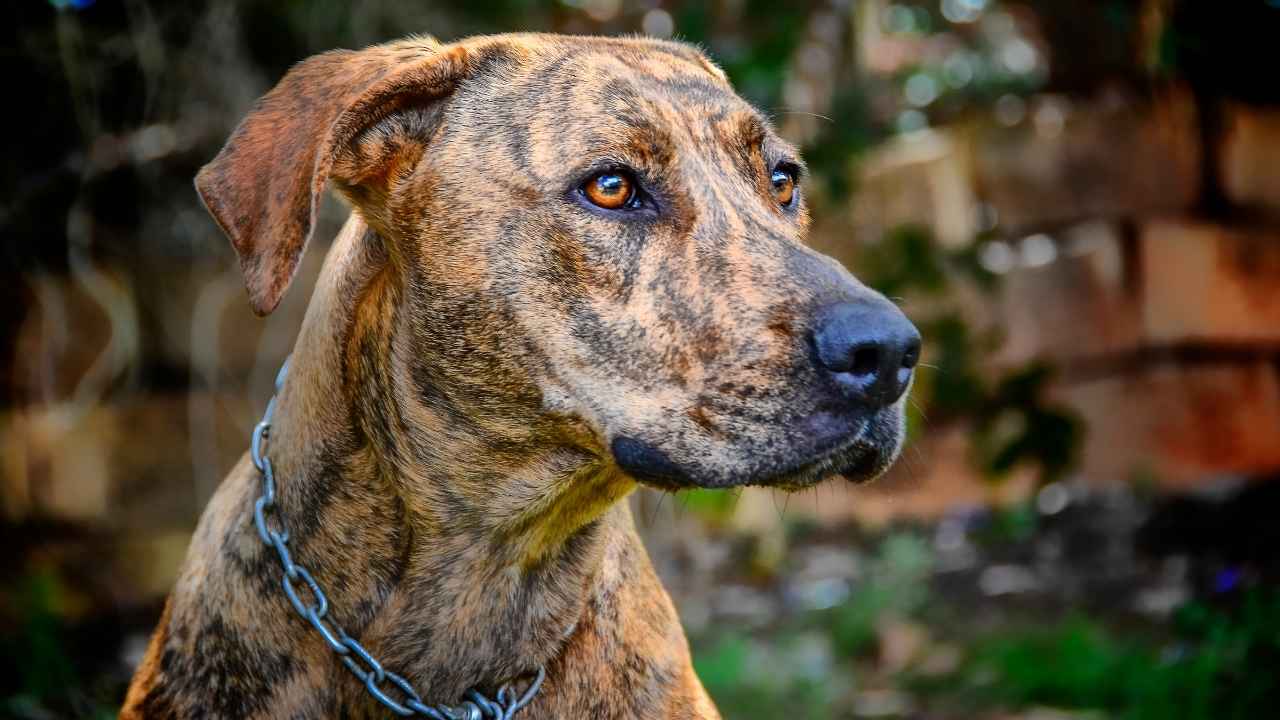
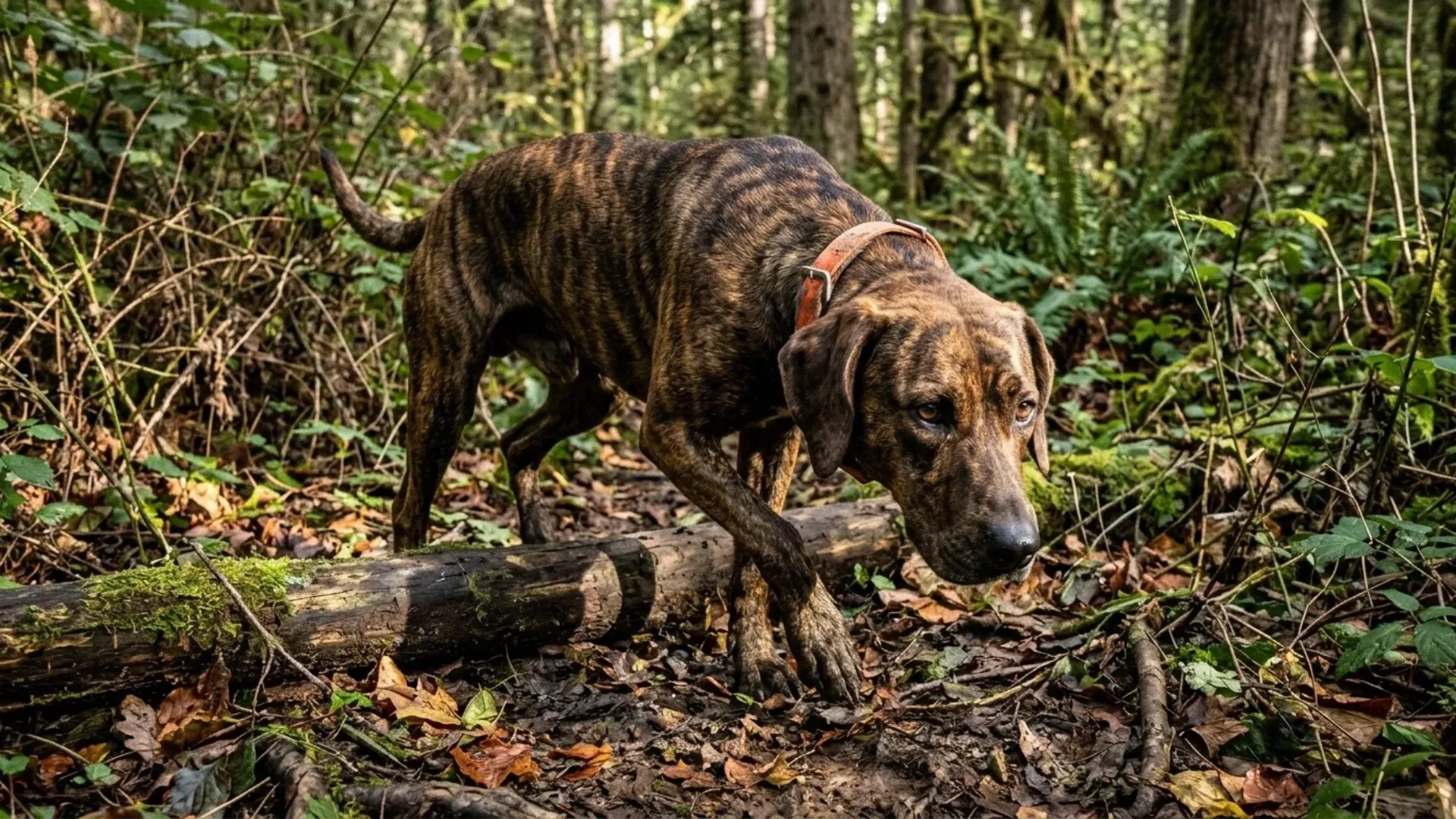
Explorer pups, full of energy and always on the lookout for the next big adventure, Plott Hounds are curious, active, and daring dogs that were born to roam.
Originally bred to hunt bears in the Great Smoky Mountains of North Carolina, Plotts are tenacious on the trail. They’re known for their wise eyes and glossy brindle coats. These pups live for the chase and stay alert for the next lead, stopping every so often to sniff out something new.
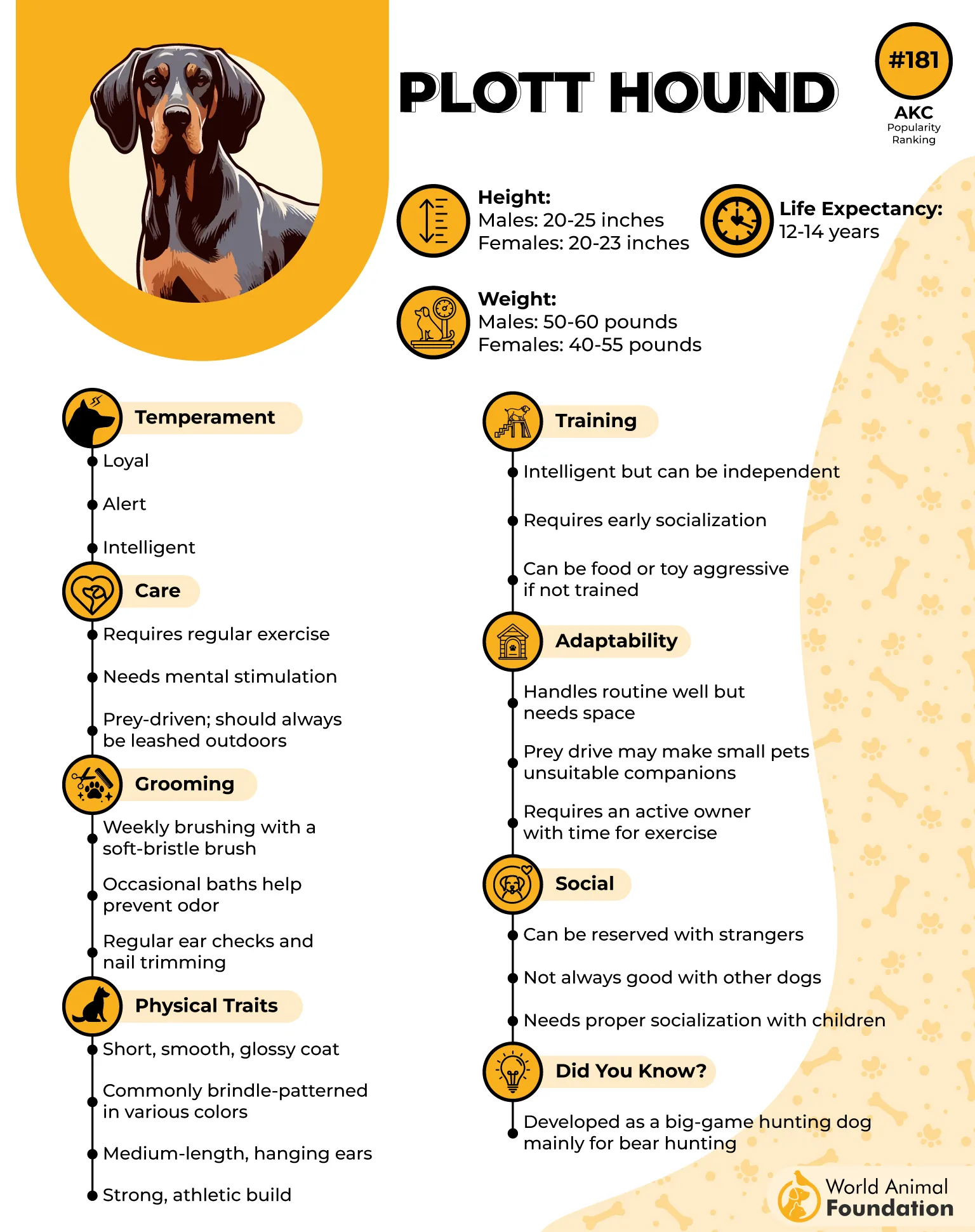
Lively and strong, Plott Hounds use their sharp sense of smell to track blood and recover wounded game. They have a deep, bawling bark that stands out when they’re working a cold trail.
Highly focused and well-muscled, Plott Hounds excel at big game work. The breed descends from German hounds brought to America, and these rugged, determined dogs were also called on to guard neighboring farms.
2. Catahoula Leopard Dog
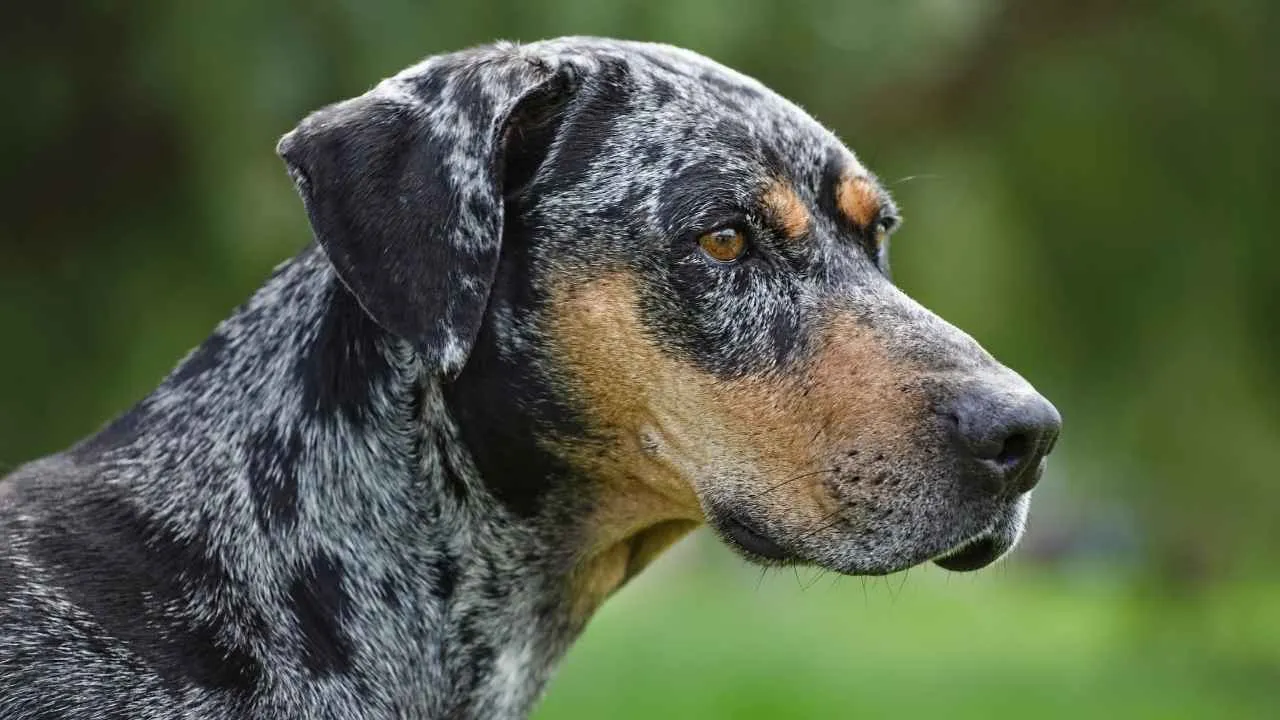
Originally developed for herding and hunting, the bold and beautiful Catahoula Hog Dog has an unmatched work ethic and needs confident leadership from an experienced, active owner.
A whirlwind of energy, brains, and personality, these dogs wear brindle and merle coats and move with purpose. They need space to run, and they may stand their ground if mistreated. Catahoulas are great at tracking game and happiest when doing scent work.
With their independent nature, Catahoulas are not typically cuddly lapdogs, but they form strong bonds and are intensely loyal to their loved ones. The breed originated near Catahoula Lake in Louisiana, where these pups were bred to drive cattle and track wild pigs on southern farms and ranches.
Their strong herding instinct, combined with agility, stamina, and an assertive personality, made them ideal for tracking and corralling challenging, often dangerous livestock like bulls, wild boars, and straying herds. They can also pen and catch hogs.
3. Black Mouth Cur
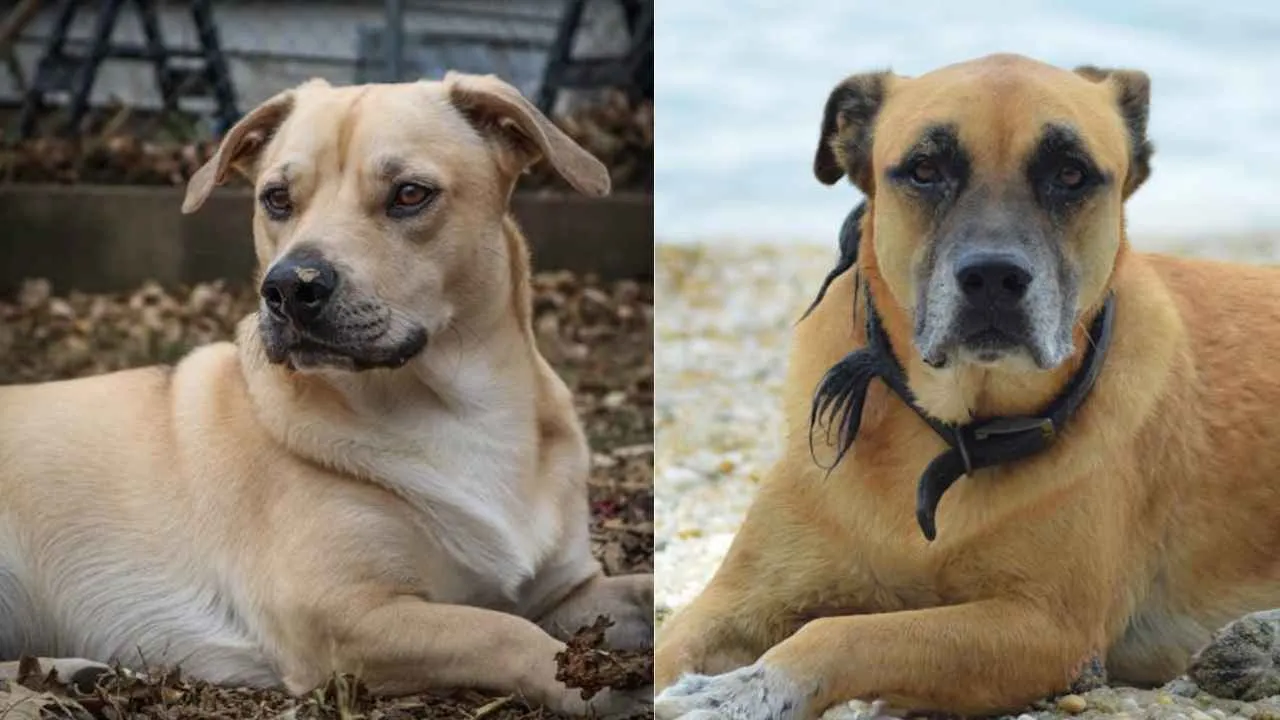
Historically bred in the Southern United States to track, tree, confront, and hunt a wide variety of game, the Black Mouth Cur is a powerful dog with a black muzzle and a determined hunting style. It usually catches and holds game on the ground, but it can also tree and bay, and it has been used for hunting, herding, and guarding property.
These dogs have been used to hunt bear, feral hogs, raccoons, deer, and squirrels. They’re also known to be protective of children. The breed’s exact ancestry is unclear, but it is a medium-to-large dog capable of tracking and hunting large game.
Never lacking endurance or a strong nose, the Black Mouth Cur helped early settlers get by on the frontier. These dogs are good at locating game hidden in thickets, and they have the strength and stamina to pursue and hold hogs over long distances, even in rugged terrain. The best part is that they work steadily and don’t give up, even when the game fights back.
4. Treeing Walker Coonhound
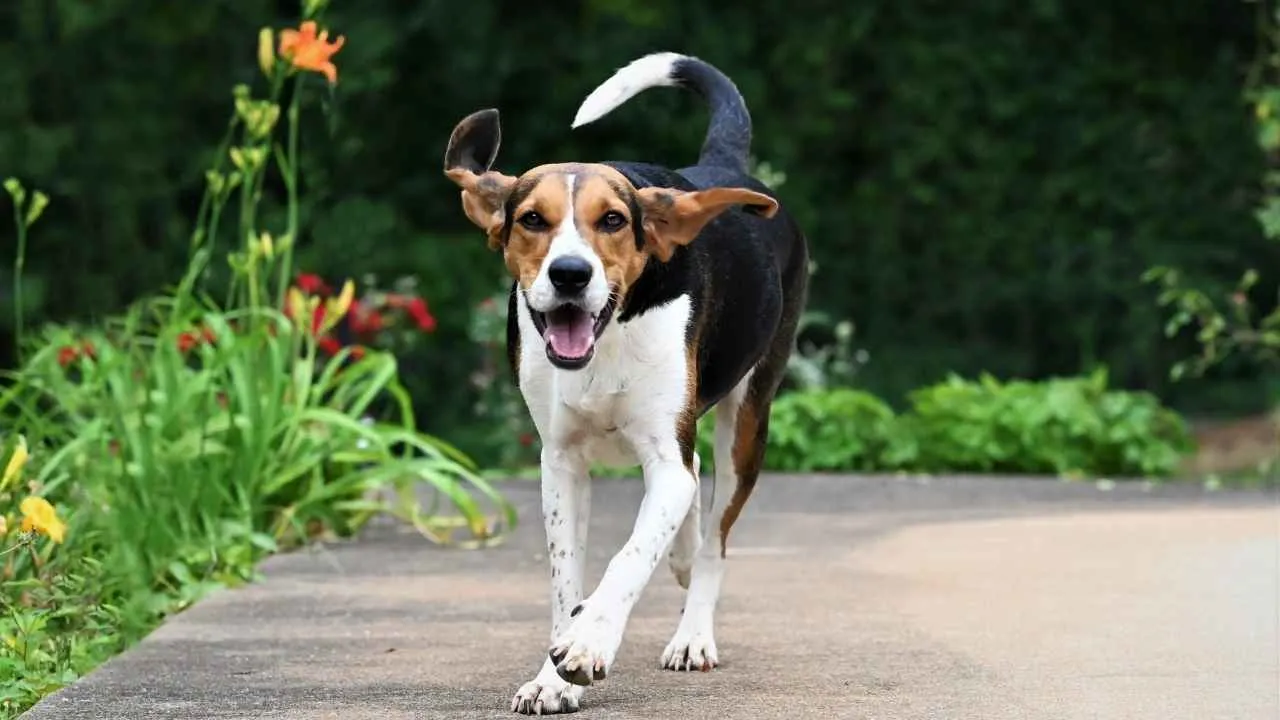
Known for their hunting skills, these energetic, intelligent dogs aren’t satisfied with a quiet, ambling stroll around the block. Take them along when you have a mystery to solve.
Treeing Walkers follow every lead and scent from the moment they find it. They let their powerful noses guide the walk, and they’re famous for singing their hound song when they’re on a mission in your backyard. At home, they turn into snuggly cuddle bugs, but when they go out after hogs, this tall, proud athlete can outwork many other dogs.
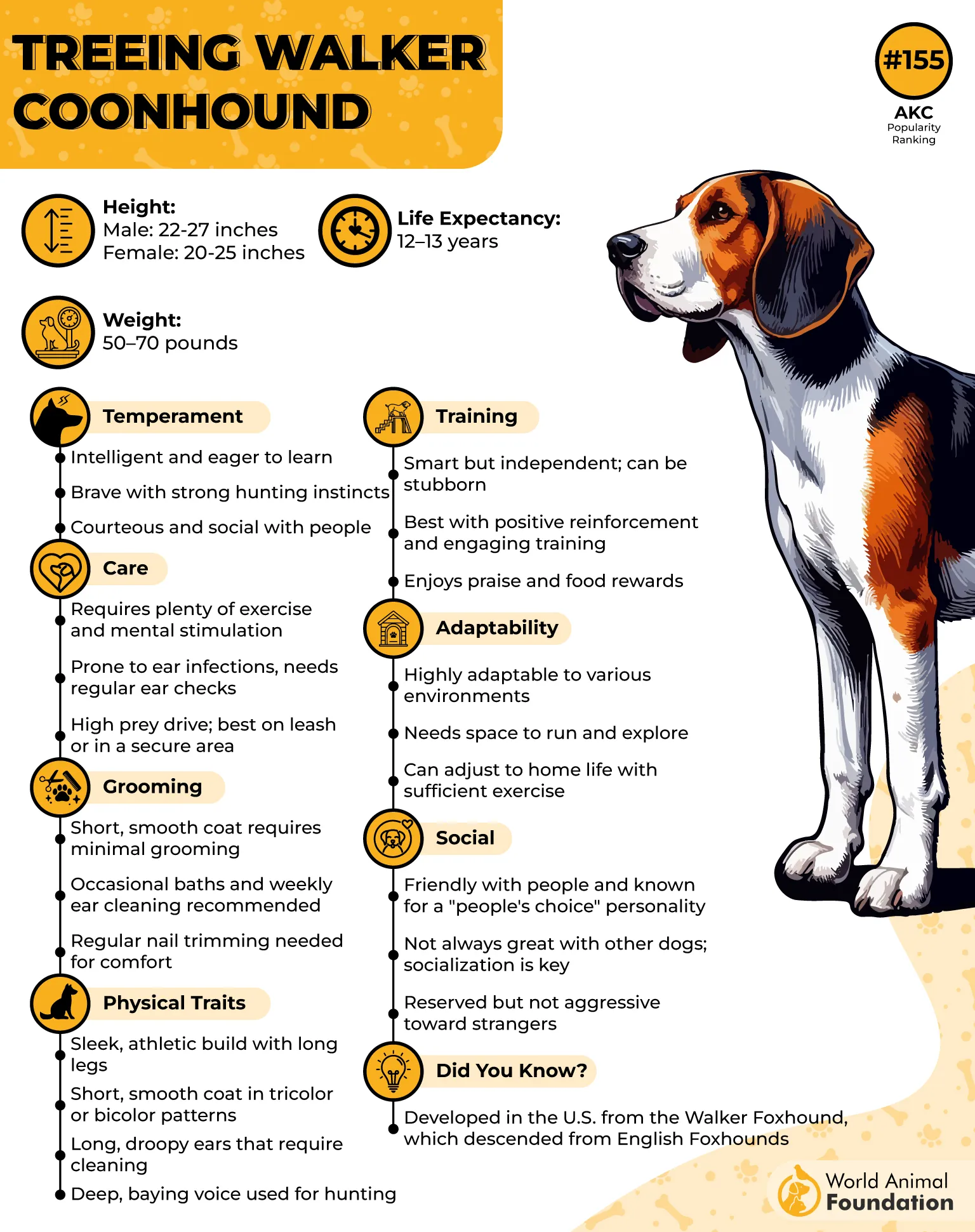
Highly energetic and adventurous, they’re exceptional at tracking and scent work. Born with a strong prey drive, this smart, sleek hunting breed will follow a trail to the end until it finds the culprit responsible for the crime in your backyard (aka Mr. Squirrel).
Consistent training can further sharpen their keen nose and inquisitive nature. Their energy needs a positive, productive outlet, like a hike in the Appalachians or a night hunt in the wilderness after dark.
5. Black And Tan Coonhound
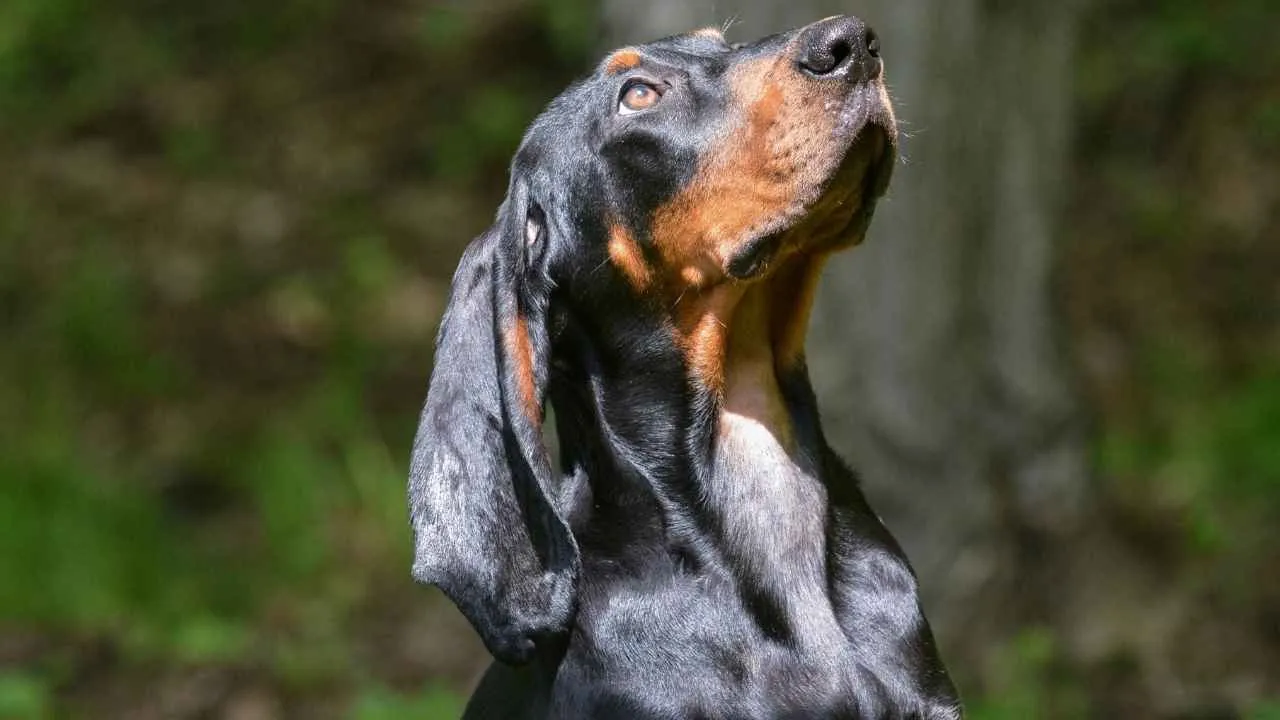
This large hunting dog in a black-and-tan coat is a good-natured pup with a big heart. Gentle and trusting at home, this strong hound with long ears and soulful eyes is active and alert, and it enjoys plenty of daily exercise and activity.
Even a faint scent of wildflowers, people, or game can trigger a reaction from this furry detective, which was bred to hunt. Give it a cold trail, and it will jump right in, driven and persistent, whether the job is tracking, scent work, or search and rescue.
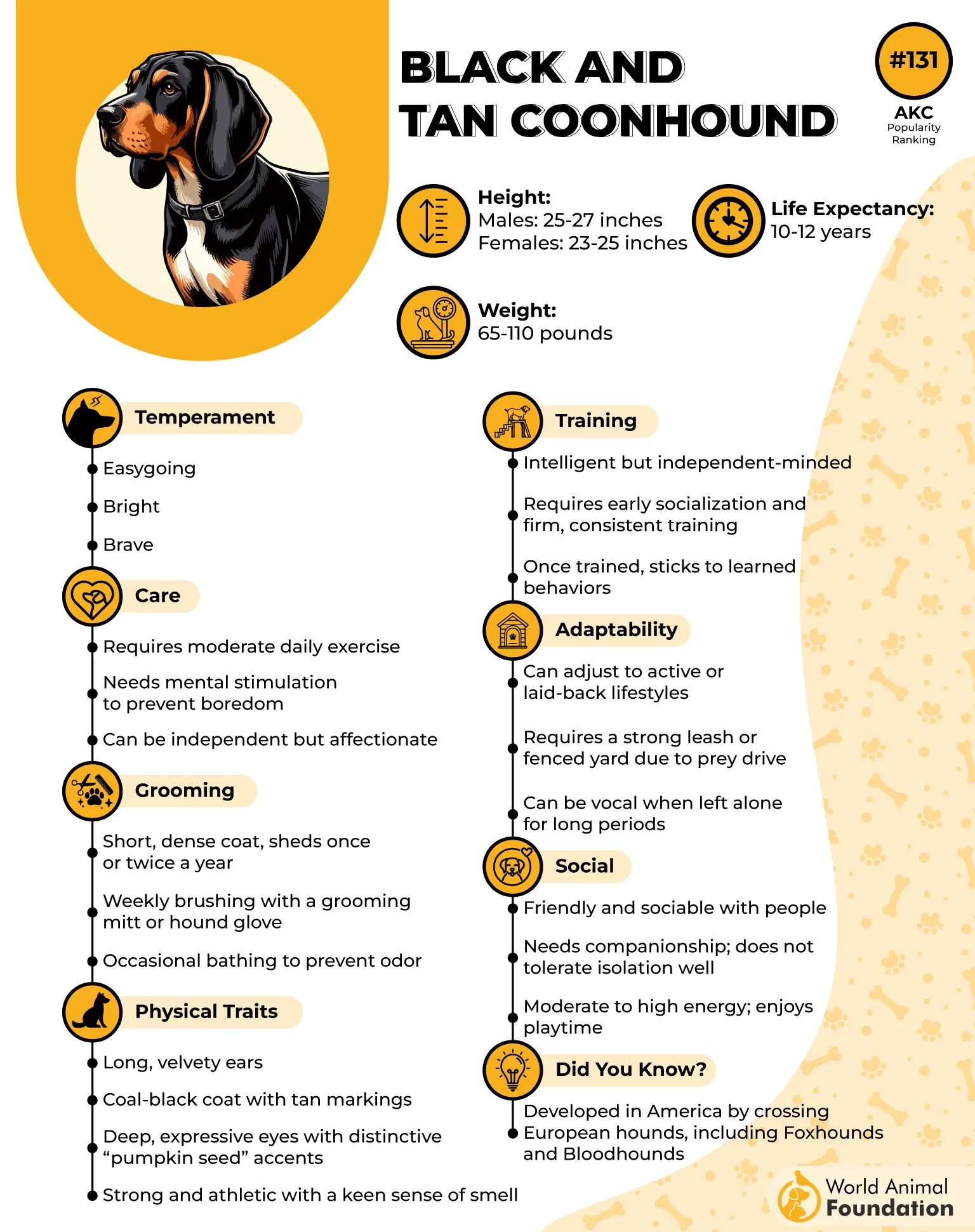
The AKC mentions that the Black and Tan Coonhound is born with an excellent sense of smell, and its nose is its biggest asset. Developed to track and tree raccoons, these pups cover a lot of ground with eager strides. You’ll hear their loud, mournful signature song several times a day, and you’ll need to keep them busy with physical activity, ideally on rough terrain.
Bright, brave, and resourceful, these hounds can track game through woods and swamps at night. Put a GPS collar on these droopy-eared explorers, or you could lose them while hunting in demanding terrain.
6. Dogo Argentino

Rarely do you find a hunter this versatile, but the Dogo Argentino certainly understood the assignment when someone mentioned feral hog hunting. It has a short white coat and sometimes sports an iconic dark patch over one eye.
This energetic go-getter doesn’t appreciate dillydallying, because there is so much to see and do in this world. Get ready with your gear before you bring this fearless, speedy chaser into your home.
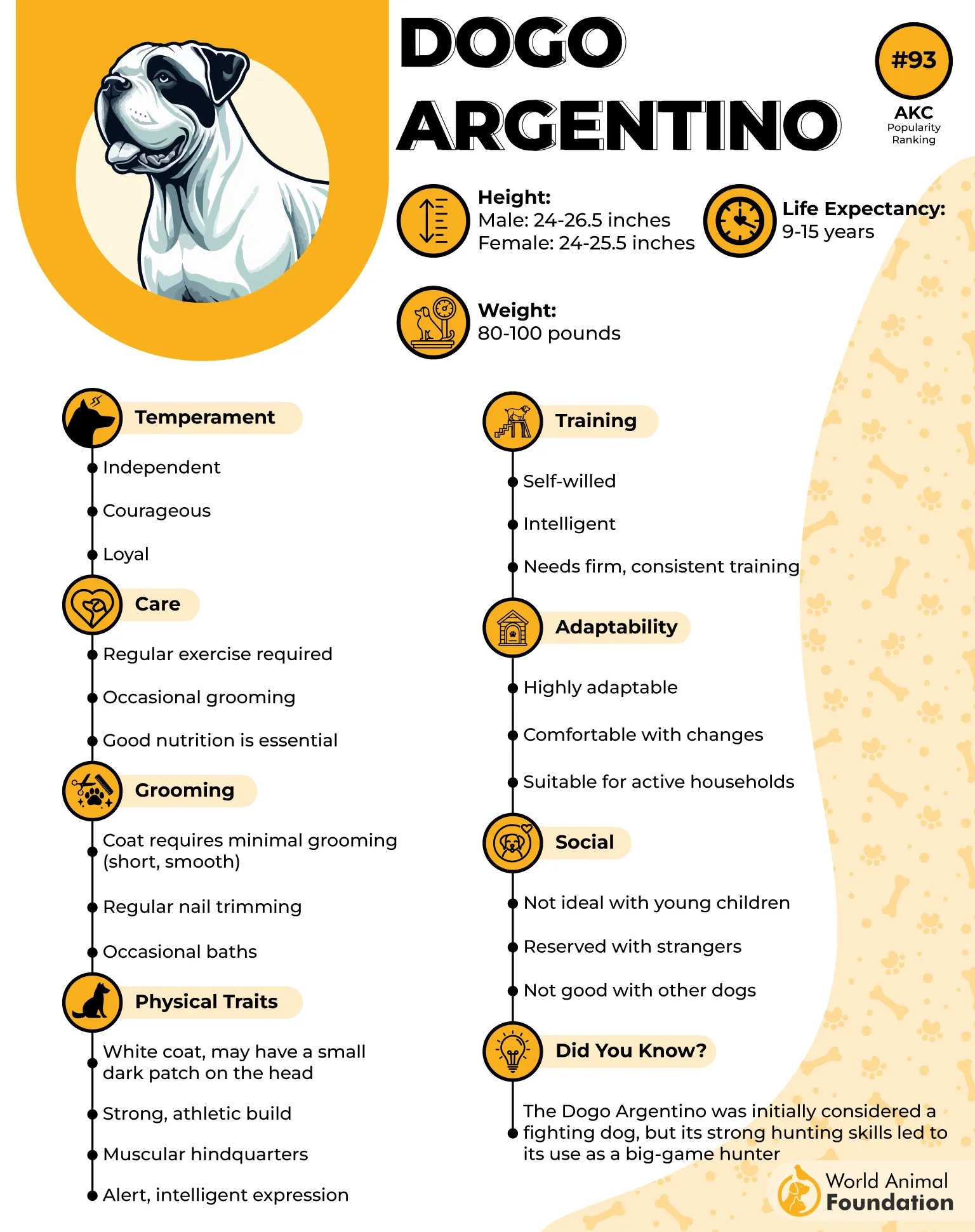
The Dogo Argentino faces breed-specific legislation in some places because bully breeds are part of its foundation stock. This relatively recent breed was developed in Argentina and descends from several breeds, including the Cordoba fighting dog, Great Dane, English Bulldog, Pyrenean Mastiff, Irish Wolfhound, and Spanish Mastiff.
Used in Argentina to hunt wild boar, pumas, and peccaries, the Dogo is also an all-in-one choice for hog hunters because it can track, bay, and catch large game. This pack-hunting dog breed is built for teamwork, endurance, and holding dangerous prey.
7. Cane Corso
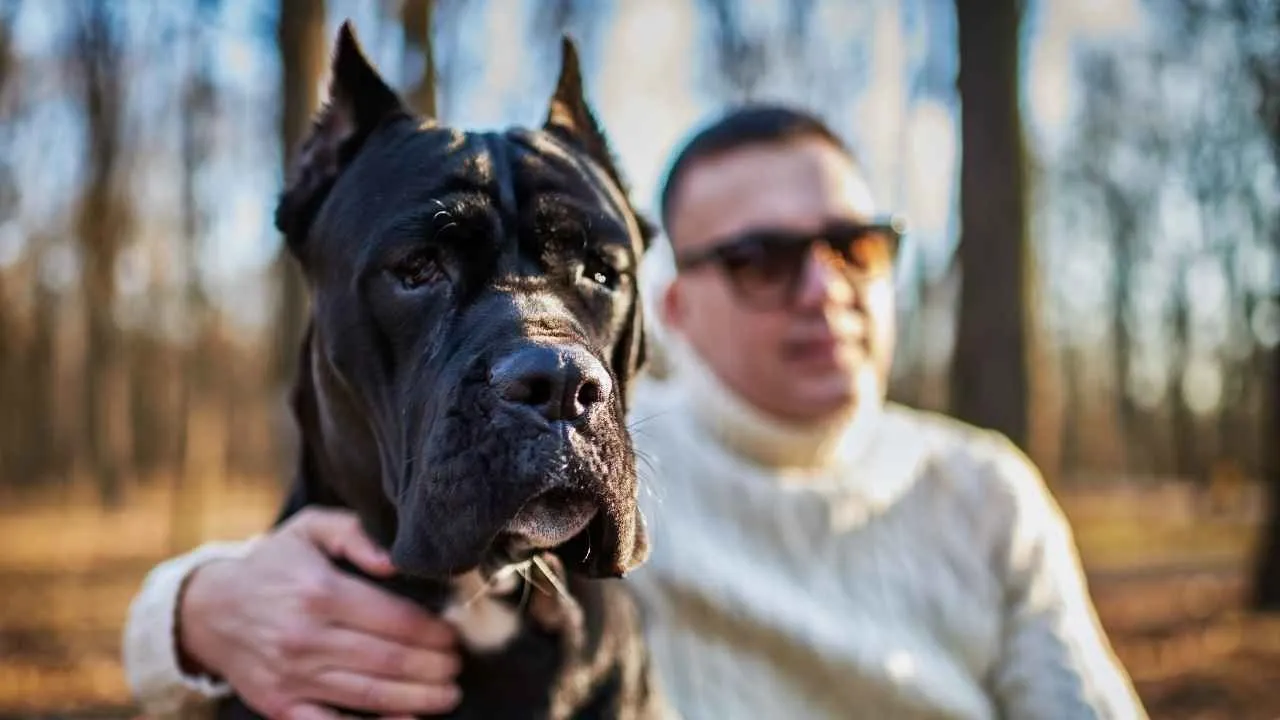
Only a pet parent who is willing to build an unbreakable bond and provide plenty of rigorous exercise should adopt a Cane Corso puppy. This large, almost human-sized Italian mastiff has soulful eyes and a lot of presence, and it may suit you well if you’re a Scorpio.
Why? Because it takes a determined owner to understand the depth, drive, and strong will of this Italian breed. The key to raising this intimidating mob boss of a dog is experienced handling, along with patience and persistence.
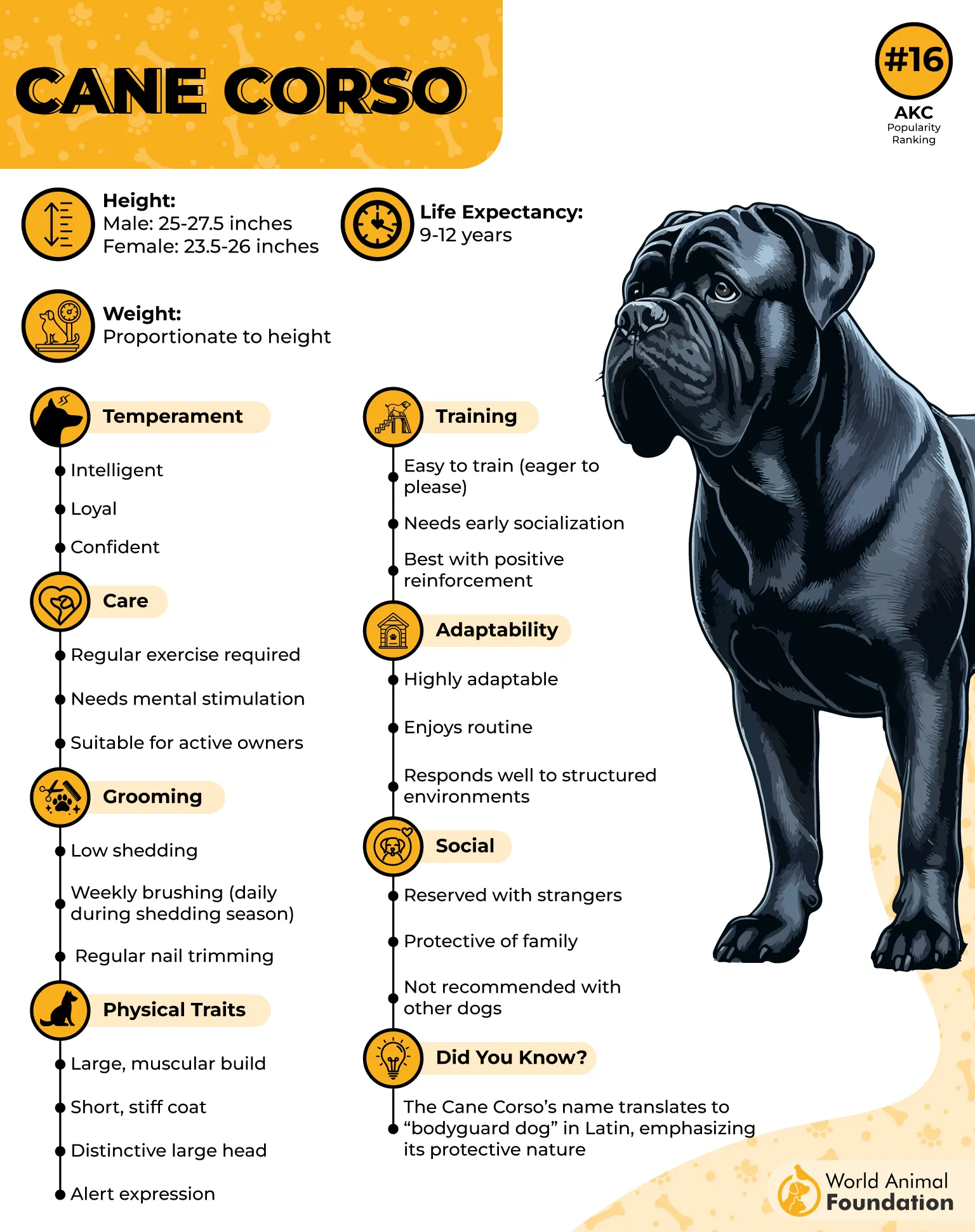
Chewy notes that these dogs were bred to be guardians. With an elegant, noble gaze, the breed’s ancestors served the Romans as war dogs. The Cane Corso descends from large, fierce Molosser dogs, which were used for hunting and guarding livestock and are named after an ancient Greek tribe from Epirus.
If you adopt this powerful, athletic breed, you get a dog that can herd, guard, and hunt. The Cane Corso can track, bay, and catch prey, which makes it a capable hog dog and a good option for demanding big game work.
8. American Leopard Hound
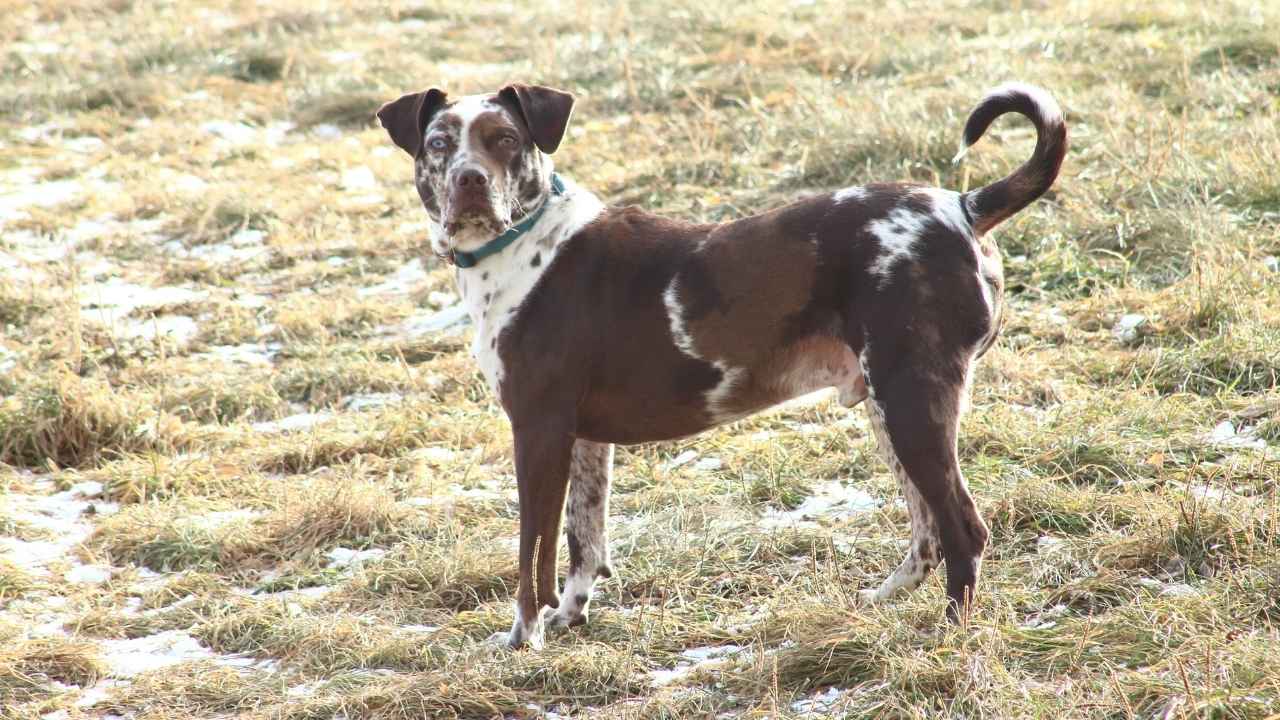
The American Leopard Hound descends from dogs brought to the New World by Spanish conquistadors in Mexico. Settlers later carried them into the United States, where they were used to hunt bear. This leopard cur can track and hunt both large and small game, including bears, cougars, and squirrels.
It also works as a treeing dog, following an animal’s scent trail until the prey takes refuge in a tree, then standing beneath it and barking to alert the hunter.
These short-coated hounds are also good at dog sports like agility and scent work, and one of their most interesting talents is that some of them will even climb trees in pursuit of prey.
9. Mountain Cur
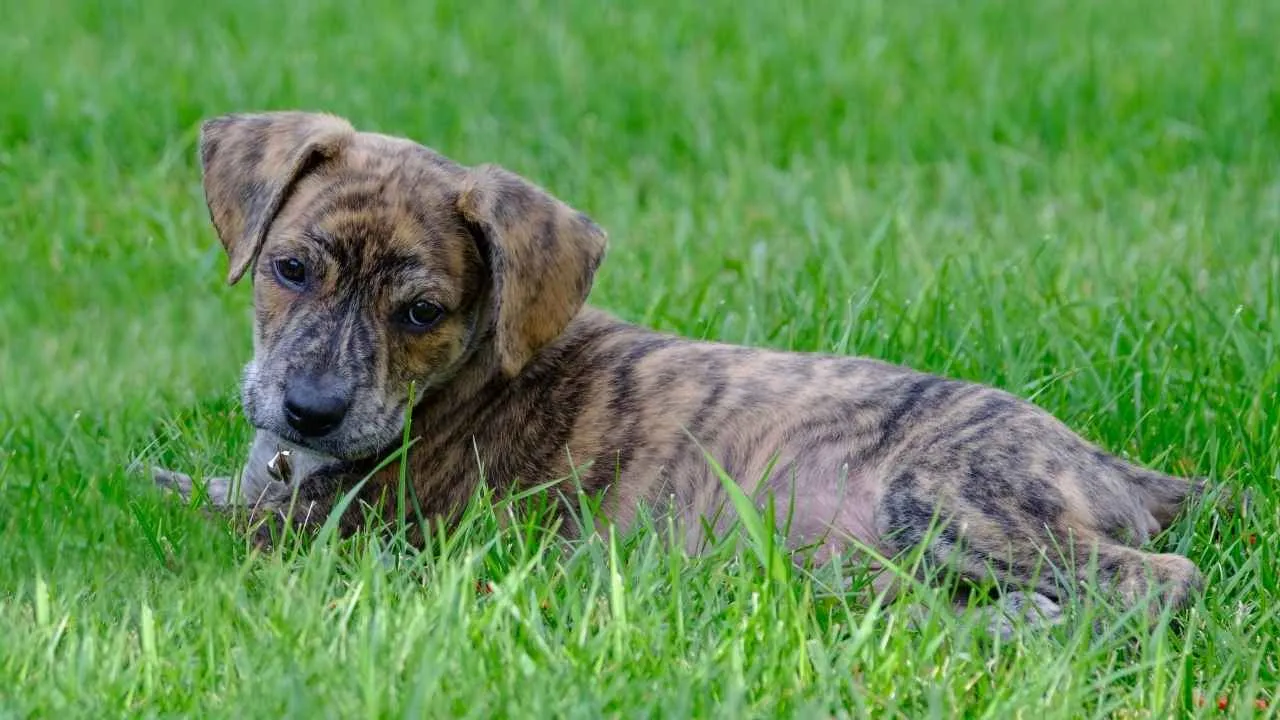
Did you know? Some modern lines, like the Kemmer Stock Mountain Cur, are specifically bred for invasive wild pig control. A properly trained and conditioned Mountain Cur can track, tree, and even hold a wild pig at bay with human assistance.
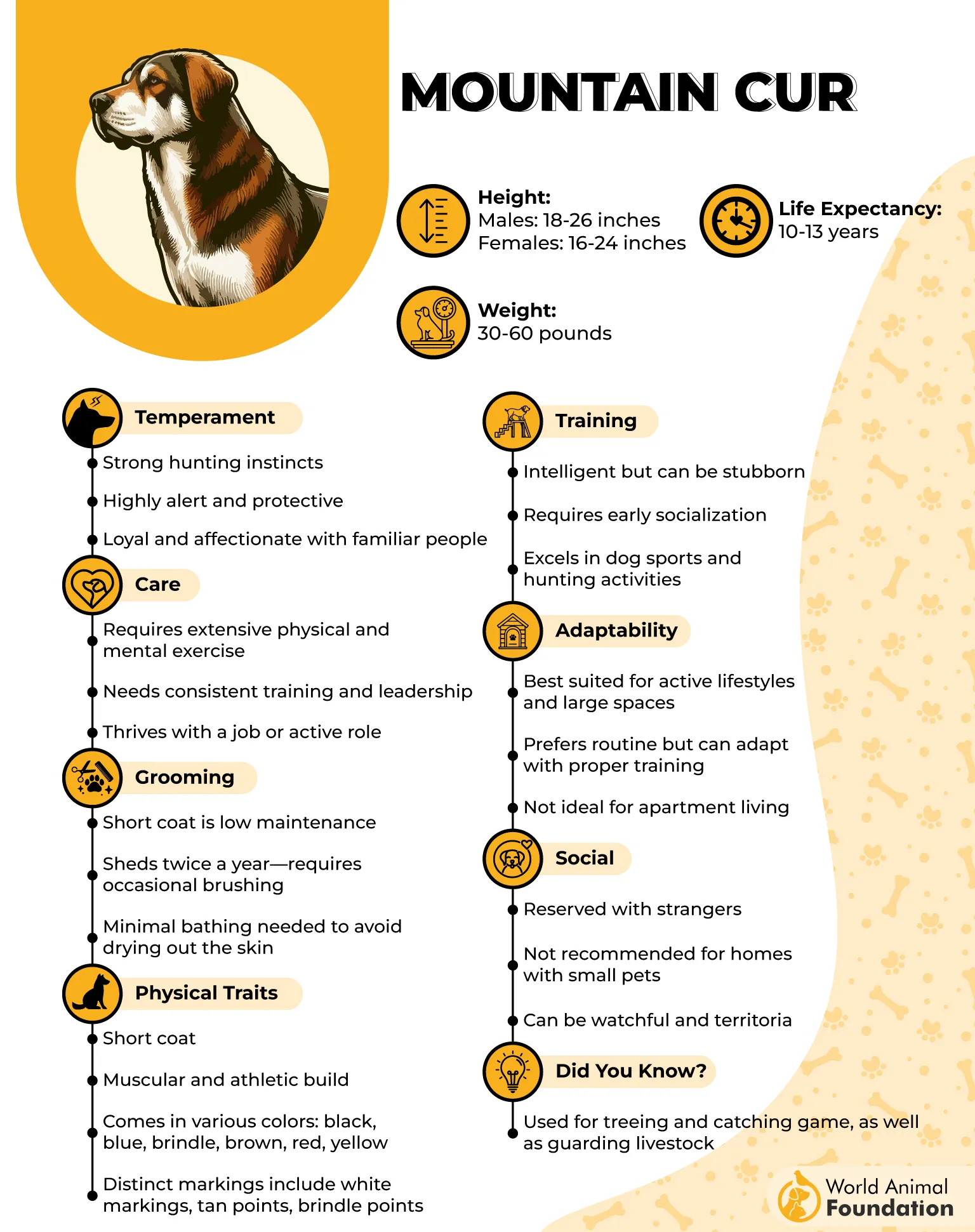
This rugged, versatile American dog was originally bred in the Appalachian Mountains and Ozark regions to tree and trail small game and to track big game like bears and wild pigs. It typically chases, circles, and holds a boar in place near the hunter.
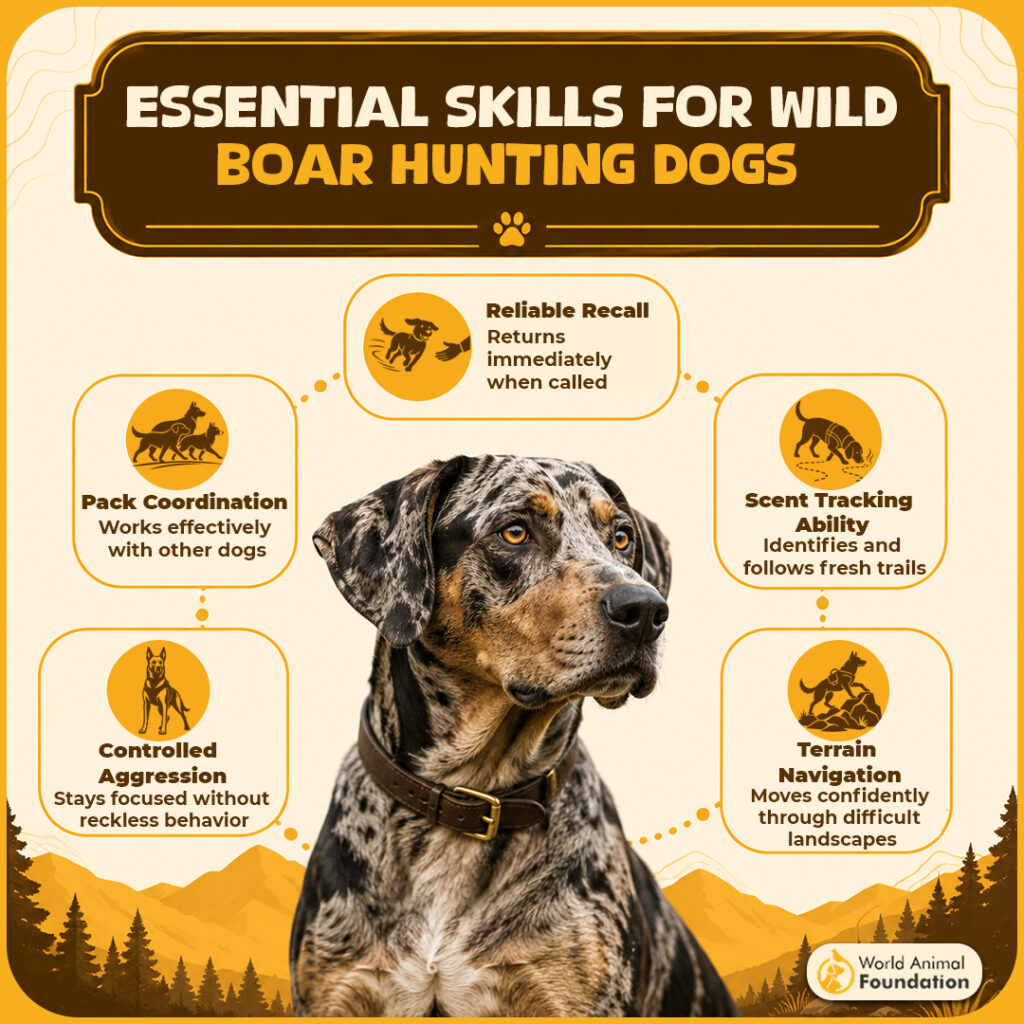
Wikipedia says a Mountain Cur with reliable obedience, efficient movement, and good fitness can do this job more safely. Because a boar hunt is dangerous, carry first aid supplies and use more than two dogs, since a well-organized team handles a wild boar much more easily than a single hunter.
10. Norwegian Elkhound
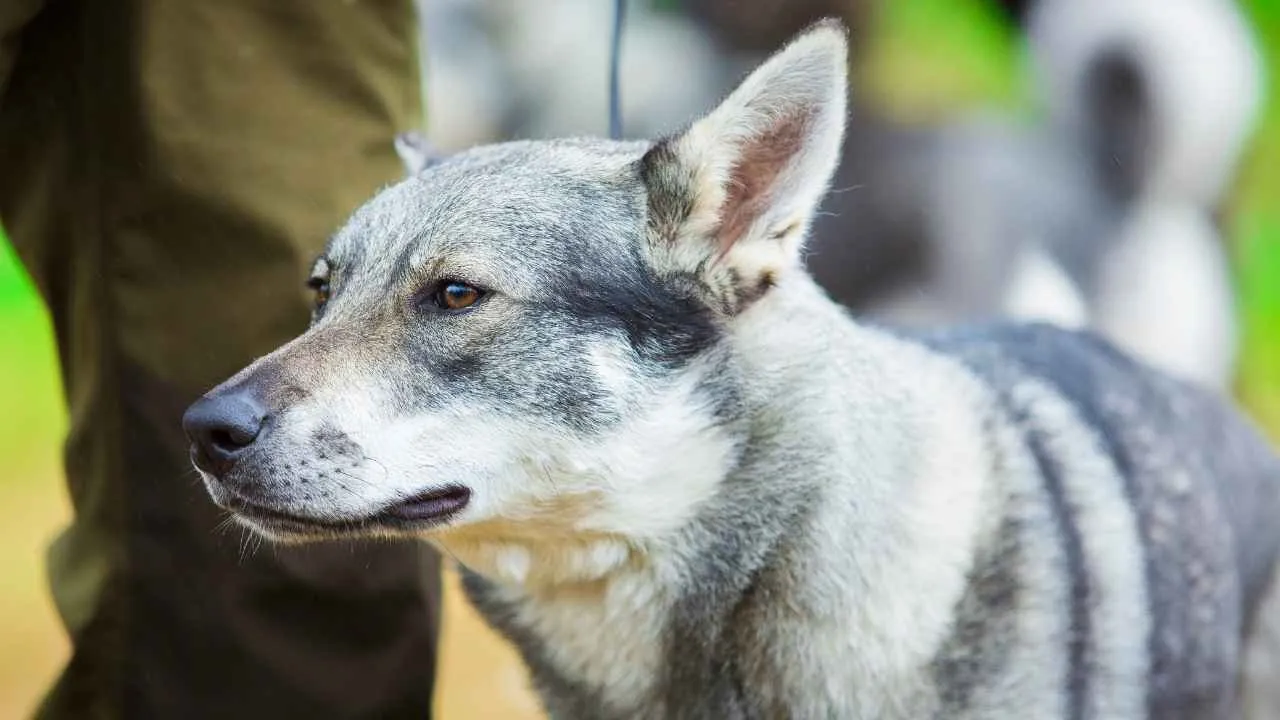
This robust spitz with a lush silver-gray coat is not just a dignified, friendly hound. It is also one of Europe’s oldest breeds. Elkhounds are said to have sailed with the Vikings, but they date back even further.
They were originally bred for an honest day’s work, and the “elk” in the name is a clue that they were developed for hunting, trailing big game like moose, bear, and reindeer.
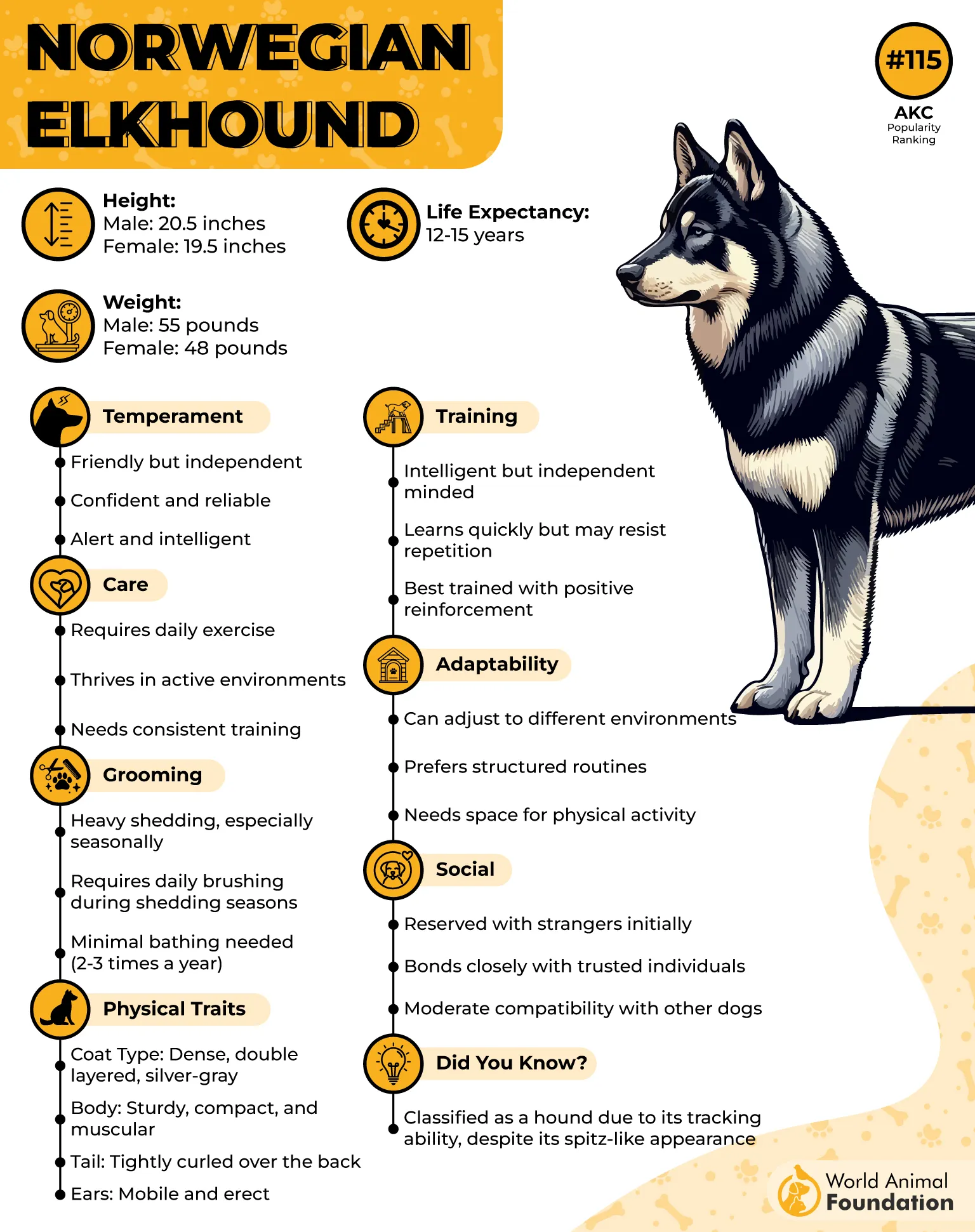
You’ll find these Viking buddies always eager to track, chase, and hold anything at bay, from neighborhood critters to Snowball, your bestie’s cat. They are among the sturdiest of the hunting breeds and are also skilled at herding and guarding property.
They have an independent streak and can take a while to warm up to strangers, but once they see that you trust someone, they’ll learn to trust that person too. These fluffy thrill seekers are always willing to brave the snow with you.
Conclusion
Whether you’re hunting wild boar for meat or to reduce crop and forest damage, be prepared. Hunting and controlling these cousins of Pumbaa takes careful planning, due consideration, and plenty of backup.
Wild hogs are often found in rough, varied terrain, so hunters rely on pack dogs that can hold the animal at bay and keep it down while the hunters prepare to take the shot.
