




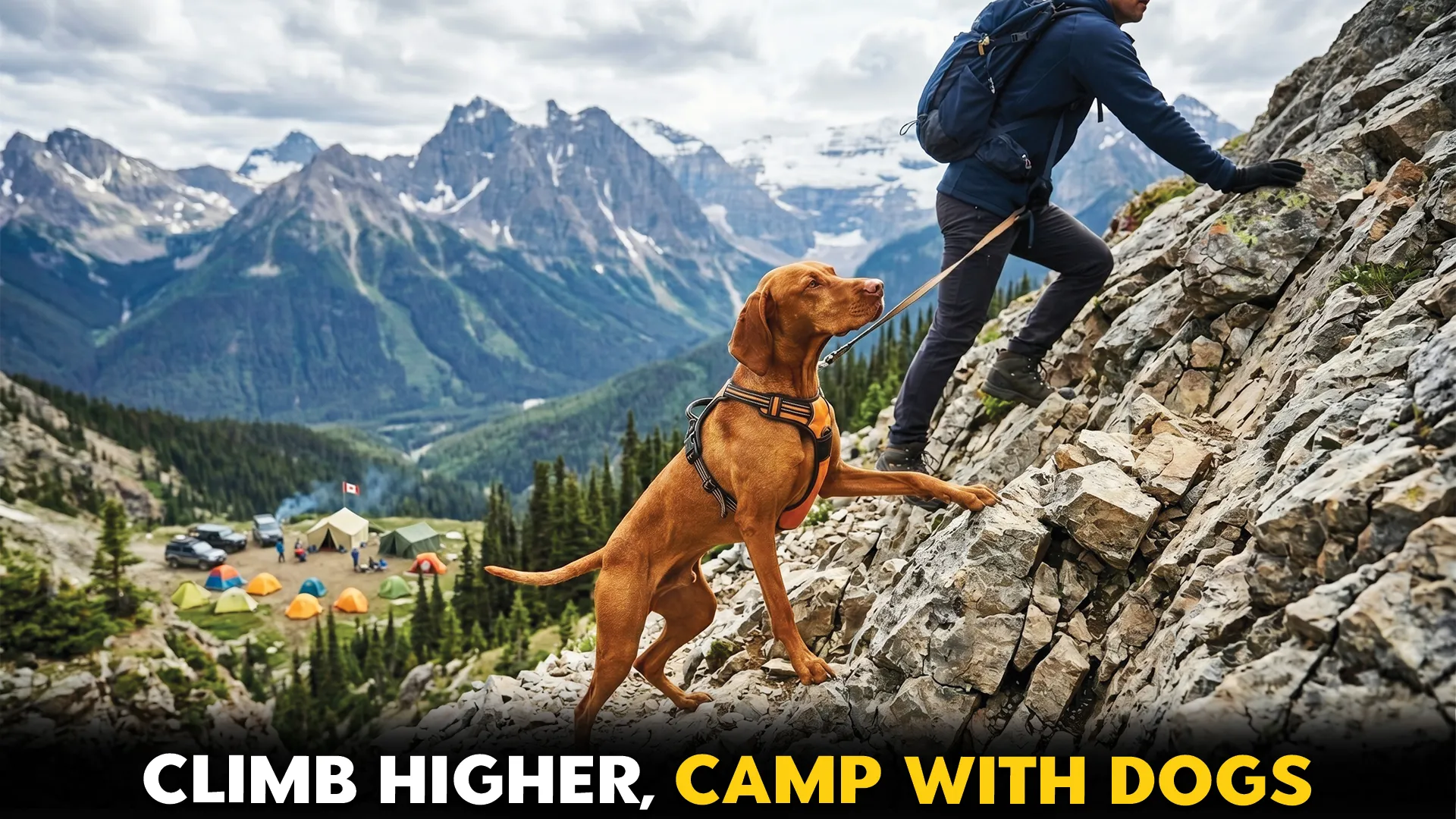
For pet owners who feel happiest on rocky trails, forest paths, and campsites under the stars, the right dog can make every outdoor adventure even better.
Some breeds have the energy, stamina, confidence, and weather-ready coats that help them enjoy mountain climbing, hiking, and camping alongside their humans. While many dogs love fresh air and exercise, not every pup is suited for steep terrain, long trail days, or changing outdoor conditions.
The best adventure dogs are responsive, trainable, and comfortable staying close when the trail gets unpredictable.
Before planning bigger trips, it is always smart to check with your vet and prepare your dog with proper training, gear, water, and trail safety habits.
Top Dog Breeds That Love Mountain Climbing and Camping
1. Australian Shepherd
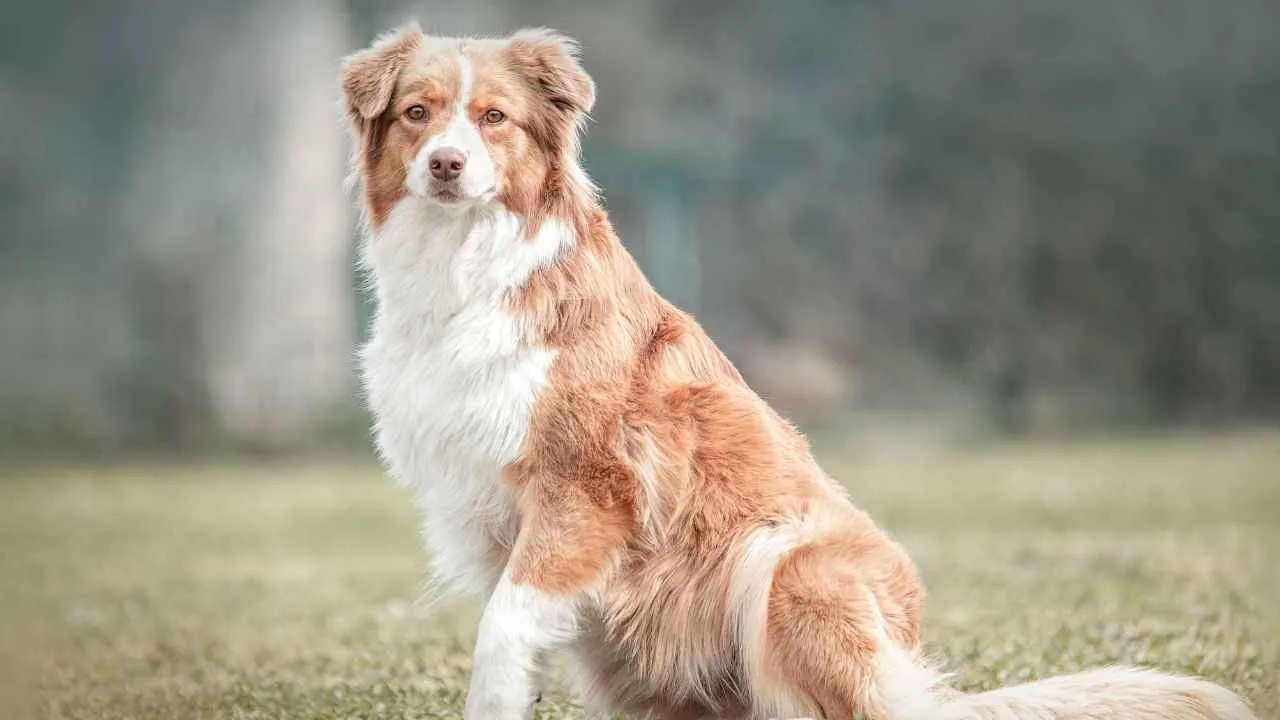
Australian Shepherds are medium-sized herding dogs with sharp brains, agile bodies, and the kind of energy that does not clock out early. They were originally bred as working dogs, and that “give me a job” attitude still shows in their love of tasks, training, and games like fetch.
Many Aussies are loyal, friendly, and very attached to their people, although some take a moment to warm up to strangers. PetMD notes that their herding background can also make them chase children, cats, cars, bikes, or anything else that moves, so early socialization and clear training matter. With proper guidance, they can live well with children, cats, and other dogs.
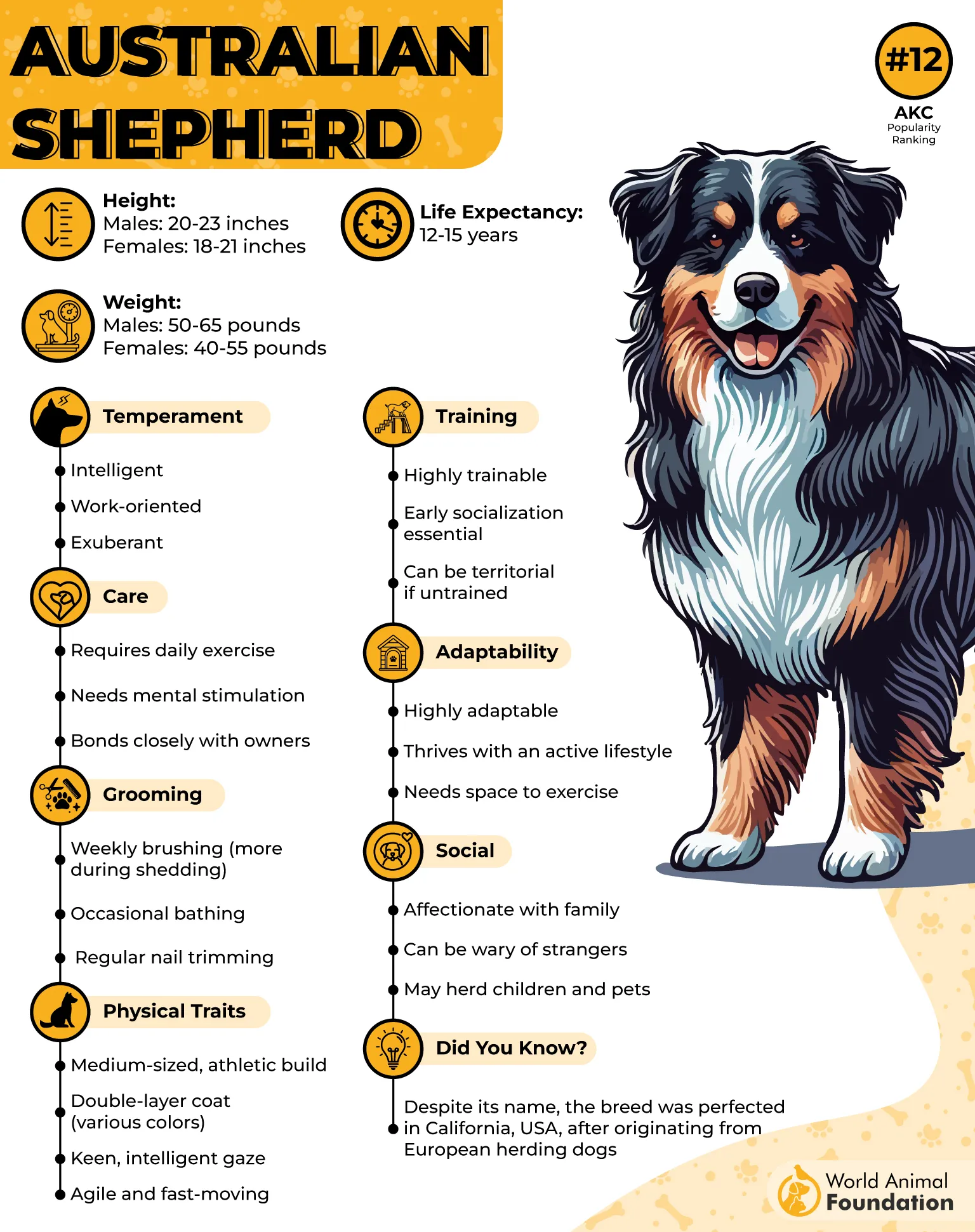
Their medium, double-layer, water-resistant coat is made for active outdoor lives, but it needs weekly care and extra cleanup after mud and dirt join the party. Because Aussies are athletic escape artists, solid recall, leash use, or secure spaces are important before letting them stretch those legs. Long hiking or running routines should wait until puppy growth is complete.
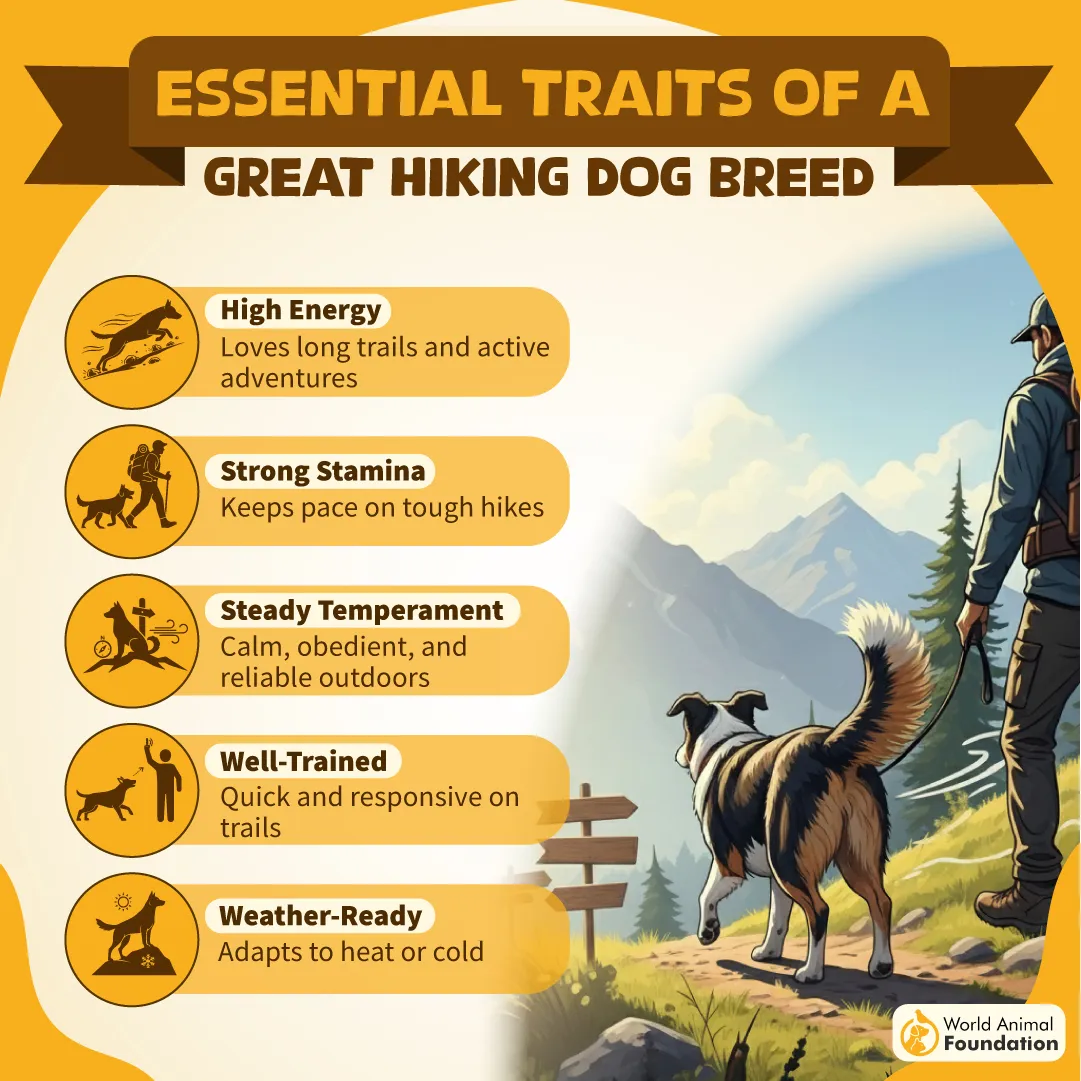
Why This Breed Is a Good Fit
Agility, flyball, field trials, and advanced obedience give this brainy dog more than scenery to think about.
Frequent hiking or running may call for vet-guided food planning because very active Aussies can have different diet needs.
Their energy often continues into adulthood and senior years, making them better for people who actually enjoy a busy schedule.
2. Vizsla
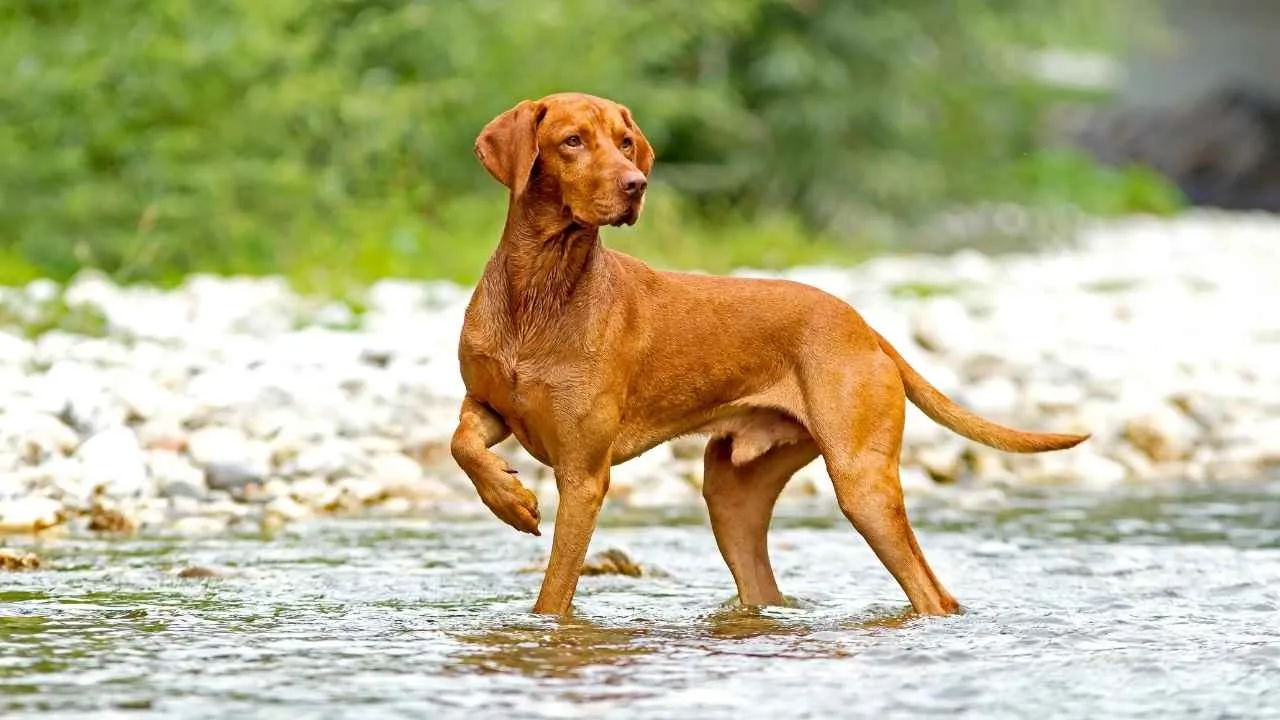
The Vizsla brings a sleek, golden-rust look and a serious work ethic in one very affectionate package. This Hungarian gundog was built for long days in the field, with a lean, light-footed body and enough elegance to look polished even after acting like a goof.
At home, the Vizsla is sensitive, loving, and tightly bonded to its owner. This is not a breed that enjoys being parked alone for long stretches, because its best setting is close to people and busy with shared activity. Around the house, those long, silky ears and gentle nature can soften the whole mood, even after a high-speed zoom session.
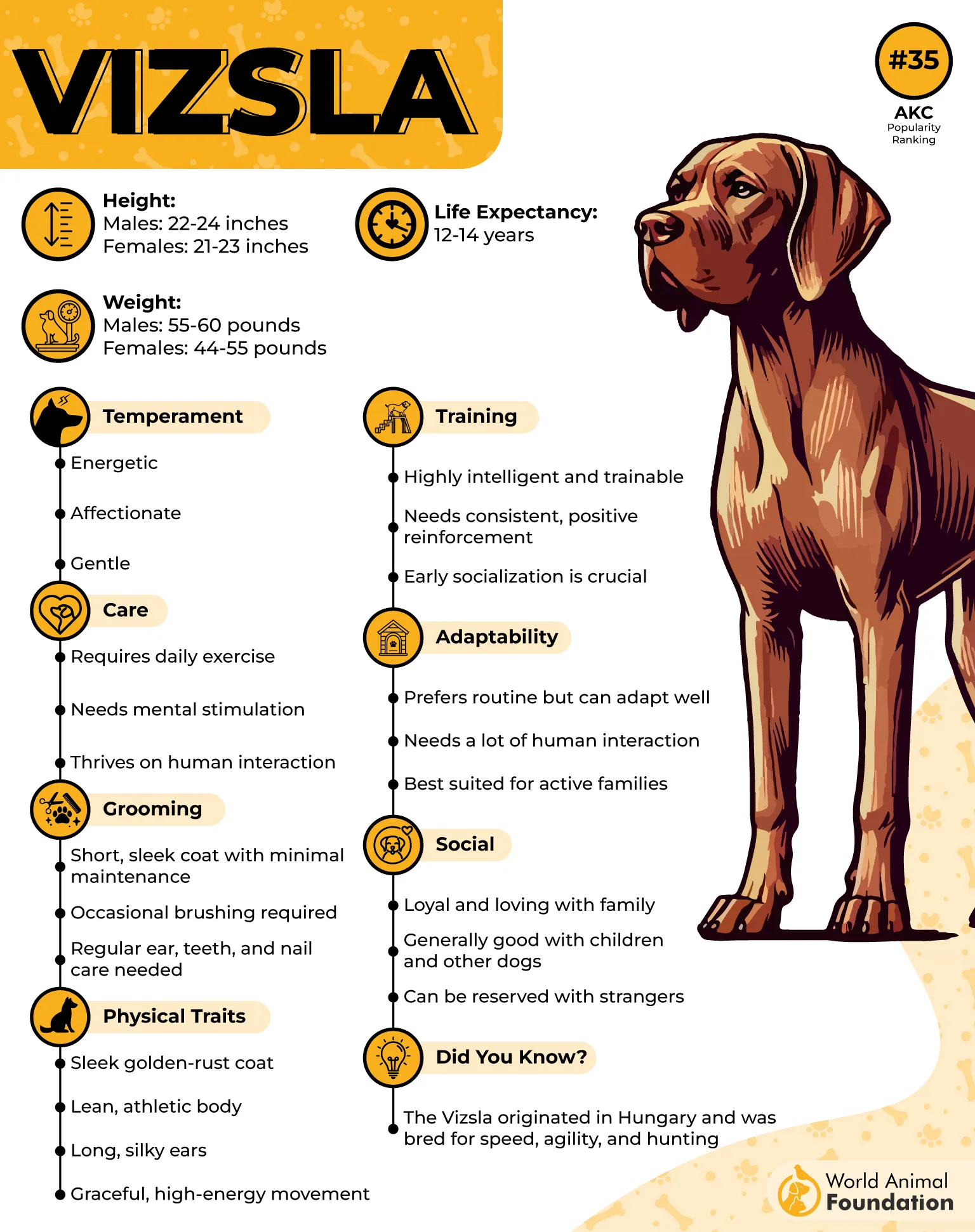
According to the AKC, this breed needs active daily movement, often including chances to run hard off-leash, along with mental work through training. With good socialization and positive reinforcement, Vizslas can enjoy many activities, from agility and scent work to tracking, dock diving, and field events when the owner is ready.
Why This Breed Is a Good Fit
Great stamina makes them good hiking dogs for steady jogging or biking-style trail prep.
A short coat with no undercoat keeps grooming fairly simple after dust, dirt, or mystery smells happen.
Its close-working nature suits people who want a dog that stays engaged, not one that treats every outing like a solo tour.
3. Border Collie
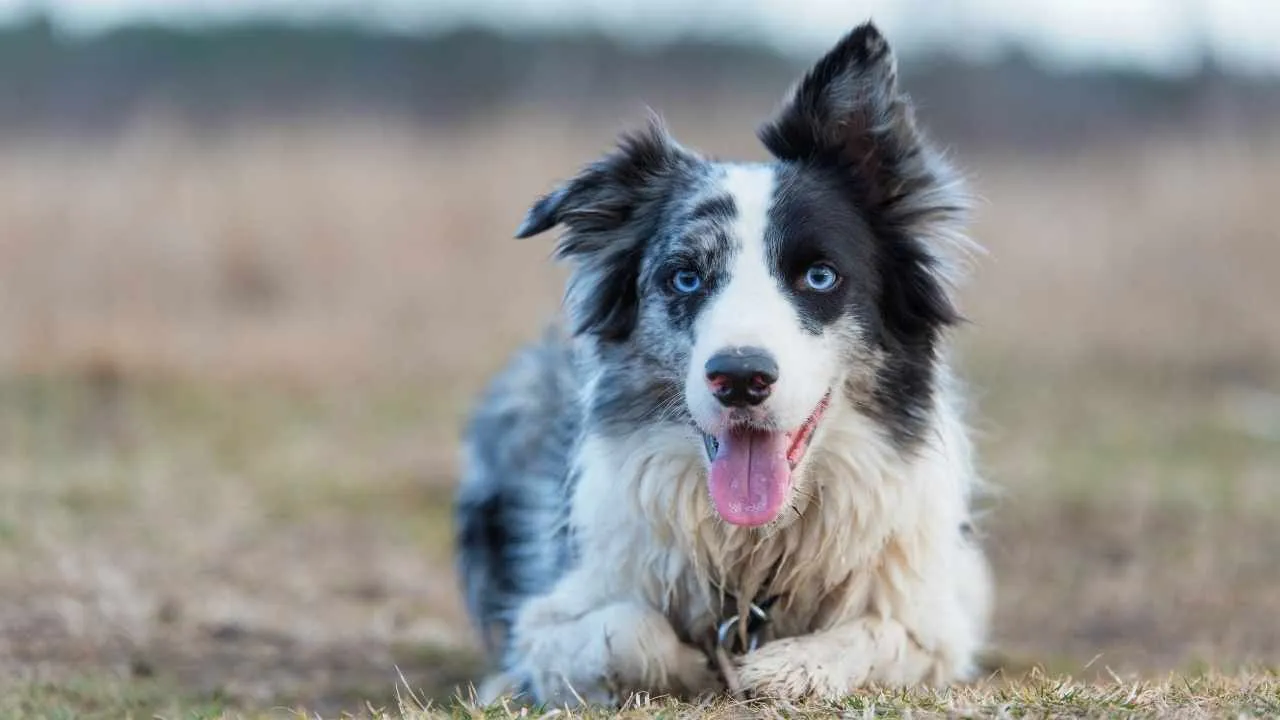
Border Collies are medium-sized dogs with a lighter working build and a feathered tail that reaches the hocks. Their coats may be coarse or sleek, and their ears stand with tips that drop over, which gives them a very bright, ready-for-action look.
As per Hill’s Pet, this breed is extremely energetic and needs plenty of exercise, attention, and a job to do. Border Collies love to run, and they learn quickly when training is built around praise. Without activity and company, they can become unhappy or destructive, which is basically their way of filing a complaint in dog language.
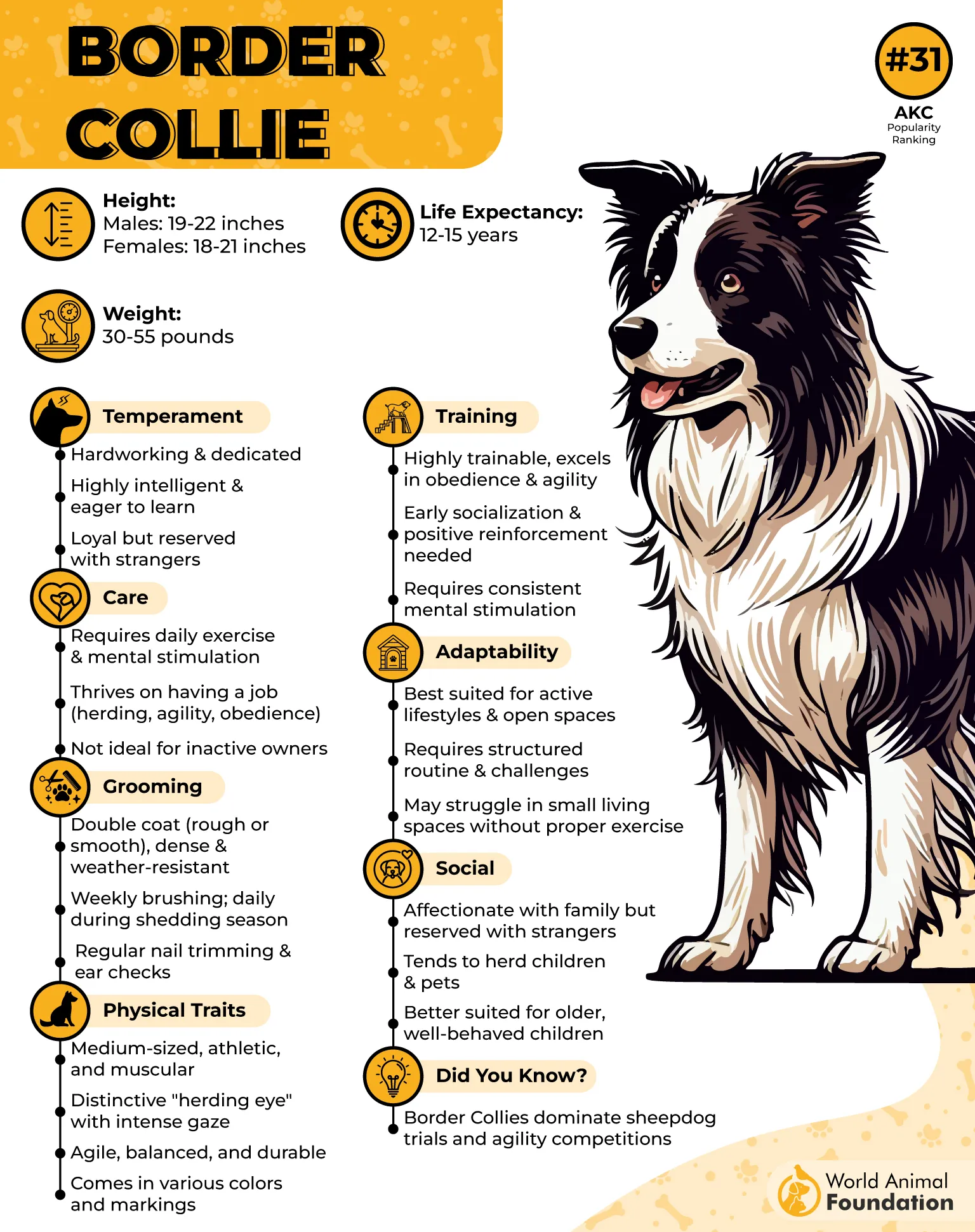
Their herding instincts make them protective of family and territory, and they can be excellent watchdogs. They usually get along well with children and pets they are raised with, but they may be reserved or snappish with strangers. Weekly brushing helps manage their average shedding, and socialization plus obedience training can help reduce shyness, nipping, chasing, and run-off habits.
Why This Breed Is a Good Fit
Fetch can become more than a game, since this dog often does best when a task is part of the fun.
Their sheep-herding background gives them a strong work mindset for owners who like structured outdoor days.
Good obedience training helps keep all that speed and focus from turning into a “see ya later” moment.
4. Weimaraner
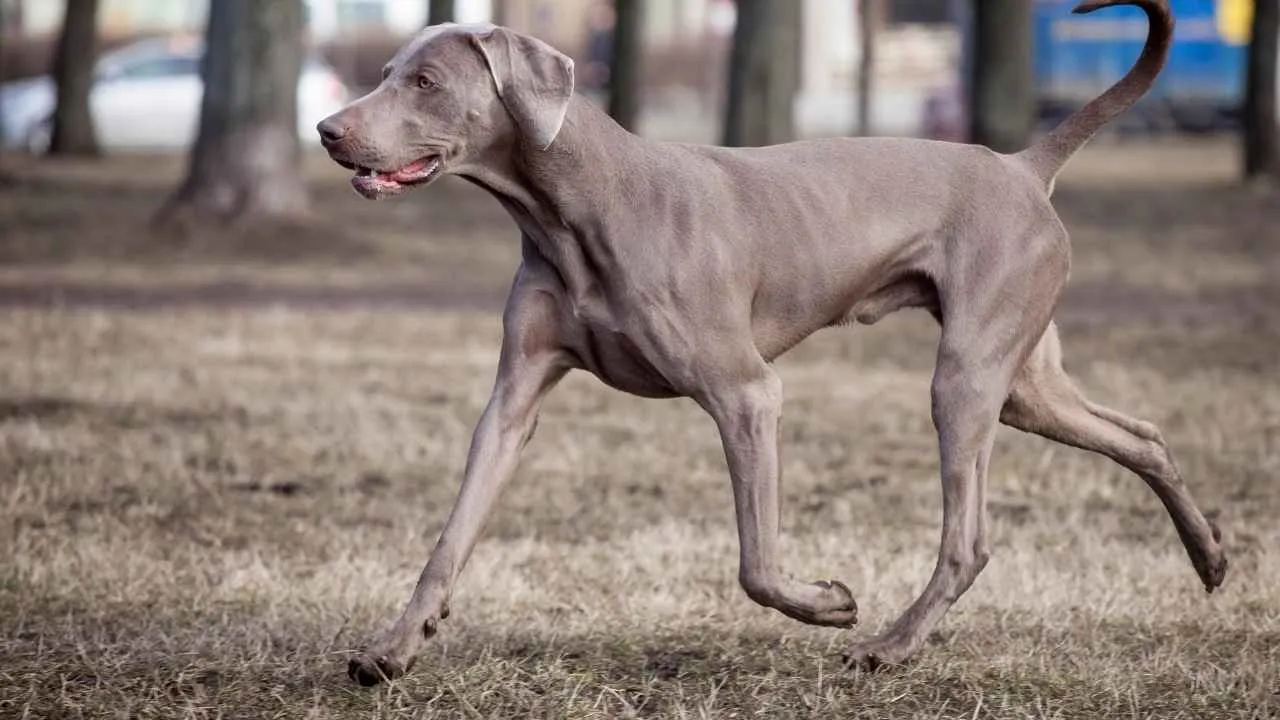
The Weimaraner is a large, smooth-coated dog with a silver-gray, blue, or gray coat and a lively personality. The breed was developed in the 19th century for hunting, first for large game and later for rabbits, foxes, and fowl.
Despite that serious “royal hunting dog” background, Weimaraners are friendly, gentle, and very playful. They can be a treat in homes with kids, and they love interacting with humans. They are also vigilant, quick to bark at strangers, and able to serve as good watchdogs without looking like they are trying too hard.
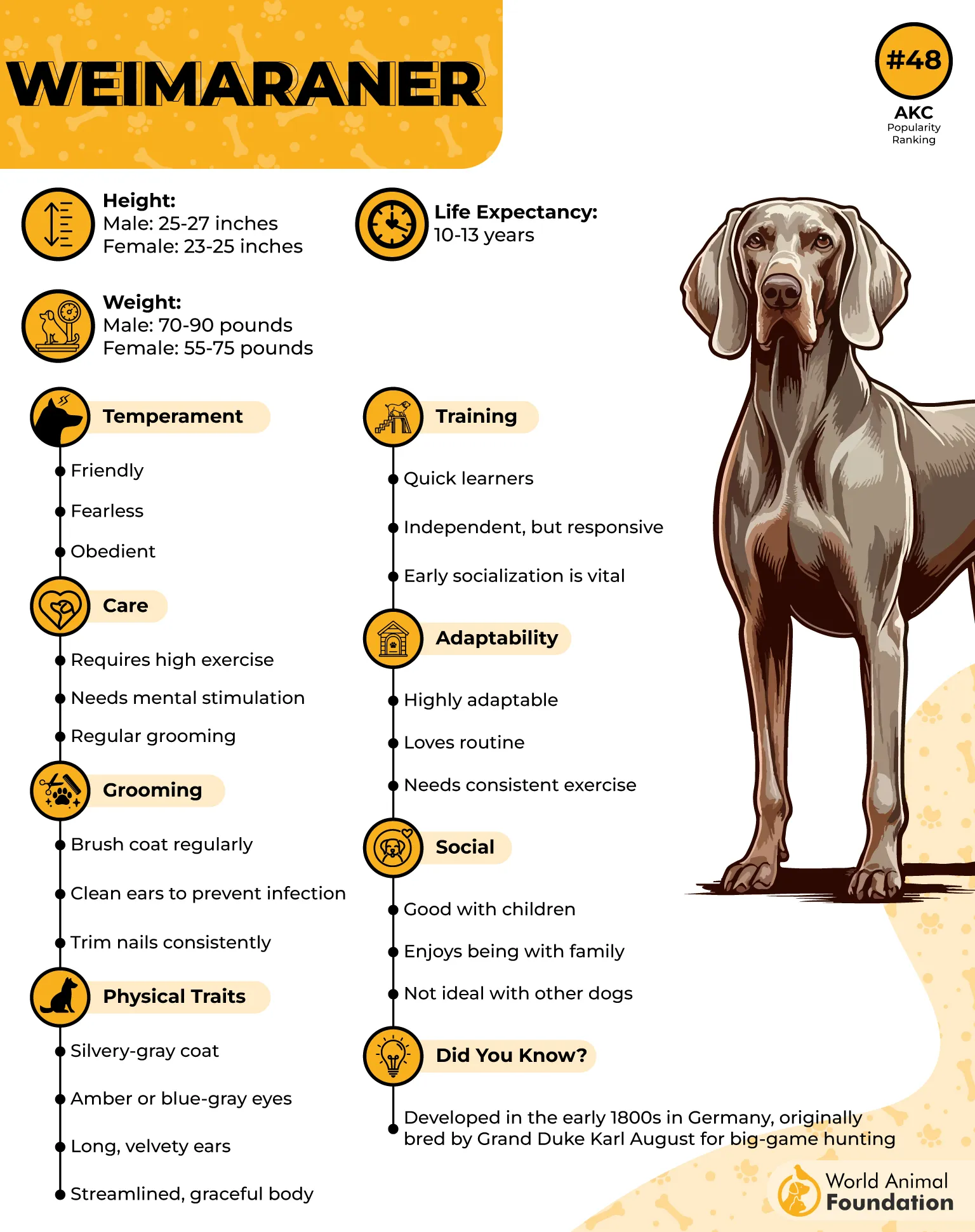
Exercise is a big part of caring for this breed. Weimaraners are agile, high-energy dogs that need walks, play, and mental stimulation through activities, tricks, games, and plenty of owner interaction. They learn quickly and are eager to please, but that quick brain can also pick up bad habits if training is skipped, so regular positive reinforcement is a must.
Why This Breed Is a Good Fit
Their love of running makes them a lively match for owners who do not think “walk” means one slow lap.
Short, smooth coats and moderate shedding keep post-trip grooming less dramatic than with fluffier breeds.
They adapt to owner lifestyles, but their high energy means the couch-only plan will probably get rejected.
5. Saluki
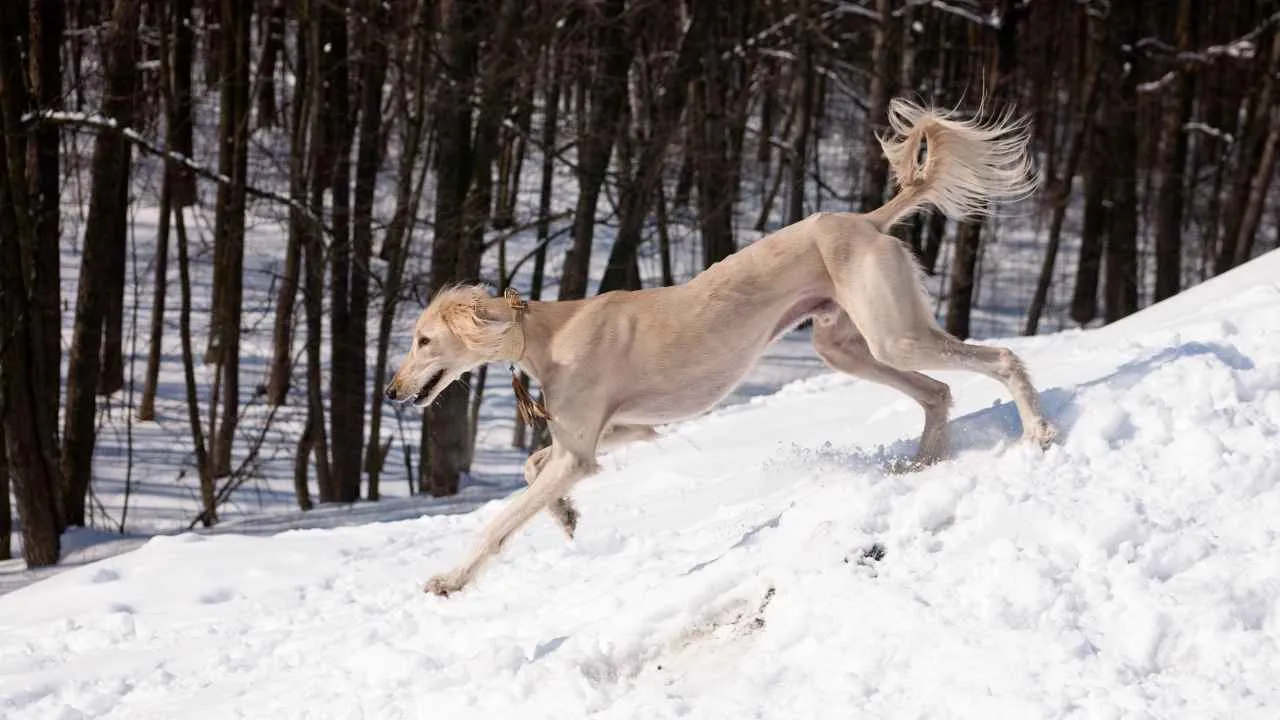
Salukis are tall, skinny hounds with a royal look and a history that reaches far back into ancient times. Their long, narrow heads, silky ear feathering, and curved tails give them a graceful style, but this is no fragile living-room statue. These dogs were once used to chase gazelles, hares, and foxes, so speed is built into the package.
With family, Salukis are affectionate and like staying close to the people they know. Strangers may get the polite “I do not know you, so I shall ignore you” treatment at first. They do best in calm homes with older children or no children, as they prefer to play on their own terms.
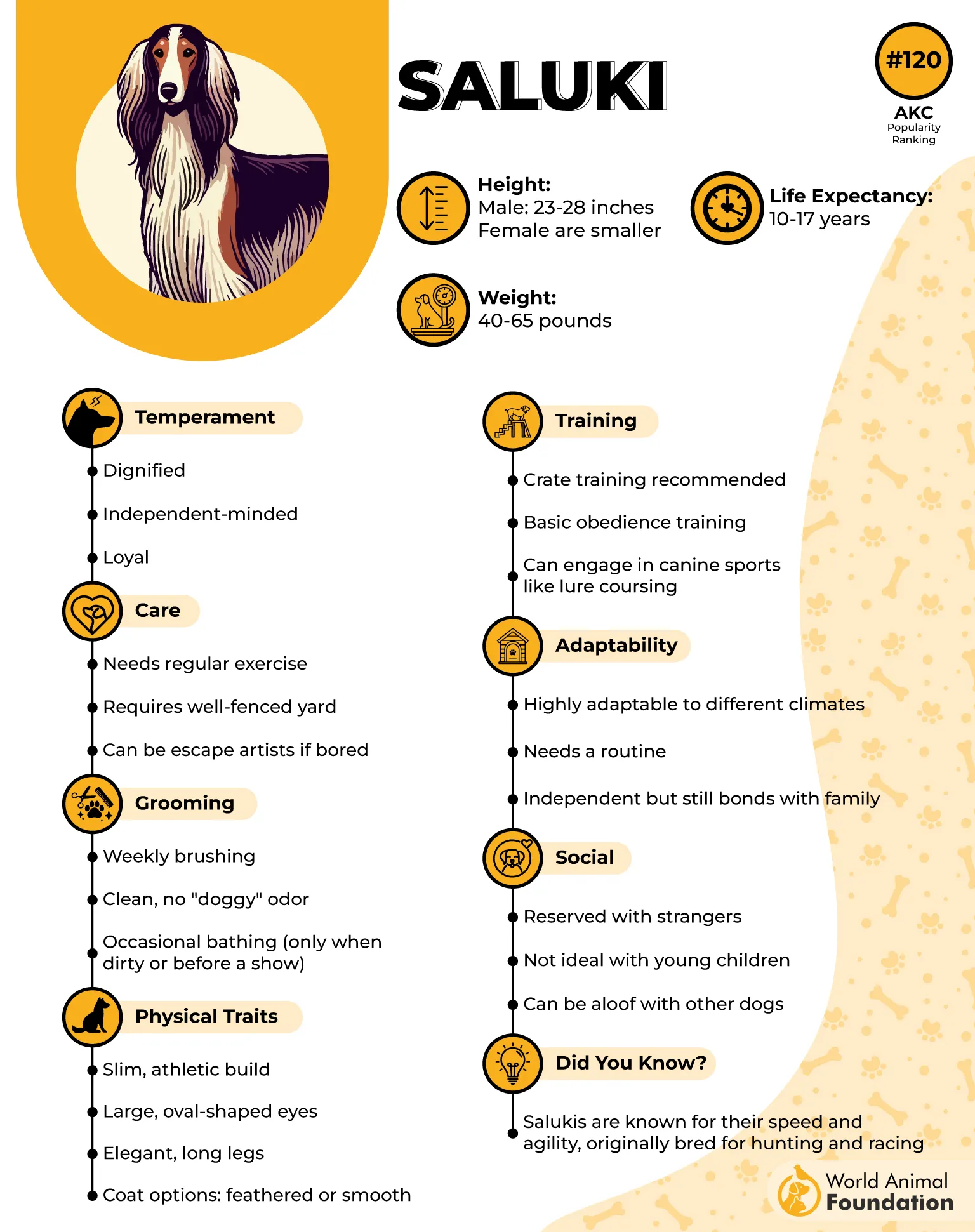
Exercise is not optional for this breed. Salukis need at least two hours of activity every day and enjoy sprinting outside, jogging with their favorite person, or running in a fenced yard. Indoors, they are usually calm and laid-back, which feels like a nice reward after all that outdoor engine power.
Why This Breed Is a Good Fit
Their sprinting ability suits open, secure outdoor spaces where they can safely stretch those long legs.
Low-maintenance grooming is helpful when trips involve dirt, dust, and not much patience for fancy brushing.
A calm indoor nature makes campsite downtime easier once the day’s movement needs are handled.
6. Whippet
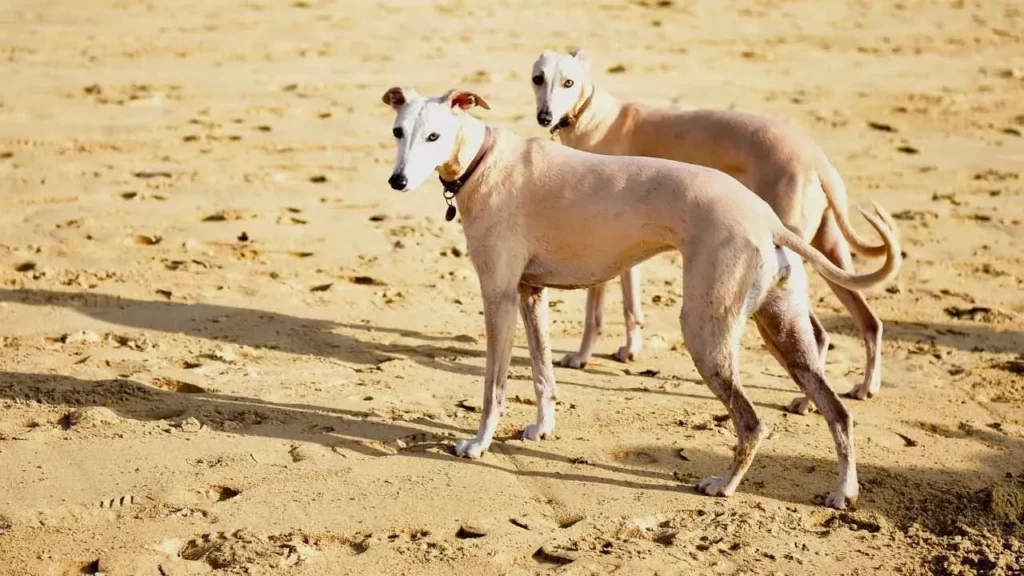
Whippets look like smaller Greyhounds, and they carry the same love of speed in a medium-sized frame. They are gentle, affectionate dogs that enjoy being around their owners and staying involved at home. After a good run, many are perfectly happy to curl up on the sofa as they have never heard of exercise.
This breed needs at least one hour of daily activity, usually split between walks and a chance to sniff, explore, and move freely in a secure area. Because Whippets have a high prey drive and love to chase, owners need a firm grip on the lead outside safe spaces. A secure garden is not a luxury with this breed; it is part of the plan.
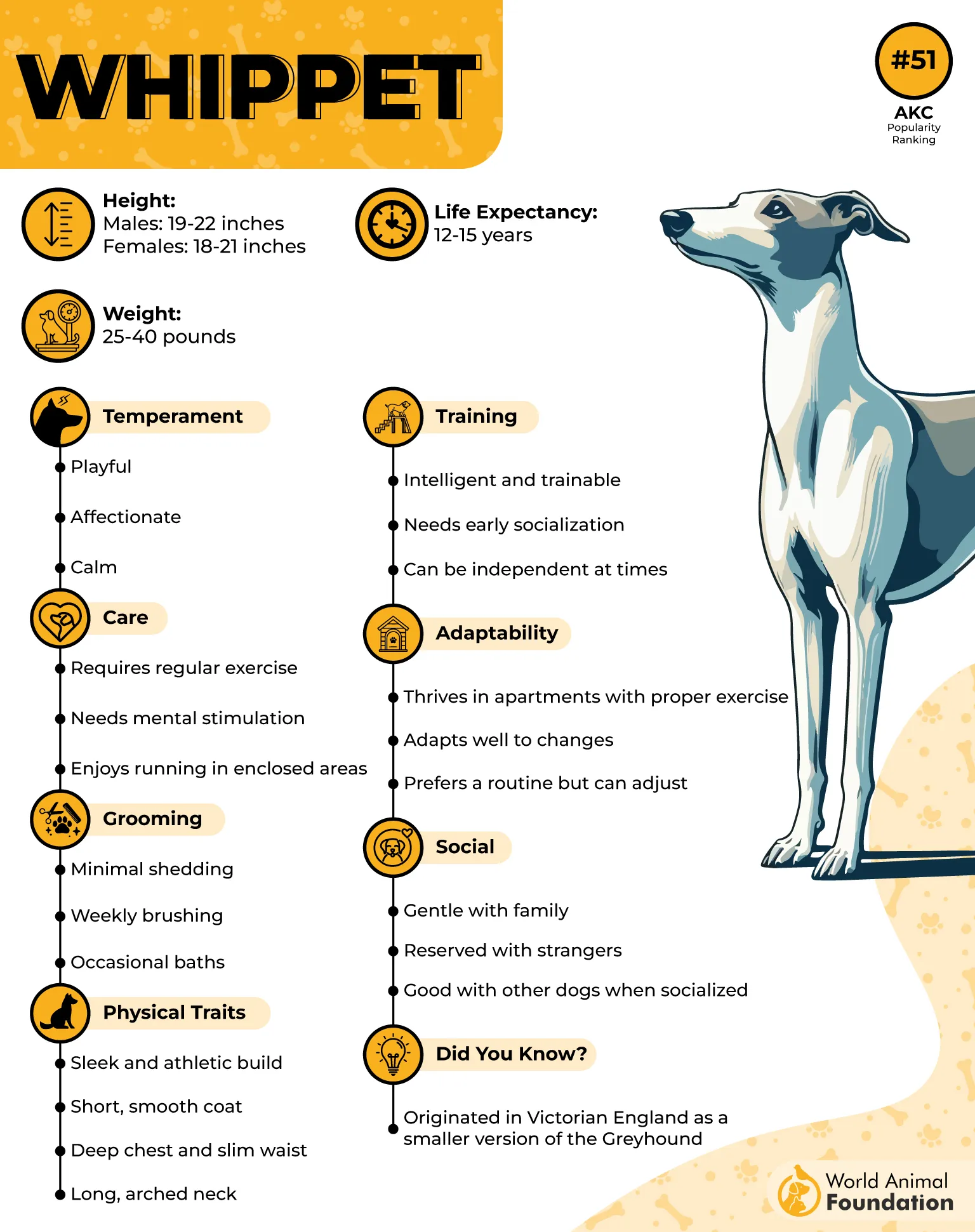
Whippets can be a good match for patient first-time owners, but training may take time. Early socialization helps them grow more confident, especially because they can be shy with new people. Their short coat needs only weekly brushing, though their sensitive skin means owners should watch for cuts from thorns, twigs, or rough outdoor spots.
Why This Breed Is a Good Fit
They bring quick bursts of athletic fun without demanding a full-day training camp every morning.
Their quiet, gentle style works well for owners who want adventure followed by peaceful rest.
Short fur keeps cleanup simple, but soft bedding and careful hiking trail choices matter for this lean dog.
7. Siberian Husky
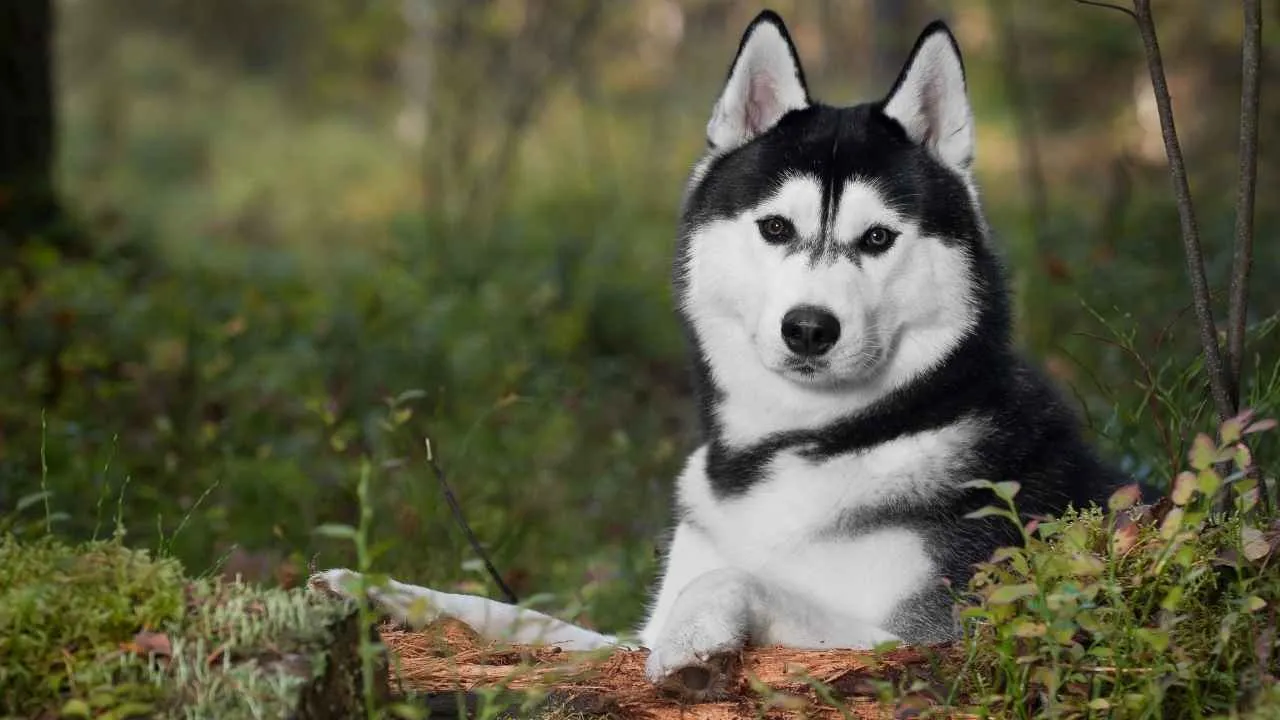
Siberian Huskies are active, smart dogs with big personalities and enough vocal opinions to narrate the whole trip. These dogs do best with active, experienced pet parents who can give them space, structure, and plenty to do.
A Husky is not built for a slow, sleepy lifestyle. This breed needs mental and physical stimulation, consistent training from puppyhood, and lots of socialization with people and animals. Without enough attention and activity, Huskies may become destructive indoors, dig outside, or escape yards to create their own entertainment, which is rarely on the owner’s schedule.
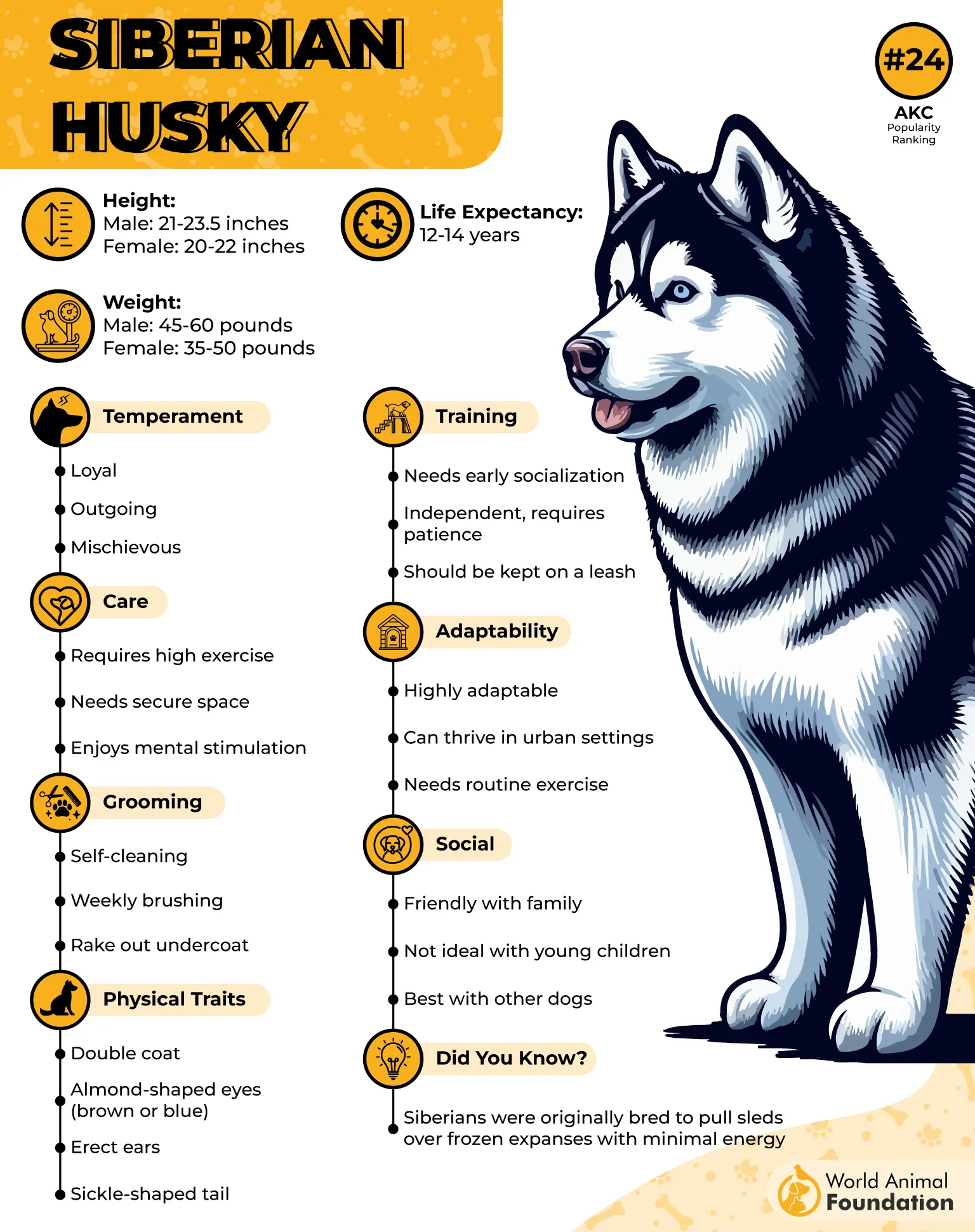
Running is a favorite activity for many Huskies, and they can thrive with families that enjoy regular movement. They are usually friendly and often good with kids and other pets, but supervision is still important. Their thick double coat needs routine brushing, especially when the undercoat sheds, while bathing is usually needed only when they smell less than charming.
Why This Breed Is a Good Fit
Their working-dog background pairs well with owners who like active plans rather than casual strolls.
A thick double coat gives them the rugged look many campers expect for rough terrains in snowy mountains.
Their playful, outgoing nature can make hiking adventures lively, noisy, and never boring.
Conclusion
Mountain climbing and camping are more fun when the right dog is trotting beside you, tail high and ready for the next trail snack break.
The best dog breeds for outdoors bring energy, confidence, stamina, and a strong bond with their people. Still, every dog is an individual, so training, fitness level, age, weather, and health matter as much as breed.
Other breeds such as the Bernese Mountain Dog, Jack Russell Terrier, Labrador Retriever, Australian Cattle Dog, and Jack Russell Terrier, are intelligent dogs that make great hiking companions.
Before planning harder hikes or overnight trips, check with your vet, pack enough water, use safe gear, and respect leash rules. With the right preparation, your dog can become your favorite adventure partner.
