




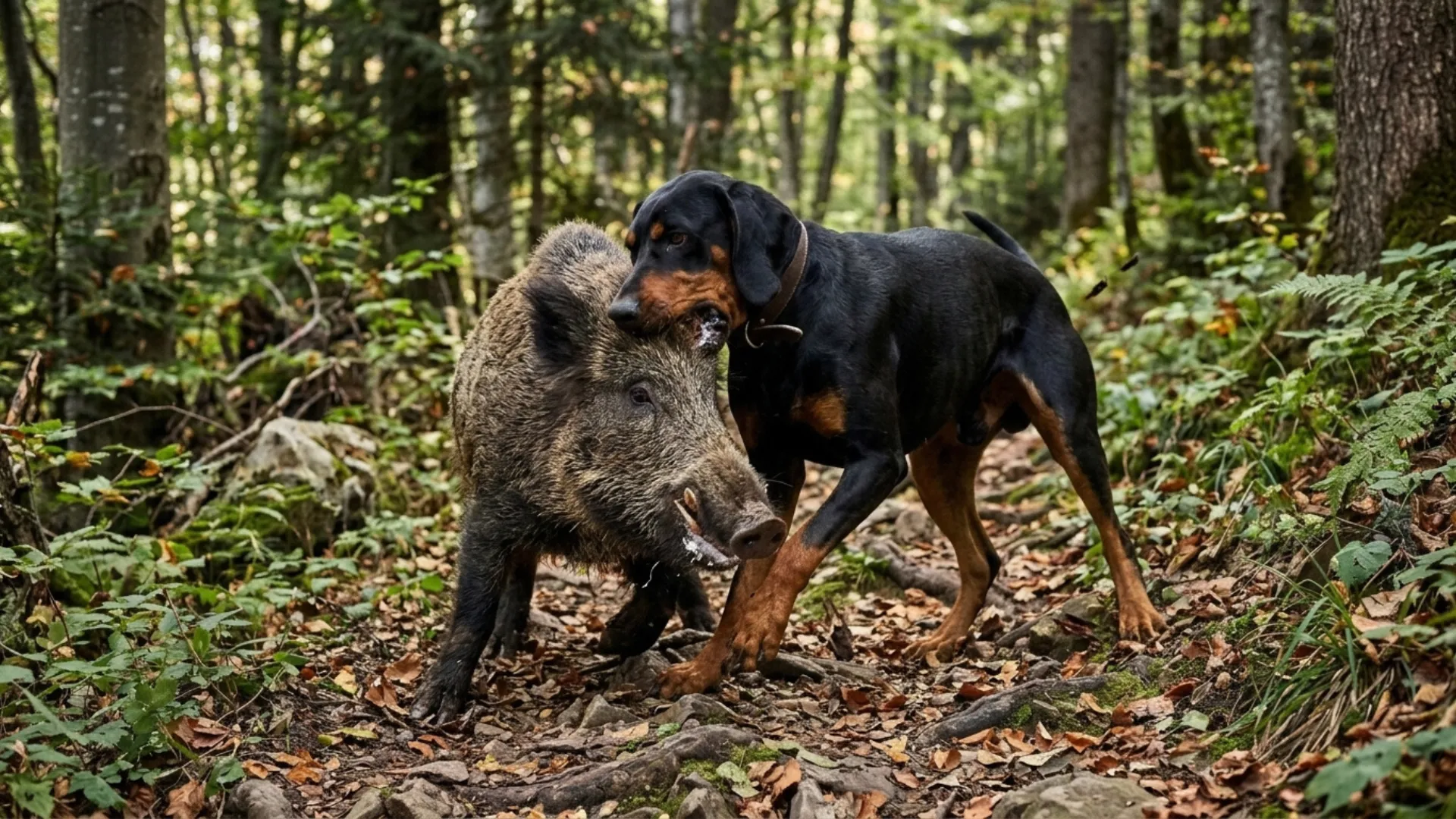
Following the scent of a wild boar sounds straightforward until you understand what happens after the trail ends. The real challenge begins when the dog closes the distance and comes face to face with one of the most determined game animals in the woods.
At that point, intelligence, nerve, and experience matter just as much as a powerful nose. Plenty of hunting dogs can follow a scent for miles, but only a smaller group has earned a reputation for handling the intense pressure that comes with boar hunting.
Their work demands stamina through rough terrain, sharp judgment around danger, and the confidence to keep the animal occupied until the hunter arrives. Those abilities have made them valued partners for generations in regions where wild boars remain serious game.
Here, you’ll meet the breeds that have built that reputation and learn what allows them to perform such demanding work.
Key Takeaways
Plenty of dogs can follow a scent trail, but very few stay steady when they finally come face to face with a wild boar.
The Catahoula Leopard Dog built its reputation in the swamps of Louisiana, while the Plott Hound became famous for following scent across some of the roughest ground.
From the fearless Dogo Argentino to the mountain-bred Kai Ken, each breed brings something different when the chase becomes more demanding.
Keep going because some of the most impressive facts about these remarkable hunting partners are still waiting ahead.
Dog Breeds That Excel at Tracking and Taking Down Wild Boars
1. Catahoula Leopard Dog
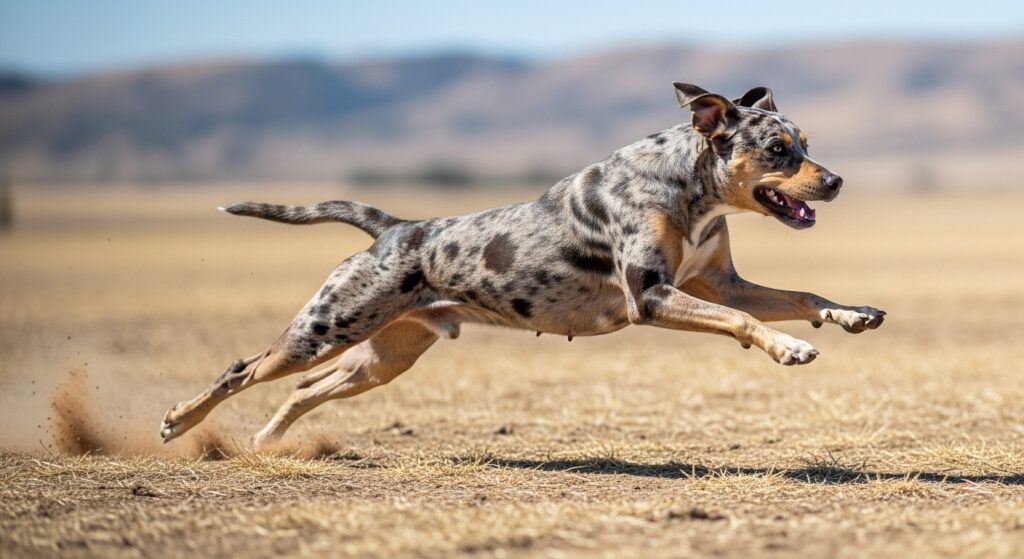
Catahoula Leopard Dog takes its name from the Choctaw word meaning “sacred lake” and first gained recognition near Louisiana’s Catahoula Lake.
This determined working breed spent years tracking and driving wild hogs and cattle through dense Southern swamps and forests where persistence mattered every day.
Built for the Hunt
They combine endurance with an independent working style, allowing them to cover demanding ground while keeping pace with a fast-moving game. Long runs, retrieving games, agility, and other challenging activities help channel the same drive that supported its original hunting role.
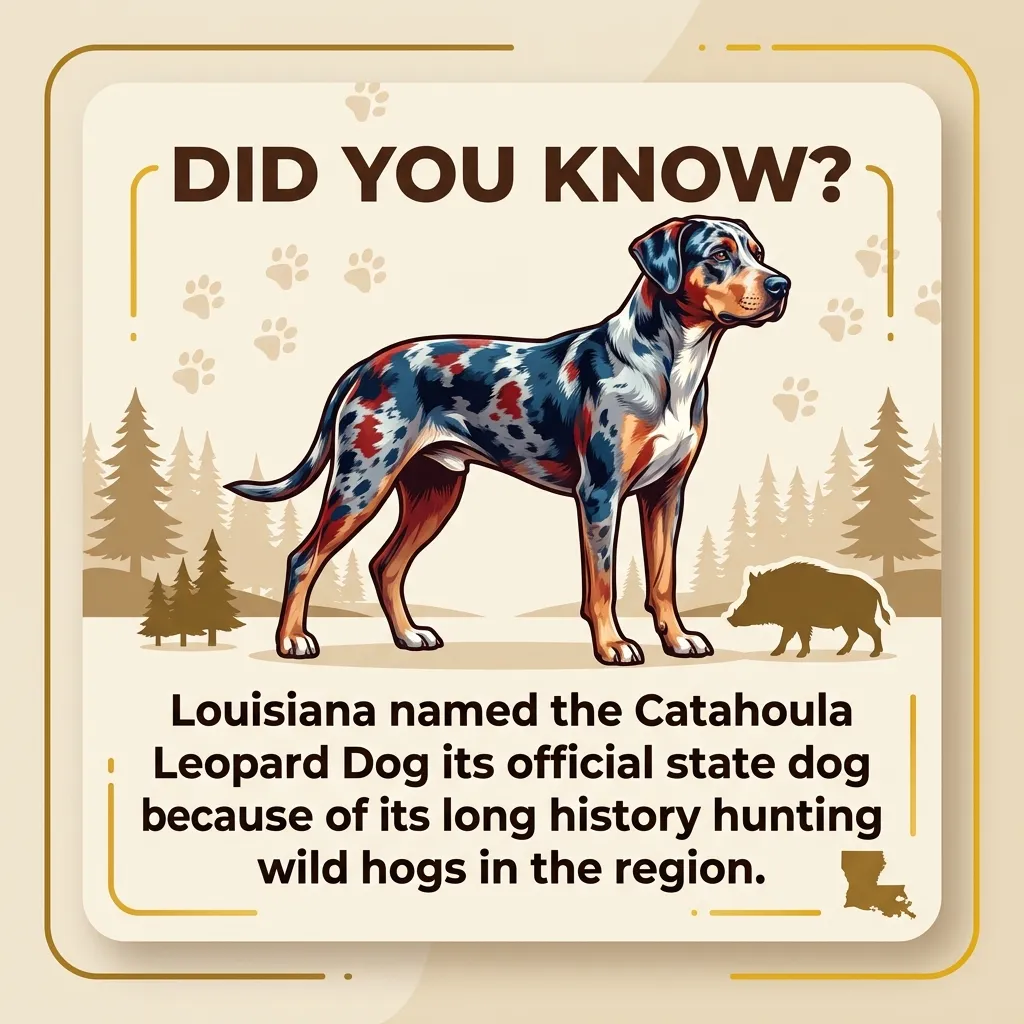
Several details reveal why this breed is suited to demanding work:
Aka Catahoula Hog Dog for their impressive hog hunting ability
Hold the livestock at bay
They possess extreme physical grit
Independent Mind
Catahoula Leopard Dog learns best with steady guidance because its confident nature often encourages it to make decisions on its own, as per the AKC. Early socialization is equally important, as unfamiliar people or animals can receive a cautious response without consistent introductions and training.
🎧 Dogcast
Episode 37 — Why Dogs Stay Close without Touching
If you don’t hear sound, tap the button above to enable audio.
2. Plott Hound
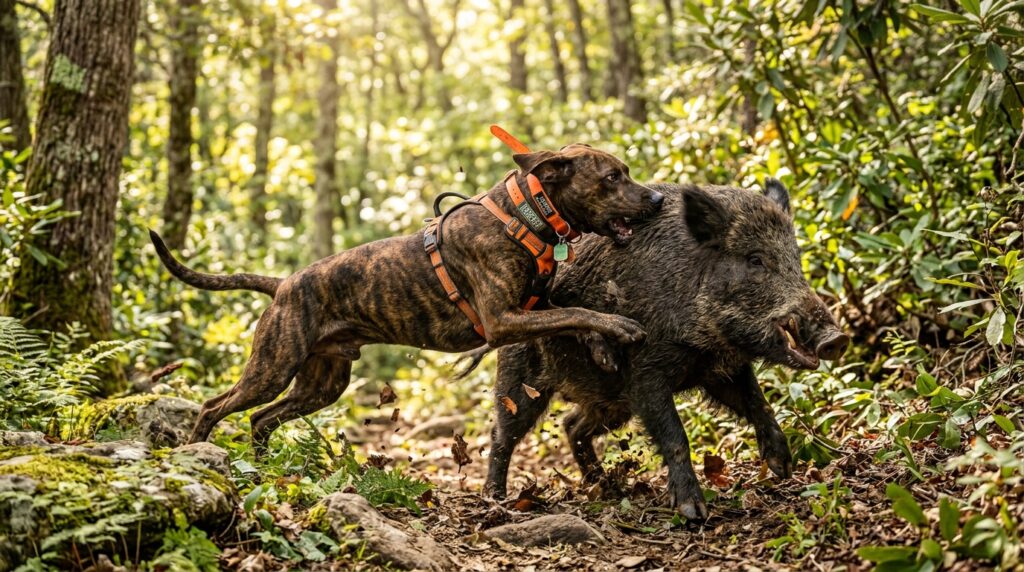
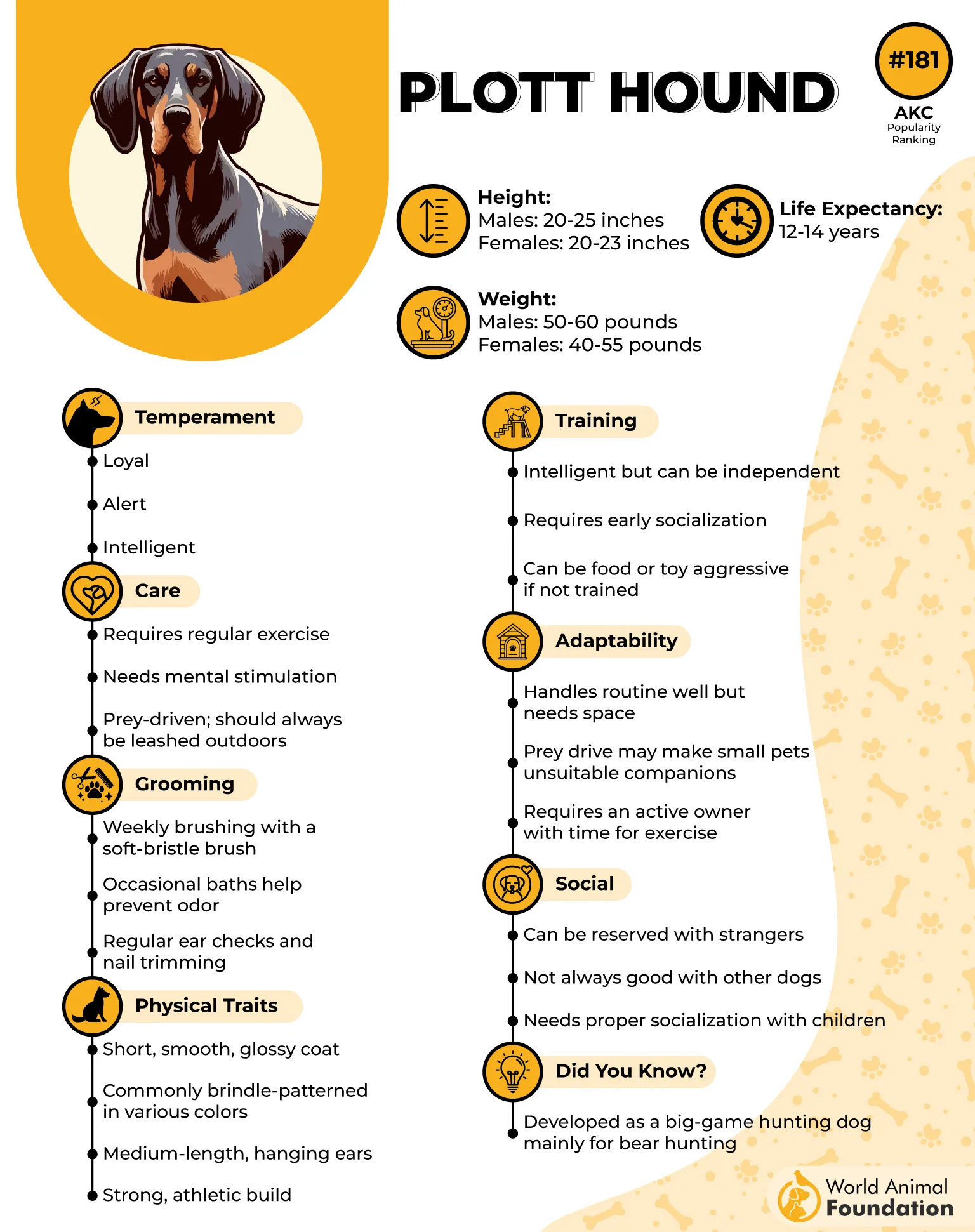
Plott Hound was originally bred in North Carolina after Johannes Plott brought Hanoverian Scenthounds from Germany during the 18th century.
That lineage produced a determined scent hound whose confidence and tracking ability made it especially valuable when pursuing formidable game such as wild boars.
Focus on the Trail
A powerful nose is one of this breed’s greatest assets, allowing it to follow scent with remarkable determination over challenging ground. That level of concentration becomes especially valuable when tracking fast, unpredictable animals through dense woodland and rough country.
A few details add another layer to the breed:
North Carolina’s official state dog
Distinctive brindle-colored coat
Need a secure fenced area or a leash to roam
Social Yet Vocal
Plott Hound enjoys spending time with people and other breeds, while older children often match its energetic pace more comfortably, as stated by PetMD. Long, steady hound barks are part of its natural voice, and unfamiliar people are often accepted after a calm introduction.
3. Blue Lacy
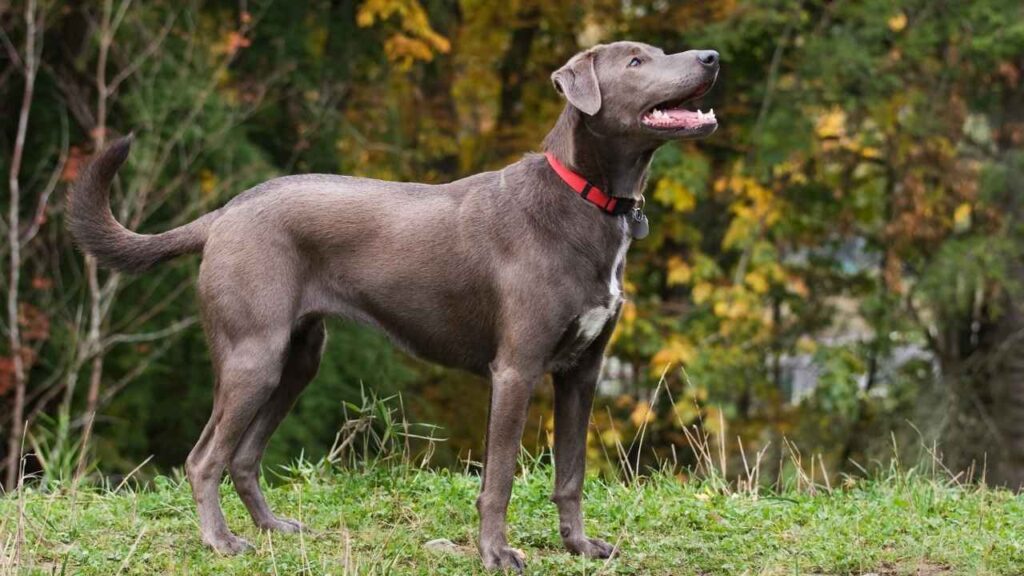
Blue Lacy took shape in Texas during the mid-1800s when the Lacy brothers wanted a capable ranch dog for handling cattle and hogs. Its working ability became so respected that one dog was often credited with matching the efforts of five cowboys across demanding ranch work.
Ready for the Chase
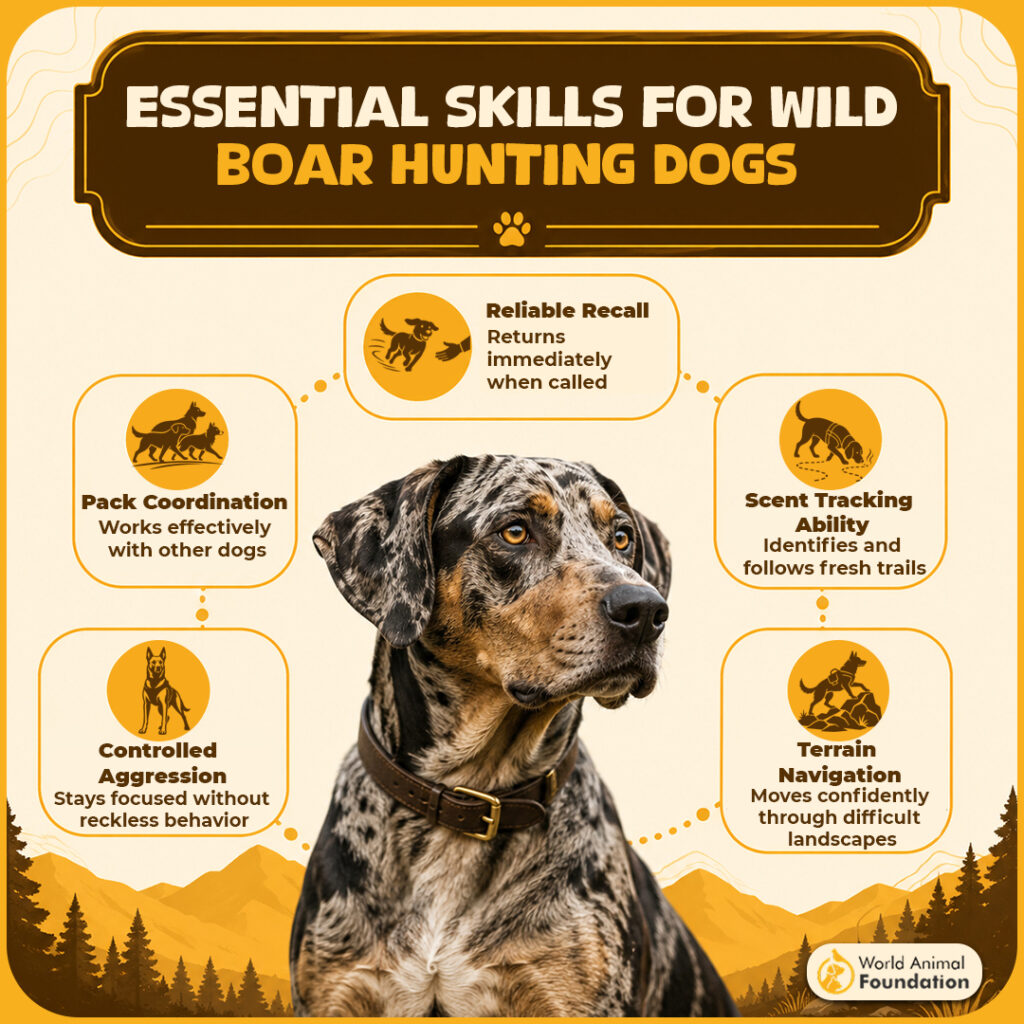
This wild boar hunting breed brings together speed, scenting ability, and determination, qualities that naturally fit challenging pursuits such as locating and pursuing wild boars. Open spaces and meaningful daily work suit this energetic breed far better than a quiet, inactive routine.
Another look at the breed reveals several fascinating details:
Official State Dog of Texas since 2005
Without proper energy outlets, they may bark excessively
Greyhound, scent hound, and coyote ancestry
Sharp Mind
Blue Lacy learns quickly and responds well to positive, reward-based training, making structured tasks more productive than repetitive routines, as the National Kennel Club claims.
Around unfamiliar people, this breed may take a little time before becoming comfortable, while interactions with familiar children are often gentle and relaxed.
4. Transylvanian Hound
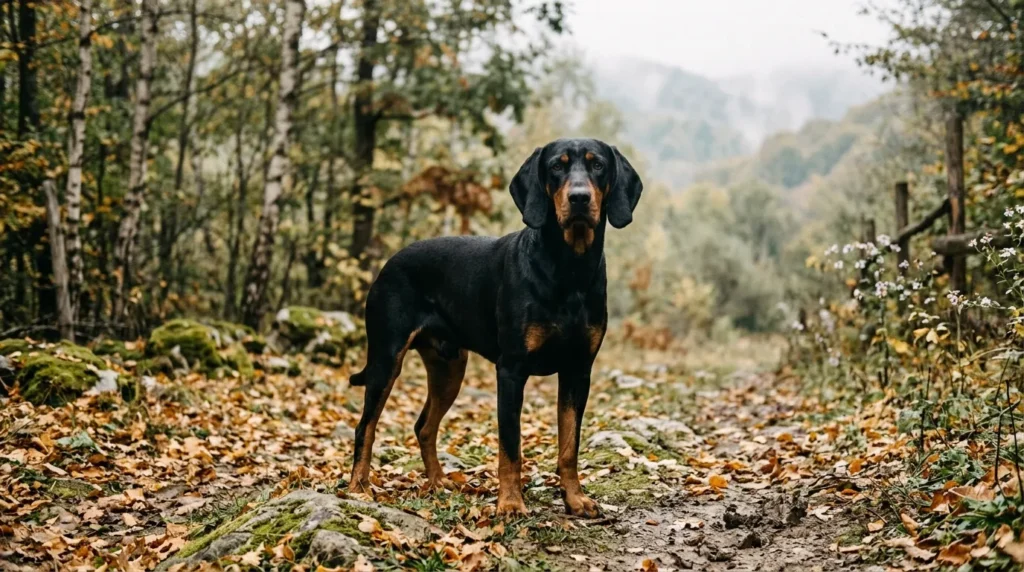
The Transylvanian Hound originated in the Carpathian region, where difficult terrain and changing conditions favored a courageous, enduring hunting companion. Its athletic frame, balanced movement, and determined nature made long pursuits through challenging country possible.
Tracking with Purpose
This hound was valued for following game by scent and could work either with other dogs or on its own during demanding hunts. A clear, ringing voice helped hunters identify the direction of moving game even from a considerable distance.
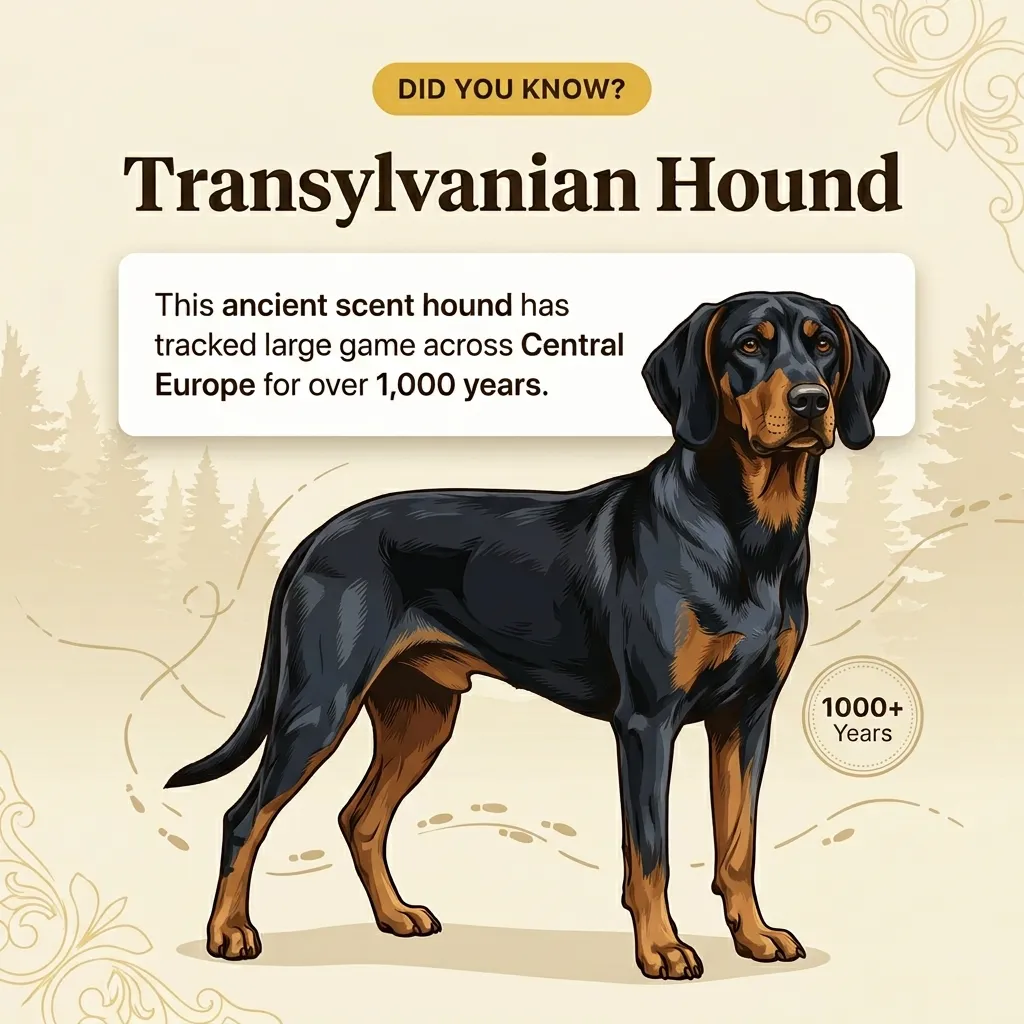
These working qualities deserve a closer look:
Confident retrieval ability
Effective in solo or group hunts
High, far-reaching hunting voice
Driven to Follow
Transylvanian Hound requires at least an hour of purposeful activity each day, with walks, runs, agility, obedience, or rally offering productive outlets. The instinct to pursue game can outweigh the desire to return immediately, making securely enclosed areas the safest choice for off-leash time.
5. Dogo Argentino
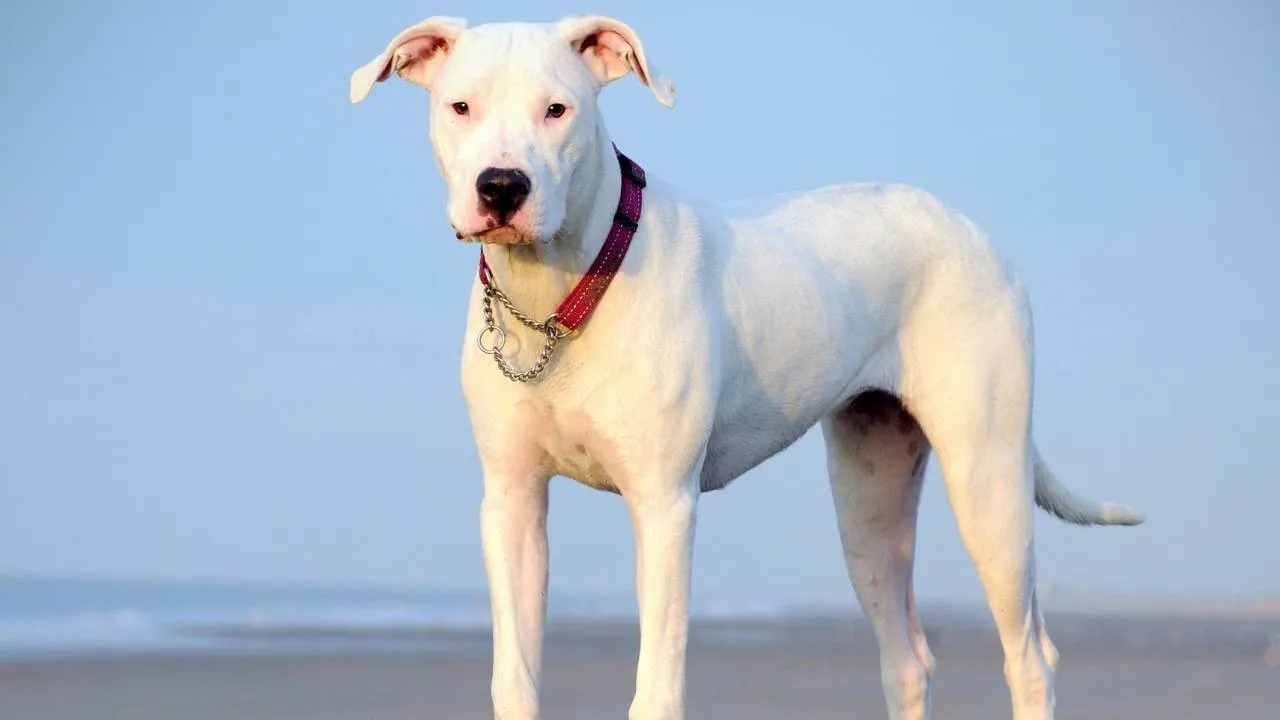
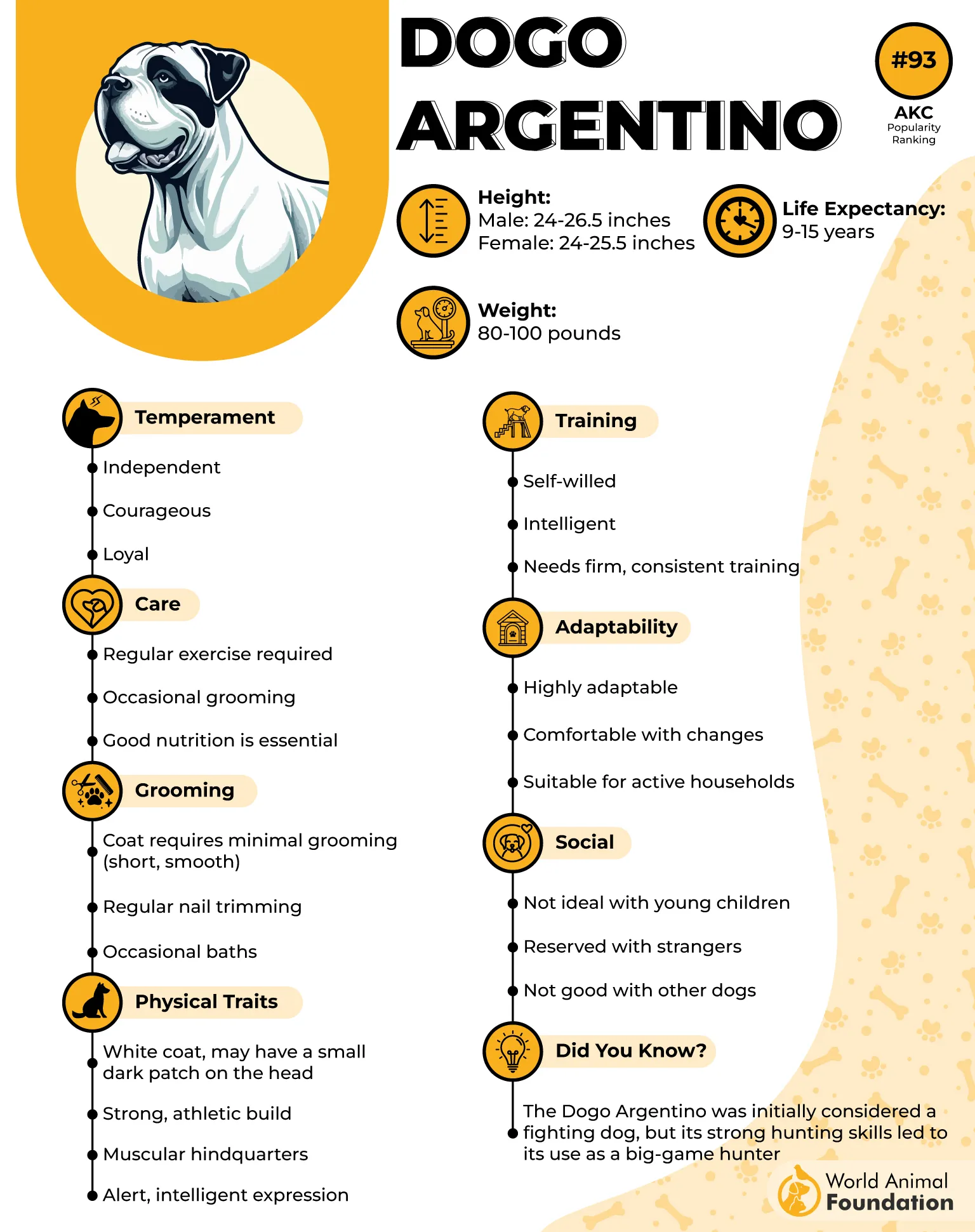
Dogo Argentino was created as a pack-hunting dog with the speed, strength, and determination needed to pursue powerful animals such as wild boars and pumas. Every part of its athletic frame supports demanding hunts where quick reactions and lasting endurance matter.
Made for the Pursuit
A successful boar hunt depends on more than raw power, and this breed combines a keen nose, strong lung capacity, and agile muscles to locate, pursue, and catch challenging game. Each ability contributes to a different role once the chase begins.
Here’s a look that reveals several defining features:
Completely white short coat
Dark eye patch permitted within the breed standard
Alert expression with a distinctly hard look
Beyond the Hunt
Dogo Argentino benefits from varied activities that channel its athletic ability, including hiking, swimming, retrieving games, agility, obedience, and rally training. Indoor games such as hide-and-seek or learning new tricks also provide another productive outlet for their intelligence and energy.
6. Kai Ken
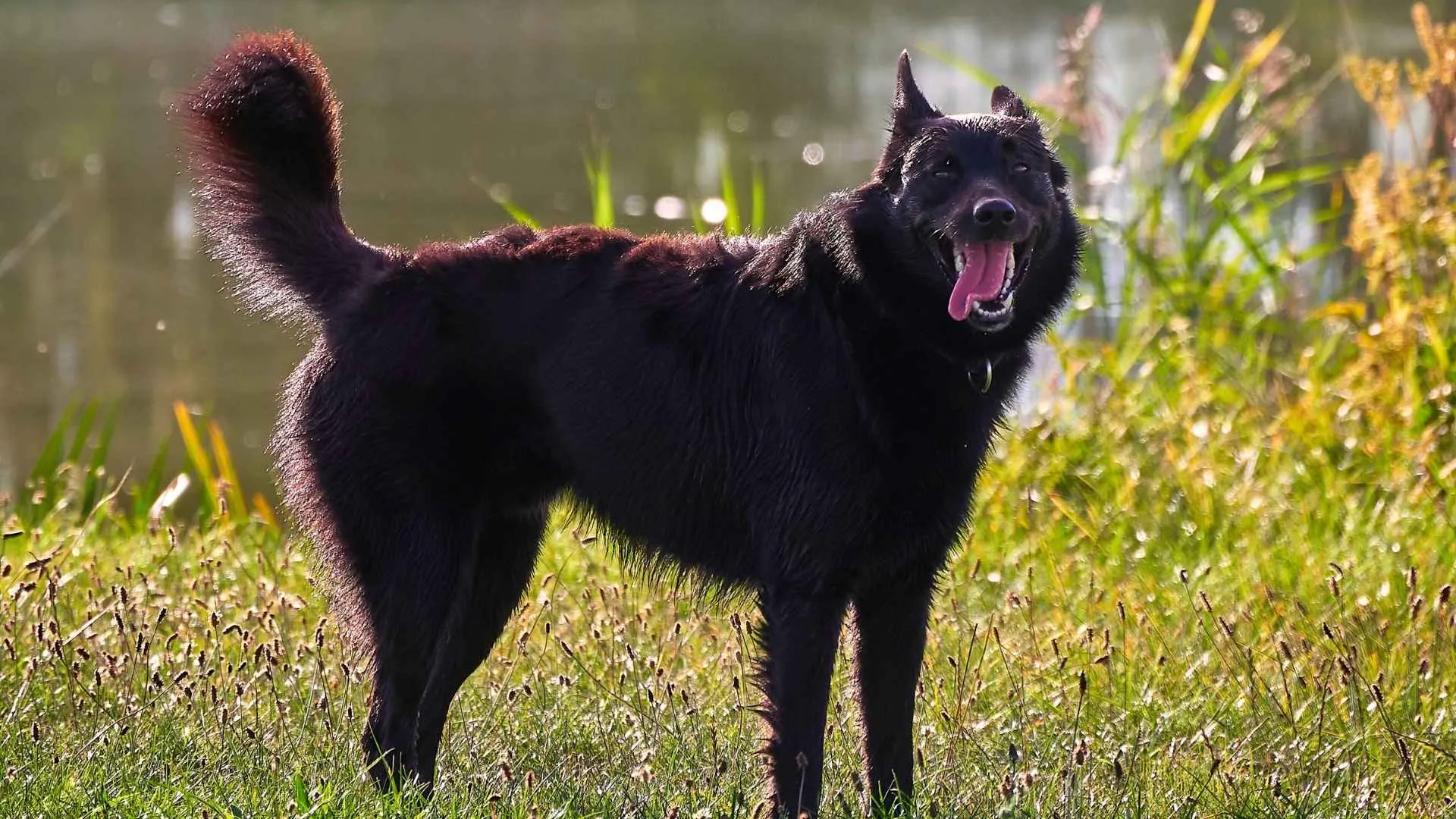
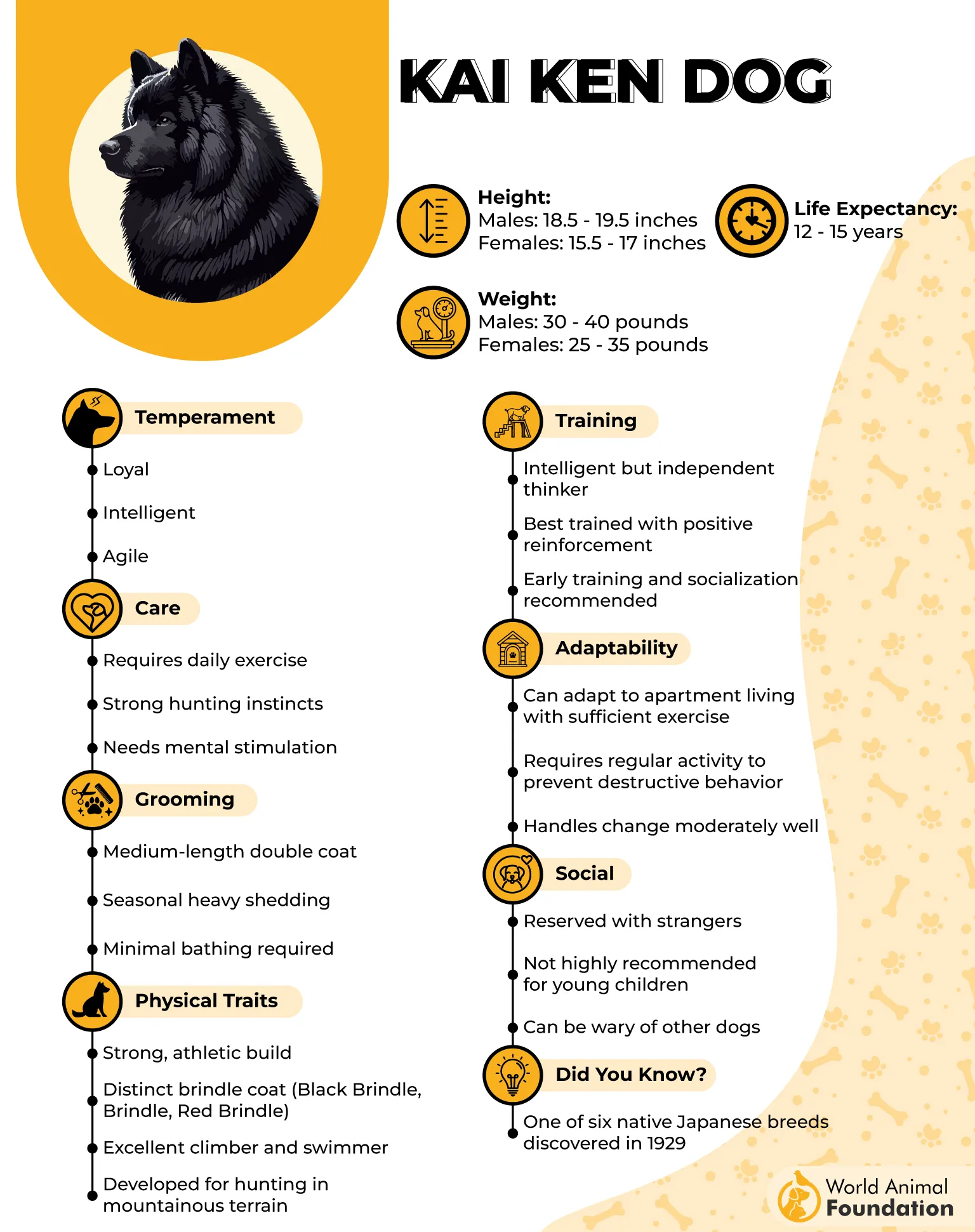
Kai Ken spent generations navigating the rugged mountains of Japan, where wild boar, deer, and even bear tested a hunting dog’s judgment and agility. That demanding environment shaped a quick-footed breed capable of following challenging game through steep, forested terrain.
Built for Pursuit
Their sharp intelligence, along with athletic ability, allowing it to react quickly during demanding hunts across uneven ground. Strong climbing and swimming skills also helped this breed continue the chase when rocky slopes or fast-flowing rivers blocked the path.
These remarkable details complete the picture:
One of Japan’s six native breeds
Red brindle is the rarest coat color
Puppies are born black before brindle appears
Quick Mind
Kai Ken learns new tasks quickly and is often described as more willing to cooperate than several other Japanese breeds. The Japanese also describe this breed as a trustworthy guardian, while regular leashed walks and routine brushing fit well into everyday care.
7. Álano Español
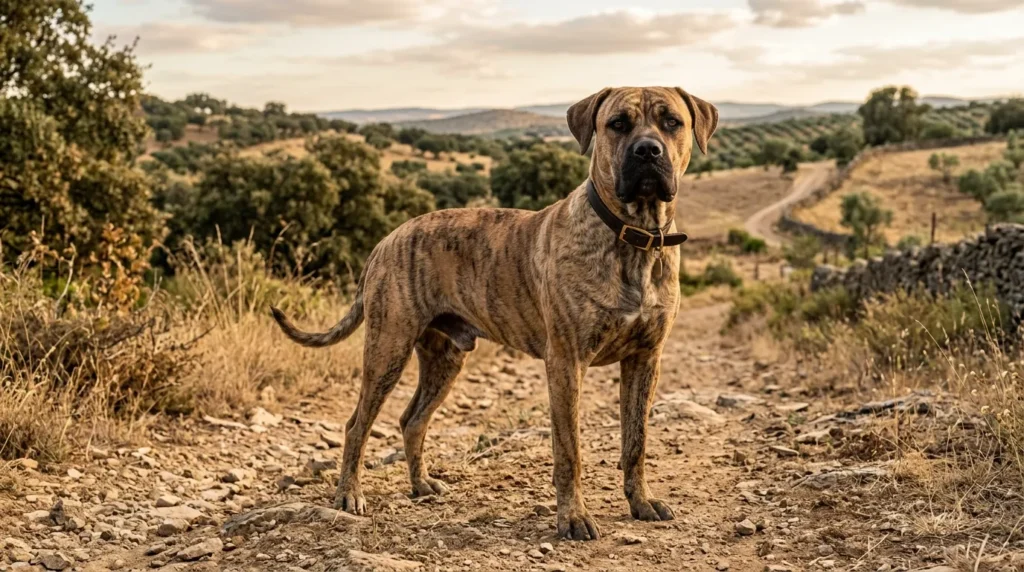
Alano Español spent generations assisting with demanding jobs across Spain, including pursuing large game such as wild boar, controlling cattle, and guarding farms. That combination of strength, courage, and determination explains why this breed became such a dependable hunting partner.
Purpose in the Field
Wild boar hunting demanded far more than physical power, as these dogs also needed confidence, sound judgment, and the willingness to work under pressure. Their balanced temperament helped them handle difficult situations without losing focus during demanding pursuits.
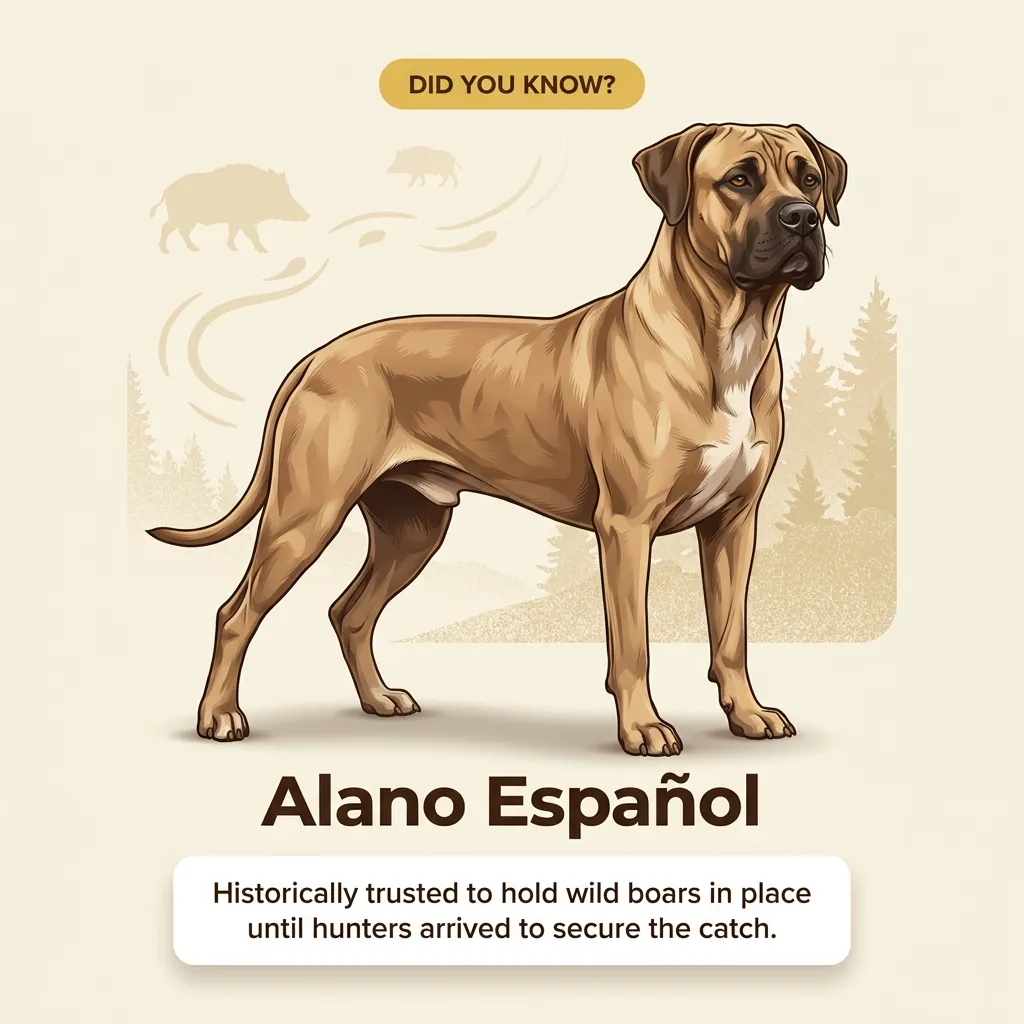
The details below tell more about this breed:
Used alongside cattle herds
Origin linked with the Alani people
Traded across Europe and Africa
Ready to Learn
Alano Español responds well to structured training because it enjoys purposeful work and learns new tasks with consistency. Early socialisation, recall practice, obedience exercises, and positive reinforcement all help shape a dependable working companion for experienced handlers.
Conclusion
Following a dangerous game has always required more than courage. The dogs used for hunting wild boar earned lasting respect by combining intelligence, stamina, determination, and steady judgment, often covering long distances where hesitation could change everything. Each developed different strengths, yet all shared the ability to work with purpose under demanding conditions.
Learning about those qualities offers a better understanding of why these dogs have remained valued for generations. Many hunters know they perform best when they receive daily exercise, plenty of physical activity, and are well-trained. Whether you admire their history, athletic ability, or remarkable working instincts, their achievements continue to earn respect from experienced hunters and dedicated dog enthusiasts alike today.
🐗 Can You Score 6/6 on These Wild Boar Hunters?
Which breed is also known as the Catahoula Hog Dog?
Which boar-tracking breed is North Carolina’s official state dog?
Which breed became the official state dog of Texas in 2005?
Which breed uses a high, far-reaching voice during hunts?
Which white-coated breed was created to hunt boars and pumas?
Which Japanese breed’s puppies are born black before developing brindle coats?
