




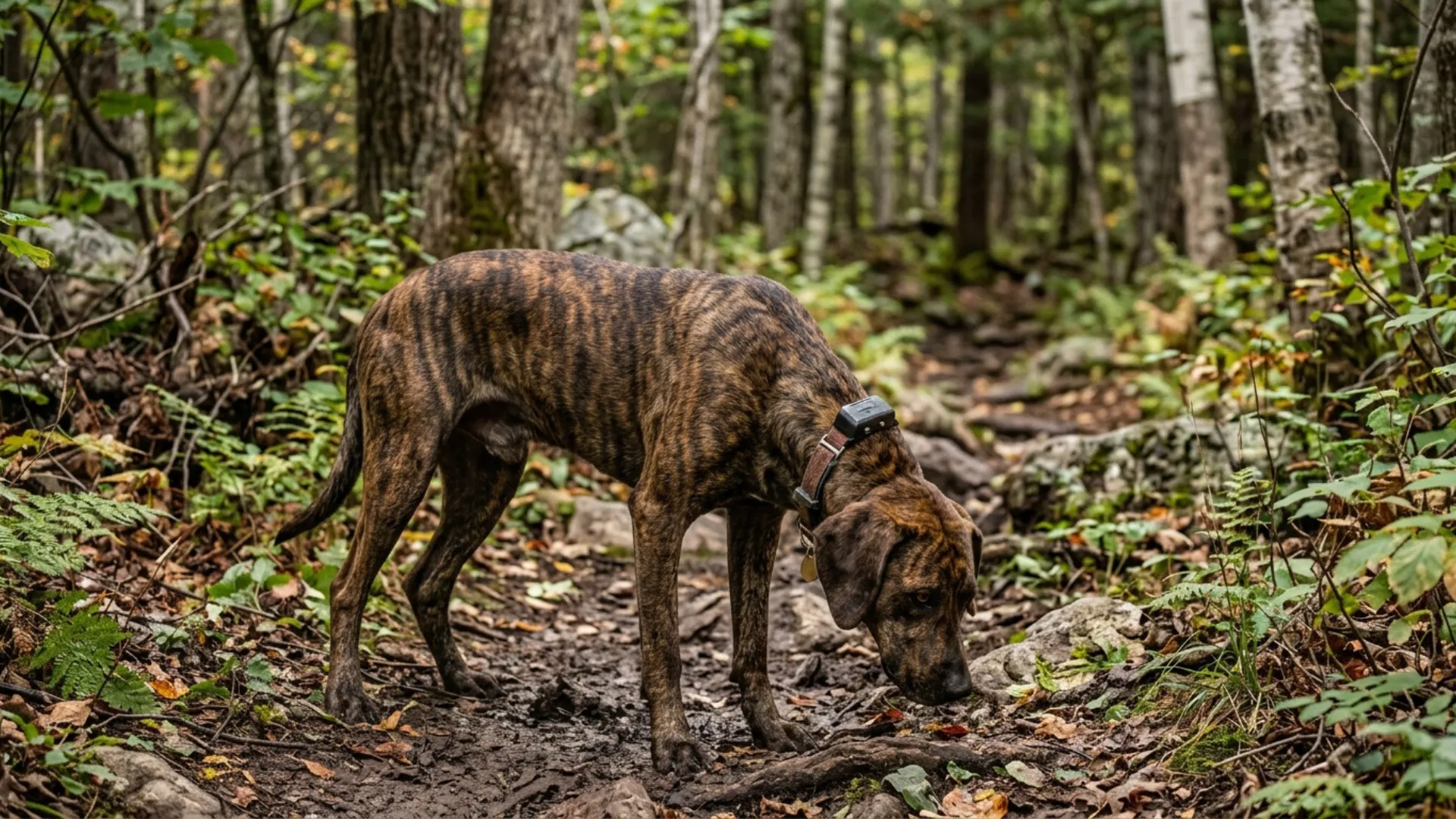
Have you ever wondered what makes a dog breed that excels at hunting wild boars and trapping strong enough to face one of the toughest animals in the wild?
Wild boar hunting is not a job for just any dog. It takes teamwork, courage, and special skills. Some dogs track fresh scents over long distances. Others corner the boar and keep it in place until the hunter arrives.
A few powerful breeds even help hold the animal when needed. Success also depends on proper training, reliable handler control, protective gear, GPS collars, and a well-stocked first aid kit for both dogs and people.
Whether you are a hunter, a dog lover, or simply curious about hardworking breeds, learning about these remarkable dogs helps you understand why each role matters. Every breed brings something different to the field, and together they create an effective hunting team.
Let’s explore seven outstanding breeds and discover what makes each one truly exceptional.
Dog Breeds That Excel at Hunting Wild Boars and Trapping
Here we go, one by one.
1. Plott Hound
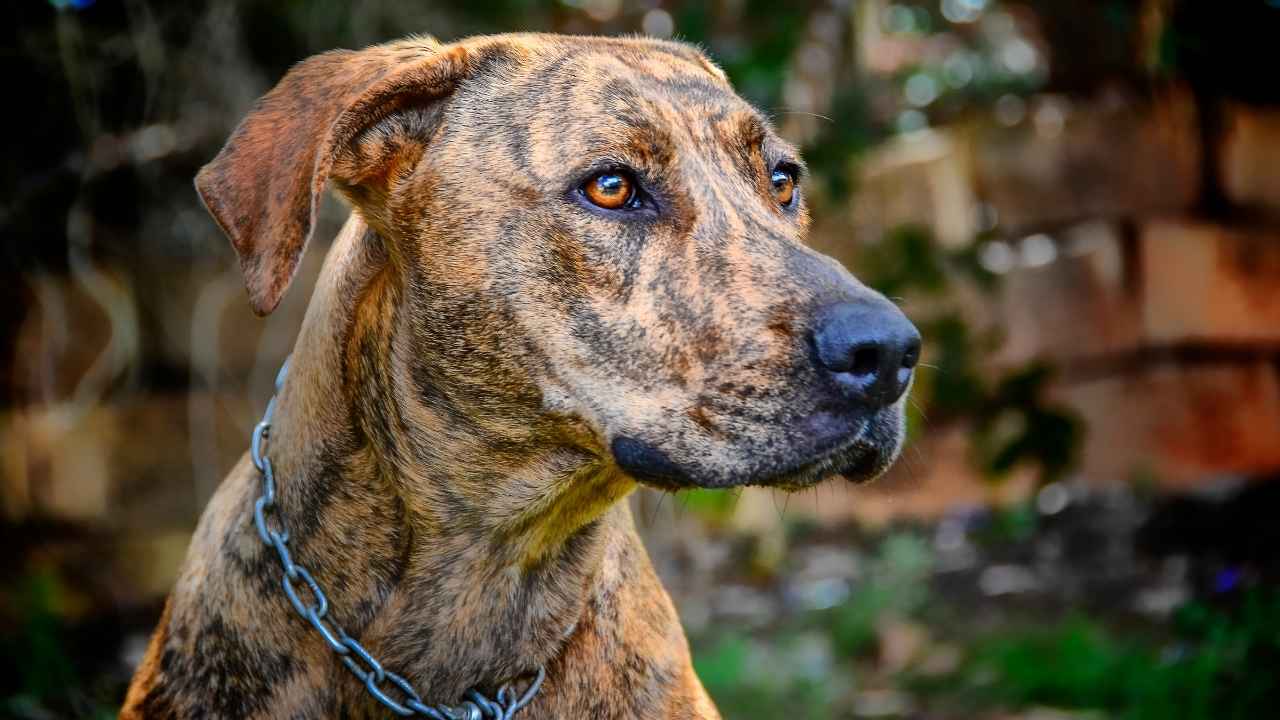
The Plott Hound has a remarkable history that sets it apart from many other breeds. Originally bred in North Carolina, this fearless hunting dog breed was developed to pursue large game through dense forests and steep mountains.
According to the American Kennel Club, it is the official state dog of North Carolina and is known for its courage and determination in the field. Unlike many hounds created for smaller prey, the Plott was valued for its ability to track powerful animals with confidence.
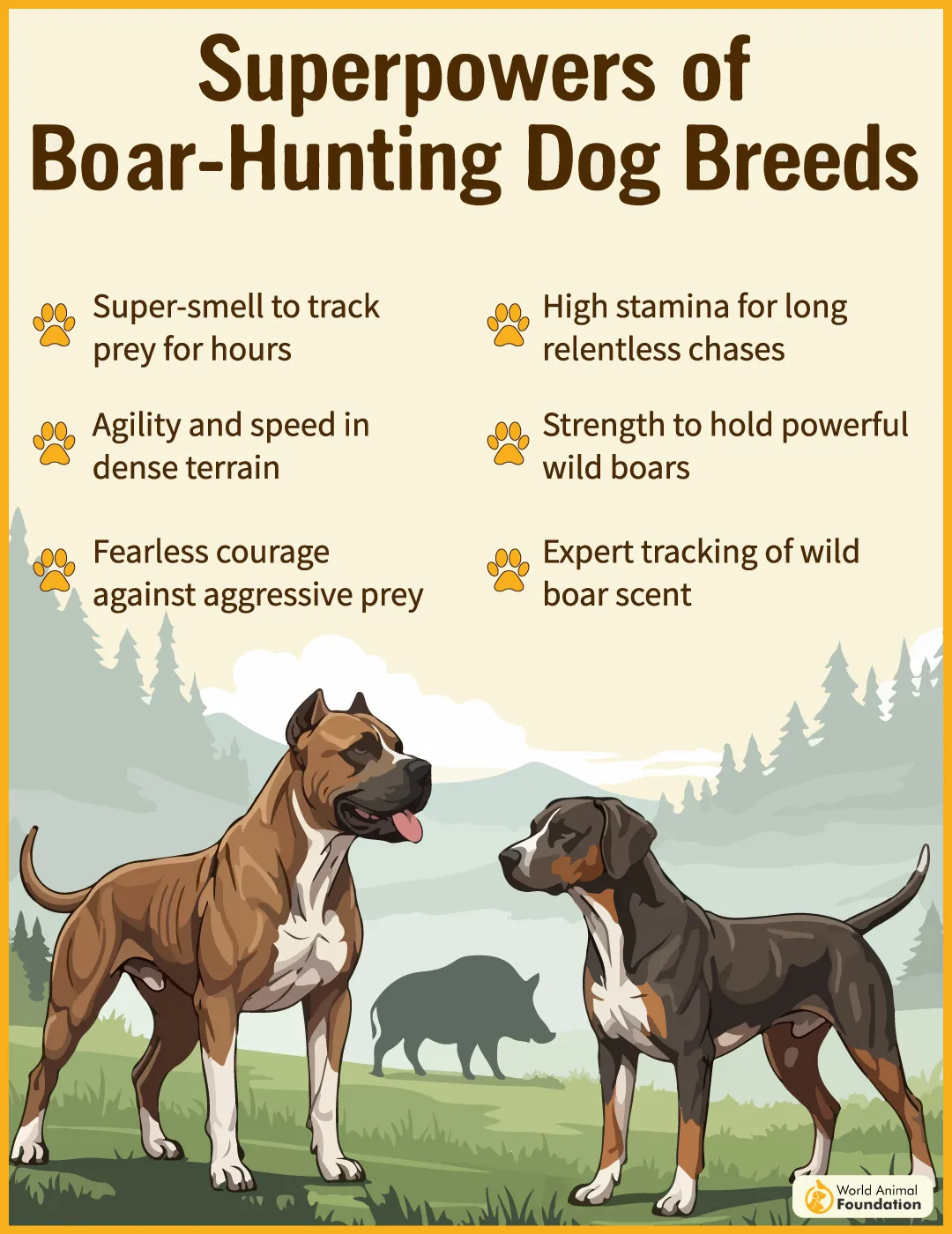
Over time, it became a trusted hog dog because of its sharp nose and unwavering focus during challenging hunts. Its loud, clear voice also helped hunters know where the chase was taking place, even when thick brush blocked their view.
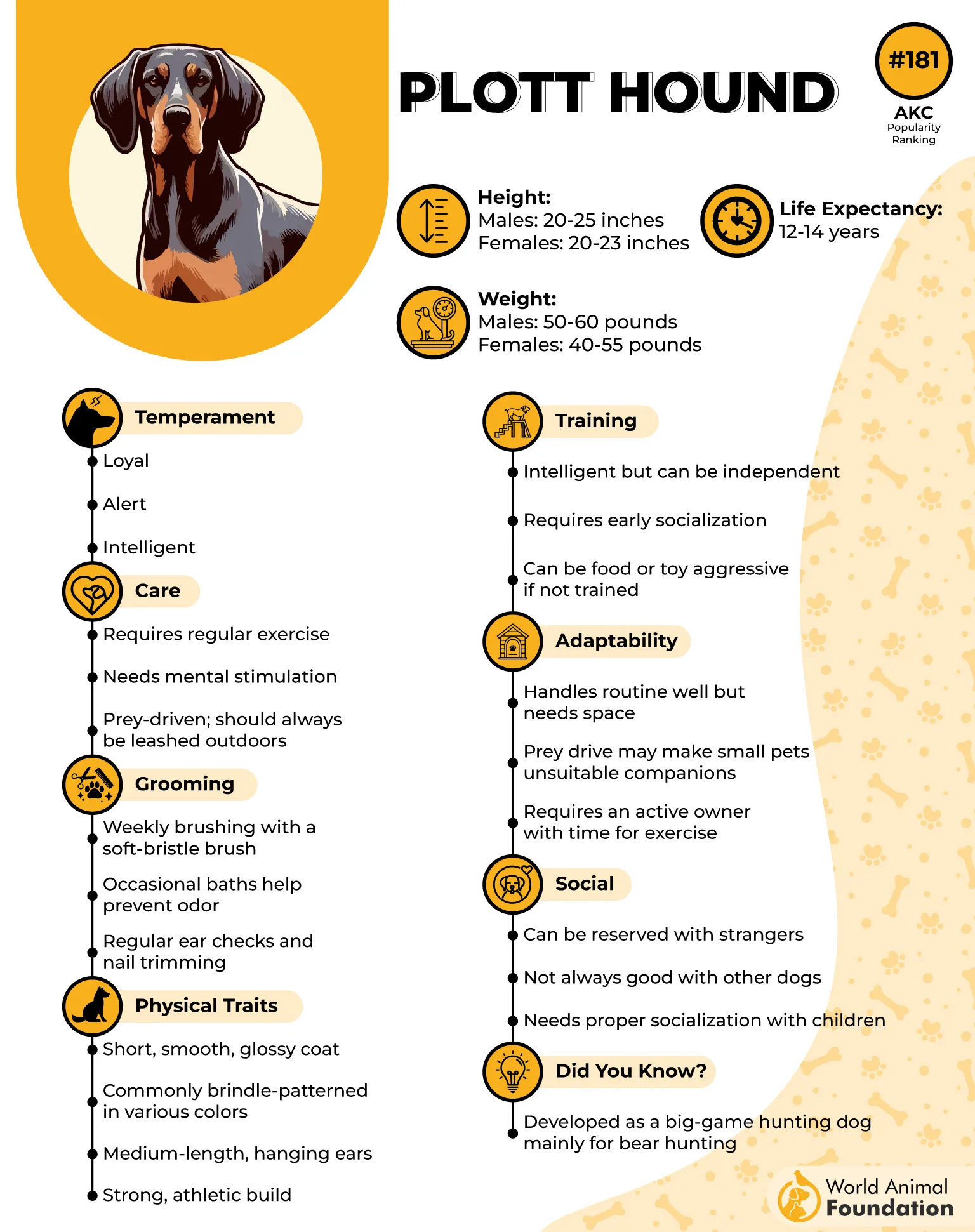
This rich background explains why the Plott Hound still stands among the most respected working dogs for this demanding type of hunting.
Why the Plott Hound Excels at Hunting Wild Boars
Its powerful sense of direction helps it stay on a trail even across difficult terrain.
An excellent sense of smell allows it to detect fresh hog scent long before many dogs can.
It remains determined during long searches and rarely loses focus on the task.
The breed handles rocky hills, thick woods, and rough ground with impressive confidence.
It works smoothly alongside other hunting dogs, making the team more effective when locating wild boars.
2. Catahoula Leopard Dog
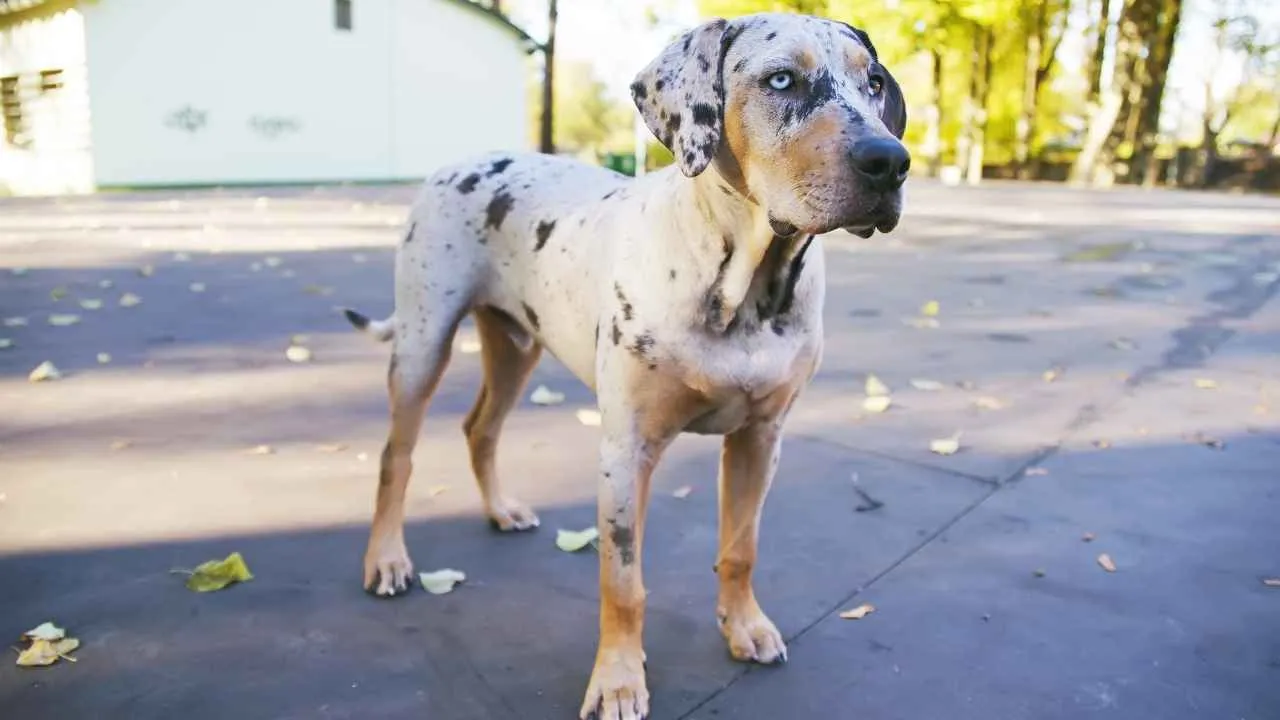
The Catahoula Leopard Dog is famous for its sharp mind and adaptable working style. According to PetMD, its name comes from a Choctaw word meaning “sacred lake,” and it is the only breed that historically originated in Louisiana.
This medium-sized dog quickly studies its surroundings and adjusts to changing conditions, making it a dependable hunting dog breed in swamps, forests, and thick brush. Rather than relying on strength alone, it uses smart decisions to track movement and push wild hogs into open areas.
Its confidence allows it to work alone when needed, yet it also cooperates well with a team. Many hog hunters appreciate how easily the breed switches between different tasks without losing focus.
Although it can support a catch dog, the Catahoula is best known for controlling the chase instead of making the final hold. With early training and firm guidance, it becomes a loyal working partner that stays reliable even when distractions, rough terrain, or a feral dog cross its path.
Why the Catahoula Leopard Dog Excels at Hunting Wild Boars
Solves problems quickly instead of repeating the same approach.
Moves through muddy swamps, rocky trails, and dense cover with confidence.
Pushes wild hogs from thick vegetation into safer, more open ground.
Stays calm under pressure and responds well to clear commands.
Earns the trust of experienced hunters because it adapts to different hunting situations with ease.
3. Bloodhound
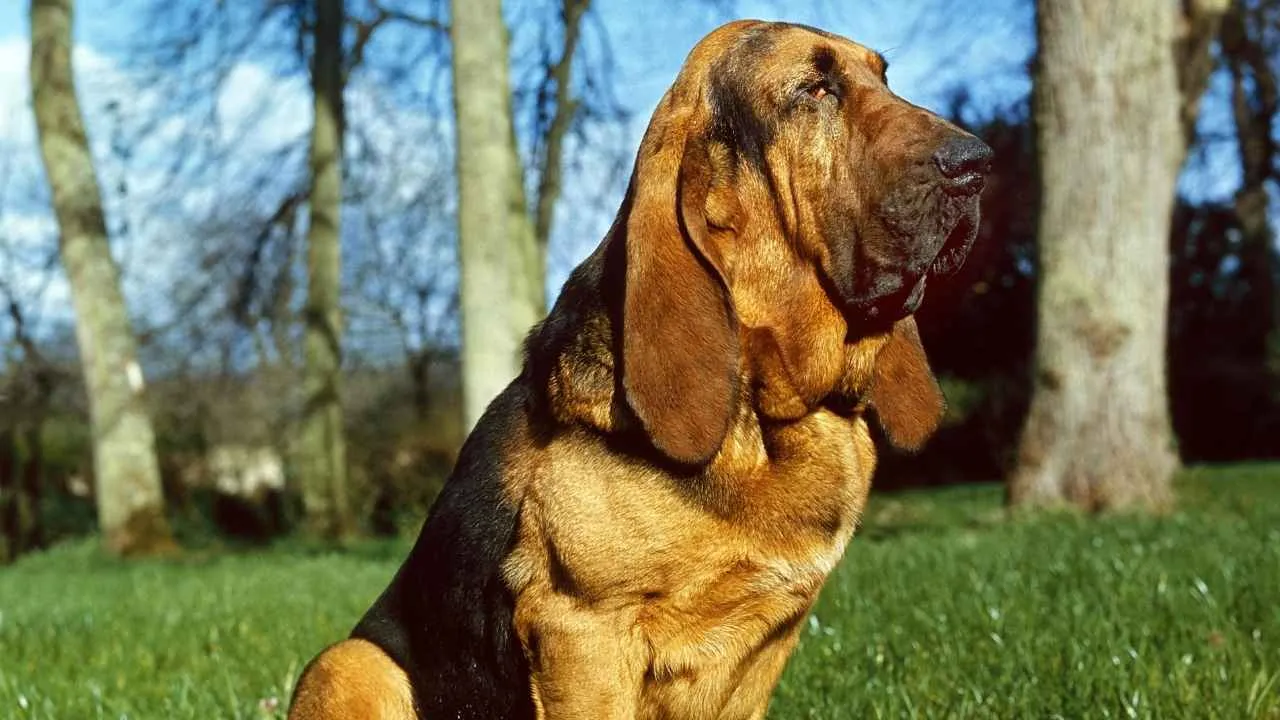
The Bloodhound is famous for having one of the finest noses in the canine world. According to Britannica, it is likely the oldest scent hound and has around 230 million scent receptors, giving it an extraordinary ability to track even the faintest trail.
This remarkable hunting dog was originally developed to follow deer, wild boar, rabbits, and later people over difficult terrain. It also became highly respected for blood tracking, helping hunters locate wounded game and downed game that might otherwise be lost.
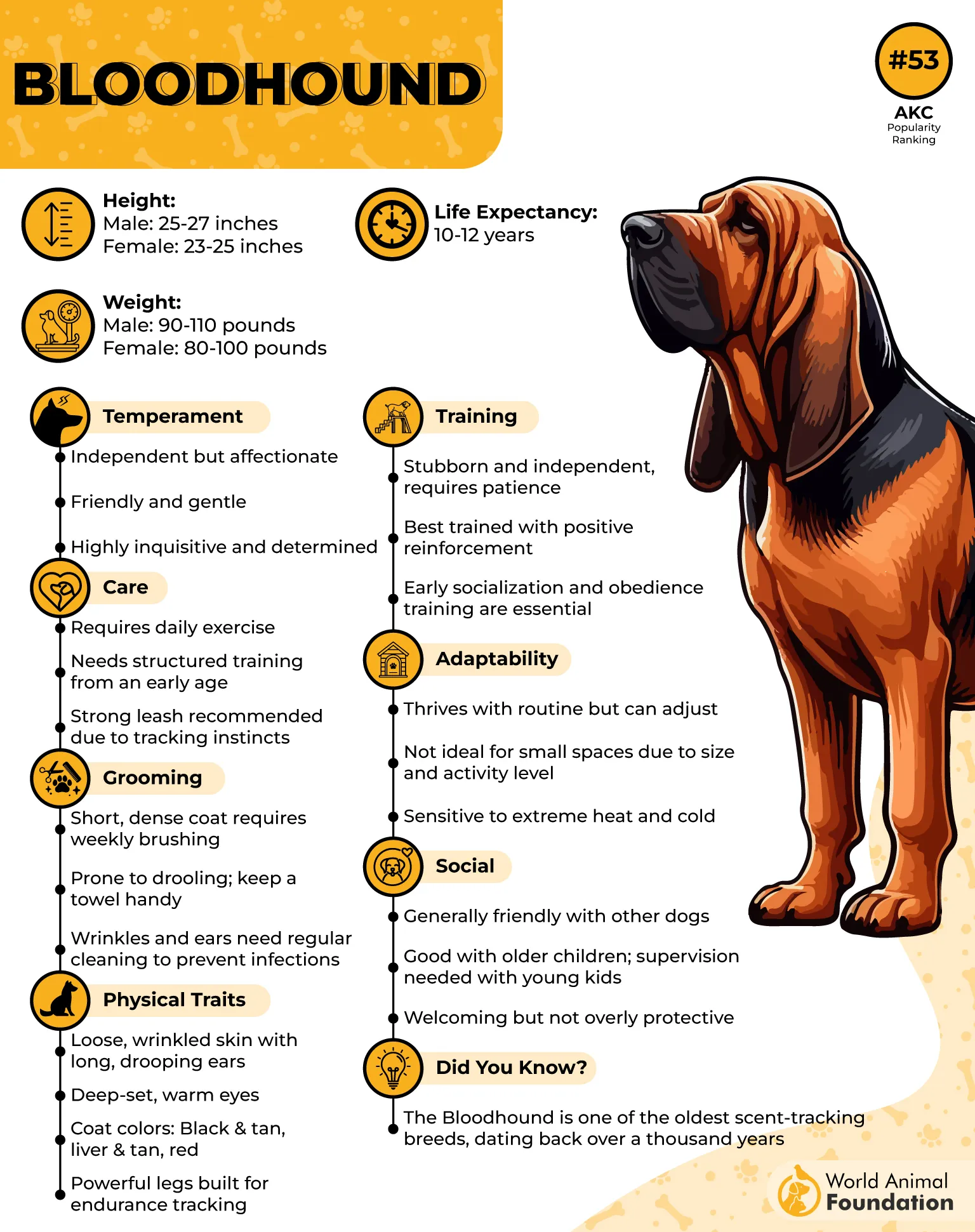
Although it is not a traditional hog dog used to hold a feral hog, its unmatched scenting ability makes it an important partner before other hunting dogs take over.
The Bloodhound can trail both large and small game for miles with impressive accuracy, and its tracking evidence has even been accepted in court. Few breeds can match its persistence once it locks onto a scent.
Why the Bloodhound Excels in the Field
Follows aging scent trails with remarkable consistency.
Keeps working even after rain or changing weather conditions.
Locates hidden game across forests, hills, and thick cover.
Helps hunters recover animals that are difficult to find by sight.
Supports hunting teams by finding game before bay or catch dogs are needed.
4. Black And Tan Coonhound
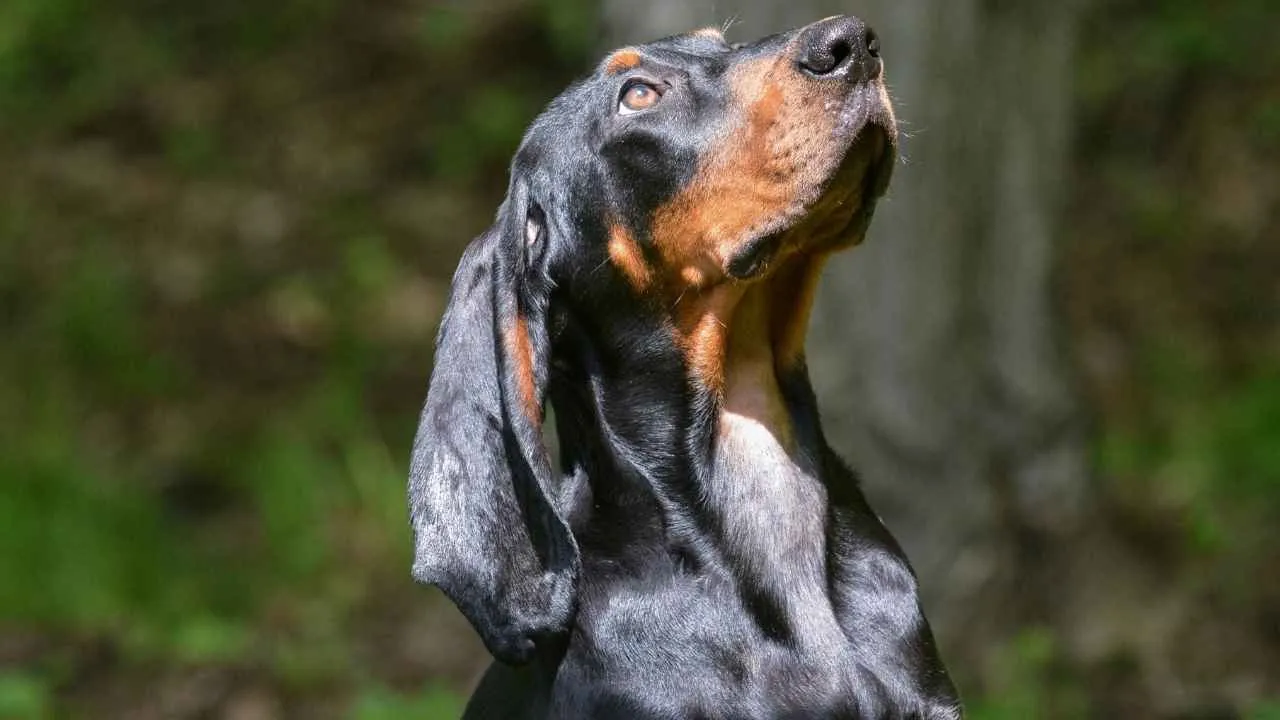
The Black and Tan Coonhound is an outstanding hunting dog breed that relies on its remarkable nose more than anything else. Originally bred in the United States from the Bloodhound and Black and Tan Virginia Foxhound, this skilled hound follows scent with impressive precision.
According to Hill’s Pet, the breed is intelligent, loyal, and deeply committed to its work. Whether following fresh trails or older scent trails, it can stay focused across long distances without becoming distracted.
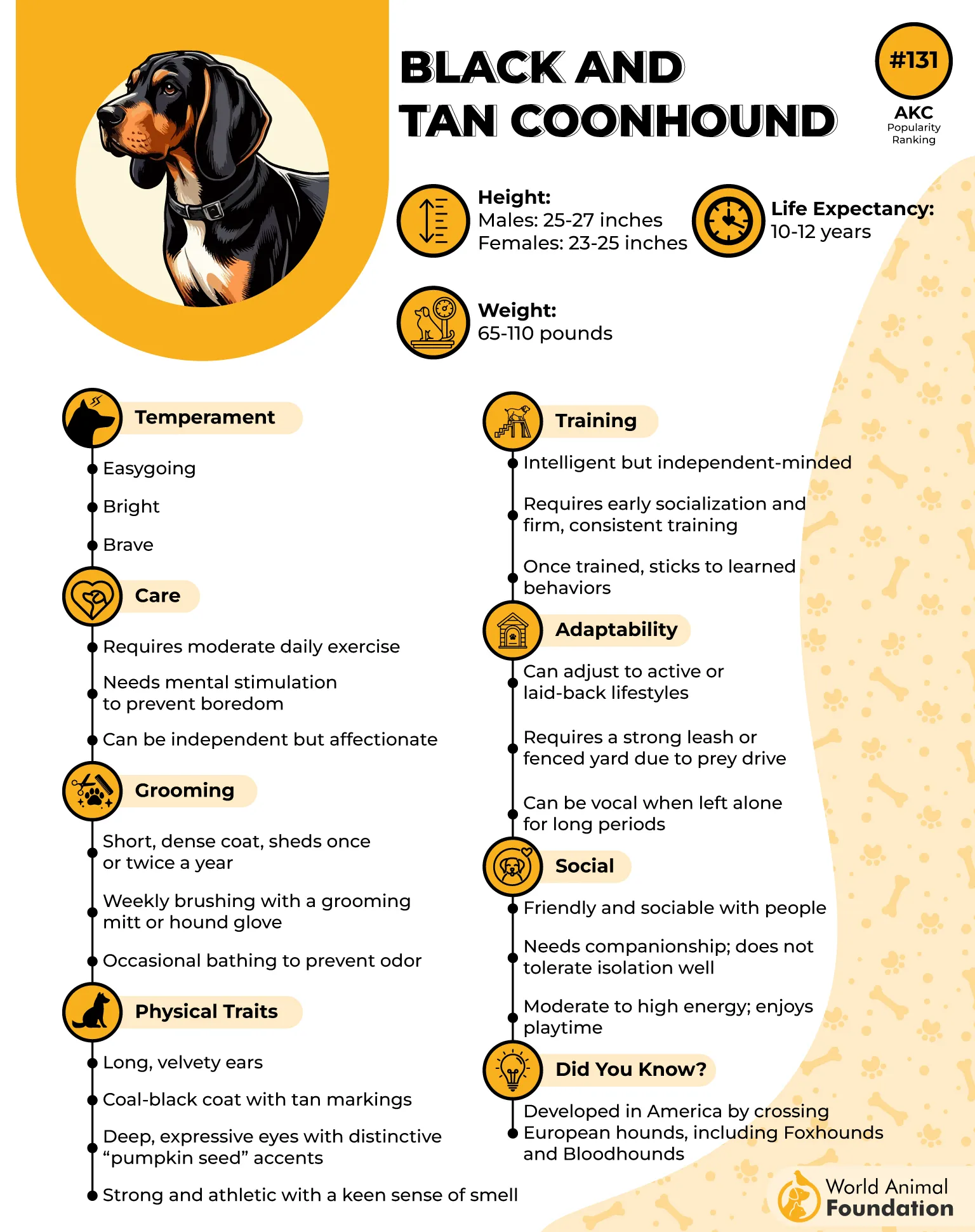
Its natural talent for blood tracking also helps it track wounded big game when conditions become difficult. Unlike a catch dog, the Black and Tan Coonhound specializes in locating game with patience and accuracy rather than physically holding it.
Even in thick forests or poor visibility, it continues working carefully until the trail reaches its destination. This dependable scenting ability has made the breed a trusted partner for hunters who value precision over speed when hunting big game.
Why the Black and Tan Coonhound Excels at Hunting Wild Boars
Detects even faint scent changes that many other dogs may overlook.
Keeps working through dense woods, brush, and uneven ground without losing the trail.
Uses its deep, distinctive voice to help hunters follow its location from a distance.
Remains calm during difficult searches instead of rushing and making mistakes.
Follows scent with remarkable consistency, making it highly dependable during challenging boar hunts.
5. Dogo Argentino
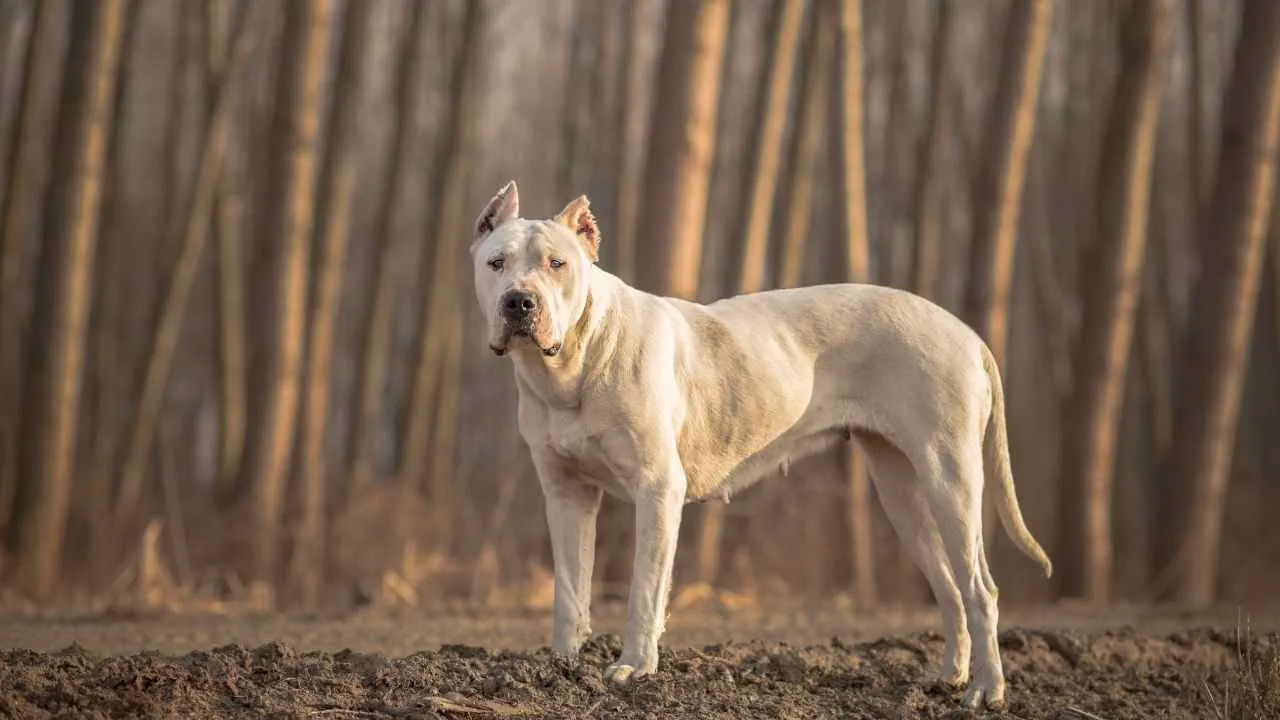
The Dogo Argentino was developed to face some of the toughest game animals in the wild. According to Wikipedia, it was bred to hunt large prey such as wild boar and puma, combining speed, stamina, and remarkable power.
This popular hunting dog performs best when working with other dogs because each member of the pack has a clear role during hog hunting. Instead of rushing ahead without a plan, the Dogo stays connected with the team and helps keep dangerous animals under control.
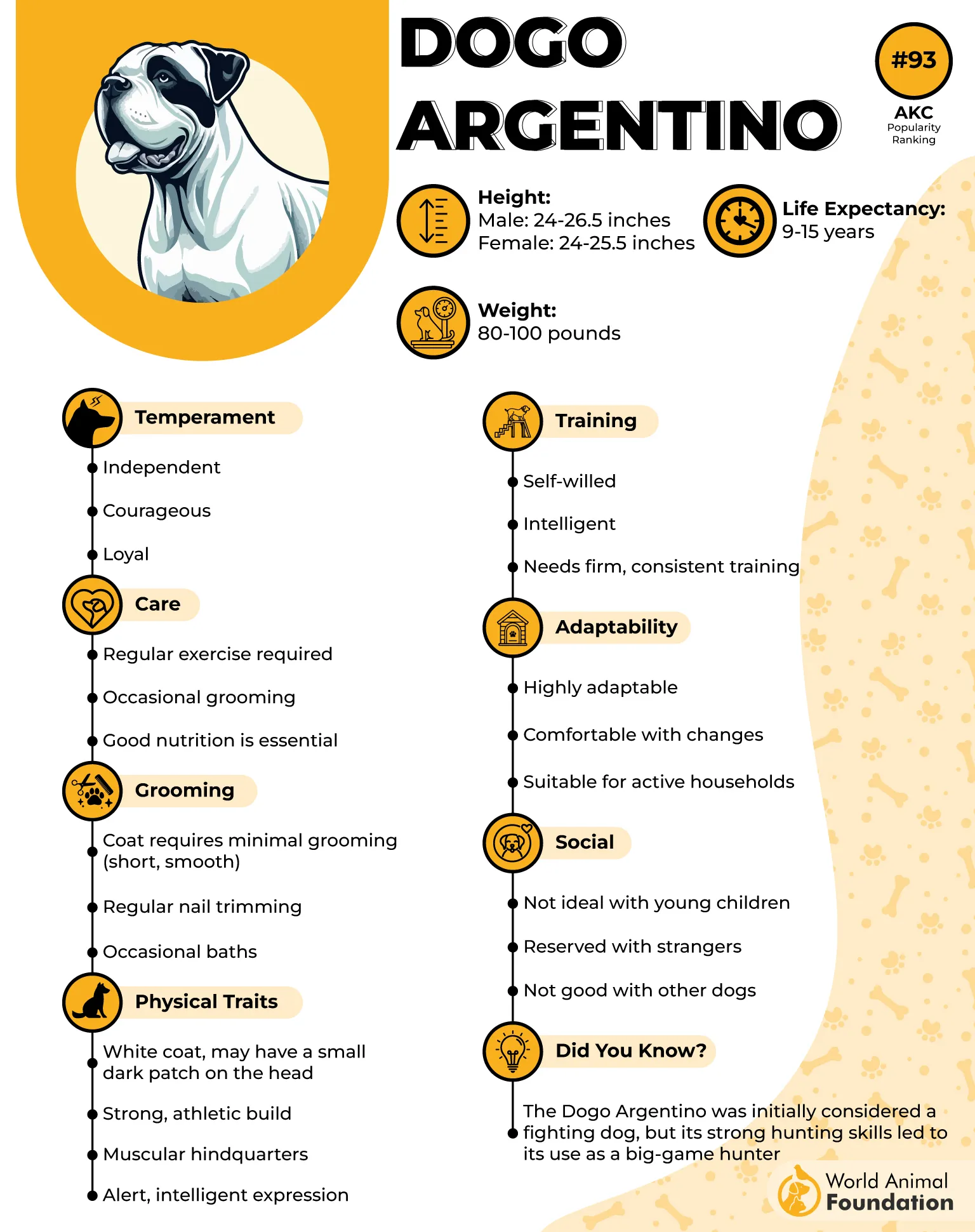
Its courage and determination make it well suited for hunting wild hogs, especially across open terrain, where it can move freely and respond quickly. Although its short coat offers comfort in warm weather, hunters often use protective gear when pursuing large game.
With proper training and an experienced handler, the Dogo Argentino becomes a dependable partner that combines physical strength with disciplined teamwork.
Why the Dogo Argentino Excels at Hunting Wild Boars
Delivers powerful holding ability when facing strong and aggressive boars.
Maintains steady teamwork instead of competing with other hunting dogs.
Reacts quickly to changing situations during this demanding type of hunting.
Shows excellent stamina that helps it stay effective throughout long pursuits.
Builds strong trust with its handler through consistent training and clear direction.
6. Airedale Terrier
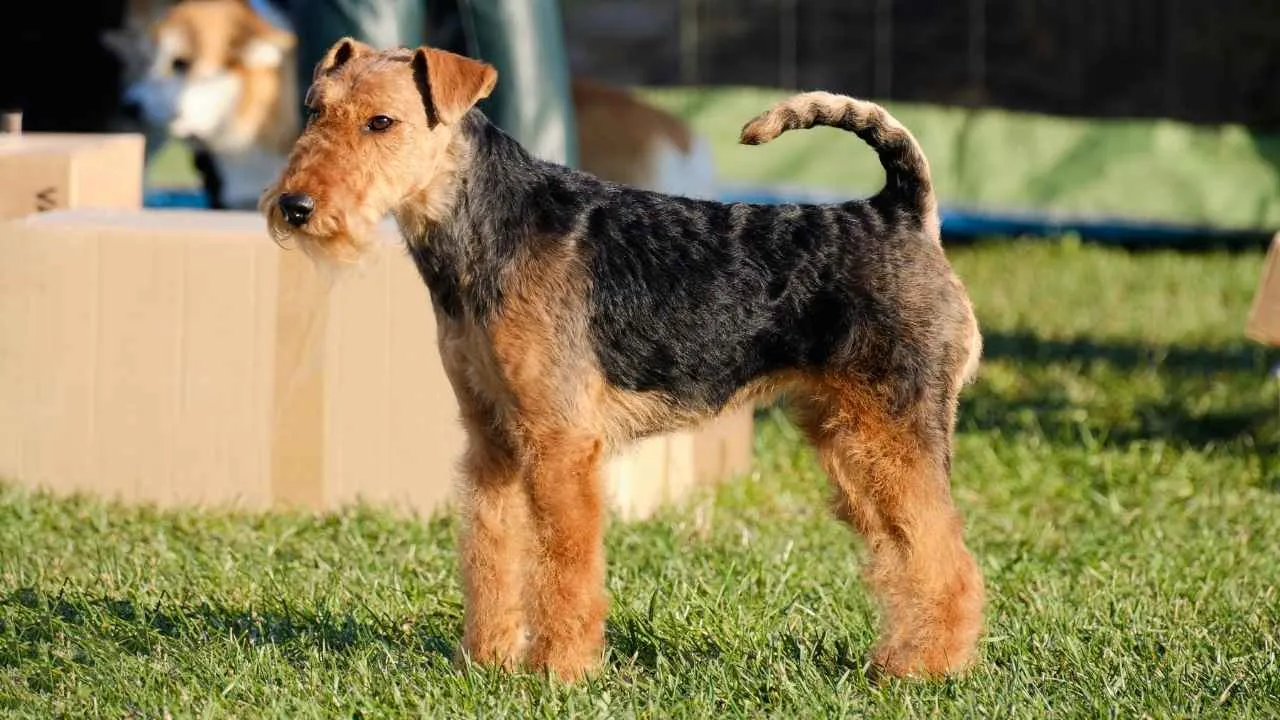
The Airedale Terrier earned the nickname “The King of Terriers” because of its impressive size, strength, and dependable nature. According to WebMD, this versatile breed was originally bred as an all-purpose farm worker and later proved its value as a war dog, guide dog, and police dog.
It also became a reliable hunting dog capable of adapting to many tasks in the field. From pursuing small game to assisting with dog hunting for larger animals, the Airedale adjusts quickly to changing conditions.
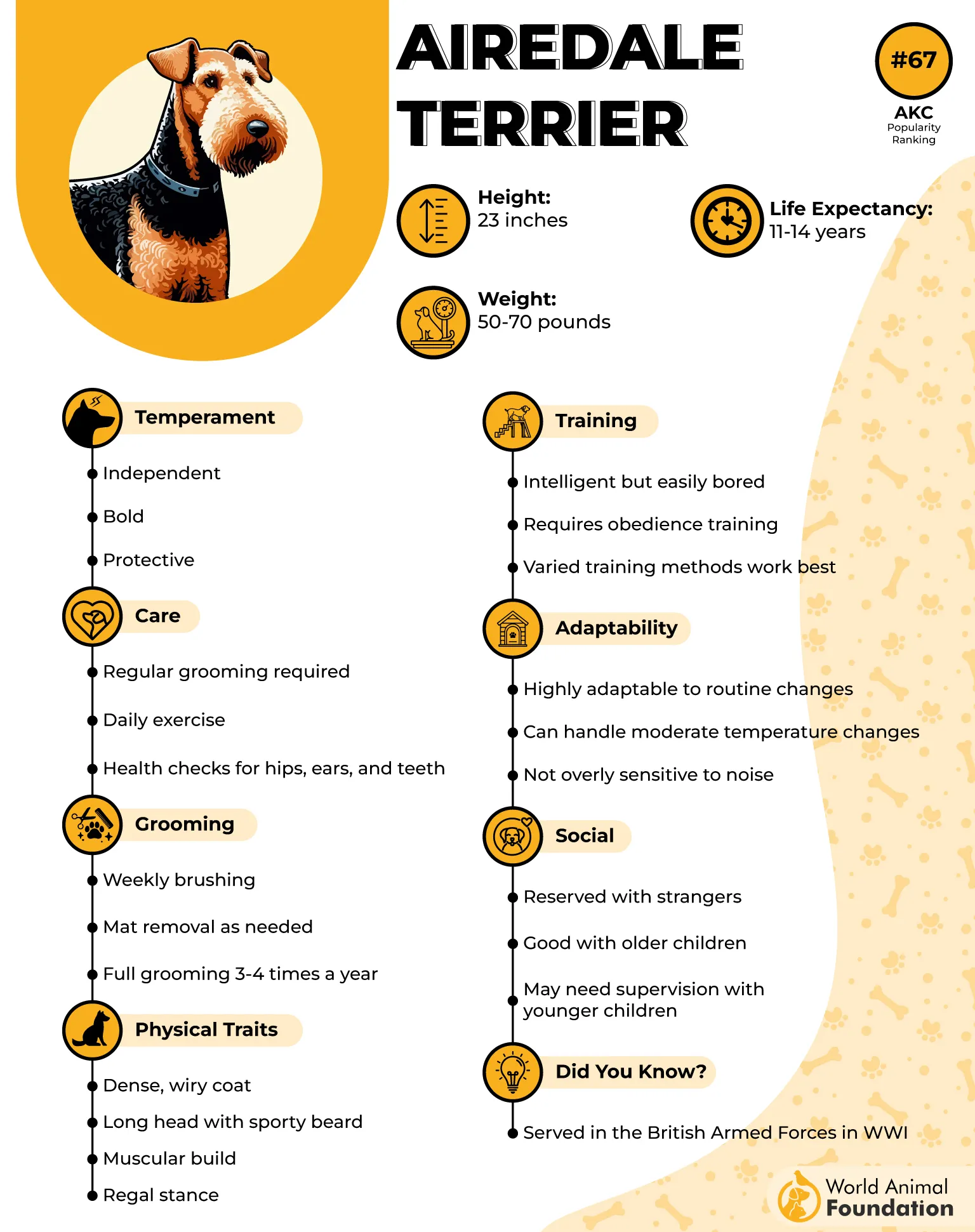
Its tough, wiry coat protects it in harsh weather, allowing it to stay comfortable during long days outdoors. Unlike a catch dog that specializes in holding game, the Airedale supports the hunt by helping track animals and covering different types of land with confidence.
It has even worked alongside bird dogs, proving that its flexible nature makes it a valuable partner in almost any hunting environment.
Why the Airedale Terrier Excels at Hunting Wild Boars
Adapts quickly when hunting conditions change without losing focus.
Handles forests, fields, and rough ground with steady confidence.
Learns new hunting tasks faster than many working breeds.
Maintains determination even during long and physically demanding outings.
Brings versatility to the field by supporting hunters in several different roles.
7. Irish Setter
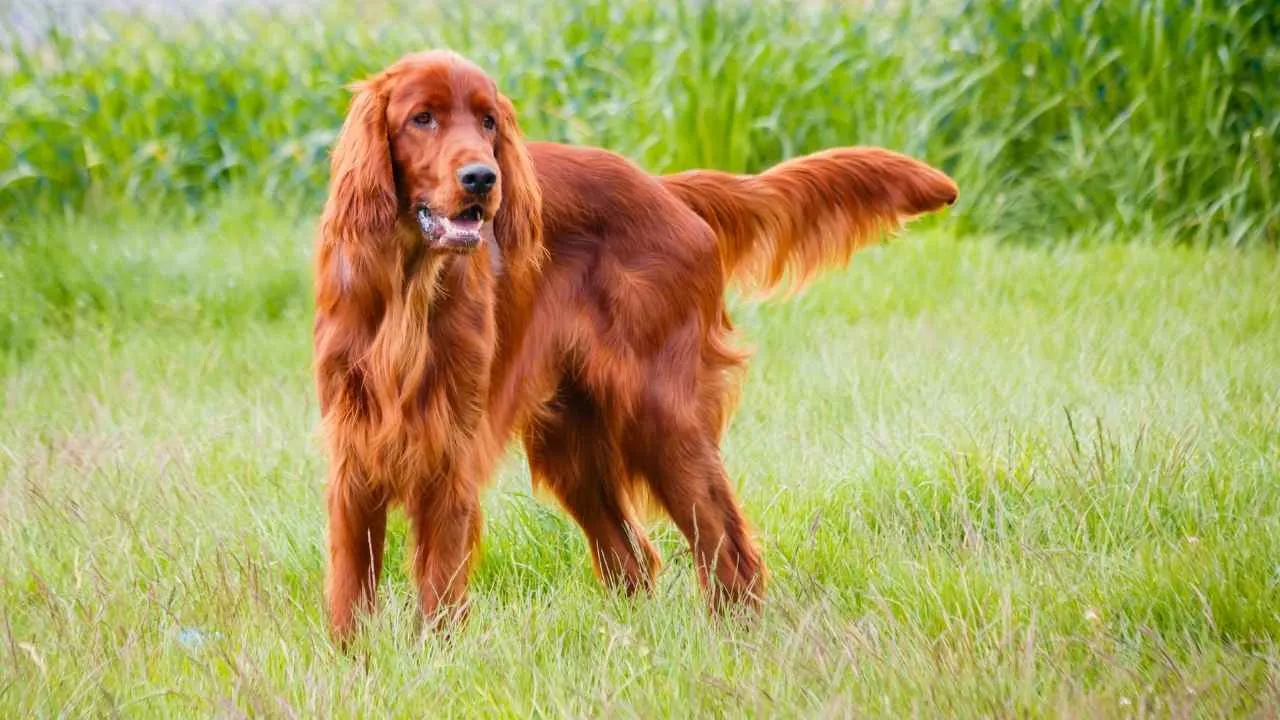
The Irish Setter is a graceful hunting dog breed that originated in Ireland in the early 18th century. According to Purina, setters belong to a group that hunts mainly by scent and quietly “sets” when they locate upland game instead of chasing it.
This unique type of hunting separates the Irish Setter from many working breeds used for hog hunting. Bred from a mix of English and Gordon setters, Spaniels, and pointers, it became one of the most respected bird dogs for covering wide fields with remarkable accuracy.
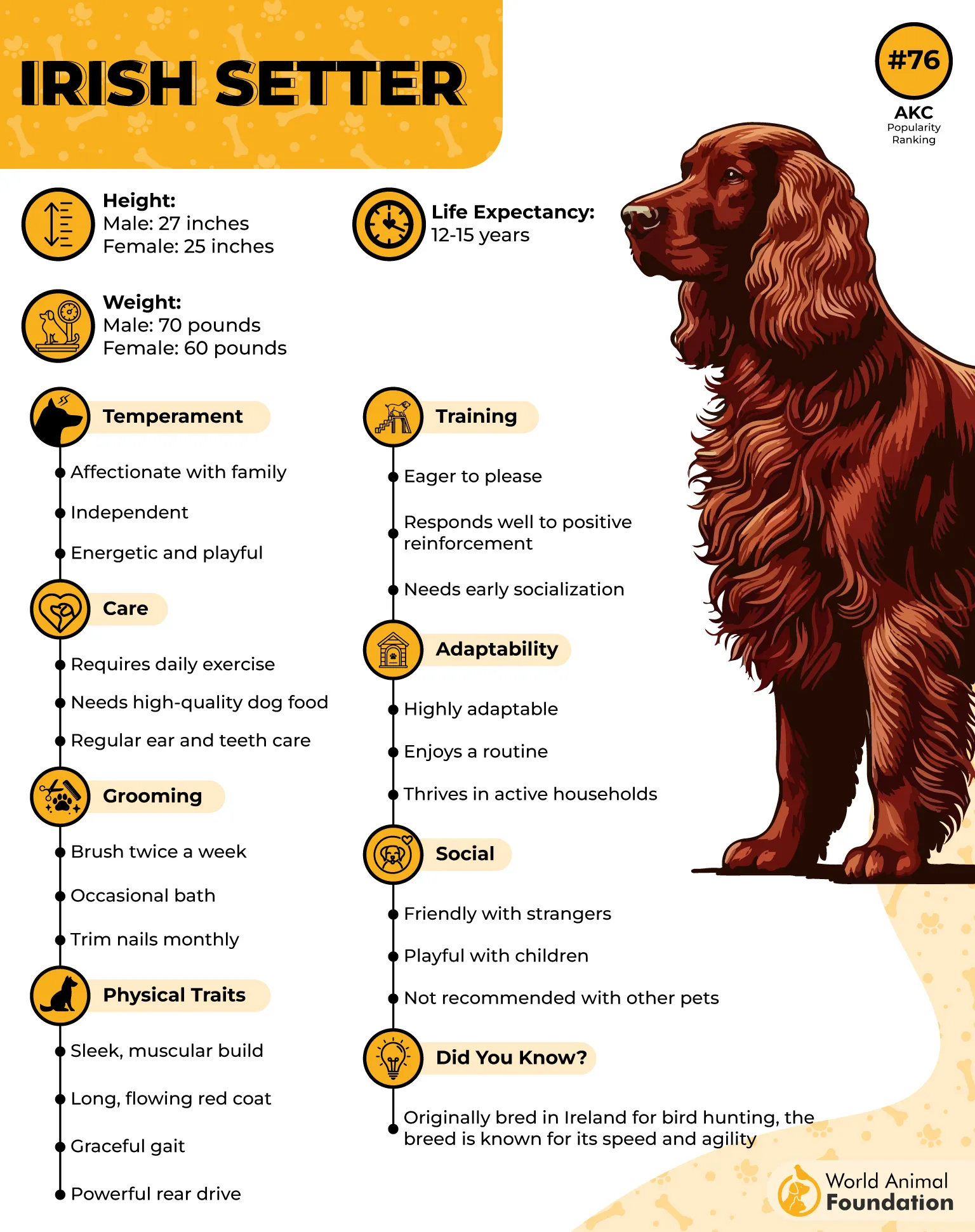
Its strong sense of direction and keen sense of smell allow it to locate hidden birds while helping hunters recover wounded game after the shot. Although it thrives in the field, the breed is equally admired as a loyal family dog that enjoys spending time with people.
Its combination of hunting ability and gentle nature has made it a favorite companion for generations.
Why the Irish Setter Excels in the Field
Locates game birds quietly without disturbing the surrounding area.
Helps hunters by flushing birds from thick cover at the right moment.
Moves smoothly across open fields while avoiding common environmental hazards.
Maintains energy and focus during long hunting outings.
Builds a close partnership with its handler through cooperation and responsiveness.
Conclusion
Successful wild boar hunting is never about one hunting dog alone. It depends on teamwork, proper training, and handlers who understand each type of hunting. While some breeds shine as trackers, others help control dangerous game, proving that several breeds can work together effectively.
Even though bird dogs are better suited for upland birds and small game, every breed has a purpose when matched with the right job. Many experienced teams also rely on multiple dogs to improve safety and efficiency in the field.
Whether tracking wild boars or larger animals like moose, choosing the right companion requires careful planning and realistic expectations. Among the many breeds available, the best choice is the one that fits your experience and hunting goals.
The key takeaways are simple: train consistently, hunt responsibly, protect your dogs, and always respect the animals and the outdoors that many hunters value.
