




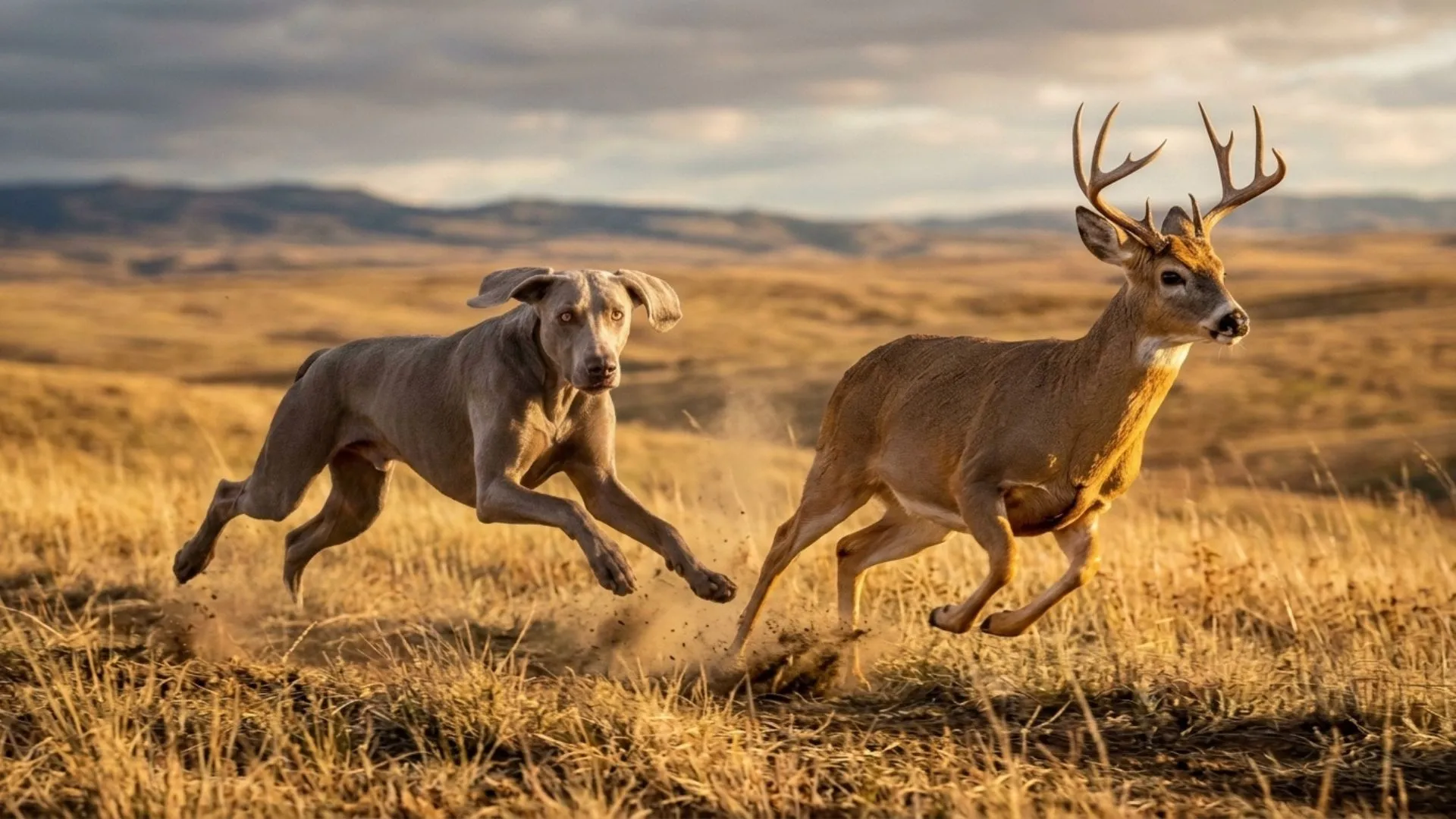
Watching a dog race across an open field is one thing. Watching one keep pace with a fast-moving deer is something entirely different. It takes far more than long legs or raw speed to cover uneven ground, react to sudden turns, and continue the chase without losing momentum.
Only a small number of breeds possess the combination of agility, stamina, sharp eyesight, and natural hunting instincts needed for that kind of pursuit. These dogs were valued for their ability to work across wide landscapes where quick decisions mattered just as much as powerful strides.
Even today, their athletic ability continues to impress anyone interested in working dogs or canine history. Their speed tells only part of the story, while their determination and precision reveal what truly sets them apart from countless other breeds.
Ahead, you’ll discover seven remarkable dogs whose abilities made open plains their perfect hunting environments.
Key Takeaways
Chasing deer across open plains took far more than speed, and a few of the breeds on this list could keep going mile after mile without losing focus.
The Greyhound could spend nearly three-quarters of every stride in the air, while the Catahoula Leopard Dog mixed speed with clever tracking instead of chasing blindly.
Then there is the German Shorthaired Pointer that could switch between airborne scent and ground scent whenever conditions changed.
Keep reading because each breed earned its place in a completely different way, and a few of their hunting abilities are genuinely surprising.
Dog Breeds Renowned for Speedy Deer Pursuit on Open Plains
1. Weimaraner
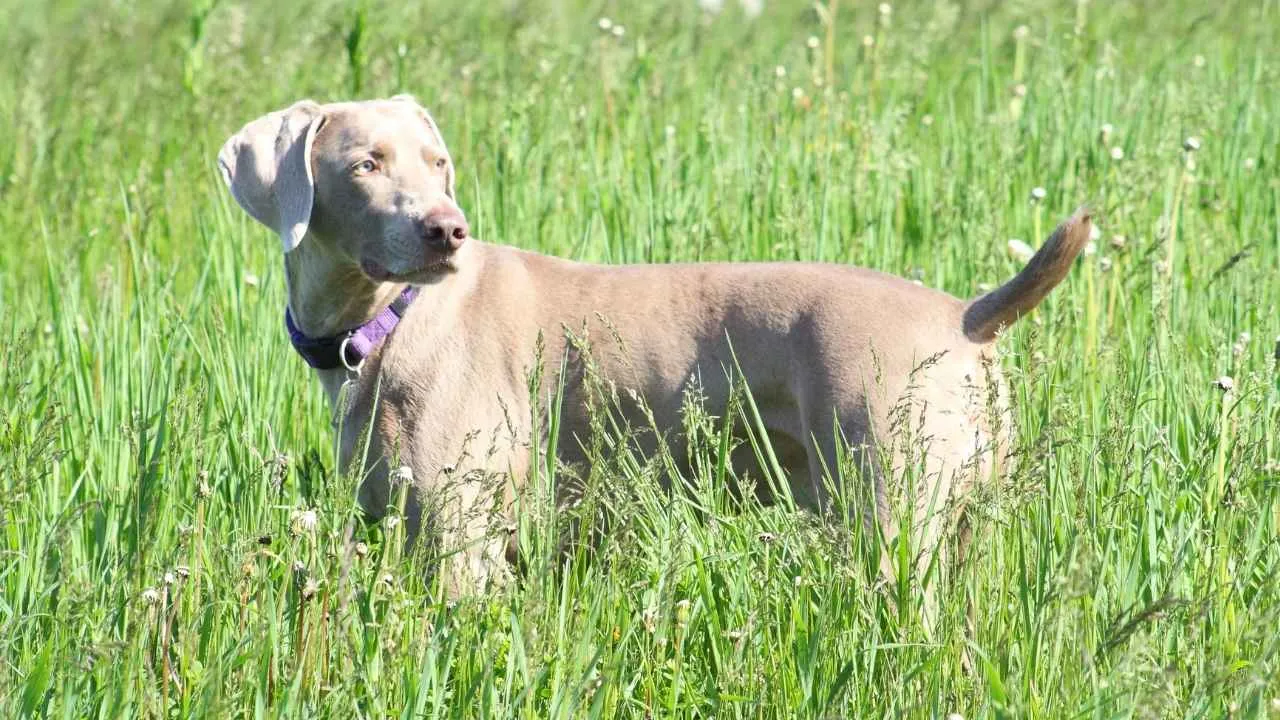
The Weimaraner’s history is closely linked to 19th-century Germany, where it hunted demanding game such as deer, bears, and wolves, as WebMD noted. Its combination of sharp scenting ability, speed, and stamina made it a dependable choice for following fast game across wide stretches of land.
Hunting Strategy
This hunting dog breed relies on more than quick bursts of speed during a pursuit. It could pick up an older scent trail, work through thick brush with its nose, then accelerate rapidly to pressure or corner game before the hunter arrived.
A closer look reveals several field advantages:
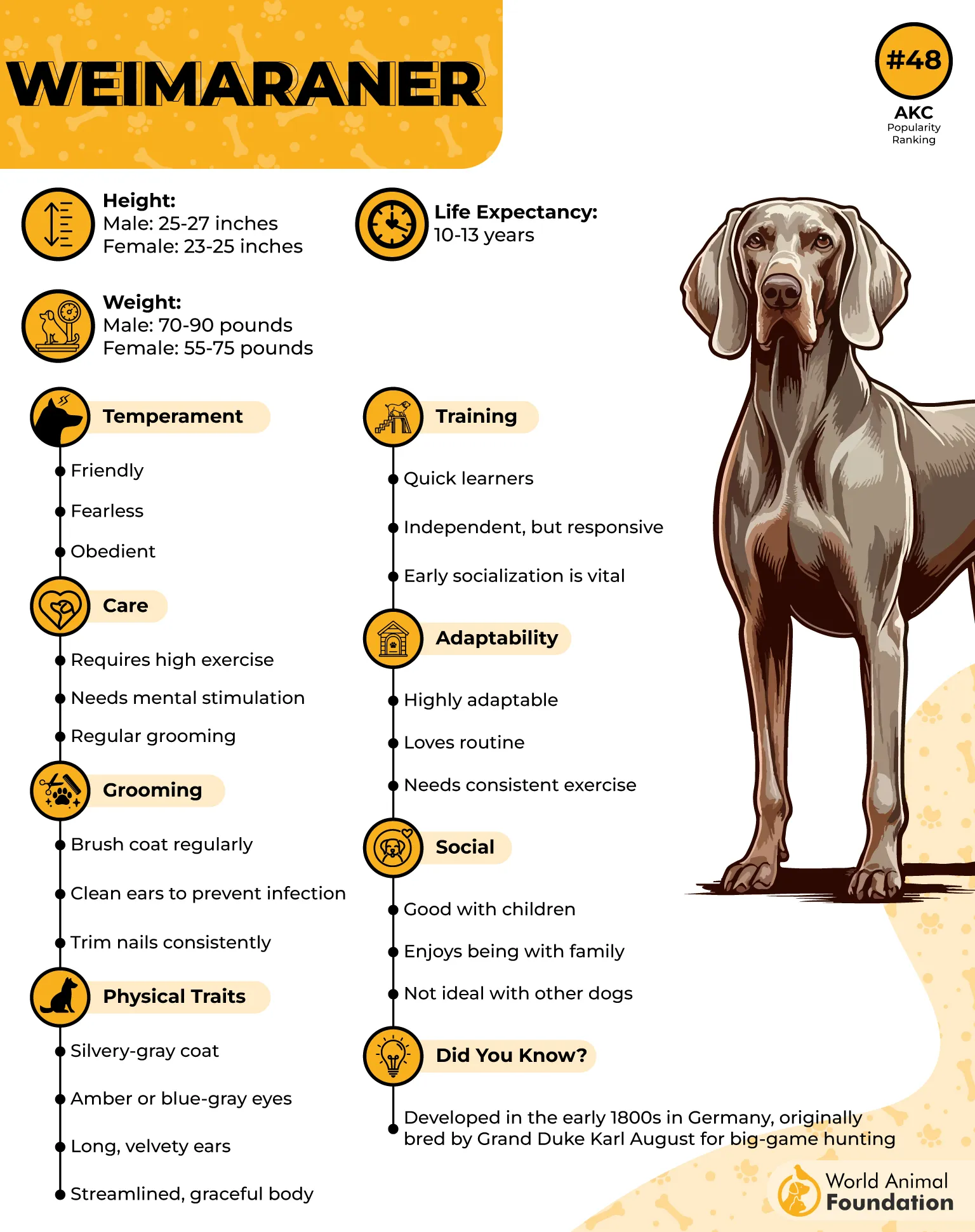
Top speed of about 35 mph
Deep chest for greater lung capacity
Muscular frame for dense woodland travel
Beyond Raw Speed
Weimaraner eventually shifted toward tracking birds and waterfowl as large game became less common, yet its athletic design remained unchanged. A well-conditioned dog displays balanced movement and the focused pointing posture that has long been associated with the breed.
2. Catahoula Leopard Dog
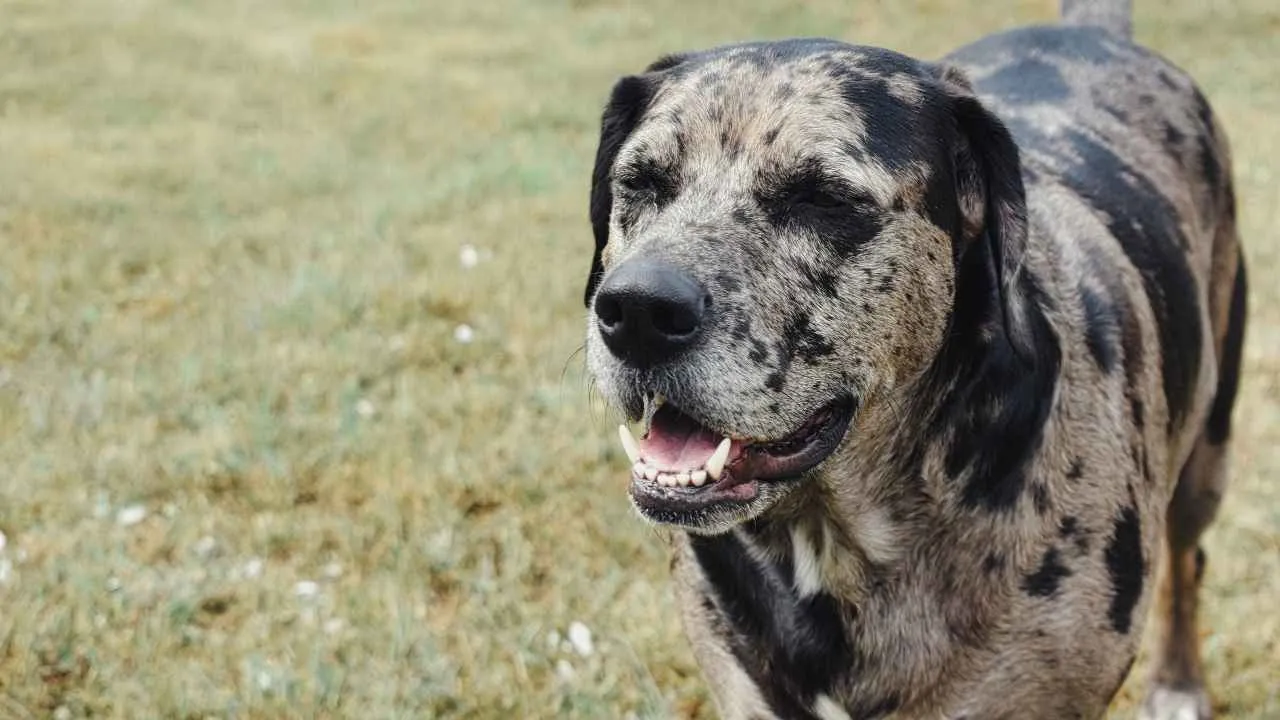
The Catahoula Leopard Dog has the strength to tackle demanding jobs and the agility to move confidently across wide stretches of land. Louisiana is also where the breed’s story began, making it the state’s only native dog breed known for taking on many kinds of work.
Open-Field Ability
They can reach speeds of around 45 mph, an advantage when pursuing fast game across open country and rough ground. Rather than relying on speed alone, it also follows scent, predicts changing movement, and uses baying to hold a deer in place without direct contact.
A closer look reveals a few specialized skills:
Silent scent trailing
Strategic tracking decisions
Effective treeing instincts
Driven by Purpose
Catahoula Leopard Dog performs best when every day includes meaningful work, as idle time often leads to digging, chewing, or other destructive habits, as UKC claims. Swimming, hiking, retrieving games, and several daily walks provide productive outlets for its abundant energy and working mindset.
3. Greyhound
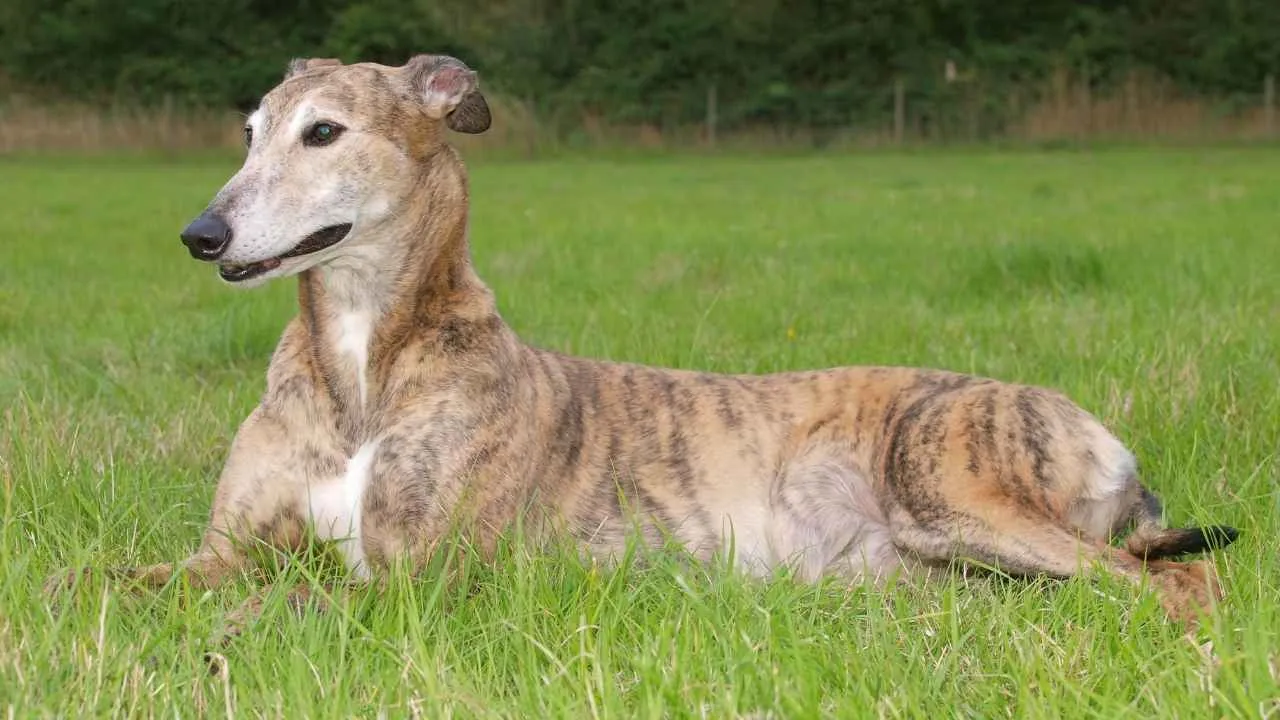
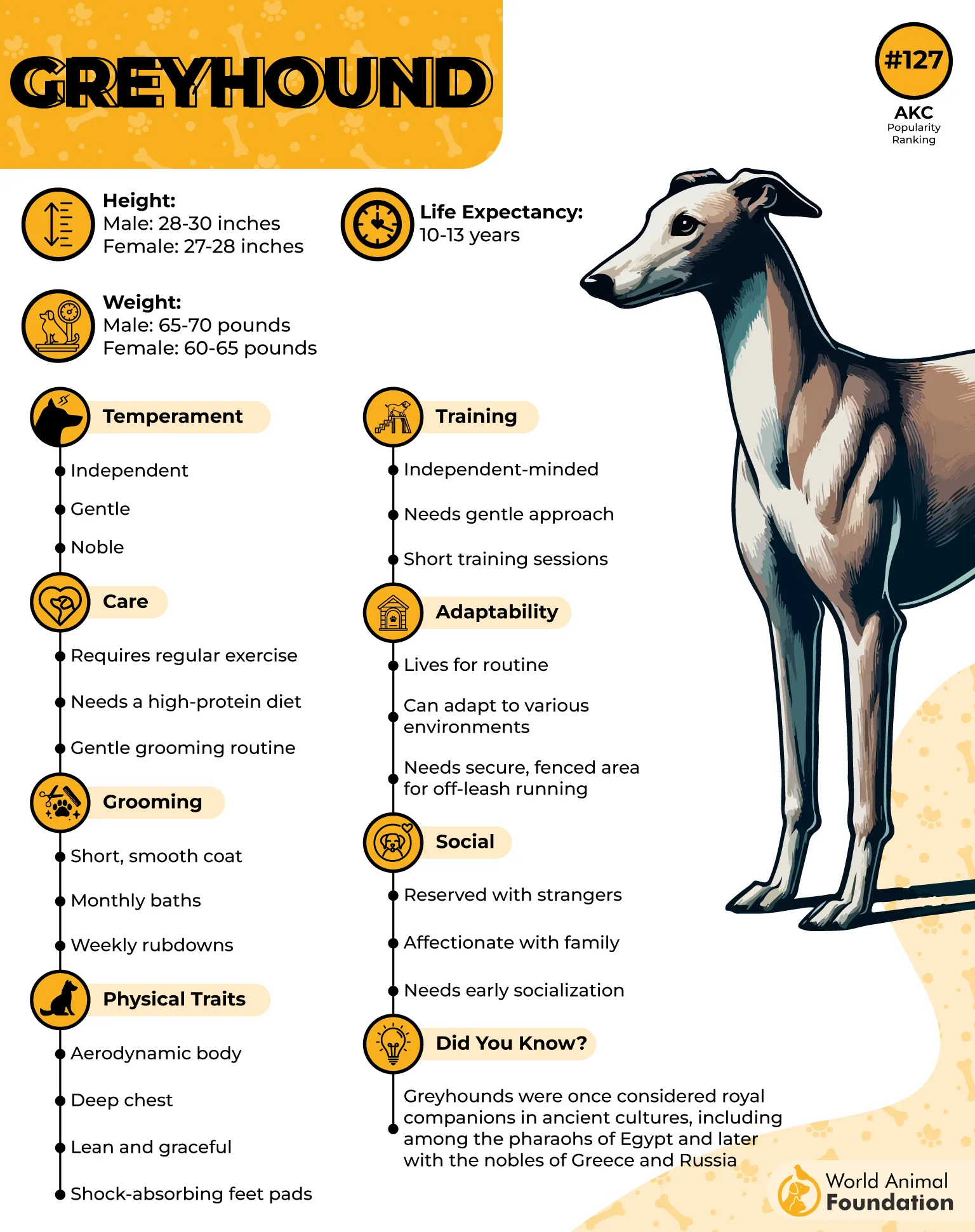
Greyhounds spent thousands of years pursuing fast game across wide stretches of open country, where speed alone was never enough. A streamlined frame, powerful muscles, and cushioned foot pads worked together to help this breed handle fast-paced pursuits over changing ground.
Eyes on the Target
Instead of following a scent trail, this hunting breed watches for movement in the distance and reacts the moment it spots a deer. Its rapid burst of speed gives it a strong chance of closing the distance early in the chase.
These remarkable features deserve a closer look:
Double-suspension gallop stride
Up to 75% airborne while running
Top speeds exceeding 40–45 mph
Speed Meets Precision
Greyhounds’ long skulls, deep chests, and highly flexible spines contribute to an efficient running style that wastes very little motion during high-speed pursuit, as per the AKC. The same visual focus also explains why lure coursing continues to suit this breed so naturally, even with an artificial target.
4. Rhodesian Ridgeback
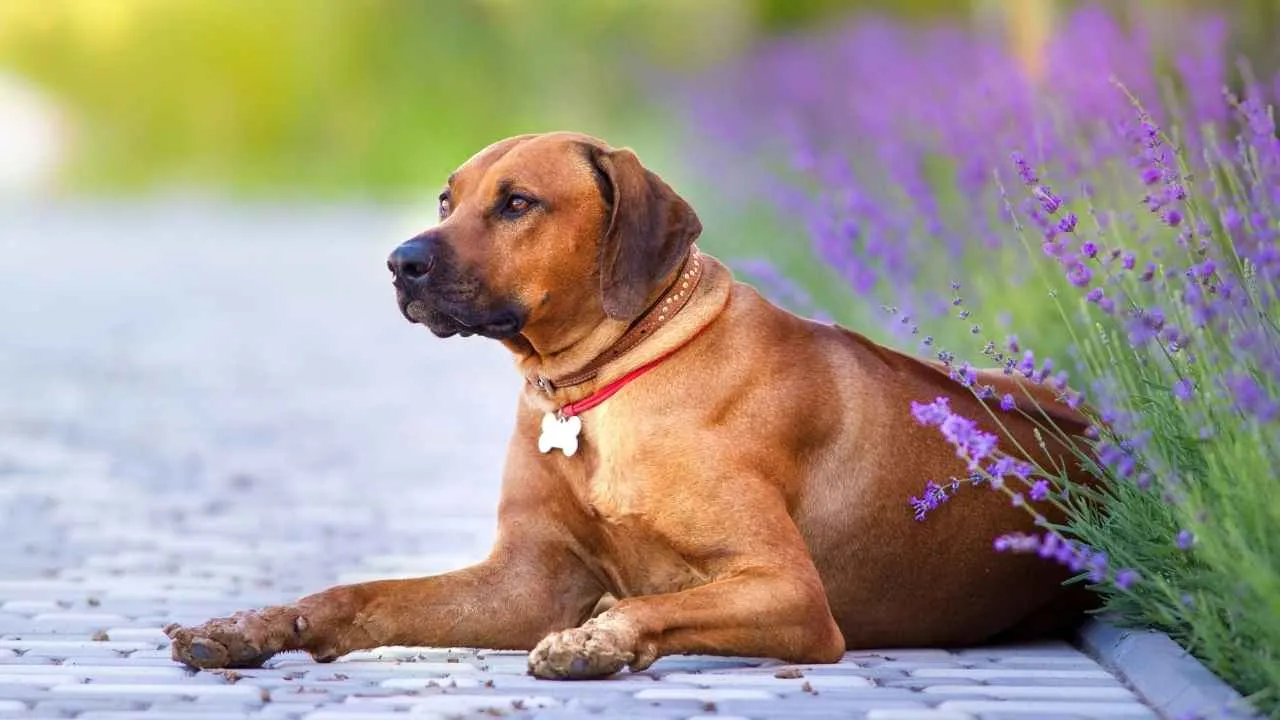
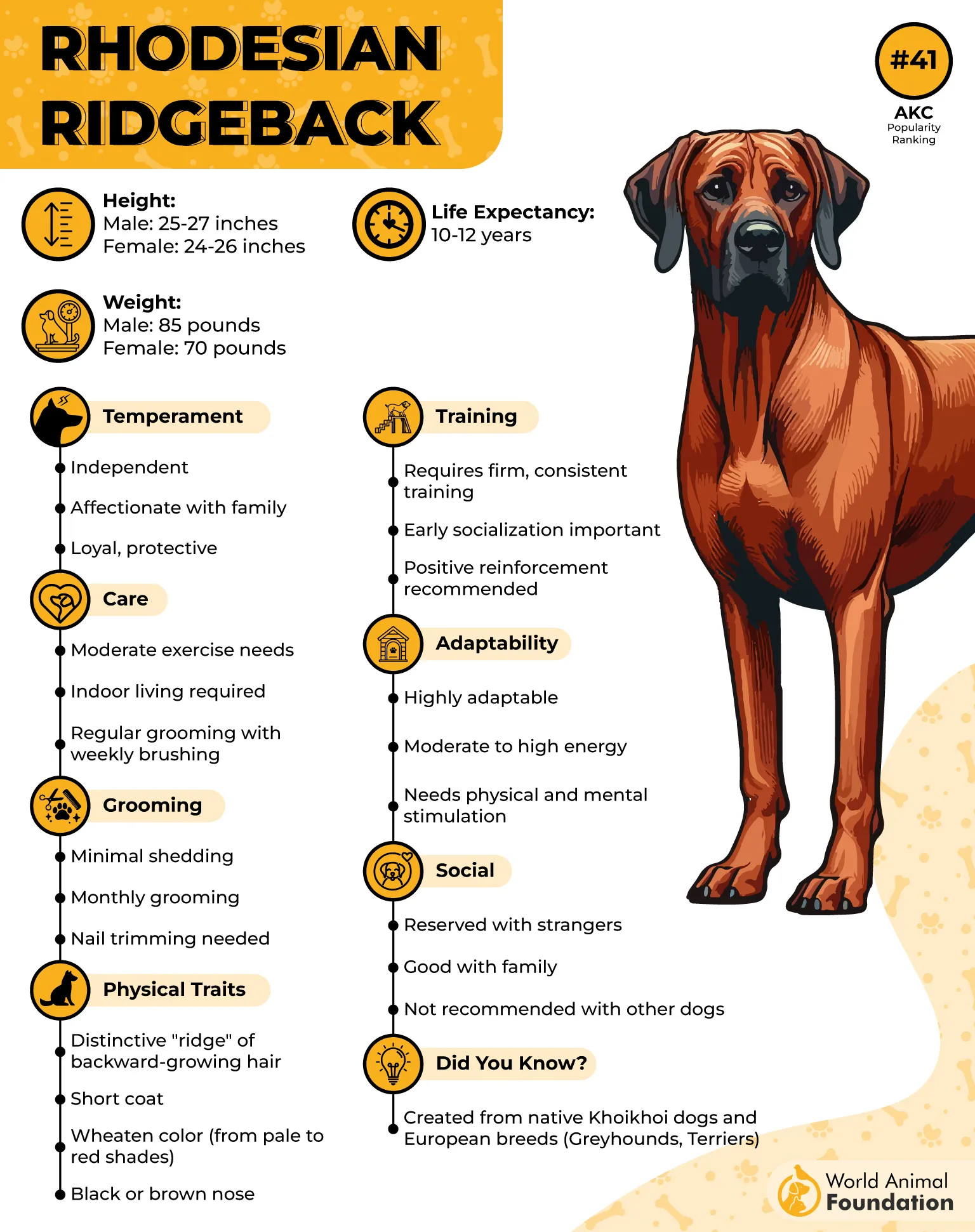
The Rhodesian Ridgeback is best known for the narrow ridge of hair running the opposite way along its spine, a feature few other breeds share. Adults also have a muscular frame, typically weighing 70 to 85 pounds and standing 24 to 27 inches at the shoulder.
Built for the Chase
The Rhodesian Ridgeback is built to cover wide stretches of ground without tiring easily. It can follow scent, pick up movement from a distance, and keep large game occupied, making it a trusted partner during challenging hunts.
Several working qualities shaped that reputation:
Capable of baying large game
Combines scent and sight while tracking
Reaches speeds of 30–40 mph
Calm Judgment
Rhodesian Ridgeback pairs physical ability with an intelligent and thoughtful temperament that suits experienced households. Familiar people usually receive a warm response, while unfamiliar visitors may notice a more reserved attitude because of the breed’s natural guardian instincts.
5. Plott Hound
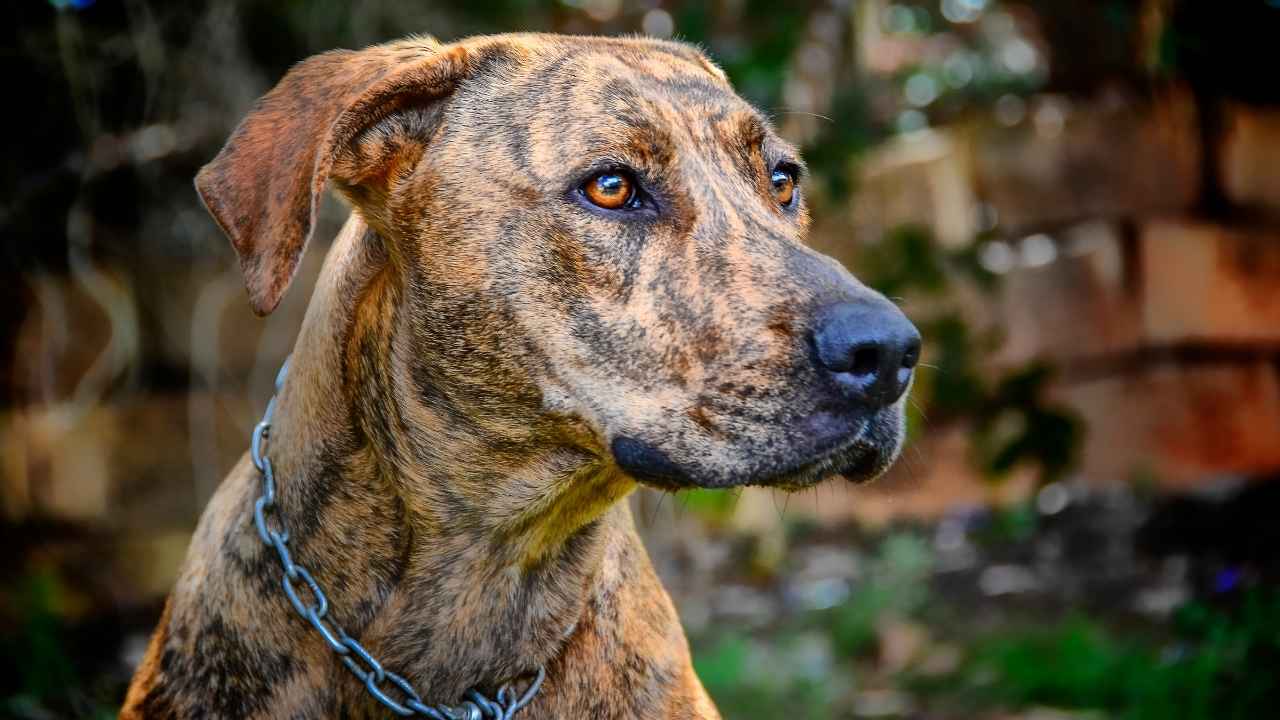
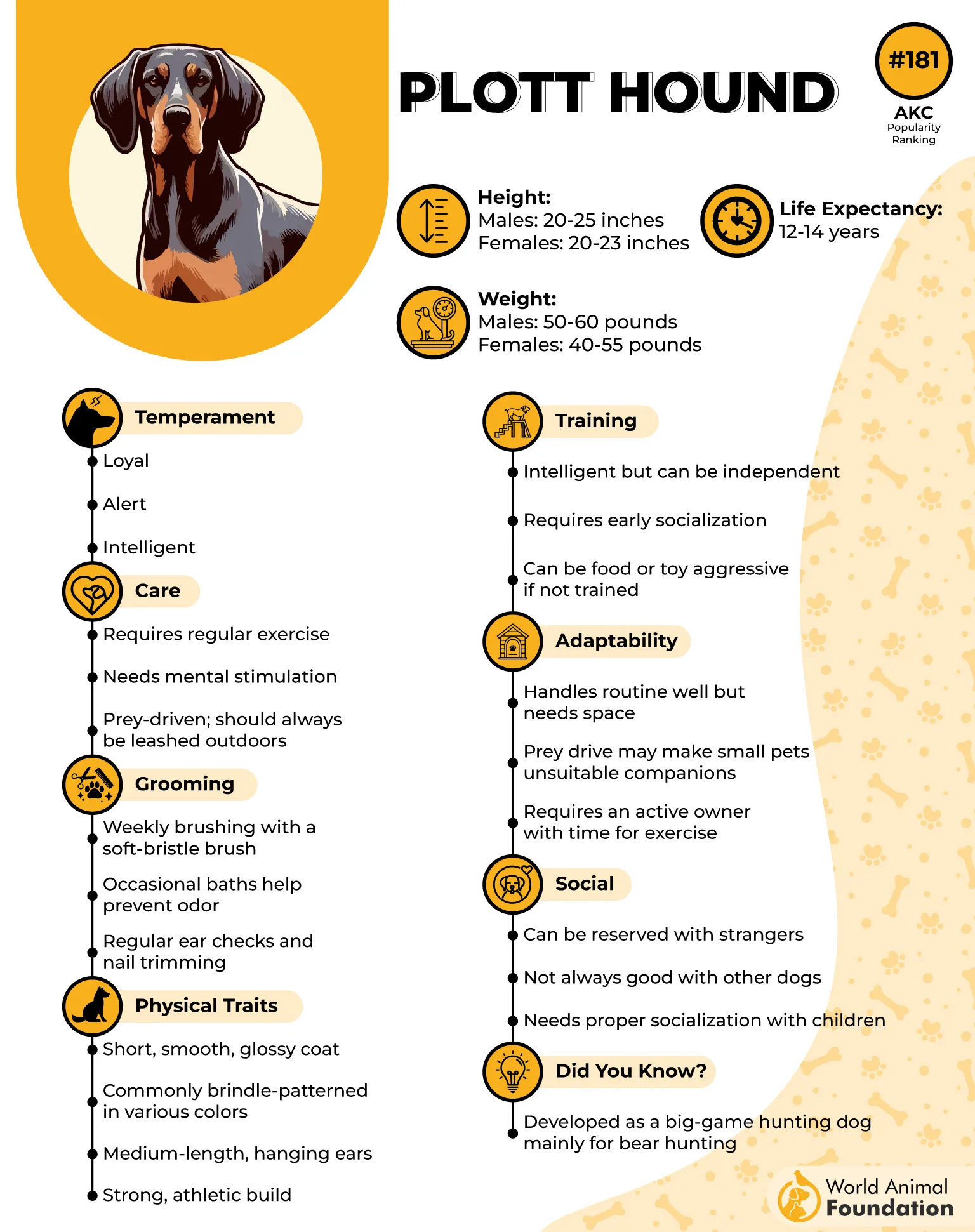
Plott Hound began in North Carolina after German gamekeeper Johannes Plott arrived with Hanoverian Scenthounds during the 18th century. Over time, his family shaped a distinct line of scent hounds that later became the official state dog of North Carolina.
Built for the Trail
They bring determination to dog hunting, using their nose to follow scent through rough terrain where endurance matters as much as speed. It also excels as a controlled hunting companion for recovering wounded game, a role that demands focus instead of uncontrolled pursuit.
Several field details make this breed especially interesting:
Cat-like, well-padded feet
Powerful, balanced hindquarters
A distinctive bay when game is cornered
Beyond the Hunt
Plott Hound enjoys spending time with both people and other dogs, then quickly switches gears for hiking, swimming, or long walks filled with new scents. Its short coat requires very little upkeep, leaving more time for outdoor adventures instead of grooming.
6. Redbone Coonhound
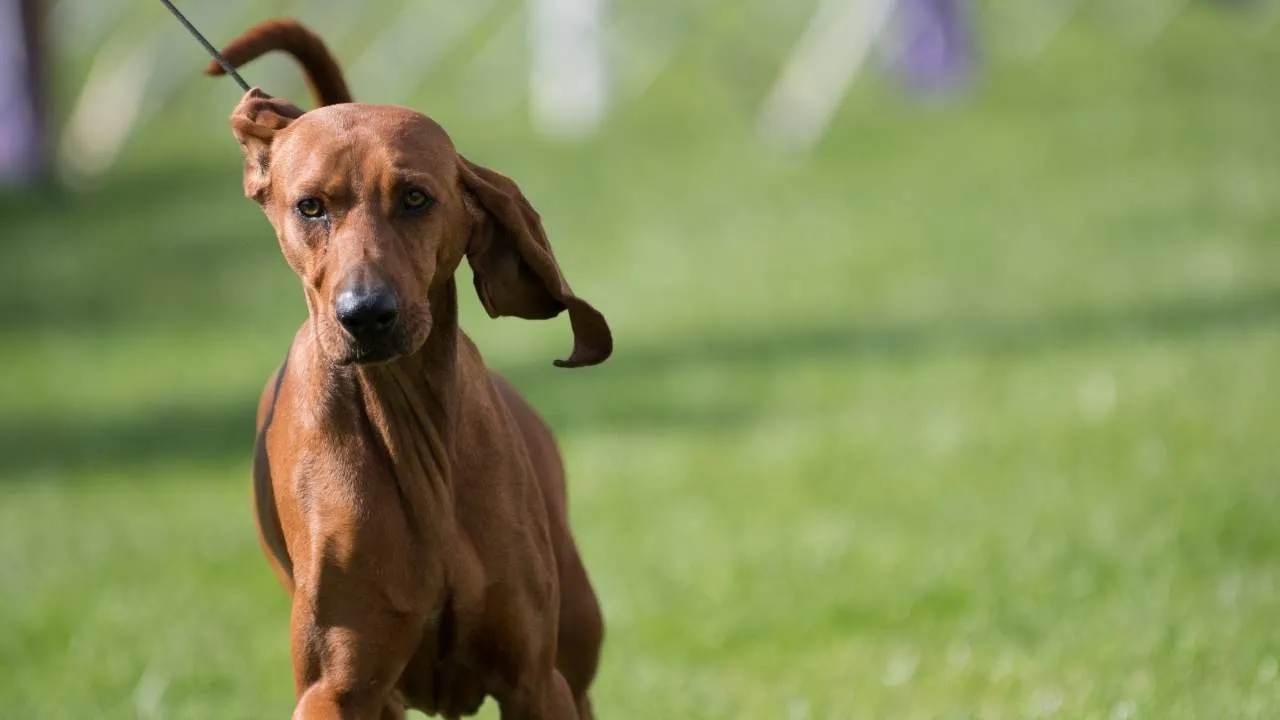
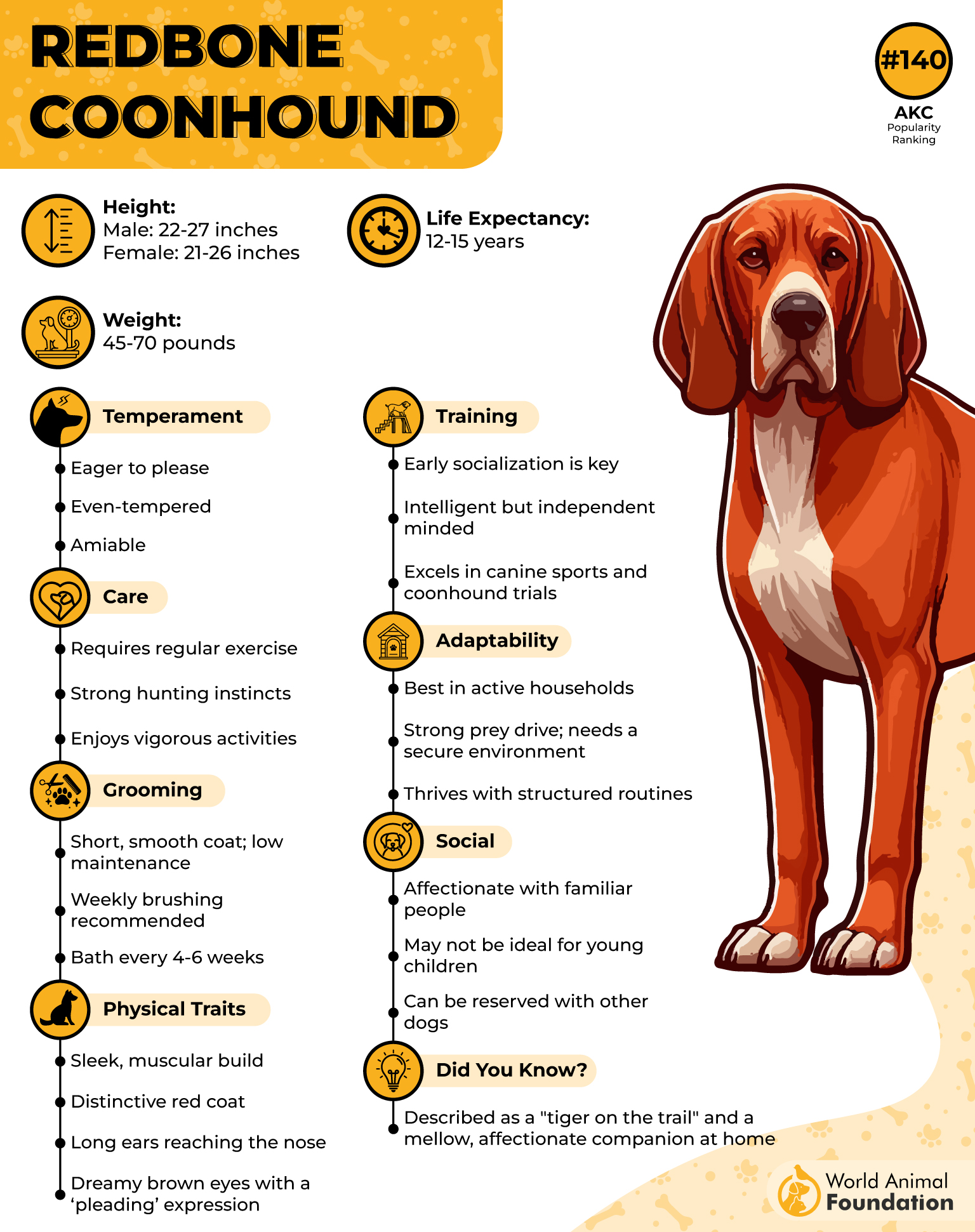
The Redbone Coonhound first took shape in the United States in the late 18th century, when hunters sought a versatile dog capable of navigating difficult terrain.
Originally bred to pursue raccoons, it also handled deer with confidence, tracking fresh scent through swamps, lowlands, and rugged hills without giving up easily.
Built for the Chase
A long, powerful hindquarter gives this breed an efficient stride that supports steady ground coverage instead of short bursts of speed. That balanced gait helped it work across open country while also pursuing upland game through changing terrain and heavy cover.
A few working details deserve a closer look:
Deep, ringing bay during pursuit
Strong handler focus and recall
Confident across swamps and mountains
Smart in the Field
Redbone Coonhound pairs curiosity with intelligence, qualities that helped shape a dependable hunting companion for demanding outings. This great family dog also responds well to guidance, giving it an advantage over some larger tracking breeds that can be more independent in the field.
7. German Shorthaired Pointer
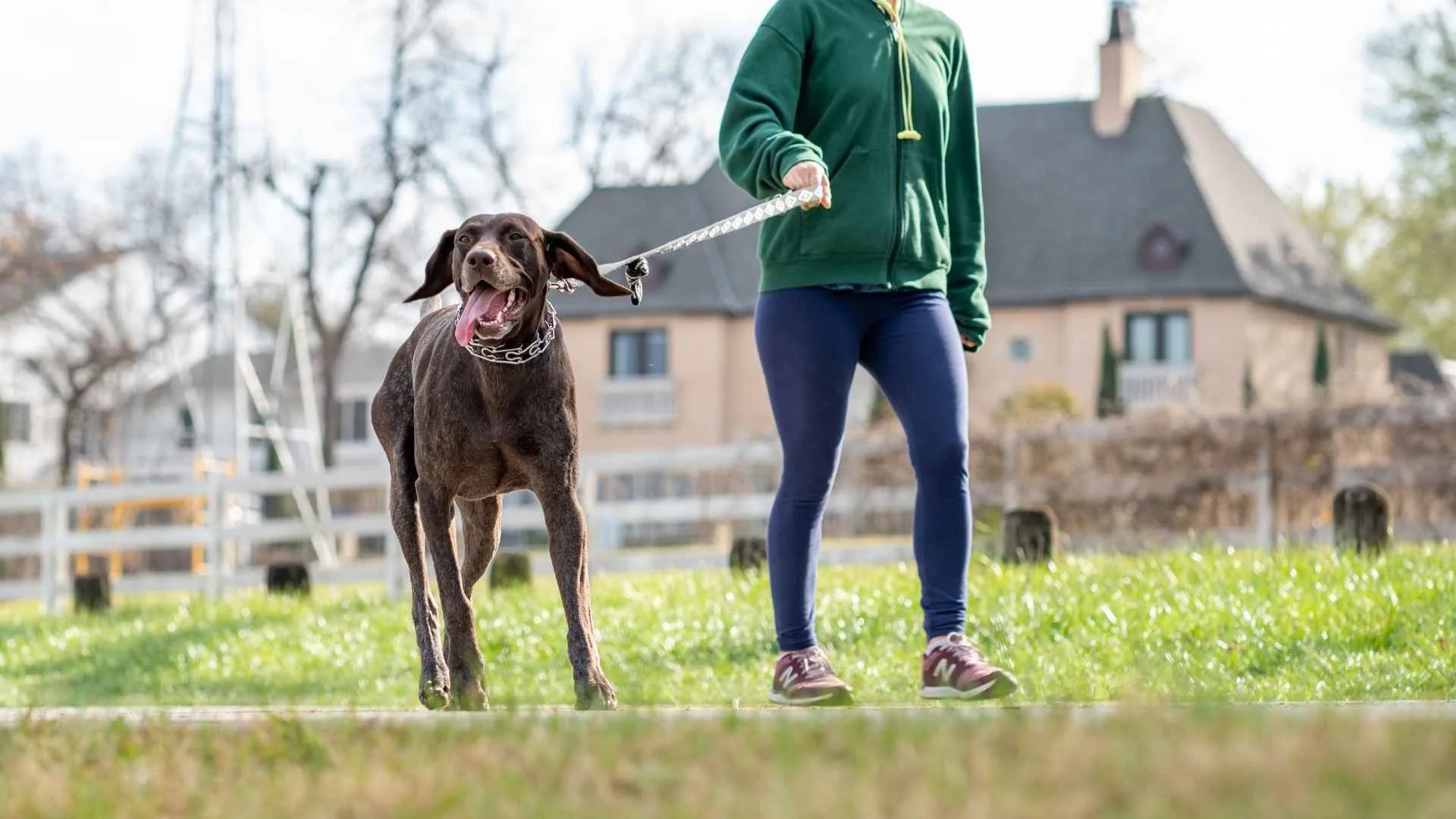
German Shorthaired Pointer combines sharp instincts with remarkable athletic ability, making it one of the most versatile gun dogs in the field. Its quick pace, lasting endurance, and ability to handle different types of game also explain why deer became one of the animals included in its hunting work.
Built for Wide Ground
Covering wide stretches of open land came naturally to this breed, with the speed and stamina to keep searching without losing focus. It can even shift between following the scent in the air and picking up a trail on the ground when conditions change.
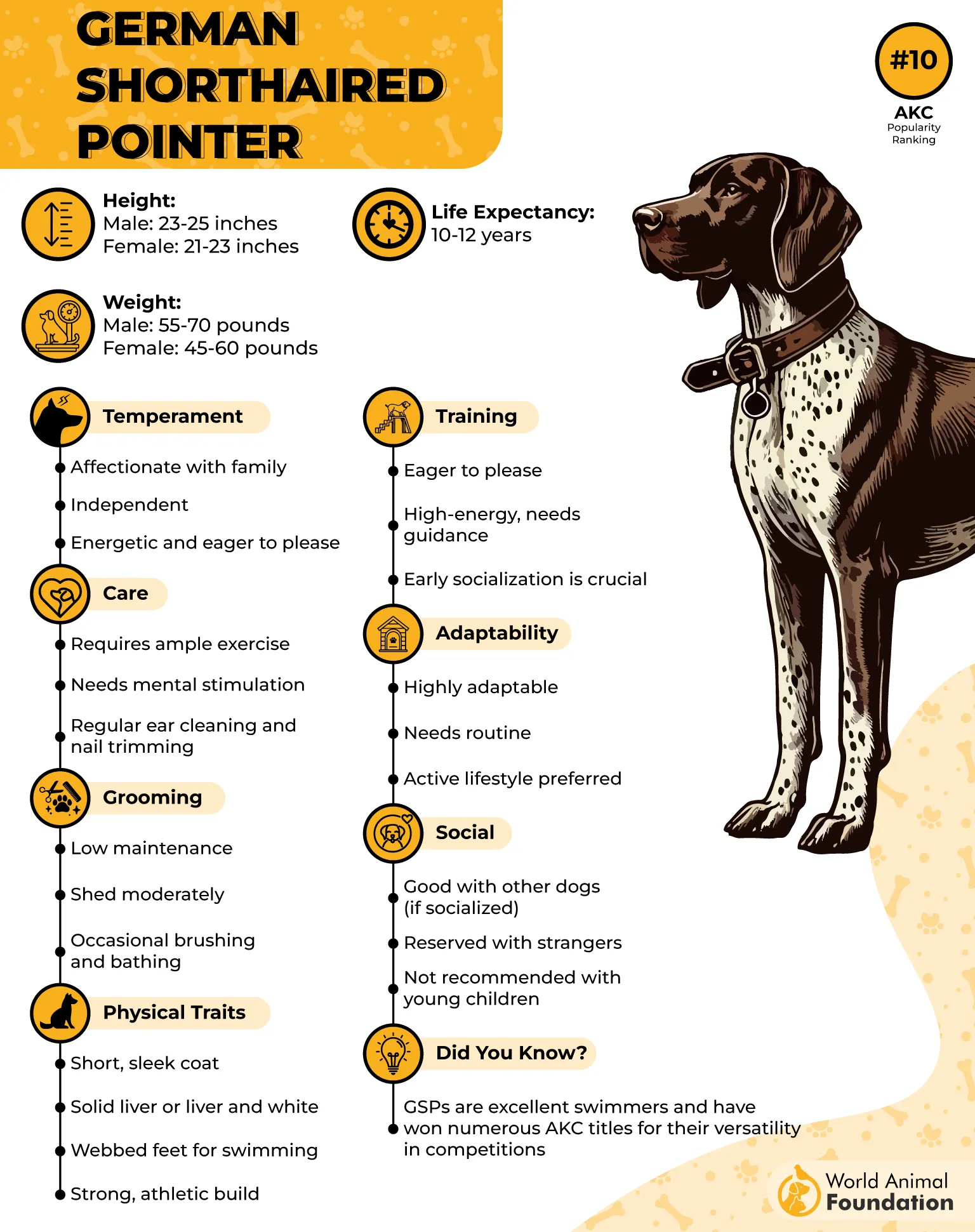
Several field abilities deserve a closer look:
Points before flushing the game birds
Tracks both air and ground scent
Retrieves after the hunt
Reading the Scent
German Shorthaired Pointer freezes with its nose directed toward fresh scent instead of rushing forward, giving the hunter a clear indication before the next step begins. That controlled response helps prevent unnecessary disturbance while the hidden game is being located across open country.
Ready for Demanding Hunts
German Shorthaired Pointer brings enough stamina to spend long hours covering challenging terrain while remaining engaged in the task ahead. High energy, quick decision-making, and the ability to hunt, point, flush, and retrieve make this breed a dependable choice for demanding field work.
Conclusion
True hunting ability has never depended on speed alone. Success across open plains came from the balance of sharp eyesight, reliable scenting, quick decisions, and the endurance to stay focused through long pursuits. Every breed on this list earned its reputation in deer hunting, though some also hunt birds or excel at hunting small game, proving their versatility beyond a single task.
Understanding those differences offers a deeper appreciation for the skill behind every chase. With proper training, many of these breeds become loving companions, and several are recognized by the American Kennel Club for the remarkable qualities that continue to earn respect from hunters and dog enthusiasts around the world.
