




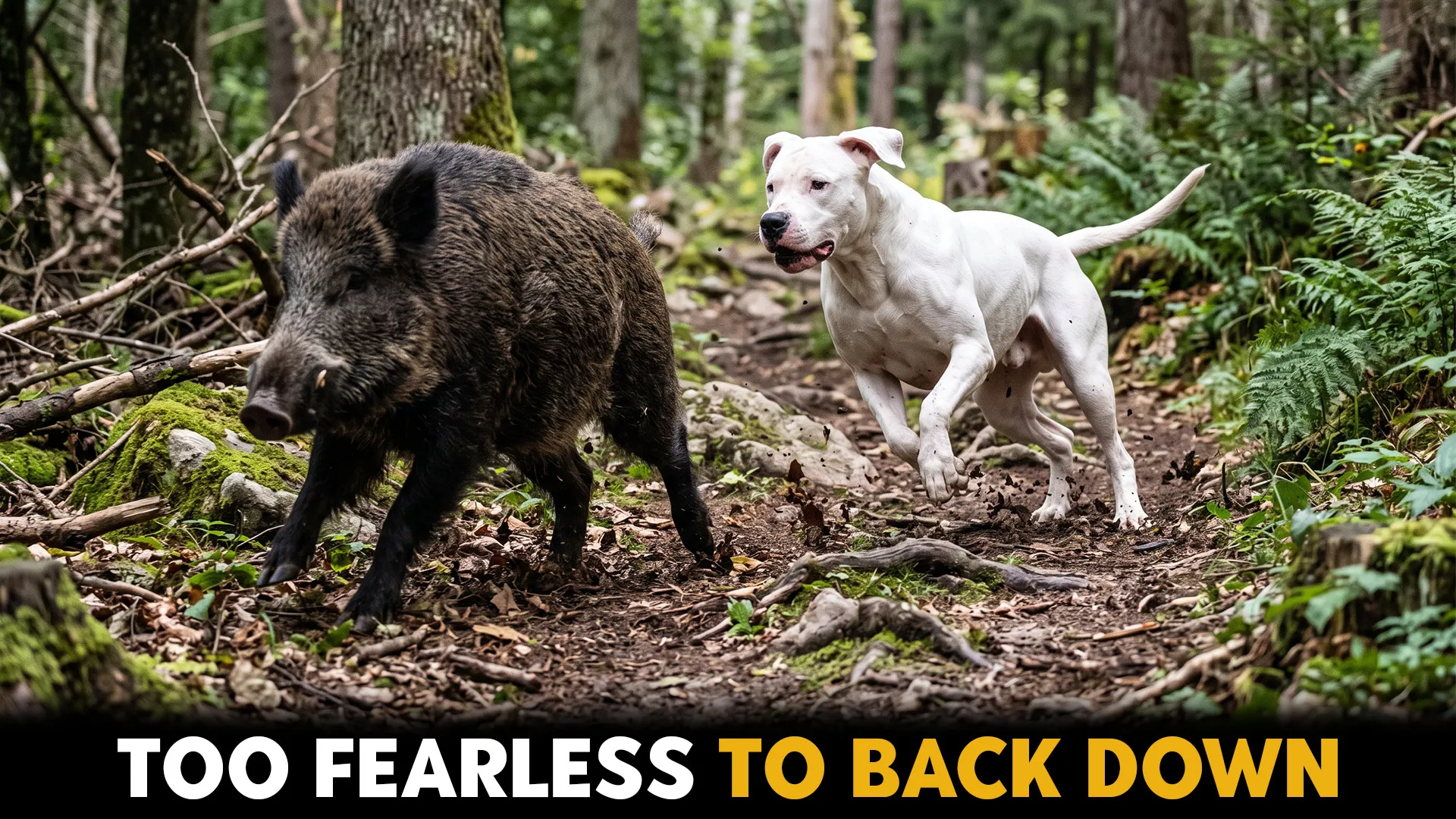
Wild boar hunting demands more than speed. The quarry is strong, unpredictable, and often found deep in thick brush or rough country. A capable dog needs stamina, confidence, a reliable nose, and the judgment to work with its handler.
That is why experienced hog hunters look beyond appearance when choosing a working partner. Some dogs excel at following scent trails, while others bring athleticism, courage, or the strength needed for demanding big-game work.
The following dog breeds are proven to dominate wild boar hunting adventures, bringing something different to the field. Some were originally bred for hunting, while others developed reputations through years of practical work alongside hunters.
Dog Breeds Proven to Dominate Wild Boar Hunting Adventures
1. Plott Hound
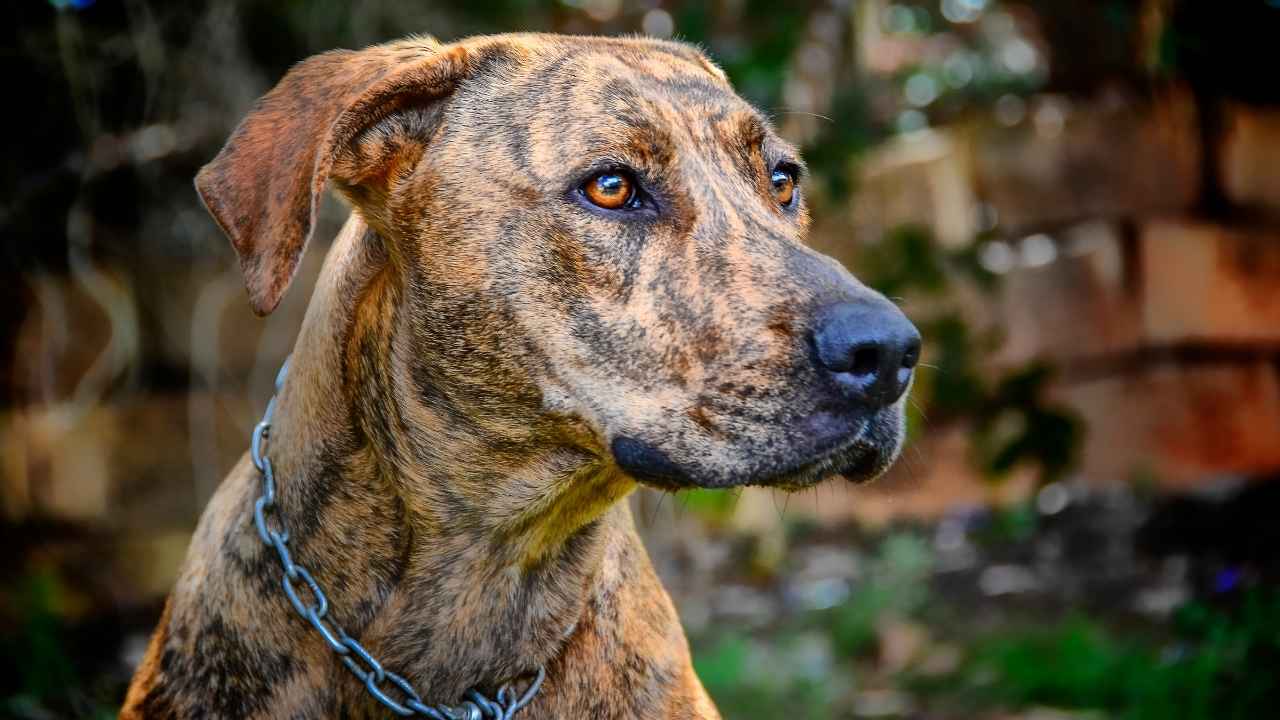
Give a Plott Hound a scent trail and watch that calm expression switch into serious work mode. This North Carolina native has a fascinating history tied to big-game hunting. The breed traces back to German Hanoverian hounds brought to America in the 18th century, then developed through generations of careful breeding in the Appalachian region.
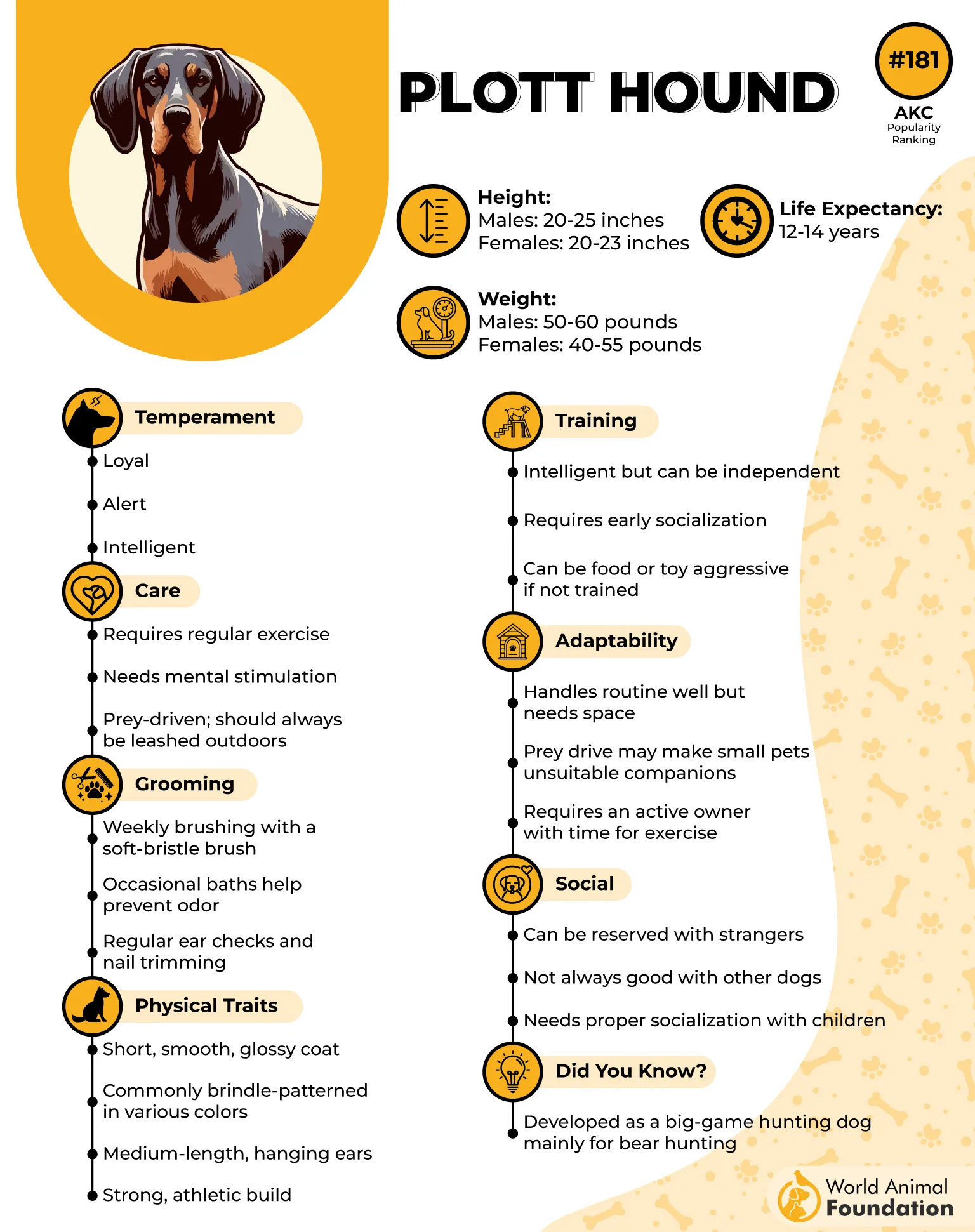
The Plott is confident, intelligent, athletic, and wonderfully determined. That combination explains why these hunting dogs have such a strong reputation with people who pursue demanding quarry. At home, the breed can be affectionate and gentle with its family. Out in the woods, those easygoing manners give way to intense focus.
Plotts also have a distinctive brindle coat and a voice that carries. A hunter heading into the backcountry needs to appreciate both qualities. This is not a quiet little trail companion that simply trots behind you. The breed was built to work, think, follow, and keep going.
Built for Big-Game Pursuits
Plotts have a genuine history with wild boar, bears, and other formidable quarry. Their strong nose, courage, stamina, and ability to track and corner game make them one of the most naturally relevant hog dogs on this list.
2. Catahoula Leopard Dog
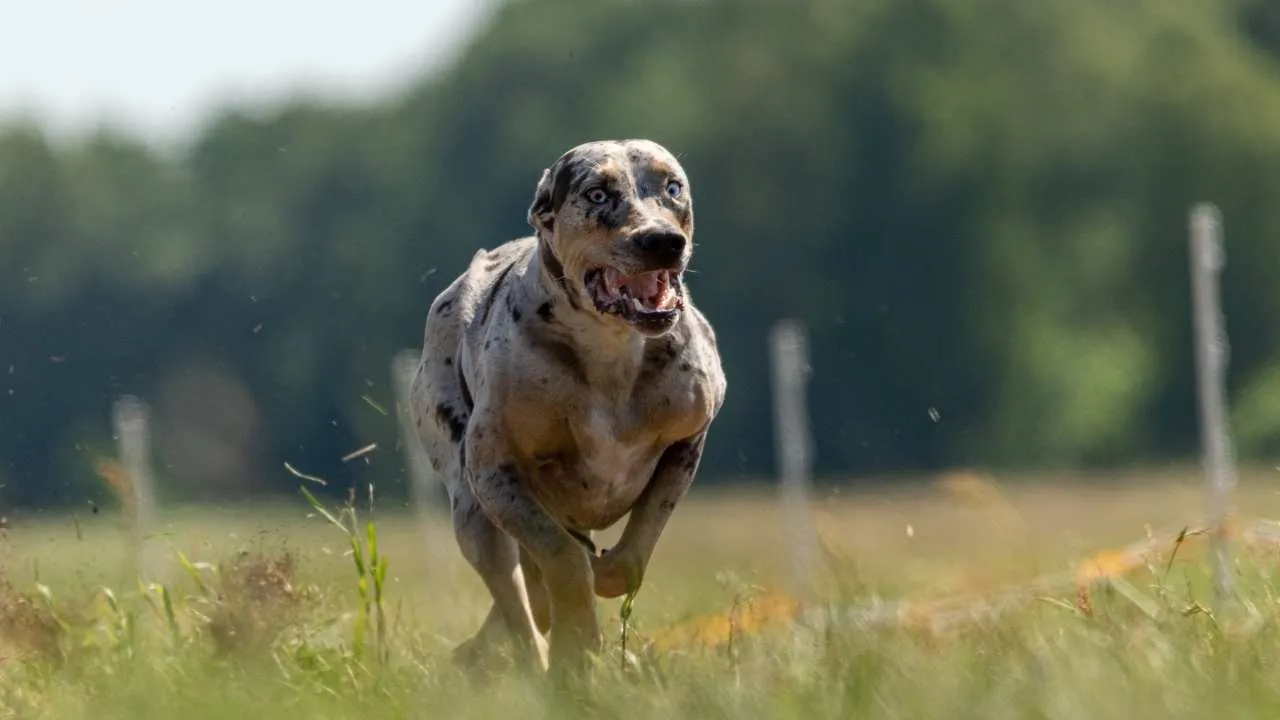
A Catahoula Leopard Dog brings a completely different flavor to the hunt. Powerful enough for demanding work but agile enough to move quickly, this Louisiana breed was developed as a versatile working dog rather than a one-job specialist.
That versatility is a big part of the appeal. Catahoulas are serious when working and playful once the job is done. Their muscular frame gives them physical presence, but their agility helps them move through demanding landscapes without becoming clumsy.
Their intelligence also deserves attention. This is a dog that needs direction, structure, and meaningful work. Random chasing is not the goal. PetMD says that good training teaches the dog when to act, when to listen, and when to return.
A Catahoula can form a close partnership with an experienced handler. That relationship matters in hog hunting, where communication and control are just as important as natural drive.
Strengths in the Field
Catahoula Leopard Dogs bring agility, endurance, confidence, and a keen sense of their surroundings. Their athletic build suits rough and varied terrain, especially areas filled with vegetation, uneven ground, and obstacles.
3. Bloodhound
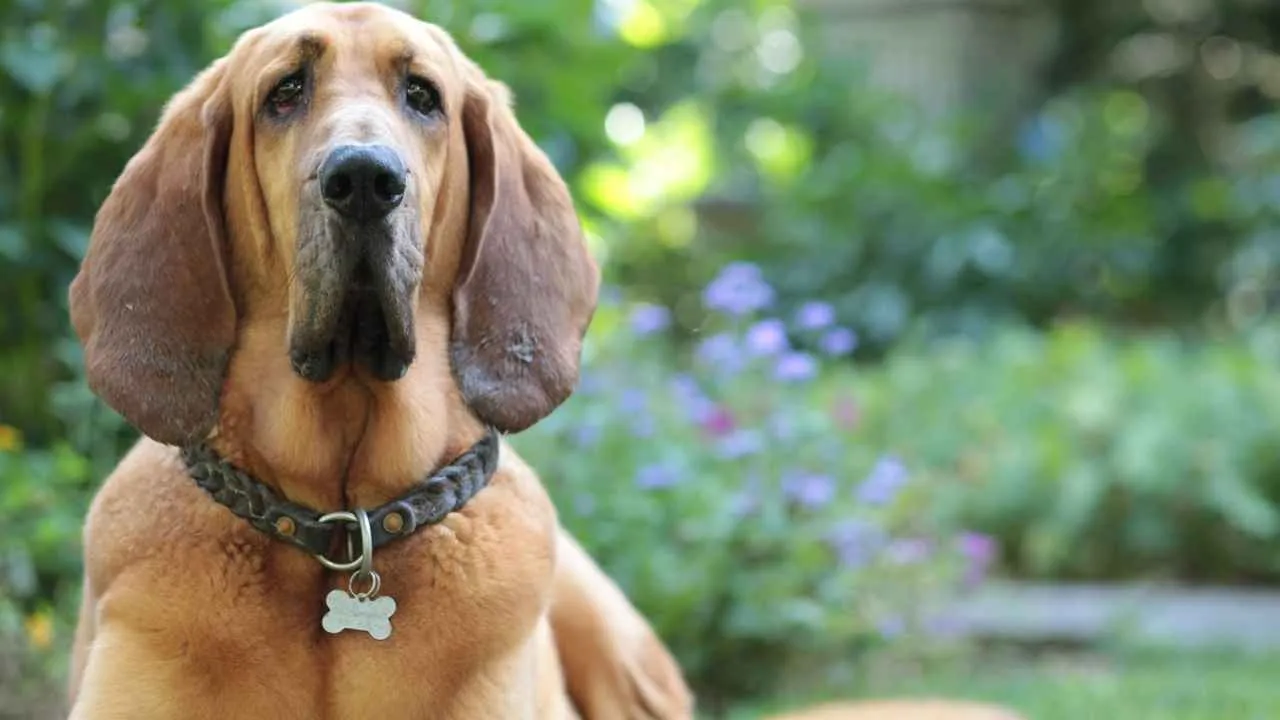
Those famous droopy ears are not just there to give the Bloodhound its wonderfully serious face. This breed has one extraordinary talent: following a scent with remarkable persistence. That makes the Bloodhound a fascinating choice for hunters who value tracking more than brute strength.
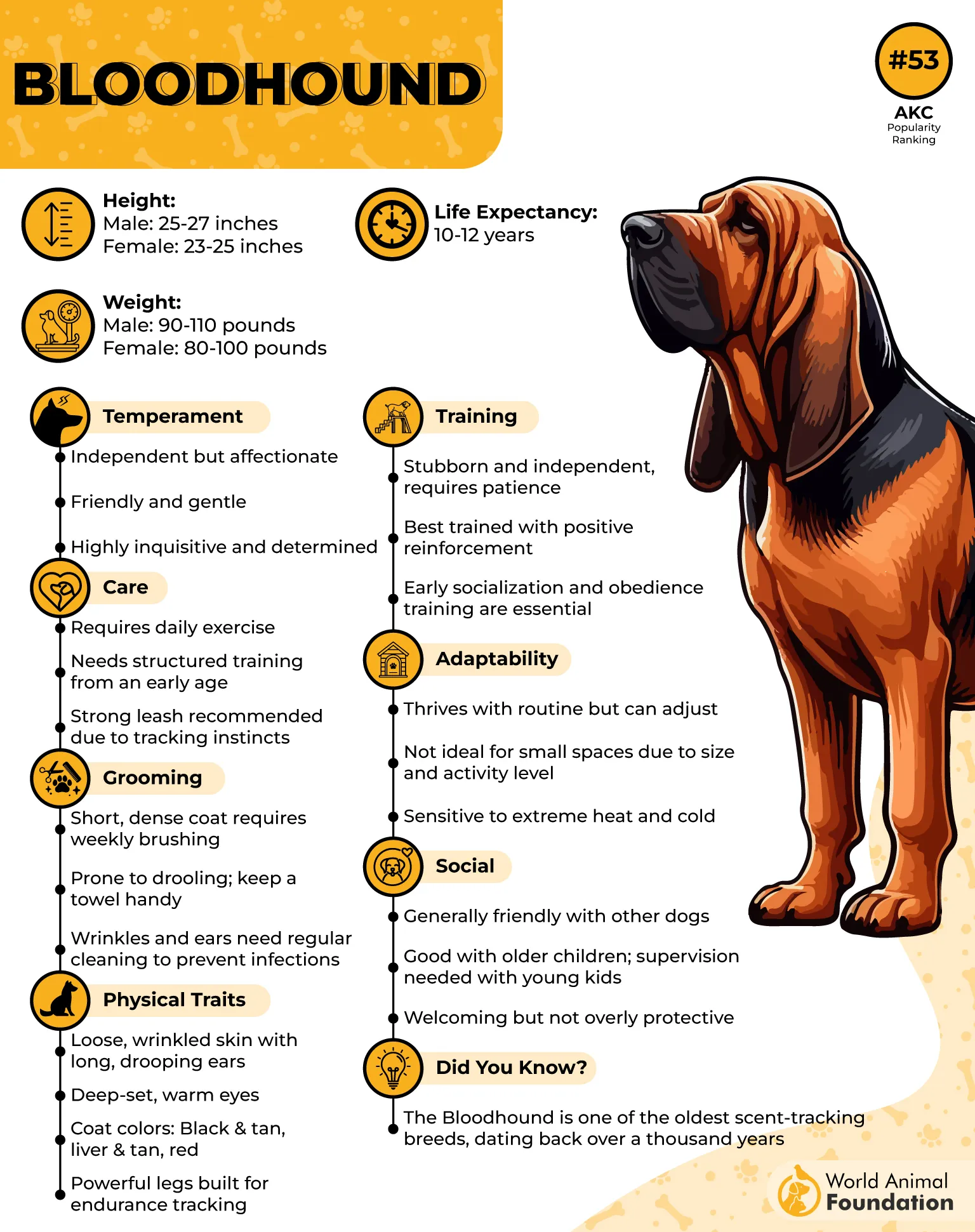
Bloodhounds have a long working history and are celebrated for their scenting ability. Their noses have also made them valuable in police work and search-and-rescue dog operations.
For a wild-boar hunt, that talent gives the breed a different role from a powerful catch dog. A Bloodhound is more about finding and following than confronting. This large dog breed can stay focused on a trail that has become difficult for humans to detect.
That independent streak needs patient training. Once the nose takes over, the rest of the world can become background noise. A handler needs dependable recall and secure management outside controlled hunting areas.
The Power of Its Nose
The Bloodhound’s extraordinary sense of smell makes it a natural scent hound for following trails, as Britannica mentions. That ability can also assist with blood tracking and recovering wounded game, giving the breed value beyond the initial chase.
4. Redbone Coonhound
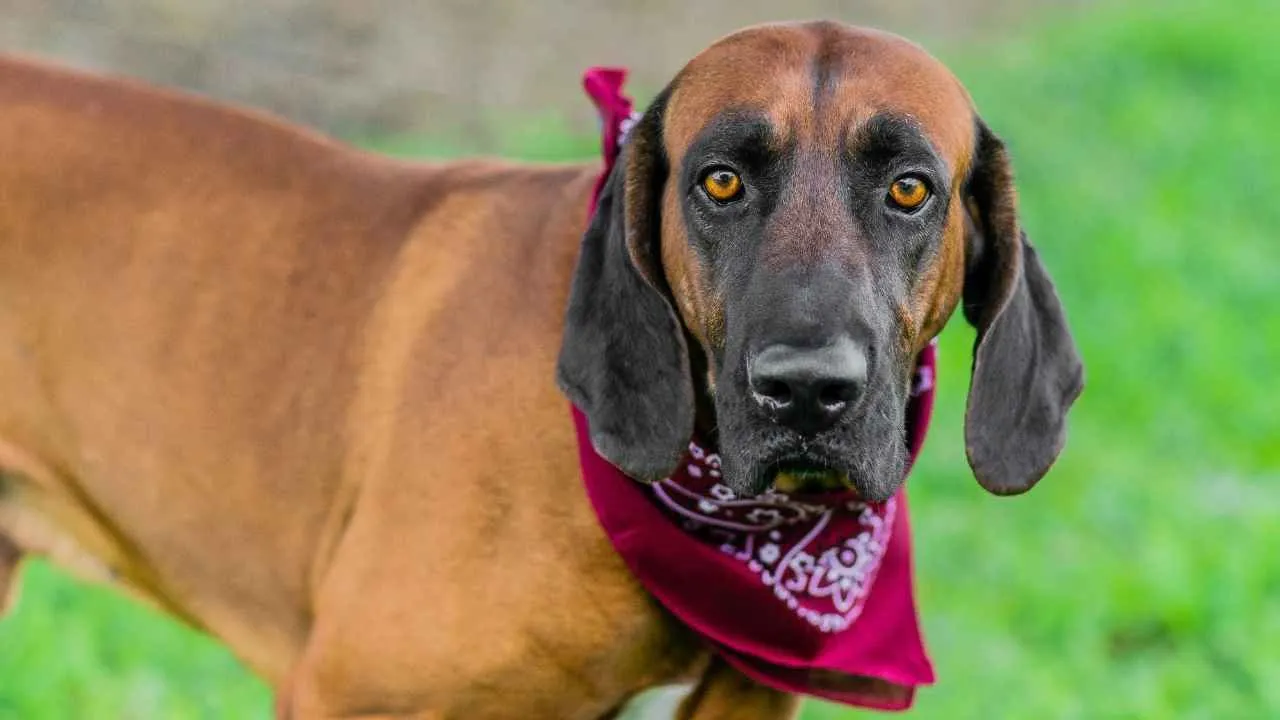
There is something wonderfully straightforward about a Redbone Coonhound. Give this red-coated athlete room to move, a scent to follow, and a job to do, and the breed is right in its element.
Developed in the United States, the Redbone was created by hunters who needed a dog capable of working across everything from swamps to steep mountains. That history produced an agile, resilient hound with impressive stamina.
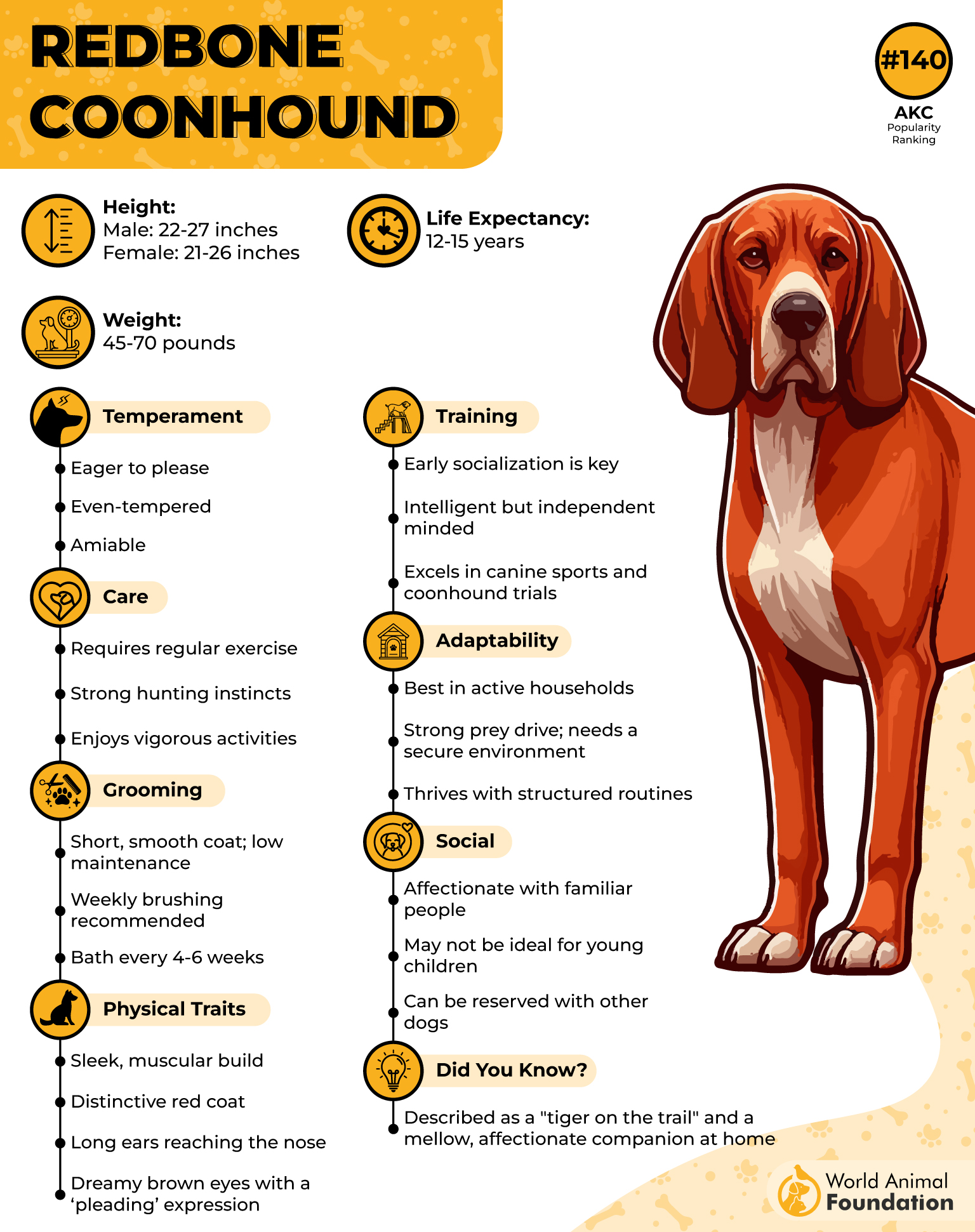
The breed is best known for raccoon hunting, but its physical ability is not limited to one type of quarry. Redbones are energetic, loyal, and eager to participate in outdoor activities. Their friendly and protective nature also makes them wonderful companions between expeditions.
Life with one does require commitment. WebMD states that these dogs need regular exercise and opportunities to use their brains. A couple of quick trips around the block will not satisfy a dog bred for active work.
Made for Long Pursuits
The Redbone combines a strong nose, athletic movement, and high endurance. Those qualities help the breed cover long distances and follow scent across changing landscapes.
5. Black and Tan Coonhound
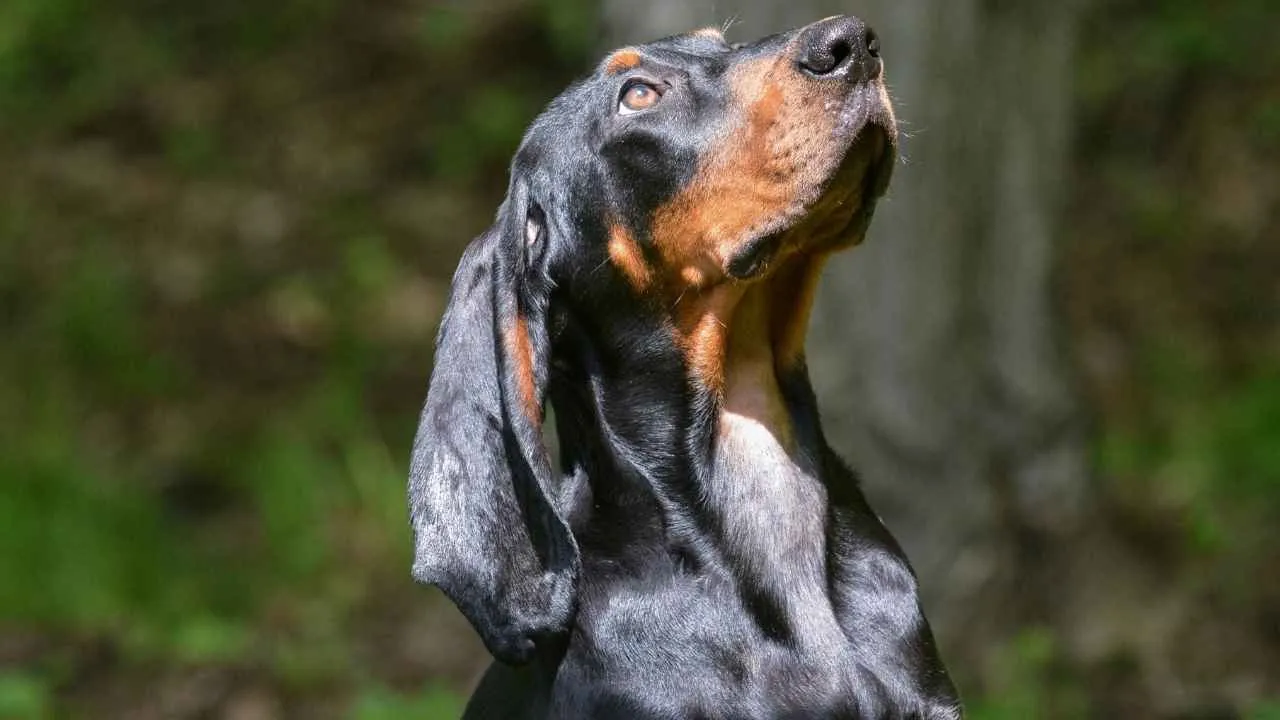
The Black and Tan Coonhound has two very different settings: sleepy homebody and determined trail worker. Once a scent reaches that remarkable nose, the relaxed household personality can quickly make room for serious concentration.
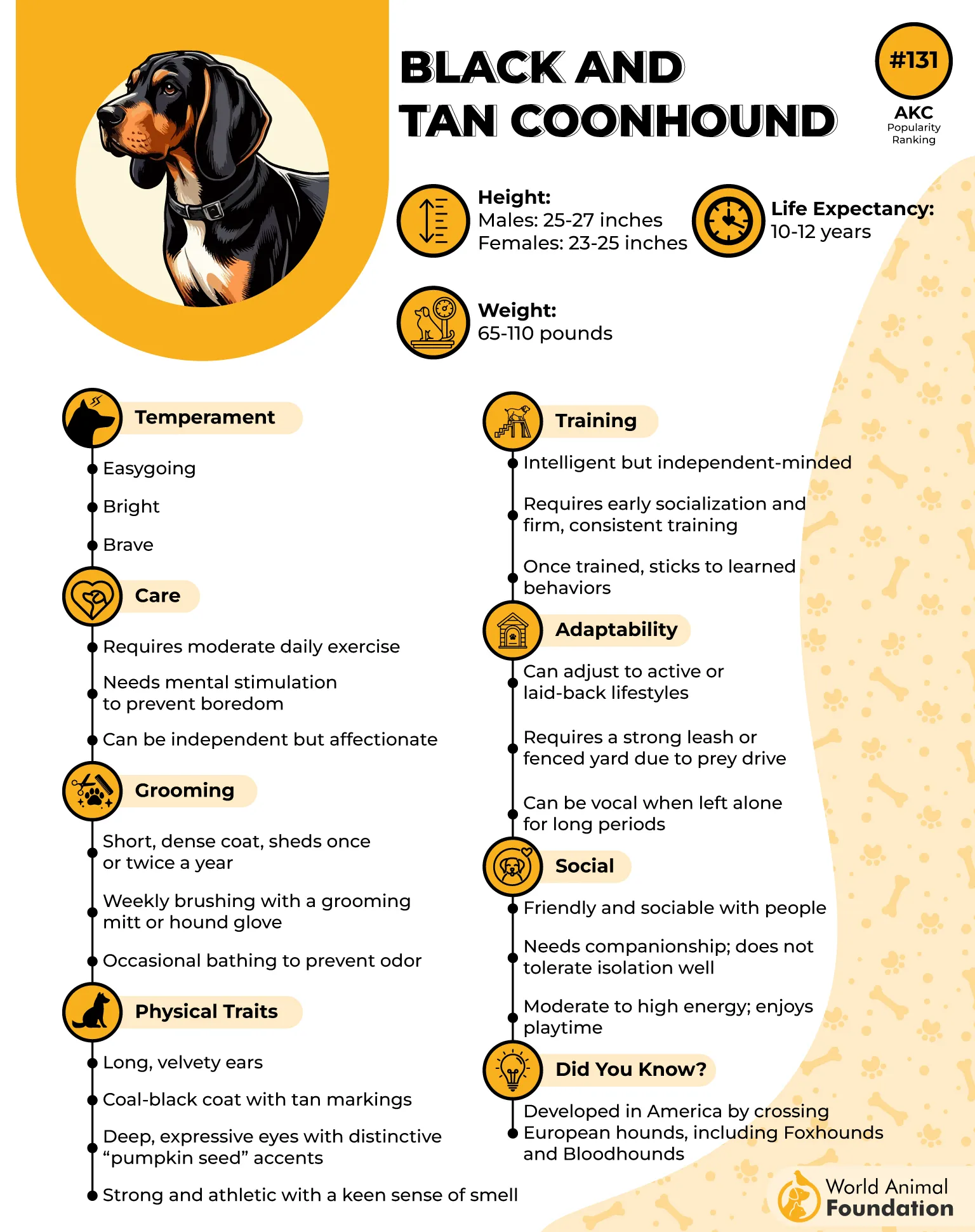
This American breed developed from Bloodhound and foxhound lines and became valued for tracking game. The breed’s exceptional nose allows it to follow scent trails across considerable distances.
That makes the Black and Tan especially interesting for hunters who want a dedicated tracker. The breed is social and friendly with its people, too, which gives it a softer side away from work.
There is one feature you should be prepared for: the voice. Black and Tan Coonhounds have a distinctive bay that can travel far through wooded areas. For a hunter, that sound can be useful. For nearby neighbors, it can be quite a performance.
Secure recall also matters. A fascinating scent can send this dog on a mission of its own.
Tracking Through Tough Terrain
Black and Tan Coonhounds bring a strong nose, stamina, and a natural ability to follow scent across varied terrain. Their traditional hunting background also gives them experience tracking challenging quarry.
6. Dogo Argentino
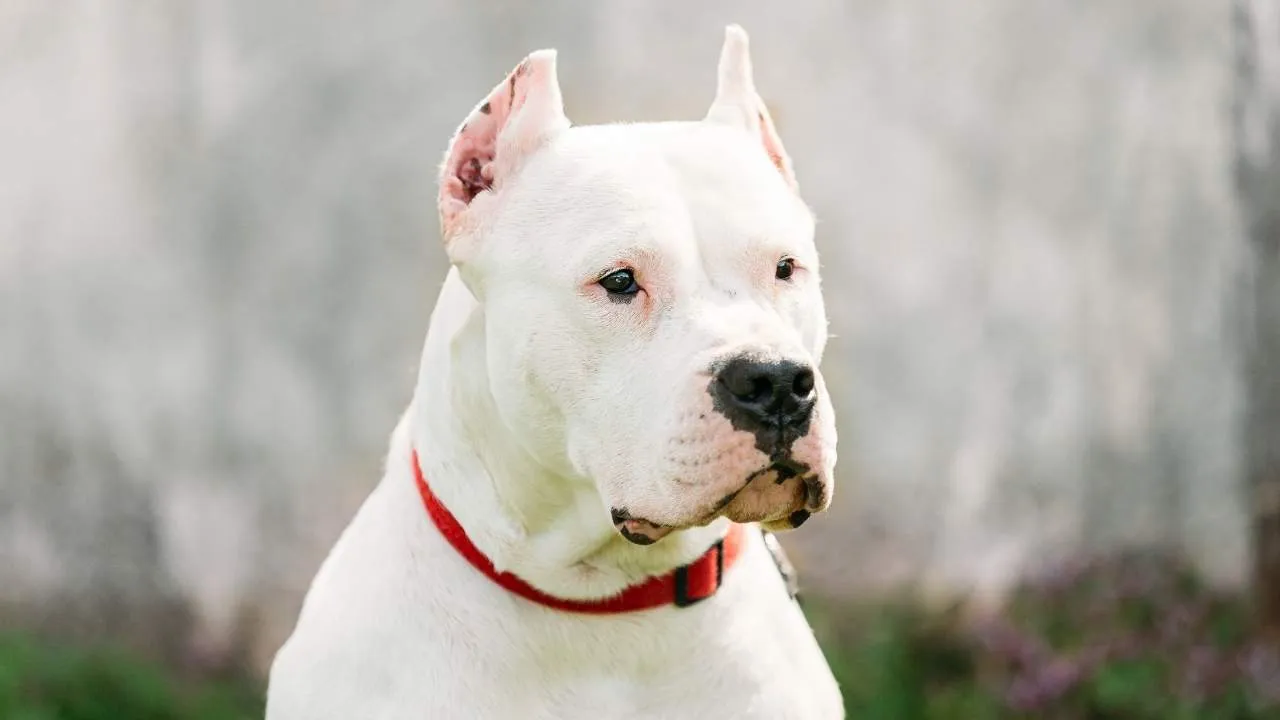
Some dogs bring a nose. The Dogo Argentino brings serious physical power to the conversation. Developed in Argentina for big-game hunting, this muscular breed was created with demanding outdoor work in mind.
The Dogo was originally developed from several breeds to create a capable hunting dog with strength, stamina, courage, and determination. Its athletic structure allows it to remain active in challenging conditions without carrying unnecessary bulk.
Purina highlights that they thrive in human companionship and do not like being left alone for long periods.
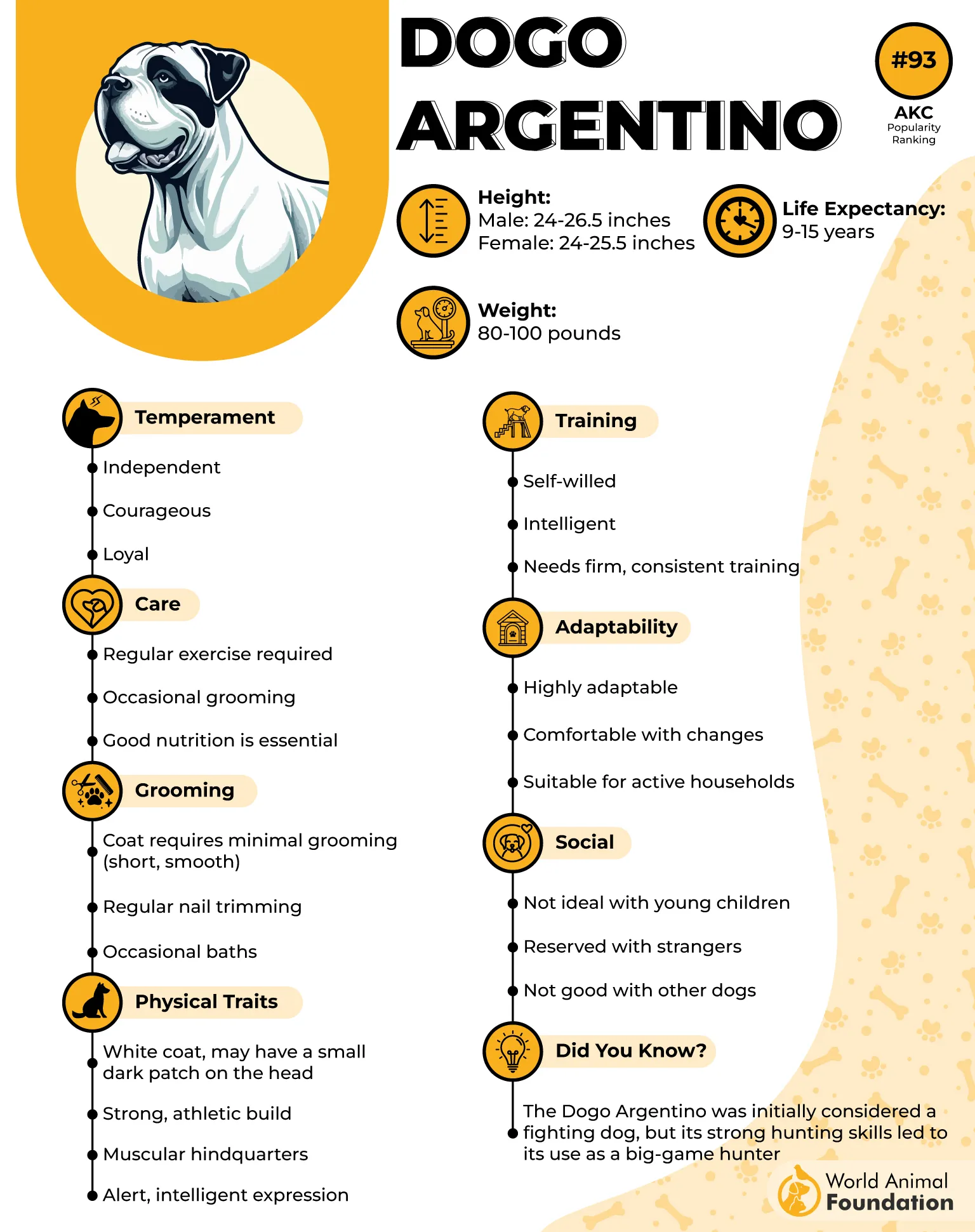
That strength comes with responsibility. A Dogo needs an experienced handler who understands powerful working breeds. Early socialization, reliable obedience, controlled introductions, and consistent training are essential.
The breed’s short coat also keeps grooming fairly simple, which is handy for an active dog spending plenty of time outdoors. Physical conditioning deserves equal attention. A strong dog still needs to build fitness gradually and receive appropriate veterinary care.
This is not a breed for casual experimentation. Good handling turns natural ability into controlled teamwork.
Power Meets Determination
The dogo argentino was created for large game and brings muscular strength, athletic ability, courage, and stamina to demanding work. Those qualities explain its reputation among hunters pursuing formidable quarry.
7. Airedale Terrier
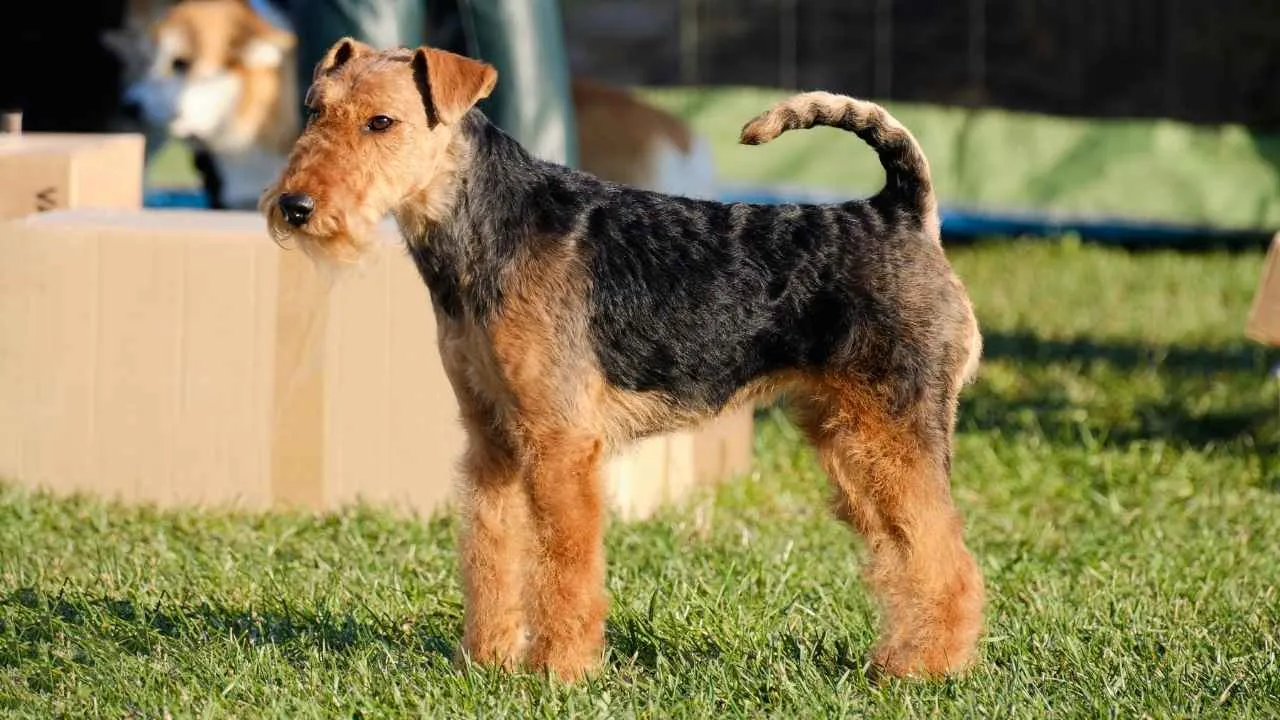
The Airedale Terrier is proof that a hunting dog does not need to be enormous to bring plenty of attitude. Known as the “King of Terriers,” this energetic breed packs intelligence, athleticism, confidence, and determination into a surprisingly versatile frame.
The Airedale has a long working history and was developed for several jobs. That versatility helped shape a dog capable of adapting to different environments and tasks rather than becoming locked into one narrow role.
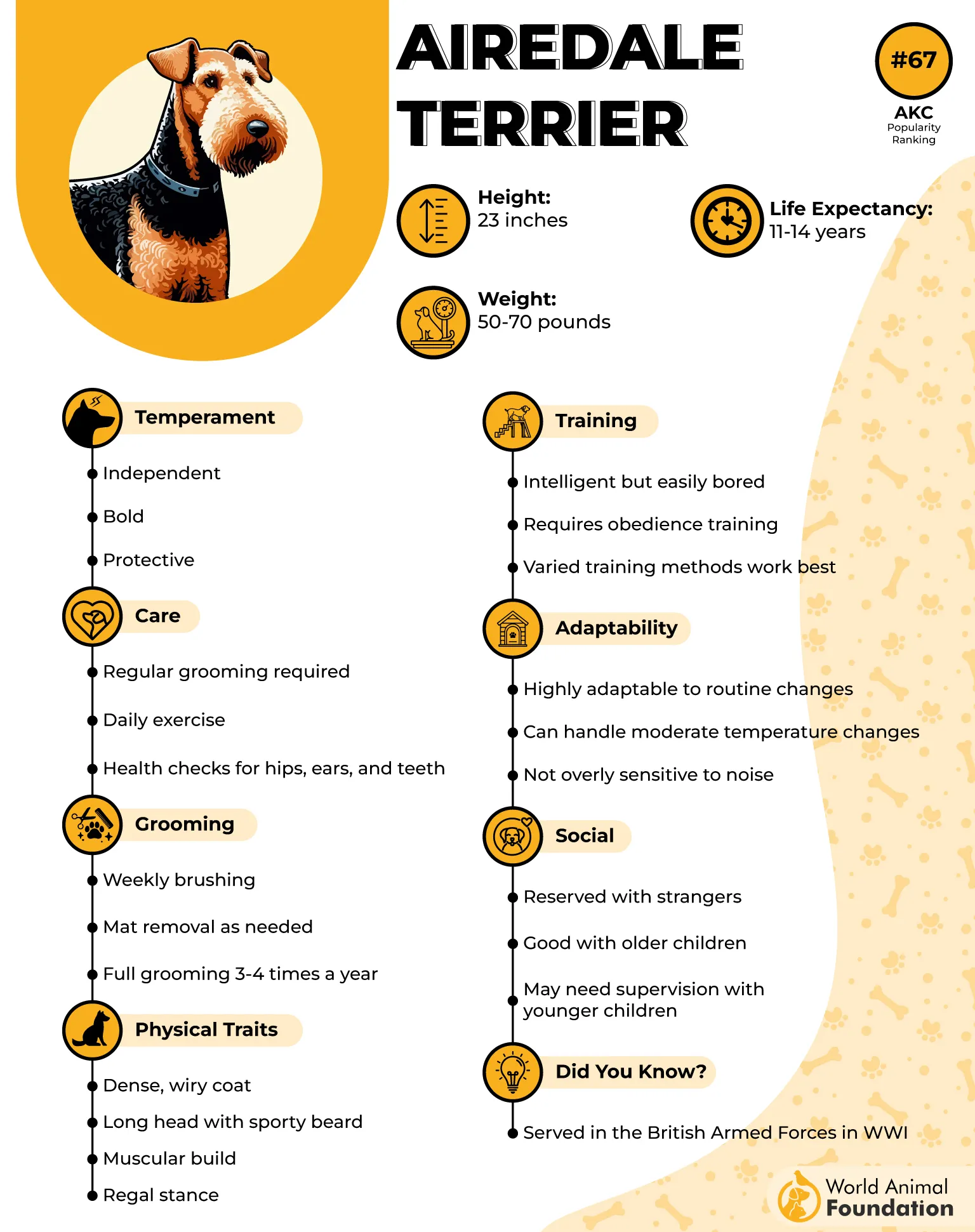
For an active owner, that personality can be a lot of fun. Airedales enjoy having something to do and tend to respond best to training that keeps their minds busy. Boredom is not their favorite hobby.
Their independent streak also means obedience cannot be an afterthought. A handler needs to build a reliable response before bringing the dog into demanding outdoor situations.
The breed’s wiry coat offers useful protection during outdoor work, though regular grooming keeps it in good condition.
Versatility on the Trail
The Airedale combines intelligence, agility, stamina, and a bold working attitude. Those qualities give this working dog flexibility for tracking, outdoor tasks, and other forms of active hunting.
Conclusion
A good hunting dog is not just the one that runs hardest or looks toughest. Real partnership shows up in the small moments, the quick response to your call, the steady work when the trail gets messy, and the trust built after countless hours outdoors.
Wild boar hunting can be demanding on both hunter and dog. That makes preparation, training, fitness, and responsible handling just as important as instinct. The right match should suit your experience, your hunting style, and the ground you actually work on.
Choose thoughtfully, train patiently, and respect what your four-legged partner brings to the field. The strongest team is not built on bravado. It is built on trust.
