




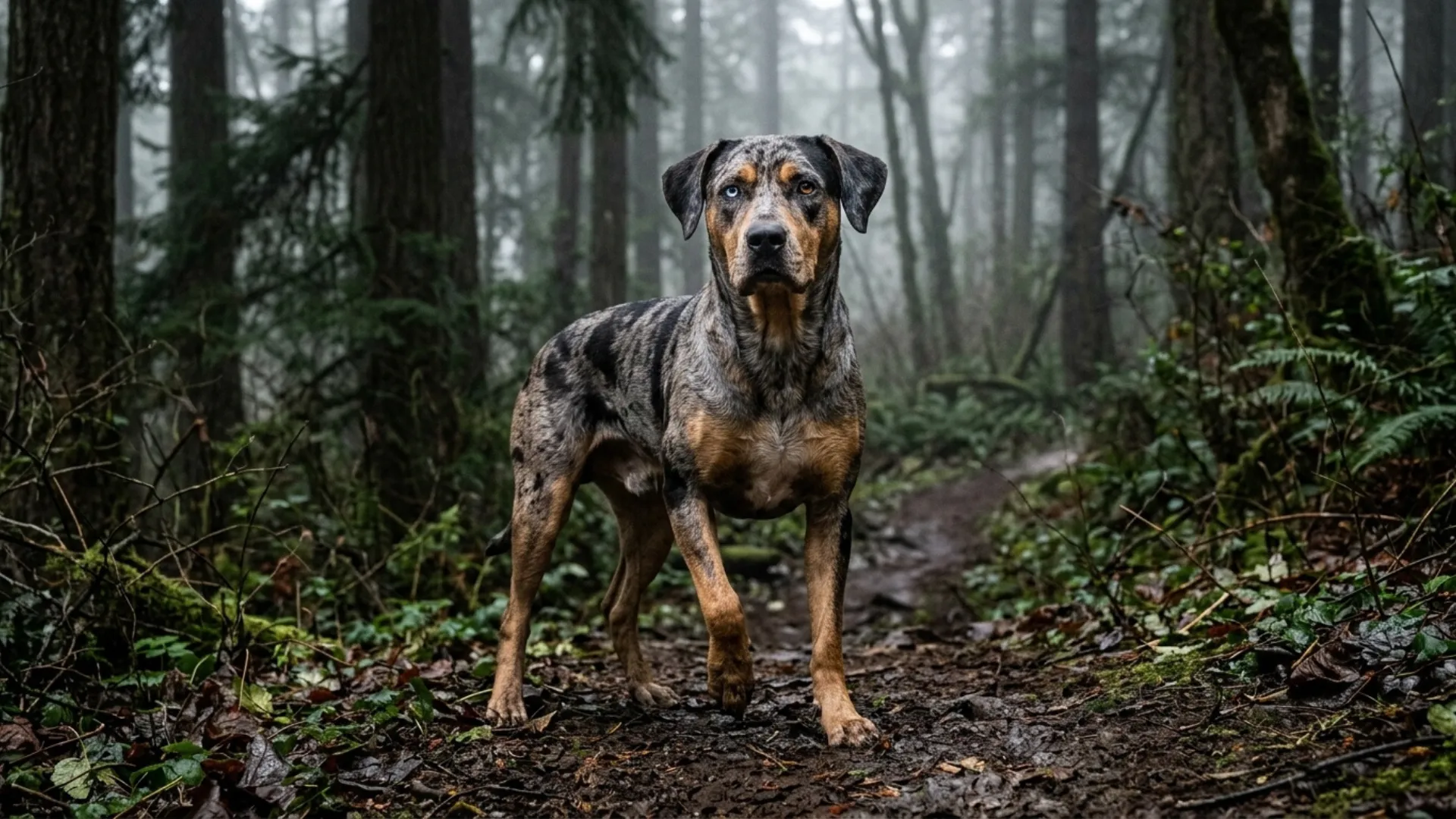
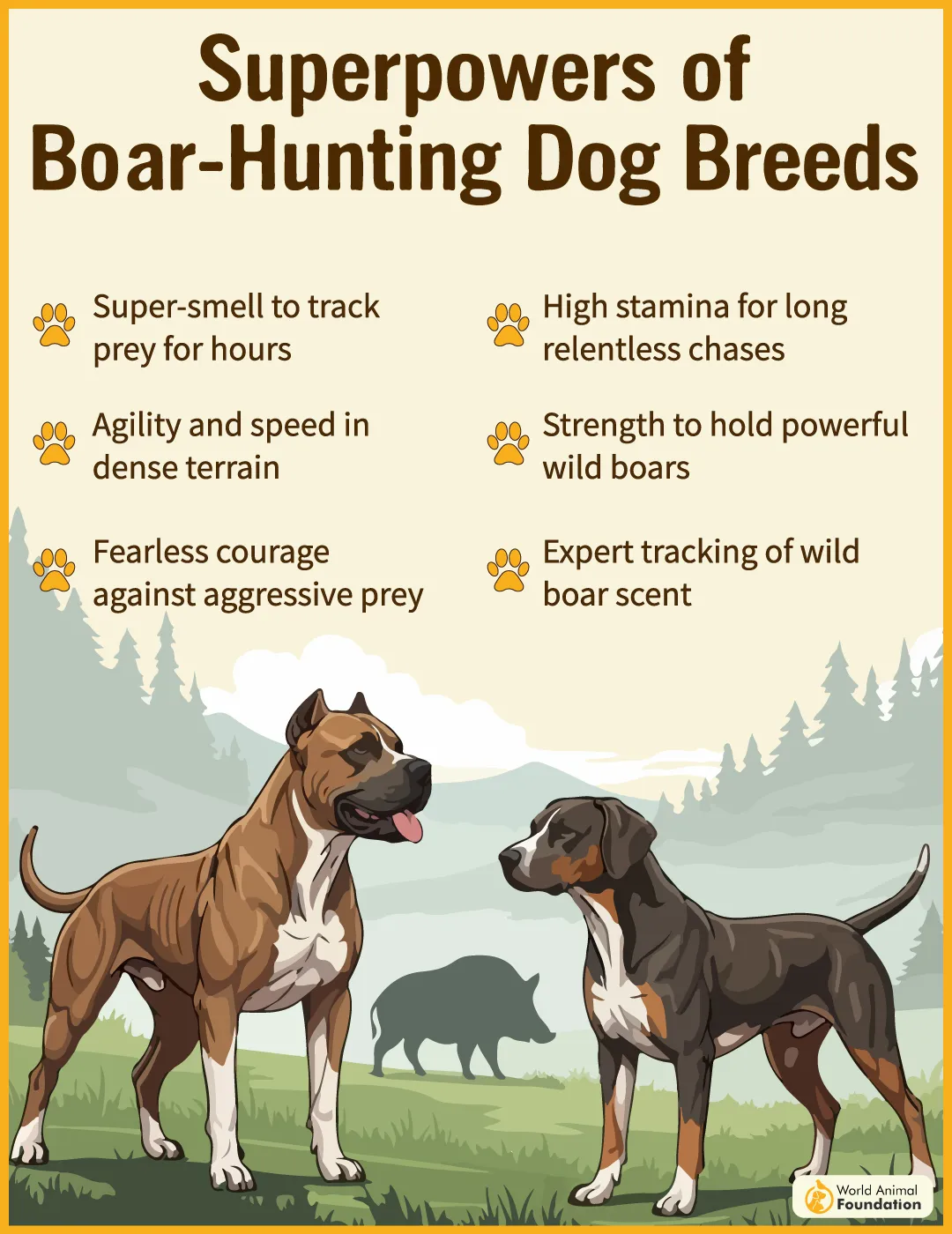
The best wild boar hunting dogs rarely receive attention for the qualities that matter most. Discussions often focus on size, speed, or appearance, yet experienced hunters usually value something entirely different.
They look for dogs that can remain focused on a scent trail long after conditions become difficult. They want partners capable of working through thick vegetation, navigating unfamiliar terrain, and maintaining determination when the search takes longer than expected.
These traits are not developed overnight. They are the result of generations spent performing demanding work in real hunting environments. A dog that can consistently locate, track, and pursue wild boars brings far more value than one that simply looks impressive.
Coming up are seven breeds recognized for combining scenting ability, endurance, intelligence, and persistence into a package that hunters have trusted for years in challenging conditions.
Key Takeaways
A wild boar can disappear into thick forests within minutes, yet a handful of dogs have been bred to stay on its trail without giving up.
The Plott Hound earned the title of North Carolina’s official state dog, while the Blue Lacy built a reputation for doing the work of several cowboys across Texas ranches.
From the fearless Weimaraner to the sure-footed Kai Ken, every breed on this list brings a different skill that hunters have relied on for generations.
Keep going because the next breed might have the exact mix of endurance, intelligence, and grit you never expected to find.
Top Dog Breeds Perfect for Tracking and Hunting Wild Boars
1. Plott Hound
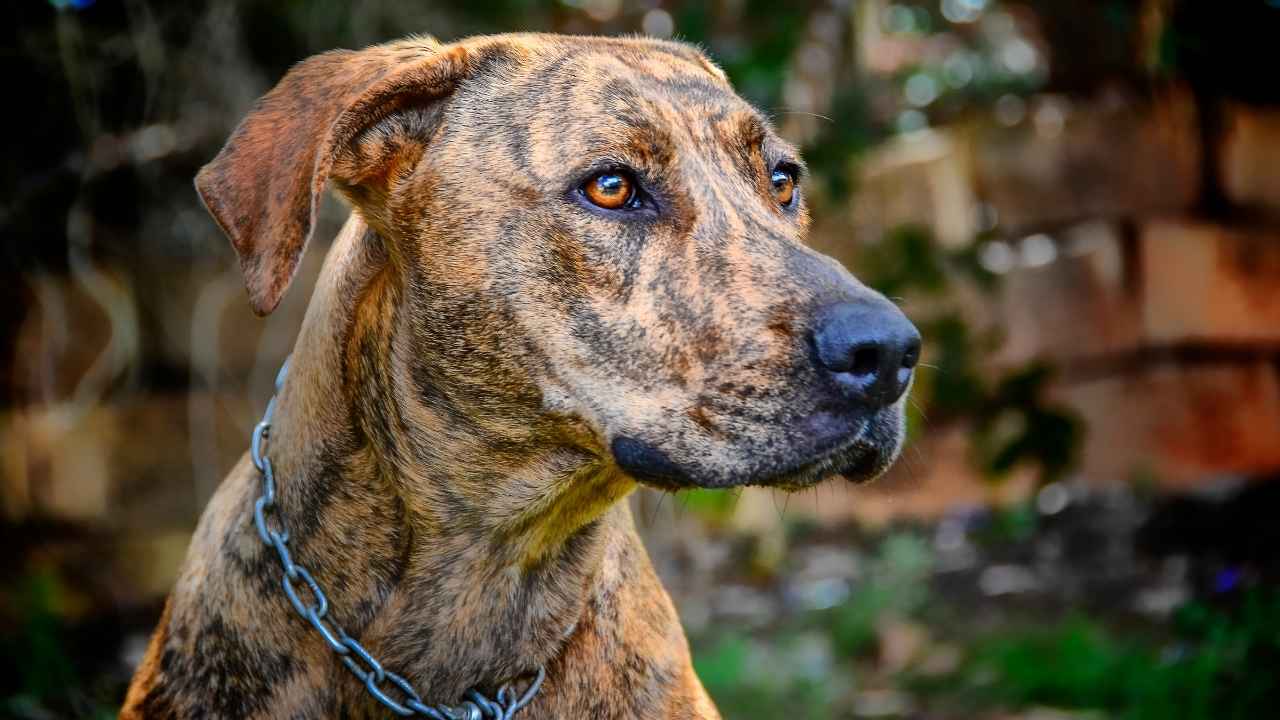
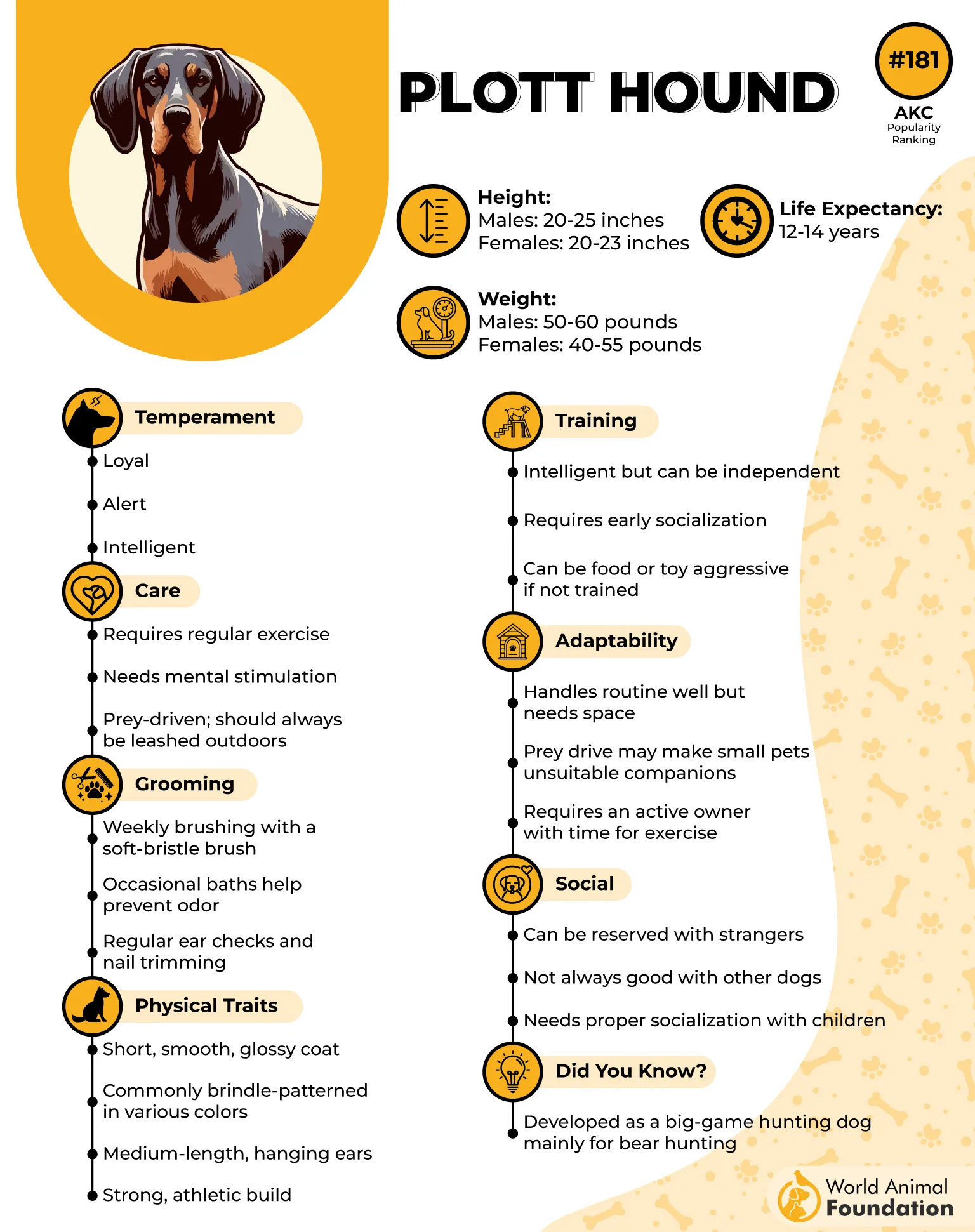
Plott Hound holds a unique place among American hounds, with roots tied to Johannes Plott, a German gamekeeper who arrived in North Carolina with Hanoverian Scenthounds during the 1700s. The breed became so closely associated with the state that it was later named North Carolina’s official state dog.
Built Around Scent
This hog hunter approaches the world nose-first, a quality that explains its success when following difficult trails and tracking game. That intense focus on scent often keeps these dogs investigating every interesting smell they encounter outdoors.
It is known for:
Being bold, courageous, and single-minded
Being highly vocal
Distinctive brindle coat pattern
Quick to React
According to PetMD, Plott Hound learns new things quickly and pays close attention to its surroundings, though strong hunting instincts can easily redirect its focus. Scents, wildlife, and smaller animals may trigger pursuit, which is why secure fencing or a leash is especially important outdoors.
2. Catahoula Leopard Dog
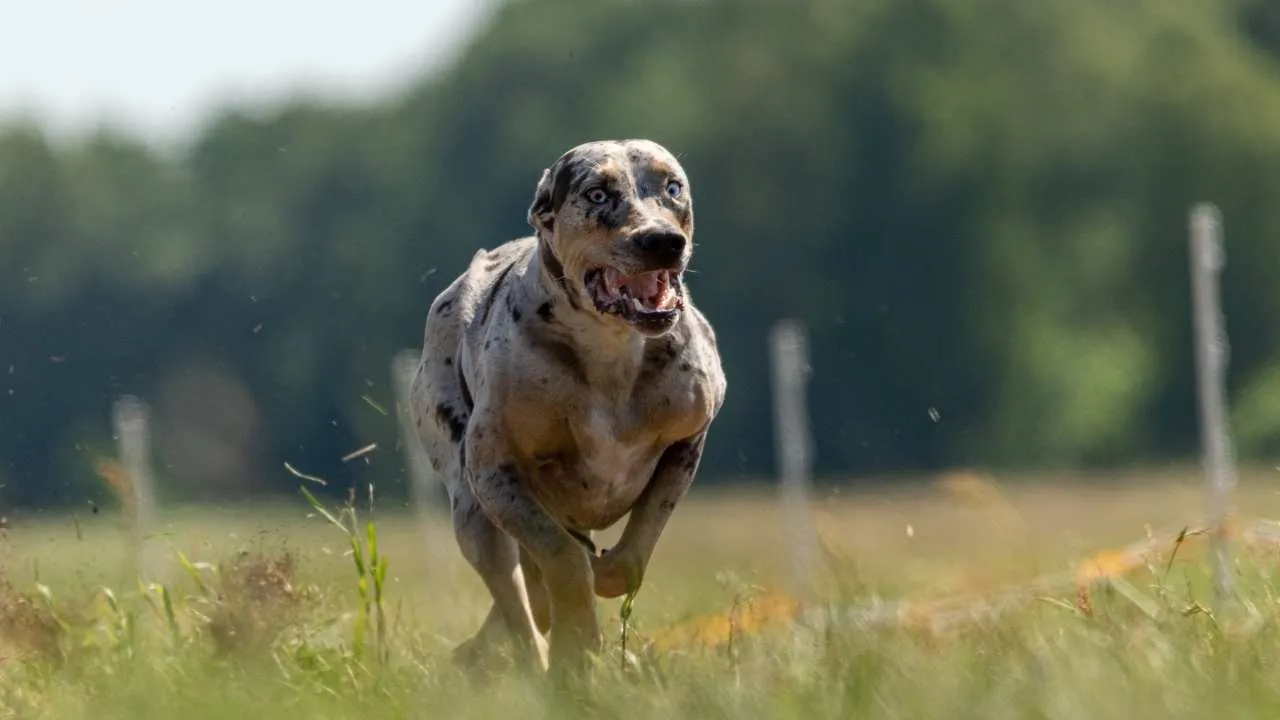
The Catahoula Leopard Dog was originally bred in Louisiana near Catahoula Lake, where tracking and driving hogs through Southern swamps became part of its working role. That experience helped create a determined dog capable of handling dense terrain and challenging conditions.
Built for Demanding Work
This hunting dog breed combines independence with the endurance needed for long hours in forests and wetlands. Its muscular frame and strong work ethic explain why this breed has remained closely associated with livestock and hog work for generations.
These details add another layer to the breed:
Also called Catahoula Hog Dog
Excel in swimming and hiking
Low-grooming needs
Loyal but Strong-Willed
Catahoula Leopard Dog forms strong bonds with its family and can fit well with older children who understand canine boundaries. Introducing additional pets may require extra care, while boredom can lead to digging, chewing, and other self-assigned projects around the home.
3. Weimaraner
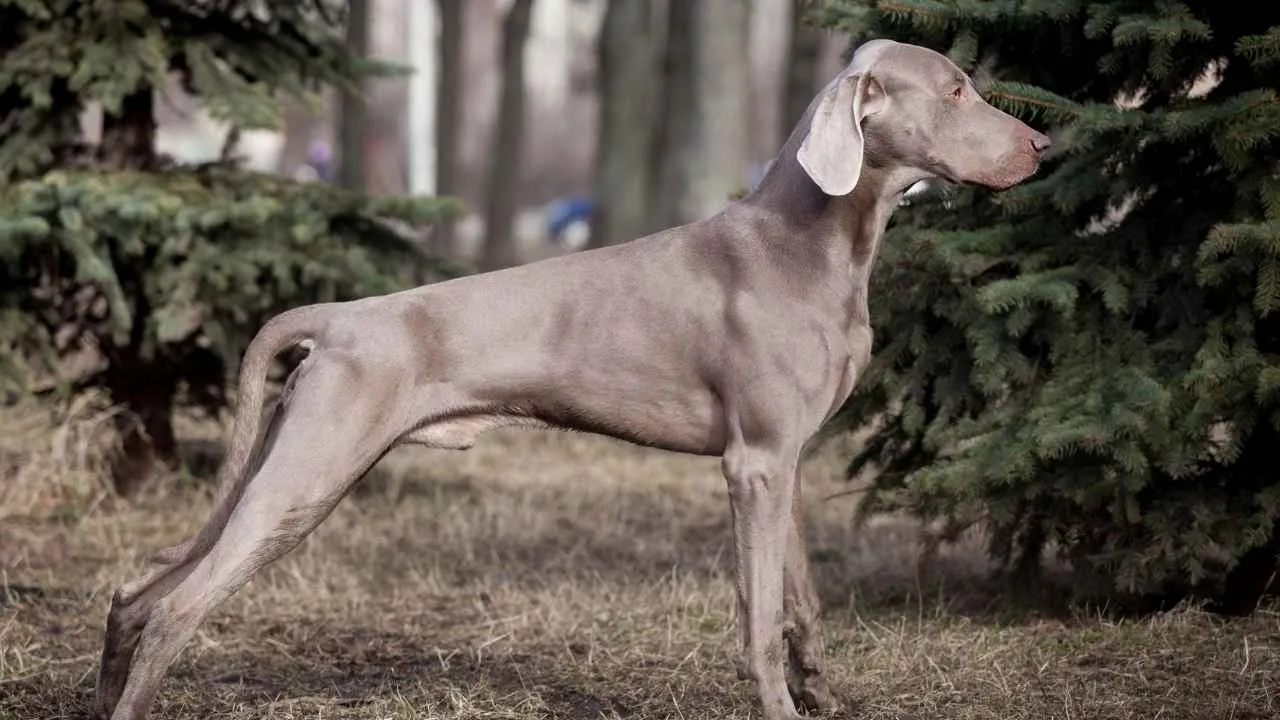
Weimaraners entered hunting circles in the early 19th century, where royal families relied on these dogs when pursuing bears, deer, boar, and other formidable game. As hunting preferences shifted, the same breed also took on work involving rabbits, foxes, and fowl, as WebMD notes.
Built for the Chase
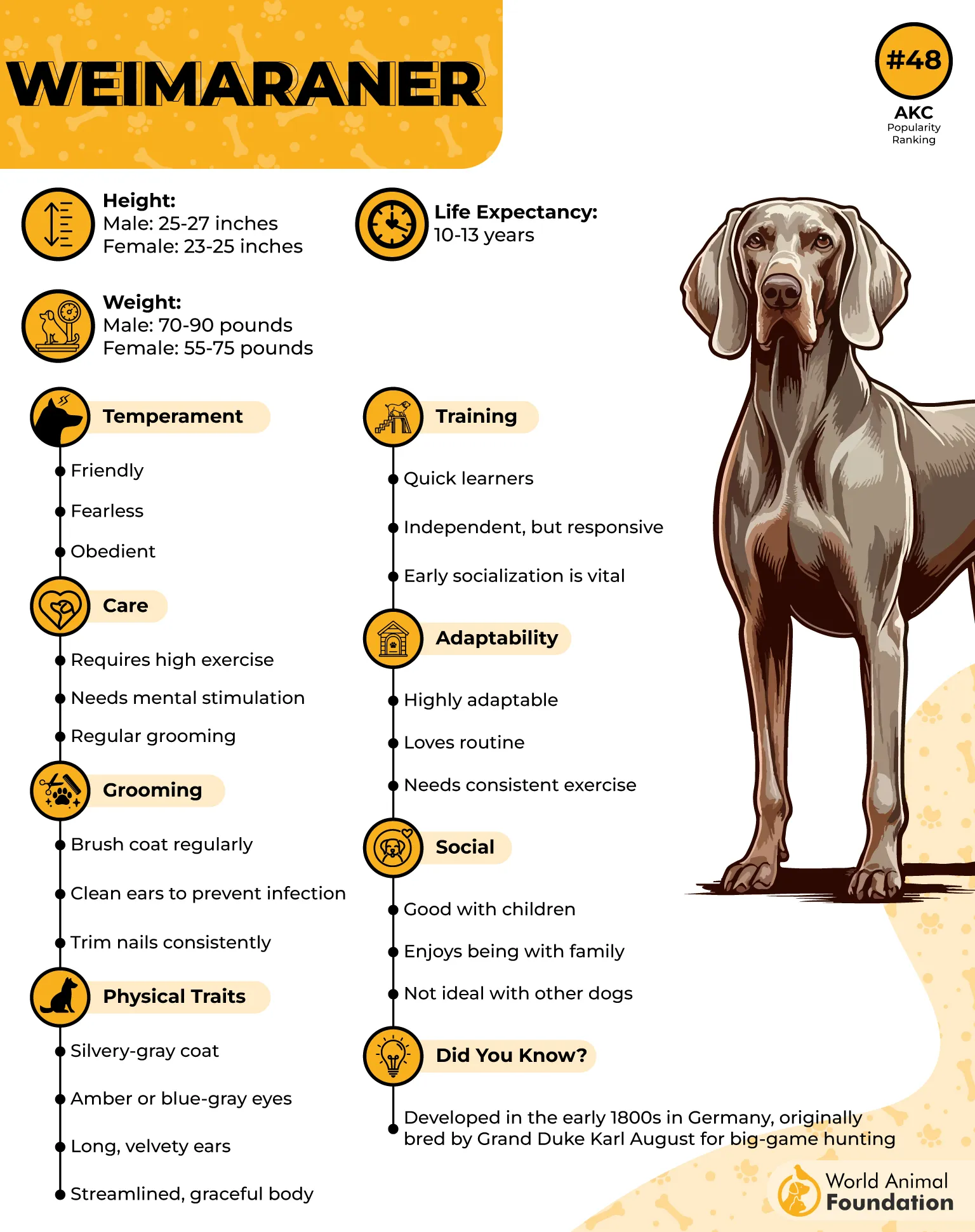
This hog hunting breed combines fearlessness, obedience, and athleticism in a package suited for demanding outdoor pursuits. Long days in the field align well with a breed that requires substantial activity and enjoys having a clear purpose.
These are some worth noting traits:
Named after a duke’s hunting court
Long gray-tipped snout
Sporting Group classification
Sharp and Inquisitive
Weimaraners form strong connections with people and respond well to training, which contributes to their reputation as a dependable companion. Smaller animals may trigger its chasing instincts, while unattended kitchen counters can also attract attention from this clever and curious breed.
4. Kai Ken
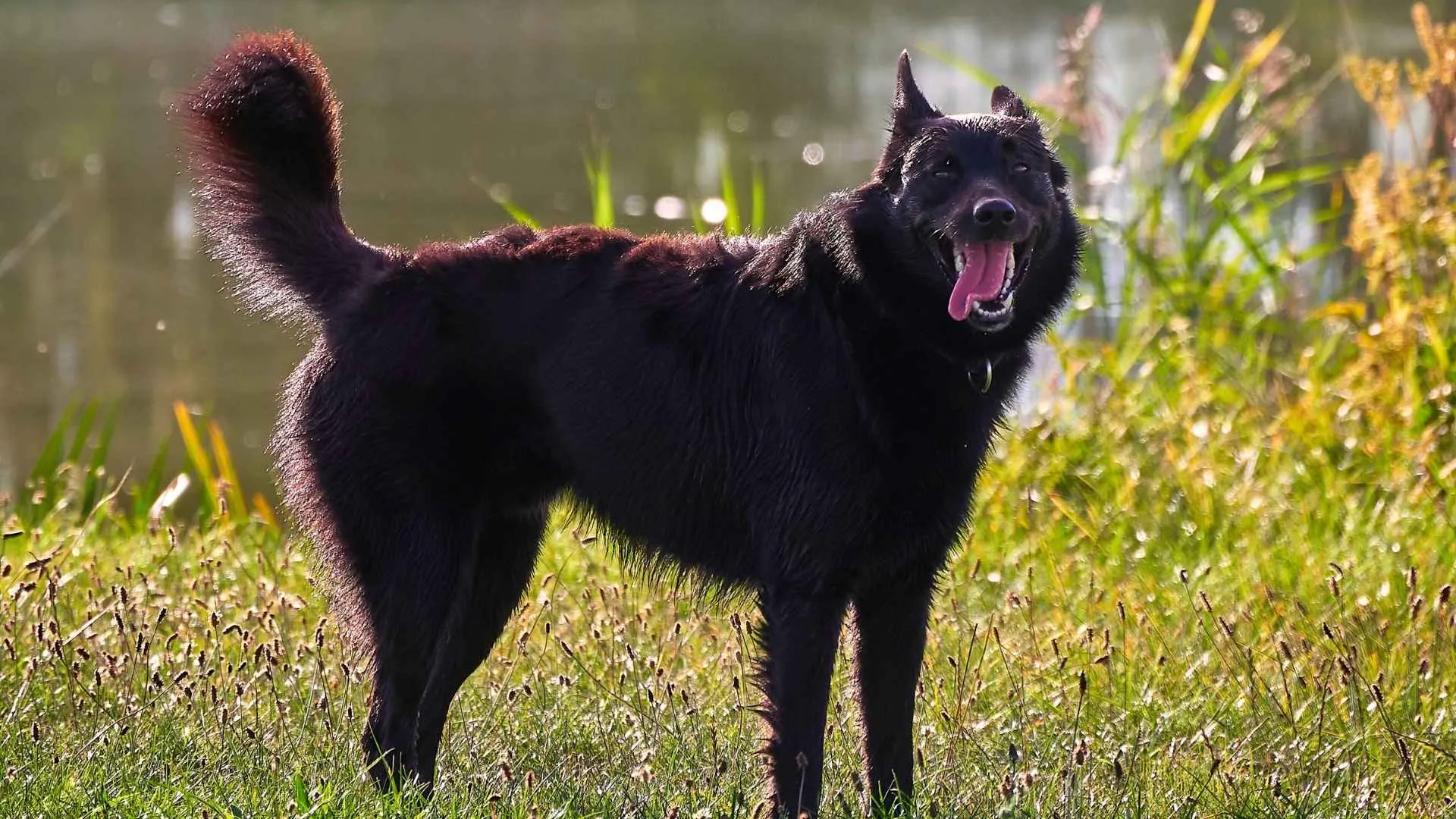
Kai Ken earned the nickname “tiger dog” because of its subtly striped brindle coat, a pattern that blends naturally into rugged landscapes. In Japan, that camouflage proved especially useful in mountainous regions where this breed worked as a versatile hunting companion.
Built for the Pursuit
They are intelligent and show a strong willingness to work alongside people, making them a responsive partner when direction and focus matter, as per the AKC. That eagerness to cooperate helped secure its place as a dependable hunting dog across rough and varied terrain.
A closer look says plenty about the breed:
Wolf-like facial features
German Shepherd-like appearance
Strong bond with one special person
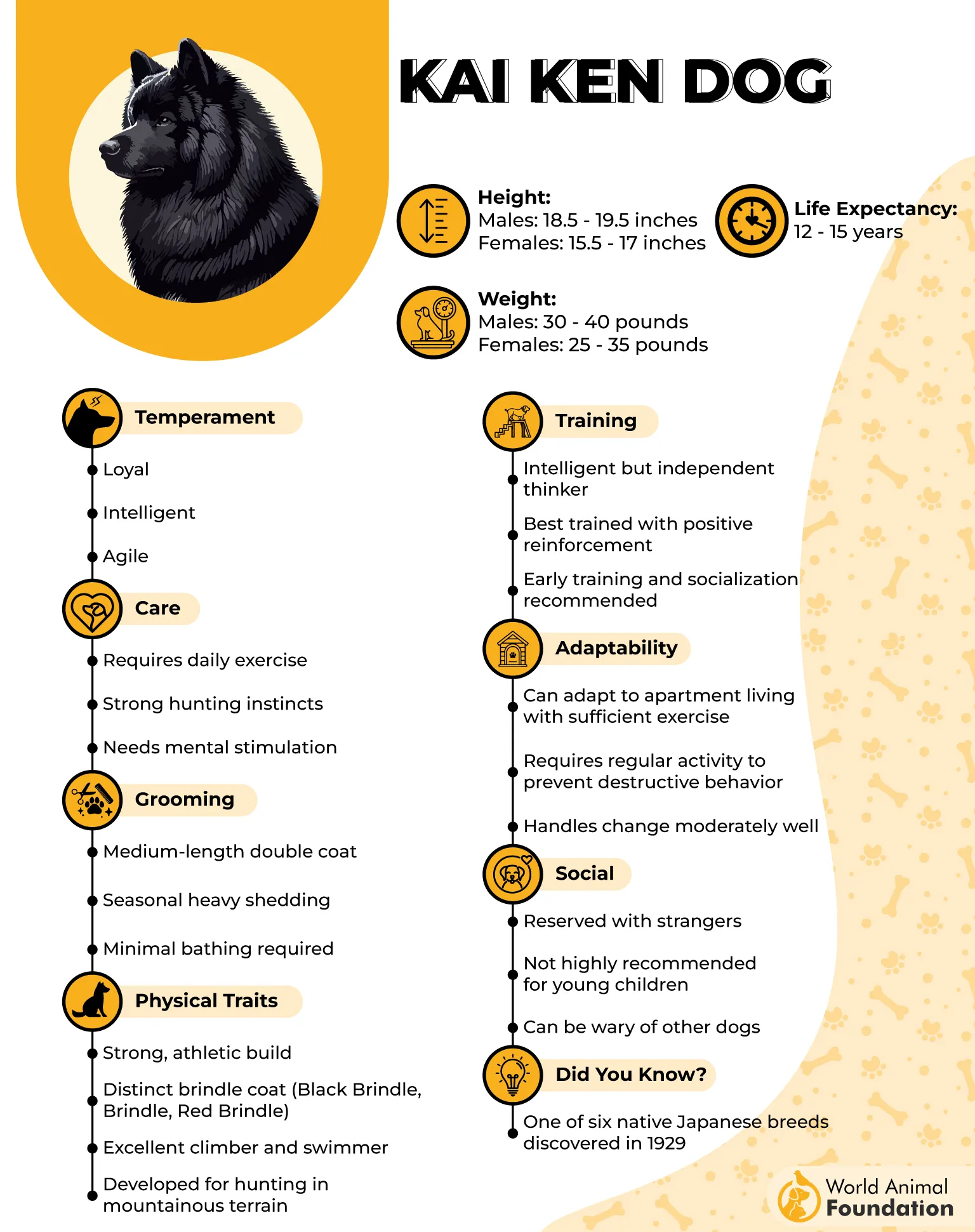
Always Exploring
Kai Ken enjoys activities that challenge its agility, including climbing and swimming whenever the opportunity arises. Daily activity helps channel its energy productively and can reduce behaviors such as barking, digging, and chewing around the home.
5. Black And Tan Coonhound
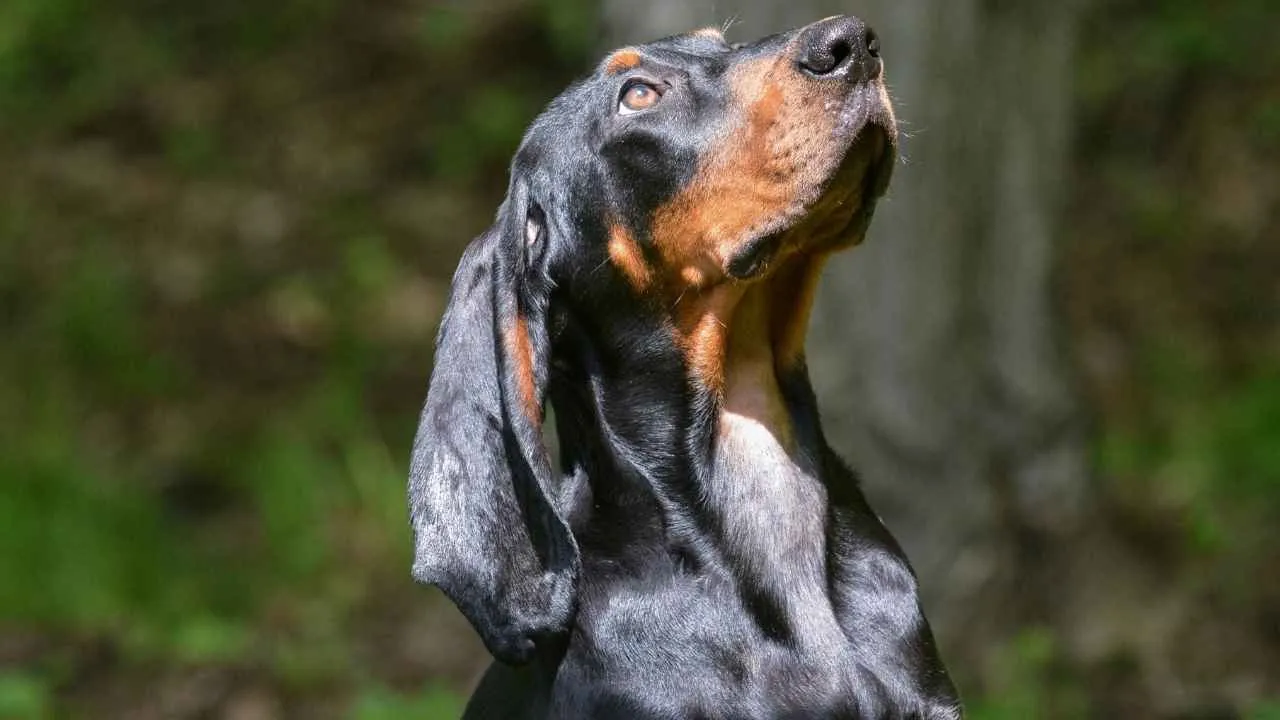
Black and Tan Coonhound inherited an impressive scenting ability from its Bloodhound ancestry, allowing it to follow odor trails with remarkable determination. That skill helped this breed gain a reputation for pursuing game across long distances in the southeastern United States.
Built for the Hunt
They follow scent trails with their nose close to the ground, though at a quicker pace than the Bloodhound. Raccoons and opossums became some of its most frequent quarry, and those tracking instincts remain deeply rooted today.
There is more to discover:
Calm and easygoing outside
Black and Tan Virginia Foxhound roots
Originally used on bears as well
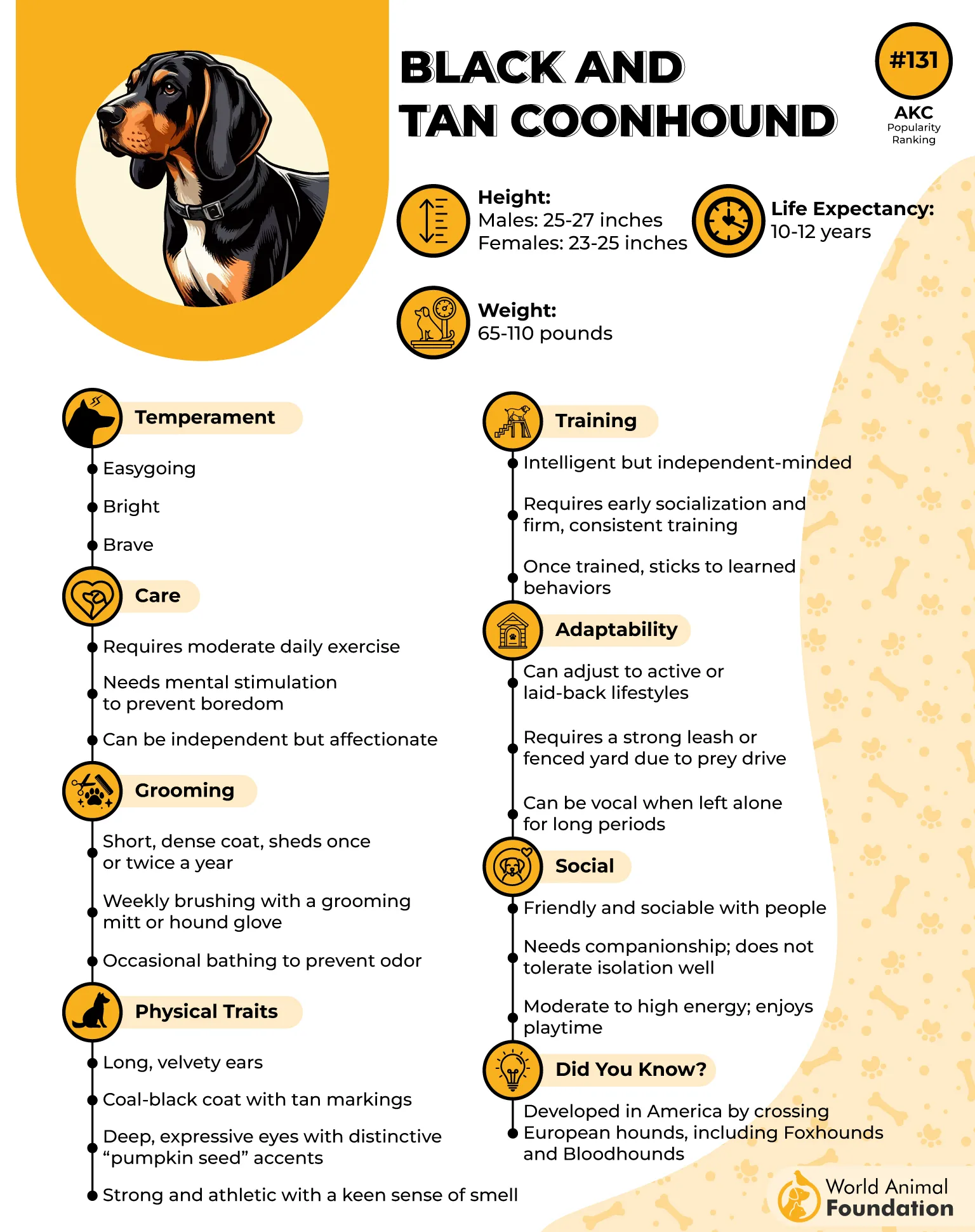
Voice and Vigilance
Black and Tan Coonhound is known for its distinctive baying and howling, sounds that have long been associated with working scent hounds. Early socialization can help with reserved behavior around unfamiliar people while encouraging the gentle nature often seen in children.
6. Dogo Argentino
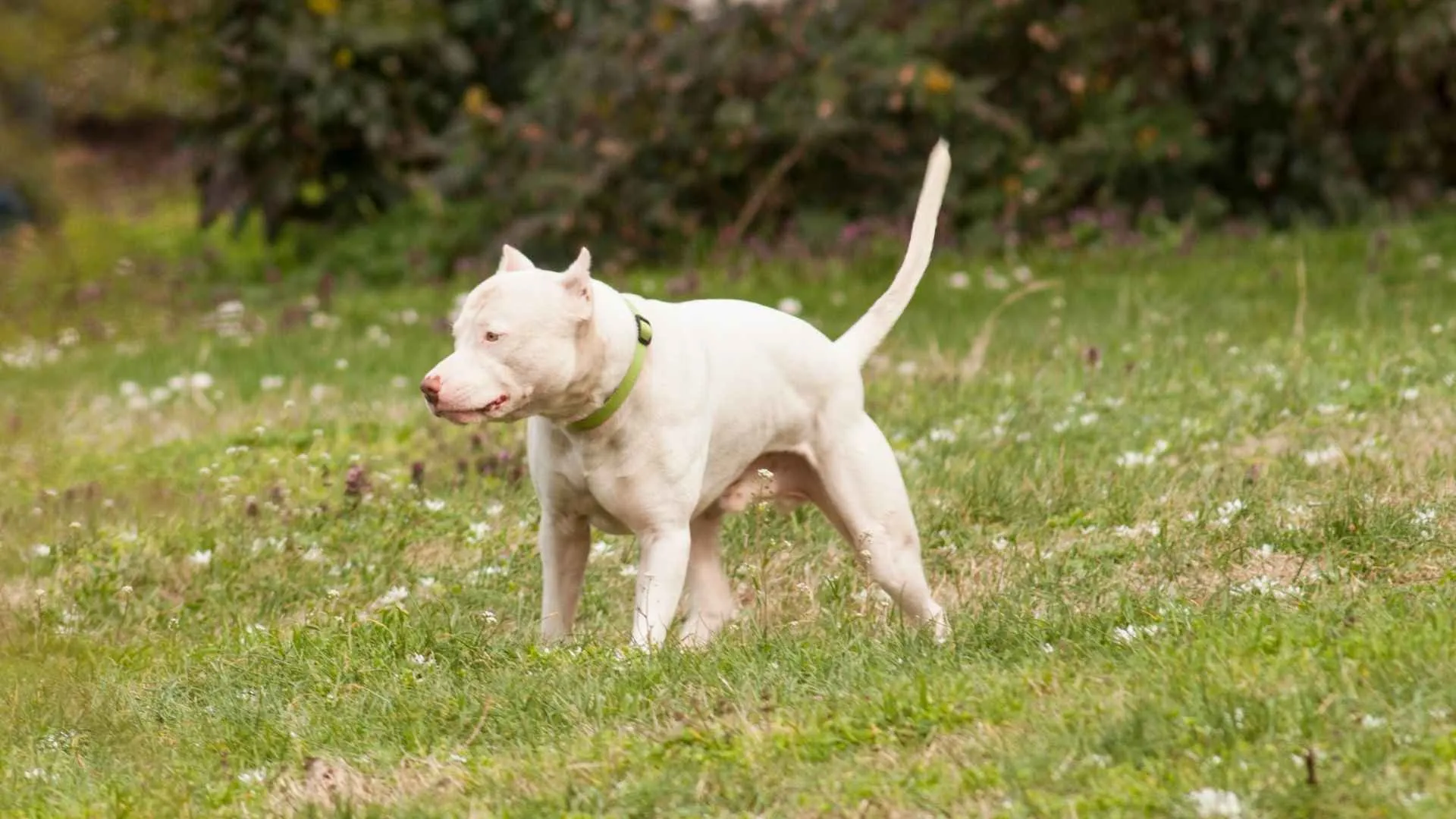
Dogo Argentino began as the vision of Dr. Antonio Nores Martinez, who combined several large working dogs to create a capable big-game hunting partner. That purpose shaped a breed known for determination, intelligence, and the physical strength needed for demanding pursuits.
Power in Motion
A thick frame, muscular build, and substantial head give this breed the physical tools required for challenging work in the field. Those traits are matched by high energy levels that call for consistent outlets such as running, long walks, and active games.
These additional details help complete the picture:
Moderate drooling tendency
Heavy jowls
Boxy head structure
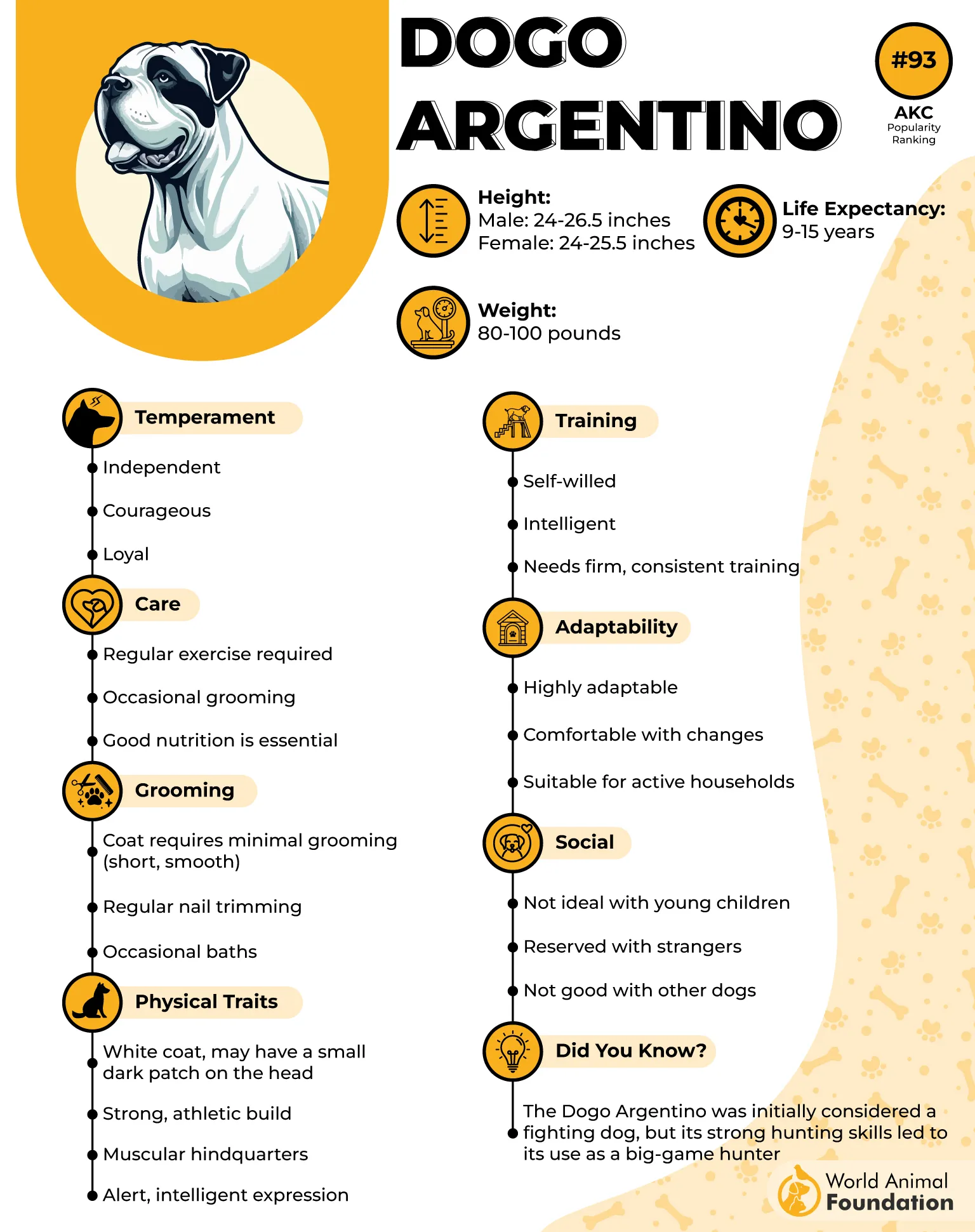
Independent Thinker
Dogo Argentino does not always approach training with automatic compliance, which is why experience and consistency can make a significant difference. Its confident nature often requires clear guidance and a structured routine from an early stage.
7. Blue Lacy
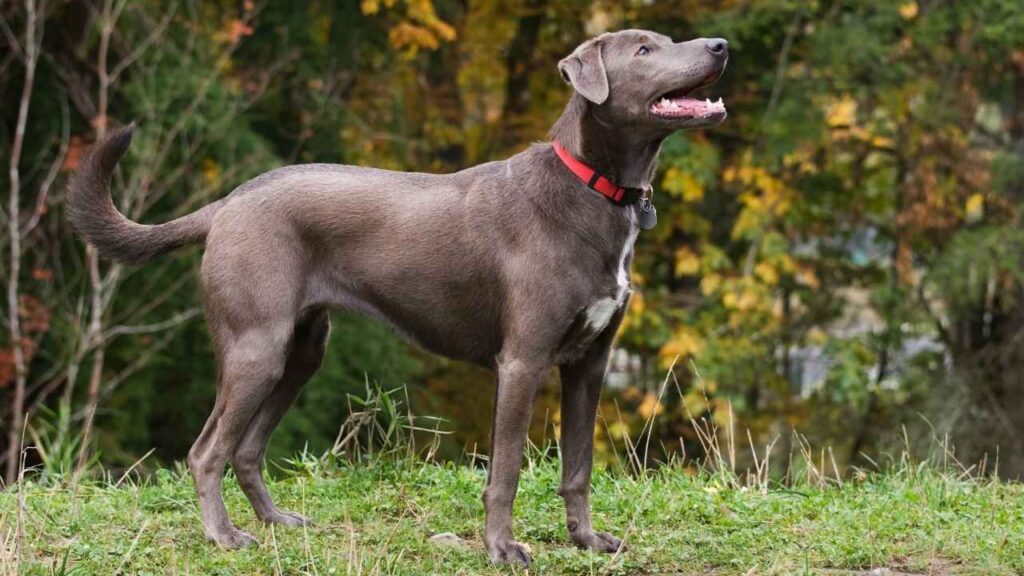
Blue Lacy was developed in Texas during the mid-1800s when the Lacy brothers needed a dependable dog for handling cattle and hogs across working ranches.
Its reputation grew so quickly that one dog was often said to accomplish the work normally assigned to several cowboys across large stretches of ranch land.
Built for the Job
Generations spent herding livestock and assisting with hunts shaped a dog that approaches tasks with focus and determination. Those qualities continue to make the breed a capable partner when tracking game across rough terrain.
These traits reveal how unusual this breed’s story is:
Official Texas state dog in 2005
Preservation efforts began in 1975
Reported ancestry includes coyotes
Ready to Learn
Blue Lacy enjoys having a purpose and responds well to positive, rewards-based training sessions. The breed’s energetic nature, combined with the intelligence praised by working-dog registries, makes learning opportunities an important part of daily life.
Conclusion
Wild boars are known for their resilience, awareness, and ability to disappear into difficult terrain with surprising speed. Finding them requires a dog capable of staying focused long after the trail becomes challenging. The breeds highlighted throughout this list have developed those qualities through years of practical hunting work.
Their instincts, stamina, and willingness to keep searching helped shape their reputation among experienced hunters. While every dog works differently, all share a strong foundation built around persistence and purpose. Selecting a companion with the right strengths can make tracking more efficient and every outing far more productive.
