




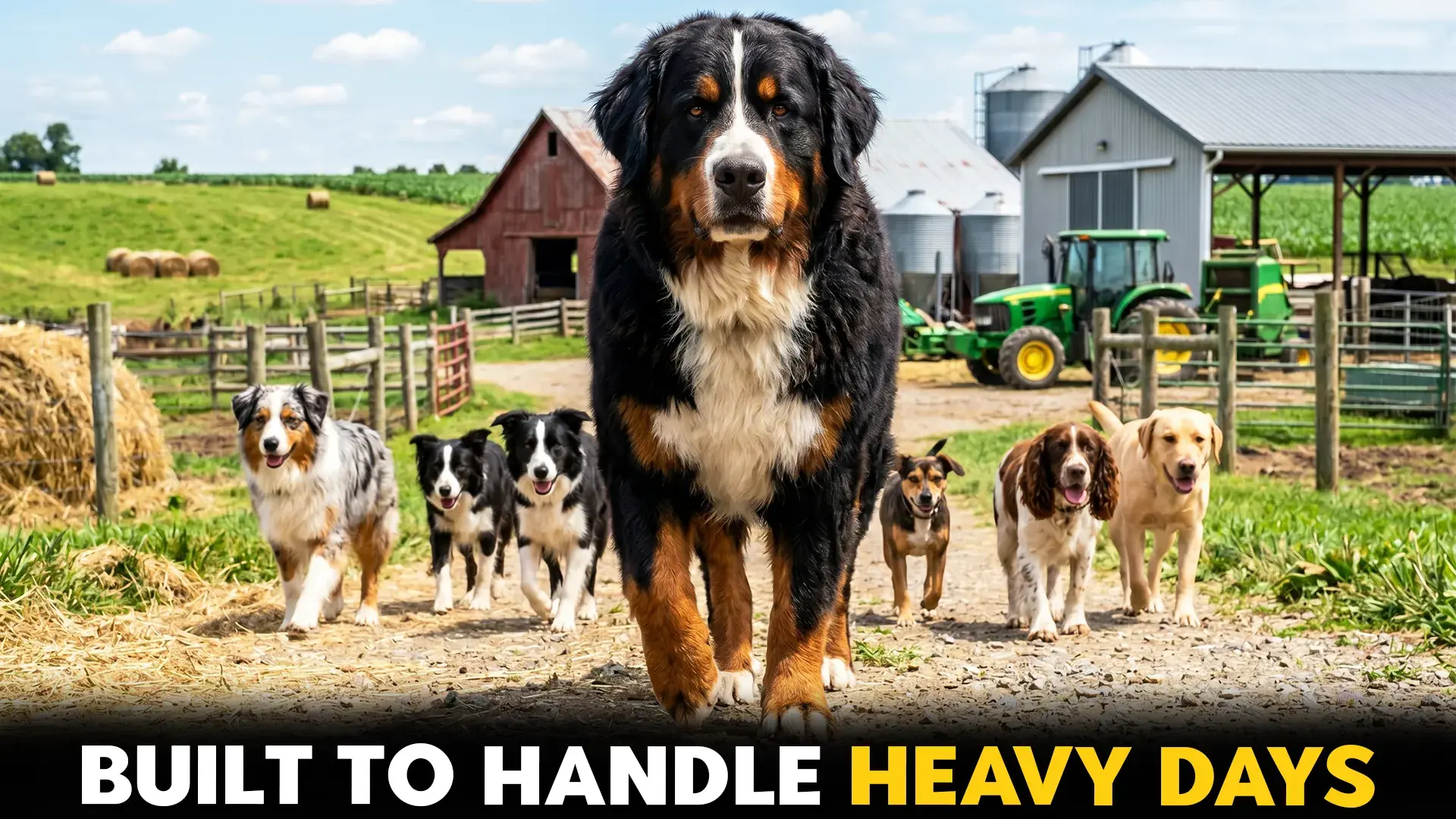
Long before tractors rolled across fields and machines transformed industries, dogs were already hard at work. They guarded livestock, moved cattle, protected property, and helped people tackle demanding daily tasks.
Even today, many farms and industrial sites rely on working dogs because some jobs require instincts, intelligence, and loyalty that technology simply cannot replace.
According to the American Kennel Club, herding and working breeds rank among the most intelligent and trainable dogs in the world. Their ability to solve problems, follow commands, and adapt to changing conditions makes them invaluable partners.
As actor and dog lover Ryan Reynolds once quipped, “A dog is basically a tiny roommate who never pays rent.” On farms and ranches, though, many dogs absolutely earn their keep every single day. Let us meet ten remarkable breeds that continue to lead the pack in agriculture and industrial work.
Top Dog Breeds Leading the Pack in Agricultural and Industrial Tasks
1. Bernese Mountain Dog
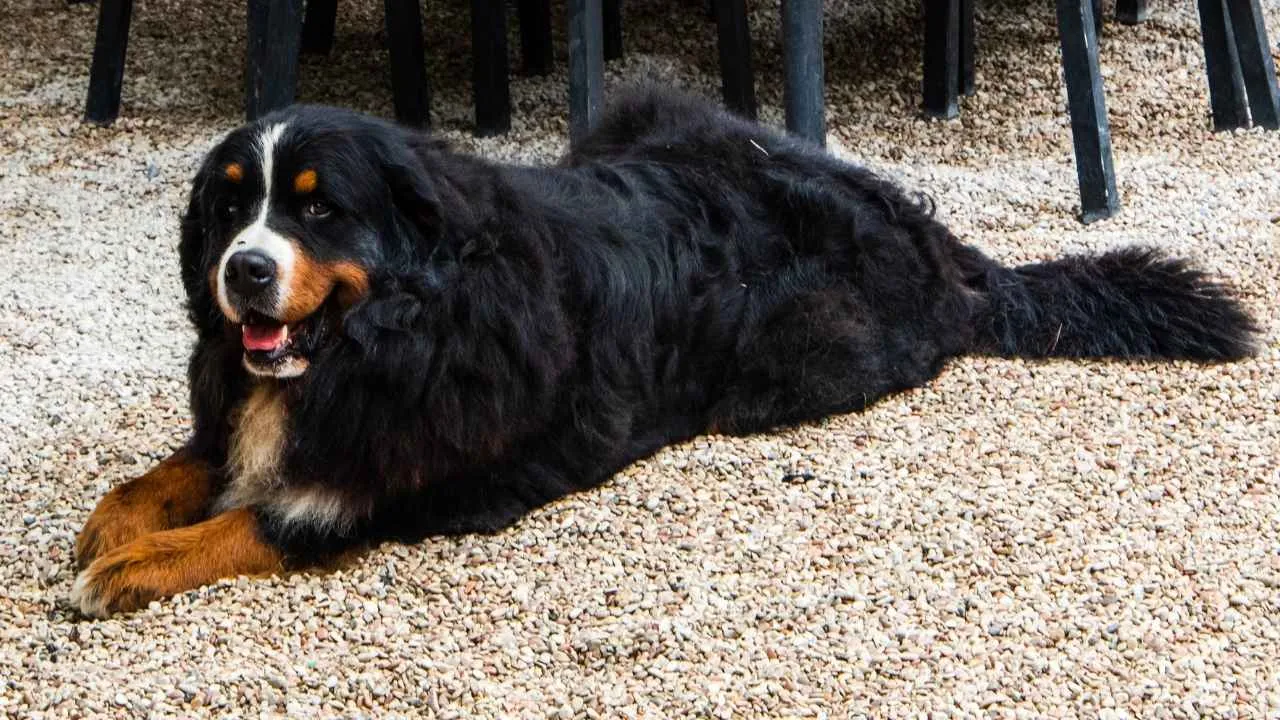
Originating in Switzerland, the Bernese Mountain Dog traces its ancestral roots to the Roman Mastiff. Historically a general farm dog, it later proved its strength as a draft animal, pulling carts across rugged terrain.
In Switzerland, a well-trained Bernese Mountain Dog is even known to participate in parades and public events, such as the Conway, New Hampshire holiday parade, according to Wikipedia.
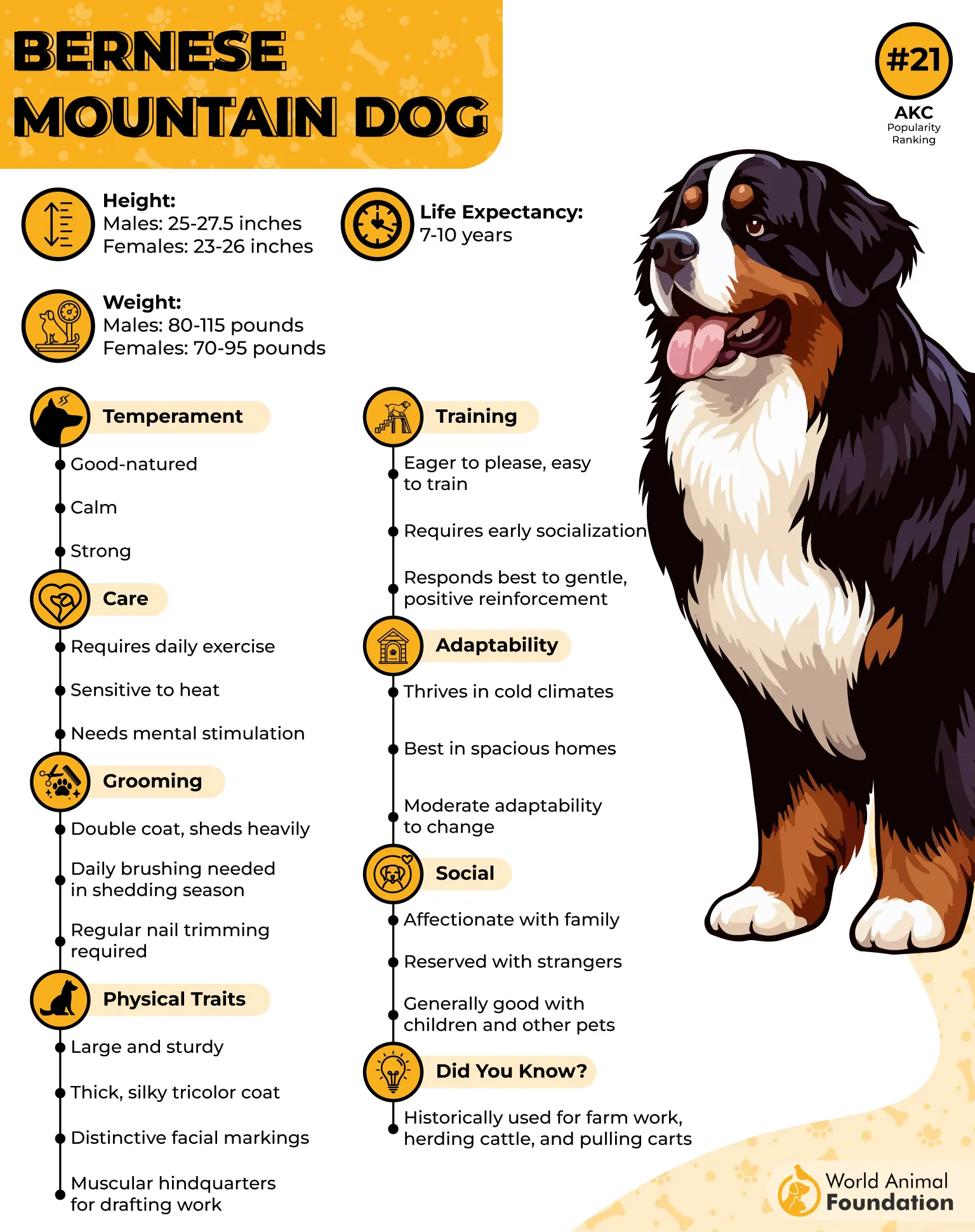
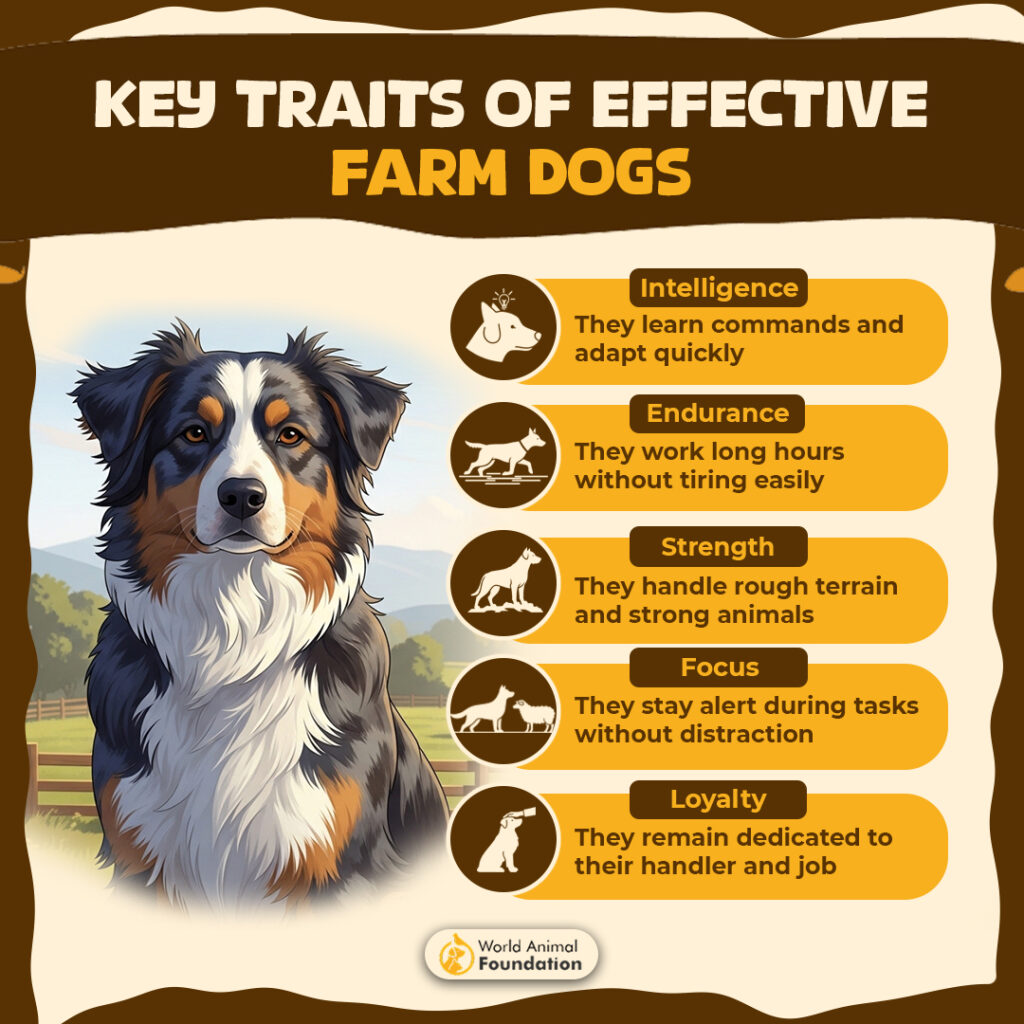
Weighing between 70 and 120 pounds, this large breed carries a thick double coat built for tough conditions, featuring a weather-resistant outer layer and a woolly undercoat that makes it well-suited for demanding outdoor environments. It picks up complex commands quickly and forms deep bonds with its primary handler, though it tends to stay naturally cautious around strangers.
Exercise needs are moderate but consistent: two daily walks, running, nose work, scent games, swimming, and drafting or carting activities all keep it happy and fit. To protect developing bones and joints, avoid hard surfaces, stair climbing, and jumping during the first year of life.
2. Catahoula Leopard Dog
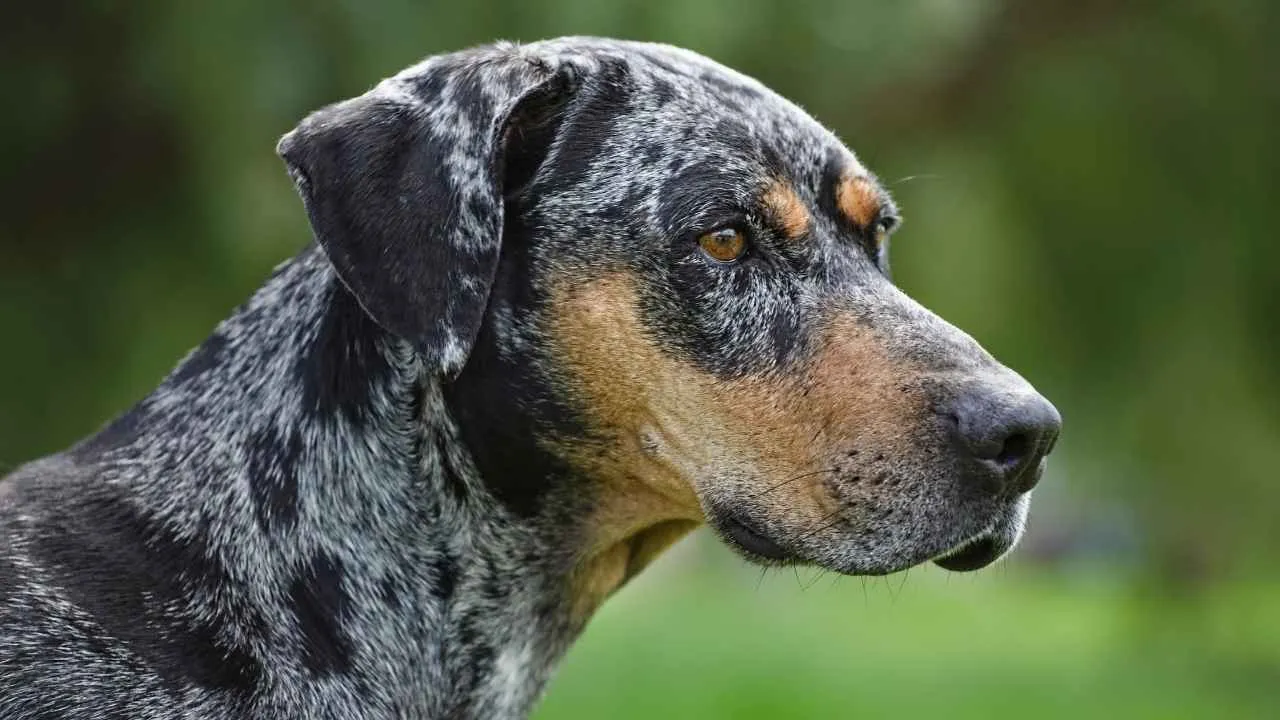
The Catahoula Leopard Dog became the state dog of Louisiana in 1979. Though registered as a herding dog, it is widely used for hunting wild boar as well. The breed traces back to the mid-1700s, when French settlers crossed Beauceron dogs with local breeds.
Its webbed paws provide excellent traction and swimming ability in swamps and uneven agricultural terrain. It also possesses a natural soft-bite instinct, allowing it to control livestock without causing injury. Notably independent, this breed tends to make its own decisions rather than waiting on handler direction.
When working in a pack, the dogs surround livestock and form a living barrier, barking and nipping at the heels of large animals to assert control.
Beyond the farm, the Catahoula Leopard Dog is widely used in law enforcement for narcotics detection, search and rescue, and security work, thanks to its powerful nose and sharp instincts. It also serves as an effective guard dog for properties.
3. Great Pyrenees
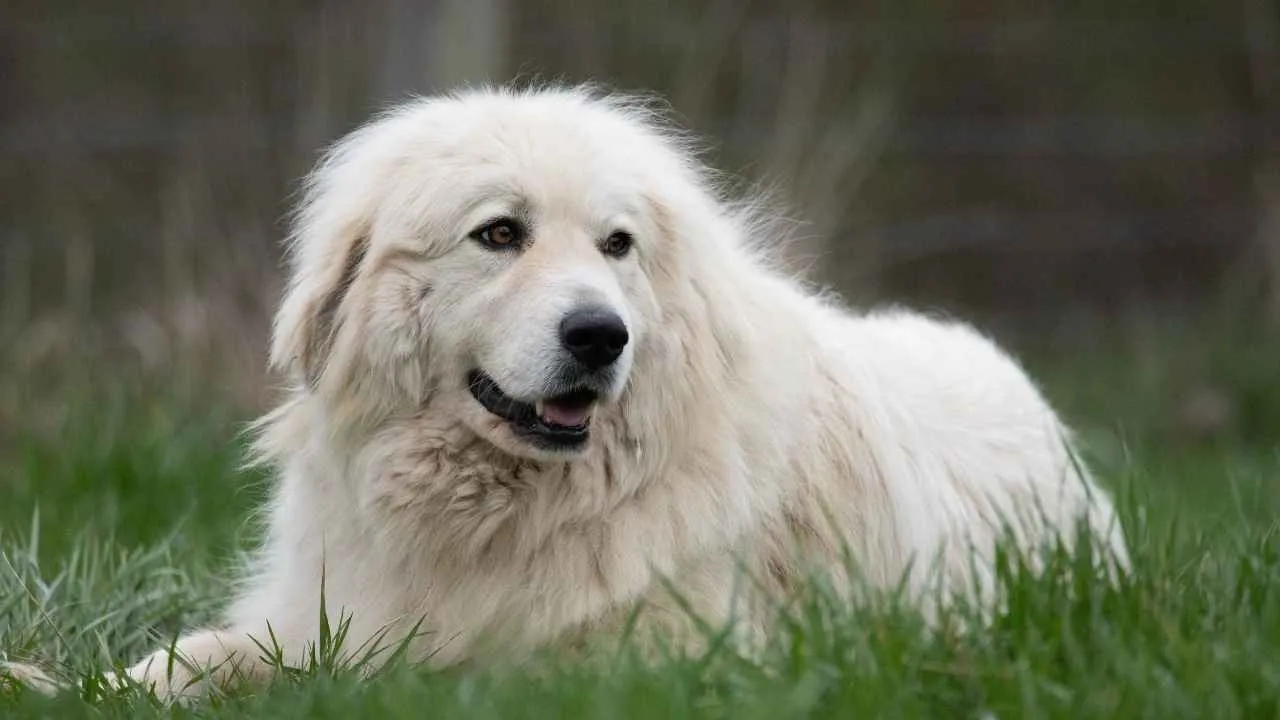
Originating in France, the Great Pyrenees was bred to guard livestock such as cattle and sheep from predators like wild boar and bears. Also known as “Patou,” a word that literally means “shepherd,” this intelligent breed weighs between 85 and 140 pounds and stands 25 to 32 inches tall.
Its giant frame is built for stamina rather than speed. It conserves energy by sleeping up to 14 hours a day and becomes most active at night when predators are on the move. A distinctive physical trait is its double dewclaws on the hind legs, which function like climbing crampons and provide stability on rough and icy terrain.
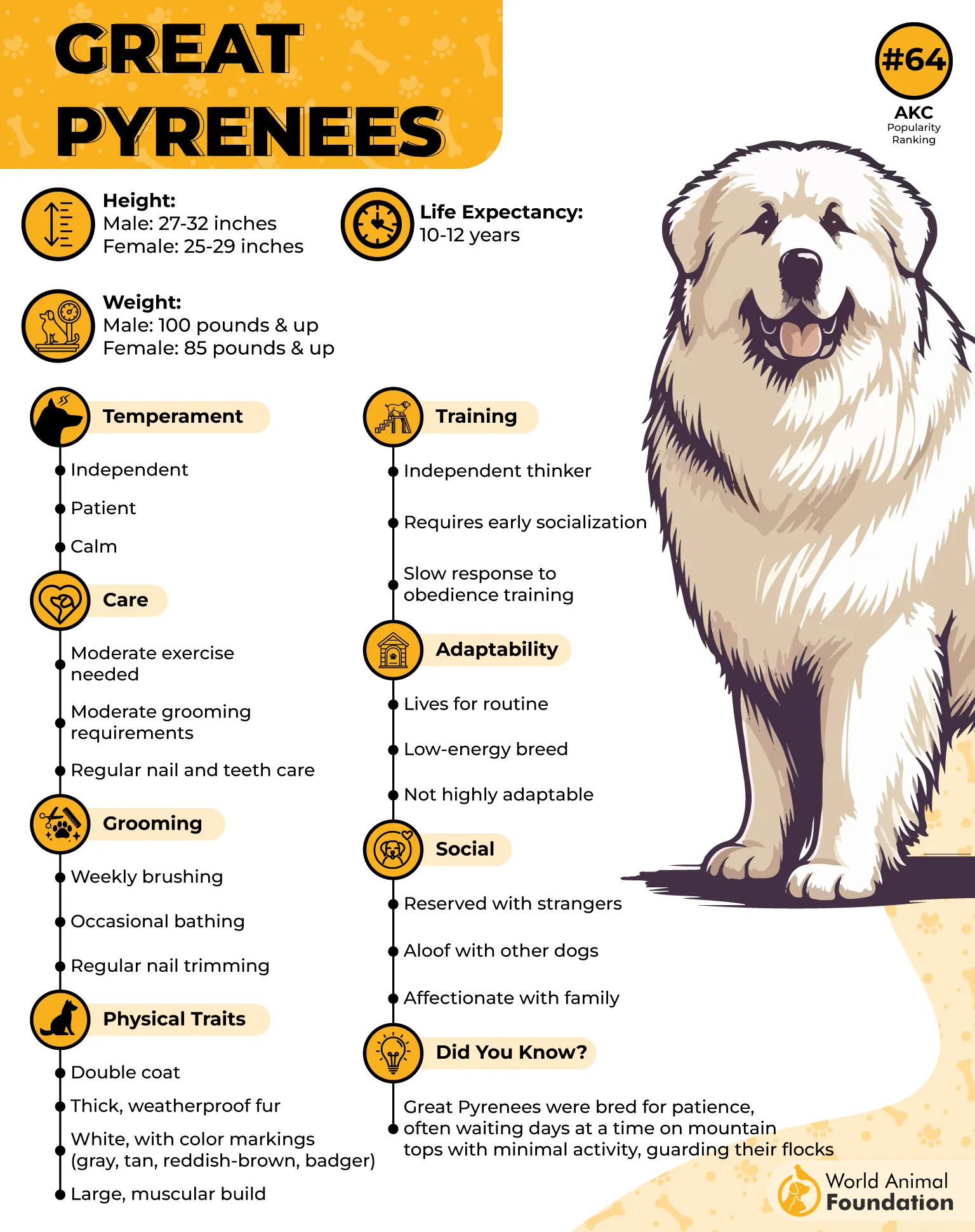
Puppies are raised alongside the herd from an early age, forming emotional bonds that naturally sharpen their protective instincts. When facing a threat, the Great Pyrenees relies on aggressive posturing, its imposing size, and a deep bark to intimidate rather than attack.
Its gentle nature and low prey drive also make it a popular choice as a therapy dog. Since the 19th century, the breed has been used for carting and delivery work in Belgium.
4. Anatolian Shepherd Dog
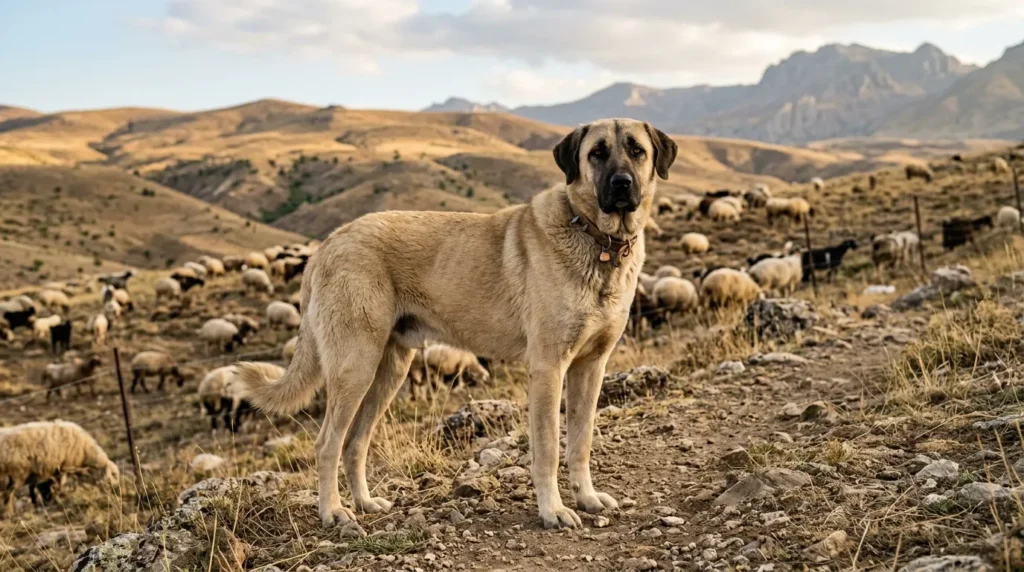
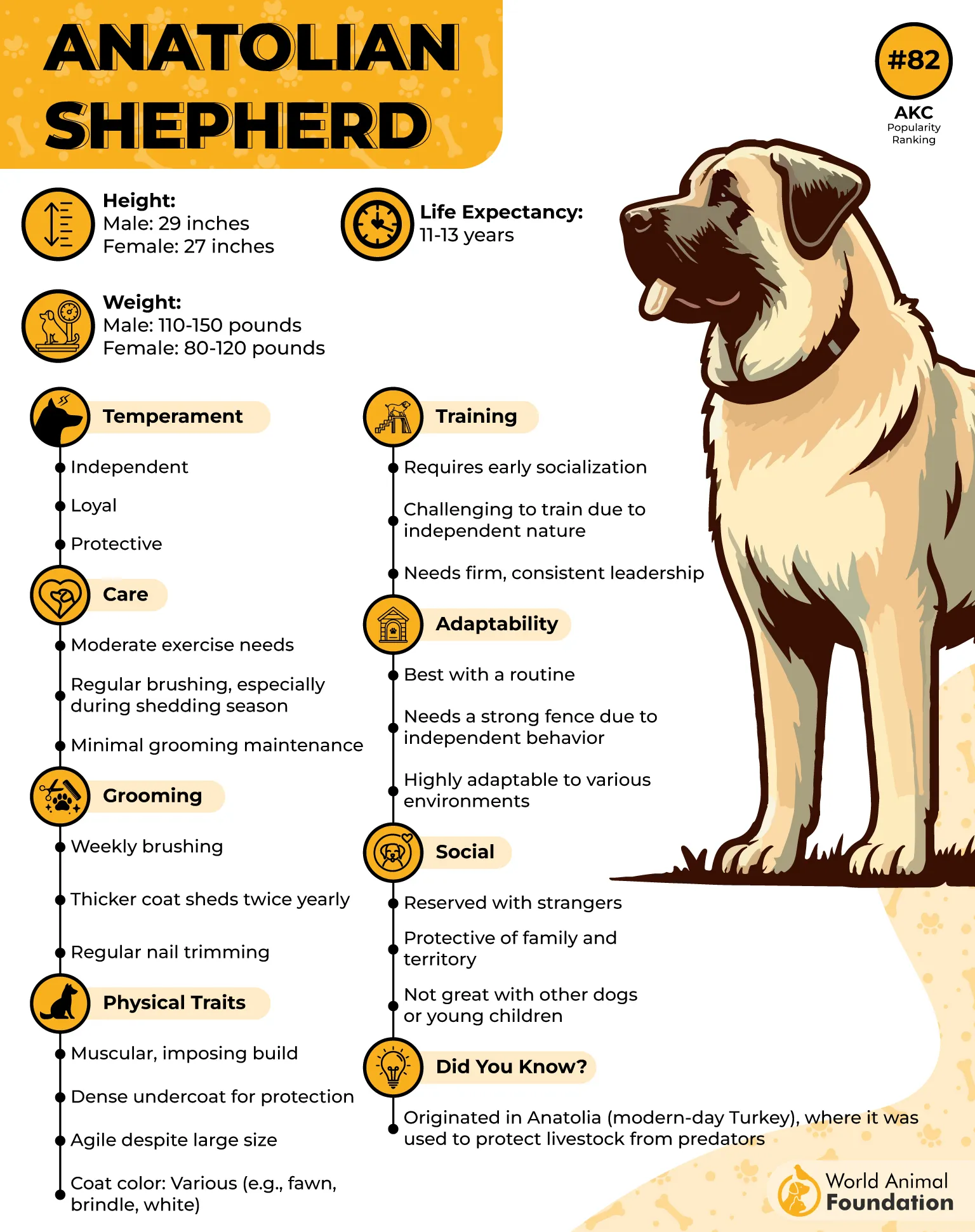
Bred in Turkey from an ancient sheepdog known as the Coban Kopegi, the Anatolian Shepherd was specifically developed to endure the extreme climate of Turkey, where summers are intensely hot, and winters can drop to sub-zero temperatures, as noted by the American Kennel Club. It weighs between 80 and 150 pounds and stands 27 to 32 inches tall.
Its sighthound lineage allows it to reach impressive speeds of 29 to 40 mph. A broad muzzle, flat skull, deep-set eyes, and an exceptionally keen sense of hearing allow it to detect and anticipate threats before humans even notice them.
Beyond livestock protection, the Anatolian Shepherd has been deployed by the Cheetah Conservation Fund in South Africa as a non-lethal deterrent, guarding livestock without harming cheetahs.
It requires substantial daily exercise of one and a half to two hours to stay physically and mentally stimulated. Leash walking, puzzle toys, hiking, and running are all highly recommended. Positive reinforcement, consistent training, and mastery of basic verbal commands are non-negotiable for this independent and powerful breed.
5. Australian Cattle Dog
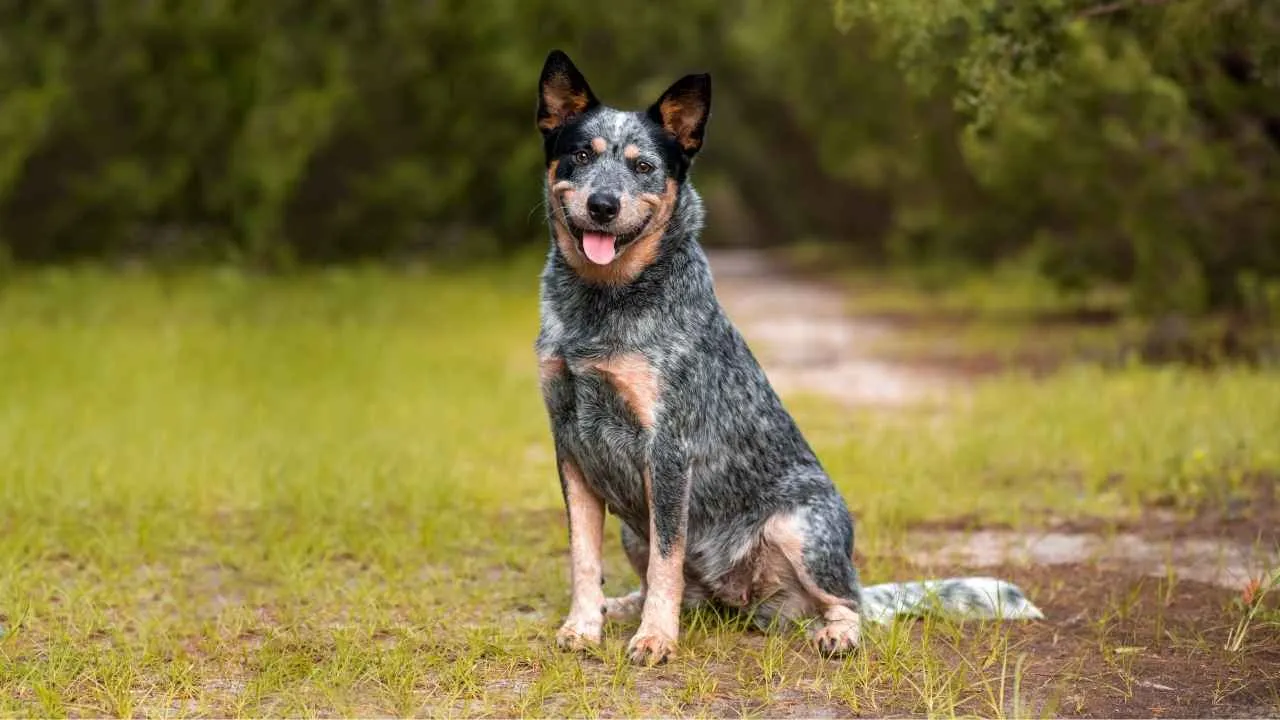
The story of the Australian Cattle Dog begins in the early 1800s, when Anglo-Australian settlers migrated to the western interior. Herding dogs were essential for managing beef cattle across that vast and unforgiving region. To meet the demand, Dingoes were crossed with Smithfield dogs to produce a breed capable of working actively in harsh conditions.
The breed can cover 13 to 30 kilometers in just four hours while maintaining a remarkably stable heart rate of around 180 bpm. Fast-twitch muscles allow it to make sudden direction changes without straining the body, and its longer torso relative to leg span gives it a powerful, extended stride.
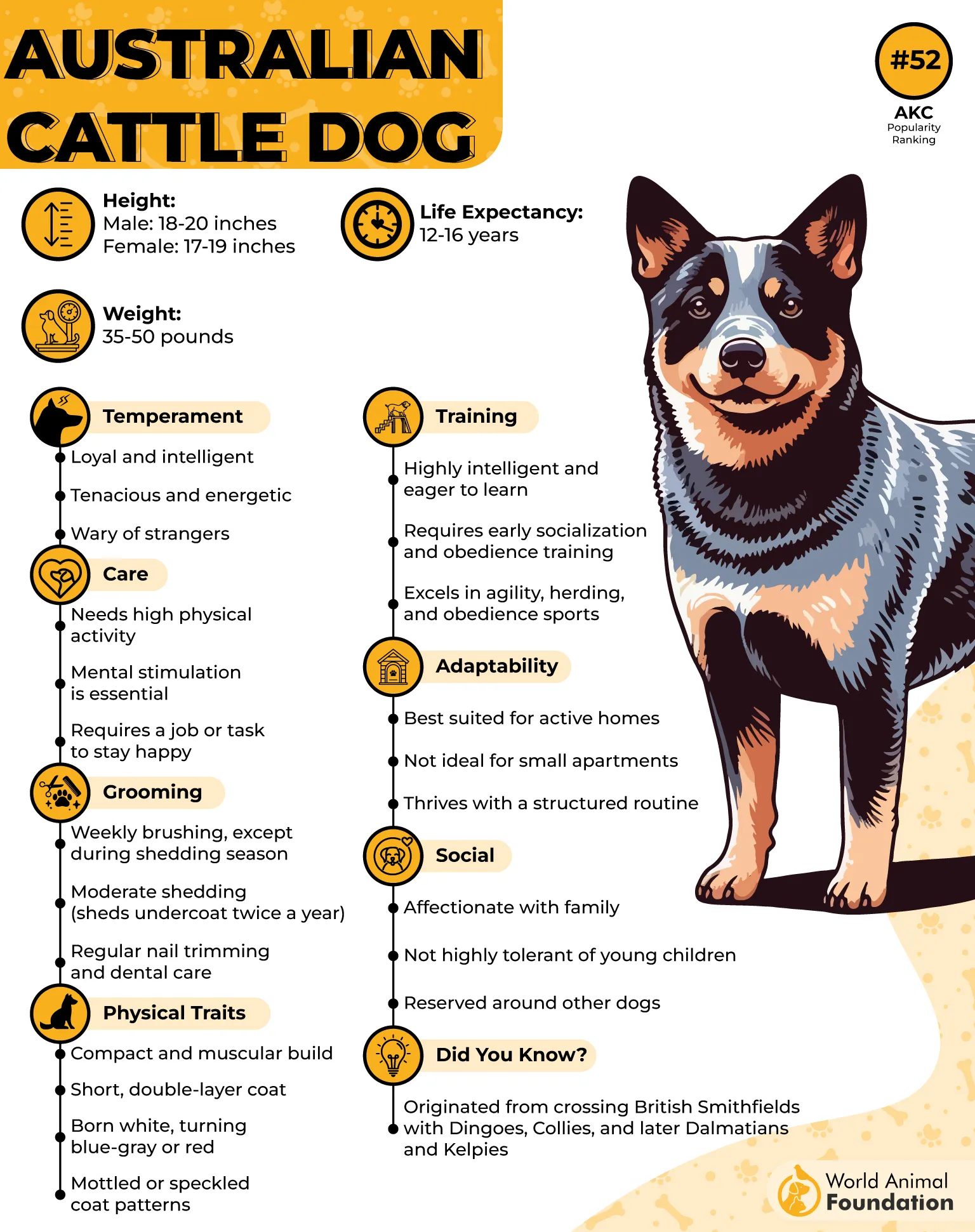
Fiercely protective and highly capable, the Australian Cattle Dog excels in search and rescue, livestock protection, yard work, and sorting through a technique called heeling.
When facing a predator, it either crouches low or holds its head high depending on the situation. Training sessions should be kept short but frequent, ideally five to ten minutes daily, to match its sharp but intense focus.
6. Border Collie
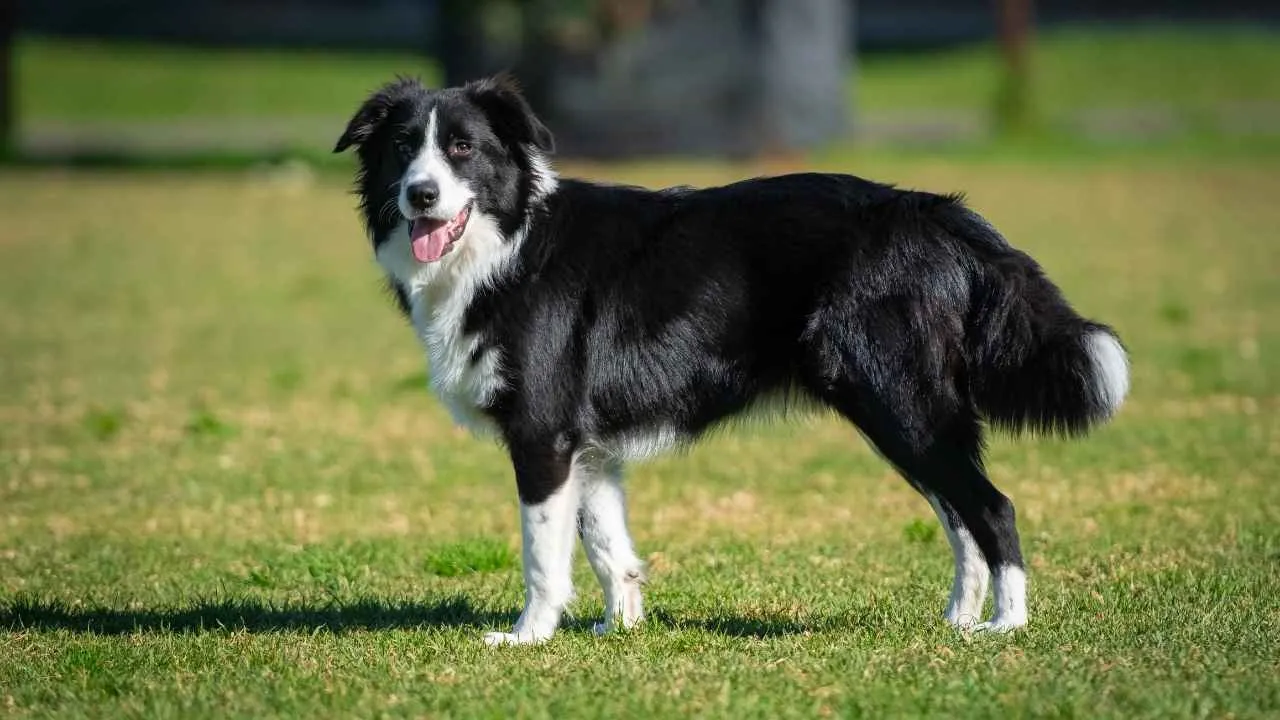
The Border Collie is widely regarded as the most intelligent breed in the dog world. Originally bred in Britain along the Anglo-Scottish border, the word “collie” is believed to derive from an old Celtic term meaning “useful,” a fitting tribute to its herding and livestock protection abilities.
Its longer body provides a lower center of gravity, giving it exceptional balance and agility. The breed’s signature “hypnotic stare” keeps it intensely focused and is remarkably effective at controlling livestock.
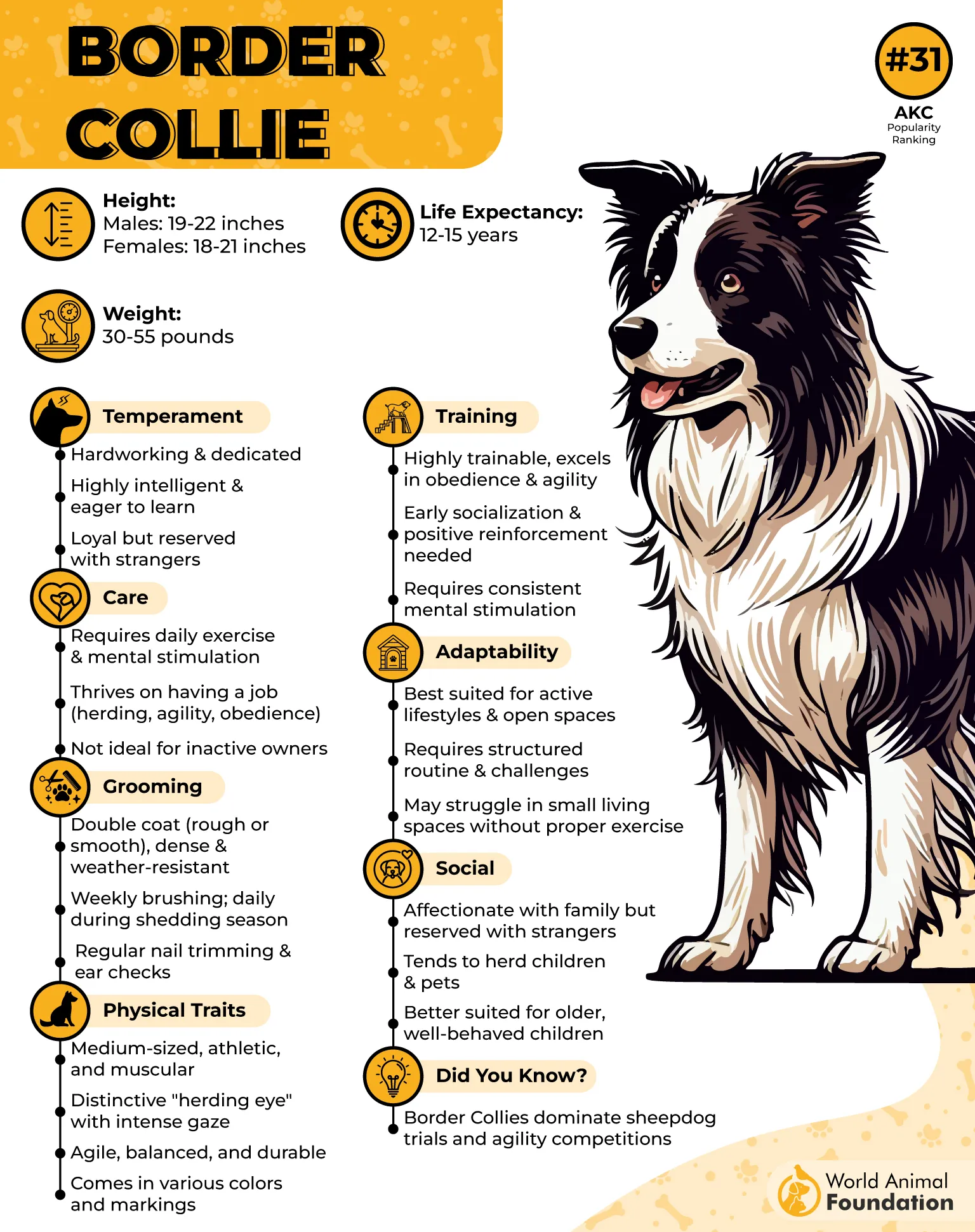
High neuroplasticity allows for rapid information processing, enabling it to respond instantly to faint whistles and subtle hand signals. It controls cattle by cornering them and serves as a vigilant watchdog, alerting handlers to any threat immediately.
Beyond the farm, Border Collies are deployed at military bases and airports to manage wildlife, and are even hired to protect endangered nesting birds and plant habitats. To burn off their considerable energy, they thrive on scent games, dog sports, and trick training.
7. German Shepherd
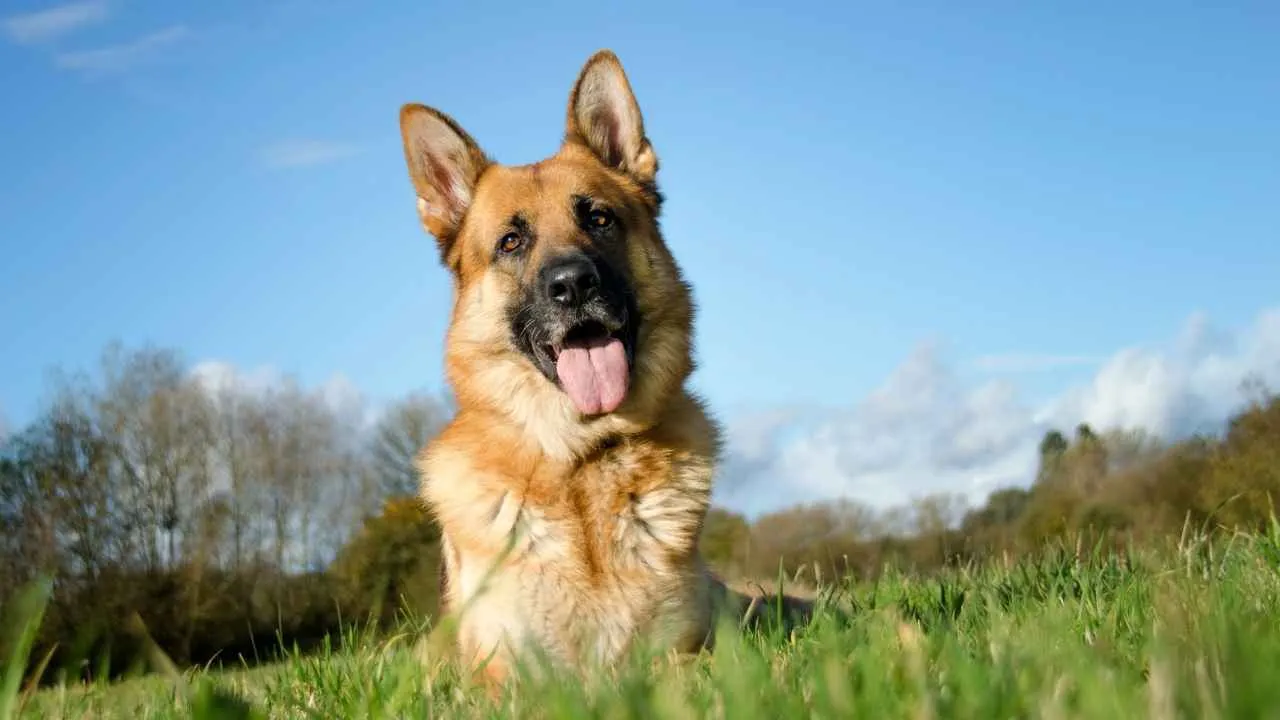
The German Shepherd ranks as the third most intelligent breed in the canine world. Developed in 1899 by Max von Stephanitz as a herding dog, its high intelligence, strong work ethic, and versatile temperament have made it equally valued as an assistance dog, service dog, and guard dog.
One reason it thrives across so many roles is its ability to cope with traumatic and high-stress situations more effectively than many other breeds, including the Labrador Retriever.
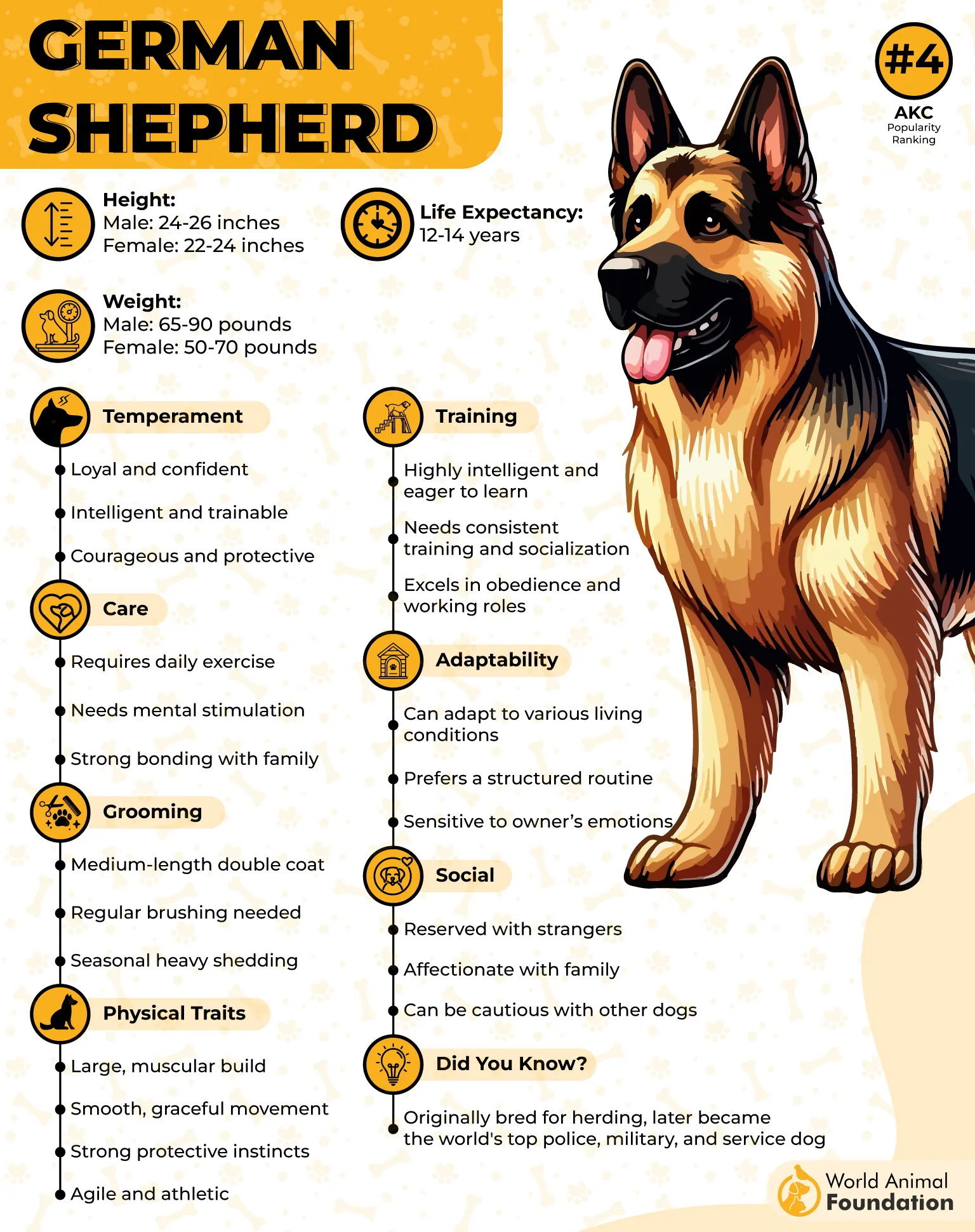
Powerful hindquarters allow it to reach speeds of 30 mph, and a bite force of 238 PSI makes it a formidable working animal. On the farm, it patrols the boundaries of grazing pastures, physically keeps the flock in check, and prevents livestock from wandering.
Its exceptional nose has made it a staple in K9 units and security departments worldwide, particularly for explosive and IED detection. Daily exercise needs run between one and a half to two hours and are best met through brisk walks, hiking, fetching, off-leash play, and puzzle toys.
8. Rottweiler
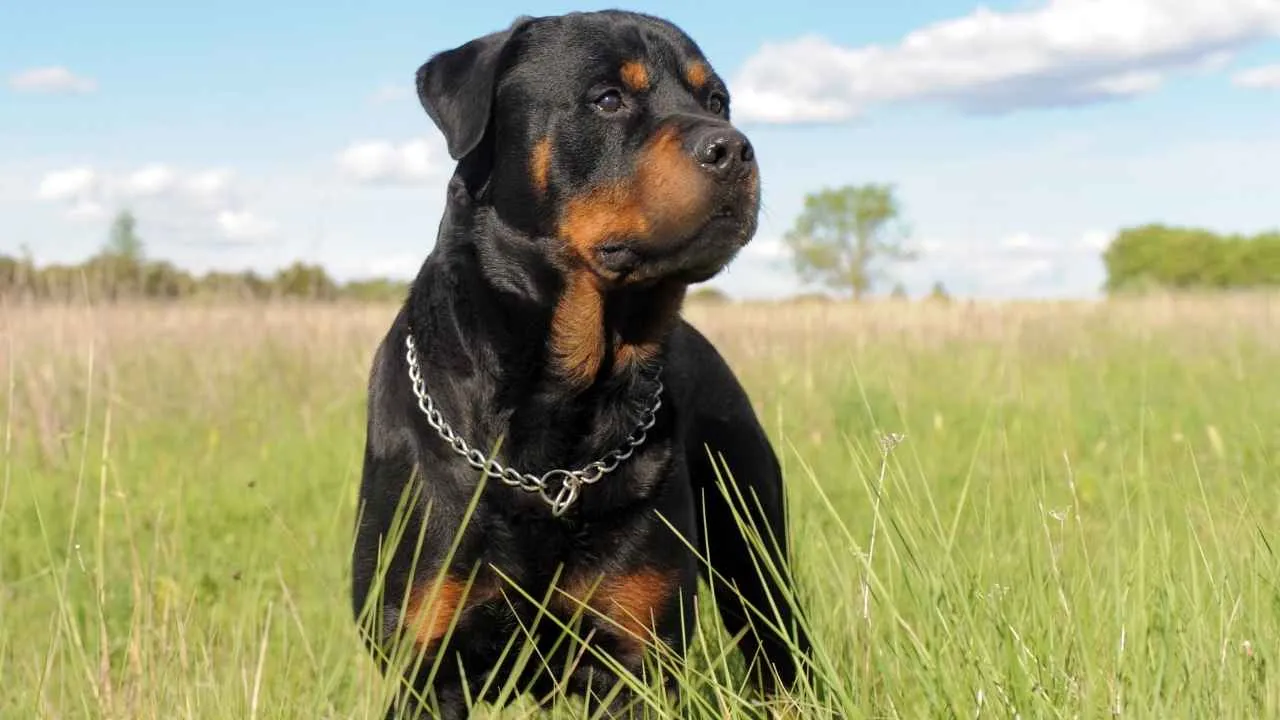
Developed in Germany, the Rottweiler is a medium-to-large mastiff-type breed historically known as the “Rottweiler Metzgerhund,” or Rottweiler Butcher’s Dog. Long before railways existed, it was used to pull heavy meat carts to market. Herding cattle was equally central to its original purpose.
Its bite force of 300 to 328 PSI is powerful enough to tear muscle and crush bone, making it one of the strongest biters in the dog world. A strong lung capacity supports the high cardiac demand of driving cattle across long distances.
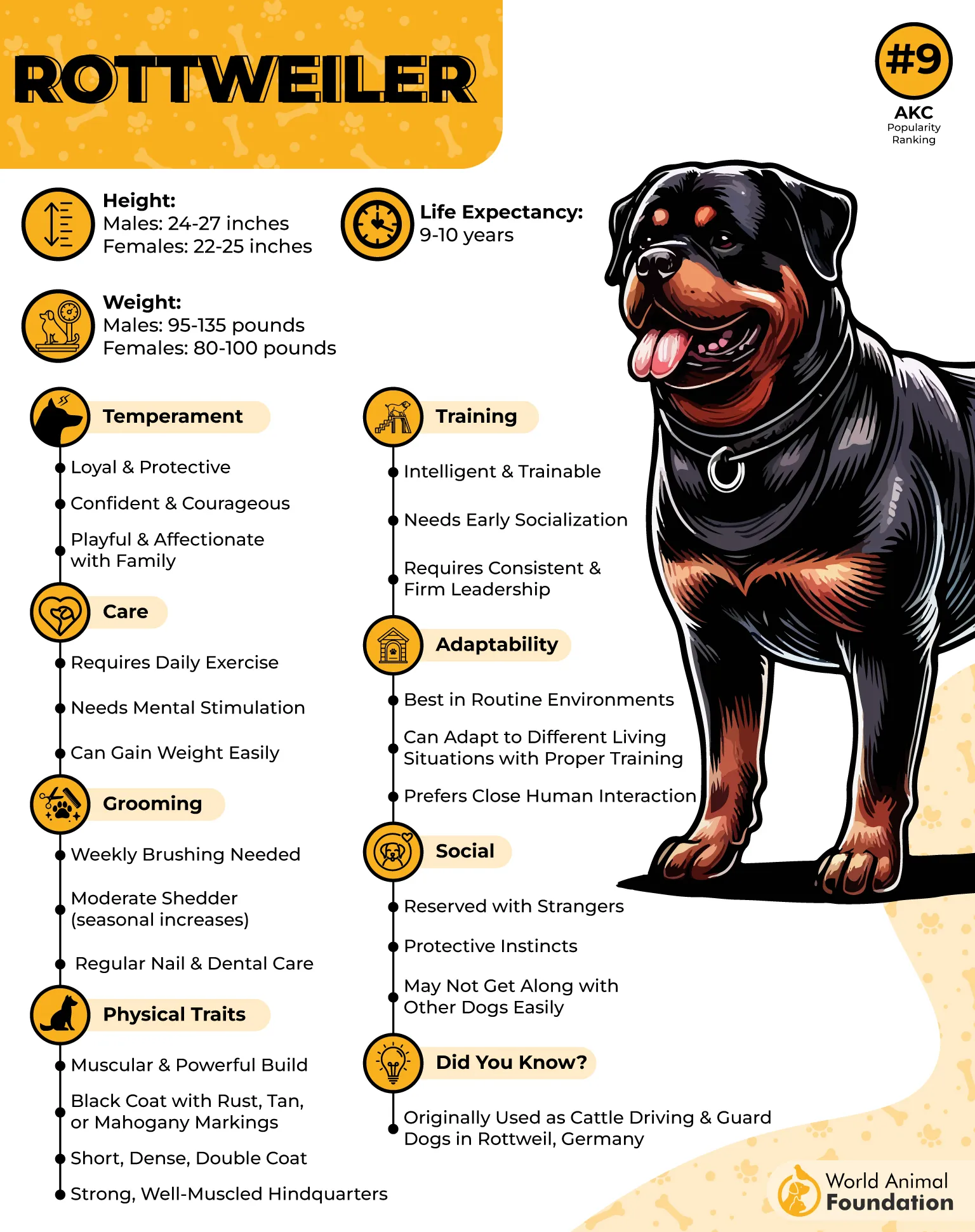
As a guard dog for isolated industrial sites, it patrols perimeters, alerts handlers to potential threats, and steps in to protect them in life-threatening situations.
Due to its independent streak, early socialization and consistent training are essential. It is also used for scent tracking and man-trailing, making it a valuable asset in apprehending suspects.
Daily exercise of one to two hours keeps it physically and mentally balanced, with activities like tug-of-war, agility training, puzzle toys, and scent work all working well.
9. Australian Shepherd
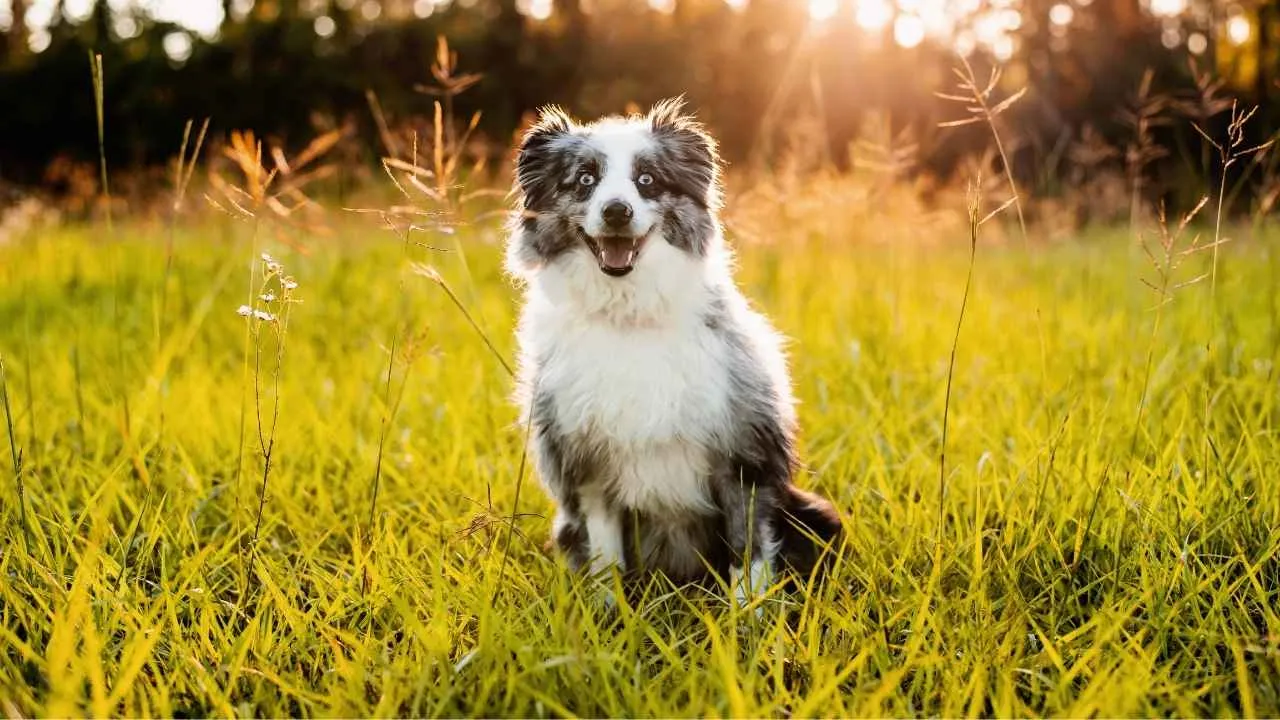
Despite its name, the Australian Shepherd was actually developed in the United States, not Australia. It earned its association with Australia through the Basque shepherds who migrated to America via Australia, bringing their herding dogs along.
Its strong herding instincts and intelligence quickly made it a favorite among American ranchers. The breed also carries a broader history as a messenger dog during World War II and has made guest appearances in various TV shows, according to Orvis.
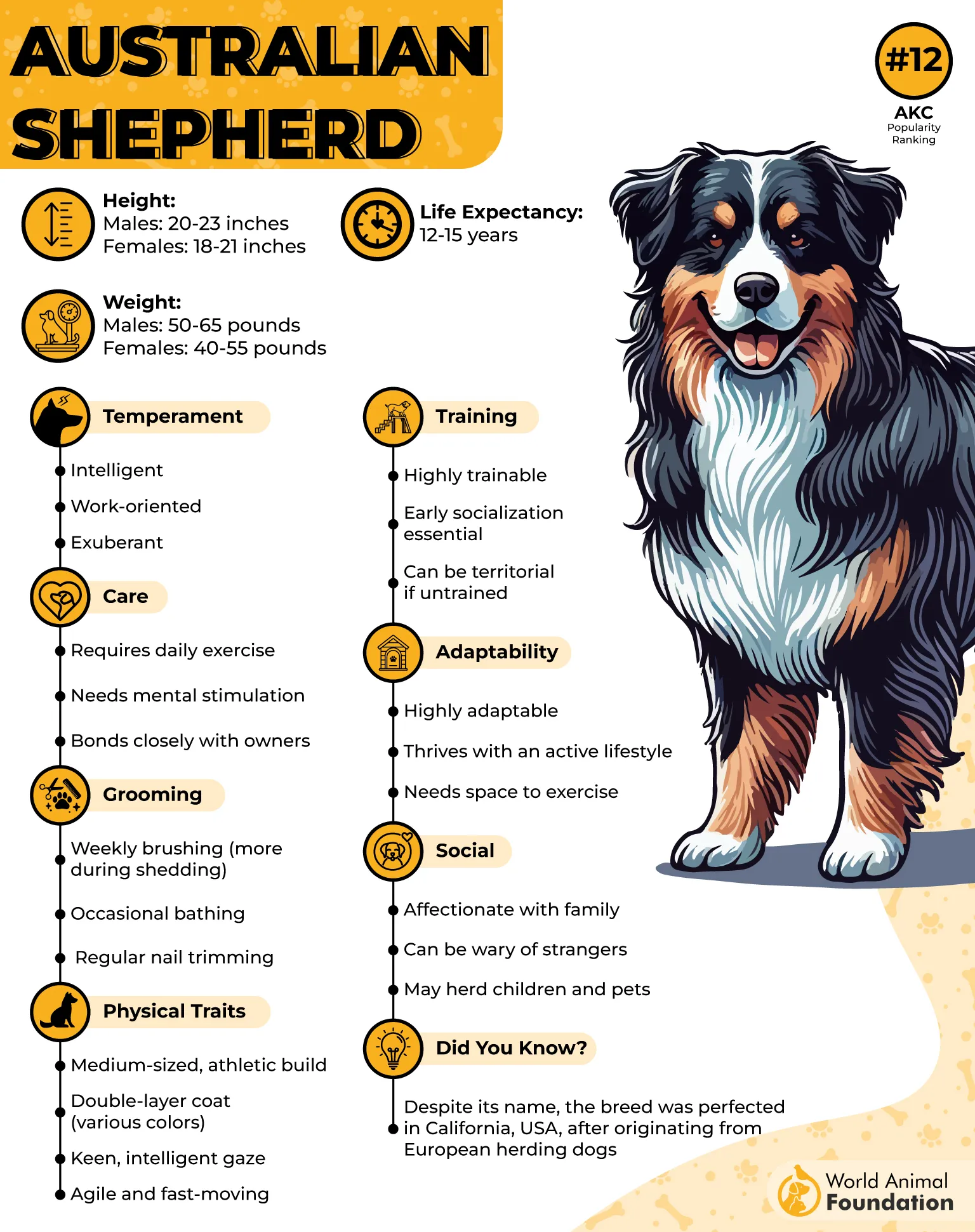
The crossing motion of its front and back legs while running generates explosive force, giving it the ability to clear jumps of over four feet. It uses a “loose eye” herding style, allowing it to cover large areas and monitor the flock without fixating on a single animal. It is widely used in driving livestock, gathering strays, disaster search, wilderness air-scenting, and therapy work.
Training sessions should be kept short and varied, as the breed bores easily and may develop destructive behavior without proper mental engagement. Teaching commands like “place” and “settle” early is especially important, as it can become overly reactive when unfamiliar guests arrive.
10. Belgian Malinois
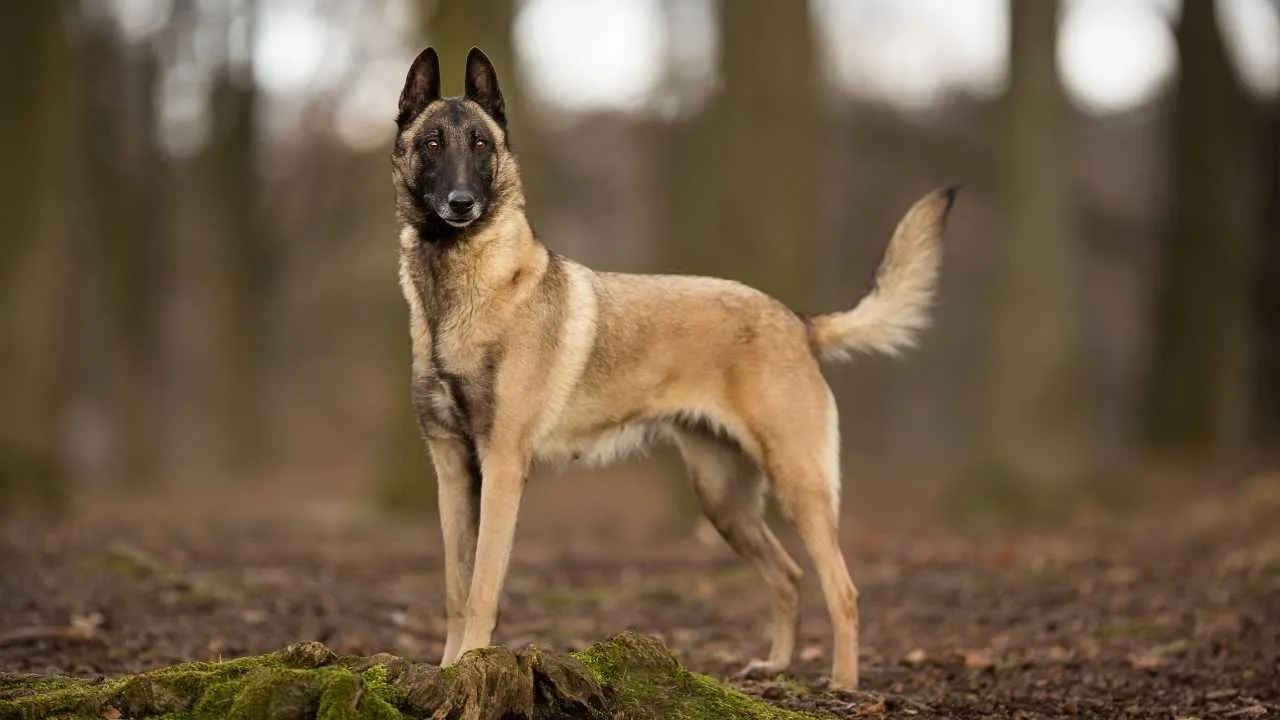
Developed in Germany as a herding dog, the Belgian Malinois weighs between 40 and 80 pounds and stands 22 to 26 inches tall. Highly alert, sensitive, and driven by strong herding instincts, it is one of the most trainable breeds available. However, it is less suited as a casual companion dog, as it can be snappy without proper structure and stimulation.
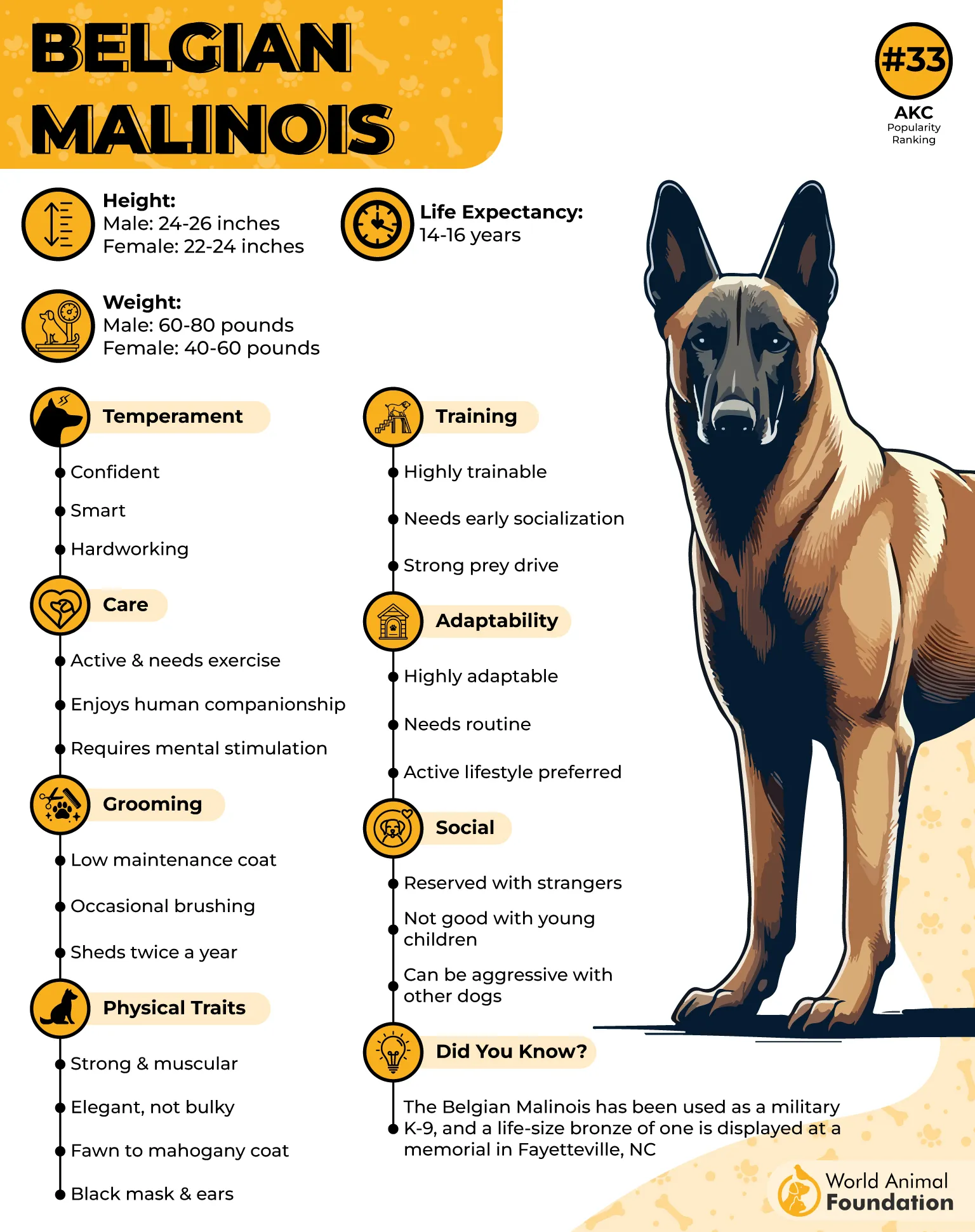
With nearly 300 million scent receptors, it can detect microscopic concentrations of gas leaks, agricultural pests, and contraband. Its striking blue and yellow eyes offer exceptional low-light vision and a remarkable ability to track moving objects at great distances.
A soft bristle brush and a pin brush used weekly are ideal for coat maintenance. Bathing every one to three months with a dog-friendly shampoo keeps the coat clean without stripping natural oils.
At least one to one and a half hours of daily aerobic exercise, obedience training, and dog sports are essential to keep this high-drive breed physically and mentally satisfied.
Conclusion
Working dogs continue to prove that they are far more than loyal companions. They are partners, protectors, problem-solvers, and hardworking members of agriculture and industrial operations. From the livestock-guarding instincts of the Great Pyrenees and Anatolian Shepherd to the herding brilliance of the Border Collie and Australian Cattle Dog, each breed brings unique strength to the job.
At the end of the day. Machines may power modern agriculture and industry, but many operations still rely on something equally valuable: a dedicated dog ready to get the job done. That is a partnership built on trust, and it remains as strong today as it was centuries ago.
