




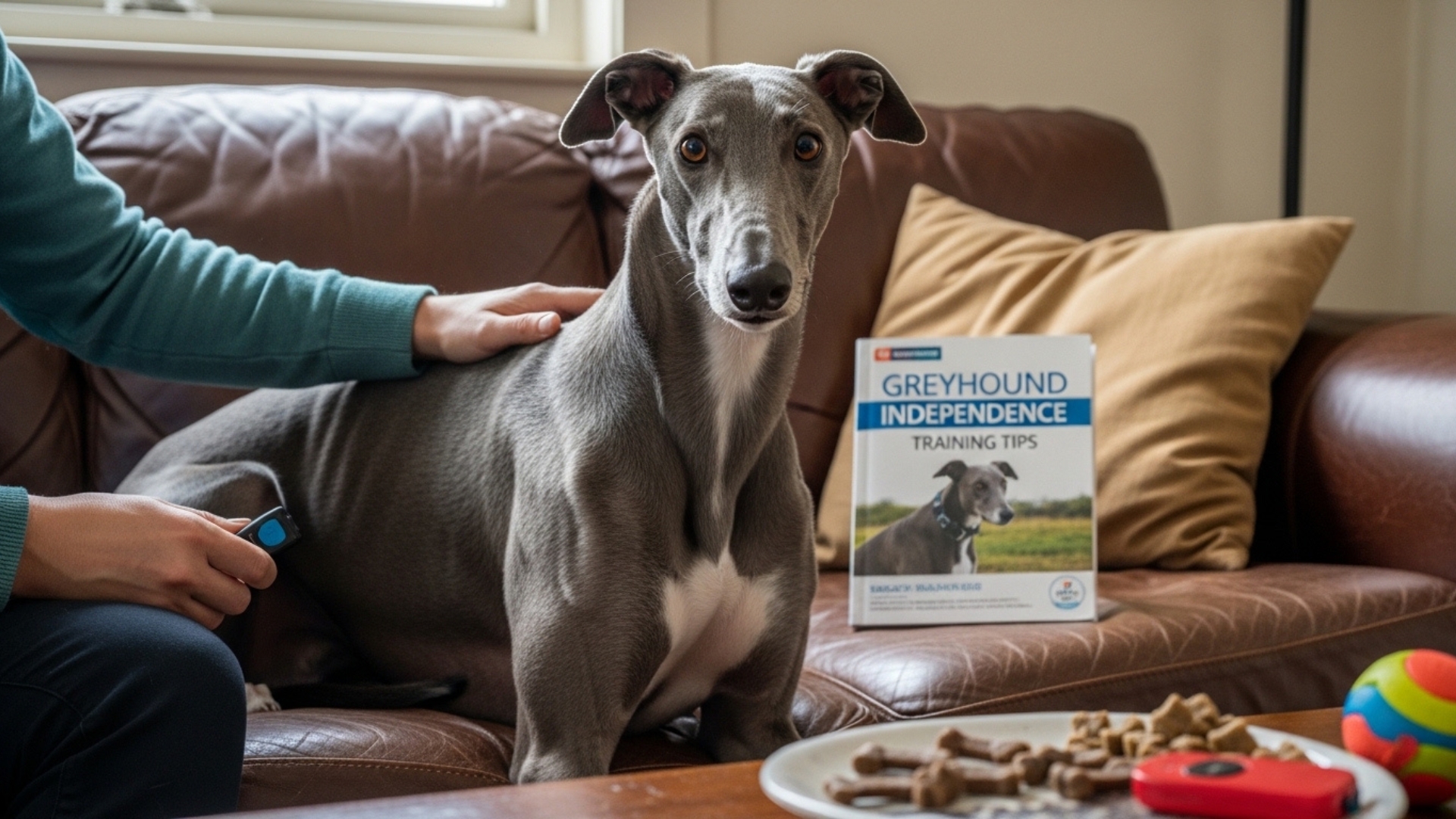
Some dog breeds live to impress humans. Others?
They hear your command, blink slowly, and seem to say, “Interesting suggestion… I’ll circle back after my nap.”
Independent dog breeds are smart, strong-willed, and often highly intelligent. They were originally bred to think for themselves, solve problems alone, and occasionally ignore unnecessary drama.
In short, they don’t just exist in our world—they run their own little board meetings in it.
That independence makes them confident, loyal, and highly engaging colleagues. But it also means training can feel less like giving instructions and more like negotiating terms and conditions with a very fluffy executive team.
While some of the most trainable dogs are eager to please and ready to perform new tricks for a single treat, certain breeds prefer using their own judgment. They don’t just follow orders—they evaluate them carefully.
For dog owners and pet parents, understanding this independence is the real key to success. Ready to meet nine bold four-legged thinkers? Let’s dive in.
Dog Breeds Known for Their Independence: Training Tips Inside
1. Chow Chow
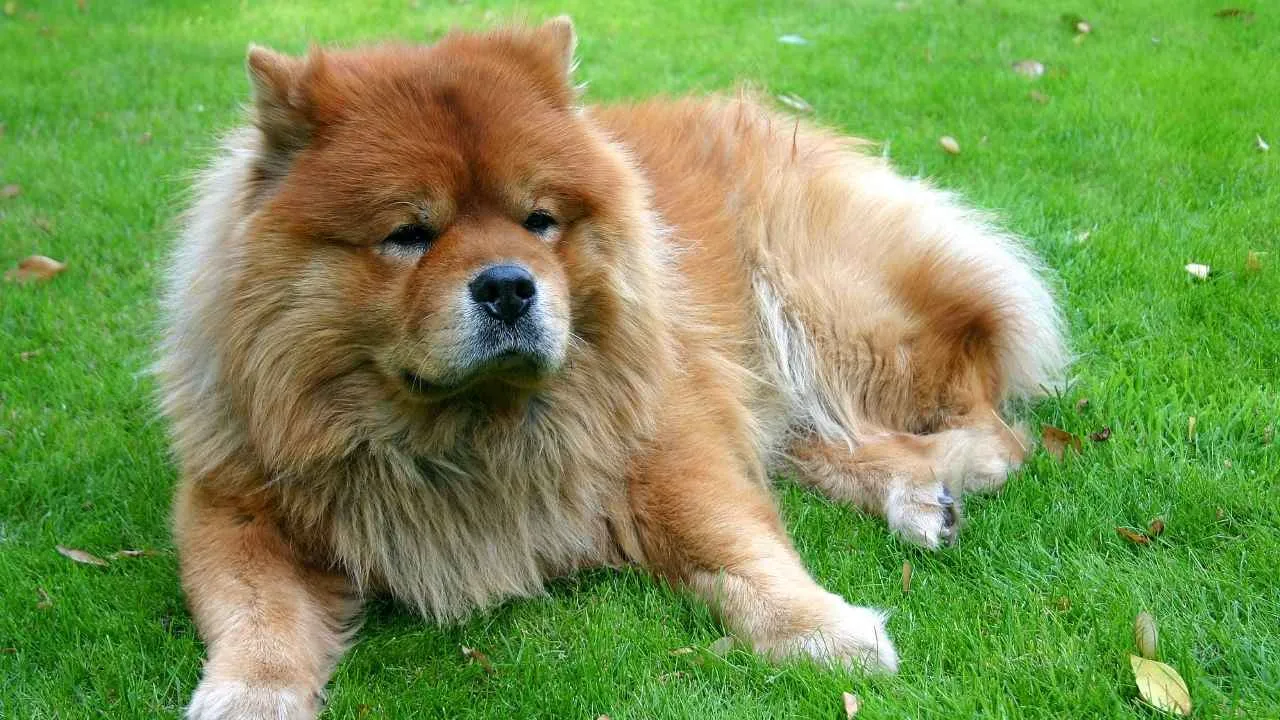
Meet the fluffy philosopher of the dog world. Originally bred in China for guarding, herding, and even pulling sleds, this lion-maned beauty carries history in every proud step.
With a thick double coat and that famous blue-black tongue, this dog looks dramatic—and behaves with equal dignity.
Independent and sometimes delightfully aloof, they can seem more like a cat than a typical dog. They form strong bonds with family but may not always seek attention.
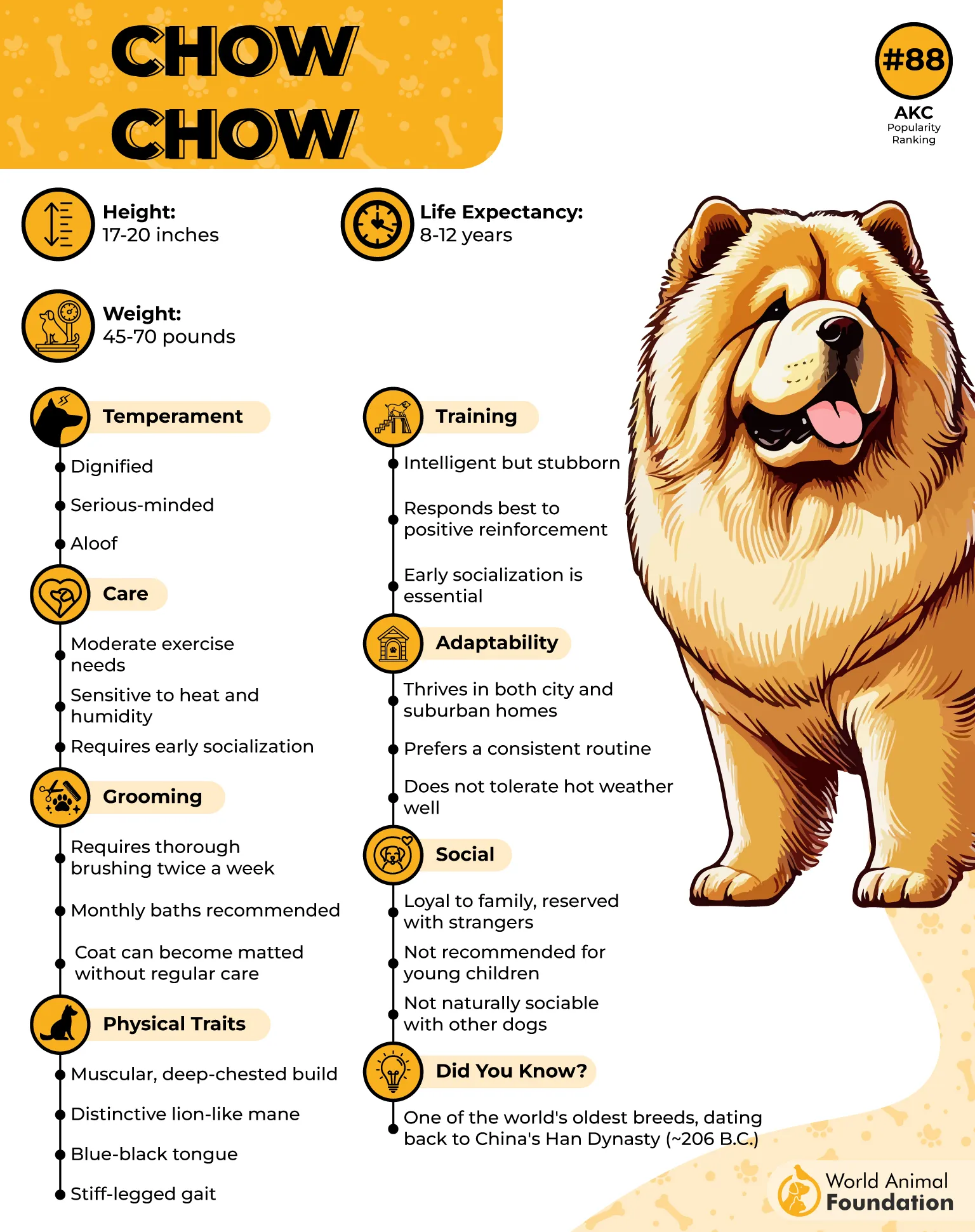
Naturally protective and reserved with strangers, early socialization helps shape a confident, well-rounded temperament. Moderate walks and mental stimulation keep boredom (and attitude) in check.
Training Tips
Start early socialization to build confidence.
Use positive reinforcement with praise and rewards.
Keep training sessions short and consistent.
Stay calm, firm, and patient—no power struggles.
Add puzzle toys for mental stimulation.
2. Greyhound
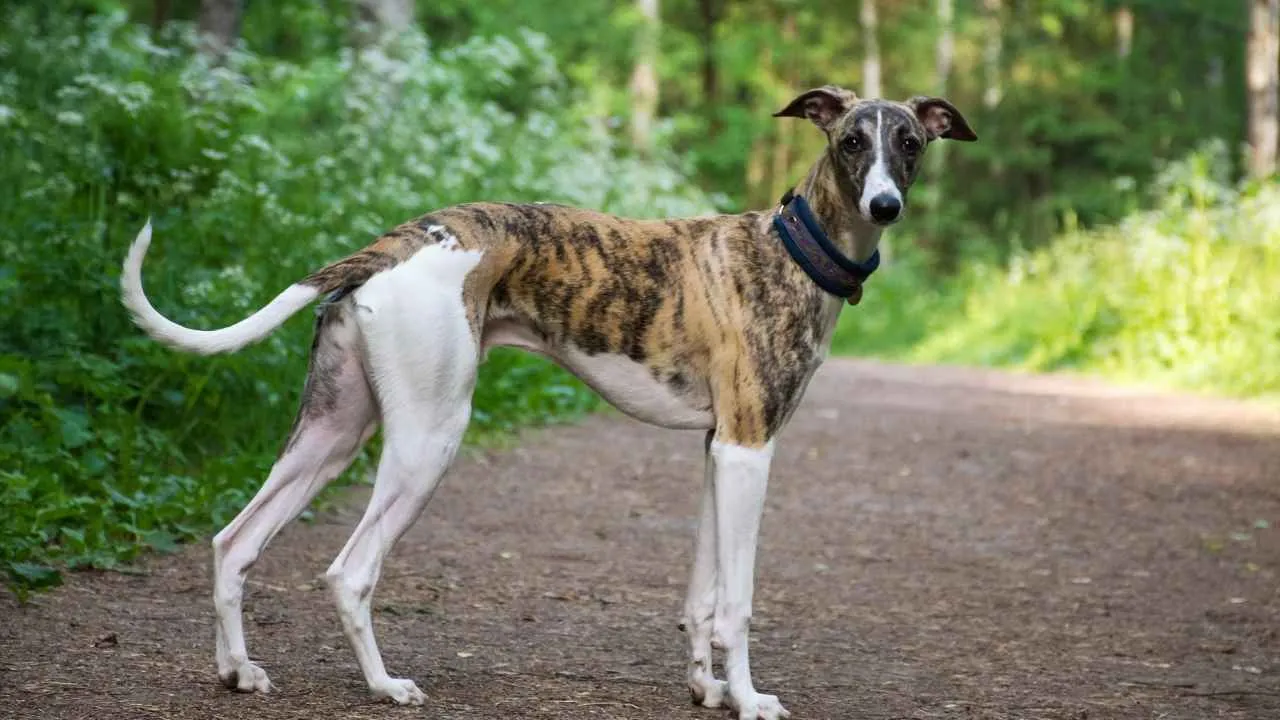
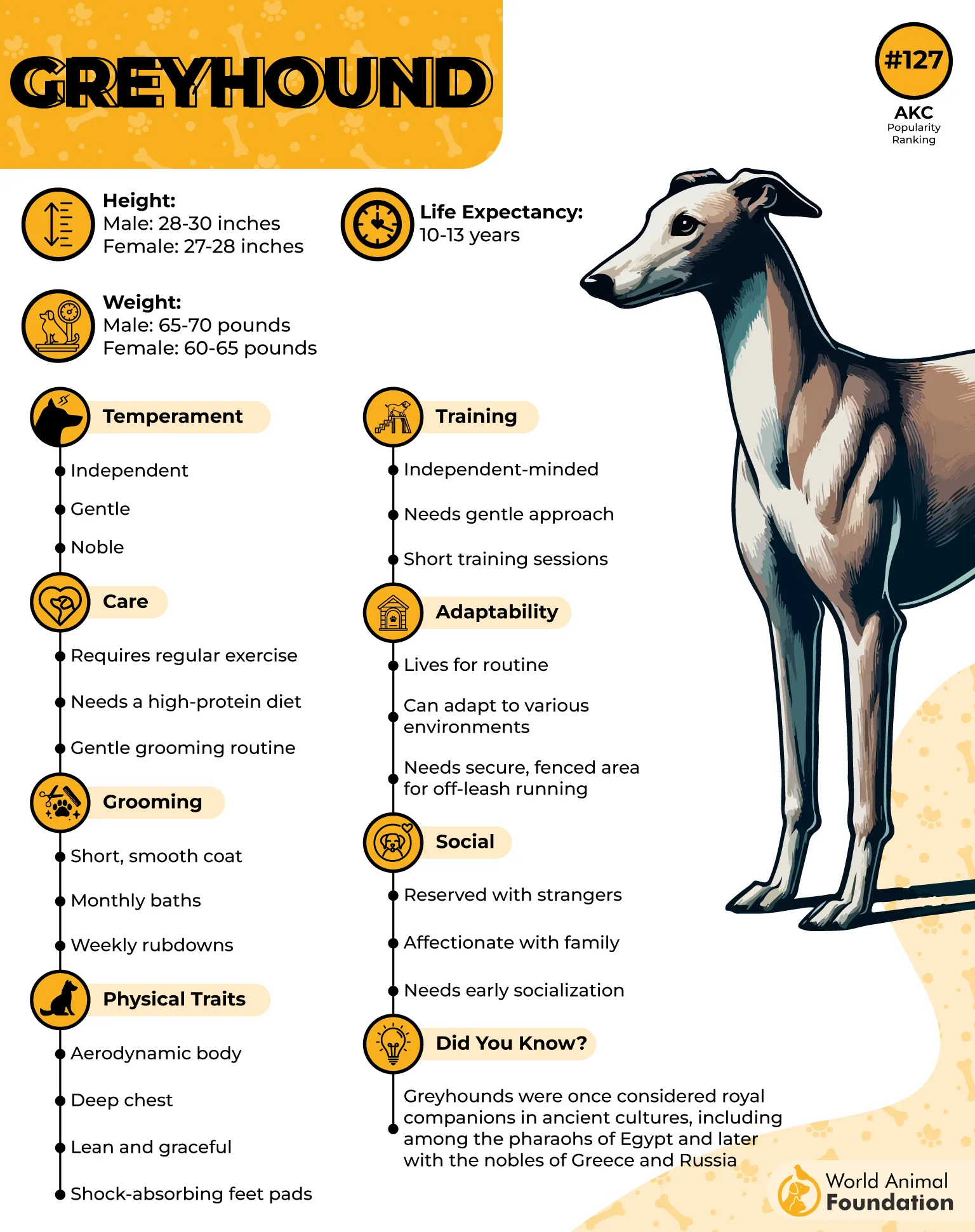
The champion sprinter of the dog world, this favorite breed is built for speed and style. With a deep chest, tucked waist, and aerodynamic frame, the Greyhound is the definition of “form follows function.”
For centuries, artists and royalty admired this graceful hunter—and once you see one glide across a field, you’ll understand why.
Despite being the cheetah of the dog world, Greyhounds are professional couch loungers at home.
They enjoy relaxing all day but still need regular exercise and safe, fenced spaces to run full speed.
As per the AKC, off-leash freedom should only happen in secure areas, as their instinct to chase is powerful.
Training Tips
Start early socialization with children and small animals.
Keep lessons short, fun, and engaging.
Use gentle, positive reinforcement—never harsh methods.
Focus on partnership; they prefer working with you.
Provide safe running time to satisfy instincts.
3. Shiba Inu
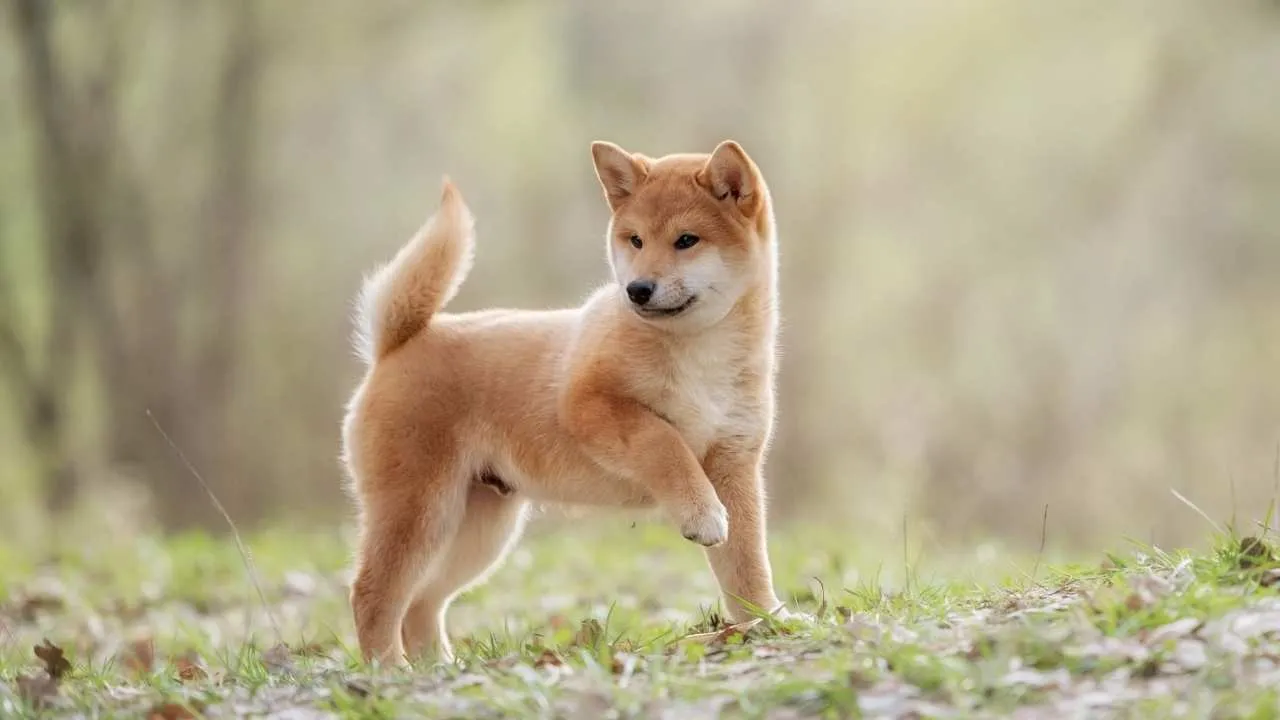
Small in size but huge in personality, this smart dog breed and independent hunter was originally bred for tracking game in Japan.
With a curled tail, fox-like face, and thick double coat, the Shiba Inu looks adorable—but don’t be fooled. This dog is strong-willed, confident, and proudly self-reliant.
Shibas are alert and spirited. They rarely bark without reason, but when they want attention, expect a dramatic high-pitched “Shiba scream.”
Often compared to a cat, they can be aloof and independent. Still, they form loyal bonds with their owners and enjoy playful moments at home.
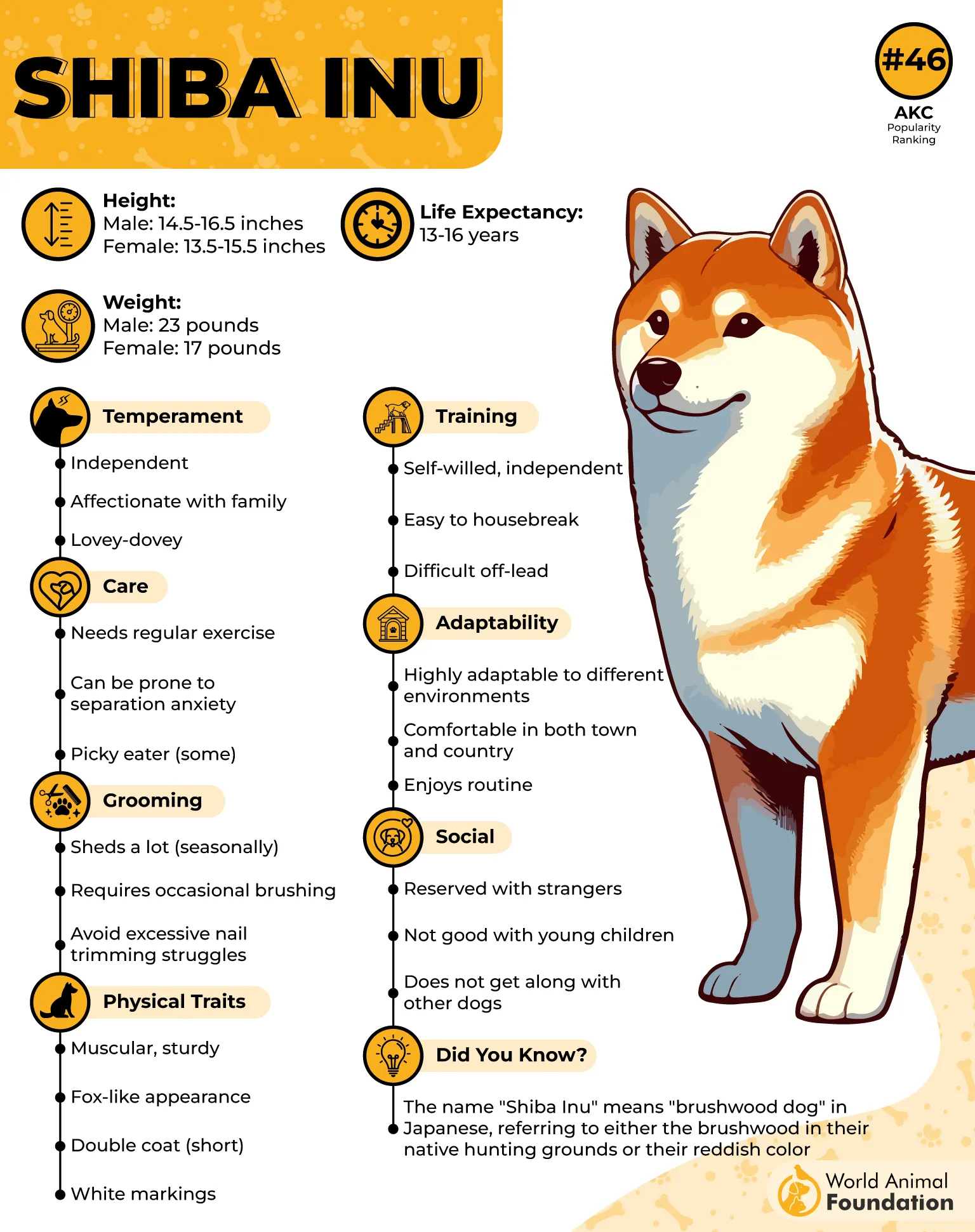
Because of strong hunting instincts, off-leash freedom is risky. They may ignore the recall if something interesting appears. Possessiveness with food or toys can also occur.
Training Tips
Begin socialization early.
Keep rules clear and consistent.
Use positive reinforcement, not force.
Supervise around small children and other dogs.
Provide daily exercise, especially in apartment living.
4. Chinese Shar Pei
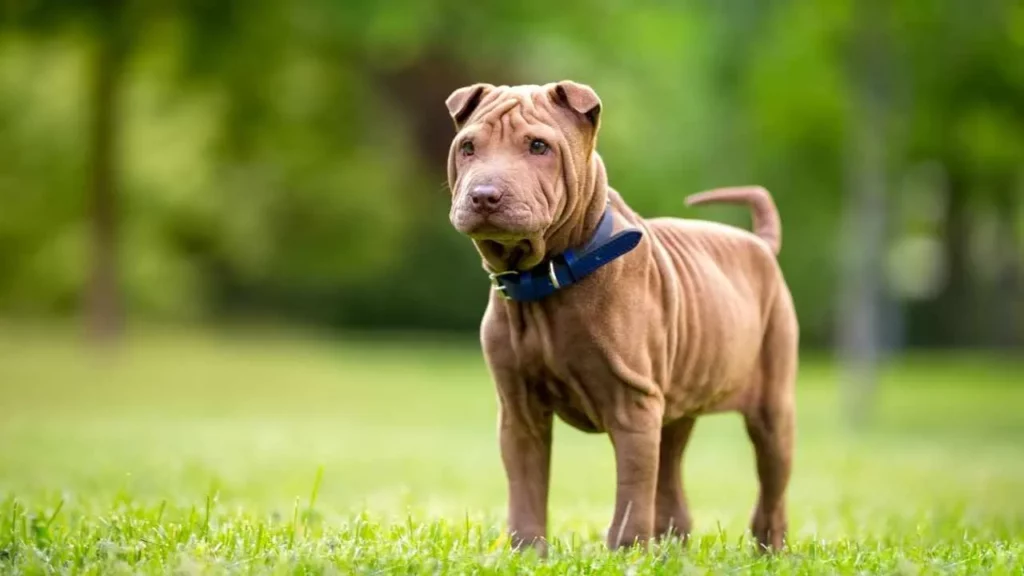
The wrinkly wonder of the dog world, this medium-sized breed is loyal, devoted, and full of personality.
Originating in China as farm dogs and royal guard dogs, their rough, sandpaper-like coat isn’t just for show—it helped protect them in fights by letting opponents bite skin instead of muscle.
With a unique black-and-blue tongue and multiple coat colors, these pups are unmistakable.
As per WebMD, Shar Peis are fiercely loyal to their families but come with a strong independent streak.
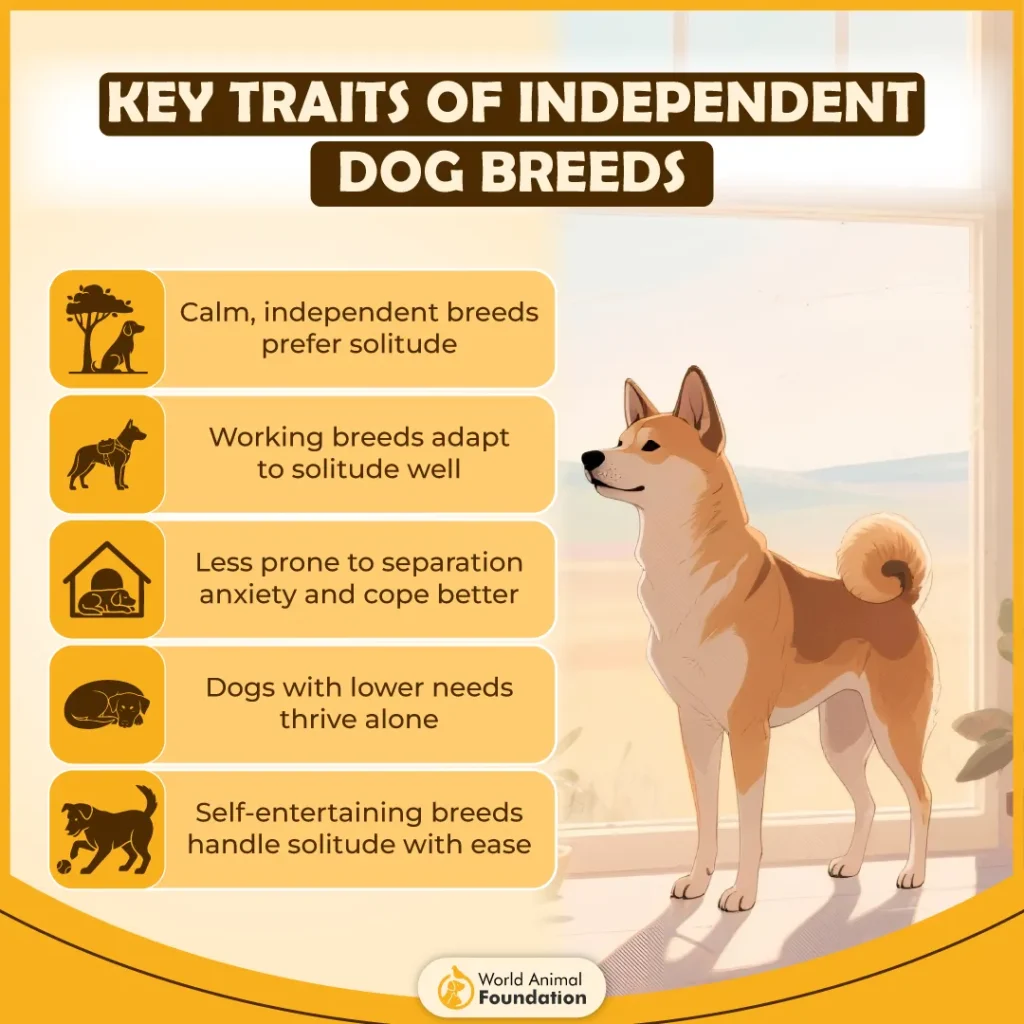
They can be aloof or standoffish with strangers and even show aggression toward other pets if not socialized properly.
Early exposure to people, animals, and new experiences is essential to developing a well-rounded companion.
Training Tips
Begin socialisation early with humans and other pets.
Use firm, consistent, and reward-based training.
Keep lessons short to maintain focus.
Encourage confidence while setting clear boundaries.
Supervise interactions to prevent possessiveness or aggression.
5. Akita Inu
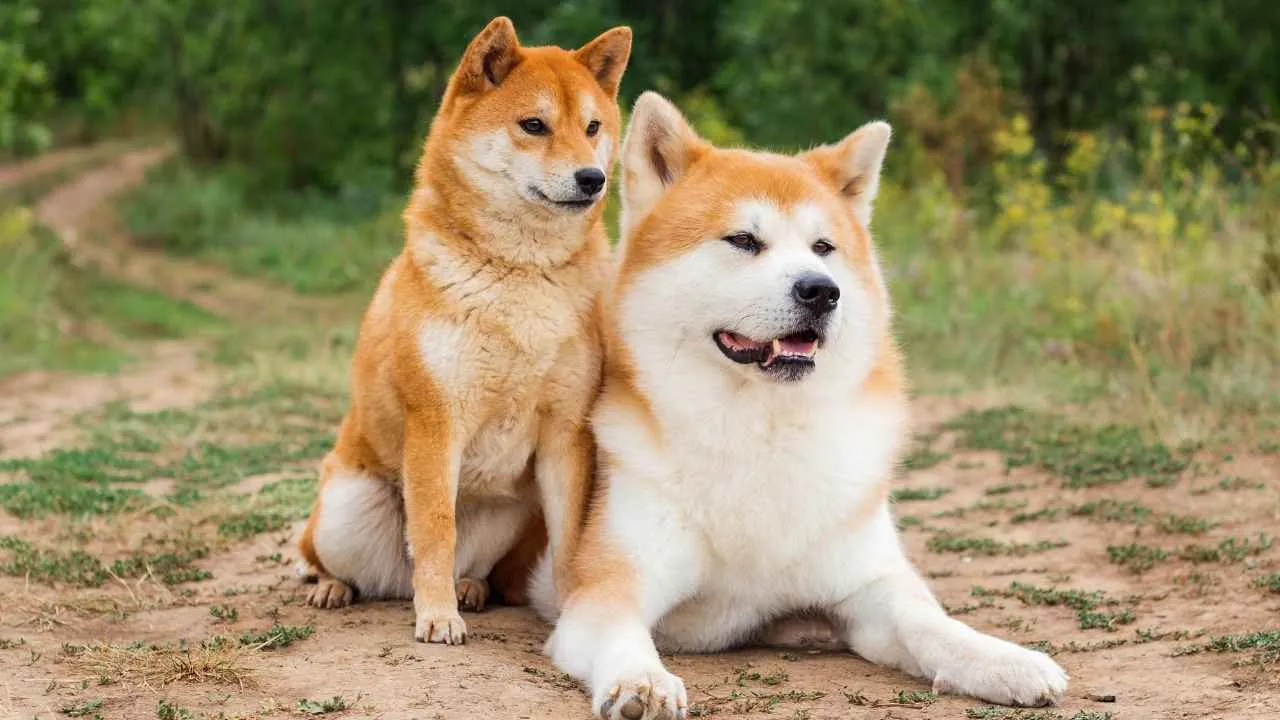
Meet the mountain royalty of the dog world: large, powerful, and impressively independent.
As per Wikipedia, originally from northern Japan, this large dog breed descended from hunting dogs used to track bears, wild boar, and deer in snow-covered mountains.
With a thick double coat and commanding presence, the Akita Inu was also a guard dog for samurai and wealthy farmers—so yes, confidence comes naturally.
Akitas are deeply loyal and affectionate with family but reserved or even standoffish with strangers.
Their strong, dominant personality requires an owner who can match their confidence and provide consistent guidance.
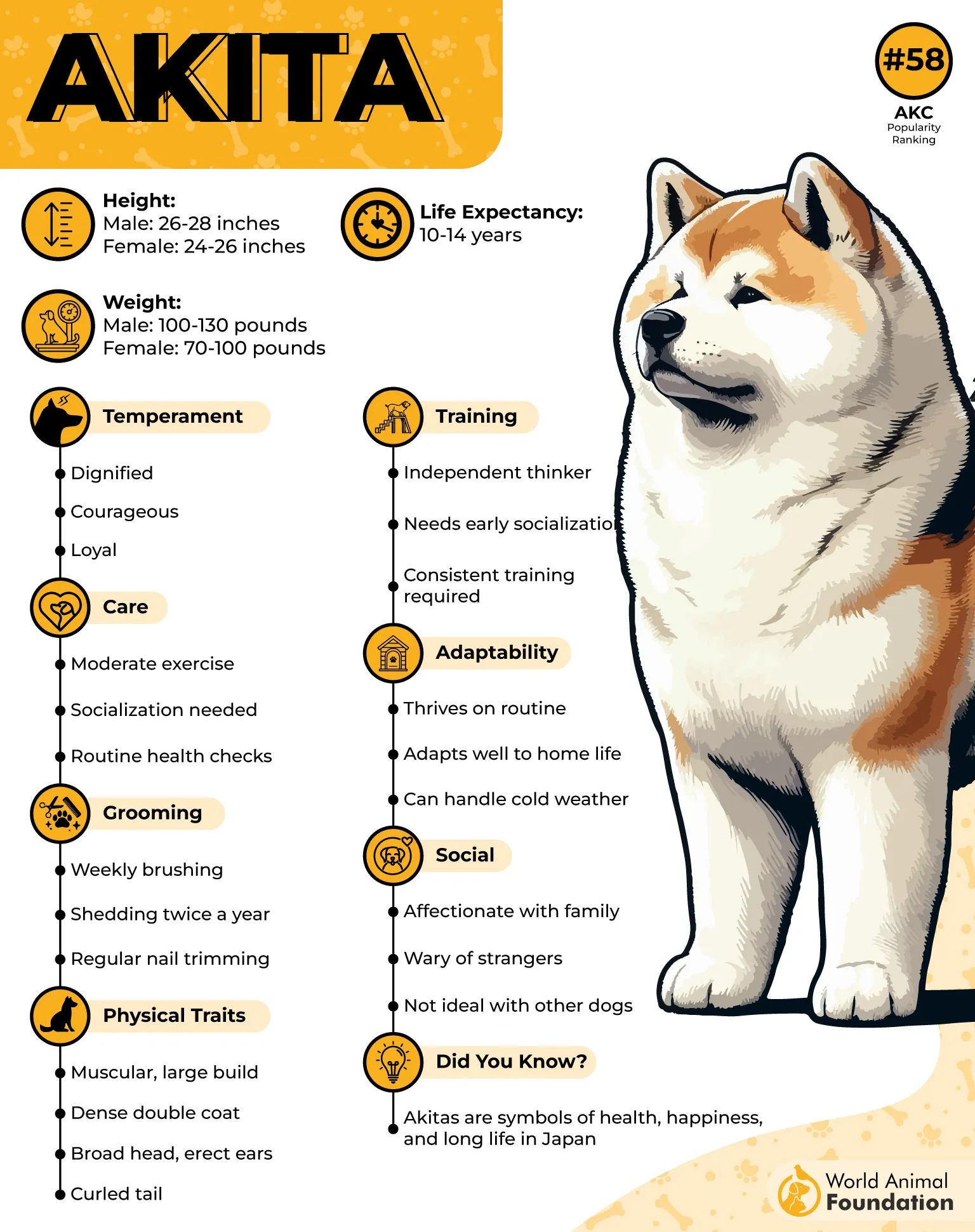
Despite their imposing appearance, they can be loving companions when properly socialized.
Training Tips
Begin early socialisation with people and pets.
Use firm, consistent, and reward-based training.
Maintain short, focused sessions to prevent boredom.
Set clear boundaries while respecting their independent nature.
Provide mental and physical challenges to keep them engaged.
6. Basenji
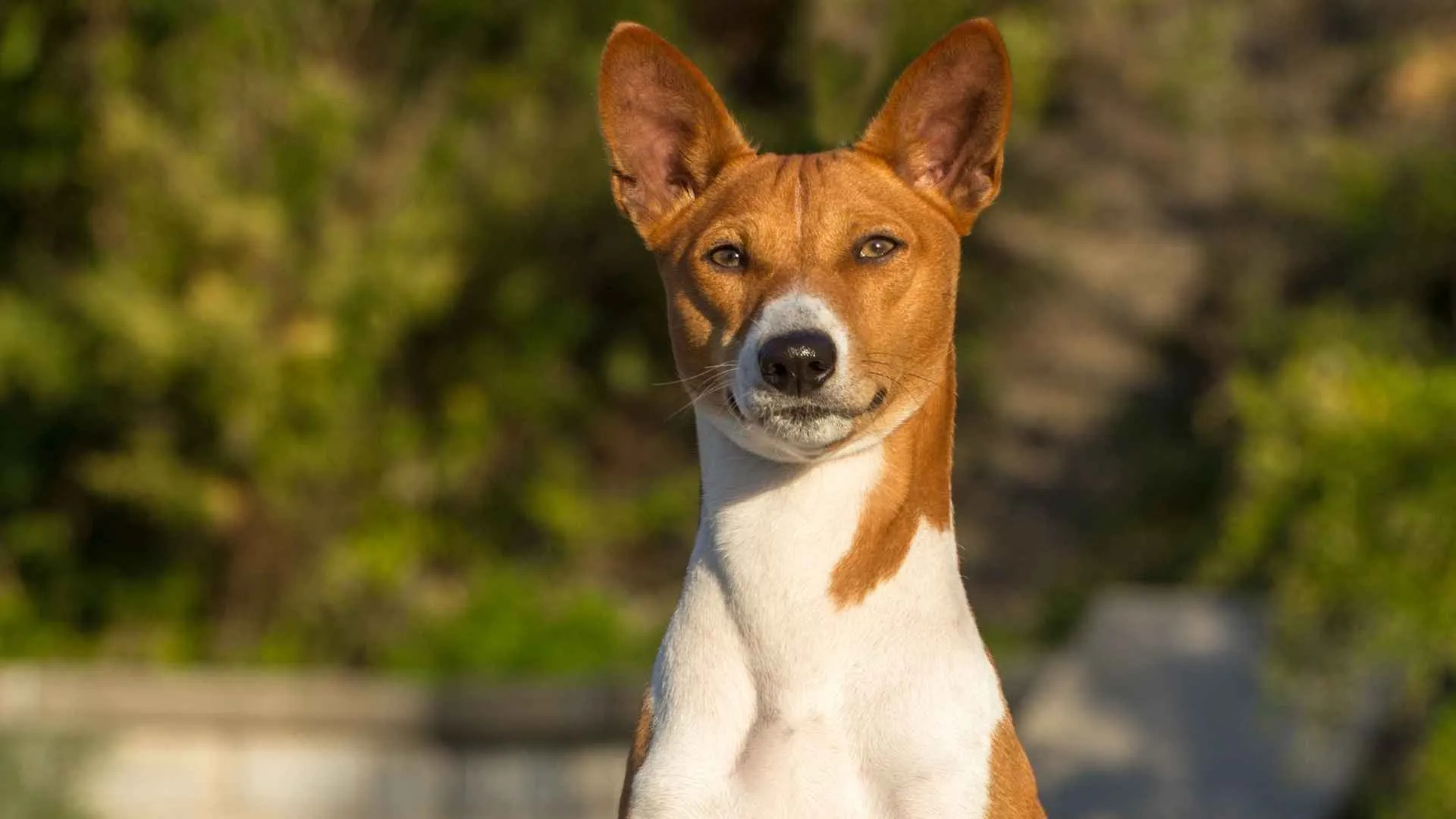
Meet Africa’s “barkless wonder”—small, graceful, and endlessly charming. With a tightly curled tail, wrinkled forehead, and expressive almond-shaped eyes, this little hunter looks like a mini-racehorse at a trot.
Don’t expect barking; instead, get ready for an unusual chortle-yodel that lets you know exactly how they feel.
Catlike in their fastidious grooming and independent attitude, Basenjis are truly a breed apart.
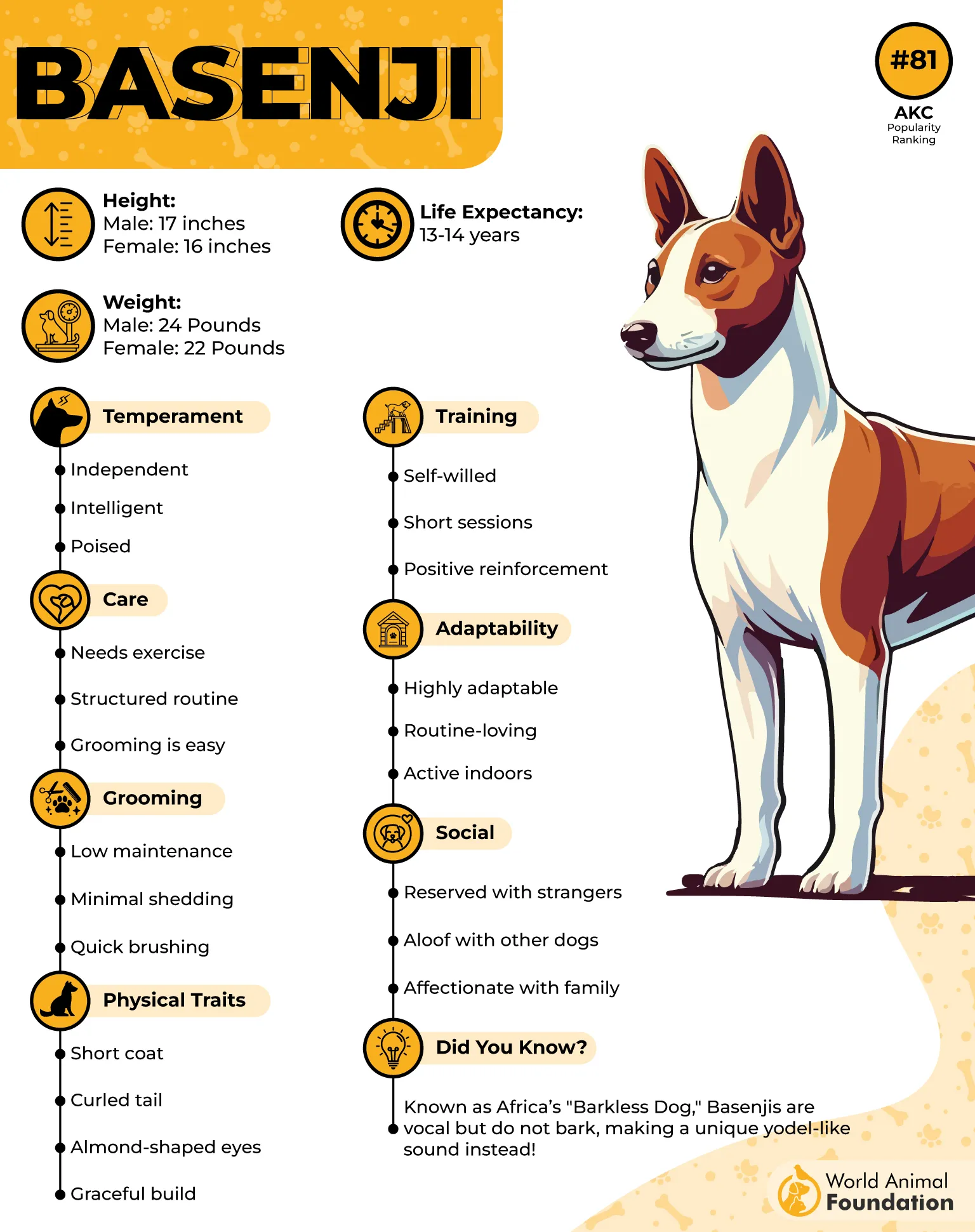
Energetic and inquisitive, they need plenty of exercise and mental challenges. Boredom can lead to mischief, so a secure yard, long walks, and structured activities like tracking or agility are essential.
Training Tips
Use positive reinforcement with treats and praise.
Keep sessions short—5 to 10 minutes maximum.
Offer structured mental and physical challenges.
Supervise off-leash time; hunting instincts are strong.
Enroll in puppy classes early for socialisation and manners.
7. Afghan Hound
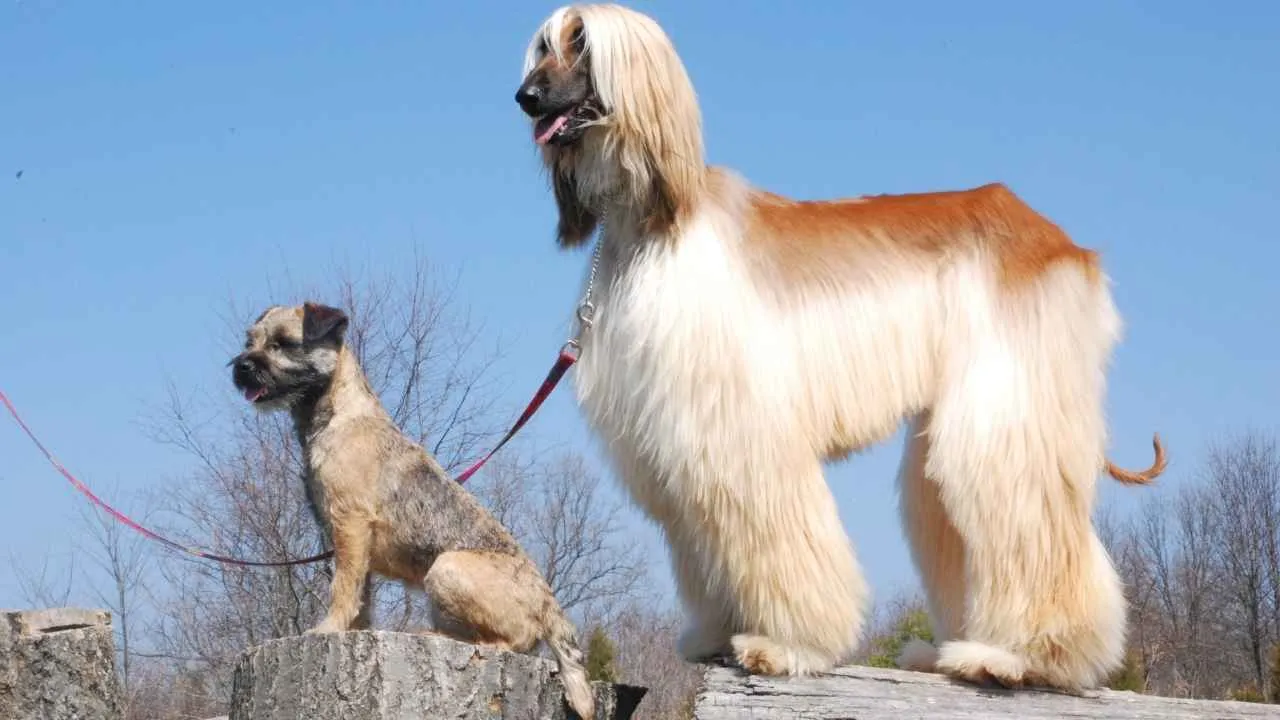
Meet the aristocrat of the dog world: elegant, aloof, and fabulously coiffed. With a flowing, silky coat and striking presence, this breed looks ready for a red-carpet event—but don’t be fooled.
Beneath the glamour is a powerful, agile hunter built for long days of chasing prey in rugged mountains.
Their huge paw-pads act as natural shock absorbers, perfect for a high-speed sprint across any terrain.
Independent and dignified, Afghan Hounds bond deeply with their humans and show loyalty like few others.
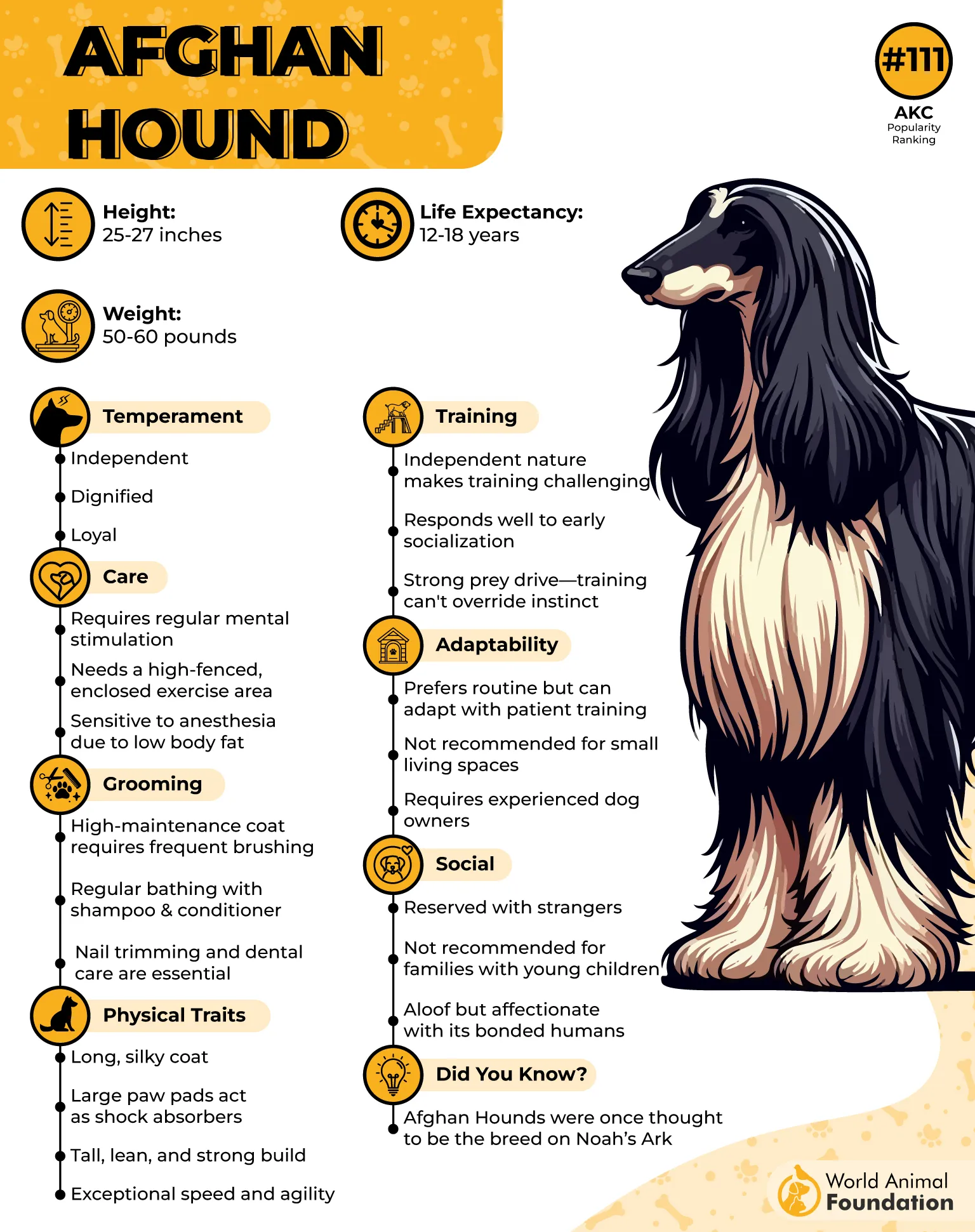
They are affectionate to family but reserved with strangers, making early socialisation essential. Their strong prey drive means off-leash freedom requires a secure, high-fenced area.
Training Tips
Keep walking and exercise regularly, with opportunities to run safely.
Use short, positive training sessions for commands.
Socialise early with family and trusted pets.
Provide a tall, secure fence for off-leash play.
Focus on basic obedience; hunting instincts can’t be overridden.
8. Siberian Husky
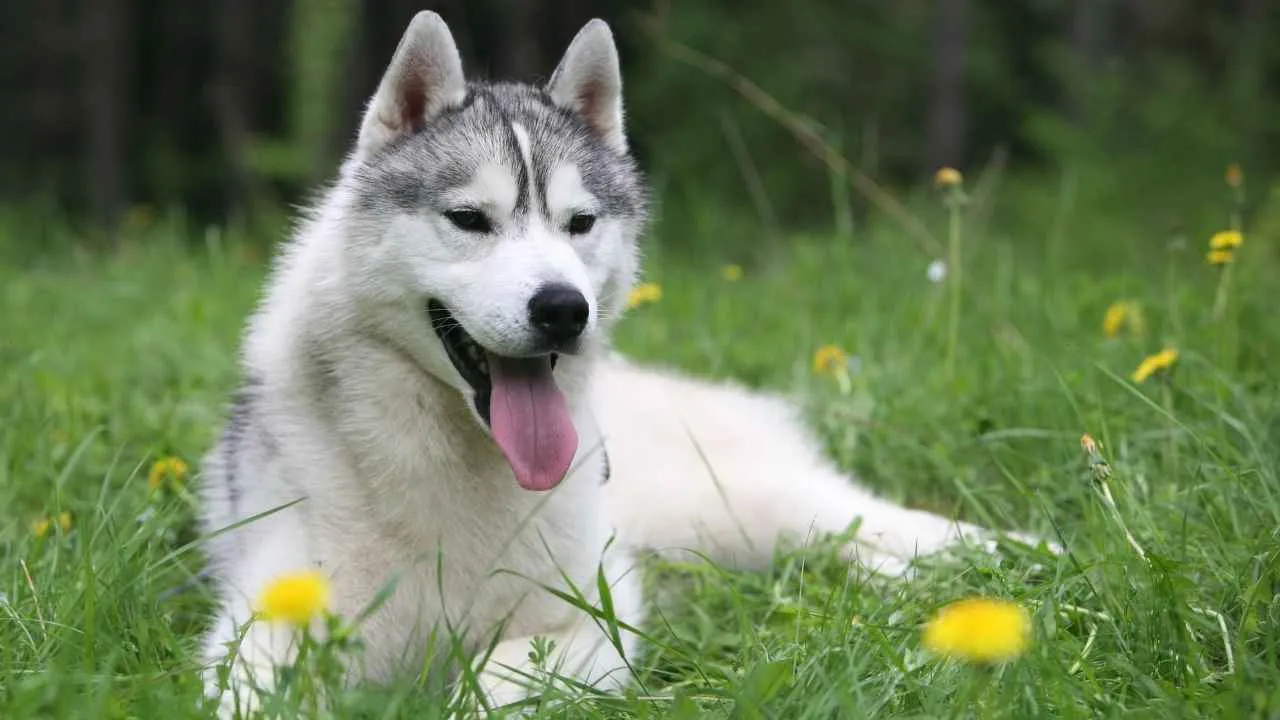
Meet the talkative snow athlete of the dog world: smart, strong-willed, and endlessly high-energy. Siberian Huskies are built for roaming, running, and getting into just enough mischief to keep life interesting.
With striking eyes and a thick double coat, Huskies look like arctic royalty—but they need space and mental stimulation to stay happy.
Friendly and good with kids, Huskies thrive in active households. Left bored, they’ll dig, escape, or invent their own games, as per PetMD.
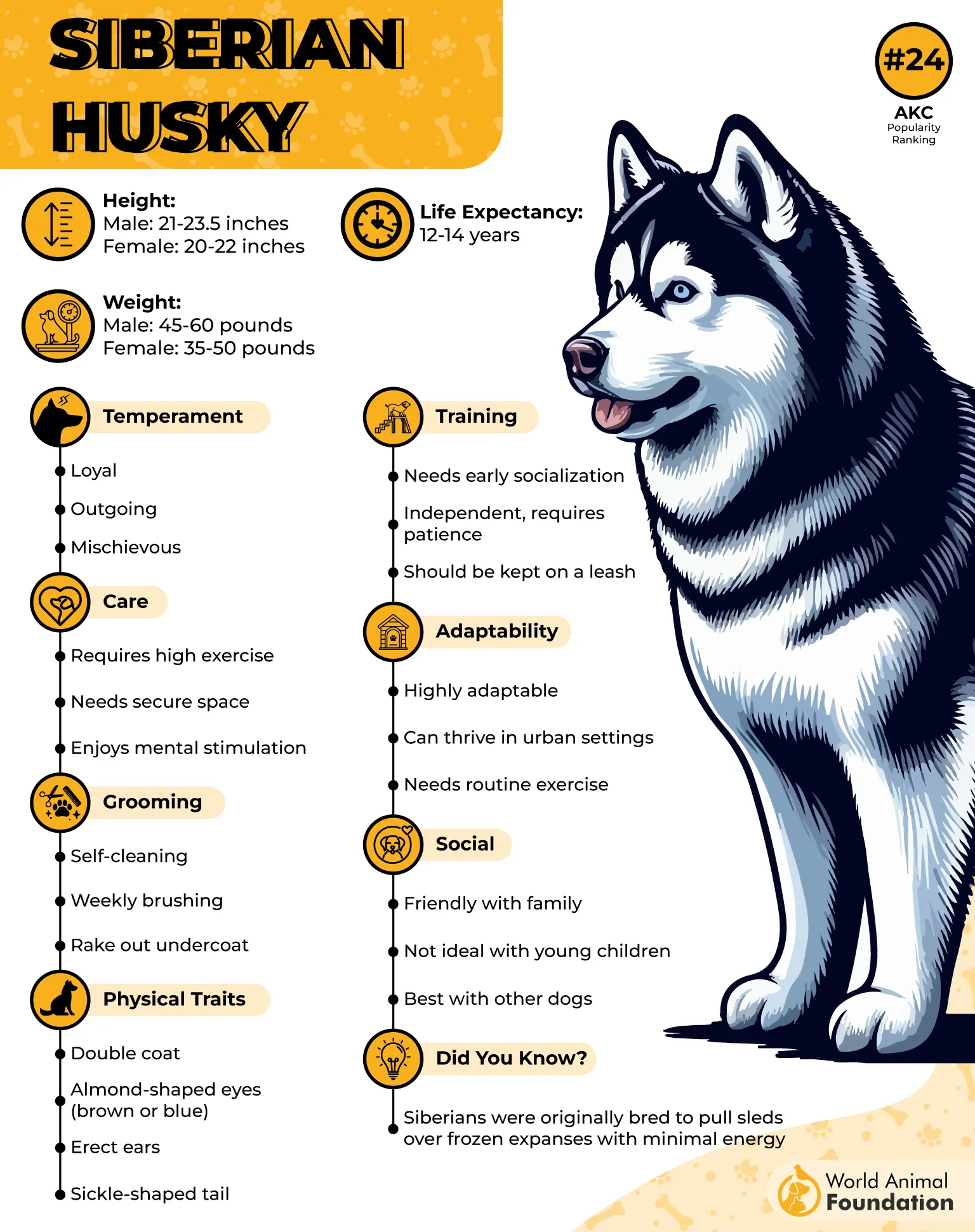
These vocal pups love howling, singing, and expressing opinions about everything around them.
Training Tips
Start socialisation early with people and other animals.
Use short, frequent, positive-reinforcement sessions.
Teach leash manners to prevent off-track adventures.
Provide daily exercise and mental challenges.
Correct excessive vocalization calmly and consistently.
9. Canaan Dog
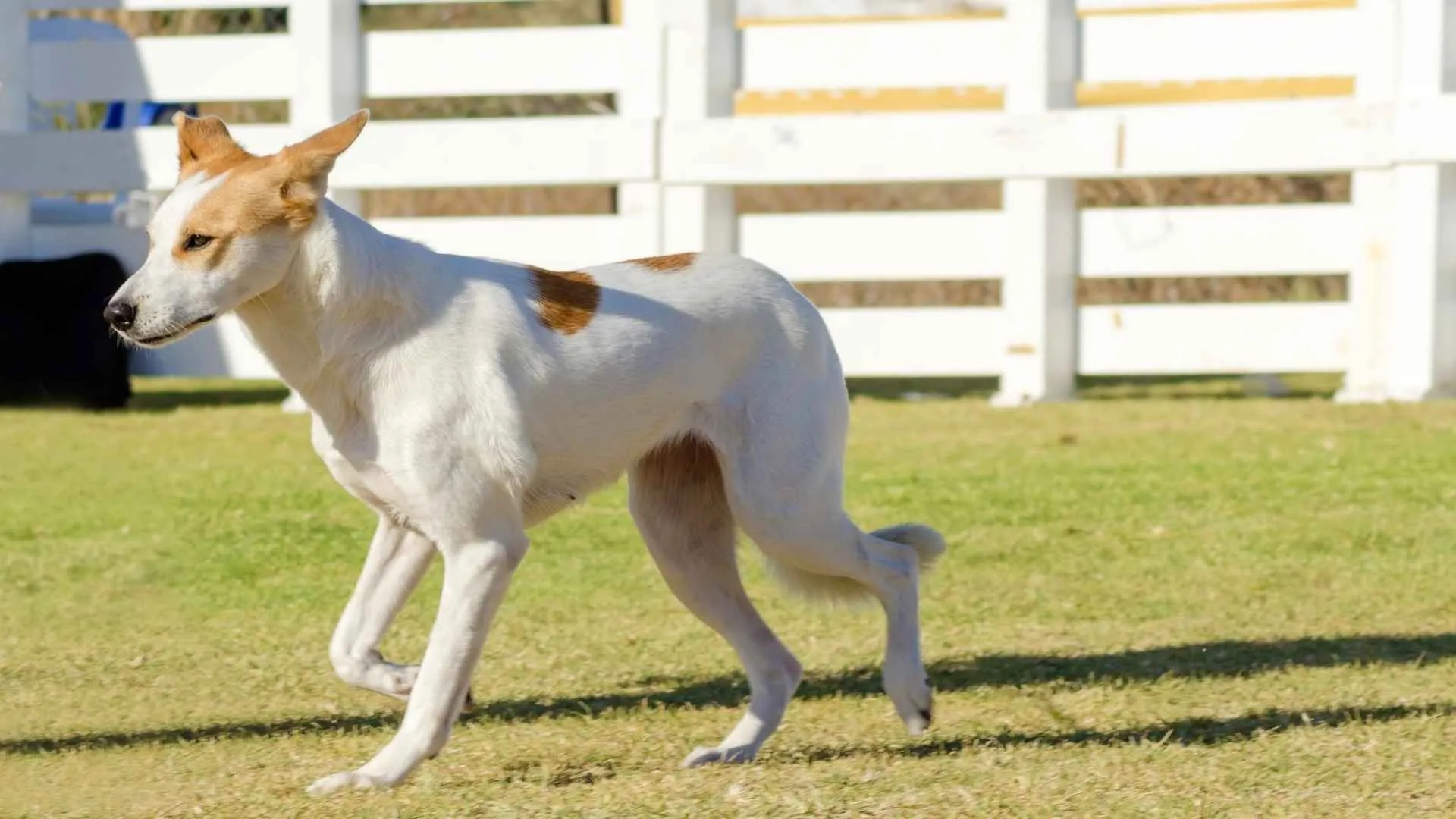
One of the oldest breeds on Earth, this lean, medium-sized dog has a history stretching back to pre-biblical times.
Originally used to guard camps and herd flocks in the Middle East, the Canaan dog is intelligent, loyal, and highly independent, thanks to thousands of years surviving on its own in the Negev Desert.
Energetic and alert, this breed is protective of family and territory, making it an excellent watchdog.
Their short, harsh coat is easy to maintain, and their natural intelligence makes them quick learners.
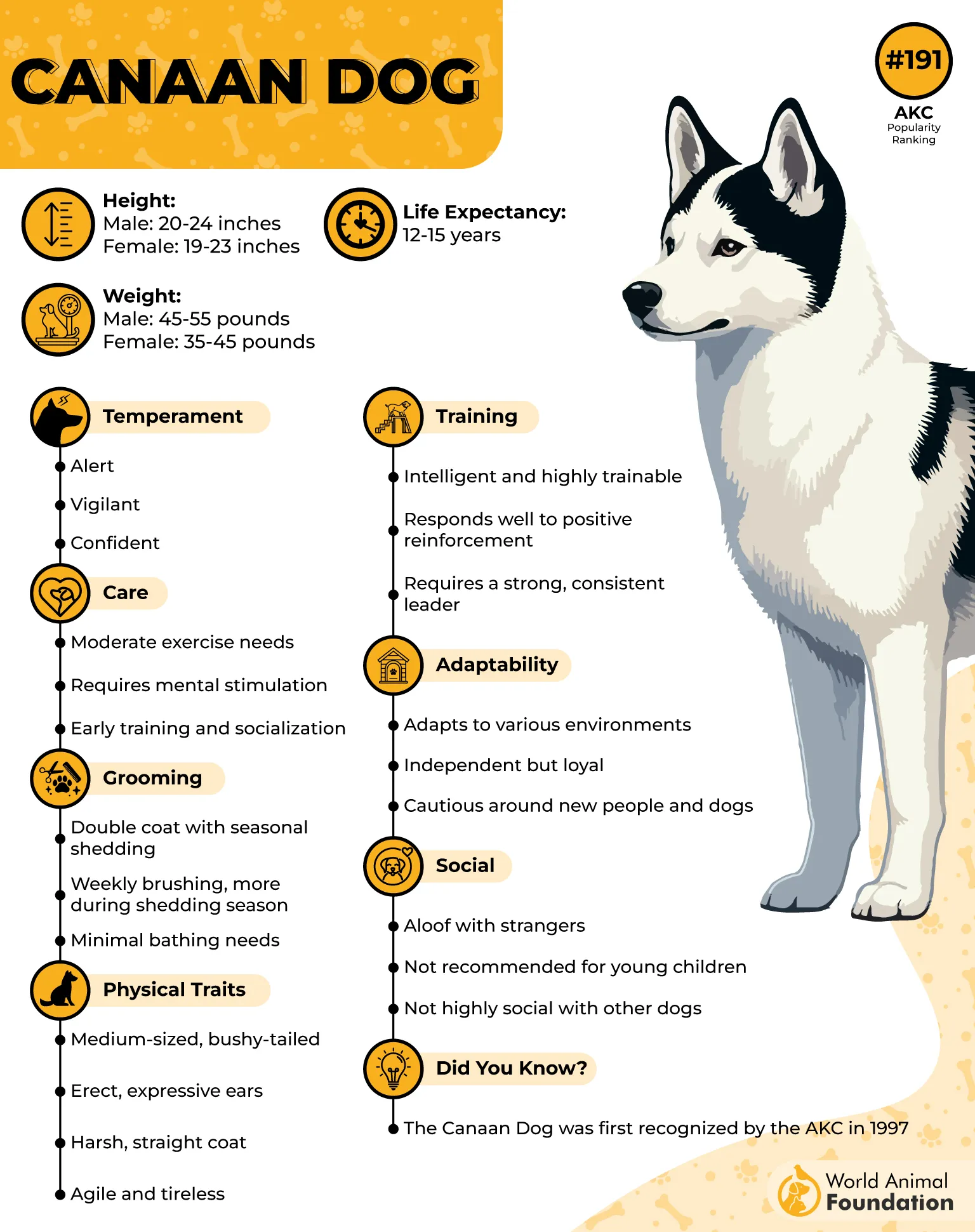
However, their independent streak means early socialisation and consistent, positive training are essential to prevent them from becoming the “leader” of your household.
Training Tips
Start socialisation early with people and pets.
Use positive reinforcement with treats and praise.
Provide daily mental and physical exercise.
Practice agility and nose-work activities to stimulate instincts.
Gradually teach off-leash obedience once basic commands are mastered.
Conclusion
Independent dog breeds are a fascinating blend of intelligence, confidence, and unique personalities. From aloof aristocrats to energetic adventurers, these dogs think for themselves, making them both challenging and rewarding companions.
While their stubborn streaks and self-reliant natures can test patience, understanding their instincts and providing consistent, positive training allows them to thrive in human homes.
For dog owners and pet parents, success with these breeds comes down to patience, mental stimulation, and respect for their individuality.
Whether it’s a sprinting hound, a barkless hunter, or a loyal guardian, these independent thinkers bring loyalty, charm, and endless entertainment to any household. With the right approach, even the most self-willed dogs can become beloved family members, proving that independence doesn’t mean untrainable—it just means thinking outside the box.
