




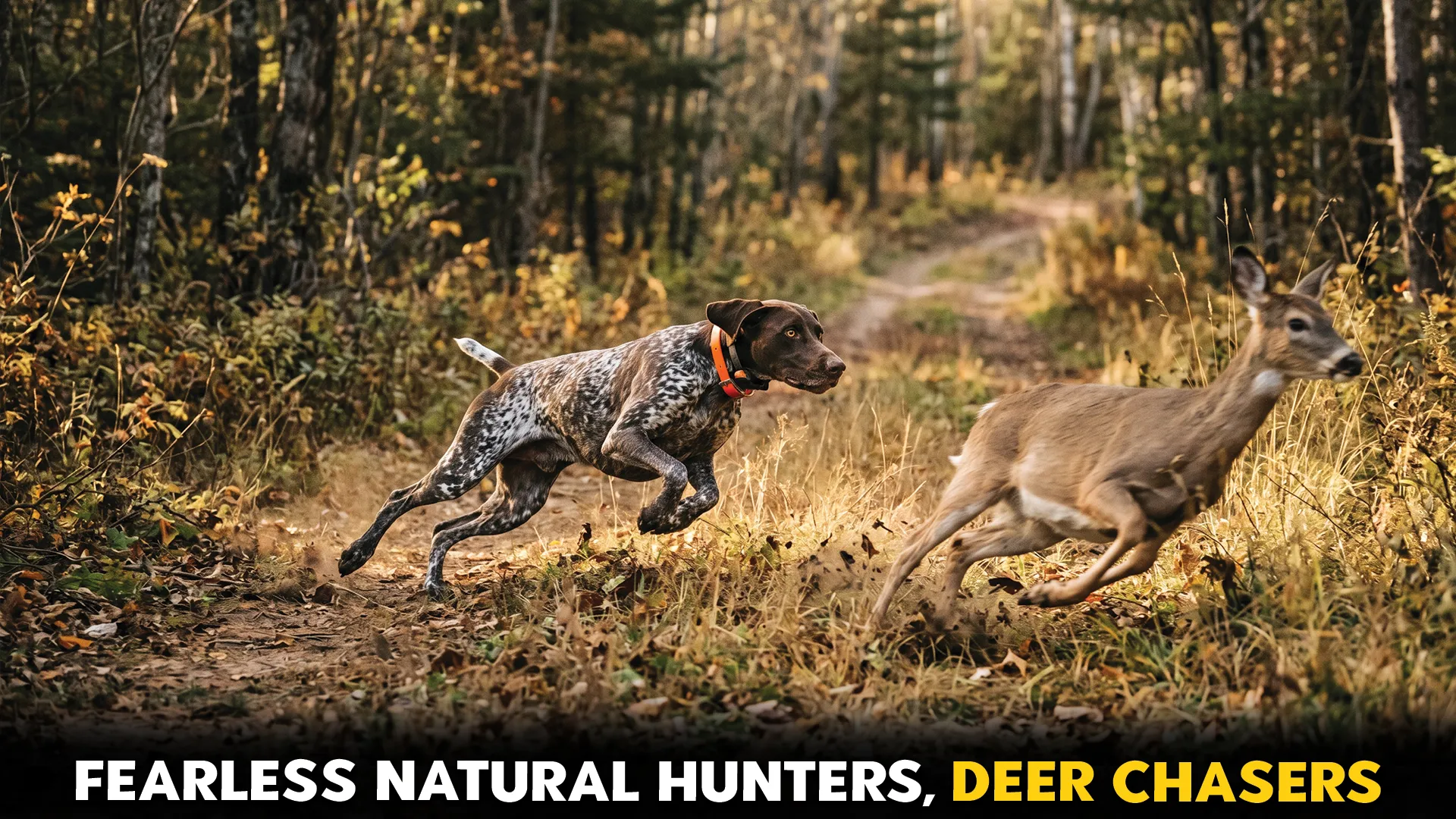
Humans have relied on their canine companions to help find wild game since the dawn of time. Hunters have carefully bred and trained intelligent, dedicated hunting dog breeds to tirelessly chase, point, and retrieve game such as deer, rabbits, and other small animals.
Even today, these breeds retain many remarkable traits, including sharp intelligence and high energy levels, which make them highly appealing to dog lovers.
Chasing fast-moving animals like deer is no easy task, but these dogs are naturally equipped for it. With strong prey drive and instinctive hunting or herding abilities, they have long served their owners in a variety of ways beyond the field.
In this article, we will review 7 alert and active dog breeds known for their ability to chase deer in natural environments.
Dog Breeds Known for Rapid Chase of Deer in Natural Settings
1. German Shorthaired Pointer
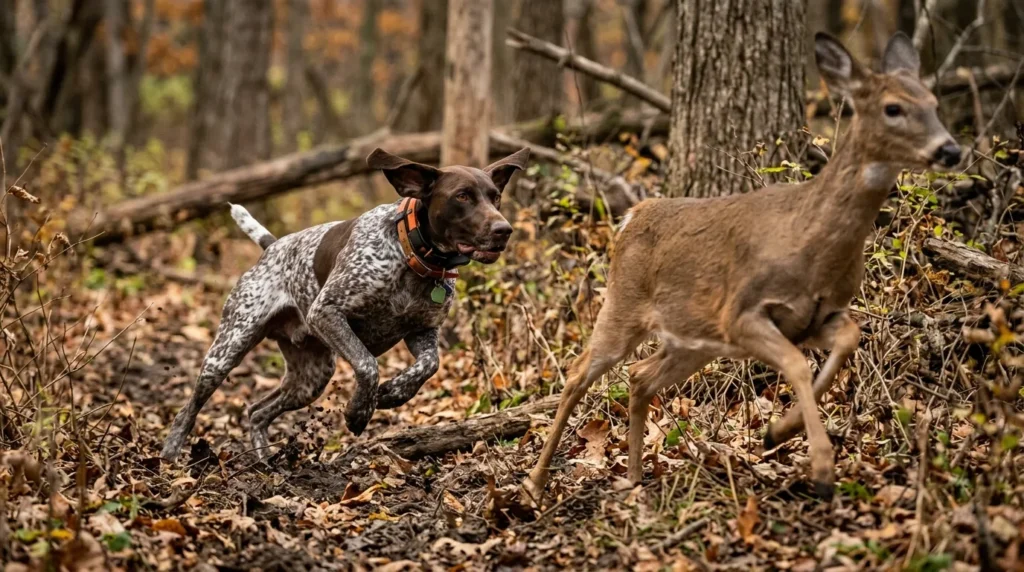
German Shorthaired Pointers are striking dogs that often capture attention with their distinctive spotted coats and athletic build. These energetic dogs thrive with active owners who can provide them with plenty of daily exercise, and their strong prey drive makes them naturally inclined to chase moving animals.
GSPs are intelligent gundogs well known for their exceptional “pointing” ability when assisting hunters in the field, as noted by the American Kennel Club. They are highly trainable, eager to please, and can be both friendly and deeply loyal companions when properly engaged.
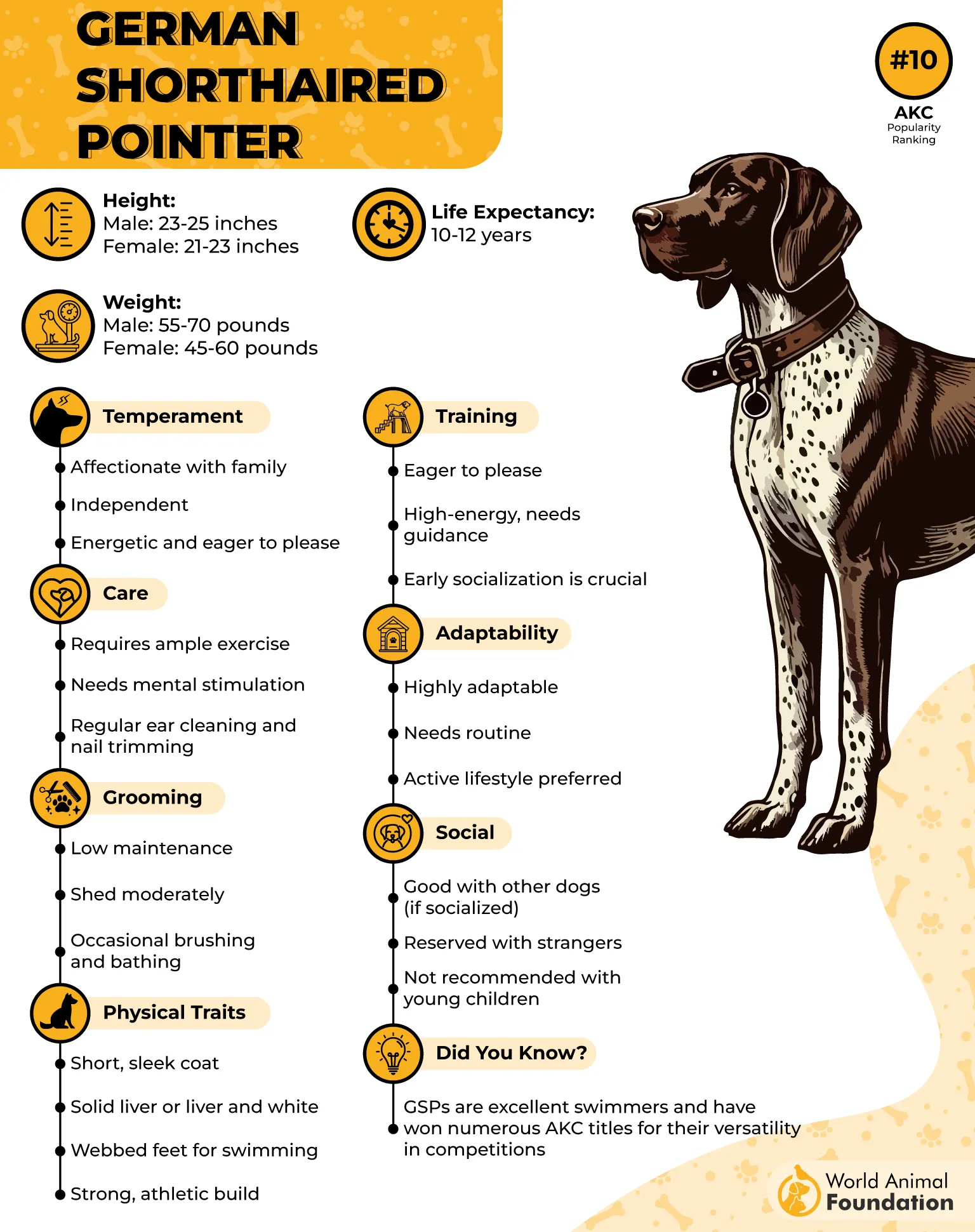
Built for speed and endurance, these dogs require vigorous daily activity and enough space to run freely and burn off energy. Without sufficient exercise and mental stimulation, they can become restless. Their instincts for chasing and pointing small game are strong, but early, consistent training is essential to develop reliable obedience as they mature.
German Shorthaired Pointers have short coats that are easy to maintain, typically needing brushing every few days. They do shed moderately, with heavier shedding occurring seasonally once a year.
🎧 Dogcast
Episode 37 — Why Dogs Stay Close without Touching
If you don’t hear sound, tap the button above to enable audio.
2. American Foxhound
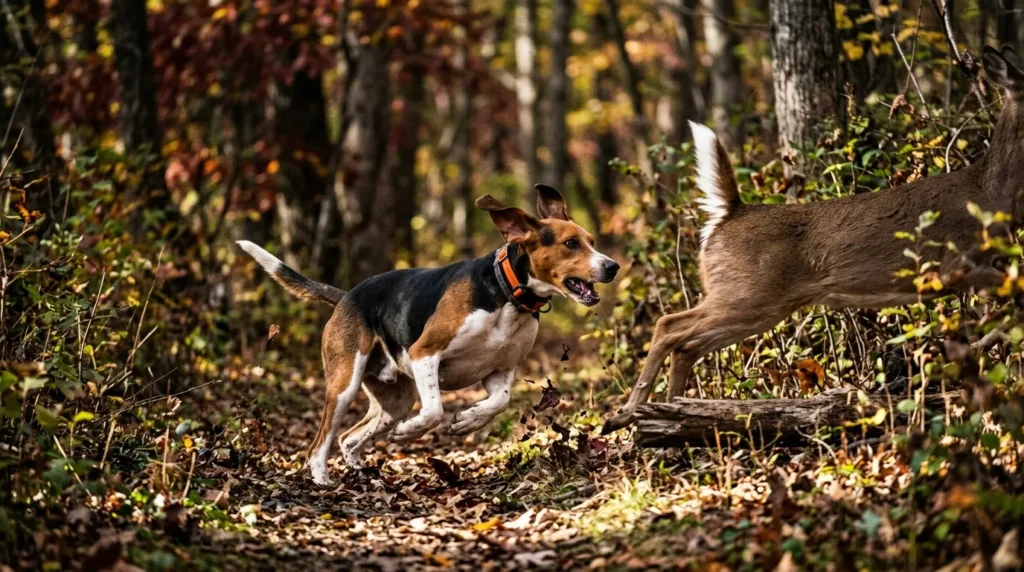
With their floppy ears, bright eyes, and gentle expressions, American Foxhounds are friendly and loyal dogs that can get along well with children and other pets, although supervision is still recommended. According to WebMD, they are skilled scent hounds capable of tracking deer, foxes, and other wild game using their strong sense of smell.
American Foxhounds are sociable but prey-driven dogs that require early obedience training and socialization. With proper guidance from an early age, they can become affectionate and well-mannered companions, especially in active households that can meet their exercise needs.
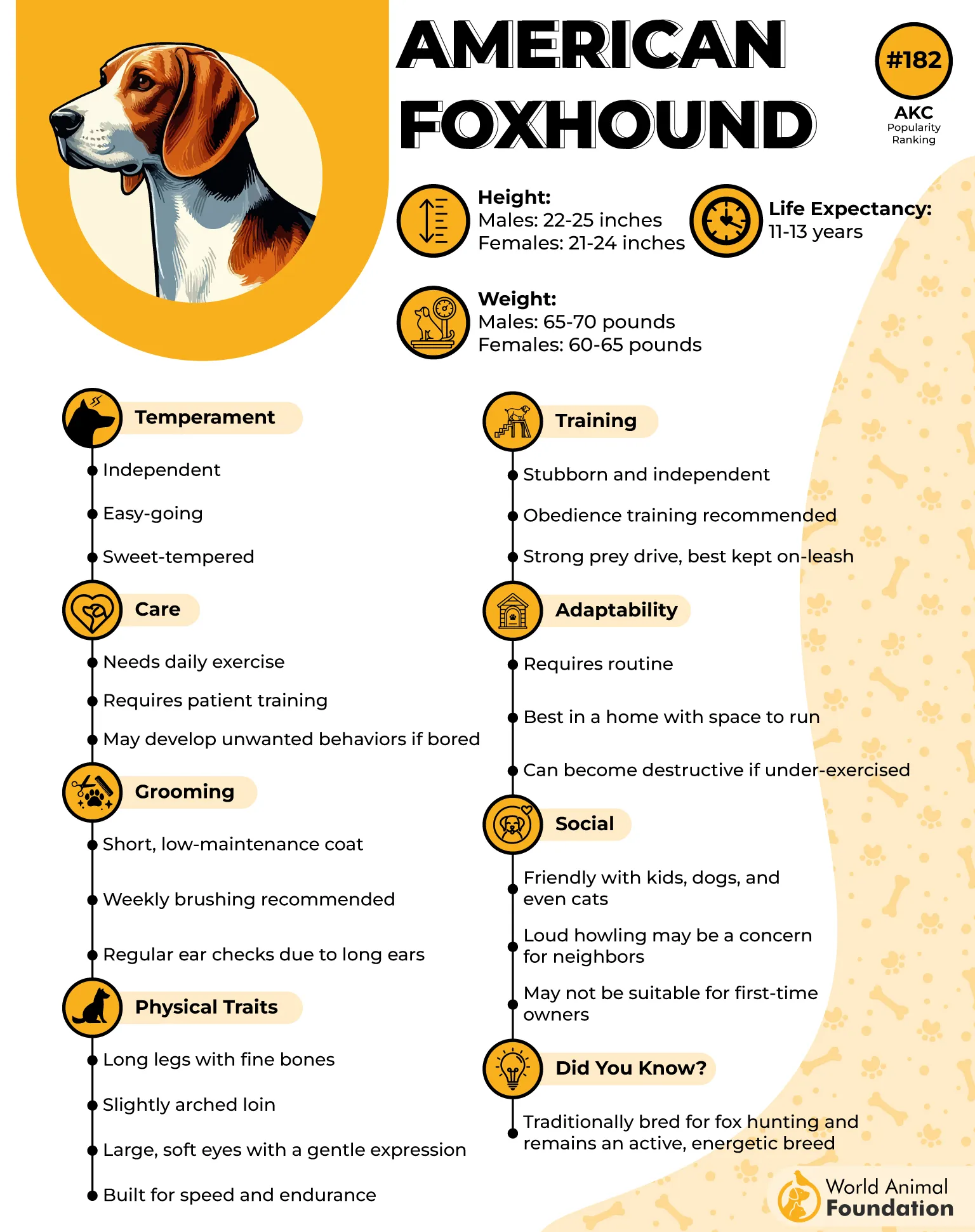
Although independent by nature, these dogs are adaptable and respond well to positive reinforcement training. Due to their strong hunting instincts, they need regular daily exercise to prevent boredom-related behaviors, which may include excessive barking or chasing smaller animals if left unstimulated.
These intelligent and energetic dogs also excel in various canine activities, including agility, rally, and scent-tracking games, making them well-suited for owners who enjoy active engagement with their pets.
3. Weimaraner
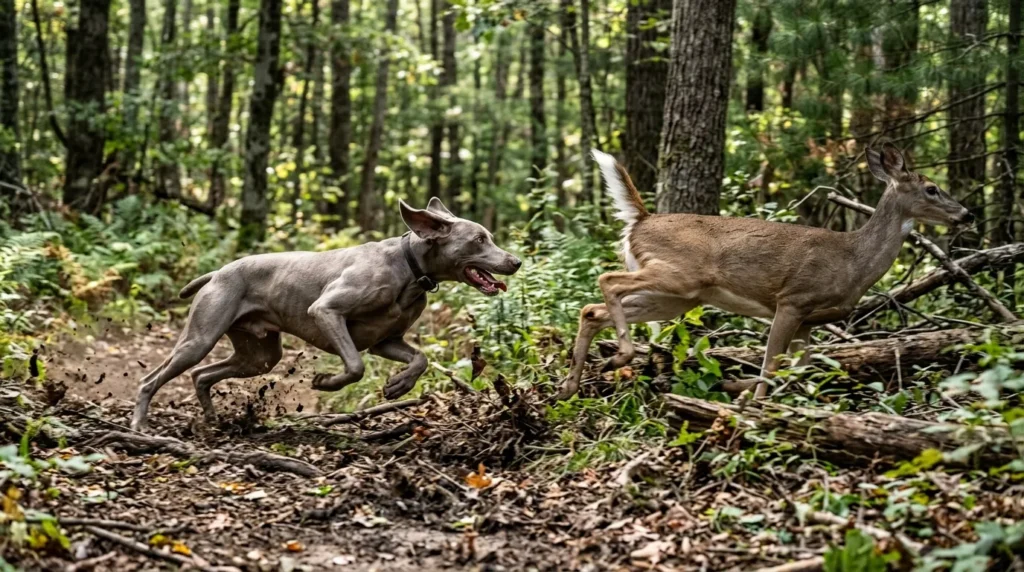
Weimaraners are a hunting breed originally developed to track and pursue game for hunters, and today they also make devoted family companions for experienced owners who can manage their high energy levels. With their smooth coat, floppy ears, and lean yet athletic build, they give the clear impression of speed and agility, because they truly are built for it.

These high-energy dogs thrive in active households where they receive plenty of daily exercise and mental stimulation. They are affectionate, strongly bonded to their families, and highly trainable, as noted by PetMD. However, they can develop separation anxiety if left alone for long periods and may become destructive, including chewing behaviors, when bored or under-stimulated.
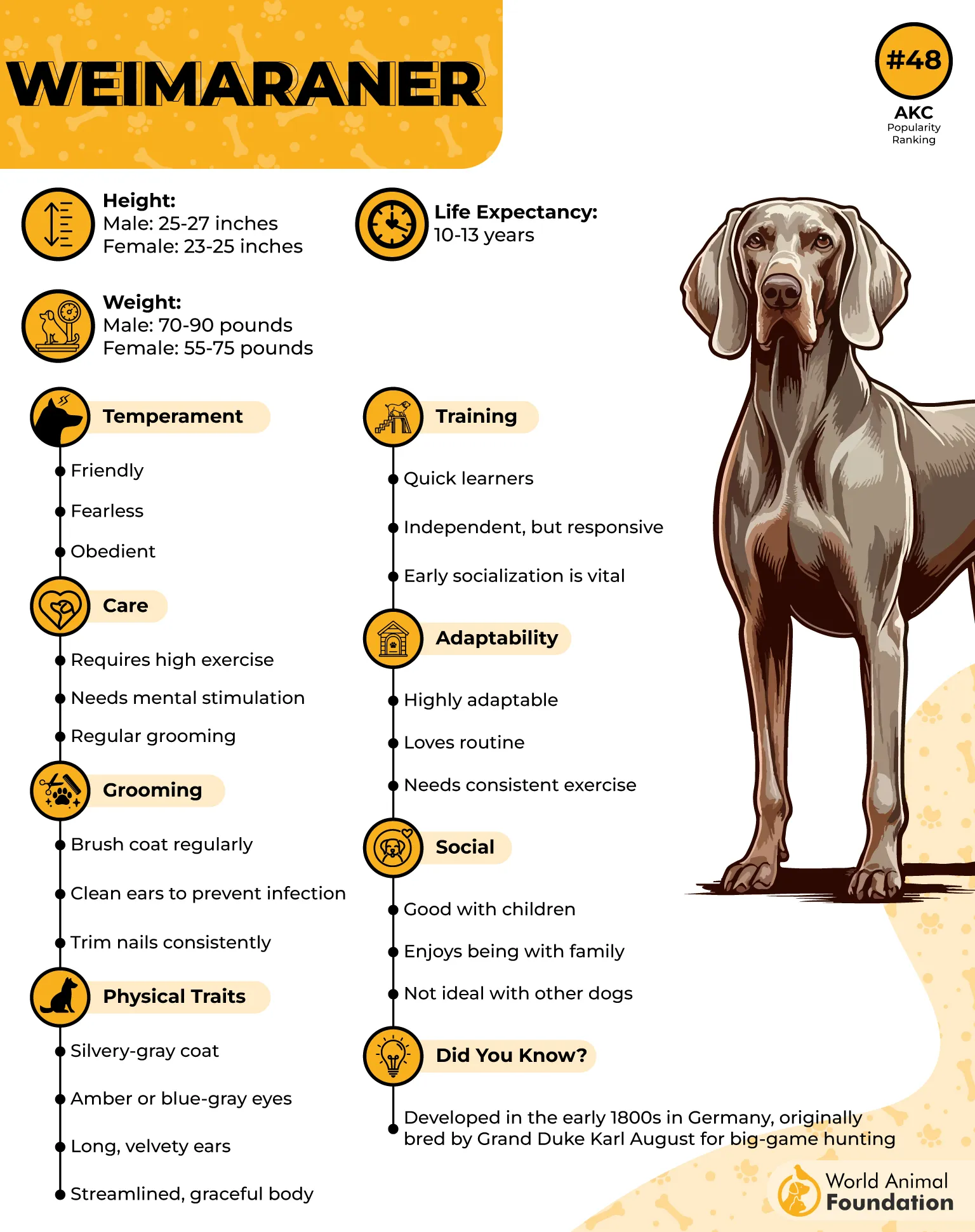
As a sporting breed, Weimaraners can be trained for hunting work, but their strong prey drive must be properly managed. Individual temperament can vary, but early socialization and consistent obedience training are essential for developing good behavior and control.
Weimaraners have historically been used to hunt game such as deer, thanks to their speed, endurance, and excellent tracking ability. They also perform well in dog sports like agility, tracking, and running-based activities, making them ideal for active owners who can match their energy.
4. Redbone Coonhound
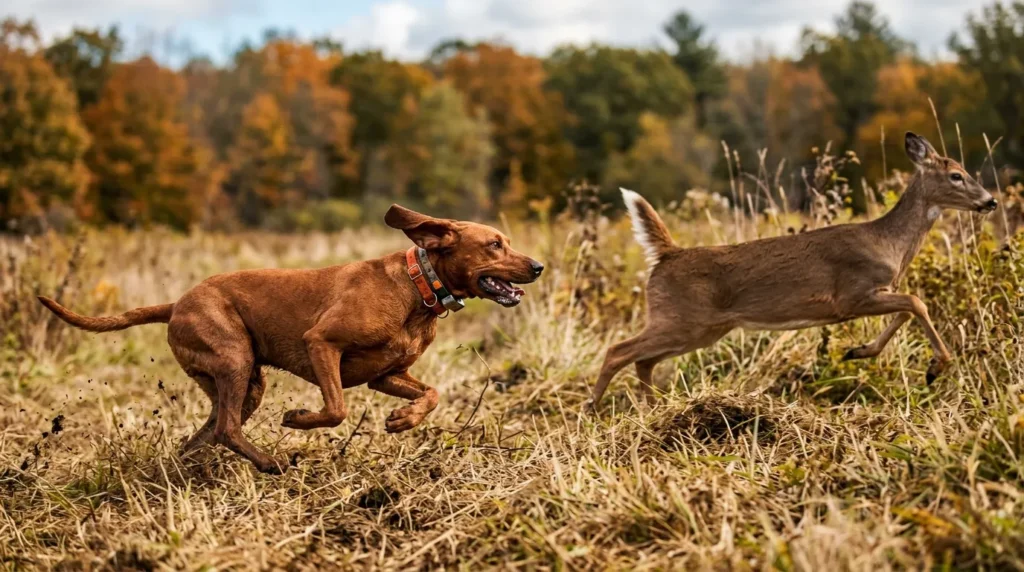
Recognizable for their trademark “pleading” expression, Redbone Coonhounds are affectionate and eager-to-please dogs with a surprisingly gentle and loving nature. This hardworking breed is capable of working tirelessly in a variety of environments and can be trained for multiple roles depending on their owner’s needs.
These muscular and athletic dogs are not only strong training partners but can also make excellent family companions, provided they receive enough physical exercise and mental stimulation. They are highly energetic in the field, yet calm and sociable at home when their needs are properly met.
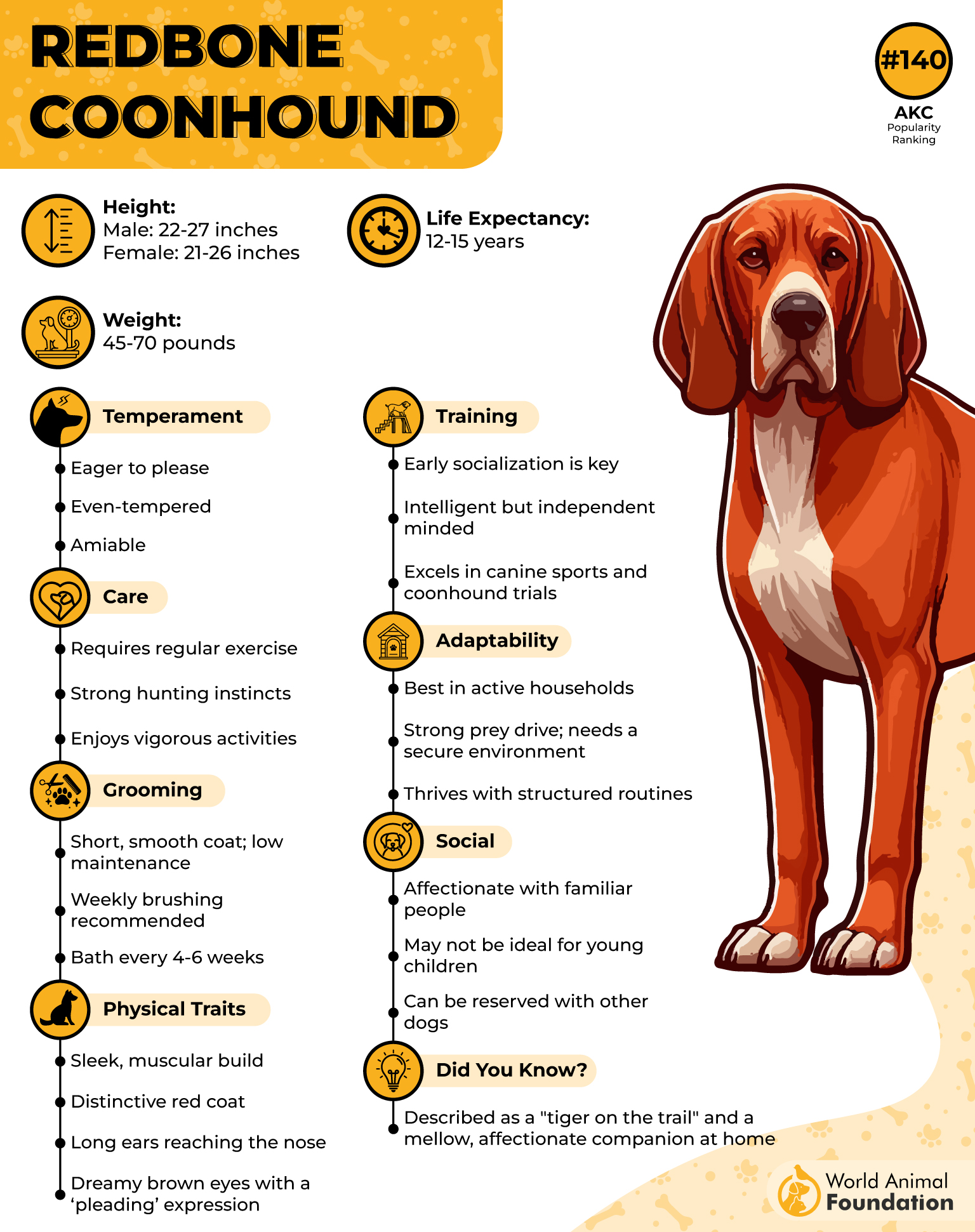
As scent hounds with a naturally high prey drive, Redbone Coonhounds can become strongly driven to follow interesting smells. For this reason, they should be kept on a leash or in a securely fenced area, as they may chase cats or other small animals. While friendly and easygoing, they are not typically strong guard dogs, but they do make excellent hiking and outdoor adventure companions.
Having been used to hunt deer and other game in the wild, these dogs are well-suited for outdoor activities and can perform exceptionally well on camping trips, where their tracking instincts and endurance truly shine.
5. Treeing Walker Coonhound
Treeing Walker Coonhounds were originally bred for hunting raccoons and other wild game, and they are often called the “people’s choice” due to their popularity as both hunting dogs and family companions. Energetic and athletic, these intelligent dogs are capable of taking initiative and are highly trainable when given proper guidance.
Named after Thomas Walker, one of the key contributors to the breed’s development, Treeing Walker Coonhounds are excellent at tracking and pursuing prey, alerting their handlers with a distinctive voice. Over time, they have been used to hunt a variety of animals, from small game like raccoons to larger game such as deer and even bears.
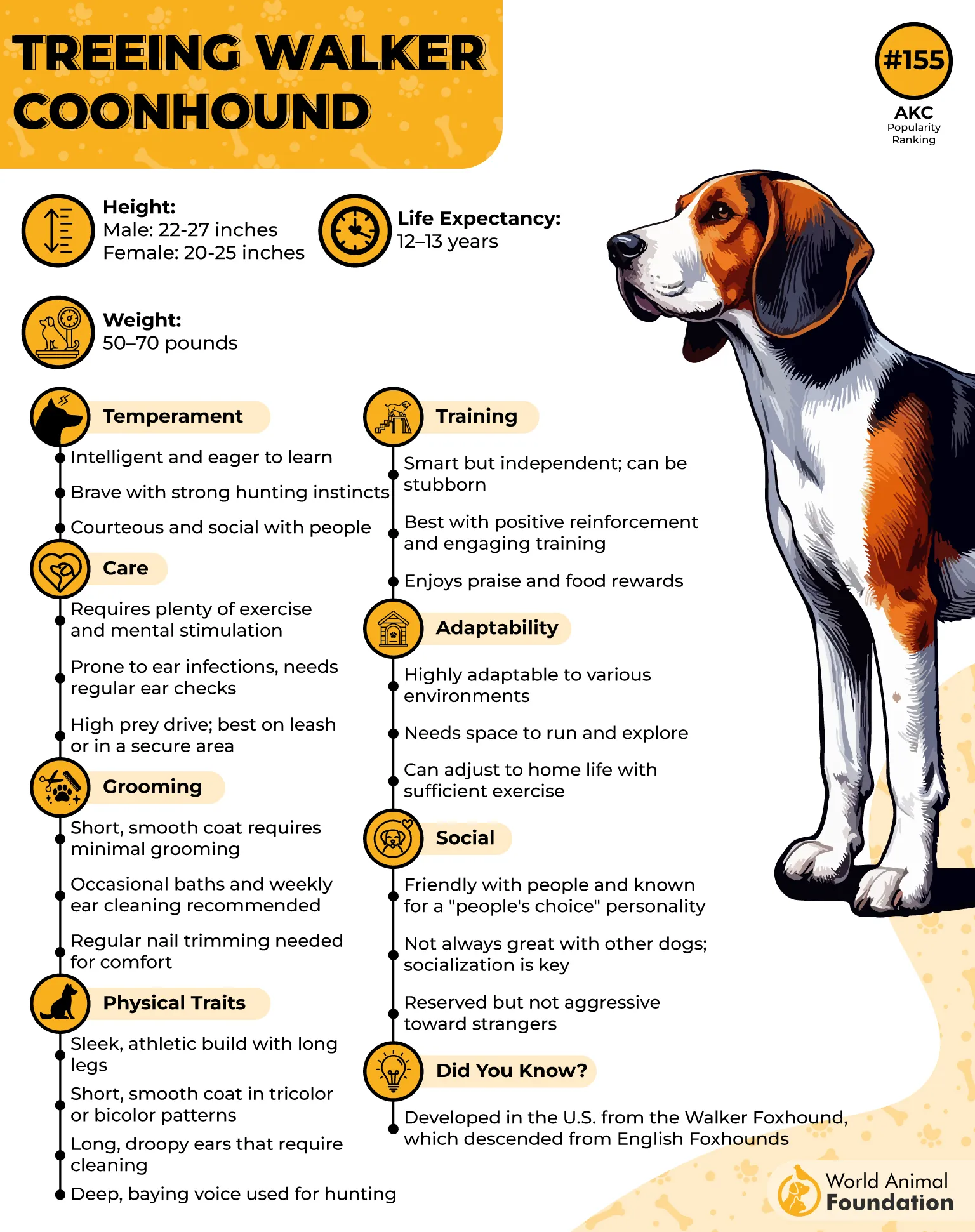
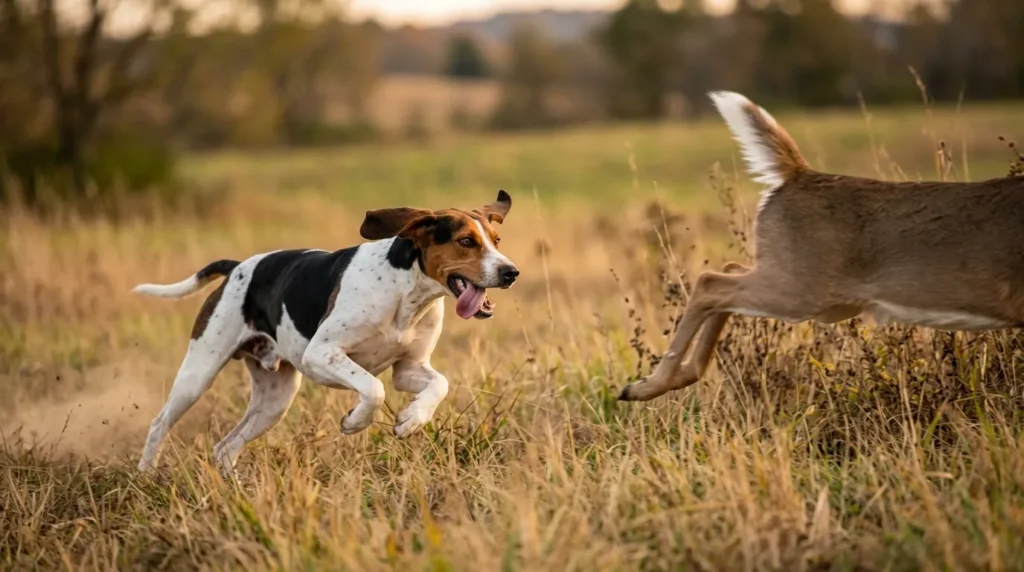
Their fearlessness, endurance, and determination make them highly effective in the field, especially when tracking deer. At home, however, they can be playful, affectionate, and full of energy, enjoying an active lifestyle with their families. Activities like running, hiking, and fetch are some of their favorite ways to stay engaged and stimulated.
These active working dogs can also make great family companions for owners who enjoy running or outdoor exercise, as they thrive when given the opportunity to move and explore alongside their humans.
6. Plott Hound
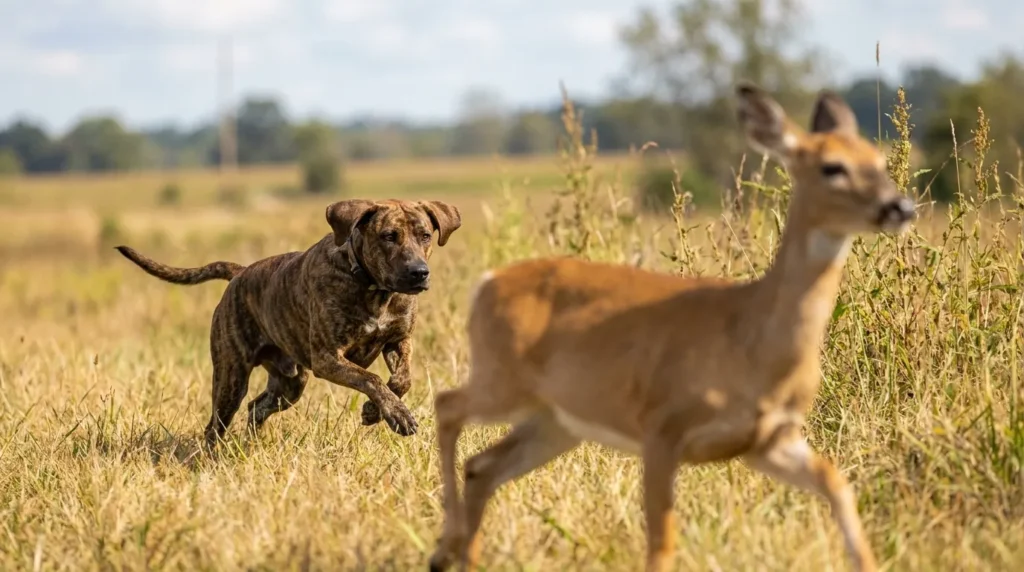
Plott Hounds originally developed as hunters of large game such as wild boar, and over time, were also used for tracking smaller animals like raccoons, as noted by Purina. Their agility, speed, and sharp eyesight make them highly effective hunters, especially when tracking fast-moving animals like deer in natural environments.
Plott Hounds are confident, determined dogs that excel in the field but can also be gentle and affectionate companions at home. Recognized as the state dog of North Carolina, they are admired for their striking, brindle-patterned coats and athletic build. Despite its American development, the breed traces its roots back to Germany and is well known for its strong scenting ability and tracking skills.
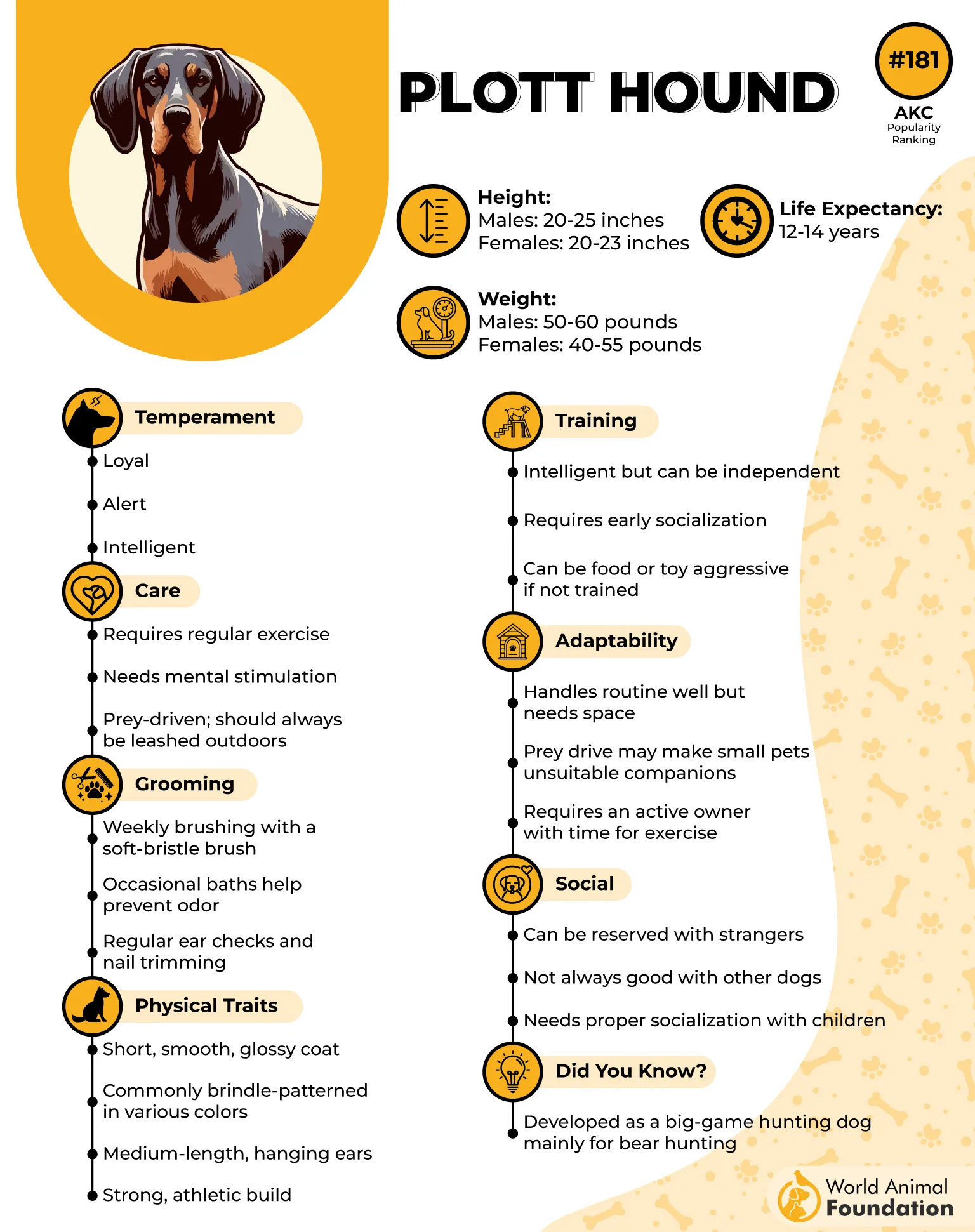
With a naturally high prey drive, Plott Hounds may chase moving objects, small pets, or wildlife if not properly managed. Early obedience training and consistent guidance are essential to prevent behavioral issues and ensure good control.
Their grooming needs are relatively low, requiring only moderate maintenance. However, they are not suited for sedentary lifestyles. Plott Hounds thrive in active homes where they receive daily exercise, playtime, and engaging activities such as running, agility, and scent-based games.
7. Bluetick Coonhound
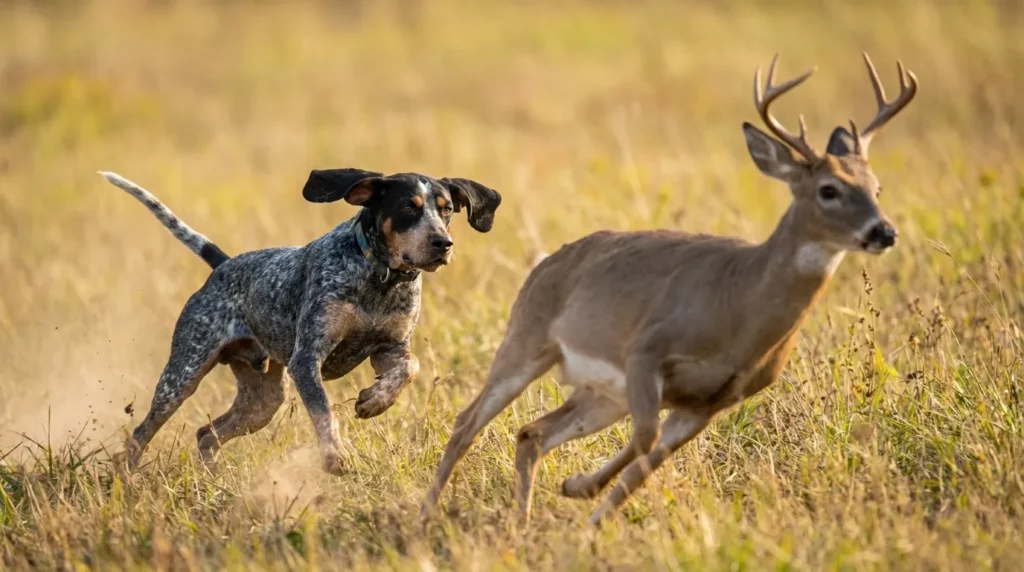
Bluetick Coonhounds are easily recognizable by their striking ticked coat, floppy ears, and distinctive rust-colored markings above the eyes. They are capable hunting dogs known for tracking deer and other game in the wild, and are considered skilled nocturnal hunters.
Despite their hardworking nature and strong prey drive in the field, Blueticks are affectionate “softies” at home who enjoy attention and companionship from their families. They form strong bonds with their owners and may become vocal or restless if they feel ignored for long periods.
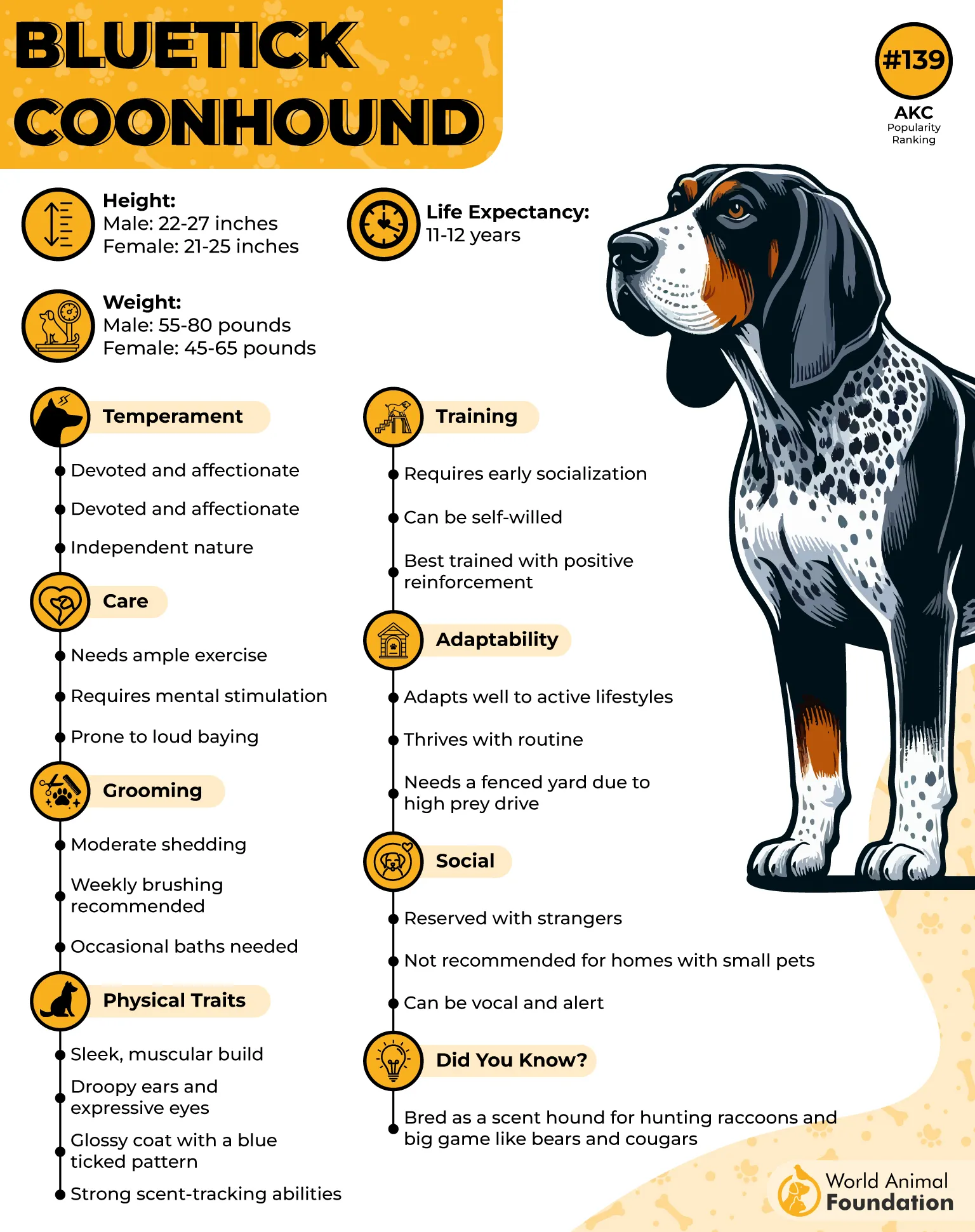
These active dogs enjoy a variety of activities with their humans, including long walks, hikes, and backyard fetch sessions. Because of their strong instincts, they should ideally be kept in a securely fenced yard, as they may otherwise chase animals or interesting scents.
Bluetick Coonhounds shed moderately and benefit from weekly brushing to remove loose hair and prevent matting. Their long, droopy ears also require regular cleaning to reduce the risk of infections and maintain good ear health.
Conclusion
These speedy, prey-driven dog breeds are loved by owners for their stamina, enthusiasm, and strong loyalty. With proper training and socialization, they are not only excellent hunting companions but also affectionate family dogs that can live harmoniously with people of all ages.
🎉 Quiz Completed!
Can You Score 6/6 on These Deer-Chasing Dogs? 🐕
Which breed is known for its exceptional “pointing” ability in the field?
According to the article, which dog uses a strong sense of smell to track deer, foxes, and other wild game?
Which breed may develop separation anxiety if left alone for long periods?
Which dog breed is described as having a trademark “pleading” expression?
Which breed was named after Thomas Walker, a key contributor to its development?
Which breed is recognized as the state dog of North Carolina?
