




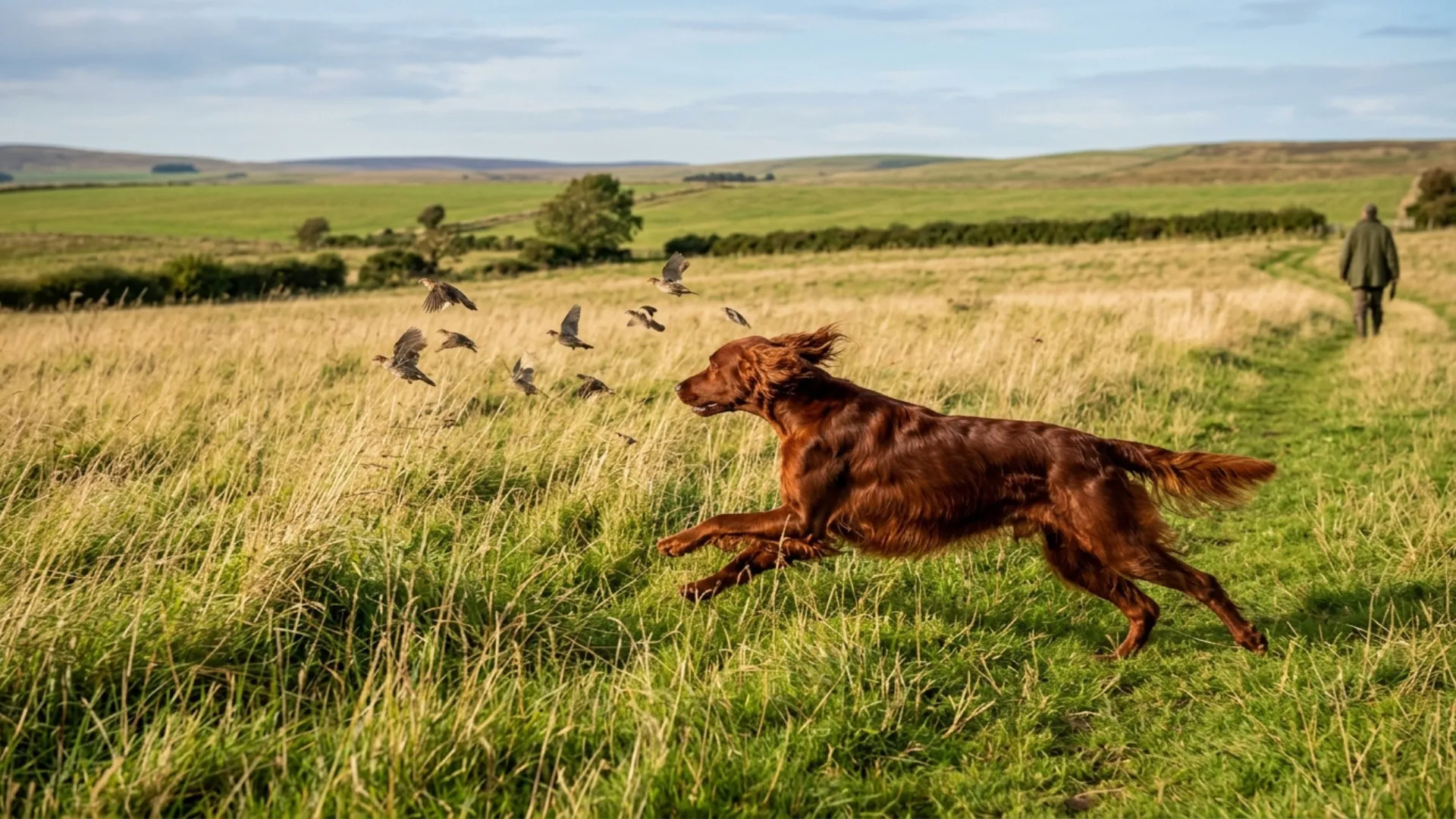
Across vast open fields, certain dogs have been shaped by generations of purpose-driven breeding to pursue birds with remarkable focus, speed, and instinct.
Their natural abilities allow them to scan expansive terrain, detect movement with precision, and respond quickly to the flight of birds across long distances.
Originally developed for working alongside humans in outdoor environments, these dogs became essential partners in locating, flushing, and retrieving game birds in open landscapes, especially in upland bird hunting environments.
Even today, with fewer traditional hunting settings available, their skills continue to shine in organized field activities and competitive trials that test endurance and instinct.
These events preserve their natural drive while keeping them mentally sharp and physically active across wide rural environments where birds are constantly on the move.
Their keen awareness of scent, motion, and distance gives them a unique advantage in bird-focused pursuits, especially across terrain where visibility stretches for miles.
Strong stamina and determination allow them to cover large ground efficiently without losing focus on their objective. Over time, this combination of strong retrieving instinct and training has made them highly valued working companions in outdoor field settings.
Dog Breeds Known for Chasing Birds Across Vast Open Fields
1. German Shorthaired Pointer
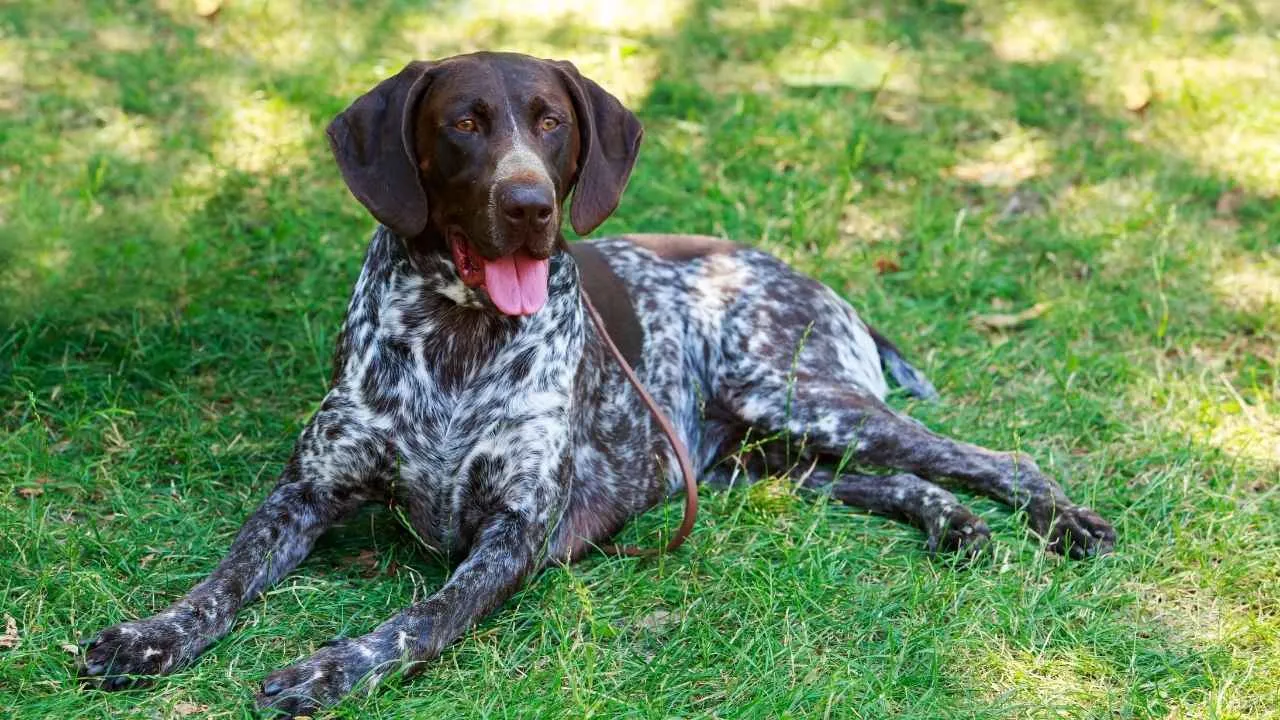
German Shorthaired Pointers are elegant, energetic bird dog breeds often referred to as “bird dogs” because of their specialized ability to locate, track, and retrieve game birds in the field, as mentioned by PetMD.
They earned this name through generations of work in open landscapes where birds are constantly moving, relying on their strong instincts and intense focus.
Known for speed, agility, and remarkable endurance, they excel across vast fields where they can cover ground quickly and efficiently.
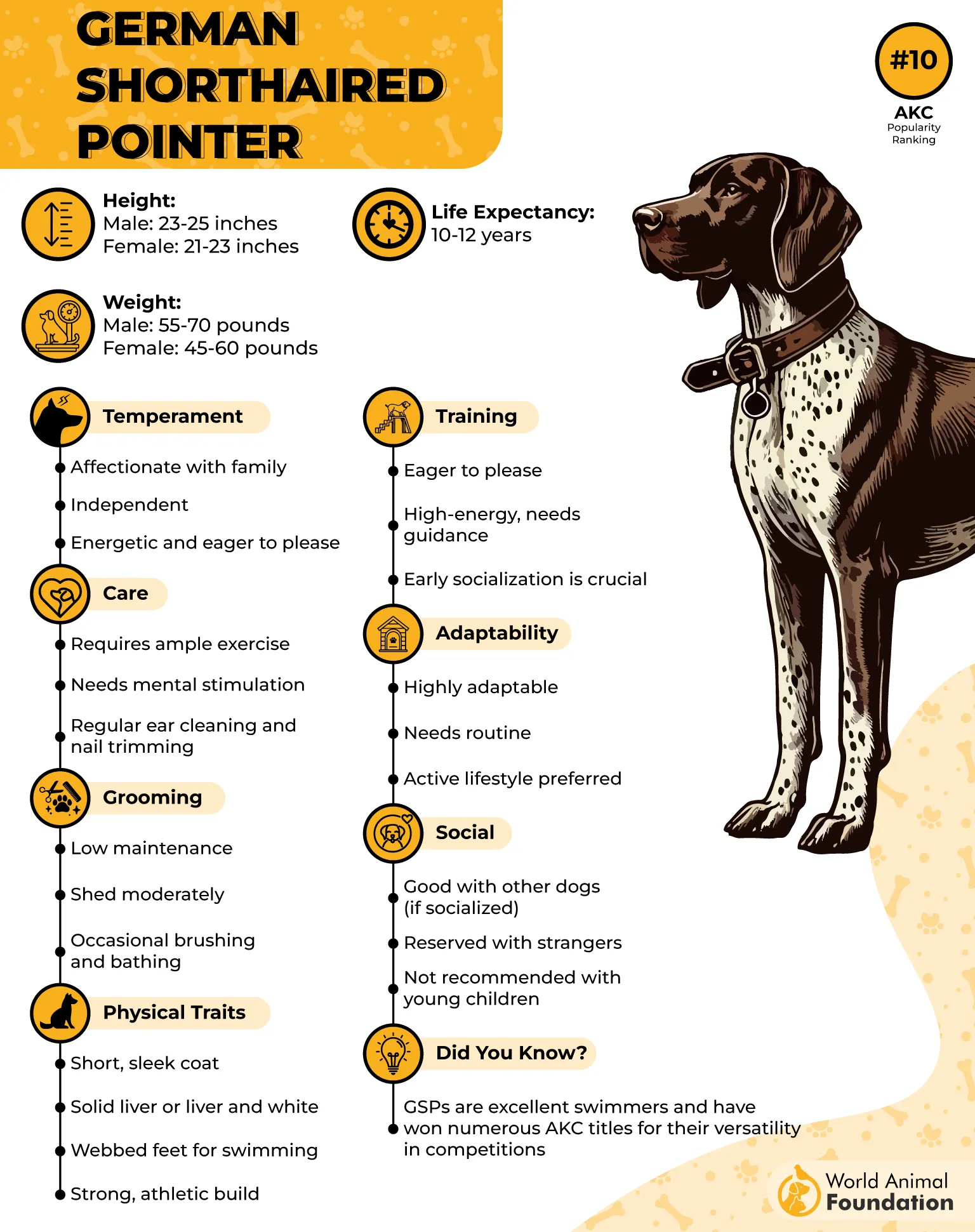
What sets them apart from many other bird dogs is their signature pointing behavior. When they detect the scent of a bird, they freeze in place and stand still with their nose directed toward the source, signaling the hunter before any movement is made.
This natural stance has made them excellent bird hunters in bird-focused field work. Beyond their working abilities, they are active and intelligent companions that thrive on physical and mental stimulation.
These pointing breeds require regular exercise, such as running, fetching, and structured outdoor activity, to stay balanced and content. In home environments, they are affectionate and loyal, adapting well when their energy needs are met.
Their strong connection to bird hunting traditions continues to define their role as one of the most excellent companions in open countryside environments.
2. English Setter
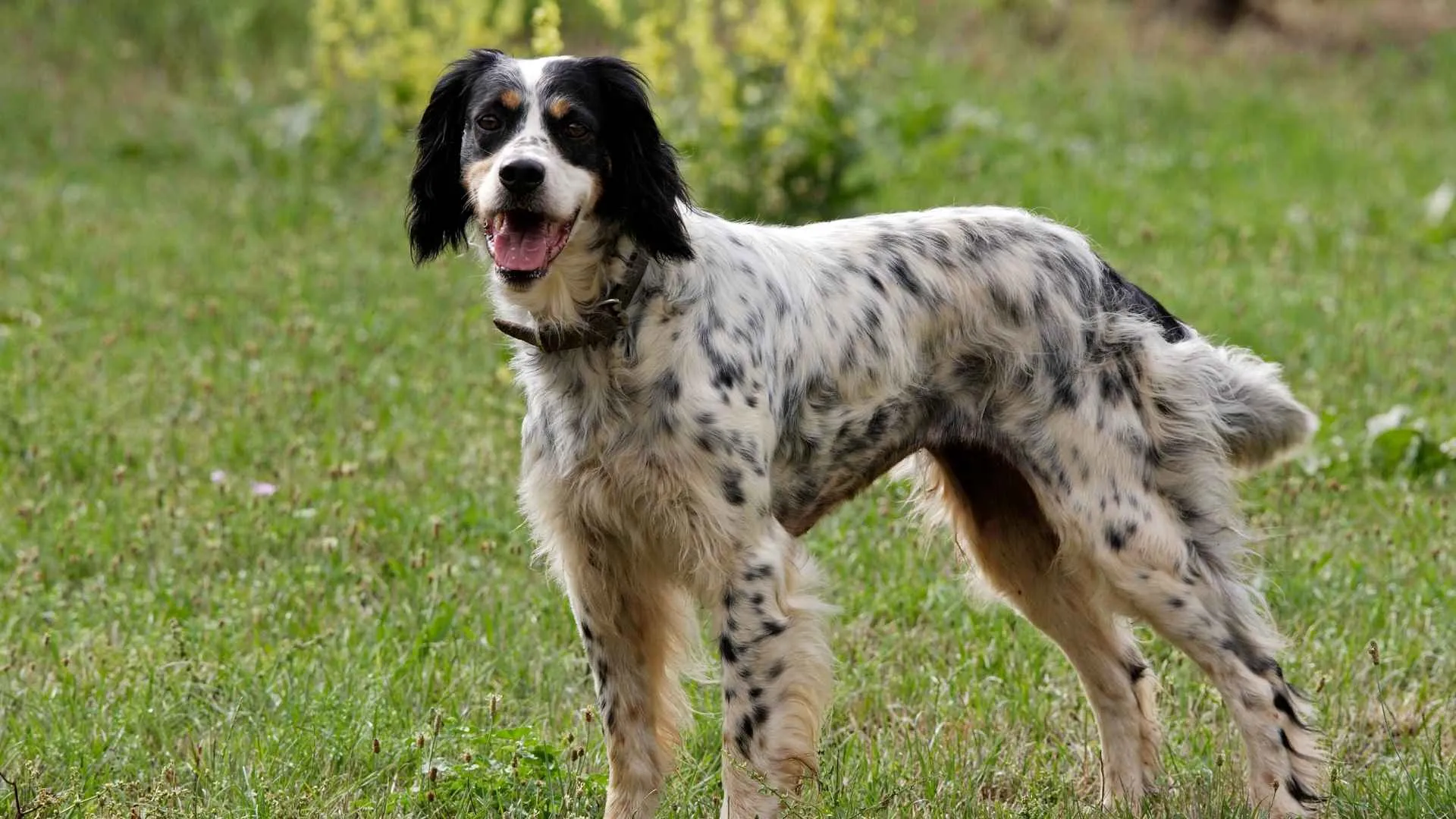
English Setters trace their origins back to the 1500s, when early records described refined bird dogs used across open landscapes to locate hidden game birds.
Over time, landowners selectively bred their own versions of Setter-type dogs, leading to variations in appearance and working style, which makes their exact lineage complex and layered.
Most historians believe these pointing dogs developed from spaniel-type dogs brought from Spain, later influenced by pointer and springer spaniel bloodlines that enhanced their field performance and versatility.
A major contribution to shaping the modern form is credited to Sir Edward Laverack, who played a key role in establishing the English Setter as a distinct and recognized type of bird dog.
Their original working style was known as “setting,” where they would crouch low to indicate the presence of birds hiding in grass or brush.
In earlier times, hunters used this behavior to either cast nets over the birds or prepare for falconry, and later, firearms replaced those methods, while the dog’s role remained essential in open-field bird hunting.
Today, they continue to symbolize elegance, stamina, and precision in vast field environments where birds move freely.
3. Irish Setter
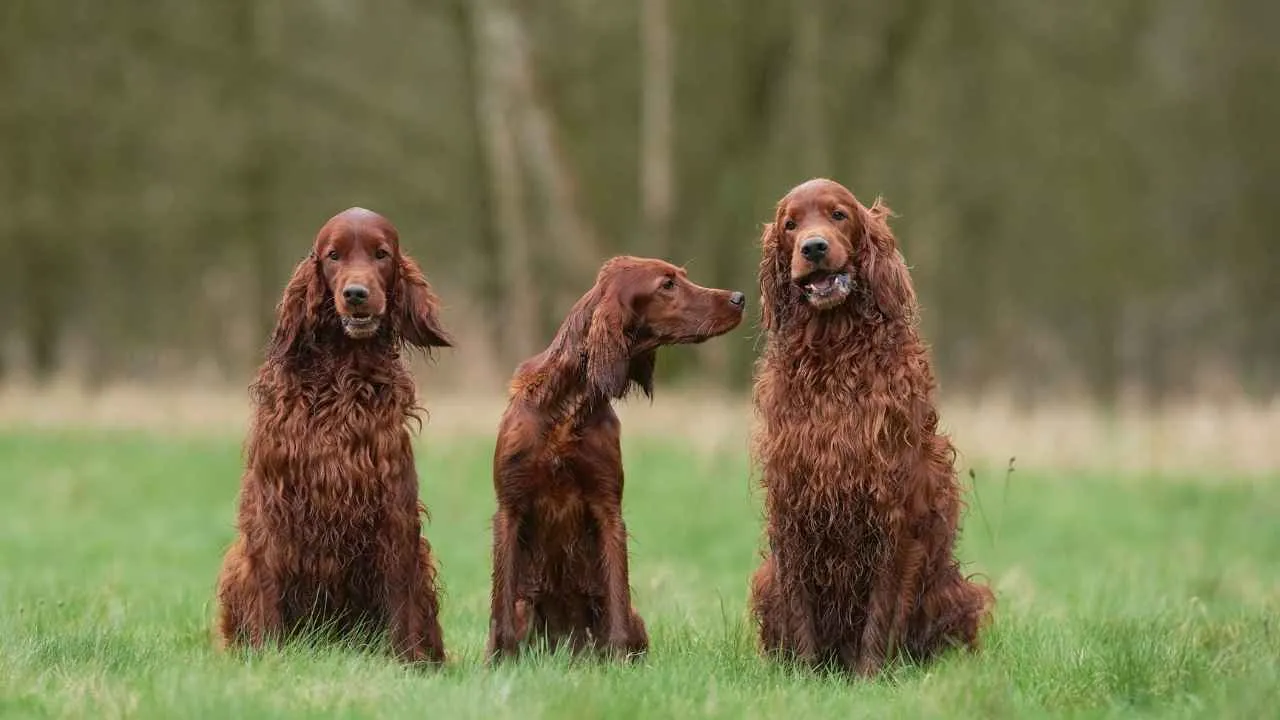
Irish Spanish hunting dogs were introduced to Ireland during historical military alliances around the 1500s, where they were quickly adapted for bird hunting across open fields, as noted by WebMD.
These dogs were trained to retrieve game birds and perform a distinctive “setting” behavior, crouching low and holding still over hidden birds so hunters could approach and capture them.
This working style made them highly effective in wide, grassy landscapes where birds often stayed concealed.
Over many generations, breeders refined these dogs into taller, more athletic forms with striking, solid coloring, gradually shaping what is now recognized as the modern Irish Setter type within the broader group of bird-chasing field dogs.
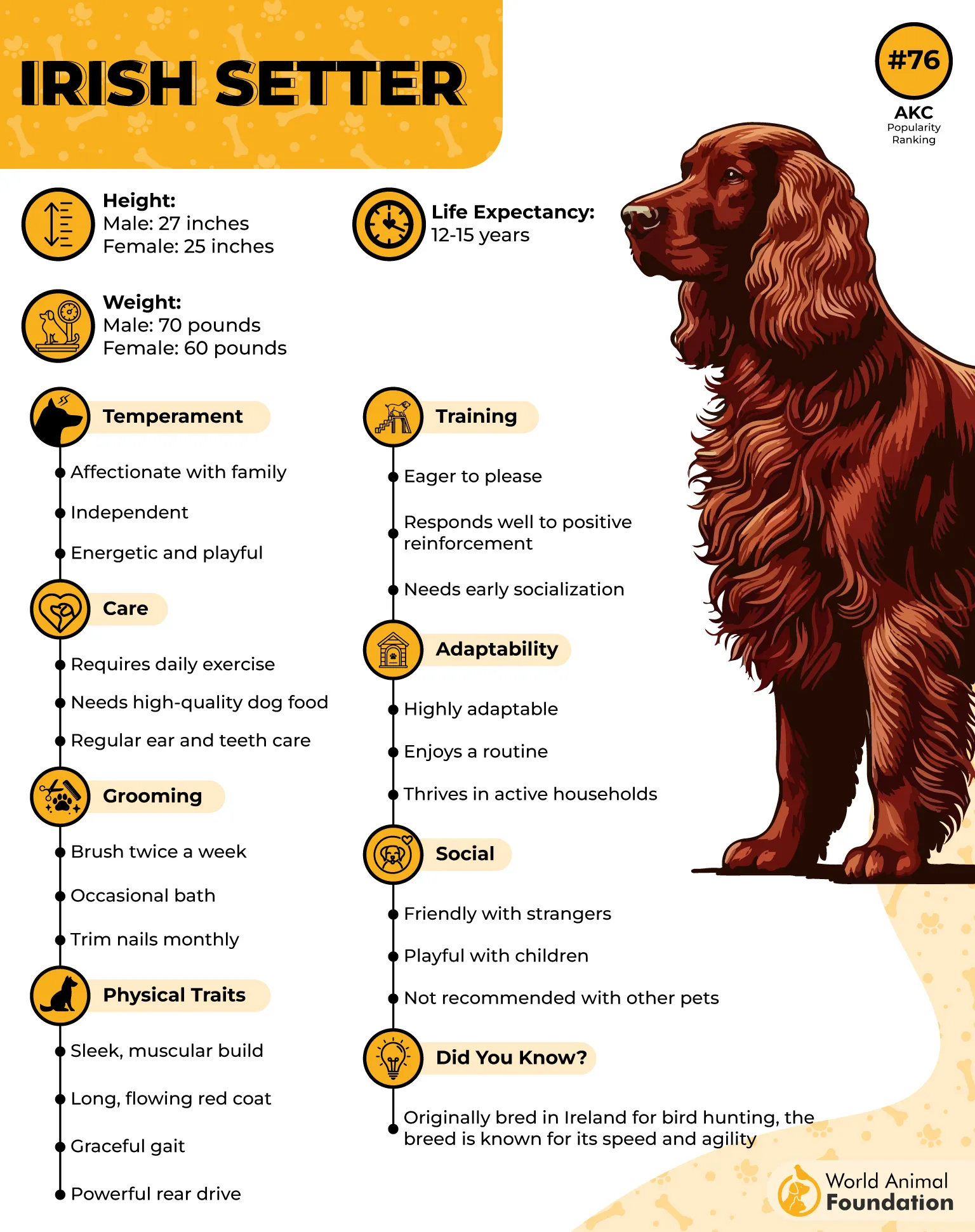
By the 1800s, this style of dog had become widely known for its ability to work efficiently across vast terrain while tracking and locating birds in motion.
In the 19th century, further development focused on enhancing their speed, endurance, and field awareness, making them especially valued in bird hunting environments.
Formal breed standards were later established in Dublin in the late 19th century, helping preserve their working traits and field abilities. Today, they remain admired for their high energy, hunting instinct, and ability to perform across expansive open countryside.
4. Vizsla
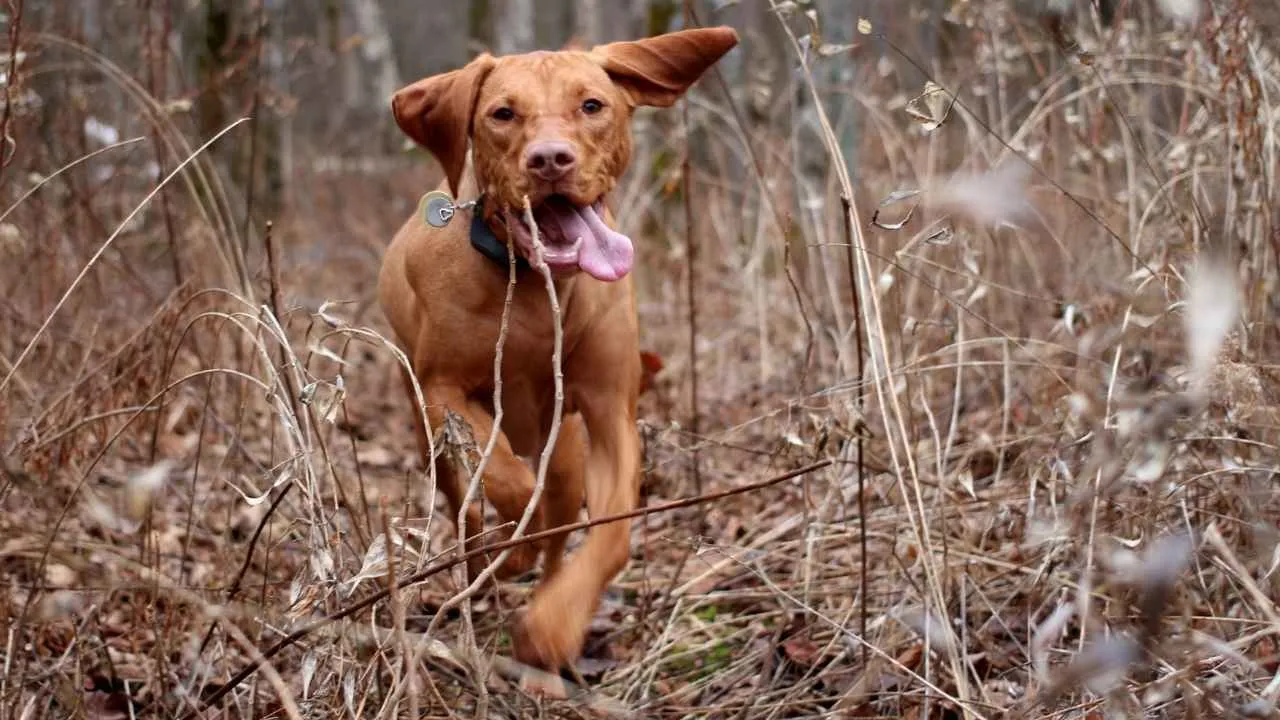
The Vizsla is a highly active sporting bird dog known for its speed, grace, and instinct for chasing birds across vast open fields.
Developed on the open plains of Hungary, it has long been valued as a versatile hunter capable of both pointing and retrieving game birds with precision.
Its ancestry traces back over a thousand years, when early hunting dogs were brought into the region and refined into swift, close-working field companions.

Bred for cautious and controlled hunting, this bird dog is known for staying close to its handler while responding quickly to subtle signals in open terrain.
Its short, sleek coat and athletic build support long hours of movement across fields where birds are constantly flushing and flying.
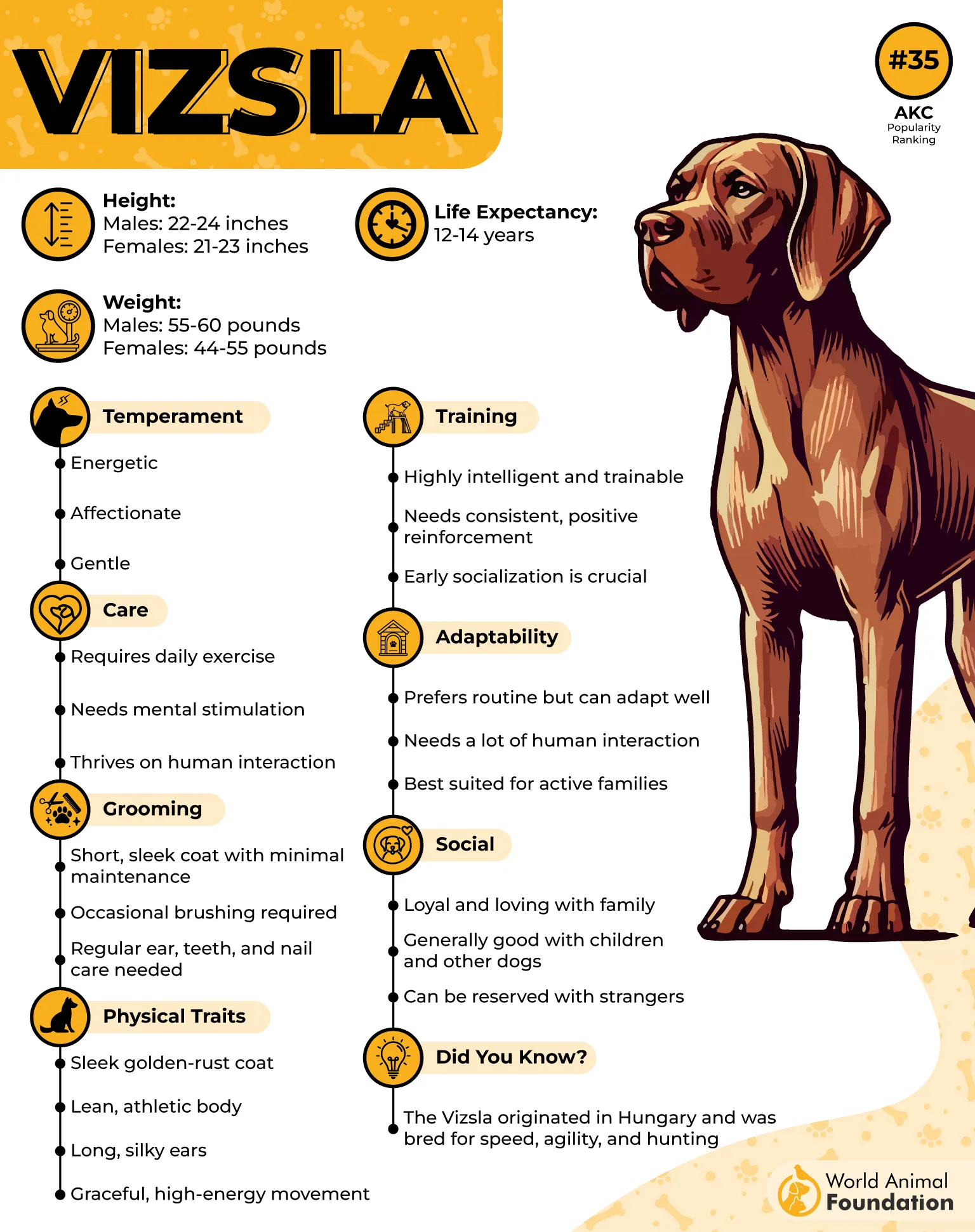
Highly energetic, it requires daily physical and mental exercise, thriving in activities like running, swimming, and retrieving, along with structured field work and hunt-style training.
It performs exceptionally well in organized bird-focused events, where its instincts can be refined and tested. Gentle, affectionate, and intelligent, it adapts well to family environments when properly exercised.
5. Boykin Spaniel
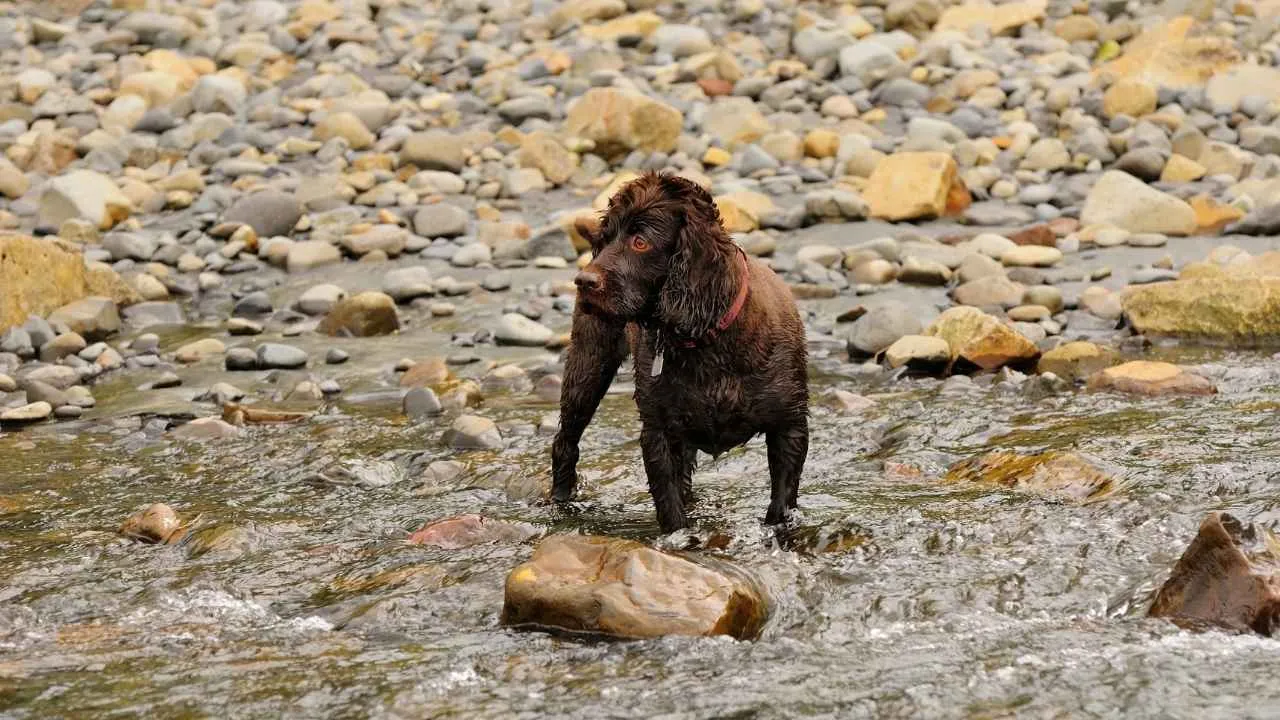
The Boykin Spaniel is one of the most popular dog breeds, known for its rich brown coat and strong ability to flush and retrieve game birds across varied outdoor environments.
Developed as a hardworking hunting companion, it is especially valued for its eager, trainable, and energetic nature, making it well-suited for bird-chasing roles in open fields as well as wetland areas.
Its coat ranges from deep liver tones to chocolate shades, giving it a distinctive appearance among other field-working dogs, while its expressive face reflects intelligence and alert awareness.
Originally bred to work in challenging terrain, this flushing dog is highly capable in water as well, using its natural swimming ability to flush birds from lakes and marshes with ease.
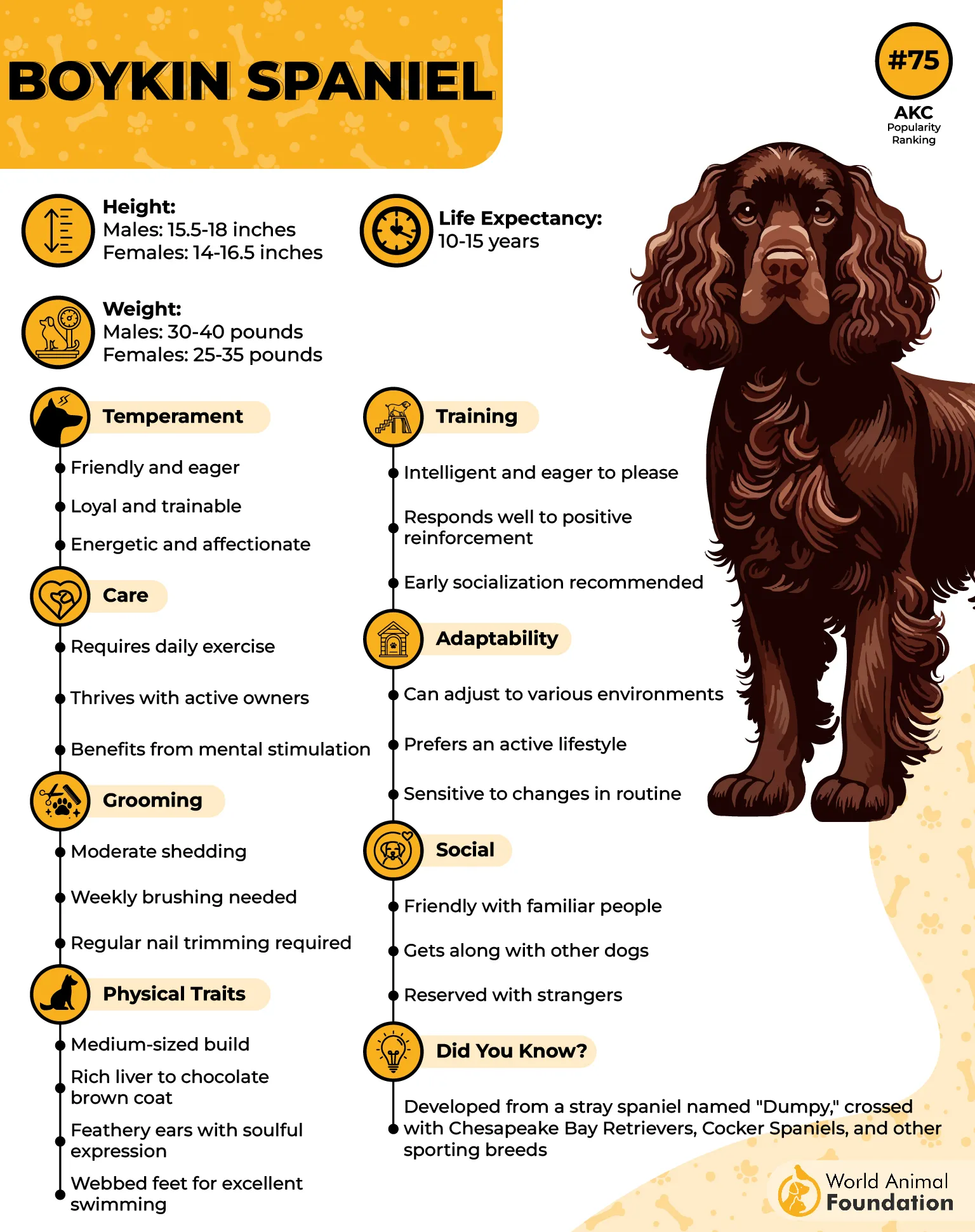
In open countryside, it demonstrates strong drive and focus, quickly responding to movement and scent while maintaining enthusiasm throughout long field sessions.
At home, it is known for its gentle and affectionate nature, forming close bonds with families and adapting well to domestic life when properly exercised.
However, in the field, it transforms into a determined and tireless working partner, showing the intensity and instinct expected from a true bird-chasing dog bred for performance across wide landscapes.
6. Weimaraner
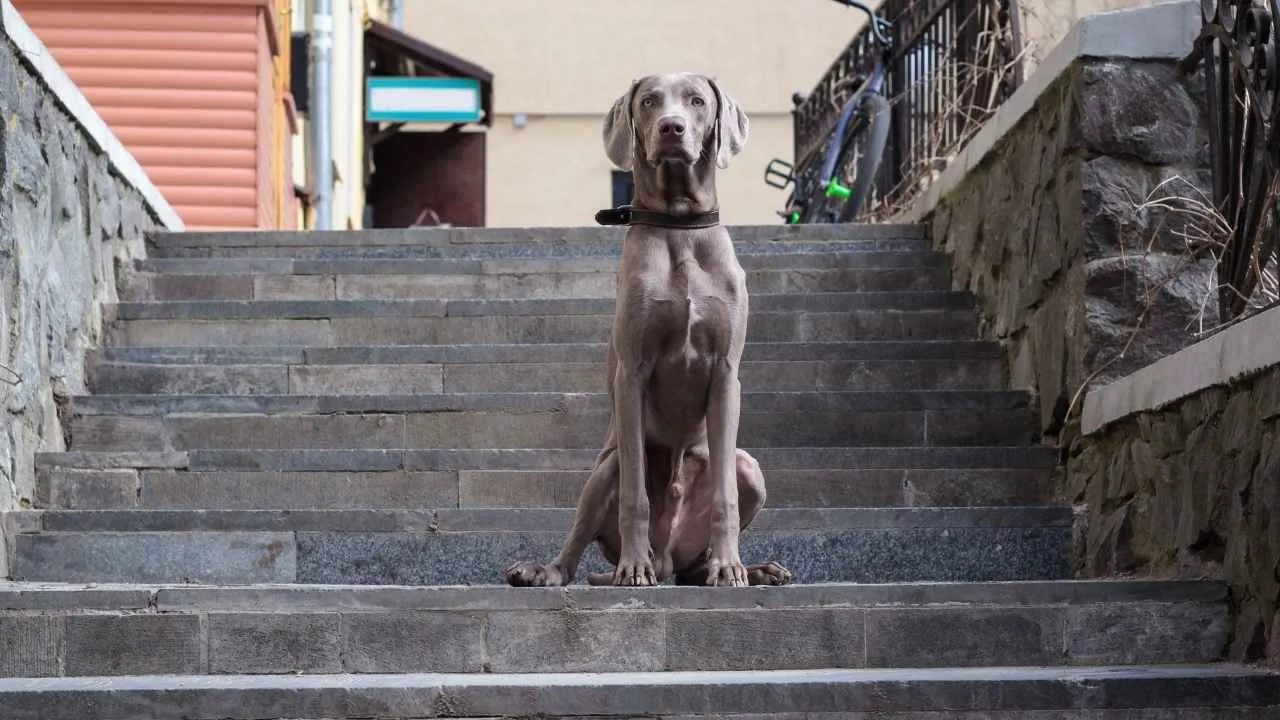
The Weimaraner is a powerful and intelligent breed of bird dog known for its striking appearance, strong hunting instincts, and exceptional performance across vast open fields where birds move quickly through wide landscapes, as mentioned by Hills Pets.
Originally developed in early 19th-century Germany for nobility as a hunting companion, it was first used to track larger game before later transitioning into a highly capable bird-chasing and retrieving dog as hunting needs changed.
Its ancestry is believed to include strong tracking hounds, contributing to its sharp scenting ability and determination in the field.
This bird dog thrives on constant interaction and activity, forming deep bonds with people while requiring significant mental and physical engagement to stay balanced.
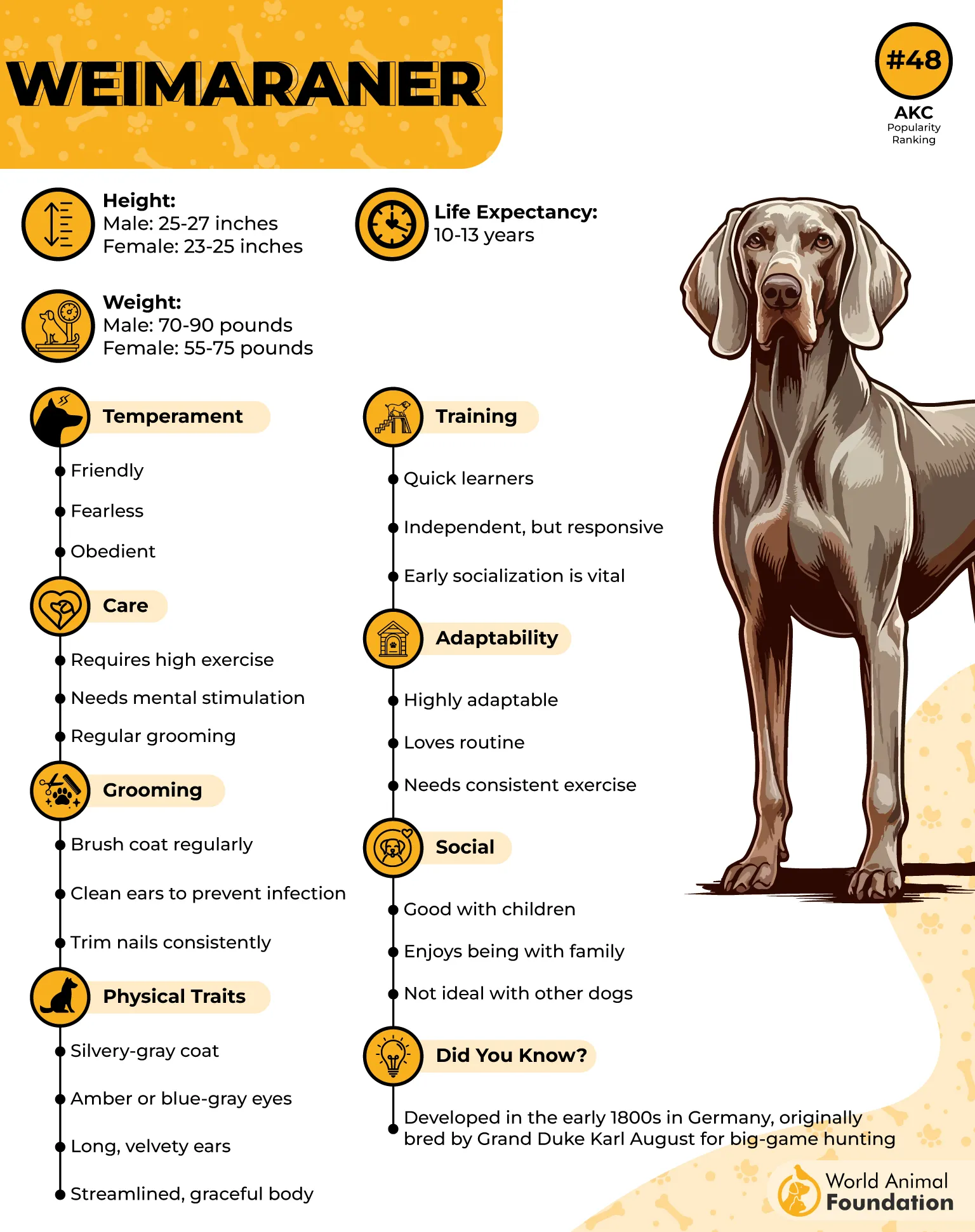
In open countryside environments, it displays intense focus, speed, and endurance, making it well-suited for long days of tracking and pursuing game birds across expansive terrain.
Because of its strong hunting heritage, it is naturally driven and must be properly guided and exercised to channel its energy productively. Without sufficient activity, it may become restless, but when engaged in field work or outdoor pursuits, it performs with precision and enthusiasm.
Today, it remains a valued sporting companion, admired for its versatility, intelligence, and relentless drive in bird-focused outdoor environments.
7. Nova Scotia Duck Tolling Retriever
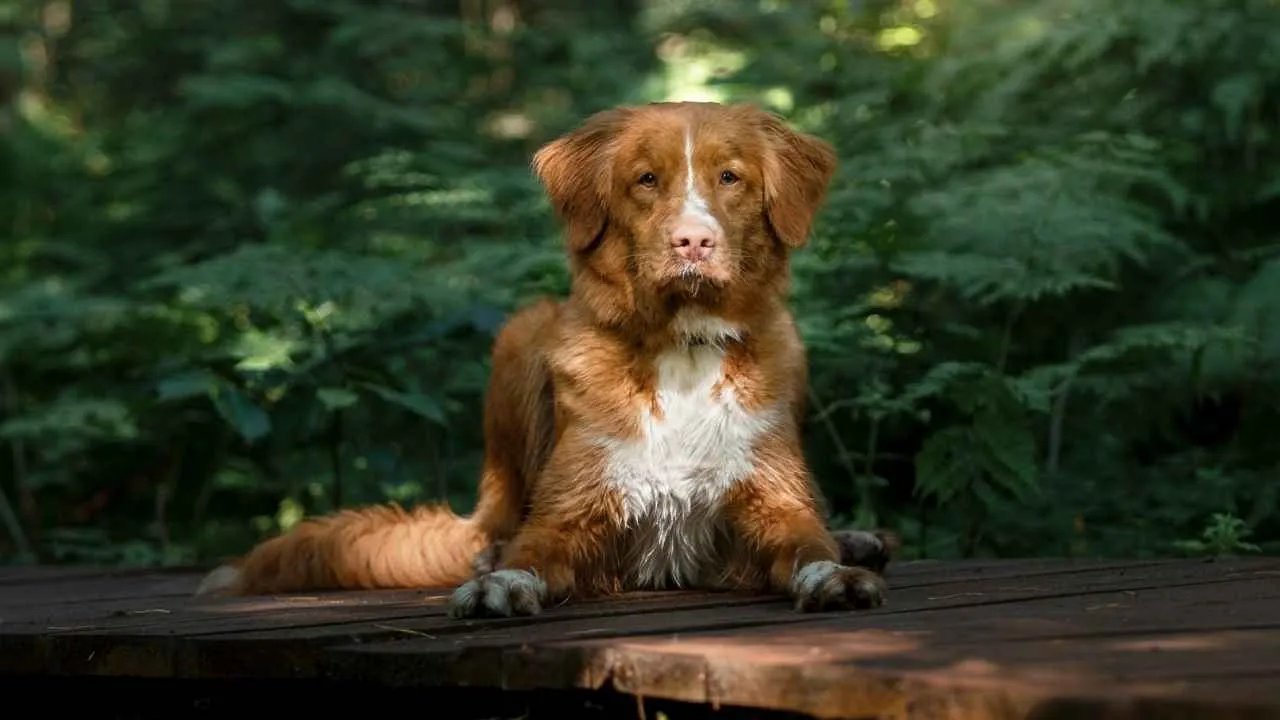
The Nova Scotia Duck Tolling Retriever is a highly energetic natural retriever developed in the 19th century in coastal Canada, known for its exceptional ability to work across open shorelines and expansive fields where waterfowl and game birds are active.
Often called the “Little River duck dog,” the Nova Scotia Duck Tolling Retriever was developed for waterfowl hunting, specifically duck hunting, using a unique tolling method to attract ducks closer before retrieving them from the water.
The Nova Scotia Duck Tolling Retriever was specifically developed for duck hunting, using a unique tolling method to attract ducks closer before retrieving them from the water.
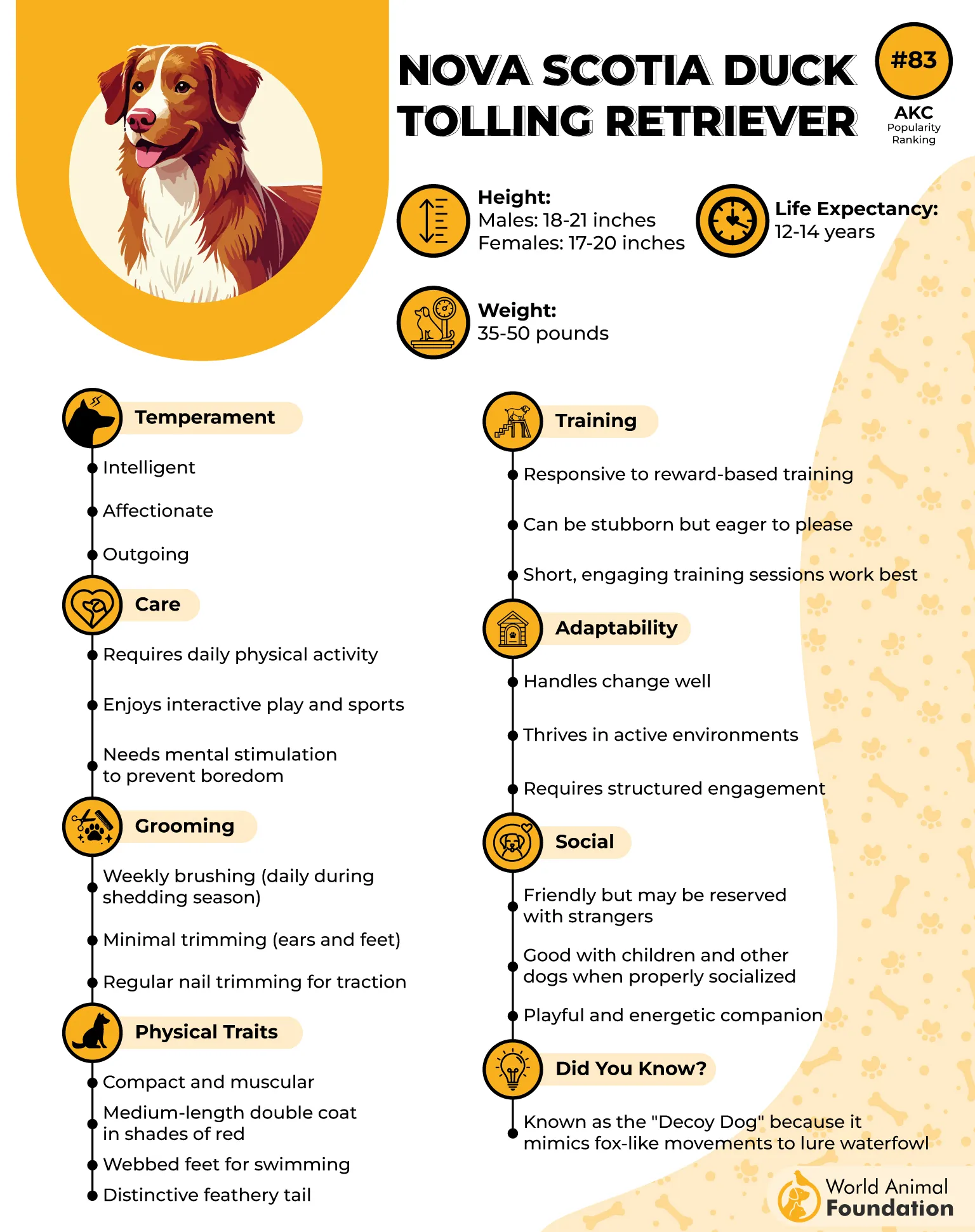
This bird dog has a fox-like appearance and movement, using quick, darting actions and a lively, engaging style that naturally draws the attention of birds in motion.
Once birds are within reach, it transitions smoothly into a skilled retriever, bringing downed game back to the hunter with precision and enthusiasm.
Highly intelligent, eager to please, and full of energy, it thrives in active outdoor environments where it can run, play, and work for long periods. Its natural drive makes it well-suited for bird-focused field activities across vast open spaces, as well as water retrieval work.
Beyond its hunting abilities, it is affectionate and social, often forming strong bonds with families and excelling in dog sports, making it both a capable field worker and a lively companion.
Conclusion
Across generations, these bird dogs have proven their unmatched ability to chase, locate, and retrieve birds across vast open fields with precision and endurance.
Their instincts, combined with speed, intelligence, and adaptability, make them reliable partners in hunting upland birds across open countryside. Whether in traditional hunting settings or modern field trials, they continue to demonstrate remarkable skill and determination.
Beyond the field, their loyalty and energetic nature make them rewarding companions. With proper training, exercise, and engagement, they thrive in environments that allow them to express their natural drive and purpose.
