




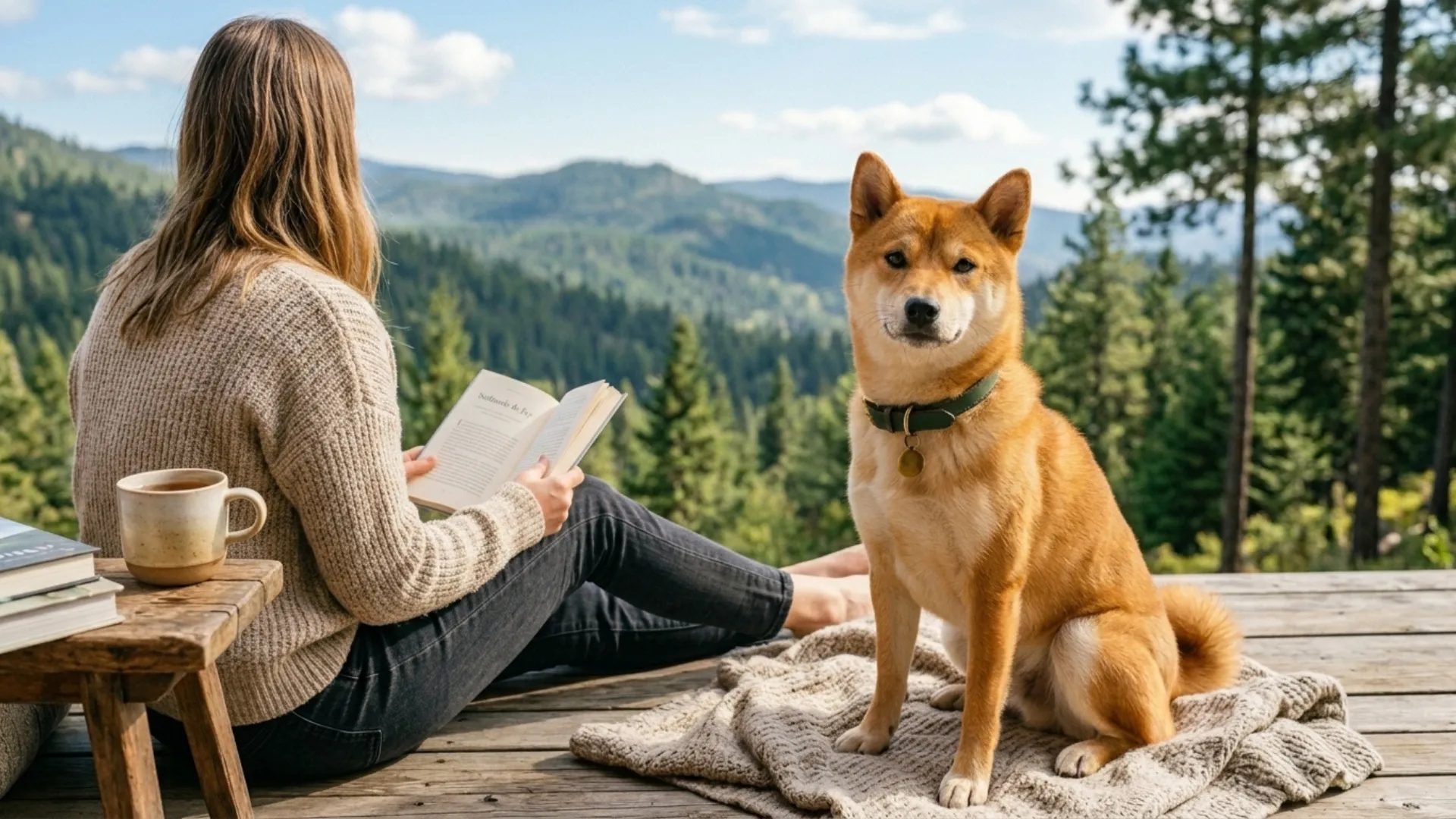
Not everyone wants a dog that turns a living room into a mosh pit. Some of us just want a furry companion who reads the room, quiet evenings, minimal drama, and absolute zero small talk. If your perfect Saturday involves a book, a blanket, and a pet that does not need constant entertainment, you need a breed that matches your frequency.
Research from the Human Animal Bond Research Institute found that 74% of pet owners report meaningful mental health improvements from their animal companions.
And picking the wrong breed is like inviting a DJ to a meditation retreat. These seven breeds were built for the introverted soul, no apology required. Let us dive into the details and find the best suitable option for you.
Dog Breeds Ideal for Introverted Owners Who Love Solitude
1. Cavalier King Charles Spaniel
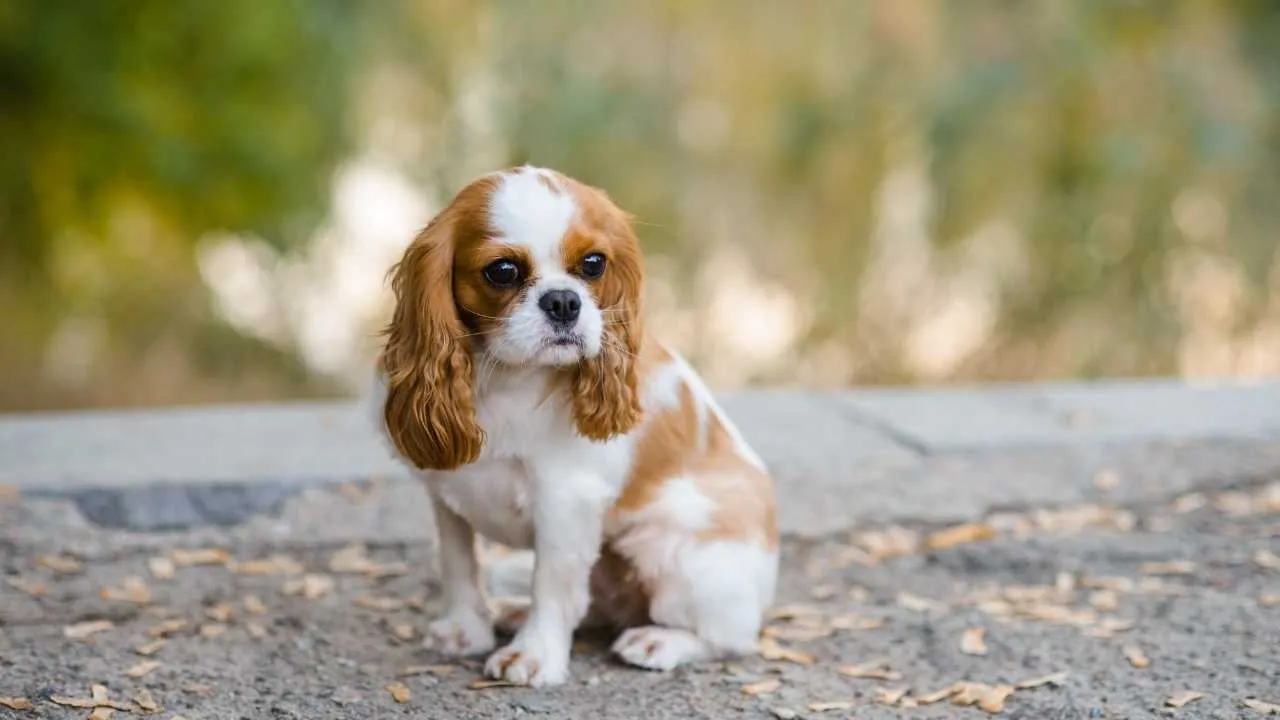
Originally bred in England, this affectionate and loving companion dog was developed for the royal lap. It was given the name after King Charles I and his son King Charles II in the 16th century, who used to carry the breed to the courts and in carriages, according to PetMD. It weighs around 13-18 pounds and stands 12-13 inches tall.
This small breed carries its puppy-like physical characteristics into adulthood (expressive eyes, a short muzzle, and a domed head). This releases the bonding hormones in the owner. It has a silky and single-layered coat that is either straight or wavy. It curls up around you, providing you with warmth on cold nights.
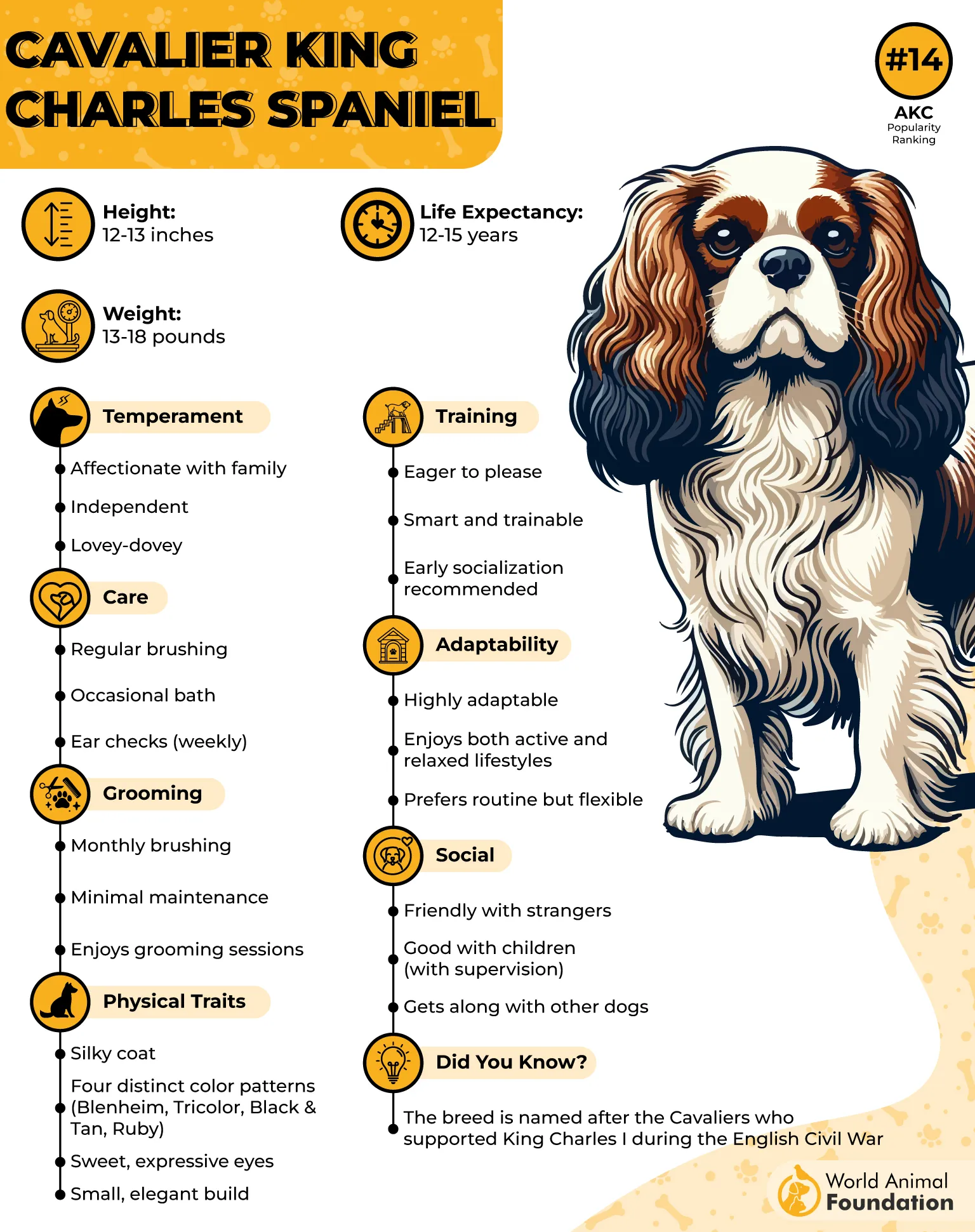
Despite being social, it does not have a high prey drive and is happy to be a couch potato. Because of its high emotional intelligence and affectionate nature, it is a perfect choice for animal support programs as a therapy dog. It has moderate exercise needs (40-60 minutes): fetching, short walks, and indoor games.
2. Basset Hound
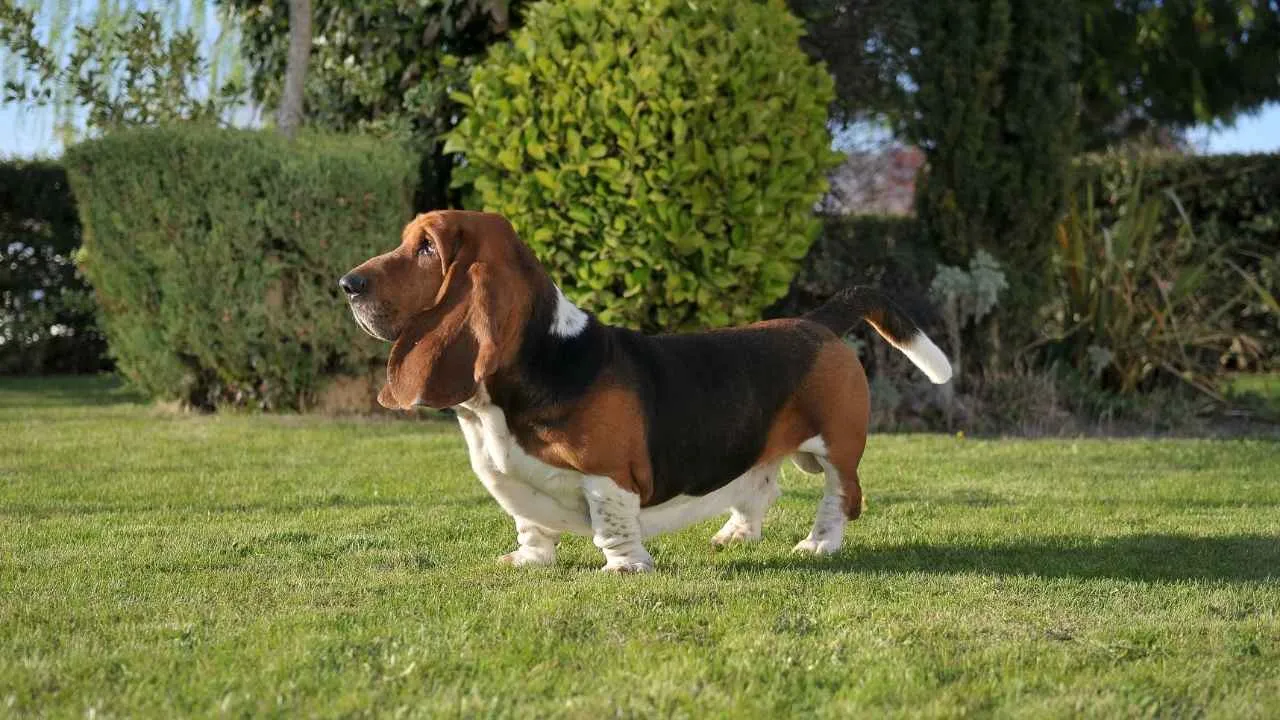
The short-legged scent hound was bred in Great Britain as a hunting dog. Its primary purpose was to hunt small game, such as rabbits and hares. It has the second strongest sense of smell after the Bloodhound. The word ‘basset’ in its name comes from a French word, which means ‘low,’ since the dog tends to lower its neck while tracking.
This large dog weighs around 44-77 pounds and stands 11-15 inches tall. Since the breed has an elongated body, it is prone to spine-related injuries, such as IVDD; thus, high-impact activities, such as jumping and stair climbing, are strictly prohibited. It has a short coat with minimal grooming needs: weekly brushing is enough, since it does not trap dirt frequently and has zero dog odor.
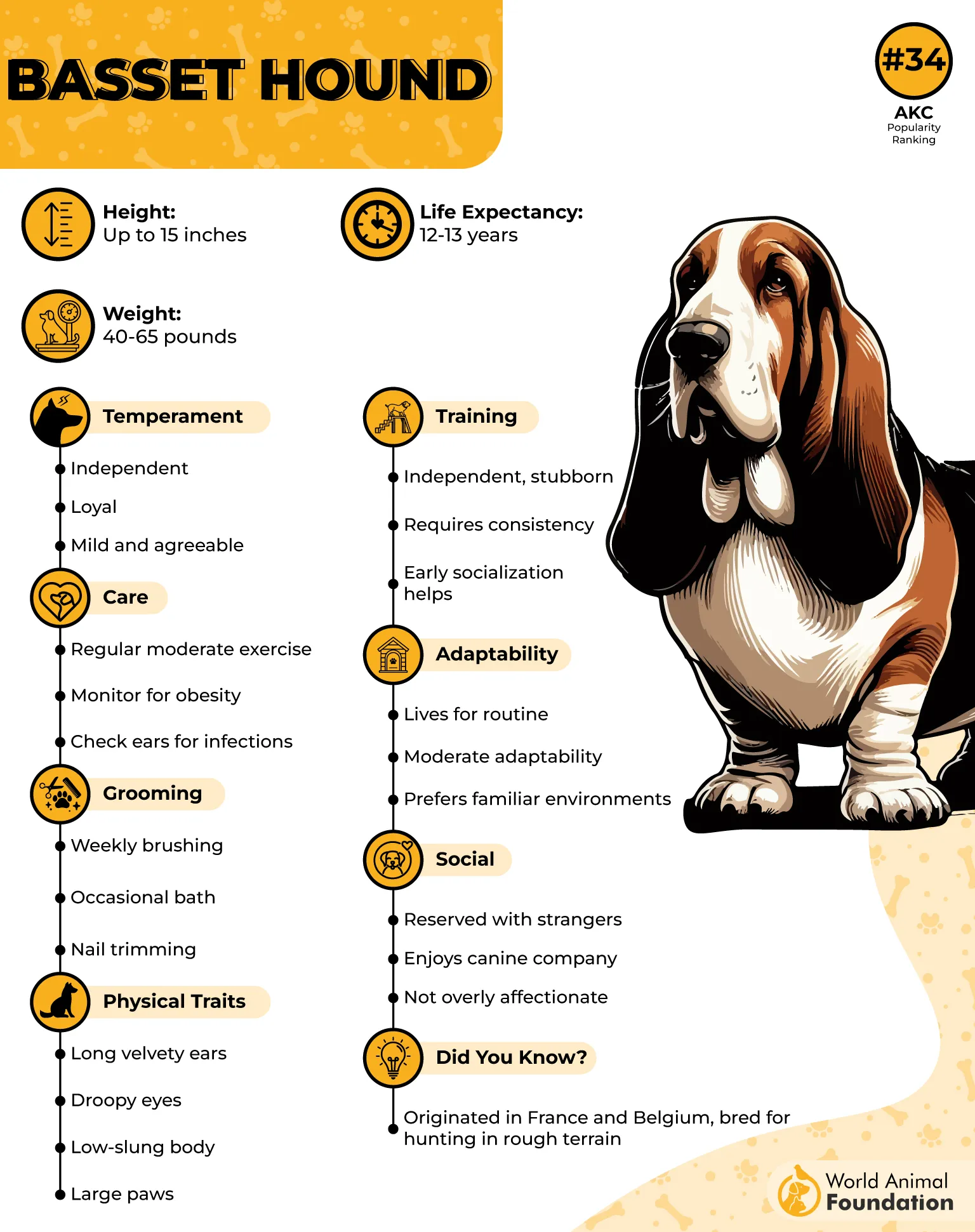
This gentle and intelligent breed has low energy levels and can sleep 13-22 hours a day after its physical needs are met. It is an independent dog and tends to make its own decisions. This can sometimes make the breed stubborn. Proper socialization and early training are non-negotiable.
3. Shiba Inu
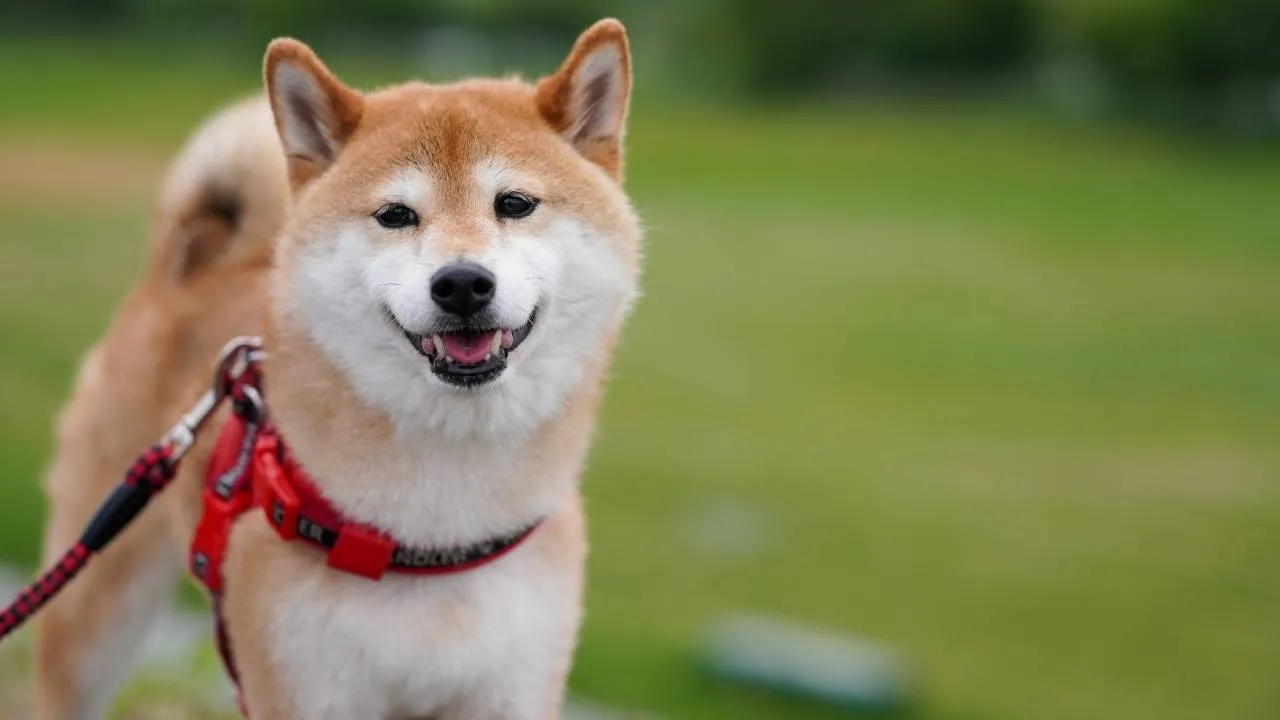
Among all the small-to-medium dog breeds of the 6 dog breeds native to Japan, the Shiba Inu is the smallest one. It was bred as a hunting dog. The name literally translates into ‘brushwood dog,’ since it was developed to flush the game, as per Wikipedia. It is more closely related to wolves than the domesticated dog, as it has high aggression and high reactivity outdoors.
The Shiba Inu stays aloof from strangers. This small dog has a cat-like personality: keeping its coat clean, has less oil production glands, and zero odor. It bonds closely with the selective people because of its independent nature. It needs quiet time indoors and is a great watchdog, as it only barks when it detects anything suspicious.
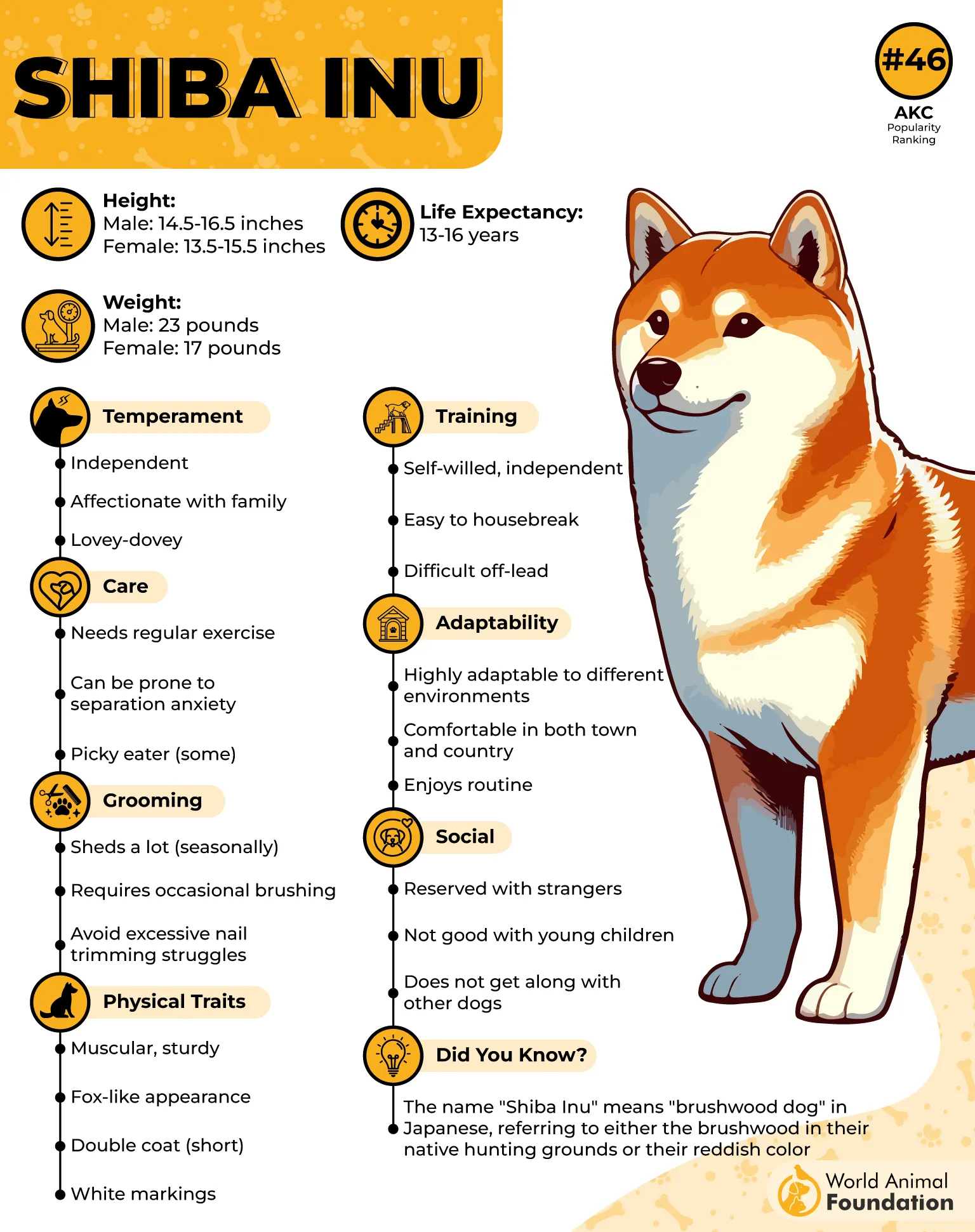
Because of its hunting heritage, it has a strong prey drive and chases vermin. It has moderate exercise needs (45-60 minutes): light jogging, daily walks, fetching in a secured area, puzzle toys, and snuffle mats for mental stimulation. It has a dense double coat that requires regular brushing (3-5 times a week).
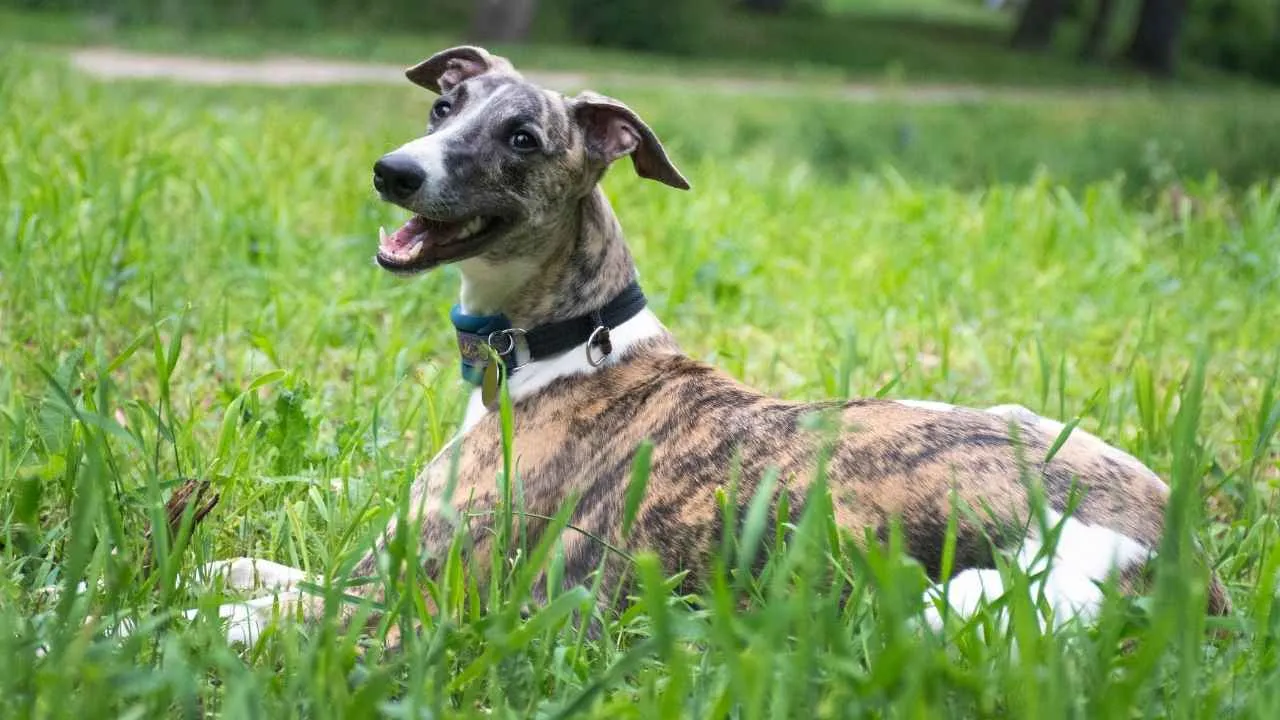
4. Whippet
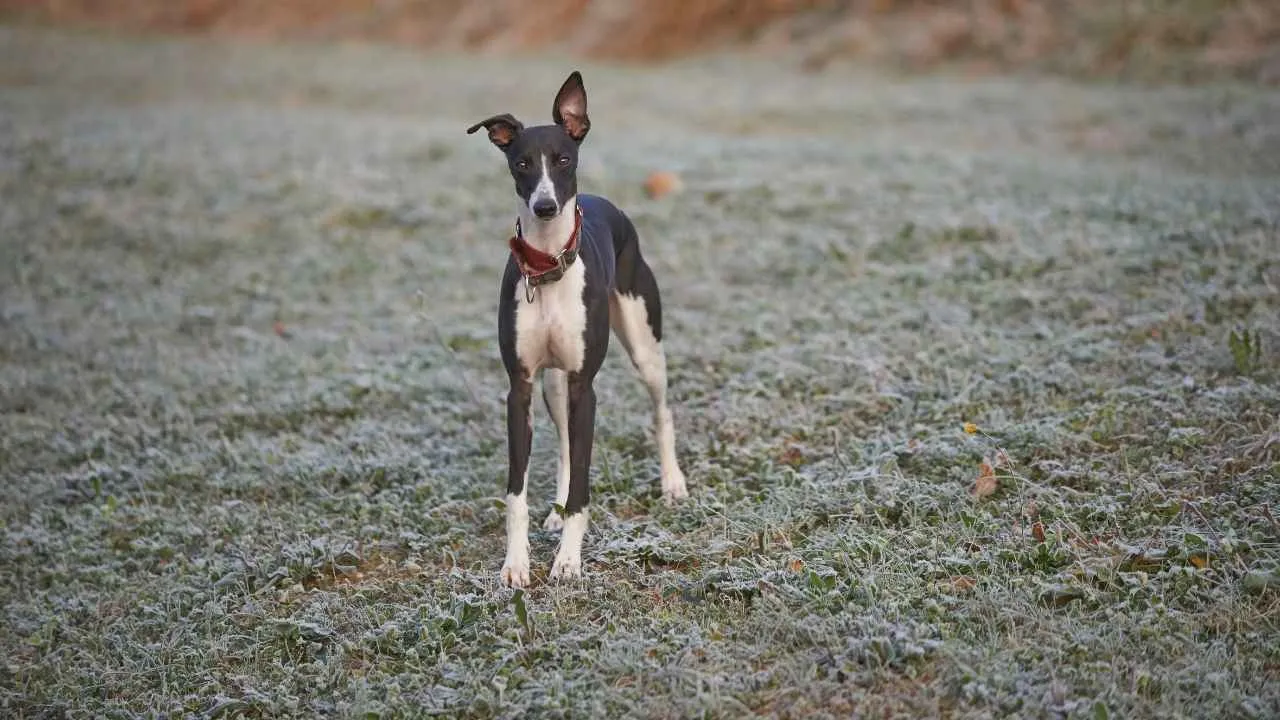
The Greyhound has always been the favorite of North Country coal miners who loved dog sports. Since they could not afford the breed, they developed a smaller version of the Greyhound, called ‘Whippet.’ The breed exhibits ‘inverted S’ lines of a sighthound and stands 18-22 inches tall.
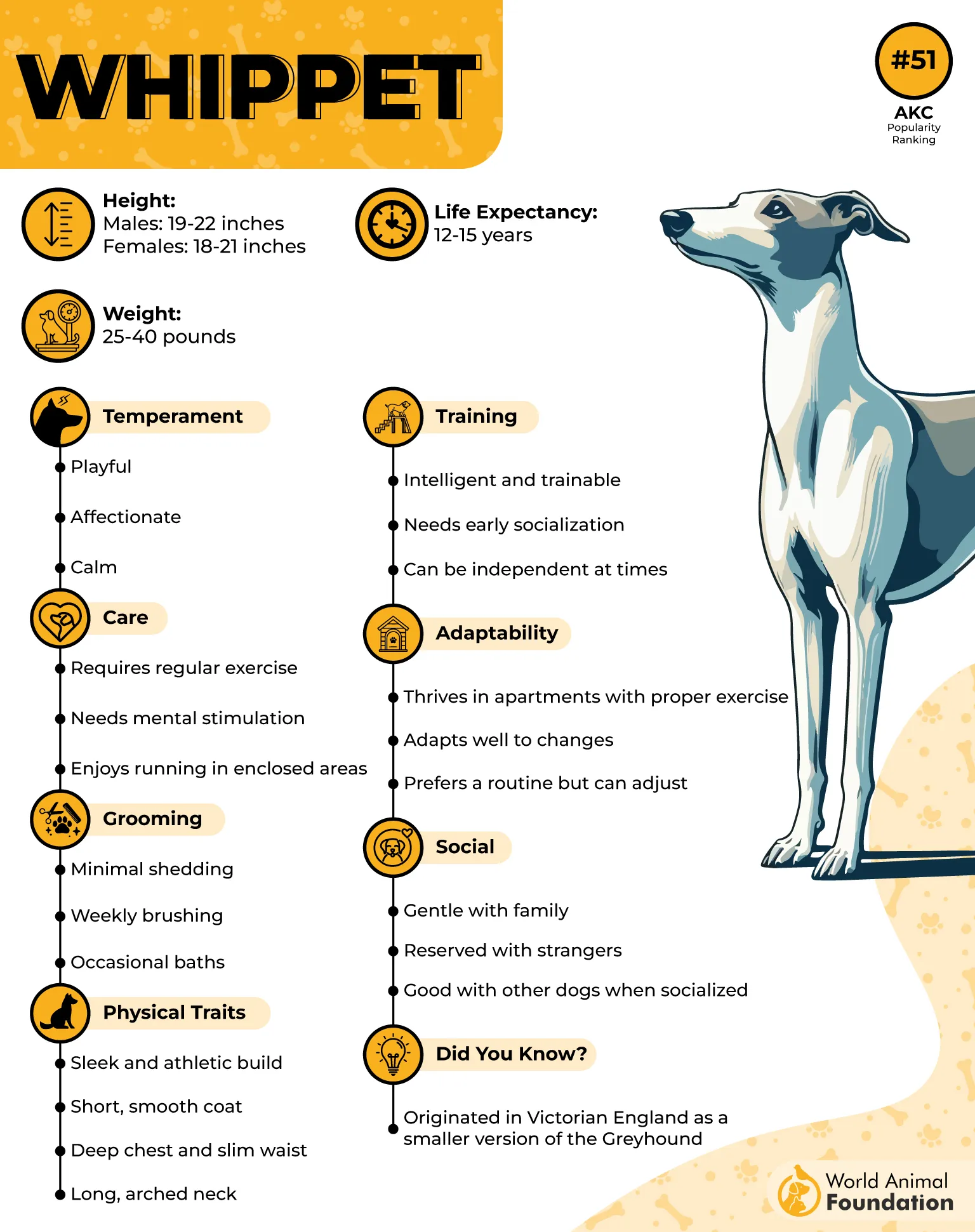
The confident dog runs at a speed of 35 mph, but since it has low body fat and a low metabolic rate at home, it prefers lying on the couch and sleeps for 14-20 hours a day. It is a barkless dog and does not make unnecessary sounds. Because it has a single-layer coat, it requires minimal grooming.
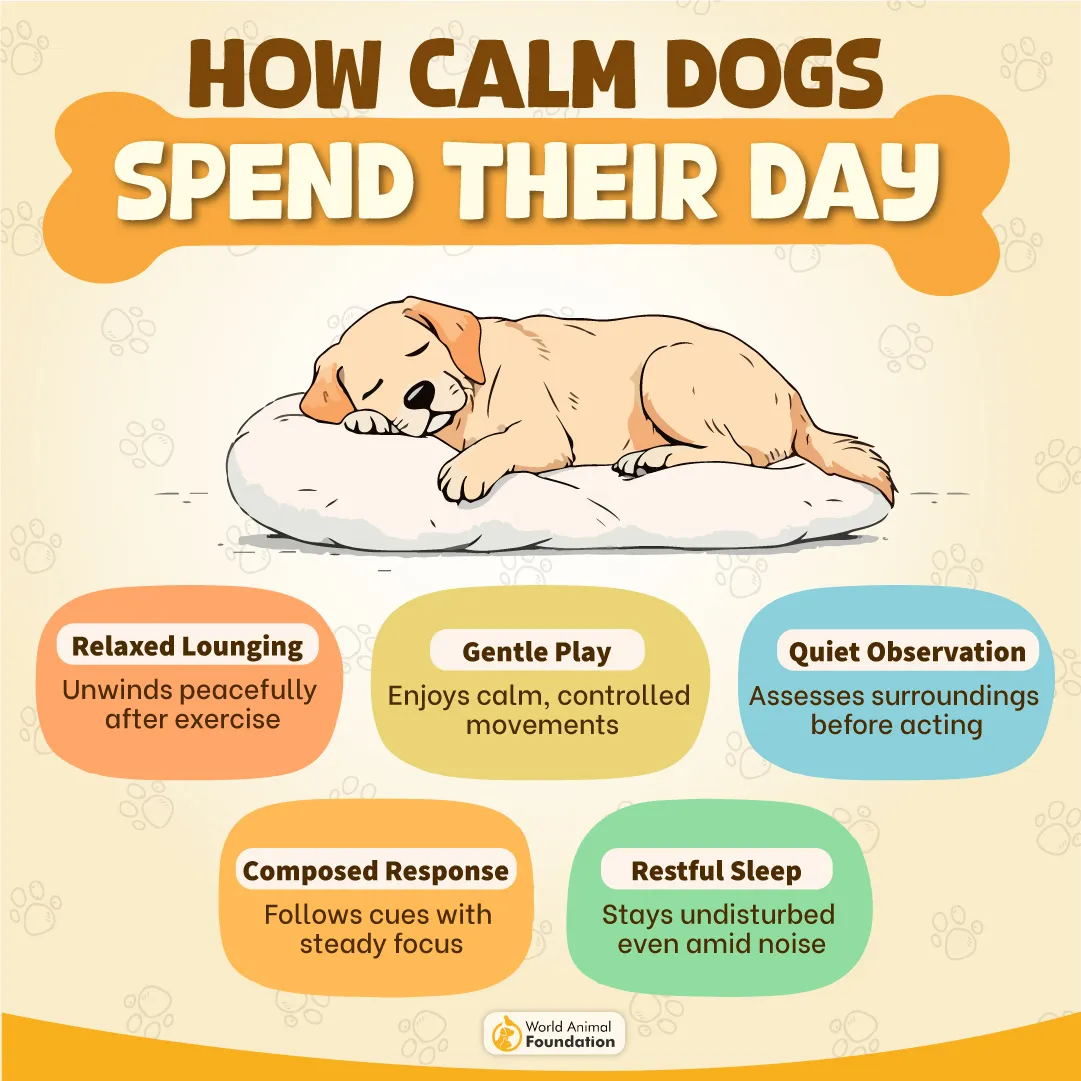
The breed is attuned to the owner’s emotions and can clearly read their body language and facial expressions. In any threatening situation, the Whippet is expected to retreat and find a safe spot to hide rather than acting. It is not a social butterfly and feels comfortable around fewer known faces.
5. Newfoundland
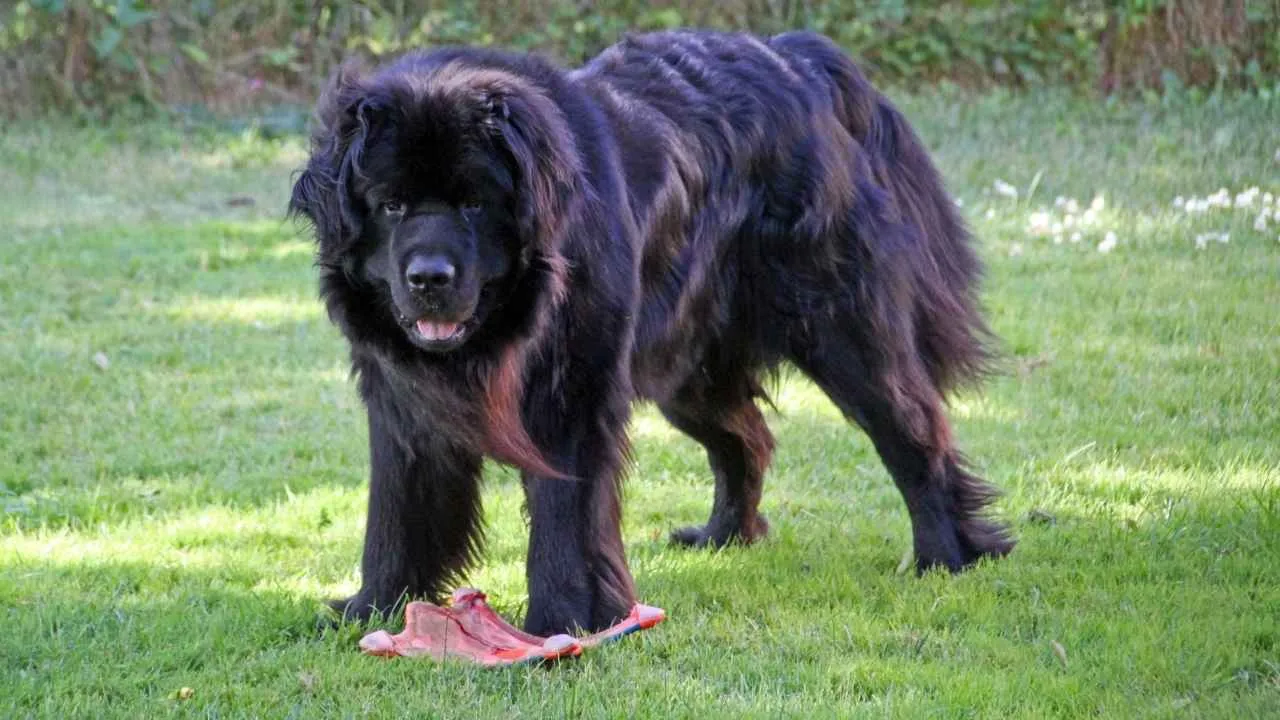
The smart dog was originally developed in Canada from a small St. John’s water dog. The Newfoundland dog was bred as a water rescue dog for the fishermen. It has a thick double coat that traps air inside, creating a buoyancy effect, and has webbed feet that assist in swimming, says Omlet.
This gentle giant has a calm disposition and has a natural desire to lean its heavy back against the owner’s body. It weighs more than 150 pounds, and the massive breed has an intimidating impression on strangers. The breed is not demanding; thus, it does not develop destructive behavior (chewing and digging).
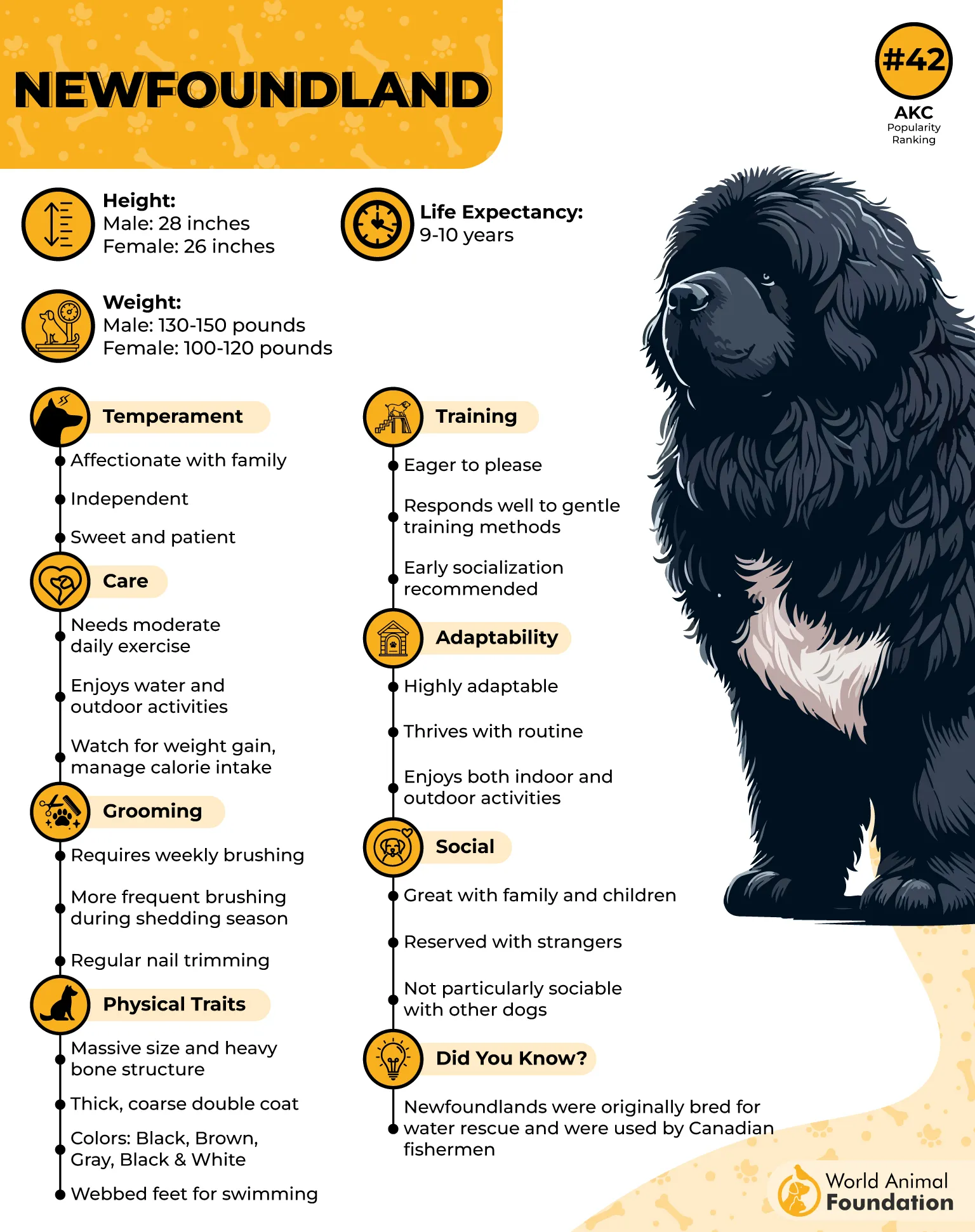
It is widely used in other fields as well because of its giant size and quiet temperament: cart pulling (up to 900 pounds) and retrieving purposes. It needs regular exercise (30-60 minutes daily): walking, hiking, swimming, and indoor play. A puppy needs 2-3 years to fully mature.
6. Greyhound
The history of one of the ancient dog breeds dates back 6,000 years, when it was used as a hunting dog for large game, such as deer, wild boars, and bears. An act passed some 1,000 years ago in Britain that only the royalty were allowed to hunt with the Greyhound and a common man could not have the breed.
The breed was developed for short bursts of energy, and comes back to its resting state after 5-10 minutes of active exercise. It can sleep up to 18-20 hours a day and does not mind chilling on a couch, watching TV. It has a cat-like disposition and loves to spend some alone time despite forming strong bonds with the owner.
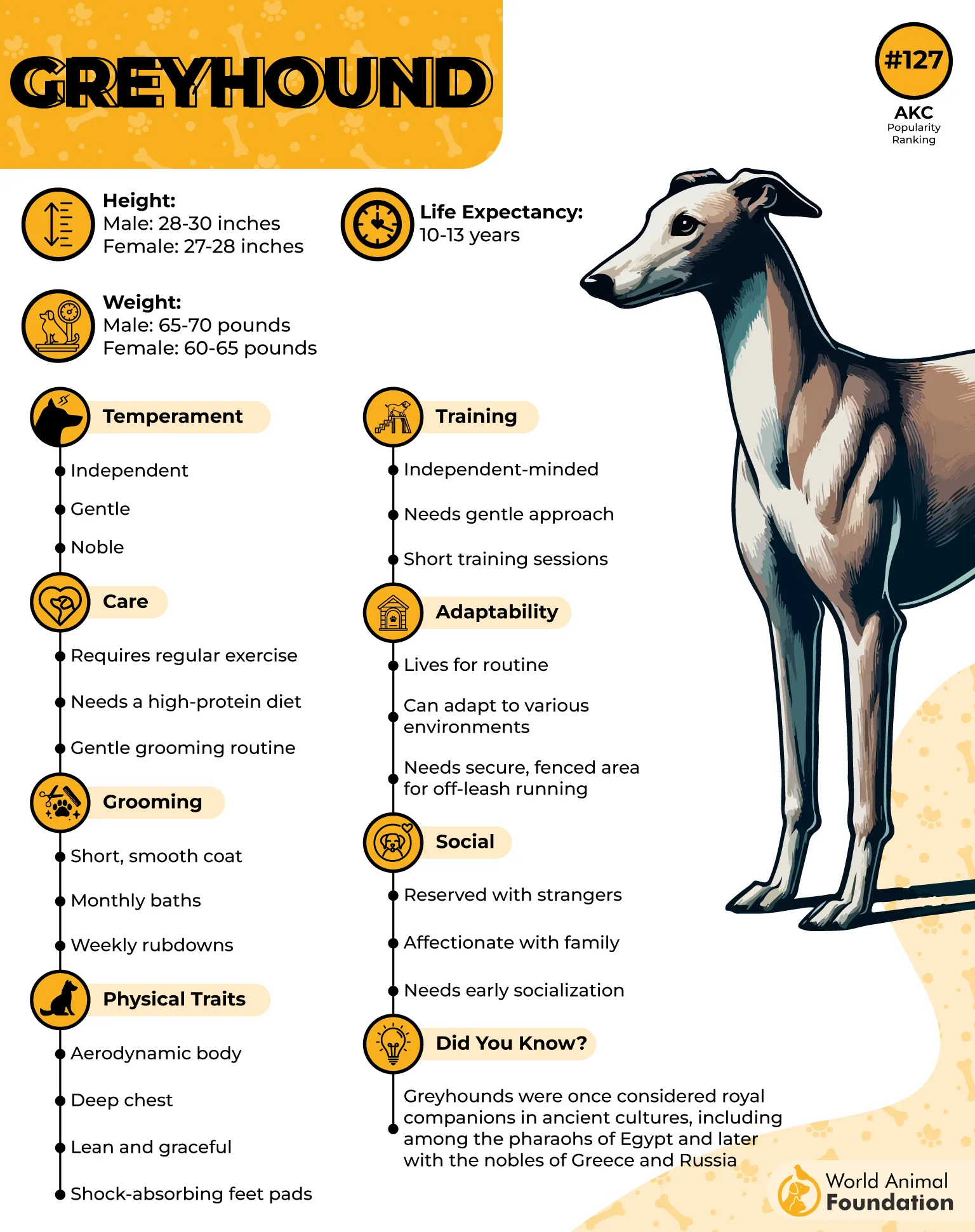
Since the Greyhound has a sharp sense of sight, it is widely used for open field coursing and pest control. It runs at a high speed of 45 mph because of sprinting, and actively participates in lure coursing events and professional racing. The breed has a strong prey drive, so leash training is really important.
7. Bulldog
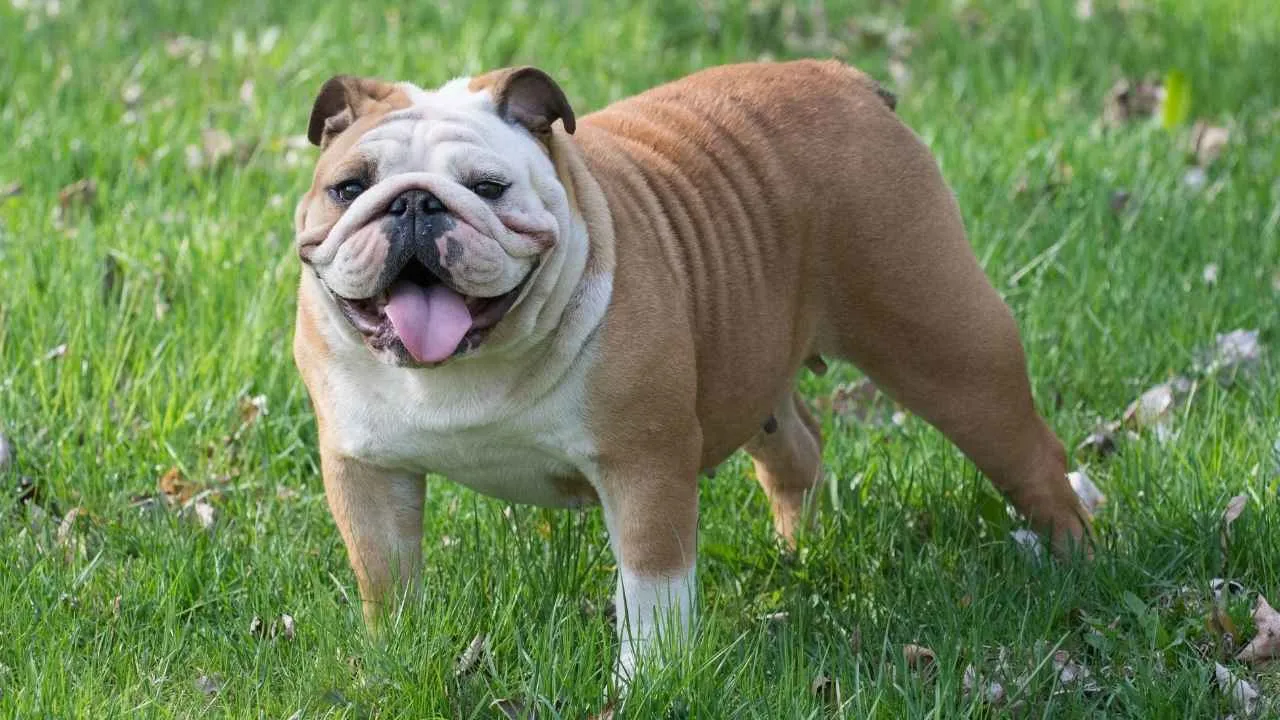
This mastiff-type medium-sized breed was developed in Britain for blood sports, such as bull baiting. It has thick folds of skin, a large head, and a short face. After the ban on bull baiting in 1935, the breed revived for companionship as a gentle and polite dog.
It is a brachycephalic breed (has a flat face and narrowed airways), thus, it faces breathing difficulty sometimes, especially on a hot summer day. Designed as a lap dog, this family pet has a low activity threshold and has a natural desire to snuggle. It is a velcro dog and shows great affection towards its owner.
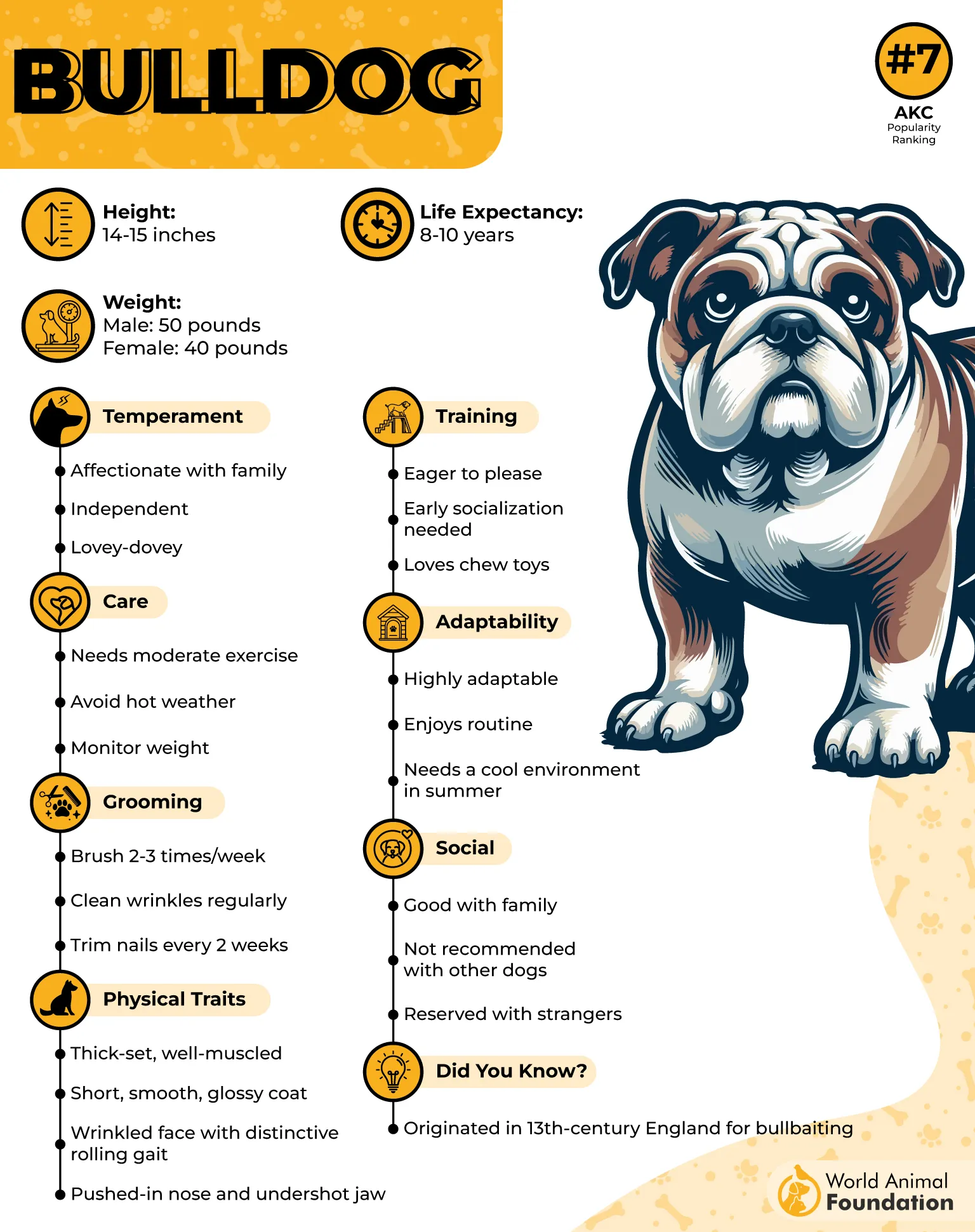
Left alone for too long, the breed will develop separation anxiety. It is a good watchdog and is used for light security work because of its high intelligence. Low-impact exercise is suggested for the breed (20-30 minutes daily).
Conclusion
The right dog for an introvert is not the quietest dog on the planet. It is the one that naturally respects your peace. Whether you are drawn to the silky calm of a Cavalier, the dignified independence of a Shiba Inu, or the napping skills of a Greyhound, every breed on this list was built for a life that does not revolve around constant noise and stimulation.
The right breed does not just fill space; it quietly restores it. Take your time choosing. Do your homework. And when the right dog looks up at you, you will know. Because some of the best company in the world requires absolutely no conversation.
