




There are ordinary dogs, and then there are extraordinary ones—the kind who shine brightest when paired with extraordinary people. For individuals who need a little extra care, support, or love, certain dog breeds step into the role with unmatched grace.
They’re gentle without being fragile, protective without being overwhelming, and endlessly patient in ways that make every day a little easier. These dogs aren’t just companions; they’re lifelines, cheerleaders, and silent healers who sense emotions before words are spoken.
We’ll highlight the best dog breeds for living life with extra special people—whether that means children with unique needs, adults seeking emotional support, or anyone who thrives with a furry partner by their side.
These breeds don’t just live with you—they live for you, turning ordinary moments into extraordinary memories. Get ready to meet the four-legged angels who bring comfort, joy, and unconditional love wherever they go.
Quick Insight: Therapy and assistance dogs are trained to sense emotions and provide support. Research shows they can lower anxiety, boost confidence, and even improve daily independence.
Best Dog Breeds for Living Life With Extra Special People
1. Golden Retriever
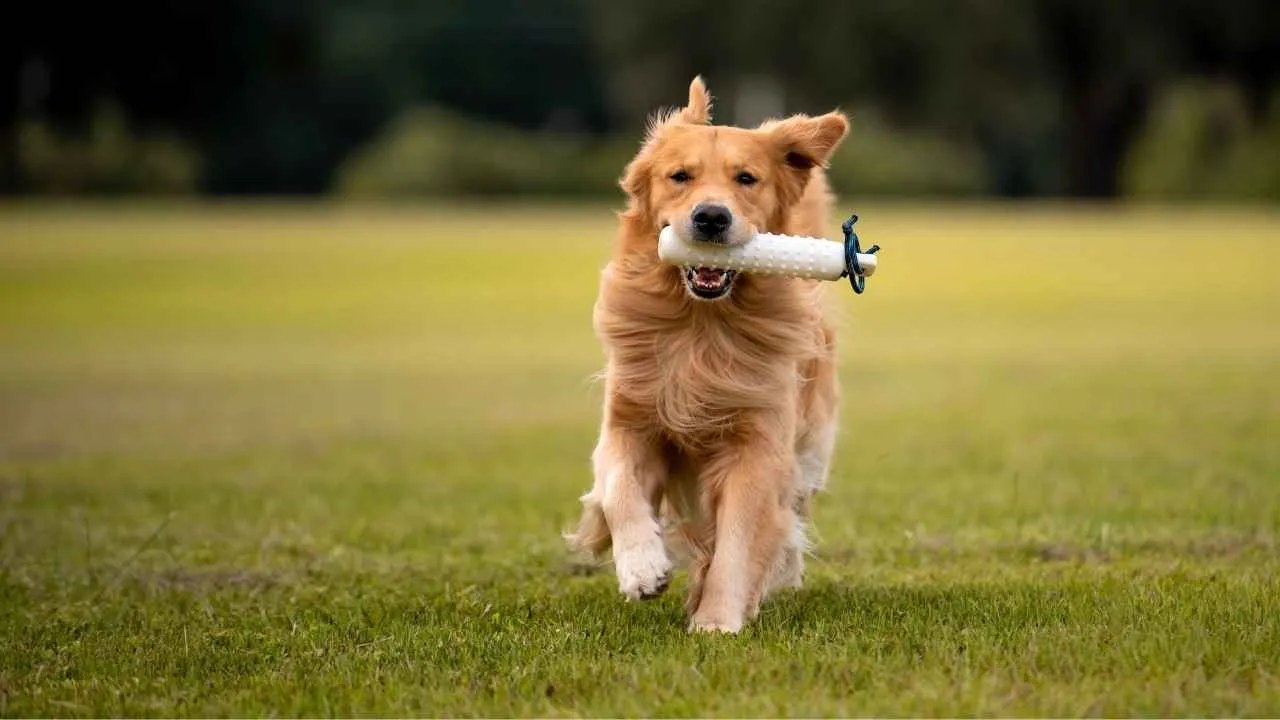
Golden Retrievers are the superheroes of the canine world—no cape required, though their luscious golden coats are pretty heroic on their own. It’s no wonder they consistently rank among the top ten most popular dog breeds in the U.S.!
They’re famous for their gentle nature, loyalty, and the uncanny ability to know when you need a cuddle (even if you don’t). That’s why they’re often at the top of the list when it comes to excellent therapy dogs.
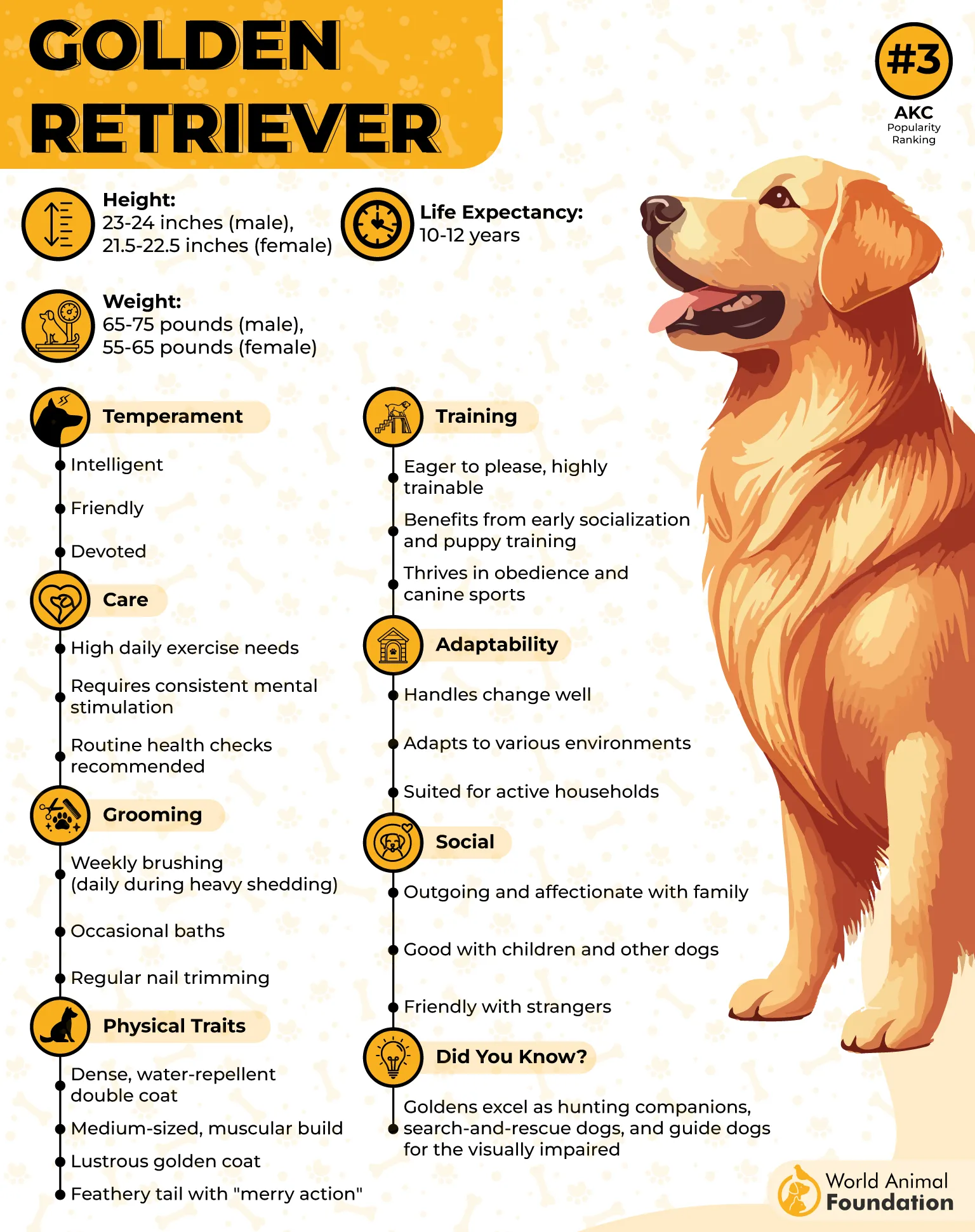
These friendly dogs have hearts as big as their goofy smiles. They’re wonderful with children, offering both comfort and a sense of protection.
Gentle giants – large enough to feel protective, but soft as a teddy bear at heart.
Born comforters – their soothing nature helps people through stress and trauma.
Family-friendly – patient with children and quick to bond.
Smart and trainable – ideal for therapy, service work, or just learning adorable tricks.
For kids with autism or those healing from trauma, a Golden’s calm presence can feel like a warm blanket of reassurance. And for adults, their discipline and trainability make them just as incredible as service partners.
Of course, they’re not just serious all the time—Goldens are also goofballs who love playtime, long walks, and the occasional mud puddle dive (you’ve been warned). But maybe that’s part of their charm: they bring both laughter and healing in equal measure.
2. Border Collie
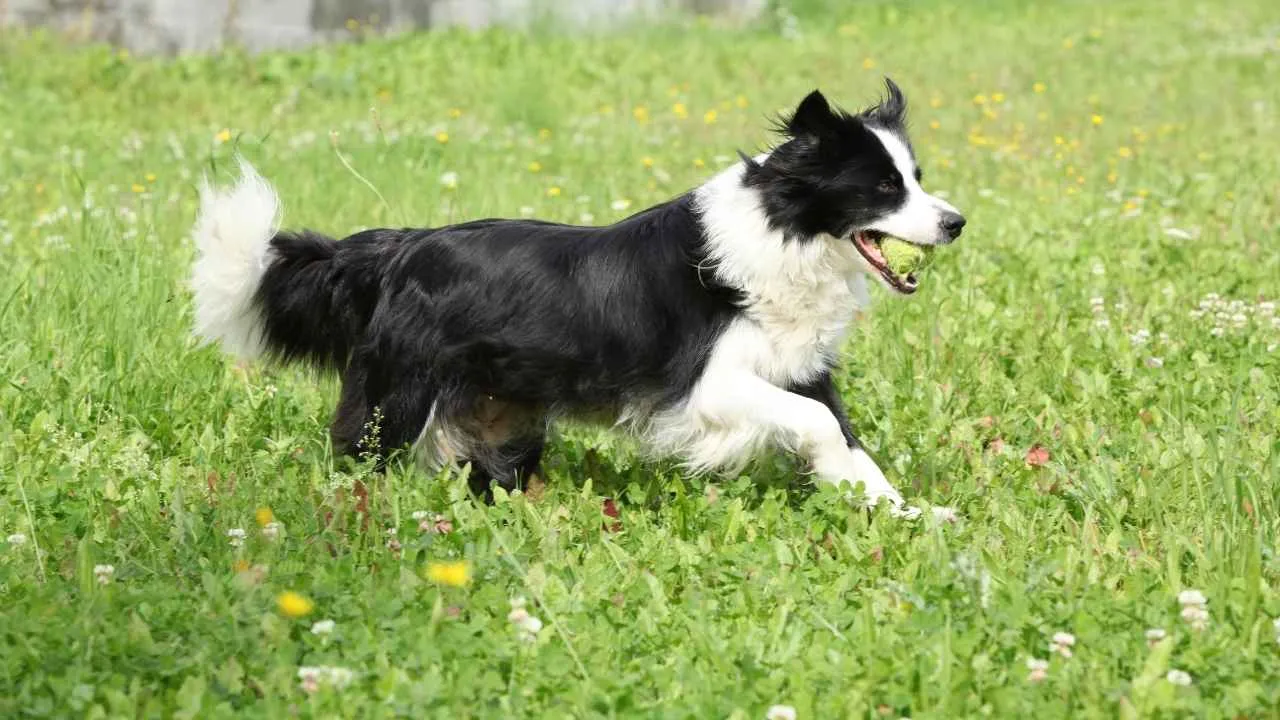
If the Golden Retriever is the heart of the therapy dog world, the Border Collie is definitely the brain. Often crowned the intelligent dog breed on the planet, these pups are problem-solvers, quick learners, and sometimes just a little too clever for their own good, according to the American Kennel Club (AKC).
They thrive in family environments where there’s plenty to do—whether it’s puzzle toys, agility training, or just a game of fetch with extra rules to keep things interesting.
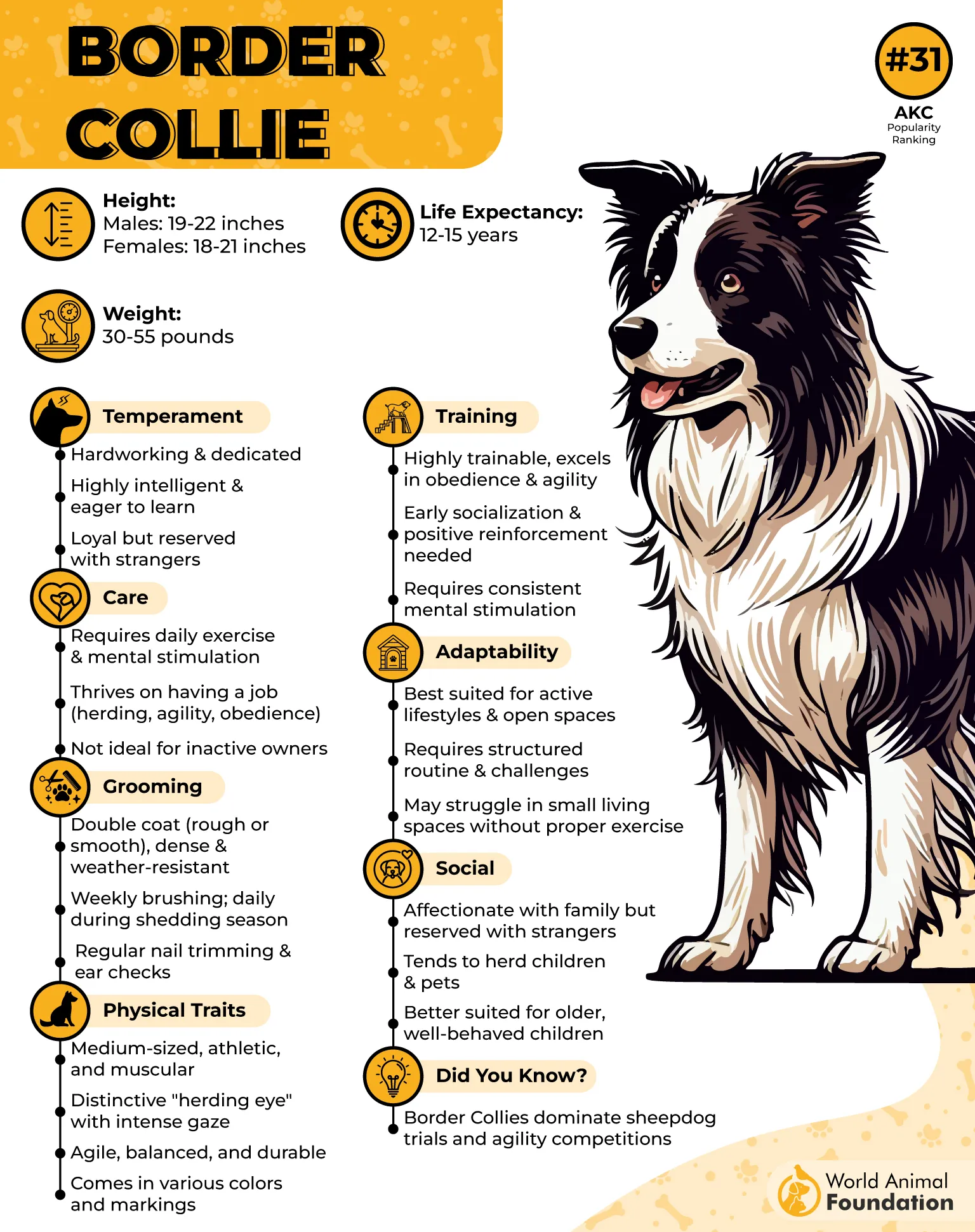
But here’s the catch: Border Collies were bred to herd sheep, and in their eyes, kids can look a lot like a flock that needs rounding up.
Brainiacs of the dog world – love learning and showing off their smarts.
Bundles of energy – happiest when they’re active and engaged.
Natural herders – may try to herd children without training.
Loyal companions – bond deeply with their families.
Without training, you might find your children suddenly being “herded” into corners by a determined little furball. Luckily, with some guidance, they quickly learn that kids are playmates, not sheep.
WebMD noted they can suffer from separation anxiety, making them a poor fit for homes where they spend most of the day alone.
The Border Collie is best for families who love staying active and don’t mind a dog that’s just as much a teammate as a pet. With the right balance of regular exercise, training, and love, they’ll reward you with loyalty, laughter, and maybe the occasional attempt to organize your household.
3. Cavalier King Charles Spaniel
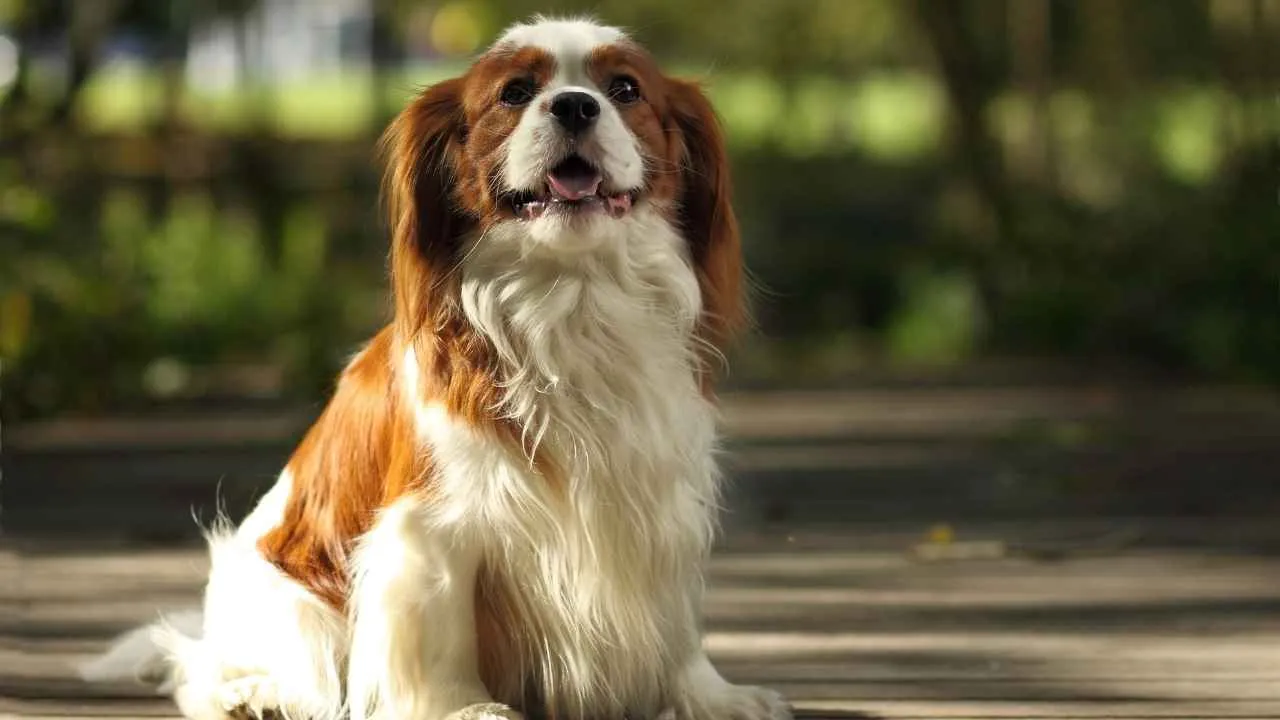
With those big, soulful eyes and gentle expressions, Cavalier King Charles Spaniels have mastered the art of melting hearts at first sight. These dogs were originally bred to keep laps warm in drafty castles and during cold carriage rides.
With their sweet temperament and affectionate nature, they’re a wonderful option for first-time dog owners. These little charmers are affectionate through and through, making them naturals when it comes to therapy work.
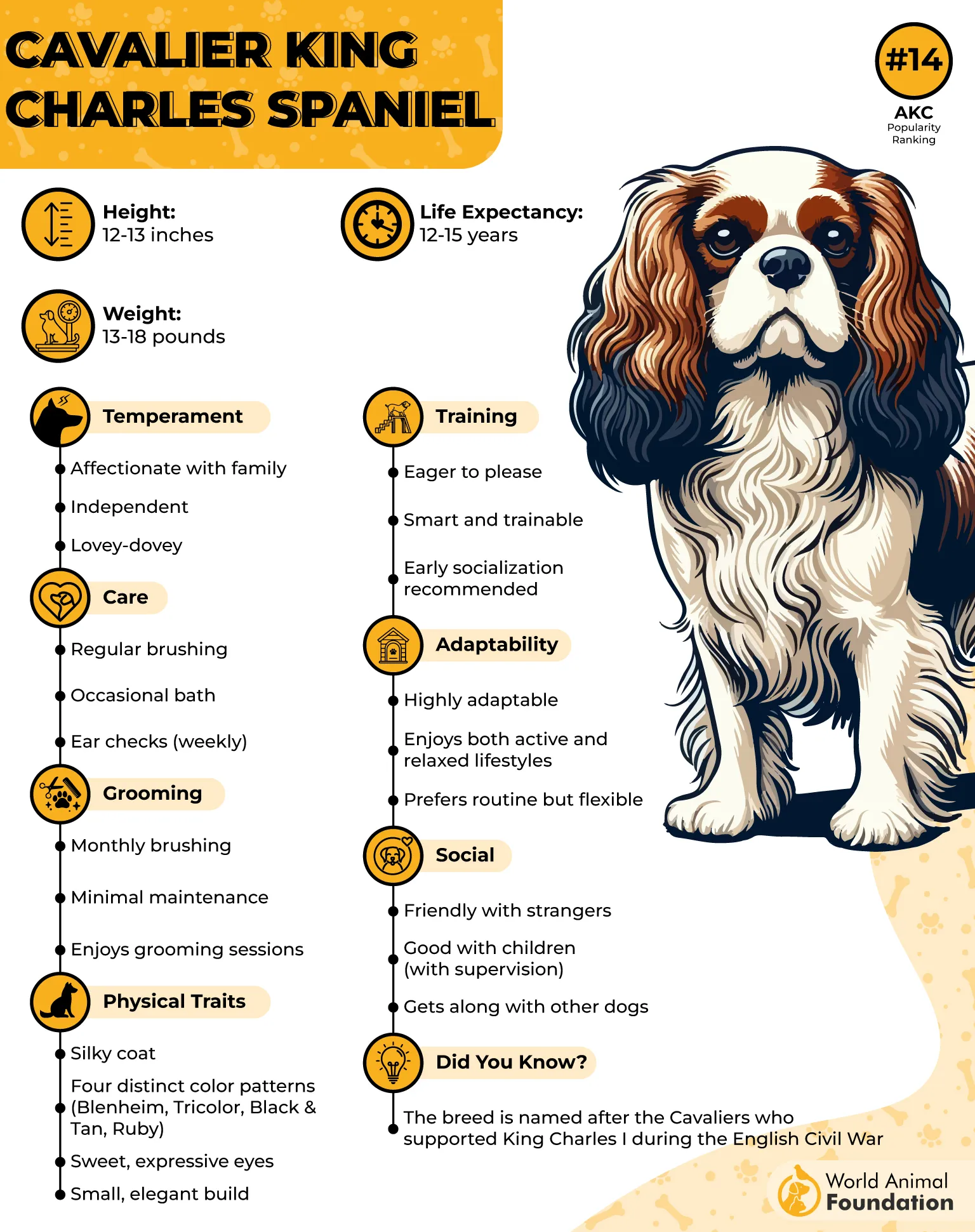
Whether it’s cheering up children, comforting adults, or quietly keeping company in a nursing home, Cavaliers know how to spread calm and love wherever they go, these service dogs are experts at snuggles, gentle companionship, and being the emotional anchor their humans need.

Professional snugglers – happiest curled up in a warm lap.
Gentle and approachable – friendly nature with people of all ages.
Perfect size – small enough for apartments, nursing homes, or cozy spaces.
Emotional support naturals – thrive on bonding and comforting their humans.
Their petite size is another plus—they fit perfectly on laps and don’t take up much space, which makes them ideal for environments where a Great Dane might not be so practical. And if you’re looking for a pup who thrives on closeness, Cavaliers are more than happy to oblige.
The Cavalier King Charles Spaniel is like a living, breathing hug—always ready to offer comfort with a wagging tail and a soft cuddle. For anyone in need of a furry dose of affection, this little spaniel is a perfect fit.
4. Irish Setter

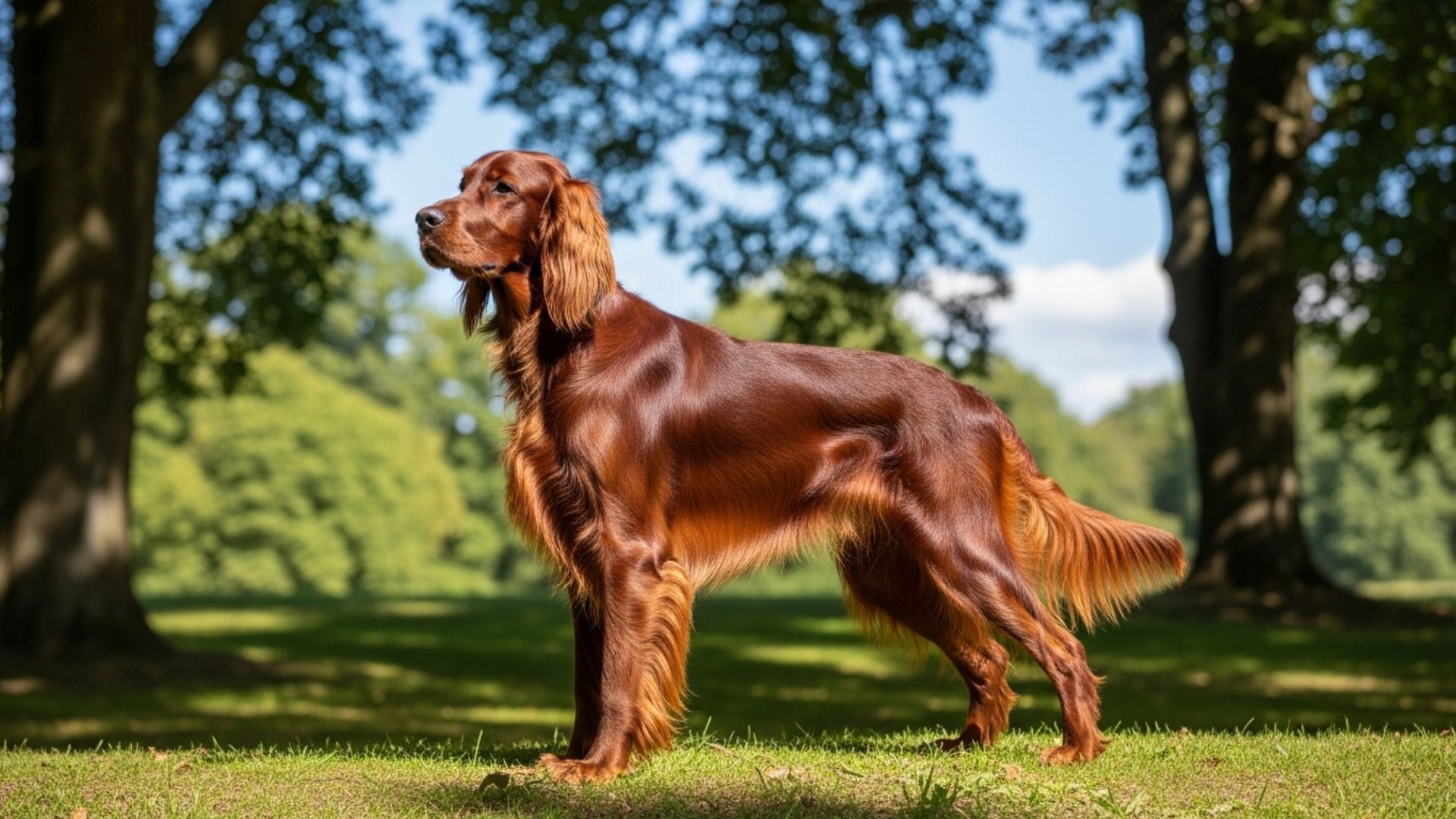
Irish Setters are the red-headed charmers of the dog world—affectionate, energetic, and absolutely convinced that every person they meet is their new best friend.
With their flowing mahogany coats and goofy grins, they bring both beauty and boundless joy wherever they go. These high-energy dogs don’t just walk into a room; they bounce into it, ready to spread love like confetti.
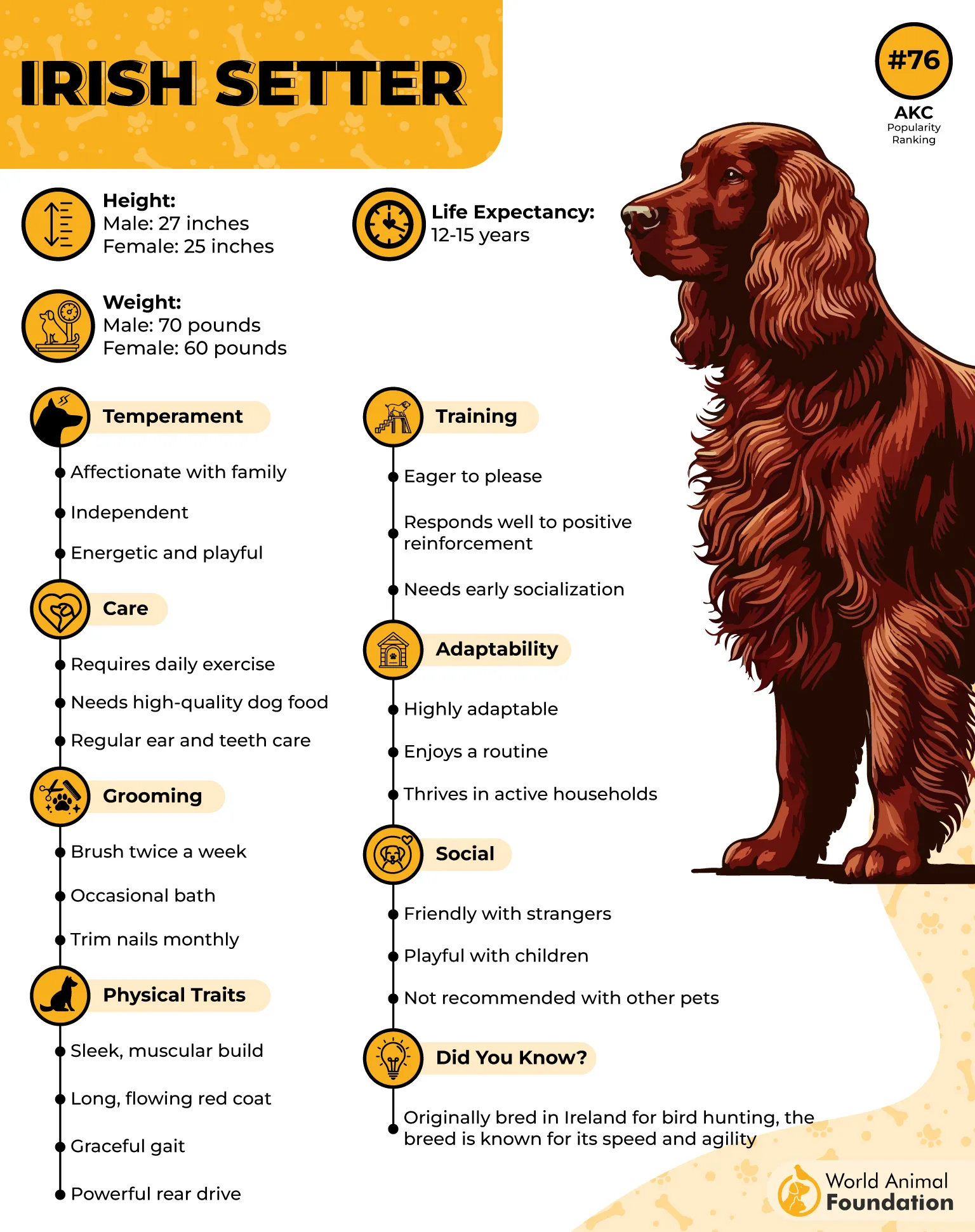
Now, a little fair warning: Irish Setters have enthusiasm levels set to maximum. They’re so thrilled to greet people that sometimes their well-meaning affection comes with a bit of momentum—like accidentally toppling over a small child while trying to say hello.
Social butterflies – adore people and thrive on attention.
High-energy pals – love running, playing, and being outdoors.
Big-hearted greeters – sometimes a little too enthusiastic with children.
Trainable with love – positive reinforcement works wonders.
The good news? With early training (and plenty of treats, because these dogs are food-motivated sweethearts), they quickly learn how to channel that love in gentler, more controlled ways.
At their core, Irish Setters are affectionate companions who can brighten even the cloudiest of days. For families or individuals who want a therapy dog with both heart and humor, this red-coated bundle of joy is always ready to deliver hugs, laughs, and maybe the occasional flying tackle of affection.
5. Pug

Pugs may be small, but their personalities are larger than life. With their squishy faces, expressive eyes, and happy-go-lucky nature, these little clowns bring laughter and comfort in equal measure—making them surprisingly effective therapy dogs.
PetMD noted that once adored by royalty worldwide, the Pug has grown into a beloved and popular breed today.
Their cheerful outlook on life is downright contagious, which is why they connect so beautifully with children, especially those with neurodevelopmental disorders like autism. A Pug’s ability to bond and uplift is one of their superpowers.
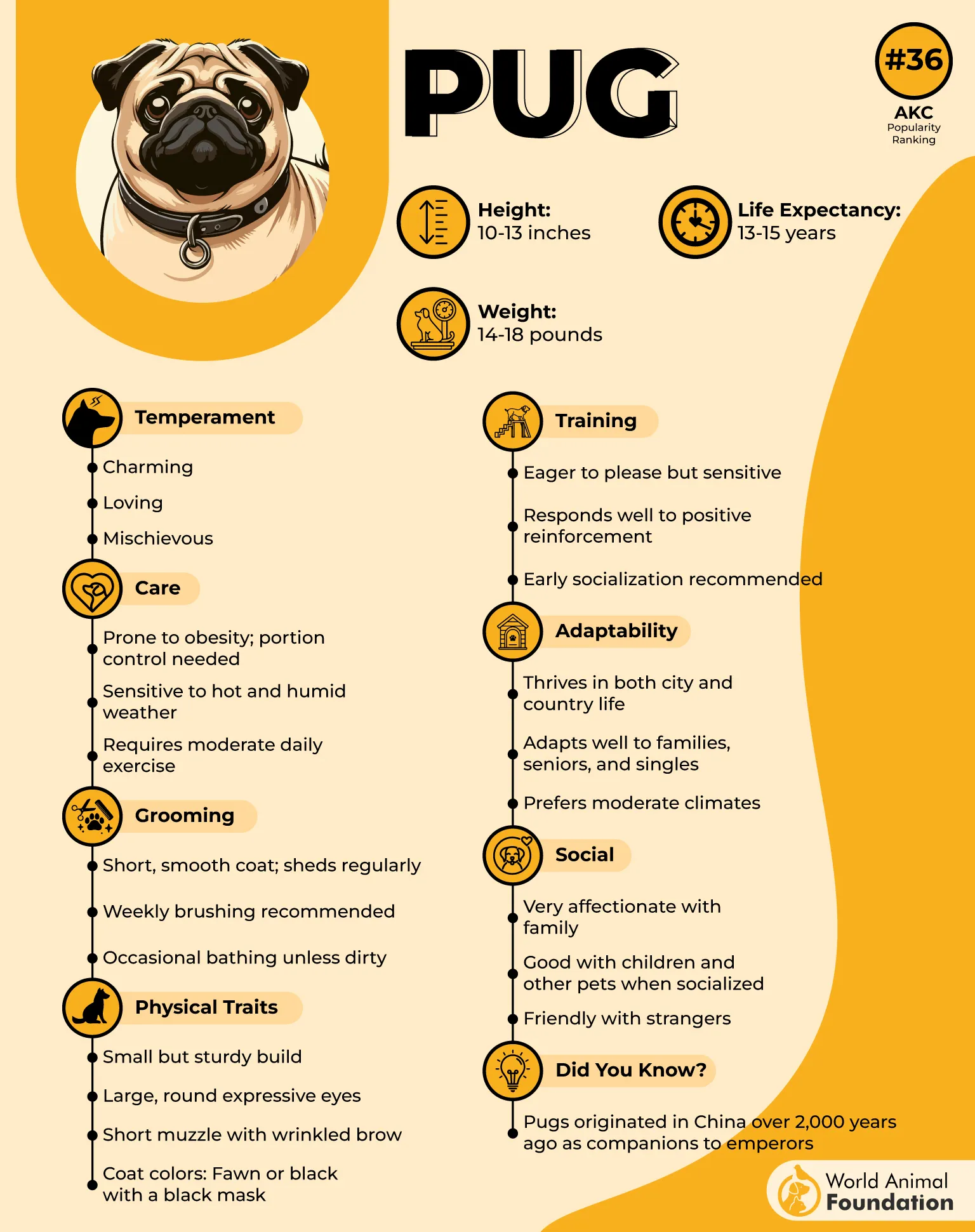
That said, Pugs aren’t just silly sidekicks. They’re sensitive, emotionally intelligent, and have an uncanny knack for knowing when someone needs comfort. Their enthusiasm can brighten up a room in seconds, and their eagerness to please makes them wonderful partners for emotional support.
Natural comedians – their goofy expressions and antics always entertain.
Child-friendly – bond especially well with kids, spreading enthusiasm and joy.
Emotional support pros – sensitive and attuned to human feelings.
High-energy pals – better suited for those who enjoy play and activity.
It’s true, though—Pugs are little balls of boundless energy. They’re best suited for families or individuals who enjoy a bit of playtime and don’t mind the occasional case of the “zoomies.”
If you’re looking for a super chill lap potato, a Pug might be too excitable. But if you’re after joy, silliness, and heartwarming companionship, they’re hard to beat.
At the end of the day, a Pug is like a pint-sized dose of happiness. They’ll keep you laughing, comfort you when you’re down, and probably steal your spot on the couch—all in the same afternoon.
6. Beagle
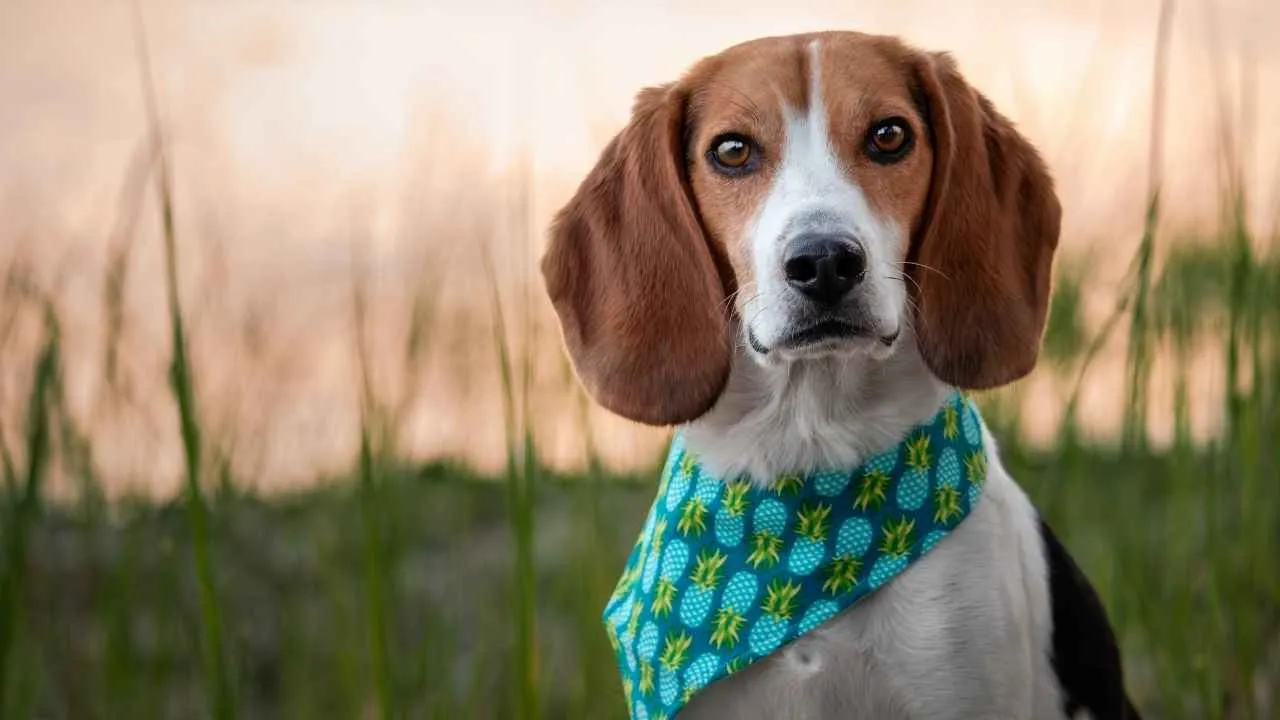
Beagles may be small in size, but they’ve got hearts (and noses) bigger than life itself. With their floppy ears and soulful eyes, they already look like therapy dogs straight out of a storybook.
But it’s not just their looks—Beagles are naturally calm, good-natured, and wonderfully friendly breed, which makes them perfect candidates for spreading comfort wherever they go. What’s especially lovely about Beagles is their flexibility.
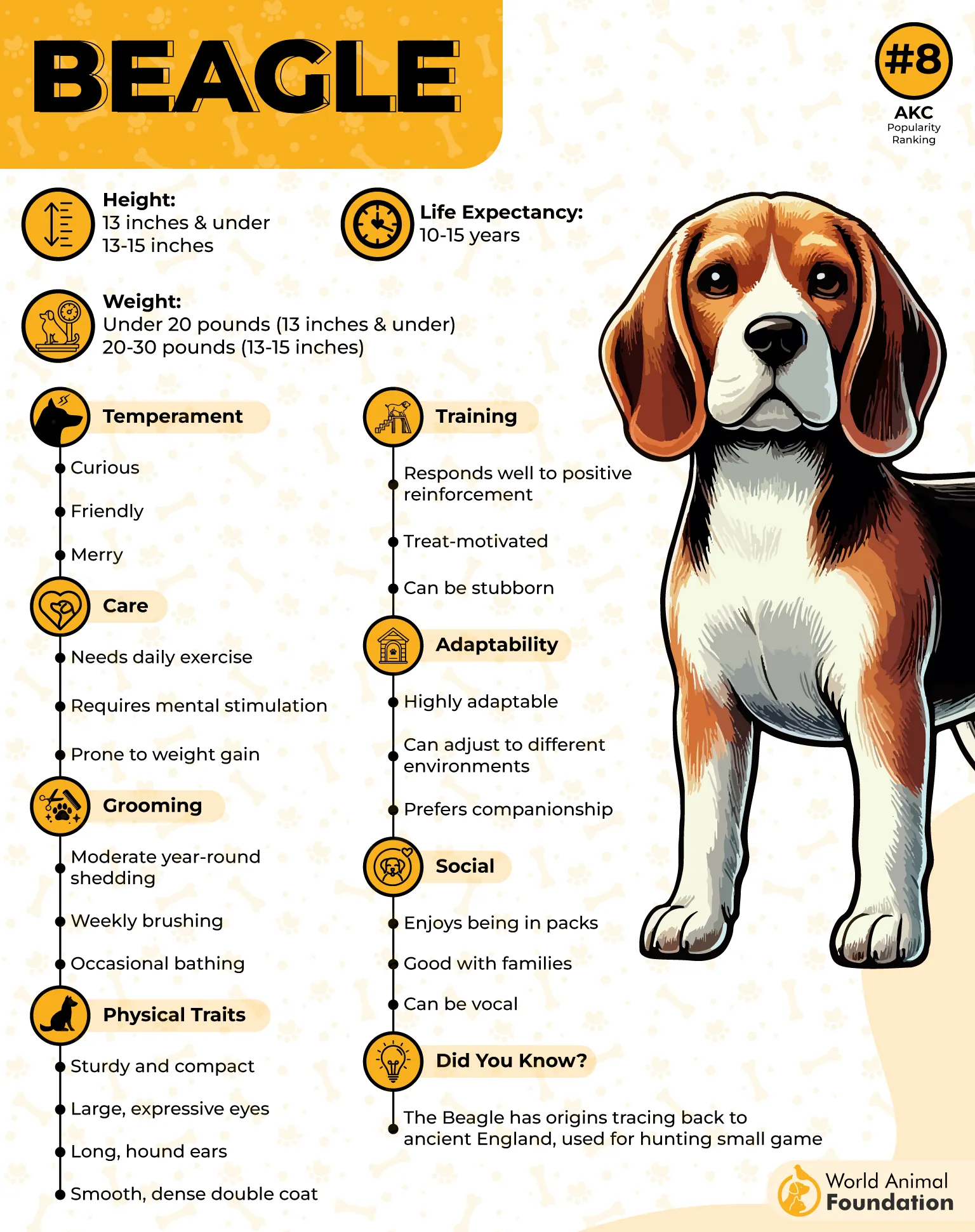
They can happily trot alongside someone who wants a walking buddy, or just as easily curl up for a cuddle session with someone who needs quiet companionship. That mix of energy and calm makes them especially suited for people with mobility challenges or those who simply love a dog that can “do it all.”
And then, of course, there’s the nose. A Beagle’s sense of smell is legendary—so powerful that some can be trained to detect changes in blood sugar levels or even sniff out medical conditions. (Basically, if you leave a sandwich unattended, it doesn’t stand a chance.)
Gentle by nature – calm, well-mannered, and easy to train.
Adaptable buddies – happy to play or lounge, depending on what’s needed.
Apartment-friendly – compact size works well for smaller homes.
Super sniffers – incredible noses that can even help in medical alert work.
In short, Beagles are lovable little companions who bring warmth, loyalty, and maybe a touch of mischief to every home. Whether they’re providing comfort, sharing a snuggle, or investigating smells that don’t exist to anyone else, Beagles make life brighter in the best possible ways.
7. Poodle
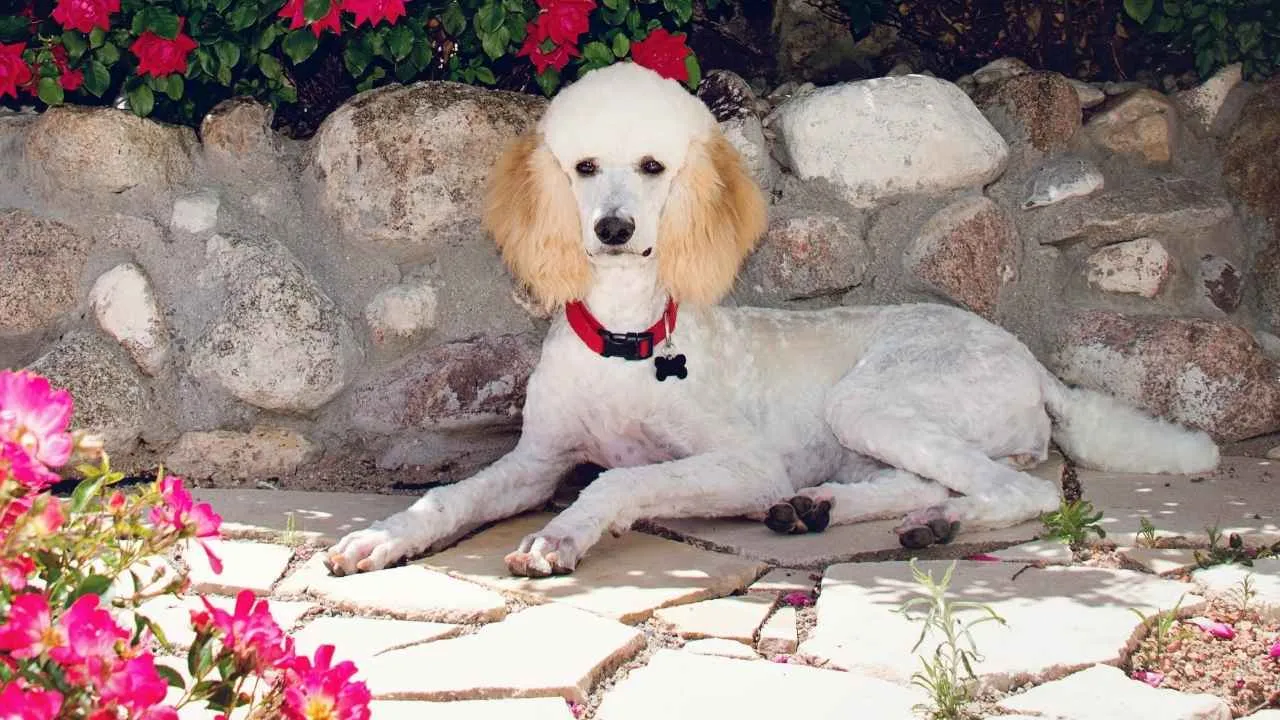
No list of therapy dogs would be complete without the ever-brilliant Poodle. Don’t let their fancy curls fool you—beneath that stylish coat is one of the smartest, most trainable dogs around.
What really sets Poodles apart is their combination of intelligence and sensitivity. They’re quick learners with laser-like focus, which makes them easy to train for complex tasks.
At the same time, they’re deeply attuned to human emotions, often sensing stress or sadness and stepping in with quiet comfort or gentle encouragement.
For people with disabilities, Poodles can be more than just companions—they can be cooperative partners who help establish structure, routines, and even confidence in daily life. And because they come in three sizes (toy, miniature, and standard), there’s a Poodle to suit nearly every home and lifestyle.
Brainy and trainable – pick up tasks and commands with ease.
Eager to please – thrive in settings where cooperation is key.
Emotionally intuitive – quick to notice and respond to human feelings.
Versatile sizes – from small lap buddies to larger service partners.
Poodles thrive when given a job, and in a therapy or emotional support role, their eager-to-please nature makes them absolute stars.
Confident, courageous, and endlessly loyal, Poodles bring both brains and heart to therapy work. They’re not just pets—they’re partners in healing, routine, and joy.
Conclusion
For individuals with mental health challenges or those seeking a loyal companion, certain breeds like Labrador Retrievers, German Shepherds, and Pembroke Welsh Corgis excel at offering support through human interaction and therapy dog roles.
Friendly dogs such as Boston Terriers, Shih Tzus, French Bulldogs, and small dogs with short coats bring joy, playful antics, and a big personality to homes, making them ideal furry friends for spending time, playing fetch, or simply being present. These dogs thrive with daily walks, moderate exercise, and engagement with other dogs, other pets, or other animals in the household.
Their eager-to-please personality and affectionate nature make them sensitive to human needs, whether in animal rescue settings or loving homes. Playful dogs that might be left alone for short periods adapt well when owners provide consistent attention. Ultimately, choosing the right companion enhances life for extra special people, turning each day in the house into meaningful, joyful moments of love, connection, and playful interaction.
