




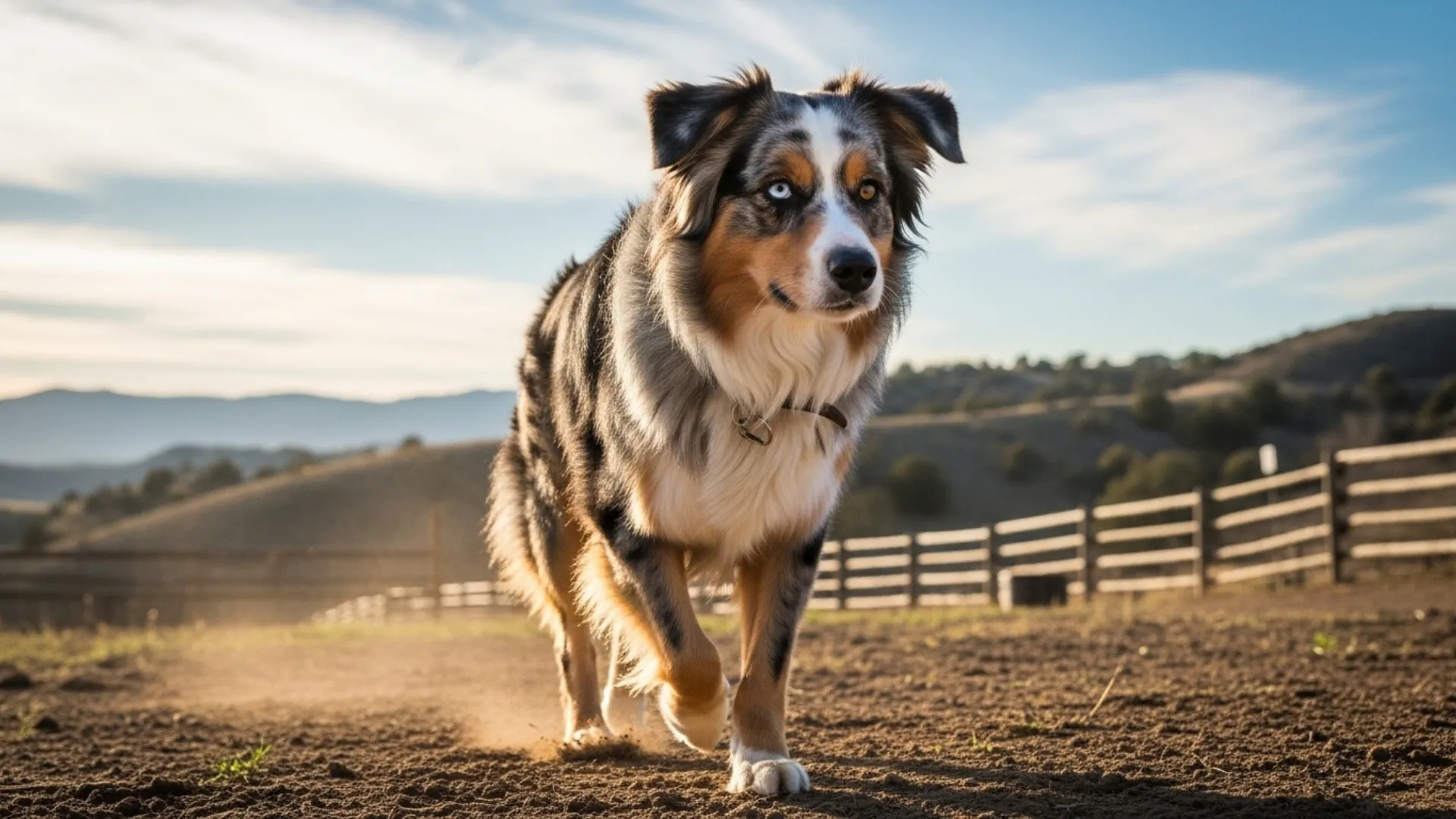
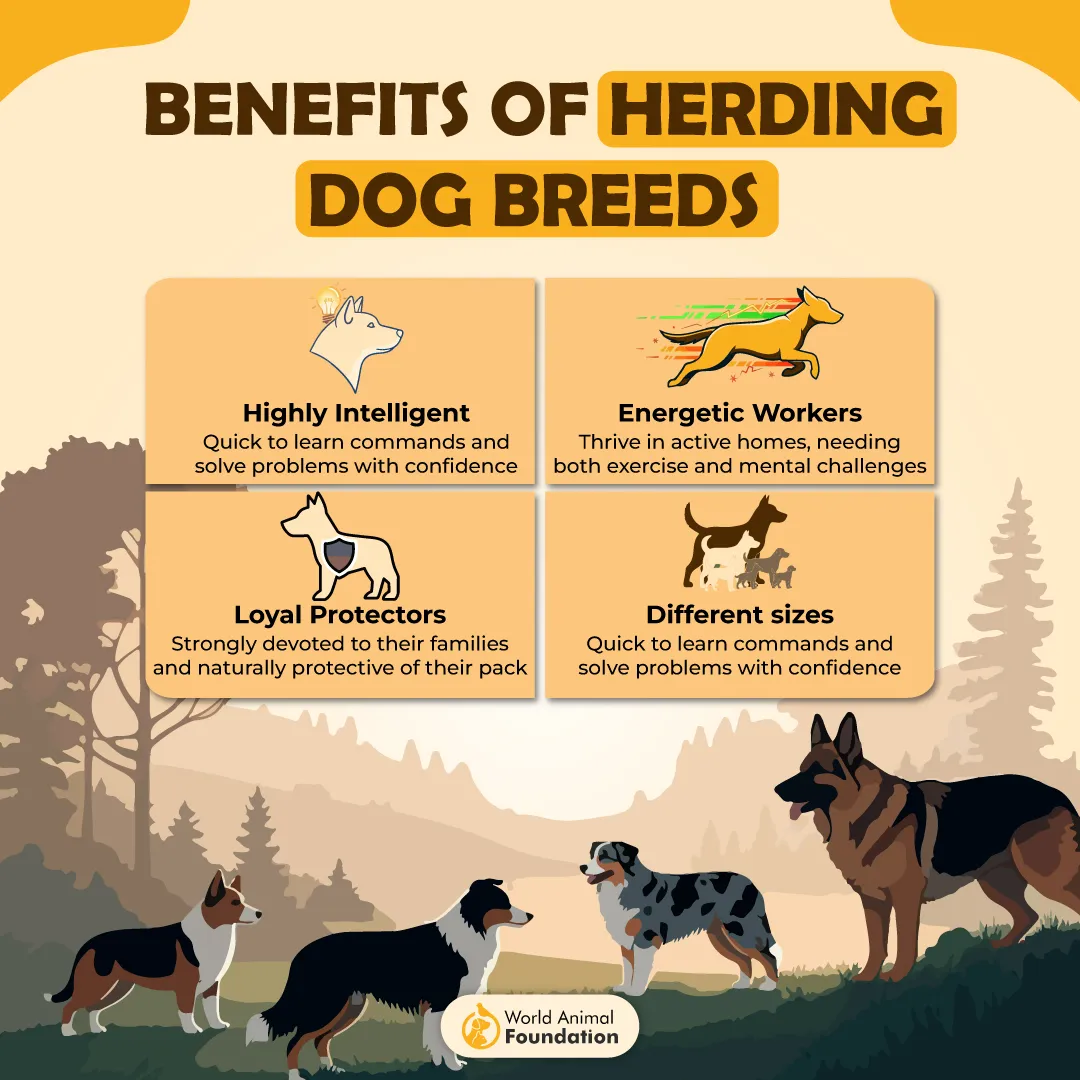
Long before modern roles in homes and security, herding dogs earned their reputation on open fields and rugged ranches, where intelligence, strength, and instinct were essential for survival.
Originally classified under the Working Group until 1983, these breeds were specifically developed to guard livestock—guiding, gathering, and guarding animals with remarkable precision.
What sets them apart is their natural ability to control movement, often without formal training, using focus, body language, and stamina.
Today, that same instinct makes them invaluable beyond farms. Many herding breeds are trusted in demanding roles such as protection, search operations, and law enforcement, thanks to their alertness and quick decision-making skills.
Despite their tough working background, they are also known for forming strong bonds with families. Their protective nature can even show up in subtle ways, like gently guiding children or staying watchful at all times.
In this list of seven powerful herding breeds, you’ll discover dogs that combine loyalty, intelligence, and an unmatched work ethic—perfect for ranching, guarding, and devoted companionship.
Strong Dog Breeds Built for Herding, Ranching, and Guarding
1. Bergamasco Sheepdog
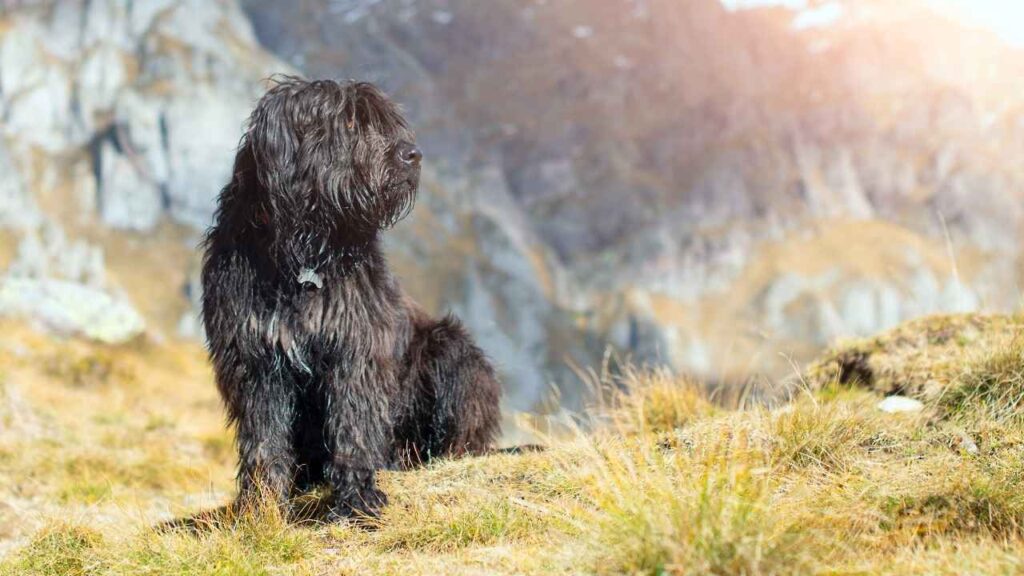
The Bergamasco Sheepdog stands out as one of the most resilient and intelligent herding breeds, with a history stretching back nearly 2,000 years.
Believed to have originated in Asia and later brought to Europe by nomadic shepherds, this breed was refined in the Alpine regions of Italy and Switzerland for demanding livestock work, as noted by Omlet US.
What truly sets the Bergamasco apart is its independence—once trained, it can manage and move flocks without needing constant human commands, making it exceptionally reliable for remote ranching environments.
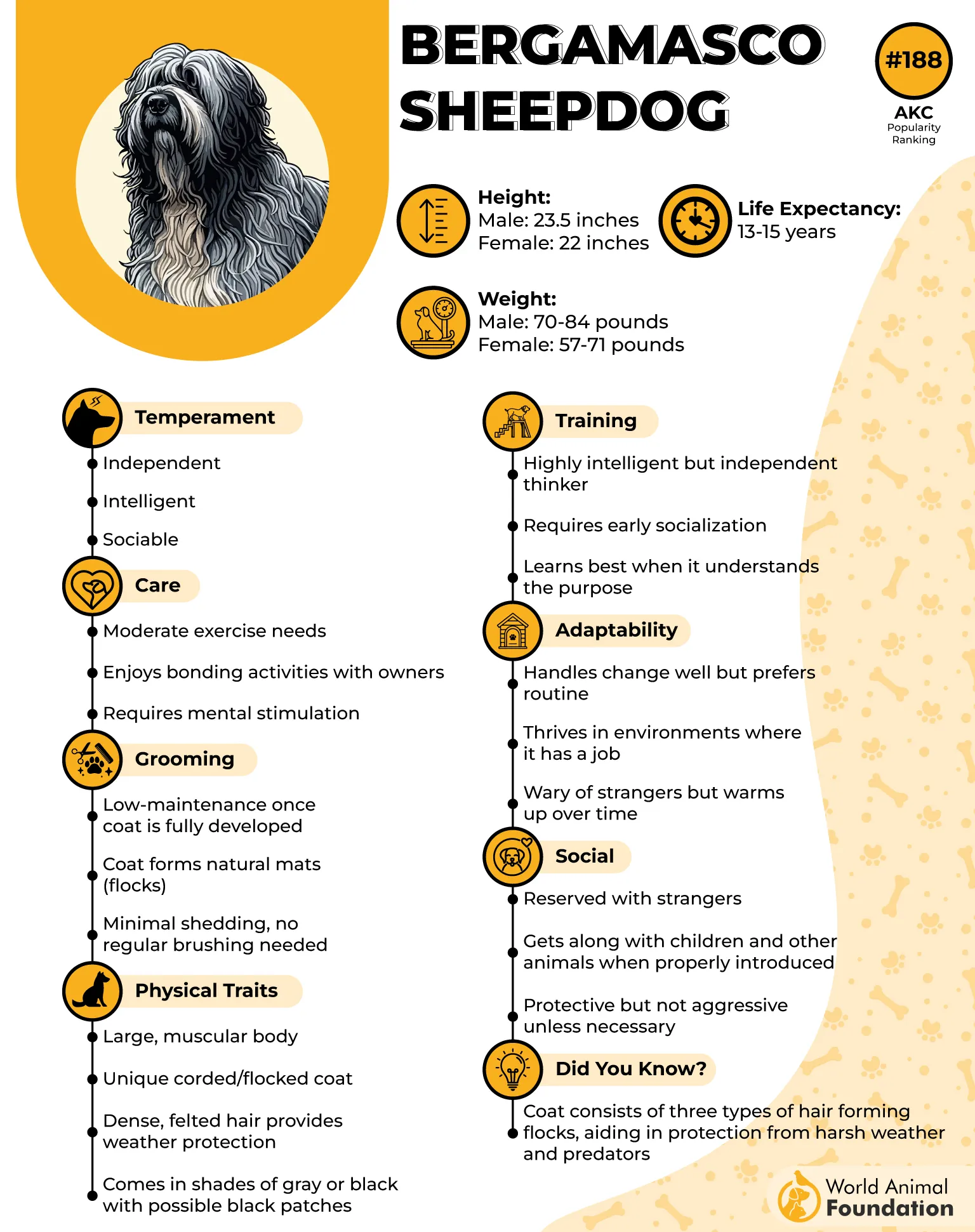
Strong, sturdy, and highly perceptive, the Bergamasco is capable of both sheep herding and cattle herding with calm authority.
Its natural guarding instinct ensures it remains watchful over its territory, quickly alerting its owners to anything unusual without displaying unnecessary aggression.
This balance of vigilance and composure makes it both an effective protector and a trustworthy working partner.
Today, beyond its traditional herding role, the breed is also cherished as a loyal and affectionate family dog with a steady, dependable nature.
2. Australian Shepherd
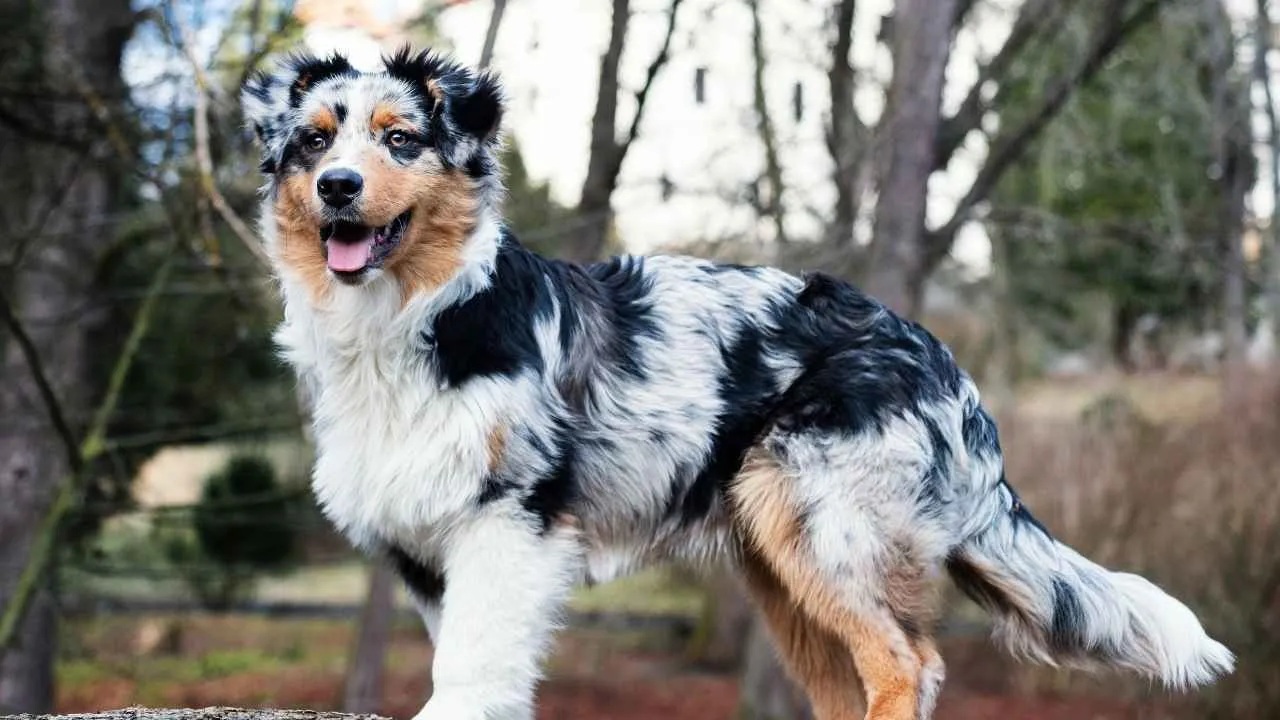
The Australian Shepherd, famously nicknamed the “Aussie,” is a powerhouse of energy, intelligence, and herding instinct, making it a top choice for ranchers and active dog owners alike.
Despite its name, this breed was largely developed in the United States, where it became a favorite companion of cowboys as a livestock guardian dog breed across vast ranges, as mentioned by Purina.
Built for endurance and quick thinking, the Australian Shepherd excels at controlling movement—whether it’s herding sheep, cattle, or even smaller animals with impressive precision.
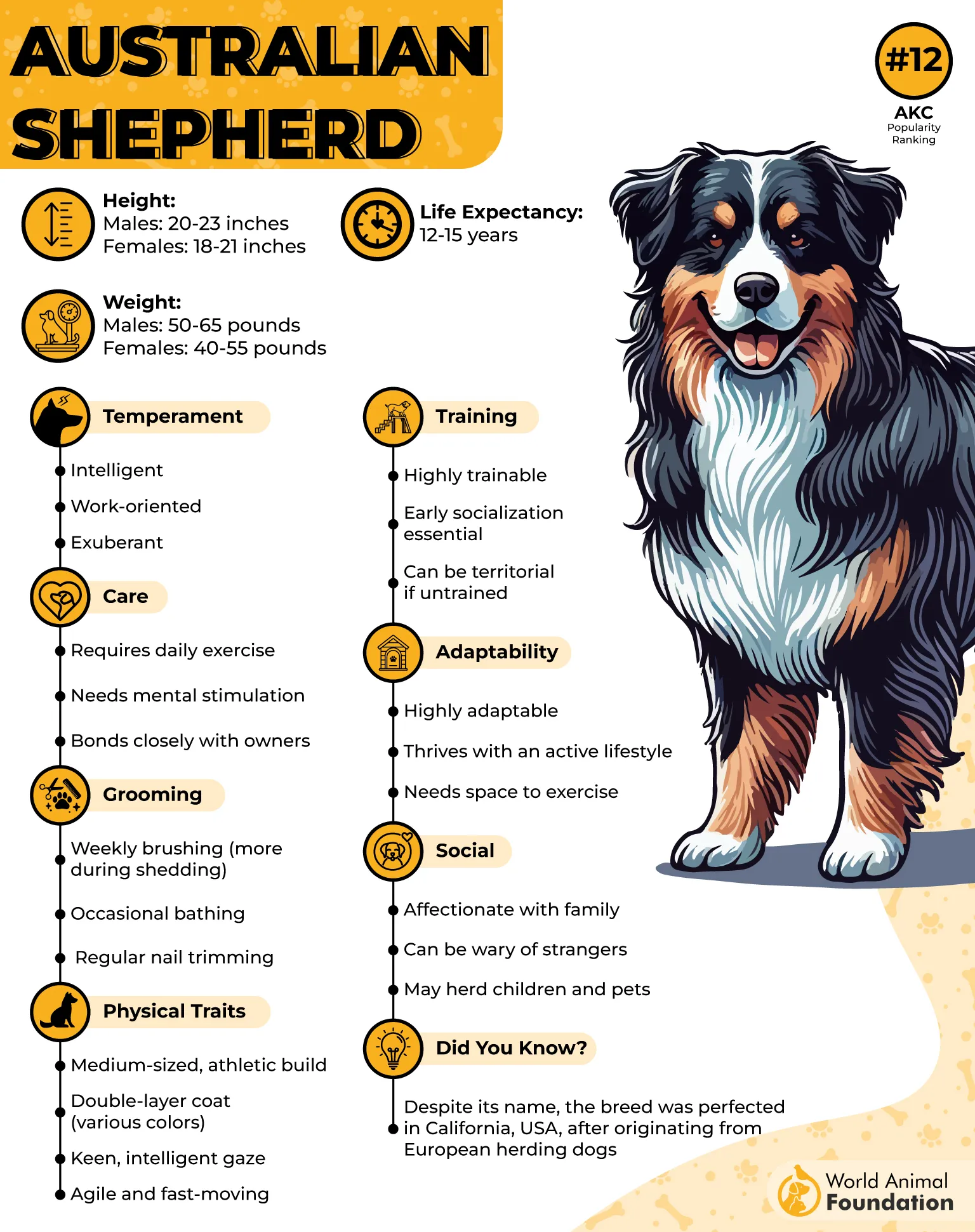
Highly intelligent and eager to work, Aussies thrive when given a job to do.
Their natural herding and guarding instincts make them alert and responsive, often stepping in to organize their surroundings—even if that means gently herding children or other animals.
With their boundless energy, they require plenty of physical activity, including long walks, hikes, or running sessions.
They also shine in competitive dog sports such as agility, obedience, and herding trials. Loyal, driven, and versatile, the Australian Shepherd is a true working partner and a great companion.
3. Beauceron
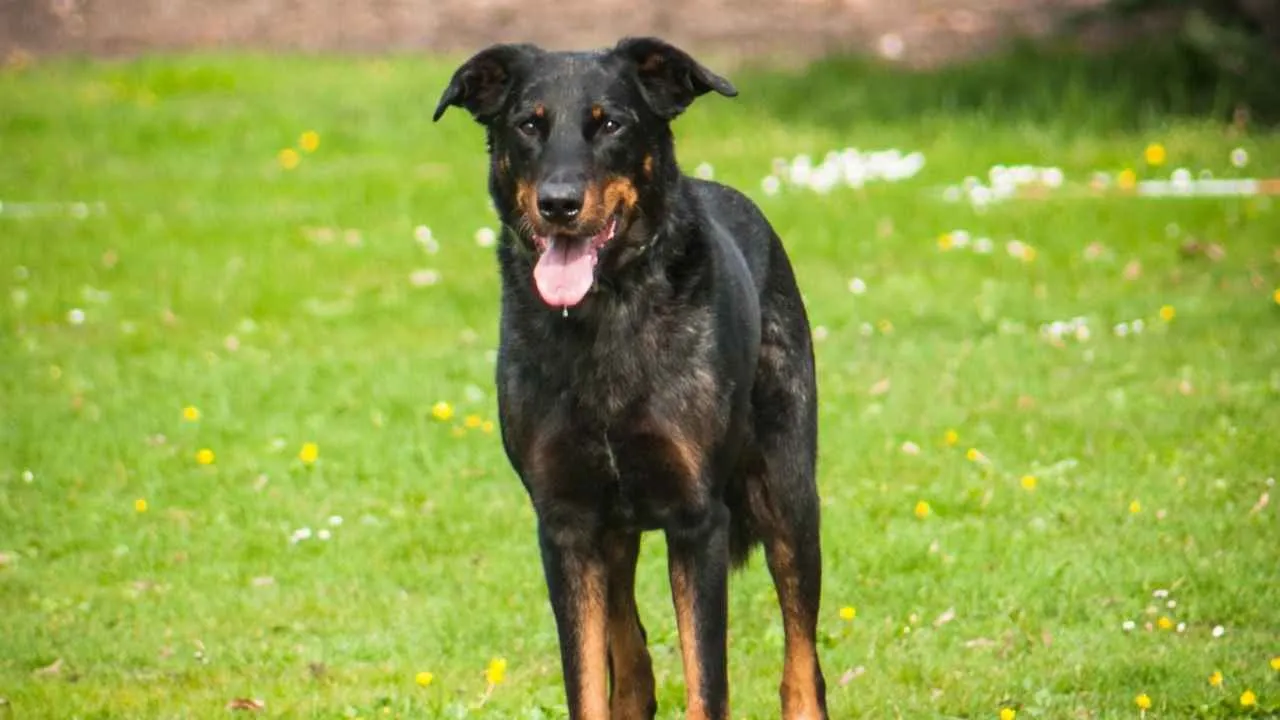
The Beauceron is a commanding and powerful herding breed, originating in France to manage and protect large flocks of sheep—sometimes as many as 300 at a time.
Built for stamina and intelligence, this muscular dog combines strength with sharp decision-making, making it a reliable partner for both herding and guarding duties.
Its striking appearance, marked by a sleek black coat with rich mahogany accents, reflects its bold and confident nature.
Highly energetic and driven, the Beauceron thrives when given meaningful work. This is not a breed suited for a passive lifestyle; it requires an experienced and assertive handler who can provide proper training and leadership.
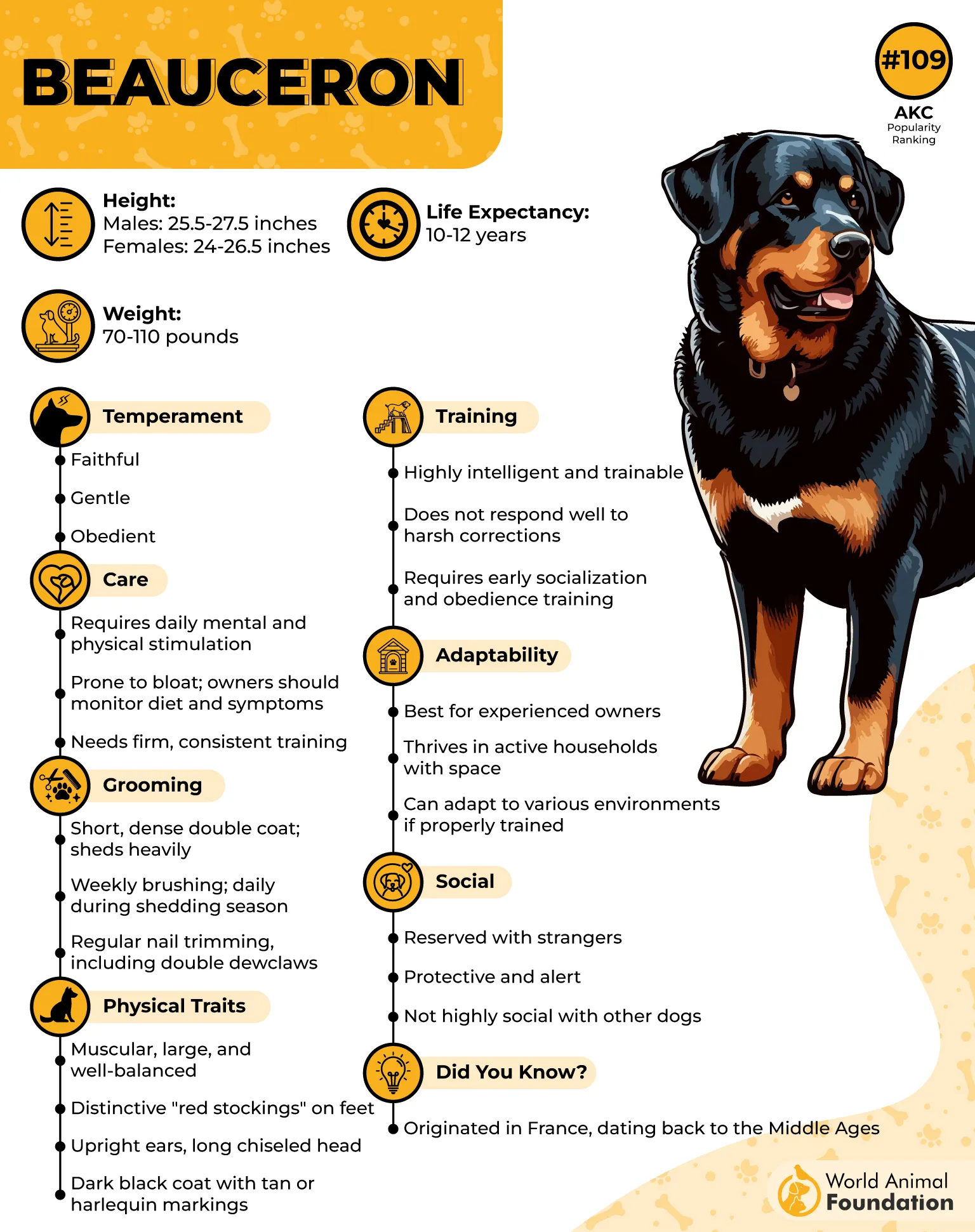
Advanced obedience work and structured activities are essential to channel its strong will and instincts.
When not working with livestock, Beaucerons excel in activities like Treibball, where they creatively use their herding skills to control large exercise balls.
Unlike many working breeds, they are not hunters but focused herders and effective guardians, known for loyalty, vigilance, and an unwavering work ethic.
4. Pyrenean Shepherd
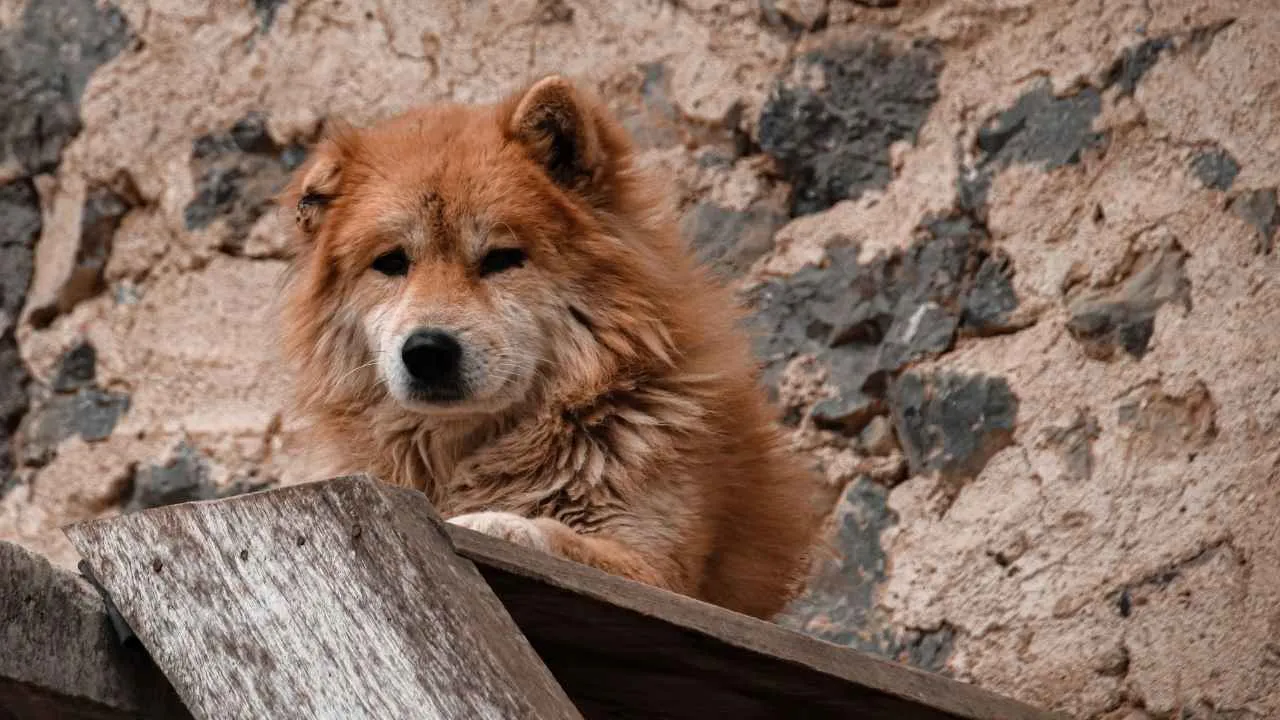
The Pyrenean Shepherd is a small but incredibly tough herding dog breed, packed with energy, intelligence, and relentless drive.
Originating from the rugged Pyrenees Mountains, this ancient sheepdog was bred to work tirelessly across steep terrain, guiding flocks with speed and precision, as the AKC mentioned.
Don’t let its size fool you—this lean, sinewy dog is built for endurance and agility, making it a powerhouse on any ranch.
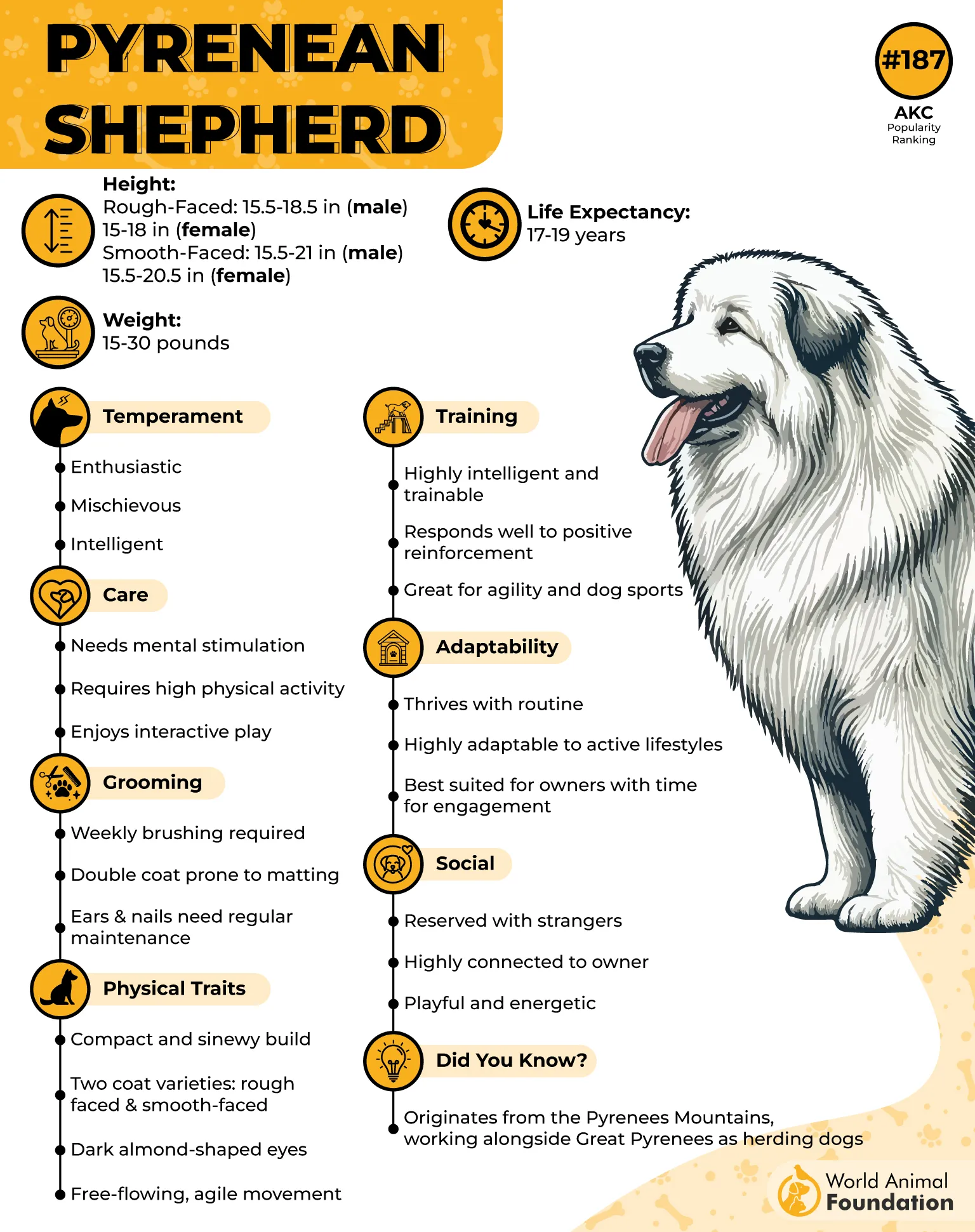
Recognizable in both rough-faced and smooth-faced coat varieties, the Pyrenean Shepherd combines sharp awareness with quick reflexes.
Its alert, almond-shaped eyes reflect a clever and watchful nature, essential for protecting livestock and responding instantly to changing situations. Always ready for action, this breed thrives on responsibility and purpose, making it an exceptional herding partner.
Without proper outlets for its energy, the Pyrenean Shepherd can become restless, as it was bred for constant movement and mental engagement.
Whether working with livestock or participating in high-energy activities, it excels when given a job. Loyal, spirited, and highly driven, this breed embodies the true essence of a hardworking herder.
5. Bouvier Des Flandres
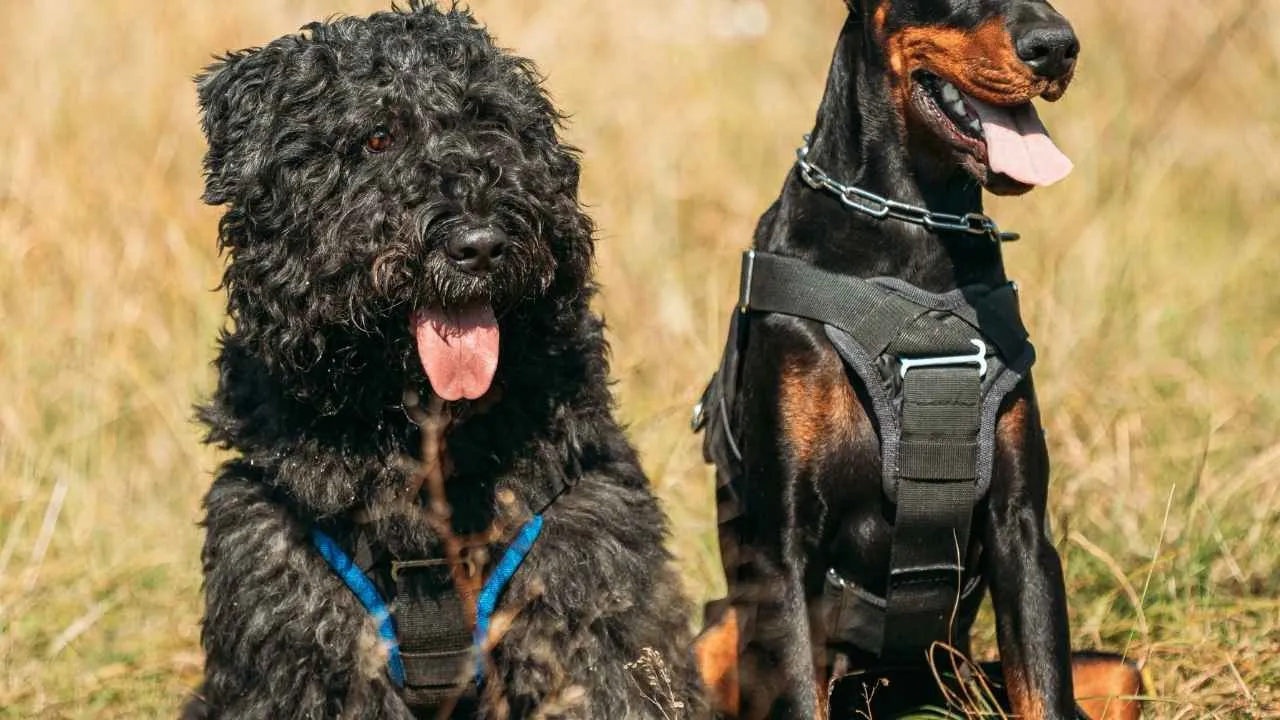
The Bouvier des Flandres is a rugged and dependable working dog, built for strength, endurance, and serious responsibility on the farm.
Originally developed in Belgium for herding cattle and pulling carts, this powerful breed quickly earned a reputation as both a skilled livestock guardian and a fearless guardian.
With its solid build and confident demeanor, this cattle dog or farm dog has a strong protective instinct, making it an excellent watchdog that remains constantly alert to its surroundings.
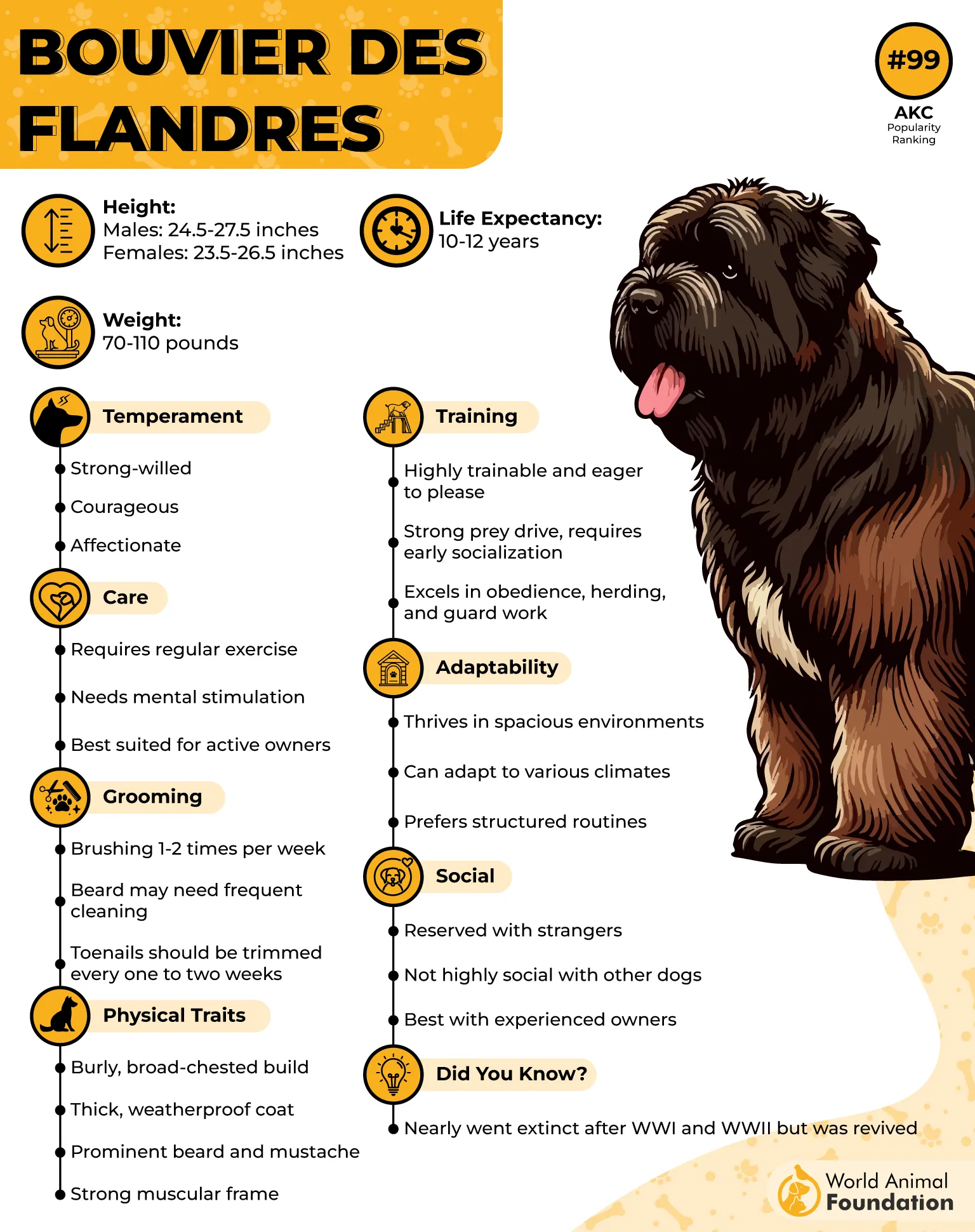
Known for its strong will and independent thinking, the Bouvier des Flandres thrives under the guidance of an experienced owner who can provide structure, training, and plenty of space to work.
This is not a passive companion—it excels when given tasks that challenge both its body and mind. From herding trials to advanced obedience and other dog sports, the breed performs with focus and determination.
Loyal and steady, these great family dogs form deep bonds with their families while maintaining a calm demeanor yet watchful presence. Their combination of power, intelligence, and guarding instinct makes them exceptional for herding, ranching, and protection roles.
6. Belgian Malinois
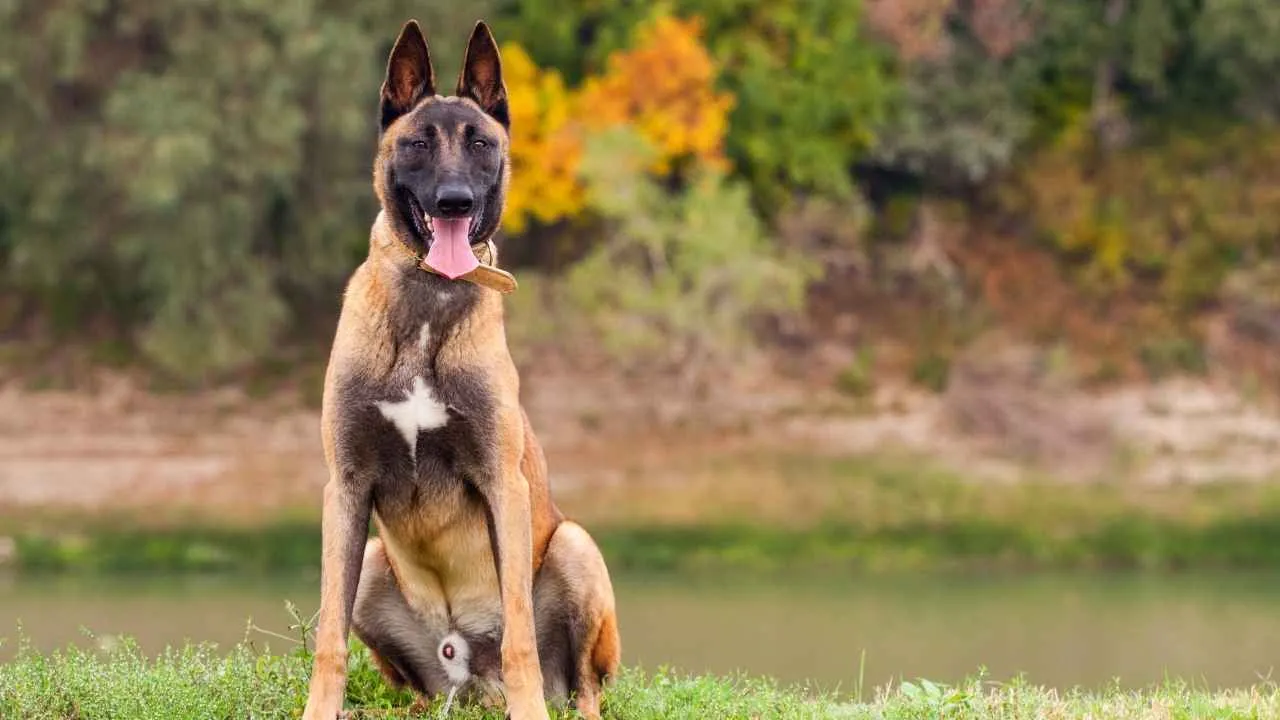
The Belgian Malinois is widely regarded as one of the most formidable guard dogs among herding breeds, combining sharp intelligence with unmatched vigilance, as noted by Orvis.
Originally bred for herding, this powerful and athletic dog has evolved into a top choice for protection work, known for its ability to monitor surroundings and respond instantly to potential threats.
Its alert posture and confident presence alone can deter intruders, making it a natural guardian of property and livestock.
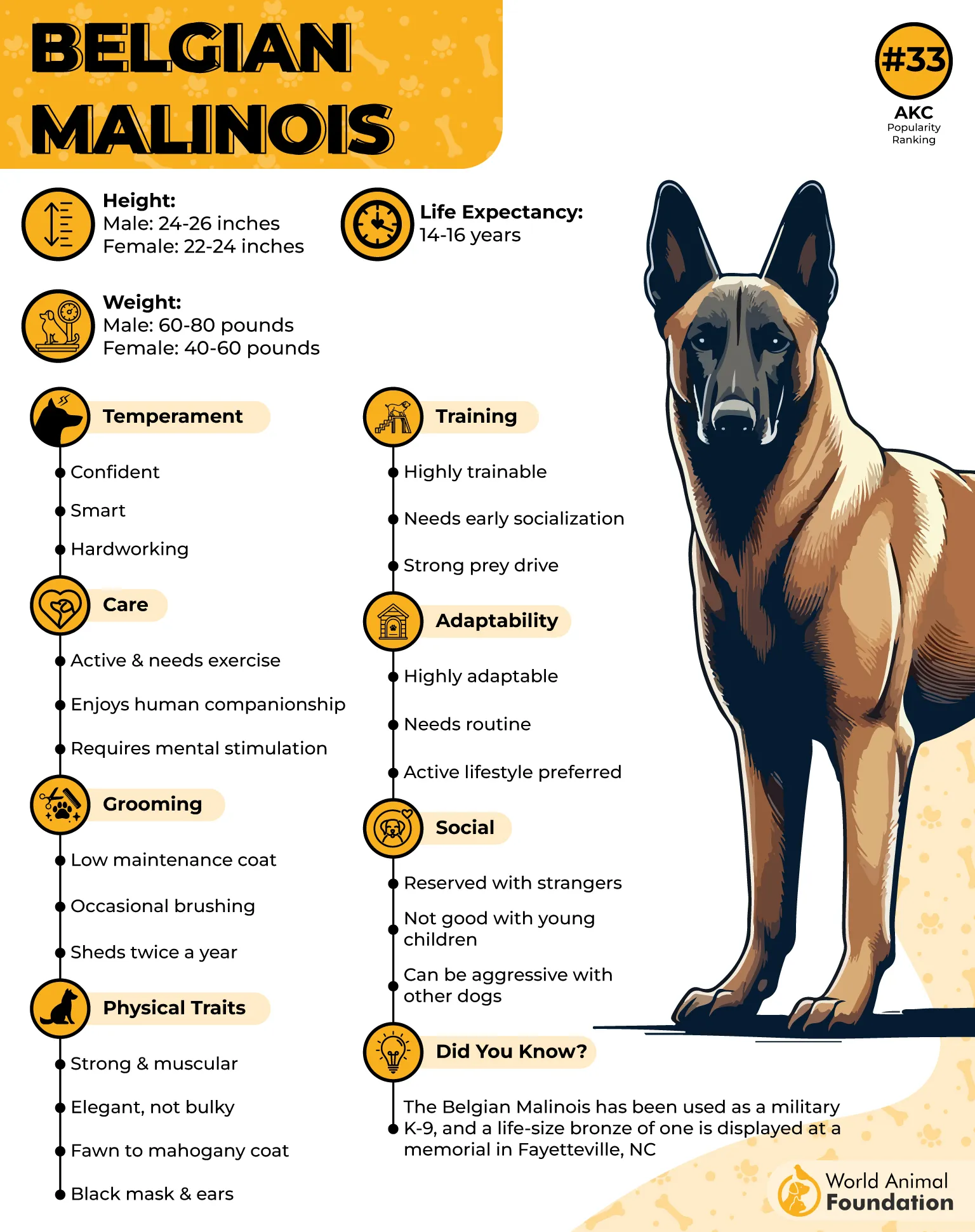
Highly energetic and driven, the Belgian Malinois demands constant physical activity and mental stimulation. Without proper engagement, it can quickly become bored and develop destructive habits such as excessive barking or chewing.
This protective dog thrives in environments where it has a clear purpose, whether through training, work, or active play.
Though deeply loyal and bonded to its family, it can be wary of strangers and requires early socialization to ensure balanced behavior.
With its agility and strength—even capable of scaling obstacles—this breed needs secure spaces and attentive handling. Focused, intense, and hardworking, the Belgian Malinois excels in herding, ranching, and guarding roles.
7. Pembroke Welsh Corgi
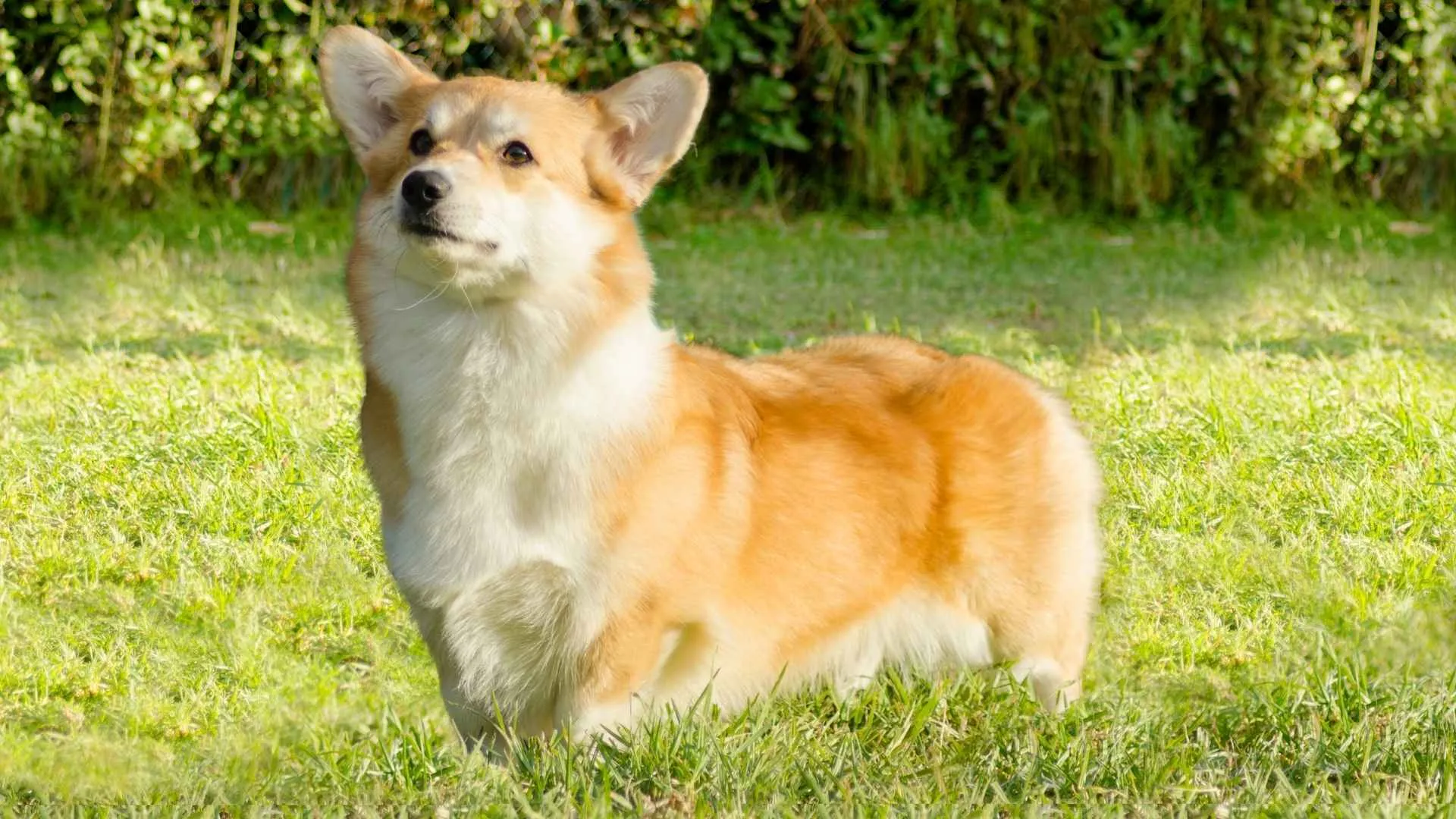
The Pembroke Welsh Corgi may be small in stature, but it is a surprisingly powerful and hardworking herding dog with a big personality and even bigger drive.
Originally bred to herd cattle, this low-set breed uses its agility and quick reflexes to manage livestock efficiently, often nipping at heels while skillfully avoiding kicks.
Its long body and short legs might seem limiting, but in reality, they enhance its ability to move swiftly and stay close to the ground during herding tasks.
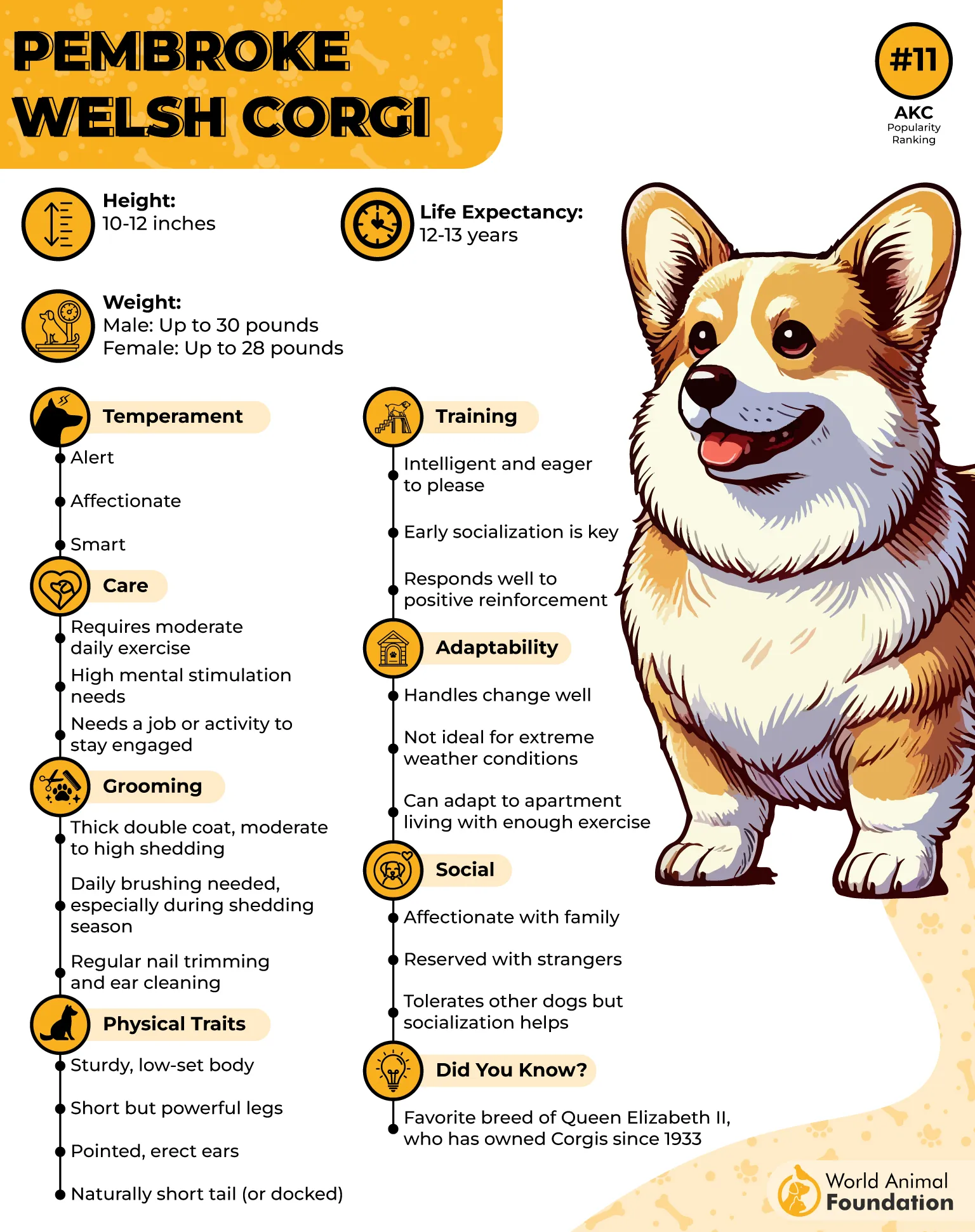
Corgis are energetic and intelligent dogs, requiring regular exercise and consistent mental stimulation to stay happy and well-behaved. Without enough activity, they may develop habits like excessive barking, digging, or chewing.
Their strong herding instinct can also lead them to “round up” children or other pets, making early training and supervision essential.
Despite their working roots, Corgis are affectionate companions who thrive in active households. They excel in dog sports like agility and herding games such as Treibball, proving that even compact dogs can dominate in herding, ranching, and guarding roles.
Conclusion
Herding dogs represent the perfect balance of strength, intelligence, and instinct, shaped by generations of working alongside humans in demanding environments.
Whether managing livestock, guarding property, or supporting active households, these dogs thrive when given purpose and direction.
Their loyalty, alertness, and adaptability make them far more than just working animals—they become trusted partners and devoted companions.
With proper training, exercise, and engagement, they can excel in both rural and modern settings, proving that their skills remain just as valuable and impressive today as they were centuries ago.
