




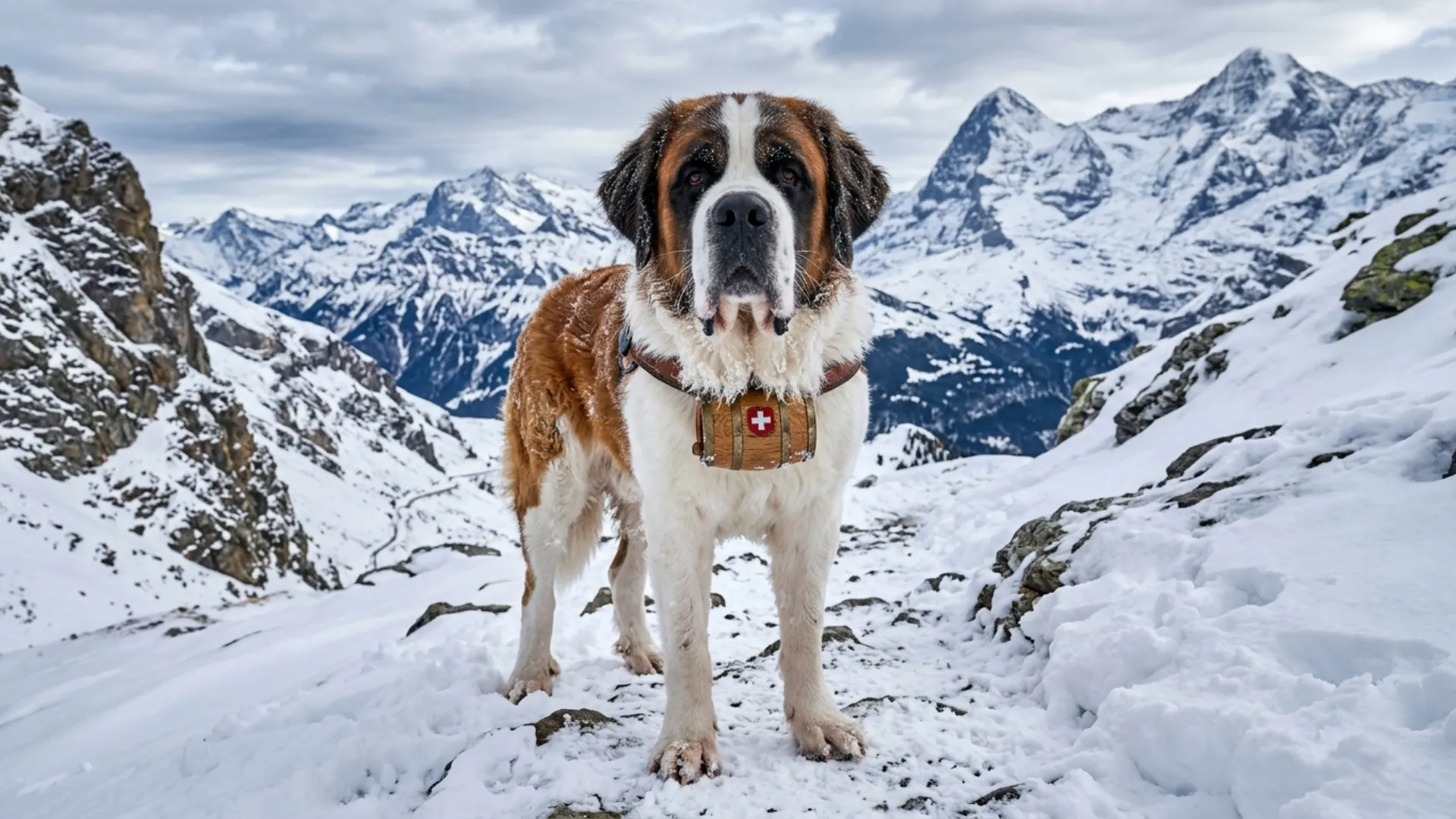
Some dogs aren’t just companions—they’re built for extreme conditions. Imagine a dog that can move easily through deep snow, icy winds, and rough terrain while staying strong, focused, and full of energy.
Certain working dogs are naturally designed for these environments, with thick double coats that trap warmth, sturdy bodies for endurance, and paw structures that help them grip slippery ground.
These dogs come from regions where survival depends on strength and adaptability. Over time, they’ve developed the ability to handle freezing climates far better than most other breeds.
Their natural build allows them to stay active and comfortable in cold weather, making them reliable partners in demanding environments.
What makes them even more impressive is their resilience and drive. They’re not only tough but also intelligent and highly responsive, often thriving when given tasks to do.
In this article, we’ll explore some of the most remarkable snow dog breeds built for extreme work in rough terrain and freezing temperatures.
Key Takeaways
Learn about dogs built for snow, storms, and survival—you’ll see what makes them unstoppable
From Siberian Husky to Saint Bernard, meet true cold-climate working legends
Fast workers, calm giants—every breed has a different kind of power
Tibetan Mastiff and Great Pyrenees show what real mountain guardians are like
Dog Breeds Built for Extreme Work in Rough Terrain and Cold Climates
1. Siberian Husky
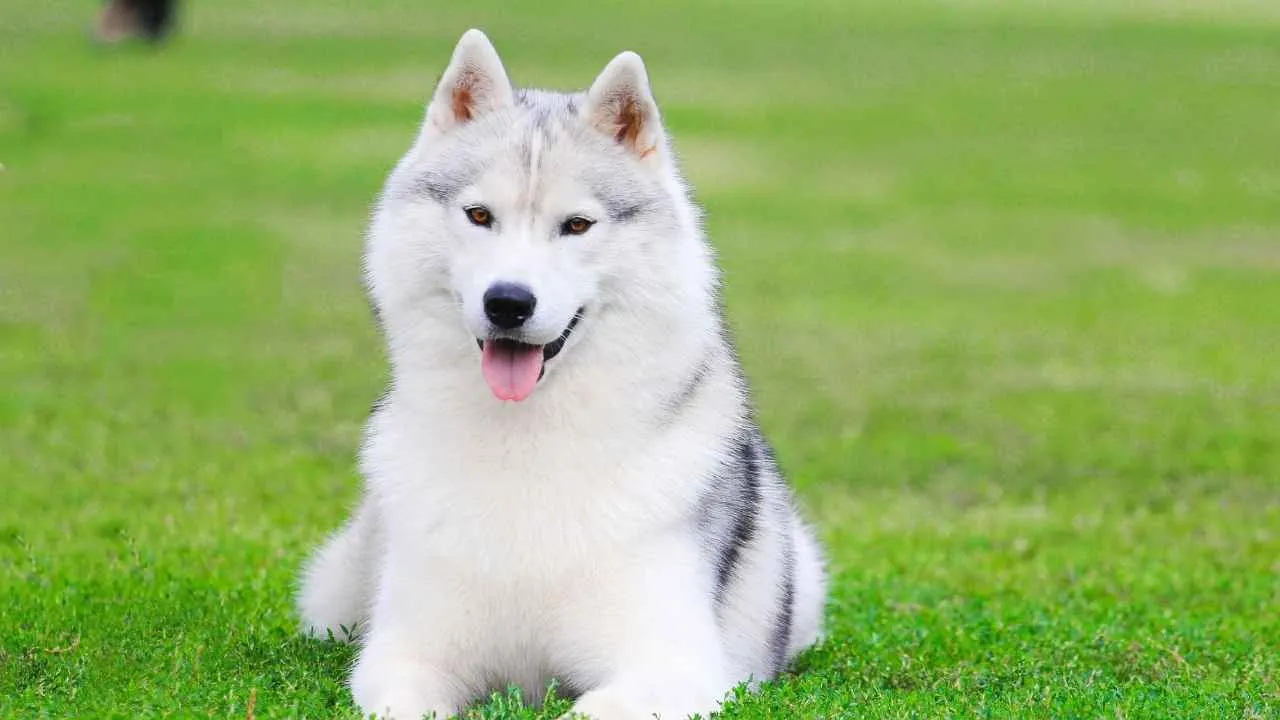
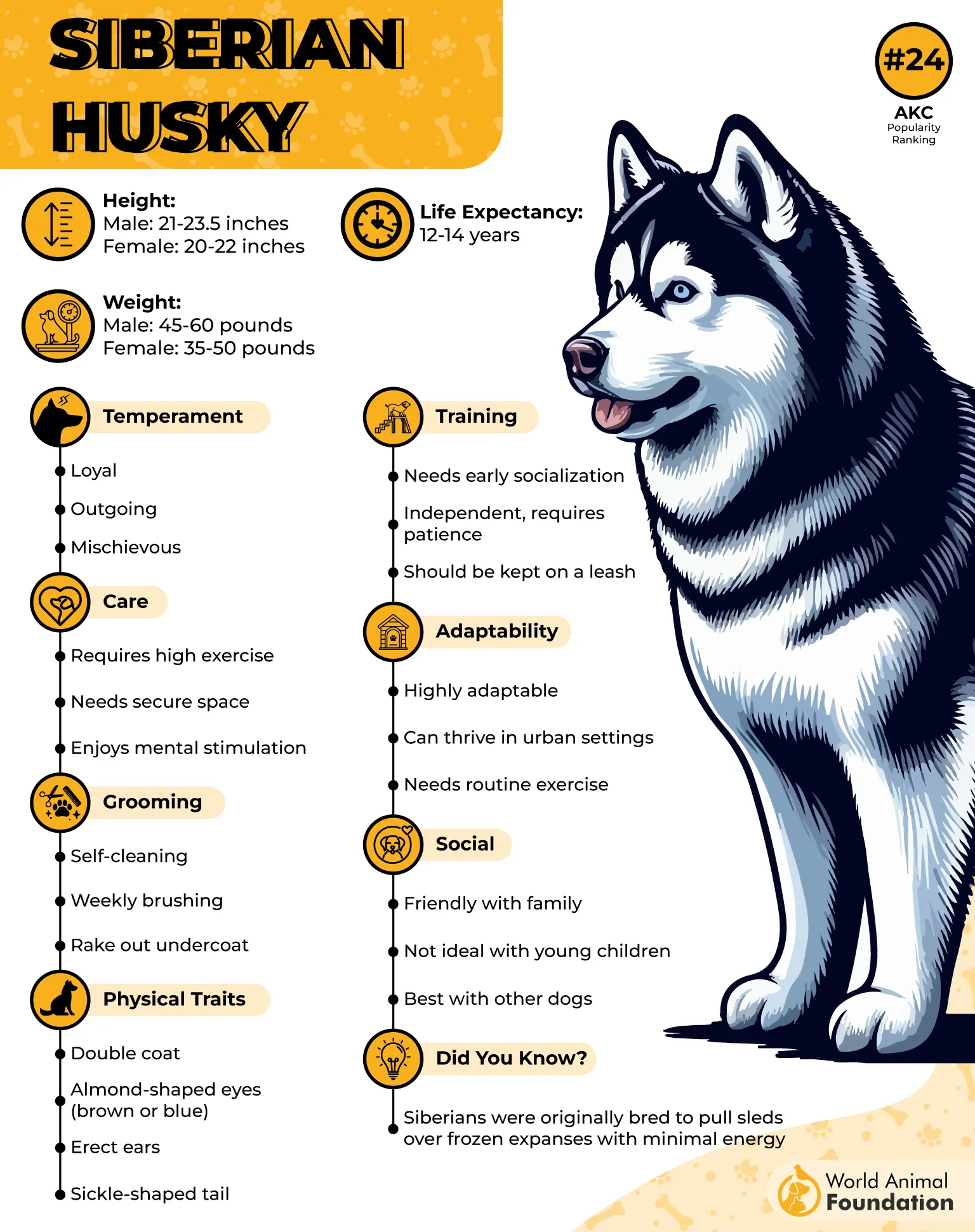
Siberian Huskies are powerful working dogs built for extreme cold and long-distance sled pulling. They are athletic, intelligent, and full of energy. These dogs are naturally independent and need constant activity.
Without enough exercise, they quickly become bored and mischievous. With proper care, they turn into loyal and fun companions who love adventure and movement in cold environments.
Personality and Working Nature
Huskies are social, confident, and playful. They enjoy people and usually get along well with other dogs. They are smart but also very independent, which makes training challenging.
They often listen only when they feel like it, so recall training is especially difficult. Britannica mentions they are friendly with strangers and are not suitable as guard dogs. Their personality is more like a team player than a protector.
Communication and Care Needs
These dogs are very vocal and expressive. They communicate through howls, chirps, and “talking” sounds. They are sensitive to human emotions and often mirror energy around them. If they do not get enough physical and mental activity, they may dig, chew, or try to escape.
They need early training, socialization, and clear routines. Siberian Huskies are best suited for active homes where their energy and working nature can be properly managed.
2. Alaskan Malamute
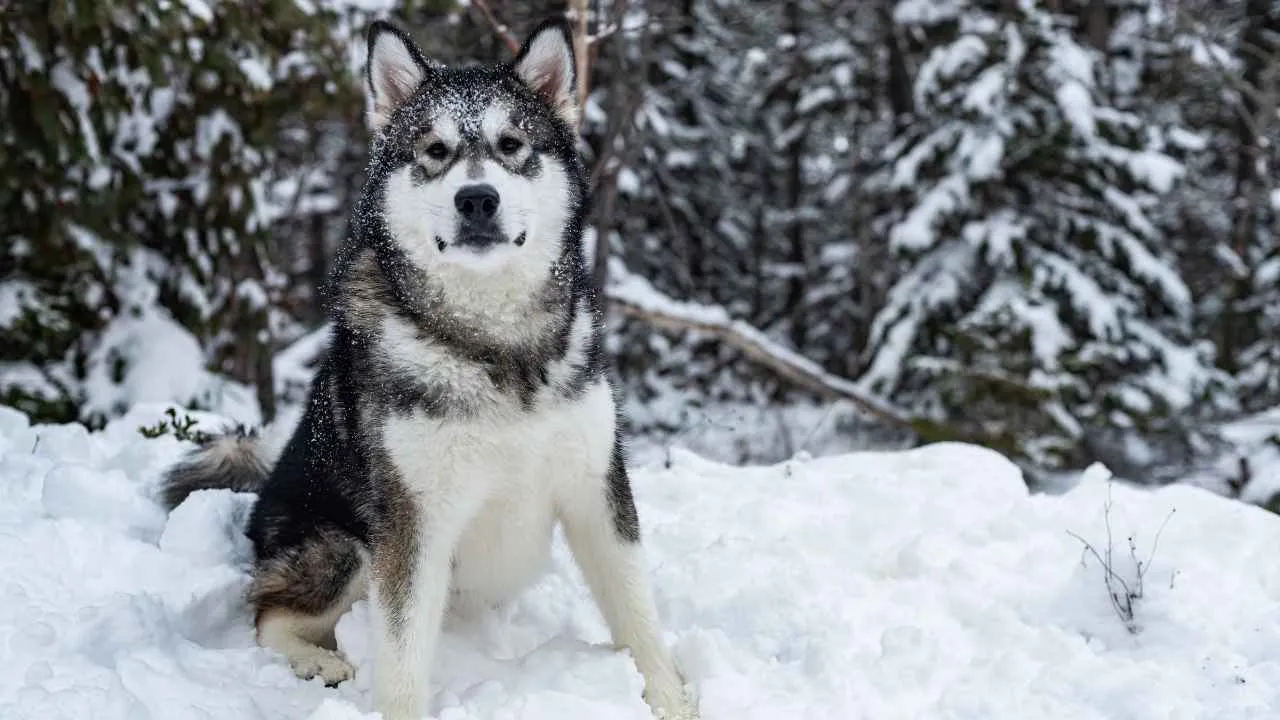
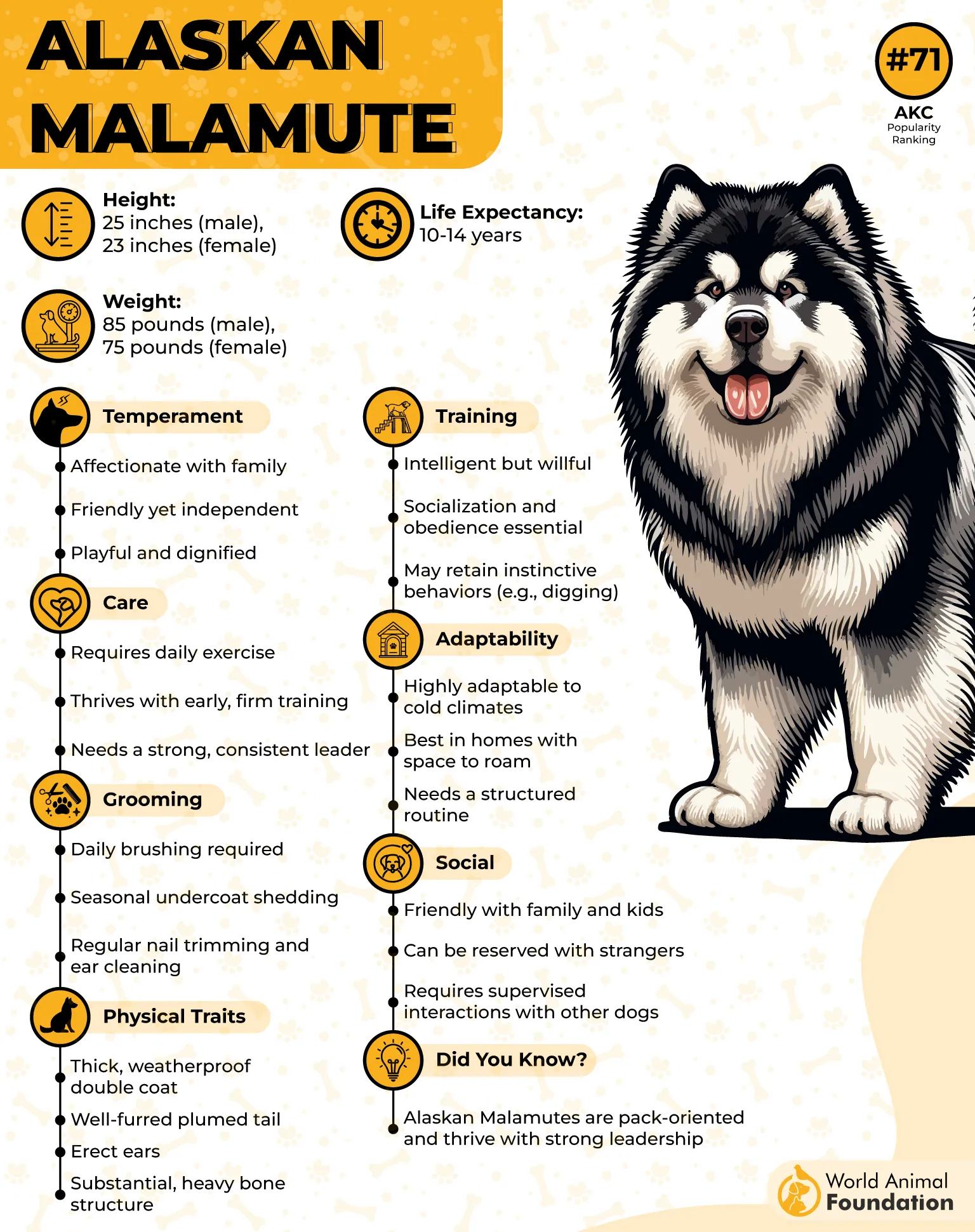
Alaskan Malamutes are powerful working dogs developed for life in extreme cold. They were originally used by the Mahlemut people of Alaska for hunting, guarding, and pulling heavy loads across snow.
Over time, they became known for their strength, endurance, and reliability in harsh winter conditions. Even today, they are admired for their working-dog nature and high energy.
Personality and Behaviour
Alaskan Malamutes are energetic, intelligent, and independent. They need a lot of exercise to stay happy and balanced. They are playful but can also be stubborn.
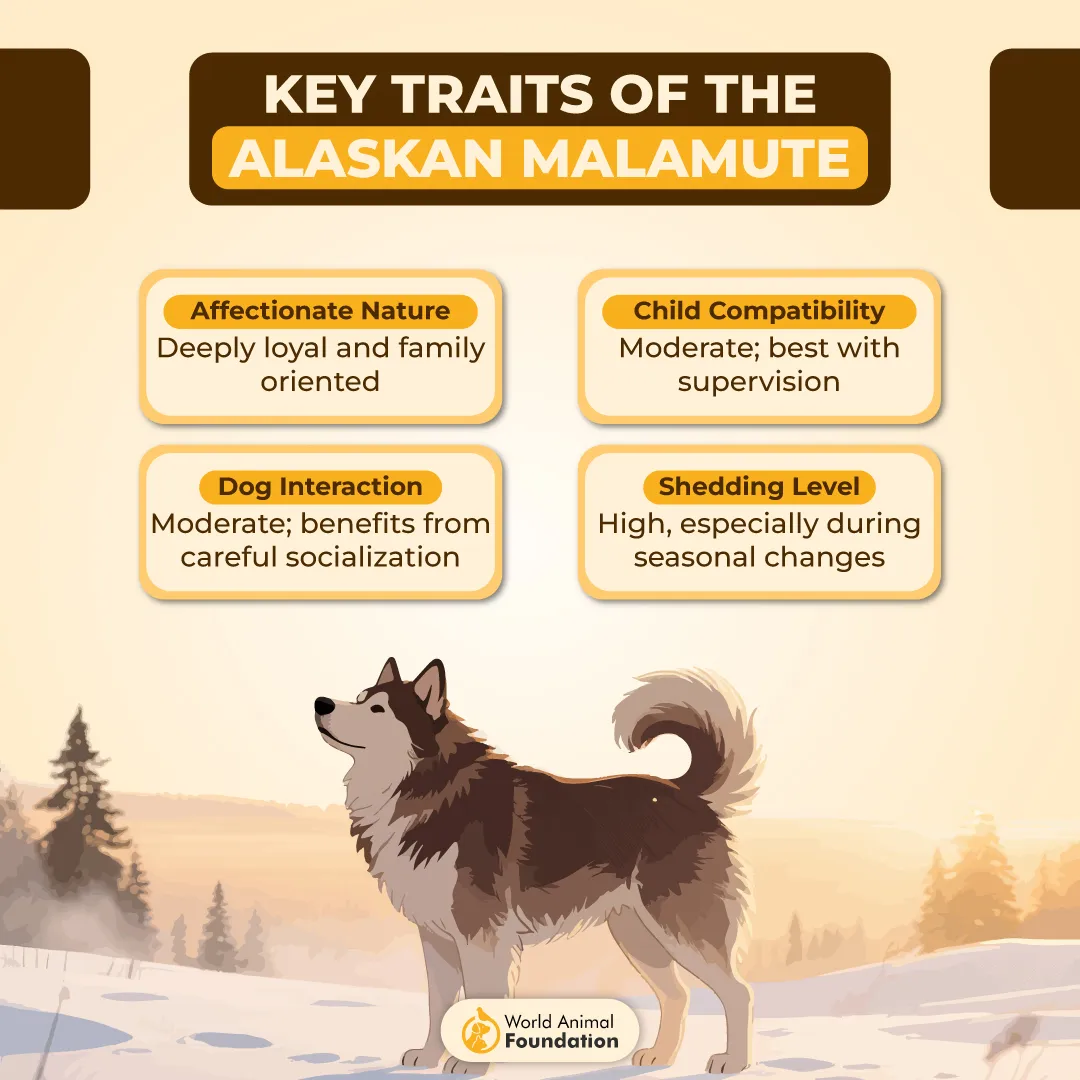
These dogs often “talk back” with loud howls, making them very expressive. They are clever problem-solvers and may try to escape or find their own fun if bored.
Care and Living Needs
Malamutes need regular training, socialization, and daily activity to manage their strong energy. They also enjoy mental challenges and outdoor adventures. Their thick coat needs frequent brushing. These dogs are best suited for active owners who can handle their strength, energy, and working instincts.
3. Samoyed
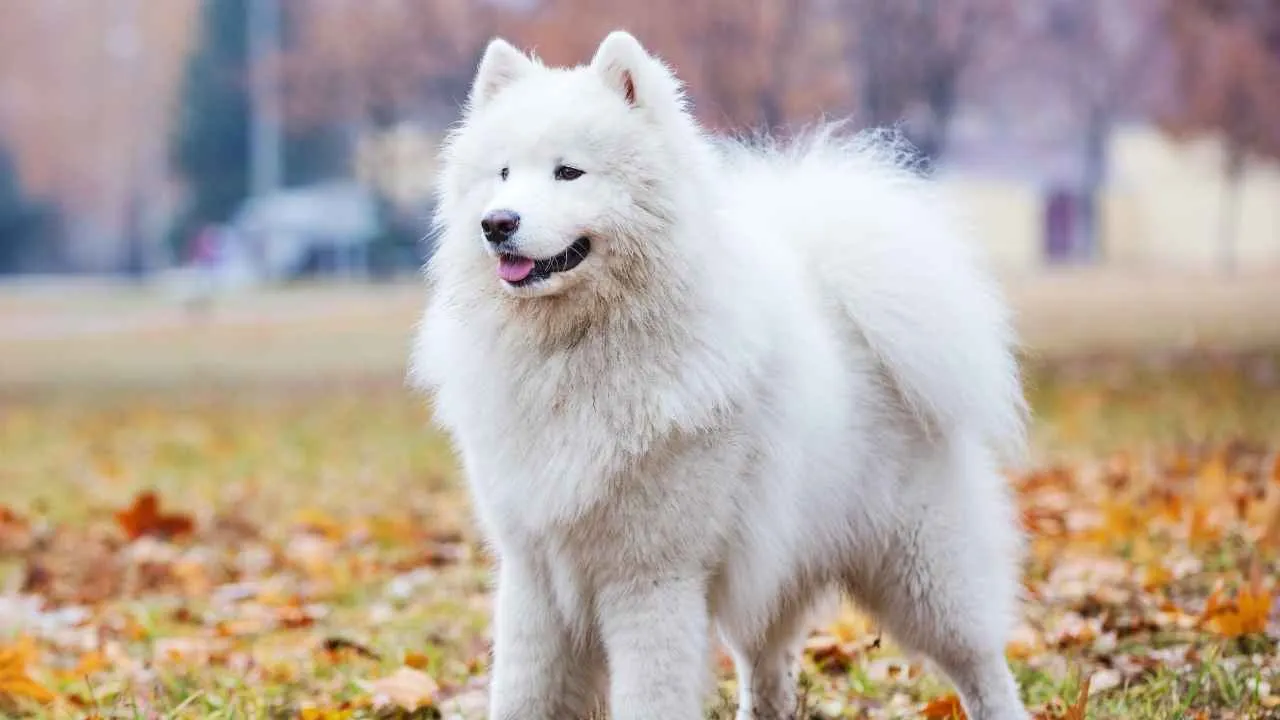
Samoyeds are friendly, intelligent, and social working dogs built for life in freezing climates. They were originally bred in Siberia to herd reindeer and pull sleds, making them strong and dependable cold-weather workers.
Their thick double coat protects them in extreme snow, and they are happiest when they are close to their people. They do not like being alone for long periods and may become noisy or restless if ignored.
Personality and Behaviour
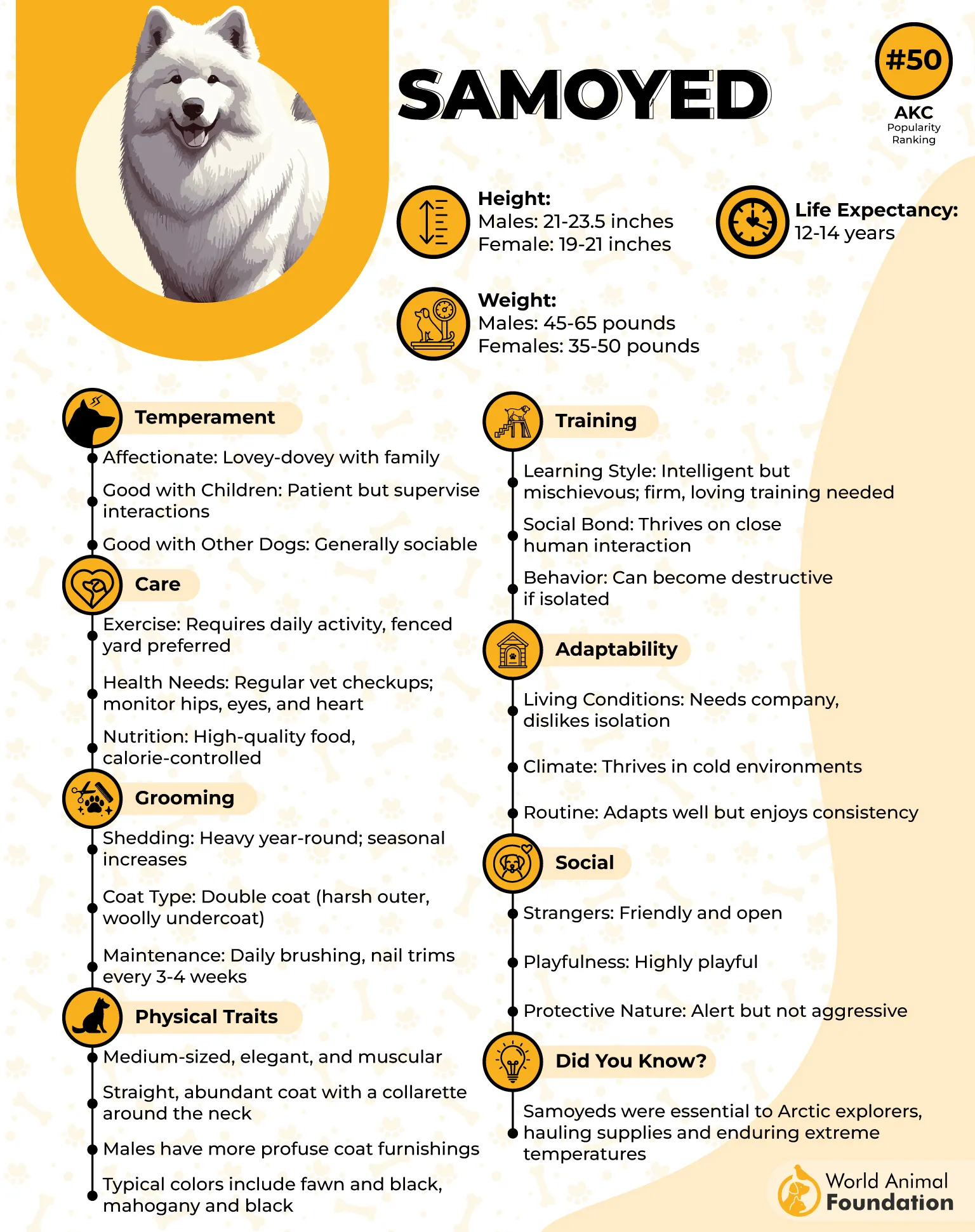
Samoyeds are outgoing, playful, and gentle with families. They usually get along well with other dogs and pets when properly socialized. They are also good with children, although their energetic nature can sometimes be overwhelming for very small kids.
These dogs are alert and will bark to warn their owners, but they are not aggressive. They are independent at times but still enjoy training, especially when it feels fun and engaging.
Care and Living Needs
Samoyeds need daily exercise and do best in active homes. They enjoy activities like running, pulling, agility, and outdoor play. Their thick coat requires regular brushing, especially during shedding seasons. They can easily overheat in warm weather, so cooler climates suit them best.
4. Akita

Akitas are powerful working dogs originally developed in the mountains of Japan. They were bred for hunting and are known for their courage, strength, and loyalty.
Their thick coat helps them handle colder climates, while their independent nature reflects their history as dogs that often worked on their own. The breed is also famous for its unwavering devotion, highlighted by the story of Hachiko, an Akita remembered for his remarkable loyalty.
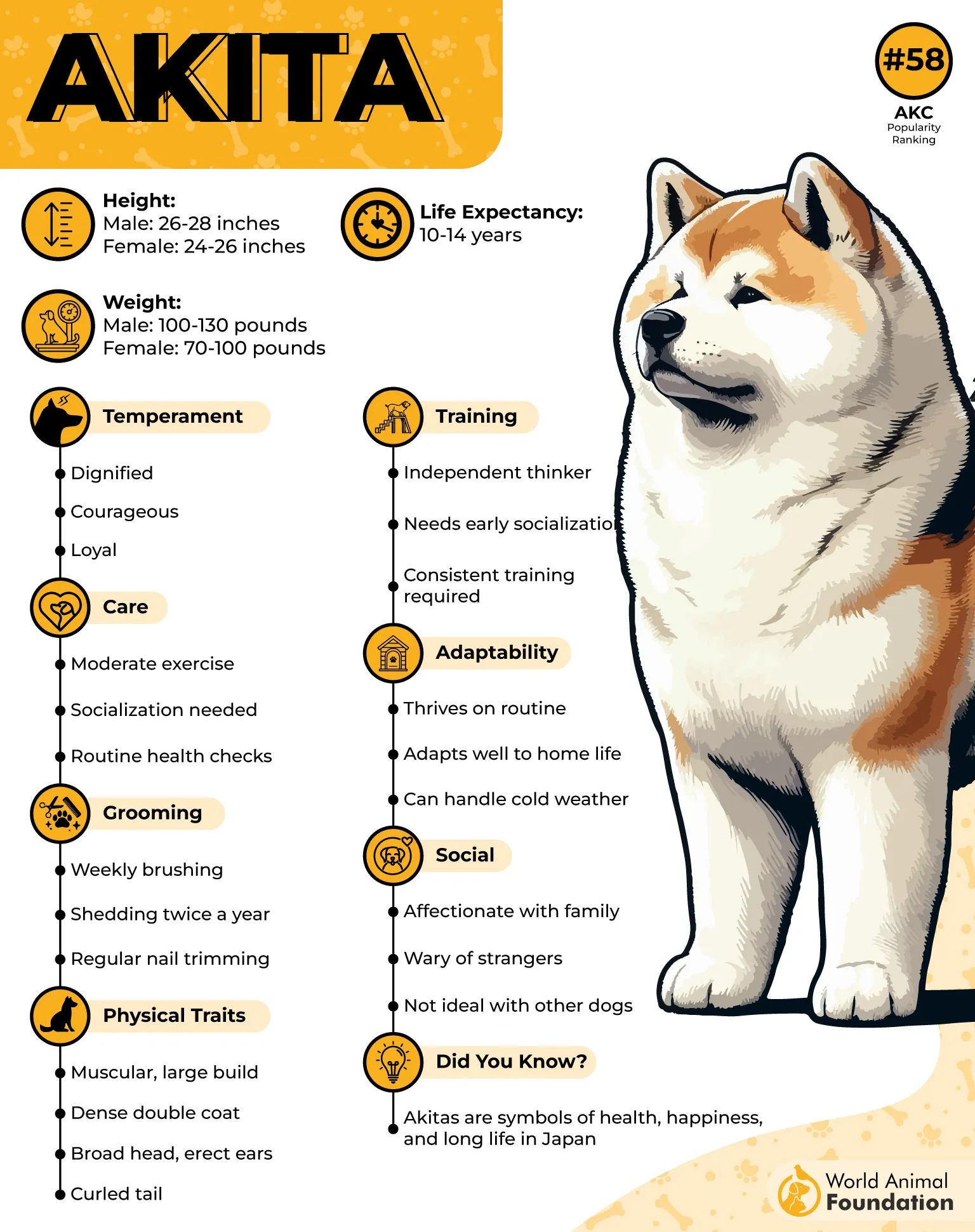
Personality and Behaviour
Akitas are calm, confident, and deeply devoted to their families. They thrive on human companionship and often show a playful side with the people they trust. However, they tend to be reserved around strangers and can be protective of their home and family, according to Hill’s Pet.
They are intelligent but strong-willed, making them better suited for experienced owners. Akitas may also be intolerant of other animals and children who do not respect their boundaries.
Care and Living Needs
These dogs need regular exercise, mental stimulation, and consistent training from an early age. Early socialization is especially important to help them develop into well-mannered adults.
Akitas enjoy activities like long walks, hikes, and puzzle games. Because of their thick coat, they are more comfortable in cooler climates and can be sensitive to heat.
5. Norwegian Elkhound
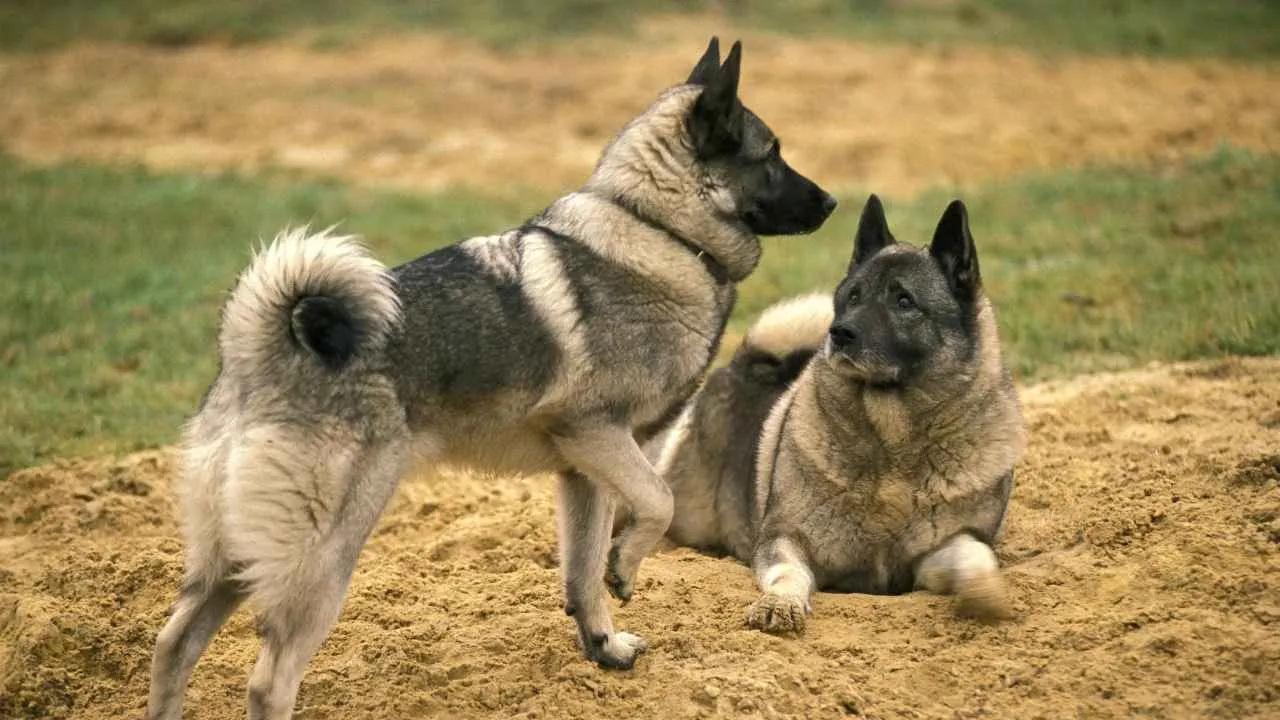
Norwegian Elkhounds are ancient working dogs that have been accompanying humans since the time of the Vikings. Originally bred to hunt large game such as elk and moose, they are known for their endurance, courage, and loyalty.
Their thick coat helps them thrive in cold climates, and they are happiest when they can spend plenty of time outdoors with their families.
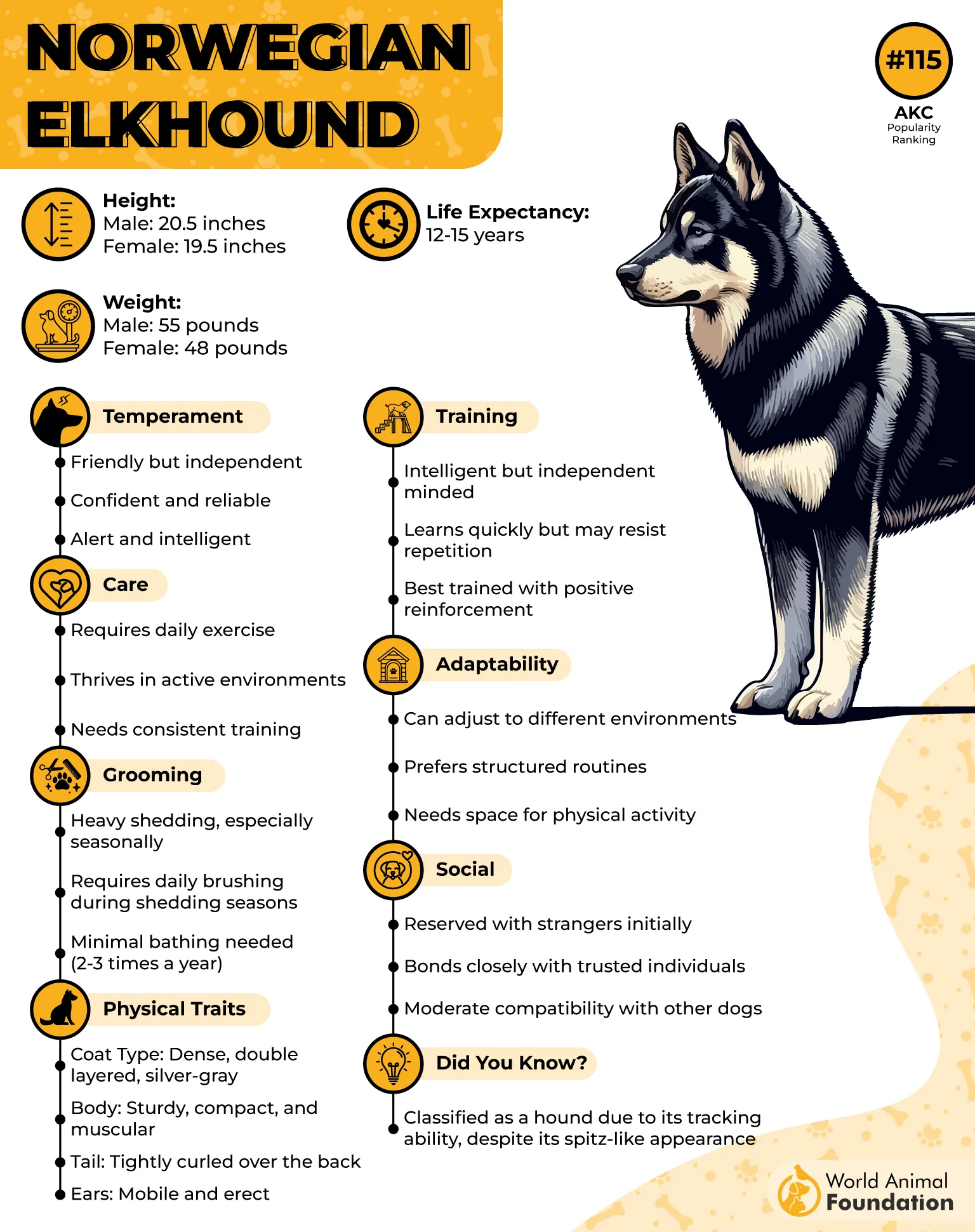
Personality and Behaviour
Norwegian Elkhounds are friendly, confident, and affectionate with the people they love. They enjoy attention and usually do well with families. However, they also have an independent streak, a trait that helped them work as hunters.
They can be reserved around strangers and tend to be vocal, making them excellent watchdogs. Their intelligence is balanced by a stubborn side, so training requires patience and consistency.
Care and Living Needs
These energetic dogs need at least an hour of daily exercise and plenty of mental stimulation. They enjoy activities like hiking, running, swimming, and exploring.
Without enough activity, they can become noisy or destructive. Norwegian Elkhounds do best with active, experienced owners who can provide the exercise, training, and attention they need to stay happy and well-behaved.
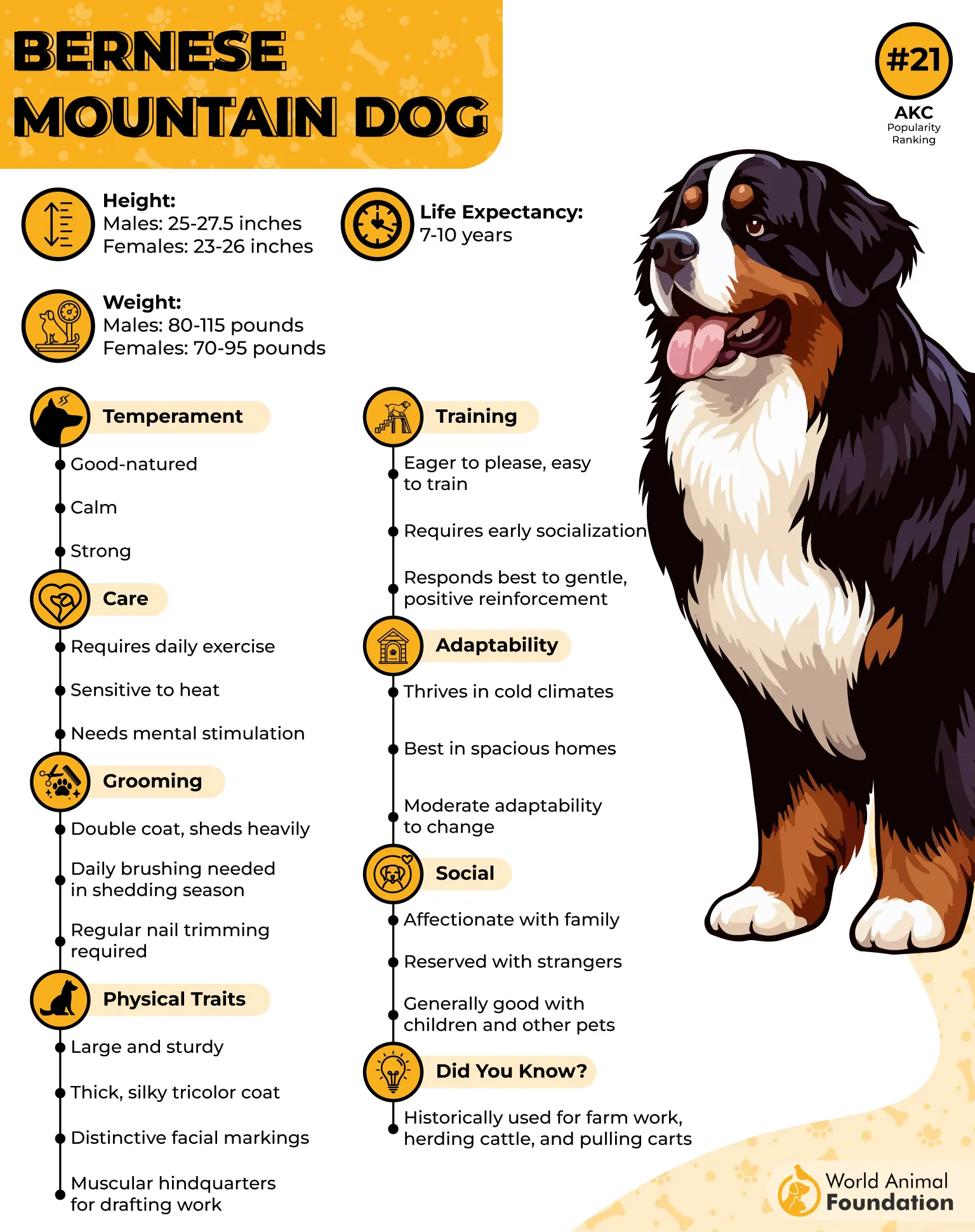
6. Bernese Mountain Dog
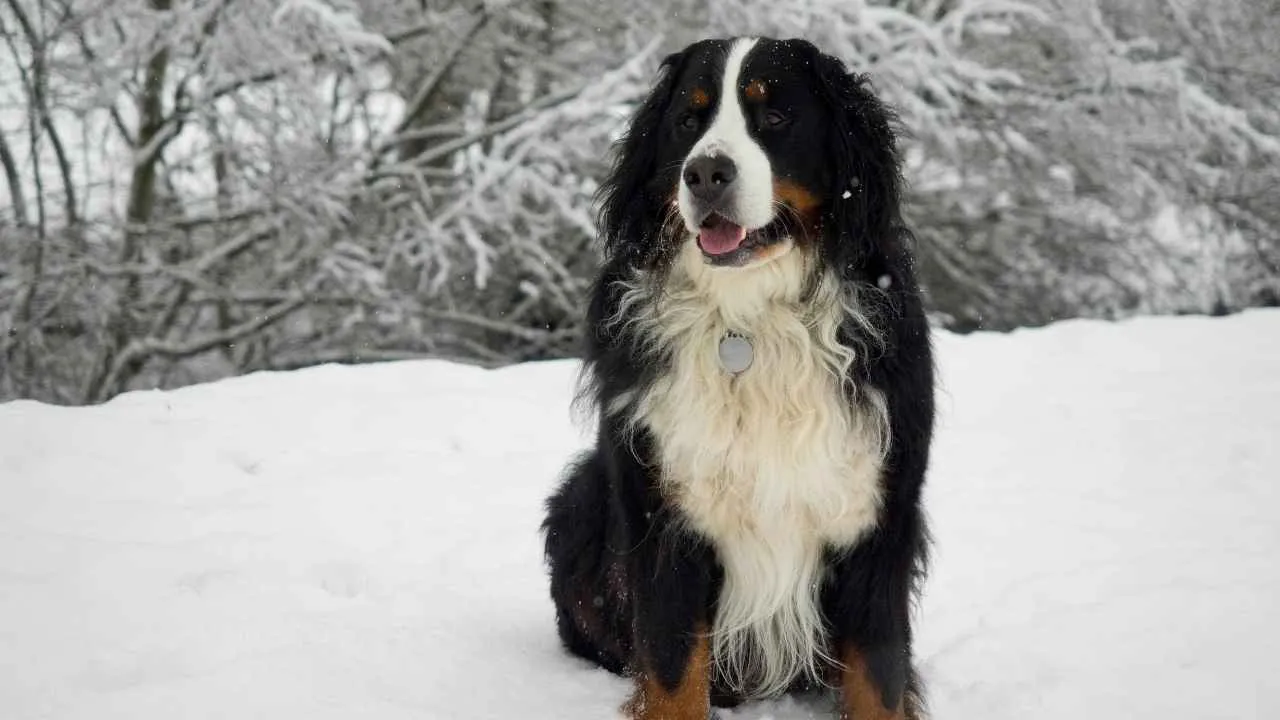
Bernese Mountain Dogs were originally developed in the Swiss Alps, where they worked as farm dogs in challenging mountain terrain. Their strength, endurance, and thick double coat made them well-suited for cold weather and outdoor work.
While they are no longer commonly used as working dogs, they still carry the calm and dependable nature that made them valuable helpers.
Personality and Behaviour
Bernese Mountain Dogs are affectionate, gentle, and deeply devoted to their families. They usually form strong bonds with everyone in the household and enjoy being included in daily activities.
These dogs are patient with children, friendly with other pets, and generally calm in nature. Although they can be reserved around strangers, early socialization helps them grow into confident and well-mannered companions.
Care and Living Needs
Berners need regular exercise to stay healthy, though they are not as high-energy as some working breeds. They enjoy playtime, walks, and spending time with their families.
Their thick coat sheds heavily throughout the year and requires frequent grooming. These intelligent dogs respond well to positive training and thrive in homes where they receive plenty of attention, companionship, and gentle guidance.
7. Saint Bernard
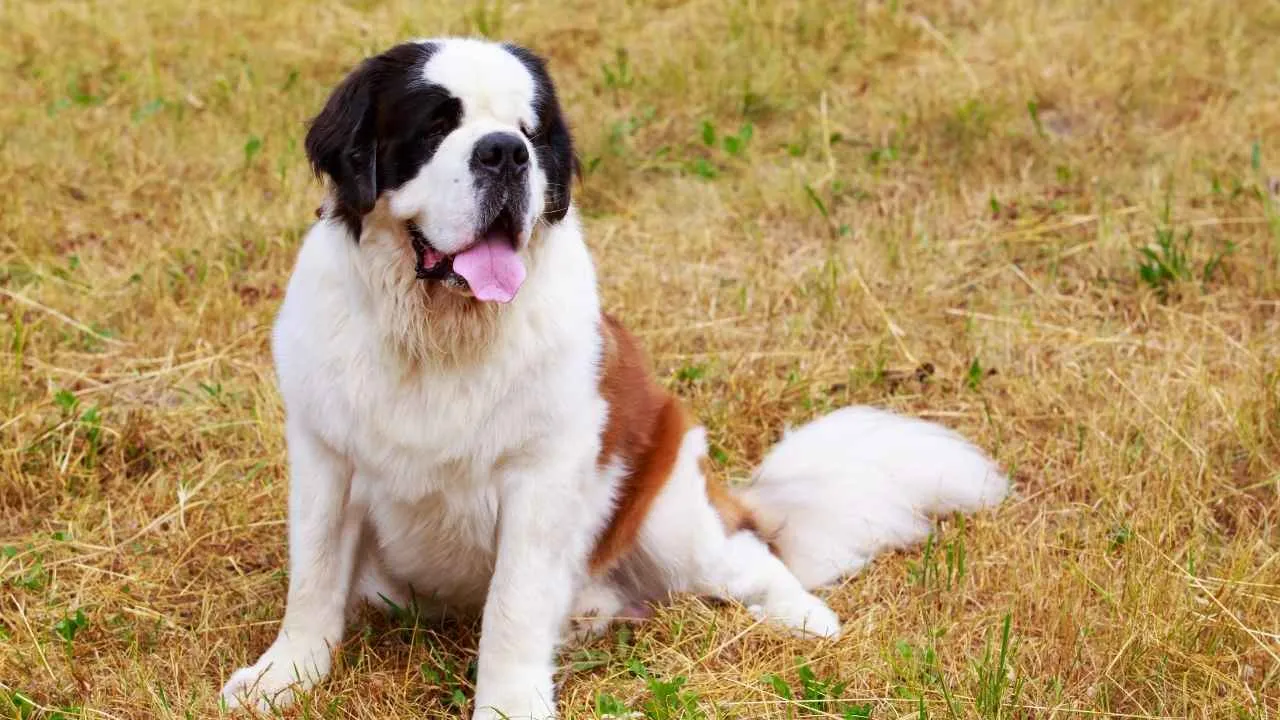
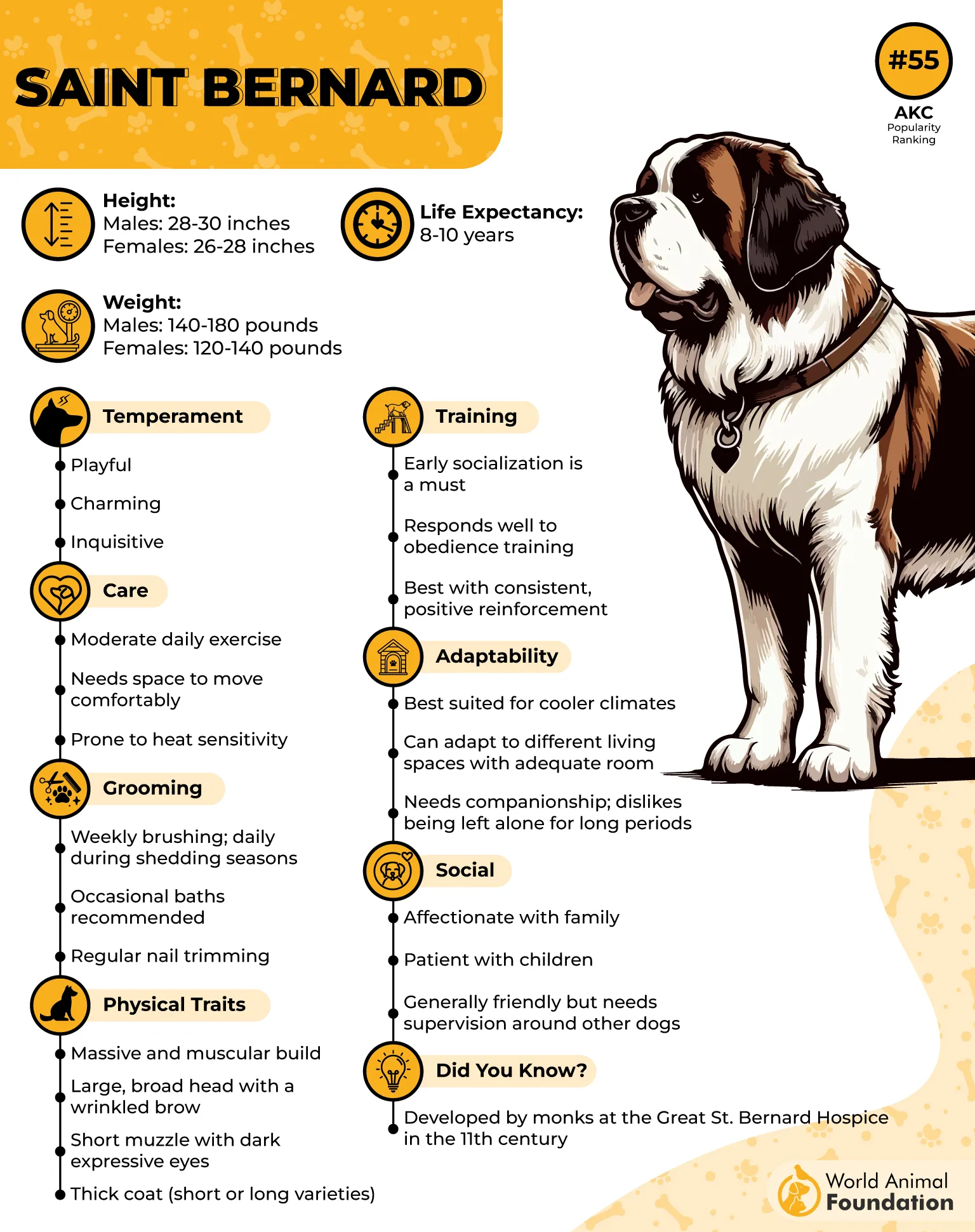
Saint Bernards were originally trained by monks in the Swiss Alps to locate and rescue travelers lost in snow and avalanches, as stated by PetMD. Their strength, endurance, and ability to work in harsh mountain conditions made them legendary rescue dogs.
Today, they are best known as gentle family companions, but they still retain the calm and dependable nature that once helped save lives in extreme cold.
Personality and Behaviour
Saint Bernards are affectionate, patient, and friendly dogs. They are especially good with children and enjoy spending time with their families. While they are welcoming toward most people, they will step in to protect loved ones if necessary.
These dogs are eager to please, which makes training easier, though they can sometimes be stubborn. Their calm temperament and gentle nature make them wonderful companions.
Care and Living Needs
Saint Bernards have moderate exercise needs and enjoy daily walks, playtime, and family activities. They do best in cooler climates and love snowy weather.
Their large size means early training is important, and regular brushing helps manage seasonal shedding. They are also known for heavy drooling, so owners should be prepared for a little extra cleanup.
8. Newfoundland
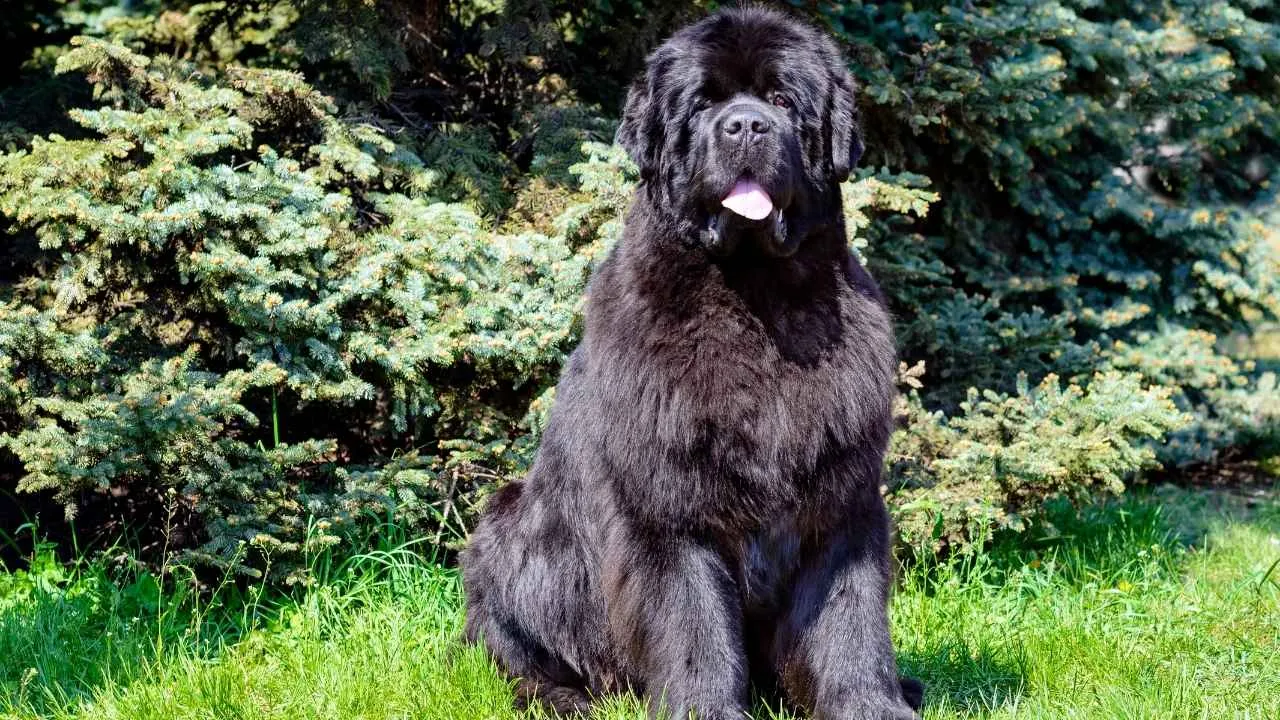
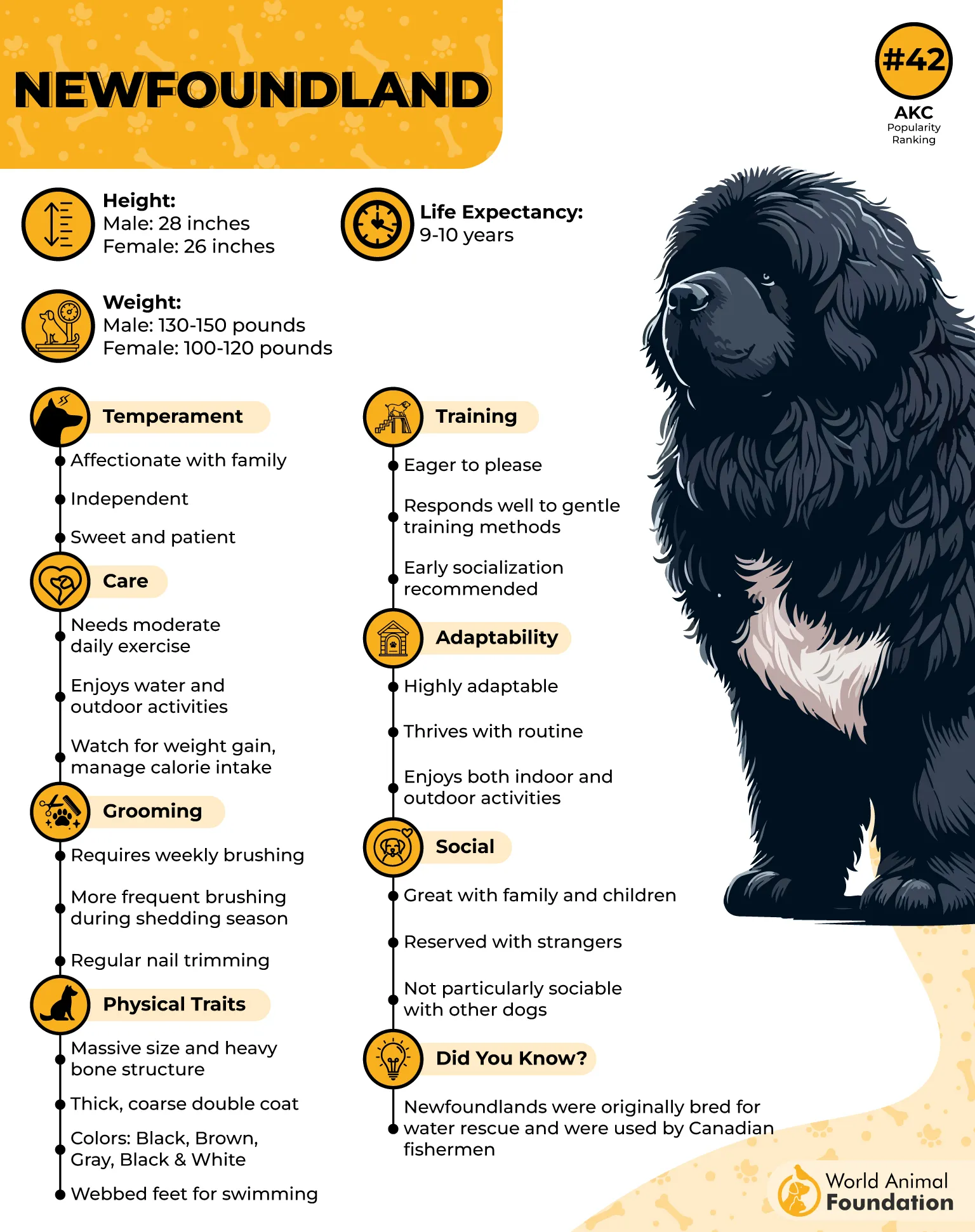
Newfoundlands were originally developed in Newfoundland, Canada, where they worked alongside fishermen and helped with water rescues.
Their webbed paws, powerful build, and thick double coat make them excellent swimmers and well-equipped for cold weather. Although many are now family pets, they still possess the strength and natural instincts that made them dependable working dogs.
Personality and Behaviour
Newfoundlands are calm, gentle, and exceptionally friendly. They are known for their patience with children, earning them the nickname “nanny dogs.”
These dogs are affectionate with family members and usually get along well with strangers, other dogs, and household pets. They are intelligent and eager to please, making them relatively easy to train, though they can be slow and relaxed in their approach.
Care and Living Needs
Newfoundlands need regular grooming because of their thick, shedding coat, and owners should be prepared for plenty of drool. They enjoy swimming and outdoor activities but are generally calm around the home. Early training is important due to their large size and strength.
9. Tibetan Mastiff
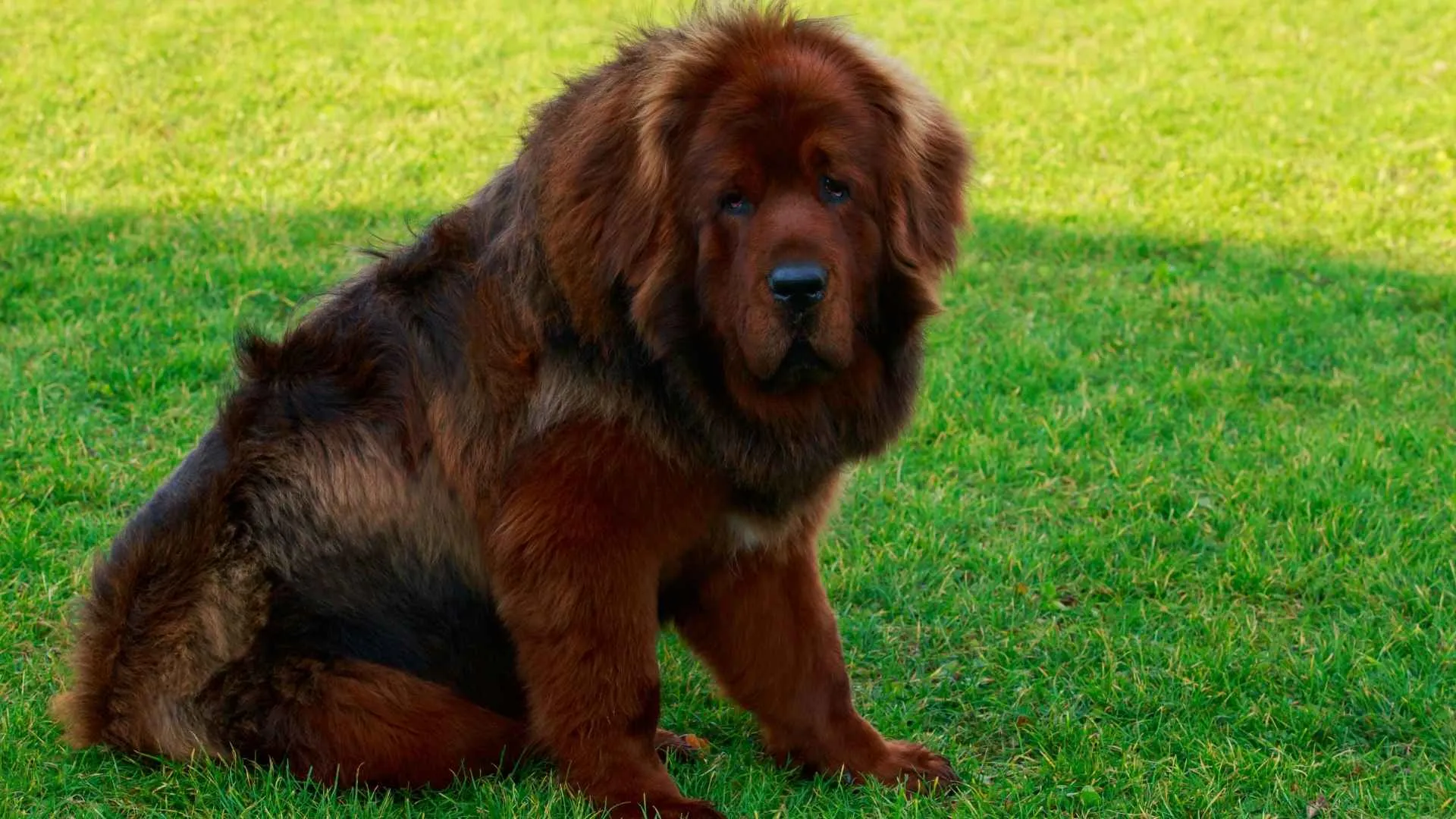
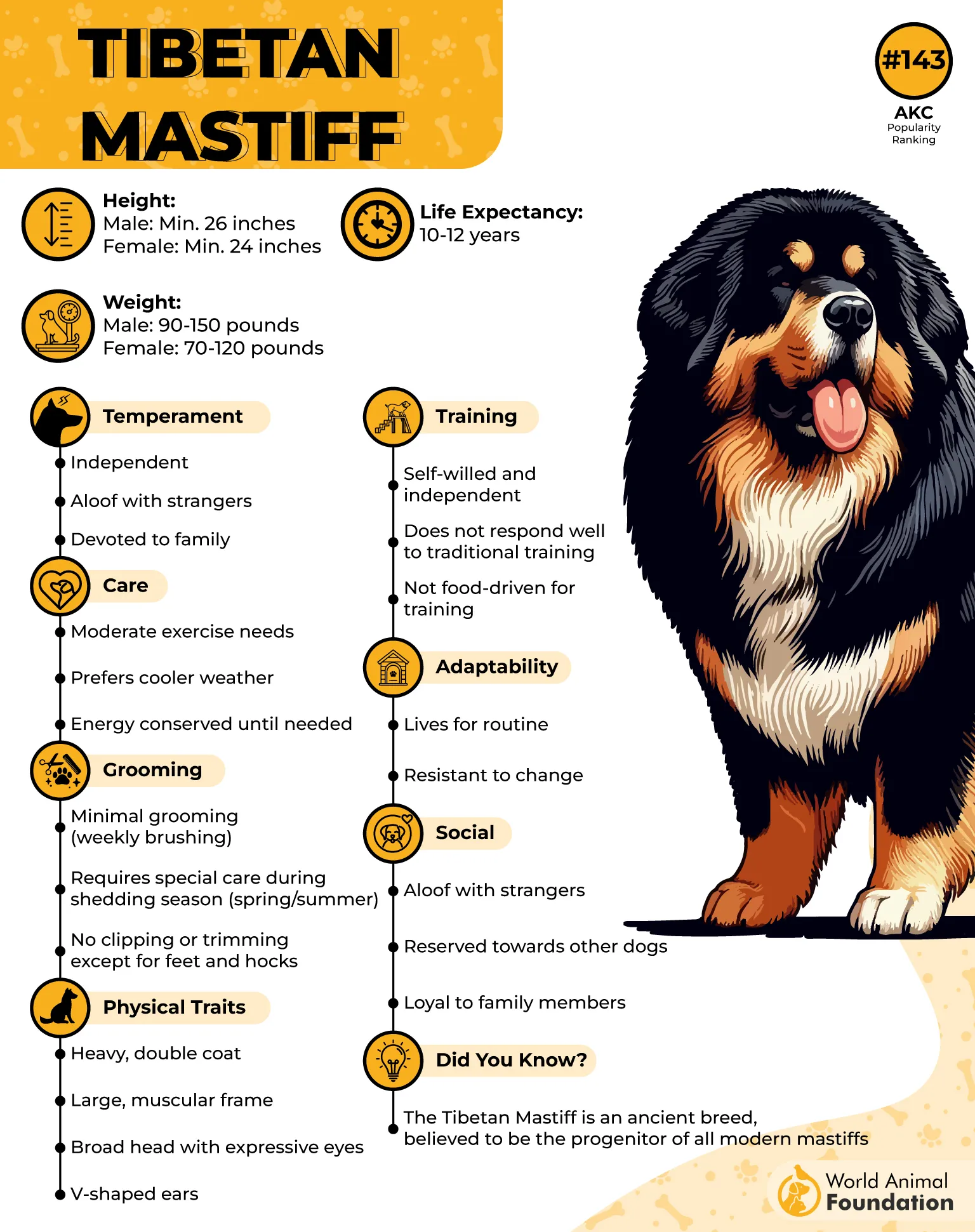
Tibetan Mastiffs are massive, powerful dogs originally developed in the Himalayan region of Tibet. They are one of the oldest guardian breeds, used for protecting livestock and property in extreme mountain conditions.
Their thick double coat, lion-like appearance, and strong build make them well-suited for cold climates and rugged terrain. Despite their size and presence, they are deeply loyal and devoted to their families.
Personality and Behaviour
Tibetan Mastiffs are calm, alert, and highly protective. They are naturally wary of strangers and very territorial, which makes them excellent guardians. At the same time, they are affectionate and loyal with their families.
These dogs are independent thinkers and often prefer making their own decisions, which can make training challenging. They are intelligent but strong-willed, so they need experienced handling and early socialization.
Care and Living Needs
Tibetan Mastiffs require regular brushing due to their thick coat and do not tolerate hot weather well. They are not built for long-distance running and prefer moderate activity instead.
A secure yard is essential, as they can be escape-prone and enjoy roaming outdoors. With proper training, structure, and socialization, they become loyal, watchful, and dependable guardian dogs.
10. Great Pyrenees
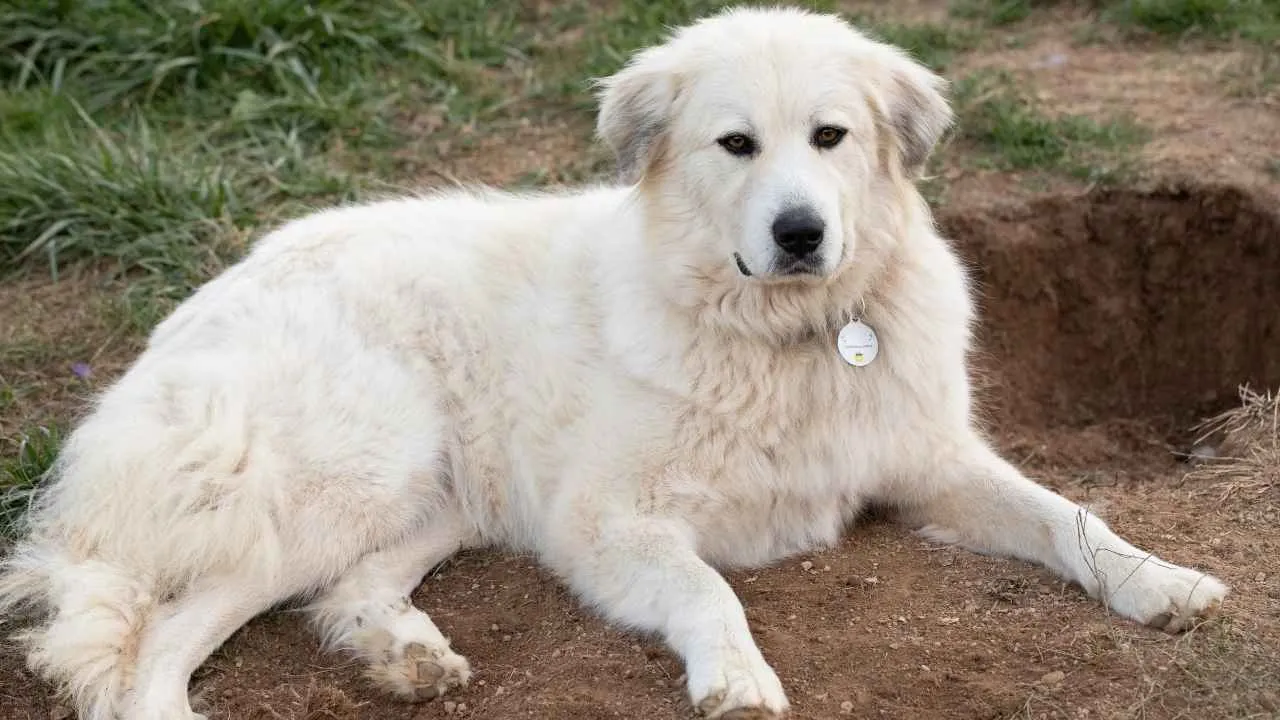
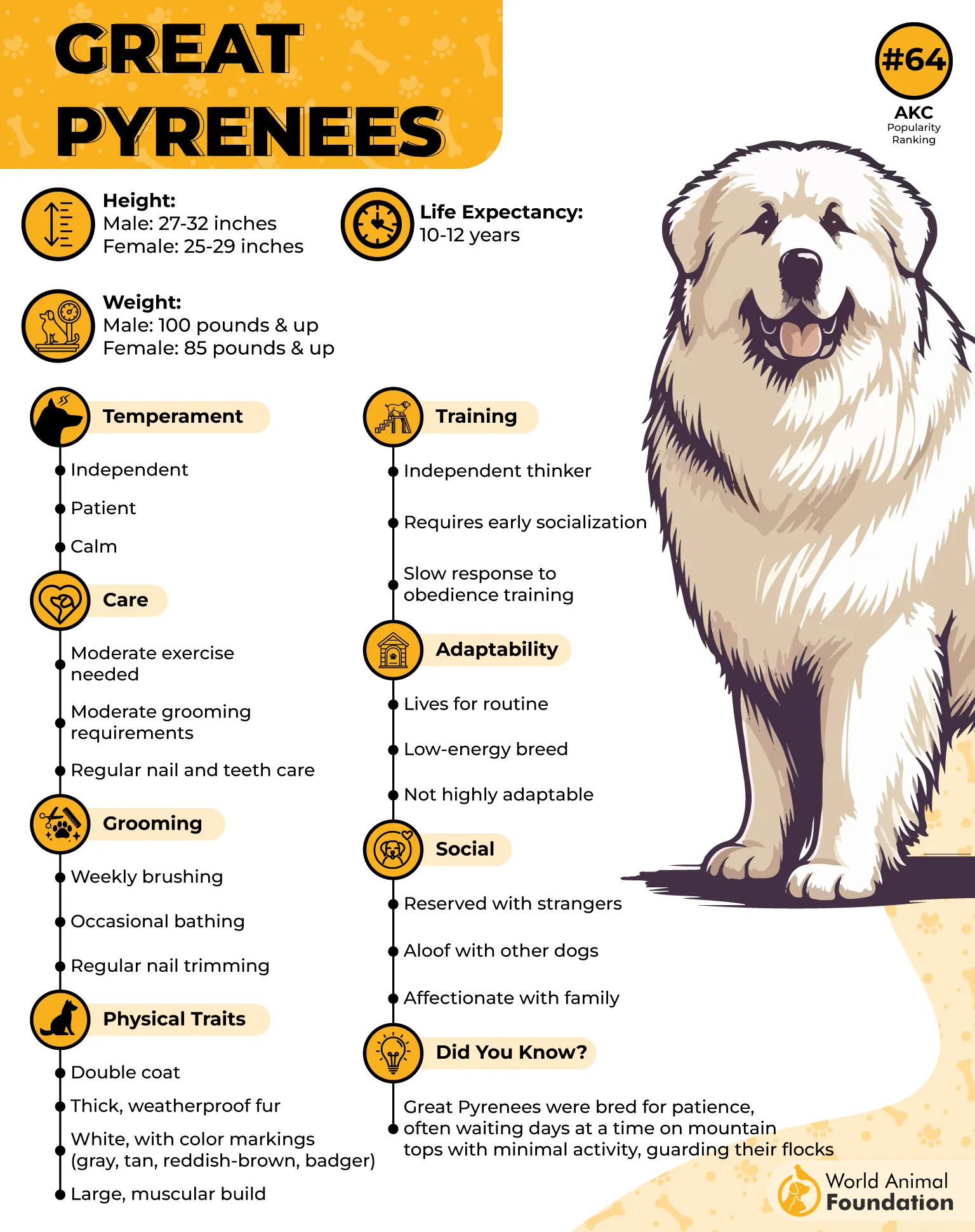
The Great Pyrenees is a large, powerful dog originally bred to guard livestock in the Pyrenees Mountains between France and Spain. Their thick white coat helped them blend into snowy landscapes while protecting sheep from predators.
Despite their strength and size, they are known for their calm and gentle nature at home, making them dependable family companions.
Personality and Behaviour
Great Pyrenees are quiet, patient, and deeply loyal dogs. They are naturally protective and often see their family as a flock to guard. With strangers, they are reserved and prefer to observe before reacting.
They are not aggressive by nature but will step in if they sense danger. These dogs are intelligent but independent, which can make training slow and sometimes challenging.
Care and Living Needs
Great Pyrenees are low-energy dogs that do not require intense exercise, but they still need daily walks and space to move. They enjoy calm environments and can be strong-willed during training due to their independent nature.
Their coat is fairly low-maintenance, though regular brushing helps manage shedding. With early socialization and consistent training, they become gentle, protective, and well-balanced companions.
Conclusion
From powerful sled pullers to calm mountain guardians, these dogs share one thing in common—they are built to handle extreme work in cold climates and rough terrain.
Each breed brings a unique mix of strength, endurance, intelligence, and loyalty, shaped by generations of survival and service in some of the harshest environments on Earth.
If you’re drawn to these remarkable breeds, remember they thrive best with the right care, training, and lifestyle that matches their energy and instincts. Choosing one isn’t just about picking a pet—it’s about committing to a strong, active partner that needs purpose and attention.
And in return, you get something special: a loyal companion that feels most alive when life gets a little wild, cold, and challenging.
