





The aging profile of purebred dogs varies depending on their adult size, as noted by Wikipedia. Smaller dog breeds tend to live longer, averaging 10–15 years. Some may even reach 18 years or more. Medium-sized dog breeds usually have a lifespan of 10–13 years.
Large breeds have the shortest life spans, averaging 8–13 years. Larger dogs die young because they are more prone to cancer at a younger age due to rapid growth rates during puppyhood. Giant breeds also reach maturity later, around two years old, compared to 13–15 months for smaller breeds.
Understanding a dog’s age and the expected lifespan of a dog is crucial for responsible pet ownership. While breed, size, and health play significant roles, the care, attention, and love a dog receives from its human family can strongly influence its longevity.
Before bringing a dog home, researching the typical lifespan of your chosen breed helps set realistic expectations and ensures you’re prepared for a long, fulfilling companionship.
Dog Breeds and the Reality of Their Lifespans
1. Chihuahua

Chihuahuas are celebrated for their remarkable longevity, often living well into their teens. On average, a Chihuahua’s lifespan ranges from 14 to 16 years, though exceptional individuals can live even longer, as mentions Codapet.
The longest-lived Chihuahua on record, Megabyte, reached an astounding 20 years and 265 days. Their extended lifespan is influenced by their small size, genetics, and attentive care, including balanced nutrition, regular exercise, and consistent veterinary check-ups

Additionally, Chihuahuas thrive when given mental stimulation and social interaction. Activities such as puzzle toys, gentle training exercises, and supervised play not only keep them sharp but also strengthen the bond between dog and owner.
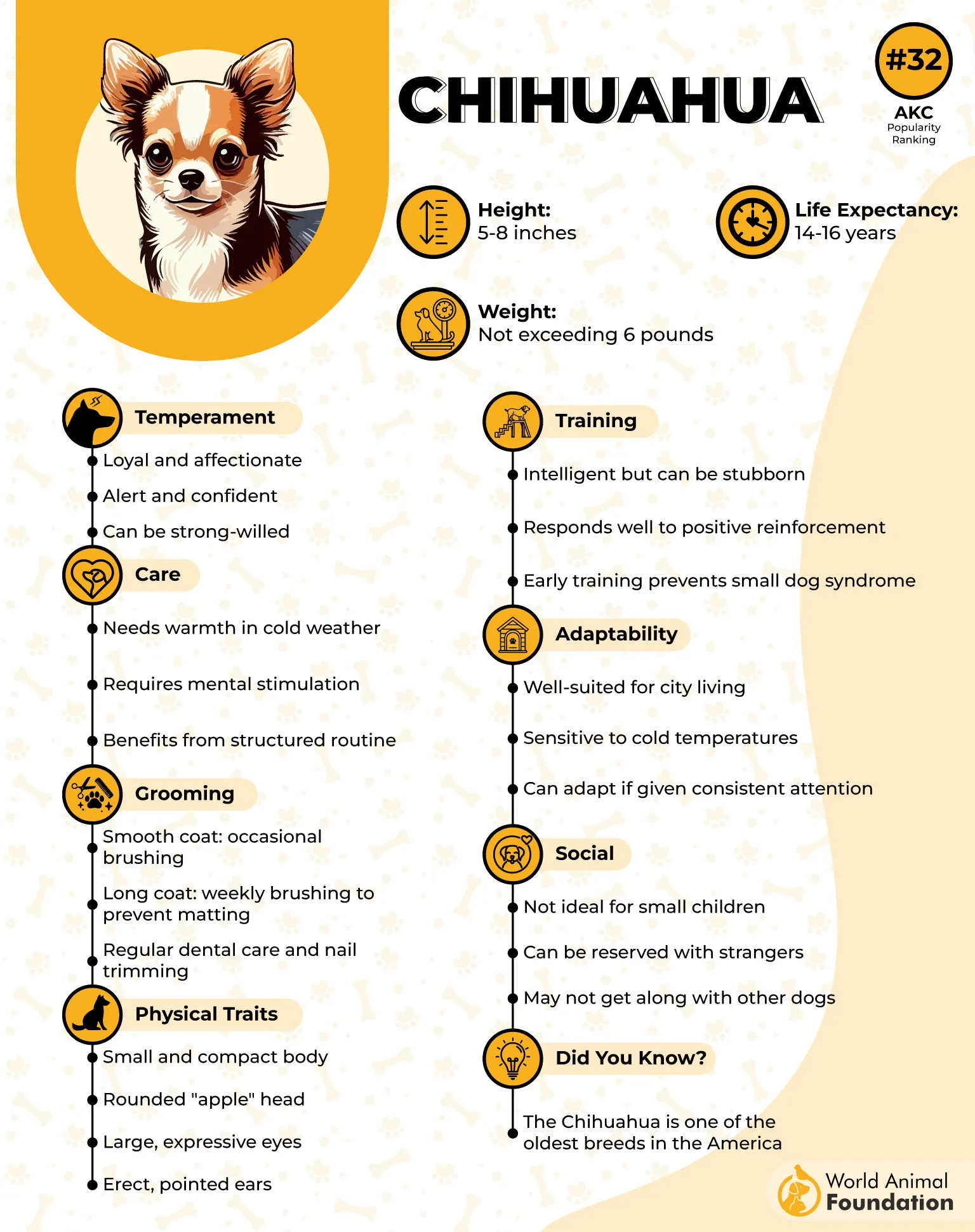
With the right combination of physical care, mental engagement, and affection, Chihuahuas can lead full, vibrant lives that are as playful and loving as they are long.
🎧 Dogcast
Episode 33 — If Dogs Could Talk — “How Dogs Say No”
If you don’t hear sound, tap the button above to enable audio.
2. Dachshund

Generally, a healthy breed, the Dachshund can live 12 to 16 years with proper care. Maintaining a balanced diet and ensuring regular exercise are essential to preserve their muscle tone and overall health.
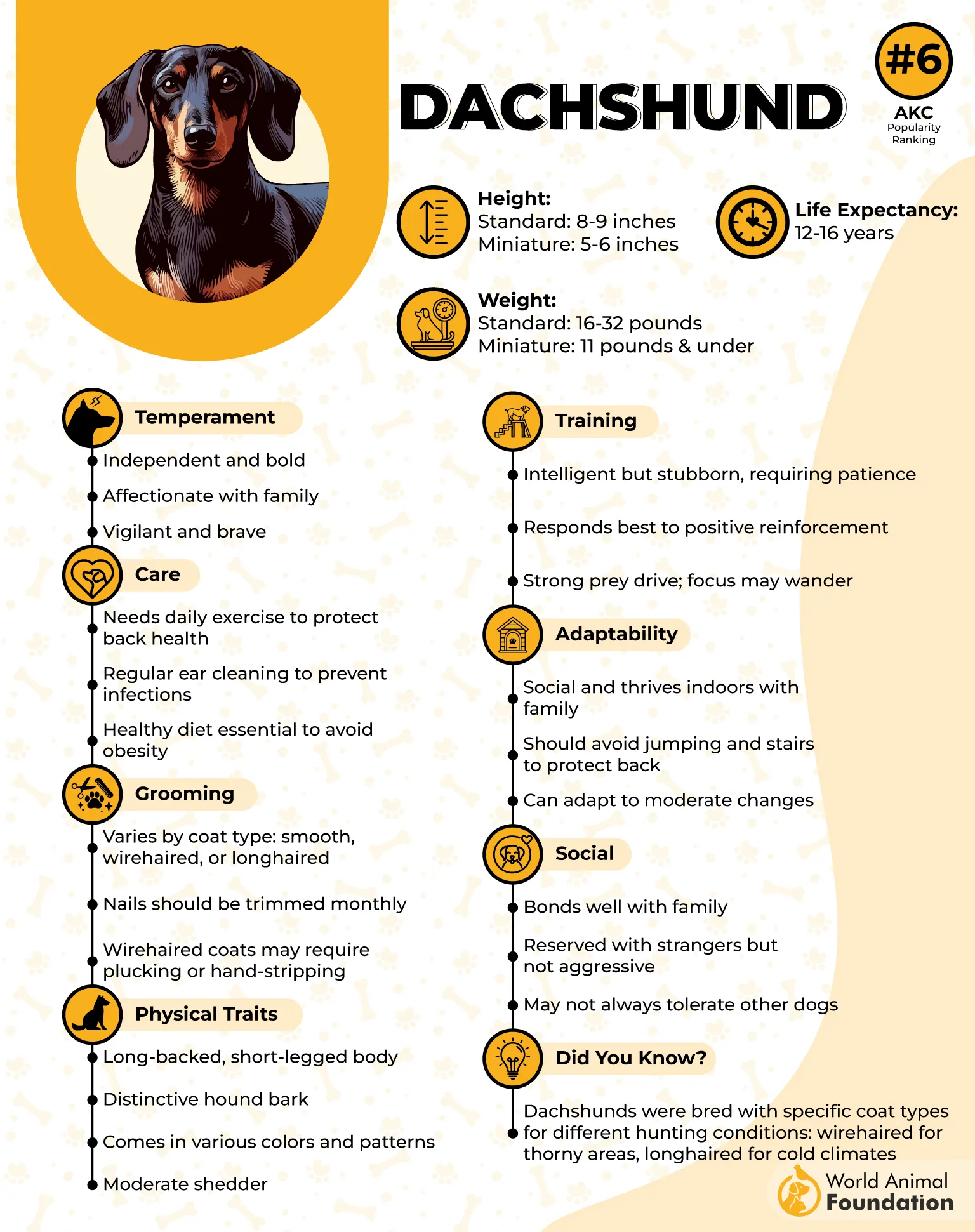
Because of their long backs, Dachshunds are prone to disc injuries, so it’s important to prevent them from becoming overweight and to supervise activities that could strain their spine, such as jumping from furniture or climbing stairs, as the AKC noted.
Like many breed dogs with drop ears, Dachshunds can be susceptible to ear infections, so regular cleaning and monitoring are crucial.

Additionally, mental stimulation is important for this intelligent breed; puzzle toys, short training sessions, and interactive play can prevent boredom and reduce destructive behavior. With proper care, exercise, and attention, Dachshunds can enjoy a long, active, and happy life as devoted companion dogs.
🐶 Dog Life Expectancy Calculator
3. Shih Tzu

For anyone considering a Shih Tzu, a common question is: How many years can I expect to have with this little bundle of joy?
Understanding a Shih Tzu’s life expectancy is essential for preparing for the many joyful years ahead. On average, Shih Tzus live 10 to 16 years, though with careful care, some can reach up to 18 years, as mentioned by Divine Pups.

Several factors influence their longevity. Genetics certainly play a role, but the quality of care your Shih Tzu receives throughout life is just as important.
Regular veterinary checkups, a balanced diet, regular exercise, and preventive care all contribute to extending dog years. By prioritizing these areas, you can give your companion dog breed the best chance to enjoy many happy, healthy years by your side.
4. Toy Poodle

So, what is the typical lifespan of a Toy Poodle? On average, these small dogs live 12 to 15 years, with many reaching 16 or even 18 years when given optimal care. Understanding the factors that influence a breed’s longevity helps pet owners make informed choices and provide the best care for their furry companions.
The foundation of a long, healthy life begins with responsible breeding. Reputable breeders reduce the risk of inherited conditions such as heart disease, patellar luxation, and eye disorders.
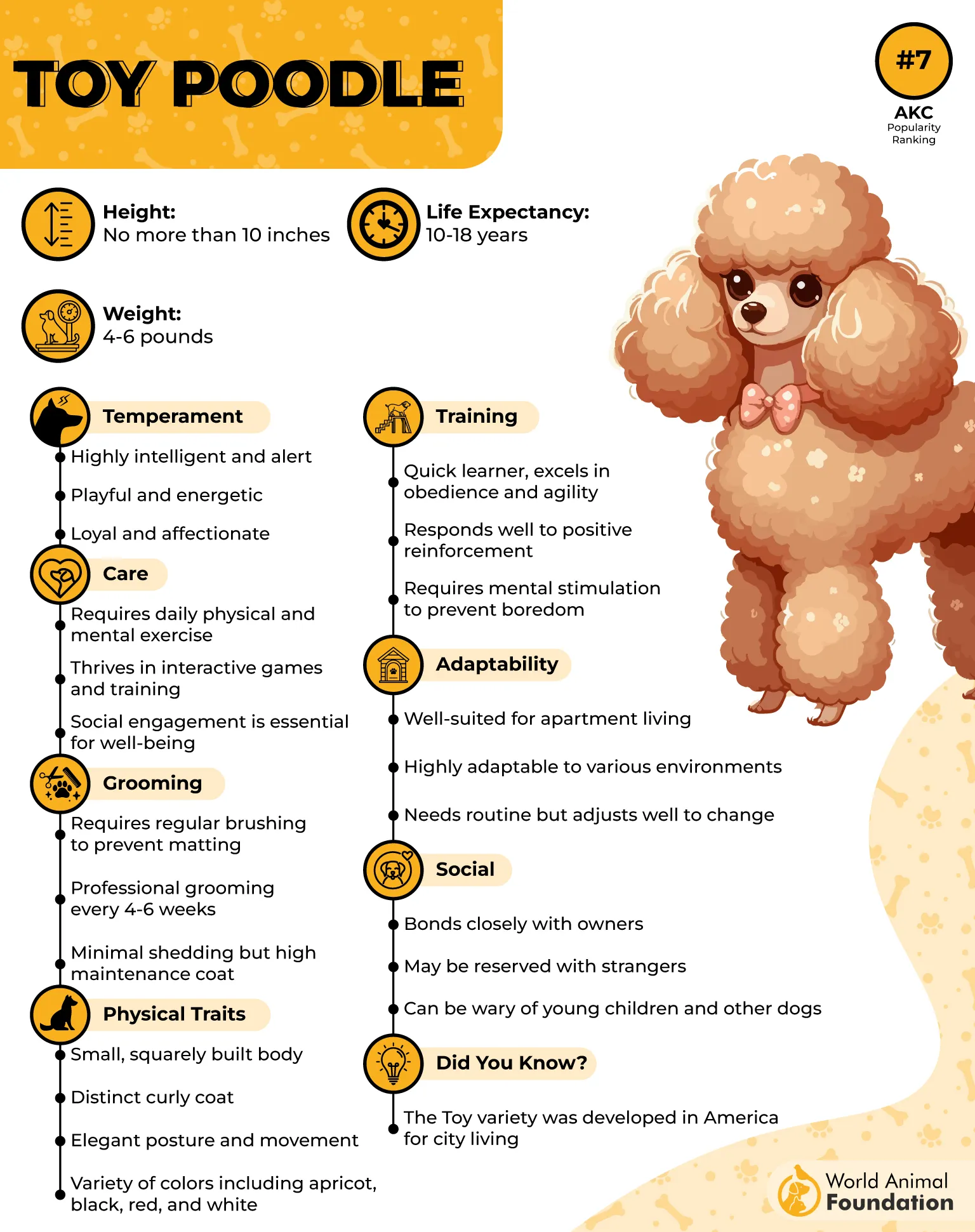
Puppies from well-tested parents tend to have stronger immune systems and fewer chronic health issues, giving them a better chance at long-term canine longevity.
Feeding a balanced, high-quality diet rich in protein, antioxidants, and omega fatty acids supports overall health, maintains a shiny coat, and strengthens the immune system. Proper portion control and consistent hydration are crucial to prevent obesity and maintain steady energy levels throughout the dog’s life.
5. Maltese

Maltese dogs are celebrated for their remarkable longevity, often living 12 to 15 years. This small but sturdy breed frequently exceeds the life expectancy of many other dogs, making them an excellent choice for pet parents seeking a long-term companion.
Recent research supports the breed’s extended lifespan, with a 2024 UK study reporting an average of 13.1 years for Maltese, slightly higher than the averages for purebreds (12.7 years) and crossbreeds (12 years). Several factors influence a Maltese dog’s longevity.

Genetics play a key role, as responsible breeding helps reduce the risk of inherited health issues that could shorten lifespan. A safe and stimulating environment is essential for proper development and long-term well-being.
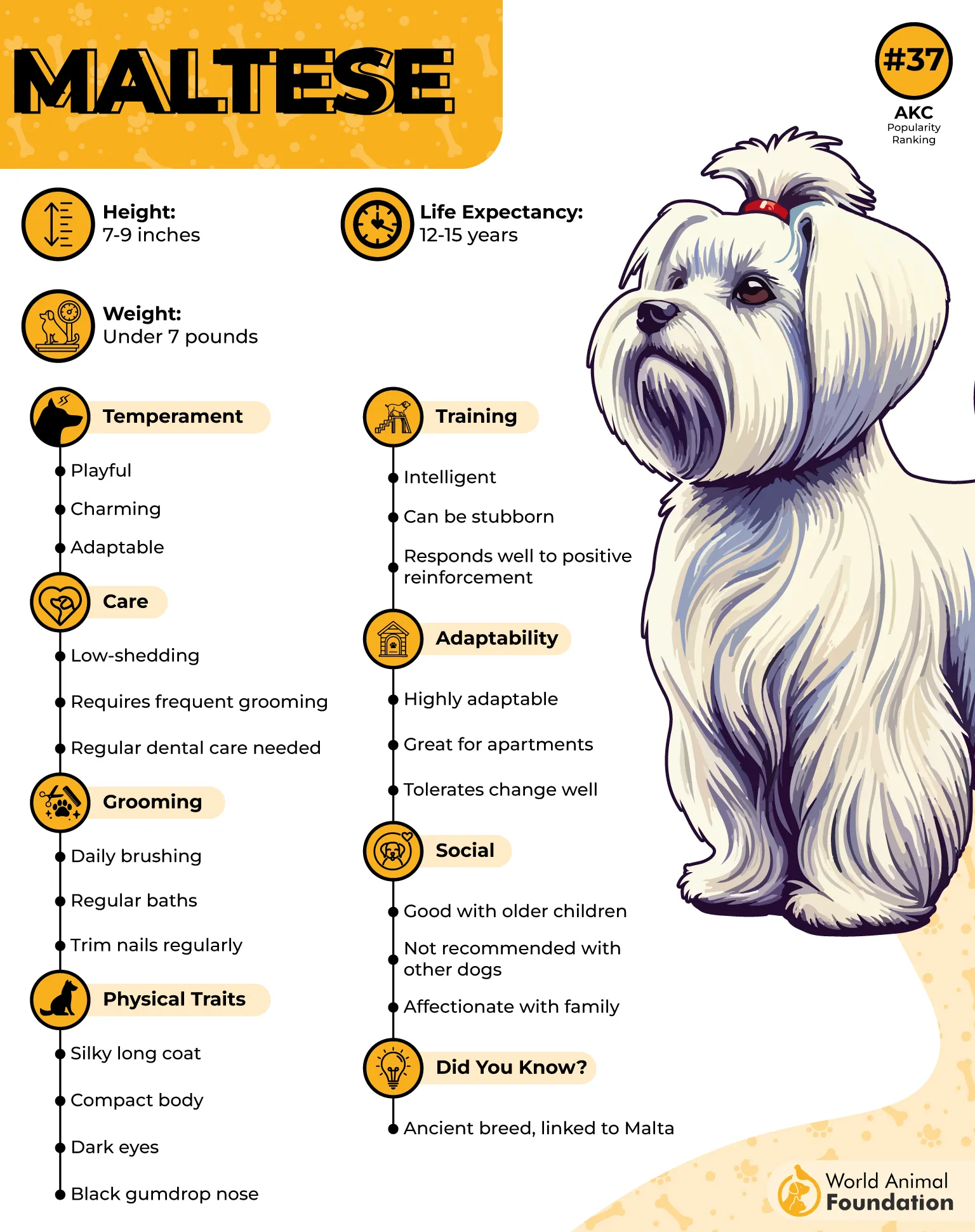
Nutrition is equally important, with a balanced diet rich in protein, vitamins, and minerals supporting healthy growth, immunity, and overall longevity. Finally, despite their small size, Maltese dogs require daily exercise to maintain muscle tone, stay fit, and support heart health, ensuring they enjoy a long, happy, and active life.
6. Beagle

Beagles are well-known for being affectionate, resilient, and lively family companions, with a typical lifespan of 12 to 15 years. Many Beagles thrive well into their teen years, but like all breeds, their longevity can be influenced by certain health concerns.
Common issues include obesity, which can lead to joint problems and other complications, as well as occasional occurrences of cancer or neurological conditions.
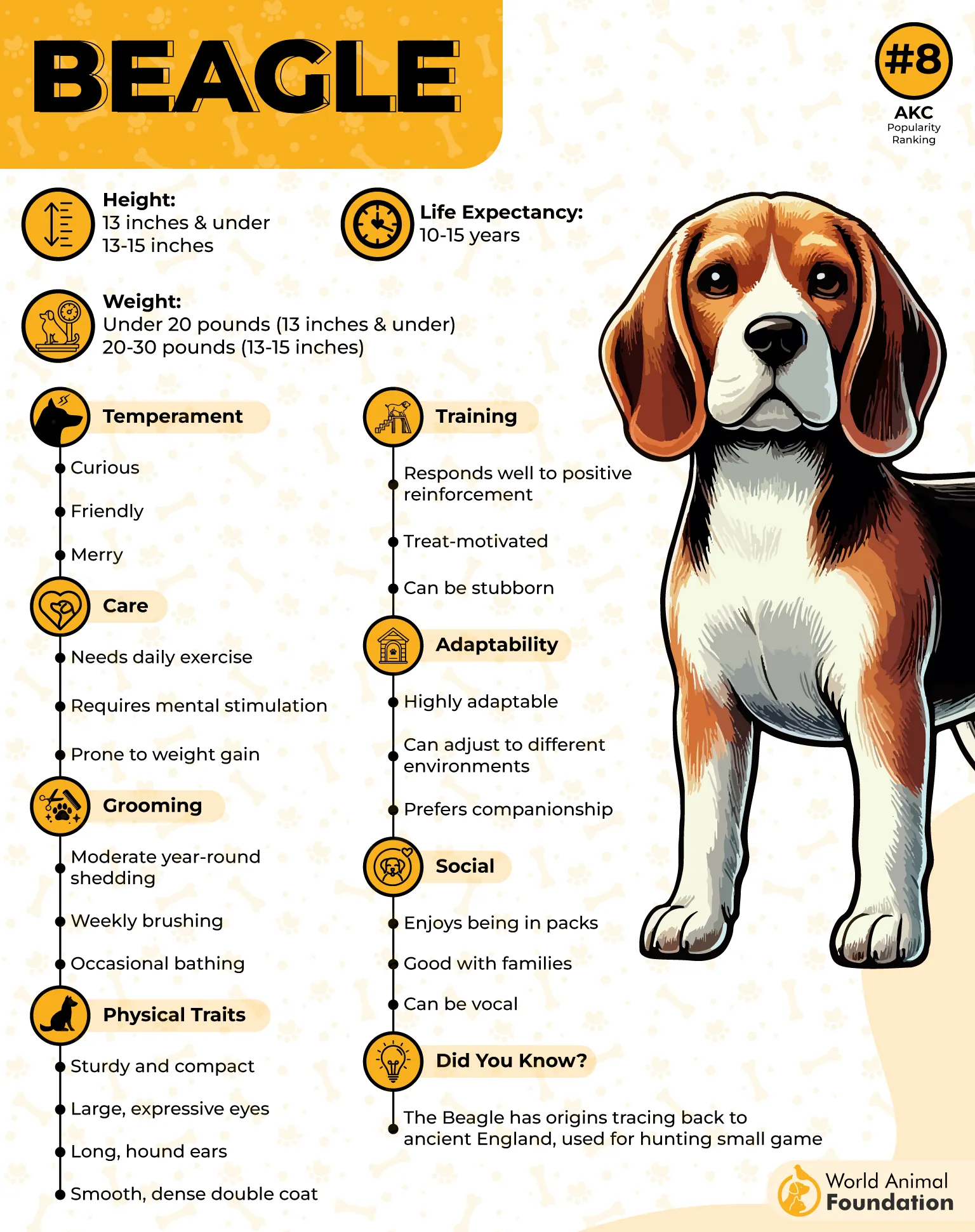
Maintaining a healthy weight through a balanced diet and regular exercise is essential for supporting their long-term health.
Beagles are intelligent and social dogs, so mental stimulation, interactive play, and consistent veterinary care can further enhance their quality of life, helping them enjoy a full, active, and happy lifespan.
7. Rat Terrier

If you’re considering adopting or have recently welcomed a Rat Terrier into your home, you might be curious about how long you can expect to share your life with this lively and spirited breed.
Rat Terriers are known for their longevity, often living 15 to 18 years, making them one of the longest-lived dog breeds. The record for the longest-lived Rat Terrier belongs to Jake, who reached an incredible 21 years, born on July 21, 1994, and passed shortly after its birthday in 2015.
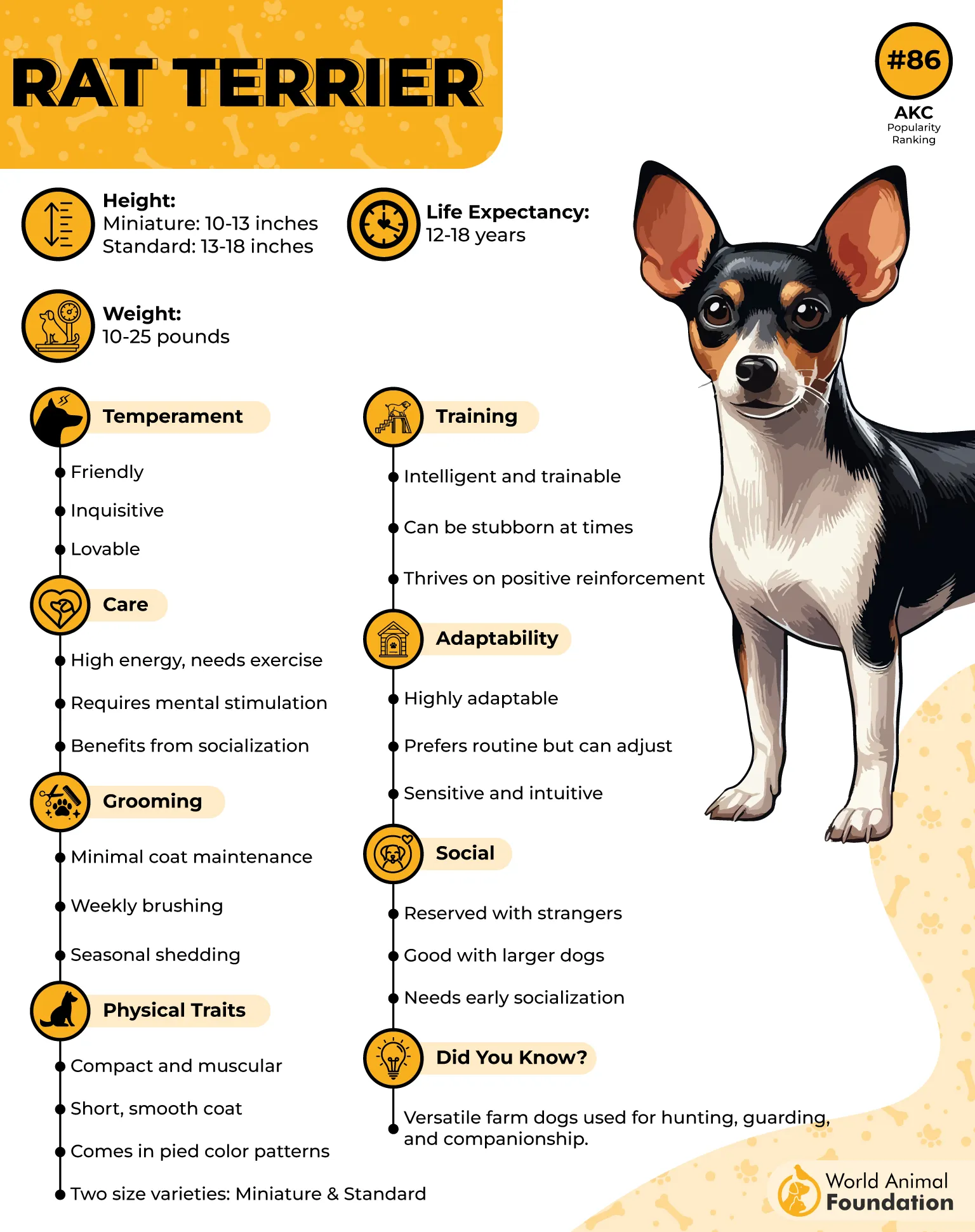
Helping a Rat Terrier reach its full lifespan involves several key factors, including regular veterinary care, a nutritious diet, strong genetics, a clean and low-pollution living environment, and consistent exercise and mental enrichment.
With proper attention and care, Rat Terriers can enjoy a long, healthy, and joyful life as devoted companions, highlighting the importance of understanding dog aging project insights for all dog lovers.
Conclusion
The breed lifespan of dogs is influenced by several interconnected factors, including genetic diversity, breed-specific traits, and overall canine health.
Although being a pure breed can sometimes make a dog more vulnerable to inherited conditions, maintaining a dog’s health through balanced nutrition, regular exercise, and preventive veterinary care can greatly enhance longevity.
Moreover, the dog owner relationship plays a vital role, as attentive and responsible care directly impacts both physical and emotional well-being. By understanding these factors and providing a supportive environment, owners can help their dogs live long, healthy, and fulfilling lives.
Dog Breed Lifespans Quiz 🐶 Can You Score 5/5?
What is the typical lifespan of smaller dog breeds?
On average, how long do Chihuahuas typically live?
Why must Dachshunds avoid activities like jumping from furniture?
What is the average lifespan of a Toy Poodle?
Which dog breed mentioned has a record lifespan of 21 years?
