




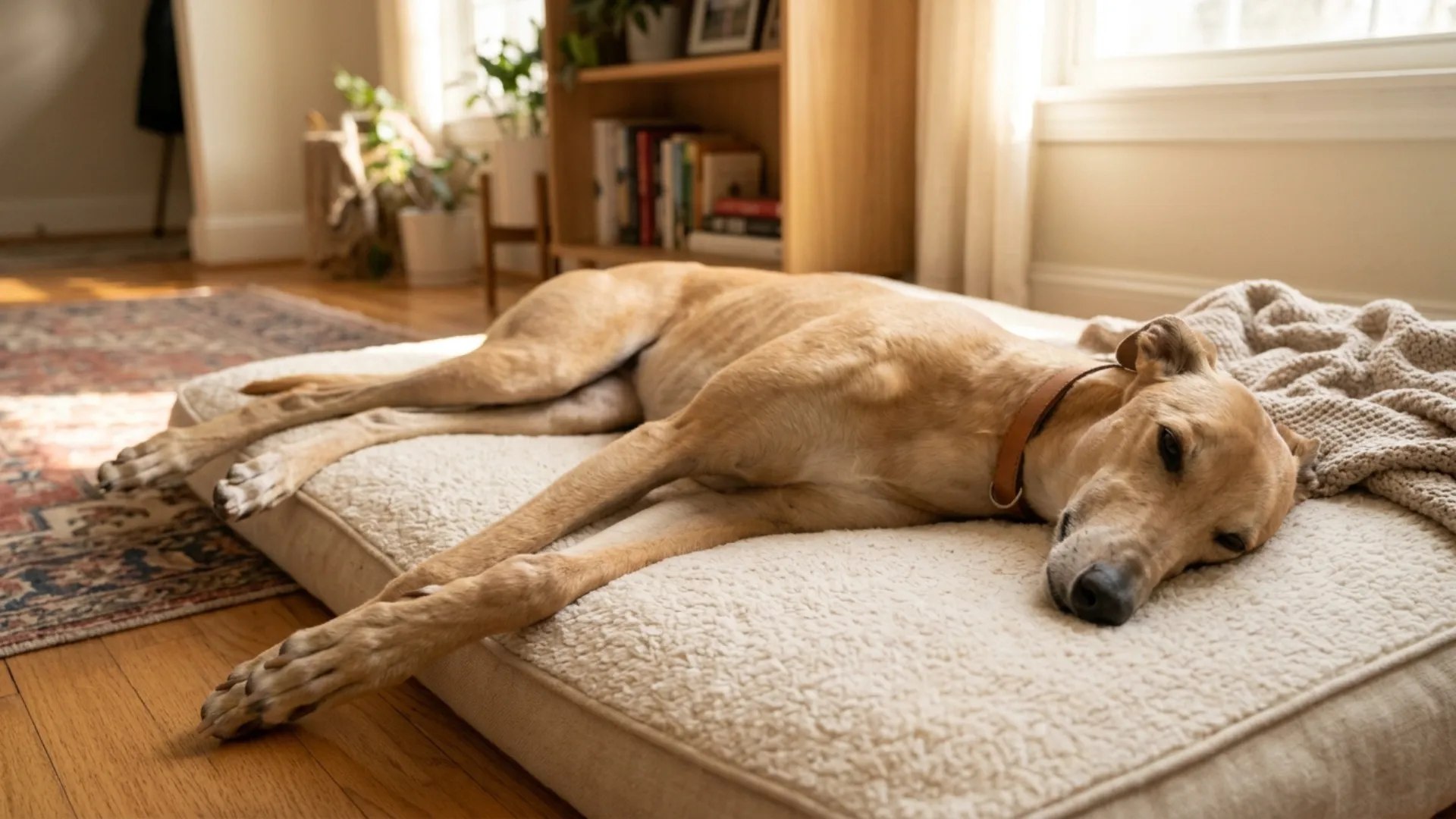
Not every dog wants constant action all day long. While dogs are naturally social animals, some are far more independent and relaxed than others, making them better suited for busy households and quieter lifestyles.
Whether you’re balancing work meetings, errands, or simply enjoy a calm home environment, choosing a dog that can comfortably handle short periods alone can make life much easier. The right breed won’t just fit into your routine—they’ll thrive in it.
Of course, no dog should be left alone for an entire day, but many adult dogs can manage a few hours peacefully when they have proper exercise, mental stimulation, and a comfortable space to relax.
If you’ve been dreaming of dog ownership but worry your schedule may be too hectic, don’t give up just yet. Some are naturally low-maintenance dog breeds, less demanding, and happy to enjoy slow-paced days without needing constant entertainment.
In this article, we’ll explore the best dog breeds that are known for being independent, adaptable, and perfectly suited for relaxed days at home—while still bringing plenty of love, loyalty, and companionship into your life.
Key Takeaways
Some dogs are calm and independent enough to handle short periods of alone time when their routine is stable.
Greyhounds and Basset Hounds are relaxed breeds that love quiet homes and long periods of rest.
Chow Chow and Tibetan Mastiff are reserved, self-reliant dogs that prefer peace and personal space.
The right match between lifestyle and breed keeps your dog happy, balanced, and stress-free daily.
Dog Breeds You Can Leave Alone for Relaxed Days
1. Greyhound
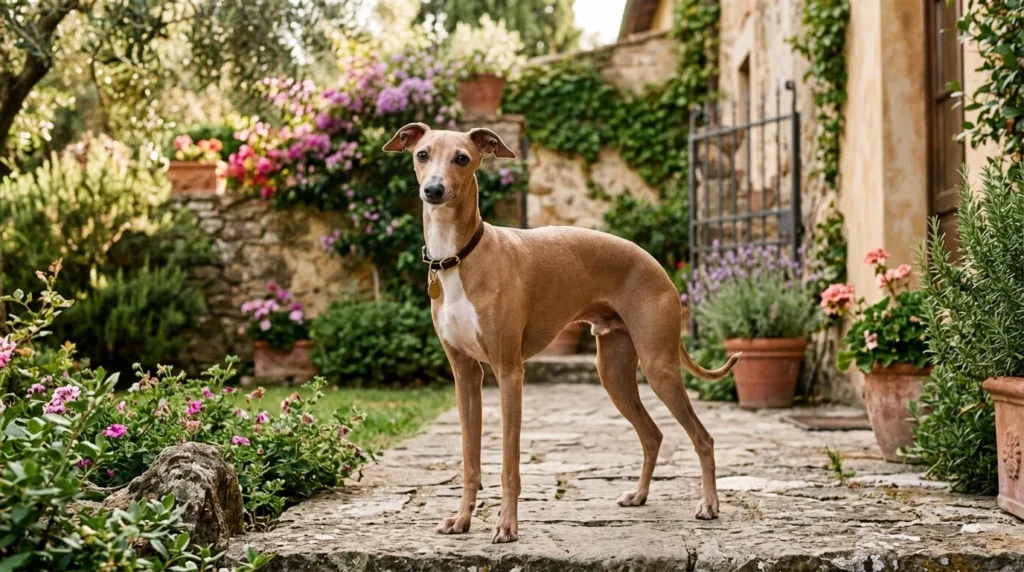
Known as the “40 mph couch potatoes,” Greyhounds are calm, gentle dogs that surprisingly enjoy lazy days at home. Even though they are the fastest dog breed in the world, they are usually quiet indoors and love stretching out on a comfy couch for hours.
Their relaxed and independent personality makes them one of the better dogs for owners who may need to leave them alone for short periods during the day.
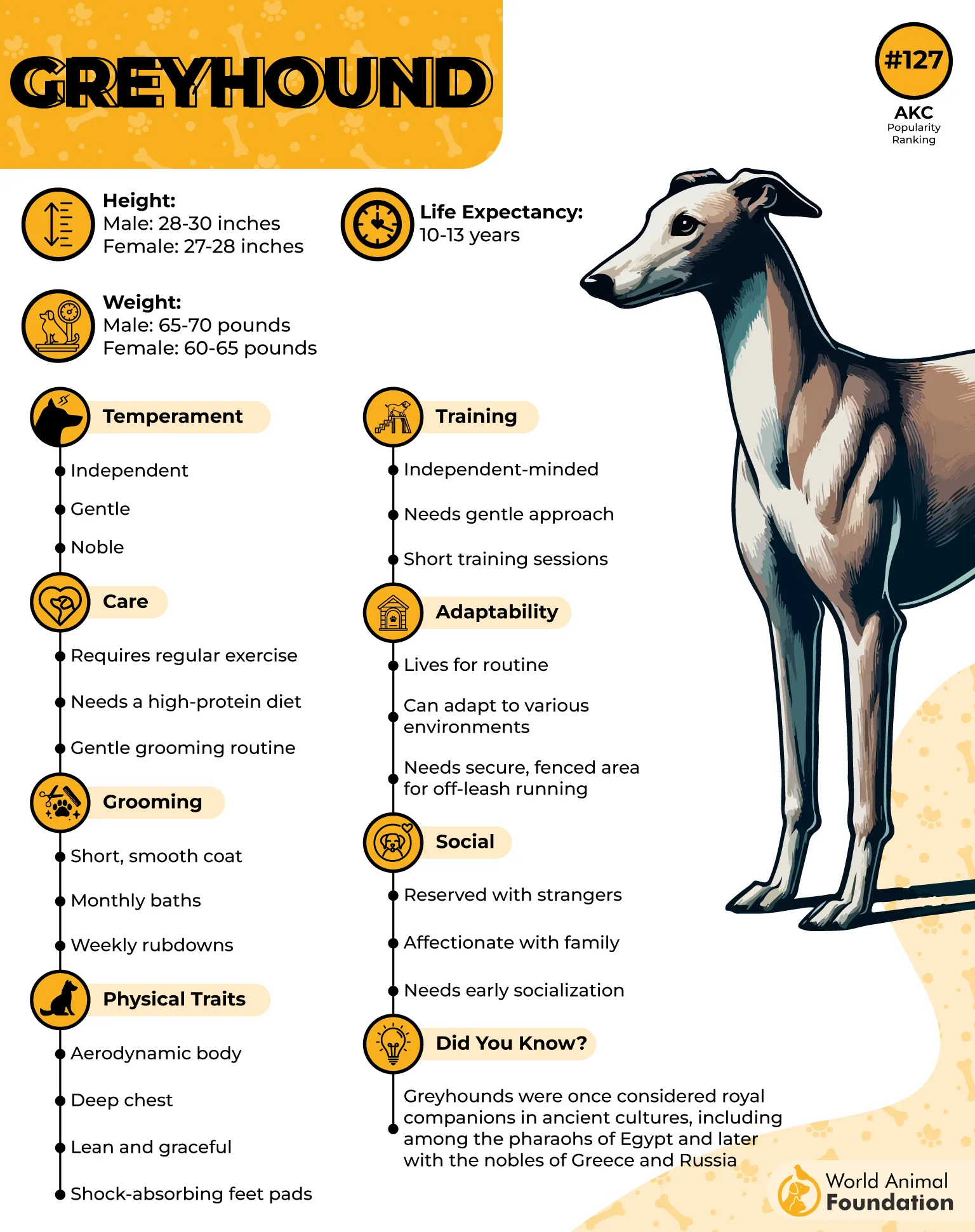
According to the American Kennel Club, Greyhounds were originally bred to chase prey by sight rather than scent, so they are naturally independent thinkers. They enjoy spending time with their family members but are not usually overly demanding or clingy.
These dogs are affectionate and sweet-tempered, though they can be a little reserved around strangers. Early socialization helps them adjust better to children, small pets, and busy lifestyles.
Calm and quiet indoors
Happy with relaxed home routines
Need only moderate daily exercise
Short, smooth coat with easy grooming
Gentle and affectionate with families
Can get bored with long training sessions
Despite their athletic appearance, Greyhounds do not require endless activity to stay happy. A daily walk and occasional safe running time are usually enough for them. They adapt well to peaceful homes and apartment living, as long as they have a soft place to rest and regular companionship.
Their low-maintenance coat and laid-back personality make them a great fit for busy owners looking for an easygoing companion.
2. Basset Hound
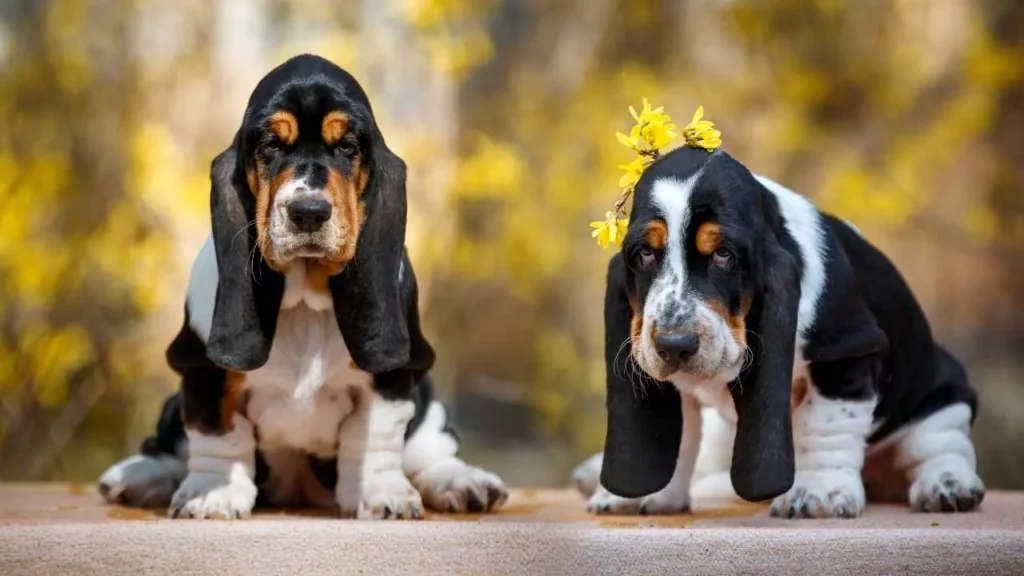
With their floppy ears, soulful eyes, and laid-back attitude, Basset Hounds are one of the most relaxed dog breeds around. These low-energy dogs love lounging indoors and are usually happy with calm daily routines.
Their easygoing personality makes them a good match for owners who may spend a few hours away from home during the day.
Basset Hounds were originally bred in France as scent hounds, which explains their strong nose and independent nature. They like following scents and sometimes prefer doing things at their own pace, so training can take patience and consistency.
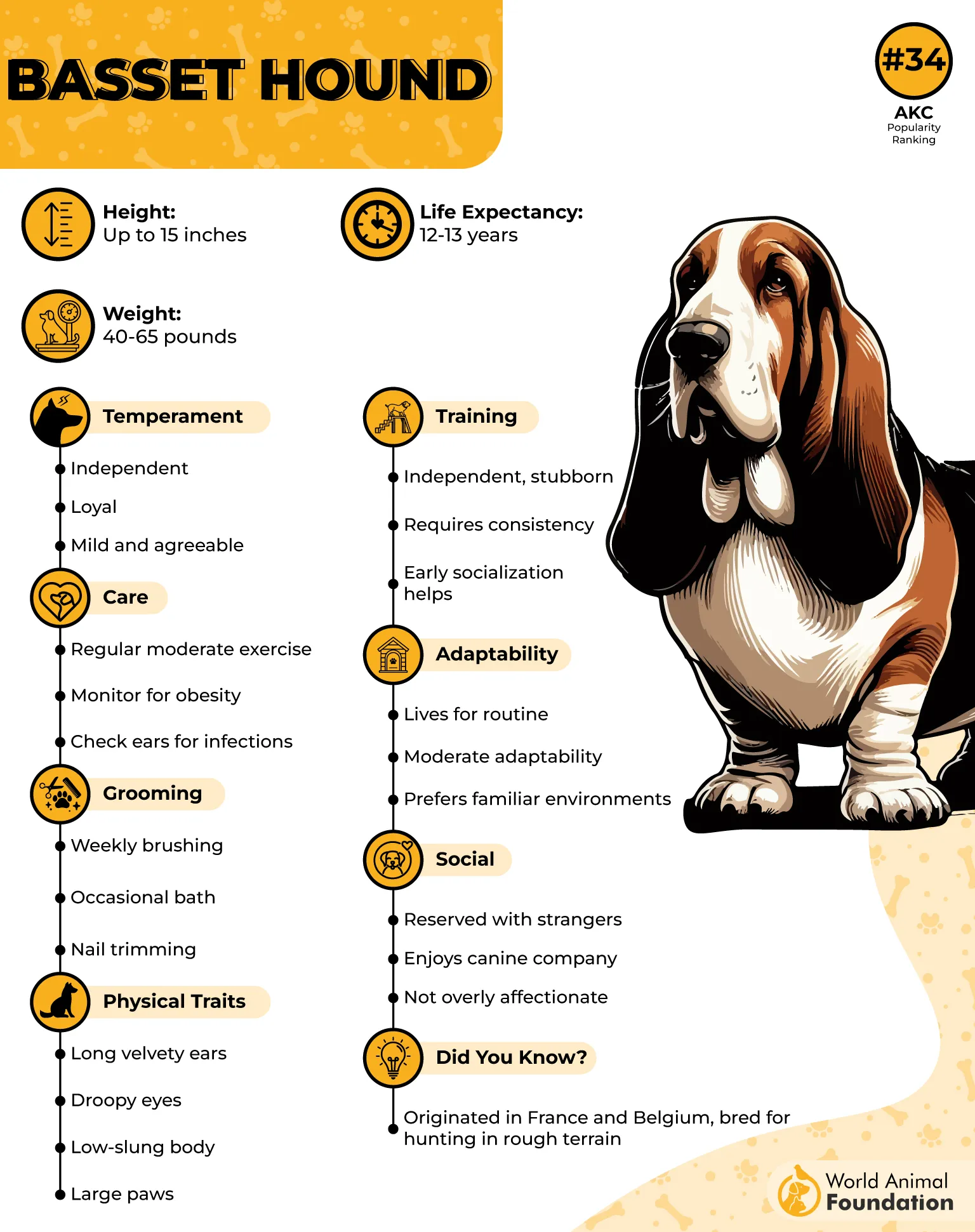
While they are affectionate and loyal with their families, they can also be stubborn at times. Early socialization and positive reinforcement work best with these gentle dogs.
Calm and low-energy indoors
Enjoy short daily walks and scent games
Friendly with families and other pets
Independent dog breeds are sometimes stubborn during training
Short coat with simple grooming needs
Loud bark and strong sense of smell
Even though Basset Hounds enjoy relaxing for long hours, they still need regular exercise to stay healthy and avoid weight gain. Most are content with moderate walks, interactive puzzle toys, and plenty of nap time afterward.
They usually settle well into peaceful homes and love having a cozy place to sleep while waiting for their owners to return.
🎧 Dogcast
Episode 37 — Why Dogs Stay Close without Touching
If you don't hear sound, tap the button above to enable audio.
3. Chow Chow
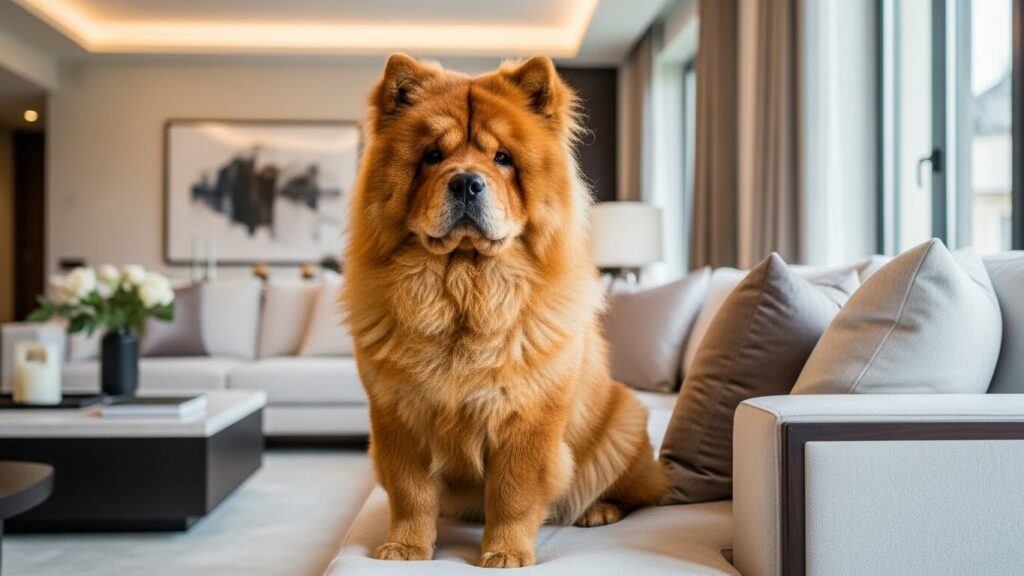
Majestic, lion-like, and quietly powerful, Chow Chows are one of the most distinctive dog breeds in the world. With their thick coats, deep-set eyes, and blue-black tongues, they look regal and a little mysterious.
These dogs are calm, independent, and naturally reserved, making them a strong fit for owners who prefer relaxed, low-demand companionship during busy or quiet days at home.
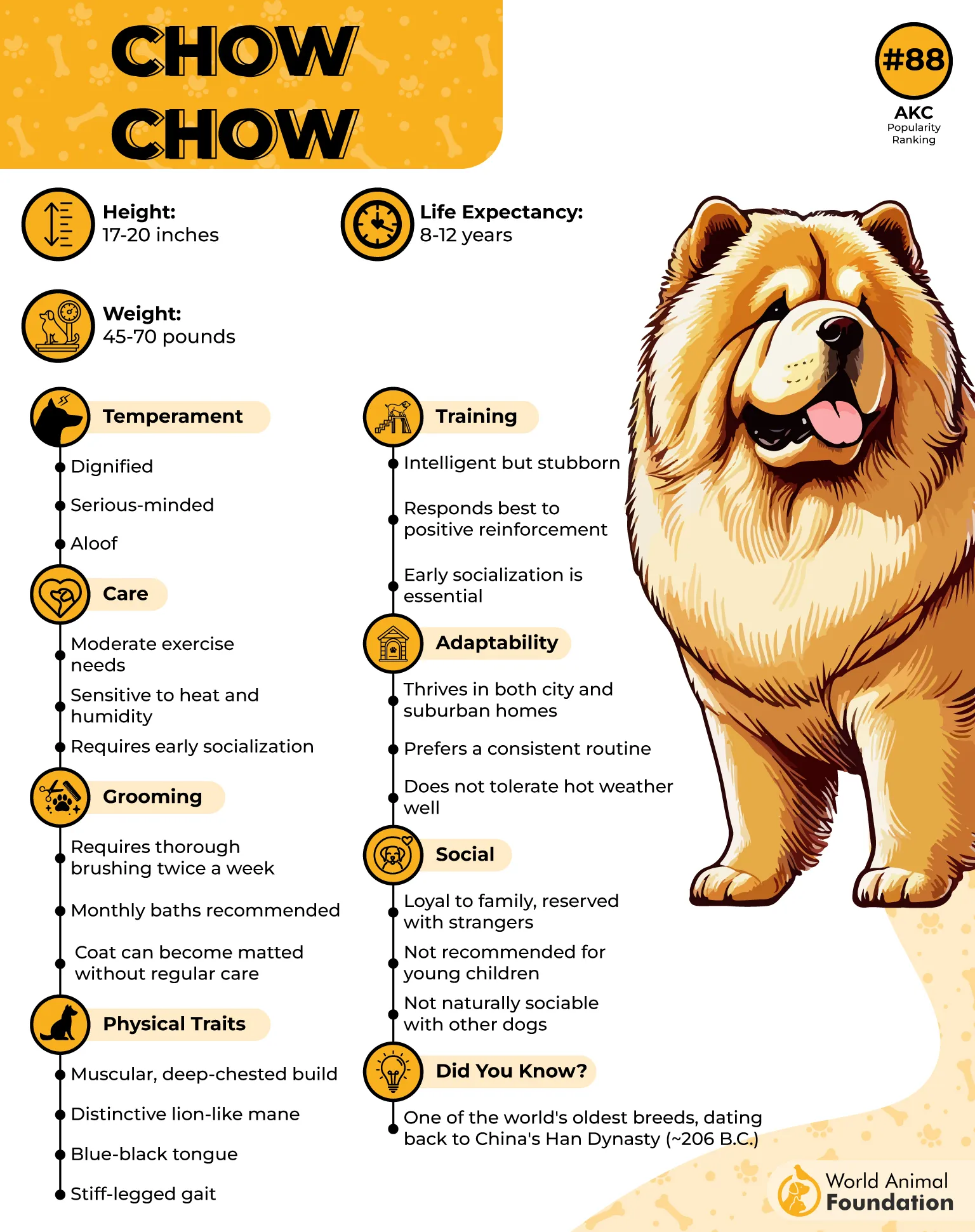
Chow Chows are highly intelligent but also quite strong-willed, which means they like doing things their own way. They bond deeply with their families but are not overly clingy or attention-seeking.
Early socialization is very important so they grow into balanced companions who are comfortable around people and different environments. They are generally clean, quiet, and easy to live with, especially in calm households where their personal space is respected.
Calm and independent nature
Low excitement level indoors
Loyal but not overly affectionate
Prefer structured and quiet environments
Need early socialization for balanced behavior
Moderate exercise, like short daily walks
Even though they are not overly active, Chow Chows still need regular short walks and light activity to stay healthy and prevent weight gain. They do not tolerate heat well, so cooler environments suit them best, as mentioned by Petplan.
Their thick double coat requires regular grooming to manage shedding, but overall, they are considered relatively low-maintenance in terms of energy needs. With the right routine, they adapt well to relaxed, indoor lifestyles and can comfortably handle short periods alone.
4. Chinese Shar-Pei
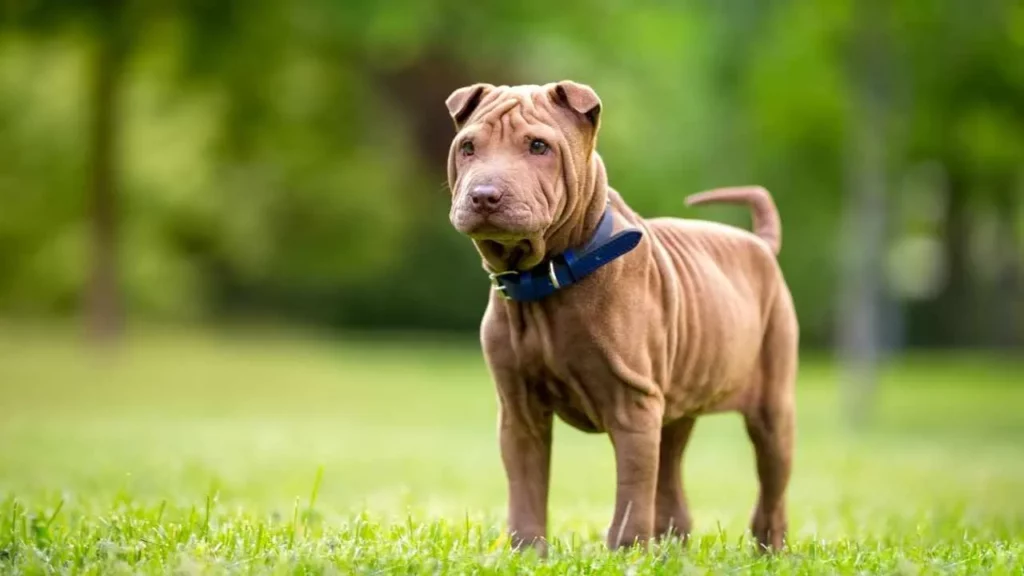
Like a living piece of ancient art, the Chinese Shar-Pei stands out with its deeply wrinkled skin, blue-black tongue, and calm but serious expression. This unique breed has an old-soul presence and a naturally reserved personality.
While they may look unusual, they are deeply loyal to their families and often prefer a quiet, predictable home environment—making them a good match for owners who are away for short, relaxed periods during the day.
Shar-Pei dogs are independent thinkers with a strong guarding instinct. They are intelligent but can also be stubborn, which means early training and socialization are very important. They bond closely with their chosen humans but are usually aloof with strangers and unfamiliar animals.
With gentle, consistent training, they grow into calm, well-mannered companions who prefer doing things at their own pace rather than being constantly directed.
Independent and gentle temperament
Loyal but reserved with affection
Low to moderate exercise needs
Prefer quiet and structured homes
Strong guarding instincts, need early socialization
Short walks and light activity are enough
Despite their calm lifestyle, Shar-Pei still need daily short walks and mental stimulation to stay balanced. They do not enjoy extreme heat and prefer moderate activity rather than intense exercise. Their grooming needs are fairly simple, but their skin folds require regular cleaning to prevent irritation.
Overall, they adapt well to low-energy households and can comfortably handle short periods alone when properly trained and socialized.
5. Irish Wolfhound
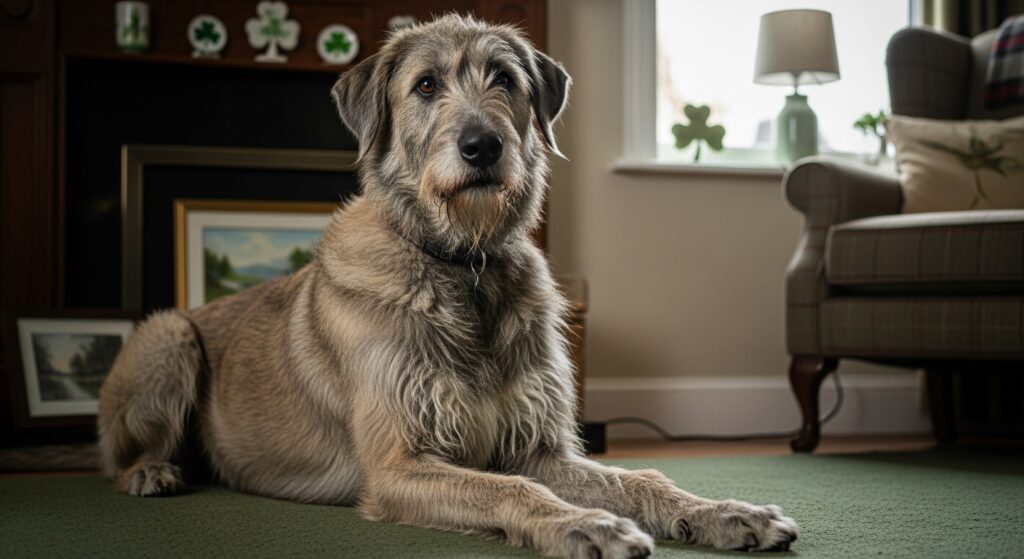
Towering, calm, and deeply gentle, Irish Wolfhounds are often described as “giant soft hearts.” Despite their massive size, they are one of the most serene and easygoing dog breeds. These dogs mature slowly and need time, patience, and guidance during their early months.
When left alone for long periods as puppies, they can show destructive behavior or even injure themselves, so early structure and safe environments are very important.
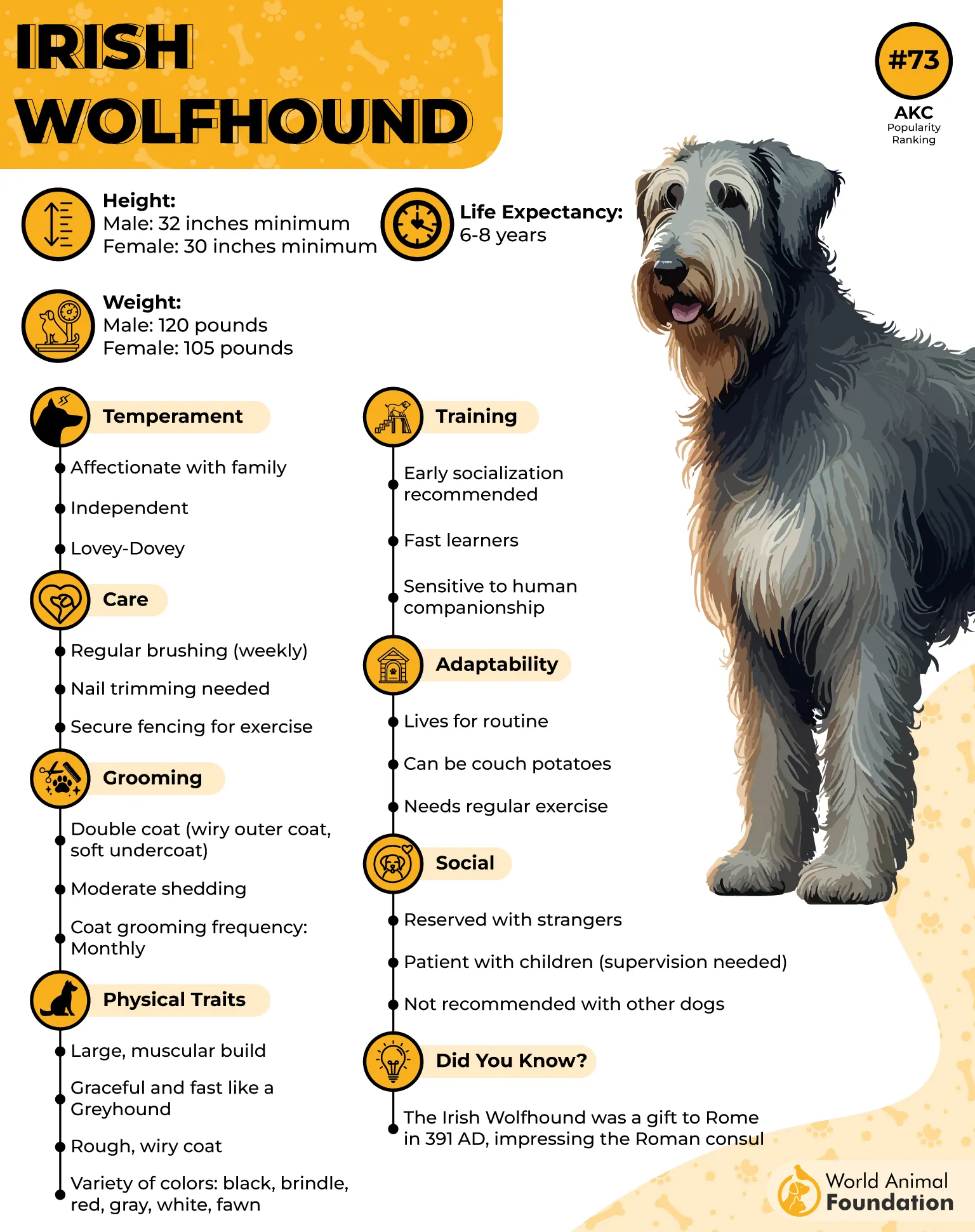
Irish Wolfhounds are intelligent and sensitive dogs that bond strongly with their families. They love being close to their people and can become anxious if left alone too long. Early socialization and positive training methods work best, as they respond poorly to harsh handling.
As adults, they may become very relaxed and even “couch potatoes,” but they still require daily exercise to stay healthy and balanced.
Calm, gentle, and highly affectionate breed
Strong need for companionship and human contact
Require early socialization and positive training
Can become destructive if left alone too long as puppies
Need daily walks and a safe, fenced outdoor space
Enjoy light activities like walking, tracking, and playing
Even though they are relaxed at home, Irish Wolfhounds still need regular movement to support their large bodies and strong instincts. They should only be let off-leash in secure, fenced areas due to their natural prey drive.
With proper care, they thrive in peaceful homes where they can enjoy both gentle activity and long rest periods, making them wonderful companions for relaxed lifestyles.
6. Great Pyrenees
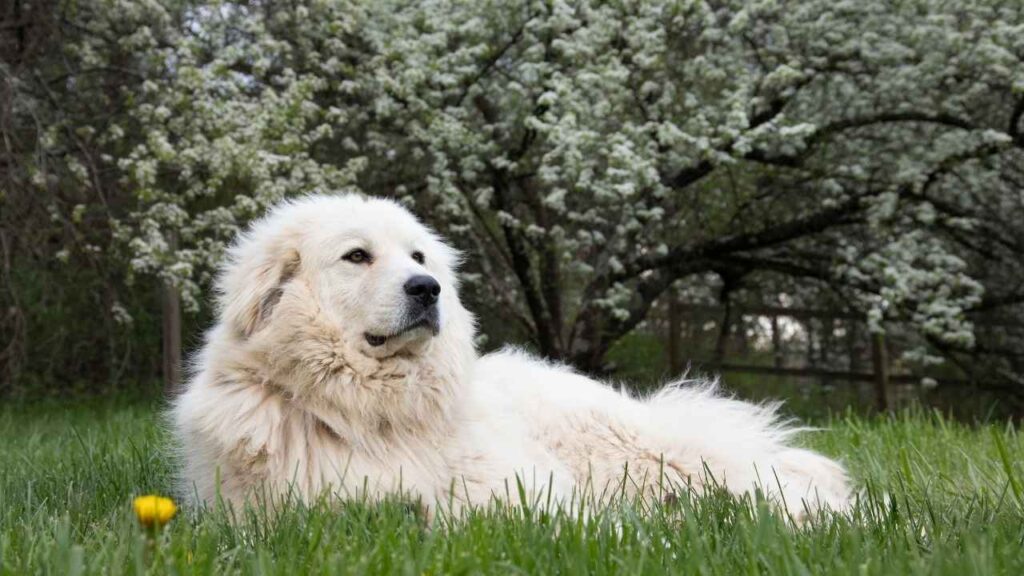
Majestic, calm, and built like a mountain guardian, the Great Pyrenees is a large working breed originally developed to protect sheep in snowy mountain regions. Despite their powerful build, they are gentle, quiet, and extremely patient at home.
These large breeds are naturally independent and can comfortably handle short periods alone, making them suitable for relaxed households with steady routines.
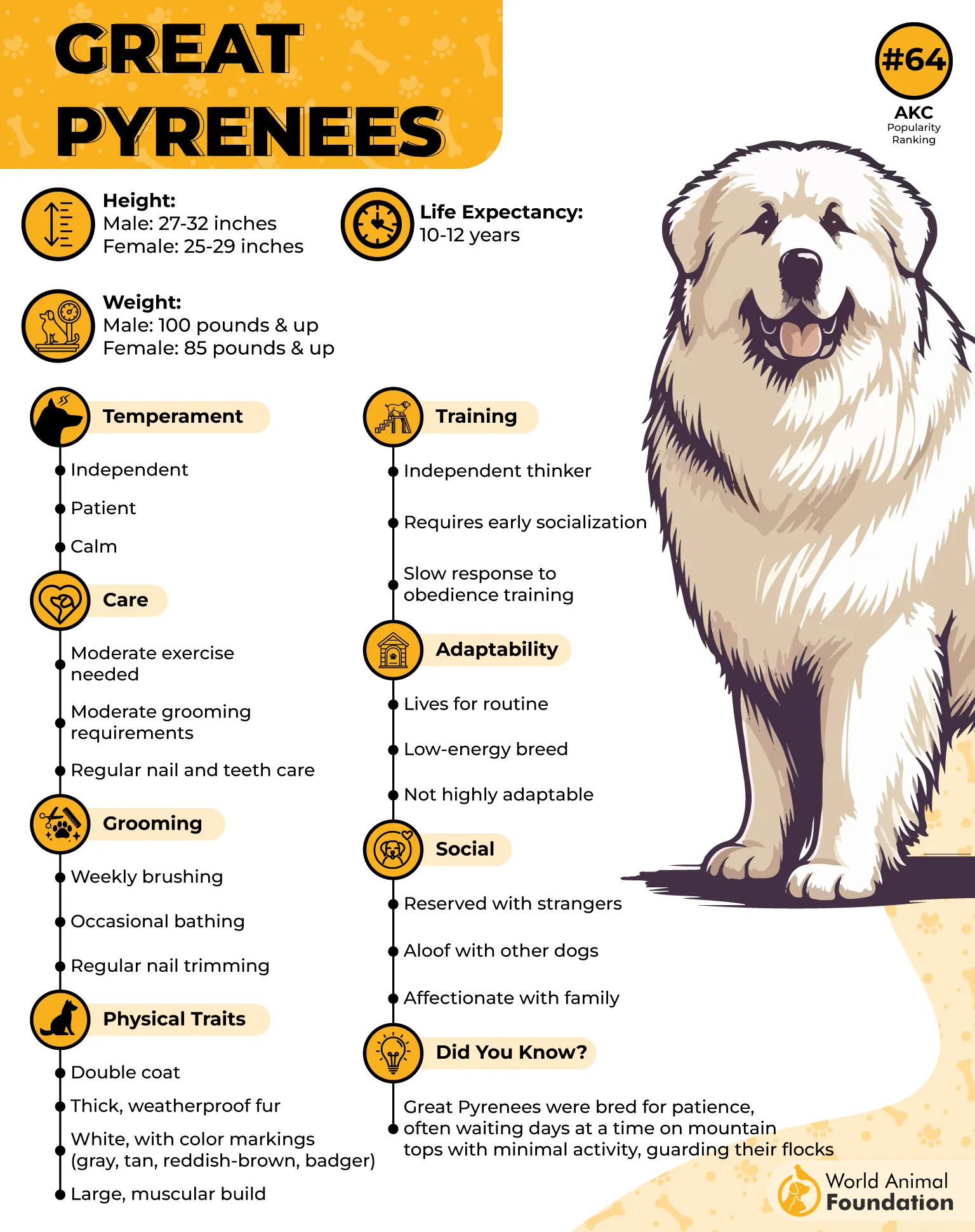
Bred to think for themselves, Great Pyrenees dogs are used to making decisions without constant human guidance. This independence can sometimes make them stubborn during training, as they don’t always respond quickly to commands.
However, they are intelligent and loyal, and early socialization helps them grow into well-balanced companions. They are deeply devoted to their families and are usually calm and affectionate indoors.
Calm and low-energy indoors
Strong, independent, and guardian instincts
Loyal but not overly demanding of constant attention
Require early socialization and consistent training
Moderate daily walks are enough for exercise
Naturally alert and protective of the home environment
Even though they are relaxed most of the time, Great Pyrenees still need regular walks and light activity to stay healthy and mentally engaged. They enjoy quiet environments, predictable routines, and plenty of space to move around.
Their thick double coat requires weekly brushing, but overall grooming is manageable. With proper training and structure, they become steady, low-maintenance guardians that adapt well to peaceful, home-centered lifestyles.
7. Tibetan Mastiff
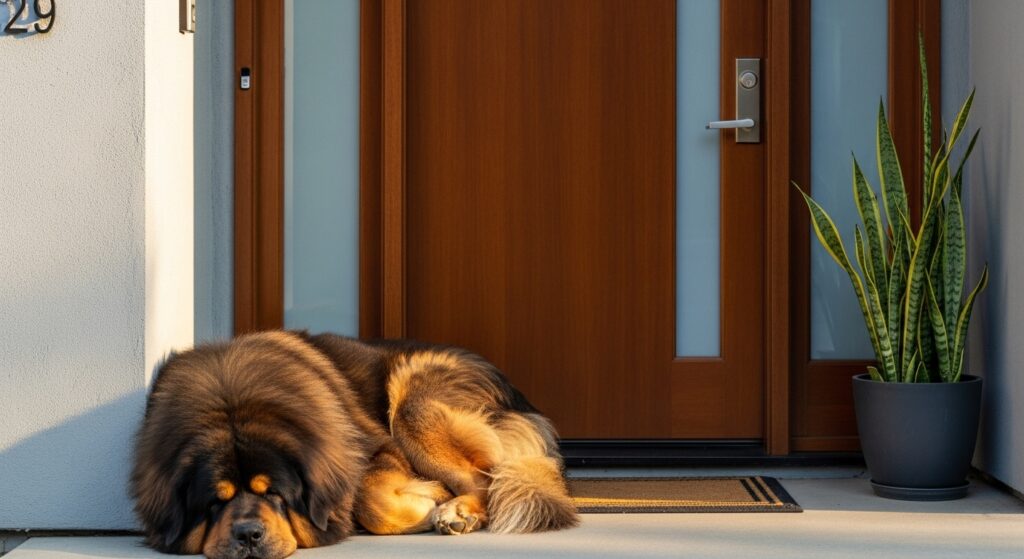
Mysterious, powerful, and deeply ancient, Tibetan Mastiffs are true guard dogs with a calm but commanding presence.
Bred for centuries to protect livestock in harsh mountain regions, they are naturally independent thinkers who can handle solitude better than many breeds when properly trained. While they are affectionate and loyal with their families, they are naturally aloof with strangers, according to PetMD.
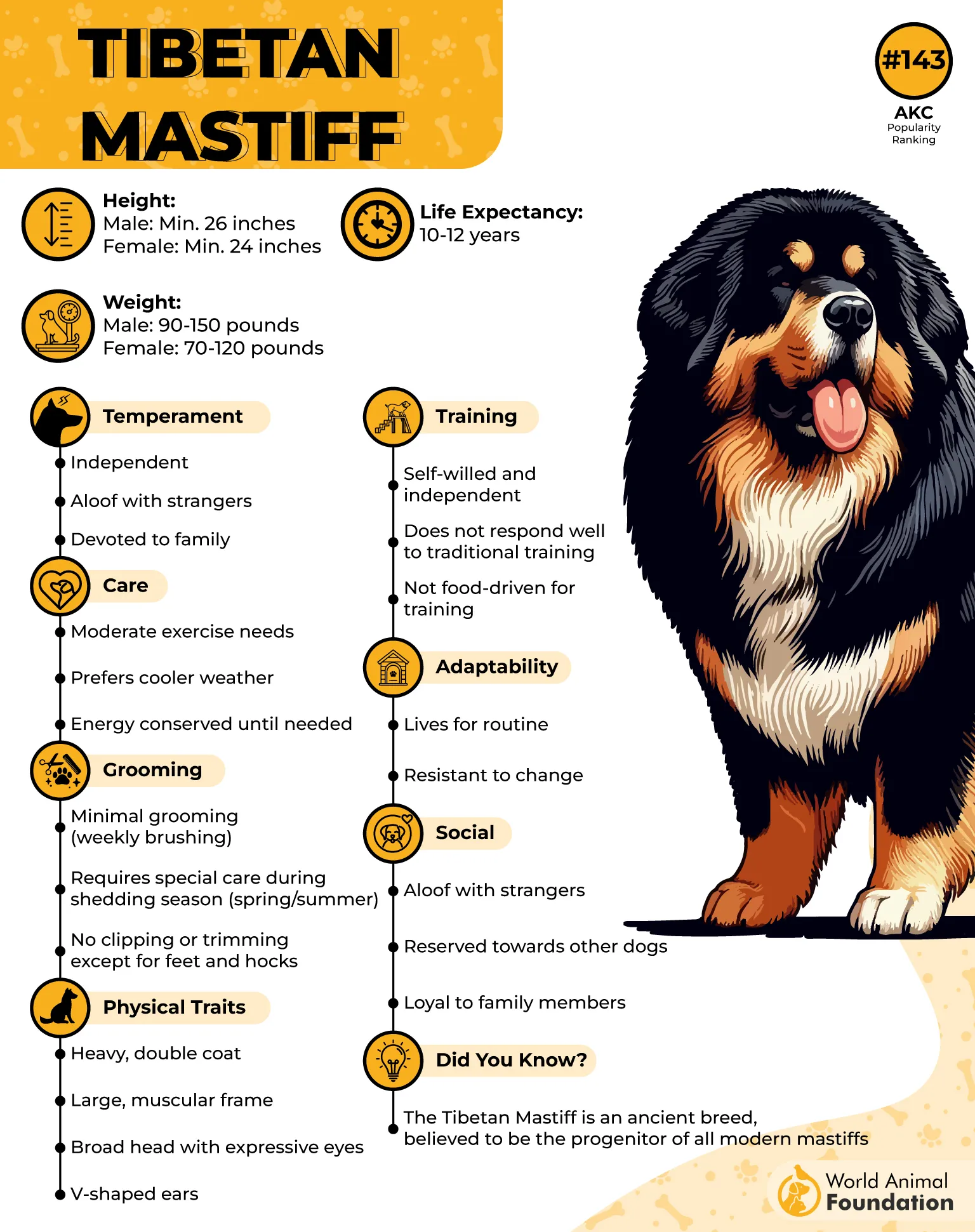
Tibetan Mastiffs are highly intelligent but very self-directed, which means they do not always respond to traditional obedience training in a predictable way. They learn quickly but may choose when to obey, relying heavily on their instincts.
This independent nature comes from their history as lone guardians. Early socialization and consistent, positive training are essential so they grow into balanced companions who understand household boundaries.
Independent and strong-willed temperament
Calm and quiet indoors, active in short bursts outdoors
Naturally protective and territorial instincts
Require early and consistent socialization
Do not always respond reliably to commands
Prefer structured routines with personal space
Even though they are large and powerful, Tibetan Mastiffs are not highly active dogs. They prefer moderate daily exercise like walks and light roaming rather than structured games or intense activity.
They are more alert during nighttime and may bark to signal anything unusual, reflecting their guardian instincts. Their thick double coat requires regular brushing, but their grooming needs remain manageable.
Conclusion
Choosing a dog that can comfortably handle being alone for several hours is all about balance—finding a companion that fits your routine without feeling stressed or neglected.
As we’ve seen, many breeds with calm, independent, or low-energy personalities can adapt well to relaxed daily schedules when they’re given proper training, socialization, and a stable environment. The key is not just the breed itself, but how well their needs are met through care, attention, and structure.
If you’re planning to bring a furry friend into your life, focus on building a lifestyle that supports both your schedule and their emotional well-being. When the match is right, these dogs don’t just fill your home—they quietly fit into your life and make even the busiest days feel a little more grounded.
