




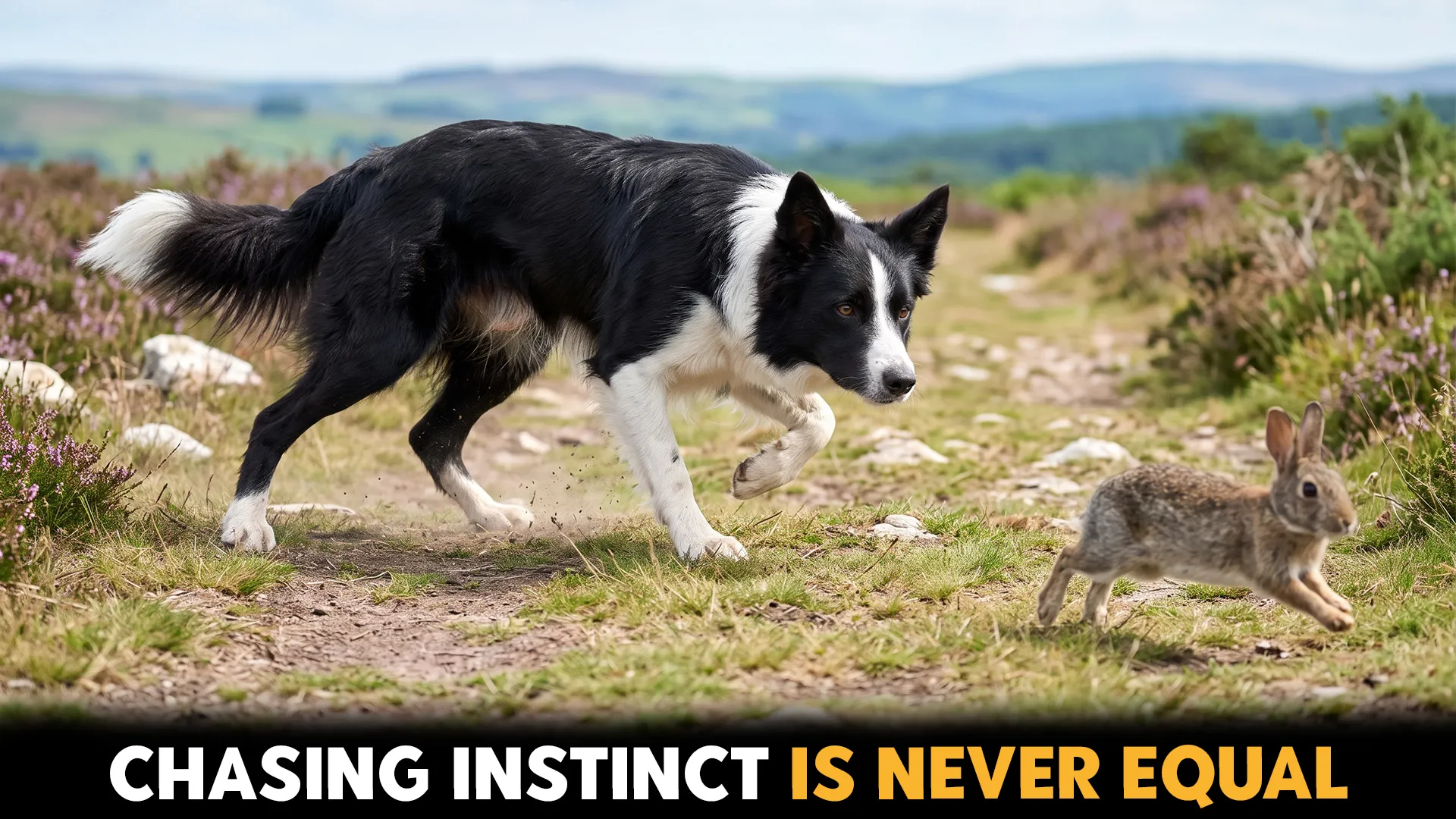
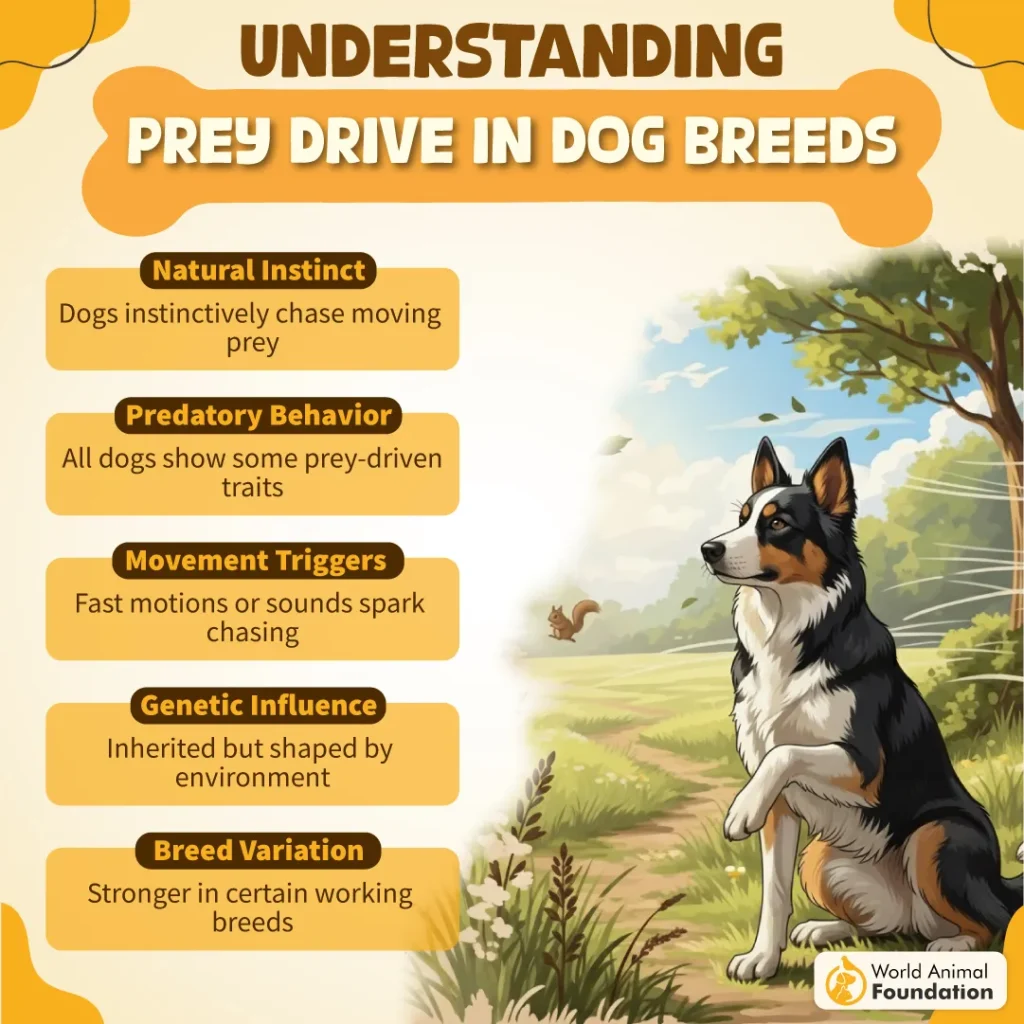
A squirrel scurries through the garden. One dog barely lifts its head, another freezes and stares, and a third runs after it, behind it, before anyone can react. One of the most interesting things that all these different chase elements show is that the prey drive doesn’t necessarily look the same for all dogs.
A prey drive is the instinct to observe, track, capture, and/or, in some cases, retrieve moving small animals and prey. This instinct has been bred into a different working behavior over the centuries.
Some individual dogs tracked birds out of thick cover, some were bred to follow a scent for miles, and some were bred to chase anything that moved in front of them. The simple thing that YOU need to know is that these hunting aides prove invaluable in certain aspects of the hunt.
There are seven breeds that express this interesting behavior, particularly around small animals and small pets. Learn about certain aspects of their personality, exercise needs, hunting styles, and more.
Dog Breeds With Varying Levels of Prey Drive
1. English Springer Spaniel
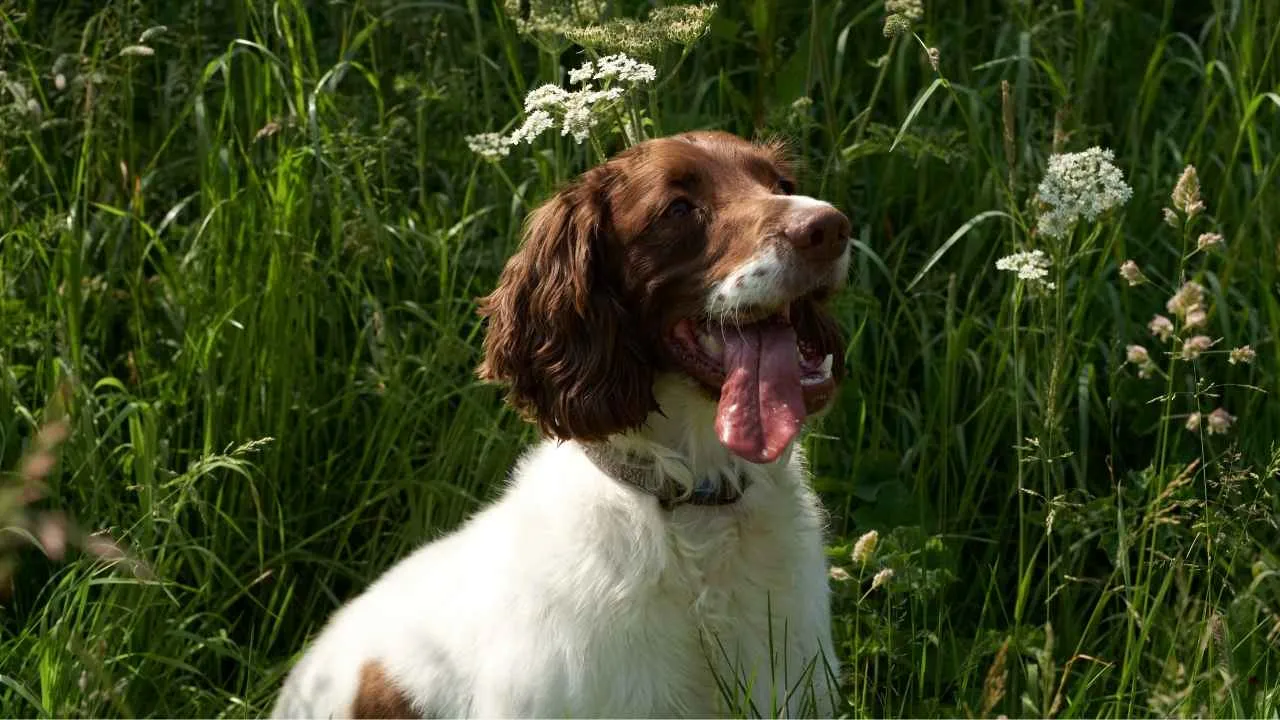
This family pet has a prey drive that starts with its nose and ends with a retrieving task. It was originally bred for hunting and served as a partner in the hunting field to flush and retrieve game birds.
Its name is due to it emitting a “springing” sound while hidden in dense cover. A working Spaniel searches carefully among grass, brambles, and woodland cover. It is able to detect the odor of birds, charges in on them, and then drives them into the air.
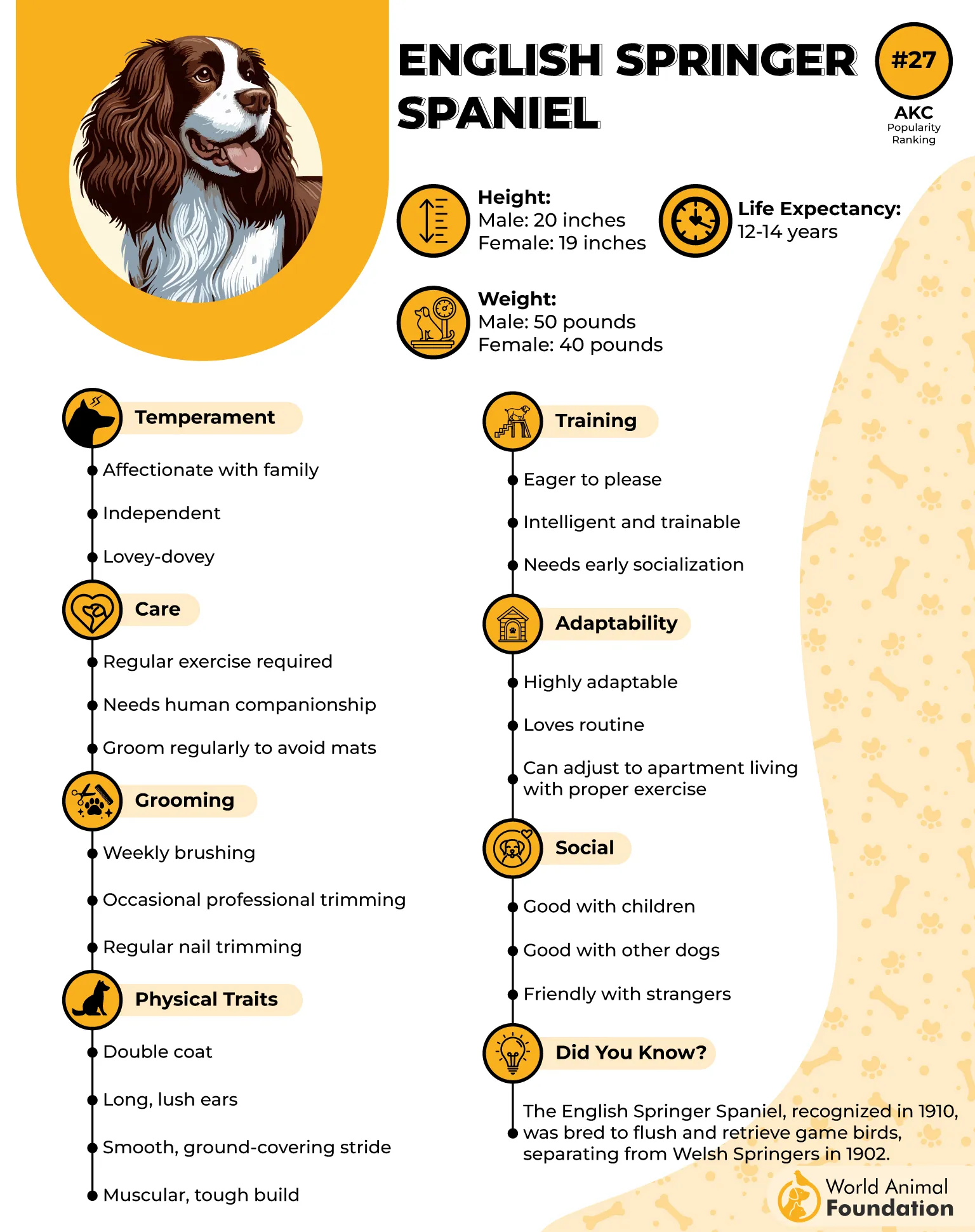
Springers work in their handler’s gun range. They don’t run off into the distance; they actively look for information and are sensitive to guidance. They’re known for their passion for hunting and cooperation.
Although the AKC describes this breed as sweet-faced, don’t let that fool you. This breed can exhibit its prey drive on normal walks, especially when birds or wildlife are sighted. So, prioritize leash training and learn to hone their instincts toward proper outlets.
2. Weimaraner
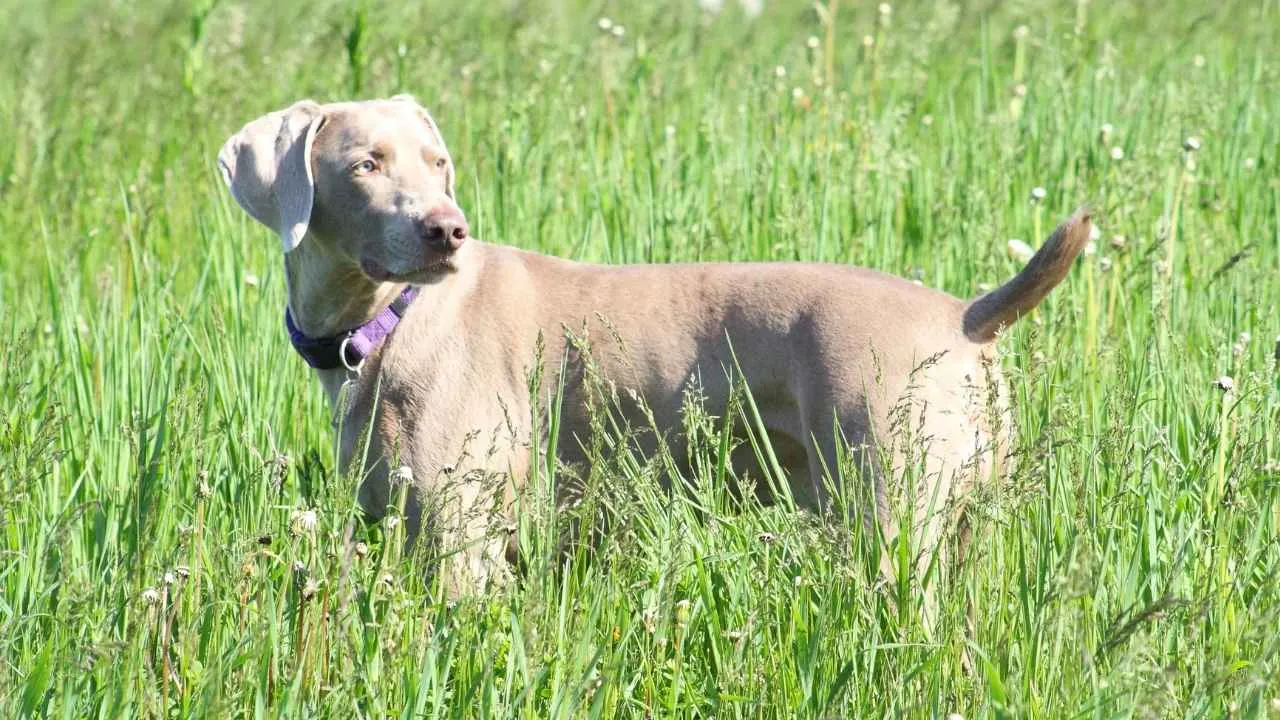
The Weimaraner has a stronger sense of smell compared to the average dog, which is definitely something to consider for hunters. Its hunting senses are not limited to tracking and pointing; it also has an affinity for searching and retrieving, which makes this breed quite versatile.
Its most interesting behavior is pointing. If the breed spots game, it will suddenly come to a halt, turn its body and attention towards the direction of the game, and in that movement alert you to the quarry as well.
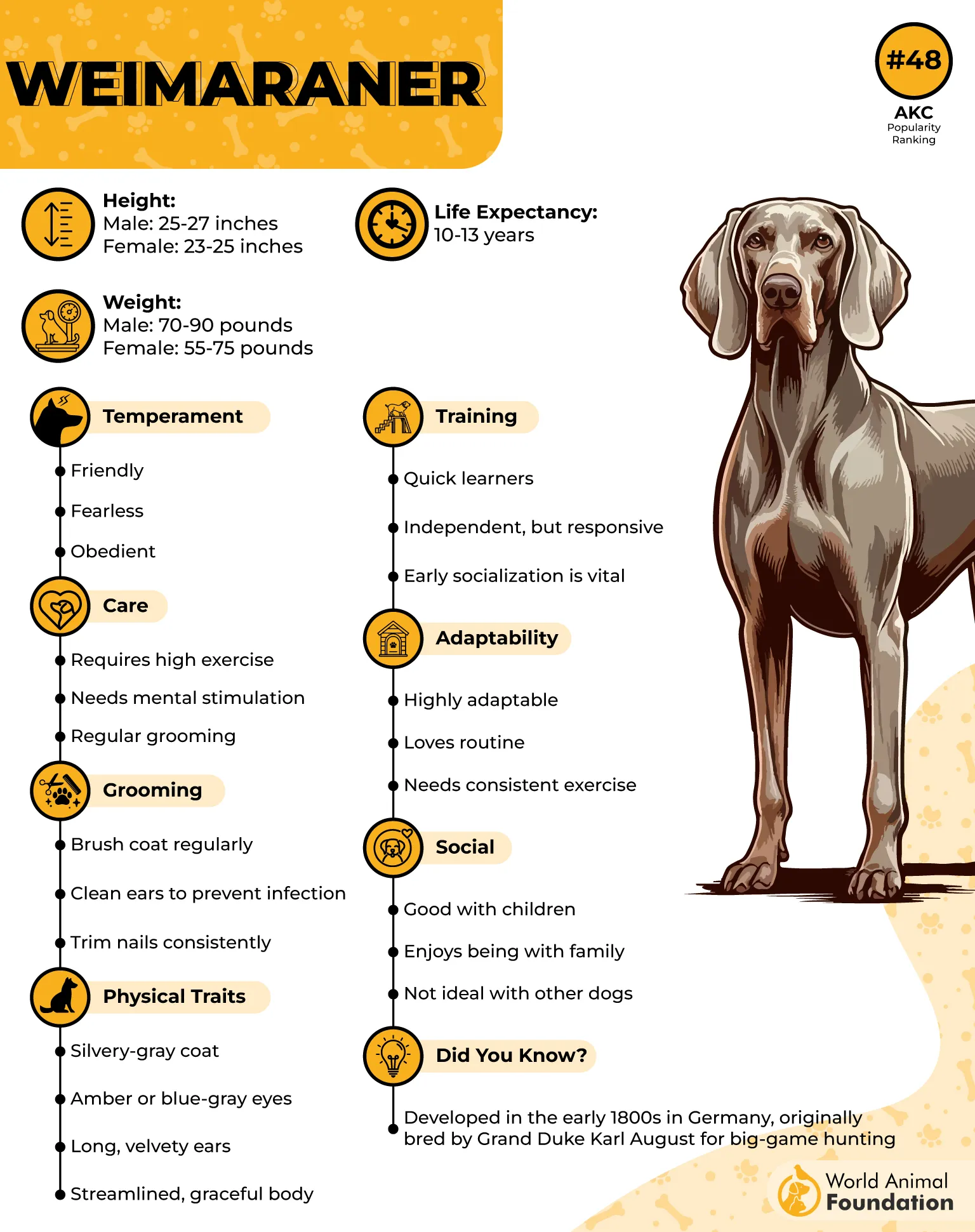
Its silver-gray fur and light eyes give the impression of a ghost prowling through a field. The nickname, Grey Ghost, is apt for a breed bred to be a versatile German hunting dog that is active and has a lot of stamina.
Weimaraners are people-oriented pets and excel when included in daily activities. They require games and retrieval activities, hunting trials, and more to ensure their working minds are satisfied, and they’re not actively jumping and chasing after anything whizzing by.
3. Airedale Terrier
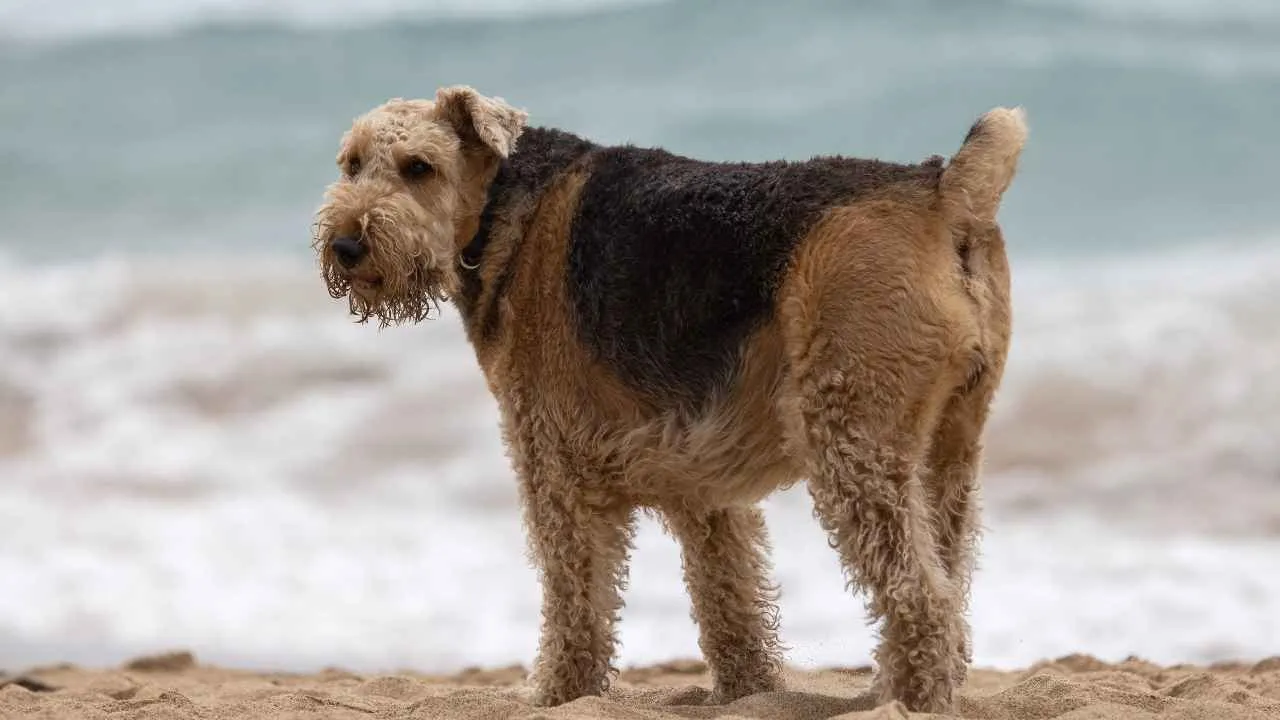
This breed has made its reputation as the King of Terriers for three reasons: the first being its size, the second its courage, and the third its versatility. Created in the Aire Valley in Yorkshire, this hunting companion is able to travel a great distance and perform a variety of tasks.
The Airedale is a working dog bred to be a general-purpose breed and not a specialist in one specific style of hunting; it might follow a trail, explore holes, river banks, chase down small animals, and fetch game, which is something to consider in the long run.
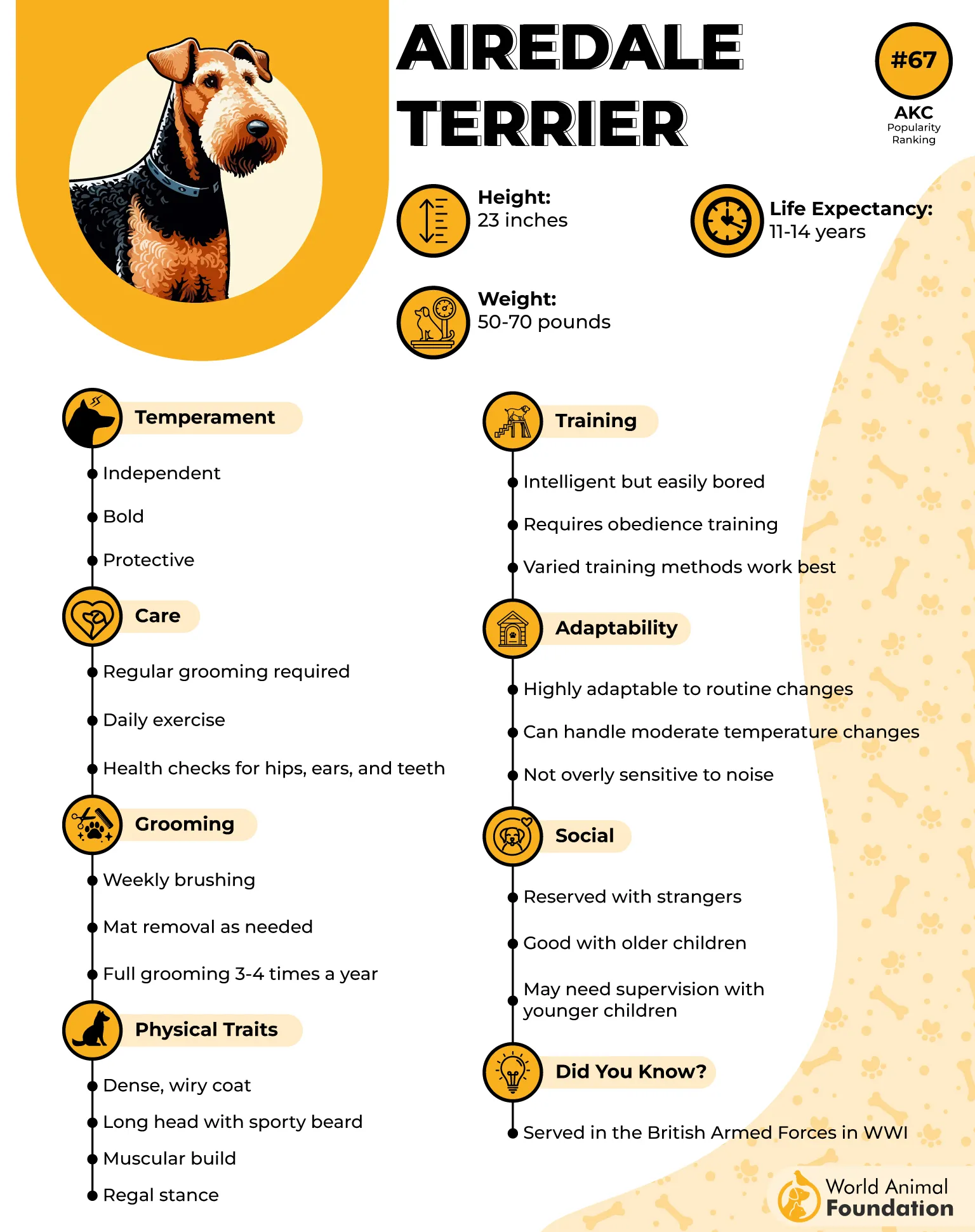
An Airedale may dig with great enthusiasm in the garden or follow scent trails. It can be difficult to recall if something more interesting has caught its attention. Owners need to use a positive training approach in tandem with activities that give the dog chances to work safely, searching, investigating, and problem-solving.
The Airedale’s determination, swimming prowess, and desire to chase after running birds make it ideally suited to many hunters.
4. Border Collie
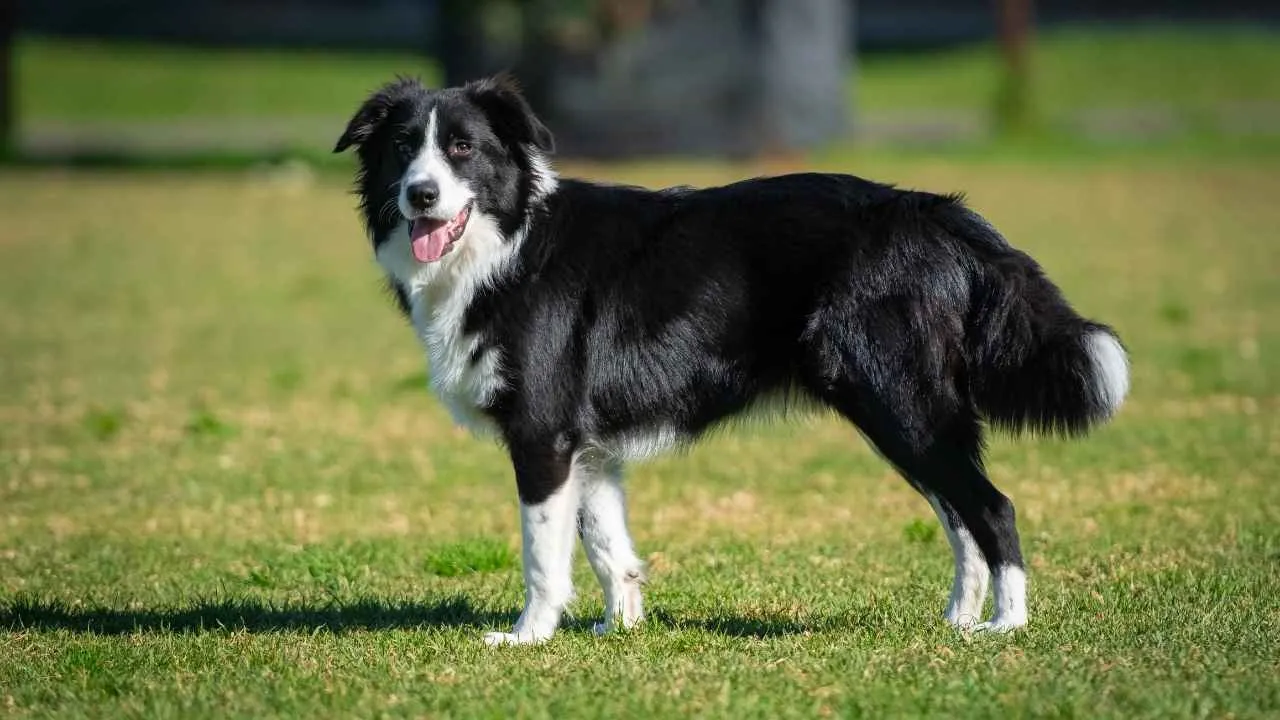
Described as one of the most intelligent breeds in the world by Orvis, there’s plenty of reason why this breed would be mentioned on this list. It does not hunt or pursue animals, but part of the “predatory” sequence is used to control livestock.
The Border Collie has a well-developed, but suppressed, instinct to kill livestock, and the stalking and chasing aspects of the breed are well developed. It has a modified working instinct, intended for flock movement.
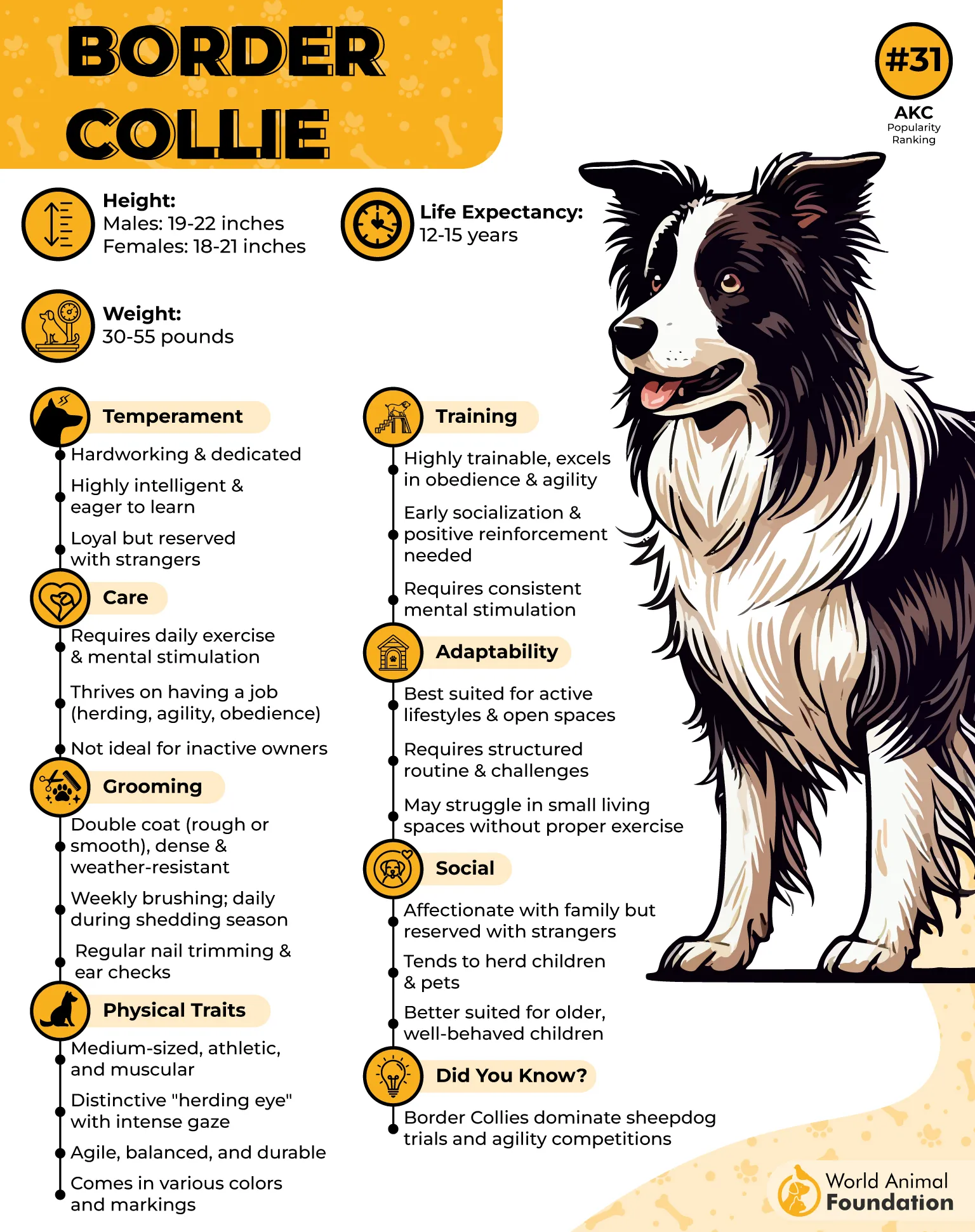
But life at home can be a challenge. BC’s may herd children, other small pets, or even cars and bicycles. They get frustrated if there is a lack of mental stimulation, which is why physical and mental stimulation is vital for these canines.
Games and exercises that involve herding, agility, obedience, and systematic problem-solving put their instincts to use and satisfy them in the long run.
5. Greyhound
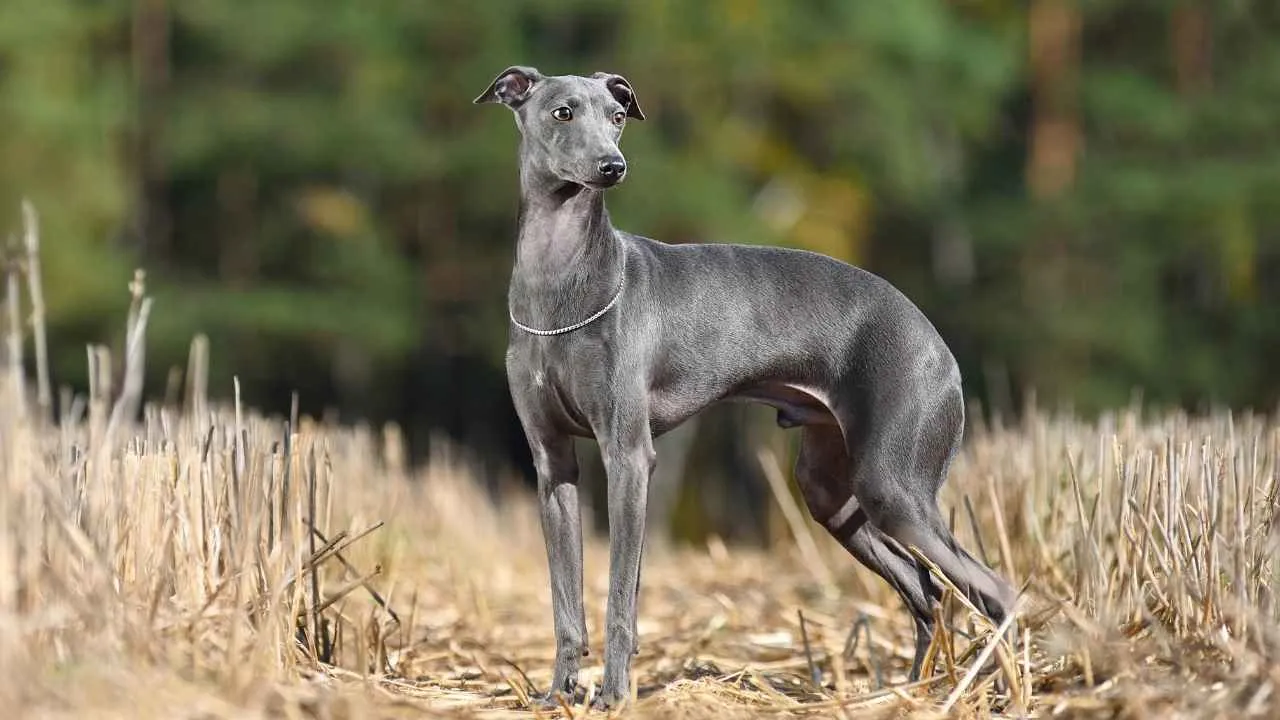
Greyhounds have a high energy level, as stated by PetMD, and keeping up with this energy level is essential for aspiring Greyhound owners.
The most obvious example of a sight-based prey drive is seen through this breed. Many hunting dogs rely on smell to locate their quarry, but this sighthound is designed to react to movement and run at its quarry with remarkable speed.
It has a long, narrow skull, a deep chest, a flexible spine, and strong legs that make it capable of gaining speed quickly. In the past, it preyed on sight – animals were found outside cover and were subsequently pursued.
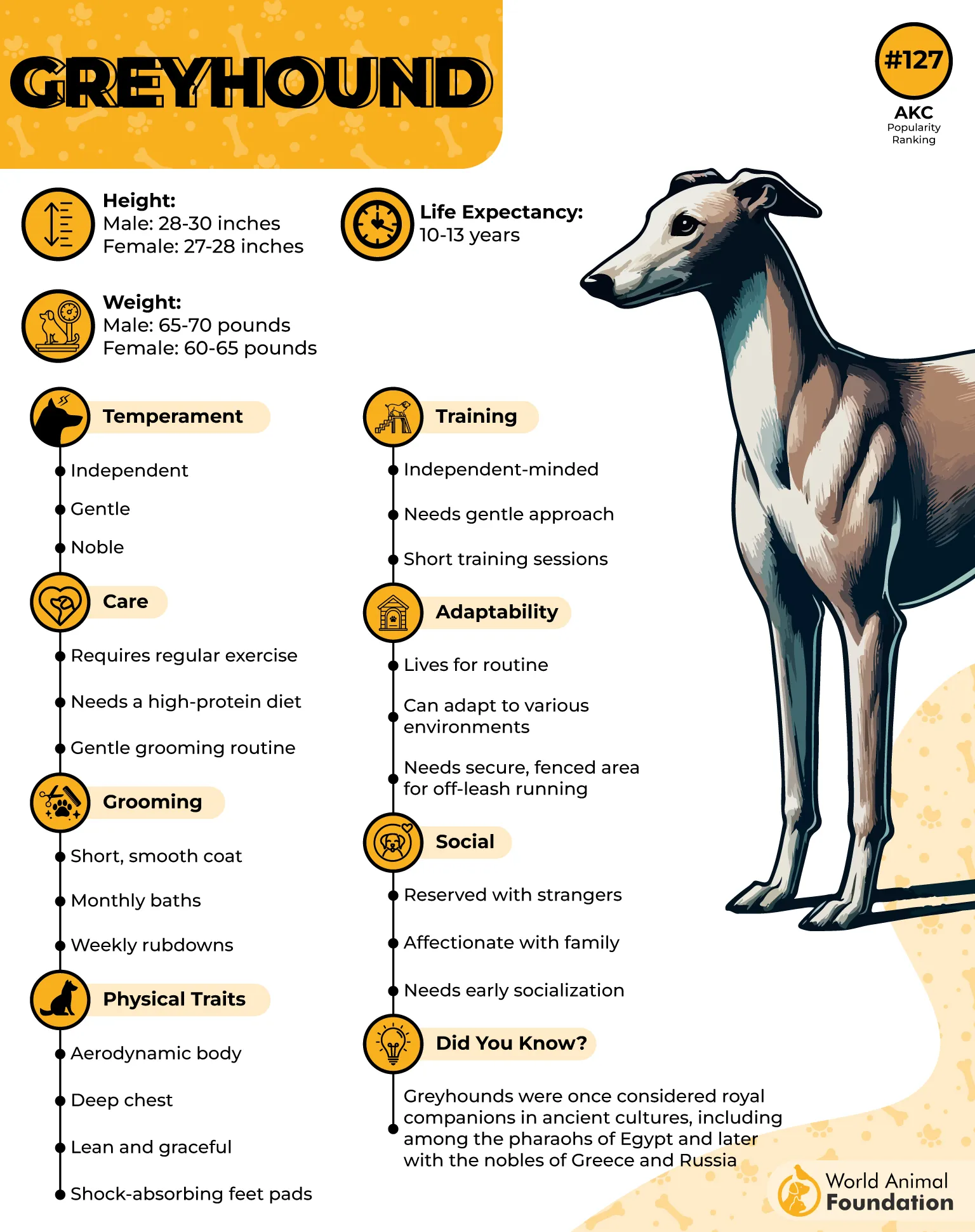
Its hunting instincts are quite strong. A Greyhound lounging inside peacefully can become extremely focused if a small animal comes into its sight. From rest to chase, it can take just a few seconds, and by that point, it may be too late for an owner to intervene.
Many Greyhounds are prone to extended periods of leisure and rest in between short bursts of energy. They need exercise but aren’t necessarily looking for activity; rather, they need the right visual stimulus.
6. Jack Russell Terrier
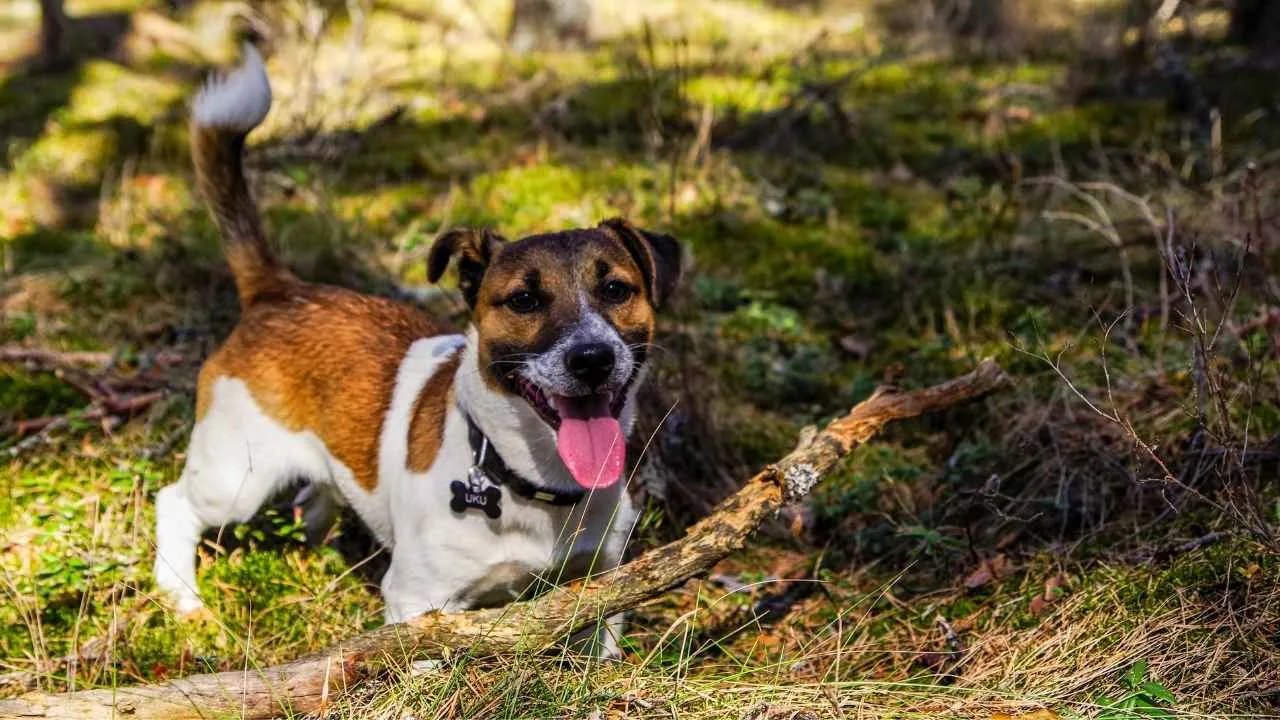
Don’t underestimate the determination of this small and agile dog. It was bred for fox hunting and follows foxes both above and below ground, a feat that large dogs can’t manage.
Its little body, powerful jaws, keen expression, and courageous nature are a testament to its original function. It was expected to go into the underground passage when a fox went missing in the den, find it, and bark to help bring the fox back.
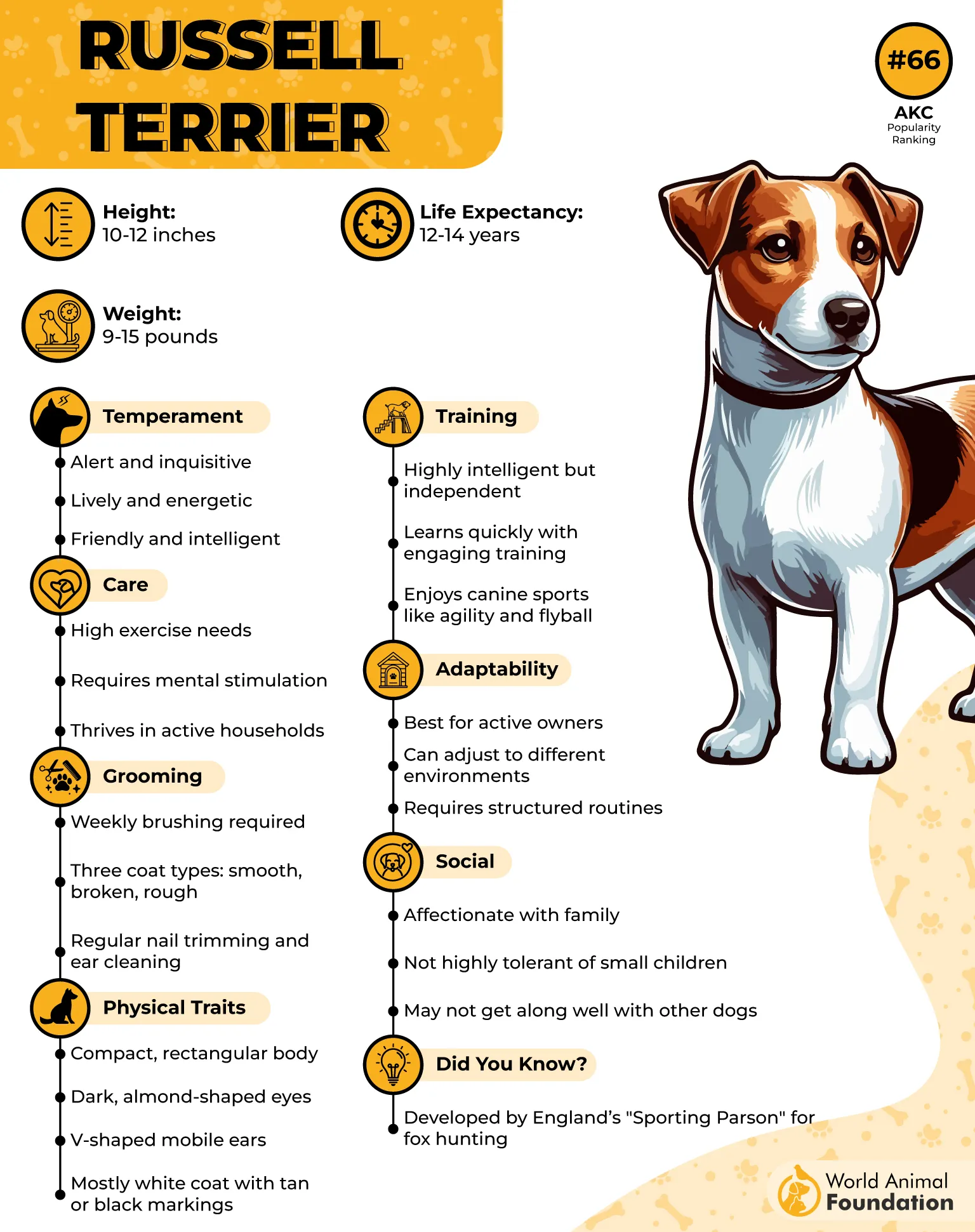
These dogs are enthusiastic because of their history. They become very interested in a garden mole or in an odor under the ground. They will chase birds, rodents, and moving objects with little to no hesitation.
They are suited to well-planned games that test their instincts, such as scent work, puzzles, and supervised digging. Training needs to be consistent, especially when you are teaching them to behave nicely when approached or in the vicinity of a smaller animal.
7. Siberian Husky
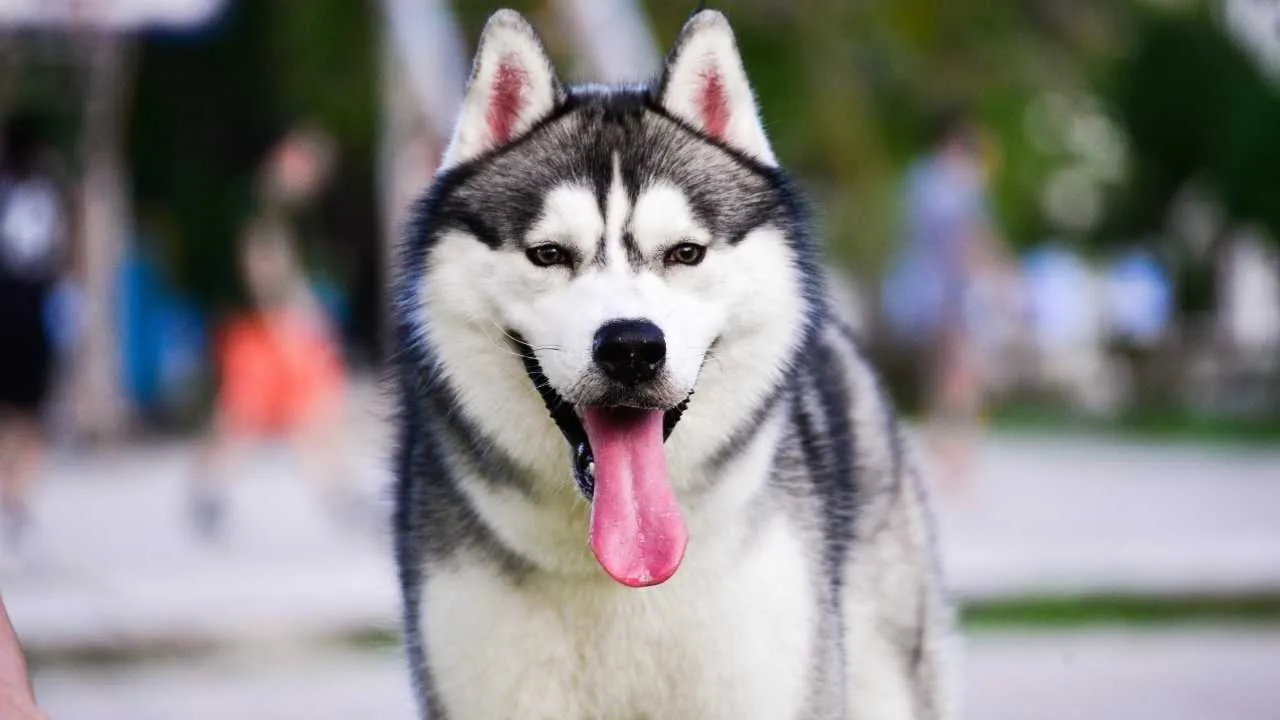
The Siberian Husky’s prey drive has been bred into it quite differently compared to other hunting breeds. The Chukchi people of Asia bred this dog, and it was valued as a member of a working team to pull light loads over great distances of frozen ground.
Their most famous occupation was sled-pulling, but their northern upbringing and background also allowed them to pursue small animals when needed. Many modern Huskies have a keen desire to stalk animals, especially small game.
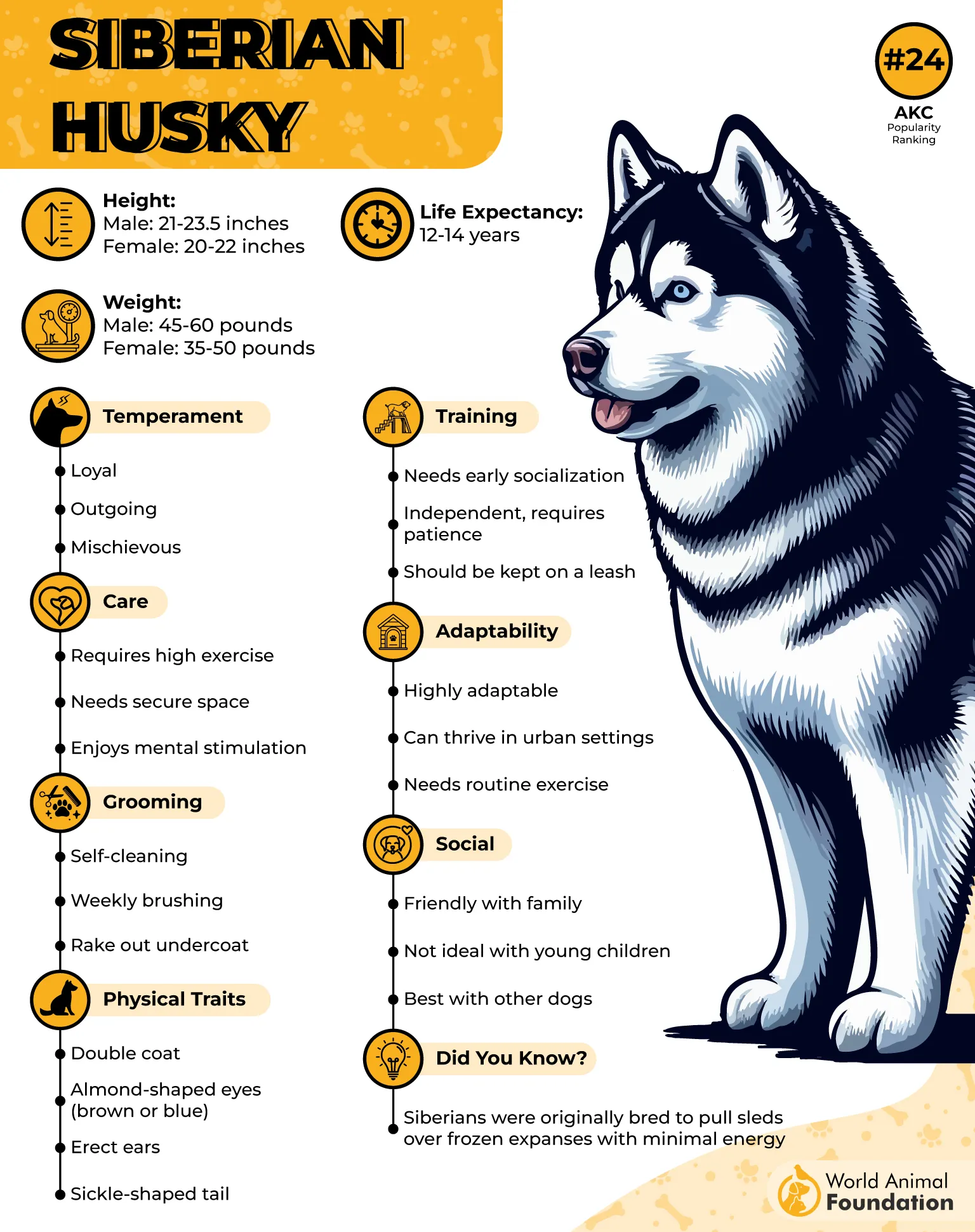
Huskies are usually good-natured towards other dogs, but may not be suitable to keep around smaller pets if they don’t like them. Reliable fencing, management, and supervised introductions are all necessary.
While they can be valuable family pets and friends, they may not be good additions to multi-pet households. It is the owner’s responsibility to ensure adequate exercise and mental stimulation, but not necessarily off-leash freedom in unsecured areas.
Conclusion
A prey drive does not simply equate to dogs chasing animals. It is a set of inherited behaviors, developed through many generations of selective breeding.
These distinctions between different hunting breeds are important when considering which dog to adopt. While the history of a breed may provide clues to their temperament and training needs, the environment will also have an effect on their behavior.
It’s much more beneficial to understand all the aforementioned instincts before categorising a dog as high or low prey drive. Dogs can live full and happy lives without endangering other animals with the right supervision, safe environments, and activities that bear their naturally developed abilities.
