




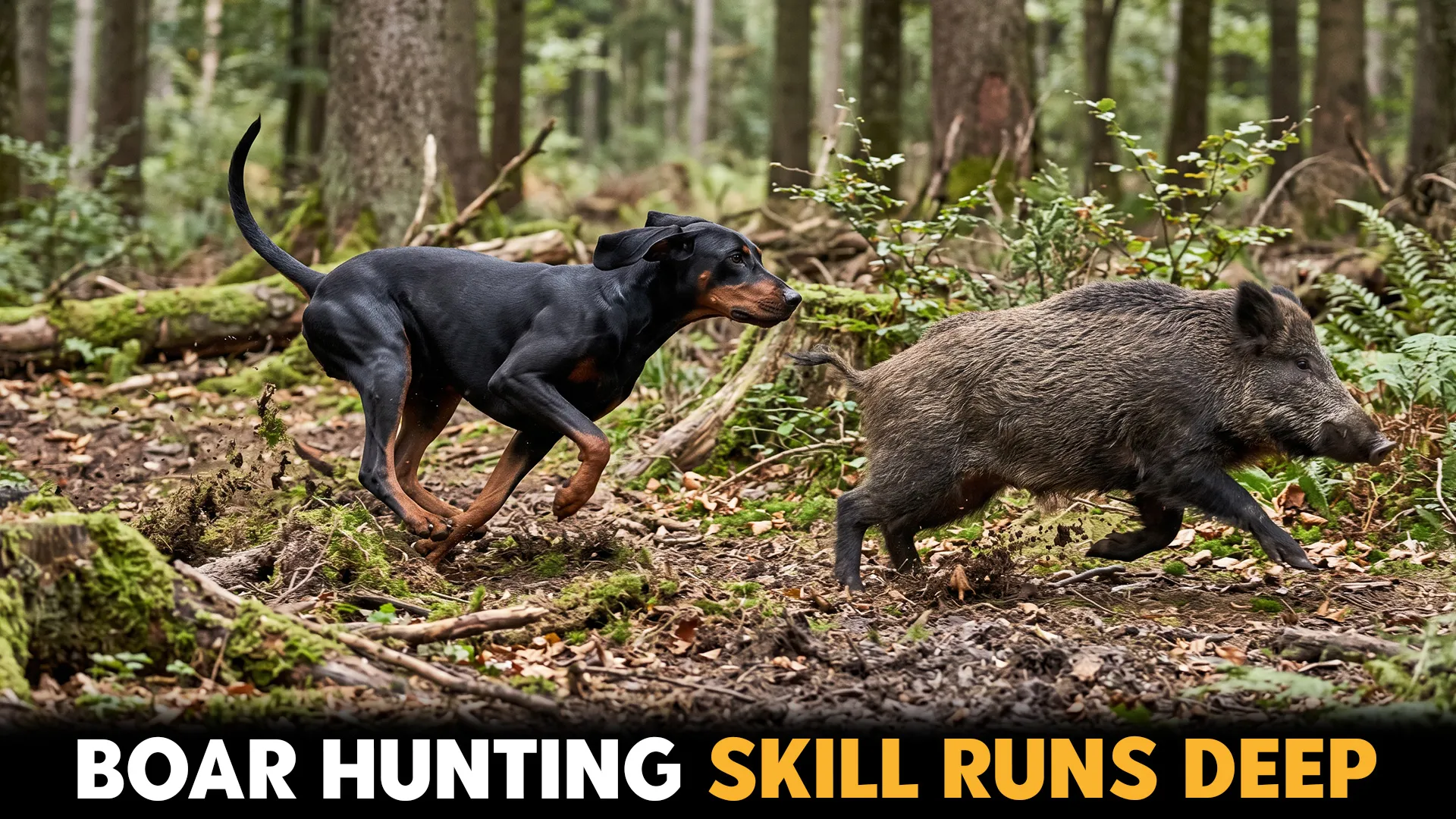
The trail begins with a faint scent along the edge of a wooded slope. A hunting dog lowers its nose, checks the ground, and follows the trail into thicker cover.
The hunter watches closely as the dog works through fallen branches and uneven soil, relying on its nose to make sense of the surroundings. Somewhere ahead, a wild boar may be moving through the undergrowth, leaving a scent trail that demands patience and concentration to follow.
Moments like these explain why boar hunting places such specific demands on working dogs. A strong nose helps locate the trail, stamina supports a prolonged search, and a steady temperament matters when the situation becomes unpredictable. Different breeds approach the task with different combinations of these qualities.
Here, readers will discover the leading boar hunting breeds and the skills that shape their work.
Key Takeaways
Boar hunting takes a dog with a sharp nose, plenty of stamina, and the courage to keep working through thick woodland. Each breed brings its own strengths to this demanding job.
The Transylvanian Hound has a history stretching back more than 1,000 years, while the Black and Tan Coonhound can follow scent trails that have grown cold.
Mountain Curs tackle steep slopes and heavy brush, and Catahoula Leopard Dogs are known for cornering stubborn hogs until their handlers arrive.
The remaining breeds have their own hunting skills and surprising histories, including a dog once bred to pursue bears in Argentina. Keep reading to see which other breeds make this list.
Top Dog Breeds with Unmatched Boar Hunting Skills
1. Transylvanian Hound
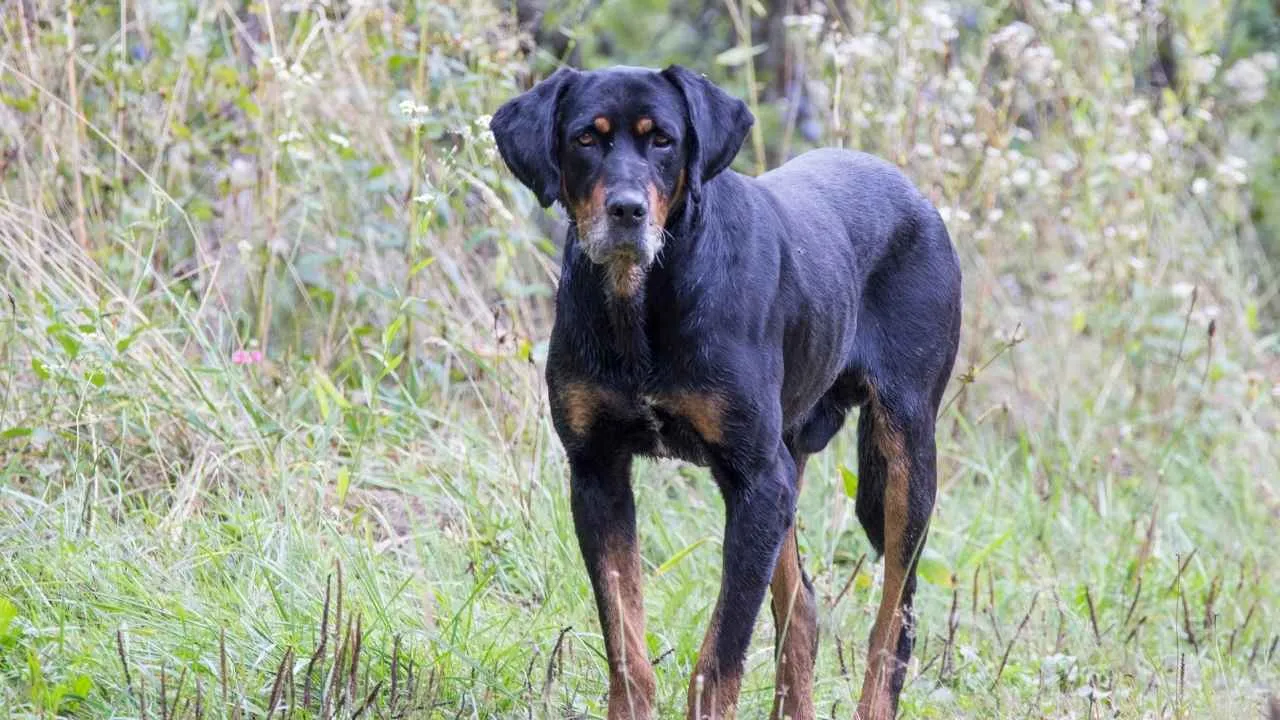
Transylvanian Hound has a lineage stretching back more than 1,000 years, with its ancestors believed to have arrived with the Magyars in the Carpathian region.
During the Middle Ages, Hungarian aristocrats prized this hound for its disciplined hunting work, before 20th-century conflicts pushed the breed close to extinction.
Nose on the Trail
This hound relies on its powerful sense of smell to follow wildlife through wooded hills, where scent can remain useful long after an animal disappears from view.
Its long-striding build supports hours of tracking, while a resonant bay helps hunters locate the dog across dense forest.
These features make its fieldwork especially distinctive:
Dense coat that dries quickly after wet woodland hunts
Tough feet suited to rocky ground and snow
Methodical searching that helps recover a fading scent trail
Focused Outdoors
Transylvanian Hound may seem composed at home, then become intensely focused once a scent catches its attention. Its strong prey drive can send it following wildlife trails, so secure fencing and long-line practice are important when working on recall and control.
2. Black And Tan Coonhound
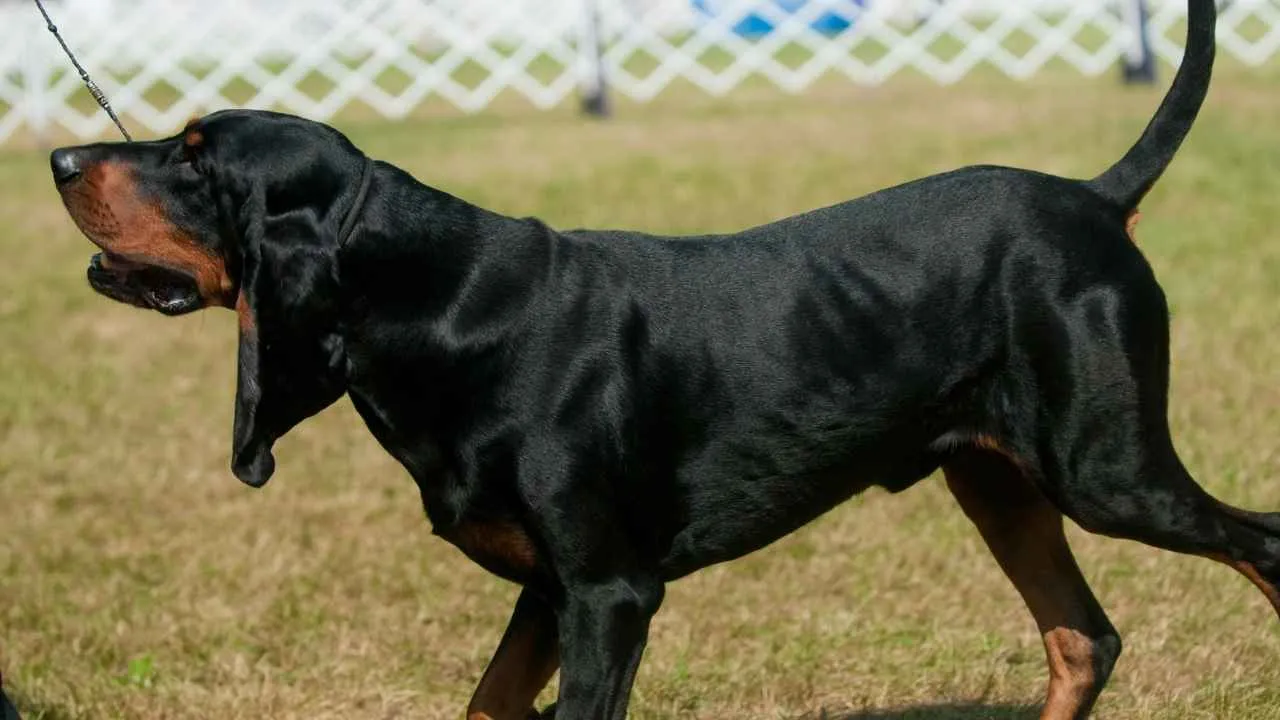
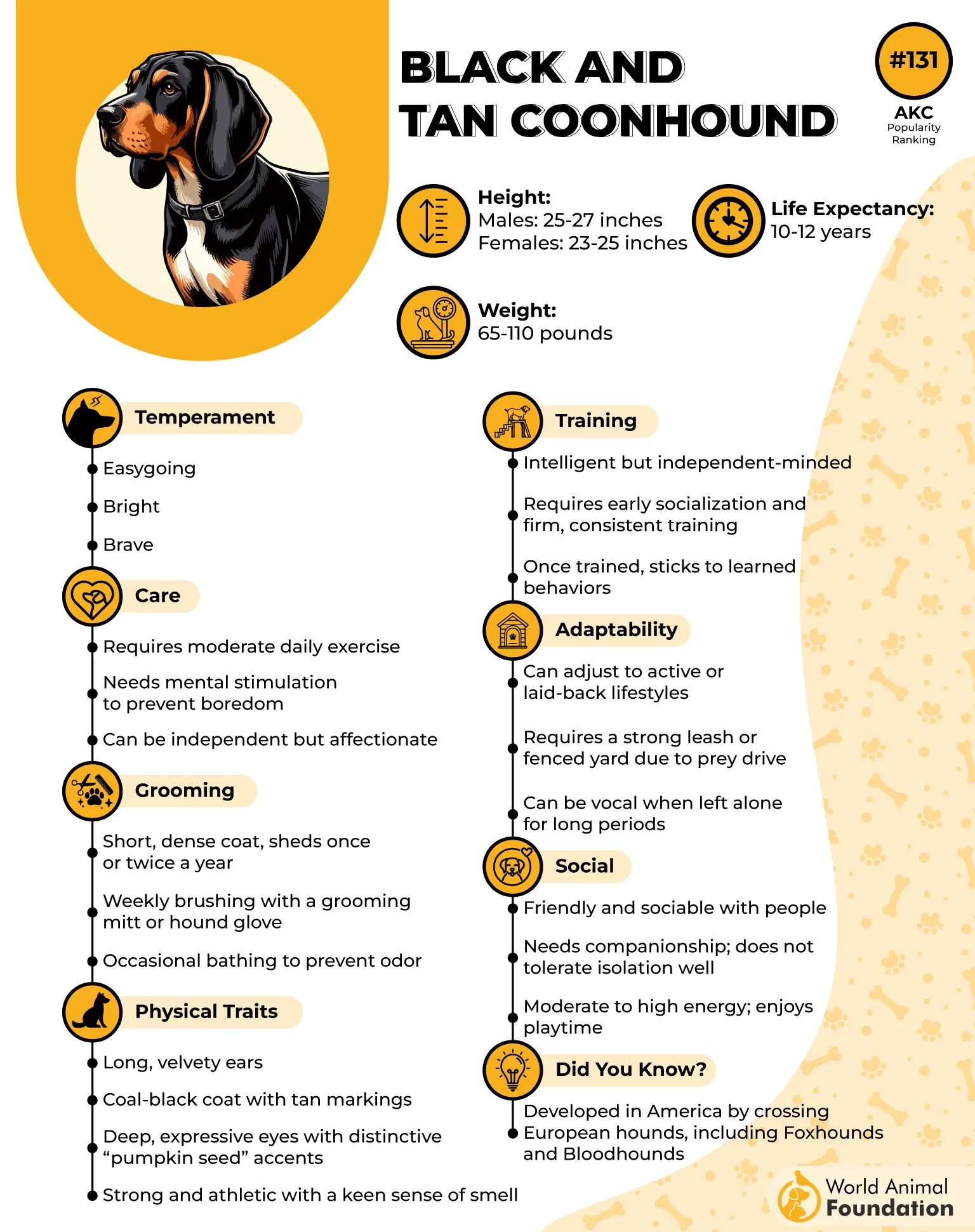
Black and Tan Coonhound took shape in the United States around the turn of the 20th century, with ancestry linked to the Bloodhound and Black and Tan Virginia Foxhound. Hunters valued this American scent hound for tracking raccoons and pursuing larger game, including bears and deer.
A Nose That Persists
Black and Tan Coonhound can follow an aging scent trail that other dogs might struggle to locate, a skill often described as having a “cold nose.” Its long ears, loose skin around the head, and powerful sense of smell help it work methodically through wooded terrain.
Three details reveal how it follows a trail:
Sweeps back and forth to relocate lost scent
Switches from long bays to sharper barks when game is treed
Uses distinct calls to communicate with hunters across the woods
Independent Tracker
Black and Tan Coonhound can become so absorbed in an interesting scent that it ignores familiar cues, making reliable off-leash recall difficult.
Its independent streak can also complicate training, so early socialization and consistent obedience practice are especially important, as Hills Pet stated.
3. Mountain Cur
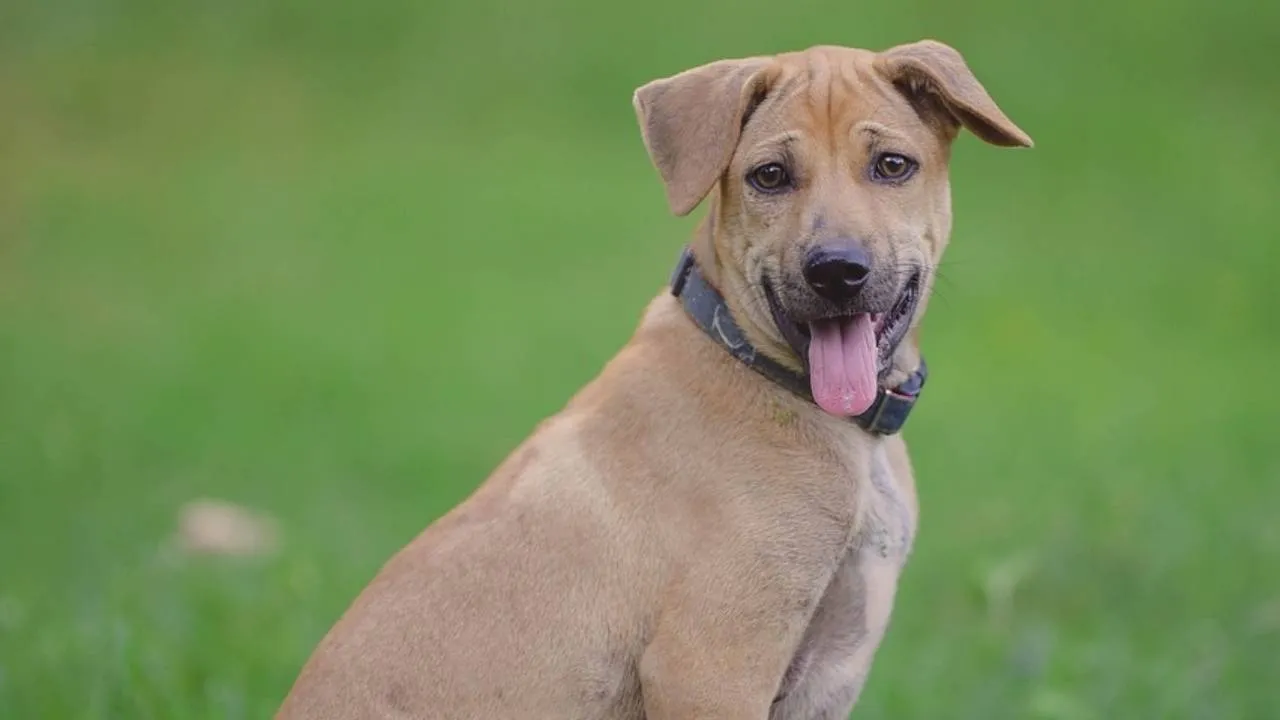
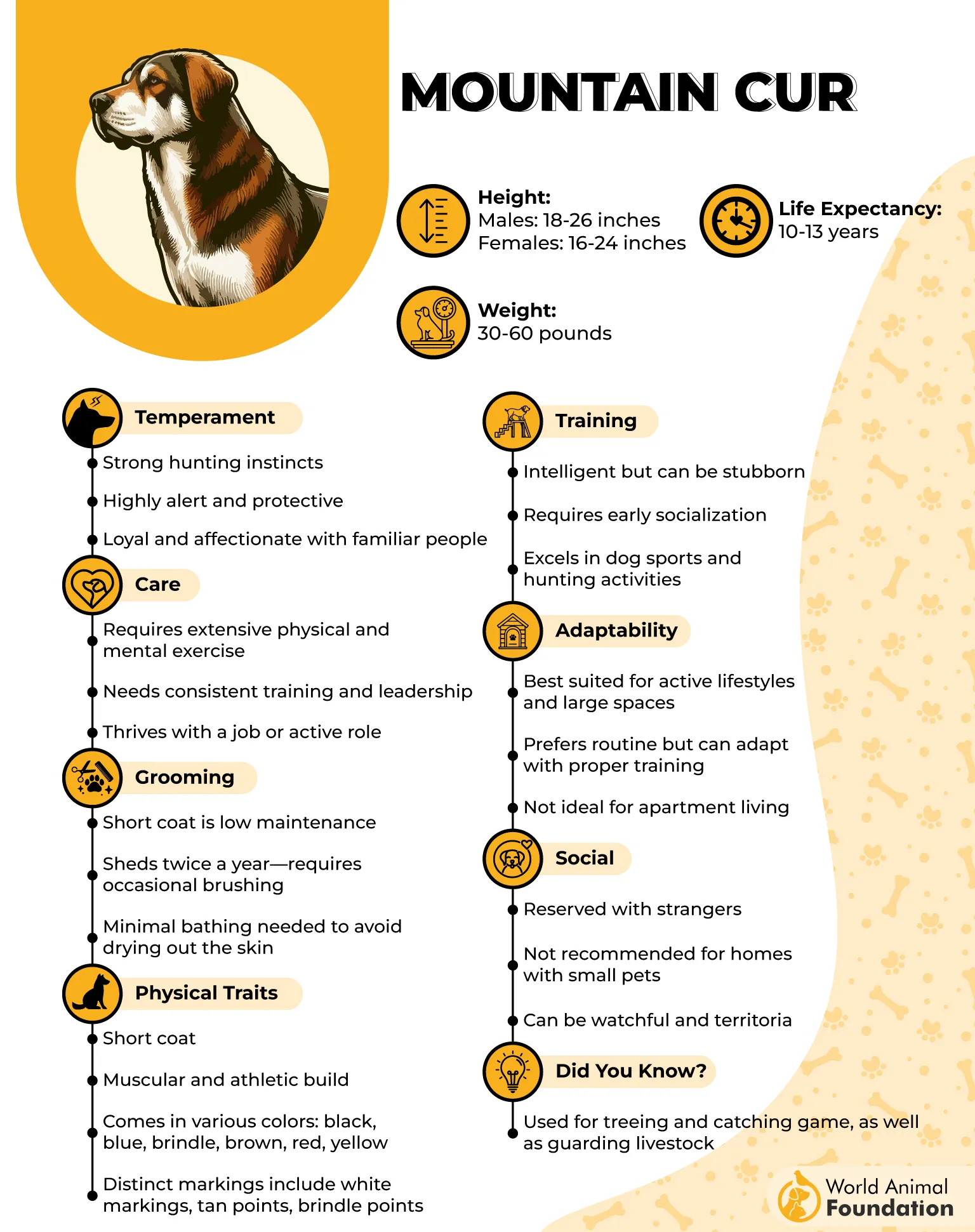
Mountain Cur became an important working dog for European settlers in North America’s mountainous frontier regions, where families relied on dogs for hunting and farm duties. Their work included pursuing rabbits, squirrels, and wild boar, and driving small game up trees using a technique called treeing.
Tracking Through Thick Woods
Mountain Cur uses ground scent, wind, and terrain features to locate game in dense woodland, where visibility can be limited. During boar hunts, its stamina and muscular hindquarters help it handle steep slopes, sharp turns, and heavy brush over long working periods.
These working abilities are especially relevant in the field:
Persistent barking to hold treed game
Loud baying to pressure and contain prey
Strong feet suited to rugged ground
A Bold Working Nature
This treeing dog is intelligent, eager to please, and often deeply devoted to its household, though it can become wary of unfamiliar people, per the AKC. Its short, dense coat sheds woodland debris readily and dries faster after wet brush work than a long, heavy coat.
4. Catahoula Leopard Dog
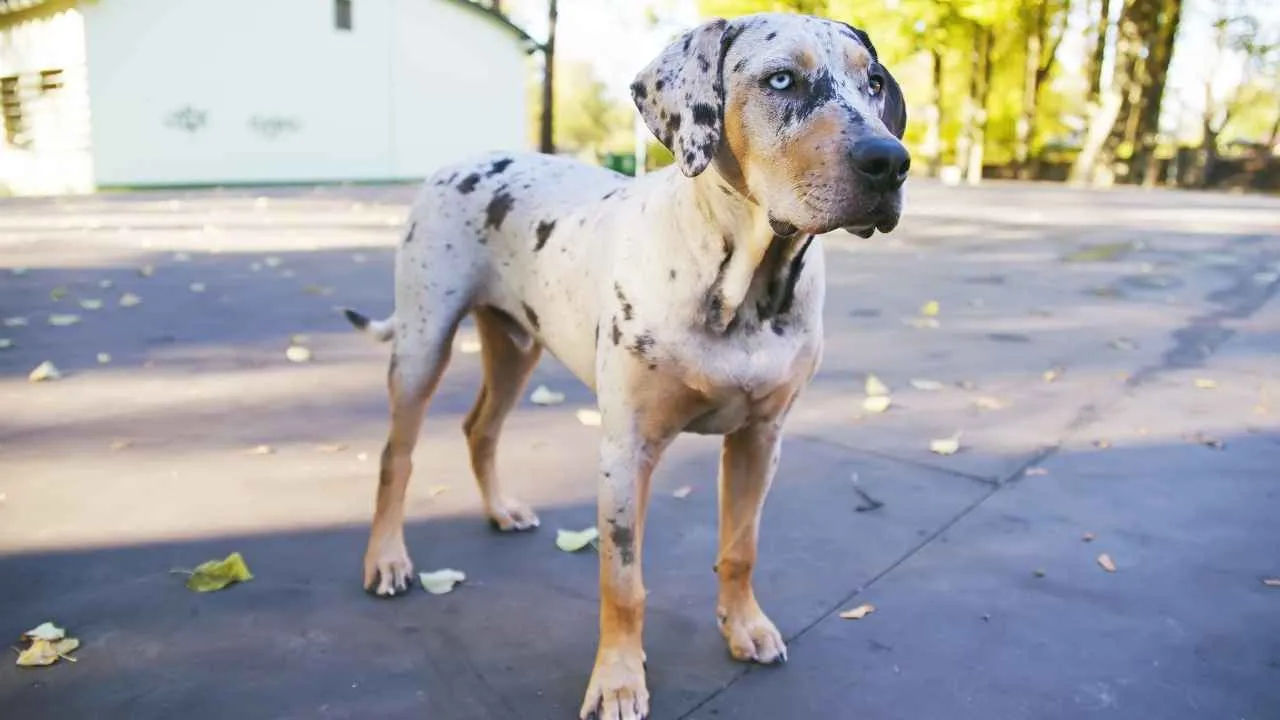
Catahoula Leopard Dog has deep ties to Louisiana, where early dogs were used to hunt wild hogs and herd cattle roaming across difficult terrain. Its ancestry remains debated, with theories linking Native American dogs to Spanish explorers’ dogs and later French hounds brought to the region.
Built for Hog Work
A muscular frame, powerful shoulders, and strong hips help the Catahoula handle sudden turns and close encounters with stubborn hogs.
Its short, tight coat also sheds mud and burrs more easily than longer fur, a practical advantage in Louisiana’s wet, humid hunting grounds.
The following working details add to its hunting style:
Webbed paws suited to muddy ground
A loud baying voice used during catch work
The instinct to corner quarry until the handler arrives
A Nose That Persists
This best dog breed can follow fresh hog scent with determination, using its nose to track signs through dense vegetation and challenging ground. During cattle work, it may also use its chest and shoulders to apply pressure, helping direct livestock instead of relying only on wide circling movements.
5. Weimaraner
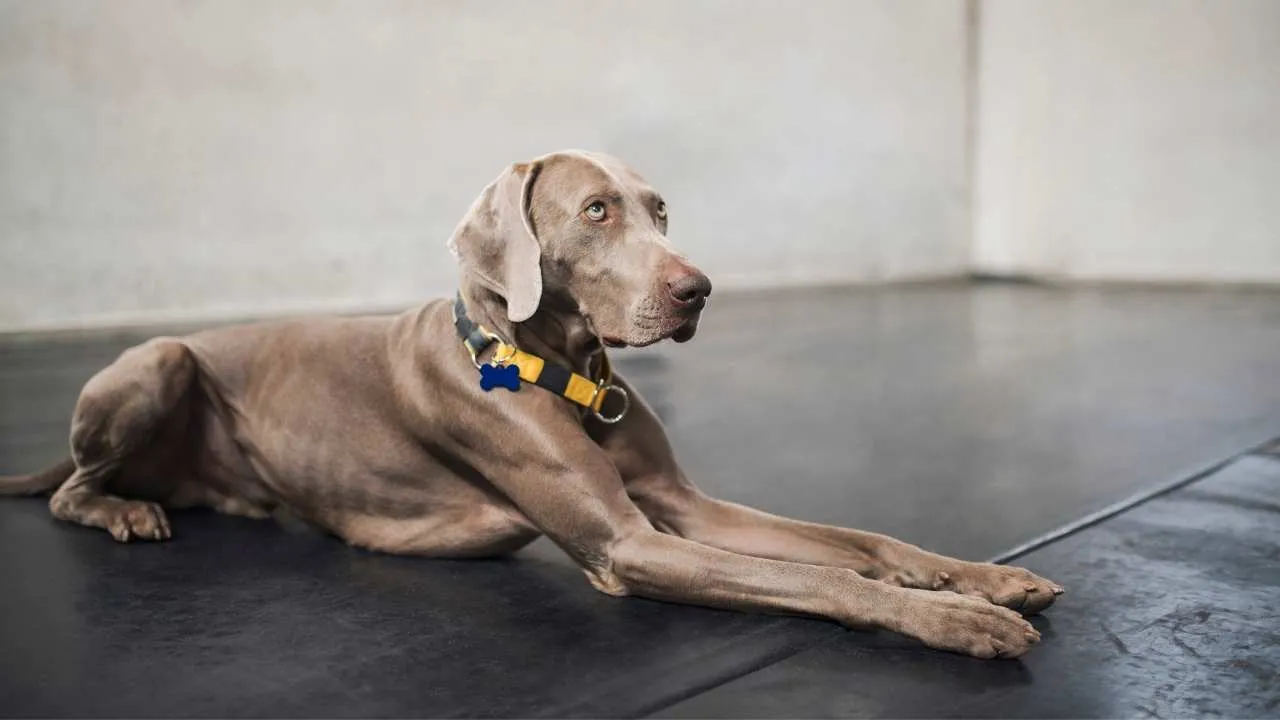
Weimaraner was originally bred in 19th-century Germany, where hunters sought an all-purpose gun dog capable of pursuing game ranging from deer to bear. Bloodhounds, Schweisshunds, and other pointer breeds contributed to the lineage behind the modern Weimaraner.
Built for the Chase
Weimaraner’s athletic frame and efficient stride help it cover long distances while tracking game across demanding hunting seasons.
Its keen sense of smell supports sustained searches, while its short, dense coat dries quickly after wet retrieves in cool conditions.
Three features deserve particular attention:
Webbed toes that can assist with swimming
A natural retrieving instinct suited to fetch and tug games
A handler-focused temperament that supports complex training tasks
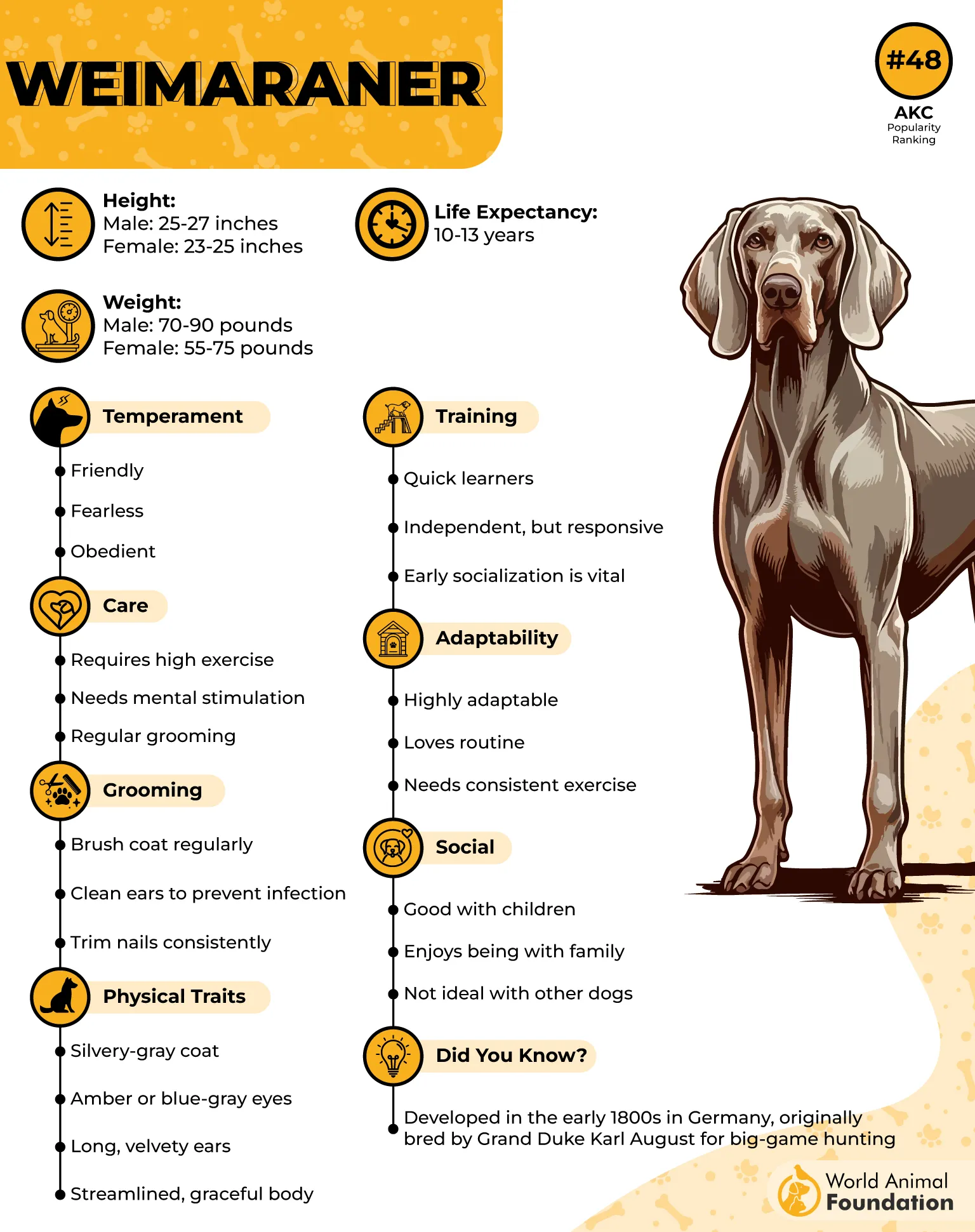
Always on the Go
Weimaraner often follows its favorite person from room to room and seeks regular interaction throughout the day. Without enough activity or training, boredom may lead to chewing, digging, or barking, while its energetic, sometimes willful nature can make consistent handling essential.
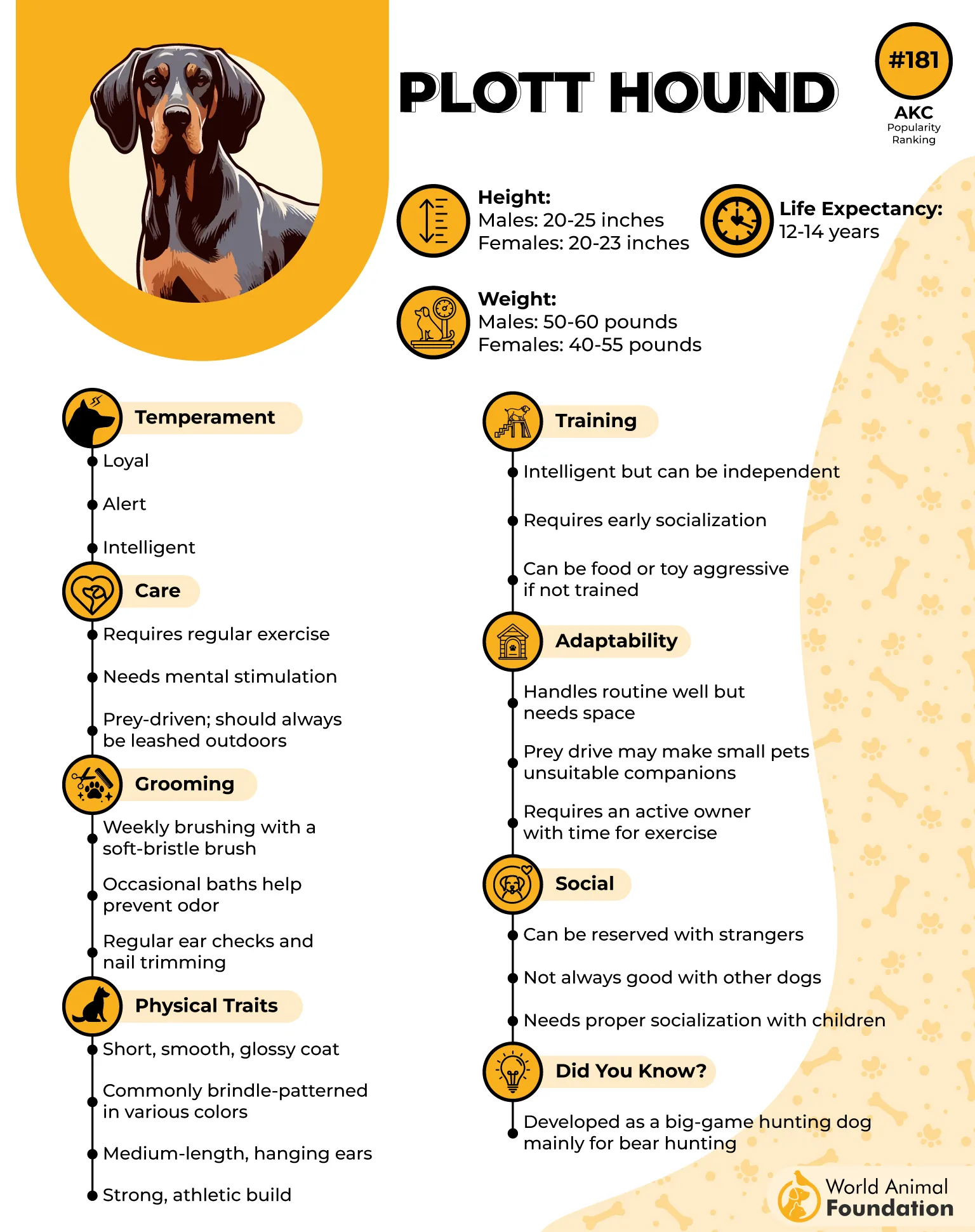
6. Plott Hound
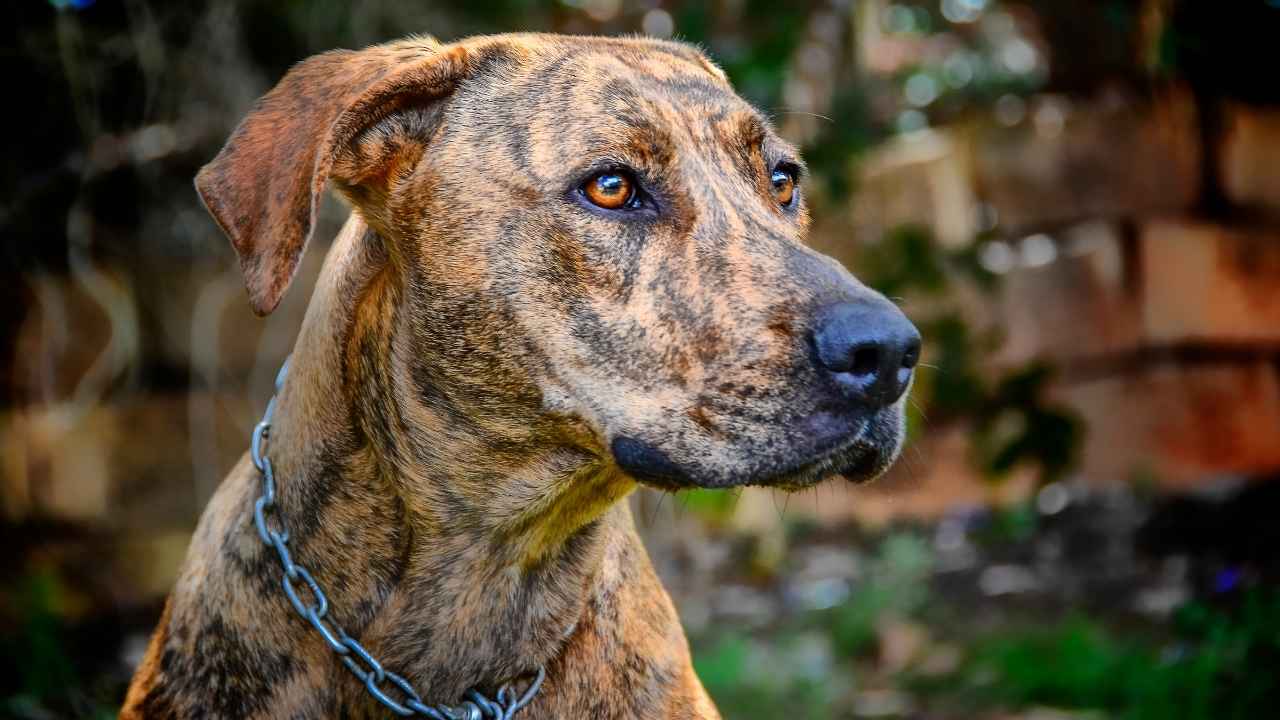
Plott Hound traces its American beginnings to the mid-1700s, when Johannes Plott arrived in North Carolina with five Hanover Hounds from Germany.
His family crossed these dogs with local hunting dogs, producing a line suited to pursuing large game, including wild boar and bears.
Nose on the Trail
Plott Hound can follow older scent trails through rugged ground, using its powerful nose to relocate a track when the trail becomes difficult to follow. Its endurance and sure-footed build help it cover mountainous terrain and thick woodland during prolonged hunts.
The breed’s specialized hunting style is reflected in these traits:
Deep, musical bays that travel across dense forests
Side-to-side scenting to recover lost trails
Coordinated work with other hounds during a pursuit
Focused and Independent
This hunting companion can become so absorbed in an animal’s scent that it pays little attention to surrounding distractions, making reliable recall training especially important.
Its strong prey drive may also prompt a chase after rabbits or squirrels, while unfamiliar people can initially receive a cautious greeting.
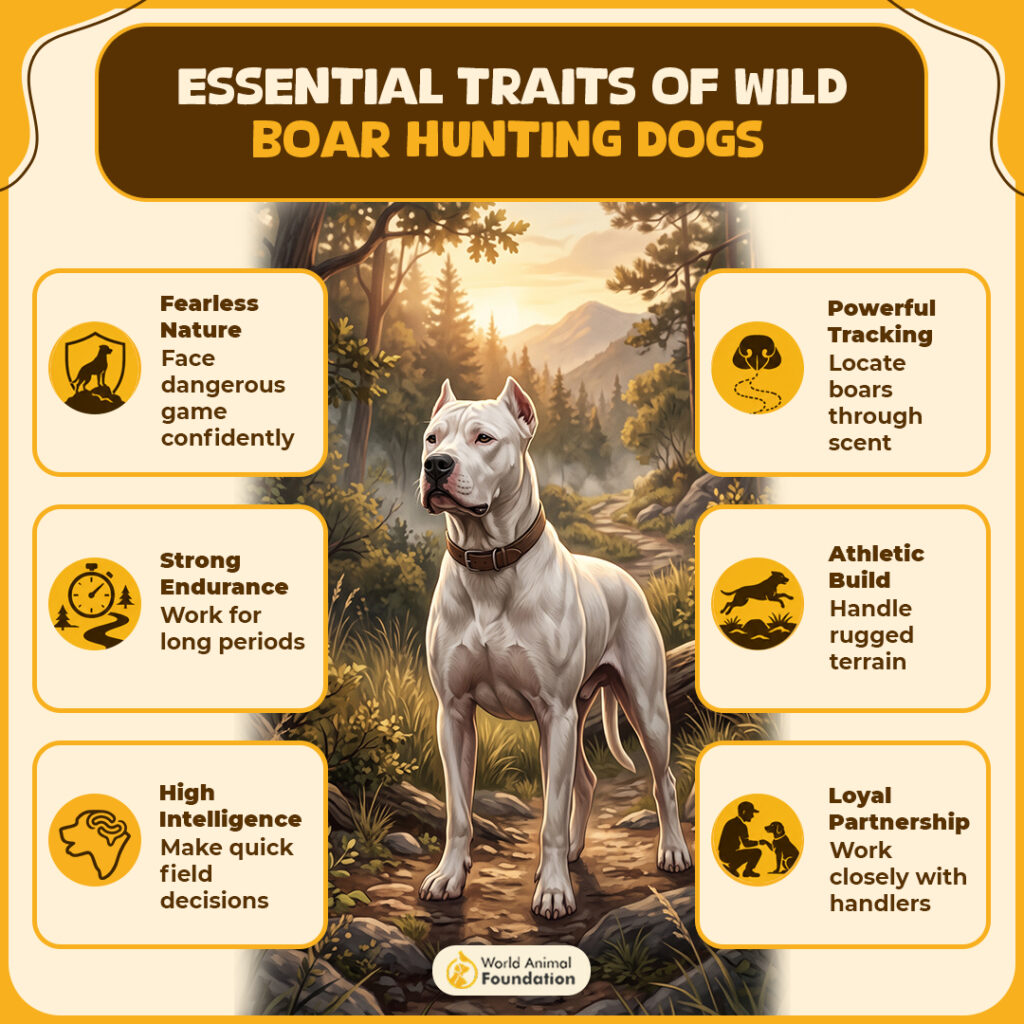
7. Dogo Argentino
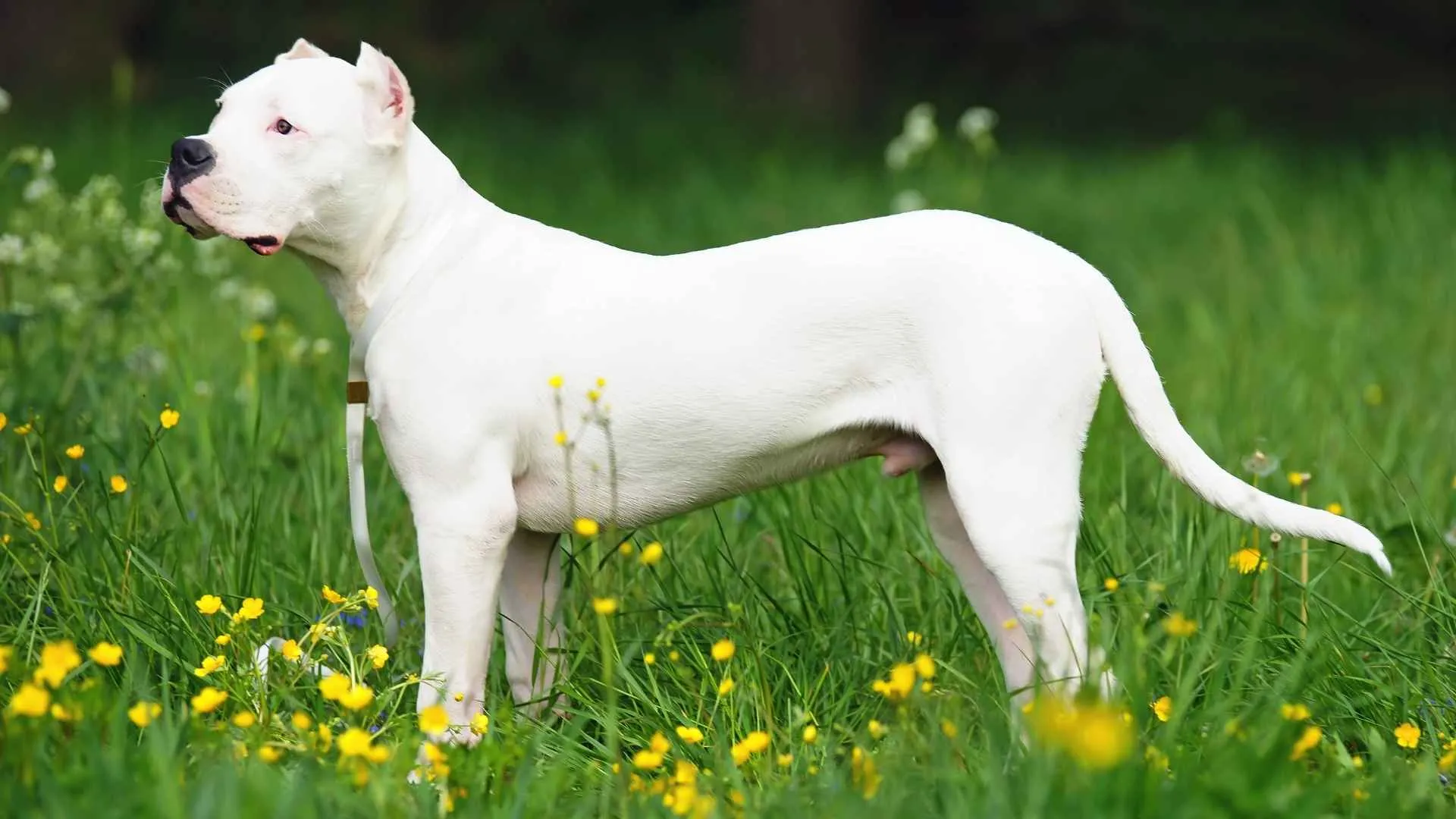
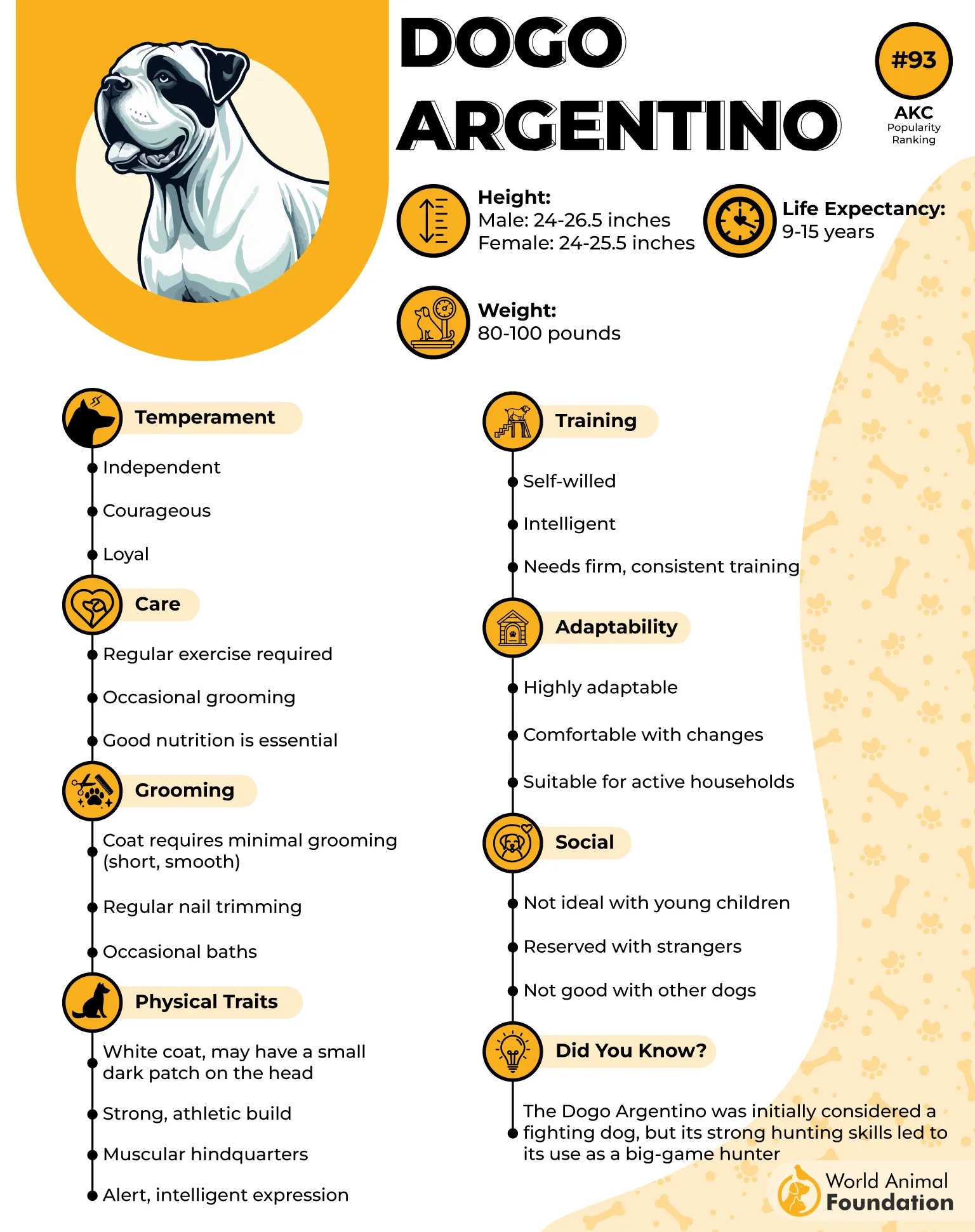
Dogo Argentino originated in Argentina in 1928, when Dr. Antonio Nores Martinez began crossing the now-extinct Cordoba fighting dog with several breeds, including the Boxer, Great Dane, Bull Terrier, and Pointer. His aim was to create a powerful dog suited to demanding hunting work in the Argentine wilderness.
Built for the Catch
During boar hunts, Dogo Argentino relied on its keen scenting ability, muscular frame, and courage to pursue and hold large prey, often working alongside other dogs. Its broad head and powerful neck and shoulders helped it control struggling animals at close range.
Physical features that relate directly to this working role:
Short, tight coat that reduces snagging in dense brush
White coloring that helps hunters spot the dog in thick vegetation
Athletic build suited to explosive bursts of speed
Power Needs Direction
This breed can be affectionate and sociable with familiar people, while unfamiliar visitors and animals may require careful introductions. Early socialization, reliable obedience, and controlled interactions with other dogs are important given its strength and tendency toward vigorous physical play.
8. Airedale Terrier
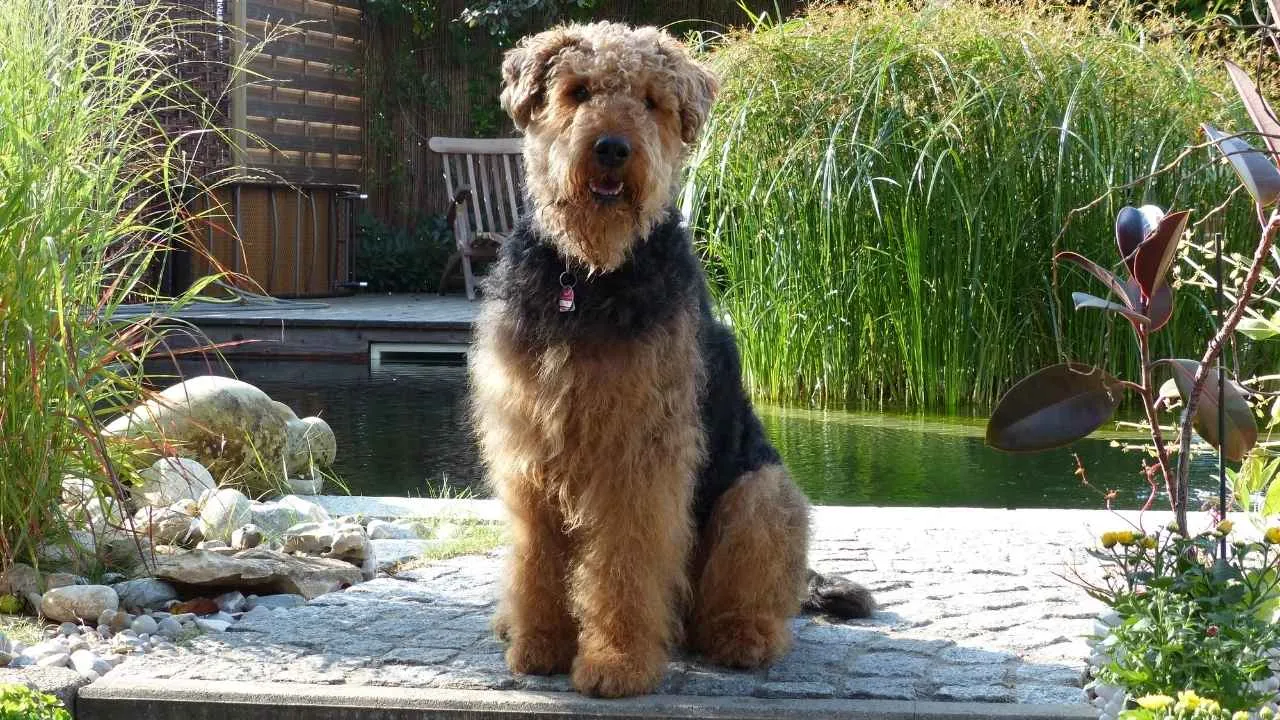
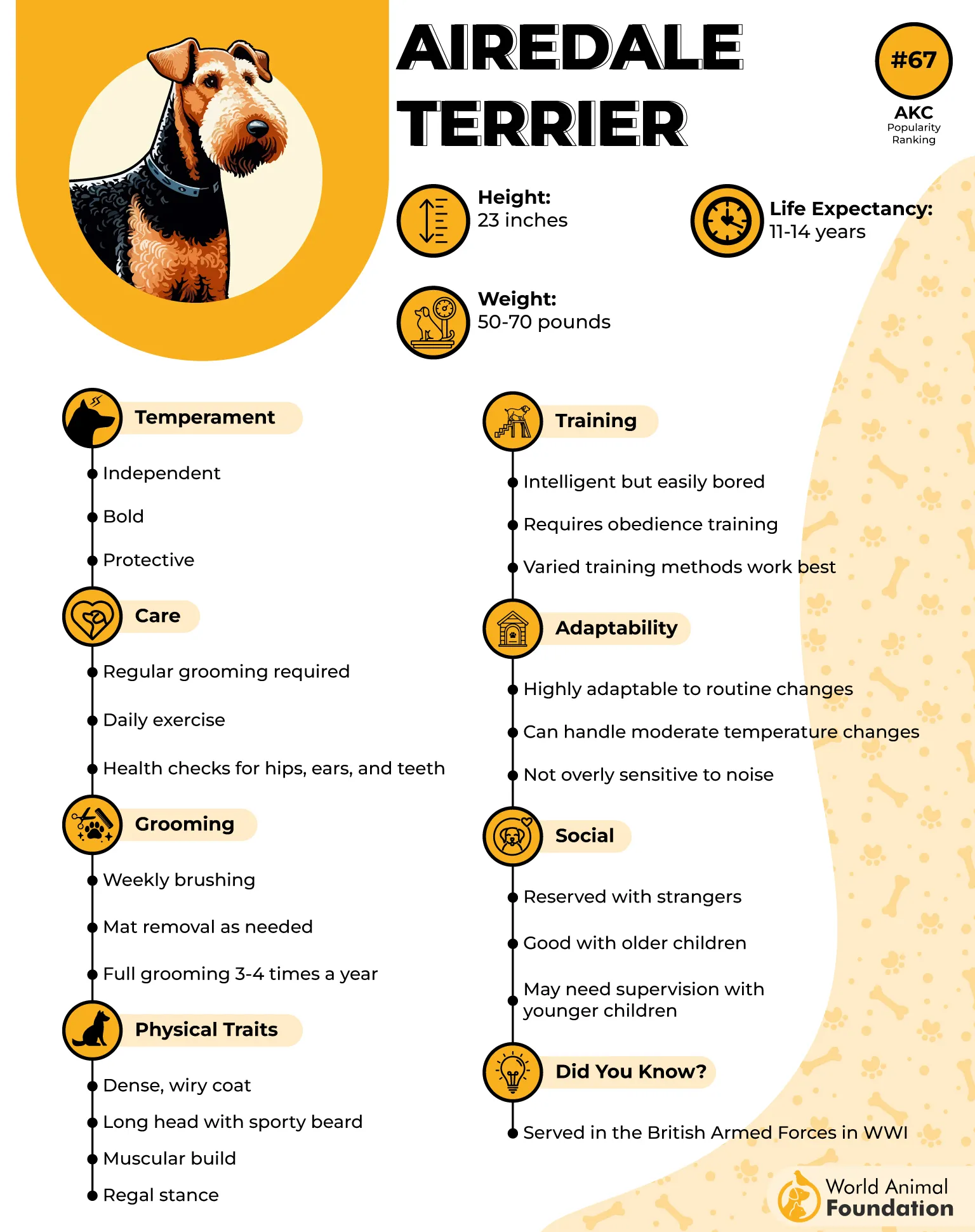
Airedale Terrier earned its title as the “King of Terriers” through its work in Yorkshire, where hunters used it to pursue foxes, rats, and otters.
During the 1800s, crosses with Otterhounds improved its scenting ability around water, and the breed was initially called the Bingley or Waterside Terrier.
Made for Dense Cover
Otter hunting called for a dog that could follow scent through wet ground and push through tangled vegetation without losing its working pace. The Airedale’s harsh outer coat, insulating undercoat, and athletic build help protect it while working through brush and uneven terrain.
Here are the features that become useful in the field:
Rough topcoat resists abrasion and dampness
Beard and eyebrows protect the face from dirt and brambles
Long legs and an athletic build support activity on varied terrain
Independent by Nature
This working breed needs purposeful activity and can become destructive when boredom sets in, with chewing, barking, and digging among the possible behaviors.
Early socialization and reward-based training help channel its independence, while its alertness can make it a reliable watchdog around the home.
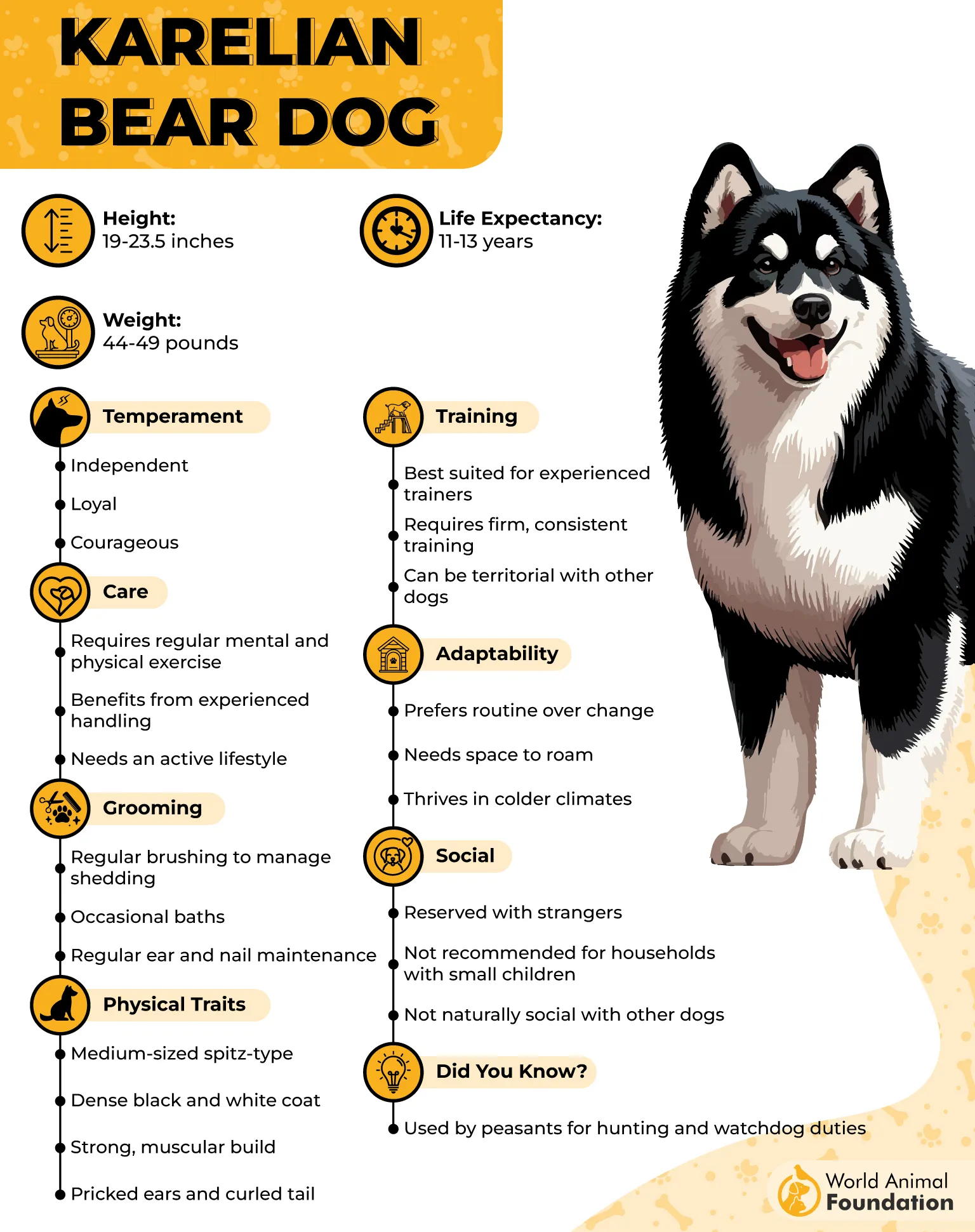
9. Karelian Bear Dog

Karelian Bear Dog shares ancestry with the now-extinct Komi dog, although its exact origins remain uncertain. Evidence points toward northwestern Europe, where Finnish and Russian farmers and hunters valued this breed for its ability to pursue game through demanding country.
A Bold Hunting Partner
This canine companion has also taken on modern wildlife-protection work. In Washington state, the Department of Fish and Wildlife uses these dogs when bears or mountain lions pose a threat to public safety, putting their hunting instincts to a different kind of use.
These details reveal the range of its working abilities:
Used in bear and mountain lion management
Competes in agility and rally sports
Has a strong instinct to chase moving wildlife
Control on the Trail
Karelian Bear Dog needs secure handling outdoors because an interesting scent or passing animal can trigger a chase. PetMD notes that a fenced area for running, along with long walks, hiking, and fetch sessions, gives it suitable outlets, while off-leash outings can be risky because of its strong prey drive.
Conclusion
Wild boar hunting puts a dog’s scenting ability, endurance, and judgment to a serious test. Following a trail through thick brush takes persistence, while steep slopes and uneven ground demand physical fitness.
Different strengths help dogs locate game from a distance through their distinctive calls or use speed and power during the pursuit, supported by highly developed instincts.
These abilities reflect generations of breeding for specific working roles. However, courage alone cannot make the right breed a suitable hunting partner. Training, reliable recall, health, suitable equipment, and careful handling all matter when conditions become unpredictable.
The right breed and suitable equipment help hunters prepare for the demands of working with powerful game.
